













Does a Sauna Help You Lose Weight? The Complete Evidence-Based Guide
What You Need to Know
Saunas can make the scale drop temporarily by causing sweating and water loss, but they do not produce meaningful fat loss on their own. Calorie burn is modest—comparable to light activity—and most weight returns after rehydration. Sauna works best as a relaxation or recovery adjunct, not a weight-loss strategy.
Key Takeaways:
- Most weight lost in a single sauna session is water weight (0.5–1.8 lb typical), which returns when you rehydrate
- Sauna modestly increases energy expenditure—roughly 70–150 calories per 10 minutes in intense protocols, less in typical use
- Small infrared studies suggest possible body-fat reductions over weeks, but evidence is limited and often manufacturer-linked
- Sauna cannot replace diet and exercise for sustainable fat loss; it's at best a minor adjunct
- Important safety risks include dehydration, heat exhaustion, and contraindications for people with heart disease, pregnancy, or certain medications
- Traditional Finnish saunas have stronger independent health data than infrared models
Table of Contents
- What "Sauna Weight Loss" Actually Means
- Do Saunas Actually Help You Lose Weight?
- How Sauna Weight Loss Works (Mechanisms)
- Traditional vs Infrared Saunas for Weight Loss
- How Much Weight Can You Lose in a Sauna Session?
- How Many Calories Does a Sauna Burn?
- Sauna for Short-Term Weight Cuts (Water Weight)
- Sauna vs Exercise and Diet for Weight Loss
- Best Way to Use a Sauna for Healthy Weight Management
- Safety, Contraindications, and Who Should Avoid Sauna
- Sauna Suits and "Extreme" Weight Loss Methods
- Comparison Tables: Decision Framework
- Real-World Numbers That Matter
- Myths and Misconceptions
- Experience Layer: Safe Testing Protocol
- Frequently Asked Questions
- What We Still Don't Know
- Sources
What "Sauna Weight Loss" Actually Means
Before evaluating whether saunas help with weight loss, it's essential to understand what happens physiologically.
Sauna-induced body mass loss is the reduction in body weight that occurs during and immediately after sauna bathing, primarily due to sweating and fluid loss rather than fat reduction (PMC, 2014). This is fundamentally different from fat loss.
Water weight refers to short-term changes in body weight caused by shifts in body fluid levels, which can fluctuate quickly with sweating, salt intake, and hydration (Steam and Sauna Experts, 2023).
Key Ranges and Thresholds
- Typical single-session water loss: 0.2–0.8 kg (0.5–1.8 lb) depending on body size, temperature, and duration
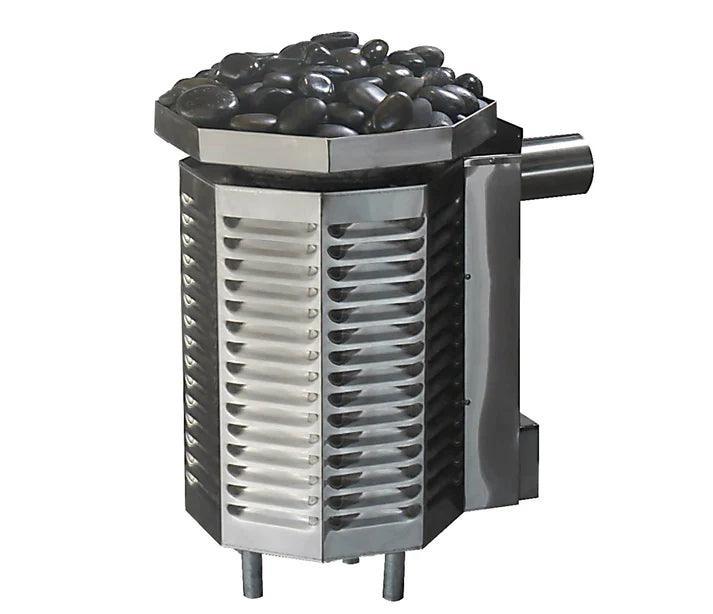
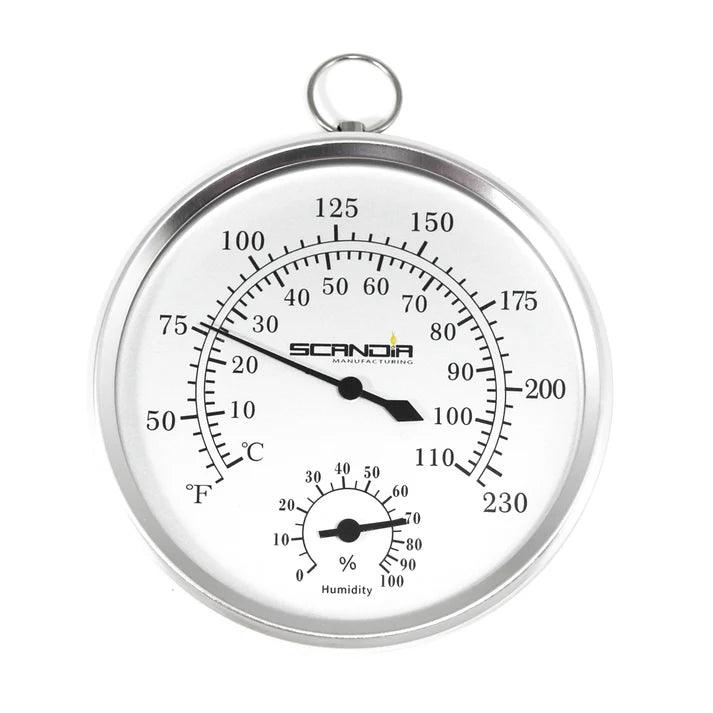
- Traditional sauna temperatures: 70–100°C (160–212°F)
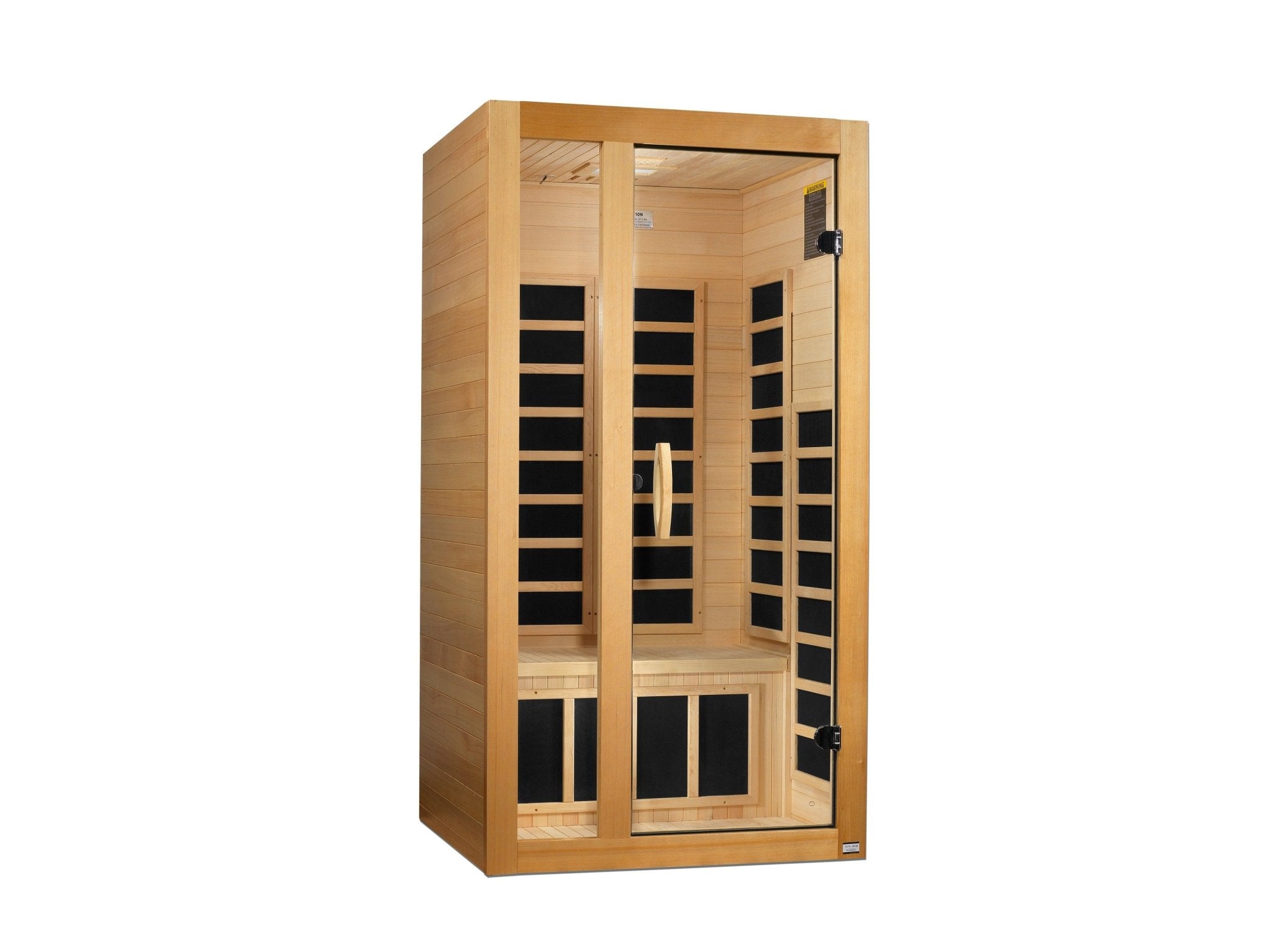
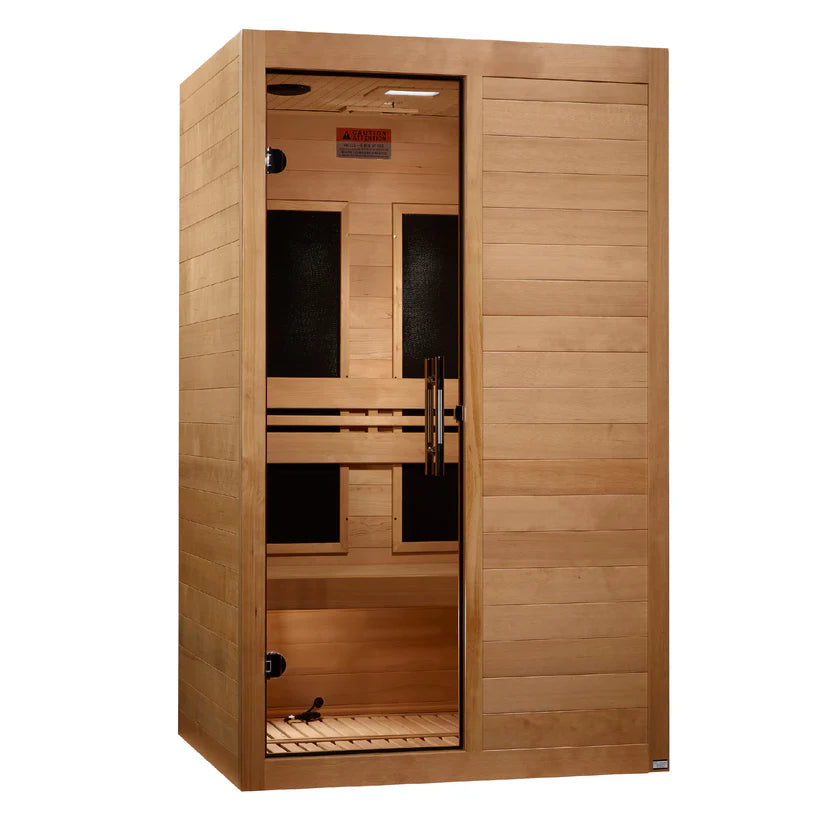
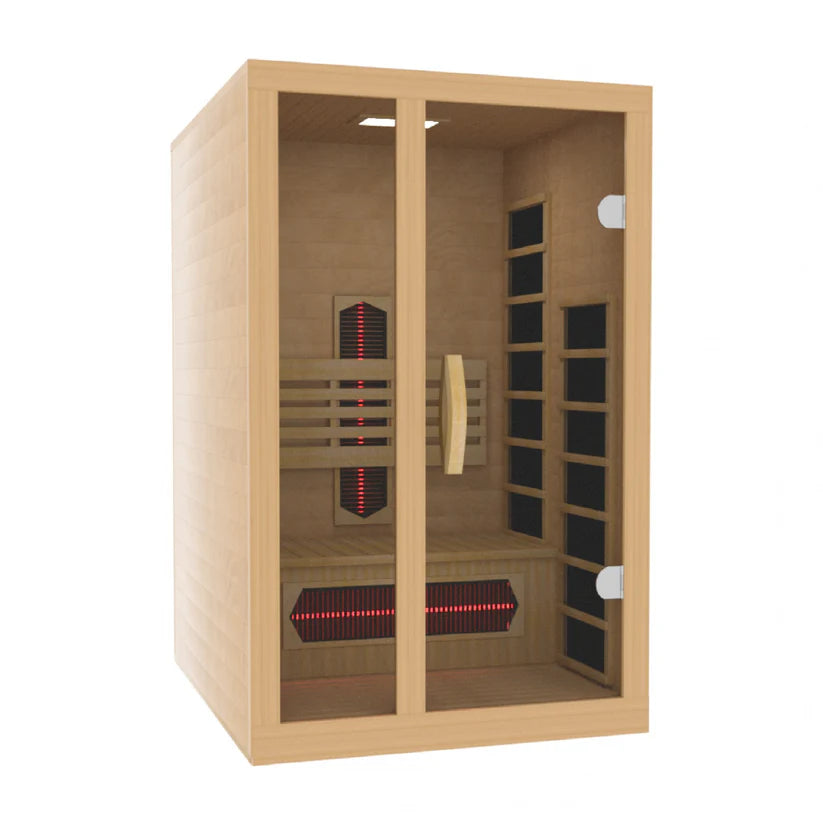
- Infrared sauna temperatures: 43–65°C (110–150°F)
- Recommended session duration: 5–20 minutes for beginners; up to 30–45 minutes for infrared in some protocols
- Safe frequency: 2–3 sessions per week for general health; up to 4–7 for acclimated enthusiasts
The distinction between water weight and fat mass is critical. Fat loss requires a sustained caloric deficit over time, while water loss can occur in minutes but reverses just as quickly with normal hydration and eating.
For those serious about investing in home wellness equipment, understanding these mechanisms helps set realistic expectations about what sauna can and cannot deliver for weight management.
<a id="verdict"></a>
Do Saunas Actually Help You Lose Weight?
The short answer: Saunas cause acute weight loss mainly through sweating and fluid loss, not immediate fat loss. Most or all weight lost in a single session returns after rehydration.
What the Research Shows
Heat exposure modestly increases heart rate and energy expenditure. Some studies estimate tens to a few hundred calories per hour depending on protocol and body size (PMC, 2019; Women's Health, 2025).
One small infrared sauna trial reported gradual body-fat reduction over weeks without diet or exercise changes, but methods and industry involvement limit confidence (Clearlight, 2024; Chill Cryo, 2014).
Overall, sauna is at best a minor adjunct for fat loss; diet and exercise remain primary drivers (Women's Health, 2025; AetherHaus, 2025).
Evidence Strength: Strong for Water Loss, Limited for Fat Loss
Strong evidence supports:
- Acute body mass loss of 0.24–0.82 kg in 20 minutes through sweating (PMC, 2014)
- Weight returning with rehydration (Geyser Steam Room, 2025; Steam and Sauna Experts, 2023)
- Modest calorie expenditure during sessions (PMC, 2019)
Limited or uncertain evidence:
- Direct fat-loss effects from sauna alone (Clearlight, 2024)
- Long-term weight management benefits without lifestyle changes
The 2019 study of overweight, sedentary men found that four 10-minute Finnish sauna bouts in one hour burned approximately 73–134 kcal per 10 minutes, increasing with time. The extrapolated total was roughly 200–400 kcal for the full protocol (PMC, 2019; Women's Health, 2025).
However, Harvard and Mayo-style summaries emphasize that sauna weight change represents temporary dehydration, not fat loss (Steam and Sauna Experts, 2023; Geyser Steam Room, 2025; AetherHaus, 2025).
The Binghamton infrared trial reported approximately 0.25–0.5% body-fat loss per week with frequent use, but the small sample size, proprietary device, and unclear controls limit generalizability (Chill Cryo, 2014; Clearlight, 2024).
<a id="mechanisms"></a>
How Sauna Weight Loss Works (Mechanisms)
Understanding the physiological processes helps explain why sauna isn't a fat-burning shortcut.
Primary Mechanism: Sweating and Fluid Loss
The main driver of sauna weight loss is sweating and transient plasma volume reduction, not direct fat combustion (Geyser Steam Room, 2025; PMC, 2014; AetherHaus, 2025).
When exposed to heat, your body activates cooling mechanisms:
- Sweat glands increase fluid secretion
- Blood flow to skin increases
- Heart rate elevates to support circulation
- Core body temperature rises
This process causes measurable weight loss on the scale, but it's almost entirely water and electrolytes leaving your body through sweat.
Heat Stress and Cardiovascular Effects
Heat stress raises heart rate and cardiac output, mimicking low to moderate intensity exercise and modestly increasing energy expenditure (PMC, 2019; PMC, 2019).
The Finnish cohort data found that frequent sauna use (2–7 times per week, roughly 14–19 minutes per session) was associated with lower cardiovascular and all-cause mortality, though this was observational and not weight-specific (Journal of Applied Physiology, 2023; PMC, 2019).
The 2019 acute physiology trial showed that repeated 10-minute bouts progressively increased energy expenditure (73 → 134 kcal per 10 minutes), especially in heavier participants (PMC, 2019; Women's Health, 2025).
Heat Acclimation: Adaptation Without Fat Loss
Repeated heat exposure can induce heat acclimation—lower resting core temperature, higher sweat rate—and may slightly support metabolic health, but it is not a substitute for physical activity (Journal of Applied Physiology, 2023; PMC, 2019).
Evidence strength: Strong for cardiovascular responses and heat adaptation; Limited for direct metabolic benefits related to fat loss.
Possible Indirect Benefits
Stress reduction, improved sleep, and supporting cardiovascular fitness may make adherence to exercise and healthy habits easier (PMC, 2019; SIU Medicine, 2023). However, these indirect pathways have not been rigorously studied for weight outcomes.
If you're exploring comprehensive wellness solutions, understanding the broader benefits of infrared saunas can help you decide whether a sauna fits your health goals beyond weight alone.
Traditional vs Infrared Saunas for Weight Loss
The type of sauna matters for comfort, session length, and evidence quality—but not necessarily for weight loss.
Traditional Finnish Saunas
Traditional Finnish saunas heat the air to approximately 70–100°C (160–212°F), causing intense sweating and cardiovascular load (Denver Sports Recovery, 2020; PMC, 2024).
Evidence base: Large epidemiologic and cardiovascular outcome data exist mainly for traditional Finnish saunas. The robust Finnish cohort studies link frequent use with lower cardiovascular and mortality risk, though not specifically for weight loss (Journal of Applied Physiology, 2023; PMC, 2019).
Sessions: Typically 5–20 minutes, with some experienced users extending to 30 minutes.
Infrared Saunas
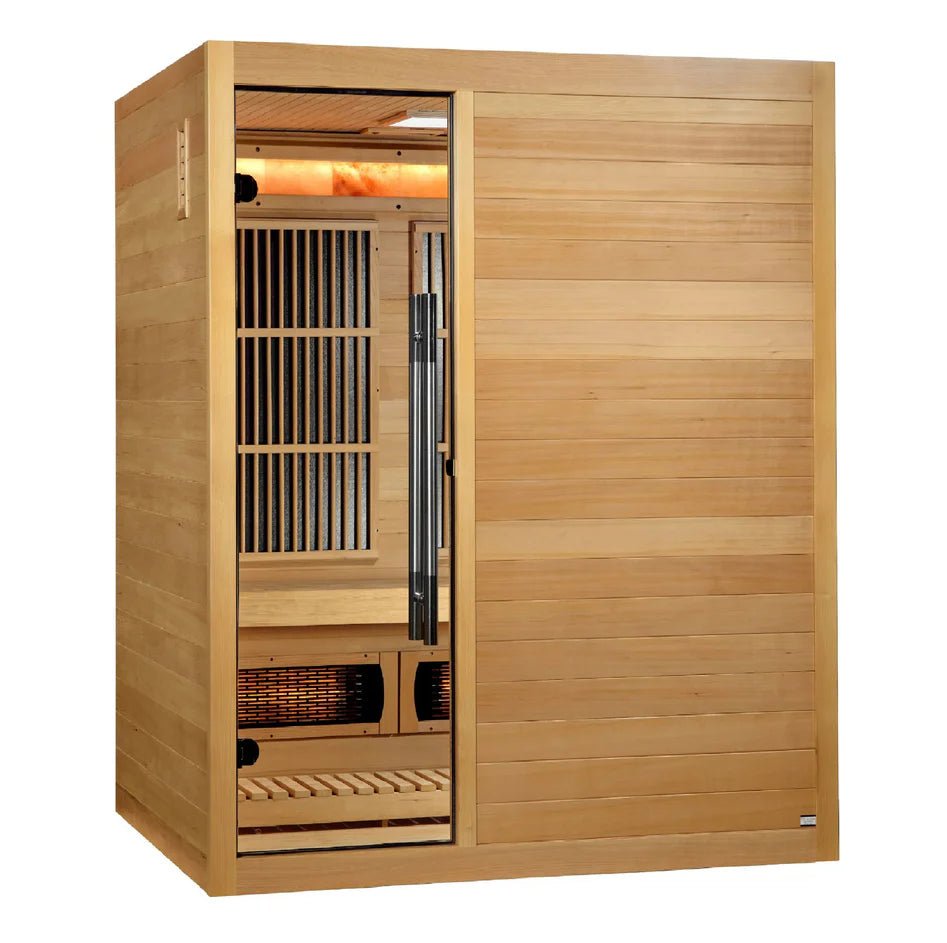
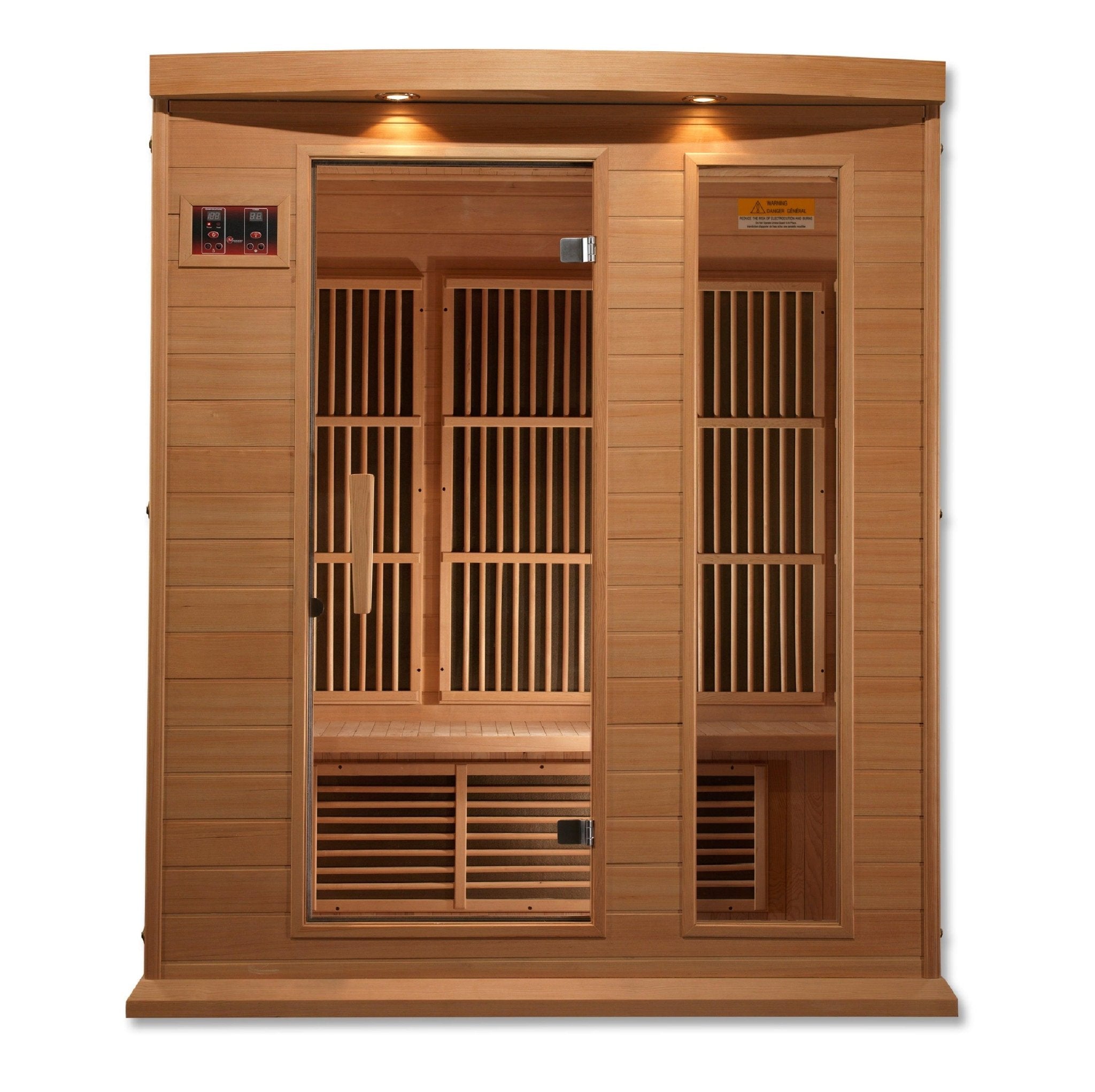
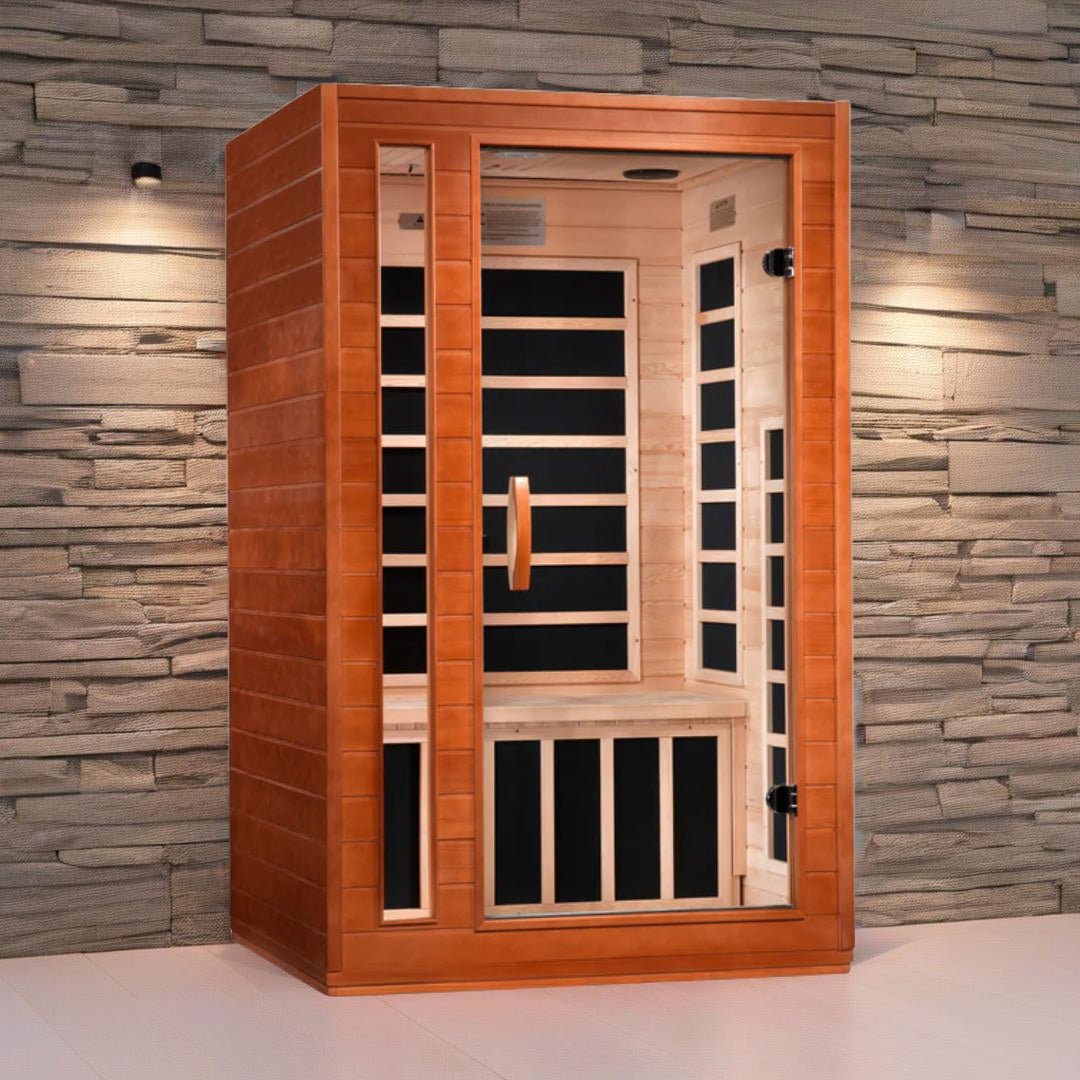
Infrared saunas operate at lower air temperatures—approximately 43–65°C (110–150°F)—but warm the body directly, making sessions feel more tolerable and often longer (30–45 minutes) (Epic Hot Tubs, 2025; Denver Sports Recovery, 2020).
Evidence base: Infrared evidence is limited to small trials and manufacturer-linked studies. The Binghamton infrared study suggests modest body-fat reduction with frequent sessions, but the evidence is preliminary and originates from a sauna manufacturer-supported context (Chill Cryo, 2014; Clearlight, 2024).
The 8–16-week Binghamton trials reported approximately 4% body-fat loss with 30–45 minutes per day, 3–5 days per week, at around 110°F. Control groups showed no change (Clearlight, 2024; Chill Cryo, 2014).
No Clear Winner for Fat Loss
No high-quality head-to-head trials show clear superiority of infrared vs traditional saunas for fat loss (Clearlight, 2024; Nosta Sauna, 2025).
Safety assessments indicate both are generally safe for healthy adults when used correctly, but long-term EMF and infrared exposure data are less mature (Creative Energy, 2025; Nosta Sauna, 2025).
Evidence strength: Moderate to Strong for traditional sauna cardiovascular benefits; Limited for infrared fat-loss claims.
Which Should You Choose?
- For evidence-backed cardiovascular health: Traditional Finnish sauna has stronger independent research
- For comfort and longer sessions: Infrared may feel gentler and more tolerable
- For weight loss specifically: Neither has strong evidence as a stand-alone fat-loss tool
If you're considering purchase, our guide on traditional vs infrared saunas provides detailed comparisons of health benefits beyond weight.
How Much Weight Can You Lose in a Sauna Session?
Let's quantify the realistic expectations for a single session.
Typical Water Weight Loss
Typical water-weight loss in a short session is roughly 0.2–0.8 kg (approximately 0.5–1.8 lb), depending on BMI and conditions (PMC, 2014; PubMed, 2014).
The controlled dry-sauna experiments showed:
- Low-BMI women: 0.24 kg after two 10-minute sessions
- High-BMI men: 0.82 kg after 20 minutes at 90–91°C
Harvard-style estimates suggest up to about 1 pint (approximately 0.45 L) of sweat in a short sauna, equating to up to roughly 2 lb of acute weight loss in some cases (Steam and Sauna Experts, 2023).
Longer or More Intense Protocols
Athletic or prolonged protocols—multiple bouts, dehydrated state—can push acute body mass loss to approximately 2 kg (roughly 4.4 lb) or more, which is potentially unsafe outside monitored settings (PMC, 2017; PMC, 2014; PubMed, 2014).
Other research reports approximately 1.5–2.0 kg body mass loss after longer or repeated sessions (three 20-minute bouts) in mixed-weight adults (PubMed, 2014; PMC, 2014).
It All Comes Back
All of this weight will return with adequate rehydration and normal eating (AetherHaus, 2025; Geyser Steam Room, 2025; Steam and Sauna Experts, 2023).
The body tightly regulates fluid balance. When you drink water and eat normal meals containing electrolytes, your body rapidly restores lost fluids. The scale may show a dramatic drop immediately after a sauna, but within 24–48 hours, most people return to their pre-sauna weight.
Evidence strength: Strong—multiple controlled studies consistently demonstrate this pattern.
<a id="calories"></a>
How Many Calories Does a Sauna Burn?
Marketing claims often exaggerate sauna's calorie-burning potential. Here's what the research actually shows.
Lab-Measured Energy Expenditure
Small lab studies suggest roughly 70–150 kcal per 10 minutes during hot, repeated sessions in overweight men; lighter or acclimated people burn less (PMC, 2019; Women's Health, 2025).
The 2019 dry sauna study used four 10-minute bouts at 90°C with 5-minute breaks. Energy expenditure increased from approximately 73 kcal in the first 10 minutes to approximately 134 kcal in the final 10 minutes (PMC, 2019; Women's Health, 2025).
Extrapolating, a 30–40-minute protocol might burn in the low hundreds of calories—similar to a slow walk for many adults—but with more cardiovascular strain and dehydration risk (Women's Health, 2025; PMC, 2019).
The "500–1000 Calories" Myth
Estimates such as "500–1000 kcal per hour" stem from small athlete studies with intense protocols and do not reflect typical consumer use (Steam and Sauna Experts, 2023; Women's Health, 2025).
Another athlete-focused study reported 495–1125 kcal over 60 minutes divided into three sittings, but participants were male athletes and the protocol was intense (Steam and Sauna Experts, 2023).
Media and marketing often misinterpret these numbers without context, overstating sauna as a "fat-burning" tool (Steam and Sauna Experts, 2023; Women's Health, 2025).
Reality Check
Calorie burn should be viewed as a minor bonus, not the primary weight-loss strategy (AetherHaus, 2025; Women's Health, 2025).
For comparison:
- 30-minute sauna (typical): ~100–200 calories
- 30-minute brisk walk: ~150–300 calories for many adults
- 30-minute moderate cycling: ~250–400 calories
The walk or cycling session builds fitness, preserves muscle, and doesn't carry dehydration risk.
Evidence strength: Moderate—based on small, controlled studies; extrapolations to typical consumer use require caution.
<a id="weight-cutting"></a>
Sauna for Short-Term Weight Cuts (Water Weight)
Some athletes use saunas to "make weight" for competitions. This practice is not advisable for routine cosmetic weight loss.
Rapid Water Loss: Temporary and Risky
Saunas can rapidly reduce water weight, and this technique is used in some sports, but it's temporary and potentially hazardous (Fight Sense, 2025; Sauna Merch; PMC, 2014).
Dehydration of more than 2% body weight can impair performance, cognition, and cardiovascular stability (Sauna Merch; PMC, 2014).
Serious Health Risks
Severe or prolonged sauna cutting can lead to:
- Heat exhaustion
- Heatstroke
- Kidney strain
- Electrolyte imbalances
- Multi-organ dysfunction (PMC, 2017; Medindia, 2025; Fight Sense, 2025; Sauna Merch)
Case reports describe heatstroke and multi-organ failure after 30–60 minutes in very hot, humid saunas, especially without adequate cooling or fluids (Medindia, 2025; PMC, 2017).
Body mass loss studies confirm that higher BMI individuals lose more water, increasing temptation to "sweat off" weight but also raising risk (PubMed, 2014; PMC, 2014).
Not for General Weight Loss
This practice is not advisable for routine cosmetic weight loss in the general population (PMC, 2014; AetherHaus, 2025).
If you're an athlete working with a coach on weight management, medical supervision is essential. For everyone else, the risks far outweigh any temporary scale benefit.
Evidence strength: Strong—well-documented risks in medical literature and case reports.

Sauna vs Exercise and Diet for Weight Loss
Let's anchor expectations by comparing sauna to proven weight-loss strategies.
The Gold Standard: Diet and Exercise
Exercise and dietary changes have strong evidence for sustained fat loss and metabolic health. Sauna alone has limited, mixed evidence for body-fat reduction (Women's Health, 2025; AetherHaus, 2025).
No large randomized trials demonstrate sauna as a stand-alone weight-loss therapy comparable to structured diet and exercise programs (Clearlight, 2024; Journal of Applied Physiology, 2023).
Sauna as a Complement, Not a Replacement
Sauna can complement exercise recovery and cardiovascular conditioning but should not replace physical activity (SIU Medicine, 2023; PMC, 2019; AetherHaus, 2025).
Finnish data show cardiovascular and mortality benefits of sauna, but these are additive to lifestyle factors and not primarily weight-based (PMC, 2019; Journal of Applied Physiology, 2023).
Time Investment
Time invested in sauna could be more efficiently used in moderate-intensity exercise for most weight-loss goals (AetherHaus, 2025; Women's Health, 2025).
A 30-minute workout builds strength, improves insulin sensitivity, increases VO₂ max, and burns calories while preserving muscle mass. A 30-minute sauna provides relaxation and modest calorie burn but doesn't build fitness.
Evidence strength: Strong—extensive literature supports diet and exercise for weight management; sauna's role is adjunctive at best.
For those building a comprehensive wellness routine, understanding how to use sauna after workouts can maximize recovery benefits without replacing exercise.
<a id="protocol"></a>
Best Way to Use a Sauna for Healthy Weight Management
If you choose to include sauna in your wellness routine, do it safely and with realistic expectations.
Recommended Time and Temperature Ranges
For healthy adults, typical recommendations are:
- Traditional saunas: 5–20 minutes per session at 70–90°C (160–194°F)
- Infrared saunas: 15–30 minutes at 43–65°C (110–150°F) with adequate hydration (Denver Sports Recovery, 2020; Creative Energy, 2025; PMC, 2024)
Start Low and Slow
Beginners should start with shorter, cooler sessions (5–10 minutes) and gradually progress, limiting total time and listening for signs of overheating (PMC, 2024; Denver Sports Recovery, 2020).
The 2024 thermal-stress study suggests that 80°C is acceptable for young sporadic users, while 120°C caused more heat-exhaustion symptoms and syncope (PMC, 2024).
Frequency Guidelines
2–3 sessions per week aligns with research on cardiovascular benefits. Enthusiasts may use up to 4–7 times per week if healthy and acclimated (Fyre Sauna, 2025; PMC, 2019; Journal of Applied Physiology, 2023).
Guidance from Finnish studies shows that most benefits were observed with 2–7 sessions per week, approximately 14–20 minutes, at typical Finnish temperatures (Fyre Sauna, 2025; PMC, 2019; Journal of Applied Physiology, 2023).
After Workout, Not Before
Using sauna after, not before, intense exercise is generally preferable to avoid compounding strain and dehydration (AetherHaus, 2025).
Pre-workout sauna can elevate core temperature and increase cardiovascular strain before you've even started exercising, potentially impairing performance.
Hydration Is Non-Negotiable
- Drink water before your session
- Have water available during if needed
- Rehydrate immediately after
- Consider electrolytes for longer or frequent sessions
Manufacturer and clinic guides stress hydration, cooldown periods, and avoidance of alcohol (CDC, undated; Denver Sports Recovery, 2020; SIU Medicine, 2023).
What Success Looks Like
Success is not rapid fat loss or dramatic scale drops.
Success is:
- Feeling relaxed and recovering well
- Maintaining consistent exercise and nutrition habits
- Experiencing no adverse symptoms (dizziness, nausea, fainting)
- Gradual improvements in cardiovascular fitness markers over months
- Potentially modest body composition changes as part of a comprehensive program
Evidence strength: Strong—recommendations based on clinical guidance and controlled studies.
<a id="safety"></a>
Safety, Contraindications, and Who Should Avoid Sauna for Weight Loss
Sauna is not risk-free. Certain groups face serious health hazards.
Cardiovascular Contraindications
People with unstable cardiovascular disease should avoid saunas or get medical clearance. This includes:
- Unstable angina
- Recent heart attack (myocardial infarction)
- Severe aortic stenosis
- Severe heart failure
- Serious arrhythmias
- Recent stroke (SIU Medicine, 2023; WebMD, 2023; Visit Sauna, 2025)
Hospital and agency guidance advises avoiding saunas immediately after heart attack or stroke (WebMD, 2023; SIU Medicine, 2023).
Some stable cardiac patients may use sauna under supervision, but this requires discussion with a cardiologist (WebMD, 2023; SIU Medicine, 2023).
Pregnancy
Pregnancy, especially early pregnancy, is generally listed as a contraindication or caution due to hyperthermia risk (Visit Sauna, 2025; Sauna Float Act, 2024; IV Elements, 2024).
Elevated core body temperature in the first trimester has been associated with neural tube defects in some studies. While evidence is largely precautionary, most guidelines recommend pregnant individuals avoid or limit sauna use.
Other High-Risk Groups
Additional caution groups include:
- Chronic kidney disease
- Certain neurologic conditions (e.g., epilepsy)
- Uncontrolled diabetes or autonomic neuropathy
- Severe respiratory disease
- Acute illness or fever
- Those on diuretics or medications affecting sweating or blood pressure (Visit Sauna, 2025; Sauna Float Act, 2024; Creative Energy, 2025)
People with diabetes and neuropathy may not sense overheating and are at higher risk of dehydration and blood pressure changes (Creative Energy, 2025; Sauna Float Act, 2024).
Alcohol and Drugs
Alcohol or drugs plus sauna markedly increase risk of hypotension, arrhythmia, and drowning or collapse (CDC, undated; SIU Medicine, 2023).
CDC spa and hot tub guidance warns against alcohol due to additive sedative and vasodilatory effects (CDC, undated).
Warning Signs to Stop Immediately
Exit the sauna and seek medical attention if you experience:
- Chest pain
- Severe shortness of breath
- Confusion or disorientation
- Fainting or near-fainting
- Severe headache
- Rapid or irregular heartbeat
Even young, otherwise healthy individuals can develop heatstroke and multi-organ dysfunction after prolonged, hot, humid sauna exposure (Medindia, 2025; PMC, 2017).
Evidence strength: Strong—based on clinical guidance, case reports, and physiological understanding.
<a id="extreme"></a>
Sauna Suits and "Extreme" Weight Loss Methods
Sauna suits and similar devices amplify risks without providing fat-loss benefits.
How Sauna Suits Work (and Why They're Risky)
Sauna suits and plastic sweatsuits dramatically increase sweating and core body temperature during exercise, increasing risk of dehydration, heat exhaustion, and heatstroke (Sauna Merch; Fight Sense, 2025).
These non-breathable garments trap heat and prevent evaporative cooling, which is your body's primary mechanism for temperature regulation during activity.
Water Loss Only
Any weight lost through sauna suits is water, not fat, and is quickly regained after rehydration (Fight Sense, 2025; Sauna Merch).
The scale may show impressive drops, but you haven't burned additional fat. You've simply dehydrated yourself dangerously.
Documented Risks
Several sports deaths have been linked anecdotally to extreme weight-cut methods using suits plus hot environments (Sauna Merch; Fight Sense, 2025).
Educational resources stress hydration and caution, noting heightened risk for people with heart disease, kidney disease, or heat sensitivity (Sauna Float Act, 2024; Sauna Merch).
Not Recommended
These approaches are not recommended for typical weight-loss seekers (Fight Sense, 2025; Sauna Merch).
If your goal is sustainable fat loss, focus on:
- Creating a modest caloric deficit through diet
- Engaging in regular physical activity
- Getting adequate sleep
- Managing stress
There are no shortcuts that bypass these fundamentals.
Evidence strength: Moderate—based on expert opinion, safety resources, and case reports of serious adverse events.
<a id="tables"></a>
Comparison Tables: Decision Framework
Sauna vs Exercise vs Diet for Weight Management
| Method | What You Lose | Typical Calories | Durability | Primary Risks |
|---|---|---|---|---|
| Sauna | Water weight | Low–moderate (~100–200/session) | Temporary | Dehydration, heat illness |
| Exercise | Fat + water | Moderate–high (150–400/30 min) | Durable | Overuse injuries |
| Diet | Fat | N/A | Durable | Under-fueling, nutrient deficiency |
Traditional vs Infrared Sauna for Weight-Loss Buyers
| Aspect | Traditional Finnish | Infrared |
|---|---|---|
| Temperature | 160–200°F (70–93°C) | 110–150°F (43–65°C) |
| Evidence Base | Large Finnish cohorts show CV benefits; limited weight-loss data | Small manufacturer-linked weight-loss trials; less long-term data |
| Session Length | 5–20 minutes typical | 15–30+ minutes common |
| Comfort | Intense dry heat | Milder environment, easier breathing |
| Weight-Loss Marketing | General health focus | Aggressively marketed for fat loss |
| Safety Profile | Well-characterized when used correctly | Generally safe; caution for implants, pregnancy, CV disease |
Sauna Room vs Sauna Suit
| Aspect | Sauna Room | Sauna Suit During Exercise |
|---|---|---|
| Mechanism | Environmental heat and sweating | Traps body heat during movement |
| Environment Control | Temperature and time monitored | Harder to monitor core temperature |
| Risks | Dehydration, heat illness with extreme use | Higher risk, especially in hot conditions |
| Weight-Loss Type | Temporary water loss | Temporary water loss only |
| Expert Guidance | Structured recommendations exist | Mostly cautionary; many discourage use |
Decision Rule:
- If your goal is fat loss → prioritize diet + exercise; sauna optional
- If your goal is short-term weigh-in → understand it's water weight and risky
- If you have medical conditions or pregnancy → avoid or get clearance
- If you want wellness equipment → choose based on comfort and evidence, not weight-loss claims
If you're ready to invest in quality equipment, explore our premium infrared sauna collection with models designed for comfort, safety, and long-term wellness.
<a id="numbers"></a>
Real-World Constraints and Numbers That Matter
Body Mass Loss Ranges
- 0.24–0.82 kg: Body mass loss after 20 minutes in dry sauna (PMC, 2014)
- Up to ~2 lb: Approximate water-weight loss in short consumer session (Steam and Sauna Experts, 2023)
- 1.5–2.0 kg (~3–4.4 lb): Loss after three 20-minute sessions (PMC, 2014)
Calorie Expenditure
- 73–134 kcal: Range per 10-minute bout in intense protocol (PMC, 2019)
- ~219–400 kcal: Total for four 10-minute bouts with breaks (PMC, 2019)
- 495–1125 kcal: Athlete study for 60-minute protocol; not typical use (Steam and Sauna Experts, 2023)
Fat Loss (Infrared)
- ~0.25–0.5% body fat/week: Estimated in Binghamton infrared trial (Chill Cryo, 2014; Clearlight, 2024)
- ~4% total body fat: Reduction over 8–16 weeks in small trial (Clearlight, 2024)
Frequency and Outcomes
- 4–7 times/week: Frequency associated with greatest CV mortality reduction in Finnish data (Fyre Sauna, 2025; PMC, 2019)
- 24–60%: Observed reduction in cardiac events among frequent users (PMC, 2019; Journal of Applied Physiology, 2023)
Temperature Ranges
- 79–90°C (174–194°F): Typical traditional Finnish range (Denver Sports Recovery, 2020; Journal of Applied Physiology, 2023)
- 110–150°F (43–65°C): Common infrared operating range (Epic Hot Tubs, 2025; Creative Energy, 2025)
- 80°C vs 120°C: 2024 trial found 80°C tolerable; 120°C caused more symptoms (PMC, 2024)
Session Duration
- 20–30 minutes: Typical session in research protocols (Denver Sports Recovery, 2020; Journal of Applied Physiology, 2023)
- ≤104°F (40°C): CDC-recommended maximum for spas/hot tubs (CDC, undated)
Cost Considerations
Home sauna units range from:
- Portable infrared: $200–$1,500
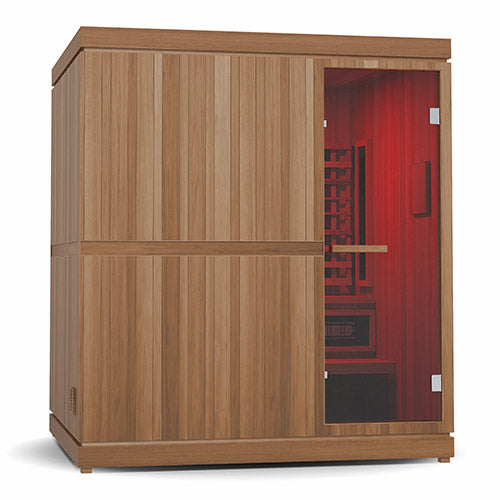
- Premium home infrared cabins: $2,000–$8,000+
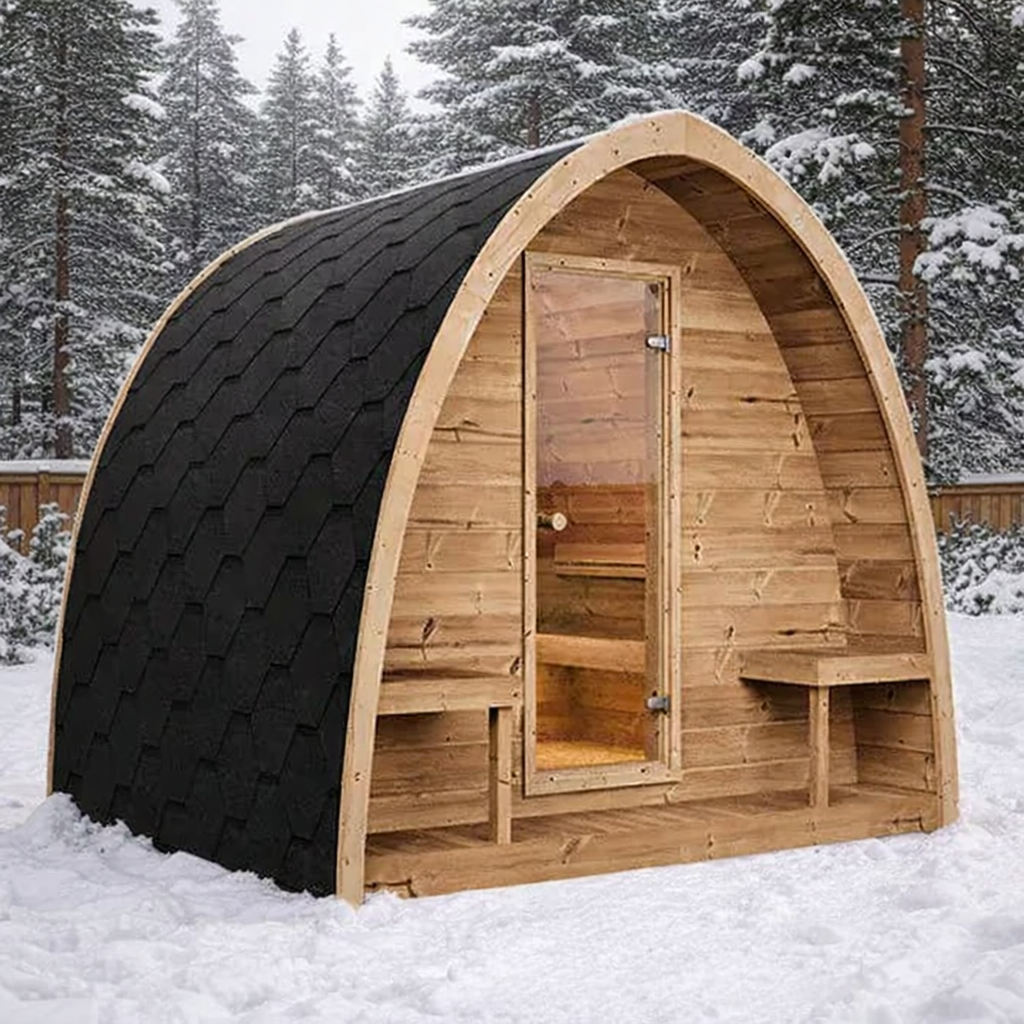
- Traditional barrel/cabin saunas: $3,000–$15,000+
- Installation and electrical: Additional $500–$3,000
For perspective, a gym membership with sauna access costs $30–$100/month, or $360–$1,200/year.
Timeline Reality
- Water weight returns: 24–48 hours after session
- Meaningful fat loss: Requires months of caloric deficit via diet/exercise
- Cardiovascular adaptations: May begin after 4–8 weeks of consistent use
- Habit formation: Typically 8–12 weeks for sustained wellness routines
<a id="myths"></a>
Myths and Misconceptions
1. "Sauna sessions melt fat off your body like a workout"
Correction: Saunas mainly cause temporary water loss. Energy expenditure increases modestly but not enough to replace exercise for fat loss (Women's Health, 2025; PMC, 2019; PMC, 2014).
Why it persists: Visible sweat and quick scale drops feel like "burning fat," and marketing amplifies this perception (Geyser Steam Room, 2025; AetherHaus, 2025).
2. "The weight you lose in a sauna is permanent"
Correction: Most sauna-induced weight loss is from sweating and returns once you rehydrate and eat normally (Steam and Sauna Experts, 2023; Geyser Steam Room, 2025; AetherHaus, 2025).
Why it persists: People weigh themselves immediately after sessions without tracking longer-term trends.
3. "Infrared saunas are clinically proven to make you lose fat without diet or exercise"
Correction: Only small, manufacturer-linked infrared trials show modest body-fat reductions. Evidence is limited and needs independent replication (Clearlight, 2024; Chill Cryo, 2014).
Why it persists: Commercial claims oversimplify preliminary data and are widely repeated online.
4. "More heat and longer sessions always mean better results"
Correction: Very high temperatures (e.g., 120°C) increase heat-exhaustion symptoms and syncope without proven extra benefit (PMC, 2024).
Why it persists: "Harder is better" fitness culture encourages pushing limits despite safety data.
5. "Saunas are safe for everyone as long as you feel okay"
Correction: People with unstable heart disease, pregnancy, kidney disease, or certain neurologic conditions may be at serious risk even before they feel unwell (Visit Sauna, 2025; Sauna Float Act, 2024; WebMD, 2023; SIU Medicine, 2023).
Why it persists: Saunas are marketed as "natural," and contraindications are often downplayed.
6. "Sauna suits help you burn more fat"
Correction: Sauna suits cause fluid loss, not fat burning, and significantly raise the risk of dehydration and heat illness (Fight Sense, 2025; Sauna Merch).
Why it persists: Short-term scale drops and fitness-culture imagery mislead users about what is being lost.
7. "Alcohol plus sauna is a relaxing way to detox"
Correction: Alcohol with heat increases risk of hypotension, arrhythmia, and accidents. Guidelines strongly advise against it (SIU Medicine, 2023; CDC, undated).
Why it persists: Social spa culture and misconceptions about "sweating out toxins" encourage mixing alcohol with heat.
8. "If you can handle intense workouts, long sauna sessions are automatically safe"
Correction: Heat strain is different from exercise strain. Even young healthy people have developed heatstroke and multi-organ failure after prolonged sauna exposure (PMC, 2017; Medindia, 2025).
Why it persists: Athletes may underestimate heat risk and overgeneralize from training tolerance.
9. "Saunas are a medically approved shortcut for weight loss"
Correction: Clinical and public-health sources consider sauna a possible adjunct for relaxation and cardiovascular support, not a primary weight-loss therapy (SIU Medicine, 2023; Women's Health, 2025; AetherHaus, 2025).
Why it persists: Wellness marketing often conflates general health benefits with specific weight-loss claims.
10. "All types of saunas are equally evidence-based for health and weight loss"
Correction: Most long-term data come from traditional Finnish saunas. Infrared saunas have a smaller, less rigorous evidence base (Nosta Sauna, 2025; Clearlight, 2024; PMC, 2019; Journal of Applied Physiology, 2023).
Why it persists: Product categories are marketed as interchangeable despite differing evidence.
11. "You need to reach a certain temperature to 'activate fat burning'"
Correction: Fat loss occurs through sustained caloric deficit over time, not acute temperature thresholds. Heat stress modestly increases calorie burn but doesn't "activate" fat burning in a meaningful way.
Why it persists: Pseudoscientific claims about metabolic "activation" sound plausible to non-experts.
12. "Sauna detoxifies your body and removes fat-stored toxins"
Correction: Detoxification is primarily handled by liver and kidneys. Sweat glands excrete mainly water and electrolytes, not significant amounts of toxins or fat (Steam and Sauna Experts, 2023; PMC, 2014).
Why it persists: "Detox" is a popular wellness buzzword with broad appeal but limited scientific support.
<a id="experience"></a>
Experience Layer: Safe Testing Protocol
If you want to test sauna's effects on your own body, here's a safe, evidence-informed approach.
Important disclaimer: This is for healthy adults without contraindications. Consult your physician before starting if you have any medical conditions.
Safe Author Test Plan
Week 1–2: Baseline Establishment
- Weigh yourself daily at the same time (morning, after bathroom, before eating/drinking)
- Track sleep quality, stress levels, workout performance
- No sauna yet—just establish your normal patterns
Week 3–4: Single-Session Testing
- Pre-session: Weigh yourself, note time of day, hydration status
- Session: 10–15 minutes at moderate temperature (traditional: 70–80°C; infrared: 110–120°F)
- Post-session: Weigh immediately after, rehydrate normally
- Follow-up: Weigh at same time next morning and 48 hours later
- Repeat 2–3 times per week
Week 5–8: Consistent Protocol
- 2–3 sessions per week, post-workout timing
- Gradually increase duration to 15–20 minutes if comfortable
- Continue tracking all metrics
What You Might Notice (Non-Guaranteed)
Immediate (during and right after session):
- Significant sweating
- Elevated heart rate
- Temporary weight loss (0.5–2 lb typically)
- Feeling of relaxation
- Possible mild lightheadedness upon standing
24–48 Hours Post-Session:
- Weight returns to baseline or near-baseline
- Possible improved sleep quality
- Muscle relaxation and reduced soreness (if post-workout)
- No change in body composition measurements
After 4–8 Weeks:
- Potential slight improvements in heat tolerance
- Possible modest changes in resting heart rate
- Better recovery perception (subjective)
- Unlikely to see meaningful fat loss without dietary changes
Tracking Template
| Date | Sauna Type | Temp | Duration | Pre-Weight | Post-Weight | 24hr Weight | 48hr Weight | Fluids Consumed | Workout? | Symptoms | Sleep Quality (1-10) |
|---|---|---|---|---|---|---|---|---|---|---|---|
| Traditional/IR | °F | min | lb | lb | lb | lb | oz | Y/N + type | None/dizzy/etc |
Additional tracking:
- Perceived heat intensity (1–10)
- Any dizziness, nausea, headache
- Time to feel fully recovered
- Subjective recovery quality from workouts
- Weekly body weight average
- Monthly progress photos (optional)
Red Flags to Stop Testing
Discontinue immediately and consult a physician if you experience:
- Chest pain or pressure
- Severe dizziness or fainting
- Confusion or disorientation
- Persistent nausea or vomiting
- Rapid or irregular heartbeat
- Symptoms that worsen over multiple sessions
What Success Looks Like
Not success:
- Rapid fat loss
- Permanent scale drops after single sessions
- Dramatic body transformation in 4–8 weeks
Actual success:
- Consistent routine you enjoy
- No adverse symptoms
- Feeling relaxed and recovering well
- Modest improvements in cardiovascular markers over months
- Better adherence to overall wellness habits
This protocol helps you collect personal data while staying within safe boundaries. Remember: sauna is not a weight-loss tool; it's a recovery and wellness practice.
<a id="faq"></a>
Frequently Asked Questions
1. Does a sauna actually help you lose weight?
Saunas cause short-term weight loss mainly by sweating out water, not by directly burning large amounts of fat.
- Most of the lost weight returns once you rehydrate and eat normally
- Small studies suggest only modest additional calorie burn, similar to light activity
- No large trials show sauna as effective stand-alone weight-loss therapy
- Best viewed as a minor adjunct to diet and exercise, not a primary strategy
2. How much weight can you lose in one sauna session?
Many people lose roughly 0.5–2 lb in a typical sauna session, depending on body size and conditions.
- Dry-sauna studies report 0.24–0.82 kg lost in 20 minutes, with heavier people losing more water
- Longer or more intense protocols can reach 1.5–2.0 kg loss but increase dehydration risk
- All of this weight returns with normal hydration and eating
- Individual variation depends on BMI, temperature, humidity, and duration
3. Is sauna weight loss just water weight?
Yes, the rapid drop on the scale after a sauna is almost entirely due to water loss from sweating.
- Your weight typically returns to baseline once you drink fluids and resume normal intake
- Fat loss requires sustained caloric deficit over weeks and months
- The scale can be misleading if you weigh immediately after a session
4. Do saunas burn calories like exercise?
Saunas modestly increase heart rate and calorie burn, but they do not match the fat-loss benefits of regular exercise.
- A 4×10-minute sauna protocol burned about 73–134 kcal per 10 minutes in overweight men
- This is roughly comparable to leisurely walking
- Exercise provides additional benefits: muscle maintenance, insulin sensitivity, fitness improvements
- Sauna lacks the mechanical stress that builds strength and bone density
5. Can infrared saunas help with fat loss?
One small infrared study found about 4% body-fat loss over 8–16 weeks with frequent sessions, but it was manufacturer-linked and needs replication.
- Current evidence is limited and preliminary
- Most long-term health data come from traditional Finnish saunas
- Infrared should be viewed as a possible adjunct, not a stand-alone solution
- More independent research is needed before strong claims can be made
6. Is sitting in a sauna after a workout good for weight loss?
Sauna after exercise may aid relaxation and helps you shed some water weight, but it does not significantly increase fat loss from that workout.
- You should rehydrate well, as combining exercise and heat increases dehydration risk
- Primary benefit is recovery and relaxation, not additional calorie burn
- Post-workout timing is safer than pre-workout to avoid performance impairment
7. How often should you use a sauna if your goal is overall health and weight management?
Research suggests 2–3 sessions per week of about 10–20 minutes may confer cardiovascular benefits for many adults.
- Enthusiasts may safely use sauna up to 4–7 times per week if healthy and well-hydrated
- This should complement, not replace, diet and exercise
- Finnish cohort data show strongest benefits with 4–7 weekly sessions
- Frequency matters less than consistency and safety
8. What temperature and duration are safest for beginners?
Beginners are commonly advised to start with 5–10 minutes at lower temperatures.
- Traditional saunas: around 160–175°F (70–80°C)
- Infrared saunas: 110–120°F
- A 2024 study supports 80°C as reasonable for sporadic users
- 120°C caused more heat-exhaustion symptoms and should be avoided
- Gradually increase duration as you acclimate
9. Is it safe to use a sauna solely to 'cut weight' quickly?
Rapid weight cutting through sauna use can cause dangerous dehydration, heat exhaustion, and even heatstroke.
- Especially risky if prolonged or combined with exercise
- Health experts generally discourage this practice outside supervised athletic settings
- Dehydration >2% body weight impairs performance and cognition
- Case reports document multi-organ failure after extreme protocols
10. Who should avoid using a sauna for weight loss?
Several groups face elevated risks:
- People with unstable heart disease, recent heart attack or stroke, severe aortic stenosis, uncontrolled blood pressure
- Pregnant individuals (especially first trimester)
- Those with serious kidney disease, certain neurologic conditions, or impaired sweating
- People on diuretics or medications affecting blood pressure/sweating
- Anyone experiencing acute illness or fever
Always consult your physician if you have medical conditions.
11. Are saunas safe if you have heart problems?
Some stable cardiac patients may use sauna under supervision, but unstable angina, recent MI, and severe valve disease are clear red flags.
- Always ask a cardiologist before using a sauna if you have heart disease
- Heat stress increases cardiac workload
- Risk varies based on disease severity and stability
- Never use sauna during acute cardiac symptoms
12. Can using a sauna help keep weight off long term?
Long-term weight maintenance still depends on diet, activity, and sleep.
- Sauna may support relaxation and cardiovascular health
- Limited direct fat-loss evidence for long-term outcomes
- Overreliance on sauna instead of lifestyle changes is unlikely to produce durable weight loss
- Best role is as part of comprehensive wellness routine
13. Is an infrared sauna better than a traditional sauna for weight loss?
There is no strong evidence that infrared is superior to traditional sauna for fat loss.
- Most long-term health data come from Finnish traditional saunas
- Infrared may feel more tolerable at lower temperatures
- Often marketed more aggressively for weight loss despite limited evidence
- Choose based on comfort, access, and overall health goals—not weight-loss claims
14. Is it dangerous to combine alcohol and sauna sessions?
Yes, mixing alcohol with sauna increases the risk of low blood pressure, arrhythmias, drowsiness, and accidents.
- Guidelines recommend avoiding alcohol or sedative drugs before or during sauna use
- Alcohol impairs thermoregulation and judgment
- Combined effects can lead to fainting, injury, or worse
- CDC and hospital guidance explicitly warns against this combination
15. Do sauna suits help you lose fat faster?
Sauna suits mainly cause extra sweating and water loss, not extra fat burning.
- They raise the risk of dehydration and heat illness significantly
- Experts recommend caution or avoidance, especially in hot environments or intense workouts
- Weight returns immediately with rehydration
- No metabolic advantage for fat oxidation
16. Can you get heatstroke from a sauna?
Heatstroke is rare but has been reported in otherwise young adults after prolonged, hot, and humid sauna sessions.
- Occurs without proper cooling or hydration
- Warning signs include confusion, fainting, seizures, very high body temperature
- Case reports document multi-organ dysfunction
- Risk increases with longer sessions, higher temperatures, poor hydration
17. Does using a sauna help detox your body to support weight loss?
Sweat glands mainly excrete water and electrolytes; detoxification is primarily handled by the liver and kidneys, not by sauna use.
- Claims that sauna alone "detoxes" enough to drive weight loss are not supported by strong evidence
- "Detox" is largely a marketing term without precise scientific definition
- Any small amounts of heavy metals or organic compounds in sweat are negligible
18. Is it better to sauna before or after a workout for weight goals?
Many experts prefer sauna after workouts to avoid overheating and performance decline during exercise.
- Pre-workout sauna elevates core temperature before exercise begins
- This can impair performance and increase cardiovascular strain
- Post-workout timing supports recovery without compromising training
- If using pre-workout, keep it brief (5–10 minutes) and monitor carefully
19. How should you hydrate when using a sauna for weight loss?
Drink water before and after sessions, and consider electrolytes if sessions are longer or more frequent.
- Avoid using dehydration (skipping fluids) as a weight-loss tactic
- Dehydration stresses the heart and kidneys
- Aim to replace most fluid lost during session
- Monitor urine color—pale yellow indicates adequate hydration
20. Can sauna use affect people with diabetes differently?
People with diabetes and neuropathy may not sense overheating and are at higher risk of dehydration and blood pressure changes.
- They should seek medical advice before using saunas
- Especially important if they have cardiovascular disease
- Blood sugar can be affected by heat stress
- Close monitoring recommended during initial sessions
21. How long does it take to see weight loss results from regular sauna use?
If expecting fat loss, don't rely on sauna alone—results require months of caloric deficit through diet and exercise.
- Water weight changes happen immediately but reverse quickly
- Cardiovascular adaptations may begin after 4–8 weeks
- Meaningful body composition changes require 8–12+ weeks of comprehensive lifestyle changes
- Sauna's contribution to fat loss is minimal without dietary changes
22. Will using a sauna increase my metabolism long-term?
Heat exposure may cause temporary increases in metabolic rate, but long-term metabolic effects are uncertain and likely small.
- Most calorie burn occurs during the session
- Some research suggests mild heat acclimation effects
- These do not replace the metabolic benefits of building muscle through strength training
- Don't expect sustained "afterburn" effects like with intense exercise
23. Can I lose belly fat specifically by using a sauna?
No. Spot reduction of fat is not possible, and sauna does not target abdominal fat.
- Fat loss occurs systemically based on genetics and hormones
- Sauna causes water loss, not preferential fat burning in any area
- Abdominal fat loss requires overall body fat reduction through diet and exercise
24. Is it worth buying a home sauna for weight loss?
If weight loss is your primary goal, a home sauna is probably not your best investment.
- Consider gym membership, home exercise equipment, or nutrition coaching first
- Saunas cost $2,000–$15,000+ for quality units
- Weight-loss results from sauna alone are minimal
- If you want one for relaxation, stress relief, and cardiovascular health—and can afford it—it may be worthwhile
25. What's the difference between dry sauna and steam room for weight loss?
Both cause water loss through sweating; neither is superior for fat loss.
- Dry saunas (traditional/infrared) use hot, dry air
- Steam rooms use humid heat at lower temperatures
- Both increase heart rate and energy expenditure modestly
- Choice comes down to personal preference and tolerance
- Steam may feel easier on respiratory system for some users
<a id="gaps"></a>
What We Still Don't Know
Despite decades of sauna research, important questions remain unanswered:
Direct Fat-Loss Mechanisms
Gap: We lack large, independent, long-term randomized controlled trials examining sauna's direct effects on body composition without confounding dietary or exercise changes.
The Binghamton infrared trials are small, manufacturer-linked, and haven't been independently replicated. We don't know if frequent sauna use genuinely promotes fat oxidation or if observed effects are due to other factors.
Optimal Protocols for Different Goals
Gap: Evidence-based recommendations for temperature, duration, and frequency are largely extrapolated from cardiovascular studies, not weight-loss trials.
We don't know:
- Ideal session length for metabolic benefits vs recovery
- Whether multiple short sessions beat one longer session
- How protocols should differ by age, sex, fitness level, or body composition
Long-Term Metabolic Adaptations
Gap: Heat acclimation studies show physiological changes, but we lack data on whether these translate to meaningful metabolic advantages for weight management over years.
Do people who use sauna 4–7 times per week for years show different body composition trajectories than non-users with similar lifestyle habits? Observational studies suggest cardiovascular benefits, but weight-specific outcomes are poorly characterized.
Individual Response Variability
Gap: Some people may respond differently to heat stress based on genetics, training status, or metabolic factors.
We don't have validated predictors of who might benefit most (or least) from including sauna in a wellness routine. Precision medicine approaches haven't been applied to sauna research.
Infrared vs Traditional Head-to-Head
Gap: No high-quality head-to-head trials compare traditional and infrared saunas for body composition outcomes with adequate sample sizes and controls.
Marketing claims abound, but rigorous comparative evidence is absent. Most infrared research comes from manufacturers or small academic partnerships with commercial ties.
Interaction Effects
Gap: We don't fully understand how sauna interacts with specific diets, training programs, sleep patterns, or stress-management strategies.
Does sauna enhance fat loss when combined with intermittent fasting? Does it impair muscle recovery in certain contexts? Interaction research is scarce.
Safety in Special Populations
Gap: Limited data on long-term sauna safety in:
- Pregnant individuals (most guidance is precautionary)
- Adolescents
- Elderly with multiple comorbidities
- People with rare genetic conditions affecting thermoregulation
Most recommendations are based on physiological reasoning rather than direct evidence.
These gaps don't mean sauna is useless or unsafe—they simply highlight where more research could refine our understanding and recommendations.
<a id="sources"></a>
Sources
Peer-Reviewed Research:
- PMC (2014). Sauna-induced body mass loss in young sedentary women and men. https://pmc.ncbi.nlm.nih.gov/articles/PMC4295591/
- PubMed (2014). Correlations of body composition and saunal-induced body mass loss. https://pubmed.ncbi.nlm.nih.gov/25614882/
- PMC (2019). Correlations between repeated use of dry sauna and physiological parameters. https://pmc.ncbi.nlm.nih.gov/articles/PMC6360547/
- PMC (2019). Acute effect of Finnish sauna bathing on brachial artery flow-mediated dilation. https://pmc.ncbi.nlm.nih.gov/articles/PMC6640592/
- Journal of Applied Physiology (2023). Finnish sauna bathing and vascular health. https://journals.physiology.org/doi/full/10.1152/japplphysiol.00322.2023
- PMC (2024). The influence of extreme thermal stress on physiological responses in women. https://pmc.ncbi.nlm.nih.gov/articles/PMC10853428/
- PMC (2017). Multiple organ dysfunction due to heatstroke after sauna. https://pmc.ncbi.nlm.nih.gov/articles/PMC5507382/
Clinical and Hospital Guidance:
- SIU Medicine (2023). 5 surprising health benefits of sauna use. https://www.siumed.edu/blog/5-surprising-health-benefits-sauna-use
- WebMD (2023). What to know about saunas and your health. https://www.webmd.com/fitness-exercise/what-to-know-saunas-and-health
- CDC (undated). Suggested Health and Safety Guidelines for Public Spas and Hot Tubs. https://stacks.cdc.gov/view/cdc/22075/cdc_22075_DS1.pdf
Consumer Education and Reviews:
- Steam and Sauna Experts (2023). How much weight can you lose in a sauna. https://www.steamandsaunaexperts.com/blog/how-much-weight-can-you-lose-in-sauna
- Geyser Steam Room (2025). Is sauna or steam room better for weight loss. https://www.geysersteamroom.com/blogs/basic-knowledge/is-sauna-or-steam-room-better-for-weight-loss
- Women's Health (2025). Does sauna burn calories. https://www.womenshealthmag.com/weight-loss/a63434924/does-sauna-burn-calories/
- AetherHaus (2025). The science-backed benefits of sauna after workout. https://www.aetherhaus.ca/blog/the-science-backed-benefits-of-sauna-after-workout-2025-guide
- Denver Sports Recovery (2020). Sauna time recommendations. https://www.denversportsrecovery.com/blog/sauna-time-reccomendations
- Fyre Sauna (2025). How often should I sauna? A science-based guide. https://www.fyresauna.com/post/how-often-should-i-sauna-a-science-based-guide
Infrared Sauna Research:
- Clearlight (2024). Infrared sauna weight loss. https://infraredsauna.com/infrared-sauna-weight-loss/
- Chill Cryo (2014). Far infrared saunas and weight loss: Binghamton University study. https://westfield.chillcryo.net/research/far-infrared-saunas-and-weight-loss-binghamton-university-new-york-2014/
- Creative Energy (2025). Are infrared saunas safe. https://www.creativeenergy.com/are-infrared-saunas-safe/
Sauna Modality Comparisons:
- Epic Hot Tubs (2025). Infrared vs traditional sauna: pros and cons. https://epichottubs.com/blog/infrared-vs-traditional-sauna-pros-and-cons/
- Nosta Sauna (2025). Infrared vs traditional sauna: proven benefits of real saunas. https://nostasauna.com/infrared-vs-traditional-sauna-proven-benefits-of-real-saunas/
Safety and Contraindications:
- Visit Sauna (2025). What health conditions might prevent someone from using a sauna. https://visitsauna.com/2025/07/04/what-health-conditions-might-prevent-someone-from-using-a-sauna/
- Sauna Float Act (2024). Infrared sauna dangers. https://saunafloatact.com.au/blog/infrared-sauna-dangers/
- IV Elements (2024). Benefits of infrared saunas. https://ivelements.net/blog/benefits-of-infrared-saunas
- Medindia (2025). Too hot to handle: sauna use and heat stroke danger. https://www.medindia.net/news/too-hot-to-handle-sauna-use-and-heat-stroke-danger-218543-1.htm
Sauna Suits and Extreme Methods:
- Sauna Merch (undated). Sauna suits benefits and risks. https://saunamerch.com/blogs/sauna-accessories/sauna-suits-benefits-risks
- Fight Sense (2025). Myths about sauna suit weight loss. https://www.fightsense.com/blog/myths-about-sauna-suit-weight-loss/
Final Verdict: Should You Use a Sauna for Weight Loss?
If your primary goal is fat loss: No, sauna should not be your main strategy. Focus on creating a modest caloric deficit through diet, engaging in regular physical activity (both cardio and strength training), getting 7–9 hours of quality sleep, and managing stress.
If you enjoy sauna and want to include it in a comprehensive wellness routine: Yes, with realistic expectations. Sauna can support relaxation, aid post-workout recovery, and may offer cardiovascular benefits when used 2–4 times per week. Just don't expect it to melt fat or replace proven weight-management strategies.
If you have medical conditions or are pregnant: Consult your physician before using a sauna. Many contraindications exist that marketing materials downplay.
If you're considering buying a home sauna: Choose based on relaxation, recovery, and cardiovascular health benefits—not weight-loss promises. Understand that evidence is strongest for traditional Finnish saunas, while infrared models have less independent research despite aggressive marketing.
The scale may drop after a sauna session, but sustainable fat loss happens in the kitchen, the gym, and through consistent healthy habits—not in the heat of a wooden box.
For those ready to invest in quality wellness equipment with realistic expectations, explore our complete guide to buying a sauna or browse our premium sauna collection featuring traditional, infrared, and hybrid models designed for long-term health.
HUUM Sauna Heater Review (2026): The Definitive Guide to Models, Performance, and Reliability
How Sauna Helps Chronic Inflammation: Science, Protocol & Safety
Related Posts

Dynamic Santiago 2-Person Ultra Low EMF Sauna Review (Standard vs Elite): Is It Worth It?

Red Light Therapy for Collagen: The Science-Backed Guide to Firmer Skin

Steam Shower vs. Compact Sauna: Which is Practical for My Small Bathroom?

6 Simple Ways to Turbocharge Any Sauna Session (Without Staying Longer)

I Have Low Ceilings; What Sauna Styles and Heights Will Fit?

Sauna for Blood Pressure and Heart Health: The Complete Guide to Benefits, Safety, and Protocols

Low EMF vs Standard Infrared: What Actually Changes? The Buyer's Guide and Decision Framework
