
























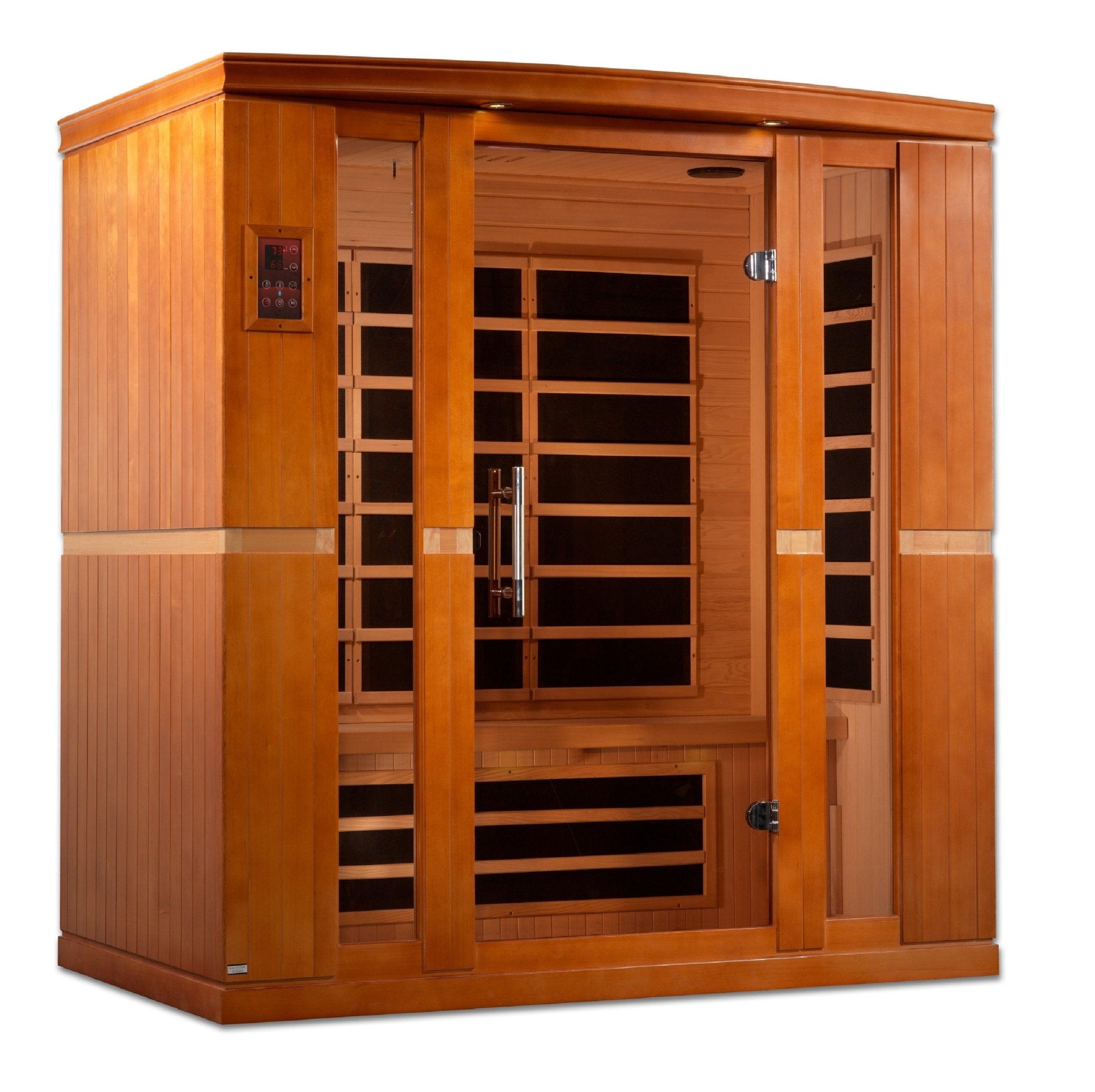


Sauna for Blood Pressure and Heart Health: The Complete Guide to Benefits, Safety, and Protocols
Regular sauna use is associated with better cardiovascular health and lower long-term blood pressure, but blood pressure can rise temporarily during sessions. For most healthy adults—and many with controlled hypertension—saunas can be safe and beneficial when used moderately, with attention to hydration, heat tolerance, and medical guidance for existing heart conditions.
Key takeaways:
-
Sauna heat increases heart rate to 100–150 bpm and causes vasodilation, mimicking moderate exercise effects on the cardiovascular system
-
Observational studies link 4–7 sauna sessions per week with up to 63% lower sudden cardiac death risk in middle-aged men
-
Blood pressure typically falls 5–7 mmHg after a 30-minute session, though it may rise slightly during heat exposure
-
People with unstable angina, recent heart attacks, or severe aortic stenosis should avoid saunas unless explicitly cleared by a cardiologist
-
Sauna complements—but never replaces—standard cardiovascular treatments like medication, exercise, and diet modifications
-
Always consult your clinician before starting regular sauna use if you have heart disease or take blood pressure medications
Table of Contents
-
What Sauna for Blood Pressure and Heart Health Means
-
The Science of Heat: How Saunas Affect Your Blood Pressure and Heart
-
Proven Cardiovascular Benefits of Regular Sauna Use
-
Acute vs. Chronic Effects: Does a Sauna Raise or Lower Your Blood Pressure?
-
Sauna Protocols for Optimal Blood Pressure Reduction
-
Traditional vs. Infrared Saunas: Which Is Better for Heart Health?
-
Cardiovascular Safety Decision Tree: Who Should and Shouldn't Use a Sauna
-
Sauna Use and Blood Pressure Medication: What You Need to Know
-
Real-World Constraints and Numbers That Matter
-
Myths and Misconceptions
-
Experience Layer: Testing Sauna for Blood Pressure at Home
-
FAQ
-
Sources
-
What We Still Don't Know
What Sauna for Blood Pressure and Heart Health Means
Sauna therapy refers to repeated exposure to high heat that raises heart rate and blood flow, producing cardiovascular responses similar to moderate exercise (Mayo Clinic Proceedings, 2018). When you sit in a sauna, your body experiences physiological changes that affect both immediate and long-term cardiovascular function.
Key terms and thresholds:
Vasodilation is the widening of blood vessels that occurs during heat exposure, which lowers vascular resistance and can reduce blood pressure after sessions end (NIH, 2015).
Hypertension is defined as resting systolic blood pressure ≥130 mmHg or diastolic BP ≥80 mmHg. Regular sauna use has been associated with lower rates of developing hypertension in observational studies (Mayo Clinic Proceedings, 2018).
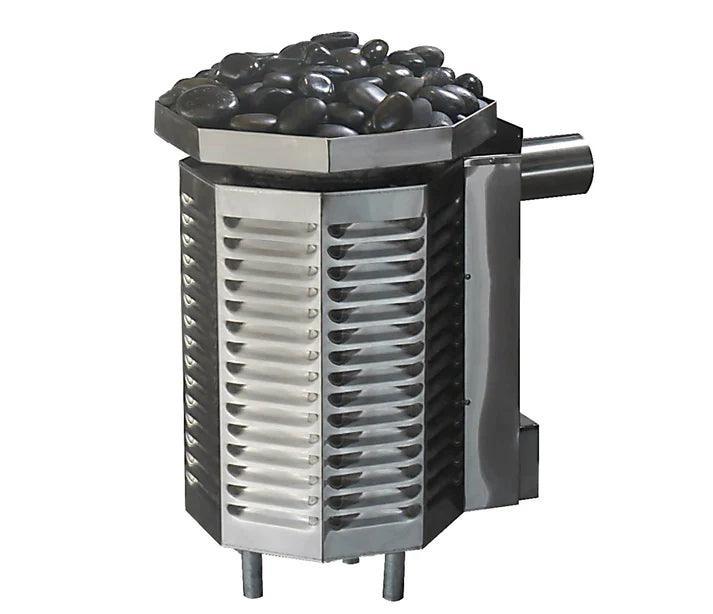
Traditional Finnish sauna operates at 80–100°C (176–212°F) with low humidity, typically for 10–20 minute sessions. Most long-term cardiovascular outcome data comes from this sauna type (JAMA Internal Medicine, 2015).
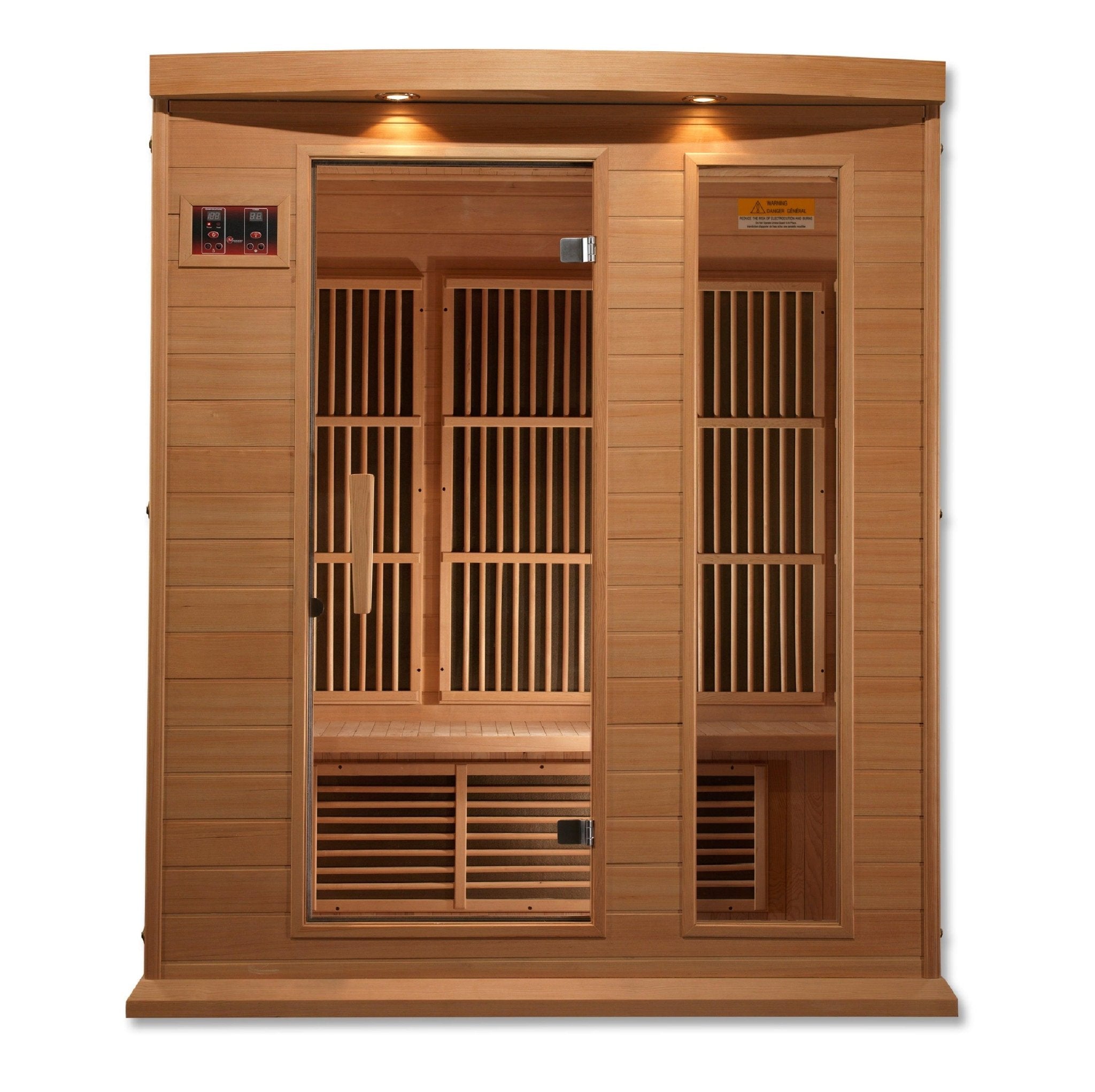
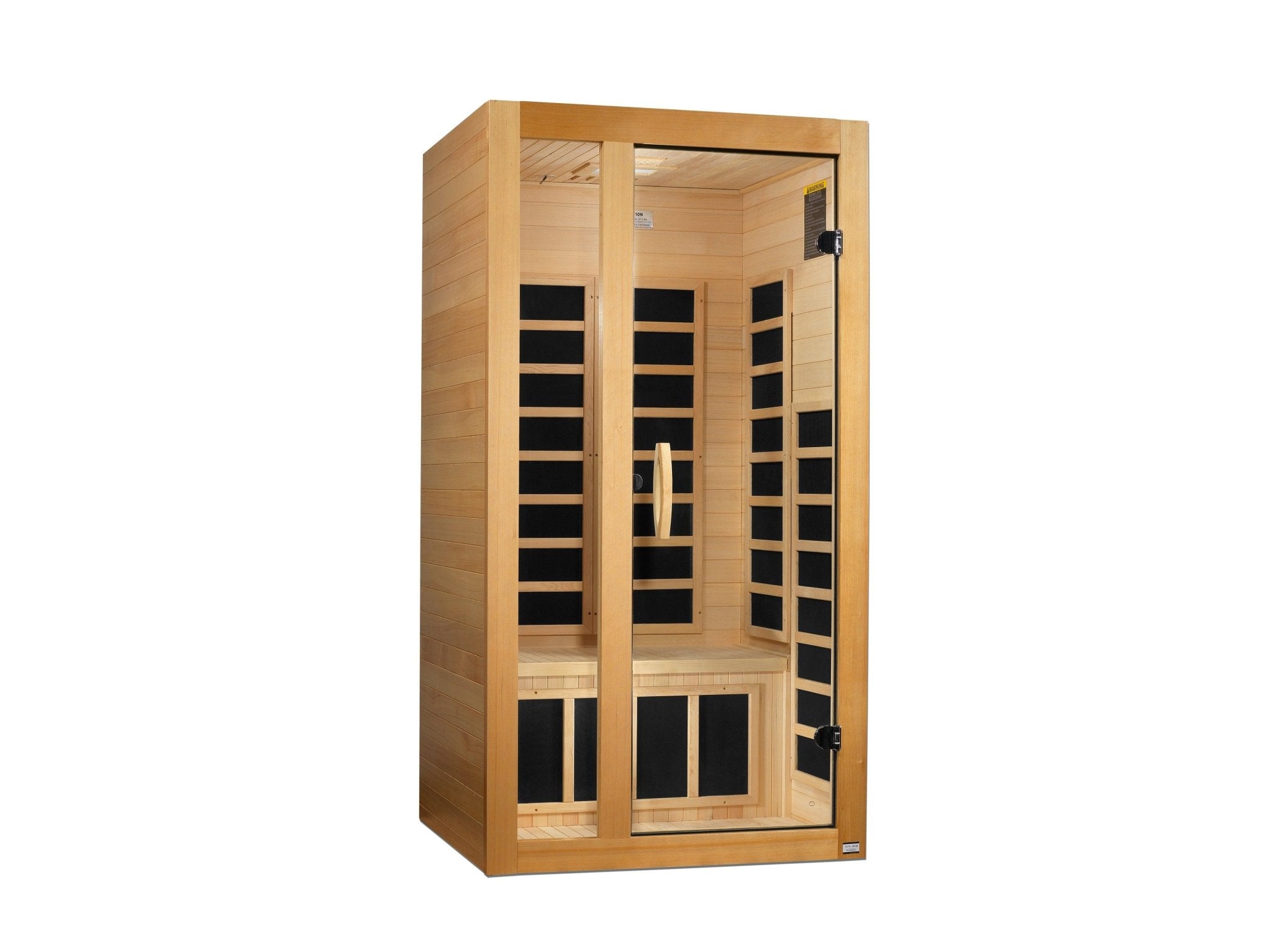
Infrared/Waon therapy uses lower air temperatures around 50–60°C (122–140°F) with radiant heat that warms tissues directly, followed by warm rest periods. This approach has shown benefits in clinical trials for heart failure patients (Journal of Cardiology, 2009).
Endothelial function describes how well the inner lining of blood vessels can dilate and constrict. Improved endothelial function is linked to better blood pressure control and lower cardiovascular disease risk (NIH, 2022).
Understanding these definitions matters because the cardiovascular effects of sauna bathing depend heavily on temperature, duration, frequency, and individual health status. For those exploring whether saunas are beneficial for health more broadly, the blood pressure and heart health effects represent some of the most well-researched benefits.
The Science of Heat: How Saunas Affect Your Blood Pressure and Heart

Sauna heat creates a controlled cardiovascular stress that your body responds to in predictable ways. Understanding these mechanisms explains both the benefits and the risks.
Immediate physiological responses:
When you enter a sauna, your skin and core temperature rise. Your body responds by dilating peripheral blood vessels to dissipate heat through the skin. This vasodilation reduces systemic vascular resistance—the "pressure" your heart must pump against (NIH, 2015).
To maintain blood flow to vital organs, your heart rate increases, typically reaching 100–150 beats per minute during a 10–20 minute Finnish sauna session. Cardiac output rises substantially, similar to the cardiovascular load of moderate-intensity exercise like brisk walking (Nature Hypertension, 2017).
Blood pressure dynamics during this acute phase are complex. Some people experience a slight rise in BP during early heat exposure, while others maintain stable readings. The key factor is that total peripheral resistance drops significantly due to widespread vasodilation (NIH, 2015).
Post-sauna cardiovascular changes:
After you exit the sauna, vasodilation persists while your heart rate gradually returns toward baseline. This combination typically produces a net decrease in blood pressure that can last 30 minutes to several hours. Studies show systolic BP dropping by approximately 5–7 mmHg and diastolic BP by similar amounts immediately post-session (Sauna from Finland, 2021).
Mechanisms Behind Long-Term Benefits
Endothelial function and arterial health:
Repeated heat exposure appears to improve the endothelium's ability to produce nitric oxide, a molecule that helps blood vessels relax and dilate. This improved endothelial nitric oxide–mediated vasodilation contributes to better blood pressure regulation over time (Mayo Clinic Proceedings, 2018).
Arterial stiffness—a key predictor of cardiovascular events—may also improve with regular sauna use. Stiffer arteries force the heart to work harder; more compliant arteries reduce this workload (NIH, 2022).
Autonomic nervous system modulation:
Sauna bathing influences the balance between sympathetic (stress-response) and parasympathetic (rest-and-recovery) nervous system activity. Regular sessions may improve heart rate variability, a marker of autonomic health and cardiovascular resilience (NIH, 2022).
Passive heat therapy as "exercise mimetic":
The cardiovascular profile during sauna bathing overlaps substantially with low-to-moderate intensity aerobic exercise. Your heart pumps more blood, your vessels dilate, you sweat, and metabolic demands increase—all without mechanical joint stress. This "passive heat therapy" effect explains why sauna use correlates with fitness markers in observational data (Mayo Clinic Proceedings, 2018).
Waon therapy mechanisms:
Lower-temperature infrared sauna protocols like Waon therapy produce similar hemodynamic effects with reduced thermal stress. In heart failure patients, Waon sessions improve cardiac output and reduce levels of brain natriuretic peptide (BNP), a marker of heart strain, without causing dangerous blood pressure drops when supervised (Journal of Cardiology, 2009; NIH, 2015).
The science establishes that sauna heat is not simply "relaxation"—it's an active cardiovascular intervention with measurable physiological effects that accumulate over time.
Proven Cardiovascular Benefits of Regular Sauna Use
The most compelling evidence for sauna's cardiovascular effects comes from large observational cohorts and smaller controlled trials. While these studies cannot prove causation, the associations are strong and biologically plausible.
Reduced Cardiovascular Event Risk
A landmark Finnish cohort study followed 2,315 middle-aged men for a median of 20.7 years. Men who used saunas 4–7 times per week had approximately 63% lower risk of sudden cardiac death compared to those using saunas once weekly (adjusted hazard ratio 0.37). The same group showed about 50% lower risk of fatal cardiovascular disease and 40% lower all-cause mortality (JAMA Internal Medicine, 2015; ACC, 2015).
Session duration also mattered. Men whose typical session lasted more than 19 minutes had approximately 52% lower sudden cardiac death risk compared to those with sessions under 11 minutes (JAMA Internal Medicine, 2015).
A 2022 analysis of the same cohort examined inflammation markers alongside sauna frequency. Higher sauna use correlated with lower C-reactive protein (CRP) levels and reduced cardiovascular mortality over a 27.8-year median follow-up, suggesting anti-inflammatory pathways may contribute to benefits (NIH, 2022).
Blood Pressure and Hypertension Prevention
Regular sauna use is associated with lower blood pressure in longitudinal data. The Finnish cohort showed that frequent sauna users had reduced risk of developing hypertension over decades of follow-up, even after adjusting for physical activity, smoking, and other lifestyle factors (NIH, 2022; Mayo Clinic Proceedings, 2018).
A randomized study tested whether adding sauna to exercise would amplify blood pressure benefits in adults with untreated hypertension. Participants who completed 15-minute post-exercise sauna sessions three times per week showed significant reductions in daytime and 24-hour ambulatory systolic blood pressure, whereas exercise alone produced minimal BP changes (PMC, 2021; UCLA Health, 2023).
Heart Failure and Cardiac Function
In patients with chronic heart failure, repeated Waon therapy (low-temperature infrared sauna) has shown promise in supervised clinical settings. Studies report improved symptoms, better exercise tolerance, and modest improvements in cardiac function metrics like BNP and NYHA functional class, with acceptable safety profiles when protocols are carefully monitored (Journal of Cardiology, 2009; NIH, 2015).
A retrospective analysis of 253 Waon therapy sessions in hypertensive patients found single-session systolic BP reductions of approximately 3–5 mmHg without serious adverse events (PMC, 2021).
Important Caveats
These benefits are observed in observational studies, meaning healthier, more physically active people may be more likely to use saunas regularly. Residual confounding cannot be ruled out, and one methodological critique noted that reverse causation—where sicker people avoid saunas—could explain some associations (JAMA Internal Medicine, 2015).
Most data comes from Finnish men with traditional sauna access. Generalizability to women, other ethnic groups, and different sauna types remains uncertain.
No large randomized controlled trial has definitively proven that adding regular sauna use causes reduced cardiovascular events. The evidence is suggestive and mechanistically coherent, but not conclusive.
Still, the convergence of observational data, physiological mechanisms, and clinical trial signals supports sauna as a plausible adjunctive strategy for cardiovascular health when used appropriately.
Acute vs. Chronic Effects: Does a Sauna Raise or Lower Your Blood Pressure?
This is the single most confusing aspect of sauna and blood pressure—and the one that sends conflicting information across the internet. The answer depends entirely on when you measure.
What Happens During a Sauna Session
During the first several minutes of heat exposure, blood pressure behavior varies by individual. Some people experience a small rise in systolic BP due to increased cardiac output. Others maintain stable readings as vasodilation offsets the higher heart rate. Blood pressure rarely drops significantly while you're still in the heat (Nature Hypertension, 2017; NIH, 2015).
Heart rate, however, consistently rises—often to 120–150 bpm in a traditional Finnish sauna. This cardiovascular load is real and explains why certain high-risk cardiac patients must avoid saunas.
What Happens Immediately After
Within minutes of exiting the sauna, blood pressure typically falls below your pre-sauna baseline. A clinical study measuring BP before and after a 30-minute Finnish sauna session found mean systolic pressure dropped from approximately 137 mmHg to 130 mmHg, and diastolic from 82 mmHg to 75 mmHg (Sauna from Finland, 2021; Nature Hypertension, 2017).
This post-sauna hypotensive effect results from persistent vasodilation while heart rate returns toward baseline. For most people, this is mild and well-tolerated. For others—especially those on blood pressure medications, dehydrated, or standing up quickly—this drop can cause dizziness or lightheadedness.
What Happens With Repeated Long-Term Use
When you use saunas regularly over weeks, months, and years, observational data suggests your resting blood pressure trends lower. The Finnish cohort studies show associations between frequent sauna use and reduced incidence of hypertension, independent of the acute ups and downs during individual sessions (NIH, 2022; Mayo Clinic Proceedings, 2018).
Small trials echo this pattern. The post-exercise sauna study found that after eight weeks of thrice-weekly sessions, participants' daytime and 24-hour ambulatory BP measurements improved significantly compared to exercise alone (PMC, 2021).
Proposed mechanisms for this chronic BP-lowering effect include:
-
Improved endothelial function and nitric oxide availability
-
Reduced arterial stiffness
-
Better autonomic nervous system balance
-
Possible anti-inflammatory effects
Practical Translation
If you're monitoring BP at home, you may notice:
-
A slight rise or stable reading if you check mid-session (don't do this routinely)
-
A clear drop 20–30 minutes post-session
-
Gradual downward trend in morning baseline readings after weeks of consistent use
The short answer: Saunas acutely increase cardiovascular workload during heat exposure, drop BP afterward, and are associated with lower resting BP over time when used regularly. Both the immediate spike and the recovery drop are normal physiological responses in healthy individuals.
Sauna Protocols for Optimal Blood Pressure Reduction
If you're considering sauna use specifically for cardiovascular benefits, the question becomes: what does the evidence actually support?
Evidence-Based Parameters from Observational Studies
Frequency:
The Finnish mortality cohort's strongest associations appeared in men using saunas 4–7 times per week. This group showed the largest reductions in cardiovascular events compared to once-weekly users (JAMA Internal Medicine, 2015; ACC, 2015).
However, even moderate use (2–3 sessions per week) showed intermediate benefits. The dose-response relationship was graded, not all-or-nothing.
Duration:
Most Finnish sauna sessions lasted 10–20 minutes at temperatures around 79°C. Longer sessions (>19 minutes) were associated with greater reductions in sudden cardiac death risk compared to very short sessions (<11 minutes), but extreme duration does not appear necessary (JAMA Internal Medicine, 2015).
Temperature:
Traditional Finnish saunas in the cohort studies operated at 80–100°C (176–212°F) with low humidity. This creates substantial cardiovascular load—heart rate rises steeply, and heat stress is significant (NIH, 2015; Mayo Clinic Proceedings, 2018).
Protocols from Controlled Trials
Post-exercise sauna for hypertension:
The ambulatory BP trial used 15-minute dry sauna sessions at 73°C, completed immediately after exercise, three times per week for eight weeks. This modest protocol produced meaningful daytime and 24-hour systolic BP reductions in adults with untreated hypertension (PMC, 2021).
Waon therapy for heart failure and hypertension:
Clinical Waon protocols involve 15 minutes at 60°C in a far-infrared sauna, followed by 30 minutes of supine rest wrapped in warm blankets. This is repeated 5 times per week for 2–4 weeks in supervised medical settings. The lower temperature makes it better tolerated by cardiac patients while still producing cardiovascular benefits (Journal of Cardiology, 2009; NIH, 2015; PMC, 2021).
Practical Starting Protocol for BP-Conscious Users
If you're new to sauna use or have cardiovascular risk factors, a conservative approach is essential:
Beginner (Weeks 1–4):
-
Frequency: 2 sessions per week
-
Duration: 5–10 minutes
-
Temperature: 70–80°C (158–176°F) for traditional; 50–60°C (122–140°F) for infrared
-
Cool-down: Seated rest for 5–10 minutes, lukewarm (not ice-cold) shower
-
Hydration: 16–20 oz water before and after
Intermediate (Weeks 5–12, if well-tolerated):
-
Frequency: 3–4 sessions per week
-
Duration: 12–18 minutes
-
Temperature: 80–90°C for traditional; 60°C for infrared
-
Cool-down: Gradual, avoiding abrupt cold immersion
-
Track: Home BP measurements before sauna and 30 minutes after
Advanced (for experienced users with medical clearance):
-
Frequency: 4–7 sessions per week
-
Duration: 15–20 minutes
-
Temperature: Full Finnish range (80–100°C)
-
Monitoring: Periodic BP tracking, awareness of symptom changes
Critical Protocol Notes
-
Never push through dizziness, chest discomfort, or shortness of breath. Exit immediately if these occur.
-
Avoid alcohol before or during sauna use—it amplifies hypotension and arrhythmia risks (NIH, 2015; SIU School of Medicine, 2023).
-
Stand up slowly after sessions to prevent orthostatic hypotension.
-
If you're on blood pressure medications, start with shorter, cooler sessions and monitor symptoms closely.
For more guidance on session frequency and building a sustainable routine, see our article on how often you should use a sauna based on your health goals.
Traditional vs. Infrared Saunas: Which Is Better for Heart Health?
This comparison matters because sauna type affects temperature tolerance, cardiovascular load, and the strength of available evidence.
Traditional Finnish Sauna
Temperature and physiology:
Traditional saunas use high ambient temperatures (70–100°C) with low humidity. This creates substantial thermal stress—your heart rate climbs steeply, sweating is profuse, and cardiovascular load is high (NIH, 2015; Mayo Clinic Proceedings, 2018).
Evidence base:
Almost all long-term cardiovascular outcome data—including the Finnish mortality cohort showing reduced sudden cardiac death—comes from traditional sauna use. This is the "gold standard" for observational evidence linking sauna frequency to heart health benefits (JAMA Internal Medicine, 2015; ACC, 2015).
Best for:
Heat-tolerant individuals without severe cardiovascular disease who can safely handle the high temperatures. Many people find traditional saunas uncomfortable initially but adapt with repeated exposure.
Infrared/Waon Therapy
Temperature and physiology:
Infrared saunas use lower air temperatures (50–60°C) but employ radiant heat to warm tissues directly. The experience feels milder, yet heart rate still rises and vasodilation occurs. Far-infrared wavelengths penetrate skin more deeply than convective heat (NIH, 2015; Journal of Cardiology, 2009).
Evidence base:
Clinical trials show that low-temperature Waon therapy improves blood pressure modestly and benefits chronic heart failure patients in supervised settings. However, the total evidence is much more limited than for traditional saunas—mainly small studies in Japanese clinical contexts (Journal of Cardiology, 2009; PMC, 2021; NIH, 2015).
Best for:
People who cannot tolerate extreme heat, including some heart failure patients, older adults, or those with heat sensitivity. Infrared saunas are also more accessible for home installation and are growing in the consumer market.
Direct Comparison Table
|
Aspect |
Traditional Finnish Sauna |
Infrared/Waon Therapy |
|
Typical temperature |
80–100°C (176–212°F) |
50–60°C (122–140°F) |
|
Evidence base for mortality reduction |
Strong observational data from large Finnish cohorts |
Limited; small clinical trials in heart failure and hypertension |
|
Blood pressure effects |
Acute post-session reductions; long-term associations with lower hypertension risk |
Per-session reductions of ~3–5 mmHg; improvement with repeated sessions |
|
Cardiovascular load |
High heart rate response, strong thermal stress |
Moderate heart rate response, lower thermal stress |
|
Suitability for heart failure |
Generally avoided at high temps unless patient is very stable and supervised |
Specifically designed for stable CHF under medical supervision |
|
Availability in US |
Common in gyms, spas, and some home installations |
Growing home market; quality varies by manufacturer |
Which Should You Choose?
If your primary goal is cardiovascular health and you're healthy or have well-controlled hypertension: Traditional sauna use aligns most closely with the observational data showing long-term benefits. The higher heat produces a stronger cardiovascular training effect.
If you have significant heart disease, heat intolerance, or want a gentler introduction: Infrared sauna may be better tolerated. While the evidence base is smaller, clinical studies suggest benefits are plausible, especially under medical guidance.
If you're comparing options for home use: Both types can support cardiovascular health when used consistently. The "best" choice depends more on your tolerance, budget, and willingness to follow evidence-based protocols than on inherent superiority of one format.
For a deeper comparison of physiological effects and practical considerations, read our guide on traditional sauna vs infrared sauna health benefits.
Bottom line: Traditional saunas have stronger outcome data; infrared saunas offer a lower-intensity alternative with emerging clinical support. Neither has been proven definitively "better" for blood pressure in head-to-head trials.
Cardiovascular Safety Decision Tree: Who Should and Shouldn't Use a Sauna
Sauna use is generally safe for healthy people, but cardiovascular disease changes the risk calculus. Here's how to navigate safety based on your health status.
Generally Safe for Sauna Use
Healthy adults with no cardiovascular disease:
If you're free of heart conditions, controlled in your blood pressure, and not on cardiovascular medications, sauna bathing poses minimal risk when sessions are moderate in duration and temperature. Stay hydrated, avoid alcohol, and exit if symptoms occur (NIH, 2015; Mayo Clinic Proceedings, 2018).
Controlled hypertension (stable, on medication):
Many people with well-controlled hypertension can use saunas safely. Small trials in hypertensive adults show no serious adverse events with supervised protocols. However, you should discuss sauna use with your clinician, start conservatively, and monitor symptoms—especially dizziness when standing (PMC, 2021; UCLA Health, 2023; Mayo Clinic Proceedings, 2018).
Stable coronary artery disease (cleared by cardiologist):
Observational data and clinical experience suggest that patients with stable CAD—no recent events, symptoms well-controlled—may safely use moderate sauna protocols, particularly lower-temperature options like Waon therapy. Medical clearance is essential (NIH, 2015; Mayo Clinic Proceedings, 2018).
Compensated chronic heart failure (supervised settings):
Waon therapy trials enrolled patients with stable chronic heart failure (NYHA Class II–III) and reported improved symptoms and cardiac function without major adverse events. These protocols were medically supervised with standardized temperature and duration. Unsupervised home sauna use in heart failure requires individualized cardiologist approval (Journal of Cardiology, 2009; NIH, 2015).
High-Risk: Avoid or Require Specialist Clearance
Unstable angina or recent myocardial infarction:
Sauna heat significantly increases cardiac workload. If you have unstable chest pain or suffered a heart attack in recent weeks or months, sauna use is contraindicated unless your cardiologist explicitly clears you after thorough evaluation (NIH, 2015; SIU School of Medicine, 2023).
Severe aortic stenosis:
Narrowing of the aortic valve limits the heart's ability to increase output. The cardiovascular demands of sauna heat can precipitate dangerous drops in blood pressure or syncope in severe aortic stenosis. Avoid sauna unless your cardiologist confirms it's safe (NIH, 2015; SIU School of Medicine, 2023).
Uncontrolled or severe hypertension:
If your blood pressure is poorly controlled (e.g., systolic consistently >160 mmHg despite medication), the hemodynamic stress of sauna use is unpredictable. Work with your clinician to stabilize BP before considering sauna (Mayo Clinic Proceedings, 2018; NIH, 2015).
Serious arrhythmias:
Uncontrolled atrial fibrillation, ventricular arrhythmias, or other significant rhythm disorders increase the risk of adverse events during heat stress. Cardiology evaluation is mandatory (NIH, 2015; SIU School of Medicine, 2023).
Decompensated heart failure:
Acute or worsening heart failure with fluid overload, shortness of breath at rest, or severe symptoms is an absolute contraindication. Sauna would worsen hemodynamic instability (NIH, 2015; Mayo Clinic Proceedings, 2018).
Autonomic neuropathy (e.g., advanced diabetes):
Impaired autonomic nervous system function compromises the body's ability to regulate blood pressure and heart rate in response to heat. This increases risk of dangerous hypotension or syncope. Discuss with your clinician if you have known autonomic neuropathy (NIH, 2015; Mayo Clinic Proceedings, 2018).
Red-Flag Symptoms: Exit Immediately
Stop your sauna session and seek medical evaluation if you experience:
-
Chest pain or pressure
-
Severe shortness of breath
-
Palpitations or irregular heartbeat
-
Dizziness or feeling faint
-
Confusion or inability to think clearly
-
Severe headache
-
Inability to cool down or recover after exiting
These symptoms can indicate dangerous cardiovascular events, severe dehydration, or heat-related illness (UCLA Health, 2023; SIU School of Medicine, 2023; NIH, 2015).
Practical Decision Framework
Step 1: Assess your cardiovascular status. Do you have diagnosed heart disease, uncontrolled hypertension, or take heart medications?
-
No: Proceed with standard precautions (hydration, moderate sessions, gradual progression).
-
Yes: Continue to Step 2.
Step 2: Is your condition stable and well-controlled?
-
Stable CAD, controlled hypertension, or compensated CHF: Discuss sauna use with your clinician. If cleared, start with short, low-temperature sessions (5–10 min, 60–70°C) and monitor symptoms closely.
-
Unstable angina, recent MI, severe stenosis, or decompensated CHF: Do not use sauna without explicit cardiologist approval and likely medical supervision.
Step 3: During every session, monitor yourself. If any red-flag symptom appears, exit immediately and cool down gradually. Seek medical attention for severe or persistent symptoms.
When in doubt: The conservative path is always to ask your clinician. A five-minute conversation can clarify whether sauna use is appropriate for your specific situation.
Sauna Use and Blood Pressure Medication: What You Need to Know
Heat exposure and blood pressure medications can interact in ways that increase risk. Here's what the evidence and clinical guidance suggest.
Potential Interactions
Vasodilators and BP-lowering drugs:
Sauna heat causes peripheral vasodilation, which lowers vascular resistance. If you're already taking medications that dilate blood vessels or reduce blood pressure (ACE inhibitors, ARBs, calcium channel blockers, alpha-blockers), the combined effect can produce excessive hypotension—especially when standing (NIH, 2015; Mayo Clinic Proceedings, 2018).
Symptoms include lightheadedness, dizziness, blurred vision, or fainting when you exit the sauna and stand up. This orthostatic hypotension is more common in people on multiple BP medications.
Diuretics:
Diuretics increase urine output to reduce fluid volume and lower blood pressure. Sauna-induced sweating compounds fluid loss. The combination raises risk of dehydration, electrolyte imbalances, and pronounced blood pressure drops (NIH, 2015; SIU School of Medicine, 2023).
If you take diuretics, aggressive hydration before and after sauna sessions is critical. Monitor for symptoms of volume depletion: thirst, dry mouth, weakness, or dizziness.
Beta-blockers:
Beta-blockers limit how high your heart rate can rise. Since sauna heat naturally increases heart rate to dissipate heat, beta-blockers may impair this response. Your body may have reduced capacity to regulate temperature effectively, though serious adverse events appear rare in stable patients (NIH, 2015; Mayo Clinic Proceedings, 2018).
Nitrates:
Nitrates (used for angina) are potent vasodilators. Combining nitrates with sauna heat can cause profound hypotension. If you take nitrates, discuss sauna safety explicitly with your cardiologist (SIU School of Medicine, 2023; NIH, 2015).
What the Literature Shows
Direct studies of drug-sauna interactions are limited. Most guidance is based on pharmacological mechanisms and case reports rather than large controlled trials. Reviews emphasize theoretical risks and call for individualized assessment (Mayo Clinic Proceedings, 2018; NIH, 2015).
Case reports describe serious hypotension and arrhythmias when sauna use is combined with alcohol or dehydration, which medications can amplify (NIH, 2015; SIU School of Medicine, 2023).
Practical Recommendations
Before starting regular sauna use:
-
Talk to your prescribing clinician. Share your plan, including sauna type, frequency, and duration. Ask explicitly about your medication regimen and any adjustments needed.
-
Some clinicians may recommend timing sauna sessions away from peak medication effect or monitoring BP more frequently.
When you start:
-
Begin with short sessions (5–10 minutes) at moderate temperatures.
-
Check your blood pressure at home before and 30 minutes after your first few sessions to see how your body responds.
-
Stay hydrated. Drink 16–24 oz of water before and after each session if you're on diuretics.
During sessions:
-
Stand up slowly after sitting or lying in the sauna. Pause for a moment in a seated position before standing fully to prevent orthostatic dizziness.
-
Exit immediately if you feel lightheaded, dizzy, or "off."
Monitor for changes:
If you develop new symptoms—persistent dizziness, fainting spells, worsening fatigue, or unusual blood pressure readings—contact your clinician. Your medication doses may need adjustment if you're using saunas regularly.
The Bottom Line on Medications
Many people on blood pressure medications can use saunas safely with appropriate precautions. The key is individualized assessment before you begin and symptom monitoring as you build a routine. Saunas are not universally contraindicated if you're on BP meds, but they're also not risk-free.
Real-World Constraints and Numbers That Matter
Cardiovascular benefits don't happen in a vacuum. Here's what sauna use actually requires—time, money, and commitment—plus the measurable outcomes you can track.
Time Investment
Per session: 10–20 minutes of heat exposure, plus 10–15 minutes of cool-down and recovery. Total time commitment: 20–35 minutes per session.
Per week (evidence-based frequency): If you're aiming for the 4–7 sessions per week associated with the strongest observational benefits, expect 2–4 hours of total weekly time, including prep and recovery (JAMA Internal Medicine, 2015).
Even a more modest 2–3 sessions per week requires about 1–1.5 hours weekly.
Cost Considerations
Gym or spa membership: $50–$200/month at facilities with sauna access. High-end spas may charge $30–$75 per individual sauna session.
Home infrared sauna: $1,000–$5,000 for quality units, depending on size and features. Installation and electrical work may add several hundred dollars.
Home traditional sauna: $3,000–$10,000+ for prebuilt models; custom-built traditional saunas can exceed $15,000. Requires dedicated space, ventilation, and higher electrical capacity.
Operating costs: Infrared saunas typically cost $20–$50/month in electricity for regular use. Traditional saunas with electric heaters may run $50–$100/month depending on local rates and usage frequency.
For those serious about cardiovascular benefits, a home sauna often becomes cost-effective within 1–2 years compared to ongoing gym memberships. Browse our sauna collection and infrared sauna options designed for long-term home use.
Measurable Outcomes and Timelines
Acute BP changes (immediate):
You can measure blood pressure reductions of approximately 5–7 mmHg systolic and diastolic within 30 minutes after a single session (Sauna from Finland, 2021). These effects are transient—BP returns toward baseline within hours.
Resting BP improvements (8–12 weeks):
Small trials suggest that consistent sauna use 3+ times per week may produce measurable reductions in ambulatory blood pressure after 8–12 weeks. Changes are modest—typically several mmHg—but clinically meaningful at a population level (PMC, 2021).
Long-term cardiovascular risk (years to decades):
The mortality reductions observed in Finnish cohorts emerged over 20+ years of follow-up. Sauna use is a long-game intervention, not a quick fix (JAMA Internal Medicine, 2015; ACC, 2015).
Physical Requirements
Space: Minimum 4×4 feet for a single-person infrared unit; 6×6 to 8×8 feet for traditional two-person saunas. Ceiling height of at least 7 feet.
Ventilation: Traditional saunas require proper ventilation to manage humidity and ensure fresh air exchange. Infrared units generate less moisture but still need adequate airflow.
Electrical: Most home infrared saunas run on standard 120V outlets. Traditional electric saunas often require 240V dedicated circuits—similar to an electric dryer.
Tracking and Optimization
What to measure:
-
Resting blood pressure (morning, before sauna)
-
Post-sauna BP (30 minutes after session)
-
Resting heart rate trends
-
Subjective recovery, sleep quality, and stress levels
Simple log template:
Track date, sauna type, temperature, duration, pre-sauna BP/HR, post-sauna BP/HR (30 min), and any symptoms. Note other factors: exercise that day, medications, hydration status, alcohol in last 24 hours.
After 4–8 weeks of consistent use, compare your baseline morning BP readings to see if a downward trend emerges.
Myths and Misconceptions
Sauna and cardiovascular health is rife with overblown claims and outdated warnings. Here are the most persistent myths, corrected with evidence.
Myth 1: "Saunas always lower blood pressure during the session"
Reality: Blood pressure may rise slightly or remain stable during heat exposure and usually falls below baseline afterward. The hypotensive effect is predominantly a post-sauna phenomenon (Nature Hypertension, 2017; NIH, 2015).
Why it persists: People conflate the relaxed feeling after sauna with what happens hemodynamically during the session.
Myth 2: "Sauna use is dangerous for anyone with heart disease"
Reality: While some high-risk patients (unstable angina, recent MI, severe stenosis) should avoid it, stable coronary artery disease and compensated heart failure patients may safely use supervised, moderate sauna or Waon therapy (NIH, 2015; Journal of Cardiology, 2009; Mayo Clinic Proceedings, 2018).
Why it persists: Blanket cautionary advice gets generalized to all heart patients.
Myth 3: "Infrared saunas are proven superior to traditional saunas for heart health"
Reality: Most long-term cardiovascular outcome data involve traditional Finnish saunas. Infrared evidence is limited to small clinical trials (Mayo Clinic Proceedings, 2018; JAMA Internal Medicine, 2015).
Why it persists: Marketing from infrared sauna manufacturers emphasizes novelty and comfort.
Myth 4: "More heat and longer sessions are always better for blood pressure"
Reality: Benefits occur with moderate exposure. Excessively long or hot sessions increase risks of dehydration, hypotension, and arrhythmias without proven additional benefit (NIH, 2015; SIU School of Medicine, 2023).
Why it persists: "More is better" wellness culture and competitive sauna practices.
Myth 5: "Sauna can replace blood pressure medications"
Reality: Sauna may modestly lower BP and improve vascular health, but it is an adjunct, not a replacement, for evidence-based hypertension treatment (PMC, 2021; UCLA Health, 2023; Mayo Clinic Proceedings, 2018).
Why it persists: Desire for non-pharmacologic "natural cures."
Myth 6: "If you feel dizzy after a sauna, it means it's working"
Reality: Dizziness can signal hypotension or dehydration and is a reason to exit, hydrate, and seek medical advice if severe. It's a warning sign, not a marker of efficacy (NIH, 2015; SIU School of Medicine, 2023).
Why it persists: Misinterpretation of symptoms as "detox" or "intense" benefits.
Myth 7: "Sauna use is safe with alcohol because you're just sitting"
Reality: Alcohol plus sauna significantly raises risks of hypotension, arrhythmias, and sudden death due to combined vasodilation and impaired judgment (NIH, 2015; SIU School of Medicine, 2023).
Why it persists: Social norms around drinking and sauna use in some cultures.
Myth 8: "Short sauna stints aren't long enough to help heart health"
Reality: Even 10–15 minute sessions raise heart rate and affect blood vessels. Studies showing benefits often use modest session lengths (PMC, 2021; Nature Hypertension, 2017; UCLA Health, 2023).
Why it persists: Fitness culture emphasizing long or extreme sessions.
Myth 9: "Only very hot traditional saunas offer cardiovascular benefits"
Reality: Lower-temperature infrared/Waon therapy can improve BP and heart failure symptoms in supervised settings (PMC, 2021; Journal of Cardiology, 2009; NIH, 2015).
Why it persists: Historical focus on Finnish sauna data.
Myth 10: "Saunas are universally safe because they're common in Finland"
Reality: Safety depends on cardiovascular status, medications, and use patterns. High-risk patients require medical guidance regardless of cultural prevalence (JAMA Internal Medicine, 2015 [critique]; NIH, 2022; NIH, 2015).
Why it persists: Cultural halo effect from Finnish practices.
Myth 11: "Sauna detoxifies your blood and cleanses your arteries"
Reality: Your kidneys and liver handle detoxification. Sweating eliminates some trace elements but doesn't "cleanse" arteries or remove cardiovascular risk factors. The cardiovascular benefits come from hemodynamic and vascular improvements, not detoxification (Mayo Clinic Proceedings, 2018).
Why it persists: Wellness industry "detox" marketing applied broadly to heat therapy.
Myth 12: "You can't use a sauna if you're on any heart medication"
Reality: Many people on cardiovascular medications use saunas safely with precautions and medical guidance. It's the type of medication, your overall stability, and symptom monitoring that matter—not a blanket prohibition (NIH, 2015; Mayo Clinic Proceedings, 2018).
Why it persists: Overcautious generalization of specific high-risk scenarios.
Experience Layer: Testing Sauna for Blood Pressure at Home
If you want to explore sauna use for cardiovascular health personally, here's a safe, systematic approach to test and track effects.
Safe Author Test Plan
Prerequisites:
-
Medical clearance if you have hypertension, take cardiovascular medications, or have any heart disease
-
Home blood pressure monitor (automatic cuff preferred)
-
Access to either a traditional sauna (gym/spa) or home infrared unit
-
Baseline resting BP readings taken for 3–5 days before starting
Phase 1: Initial tolerance testing (Weeks 1–2)
-
Frequency: 2 sessions per week
-
Duration: 5–10 minutes
-
Temperature: Lower range (70°C traditional or 55°C infrared)
-
Protocol: Check BP and heart rate before sauna, immediately after exiting, and 30 minutes post-session
-
Goal: Establish personal baseline responses and confirm you tolerate heat without adverse symptoms
Phase 2: Building frequency (Weeks 3–8)
-
Frequency: 3 sessions per week
-
Duration: 12–15 minutes
-
Temperature: Moderate (75–85°C traditional or 60°C infrared)
-
Protocol: Continue pre- and post-BP tracking. Monitor morning baseline BP weekly to detect trends
-
Goal: See if consistent use over 6–8 weeks produces any measurable resting BP changes
Phase 3: Advanced tracking (Weeks 9–12)
-
Frequency: 4 sessions per week (if comfortable)
-
Duration: 15–20 minutes
-
Protocol: Compare your current morning baseline BP to your pre-sauna baseline from Phase 1. Track subjective factors: sleep quality, stress levels, recovery from exercise
-
Goal: Evaluate whether higher-frequency use aligns with stronger effects
What You Might Notice (Non-Guaranteed)
Immediate post-session:
-
Blood pressure drop of 3–8 mmHg systolic and diastolic within 20–30 minutes
-
Feeling of relaxation and mild fatigue
-
Mild lightheadedness when standing (signals you should slow down transitions)
After 4–8 weeks of consistent use:
-
Morning resting BP readings trending 2–5 mmHg lower than baseline
-
Resting heart rate may decrease slightly
-
Improved subjective sleep quality or stress resilience (these are not BP-specific but commonly reported)
Individual variation is high. Some people show measurable changes; others show minimal response. Medication use, baseline fitness, diet, and sleep all influence outcomes.
Tracking Template
|
Date |
Session # |
Type |
Temp (°C) |
Duration (min) |
Pre-BP |
Pre-HR |
Post-BP (30 min) |
Post-HR (30 min) |
Symptoms |
Exercise Today |
Meds Taken |
Notes |
Weekly baseline tracking:
Record your morning resting BP (taken after waking, before coffee/exercise) once per week. After 8–12 weeks, compare the trend to your pre-sauna baseline.
Photographable Moments
-
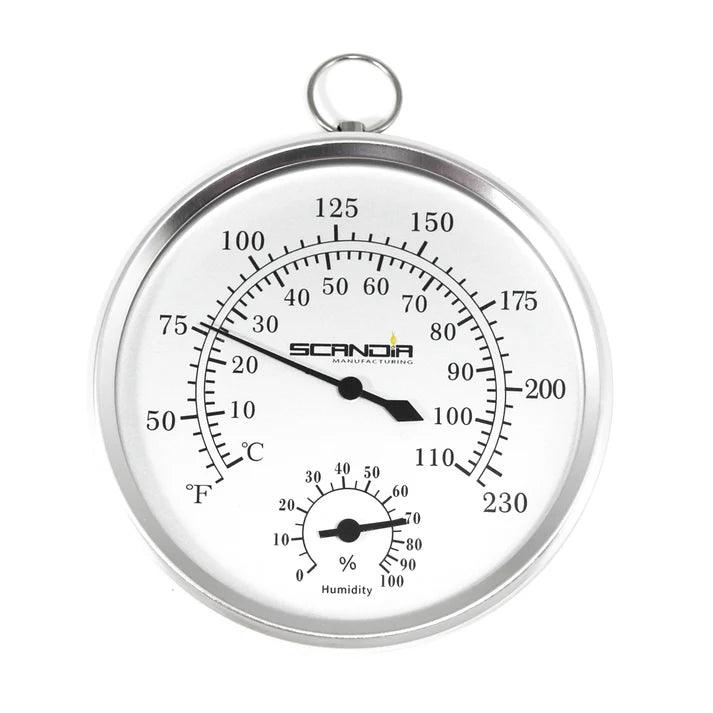
Sauna setup showing thermometer, timer, and hydration bottles
-
Home BP monitor with a clean reading (no personal identifiers)
-
Cooling routine setup: seated rest area, lukewarm shower access
These visuals demonstrate safe practice without overpromising outcomes.
Realistic Expectations
This is not a clinical trial. You're gathering personal observational data to see if sauna use aligns with your cardiovascular goals. Measurable BP changes may be modest or absent—and that's okay. The broader lifestyle benefits (stress reduction, recovery support, adherence to a health routine) may matter more than precise mmHg drops.
If you detect concerning changes—BP rising, new symptoms, persistent dizziness—stop and consult your clinician immediately.
FAQ
1. Is sauna use good for blood pressure?
Sauna use can modestly lower blood pressure after each session and is associated with lower long-term risk of hypertension in observational studies.
-
Acute studies show systolic BP falling by about 5–7 mmHg after a 30-minute sauna
-
Repeated sessions may improve endothelial function and arterial stiffness
-
Observational Finnish cohorts link frequent sauna use with lower incident hypertension and cardiovascular events
-
Sauna should complement, not replace, standard hypertension treatments
-
Individual responses vary; some people see minimal BP changes
Citations: Sauna from Finland, 2021; Nature Hypertension, 2017; NIH, 2022; Mayo Clinic Proceedings, 2018
2. Does a sauna raise or lower blood pressure during the session?
During the session, heart rate rises and BP may increase slightly or stay stable; afterward, BP usually falls below baseline for a time.
-
Heat causes vasodilation and increased cardiac output, changing BP dynamics
-
Acute trials show small post-sauna BP reductions in both healthy and hypertensive subjects
-
Dizziness or faintness after standing suggests excessive BP drop
-
The hemodynamic effects are temporary; resting BP trends lower with regular long-term use
Citations: Sauna from Finland, 2021; Nature Hypertension, 2017; NIH, 2015
3. How often should I use a sauna for heart health benefits?
Observational data suggest 4–7 sessions per week are associated with the greatest reductions in cardiovascular events and mortality.
-
Even 2–3 sessions/week may provide some vascular and BP benefits
-
Protocols in trials often use 3–5 sessions/week for several weeks
-
Frequency should be tailored with your clinician if you have heart disease or hypertension
-
Start conservatively and increase frequency only if well-tolerated
-
Quality and consistency matter more than extreme frequency
Citations: JAMA Internal Medicine, 2015; ACC, 2015; NIH, 2022; Mayo Clinic Proceedings, 2018
4. How long should a sauna session be for blood pressure benefits?
Many studies use 10–20 minute sessions, which are enough to raise heart rate and induce vasodilation.
-
Some trials use up to 30 minutes at moderate temperatures, followed by gradual cooling
-
Beginners and people with cardiovascular risk should start closer to 5–10 minutes
-
Longer, hotter sessions increase dehydration and hypotension risk
-
Session duration >19 minutes associated with stronger benefits in Finnish cohort
-
Extreme duration doesn't appear necessary for cardiovascular effects
Citations: Sauna from Finland, 2021; Nature Hypertension, 2017; JAMA Internal Medicine, 2015; Mayo Clinic Proceedings, 2018; NIH, 2015
5. Are saunas safe if I have high blood pressure?
Many people with controlled hypertension can use sauna safely with moderation and medical guidance.
-
Acute studies in hypertensive adults show modest BP reductions and no major adverse events with supervised protocols
-
Poorly controlled or labile hypertension warrants caution and a clinician's input
-
Monitor symptoms closely, especially dizziness when standing
-
Start with shorter, cooler sessions if cleared by your doctor
-
Always discuss sauna plans with your prescribing clinician if on BP medications
Citations: PMC, 2021; PMC (Waon study), 2021; Mayo Clinic Proceedings, 2018; NIH, 2015
6. Can sauna use reduce my risk of heart attack?
Finnish cohort data link frequent sauna use with significantly lower rates of fatal coronary heart disease and sudden cardiac death.
-
Proposed mechanisms include lower BP, improved vascular function, and reduced inflammation
-
Men using saunas 4–7 times/week had ~63% lower sudden cardiac death risk vs once weekly
-
These studies are observational, so they cannot prove causation
-
Saunas should be part of a broader heart-healthy lifestyle rather than a standalone prevention strategy
-
Randomized trials confirming causation are still lacking
Citations: JAMA Internal Medicine, 2015; ACC, 2015; NIH, 2022; Mayo Clinic Proceedings, 2018
7. Is a traditional or infrared sauna better for blood pressure?
Traditional Finnish saunas have the strongest evidence base for long-term cardiovascular outcomes.
-
Infrared/Waon therapy shows promising BP and heart failure benefits in small clinical trials at lower temperatures
-
Choice often depends on tolerance, access, and medical status rather than clear superiority
-
Traditional saunas produce stronger cardiovascular load; infrared is gentler
-
No head-to-head trials directly comparing BP outcomes between types
-
Both can support cardiovascular health when used consistently
Citations: PMC (Waon study), 2021; Journal of Cardiology, 2009; Mayo Clinic Proceedings, 2018; NIH, 2015
8. Can I use a sauna if I have heart failure?
Some patients with stable, compensated heart failure benefit from supervised low-temperature Waon therapy.
-
Trials report improved symptoms, exercise tolerance, and modest BP reductions without major adverse events under supervision
-
Decompensated or unstable heart failure is a contraindication to unsupervised sauna use
-
Protocols are structured: 15 min at 60°C followed by 30-min warm rest, typically 5x/week
-
Home sauna use in heart failure requires explicit cardiologist clearance
-
Never attempt sauna use during acute heart failure exacerbations
Citations: Journal of Cardiology, 2009; Mayo Clinic Proceedings, 2018; NIH, 2015
9. Which heart conditions make sauna use unsafe?
Unstable angina, recent myocardial infarction, severe aortic stenosis, and uncontrolled arrhythmias are key red flags.
-
Decompensated heart failure and severe symptomatic valvular disease also raise risk
-
People with these conditions should avoid sauna unless specifically cleared in a monitored setting
-
Poorly controlled hypertension (systolic >160 mmHg) requires stabilization first
-
Serious arrhythmias and autonomic neuropathy increase risk
-
When in doubt, consult your cardiologist before any sauna use
Citations: Mayo Clinic Proceedings, 2018; NIH, 2015; SIU School of Medicine, 2023
10. Can I use a sauna while taking blood pressure medication?
Many people on BP medication can use saunas, but there is a risk of additive BP lowering and dizziness.
-
Diuretics, nitrates, and other vasodilators can enhance dehydration and hypotension in the heat
-
Beta-blockers and autonomic neuropathy may impair the body's ability to handle heat
-
Always discuss sauna plans with your prescribing clinician and start with brief, mild sessions
-
Monitor symptoms, especially orthostatic dizziness when standing
-
Some people may need medication timing adjustments or closer BP monitoring
Citations: NIH, 2015; SIU School of Medicine, 2023; Mayo Clinic Proceedings, 2018
11. What are signs I should get out of the sauna immediately?
Leave immediately if you feel light-headed, faint, confused, short of breath, have chest pain, or palpitations.
-
These can indicate dangerous drops or spikes in BP, arrhythmias, or heat-related illness
-
Sit or lie down in a cool area and seek medical attention for severe or persistent symptoms
-
Nausea, severe headache, or inability to cool down are also warning signs
-
Never "push through" concerning symptoms
-
Recovery should feel gradual and comfortable, not distressing
Citations: UCLA Health, 2023; SIU School of Medicine, 2023; NIH, 2015
12. Does sauna use help cholesterol and arterial stiffness?
Some studies report improved lipid profiles and reduced arterial stiffness with repeated sauna use.
-
Mechanisms may involve improved endothelial function and reduced oxidative stress
-
Evidence is still emerging and largely from small cohorts
-
Arterial compliance improvements may contribute to BP benefits
-
Effects on cholesterol are less consistent than BP effects
-
Sauna does not replace statins or other lipid-lowering therapies
Citations: NIH, 2022; Mayo Clinic Proceedings, 2018; NIH, 2015
13. Is sauna use good for stress and heart rate variability?
Saunas can promote relaxation and may favorably influence autonomic balance and HRV.
-
Improved HRV is associated with better cardiovascular prognosis
-
More research is needed to quantify these effects specifically for sauna
-
Stress reduction may contribute to long-term cardiovascular benefits
-
Parasympathetic activation during cool-down supports recovery
-
Effects on HRV are promising but not yet definitively proven
Citations: NIH, 2022; Mayo Clinic Proceedings, 2018
14. Is it safe to plunge into cold water after a sauna if I have heart issues?
Sudden cold immersion can rapidly raise blood pressure and trigger arrhythmias, especially in people with cardiovascular disease.
-
Many experts advise avoiding abrupt cold plunges if you have heart disease or significant hypertension
-
Gradual cooling is safer for the cardiovascular system
-
Lukewarm showers or seated rest in cool air are better alternatives
-
Contrast therapy (hot-cold cycles) may pose excessive cardiovascular stress
-
If you have CVD, stick to gentle cool-downs
Citations: Mayo Clinic Proceedings, 2018; NIH, 2015
15. How does sauna compare to exercise for heart health?
Sauna mimics some cardiovascular effects of moderate exercise (increased HR, vasodilation) but does not replace the broader benefits of physical activity.
-
Combining exercise with sauna may yield greater BP and vascular benefits than either alone
-
Exercise remains foundational; sauna is best used as an adjunct
-
Sauna does not build muscular strength or aerobic capacity like exercise does
-
Post-exercise sauna may enhance recovery and cardiovascular adaptations
-
Think of sauna as complementary, not equivalent, to exercise
Citations: PMC, 2021; UCLA Health, 2023; Mayo Clinic Proceedings, 2018
16. Can saunas cause dangerous low blood pressure?
Saunas can cause post-session hypotension, especially if you're dehydrated, on BP-lowering drugs, or stand up quickly.
-
Symptoms include dizziness, fainting, or blurred vision after standing
-
Shorter sessions, hydration, and slow position changes reduce this risk
-
Orthostatic hypotension is more common in people on multiple cardiovascular medications
-
Severe hypotension is rare but can occur with alcohol use or extreme dehydration
-
Exit and cool down gradually; seek help if symptoms are severe
Citations: PMC (Waon study), 2021; SIU School of Medicine, 2023; NIH, 2015
17. Are saunas safe for people with diabetes and autonomic neuropathy?
Autonomic neuropathy can impair BP and heart rate responses, increasing risk of hypotension or arrhythmia in the sauna.
-
People with advanced neuropathy should seek individualized medical advice before heat exposure
-
Evidence is limited and largely based on pathophysiology and expert opinion
-
Blood sugar monitoring may be important as heat can affect glucose metabolism
-
Diabetic patients without neuropathy may use saunas with standard precautions
-
Always discuss with your endocrinologist if you have diabetes complications
Citations: NIH, 2015; Mayo Clinic Proceedings, 2018
18. Can regular sauna use improve longevity?
Frequent sauna use is associated with lower all-cause mortality in Finnish cohorts.
-
Reduced cardiovascular deaths and possibly lower risk of dementia contribute to this association
-
Observational design means cause-and-effect is unproven
-
Men using saunas 4–7 times/week had ~40% lower all-cause mortality
-
Effects may be partly due to healthier lifestyles among frequent sauna users
-
Sauna is one component of a longevity-focused lifestyle, not a standalone solution
Citations: JAMA Internal Medicine, 2015; ACC, 2015; NIH, 2022; Mayo Clinic Proceedings, 2018
19. Is sauna use recommended in US clinical guidelines for hypertension?
Sauna is not yet a frontline therapy in major hypertension guidelines but is discussed as a potential adjunct lifestyle intervention.
-
Reviews from major institutions highlight promising evidence but call for more randomized trials
-
Clinicians typically focus on proven lifestyle changes (diet, exercise, weight loss) and medications first
-
Sauna may be suggested as part of comprehensive cardiovascular risk reduction in appropriate patients
-
Lack of large RCTs limits guideline inclusion
-
Clinical practice is evolving as evidence accumulates
Citations: UCLA Health, 2023; Mayo Clinic Proceedings, 2018
20. What precautions should beginners take when using a sauna for heart health?
Start with 5–10 minute sessions at moderate temperatures, stay hydrated, and avoid alcohol.
-
Monitor how you feel, and check home BP before and after sessions if you have hypertension
-
Discuss sauna use with your clinician if you have any cardiovascular disease or take heart medications
-
Increase duration and frequency gradually only if well-tolerated
-
Always stand up slowly to prevent orthostatic dizziness
-
Stop immediately if any concerning symptoms develop
Citations: UCLA Health, 2023; SIU School of Medicine, 2023; Mayo Clinic Proceedings, 2018; NIH, 2015
21. Does sauna use affect blood clotting or stroke risk?
Limited evidence suggests sauna may improve blood flow and reduce markers of clotting tendency, but direct effects on stroke risk are unclear.
-
Some observational data hint at lower stroke incidence among frequent sauna users
-
Dehydration from excessive sauna use could theoretically increase clotting risk
-
Proper hydration is essential to maintain blood volume and healthy viscosity
-
More research is needed on sauna's direct effects on thrombotic events
-
Sauna does not replace anticoagulation therapy if prescribed
Citations: Mayo Clinic Proceedings, 2018
22. Can I use a sauna if I'm pregnant?
Pregnant women are generally advised to avoid saunas, especially in the first trimester, due to concerns about elevated core temperature.
-
High temperatures may pose risks to fetal development
-
Hypotension from sauna can affect placental blood flow
-
Medical clearance is essential if you have any interest in sauna use during pregnancy
-
Lukewarm baths are safer alternatives for relaxation
-
Always prioritize your obstetrician's guidance
Citations: NIH, 2015; Mayo Clinic Proceedings, 2018
23. How quickly do blood pressure benefits appear with regular sauna use?
Acute BP reductions occur within 30 minutes of a single session; longer-term resting BP improvements may take 8–12 weeks of consistent use.
-
Small trials show measurable ambulatory BP changes after 8 weeks of 3x/weekly sessions
-
Individual variability is high—some people respond quickly, others show minimal change
-
Observational associations with lower hypertension risk emerge over years
-
Consistency matters more than rapid results
-
Track your own baseline for at least 2–3 months before evaluating effectiveness
Citations: PMC, 2021; Sauna from Finland, 2021
24. Are there any supplements or foods that enhance sauna's cardiovascular benefits?
Hydration is the most critical factor; adequate electrolyte intake (sodium, potassium, magnesium) supports fluid balance.
-
No specific supplements are proven to enhance sauna-related cardiovascular benefits
-
A heart-healthy diet supports overall vascular function regardless of sauna use
-
Avoid alcohol before or during sauna sessions
-
Beetroot juice and foods high in nitrates may support nitric oxide production, theoretically complementing sauna's vascular effects
-
Focus on fundamentals (hydration, nutrition, sleep) rather than searching for "sauna boosters"
Citations: General cardiovascular nutrition principles; no specific sauna-supplement trials
25. Should I use a sauna before or after exercise for maximum heart benefits?
Post-exercise sauna appears to amplify blood pressure benefits more than pre-exercise sauna.
-
One trial found significant ambulatory BP reductions when 15-min sauna followed exercise, 3x/week
-
Pre-exercise sauna may increase cardiovascular demand during workouts, which could be risky
-
Post-exercise sauna extends the cardiovascular stress in a controlled way, supporting adaptations
-
If you're new to sauna, separate it from intense exercise initially
-
Advanced users may benefit from structured post-workout sauna protocols
Citations: PMC, 2021; UCLA Health, 2023
Sources
- See our research on sauna for blood pressure and heart health
-
JAMA Internal Medicine, 2015 – "Association Between Sauna Bathing and Fatal Cardiovascular and All-Cause Mortality Events" (Finnish cohort, 2,315 men, 20-year follow-up)
-
American College of Cardiology (ACC), 2015 – Journal scan summary of Finnish sauna mortality study
-
NIH/PMC, 2015 – "Sauna bathing: a warm heart proves beneficial" (review of mechanisms, safety, and CVD outcomes)
-
NIH/PMC, 2022 – "Inflammation, sauna bathing, and all-cause mortality in middle-aged to older Finnish men" (CRP and mortality interactions)
-
Nature Hypertension, 2017 – "Acute effects of sauna bathing on cardiovascular function" (hemodynamic responses)
-
Mayo Clinic Proceedings, 2018 – "Cardiovascular and Other Health Benefits of Sauna Bathing: A Review of the Evidence"
-
PMC, 2021 – "Blood pressure-lowering effect of repeated Waon therapy in non-smoking and current smoking participants" (retrospective analysis)
-
Journal of Cardiology, 2009 – "Beneficial effects of Waon therapy on patients with chronic heart failure" (multicenter case-control)
-
PMC, 2021 – "Effects of Sauna Alone and Postexercise Sauna Baths on Blood Pressure in Patients with Untreated Hypertension"
-
UCLA Health, 2023 – "Benefits of sauna bathing for heart health"
-
SIU School of Medicine, 2023 – "5 surprising health benefits of sauna use"
-
Sauna from Finland, 2021 – "Why sauna bathing is good for your health" (acute BP data summary)
What We Still Don't Know
Despite growing evidence, significant gaps remain in our understanding of sauna use for blood pressure and heart health.
Causality vs. correlation:
The strongest evidence comes from observational studies. We don't know conclusively whether frequent sauna use causes lower cardiovascular mortality or whether healthier, more active people simply use saunas more often. Large randomized controlled trials would be needed to establish causation, but these are expensive and logistically challenging for lifestyle interventions tracked over decades (JAMA Internal Medicine, 2015 [methodological critique]; Mayo Clinic Proceedings, 2018).
Optimal protocols for different populations:
Most data involve middle-aged Finnish men using traditional saunas. We lack robust evidence on:
-
Optimal protocols for women (frequency, duration, temperature)
-
Effectiveness in diverse ethnic and geographic populations
-
Best approaches for older adults (65+) with multiple comorbidities
-
Specific protocols for different stages of heart disease
Infrared vs. traditional sauna outcomes:
While mechanistic studies suggest infrared saunas produce similar cardiovascular responses, we have no large-scale outcome data comparing the two types directly for hard endpoints like mortality or cardiovascular events (Mayo Clinic Proceedings, 2018; NIH, 2015).
Drug-sauna interactions:
Direct studies of how specific cardiovascular medications interact with sauna heat are sparse. Most guidance is extrapolated from pharmacology rather than controlled trials testing combinations (NIH, 2015; Mayo Clinic Proceedings, 2018).
Mechanisms of long-term benefit:
While we understand acute hemodynamic responses well, the exact mechanisms by which regular sauna use might reduce long-term cardiovascular risk remain incompletely characterized. Is it primarily vascular adaptation, autonomic rebalancing, anti-inflammatory effects, improved sleep, stress reduction, or a combination? (NIH, 2022; Mayo Clinic Proceedings, 2018)
Dose-response precision:
We know 4–7 sessions per week correlate with stronger benefits in observational data, but we don't know the "minimum effective dose" or whether there's a ceiling effect. Can 2 sessions provide meaningful benefit? Is 10 sessions better than 7? (JAMA Internal Medicine, 2015)
Safety thresholds in vulnerable populations:
While we know certain conditions are high-risk, we lack granular data on safety thresholds—for example, what level of aortic stenosis or what heart failure ejection fraction makes sauna unsafe? More nuanced risk stratification would help clinicians counsel patients (NIH, 2015; Mayo Clinic Proceedings, 2018).
These unknowns don't negate the existing evidence, but they remind us that sauna for cardiovascular health is a promising intervention that still requires more research before it can be prescribed with the same confidence as proven therapies like exercise or statins.
Ready to build a heart-smart sauna routine at home? Explore our premium sauna collection and infrared saunas engineered for safety, comfort, and longevity.
View More ArticlesLow EMF vs Standard Infrared: What Actually Changes? The Buyer's Guide and Decision Framework
I Have Low Ceilings; What Sauna Styles and Heights Will Fit?
Related Posts

Are Infrared Saunas Safe? A Science-Based Guide to Benefits, Risks & Smart Use

The 8 Best 2 Person Saunas of 2026: A Buyer's Guide to Size, Type, and Cost

The Truth About Costco Saunas: Are They Worth the Price and Hassle?

Arcadia Barrel Sauna: The Complete Buyer's Guide & Assembly Blueprint

Low EMF vs Near-Zero EMF Infrared Saunas: What Actually Matters Before You Buy

Chromotherapy vs No Chromotherapy: Who Benefits From It (Practically)? The Buyer's Decision Guide

The Science of Heat: How Saunas Improve Circulation and Cardiovascular Health
