















The Ultimate Recovery Routine for Athletes: Sauna and Cold Plunge Essentials
Recovery strategies are quintessential for athletes looking to enhance their performance, achieve greater training gains, and reduce the risk of injury. Among the myriad of recovery techniques available, the combination of sauna sessions and cold plunges has gained substantial popularity due to its effectiveness and efficiency. This blog post dives into why these methods work and how to best integrate them into your daily training regimen.
Understanding the Science Behind Sauna and Cold Plunge Recovery
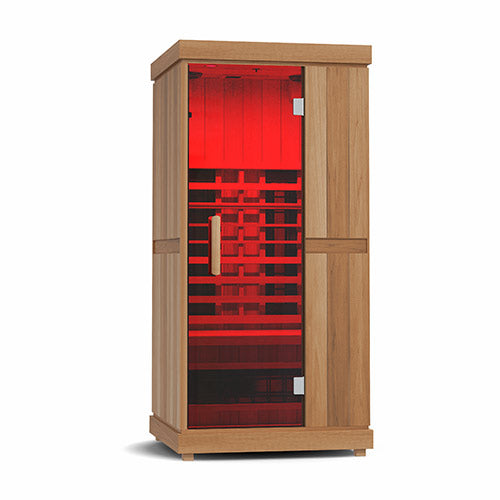
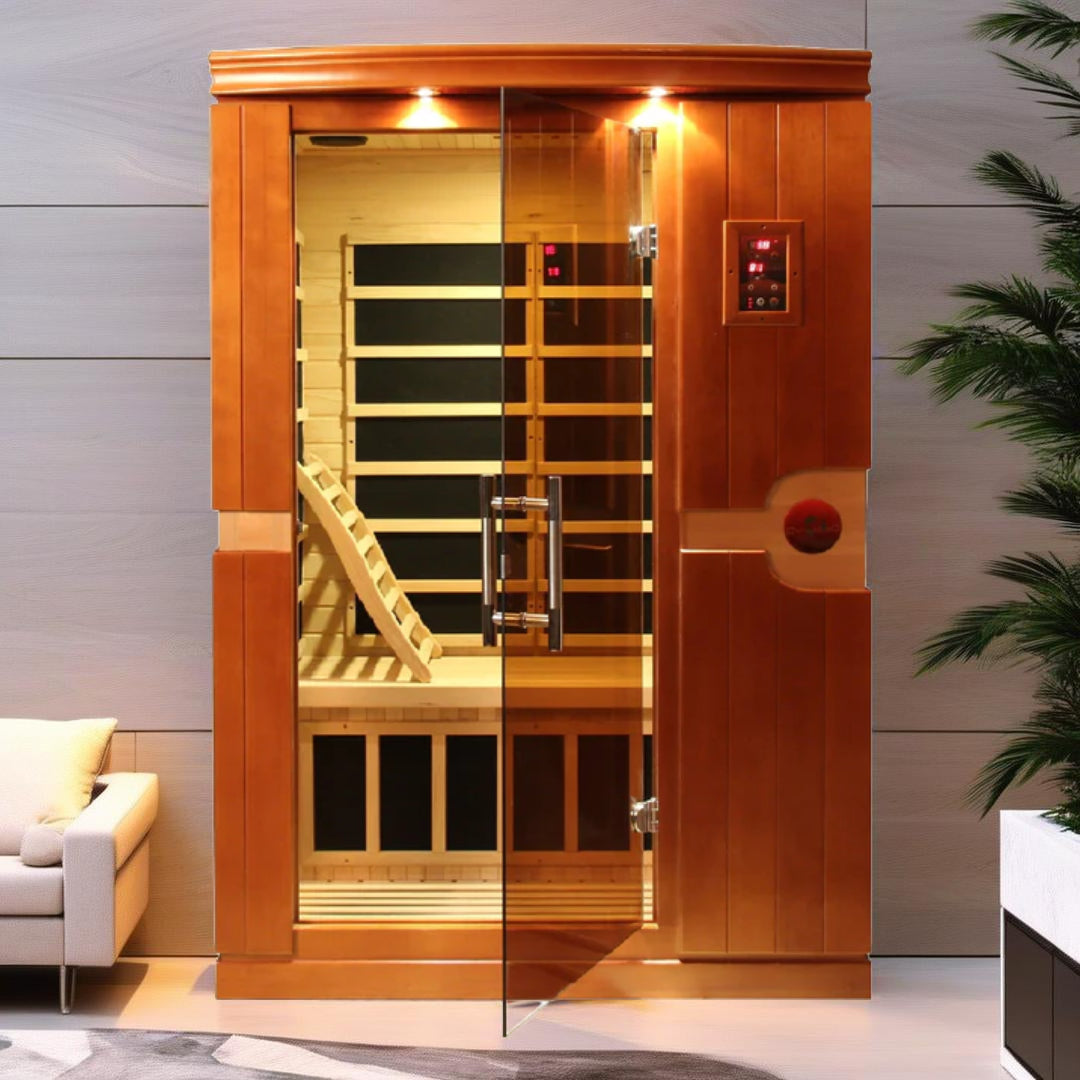
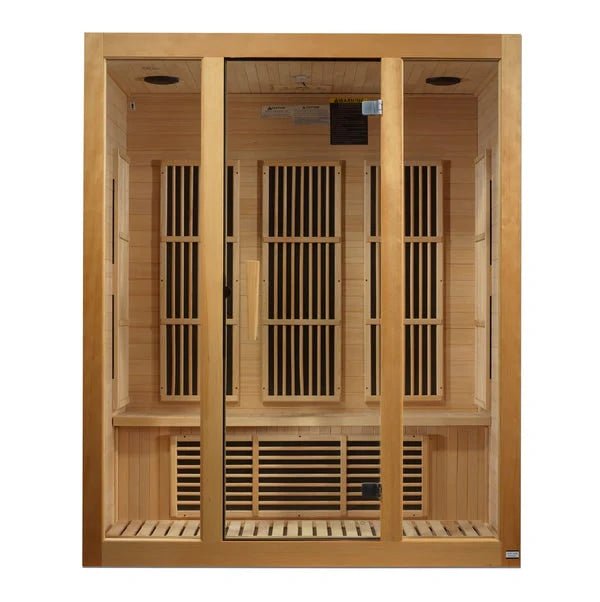
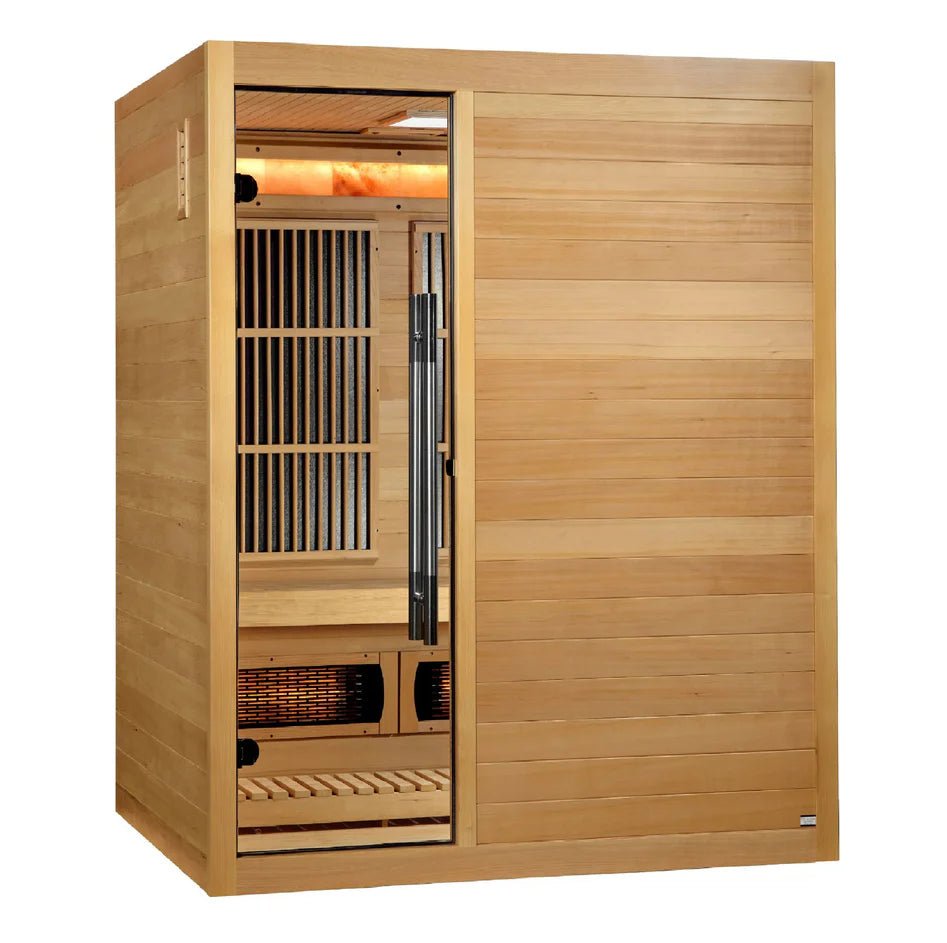
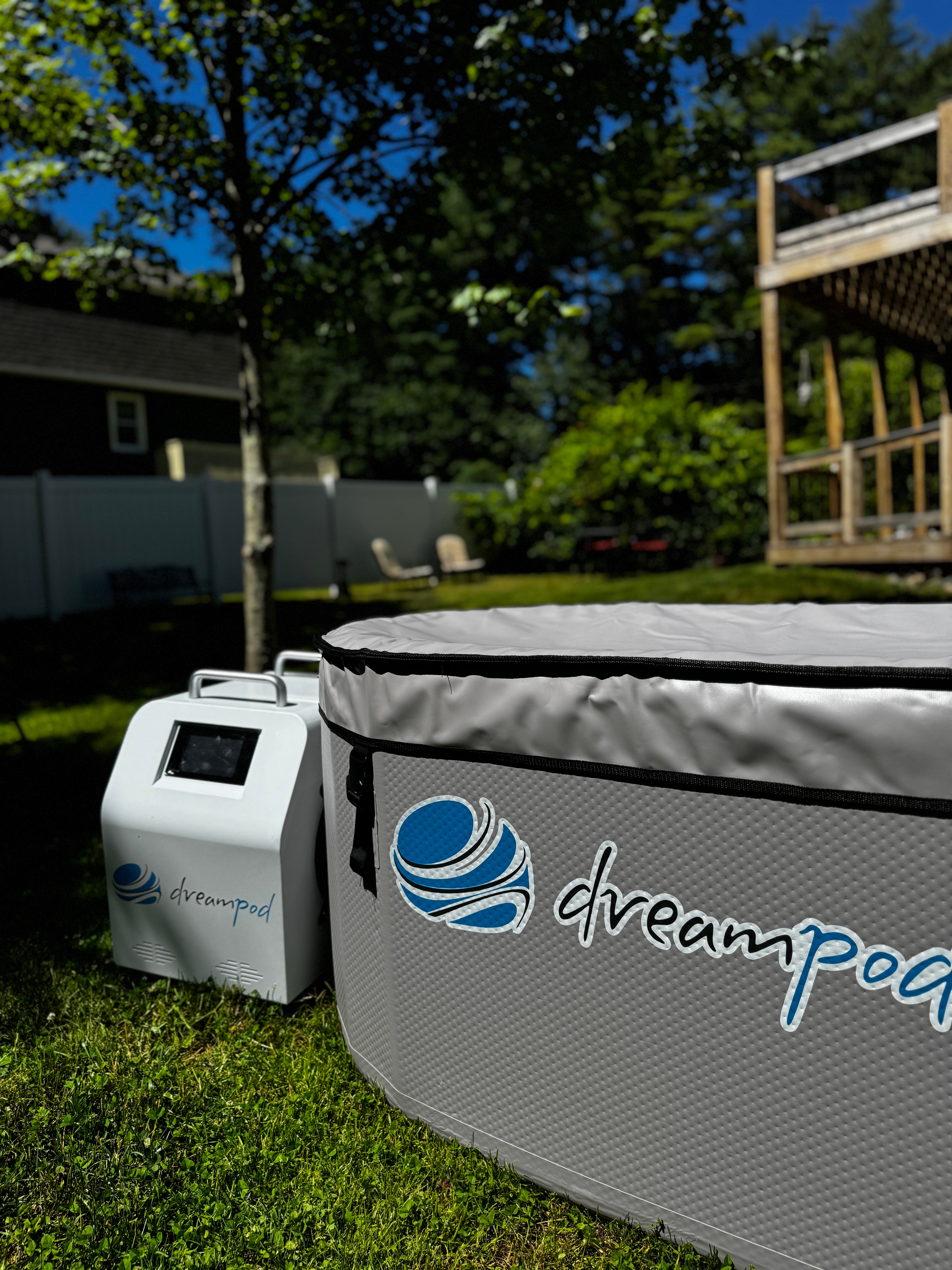
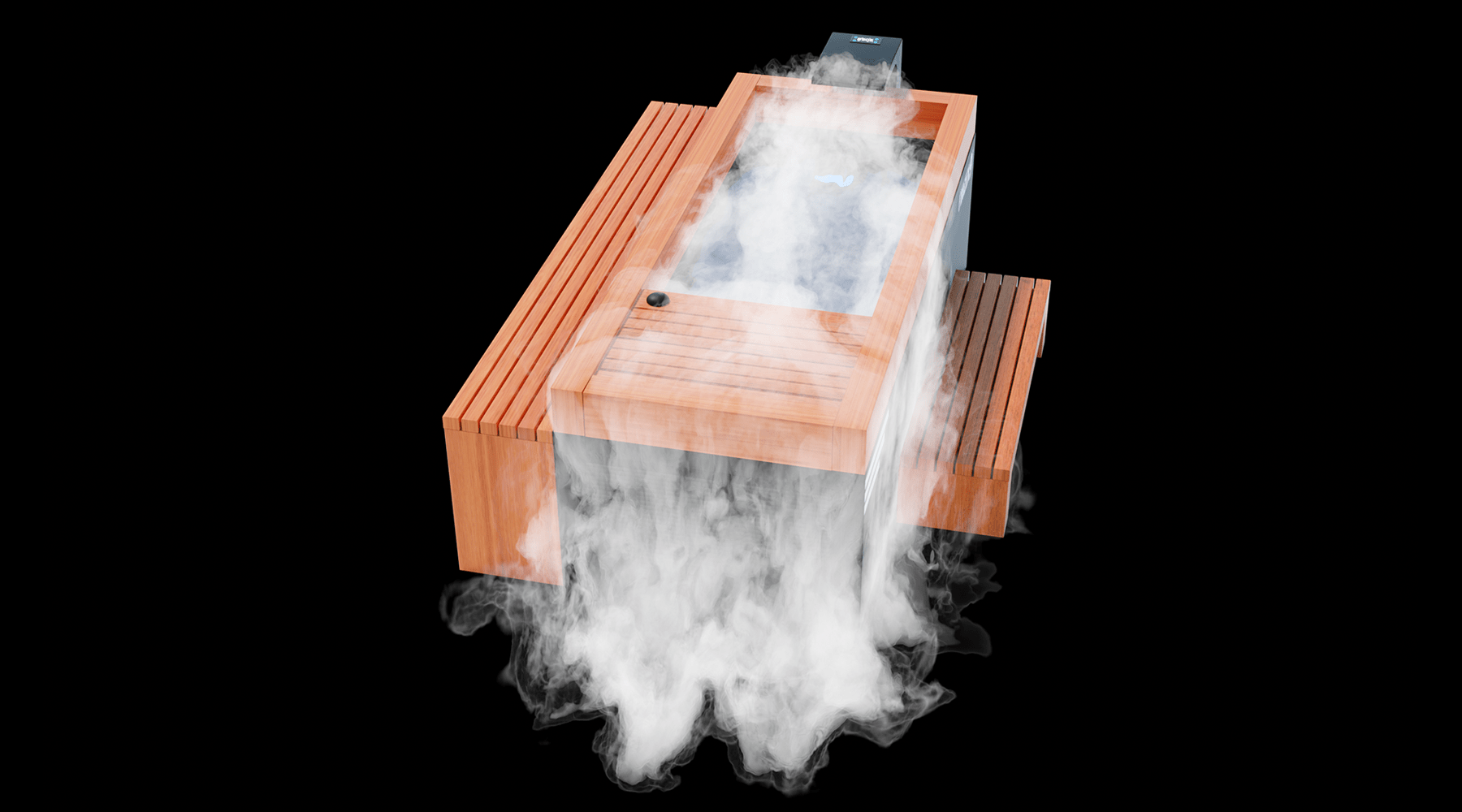
Saunas provide heat therapy which has been shown to help muscles relax, increase circulation, and aid the removal of toxins from the body. Cold plunges, in contrast, utilize cold water immersion that helps to reduce muscle inflammation and improve recovery times post-exercise. Together, the thermal contrast therapy provides a powerful tool for enhancing recovery.
Benefits of Heat Therapy from Saunas
Regular sauna sessions can lead to various physiological adaptations that are beneficial for athletes including:
- Detoxification: Sweating in high temperatures helps flush out toxins and can cleanse the skin.
- Improved Circulation: Increased heat from the sauna enhances blood flow, which speeds up the body’s natural healing process.
- Stress Reduction: Heat therapy can reduce physical and mental stress, promoting a state of calmness and relaxation.
Advantages of Cold Water Immersion
Cold plunges offer several recovery advantages:
- Decreased Muscle Inflammation and Soreness: Cold temperatures reduce blood flow to areas of inflammation and can significantly decrease muscle soreness after intensive workouts.
- Enhanced Immune Response: Exposure to cold water has been linked to an improved immune system, which is vital for athletes to maintain health and performance.
- Improved Sleep Quality: The calming effects of cold water can help in improving sleep patterns, which is crucial for recovery.
How to Effectively Combine Sauna and Cold Plunge in Your Routine
Integrating sauna and cold plunge therapies into your recovery routine takes planning and consideration. Here are several guidelines you can follow:
- Start Gradually: Begin with shorter sessions and slowly increase intensity and duration based on your body’s response.
- Monitor Your Body’s Response: Pay attention to how your body feels during and after sessions. Adjust times based on any signals of discomfort or extreme fatigue.
- Stay Hydrated: Significant sweating in the sauna can lead to dehydration. Always drink plenty of water before and after sessions.
- Combine with Massage Therapy: Consider integrating massage therapy on alternate days to further aid in recovery and muscle relaxation.
Case Studies and Testimonials
Many professional athletes incorporate sauna and cold plunge therapies into their routines. For example, famous soccer players and Olympic swimmers have attributed part of their success and longevity in sports to regular use of these recovery methods.
From detailed academic research to anecdotal evidence in sporting circles, the consensus points towards significant benefits, underlining the power of incorporating both heat and cold therapies into an athlete's recovery protocol.
Conclusion and Further Reading
While sauna sessions and cold plunges can be excellent for recovery, combining them with other recovery modalities like floatation therapy can provide even greater benefits. By exploring these techniques and tailoring them to meet individual needs, athletes can optimize their recovery and enhance overall performance.
View More ArticlesOptimizing Recovery: Mastering the Sauna and Cold Plunge Routine
Optimizing Recovery: Mastering the Sauna and Cold Plunge Routine
Related Posts

Nurecover Tropic Home Sauna Review: Is This Portable Steam Sauna Right for You?

Dynamic Santiago 2-Person Ultra Low EMF Sauna Review (Standard vs Elite): Is It Worth It?

Red Light Therapy for Collagen: The Science-Backed Guide to Firmer Skin

Steam Shower vs. Compact Sauna: Which is Practical for My Small Bathroom?

6 Simple Ways to Turbocharge Any Sauna Session (Without Staying Longer)

I Have Low Ceilings; What Sauna Styles and Heights Will Fit?

Sauna for Blood Pressure and Heart Health: The Complete Guide to Benefits, Safety, and Protocols
