











6 Simple Ways to Turbocharge Any Sauna Session (Without Staying Longer)
The science-backed way to "turbocharge" sauna use isn't longer sessions—it's hitting a moderate, repeatable heat dose consistently while avoiding dehydration and extremes.
Key takeaways:
-
Traditional saunas show benefits at roughly 15–20 minutes, 2–4 times weekly at 174–212°F (80–100°C); infrared requires longer exposure (20–45 minutes) at lower temperatures (110–130°F / 43–54°C)
-
Most cardiovascular and heat adaptation benefits appear at moderate exposures; extreme duration mainly increases strain and dehydration risk
-
Heat shock proteins—the cellular "repair crew"—respond better to repeated moderate stress than occasional suffering
-
Contrast therapy (heat + cold) is mechanistically plausible but lacks strong long-term outcome data
-
Consistency over months predicts benefit better than any single intense session
-
Hydration, gradual acclimation, and respecting recovery windows are non-negotiable for safety
Table of Contents
What "Minimum Effective Dose" Means for Sauna
Minimum Effective Dose (MED) is the smallest amount of heat exposure that reliably triggers physiological adaptation without unnecessary strain. The concept comes from exercise physiology: there's a threshold where you get the benefit, and a ceiling beyond which you're mainly accumulating risk and fatigue rather than additional gains.
For sauna, this translates to finding the time-temperature-frequency combination that activates heat shock responses and cardiovascular adaptation while remaining sustainable week after week. The popular synthesis number—roughly 57 minutes per week for traditional saunas—represents a useful heuristic extrapolated from observational studies, not a magic threshold from a single randomized trial.
Key terms:
-
Heat Shock Proteins (HSPs): Stress-activated proteins (especially HSP70) that help cells repair damaged proteins and tolerate future stress
-
Heat Shock Factor 1 (HSF-1): The molecular switch that turns on HSP production when cells detect thermal stress
-
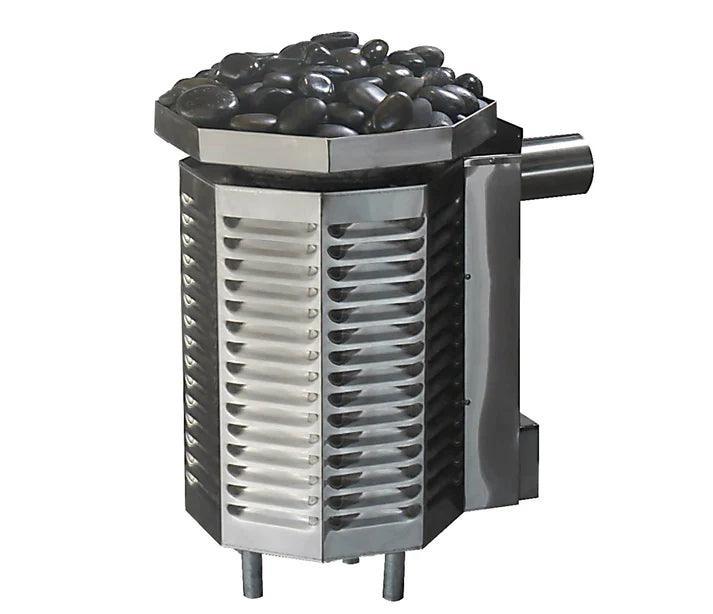
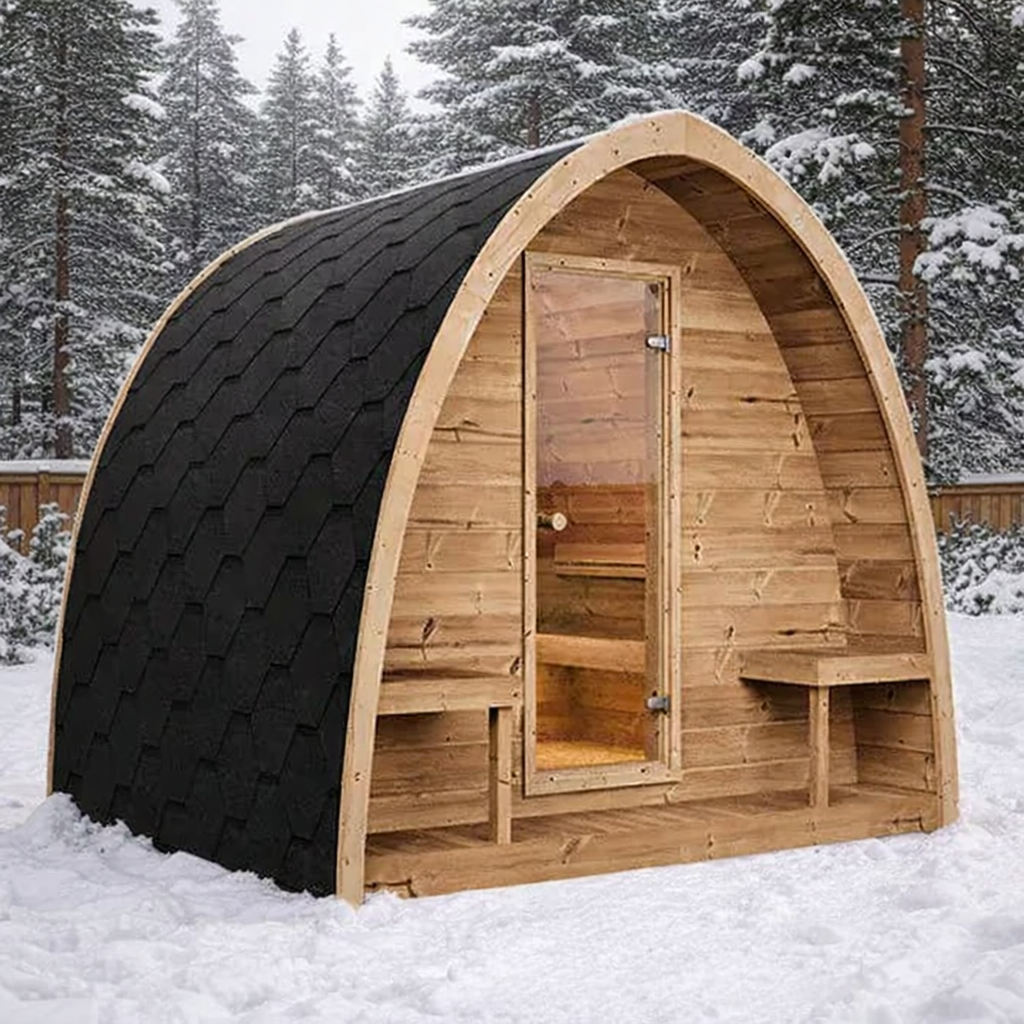
Traditional sauna: High air temperature (typically 174–212°F / 80–100°C) with heated rocks, sometimes steam
-
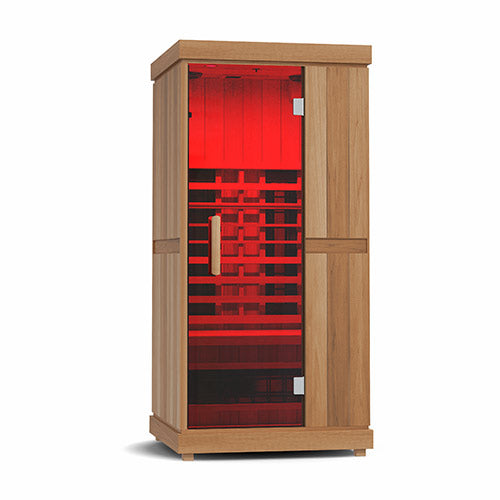
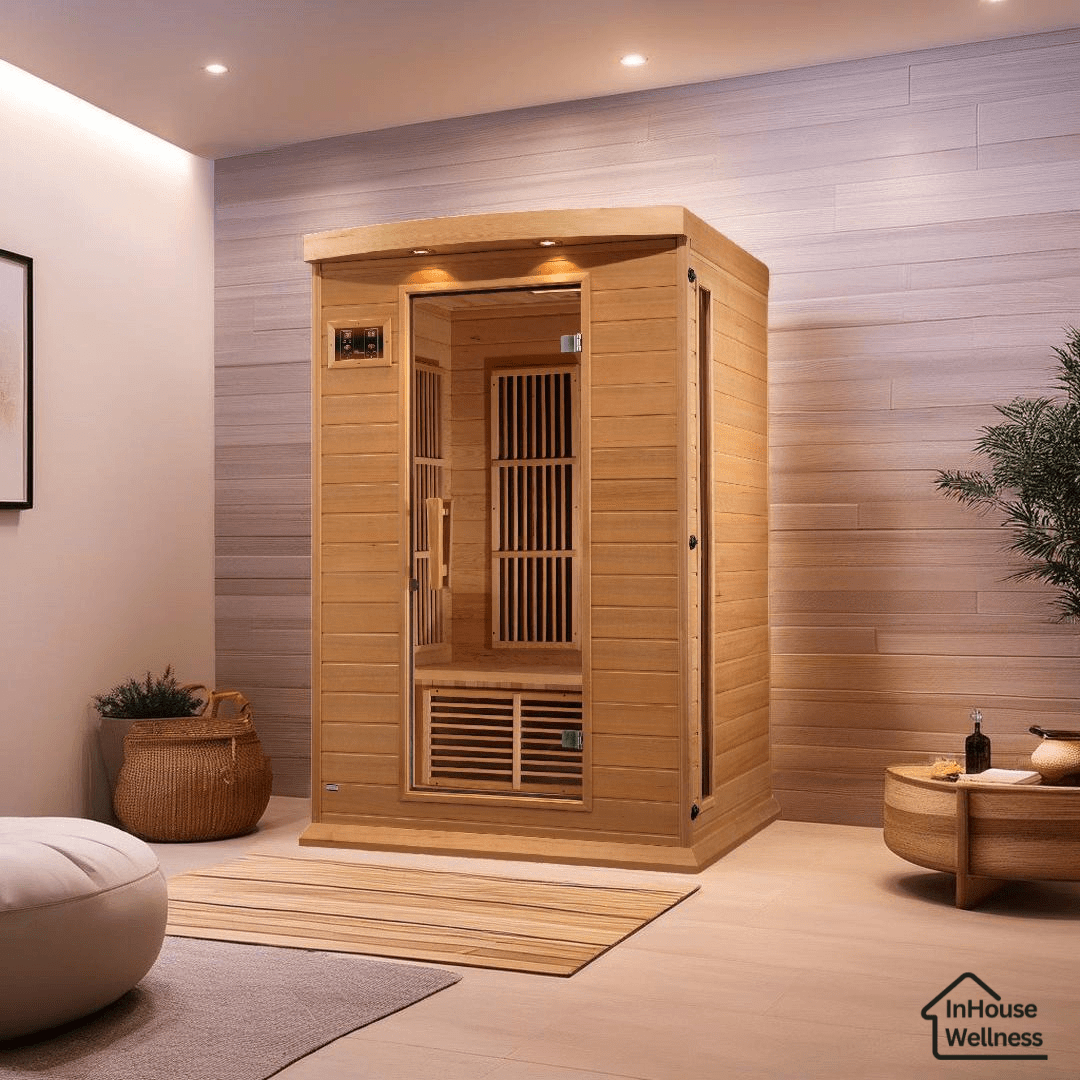
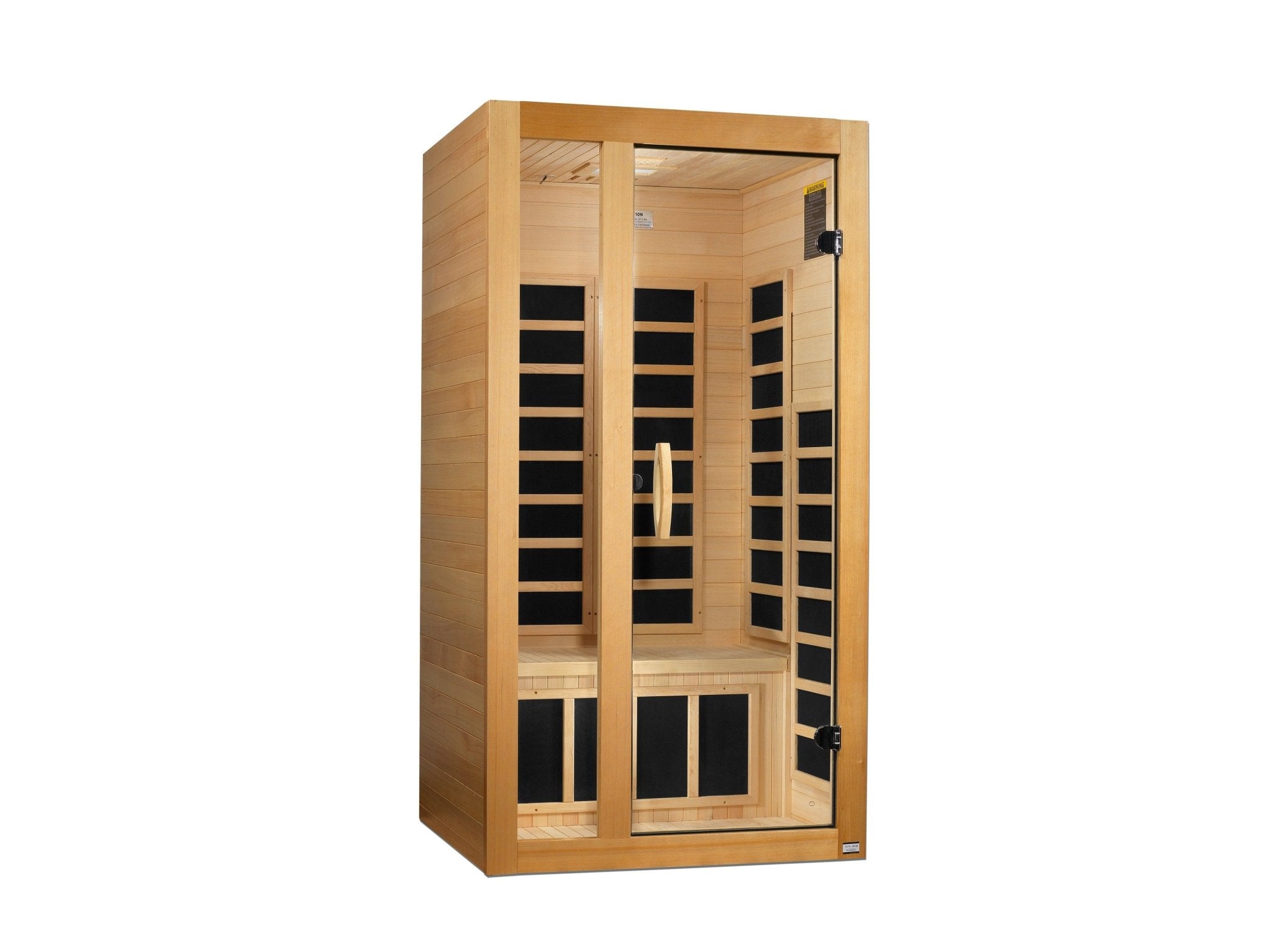
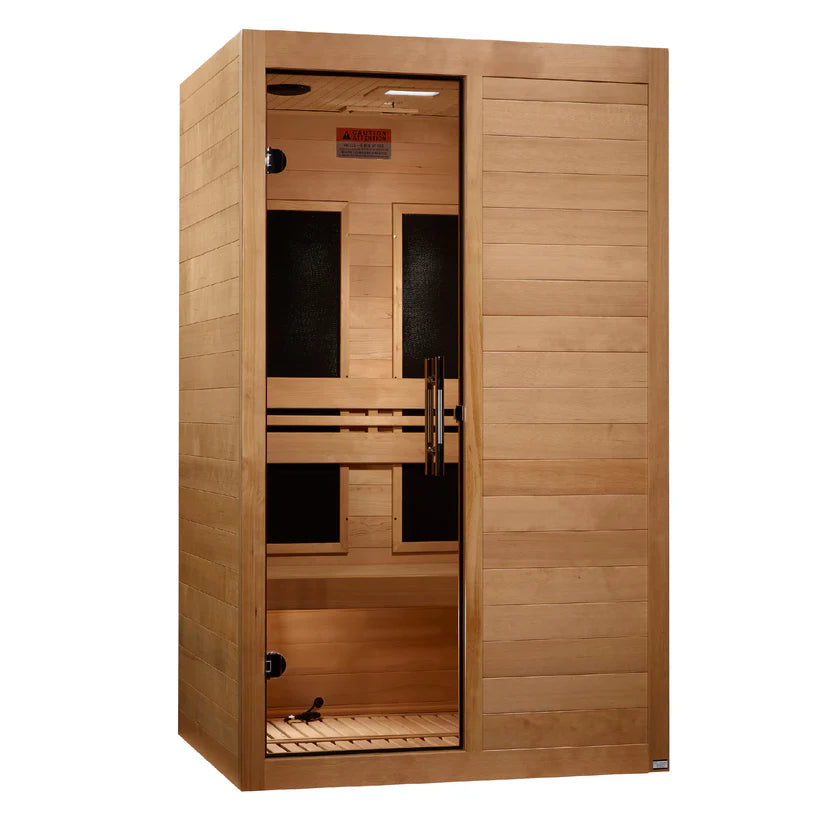
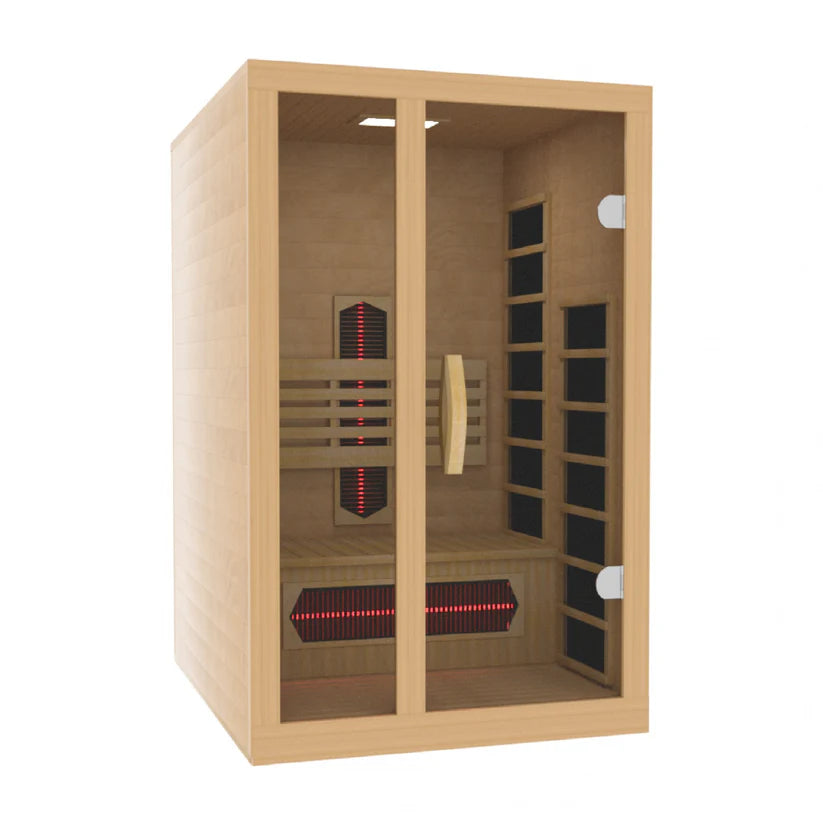
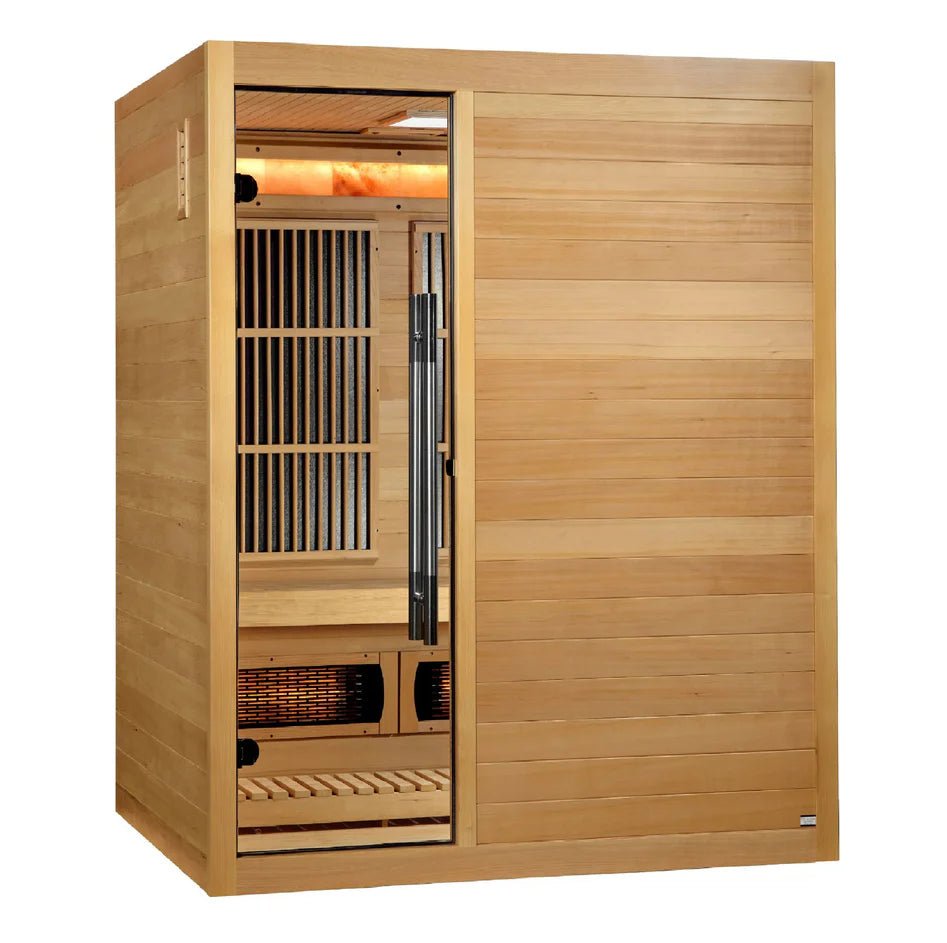
Infrared sauna: Lower air temperature (110–130°F / 43–54°C) using radiant heat panels; requires longer exposure for equivalent core temperature rise
-
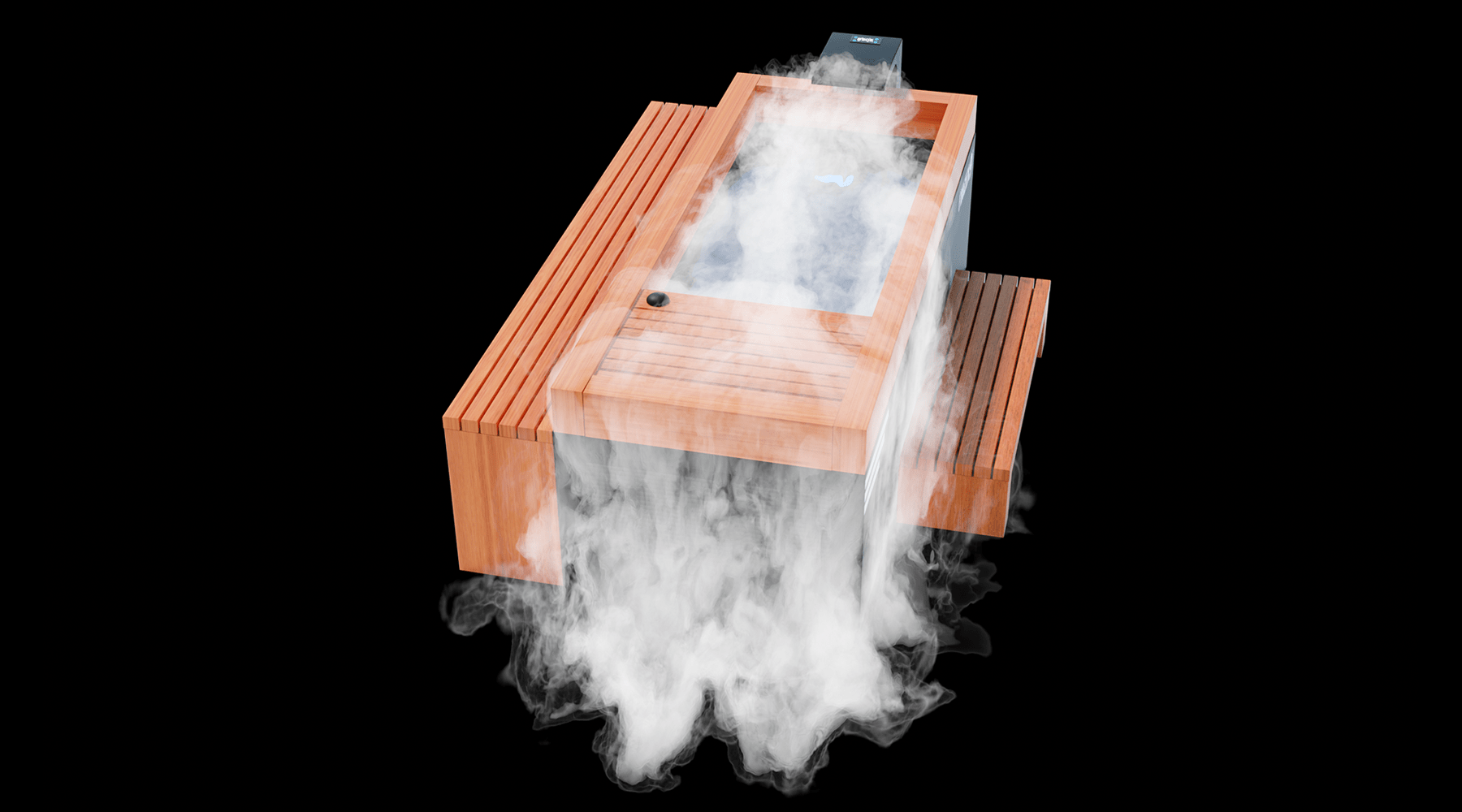
Contrast therapy: Alternating heat and cold exposure, often sauna followed by cold plunge or shower
Important ranges:
-
Traditional sauna MED: ~15–20 minutes per session, 2–4 times weekly
-
Infrared sauna MED: ~20–45 minutes per session due to lower ambient temperature
-
Temperature targets: Traditional 174–212°F; infrared 110–130°F
-
Weekly time synthesis: ~57 minutes total (spread across multiple sessions)
These numbers are consensus-based guidelines from physiologic research and observational cohorts, not precision prescriptions. Individual tolerance varies by age, fitness, cardiovascular health, and acclimation status.
What the Evidence Says
Dial in the Minimum Effective Dose (Time, Temp, Frequency)
{#dial-in-the-minimum-effective-dose}
The reflex assumption with sauna is "more heat, longer time, more benefit." The physiology doesn't support this.
Moderate, repeated sauna exposure—roughly 15–20 minutes per session for traditional saunas, 2–4 times weekly at 174–212°F—produces measurable cardiovascular adaptation: increased stroke volume, improved endothelial function, and enhanced sweating capacity. These changes mirror some training effects of moderate aerobic exercise. The roughly 57-minute weekly total is derived from Finnish observational cohorts and expert synthesis, representing a practical MED rather than a single experimentally validated threshold.
Infrared saunas operate differently. Because air temperature is lower (typically 110–130°F), core body temperature rises more slowly, requiring 20–45 minutes to achieve comparable thermal stress. The radiant heat penetrates tissue directly, but the overall physiologic response—HSP activation, cardiovascular stress, sweating—follows similar principles to traditional models.
Evidence strength: GREEN/YELLOW
Cardiovascular and thermoregulatory adaptations from moderate sauna use are well-documented in observational studies and physiologic research. The specific time-frequency targets are useful heuristics but involve some extrapolation; exact optimal doses for different populations (older adults, athletes, people with cardiovascular conditions) aren't fully mapped.
Why disagreements exist:
Different studies use different sauna types (traditional Finnish vs infrared), temperatures, durations, and populations. Some report total weekly time, others focus on per-session exposure. Manufacturer guidance often reflects conservative safety margins or specific device performance rather than pure physiology.
The critical insight: benefits appear to plateau at moderate exposures. Extreme duration mainly adds dehydration risk, heat intolerance, and cardiovascular strain without clear incremental gains. For most people, the practical "turbocharge" is hitting a sustainable weekly dose repeatedly, not chasing heroic single sessions.
Citations:
Mind Body Dad "Minimum Effective Dose for Sauna Hyperthermia" and The Psycle "How Often Should You Sauna" both emphasize moderate frequency and the concept of diminishing returns beyond moderate exposures.
Aim for Heat Shock, Not Heat Misery
The cellular reason sauna works involves a class of proteins that sound like they belong in a sci-fi novel: heat shock proteins, especially HSP70.
When your core temperature rises, cells detect the thermal stress and activate Heat Shock Factor 1 (HSF-1), which triggers production of HSPs. These proteins act as molecular chaperones, refolding damaged or misfolded proteins and protecting cells from further stress. Over time, repeated HSP activation appears to support cellular resilience, reduce oxidative stress, and may contribute to some of the longevity-associated patterns seen in observational sauna studies.
The key variable isn't suffering—it's repetition. Moderate thermal stress, applied consistently, upregulates HSP expression more effectively than occasional extreme sessions. The "dose" that matters is the magnitude of temperature rise multiplied by frequency, not pushing to the edge of heat tolerance every time.
Think of it as training a stress response system. You want enough stimulus to trigger adaptation, repeated often enough that the system gets better at handling heat. This is mechanistically similar to how repeated moderate exercise builds cardiovascular capacity better than sporadic all-out efforts.
Evidence strength: GREEN (mechanism), YELLOW (human outcomes)
HSP biology is well-established at the cellular and molecular level. The pathway from thermal stress → HSF-1 activation → HSP70 production → cellular protection is supported by decades of research. The translation to concrete human health outcomes via regular sauna use is promising and mechanistically coherent, but still involves some inference from animal models and smaller human studies.
Why disagreements exist:
Lab studies can measure HSP levels directly in cells and tissues. Human sauna studies typically measure downstream outcomes (blood pressure, cardiovascular events, self-reported wellbeing) without directly quantifying HSP expression in living tissue, creating a gap between mechanism and outcome.
Citations:
Pierre Health "Sauna Therapy Longevity Heat Shock Proteins Benefits" and Salus Saunas "The Hidden Power of Heat Shock Proteins" both detail HSP activation pathways and cellular stress responses.
Use Contrast Strategically, Not as a Stunt {#use-contrast-strategically}
The Finnish tradition of alternating sauna with cold lake or snow immersion has been re-discovered by modern biohackers, often with elaborate protocols and bold benefit claims.
The physiologic rationale is real: heat exposure activates heat shock pathways and increases peripheral blood flow; cold exposure triggers vasoconstriction and activates cold shock proteins (like RBM3 and CIRBP). Alternating between the two creates larger cardiovascular swings—vasodilation followed by vasoconstriction—which theoretically could enhance vascular adaptation and stress resilience beyond heat alone.
The problem: mechanistic plausibility doesn't automatically translate to superior long-term outcomes. Most contrast therapy research focuses on acute responses (immediate changes in blood flow, heart rate, subjective invigoration) or short-term athletic recovery, not longitudinal health outcomes like cardiovascular disease risk or longevity markers.
There's also a safety consideration: abrupt cold exposure causes a spike in blood pressure and can trigger cardiac events in people with underlying cardiovascular conditions. The "stunt" mentality—treating contrast as a test of willpower or an Instagram moment—ignores these risks.
Strategic use looks like:
-
Gradual cool-down (cool shower, not ice plunge) for most users
-
True cold plunges reserved for those without cardiovascular risk factors
-
Recognizing that most sauna benefit likely comes from the heat itself; cold adds acute stress and subjective invigoration but isn't mandatory for adaptation
Evidence strength: YELLOW
The dual activation of heat and cold stress pathways is mechanistically plausible and supported by acute physiologic studies. Evidence that this combination produces better long-term cardiovascular or metabolic outcomes than heat alone is limited. Finnish tradition and widespread anecdotal support exist, but high-quality randomized trials with hard endpoints (mortality, chronic disease incidence) are sparse.
Why disagreements exist:
Enthusiasts extrapolate from athlete recovery protocols and acute stress response data. Conservative sources note the lack of long-term outcome trials and the real cardiovascular risks of abrupt cold immersion. The gap reflects different standards of evidence: mechanistic coherence vs demonstrated clinical benefit.
Citations:
Divine Saunas "How to Take a Sauna Session to the Next Level" discusses contrast protocols, while Salus Saunas "Hidden Power of Heat Shock Proteins" addresses dual stress pathway activation.
Stack Mental or Mobility Work Inside the Heat {#stack-mental-or-mobility-work}
Many "maximize your sauna" guides recommend using the time for breathwork, light stretching, or meditation. The logic: you're already captive for 15–40 minutes; why not layer in another practice?
The evidence base here is indirect. Strong support exists for mindfulness meditation reducing stress and improving autonomic balance. Breathing exercises (especially slow, deep, nasal breathing) can shift autonomic tone toward parasympathetic dominance. Heat increases muscle tissue temperature and elasticity, theoretically making stretching more effective and comfortable.
What's missing: randomized trials specifically testing "sauna + breathwork" or "sauna + stretching" as a combined intervention against hard outcomes. The benefits are likely additive (you get heat adaptation plus the independent benefits of breathing or stretching) rather than synergistic (the combination creates something new).
Practical framing:
This is about time efficiency, not magic. If you're going to be sitting in heat anyway, spending 5 minutes on nasal breathing (e.g., 4-second inhale, 4-second hold, 4-second exhale) or gentle hip stretches makes use of "captive time" without adding complexity.
Evidence strength: YELLOW
Indirect evidence from separate literatures (mindfulness, stretching, heat on tissue elasticity) suggests plausible additive benefits. Direct evidence for the combination as superior to either practice alone is essentially absent.
Why disagreements exist:
Wellness content often presents stacking as transformative; skeptical sources note that you're simply doing two things at once, not unlocking a hidden synergy. The disagreement is more about framing than facts.
Citations:
High Tech Health "Enjoy Your Sauna Session" and Terapung "10 Best Sauna Practices for Maximum Benefits" discuss in-sauna activities, while the underlying physiology comes from broader stress-reduction and flexibility research not specific to sauna.
Respect Hydration, Electrolytes, and Recovery Windows {#respect-hydration-and-recovery}
Sauna causes significant fluid loss through sweating—often 0.5–1 liter or more per session depending on temperature, duration, and individual sweat rate. This isn't optional physiology; it's a certainty.
Dehydration reduces blood volume, which increases cardiovascular strain (heart works harder to maintain blood pressure) and raises risk of heat intolerance, dizziness, and in extreme cases, heat exhaustion. Electrolyte loss—primarily sodium, with smaller amounts of potassium and magnesium—can contribute to cramping and fatigue if sessions are frequent or prolonged.
Safety constraints:
-
People with cardiovascular disease, uncontrolled hypertension, or taking medications that affect blood pressure or fluid balance should get medical clearance before high-heat sauna use
-
Pregnancy is generally considered a contraindication for prolonged high-heat exposure due to risks of maternal hyperthermia affecting fetal development
-
Alcohol and sauna is a dangerous combination; alcohol impairs thermoregulation and judgment while increasing dehydration risk
Practical guidelines:
-
Drink 8–16 oz of water before entering
-
Sip water during longer sessions (especially infrared)
-
Rehydrate with 16–24 oz after, possibly with electrolytes if sessions are frequent
-
Build up gradually: start with shorter sessions (10–12 minutes) and lower temperatures, especially if new to sauna
-
Avoid back-to-back long sessions on consecutive days; allow recovery time
Evidence strength: GREEN
Fluid and electrolyte loss during heat exposure is basic exercise physiology. Safety precautions for cardiovascular conditions and pregnancy are standard clinical guidance backed by understanding of thermal stress on these populations.
Citations:
The Psycle "How Often Should You Sauna" and Pierre Health "Sauna Therapy Longevity" both emphasize hydration and gradual acclimation as essential safety practices.
Optimize for Consistency (Environment, Routine, and Small Frictions) {#optimize-for-consistency}
The emerging "sauna for longevity" framing hinges on a simple insight from exercise science: adaptation comes from repeated stimulus over time, not any single heroic effort.
Weekly time-in-sauna—not the intensity of your best session—predicts benefit. This mirrors how cardiovascular fitness responds to training volume spread over weeks and months, not to occasional exhausting workouts.
The practical bottleneck isn't motivation or willpower; it's friction. Small obstacles—forgetting to pre-fill a water bottle, not having a towel ready, unclear routine after stepping out—accumulate into skipped sessions. Over months, these micro-frictions determine whether you hit your MED or not.
Low-friction setup strategies:
-
Pre-stage towels and water: Keep a dedicated sauna towel and filled water bottle ready so there's no setup cost
-
Fixed time slot: Schedule sauna like a recurring meeting (e.g., Sunday and Wednesday evenings) rather than "when I feel like it"
-
Simple heat-rest loop: Establish a consistent post-sauna routine (cool-down, rehydrate, 10-minute rest) so each session feels complete and predictable
-
Environment tweaks: Adjust lighting, keep a simple timer visible, have a comfortable place to sit immediately after
The goal is reducing the activation energy required to actually use the sauna. Consistency matters more than intensity.
Evidence strength: GREEN
The principle that consistent moderate training produces better adaptation than sporadic intense training is foundational in exercise physiology. Observational sauna research links frequency and total weekly time—not single-session extremes—to health outcomes.
Why this matters:
Many "optimize your sauna" guides focus on what to do inside the heat. The real optimization is often behavioral: making it easy enough that you actually show up week after week.
Citations:
Mind Body Dad "Minimum Effective Dose for Sauna Hyperthermia" and Salus Saunas "10 Tips for Maximizing Your Sauna Experience" both emphasize routine establishment and friction reduction.
The Interpretive Insight
Here's the pattern across the evidence that most sauna content misses:
The prevailing wellness narrative treats sauna optimization as a problem of intensity—hotter, longer, more elaborate protocols. This framing comes from two sources: the biohacker fixation on quantified extremes (if some heat is good, maximum heat must be better) and the commercial incentive to differentiate premium products or services through complexity.
The physiology suggests the opposite. Heat shock protein expression, cardiovascular adaptation, and thermoregulatory improvements respond to moderate, repeated thermal stress more reliably than they respond to occasional extreme exposure. The dose-response relationship appears to plateau; beyond a certain point, longer or hotter sessions mainly increase strain and risk without clear added benefit.
Why the intensity narrative persists:
-
Acute response confusion: Extreme heat creates a dramatic acute experience—profuse sweating, elevated heart rate, subjective sense of "working hard." This feels like it should correlate with benefit, similar to how hard exercise feels productive. But the mechanisms that produce long-term adaptation (repeated HSP activation, gradual vascular remodeling) don't require suffering; they require consistency.
-
Survivorship bias in enthusiast communities: People who tolerate extreme heat well self-select into sauna communities and share protocols online. Their tolerance isn't evidence that extremes are necessary; it's evidence that some people tolerate extremes.
-
Marketing pressure: "Do moderate, repeatable sessions consistently" isn't a compelling product differentiator. "Unlock hidden benefits with our advanced contrast protocol" sells better, even when the underlying science is weaker.
The reframe that matters:
The most defensible way to "turbocharge" sauna use is to lower the bar, not raise it. Shorter, sustainable sessions that you can repeat 2–4 times weekly for months will almost certainly produce better adaptation than sporadic marathon sessions. The limiting factor for most people isn't finding the perfect temperature or protocol; it's establishing a frictionless routine that survives schedule disruptions and competes successfully with other demands on time.
This isn't a new discovery in the research—it's a translation failure. The evidence has always suggested that moderate consistency beats heroic extremes. What's changed is the volume of wellness content pushing the opposite message, requiring a deliberate course correction back to what the physiology actually shows.
Boundaries and limits:
This reframe applies to healthy adults building heat adaptation and supporting general cardiovascular health. It does not address specific clinical applications (e.g., using hyperthermia protocols in supervised medical settings) or elite athletic recovery, where different risk-benefit calculations may apply. The "lower the bar" message is for the person trying to add sauna to their routine sustainably, not for someone already hitting their targets and exploring marginal gains.
Practical Implications
What this interpretation changes about decision-making:
-
Choosing a sauna type: The fixation on "optimal" often centers on traditional vs infrared debates. The practical question is simpler: which type will you actually use 2–4 times weekly? If infrared's lower temperature and longer ramp-up time fits better with reading or relaxing, that consistency advantage likely outweighs any marginal physiologic difference.
-
Session planning: Instead of blocking 60–90 minutes for an "epic" session once weekly, plan 20–30 minute sessions (including warm-up and cool-down) 3–4 times weekly. The total time investment may be similar, but the adaptation stimulus is distributed more effectively.
-
Contrast therapy: Treat cold exposure as optional enhancement rather than mandatory component. If you enjoy it and have no cardiovascular contraindications, the acute invigoration and possible additive vascular stimulus are plausible benefits. If you find it aversive or it creates friction that reduces your sauna frequency, skip it—most benefit comes from the heat itself.
-
Stacking activities: Use in-sauna time for simple breathwork or light stretching if it makes the time feel productive, not because it unlocks synergy. The benefit is time efficiency and habit satisfaction, not transformation.
What this changes about expectations:
-
Benefits accumulate over weeks and months, not sessions
-
Discomfort isn't a prerequisite; sustainable thermal stress is
-
"Optimization" is more about removing friction than adding complexity
Risk assessment:
-
Gradual acclimation and hydration are non-negotiable
-
Cardiovascular conditions, pregnancy, and certain medications require medical clearance
-
The highest risk scenarios involve extreme heat + dehydration + abrupt cold plunge—exactly the "advanced protocols" often marketed as optimal
Comparisons & Decision Tables
Traditional vs Infrared Sauna: Practical Differences
|
Factor |
Traditional Sauna |
Infrared Sauna |
|
Temperature Range |
174–212°F (80–100°C) |
110–130°F (43–54°C) |
|
Time to Core Temp Rise |
Faster (10–15 min) |
Slower (20–30 min) |
|
Typical Session Duration |
15–20 minutes |
20–45 minutes |
|
Heat Delivery |
Convection (hot air) |
Radiation (infrared panels) |
|
Acclimation Period |
2–3 weeks of gradual exposure |
2–4 weeks due to longer sessions |
|
Evidence Base |
Stronger (Finnish cohorts, more studies) |
Growing (fewer long-term studies) |
|
Practical Advantage |
Faster sessions, traditional feel |
Lower temperature, easier to add activities |
Decision framework:
If you have 15–20 minutes and want intense heat: traditional. If you prefer 30+ minute sessions at lower temperature: infrared. Either can deliver thermal stress; consistency matters more than type.
Sauna Frequency & Weekly Dose Targets
|
User Type |
Sessions/Week |
Duration/Session |
Total Weekly Time |
Notes |
|
Beginner |
2 |
10–15 min |
20–30 min |
Start conservative; acclimate gradually |
|
Intermediate |
3–4 |
15–20 min (trad) / 25–35 min (IR) |
45–80 min |
MED range for most benefits |
|
Experienced |
4–5 |
20 min (trad) / 30–40 min (IR) |
80–120 min |
Higher exposure; monitor recovery |
Evidence note: The ~57 minute weekly target is a useful heuristic for traditional sauna, not a precise threshold. Individual tolerance and goals vary.
Contrast Therapy: When to Add Cold
|
Cold Exposure Type |
Physiologic Stress |
Cardiovascular Risk |
Evidence Strength |
Best For |
|
Cool shower (70–80°F) |
Low |
Low |
Moderate |
Gentle cool-down for most users |
|
Cold shower (50–60°F) |
Moderate |
Moderate |
Moderate |
Intermediate users, no CV risk |
|
Ice bath / Cold plunge (39–50°F) |
High |
Higher (BP spike) |
Limited |
Athletes, those screened for CV health |
Decision rule: Start with cool showers. Add colder exposure only if you enjoy it and have no cardiovascular contraindications. Most sauna benefit doesn't require cold.
Real-World Constraints & Numbers That Matter
Setup costs & space:
-
Portable infrared sauna (tent-style): $200–600; ~3×3 ft footprint; 15–20 min warm-up
-
Cabinet infrared sauna (1-person): $1,000–3,000; ~4×4 ft footprint; 20–30 min warm-up
-
Traditional home sauna kit: $2,000–8,000+; requires dedicated space, electrical, ventilation
-
Gym sauna membership: Often included; saves space but adds travel friction
Energy costs:
-
Infrared: ~1.5–2 kW during session; roughly $0.30–0.50/hour at typical rates
-
Traditional electric: ~4–8 kW; roughly $1–2/hour
-
3–4 sessions/week adds ~$5–15/month in electricity (infrared) or ~$15–30 (traditional)
Time investment per session (realistic):
-
Traditional: 5 min warm-up, 15–20 min session, 5–10 min cool-down/shower = ~30–40 min total
-
Infrared: 20 min warm-up, 25–40 min session, 5–10 min cool-down = ~50–70 min total
Hydration math:
-
Expect 0.5–1 L fluid loss per session depending on duration and temperature
-
Rehydrate with ~1.5× fluid loss (so 750 mL–1.5 L post-session)
-
Consider electrolyte replacement (sodium, potassium) if sessions exceed 30 minutes or frequency is high
Acclimation timeline:
-
Week 1–2: Start at lower temps and shorter durations (10–12 min traditional, 20–25 min IR)
-
Week 3–4: Increase to target duration if tolerating well
-
Week 6–8: Heat tolerance markedly improved; HSP expression likely elevated
These numbers reflect typical residential use in temperate climates. Costs and tolerance vary by location, individual physiology, and existing heat acclimation from climate or activity.
Myths & Misconceptions
Myth 1: Longer sessions always produce more benefit
Most cardiovascular and HSP-related adaptation occurs at moderate exposures; extreme duration mainly increases dehydration and cardiovascular strain. Benefits appear to plateau; the dose-response isn't linear. This myth persists because subjective intensity feels correlated with productivity, but the physiology of adaptation doesn't require suffering.
Citation: Mind Body Dad MED article; The Psycle frequency guide
Myth 2: Sauna "detoxes" your body by removing toxins through sweat
Sweating and HSP-linked cellular processes support some cleanup, but major toxin elimination is handled by liver and kidneys. The incremental effect of sauna on reducing toxin burden in healthy people appears modest. This myth persists because "detox" is a compelling wellness narrative, but the evidence for meaningful toxin reduction via sweat is weak outside of specific heavy metal exposure scenarios.
Citation: Pierre Health sauna therapy; Salus Saunas HSP article
Myth 3: Infrared and traditional saunas are interchangeable in dosing
Infrared operates at much lower air temperature, requiring longer sessions (20–45 min vs 15–20 min) to achieve similar core temperature rise. Directly translating traditional sauna guidance to infrared underdoses. This confusion persists because both are called "sauna," but the heat delivery mechanism and time course differ significantly.
Citation: Sauna Supply Co infrared guide; Rimba Sweat temperature article
Myth 4: You need to reach near-heat-exhaustion to activate heat shock proteins
HSPs respond to moderate, repeated thermal stress; they don't require extreme suffering. Pushing to the edge mainly adds risk. This myth reflects a "no pain, no gain" mentality imported from exercise culture, but HSP activation doesn't follow the same logic as muscle hypertrophy.
Citation: Salus Saunas HSP article
Myth 5: Contrast therapy (heat + cold) is mandatory for optimization
Most sauna benefit likely comes from heat alone; cold adds acute stress and subjective invigoration but isn't mandatory. Contrast is mechanistically plausible for enhanced vascular adaptation but lacks strong long-term outcome data. This myth is amplified by biohacker and athlete communities where contrast is popular, but the evidence doesn't support it as essential.
Citation: Divine Saunas next-level guide; Salus Saunas HSP article
Myth 6: You can "burn fat" or "lose weight" through sauna like cardio exercise
Sauna increases heart rate and sweating but doesn't create the metabolic demand or caloric expenditure of exercise. Weight loss from sweating is water, regained with rehydration. This myth persists because acute weight loss (water) feels like progress, and some observational associations between sauna use and metabolic health exist, but these don't imply calorie burning.
Citation: Dr. Brighten infrared benefits; Michael Kummer infrared fact vs hype
Myth 7: The exact temperature and duration are critical for benefits
There's a useful range (traditional 174–212°F for 15–20 min; IR 110–130°F for 20–45 min), but precision within that range matters less than consistency. Fake precision—claims that 181°F for exactly 17 minutes is optimal—isn't supported. This myth comes from biohacker culture and marketing, where specificity implies expertise.
Citation: The Psycle frequency; Rimba Sweat temperature
Myth 8: If you don't feel miserable, you're wasting your time
MED framing suggests the opposite: a manageable weekly dose yields significant adaptation without extreme discomfort. Sustainable heat stress over months beats occasional suffering. This myth reflects intensity bias and survivorship bias from enthusiast communities.
Citation: Mind Body Dad MED article
Myth 9: You need expensive equipment or elaborate protocols
Modest home setups or gym access can yield most physiological benefits if used consistently. The limiting factor is usually friction and routine, not equipment sophistication. This myth is driven by commercial incentives to sell premium products.
Citation: Sauna Supply Co guide; Sweat Labs setup
Myth 10: Sauna is dangerous for everyone with cardiovascular issues
Many people with stable cardiovascular conditions can use sauna safely with medical clearance and gradual acclimation, but uncontrolled hypertension, recent cardiac events, and certain medications are contraindications. The blanket "dangerous" claim is overly conservative; the correct message is "requires medical clearance and caution."
Citation: The Psycle safety guidance
Myth 11: You should avoid drinking water during sessions to "maximize detox"
This is actively dangerous. Dehydration increases cardiovascular strain and heat intolerance without improving any legitimate benefit. This myth likely comes from confusion with fasting practices or misapplied "cleansing" logic.
Citation: Pierre Health hydration emphasis
Myth 12: Contrast therapy amplifies all benefits by 2× or more
While dual activation of heat and cold stress pathways is plausible, the claim of multiplicative benefit lacks strong evidence. Most effects are likely additive at best. This myth reflects extrapolation from acute studies and enthusiast testimonials rather than long-term outcome data.
Citation: Divine Saunas next-level; Salus Saunas HSP article (noting limited outcome data)
Experience Layer {#experience-layer}
If you were designing a minimum-friction, MED-optimized sauna routine from scratch:
Test protocol (traditional sauna, home or gym):
Week 1–2: Acclimation
-
Frequency: 2× weekly (e.g., Tuesday, Saturday)
-
Duration: 12–15 minutes at ~170–180°F
-
Pre-session: Drink 12–16 oz water, bring towel and water bottle
-
In-session: Sit comfortably, nasal breathing, exit if dizzy or uncomfortable
-
Post-session: Cool-down with lukewarm shower, drink 16 oz water, rest 10 minutes
-
Tracking: Note temperature, duration, how you felt (1–10 scale)
Week 3–4: Build to MED
-
Frequency: 3× weekly
-
Duration: 15–20 minutes at ~180–190°F
-
Add: Optional 4-4-4 breathing pattern (4 sec inhale, 4 sec hold, 4 sec exhale) or light stretching in final 5 minutes
-
Same hydration and cool-down routine
Week 5+: Maintain
-
Frequency: 3–4× weekly
-
Duration: 15–20 minutes
-
Routine locked: pre-stage towels Sunday night for the week, fixed time slots, consistent post-session sequence
What you might notice:
-
Week 1–2: Heart rate elevation feels intense, sweating starts slowly
-
Week 3–4: Sweating starts earlier, heart rate feels more manageable, tolerance improves
-
Week 6–8: Heat feels comfortable at temperatures that initially seemed extreme, sweating is profuse and immediate
Simple tracking table:
|
Date |
Temp (°F) |
Duration (min) |
Comfort (1–10) |
Sweat Response |
Notes |
|
1/7 |
175 |
12 |
6 |
Slow |
First session, cautious |
|
1/10 |
180 |
15 |
7 |
Moderate |
Tolerated well |
|
1/14 |
185 |
15 |
7 |
Faster |
Heat feels manageable |
Track for 4–6 weeks to find your sustainable dose. The goal: identify a temperature-duration combination you can repeat indefinitely without dreading it.
For infrared sauna (adjustments):
-
Start 20–25 minutes at 115–120°F
-
Build to 30–40 minutes over 3–4 weeks
-
Longer sessions allow more time for reading, breathwork, or meditation
-
Same hydration and consistency principles apply
FAQ
How often should I use a sauna for cardiovascular benefits?
The current synthesis suggests 2–4 sessions per week, totaling roughly 50–80 minutes weekly for traditional saunas. This frequency appears sufficient for cardiovascular adaptation—increased stroke volume, improved endothelial function, enhanced sweating capacity. Going significantly beyond this may offer diminishing returns while increasing dehydration risk and time burden. Individual tolerance varies; start conservatively and build.
Citations: Mind Body Dad MED; The Psycle frequency guide
What's the difference between traditional and infrared sauna dosing?
Traditional saunas use high air temperature (174–212°F) with faster core temperature rise, allowing effective sessions in 15–20 minutes. Infrared uses radiant heat at lower air temperature (110–130°F), requiring 20–45 minutes for comparable thermal stress. The endpoint is similar—elevated core temperature triggering heat adaptation—but the time course differs. Don't directly translate traditional sauna advice to infrared; you'll underdose.
Citations: Sauna Supply Co infrared guide; Rimba Sweat temperature
Do heat shock proteins really make a difference for health?
At the cellular level, HSPs are crucial for protein folding, stress tolerance, and cellular repair. The pathway from thermal stress to HSP activation is well-established. Whether regular sauna-induced HSP elevation translates to measurable improvements in human longevity or disease resistance is more inferential—mechanistically plausible and supported by observational data linking sauna frequency to health outcomes, but not definitively proven by randomized controlled trials. The biology is strong; the human outcome evidence is promising but incomplete.
Citations: Salus Saunas HSP article; Pierre Health sauna therapy
Is contrast therapy (sauna + cold plunge) better than sauna alone?
Mechanistically, alternating heat and cold activates both heat shock and cold shock pathways, potentially enhancing vascular adaptation beyond heat alone. The Finnish tradition and modern athlete protocols suggest subjective benefits. However, high-quality long-term outcome data (mortality, chronic disease risk) comparing contrast to heat-only are limited. Abrupt cold exposure also carries cardiovascular risk for some individuals. For most people, heat alone likely delivers most benefits; cold is an optional add-on if you enjoy it and have no contraindications.
Citations: Divine Saunas next-level; Salus Saunas HSP (limited outcome data)
How much water should I drink before and after sauna?
Expect to lose 0.5–1 liter of fluid per session through sweating. Drink 8–16 oz before entering, sip water during longer sessions (especially infrared), and rehydrate with 16–24 oz afterward—roughly 1.5× your estimated fluid loss. For sessions exceeding 30 minutes or frequent use, consider electrolyte replacement (sodium, potassium). Dehydration increases cardiovascular strain and negates some sauna benefits.
Citations: Pierre Health hydration; The Psycle safety
Can sauna help with weight loss or fat burning?
Sauna increases heart rate and sweating but doesn't create the metabolic demand of exercise. Immediate weight loss is water, regained with rehydration. Some observational associations link regular sauna use to better metabolic health markers, but this doesn't imply direct fat burning or meaningful calorie expenditure. Sauna supports recovery and cardiovascular health; it's not a weight-loss tool.
Citations: Dr. Brighten infrared benefits (noting weak fat-loss claims); Michael Kummer fact vs hype
What temperature should I set my infrared sauna?
Most infrared guidance suggests 110–130°F (43–54°C) as a working range. Many sources recommend starting at 115–120°F for acclimation, then adjusting based on comfort and sweat response. The goal is maintaining consistent infrared output throughout the session rather than cycling on and off, which often means setting a moderate temperature the panels can sustain. Individual tolerance varies; find the temperature you can maintain for 25–40 minutes comfortably.
Citations: Sauna Supply Co infrared guide; Rimba Sweat temperature
Is sauna safe for people with cardiovascular disease?
Many people with stable cardiovascular conditions can use sauna safely with medical clearance, gradual acclimation, and appropriate precautions. Uncontrolled hypertension, recent myocardial infarction, unstable angina, and certain heart rhythm disorders are contraindications. Medications affecting blood pressure or fluid balance also require evaluation. The key is individualized assessment, not a blanket prohibition.
Citations: The Psycle safety guidance; Pierre Health (noting CV cautions)
How long does it take to adapt to sauna heat?
Most people notice improved tolerance within 2–3 weeks of 2–3 sessions per week. Physiologic markers—earlier sweating, lower heart rate at a given temperature, better subjective comfort—typically improve markedly by 6–8 weeks. Heat shock protein upregulation likely begins within days but accumulates over weeks. The key is gradual, consistent exposure, not forcing rapid adaptation.
Citations: Mind Body Dad MED (acclimation period); The Psycle (building tolerance)
Should I breathe any specific way during sauna?
Many guides recommend nasal breathing with a slow, rhythmic pattern (e.g., 4-second inhale, 4-second hold, 4-second exhale) to help manage heat and promote parasympathetic activation. This isn't mandatory—natural breathing is fine—but structured breathwork can make the session feel more controlled and potentially adds independent stress-reduction benefits. The evidence is indirect, coming from general breathwork research rather than sauna-specific studies.
Citations: Sauna Supply Co breathing guidance; general breathwork literature
Can I stretch or exercise inside the sauna?
Light stretching is common and potentially beneficial due to elevated muscle temperature and tissue elasticity. Vigorous exercise is not recommended—it adds heat generation on top of external heat, increasing risk of overheating and dehydration. Gentle mobility work or static stretching for 5–10 minutes is the practical upper limit. The evidence for superior outcomes from sauna + stretching versus stretching alone is limited.
Citations: Sauna Supply Co flexibility guidance; Terapung best practices
Does sauna "detox" the body?
Sweating removes small amounts of some compounds, and HSP-linked cellular processes support protein maintenance and stress resilience. However, the liver and kidneys handle the vast majority of toxin elimination. Claims that sauna meaningfully reduces toxin burden in healthy individuals are overstated. The benefit is better framed as cellular stress adaptation and cardiovascular conditioning, not detoxification.
Citations: Pierre Health (cellular housekeeping framing); Salus Saunas HSP (limited detox evidence)
What's the minimum effective dose for sauna?
Current expert synthesis suggests roughly 15–20 minutes per session, 2–4 times weekly, totaling approximately 50–80 minutes per week for traditional saunas at 174–212°F. For infrared, extend to 20–45 minutes per session due to lower ambient temperature. These are useful heuristics from observational data, not precise thresholds from randomized trials. The exact number varies by individual tolerance, health status, and goals.
Citations: Mind Body Dad MED article; The Psycle frequency
How do I know if I'm overdoing it?
Warning signs include: dizziness, nausea, extreme fatigue persisting after sessions, disrupted sleep, elevated resting heart rate, or persistent soreness. If sessions feel punishing rather than sustainable, reduce duration or frequency. The goal is adaptation over months, not proving toughness. Monitor hydration status (urine color, frequency), energy levels, and subjective recovery. If in doubt, scale back.
Citations: The Psycle safety; general heat stress physiology
Can I use sauna every day?
Daily sauna is practiced in some cultures (Finland) and may be safe for well-acclimated individuals with no health contraindications. However, benefits likely plateau beyond 4–5 sessions weekly, and daily use increases cumulative dehydration risk and time burden. For most people optimizing health sustainably, 3–4 sessions weekly hits the benefit sweet spot without adding unnecessary risk or friction.
Citations: The Psycle frequency; Mind Body Dad MED
Should I shower before or after sauna?
Showering before removes skin oils and dirt, potentially allowing better heat transfer and reducing contamination of shared saunas. Showering after helps with hygiene and gradual cool-down. Neither is physiologically mandatory for benefit, but pre-shower is considered good etiquette in shared facilities, and post-shower aids in temperature regulation and comfort.
Citations: Lifehacker sauna etiquette; general sauna practice
What's the best time of day for sauna?
Evening is popular because post-sauna relaxation can support sleep onset, and the routine fits after work or training. Morning sauna can be invigorating for some. The "best" time is the one you'll actually use consistently. Schedule based on your routine and preferences, not theoretical optimization. Avoid immediately before bed if heat disrupts your sleep.
Citations: General circadian and habit-formation principles; no sauna-specific research identifies optimal timing
Is sauna safe during pregnancy?
Prolonged hyperthermia (elevated core temperature) during pregnancy, especially in the first trimester, is associated with increased risk of neural tube defects. Most medical guidance advises against hot tubs, saunas, and similar heat exposure during pregnancy. If considering sauna while pregnant, get explicit clearance from your healthcare provider and use lower temperatures for shorter durations.
Citations: Standard obstetric guidance; The Psycle safety notes
Can kids use sauna?
In Finland, where sauna is cultural practice, children are introduced at young ages with short exposures at lower temperatures, always supervised. Kids have less efficient thermoregulation and higher surface-area-to-mass ratios, making them more vulnerable to overheating. If introducing children to sauna, use conservative temperatures, very short initial sessions (5–8 minutes), ensure adequate hydration, and get pediatric guidance if your child has any health conditions.
Citations: Finnish cultural practice; pediatric thermoregulation principles
What if I have a cold or flu—should I skip sauna?
Moderate fever, respiratory infection, or feeling unwell are generally reasons to skip sauna. Adding external heat on top of fever increases cardiovascular strain and dehydration risk. There's a folk belief that "sweating out" illness helps, but no strong evidence supports this, and the stress could impair recovery. Wait until symptoms resolve.
Citations: General medical guidance on fever and heat stress
How do I choose between traditional and infrared?
Consider your tolerance for high heat, available session time, and space. Traditional offers faster, more intense heat in 15–20 minutes; infrared provides gentler heat over 30–45 minutes with lower ambient temperature. Both can deliver thermal stress and adaptation. The best choice is the one you'll use 3–4 times weekly. If uncertain, try both at a gym or spa before committing to home equipment.
Citations: Sauna Supply Co infrared vs traditional; InHouseWellness comparison guide on traditional vs infrared sauna differences
Do I need special equipment like heart rate monitors?
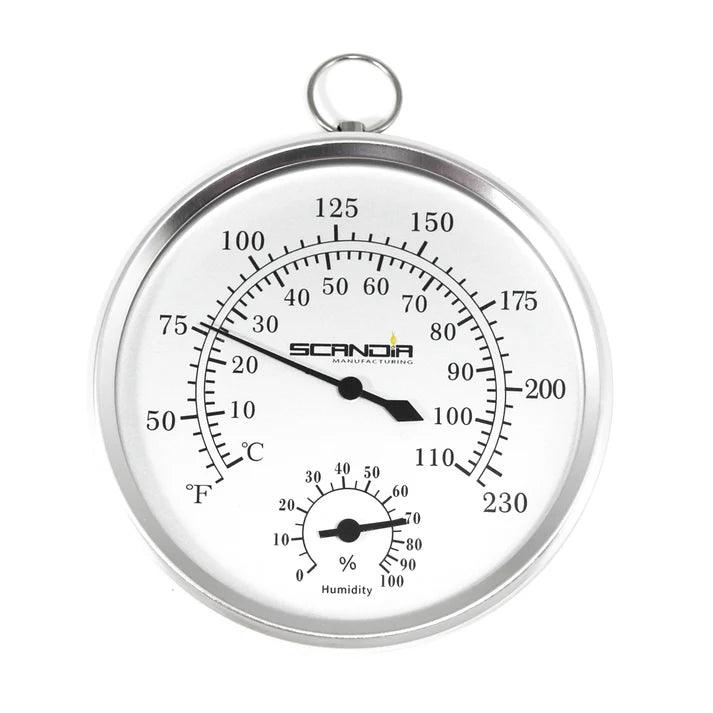
Not required. A simple timer and thermometer (often built into the sauna) are sufficient. Heart rate monitoring can be interesting if you want to track cardiovascular response, but it's not necessary for benefit. Focus on subjective tolerance, consistency, and basic safety indicators (hydration, not overheating). Adding tech is optional.
Citations: Sauna Supply Co maximization tips; practical sauna guides
What's a realistic timeline to see benefits?
Subjective improvements—better heat tolerance, faster sweating response, post-session relaxation—often appear within 2–3 weeks. Cardiovascular adaptations (lower resting heart rate, improved endothelial function) typically take 6–12 weeks of consistent use. Observational associations with longer-term outcomes (reduced cardiovascular disease risk) reflect years of regular practice. Manage expectations: this is a long-term health practice, not a quick fix.
Citations: Mind Body Dad MED (adaptation timeline); The Psycle (tolerance building)
Can sauna replace cardio exercise?
No. Sauna creates cardiovascular stress and heat adaptation but doesn't provide the musculoskeletal loading, metabolic demand, or functional movement patterns of exercise. Some call it an "exercise mimetic" because it increases heart rate and produces some similar adaptations, but it's a complement to exercise, not a replacement. For comprehensive health, you need both movement and recovery modalities.
Citations: General exercise physiology; Pierre Health (sauna as complement)
What about steam rooms—are they equivalent to sauna?
Steam rooms operate at lower temperature (~110–120°F) with near-100% humidity, versus dry sauna at 174–212°F with low humidity. Both create thermal stress, but the sensation and physiologic pathway differ. High humidity impairs evaporative cooling, making steam rooms feel hotter at lower temperatures. Most sauna research uses dry heat; steam room evidence is more limited. Both can support heat adaptation; they're not interchangeable in dosing guidance.
Citations: General spa and sauna literature; thermoregulation differences
Sources
-
Mind Body Dad: "Minimum Effective Dose for Sauna Hyperthermia" - https://www.mindbodydad.com/body/med-sauna-hyperthermia
-
The Psycle: "How Often Should You Sauna" - https://www.thepsycle.com/blogs/sauna/how-often-should-you-sauna
-
Pierre Health: "Sauna Therapy Longevity Heat Shock Proteins Benefits" - http://pierrehealth.com/sauna-therapy-longevity-heat-shock-proteins-benefits/
-
Salus Saunas: "The Hidden Power of Heat Shock Proteins" - https://www.salussaunas.com/blogs/blog/the-hidden-power-of-heat-shock-proteins
-
Divine Saunas: "How to Take a Sauna Session to the Next Level" - https://www.divinesaunas.com/blogs/sauna-information/how-to-take-a-sauna-session-to-the-next-level
-
Salus Saunas: "10 Tips for Maximizing Your Sauna Experience" - https://www.salussaunas.com/blogs/blog/10-tips-for-maximizing-your-sauna-experience
-
High Tech Health: "Enjoy Your Sauna Session" - https://www.hightechhealth.com/enjoy-your-sauna-session/
-
Terapung: "10 Best Sauna Practices for Maximum Benefits" - https://terapung.com/blogs/blog/10-best-sauna-practices-for-maximum-benefits
-
Plunge: "Heat Shock Proteins" - https://plunge.com/blogs/blog/heat-shock-proteins
-
Sauna Supply Co: "How to Use Infrared Sauna Guide Maximum Benefits" - https://saunasupplyco.com/how-to-use-infrared-sauna-guide-maximum-benefits/
-
Sweat Labs: "How to Set Up the Perfect At Home Infrared Sauna Experience" - https://sweatlabs.co/blogs/news/how-to-set-up-the-perfect-at-home-infrared-sauna-experience
-
Dr. Brighten: "Health Benefits of Infrared Sauna" - https://drbrighten.com/health-benefits-of-infrared-sauna/
-
Rimba Sweat: "Best Infrared Sauna Temperature" - https://rimbasweat.com.au/blog/best-infrared-sauna-temperature/
-
Pinnacle Hill Chiropractic: "Infrared Sauna Benefits Whats Fact vs Whats Hype" - https://pinnaclehillchiropractic.com/2025/07/infrared-sauna-benefits-whats-fact-vs-whats-hype/
-
Michael Kummer: "Infrared Sauna Benefits" - https://michaelkummer.com/infrared-sauna-benefits/
What We Still Don't Know
Evidence gaps requiring more research:
-
Precise dose-response curves for different populations: Current MED guidance (~57 min/week) is extrapolated from mixed observational data. We lack large randomized trials establishing optimal frequency, duration, and temperature for specific age groups, fitness levels, and health conditions.
-
Traditional vs infrared comparative effectiveness: Most long-term health outcome data comes from Finnish traditional sauna cohorts. Whether infrared produces equivalent cardiovascular, metabolic, or longevity benefits at the suggested longer durations remains under-studied.
-
Mechanisms linking HSP expression to human health outcomes: While HSP70 activation by heat stress is well-established at the cellular level, the direct causal pathway from regular sauna-induced HSP elevation to reduced disease risk in humans involves inference from animal models and correlational data.
-
Optimal contrast protocols: If heat-cold cycling offers benefits beyond heat alone, what temperature differential, timing, and frequency maximize adaptation while minimizing risk? Current protocols reflect tradition and expert opinion more than systematic trial evidence.
-
Long-term safety in vulnerable populations: People with cardiovascular disease, chronic conditions, or taking multiple medications may benefit from sauna, but individualized safety data and clear contraindication profiles are incomplete.
-
Stacking effects: Does combining sauna with breathwork, meditation, or stretching produce synergistic benefits, or are effects simply additive? Almost no controlled trials test these combinations directly.
-
Minimum threshold for benefit: At what point does heat exposure become too brief or too mild to trigger adaptation? The lower bound of effective dosing is poorly defined.
-
Individual variation in response: Why do some people tolerate and benefit from sauna easily while others struggle? Genetic factors, baseline fitness, autonomic function, and other variables likely matter, but systematic profiling is lacking.
-
Durability of adaptation: If someone builds heat tolerance and cardiovascular adaptation over months, how quickly does it decay with reduced frequency? What's the minimum maintenance dose?
-
Sex and hormonal differences: Most research doesn't stratify by sex or hormonal status. Do women respond differently across menstrual cycle phases, during pregnancy, or post-menopause? Data are sparse.
These gaps don't invalidate current guidance—moderate, consistent sauna use appears safe and beneficial for most healthy adults—but they limit our ability to optimize protocols for specific goals or populations.
For more information on these sauna hacks, see our research on turbocharging sauna sessions.
View More ArticlesI Have Low Ceilings; What Sauna Styles and Heights Will Fit?
Steam Shower vs. Compact Sauna: Which is Practical for My Small Bathroom?
Related Posts

Dynamic Santiago 2-Person Ultra Low EMF Sauna Review (Standard vs Elite): Is It Worth It?

Red Light Therapy for Collagen: The Science-Backed Guide to Firmer Skin

Steam Shower vs. Compact Sauna: Which is Practical for My Small Bathroom?

I Have Low Ceilings; What Sauna Styles and Heights Will Fit?

Sauna for Blood Pressure and Heart Health: The Complete Guide to Benefits, Safety, and Protocols

Low EMF vs Standard Infrared: What Actually Changes? The Buyer's Guide and Decision Framework
