







How to Choose a Condo Sauna That Satisfies HOA Rules, Electrical Limits, and Noise Constraints
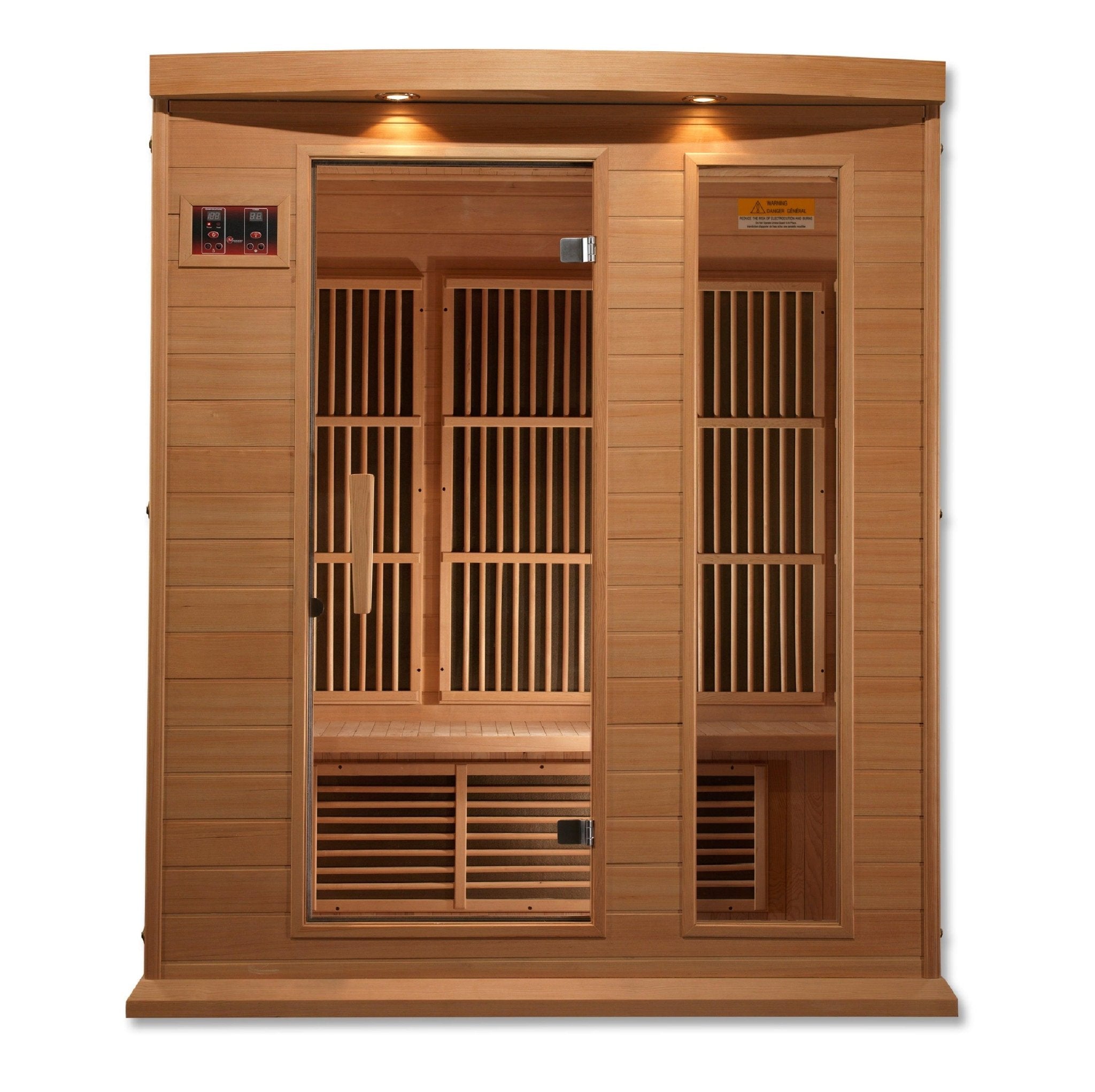
For most condo owners, the safest path is a 1–2 person plug-in infrared cabin that uses 120V power, avoids steam-level moisture, and runs quietly—because traditional saunas often require 240V dedicated circuits, permits, and HOA approval. The decision comes down to matching your building's constraints to equipment that won't trigger forced removal, electrical overload, moisture damage, or neighbor complaints.
Direct Answer: Why Plug-In Infrared Is Your Only Safe Option
A 1–2 person plug-in infrared sauna is the default lowest-risk choice for most condos because it typically sidesteps the three highest-risk friction points: major electrical work, high moisture loads, and structural alterations that draw HOA scrutiny.
Key thresholds:
- Electrical compatibility: Many small infrared cabins are designed for standard 120V household power and draw 15–20A, often requiring a dedicated circuit but avoiding the 240V upgrades that traditional heaters demand.
- Moisture control: Infrared systems provide dry heat with minimal added humidity, reducing condensation and mold risk compared to steam or water-on-rocks setups.
- HOA classification: Prefabricated plug-in units that don't alter walls, plumbing, or exterior appearance are more often treated as removable personal property rather than permanent fixtures.
- Noise management: Small infrared cabins typically use low-speed fans with operating noise in the range of quiet household appliances, making neighbor disturbance less likely than louder mechanical systems.
When This Answer Is True (Most Condos)
This recommendation holds when your condo has standard 120V circuits, your HOA doesn't explicitly ban removable appliances, and you're willing to follow manufacturer installation requirements including dedicated circuit use and clearance spacing.
When It's Not True (Rare Condo Exceptions)
A traditional 240V sauna becomes viable only when your electrical panel has confirmed spare capacity, your HOA has provided written approval for the electrical work, and you're prepared to hire a licensed electrician and obtain permits. For details on the heat and experience differences, see infrared vs traditional sauna differences.
Table of Contents
- What "Condo-Compliant Sauna" Means
- Constraint 1: HOA Rules—Is Your Sauna "Furniture" or a "Fixture"?
- The HOA Approval Checklist: 5 Steps to Mitigate Legal Risk
- Constraint 2: Electrical Limits—110V vs 240V and the Fire Risk
- Constraint 3: Noise & Vibration—Keeping the Peace
- The Condo Sauna Decision Matrix
- The "Do Not Do This If..." List
- Final Decision: Best 1–2 Person Plug-In Models Under Constraint
- Real-World Constraints & Numbers That Matter
- Myths & Misconceptions
- Experience Layer: What Condo Owners Report
- FAQ
- Sources
- What We Still Don't Know
What "Condo-Compliant Sauna" Means
A condo-compliant sauna satisfies four sequential gates: HOA covenants, electrical capacity, moisture management, and neighbor peace. Missing any gate leads to forced removal, code violations, building damage, or enforcement action.
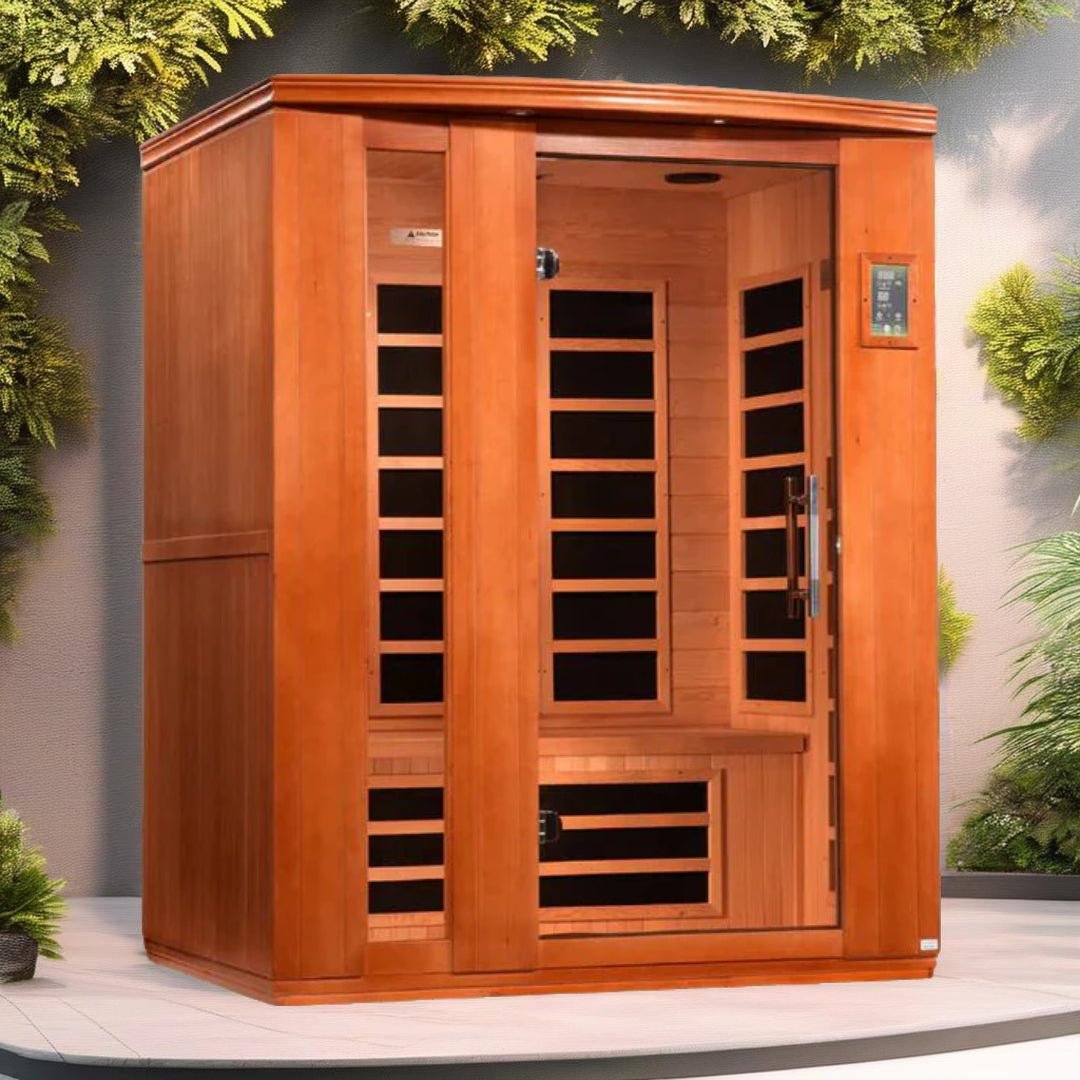
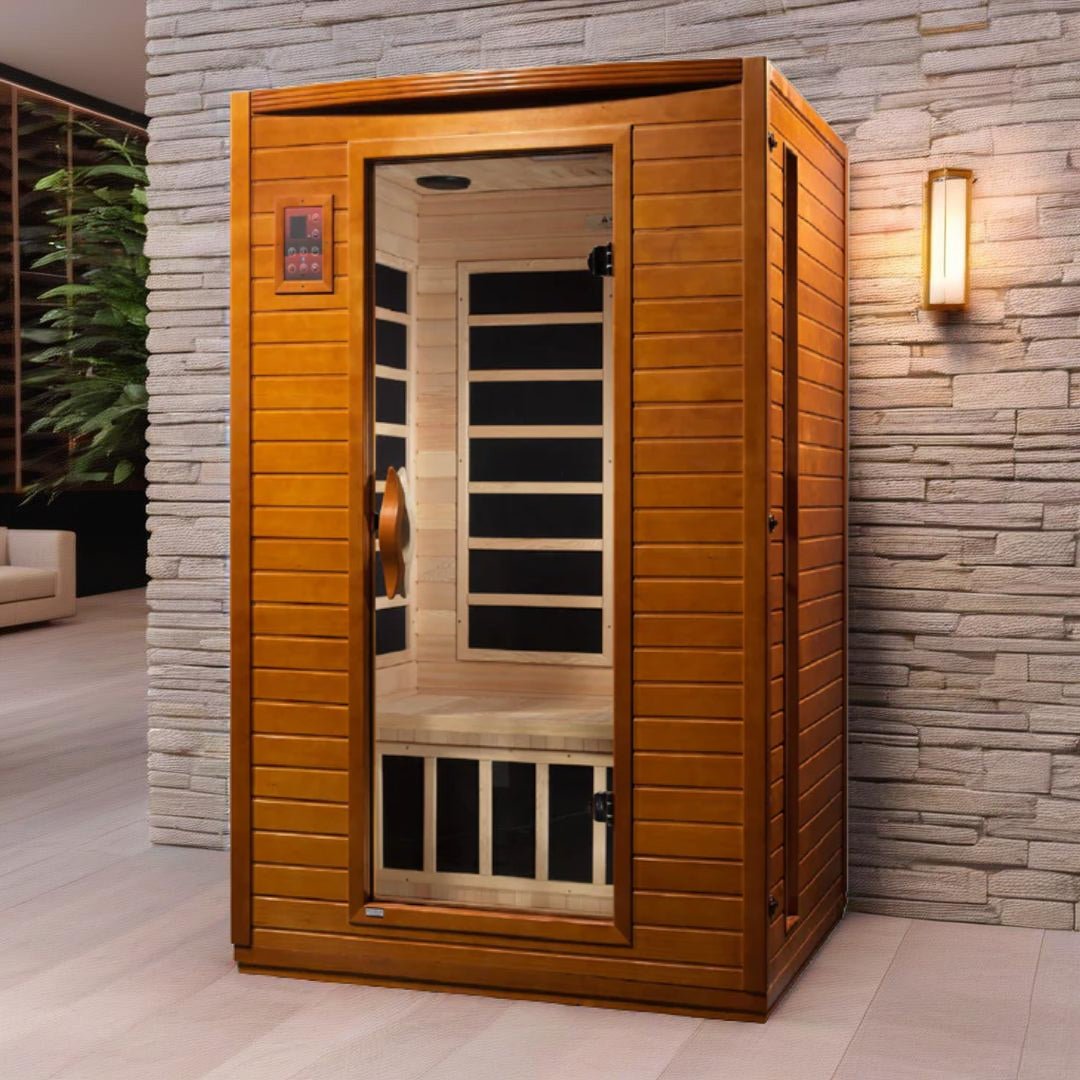
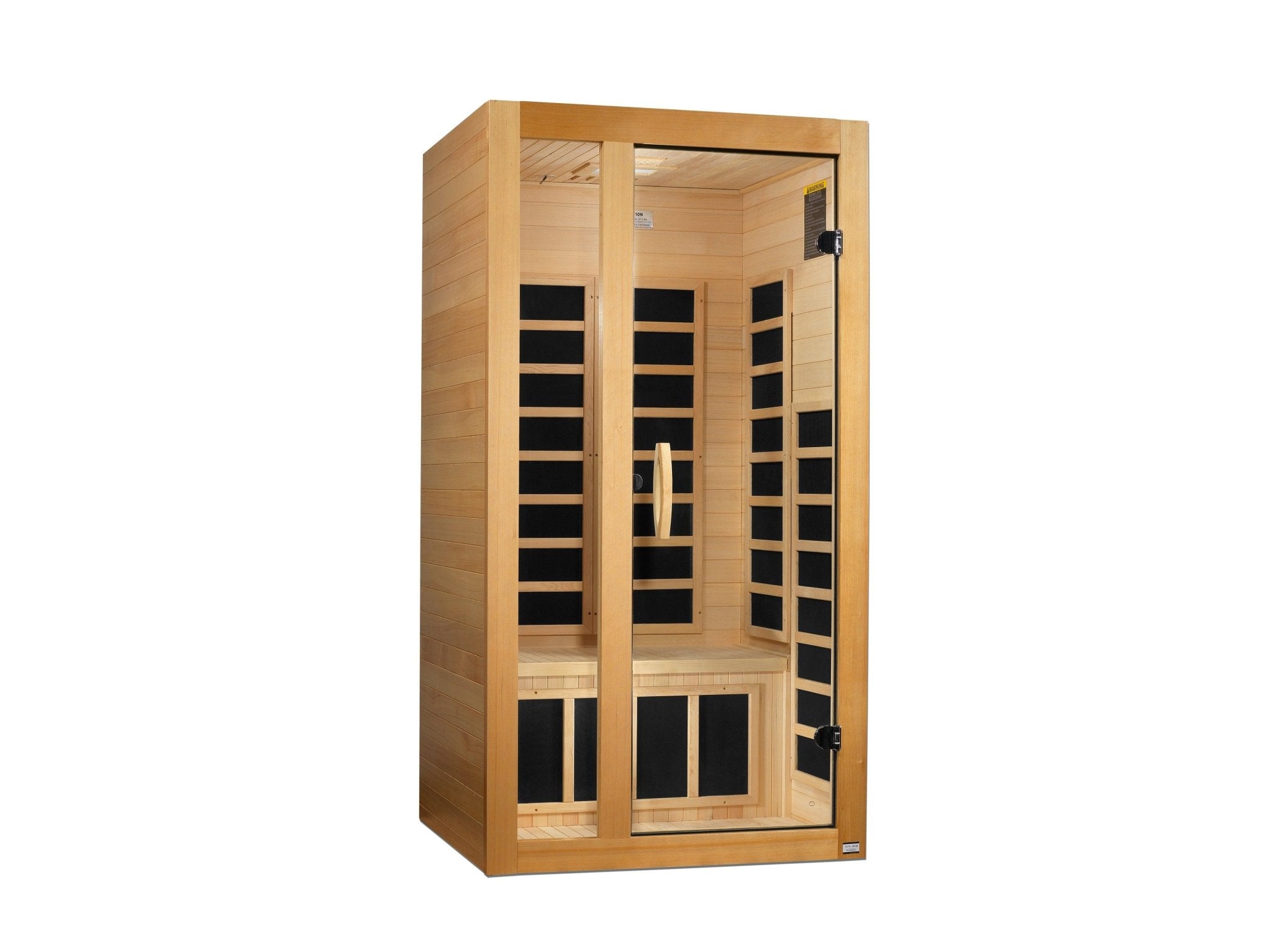
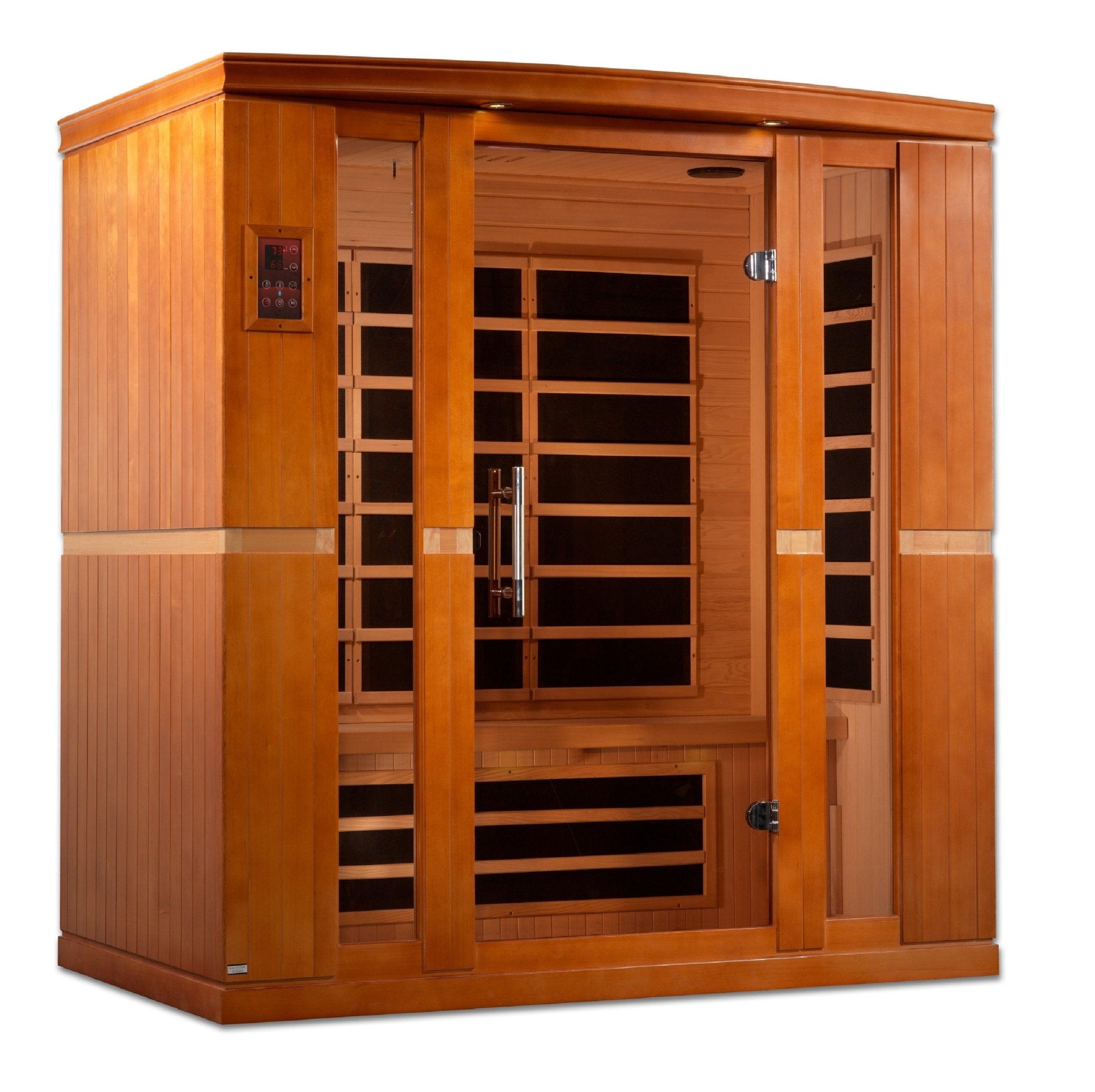
Plug-in infrared sauna (condo-friendly default): A prefabricated cabin using infrared emitters and typically standard household power (often 120V), producing dry heat with minimal added humidity.
Dedicated circuit: A circuit reserved for one appliance so the load stays within breaker limits—often recommended or required for sauna equipment to prevent overload and nuisance tripping.
Constraint 1: HOA Rules—Is Your Sauna "Furniture" or a "Fixture"?
The more your sauna behaves like a removable appliance—no wiring changes, no wall penetrations, no exterior visibility—the easier it is to defend as furniture-like. But you still need to follow nuisance rules even if the device itself is allowed.
What HOAs Usually Care About (Alterations, Common Elements, Nuisance)
HOA covenants, conditions, and restrictions (CC&Rs) typically regulate structural changes, alterations to common elements, and activities that create unreasonable disturbance. Many associations require architectural review board approval for new electrical circuits, wall openings, or any modifications affecting fire-rated or sound-rated assemblies.
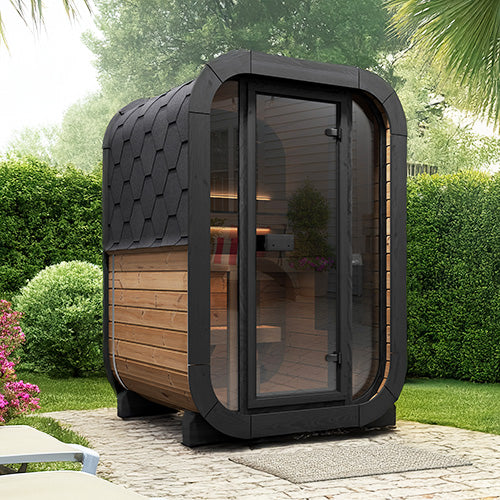
Outdoor or balcony saunas visible from common areas have led to HOA enforcement actions and forced removal where covenants prohibit exterior structures or appearance changes. Even indoor installations can trigger scrutiny if they involve hardwiring, plumbing connections, or generate noise complaints that fall under nuisance clauses.
What Makes a Sauna Look Like "Furniture" (Removable, No Penetrations, No Exterior Change)
Portable, prefabricated indoor units that plug into existing outlets and don't alter walls, plumbing, or exterior appearance are more often treated like appliances or furniture. This classification typically applies when the unit:
- Arrives as a complete assembly requiring only plug-in connection
- Uses standard household voltage without panel modifications
- Leaves no permanent changes when removed
- Remains invisible from building exteriors or common sight lines
What Turns It Into a "Fixture" (New Circuits, Vents, Built-Ins)
Built-in traditional saunas with new 240V wiring, ventilation penetrations, or custom framing are almost always classified as fixtures requiring formal approval. The triggers include:
- Any hardwired connection requiring an electrician and permit
- Structural modifications or attachments to walls
- New ventilation ducts or exterior vents
- Custom tile work, benches, or integrated cabinetry
The HOA Approval Checklist: 5 Steps to Mitigate Legal Risk
Treat HOA approval like a mini safety case: show that the sauna is removable, electrically appropriate, and unlikely to disturb neighbors—and keep everything in writing.
Step 1: Find CC&R Terms
Search your governing documents for "alterations," "appliances," "balcony," "nuisance," "noise," and "structural changes." Note any architectural review requirements and quiet-hours language. If your documents are vague, request written clarification from management or the board before purchase.
Step 2: Choose Path A First Unless You Have Clear Path B Conditions
Default to the plug-in infrared option unless you've already confirmed electrical panel capacity, obtained preliminary HOA interest in a 240V project, and budgeted for professional installation. Jumping to traditional heat without verifying constraints often leads to abandoned plans and sunk costs.
Step 3: The "Board Packet" (Specs + Manual Pages)
Assemble a one-page summary with manufacturer-provided details:
- Unit dimensions and weight
- Electrical specifications (voltage, amperage, plug type)
- Installation manual pages showing required clearances
- Safety certifications (UL/ETL listings where available)
- Noise specifications if provided by manufacturer
This documentation demonstrates that you've done due diligence and gives the board concrete information to evaluate risk.
Step 4: If 240V—What to Include
For any sauna requiring 240V service, add:
- Licensed electrician's load calculation showing panel capacity
- Permit plan or confirmation that permits will be obtained
- Professional installation quote or commitment letter
- Any required insurance or bonding documentation
Never present a 240V project as a minor change. HOAs and building departments view high-voltage additions as significant alterations requiring formal oversight.
Step 5: Neighbor Plan—Reasonable Hours + Early Feedback Loop
Inform immediate neighbors of your plans, share your intended usage schedule (avoiding late-night or early-morning sessions), and ask for feedback after the first week of use. Many noise complaints escalate because neighbors feel blindsided rather than because the device itself exceeds objective thresholds.
Constraint 2: Electrical Limits—110V vs 240V and the Fire Risk
If you don't have capacity for a dedicated 240V circuit and approvals, stay in the 120V plug-in infrared lane—and don't share circuits with other high-draw appliances.
How to Tell What You Actually Have
Check your electrical panel for available breaker spaces and note the amperage rating. Identify which circuit serves the room where you plan to install the sauna by testing outlets with a circuit tracer or turning off breakers individually. Review the manufacturer's electrical requirements in the installation manual—most will specify voltage, amperage, and whether a dedicated circuit is required.
Typical Ranges and Why They Matter
120V / 15–20A (Infrared Default): Most 1–2 person infrared cabins are designed for standard household voltage and commonly require 15 or 20 amp circuits. These units typically use NEMA 5-15 or 5-20 plugs that fit standard receptacles, but manufacturers often specify that the circuit should be dedicated—meaning no other large appliances share the same breaker.
220–240V / 30–60A (Traditional Requirement): Traditional electric sauna heaters commonly require 220–240V service and draw 30–60 amps depending on heater size. These installations require a dedicated two-pole circuit breaker, properly sized wire run from the panel to the sauna location, and usually trigger permit requirements in most jurisdictions.
Dedicated Circuit Rules of Thumb
Sharing a sauna on a circuit with other loads can cause nuisance breaker tripping and increases overload risk if total draw exceeds the circuit rating. Manufacturers recommend dedicated circuits because sauna operation involves sustained heating loads that, when combined with intermittent draws from other devices (microwaves, hair dryers, portable heaters), can exceed safe limits.
When You Must Call an Electrician
Required professional involvement:
- Any new 240V circuit installation
- Panel capacity evaluation and load calculations
- Upgrades to panel amperage or service entrance
- Hardwired connections of any voltage in multifamily buildings
Prohibited DIY work:
- Running new circuits without permits or inspections
- Adding high-amperage loads without verifying panel capacity
- Modifying shared building electrical systems
Unpermitted electrical work in condos creates code violations, potential insurance complications, and safety hazards. Licensed electricians carry the liability and ensure work meets National Electrical Code and local amendments.
Constraint 3: Noise & Vibration—Keeping the Peace
In condos, "quiet enough" is usually about consistent audibility—especially at night—not peak volume. Choose quieter equipment, place it smartly, and use it at neighbor-friendly times.
A Practical "Quiet" Benchmark (and Why It's Not a Legal Limit)
Quiet household appliance guidance often cites operating noise in the range of 38–45 decibels as "very quiet"—comparable to a refrigerator hum or quiet library. This range serves as a useful shopping benchmark when comparing sauna fan specifications, though it's important to note this is industry guidance, not a binding legal threshold.
Most small infrared cabins use low-speed ventilation fans that fall within or near this range when manufacturers provide noise ratings. Louder fans or external blowers that exceed 50 dB during sustained operation are more likely to be noticed through shared walls.
Placement and Vibration Control (Party Walls, Mats, Hours)
Apartment and condo residents frequently report that thin walls make normal-volume sounds audible between units. Persistent noise at night is a common driver of complaints, even when daytime noise at the same level would go unnoticed.
Practical mitigation:
- Avoid placement directly against party walls shared with bedrooms
- Use vibration-dampening mats or pads under the sauna base if manufacturer permits
- Restrict use to daytime hours and avoid operation during building quiet hours (often 10 PM–7 AM)
- Run a test session and listen from adjacent rooms or hallways to assess audibility
- Ask immediate neighbors for feedback after the first few uses
HOA nuisance clauses can apply even when a device is otherwise permitted, and management often reacts to noise complaints with testing or warnings regardless of whether explicit decibel limits exist in the rules.
The Condo Sauna Decision Matrix: Matching Your Constraints to the Right Type
Your constraints choose the sauna type more than your preferences do. Let HOA rules, electrical capacity, moisture tolerance, and noise considerations output the correct path.
Matrix by HOA Strictness
Lenient HOAs (minimal restrictions on interior changes):
- 1–2 person plug-in infrared: simple notification or no approval needed
- Traditional electric with 240V: possible with architectural review
- Portable tent or blanket: typically unrestricted
Moderate HOAs (require approval for electrical or structural work):
- Plug-in infrared: often treated as furniture-like with informal notice
- Traditional 240V: formal approval required, permit documentation needed
- Outdoor/balcony units: written approval mandatory
Strict HOAs (detailed restrictions on alterations and nuisances):
- Only plug-in infrared without penetrations may be viable
- Traditional installs face high denial risk
- Any visible exterior element typically prohibited
Matrix by Electrical Capacity
Standard 120V circuits only:
- Best fit: 1–2 person infrared rated for 15–20A
- Possible: very small portable tents or blankets
- Not feasible: traditional electric heaters
120V with electrician-verified dedicated circuit availability:
- Best fit: full range of infrared options
- Possible: larger 2-person cabins with higher amperage requirements
- Not recommended: attempting traditional without 240V capacity
Panel capacity for new 240V circuit + permits/HOA approval:
- Best fit: traditional electric if you want higher temperatures
- Also viable: any infrared option
- Required: licensed electrician and permit compliance
Matrix by Moisture Tolerance and Room Choice
Well-ventilated room with mechanical exhaust:
- Infrared with dry heat: very low risk
- Traditional with occasional water on rocks: manageable with attention to humidity levels
- Steam generators: still high-risk without purpose-built vapor barriers
Interior room without exhaust fan:
- Infrared dry heat only: acceptable
- Any steam-producing setup: inappropriate due to mold risk
Bathroom or closet with existing humidity issues:
- Infrared if ventilation can be improved: conditional
- Any moisture-adding system: not recommended
Indoor relative humidity guidance commonly targets approximately 30–60% to reduce mold risk and maintain comfort. Steam generators and water-on-rocks use in poorly ventilated spaces can push humidity well above this range, creating conditions where mold spores readily colonize surfaces.
Safety Listings and Recall Checks
Choose only products with recognized safety certifications (UL, ETL, or equivalent) that indicate testing to electrical and thermal safety standards. For portable infrared sauna options for small spaces, verify that the product has not been subject to Consumer Product Safety Commission recalls, particularly for overheating or burn-related incidents.
Recent CPSC actions have recalled certain infrared sauna blankets after reports of dozens of overheating incidents and burn injuries. Always check recall databases before purchasing portable heating devices.
The "Do Not Do This If..." List: Avoiding the Three Biggest Condo Sauna Mistakes
The fastest way to lose the sauna is moisture damage, DIY electrical work, or repeated late-night disturbance. Avoid those and you're most of the way to condo compatibility.
Moisture Mistakes (Steam/Poor Ventilation)
Do not install steam generators or improvised wet sauna systems in unvented interior condo spaces. High indoor humidity increases mold risk, and sustained moisture loads in poorly ventilated areas are prone to mold growth in wall cavities and ceiling assemblies. Universities and building science guidance emphasize that humidity outside the recommended indoor range of approximately 30–60% creates conditions for microbial growth.
Even traditional saunas that allow water on rocks should be limited to rooms with robust ventilation and monitored with a hygrometer to ensure humidity returns to normal levels between sessions.
Electrical Mistakes (Shared Circuits / DIY 240V)
Never attempt DIY wiring of 240V sauna heaters or new circuits in a condo. Multifamily electrical systems are heavily regulated, and unpermitted work creates code violations, safety hazards, and potential denial of insurance claims after electrical fires.
Never run a sauna on a circuit shared with other high-draw devices. Manufacturers specify dedicated circuits because even 120V units can trip breakers when combined with intermittent loads like microwaves or hair dryers, and chronic overloading increases fire risk.
Social Mistakes (Quiet Hours / No Communication)
Do not operate saunas during building quiet hours or late at night without neighbor agreement. Many condo residents report that thin-wall construction makes even moderate sounds clearly audible, and late-night disturbances are the most common trigger for formal noise complaints.
Do not assume neighbors will tolerate noise just because your sauna is "legal." HOA nuisance clauses apply even to permitted activities, and enforcement actions can restrict use hours or require removal if complaints persist.
Final Decision: Best 1–2 Person Plug-In Models Under Constraint
Pick the model that wins on paper for your HOA packet: clear electrical labeling, complete installation manual, safety listing, and realistic placement requirements.
The Short-List Spec Checklist (What to Screenshot for HOA)
Essential documentation:
- Electrical specifications clearly stating voltage, amperage, and plug type
- Dedicated circuit requirement language if applicable
- Dimensions including required clearances from walls and ceiling
- Weight specifications
- UL, ETL, or equivalent safety certification marks
- Installation manual showing ventilation requirements
- Warranty and customer support contact information
What "Good Documentation" Looks Like
Reputable manufacturers provide detailed installation manuals that specify minimum clearances (typically 2–4 inches from walls and combustibles), maximum ambient temperature limits, and ventilation requirements. These manuals should include electrical diagrams, assembly instructions, and maintenance schedules.
Good documentation makes HOA approval easier because it demonstrates that the product is designed for residential use, has been safety-tested, and comes with professional support. Poor documentation—or products with only generic instructions—raises red flags about quality and compliance.
Example plug-in infrared options for typical condos:
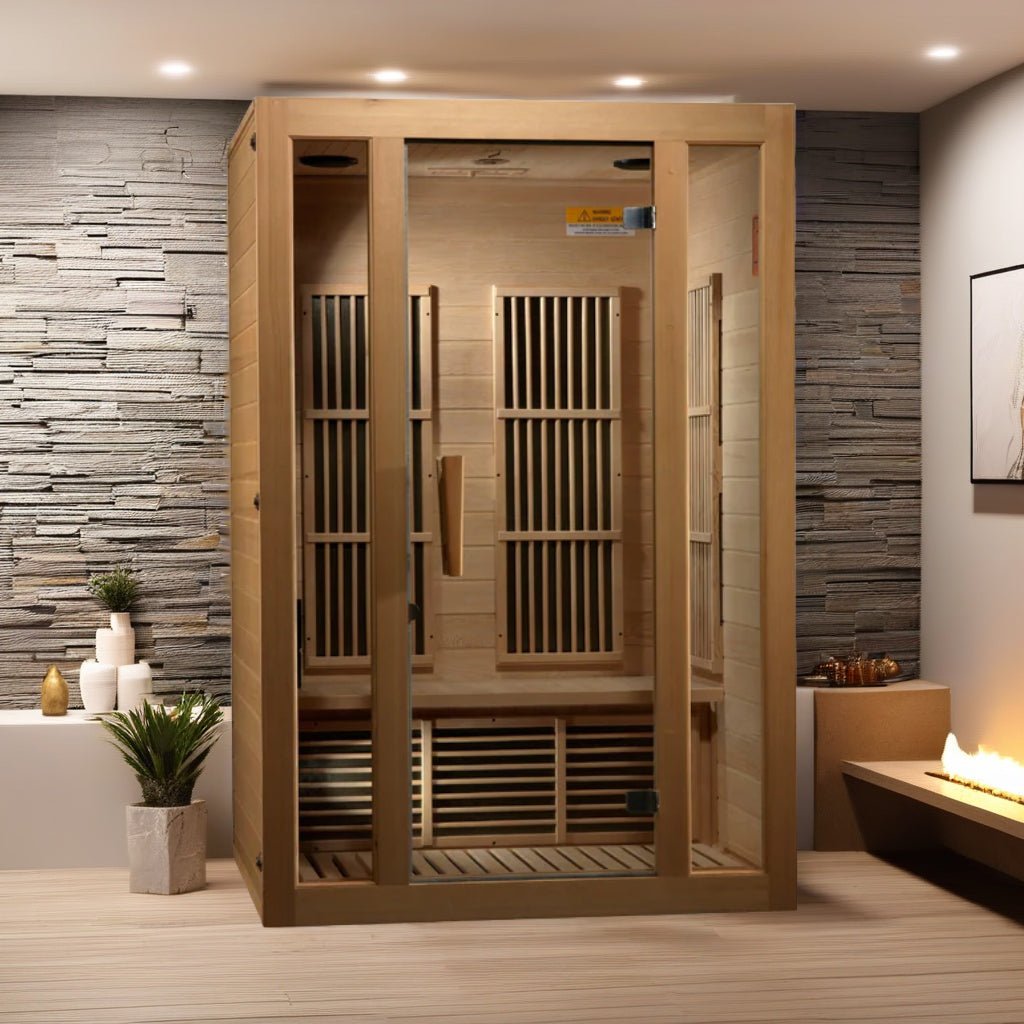
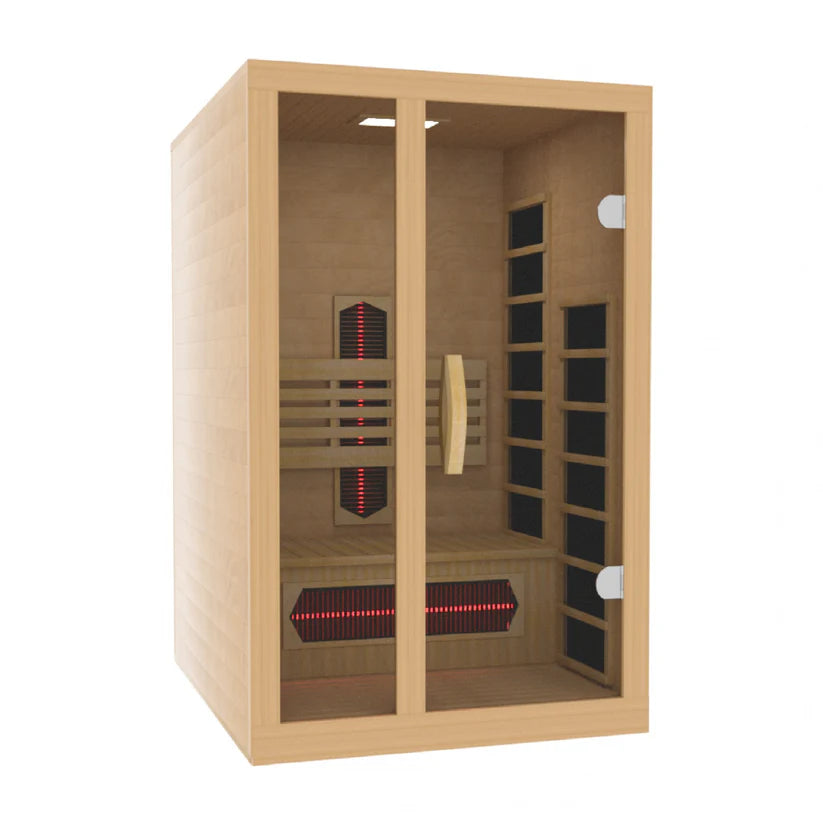
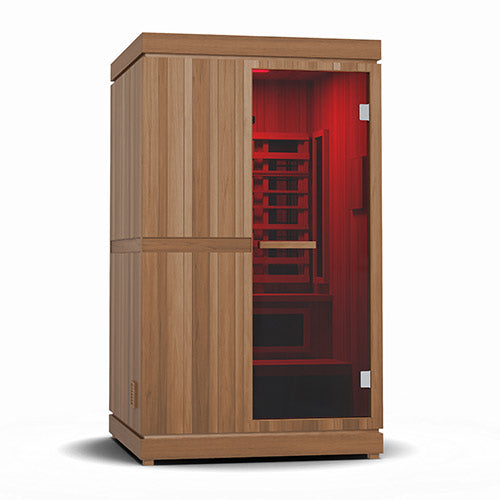
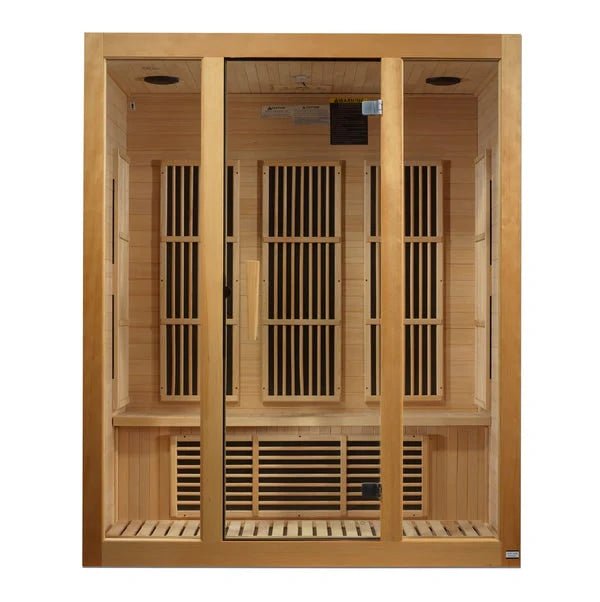
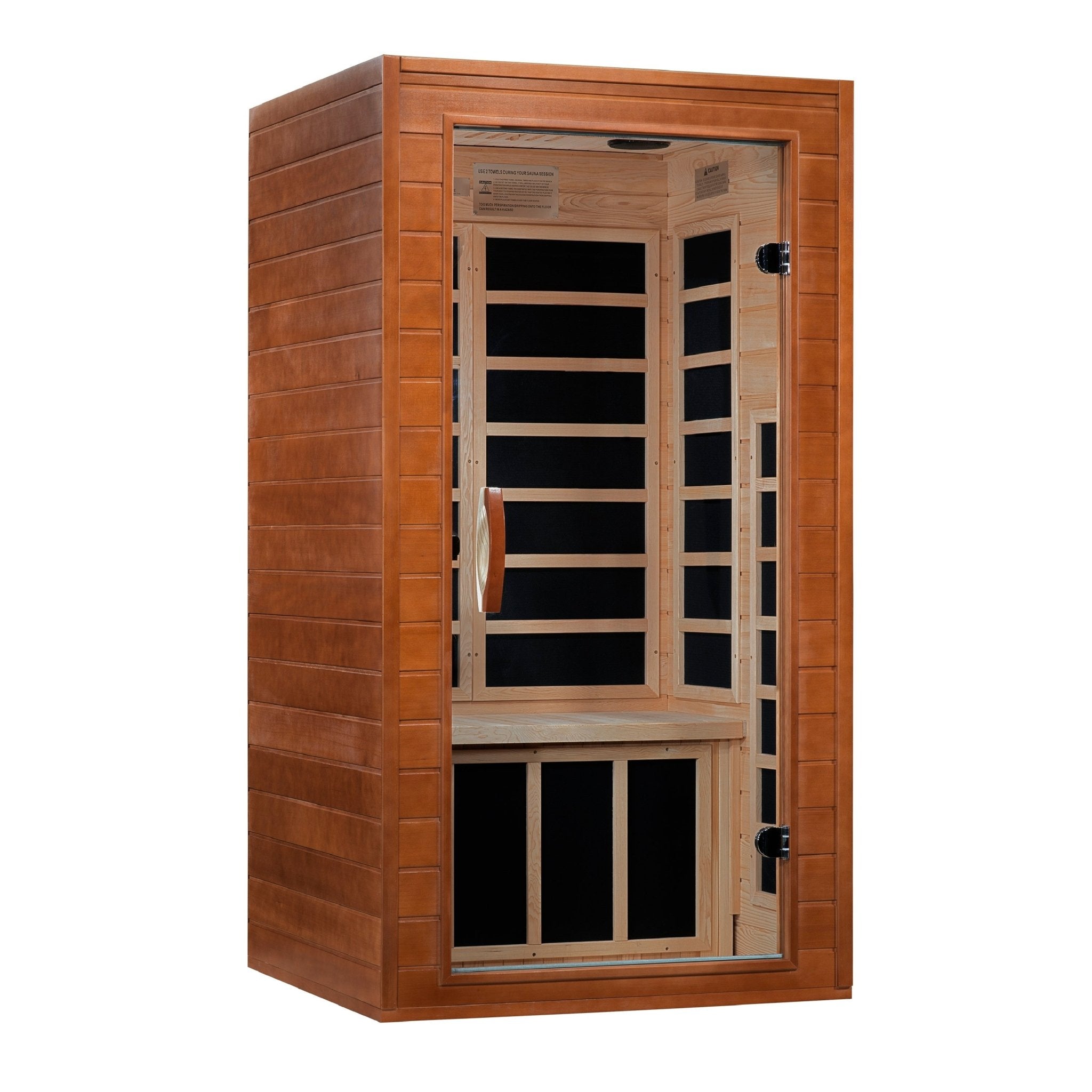
- Maxxus Seattle 2-person infrared sauna – compact footprint with clear electrical specs
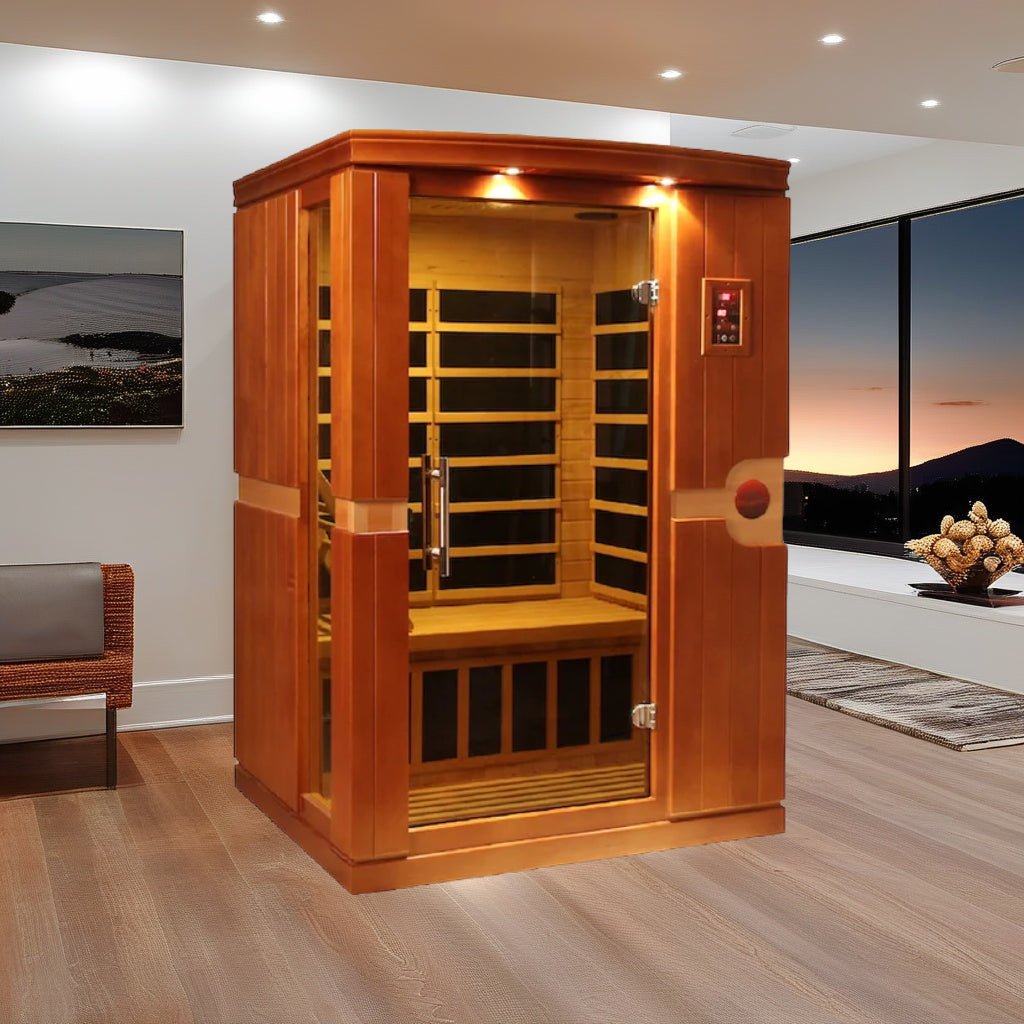
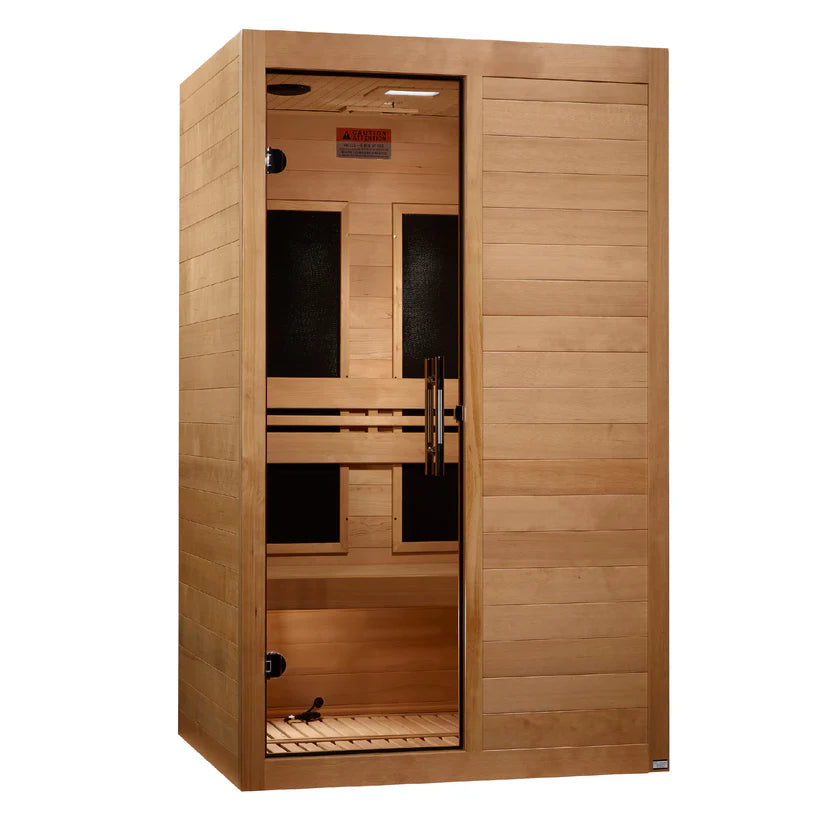
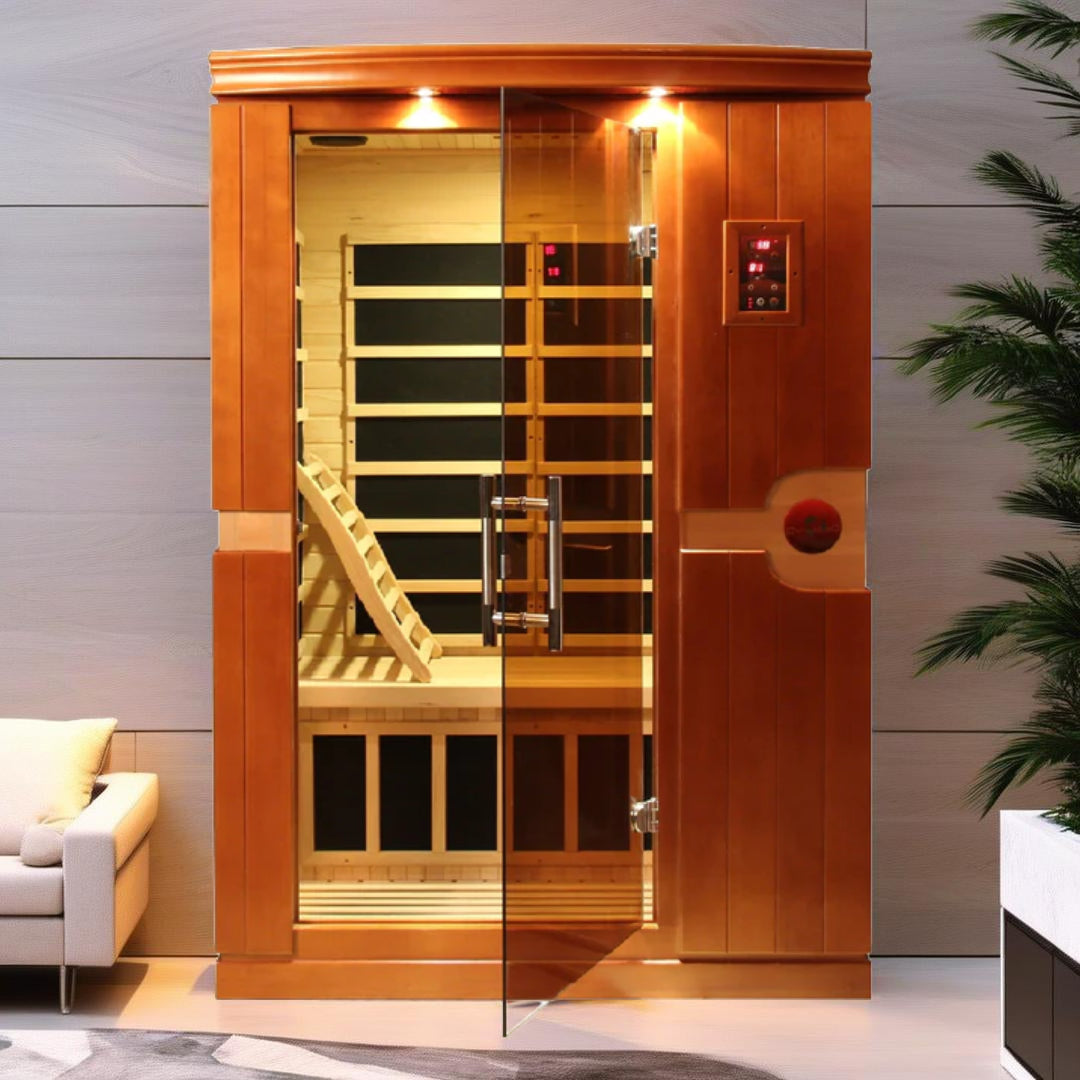
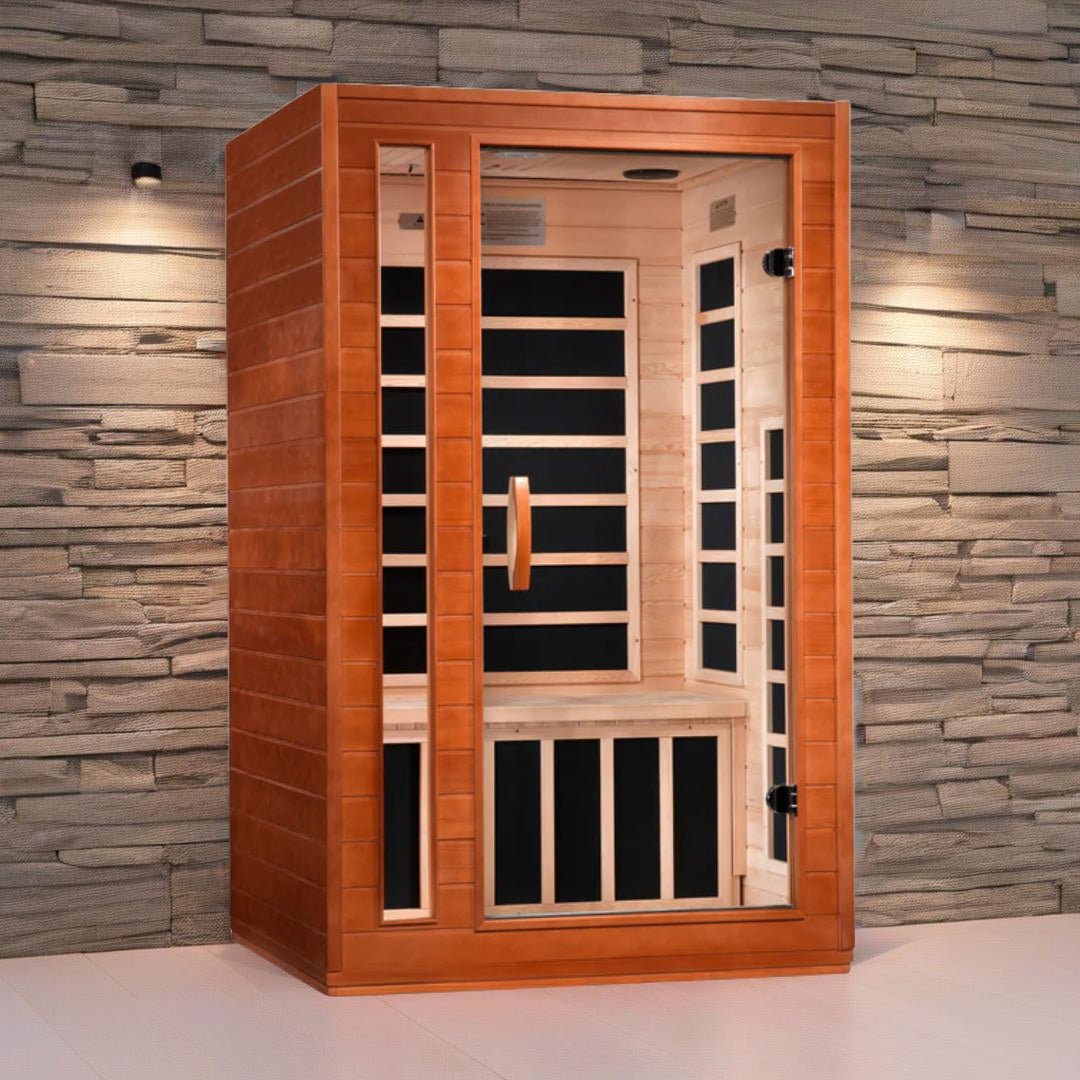
- Dynamic Cardoba 2 infrared sauna for compact rooms – designed for smaller spaces with standard power requirements
Compare manufacturer manuals and electrical requirements across multiple models before finalizing your choice. Browse shop infrared saunas suited to indoor installs to see the full range of specifications and footprints available.
Real-World Constraints & Numbers That Matter
120V / 15A: Common electrical requirement for 1-person and some 2-person infrared saunas using standard household outlets.
120V / 20A: Some larger or full-spectrum infrared cabins require 20A circuits for added heaters or light therapy features.
220–240V / 30–60A: Typical range for traditional electric sauna heaters, depending on heater size and room volume.
38–45 dB: Typical noise rating for quiet household appliances such as refrigerators; generally perceived as very quiet and suitable for shared-wall environments.
30–60% indoor relative humidity: University and building science guidance for acceptable indoor RH to limit mold and maintain comfort.
Above 55–60% RH: Common threshold where mold spores can readily colonize surfaces in damp spaces, particularly in wall cavities and ceiling assemblies.
15–20 minutes per session: Typical session duration used in sauna health studies and practice guidelines.
Myths & Misconceptions
Myth: "If it plugs into a normal outlet, it's automatically safe in a condo"
Even 120V devices can overload circuits if they share a circuit with other loads. Manufacturers and electricians recommend dedicated circuits for saunas because sustained heating draws can combine with intermittent loads to exceed breaker ratings. The myth persists because people equate standard plugs with universal low risk.
Myth: "Steam is fine as long as the room dries out eventually"
Sustained humidity above the recommended indoor range fosters mold growth, especially in tight, poorly ventilated spaces. Moisture doesn't simply disappear—it migrates into wall cavities and ceiling assemblies where it can remain long enough to support microbial colonization. Users underestimate how long moisture lingers inside building materials.
Myth: "HOA rules only matter for exterior changes, not what I do inside"
CC&Rs often cover nuisances, safety concerns, and alterations to structural or common elements including electrical systems. Interior activities that generate noise complaints or require permits still fall under HOA oversight. Owners see interior space as fully private and are surprised when management gets involved.
Myth: "Infrared saunas aren't real saunas so they don't have health risks"
Infrared sessions still raise heart rate and cardiovascular load, which can be problematic for certain medical conditions. For more on what the evidence says about sauna benefits and safety, review the research on both benefits and contraindications. Marketing frames infrared as gentle or risk-free, but heat stress affects the body regardless of the heating method.
Myth: "Sauna blankets are always safer than cabins because they're smaller"
Consumer Product Safety Commission recalls document heater control failures that caused overheating and burns even in small portable devices. Portability is conflated with safety, but thermal management failures can occur in any electrical heating product.
Myth: "If my neighbors are quiet now, they won't mind some noise from a sauna fan"
Online forums consistently show that even moderate, repetitive noise—especially at night—can trigger complaints and formal action. Users underestimate sound transmission through walls and the difference between daytime tolerance and nighttime sensitivity.
Myth: "Any UL or CE mark is enough; details don't matter"
Sauna-specific safety standards include particular temperature and electrical safety requirements. Not all certification marks indicate testing to the same standards, and consumers often treat any logo as a generic safety stamp without verifying the specific standard referenced.
Myth: "Balcony saunas are a clever way around interior rules"
Outdoor structures visible from common areas are often explicitly restricted in CC&Rs, and condo owners have reported being forced to remove balcony saunas after board enforcement actions. Marketing photos rarely show HOA-governed buildings, creating unrealistic expectations.
Experience Layer: What Condo Owners Report
Several patterns emerge from condo and apartment residents who have attempted sauna installations:
Noise sensitivity varies dramatically by building construction. Many residents report that thin walls make even normal conversations audible, leading them to avoid any new noise-producing appliances for fear of complaints. Some users who chose smaller, quieter infrared units specifically because larger or fan-heavy models drew neighbor attention.
HOA enforcement is unpredictable. Some owners who installed outdoor or balcony saunas describe receiving HOA letters demanding removal once the board noticed the structure or received neighbor concerns. Those who shared plans and specifications upfront report smoother approval processes.
Electrical surprises are common. Renters considering infrared saunas often discover that older wiring lacks truly dedicated circuits, leading them to either upgrade at personal cost or abandon the idea. Several users recount surprise at the permitting and electrical complexity of traditional saunas, ultimately pivoting to plug-in infrared instead.
Circuit overload is a frequent failure mode. Owners report buying units that physically fit the room but overwhelm the electrical circuit, causing frequent breaker trips when used alongside other appliances.
Moisture issues emerge slowly. Some users describe installing saunas in small, unventilated bathrooms and later finding mold or persistent dampness that required remediation.
Late-night use creates conflict. What seemed like moderate noise to the owner was reported as disruptive through thin walls, and several users note that chronic noise tension arose from operations during sensitive hours rather than excessive volume.
Product quality matters for HOA acceptance. Owners who purchased non-listed or off-brand heaters report unusual noises or safety concerns that prompted replacement and made HOA approval more difficult.
FAQ
If my condo only has standard 120V outlets, what kind of sauna can I safely run?
Most condos with only standard 120V outlets are best suited to 1–2 person plug-in infrared saunas that draw 15–20A on a dedicated circuit. Many small infrared cabins are designed for 120V household power with standard plugs. Traditional electric heaters usually need 220–240V and 30–60A circuits, which require professional electrical work and panel capacity verification. Sharing circuits with other high-draw devices can cause overload and tripping. A licensed electrician can confirm whether an existing circuit can safely handle the load.
Can I install a traditional 240V sauna in my condo if I want "real" Finnish heat?
A traditional 240V sauna in a condo is only feasible if your panel has verified spare capacity, your HOA provides written approval, and a licensed electrician handles the installation. Traditional heaters typically require 220–240V and 30–60A service. New circuits and wiring usually require permits and inspections. Safety standards limit maximum room temperatures for electrical heaters. HOAs may restrict electrical alterations and moisture-producing installations even when they're technically code-compliant.
Will a plug-in infrared sauna bother my neighbors with noise?
A small infrared cabin with a quiet fan (around 40 dB when specified) is unlikely to be louder than a refrigerator, but thin walls and late-night use can still cause complaints. Quiet household appliances often fall in the 38–45 dB range. Apartment residents frequently report hearing normal-volume sounds through shared walls. Choosing the smallest, quietest model and avoiding night use reduces risk. HOA nuisance clauses can apply even if a device is otherwise allowed.
Is a sauna blanket a good alternative if my HOA is strict?
Sauna blankets can be condo-friendly in size but have had overheating and burn-related recalls, so safety verification is essential. Recent CPSC recalls documented dozens of overheating incidents and burn injuries from certain products. Always check recall databases before purchase or use. Safer alternatives include low-power infrared cabins with recognized safety listings from reputable manufacturers.
Do I need HOA approval for a plug-in infrared sauna inside my unit?
Many HOAs do not explicitly regulate small plug-in appliances, but approval or at least written confirmation is wise because nuisance and safety clauses still apply. CC&Rs often govern alterations, structural changes, and nuisances. Plug-in infrared units are often treated like removable furniture or appliances when they don't alter building systems. Sharing manufacturer specifications helps boards assess risk. Written clarification can prevent disputes later if complaints arise.
Is it safe to put a sauna in my bathroom or walk-in closet?
Bathrooms and closets can work only if ventilation keeps humidity within normal indoor ranges. Steam-heavy setups in unventilated rooms are inappropriate. Indoor relative humidity targets of approximately 30–60% help minimize mold risk. Steam generators and water on rocks greatly increase humidity. Unvented interior spaces trap moisture in walls and ceilings where mold can develop. Infrared saunas without added water have much less moisture impact.
How quiet does my sauna need to be to stay within condo noise rules?
In most condos, aiming for sauna fan noise in the 40 dB range and limiting use during quiet hours is a practical target to avoid complaints. Quiet refrigerators and similar appliances often run around 40–45 dB. Persistent noise at night is a common driver of complaints in apartments. Some buildings have no specific dB limit but enforce general nuisance rules through neighbor complaints. Testing from neighboring rooms early on can catch problems before they escalate.
Do home saunas actually have proven health benefits or is it just hype?
Large Finnish cohort studies and reviews link regular sauna use with lower cardiovascular mortality and improved vascular health, but these are associations, not guarantees. The Kuopio Ischaemic Heart Disease study followed over 2,000 men for approximately 20 years. Frequent sauna use was associated with reduced cardiovascular and all-cause mortality in those populations. Reviews suggest improved blood pressure and vascular function. Individuals with heart disease still need medical guidance before using saunas because heat exposure increases cardiovascular demand.
Are infrared saunas safer for people with heart issues than traditional saunas?
Infrared saunas may operate at lower air temperatures but still stress the cardiovascular system, so risk depends more on individual health and exposure than heat source. Sauna sessions raise heart rate and alter blood pressure regardless of heating type. Some clinical commentary notes overall cardiovascular benefits in typical healthy users. Evidence comparing sauna types for high-risk patients is limited. Medical clearance is prudent for heart patients regardless of sauna style.
How do I know if my panel can handle a sauna?
A licensed electrician can calculate your panel's load and determine whether there is capacity for a new sauna circuit without exceeding safe limits. Traditional saunas can draw 30–60A at 240V. Even infrared saunas add 15–20A to an existing panel's load. Load calculations are standard practice before adding large appliances. Skipping this step risks overload, breaker trips, and code violations.
What temperature should I expect in a home sauna, and are there safety limits?
Traditional saunas often operate between approximately 80–100°C in practice, but UL safety standards for electric heaters limit room temperature at the thermostat sensor to around 90°C. Some users prefer hotter conditions, but these exceed typical safety test limits. Infrared saunas usually run with cooler air temperature but similar perceived warmth at the skin. Higher temperatures may increase dehydration and heat stress risk, particularly in longer sessions.
Can I just run a dehumidifier to handle moisture from a steam sauna in a condo?
A dehumidifier can help but is not a substitute for proper vapor barriers and exhaust. Steam systems in condos remain high risk without dedicated design. Mold risk relates to both humidity levels and surface wetting inside wall and ceiling assemblies. Steam rooms are typically built with specialized moisture-resistant materials and robust ventilation. Ad-hoc setups risk hidden moisture accumulation in building cavities. Infrared and dry saunas are safer from a moisture standpoint in typical condo installations.
Is it better to put my sauna against an interior or exterior wall in a condo?
From a noise and moisture standpoint, interior locations away from bedrooms and party walls are often preferable, but structural and electrical factors matter too. Noise traveling through party walls is a common complaint trigger. Exterior walls may have more complex insulation and vapor control that could be affected by moisture or heat. Manufacturer manuals often specify clearances and vent positions regardless of wall type. An electrician can advise on the best location relative to existing circuits and panel access.
How heavy can my condo sauna be before I worry about floor loading?
There is no single nationwide threshold published specifically for saunas. Condo owners should be cautious with large multi-person units or balcony installations and seek structural guidance when in doubt. Outdoor and barrel sauna installation guides emphasize checking foundations and support capacity. Balconies often have limits on additional structures and concentrated loads. Many 1–2 person infrared cabins have moderate weights suited to typical residential floor construction, but this is an area where authoritative sauna-specific standards are lacking.
Should I worry about recalls or product defects with home saunas?
Yes, particularly with portable sauna blankets and lower-cost devices. Check recall databases and choose reputable, listed products. The Consumer Product Safety Commission has recalled sauna blankets after overheating and burn incidents. Products lacking adequate temperature control and insulation present documented risks. UL or ETL listing reduces but does not eliminate defect risk. Reputable manufacturers publish detailed manuals and safety warnings and provide robust customer support.
Can I use my sauna if I have high blood pressure or take heart medication?
You should consult your physician before starting regular sauna use if you have cardiovascular disease, uncontrolled hypertension, or take medications that affect blood pressure or heart rate. Sauna exposure increases heart rate and can affect blood pressure. While observational studies show associations with cardiovascular benefit in general populations, individual risk varies. Heat stress can trigger arrhythmias or blood pressure instability in susceptible individuals. Medical guidance ensures that sauna use fits your specific health context.
What's the difference between "furniture" and "fixture" classification for HOA purposes?
Furniture-like items are typically removable personal property that don't alter building systems or structure. Plug-in appliances that can be unplugged and moved without leaving permanent changes often fall into this category. Fixtures are items permanently attached or integrated into the property—hardwired electrical connections, built-in cabinetry, plumbing connections, or structural modifications. HOAs usually regulate fixtures through architectural review requirements while allowing furniture-like items with less oversight. The distinction matters because fixture installations typically require formal approval, permits, and professional installation, while furniture-like items may only need notification or no approval at all depending on CC&Rs.
If I move or my HOA changes rules, can I take my sauna with me?
Plug-in infrared cabins are designed to be disassembled and moved. Most arrive as prefabricated panels that bolt together and can be taken apart in reverse order. This portability protects your investment if you relocate or if HOA rules change. Traditional built-in saunas with hardwired electrical connections require disconnection by an electrician and may leave permanent changes that must be restored. When choosing a sauna, consider your likelihood of moving within the next few years. Renters and owners who relocate frequently benefit most from portable options.
What happens if my neighbor complains about sauna noise?
HOAs typically investigate noise complaints by listening at the shared wall, sometimes using sound meters. Even if your sauna meets manufacturer noise specifications, persistent complaints can lead to use restrictions or requirements to add soundproofing. The best defense is proactive communication—inform neighbors before starting use, restrict operation to daytime hours, and ask for feedback early. If complaints occur despite reasonable precautions, document your usage times, offer to demonstrate the noise levels, and propose specific schedules that avoid sensitive times. Many disputes resolve through communication rather than formal enforcement.
Do I need a building permit for a plug-in infrared sauna?
Many jurisdictions treat plug-in infrared saunas that use existing circuits as appliances that don't require building permits. However, any new electrical circuit—even 120V—typically requires an electrical permit and inspection. If your sauna requires modifications to ventilation, structure, or plumbing, permits are usually required. Requirements vary by location, so check with your local building department. HOA approval and building permits are separate processes—you may need both, one, or neither depending on your specific situation and equipment choice.
How long should I wait after installation before using my sauna?
Follow manufacturer guidance for any initial burn-in or ventilation period. Some units recommend running empty for 30–60 minutes to off-gas manufacturing residues. Allow time for initial inspection by neighbors—run the unit during the day when noise is least likely to disturb, and listen from adjacent spaces to verify that sound transmission is acceptable. Wait at least 24 hours after assembly to ensure all connections are secure and the unit has stabilized at room temperature. If your installation required electrical work, verify that inspection has been completed and approved before use.
Sources
Electrical and Installation Requirements:
- Clearlight Infrared Saunas electrical specifications and installation manuals
- Salus Saunas electrical information and technical documentation
- Finnish Sauna Builders regulatory guidance and installation requirements
- Finnleo installation and system manuals for residential saunas
Building Science and Indoor Air Quality:
- East Carolina University indoor air quality guidance for residence halls
- University recommendations for indoor relative humidity control and mold prevention
Safety Standards and Certifications:
- UL 60335-2-53 electric sauna heater safety standards
- Historical UL 875 requirements and transition documentation
- Consumer Product Safety Commission recall notices for infrared sauna blankets
Health and Medical Guidance:
- Kuopio Ischaemic Heart Disease Risk Factor Study sauna cohort data
- Harvard Medical School and Brigham commentary on sauna cardiovascular effects
- Time Magazine review of sauna health evidence and research
Noise and Acoustics:
- HVAC contractor guidance on residential appliance noise levels
- Quiet Mark appliance certification standards
- Town Appliance technical specifications for quiet operation
HOA and Regulatory:
- HOA covenant enforcement patterns from real estate forums
- Haven of Heat permit requirements overview
- Epic Hot Tubs installation mistake documentation
What We Still Don't Know
Balcony and floor load thresholds: No sauna-specific authoritative standards exist for maximum safe weight on condo balconies or upper floors. Structural capacity varies by building age, construction type, and local codes. Owners considering heavy multi-person units or balcony installations should consult structural engineers rather than relying on general guidance.
Noise enforcement thresholds: While appliance noise benchmarks around 40–45 dB provide shopping guidance, HOAs rarely codify specific decibel limits. Enforcement depends on subjective neighbor complaints, building construction quality, and board interpretation of nuisance clauses. There's no reliable predictor of whether a given noise level will trigger complaints in a specific building.
HOA classification consistency: How different associations classify plug-in saunas—as furniture versus fixtures requiring approval—varies widely and isn't well documented. Some boards treat any new large appliance as requiring review, while others only regulate structural changes. The "furniture test" is a useful framework but not a universal standard.
Long-term moisture impacts: While short-term humidity measurements and mold risk are well understood, data on long-term effects of regular dry sauna use on condo finishes, HVAC systems, and building materials is limited. Most guidance comes from steam room and wet sauna contexts, which may not fully apply to low-humidity infrared use.
Health effect individualization: Large cohort studies show population-level associations between sauna use and cardiovascular outcomes, but optimal frequency, duration, and temperature for individual health profiles remain unclear. Guidance for people with specific conditions relies on general cardiovascular stress principles rather than sauna-specific clinical trials.
Product quality variability: Independent testing data comparing noise levels, energy efficiency, and longevity across infrared sauna brands is sparse. Most specifications come from manufacturers without third-party verification. Consumer reports focus on recalls and safety issues rather than performance consistency.
Build your HOA approval packet. Pick 2–3 candidates from our condo-friendly collection, download the specification sheets and installation manuals, and submit a one-page summary to your HOA for written confirmation before purchase.
Get a concierge-style shortlist. Tell us your room dimensions and electrical situation, and we'll recommend the best 1–2 person infrared options that match your constraints—with the documentation your HOA wants to see.
Does Infrared Sauna Tighten Skin? Science, Safety, and Realistic Results
Low EMF vs Standard Infrared: What Actually Changes? The Buyer's Guide and Decision Framework
Related Posts

Are Infrared Saunas Safe? A Science-Based Guide to Benefits, Risks & Smart Use

The 8 Best 2 Person Saunas of 2026: A Buyer's Guide to Size, Type, and Cost

The Truth About Costco Saunas: Are They Worth the Price and Hassle?

Arcadia Barrel Sauna: The Complete Buyer's Guide & Assembly Blueprint

Low EMF vs Near-Zero EMF Infrared Saunas: What Actually Matters Before You Buy

Chromotherapy vs No Chromotherapy: Who Benefits From It (Practically)? The Buyer's Decision Guide

The Science of Heat: How Saunas Improve Circulation and Cardiovascular Health
