









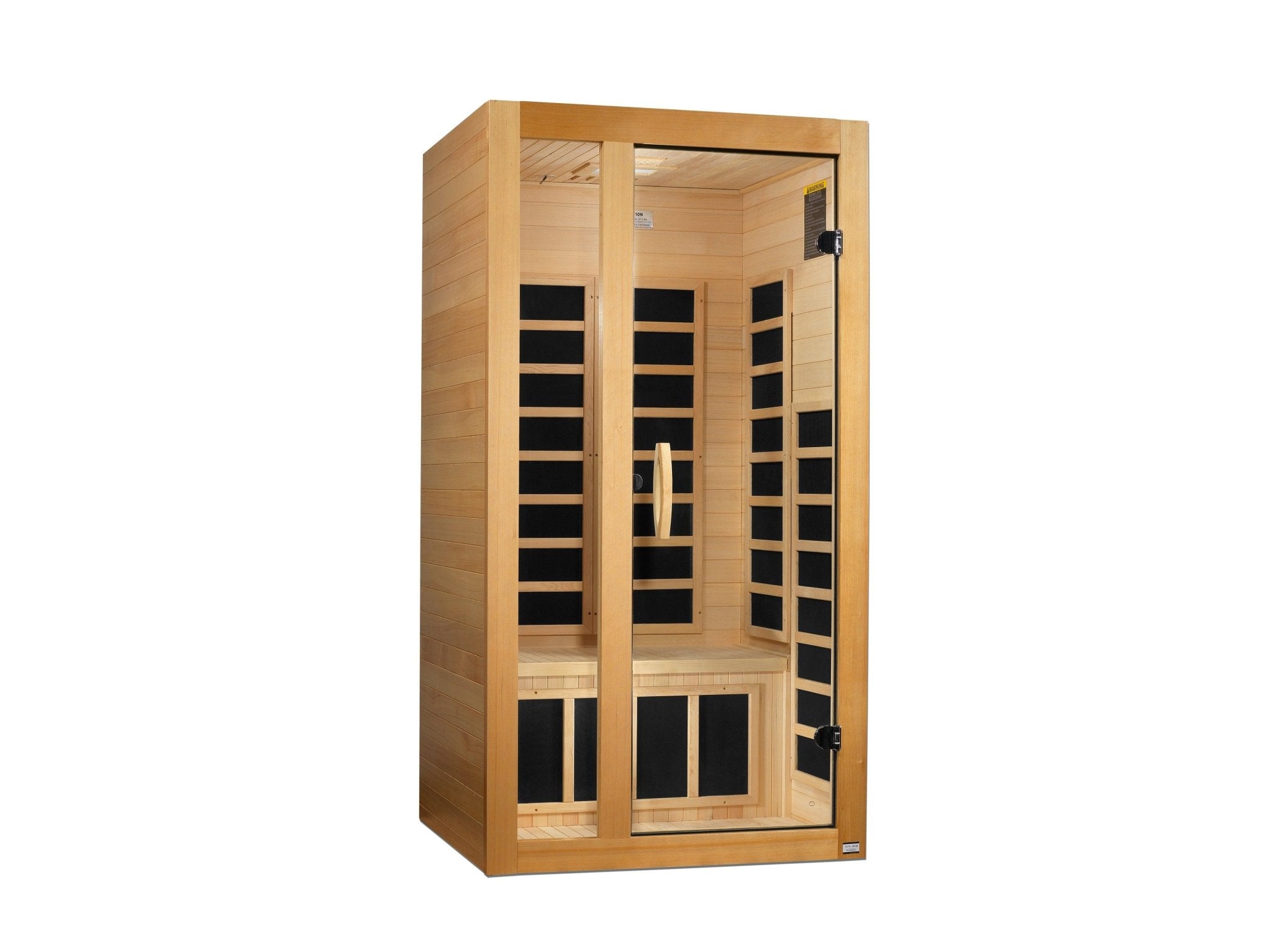



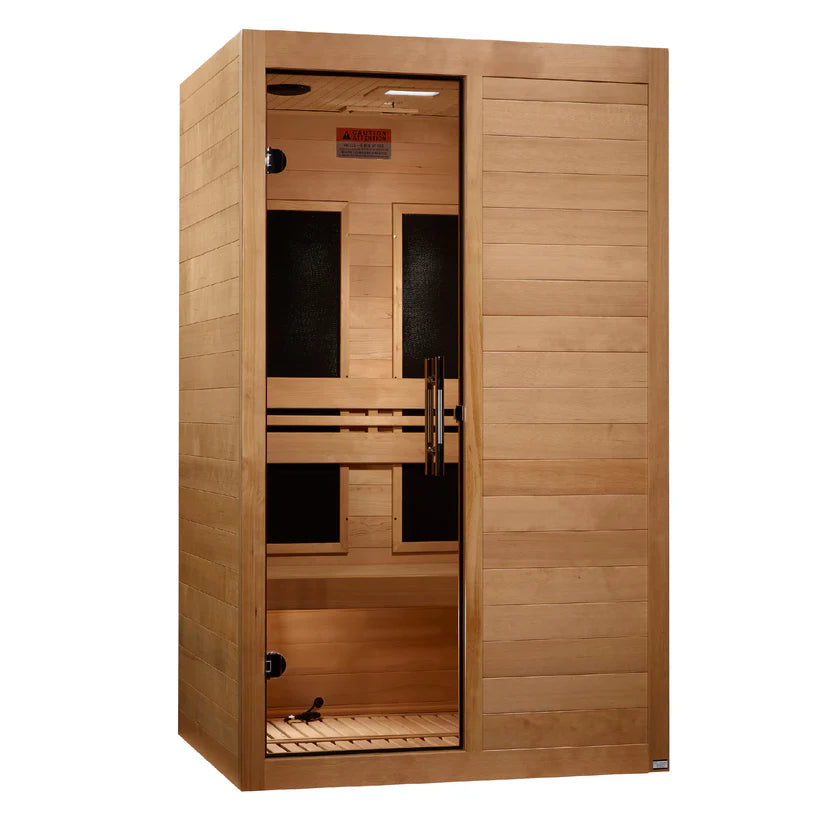
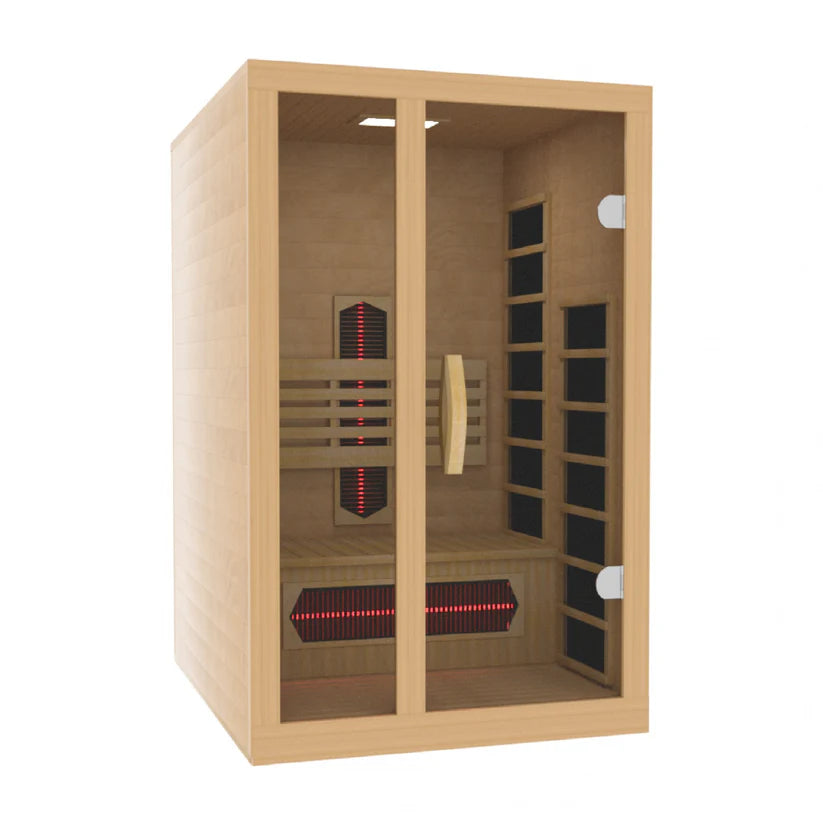









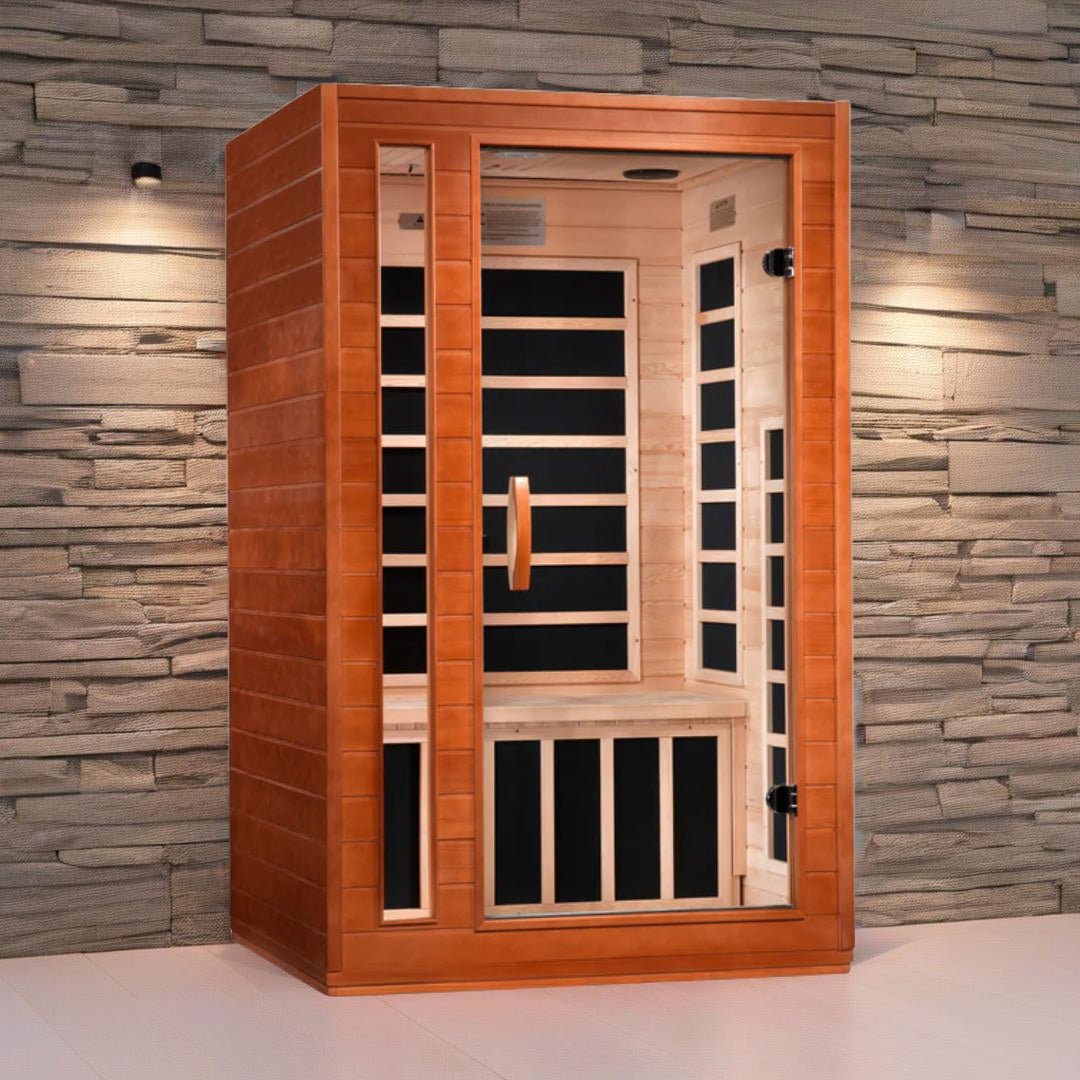

Does Infrared Sauna Tighten Skin? Science, Safety, and Realistic Results
What You Need to Know
Infrared saunas may modestly improve skin texture and perceived firmness over several months of consistent use, but they won't dramatically tighten significantly loose skin—especially after major weight loss or pregnancy. The evidence for meaningful "tightening" is limited and indirect, while targeted red and near-infrared light therapy has stronger clinical support for facial anti-aging.
Key Takeaways:
- Small studies show infrared exposure can increase collagen and elastin production in dermal fibroblasts, potentially improving texture and fine lines (J Korean Med Sci, 2006)
- Red/near-infrared light therapy demonstrates stronger evidence for wrinkle reduction and collagen density than sauna heat alone (Lasers Surg Med, 2014)
- Excessive heat exposure can actually promote collagen breakdown through increased matrix metalloproteinases, making dose and duration critical (Semin Cutan Med Surg)
- For moderate-to-severe loose skin, evidence-based options include radiofrequency devices, microneedling, laser treatments, or surgery—not saunas
- Safe starting protocol: 2–3 sessions per week at 113–149°F for 20–30 minutes, with proper hydration and barrier protection
- People with cardiovascular disease, pregnancy, rosacea, or eczema need medical clearance or should avoid use entirely
Table of Contents
- The Science of Skin Tightening: Collagen, Elastin, and Heat
- Infrared vs. Traditional Sauna: Why Wavelength Matters for Skin
- 5 Proven Benefits of Infrared Sauna for Skin Health
- Infrared Sauna for Loose Skin: What the Research Says
- Protocol Decision Tree for Skin Tightening
- Infrared Sauna vs. Red Light Therapy for Skin
- Best Practices: Maximizing Results and Avoiding Mistakes
- What NOT to Expect: Debunking Common Sauna Myths
- Real-World Numbers and Costs
- Myths and Misconceptions
- Experience Layer: Testing It Yourself
- Frequently Asked Questions
- Sources
- What We Still Don't Know
The Science of Skin Tightening: Collagen, Elastin, and Heat
Skin firmness depends largely on collagen and elastin in the dermis—the deeper skin layer where structural proteins provide strength and elasticity. These proteins are produced by fibroblasts, specialized cells that respond to various stimuli including heat and light. As we age, collagen production naturally declines while breakdown accelerates, leading to wrinkles, thinning, and sagging.
Infrared radiation can stimulate fibroblasts to increase collagen and elastin synthesis, at least in laboratory conditions and small human studies. A clinical study of 20 patients with photoaged facial skin receiving daily far-infrared radiation (900–1000 µm) for six months found increased collagen and elastin production in fibroblasts, with patients reporting subjective improvements in skin texture—though histologic changes were subtle and the sample size small (J Korean Med Sci, 2006).
The biological mechanisms involve more than simple heating. Infrared exposure induces heat shock proteins (HSPs), cellular stress-response molecules that may protect against damage and support repair processes. It also triggers vasodilation and increased blood flow, delivering more oxygen and nutrients to skin tissue. At the cellular level, certain infrared wavelengths can stimulate mitochondrial activity and modulate reactive oxygen species (ROS), which in low doses may signal beneficial adaptive responses.

Infrared vs Thermal Skin Aging: The Dose Dilemma
Here's the critical nuance: infrared and heat represent a double-edged sword for skin health. While controlled, moderate exposure may support collagen remodeling, excessive or chronic heat accelerates what researchers call "thermal skin aging."
Studies on human skin exposed to 43°C (109°F) heat for 90 minutes show increased matrix metalloproteinases (MMPs)—enzymes that break down collagen and elastin—along with oxidative DNA damage and features resembling photoaging (Semin Cutan Med Surg). Review articles emphasize that infrared is "potentially rejuvenating at controlled doses, but capable of promoting wrinkles and elastosis with chronic or excessive heat exposure" (Skin Challenges, 2024).
This dose-dependent relationship means protocol matters enormously. The same infrared wavelengths that might stimulate collagen synthesis in a 20-minute, moderate-heat session could contribute to collagen degradation in a 60-minute, high-heat marathon.
Evidence strength: Moderate. Mechanistic studies and small clinical trials support infrared-driven collagen changes, but there are no large, sauna-specific randomized controlled trials proving clinically significant skin tightening in typical users.
Infrared vs. Traditional Sauna: Why Wavelength Matters for Skin
Traditional Finnish saunas heat the air to approximately 70–90°C (158–194°F), warming your skin and body primarily through convection. You sit in very hot air until your core temperature rises and you sweat profusely.
Infrared saunas take a different approach. They use infrared lamps to warm tissues more directly at lower ambient temperatures—typically 45–65°C (113–149°F). The infrared energy penetrates the skin surface before being absorbed and converted to heat within tissues. This allows for longer, more tolerable sessions while still raising core body temperature.
Far-Infrared vs Near-Infrared
Not all infrared is created equal for skin purposes:
Far-infrared (FIR) has longer wavelengths that penetrate a few millimeters into tissue. It's experienced primarily as gentle, whole-body heat and is the dominant wavelength in most commercial infrared saunas. FIR is well-studied for cardiovascular benefits—Japanese Waon therapy uses 15 minutes at 60°C (140°F) followed by 30 minutes of rest, showing improved vascular function in heart failure patients.
Near-infrared (NIR) and red light (630–880 nm) penetrate somewhat deeper and have more direct photobiomodulation effects on mitochondria and fibroblasts. These shorter wavelengths are better documented for collagen stimulation in controlled trials. A 2014 study using red and NIR light (not sauna heat) found significant improvements in wrinkles, skin roughness, and intradermal collagen density after 30 sessions (Lasers Surg Med, 2014).
For skin-specific goals, the research hierarchy is clear: targeted NIR/red light devices have stronger evidence than heated sauna cabins. Saunas excel at systemic benefits—relaxation, cardiovascular conditioning, whole-body circulation—but are less precise and less dose-controlled at the skin surface.
Marketing often claims infrared saunas penetrate "3–4 cm into tissues," but peer-reviewed estimates place skin penetration in the millimeter range, with intensity decreasing rapidly at depth. The confusion stems from mixing infrared energy absorption (which does occur deeper) with the distinct mechanism of photobiomodulation used in therapeutic red light devices.
Evidence strength: Moderate. Traditional and infrared saunas both show cardiovascular benefits, but skin-specific evidence remains indirect and extrapolated from lamp studies rather than room-style saunas.
5 Proven Benefits of Infrared Sauna for Skin Health
While dramatic skin tightening may be oversold, infrared saunas do offer several documented skin and wellness benefits:
1. Enhanced Circulation and Transient Glow
Infrared exposure causes vasodilation—widening of blood vessels—which increases microcirculation to the skin. This delivers more oxygen and nutrients while removing metabolic waste products. Many users report an immediate "glow" or improved skin tone after sessions, though this effect is temporary. Regular sauna use may support sustained improvements in overall vascular function, which indirectly benefits skin health.
2. Modest Improvements in Texture and Fine Lines
The six-month daily far-infrared facial study showed patients experienced subjective improvements in roughness and perceived tightness, correlating with increased collagen and elastin in fibroblast cultures (J Korean Med Sci, 2006). Similarly, the red/NIR photobiomodulation trial demonstrated statistically significant reductions in wrinkles and roughness alongside increased intradermal collagen density (Lasers Surg Med, 2014). These represent "skin rejuvenation" outcomes rather than measured lifting of significantly lax tissue.
3. Stress Reduction and Improved Sleep
Saunas may reduce perceived stress and improve sleep quality, indirectly benefiting skin by lowering cortisol and systemic inflammation. Chronic stress accelerates skin aging through multiple pathways, so stress management tools—including regular sauna use—can support a comprehensive anti-aging approach.
4. Potential Detoxification Through Sweating
Small studies report measurable arsenic, lead, mercury, and other contaminants in sweat, suggesting that profuse sweating may help eliminate certain environmental pollutants (ARA Integrative, 2009). However, experts emphasize that detoxification is still primarily handled by liver and kidneys, and the overall toxin-burden reduction from sauna use remains uncertain. This benefit should not be overstated.
5. Systemic Wellness Effects
Large observational studies link frequent sauna use to reduced cardiovascular mortality and improved blood pressure in middle-aged adults, though these are primarily Finnish-style sauna studies rather than infrared-specific research (Mayo Clinic review, 2018). The cardiovascular conditioning from regular heat exposure may contribute to healthier-looking skin over time.
Cosmetic vs Systemic: Setting Expectations
It's essential to distinguish between cosmetic benefits (texture, glow, fine lines) and systemic wellness benefits (cardiovascular health, relaxation, stress management). Current evidence supports both categories, but infrared saunas should not be positioned as primary treatments for significant skin tightening or cellulite reduction—claims that remain largely unproven.
What's not yet proven:
- Dramatic tightening of loose, stretched skin
- Meaningful reduction in cellulite appearance
- Long-term fat loss or body contouring
- Reversal of severe photoaging or deep wrinkles
Evidence strength: Moderate for texture/circulation benefits; Limited for tightening claims.

Infrared Sauna for Loose Skin: What the Research Says
This is the question many people really want answered: Can an infrared sauna tighten loose skin after major weight loss, pregnancy, or age-related loss of elasticity?
The short answer: Probably not in any dramatic, clinically meaningful way.
Post-Weight Loss and Postpartum Loose Skin
No high-quality clinical trials directly demonstrate that infrared sauna use significantly tightens loose skin after substantial weight loss or pregnancy. The skin studies that do exist focus on populations with mild-to-moderate photoaging—fine wrinkles and texture issues—rather than the stretched, redundant skin that develops after losing 50+ pounds or carrying a pregnancy.
Anecdotal reports describe perceived improvements. One Reddit user noted that approximately one year of regular infrared sauna use subjectively reduced cellulite and postpartum skin laxity (Reddit, 2024). However, these are uncontrolled observations subject to placebo effects, concurrent lifestyle changes, and natural skin remodeling that occurs over time regardless of sauna use.
Age-Related Laxity
For mild age-related loss of firmness—the gradual sagging that accumulates in your 40s, 50s, and beyond—infrared saunas may offer subtle support through improved circulation and modest collagen remodeling. But the effect size appears small, and any improvements require months of consistent use.
When Infrared Sauna Is Unlikely to Help
Dermatology sources reviewing infrared saunas note mixed evidence for cosmetic outcomes and emphasize that saunas should not be considered substitutes for procedural tightening treatments (Appalachian Spring Dermatology, 2025). For moderate-to-severe laxity, evidence-based options include:
- Radiofrequency microneedling: Delivers controlled heat to deeper dermal layers, stimulating collagen remodeling with documented results for moderate laxity
- Laser skin tightening: Uses fractional or non-ablative lasers to target collagen fibers
- Ultrasound devices: Focused ultrasound energy heats tissue at specific depths to trigger tightening
- Surgical procedures: Abdominoplasty, arm lift, or face/neck lift for severe redundancy
Infrared saunas simply don't deliver the precise, high-intensity energy to dermal layers that these medical devices provide. They're supportive wellness tools, not cosmetic tightening treatments.
Evidence strength: Strong evidence that saunas do NOT significantly tighten loose skin; moderate evidence that they may improve overall skin quality.
Protocol Decision Tree for Skin Tightening
If you decide to try infrared sauna for skin benefits, follow conservative, evidence-informed protocols rather than aggressive "more is better" approaches.
Baseline Protocol for Most Healthy Adults
Temperature: 45–65°C (113–149°F)
Duration: 20–30 minutes per session
Frequency: 2–3 times per week
Progression: Start at lower end (20 minutes, 113°F) and increase gradually over 4–6 weeks
This mirrors parameters used in cardiovascular wellness studies and balances potential benefits against risks of dehydration and thermal skin damage.
Waon Therapy Template
For a more structured approach, consider the Japanese Waon therapy protocol used in cardiovascular research:
- 15 minutes in far-infrared sauna at 60°C (140°F)
- Followed by 30 minutes wrapped in blankets for gradual cool-down
- Body temperature rises approximately 1°C (2°F)
- Used 3–5 times per week in clinical studies
This protocol emphasizes moderate heat and limited duration with supervised rest periods, reducing risk while maintaining systemic benefits.
Safety-Based Protocol Adjustments
Age considerations:
- Adults over 65: Start with shorter sessions (15 minutes), lower temperatures, and ensure ability to exit safely
- Close monitoring for dizziness or confusion
Cardiovascular disease:
- Medical clearance required before use
- Avoid if you have uncontrolled hypertension, arrhythmias, or recent cardiac events
- Some Waon therapy protocols are used with medical supervision in heart failure patients, but this requires clinical oversight
Pregnancy:
- Generally advised to avoid saunas unless specifically cleared by obstetric provider
- Concerns about core temperature elevation affecting fetal development
Skin conditions:
- Rosacea/eczema: Start with very short sessions (10–15 minutes) at lower temperatures; discontinue if flares occur
- Melasma: Heat may worsen hyperpigmentation in some individuals
- Active dermatitis: Allow skin to heal before attempting sauna use
Medications:
- Diuretics, antihypertensives, or other medications affecting blood pressure/fluid balance may increase dehydration or hypotension risk
- Review with your prescribing physician
Essential Safety Practices
- Hydrate thoroughly before and after sessions (16–24 oz water)
- Never consume alcohol before or during sauna use
- Stand up slowly to prevent dizziness and falls
- Stop immediately if you feel lightheaded, nauseated, or unwell
- Limit maximum duration to 45 minutes even as you adapt
Evidence strength: Moderate. Parameters are extrapolated from cardiovascular and PBM research plus expert safety guidance rather than skin-specific RCTs.
Infrared Sauna vs. Red Light Therapy for Skin
If your primary goal is facial anti-aging and skin tightening, understanding the distinction between infrared saunas and red light therapy is critical.
Red Light Therapy: Targeted Photobiomodulation
Red light therapy (RLT) uses specific wavelengths—typically 630–670 nm (red) and 800–880 nm (near-infrared)—delivered at controlled energy densities (fluence, measured in J/cm²) to skin. These devices produce minimal heat while triggering photobiomodulation: the absorption of photons by mitochondria and other cellular structures, leading to enhanced ATP production, reduced oxidative stress, and increased collagen synthesis.
A controlled trial of red/NIR light treatment found that participants completing 30 sessions experienced significant improvements in wrinkles, skin roughness, and intradermal collagen density compared to controls (Lasers Surg Med, 2014). Preclinical wound models using 632.8 nm light found a 1.61–1.84-fold increase in proliferation markers with 2 J/cm² dosing.
RLT devices are:
- Highly targeted: You treat specific areas (face, neck, décolletage) with precise positioning
- Dose-controlled: Energy delivery is standardized and repeatable
- Non-thermal: Minimal heating, well-tolerated even by heat-sensitive individuals
- Evidence-backed: Multiple RCTs support wrinkle reduction and collagen benefits
Infrared Sauna: Whole-Body Heat Exposure
Infrared saunas deliver thermal far-infrared (and sometimes mixed-spectrum) radiation for full-body heating. The primary mechanism is increased core temperature and cardiovascular conditioning, with skin effects as a secondary benefit.
Saunas are:
- Non-specific: Heat affects your entire body, not targeted to areas of concern
- Less dose-controlled: Temperature and infrared intensity vary by position and device
- Thermal: Significant heat stress, raising heart rate similarly to moderate exercise
- Systemically beneficial: Relaxation, cardiovascular effects, stress reduction
Direct Comparison
| Factor | Infrared Sauna | Red Light Therapy |
|---|---|---|
| Primary mechanism | Whole-body heat, circulation, mild IR effects | Targeted PBM to mitochondria and fibroblasts |
| Evidence for wrinkles/texture | Small facial study shows modest improvement after 6 months daily exposure | RCTs show significant improvements after 30 sessions |
| Targeting | Full body, non-specific | Highly localized to treated areas |
| Thermal load | Significant heat, raises heart rate | Minimal heat, well-tolerated |
| Systemic benefits | Relaxation, possible cardiovascular benefits | Mainly local skin/tissue benefits |
| Best use-case | Whole-body wellness plus mild skin benefits | Targeted facial anti-aging with minimal systemic stress |
Can I Combine Infrared Sauna and Red Light Therapy?
Conceptually, combining both approaches is reasonable—use targeted RLT for your face and neck while gaining systemic benefits from sauna sessions. Some commercial sauna manufacturers even integrate NIR/red light panels into their cabins.
However, there are no rigorous studies testing combined protocols versus either treatment alone, so claims of synergy remain speculative. If you choose to combine:
- Use RLT at recommended times/distances per device instructions
- Avoid overheating by limiting sauna duration when combining
- Monitor skin for any irritation or excessive dryness
- Don't assume additive effects; benefits may not stack linearly
Evidence strength: Strong for RLT superiority in targeted facial aging; Moderate for complementary use (plausible but unproven).
For a detailed comparison of benefits of red light therapy and infrared saunas, see our comprehensive guide.
Best Practices: Maximizing Results and Avoiding Mistakes
Getting the most from infrared sauna while protecting your skin requires attention to preparation, session practices, and post-sauna care.
Before Your Session
Hydration: Drink 16–24 oz of water 1–2 hours before entering. Proper hydration supports sweating and reduces dizziness risk.
Remove makeup and heavy skincare products: Allow pores to open freely and sweat to escape without obstruction. Oils and occlusives can trap heat against skin.
Avoid alcohol: Alcohol increases dehydration and impairs thermoregulation, significantly raising risk of heat exhaustion.
Don't eat a heavy meal: Large meals redirect blood flow to digestion, potentially causing nausea or discomfort during heat exposure.
During Your Session
Start conservatively: New users should begin with 15–20 minutes at lower temperatures and gradually increase as tolerance builds.
Listen to your body: If you feel dizzy, nauseated, excessively weak, or develop a headache, exit immediately and cool down.
Position matters: Sit where you're comfortable; moving closer to or farther from heaters adjusts intensity.
Towel placement: Sitting on a towel prevents direct contact burns and absorbs sweat.
After Your Session
Cool down gradually: Stand up slowly to prevent orthostatic hypotension (blood pressure drop causing dizziness). Allow 5–10 minutes for gradual temperature normalization.
Cleanse promptly: Shower or at minimum rinse off sweat to remove salt, any mobilized toxins, and prevent pore clogging.
Moisturize: Heat can dehydrate the skin barrier. Apply a gentle, non-comedogenic moisturizer while skin is still slightly damp to lock in hydration.
Rehydrate: Drink another 16–24 oz of water after your session. Consider electrolyte replacement if you sweat heavily or use sauna frequently.
Sun protection: If you'll be outdoors afterward, apply broad-spectrum SPF 30+ sunscreen. UV damage remains the primary driver of skin aging, and sauna use doesn't change that.
Skincare Integration
Infrared sauna should complement—not replace—evidence-based skincare:
Continue using:
- Daily broad-spectrum sunscreen (SPF 30–50)
- Gentle, pH-balanced cleansers
- Appropriate moisturizers for your skin type
- Topical retinoids if prescribed/tolerated (pause on sauna days if irritation occurs)
- Antioxidant serums (vitamin C, niacinamide, etc.)
Consider pausing on sauna days:
- Chemical exfoliants (AHAs, BHAs) if you have sensitive skin
- Aggressive treatments that may increase heat sensitivity
Dermatology sources emphasize that UV protection and skincare fundamentals matter far more than sauna use for long-term skin health (Murad WellConnected, 2025).
Common Mistakes to Avoid
Mistake #1: Pushing for longer, hotter sessions thinking "more is better." This increases dehydration risk and may promote thermal skin aging rather than tightening.
Mistake #2: Using sauna immediately after intense exercise when already dehydrated.
Mistake #3: Skipping post-sauna moisturization, allowing skin barrier to become over-dry.
Mistake #4: Combining sauna with alcohol or medications that impair thermoregulation.
Mistake #5: Expecting dramatic tightening results without also addressing underlying factors (UV damage, smoking, poor nutrition, inadequate sleep).
Evidence strength: Strong. Safety guidance comes from medical reviews and dermatology clinical experience.
What NOT to Expect: Debunking Common Sauna Myths
Managing expectations is crucial for satisfaction and safety. Here are evidence-based corrections to frequent misconceptions:
Myth #1: Infrared saunas dramatically tighten loose skin after major weight loss
Reality: No high-quality clinical trials support significant tightening of stretched, redundant skin from sauna use alone. For substantial post-weight-loss laxity, RF devices, laser treatments, or surgery remain the evidence-based options (Ageless MD, 2025).
Why it persists: Marketing leverages desire for non-surgical solutions; small texture improvements are conflated with true tightening.
Myth #2: Saunas "melt fat" and cause lasting weight loss
Reality: Weight lost during a sauna session is almost entirely water, which returns with rehydration. Long-term fat loss requires sustained caloric deficit through diet and exercise (Healthline, 2020).
Why it persists: Visible short-term scale changes and sweat are misinterpreted as fat burning.
Myth #3: More heat and longer sessions always mean better results
Reality: Excessive heat and duration increase MMPs, oxidative damage, and thermal skin aging—potentially worsening wrinkles rather than improving them (Semin Cutan Med Surg).
Why it persists: "No pain, no gain" mentality and competitive wellness culture.
Myth #4: Infrared saunas fully "detox" the body
Reality: While sweat can excrete some metals and pollutants, detoxification primarily occurs via liver and kidneys. Clinical impact of sauna-based detox remains unclear (Mayo Clinic review, 2018).
Why it persists: Appealing narratives around "toxins" and quick fixes.
Myth #5: Infrared saunas are completely safe for everyone
Reality: People with heart disease, pregnancy, neurologic issues, or certain skin conditions face significant risks and need medical guidance or should avoid use (Healthline, 2020).
Why it persists: Broad marketing with minimal contraindication discussion.
Myth #6: Any infrared exposure automatically provides anti-aging benefits
Reality: IR can both support collagen synthesis and promote thermal aging depending on wavelength, dose, and heat accumulation. The relationship is dose-dependent, not linear (Skin Challenges, 2024).
Why it persists: Conflation of low-level photobiomodulation with high-heat exposures.
Myth #7: Infrared saunas work as well as red light therapy for facial tightening
Reality: Red light therapy has stronger, direct evidence from controlled trials for wrinkle reduction and collagen density. Sauna data are indirect and weaker (Rejuvenex, 2025).
Why it persists: Companies bundle or compare both without clarifying evidence levels.
Myth #8: Cellulite significantly improves with regular sauna use
Reality: Robust clinical evidence for cellulite reduction from sauna alone is lacking; reports are largely anecdotal (Mayo Clinic review, 2018).
Why it persists: Minor textural changes attributed to sauna; marketing amplification.
Myth #9: More sweating means better detox and tightening
Reality: Sweat volume doesn't correlate clearly with toxin removal or collagen changes. Excessive sweating increases dehydration risk without proven additional benefit (ARA Integrative, 2009).
Why it persists: Visible sweat feels productive and reinforces detox beliefs.
Myth #10: Post-sauna skin "tightness" means collagen has increased
Reality: Immediate tightness usually reflects temporary surface dehydration, which can harm skin barrier if not corrected with moisturization (Murad WellConnected, 2025).
Why it persists: Sensory tightness is misread as firmness or structural improvement.
Evidence strength: Strong. Corrections are supported by clinical reviews and dermatology guidance.
Real-World Numbers and Costs
Understanding the practical and financial commitment helps you make informed decisions.
Session Pricing at Commercial Facilities
- Single 40-minute session: Approximately $35–45
- Package rates: Often drop to $24–35 per session with multi-session bundles
- Monthly unlimited: Some studios offer $150–250/month unlimited access
- Example: The Urban Muse lists 40-minute infrared sauna sessions at $45 (2018)
Home Unit Investment
Portable infrared blankets:
- Range: $200–600
- Pros: Affordable, space-efficient, easy storage
- Cons: Less comfortable, limited to lying position, may heat unevenly
One-person infrared tents:
- Range: $500–1,500
- Pros: More spacious than blankets, portable
- Cons: Still somewhat confined, setup required
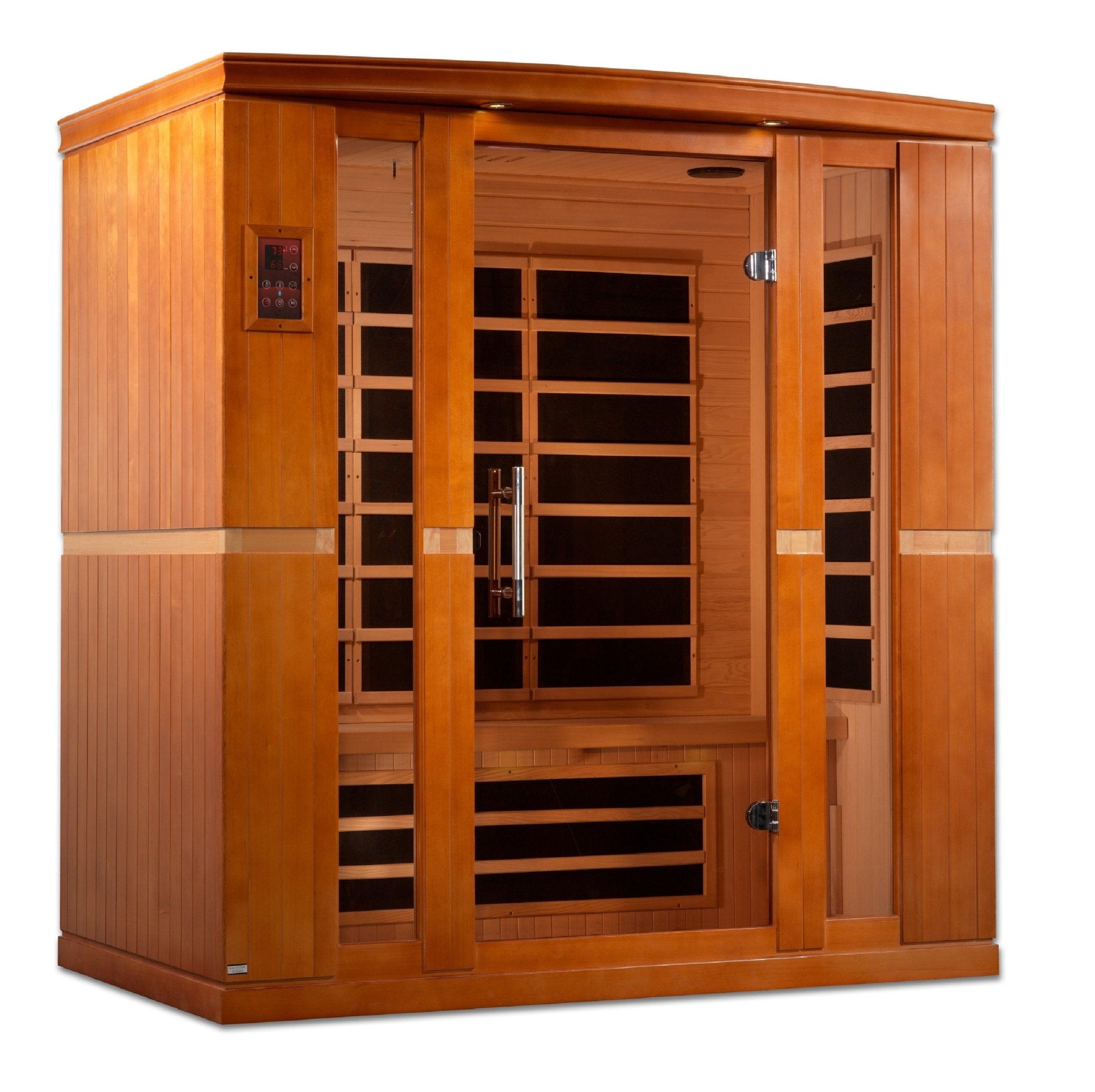
Two-to-three-person infrared cabins:
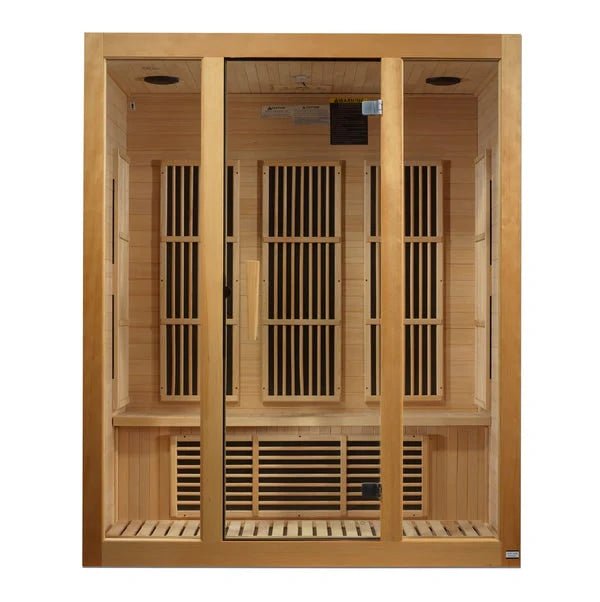
- Range: $2,000–6,000+
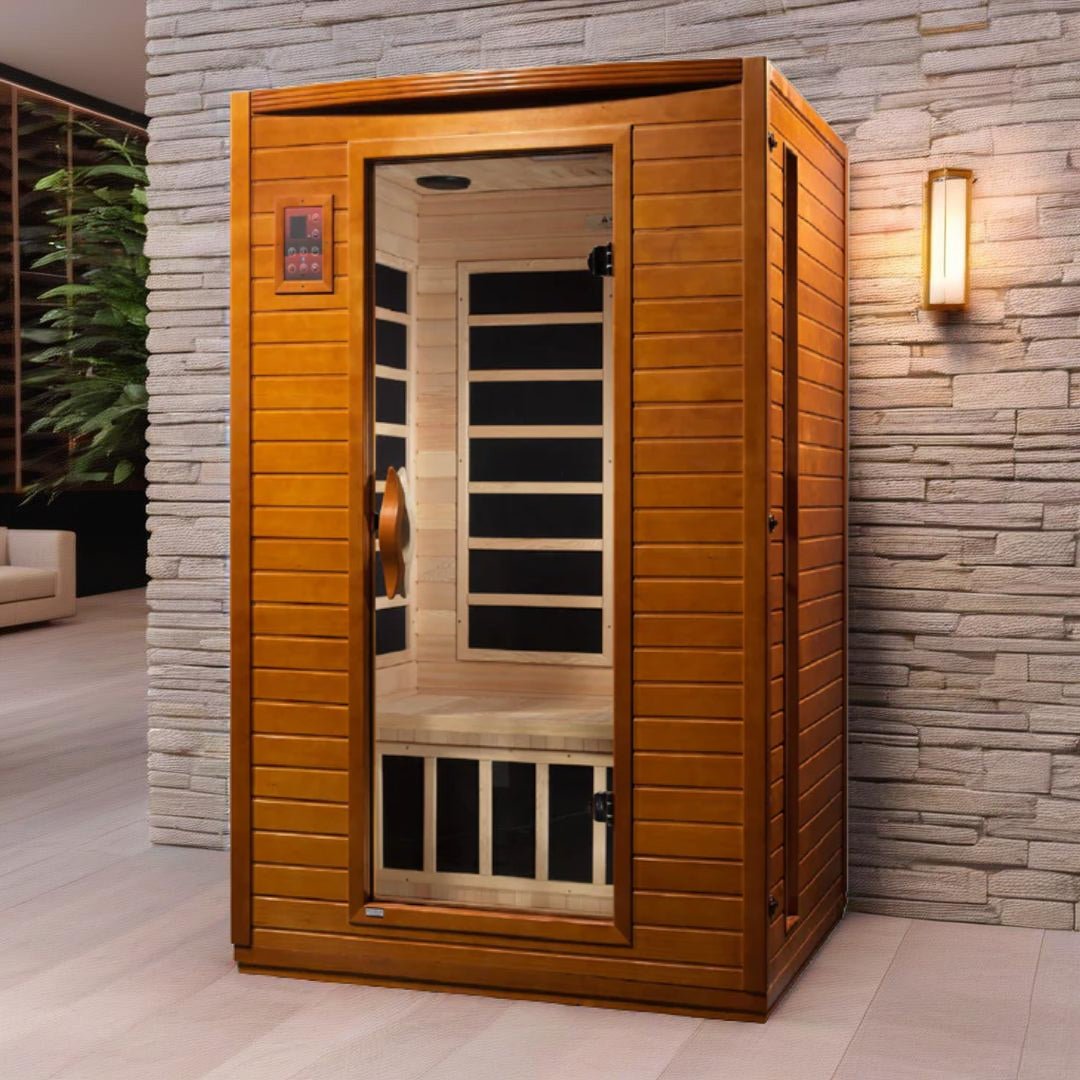
- Pros: Comfortable, full-spectrum options, can accommodate partners/family
- Cons: Requires dedicated space, installation, higher upfront cost
- Break-even: If using 3+ times per week, may pay off versus studio sessions in 1–2 years
For guidance on how often to use a sauna to maximize benefits while staying safe, review frequency recommendations based on your goals.
Timeline Expectations
- Immediate: Temporary glow, relaxation, possible transient smoothness from vasodilation
- 2–4 weeks: Some users report subjective improvements in skin feel or stress levels
- 2–3 months: Earliest point at which modest texture changes might become apparent with consistent use
- 6+ months: The timeframe used in the infrared facial rejuvenation study; still showed only subtle improvements (J Korean Med Sci, 2006)
Collagen remodeling is inherently slow. Expecting visible changes in days or even early weeks is unrealistic.
Measurable Ranges
- Temperature rise: Core body temperature typically increases 1–2°C (2–4°F) during a session
- Heart rate: May increase to 100–150 bpm, similar to moderate-intensity exercise
- Sweat loss: Varies widely (0.5–2+ liters per session) based on duration, temperature, and individual physiology
Myths and Misconceptions (Extended)
Myth #11: Infrared saunas can replace professional skin treatments
Reality: For concerns like deep wrinkles, significant laxity, or pigmentation issues, dermatologic procedures (RF microneedling, fractional laser, chemical peels) offer far more dramatic, proven results.
Why it persists: Desire to avoid clinical procedures and their associated costs/downtime.
Myth #12: You should use a sauna every single day for maximum skin benefits
Reality: Daily use isn't necessary and may increase dryness or irritation. Most studies showing benefits use 3–5 sessions per week. Some people's skin tolerates daily use, but many need recovery days.
Why it persists: Misapplication of "consistency is key" principle.
Experience Layer: Testing It Yourself
If you want to objectively assess whether infrared sauna improves your skin, structured self-tracking beats subjective impressions.
Safe Mini-Experiment Design
Duration: 12 weeks minimum (collagen remodeling takes time)
Protocol:
- 2–3 sessions per week
- 20–30 minutes per session
- 113–130°F starting temperature
- Maintain all other variables (skincare, diet, sleep, sun exposure) as constant as possible
Control period: Consider tracking skin metrics for 2–4 weeks before starting sauna to establish baseline and account for natural fluctuations.
What to Photograph
Take standardized photos every 2–4 weeks:
Lighting and position:
- Same room, same lighting conditions (ideally natural indirect light near a window)
- Same distance from camera (use a tripod or mark floor position)
- Same time of day
Areas to document:
- Full face (front, both 45° angles, profile)
- Neck and décolletage
- Areas of concern: abdomen, upper arms, thighs, anywhere you're hoping to see improvement
Close-ups:
- Crow's feet
- Nasolabial folds
- Jawline
- Any specific lax or textured areas
Metrics to Track
Session log:
- Date and time
- Sauna type (home/commercial; cabin/blanket)
- Temperature setting
- Actual duration
- Perceived intensity (1–10 scale)
- Any symptoms (dizziness, flushing, discomfort)
Daily skin observations:
- Morning and evening dryness rating (1–10)
- Tightness sensation (1–10)
- Sensitivity or irritation (1–10)
- Overall satisfaction with appearance (1–10)
Weekly assessments:
- Sleep quality average (1–10)
- Stress level average (1–10)
- Any new skincare products or procedures introduced
- Photos taken this week? Which areas?
Simple Tracking Template
| Date | Time | Sauna Setting (temp/duration) | Pre-session hydration | During-session notes | Post-session skin feel | Next-morning skin | Weekly photo? | New variables this week |
|---|---|---|---|---|---|---|---|---|
| Dryness: __/10 Tightness: __/10 Redness: __/10 |
Texture: __/10 Glow: __/10 Satisfaction: __/10 |
Y/N; Areas: |
What You Might Notice (Non-Guaranteed)
Based on existing studies and user reports, some people experience:
- Weeks 1–2: Improved sense of relaxation post-session; temporary glow or smoothness immediately after
- Weeks 4–8: Possible subtle improvements in overall skin tone or texture; better stress management
- Weeks 8–12+: Gradual, modest changes in fine lines or skin feel in best-case scenarios
Many people notice no dramatic changes even after months of consistent use. This doesn't mean you've "failed"—it reflects the limited evidence for significant tightening from sauna alone.
Frequently Asked Questions
1. Does an infrared sauna really tighten skin?
Infrared saunas may modestly improve skin texture and fine lines over months of consistent use, but evidence for significant tightening of loose skin is limited.
- Small IR facial studies show increased collagen and elastin with daily treatments over six months (J Korean Med Sci, 2006)
- Red/NIR light therapy has stronger data for wrinkle reduction and collagen density than sauna heat (Lasers Surg Med, 2014)
- Sauna reviews emphasize systemic benefits more than cosmetic tightening (Mayo Clinic, 2018)
- Dermatology sources caution against expecting dramatic lifting from sauna alone (Appalachian Spring Dermatology, 2025)
2. Can infrared sauna help loose skin after weight loss?
Infrared sauna is unlikely to substantially tighten loose skin after major weight loss, though it may improve overall skin quality.
- No high-quality trials show large tightening effects on post-weight-loss laxity
- Effective options for significant laxity include RF devices, microneedling, laser, and surgery (Ageless MD, 2025)
- Some users report subjective improvements in cellulite and laxity after months of use (Reddit, 2024)
- Lifestyle factors like nutrition, time, and weight stability also influence how loose skin evolves
3. How often should I use an infrared sauna for skin benefits?
For most healthy adults, 2–3 moderate sessions per week is a reasonable starting point for potential skin and wellness benefits.
- Waon therapy uses 3–5 sessions/week at 60°C for cardiovascular patients under supervision
- Sauna studies often involve 15–30 minute sessions several times per week (Mayo Clinic, 2018)
- Safety guidance stresses gradual build-up of time and frequency
- People with sensitive skin may need shorter or less frequent sessions (Murad WellConnected, 2025)
4. What temperature is best for infrared sauna skin results?
Many commercial infrared saunas operate between 113–149°F (45–65°C), and moderate temperatures are generally safer than pushing extremes.
- Waon therapy uses 140°F (60°C) for 15 minutes
- Safety articles recommend avoiding excessive heat that causes significant discomfort or dizziness (Healthline, 2020)
- Higher temperatures and longer sessions increase risk of dehydration and thermal skin aging
- Individuals vary; some may need lower settings due to medical conditions
5. How long does it take to see skin changes from infrared sauna?
Any visible skin changes are likely to be gradual over weeks to months of consistent use, not immediate lifting.
- IR facial study used six months of daily exposure before assessing improvements (J Korean Med Sci, 2006)
- PBM trials often use 30 sessions over several weeks for measurable changes (Lasers Surg Med, 2014)
- Collagen remodeling is slow and may take several months to manifest
- Subjective glow or smoothness may appear sooner due to circulation and hydration changes
6. Is infrared sauna better than red light therapy for skin tightening?
Red light therapy is generally better supported for targeted skin tightening, while infrared sauna offers broader wellness effects with weaker cosmetic evidence.
- RLT RCTs show significant improvements in wrinkles and collagen density (Lasers Surg Med, 2014)
- Sauna data for tightening are indirect and less robust
- RLT is localized and dose-controlled; sauna is whole-body and less targeted
- Some sources describe RLT as the "winner" for skin-specific goals (Rejuvenex, 2025)
7. Can infrared saunas help with cellulite?
There is little high-quality evidence that infrared saunas significantly reduce cellulite, though some people report subtle improvements.
- Clinical sauna reviews do not show strong cellulite data (Mayo Clinic, 2018)
- Anecdotal reports describe smoother appearance after regular sessions (Reddit, 2024)
- Cellulite is structurally complex and often requires targeted treatments
- Marketing claims often overstate sauna's impact on cellulite
8. Is an infrared sauna safe for my skin?
Most healthy adults tolerate infrared saunas well, but overuse can cause dryness, irritation, and may aggravate certain skin conditions.
- Dermatology sources note saunas can over-dry skin and worsen rosacea or eczema (Appalachian Spring Dermatology, 2025)
- Excessive heat exposure contributes to thermal skin aging (Skin Challenges, 2024)
- Moisturizing and limiting session length help protect the skin barrier
- People with active dermatitis should proceed cautiously or avoid use during flares
9. Who should avoid infrared saunas?
People with certain heart conditions, pregnancy, neurologic issues, or unhealed wounds should avoid or get medical clearance before using infrared saunas.
- Guidance warns those with cardiovascular disease or arrhythmias to consult a doctor first (Healthline, 2020)
- Pregnant individuals are generally advised to avoid saunas unless cleared (Mayo Clinic, 2018)
- Neurologic deficits or poor heat sensation raise burn risk
- Open wounds and recent surgery are contraindications until healed
10. What should I do before and after an infrared sauna session for my skin?
Hydrate, arrive with clean skin, and moisturize gently afterward to support both safety and skin barrier health.
- Drink water before and after to reduce dehydration risk
- Remove makeup and heavy occlusives so sweat can escape freely
- Shower or gently cleanse sweat off after the session (Murad WellConnected, 2025)
- Apply a non-irritating moisturizer to prevent dryness
11. Can I use an infrared sauna every day for skin tightening?
Daily use may be tolerable for some healthy adults but is not necessary for skin benefits and may increase dryness or irritation.
- Some IR facial studies used daily exposures under medical oversight (J Korean Med Sci, 2006)
- Sauna reviews show benefits with several sessions per week, not necessarily daily (Mayo Clinic, 2018)
- Dermatologists caution against overuse, especially in sensitive skin
- Listening to symptoms like dizziness or dryness is critical
12. Does sweating in an infrared sauna detoxify my skin?
Sweating may help excrete some contaminants, but it does not replace your liver and kidneys and should not be viewed as a complete detox solution.
- Studies show small amounts of metals like arsenic, lead, and mercury in sweat (ARA Integrative, 2009)
- Sauna reviews state detoxification claims are not well supported by rigorous data (Mayo Clinic, 2018)
- Overemphasis on "sweating out toxins" can distract from foundational health habits
- Hydration and skin cleansing remain important for skin health
13. Will my skin get drier from infrared sauna use?
It can, especially with longer or hotter sessions, so many users need to adjust frequency and moisturization.
- Dermatology content notes that heat dries skin and may trigger more oil production or breakouts (Murad WellConnected, 2025)
- Over-drying can aggravate conditions like eczema and rosacea (Appalachian Spring Dermatology, 2025)
- Using gentle cleansers and moisturizers supports skin barrier recovery
- If dryness worsens, reduce duration or take breaks from sauna use
14. How does infrared sauna compare to other non-invasive tightening treatments?
Infrared saunas provide mild, non-targeted effects, while procedures like RF microneedling and laser are more effective for meaningful tightening.
- RF microneedling delivers controlled heat to deeper layers and can address moderate laxity (Ageless MD, 2025)
- Laser tightening targets dermal collagen for mild sagging
- These treatments have clearer protocols and outcome data than saunas for tightening
- Saunas can be complementary but not replacements
15. Can I combine infrared sauna with red light therapy for better skin results?
Combining them is plausible, but there is little direct research on synergy, so expectations should remain cautious.
- PBM trials show benefits independently of sauna (Lasers Surg Med, 2014)
- Some commercial setups incorporate RLT into sauna cabins
- No robust trials test combined protocols versus either alone
- Users should avoid overheating and follow safety guidelines
16. Are infrared saunas good for anti-aging in general?
They may contribute modestly to anti-aging via relaxation, circulation, and potential collagen effects but are not a standalone anti-aging strategy.
- IR exposure may mildly improve texture when dosed appropriately (J Korean Med Sci, 2006)
- Stress reduction and cardiovascular support indirectly aid healthy aging (Mayo Clinic, 2018)
- UV protection and skincare remain primary anti-aging tools
- Overuse of heat can counteract benefits by promoting thermal aging (Skin Challenges, 2024)
17. How much does infrared sauna therapy cost?
Spa sessions often cost around $30–45 each, while home units range from hundreds for blankets to several thousand dollars for cabins.
- One studio lists a 40-minute session at $45, with packages dropping per-session prices to around $24–35 (The Urban Muse, 2018)
- Home blankets and portable units can cost a few hundred dollars
- Full home cabins can reach several thousand dollars depending on size and features
- Cost-effectiveness depends on usage frequency and goals
18. Does infrared sauna damage my skin?
Used moderately, it is unlikely to cause major damage in healthy skin, but chronic high heat can promote thermal aging and worsen some conditions.
- Heat and IR can increase MMPs and oxidative damage, contributing to aging (Semin Cutan Med Surg)
- Dermatologists raise concerns about collagen breakdown from chronic IR/heat exposure (Appalachian Spring Dermatology, 2025)
- Short, well-spaced sessions with skin care support minimize risk
- People noticing redness or flares should scale back or stop
19. Is an infrared sauna worth it if I mainly care about my face?
If facial anti-aging is your primary goal, targeted red light therapy or dermatologic procedures are usually more efficient, though a sauna can add general wellness benefits.
- RLT has stronger facial anti-aging data than sauna heat (Lasers Surg Med, 2014)
- Procedures like RF microneedling and laser offer more pronounced tightening (Ageless MD, 2025)
- Saunas provide whole-body relaxation and possible systemic health benefits (Mayo Clinic, 2018)
- Cost and convenience should factor into the decision
20. Can I safely use an infrared sauna if I have rosacea or eczema?
Saunas often aggravate rosacea and eczema, so many dermatologists advise caution, shorter sessions, or avoidance during flares.
- Heat and dryness can trigger or worsen these conditions (Appalachian Spring Dermatology, 2025)
- Some guidance suggests letting skin recover before exposure
- If attempted, sessions should be brief and cool with close monitoring
- Dermatologist input is recommended before regular use
21. What's the difference between near-infrared and far-infrared for skin?
Near-infrared penetrates somewhat deeper with more direct photobiomodulation effects, while far-infrared is primarily experienced as gentle whole-body heat.
- NIR/red wavelengths (630–880 nm) are better studied for collagen stimulation
- FIR has longer wavelengths and is better documented for cardiovascular benefits
- Most commercial infrared saunas use primarily FIR with some mixed spectrum
- For targeted skin benefits, NIR/red light devices are generally superior to sauna heat
22. Can infrared sauna help with wrinkles?
Infrared exposure may produce modest improvements in fine lines over months, but effects are subtle and require consistency.
- The six-month IR facial study showed subjective improvements in wrinkles (J Korean Med Sci, 2006)
- Red/NIR light therapy has stronger evidence for wrinkle reduction (Lasers Surg Med, 2014)
- For deeper wrinkles, dermatologic procedures are more effective
- Results take months and vary significantly between individuals
23. Do I need to shower immediately after an infrared sauna?
Showering or at least rinsing off sweat soon after is recommended to remove salt, prevent pore clogging, and maintain skin health.
- Sweat left on skin can be irritating, especially for sensitive skin types
- Cleansing allows you to apply moisturizer to clean, slightly damp skin for better absorption
- Some prefer waiting 10–15 minutes to allow gradual cool-down before showering
- Use lukewarm water rather than hot to avoid additional skin stress
24. Will infrared sauna help my skin look younger?
It may contribute modestly to a more youthful appearance through improved circulation and potential mild collagen effects, but expectations should be realistic.
- Improvements tend to be subtle: enhanced glow, slightly smoother texture, modest fine line reduction
- These are "skin quality" benefits rather than dramatic age reversal
- UV protection, retinoids, and professional treatments remain more impactful
- Sauna's anti-aging value may come more from stress reduction and systemic wellness
25. Can men use infrared sauna for skin tightening too?
Yes, infrared sauna benefits and protocols apply equally to all genders, though men may have different skin concerns or tolerances.
- Male skin tends to be thicker with more collagen, which may affect visible outcomes
- Men may tolerate higher temperatures or longer sessions on average
- Safety precautions and contraindications are the same regardless of gender
- Men concerned about facial aging or post-weight-loss laxity can follow the same protocols outlined
Sources
Primary Research Studies:
- Effects of Infrared Radiation on Skin Photo-Aging and Pigmentation. Journal of Korean Medical Science, 2006.
- A controlled trial to determine the efficacy of red and near-infrared light treatment in patient satisfaction, reduction of fine lines, wrinkles, skin roughness, and intradermal collagen density increase. Lasers in Surgery and Medicine, 2014. https://pubmed.ncbi.nlm.nih.gov/24286286/
- Photobiomodulation invigorating collagen deposition, proliferating fibroblasts in wound healing. 2020. https://pmc.ncbi.nlm.nih.gov/articles/PMC8803692/
- Effects of Infrared Radiation and Heat on Human Skin Aging in vivo. Seminars in Cutaneous Medicine and Surgery. https://www.sciencedirect.com/science/article/pii/S1087002415305049
Clinical Reviews:
- Clinical Effects of Regular Dry Sauna Bathing: A Systematic Review. Mayo Clinic Proceedings and Finland collaborators, 2018. https://pmc.ncbi.nlm.nih.gov/articles/PMC5941775/
- Infrared Radiation: A Double-Edged Sword for Skin Health. Skin Challenges, 2024. https://skin-challenges.com/infrared-radiation-a-double-edged-sword-for-skin-health/
Medical and Dermatology Sources:
- Should I Use an Infrared Sauna? Appalachian Spring Dermatology, 2025. https://wvderm.com/should-i-use-an-infrared-sauna/
- What Are the Risks? Infrared Sauna Dangers. Healthline, 2020. https://www.healthline.com/health/infrared-sauna-dangers
- Saunas and Skin Health. Murad WellConnected, 2025. https://wellconnected.murad.com/saunas-and-skin-health/
- Laser Skin Tightening vs RF Microneedling: Which is Better? Ageless MD, 2025. https://www.ageless-md.com/laser-skin-tightening-vs-rf-microneedling-which-is-better/
Specialized Topics:
- The Science of Infrared for Heart Health / Waon Therapy. Sunlighten and related sources, 2025. https://www.sunlighten.com/blog/science-of-infrared-for-heart-health/
- Infrared Saunas and Blood Pressure. Glow Sauna Studios, 2025. https://glowsaunastudios.com/infrared-saunas-blood-pressure/
- Can Sauna Therapy Detoxify My Skin? ARA Integrative, 2009. https://www.araintegrative.com/blog/can-sauna-therapy-detoxify-my-skin
Product and Comparison Resources:
- Red Light Therapy vs. Infrared Sauna. Rejuvenex, 2025. https://rejuvenex.au/blogs/news/red-light-therapy-vs-infrared-sauna
- Does Sauna Tighten Skin? Science and Myths Explained. Heavenly Heat Saunas, 2025. https://heavenlyheatsaunas.com/en-ca/blogs/wellness-insights/does-sauna-tighten-skin-science-and-myths-explained
- Does Infrared Sauna Tighten Skin? DPOceania, 2024. https://dpoceania.co.nz/blog/does-infrared-sauna-tighten-skin/
- Infrared Sauna Pricing. The Urban Muse, 2018. https://www.theurbanmuse.com/infrared-sauna
User Reports:
- Reddit r/intermittentfasting discussion on infrared sauna and cellulite/skin laxity, 2024. https://www.reddit.com/r/intermittentfasting/comments/1dtnti3/lost_55_pounds_last_10_in_the_last_3_weeks_abs/
Additional Resources:
- Are Saunas Good for Your Skin? 6 Benefits of Sweating it Out. Plunge, 2023. https://plunge.com/blogs/blog/sauna-skin-benefits
- Infrared Sauna Benefits: Proven & Effective. California Mobile Acu, 2025. https://californiamobileacu.com/blog/proven-benefits-infrared-sauna/
What We Still Don't Know
Despite growing interest in infrared saunas for skin health, significant evidence gaps remain:
Optimal protocols for specific skin goals: No consensus exists on ideal temperature, duration, or frequency for cosmetic outcomes. Parameters are extrapolated from cardiovascular research and expert opinion rather than skin-specific RCTs.
Long-term safety of frequent infrared exposure: While short-term studies show tolerability, the cumulative effects of years of regular high-heat exposure on skin aging remain unclear. The dose-dependent relationship between beneficial collagen stimulation and harmful thermal aging needs better definition.
Individual response variation: Why do some people report noticeable improvements while others see none? Genetic factors, baseline skin condition, age, and concurrent skincare likely all play roles, but this hasn't been systematically studied.
Synergistic effects: Can combining infrared sauna with red light therapy, specific skincare ingredients, or other modalities produce better results than any single intervention? Plausible but unproven.
Mechanism specificity: How much of any skin benefit comes from direct infrared effects on fibroblasts versus indirect mechanisms like improved circulation, stress reduction, or heat shock protein induction? Understanding this could optimize treatment approaches.
Post-weight-loss skin specifically: The population most interested in "tightening" has the least research. Do infrared saunas offer any meaningful benefit for stretched skin after massive weight loss, or is this purely wishful thinking amplified by marketing?
Comparison to other heat modalities: Would traditional sauna, steam room, or hot yoga provide similar skin effects if matched for temperature stress and duration? Or is there something unique about infrared wavelengths?
Dose-response curves: At what point does additional heat exposure stop providing benefits and start causing harm? Individual thresholds likely vary significantly.
These knowledge gaps underscore why infrared sauna should be approached as an experimental wellness tool with modest expectations rather than an evidence-based cosmetic treatment.
Is an Infrared Sauna Worth It for Skin Tightening?
The bottom line requires balancing evidence, expectations, and individual goals.
What the Evidence Actually Supports
Infrared saunas may produce modest improvements in skin texture, fine lines, and overall glow through mechanisms including increased circulation, potential collagen stimulation, and stress reduction. The six-month IR facial study and red/NIR photobiomodulation trials provide a foundation for believing controlled infrared exposure can influence skin quality positively (J Korean Med Sci, 2006; Lasers Surg Med, 2014).
However, evidence for meaningful tightening of significantly loose skin—the outcome many people hope for—is limited, indirect, and largely unsupported by rigorous research. For post-weight-loss laxity, postpartum abdominal looseness, or age-related sagging requiring visible lifting, infrared saunas should be viewed as supportive wellness tools rather than primary treatments.
When Infrared Sauna Makes Sense
Good candidates:
- People seeking whole-body relaxation and stress management with potential mild skin benefits as a bonus
- Those with mild photoaging or texture concerns willing to commit to months of consistent use with realistic expectations
- Individuals already using evidence-based skincare (sunscreen, retinoids, professional treatments) who want to add a complementary practice
- People who enjoy the sauna experience for cardiovascular and mental health benefits
Poor candidates:
- Anyone expecting dramatic skin tightening without procedural interventions
- People with cardiovascular disease, pregnancy, or heat-sensitive skin conditions without medical clearance
- Those looking for a quick fix or primary anti-aging solution
- Individuals with severe loose skin after major weight loss who need surgical or device-based treatments
The Better Choice for Targeted Facial Aging
If your primary goal is facial skin tightening and wrinkle reduction, red light therapy devices offer stronger evidence, better dose control, and more direct photobiomodulation effects than infrared saunas. Consider starting with a quality RLT panel for face and neck, then potentially adding sauna for systemic wellness benefits.
The Investment Decision
Choose commercial sessions if:
- You want to try before investing in home equipment
- Usage will be occasional (1–2 times per month)
- You value the spa experience and guided protocols
- Budget allows $100–150+ per month
Invest in home equipment if:
- You'll use it 2+ times per week consistently
- You want control over protocol and convenience
- Initial investment ($500–5,000+) fits your budget
- Family members will also benefit from use
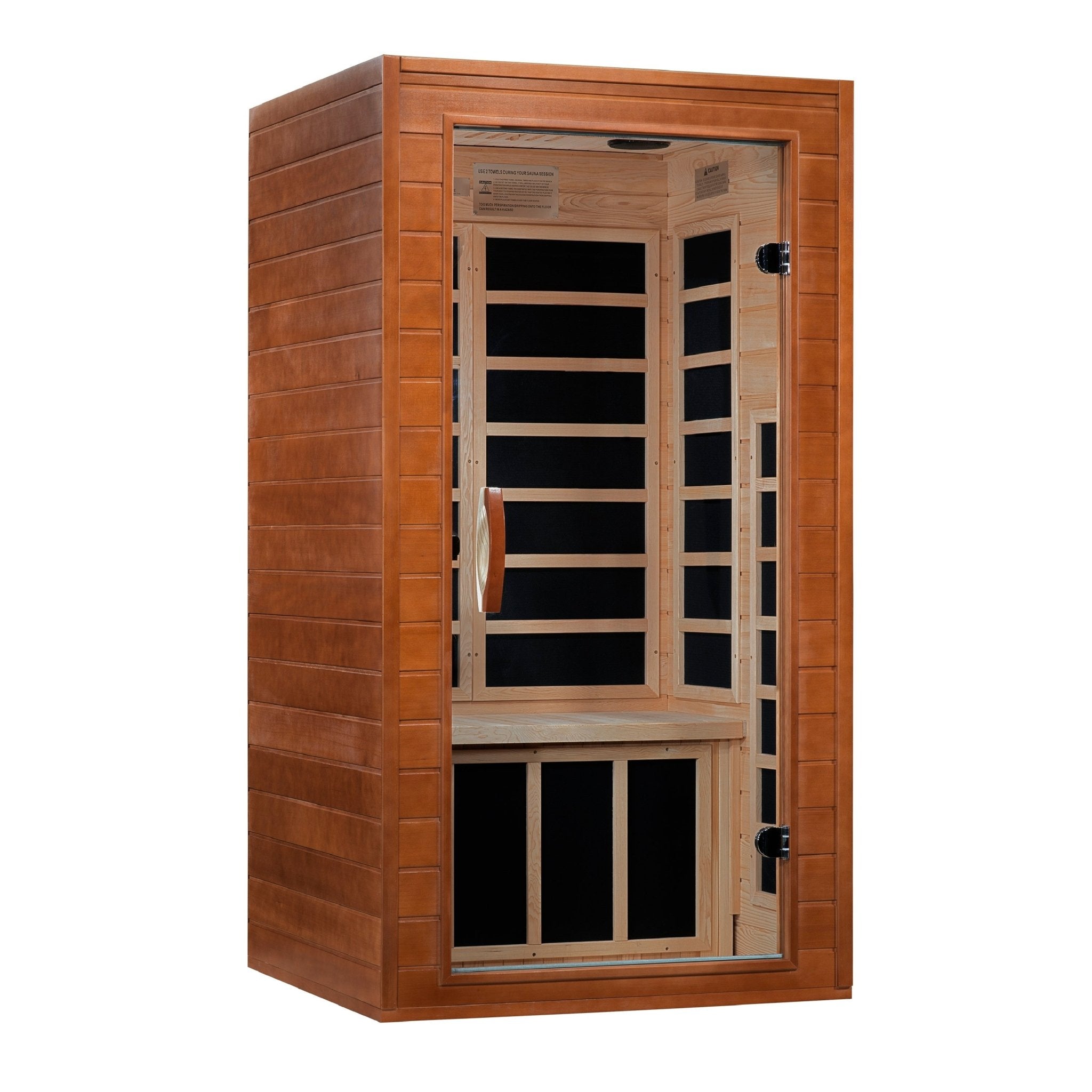
For those ready to invest in their wellness routine, exploring premium infrared saunas for skin tightening can provide the consistency needed for potential results.
Final Recommendation
Approach infrared sauna as a supportive wellness practice with modest cosmetic upsides rather than a primary skin tightening treatment. If you enjoy the experience, have no contraindications, and maintain realistic expectations, it can be a reasonable addition to a comprehensive health and skincare routine. Continue how saunas support skin health and anti-aging alongside UV protection, evidence-based topicals, professional treatments when indicated, and foundational habits like sleep, nutrition, and stress management.
The evidence suggests infrared sauna won't replace dermatologic procedures for significant skin concerns, but it may contribute to overall skin quality and wellbeing when used safely and consistently. Set your expectations accordingly, track your results objectively, and adjust your approach based on what you actually experience rather than what marketing promises.
Renter Sauna Guide: Realistic & Removable Options for Apartments
How to Choose a Condo Sauna That Satisfies HOA Rules, Electrical Limits, and Noise Constraints
Related Posts

Are Infrared Saunas Safe? A Science-Based Guide to Benefits, Risks & Smart Use

The 8 Best 2 Person Saunas of 2026: A Buyer's Guide to Size, Type, and Cost

The Truth About Costco Saunas: Are They Worth the Price and Hassle?

Arcadia Barrel Sauna: The Complete Buyer's Guide & Assembly Blueprint

Low EMF vs Near-Zero EMF Infrared Saunas: What Actually Matters Before You Buy

Chromotherapy vs No Chromotherapy: Who Benefits From It (Practically)? The Buyer's Decision Guide

The Science of Heat: How Saunas Improve Circulation and Cardiovascular Health
