















What Is an Infrared Sauna? Benefits, Risks, and Evidence-Based Buying Guide
Infrared saunas have moved from exclusive wellness centers into homes across the U.S., marketed as a gentler alternative to traditional saunas with promises of better heart health, pain relief, detoxification, and even weight loss. But beneath the polished marketing, what does the actual science say?
If you're considering buying an infrared sauna or using one regularly, you need to know what's proven, what's preliminary, and what's pure hype. This guide cuts through the noise to help you make an informed decision about whether infrared sauna therapy fits your health goals and budget.
Direct Answer
An infrared sauna uses infrared light to heat your body directly rather than heating the surrounding air, allowing you to sweat at lower temperatures (around 113–140 °F) compared to traditional saunas (170–195 °F) (Dr. Ruscio, 2025; Steam & Sauna Experts, 2025).
Key takeaways:
- Operates at gentler temperatures but still induces sweating and cardiovascular responses similar to moderate exercise
- Small clinical studies suggest potential benefits for cardiovascular markers, chronic pain, and relaxation
- Evidence remains limited for long-term outcomes, detoxification, and weight loss claims
- Not safe for everyone—pregnant women, people with unstable heart conditions, and those on certain medications should avoid or seek medical clearance
- Home units typically cost $1,500–$5,500, with low monthly operating costs of just a few dollars
- Not FDA-approved for treating diseases; many marketing claims exceed available evidence
Table of Contents
- What Infrared Sauna Means
- How Infrared Saunas Work
- Infrared vs Traditional Saunas
- What the Evidence Says About Health Benefits
- Safety, Risks, and Who Should Avoid Them
- How to Use an Infrared Sauna Safely
- Comparison Tables and Decision Framework
- Real-World Constraints: Cost, Space, and Maintenance
- Myths and Misconceptions
- Experience Layer: Testing Protocol
- Frequently Asked Questions
- Sources
- What We Still Don't Know
What an Infrared Sauna Means
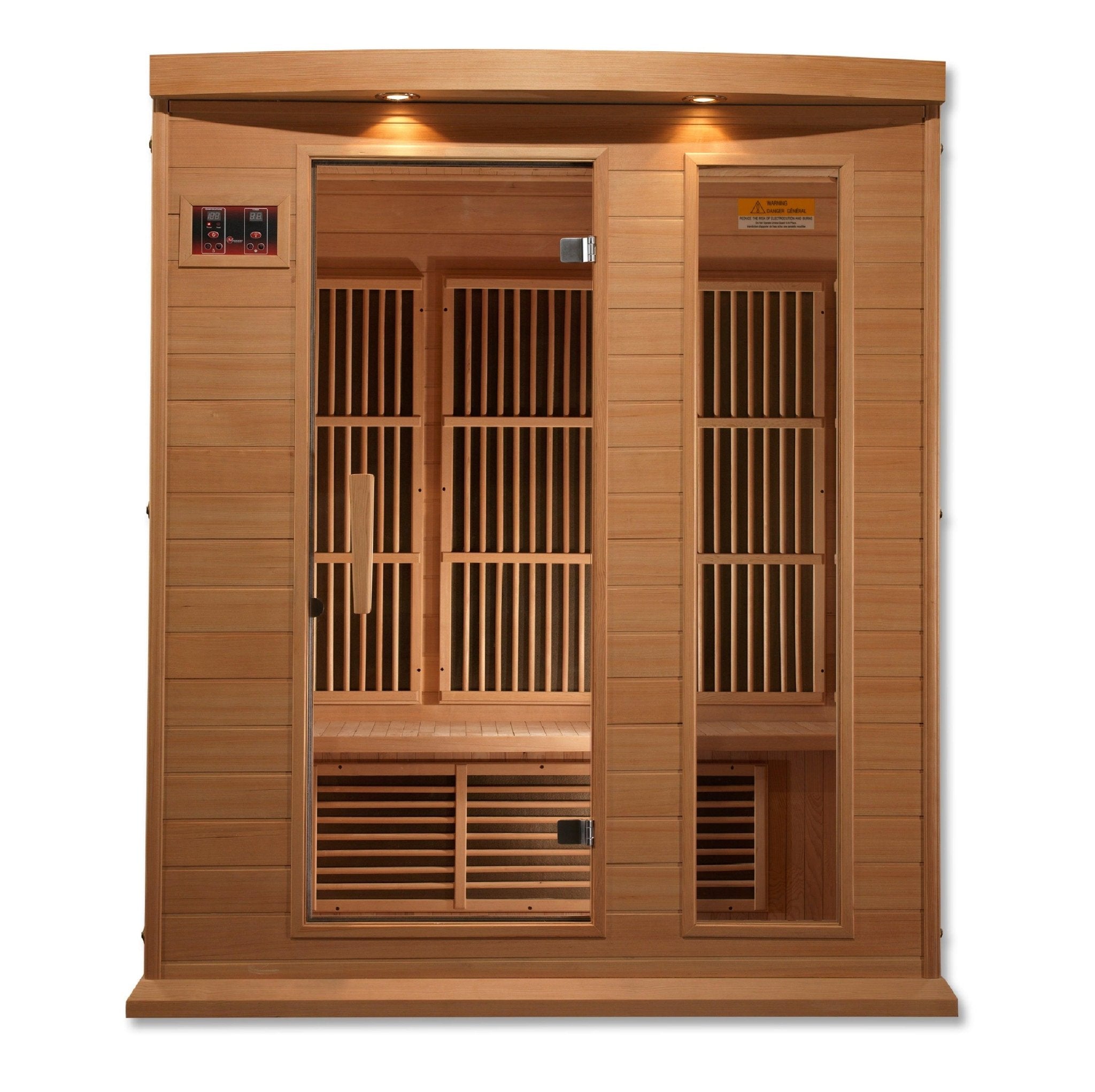
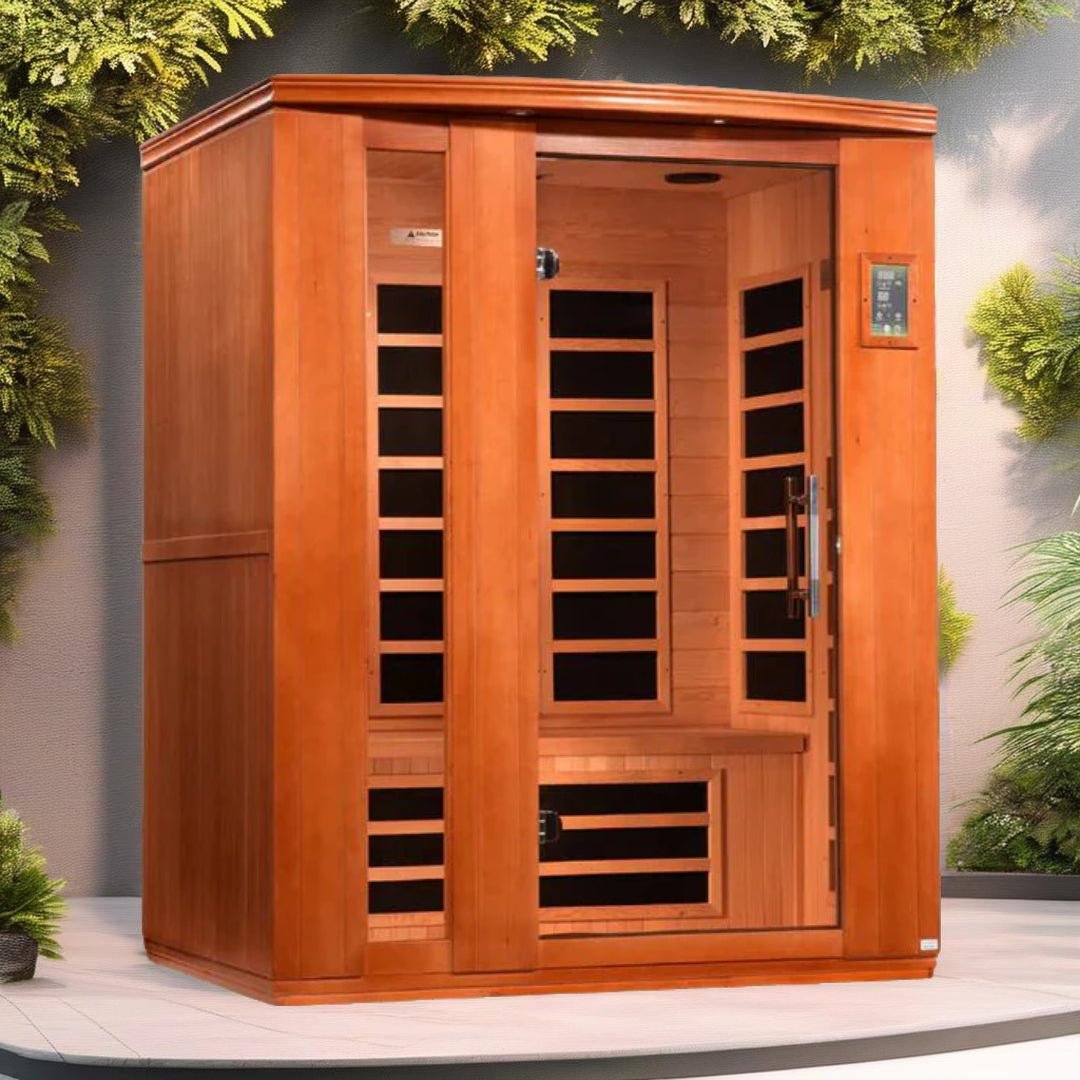
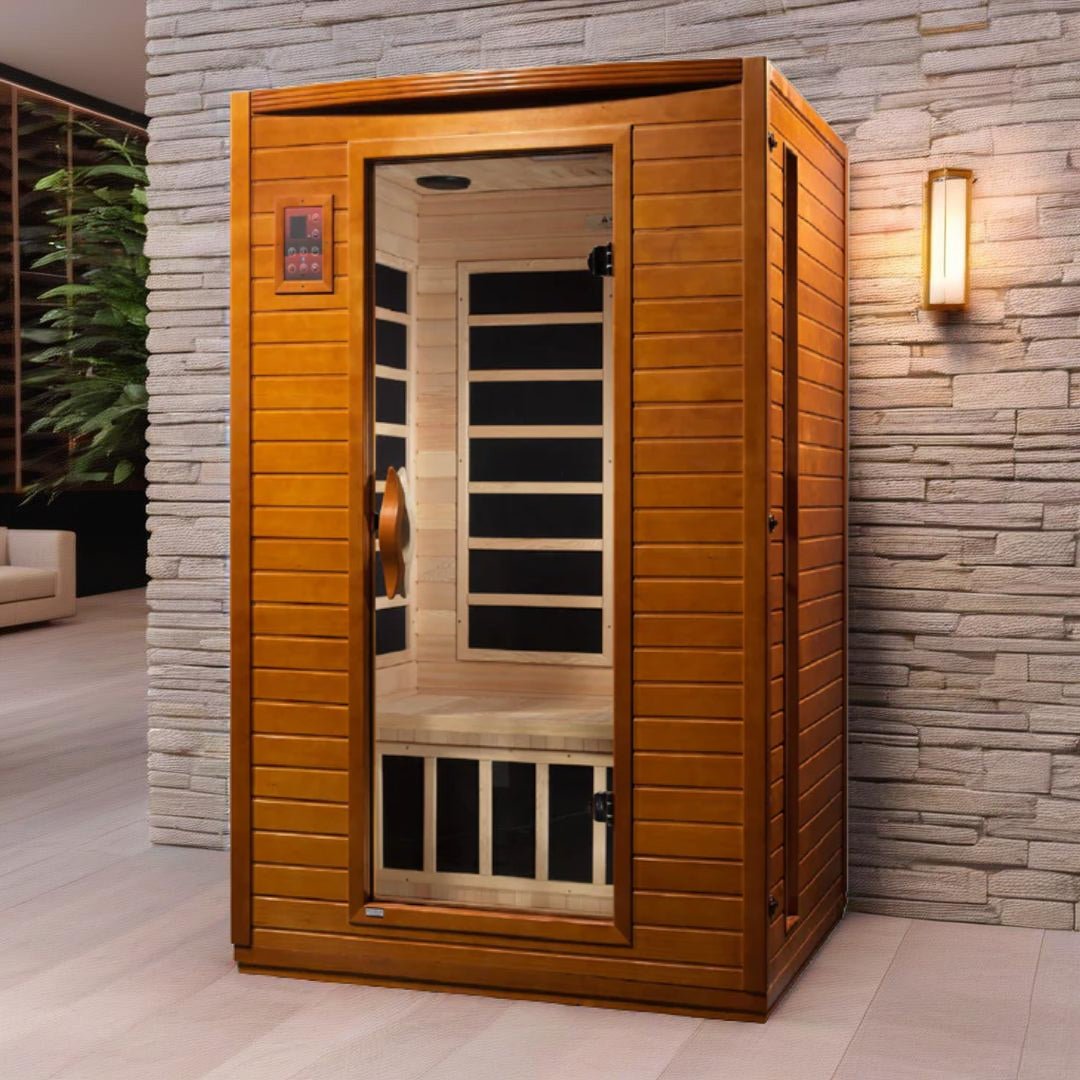
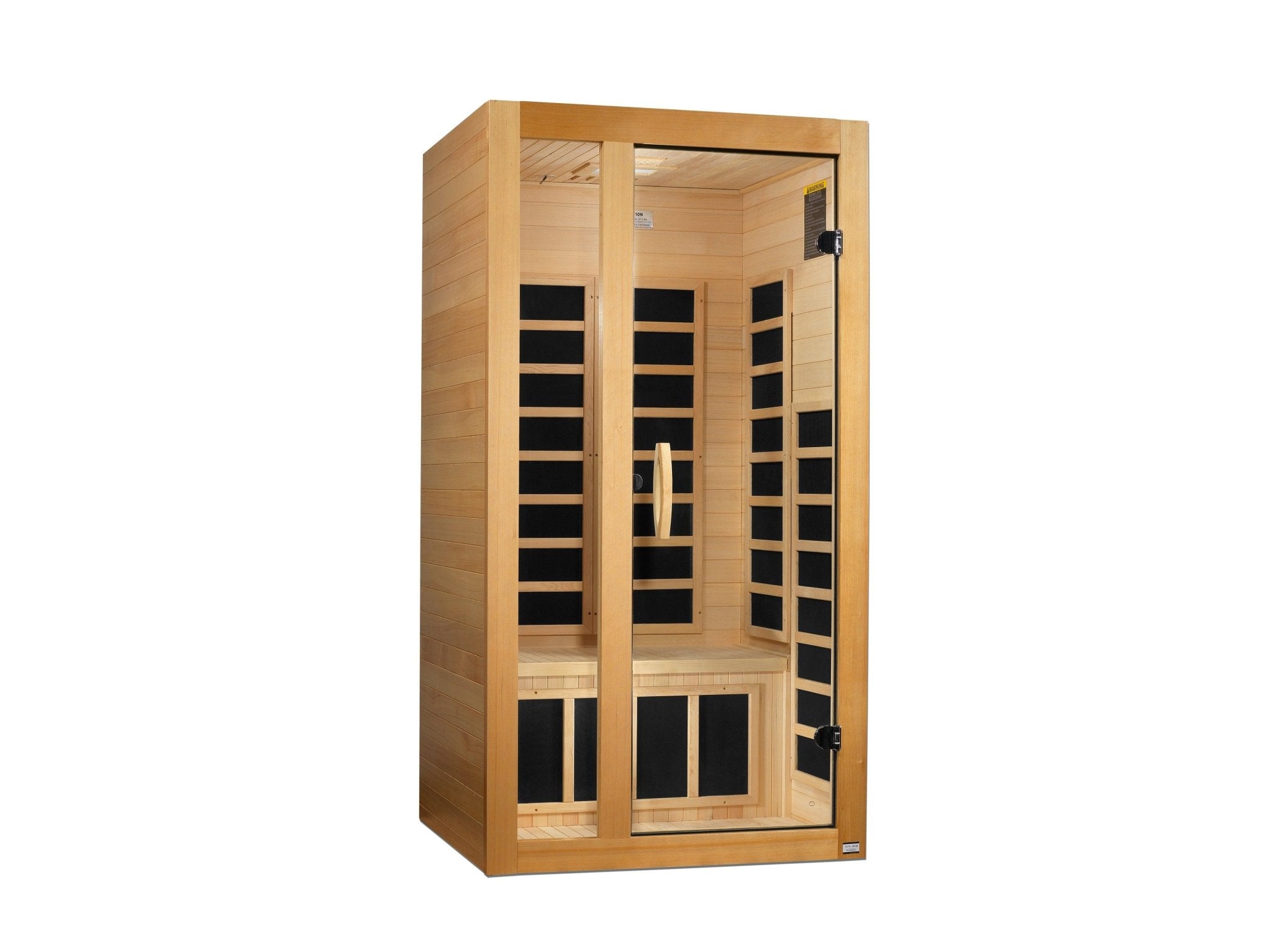
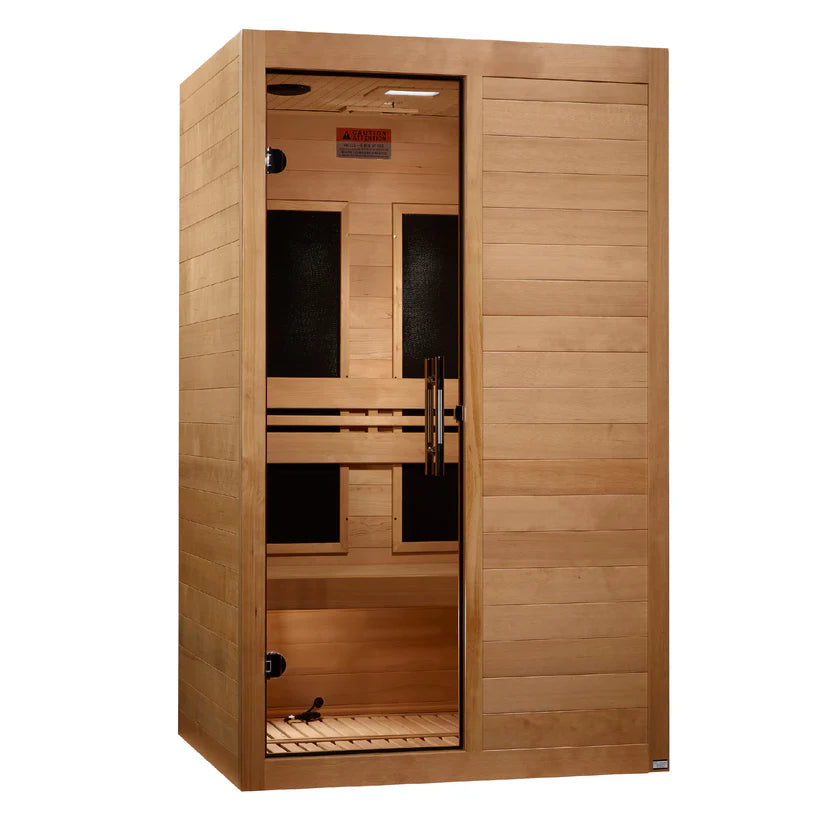
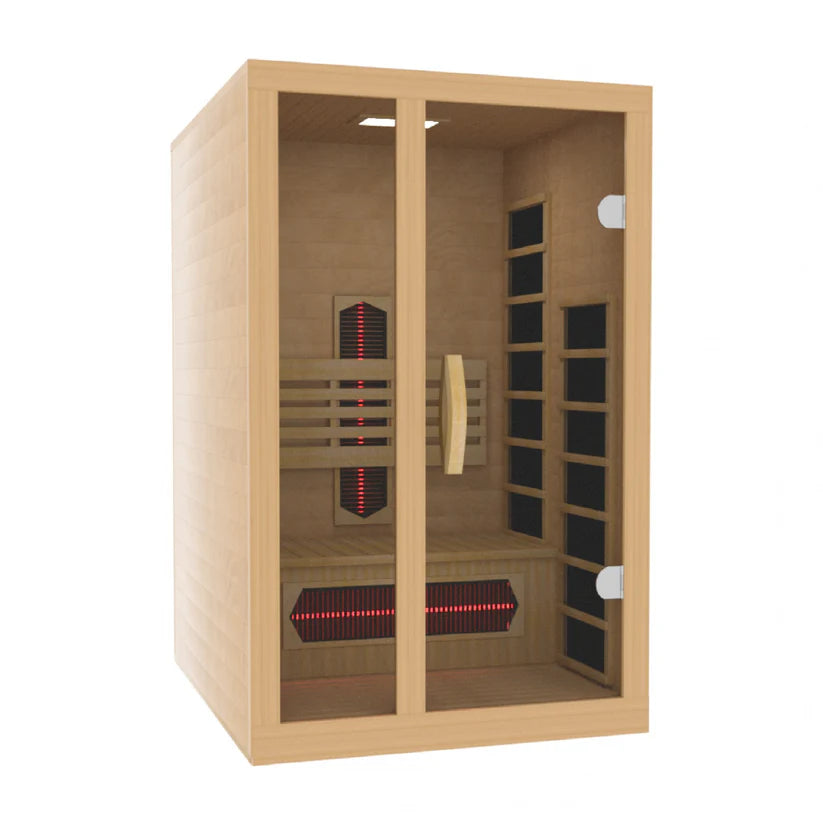
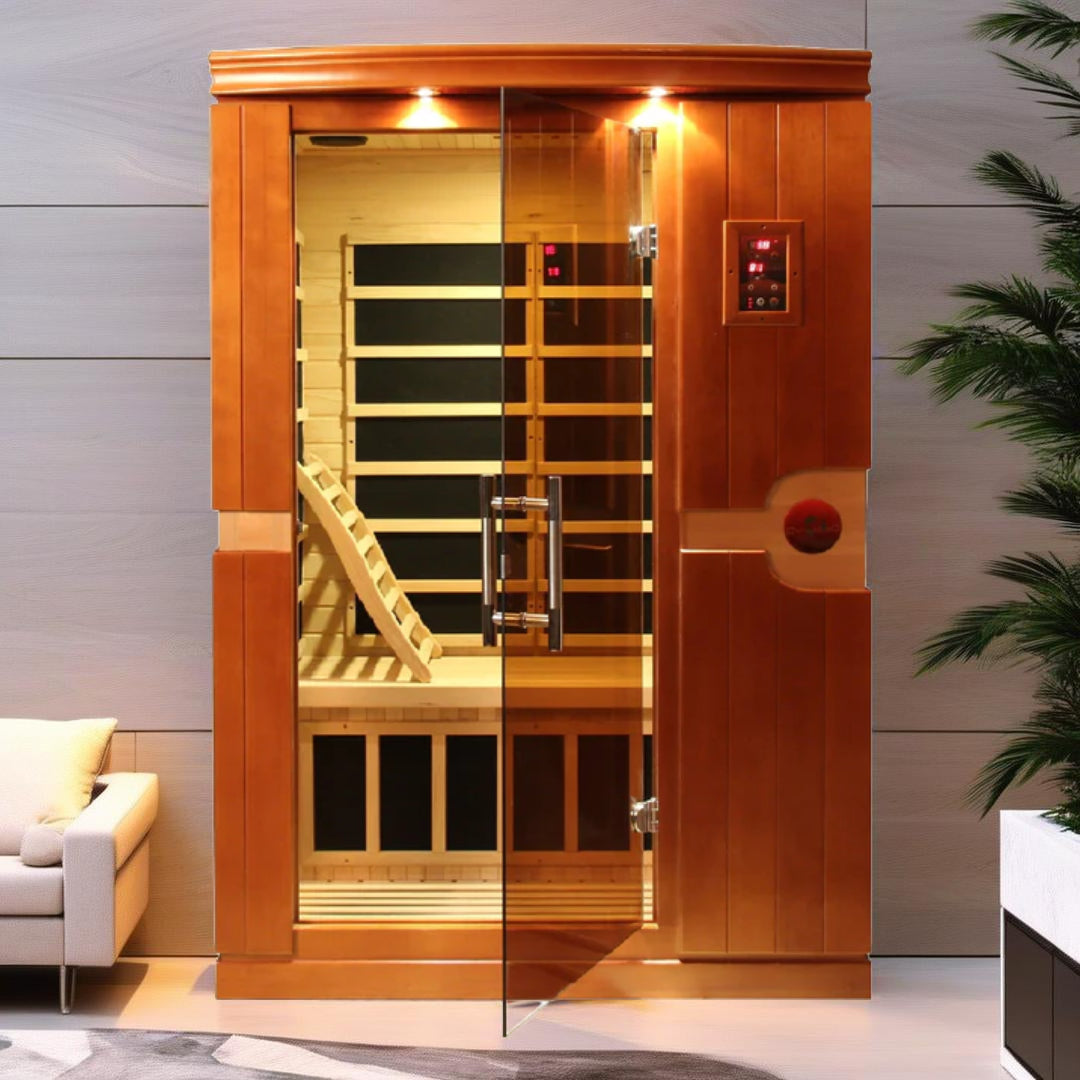
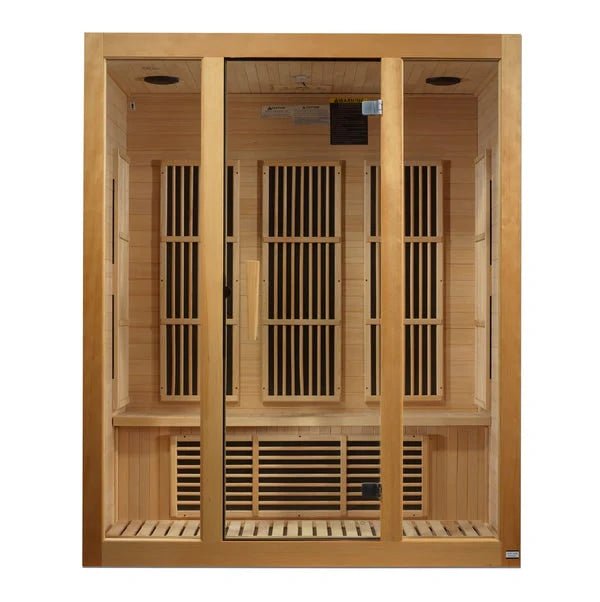
An infrared sauna is a type of sauna that heats your body using infrared radiation rather than heating the air around you. Unlike traditional saunas that use stoves to heat air to 170–195 °F, infrared saunas typically operate at 113–140 °F while still producing vigorous sweating (Dr. Ruscio, 2025; Steam & Sauna Experts, 2025).
Key Definitions
Infrared radiation is part of the electromagnetic spectrum just beyond visible red light. When absorbed by skin and tissues, it's experienced as warmth and causes heating from within the body rather than from hot surrounding air (Steam & Sauna Experts, 2025).
Types of infrared saunas:
- Far-infrared (FIR): Emits wavelengths around 5.6–20 microns; penetrates deeper into tissues; most common in clinical research (Nordica Sauna, 2025)
- Near-infrared (NIR): Shorter wavelengths that primarily heat skin surface; often delivered through incandescent lamps or LEDs (Steam & Sauna Experts, 2025)
- Mid-infrared (MIR): Medium wavelengths between NIR and FIR
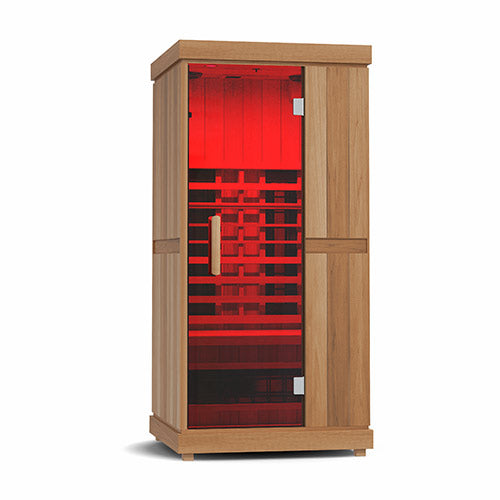
- Full-spectrum: Combines NIR, MIR, and FIR heaters in one unit for multi-depth heating (Nordica Sauna, 2025)
Important thresholds:
- Operating temperature: 113–140 °F for infrared vs 170–195 °F for traditional
- Power consumption: 1.5–3.5 kW (infrared) vs 6–9 kW (traditional) (High Tech Health, 2025)
- Clinical session length: 15–20 minutes in most studies (Crinnion, 2009)

How Infrared Saunas Work (Mechanism & Types)
Infrared saunas work by emitting infrared light that is absorbed directly by your skin and tissues, warming you from within rather than heating the air. This causes your body temperature to rise, triggering sweating, increased heart rate, and vasodilation—physiological responses similar to moderate exercise (Crinnion, 2009).
The Physiology
When you sit in an infrared sauna:
- Infrared waves penetrate the skin (roughly 1.5 inches deep for far-infrared)
- Body temperature increases, triggering thermoregulatory responses
- Blood vessels dilate (vasodilation), improving circulation
- Heart rate elevates (similar to a brisk walk)
- Sweat glands activate, producing fluid loss
These mechanisms explain why infrared saunas are sometimes described as producing a "cardio-like" workout without movement (Salus Saunas, 2025).
Waon Therapy
In Japanese clinical settings, far-infrared sauna therapy is called Waon therapy. Standard protocols involve:
- 15–20 minutes in a 60 °C (140 °F) room
- 30 minutes of rest under blankets afterward to maintain core temperature
- Once or twice daily in cardiovascular studies (Crinnion, 2009)
Heater Types
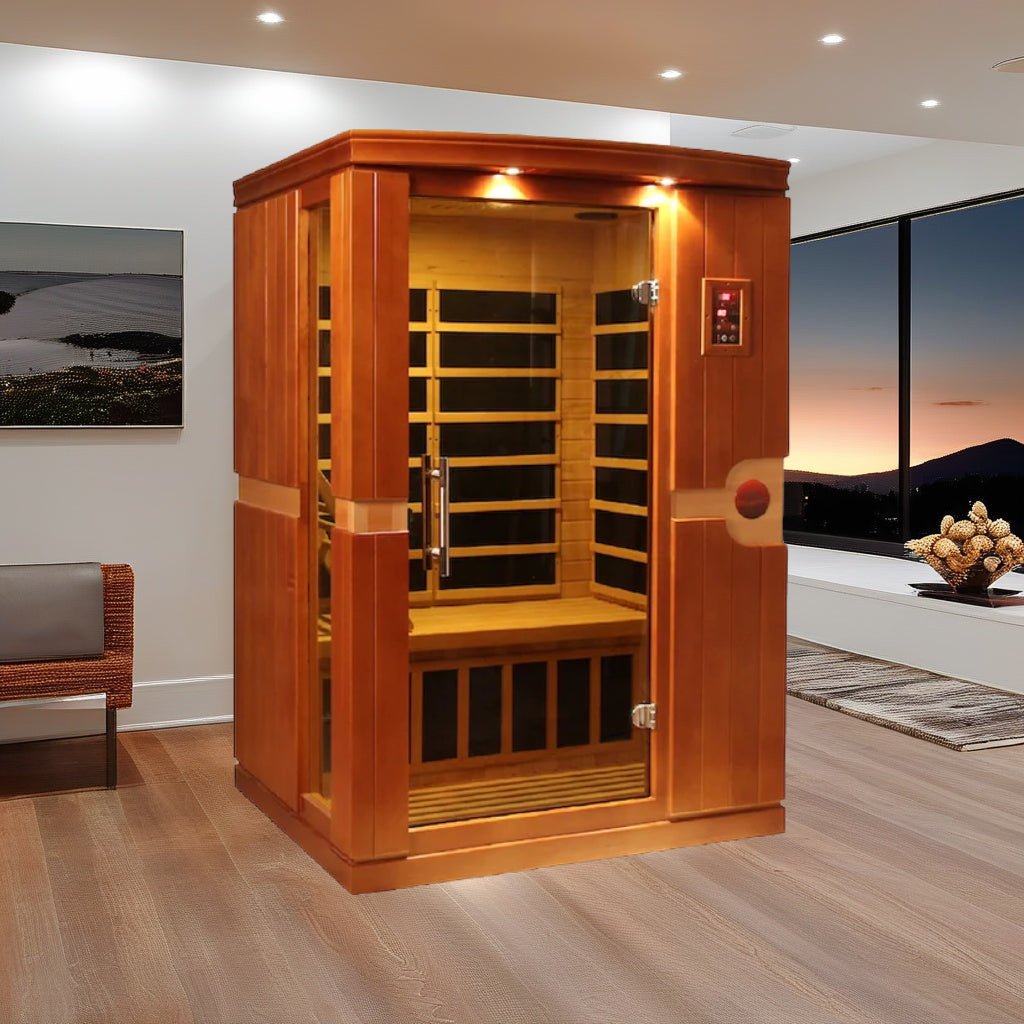
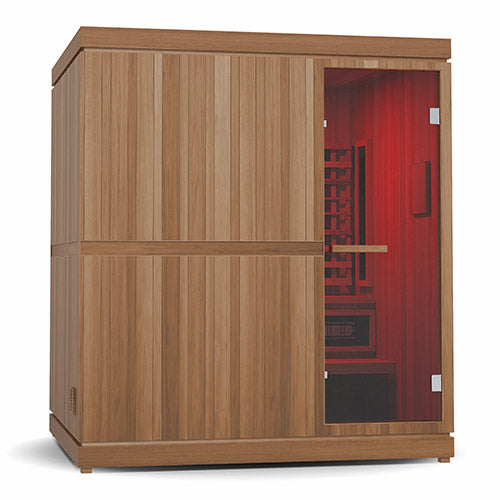
Carbon fiber heaters: Large flat panels that distribute heat evenly; most common in home units (Steam & Sauna Experts, 2025)
Ceramic heaters: Concentrated heat sources; heat up faster but may create "hot spots"
Incandescent/LED NIR: Used in near-infrared and full-spectrum models; some safety concerns at high intensities (High Tech Health, 2024)
Infrared vs Traditional Saunas: Key Differences
The fundamental difference is the heat source: traditional saunas heat air with stoves, while infrared saunas heat your body directly with light. This creates different experiences, costs, and evidence bases.
At-a-Glance Comparison
| Feature | Infrared Sauna | Traditional Sauna |
|---|---|---|
| Heat method | Infrared heaters warm body directly | Stove heats air and stones |
| Temperature | ~113–140 °F (45–60 °C) | ~170–195 °F (77–90 °C) |
| Power draw | 1.5–3.5 kW | 6–9 kW |
| Monthly operating cost | Few dollars (for daily 30-min sessions) | $25–35 |
| Installation | Plug-and-play or minimal electrical work | Often requires dedicated circuit, ventilation |
| Evidence for longevity | Limited; small clinical trials | Moderate; large Finnish observational cohorts |
| User experience | Gentler heat, possible cold spots | Intense, enveloping heat |
Sources: Dr. Ruscio, 2025; High Tech Health, 2025; Salus Saunas, 2025
Evidence Strength Note
Critical distinction: The large JAMA Internal Medicine Finnish cohort studies showing cardiovascular and mortality benefits were conducted almost entirely in traditional saunas, not infrared units (Salus Saunas, 2025). Industry marketing often extrapolates these findings to infrared saunas without acknowledging this gap.
<a name="what-the-evidence-says"></a>
What the Evidence Says About Health Benefits
Bottom line first: Small clinical studies show promising short-term effects on certain cardiovascular markers and pain symptoms, but long-term outcome data are limited and most large-scale studies used traditional saunas, not infrared.
Cardiovascular Health
What research shows:
Small far-infrared sauna trials in patients with chronic heart failure and coronary risk factors report:
- Improved NYHA class (symptom severity rating)
- Modest blood pressure reduction (e.g., 107 mm Hg to 97 mm Hg systolic)
- Better endothelial function (blood vessel health marker)
- Small increase in left ventricular ejection fraction (from ~30% to 34%)
- Reduced arrhythmias (13 of 15 patients showed improvement) (Crinnion, 2009)
Evidence strength: Moderate for short-term surrogate markers in supervised cardiac patients
Caveats:
- Studies were small (typically 15–25 participants)
- Not blinded; no sham control groups
- Conducted under medical supervision—results may not apply to unsupervised home use
- No long-term follow-up for hard outcomes like heart attack or death
- Statistical reporting was incomplete in some trials (Crinnion, 2009)
Pain Relief and Chronic Fatigue
Far-infrared sauna therapy has been studied in chronic pain conditions, chronic fatigue syndrome, and fibromyalgia. Patients reported:
- Reduced pain scores
- Improved quality of life
- Better symptom management (Crinnion, 2009)
Evidence strength: Limited to Moderate
Mechanisms proposed: Increased blood flow, muscle relaxation, endorphin release, reduced inflammation (Salus Saunas, 2025)
Limitations: Small samples, lack of blinding, possible placebo effects
Mental Health, Relaxation, and Sleep
General sauna bathing (mostly traditional) shows associations with:
- Improved perceived wellbeing
- Reduced risk of psychosis and dementia in observational studies (Salus Saunas, 2025)
- Better relaxation and stress relief (Healthline, 2020)
Evidence strength: Limited for infrared-specific effects; Mixed for sauna bathing overall
Caution: Observational studies can't prove causation—people who use saunas regularly may already have healthier lifestyles, higher fitness, and better socioeconomic resources (Salus Saunas, 2025).
Detoxification Claims
What research shows:
Infrared saunas increase sweating and produce temporary water weight loss. One FIR trial reported a small weight change (~0.3 kg), but the statistical analysis was questionable (Crinnion, 2009).
Evidence strength: Limited
Reality check:
- No robust clinical trials support "heavy metal detox" or "toxin removal" as meaningful health outcomes
- Your liver and kidneys are your primary detoxification organs
- Sweating does eliminate small amounts of some substances, but evidence for health benefits from this is weak (SelfDecode, 2023; Crinnion, 2009)
Weight Loss and Metabolism
Evidence strength: Limited
What we know:
- Weight loss during sauna sessions is almost entirely water loss
- No strong evidence for sustained fat loss or significant metabolic changes
- Claims of "burning 600 calories per session" are not supported by quality research (Healthline, 2020; Crinnion, 2009)
Safety, Risks, and Who Should Avoid Infrared Saunas
Infrared saunas are generally safe for healthy adults when used moderately, but they carry real risks—especially for vulnerable populations.
Common Adverse Effects
From systematic reviews and spa safety guidelines (Healthline, 2020):
- Heat discomfort
- Low blood pressure (hypotension)
- Dizziness or light-headedness
- Leg pain or muscle cramps
- Airway irritation
- Claustrophobia
- Rare but serious: Burns, fainting, falls, heat exhaustion, heat stroke
Who Should Avoid or Seek Medical Clearance
Definitely consult a physician first:
- Cardiovascular disease: Unstable angina, recent heart attack, severe arrhythmias, uncontrolled hypertension or hypotension (Spa Manzanita, 2024; 4 Elements Wellness, 2023; Healthline, 2020)
- Pregnancy: Due to concerns about raising maternal core temperature, especially in the first trimester (Spa Manzanita, 2024; 4 Elements Wellness, 2023; SelfDecode, 2023)
- Medications: Blood pressure drugs, diuretics, anticoagulants, or medications affecting sweating (4 Elements Wellness, 2023; Healthline, 2020)
- Chronic conditions: Diabetes, multiple sclerosis, or other conditions with heat sensitivity (Spa Manzanita, 2024)
Generally advised to avoid:
- Acute illness, fever, or infection
- Active bleeding
- Recent surgery
- Children (many spa policies exclude those under 16) (4 Elements Wellness, 2023; SelfDecode, 2023)
- Elderly adults with multiple health conditions
Special Safety Concerns
Near-infrared exposure: Some experts warn that high-intensity near-infrared heaters may pose theoretical risks for:
- Eye damage (cataracts) from chronic NIR exposure
- Skin photoaging at high intensities
These concerns are based mainly on occupational exposure data and animal studies; long-term human data on sauna-style NIR use are lacking (High Tech Health, 2024).
Fertility considerations: One small study (not infrared-specific) found that regular sauna use (two 15-minute sessions per week for 3 months) temporarily reduced sperm count and motility, which returned to baseline after stopping (Healthline, 2020).
What Small Clinical Trials Show
In supervised FIR studies with cardiac patients, no major adverse events were reported, suggesting these protocols are reasonably safe under medical oversight (Crinnion, 2009). However, extrapolating this to unsupervised home use in sicker or older adults requires caution.
How to Use an Infrared Sauna Safely and Effectively
Start conservatively, hydrate adequately, and listen to your body. There is no scientifically established "optimal dose" for healthy adults.
Beginner Protocol
Week 1–2:
- 10–15 minutes per session
- 110–120 °F temperature
- 2–3 times per week
- Stop immediately if you feel dizzy, nauseated, or unwell (Dr. Ruscio, 2025; 4 Elements Wellness, 2023)
Week 3–4 (if well tolerated):
- 20–25 minutes per session
- Up to 130–140 °F
- 3–4 times per week
Clinical FIR protocols (from cardiovascular studies):
- 15–20 minutes in ~60 °C (140 °F) room
- Once or twice daily for several weeks
- 30-minute rest period under blankets afterward (Crinnion, 2009)
Critical Safety Rules
Always:
- Hydrate before and after—drink at least 8–16 oz of water
- Avoid alcohol before or during sessions
- Eat lightly beforehand (heavy meals can increase nausea risk)
- Shower afterward to rinse sweat and avoid skin irritation
Never:
- Use when ill, feverish, or dehydrated
- Combine with diuretics or excessive caffeine
- Fall asleep in the sauna
- Stand up quickly (risk of fainting from blood pressure drop)
Stop immediately if you experience:
- Severe dizziness or light-headedness
- Chest pain or palpitations
- Nausea or headache
- Unusual skin reactions (4 Elements Wellness, 2023; Healthline, 2020)
Mistakes to Avoid
- Starting too hot or too long—work up gradually
- Ignoring hydration—dehydration is the most common problem
- Using while on medications that affect blood pressure or sweating without medical clearance
- Expecting dramatic weight loss—any pounds lost are water, not fat
- Believing "feeling sick afterward means detox"—it usually means dehydration or overheating (Reddit r/FunctionalMedicine, 2024; Healthline, 2020)
Comparison Tables and Decision Framework
Table 1: Far-Infrared vs Full-Spectrum Infrared
| Feature | Far-Infrared (FIR) | Full-Spectrum (NIR/MIR/FIR) |
|---|---|---|
| Wavelengths | Primarily 5.6–20 µm | Near, mid, and far combined |
| Penetration | Deeper tissue warming | Mix of superficial (NIR) and deep (FIR) |
| Clinical evidence | Most research is FIR-specific | Limited studies on full-spectrum |
| Proposed benefits | Cardiovascular support, pain relief, relaxation | Same plus "cellular" and skin benefits (largely marketing) |
| Safety concerns | Standard heat precautions | Standard heat PLUS theoretical NIR eye/skin risks |
| Cost | Often lower | Premium pricing for multi-wavelength tech |
Sources: Nordica Sauna, 2025; Steam & Sauna Experts, 2025; High Tech Health, 2024
Evidence note: Claims that near-infrared provides additional benefits often extrapolate from photobiomodulation (PBM) research using low-level lasers or LEDs—devices and dosing that differ significantly from high-power NIR sauna heaters (High Tech Health, 2024).
Table 2: Home Unit vs Spa Membership
| Factor | Home Infrared Sauna | Spa/Clinic Sessions |
|---|---|---|
| Upfront cost | $1,500–$5,500+ (up to ~$15,000 for high-end) | $0 |
| Monthly cost | Few dollars in electricity | Session fees ($20–$50+); membership packages vary |
| Convenience | Very high—use anytime | Appointment-based; travel required |
| Privacy | Complete | Shared facilities (usually) |
| Supervision | Self-directed | Staff may screen for contraindications |
| Customization | Depends on model features | Fixed equipment; less control |
| Maintenance | Owner responsible | Facility handles |
Sources: High Tech Health, 2025; Steam & Sauna Experts, 2024
Decision framework:
- Choose home unit if: You'll use it 3+ times per week, value convenience over upfront cost, have space and budget
- Choose spa membership if: You want to "test drive" before buying, prefer social environment, or use saunas only occasionally
Table 3: Beginner vs Advanced User Protocol
| Element | Beginner | Advanced |
|---|---|---|
| Duration | 10–15 minutes | 20–30 minutes |
| Temperature | 110–120 °F | 130–140 °F |
| Frequency | 2–3 times/week | 4–7 times/week (if tolerated) |
| Progression timeline | 2–4 weeks to advance | Maintain based on goals |
| Hydration | 8–16 oz before/after | 16–24 oz before/after |
| Medical clearance | Recommended if any health concerns | Required for cardiovascular disease, pregnancy, or serious conditions |
Sources: Dr. Ruscio, 2025; Crinnion, 2009; 4 Elements Wellness, 2023
Real-World Constraints: Cost, Space, and Numbers That Matter
Understanding the true financial and practical commitment helps set realistic expectations.
Purchasing Costs
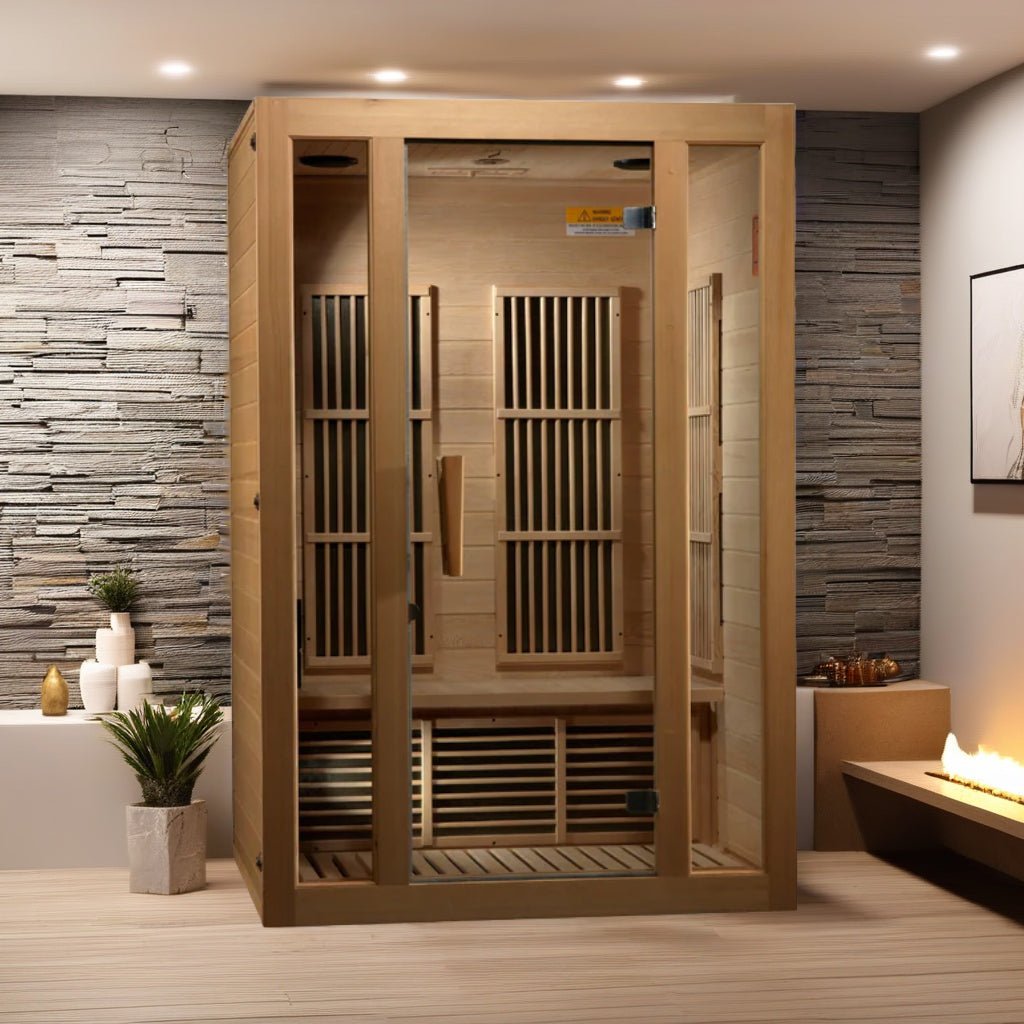
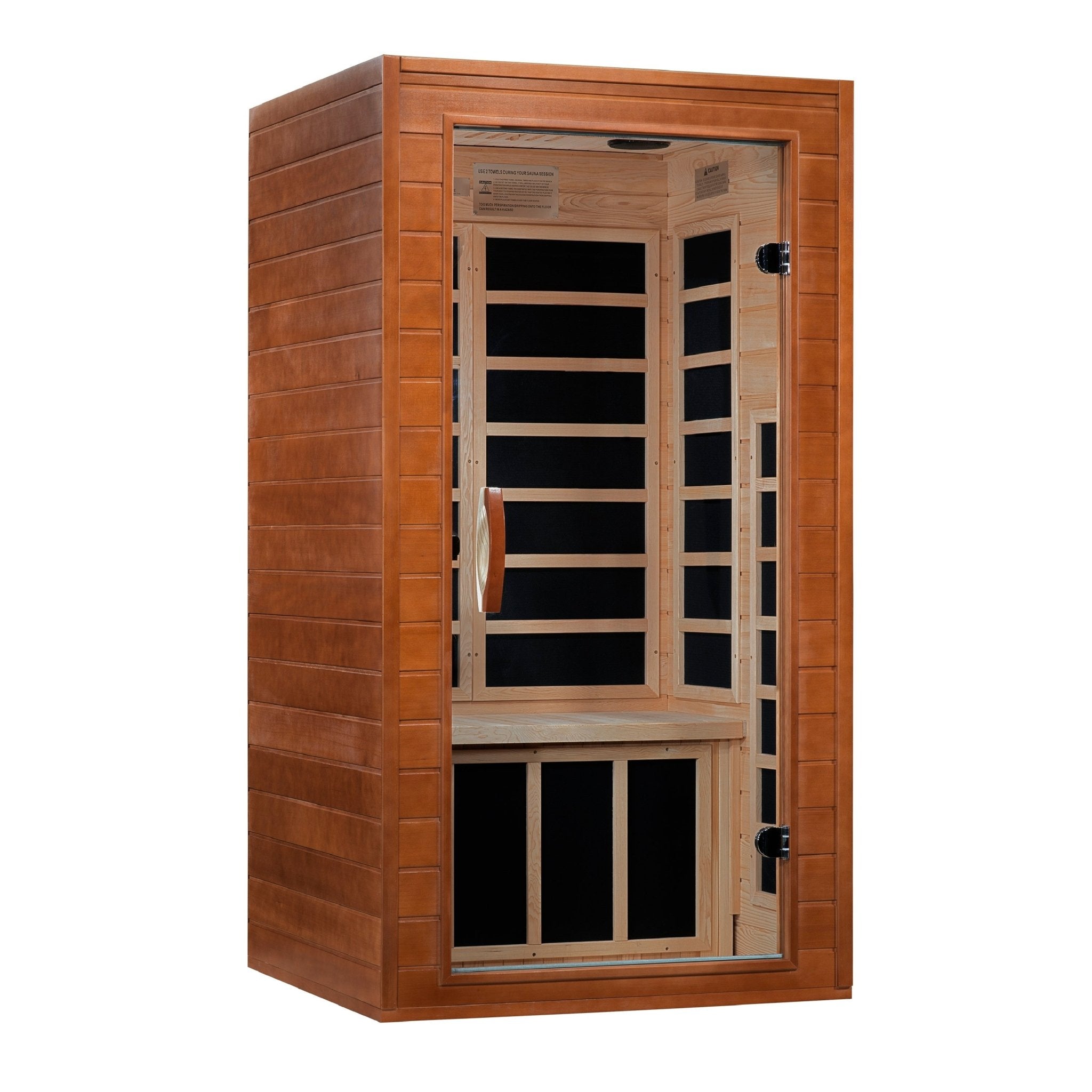
Entry-level home units: $1,500–$2,500
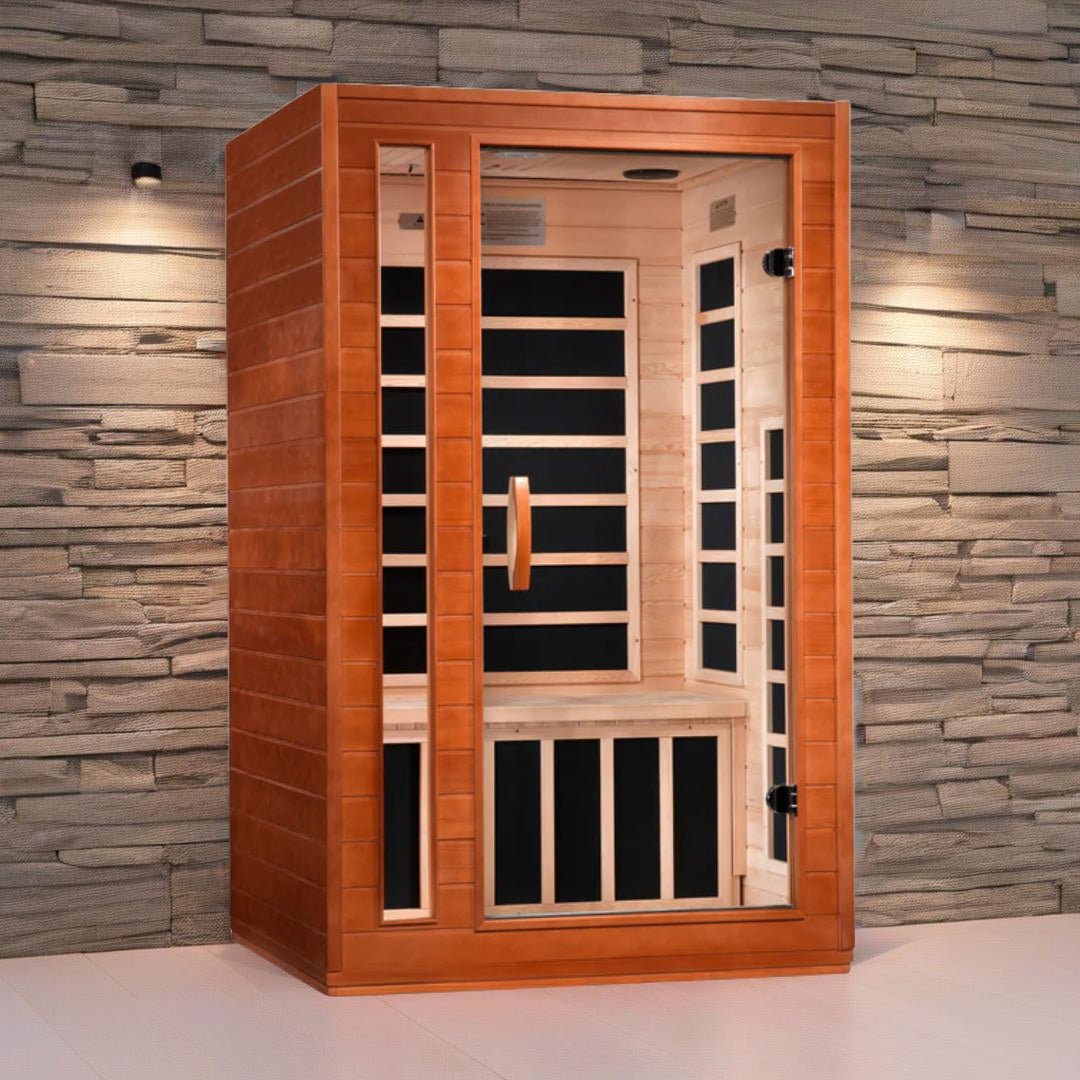
- Usually 1-person
- Far-infrared only
- Basic controls
- Limited warranty (Steam & Sauna Experts, 2024)
Mid-range home units: $2,500–$5,500
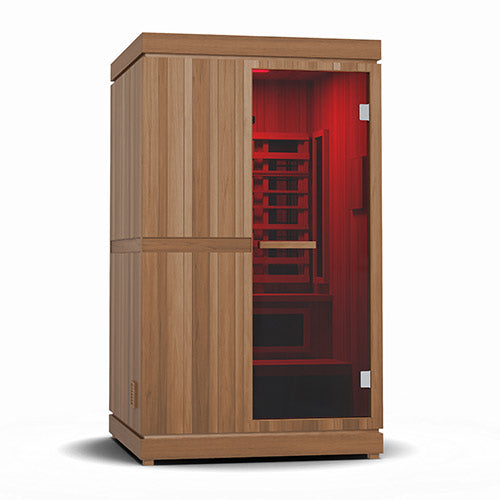
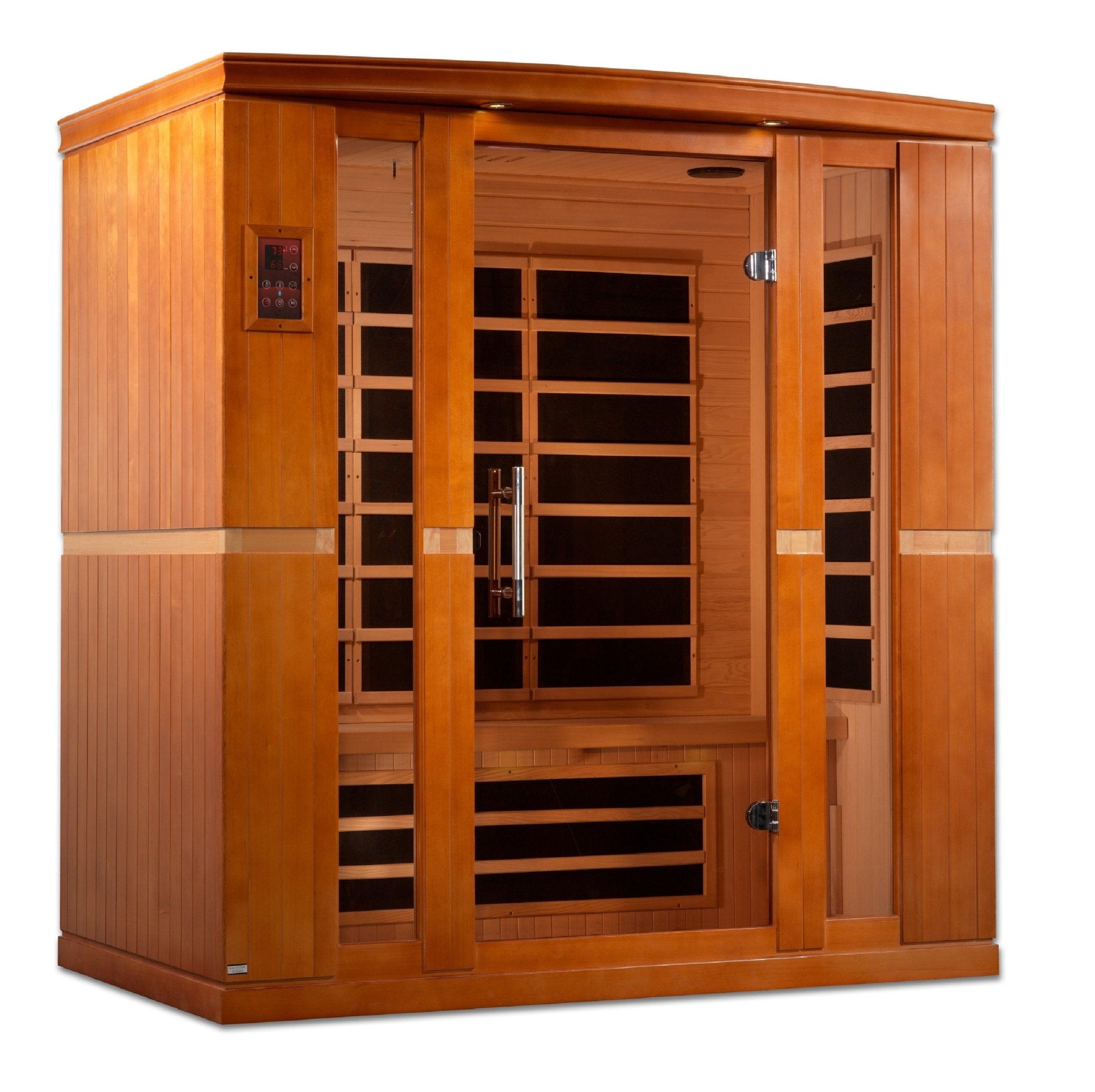
- 2–3 person capacity
- Full-spectrum or advanced FIR heaters
- Bluetooth, chromotherapy, app controls
- Better build quality and warranty (Steam & Sauna Experts, 2024; High Tech Health, 2025)
Premium/custom units: $5,500–$15,000+
- Larger capacity (4–5 people)
- Outdoor models with weather-resistant materials
- Advanced features (red light therapy, medical-grade components)
- Comprehensive warranties (High Tech Health, 2025)
Operating Costs
Electricity: With 1.5–3.5 kW power draw and typical residential rates ($0.12–$0.15/kWh), a 30-minute daily session costs roughly $2–$5 per month (High Tech Health, 2025).
Compare to traditional saunas: $25–$35/month for similar usage due to 6–9 kW draw (High Tech Health, 2025).
Space and Installation
Minimum clearance needed:
- 2–4 inches on sides
- 6–12 inches behind for ventilation
- Level floor required
Electrical requirements:
- Most 1–2 person units: Standard 120V outlet
- Larger units (3+ person): May need 240V circuit
Assembly: Most home units are plug-and-play with 1–2 hour assembly (two people recommended) (Steam & Sauna Experts, 2024).
Maintenance
Routine:
- Wipe down interior weekly
- Clean tempered glass monthly
- Check heaters for dust annually
Long-term:
- Carbon heaters: >10,000 hour lifetime (typically 10+ years with regular home use)
- Ceramic heaters: May need replacement sooner
- Wood conditioning: Annual treatment for cedar interiors
Warranty considerations: Check reviews carefully—some brands have excellent support; others show patterns of long repair times and poor communication (Trustpilot Clearlight, 2025; BBB Sauna Works, 2025).
Reliability Red Flags from User Reviews
- Heater failures within first 1–2 years
- Slow or non-responsive customer service (weeks to get parts)
- Difficulty reaching support by phone
- Long wait times for warranty repairs (Trustpilot Clearlight, 2025; BBB Sauna Works, 2025)
Due diligence: Research brand reputation on Trustpilot, BBB, and Reddit before purchasing expensive units.
Myths and Misconceptions
Myth 1: Infrared saunas are FDA-approved to treat diseases
Correction: Infrared and red-light therapies are not FDA-approved for broad medical purposes. One far-infrared sauna was cleared as an infrared lamp under 21 CFR 890.5500, but marketing claims beyond that clearance drew FDA warnings (FDA, 2022; SelfDecode, 2023).
Why it persists: Narrow regulatory clearances get conflated with "FDA-approved for health benefits" in marketing materials.
Myth 2: Infrared saunas provide the same longevity benefits as traditional Finnish saunas
Correction: Large observational studies linking sauna use to lower cardiovascular and all-cause mortality were conducted in traditional saunas, not infrared units. Extrapolating those findings to infrared saunas is not scientifically justified (Salus Saunas, 2025; Crinnion, 2009).
Why it persists: Vendors and influencers cite Finnish research without acknowledging the sauna type difference.
Myth 3: Infrared saunas dramatically detoxify your body of heavy metals and toxins
Correction: While sweating does eliminate small amounts of certain substances, there is no robust clinical evidence that infrared saunas provide meaningful detoxification leading to improved health outcomes. Your liver and kidneys remain your primary detox organs (SelfDecode, 2023; Crinnion, 2009).
Why it persists: "Detox" is a powerful marketing term, and basic sweat composition studies get overinterpreted.
Myth 4: Feeling sick after a sauna session means toxins are leaving your body
Correction: Post-session headaches, malaise, or fatigue more likely reflect dehydration, overheating, or underlying health issues than "detox." Clinicians would first consider hydration status and cardiovascular responses (Reddit r/FunctionalMedicine, 2024; Healthline, 2020).
Why it persists: Detox narratives reframe adverse reactions as positive signs, which can normalize unsafe experiences.
Myth 5: Infrared saunas are completely safe for pregnant women
Correction: Pregnancy is generally listed as a contraindication due to concerns about raising maternal core temperature, especially in the first trimester. Safety data in pregnant women are sparse (Spa Manzanita, 2024; 4 Elements Wellness, 2023; SelfDecode, 2023).
Why it persists: "Gentle heat" marketing downplays the physiological stress of any sustained heat exposure.
Myth 6: More time in the sauna equals better results
Correction: Excessively long or hot sessions increase risks of dehydration, hypotension, and heat illness. Clinical protocols use modest durations (15–20 minutes) and don't show a clear "more is better" pattern (Healthline, 2020; Crinnion, 2009).
Why it persists: The intuitive idea that "dose equals benefit" makes people chase stronger sensations.
Myth 7: Infrared saunas cause permanent, significant weight loss
Correction: Weight loss during sauna use is almost entirely water loss. Small trials show minimal long-term weight changes (~0.3 kg with questionable statistics). No robust evidence for large, lasting fat loss from saunas alone (Healthline, 2020; Crinnion, 2009).
Why it persists: Short-term scale changes and before/after marketing photos create unrealistic expectations.
Myth 8: All infrared saunas are the same—just buy the cheapest one
Correction: Saunas differ significantly in heater types, build quality, EMF output, customer support, and reliability. User reviews show major differences in satisfaction and failure rates (Trustpilot Clearlight, 2025; BBB Sauna Works, 2025; Steam & Sauna Experts, 2025).
Why it persists: Marketing simplifies complex technical differences; buyers don't see long-term issues upfront.
Myth 9: Near-infrared saunas are automatically safer because they're like red-light therapy devices
Correction: Safety thresholds for chronic near-infrared sauna exposure are not well established, and experts warn against equating low-level photobiomodulation data with high-power NIR heater exposure (High Tech Health, 2024; SelfDecode, 2023).
Why it persists: Brand messaging links NIR saunas to PBM research despite different devices and dosing.
Myth 10: "Low EMF" marketing guarantees health benefits
Correction: EMF claims are common in marketing, but there's limited independent verification or clear evidence that small EMF differences between units have meaningful health impact (SelfDecode, 2023; High Tech Health, 2025).
Why it persists: EMF concerns are widespread online; "low EMF" labels command premium prices.
Myth 11: Infrared saunas work just as well for everyone
Correction: Individual responses vary significantly. Some users find infrared underwhelming (long warm-up times, cold spots, limited heat intensity), while others report excellent results (Reddit r/Sauna, 2022 & 2024).
Why it persists: Marketing focuses on success stories; negative experiences get less attention.
Myth 12: You can skip hydration if sessions are short
Correction: Dehydration is the most common sauna-related problem, even with short sessions. Adequate hydration before and after is critical for safety (Healthline, 2020; 4 Elements Wellness, 2023).
Why it persists: People underestimate fluid loss through sweating, especially at lower temperatures.
Experience Layer: A Safe Testing Protocol
If you're considering regular infrared sauna use, here's a structured approach to test its effects while tracking meaningful outcomes—without fabricating anecdotes.
4-Week Testing Plan
Weeks 1–2: Baseline Protocol
- 10–15 minutes per session
- 110–120 °F temperature
- 3 sessions per week (Monday, Wednesday, Saturday)
- Hydrate with 12 oz water before and after
- Track metrics (see below)
Weeks 3–4: Progressive Protocol (if well tolerated)
- 20 minutes per session
- Up to 130 °F
- 4 sessions per week
- Maintain hydration
What You Might Notice
(Use "may," "might," "some people report" language—no guarantees)
Potential short-term observations:
- Mild relaxation or reduced stress within 30 minutes post-session
- Temporary relief of muscle tension or joint stiffness
- Improved sleep quality on sauna evenings (for some users)
- Light-headedness if you stand up too quickly
- Skin feeling softer (from increased blood flow)
- Temporary water weight fluctuation
What NOT to expect:
- Dramatic weight loss
- Immediate "detox" symptoms
- Significant pain relief after one session
- Guaranteed improvements in any condition
Tracking Template
| Date | Time of Day | Temp (°F) | Duration (min) | Pre-Stress (0–10) | Post-Stress (0–10) | Sleep Quality Note | Side Effects? |
|---|---|---|---|---|---|---|---|
Additional metrics to consider:
- Muscle soreness (0–10 scale)
- Joint pain (0–10 scale)
- Energy level next morning (0–10)
- Any dizziness, headaches, or nausea
What to Photograph
- Control panel and temperature readout
- Timer at various points in session
- Your hydration setup (water, towel, comfortable exit)
- Any skin reactions or unusual responses (document for medical consultation if needed)
When to Stop Testing
Discontinue and consult a physician if:
- Persistent headaches or dizziness after sessions
- Chest pain or palpitations
- Unusual fatigue or malaise lasting 24+ hours
- Skin reactions that don't resolve
- Any worsening of pre-existing conditions
Frequently Asked Questions
1. What is an infrared sauna?
An infrared sauna uses infrared light to heat your body directly rather than heating the surrounding air, allowing you to sweat at lower temperatures (typically 113–140 °F) compared to traditional saunas (170–195 °F) (Dr. Ruscio, 2025; Steam & Sauna Experts, 2025).
- Uses infrared wavelengths absorbed by skin and tissues
- Still induces cardiovascular responses similar to moderate exercise
- Available as home cabins, spa units, or portable blankets
- Marketed for relaxation, pain relief, and wellness—though evidence varies by claim
2. How does an infrared sauna differ from a traditional sauna?
Infrared saunas heat your body with infrared radiation, while traditional saunas heat the air with stoves or electric heaters.
- Temperature: IR operates at 113–140 °F vs traditional at 170–195 °F
- Power usage: IR draws 1.5–3.5 kW vs traditional 6–9 kW
- Experience: IR provides gentler heat; traditional offers intense, enveloping warmth
- Evidence base: Traditional saunas have stronger longevity data from large Finnish studies (Dr. Ruscio, 2025; High Tech Health, 2025; Salus Saunas, 2025)
3. What are the proven health benefits of infrared saunas?
Small clinical studies suggest infrared saunas may improve certain cardiovascular markers and provide short-term pain relief, but long-term outcome data are limited.
- Cardiovascular: Improved blood pressure, endothelial function, and symptoms in heart failure patients (moderate evidence) (Crinnion, 2009)
- Pain: Reduced chronic pain scores in small trials (limited to moderate evidence)
- Relaxation: Reported stress relief and wellbeing (limited evidence for IR-specific effects)
- Weight loss and detox: Weak evidence; mostly water loss, not fat or meaningful toxin removal (Crinnion, 2009; SelfDecode, 2023)
4. Are infrared saunas safe?
They can be safe for healthy adults when used moderately, but they carry real risks—especially dehydration, low blood pressure, and heat-related illness.
- Common side effects: heat discomfort, dizziness, light-headedness
- Rare but serious: burns, fainting, heat stroke
- Small supervised trials reported no major adverse events
- High-risk groups (pregnant women, people with heart disease, those on certain medications) should avoid or get medical clearance (Healthline, 2020; 4 Elements Wellness, 2023; Crinnion, 2009)
5. Who should avoid infrared saunas?
Pregnant women, people with unstable cardiovascular disease, those with certain medications, and individuals with acute illness should avoid or seek medical clearance.
- Pregnancy: Listed as contraindication due to core temperature concerns
- Heart disease: Unstable angina, severe arrhythmias, uncontrolled blood pressure
- Medications: Blood pressure drugs, diuretics, anticoagulants
- Acute illness: Fever, infection, active bleeding
- Children and frail elderly: Often excluded by spa policies (Spa Manzanita, 2024; 4 Elements Wellness, 2023; Healthline, 2020; SelfDecode, 2023)
6. How long should I stay in an infrared sauna?
Start with 10–15 minutes and gradually increase to 20–30 minutes if tolerated. Clinical studies typically used 15–20 minute sessions.
- Beginners: 10–15 minutes at 110–120 °F
- Advanced: 20–30 minutes at up to 140 °F
- Clinical FIR protocols: 15–20 minutes at ~60 °C (140 °F)
- Always stop if you feel dizzy, nauseated, or unwell (Dr. Ruscio, 2025; Crinnion, 2009; 4 Elements Wellness, 2023)
7. How often can I use an infrared sauna?
Many people use them 2–4 times per week; some clinical protocols used daily sessions. Optimal frequency depends on individual tolerance and health status.
- Healthy adults: 2–4 times per week is typical
- Clinical trials: Sometimes daily for several weeks under supervision
- Finnish sauna studies: 2–7 times per week associated with benefits (but traditional saunas)
- Adequate hydration and rest days reduce overuse risks (Crinnion, 2009; Salus Saunas, 2025; Healthline, 2020)
8. Can infrared saunas help with heart health?
Small studies suggest far-infrared sauna therapy may improve certain cardiovascular markers in patients with heart failure or coronary risks, but evidence is limited and requires medical supervision.
- Improved NYHA class and LVEF in CHF patients
- Better endothelial function and lower blood pressure in coronary-risk patients
- No major adverse events in supervised trials
- Not a substitute for prescribed cardiac care—patients must consult cardiologists (Crinnion, 2009; Healthline, 2020)
9. Do infrared saunas really detoxify your body?
No robust clinical evidence supports "detox" claims. While sweating eliminates small amounts of substances, your liver and kidneys remain your primary detoxification organs.
- FIR studies focus on cardiovascular markers, not toxin levels
- Detox claims are marketing-driven, not trial-backed
- Excessive heat can cause dehydration, which is harmful
- No evidence for meaningful health improvements from sauna "detox" (SelfDecode, 2023; Crinnion, 2009; Healthline, 2020)
10. Can infrared saunas help with weight loss?
They cause short-term water weight loss through sweating, but evidence for significant, sustained fat loss is weak.
- Clinical trials show minimal weight changes (~0.3 kg with questionable statistics)
- Any immediate weight loss is water, not fat
- Not a replacement for diet and exercise
- Overheating for weight loss purposes is dangerous (Crinnion, 2009; Healthline, 2020)
11. Are infrared saunas good for chronic pain?
Small studies suggest some people with chronic pain experience symptom relief after regular far-infrared sessions, but evidence is limited.
- Improved pain scores in certain chronic pain cohorts
- Mechanisms may include better circulation and muscle relaxation
- Studies are small and not blinded—placebo effects possible
- Coordinate with healthcare providers for complex pain conditions (Crinnion, 2009; Salus Saunas, 2025)
12. What are the risks of using an infrared sauna too long?
Excessive duration or temperature can cause dehydration, low blood pressure, dizziness, heat exhaustion, or heat stroke.
- Common issues: hypotension, light-headedness, discomfort
- Rare events: burns, fainting, falls
- Combining with alcohol or diuretics increases risk
- Moderate durations (15–20 minutes) reduce problems (Healthline, 2020; Crinnion, 2009)
13. How much does an infrared sauna cost?
Home infrared saunas typically cost $1,500–$5,500, with premium or custom models reaching $15,000+.
- Entry-level (1-person): $1,500–$2,500
- Mid-range (2–3 person): $2,500–$5,500
- Premium/custom: $5,500–$15,000+
- Operating costs: Few dollars per month for daily use (High Tech Health, 2025; Steam & Sauna Experts, 2024)
14. Are infrared saunas regulated by the FDA?
The FDA regulates certain infrared devices as medical devices, but infrared saunas sold for general wellness usually are not approved to treat specific diseases.
- One far-infrared sauna cleared as infrared lamp under 21 CFR 890.5500
- FDA warned companies about marketing claims exceeding clearances
- Infrared/red-light therapy not FDA-approved for broad medical purposes
- Be skeptical of disease-cure advertising (FDA, 2022; SelfDecode, 2023)
15. What's the difference between far-infrared and full-spectrum saunas?
Far-infrared uses longer wavelengths for deeper tissue warming, while full-spectrum combines near, mid, and far-infrared for multi-depth heating.
- FIR: Wavelengths around 5.6–20 µm; most clinical research
- Full-spectrum: NIR, MIR, and FIR combined
- Marketing claims about NIR "cellular benefits" often extrapolated from PBM research
- Clinical evidence for full-spectrum superiority is limited (Nordica Sauna, 2025; Steam & Sauna Experts, 2025; High Tech Health, 2024)
16. Can infrared saunas affect fertility?
One small sauna study (not infrared-specific) found temporary reductions in sperm count and motility, so men concerned about fertility may prefer moderate use.
- Study used two 15-minute sessions per week for 3 months
- Parameters returned toward baseline after stopping
- Mechanism likely involves heat effects on testicular function
- No large infrared-specific fertility studies (Healthline, 2020)
17. What does an infrared sauna session feel like?
Many describe gentle, dry heat that builds gradually, with sweat starting after 10–30 minutes. Experiences vary—some find it underwhelming; others love it.
- Users report 20-minute preheat and 30 minutes to sweat
- Some experience localized heat and cold spots
- Others report deep relaxation and pain relief
- Individual responses vary by unit, temperature, and sensitivity (Reddit r/Sauna, 2022 & 2024; Trustpilot Clearlight, 2025)
18. How should I prepare for an infrared sauna session?
Hydrate, avoid alcohol, eat lightly, and plan a cool-down period afterward.
- Drink 8–16 oz water before session
- Avoid heavy meals
- Don't use when ill, feverish, or dehydrated
- Start at lower temperatures and shorter durations
- Sit or stand up slowly afterward (4 Elements Wellness, 2023; Healthline, 2020)
19. Do infrared saunas help with sleep?
Some people report better sleep after evening sessions, but direct research on infrared saunas and sleep is limited.
- General sauna use associated with relaxation and wellbeing
- Heat exposure may aid sleep via thermoregulation (indirect evidence)
- No large IR-specific sleep trials
- Individual responses vary—track your own patterns (Salus Saunas, 2025; Healthline, 2020)
20. Are there eye risks with infrared saunas?
Theoretical eye risks exist, particularly with high-intensity near-infrared exposure, including possible cataract formation—though robust human data are lacking.
- ICNIRP notes cataract associations with chronic NIR in occupational settings
- Safety thresholds for long-term NIR sauna use not well defined
- Some experts suggest eye protection in strong NIR/full-spectrum saunas
- FIR-only saunas may carry lower NIR-related eye risk (High Tech Health, 2024)
21. Can I use an infrared sauna every day?
Some clinical protocols used daily sessions under supervision, but most guidance for healthy adults suggests 2–4 times per week with adequate hydration.
- Clinical FIR trials: Sometimes daily for several weeks
- Home use: 2–4 times per week typical
- High-frequency use requires excellent hydration and medical clearance for at-risk groups
- Listen to your body—rest if fatigued (Crinnion, 2009; Healthline, 2020)
22. What's better: infrared sauna at home or spa membership?
Home units offer convenience and low operating costs but require upfront investment. Spa memberships avoid upfront costs but have ongoing fees and less flexibility.
- Home: High initial cost ($1,500–$5,500+), low monthly cost, maximum convenience
- Spa: No upfront cost, session fees add up, appointment-based
- Home allows daily use and privacy
- Spa provides supervision and "try before you buy" opportunity (High Tech Health, 2025; Steam & Sauna Experts, 2024)
23. Do "low EMF" infrared saunas make a difference?
EMF claims are common in marketing, but there's limited independent verification or clear evidence that small EMF differences have meaningful health impact.
- Most marketing focuses on "ultra-low EMF" or "zero EMF"
- Independent testing data are scarce
- Health relevance of small EMF variations uncertain
- Don't overpay solely for EMF claims without verifiable data (SelfDecode, 2023; High Tech Health, 2025)
24. Can infrared saunas help with skin health?
Some users report improvements in skin appearance, but evidence for infrared-specific skin benefits is limited and mostly anecdotal.
- General sauna use may improve circulation to skin
- Marketing claims about collagen and "anti-aging" often exceed evidence
- Near-infrared may pose theoretical skin photoaging risks at high intensities
- No large controlled trials on IR saunas and dermatological outcomes (High Tech Health, 2024; Salus Saunas, 2025)
25. Should I shower after an infrared sauna?
Yes—showering after sessions rinses sweat and toxins from skin surface, reducing irritation risk.
- Wait 5–10 minutes to cool down first
- Use lukewarm water (hot showers can exacerbate dehydration)
- Pat dry gently
- Continue hydrating post-shower (4 Elements Wellness, 2023)
Sources
- Crinnion, W. J. "Far-Infrared Saunas for Treatment of Cardiovascular Risk Factors." Alternative Medicine Review, 2009. https://pmc.ncbi.nlm.nih.gov/articles/PMC2718593/
- Dr. Michael Ruscio. "Infrared Saunas vs. Traditional: Which Is Better?" 2025. https://drruscio.com/infrared-sauna/
- FDA. "Living Foods LLC – Relax Far Infrared Ray Sauna – Warning Letter." 2022. https://www.fda.gov/inspections-compliance-enforcement-and-criminal-investigations/warning-letters/living-foods-llc-622648-07052022
- 4 Elements Wellness Center. "FAQ | Contraindications | Infrared Sauna." 2023. https://4elementswellnesscenter.com/faq/infrared-sauna/
- Healthline. "Infrared Sauna Dangers: When the Risks Overheat the Benefits." 2020. https://www.healthline.com/health/infrared-sauna-dangers
- High Tech Health. "Near Infrared Sauna Dangers." 2024. https://www.hightechhealth.com/near-infrared-sauna-dangers/
- High Tech Health. "What's the True Cost of an Infrared Sauna? Unpacking Price, Energy …" 2025. https://www.hightechhealth.com/true-sauna-costs/
- Nordica Sauna. "Full-Spectrum vs Far-Infrared Sauna." 2025. https://nordicasauna.com/blogs/news/full-spectrum-vs-far-infrared-sauna
- Reddit r/FunctionalMedicine. "What does it mean if I feel bad after every infrared sauna session?" 2024. https://www.reddit.com/r/FunctionalMedicine/comments/1fnwogo/
- Reddit r/Sauna. "I'm about to give up on infrared." 2024. https://www.reddit.com/r/Sauna/comments/1hb95xm/
- Reddit r/Sauna
Therasage Thera360 PLUS Review: Is This Portable Full-Spectrum Sauna Worth the Investment?
Infrared vs Traditional vs Hybrid Saunas: Which Should You Buy?
Related Posts

Are Infrared Saunas Safe? A Science-Based Guide to Benefits, Risks & Smart Use

The 8 Best 2 Person Saunas of 2026: A Buyer's Guide to Size, Type, and Cost

The Truth About Costco Saunas: Are They Worth the Price and Hassle?

Arcadia Barrel Sauna: The Complete Buyer's Guide & Assembly Blueprint

Low EMF vs Near-Zero EMF Infrared Saunas: What Actually Matters Before You Buy

Chromotherapy vs No Chromotherapy: Who Benefits From It (Practically)? The Buyer's Decision Guide

The Science of Heat: How Saunas Improve Circulation and Cardiovascular Health
