





Gangnam Sauna: Evidence-Based Guide to Korean Jjimjilbang Health Benefits
A Gangnam sauna is a modern Korean-style jjimjilbang—a multi-room bathhouse complex offering gender-segregated hot baths, co-ed themed sauna rooms, lounges, and extended relaxation spaces, sometimes replicated in US cities like Atlanta. Finnish cohort studies link frequent sauna use (3–7 sessions weekly) with substantially reduced cardiovascular and all-cause mortality, while randomized trials show passive heating improves blood pressure, arterial stiffness, and metabolic markers. However, certain heart conditions, pregnancy complications, and medication interactions require caution or medical clearance.
Key Takeaways:
- Cardiovascular benefits: Observational data associate 4–7 weekly sauna sessions with lower CVD mortality; randomized trials show blood pressure and vascular improvements (moderate–strong evidence).
- Safe protocols: 5–20 minutes per session at 70–100 °C, with hydration and cooling breaks; beginners start at lower durations.
- Contraindications: Unstable angina, recent MI, severe aortic stenosis, and decompensated heart failure are absolute contraindications; controlled hypertension and stable coronary disease often tolerate sauna with medical guidance.
- Not a substitute: Sauna complements—but does not replace—exercise, diet, or medical treatment for longevity and metabolic health.
- Korean jjimjilbang advantage: Multi-room layouts, social rituals, and extended stay options may enhance adherence and psychological relaxation compared to quick gym sauna visits.
- Evidence gaps: Most mortality data come from Finnish populations using traditional dry saunas; direct Korean jjimjilbang outcome studies and long-term infrared sauna trials remain limited.
Table of Contents
- What Gangnam Sauna Means
- What the Evidence Says About Sauna and Health
- How to Use a Gangnam Sauna Safely and Effectively
- Comparisons: Korean Jjimjilbang vs Standard vs Home Infrared Sauna
- Real-World Constraints and Numbers That Matter
- Myths and Misconceptions
- Experience Layer: Tracking Your Own Response
- FAQ
- Sources
- What We Still Don't Know
What Gangnam Sauna Means
A Gangnam sauna typically refers to a Korean-style jjimjilbang inspired by Seoul's affluent Gangnam district, featuring multiple themed hot rooms, communal baths, and wellness amenities. In the United States, facilities like Gangnam Sauna in Atlanta replicate this model, offering day passes for 12–24-hour access to jade, salt, or charcoal sauna rooms alongside traditional bathing areas.

Key Terms and Thresholds
Jjimjilbang: A traditional Korean bathhouse combining gender-segregated nude bathing areas (with hot/cold pools and scrub services) and co-ed dry sauna lounges where patrons wear facility-provided uniforms. Many jjimjilbangs include food courts, sleeping rooms, and entertainment spaces for multi-hour or overnight stays (Tripbytrip, 2025; AM Finn, 2024).
Dry sauna: A heated room operating at 70–100 °C with low humidity, inducing sweating and cardiovascular responses similar to moderate exercise. Finnish-style dry saunas form the basis for most longevity and cardiovascular research (PubMed Review, 2001; Laukkanen et al., 2018).
Passive heating: Elevating core body temperature without physical exertion, through sauna, hot water immersion, or infrared devices. Randomized trials stratify passive heating by temperature (above vs below ~43 °C) and duration (short-term vs ≥6 weeks) to assess cardiometabolic effects (PMC Systematic Review, 2025).
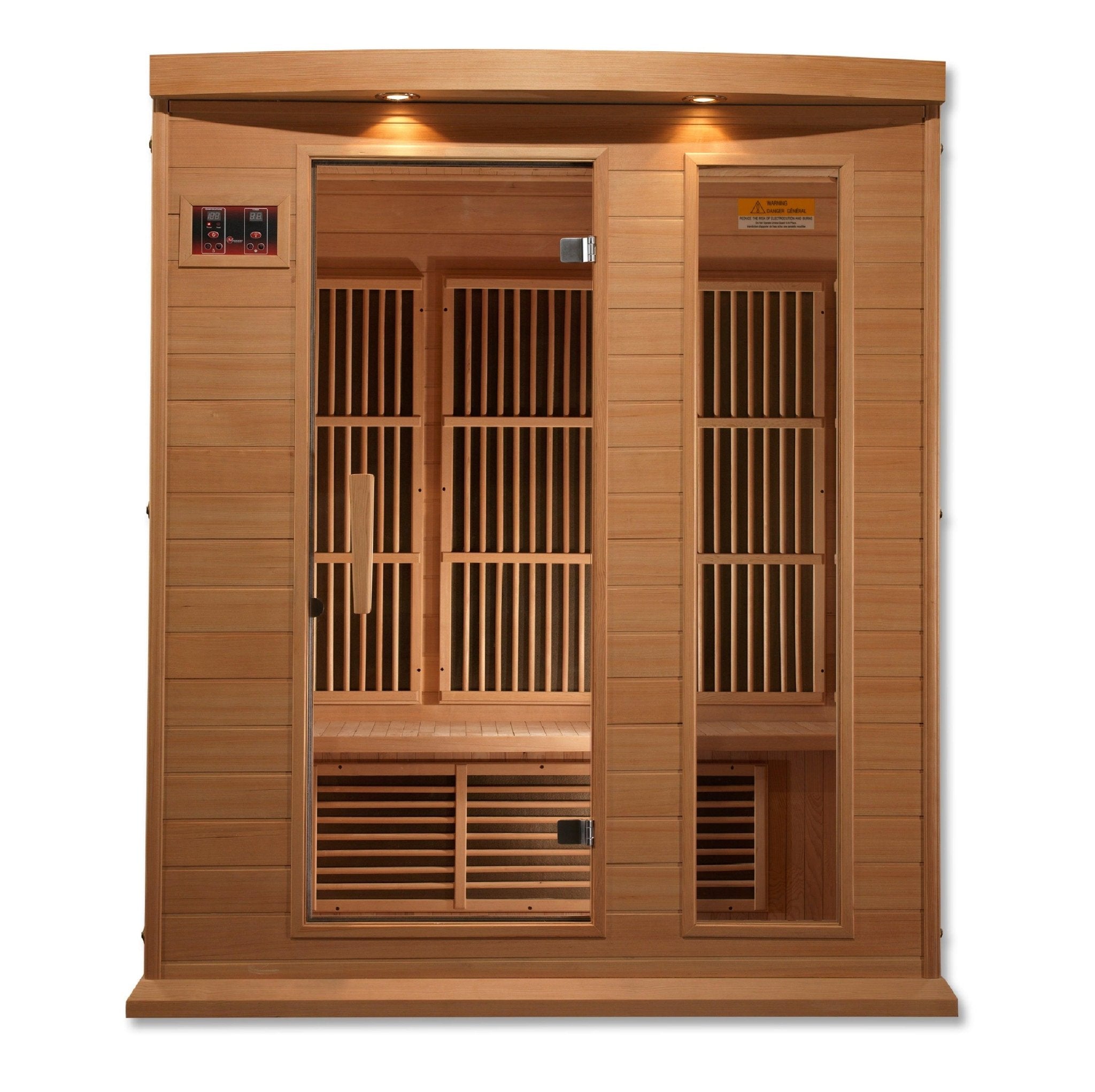
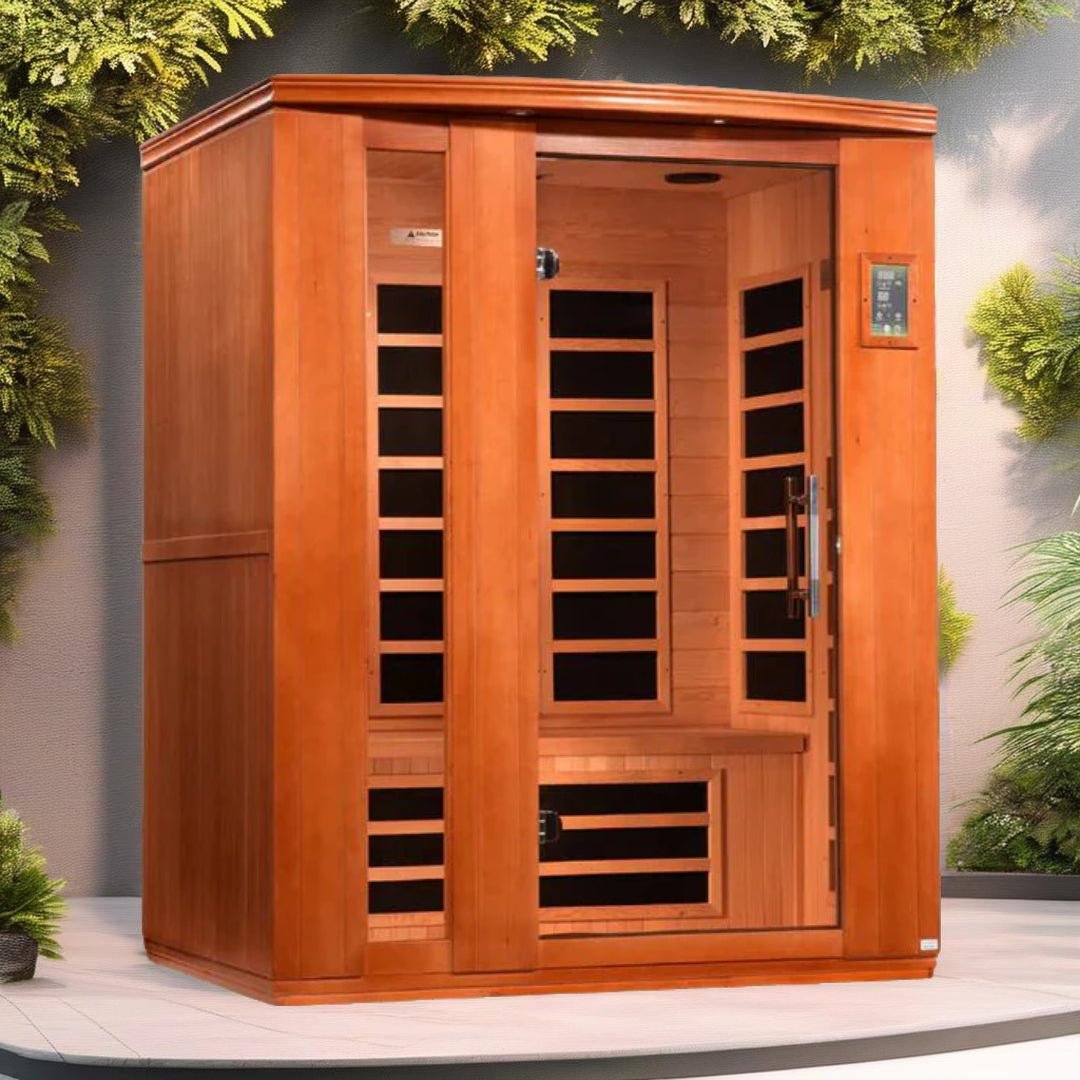
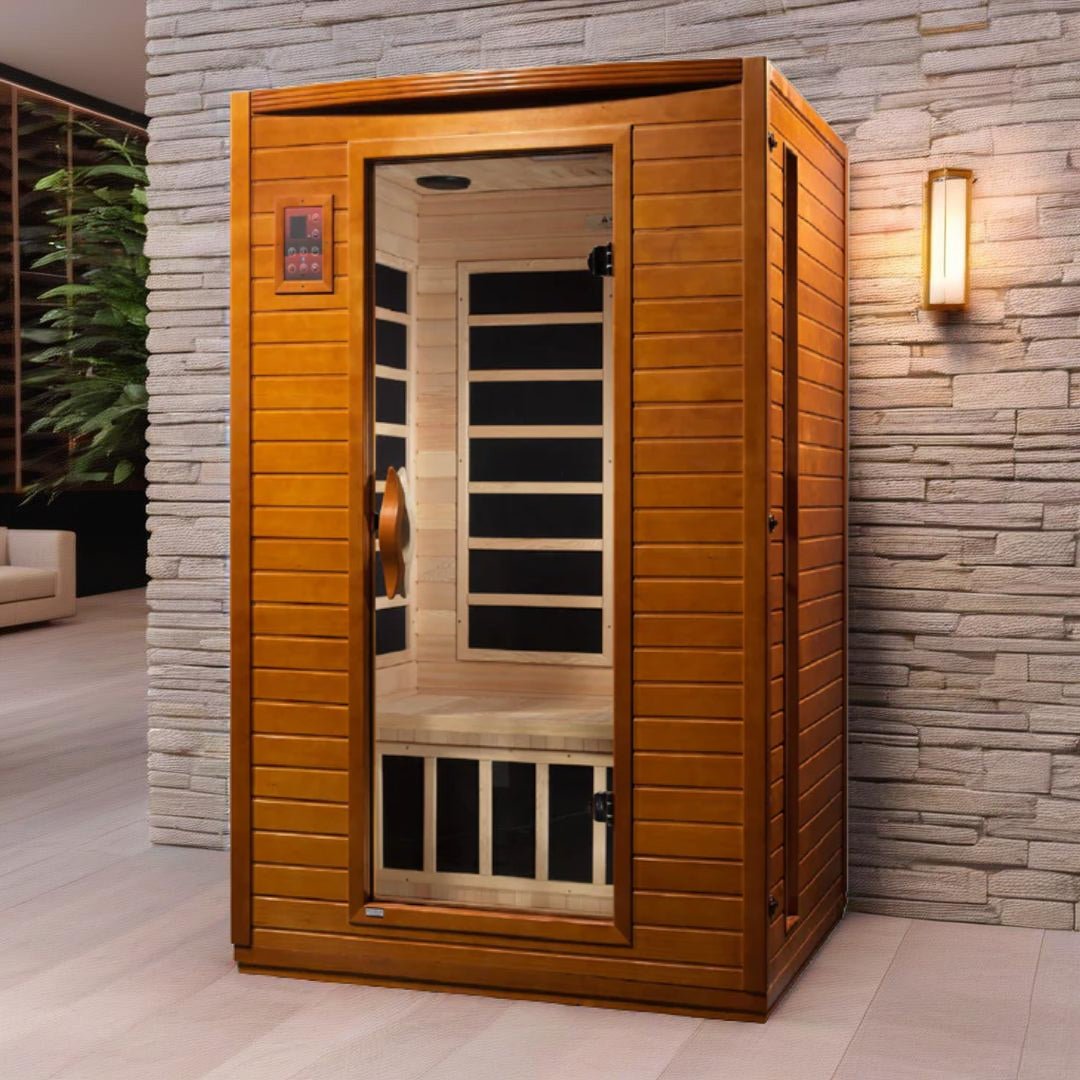
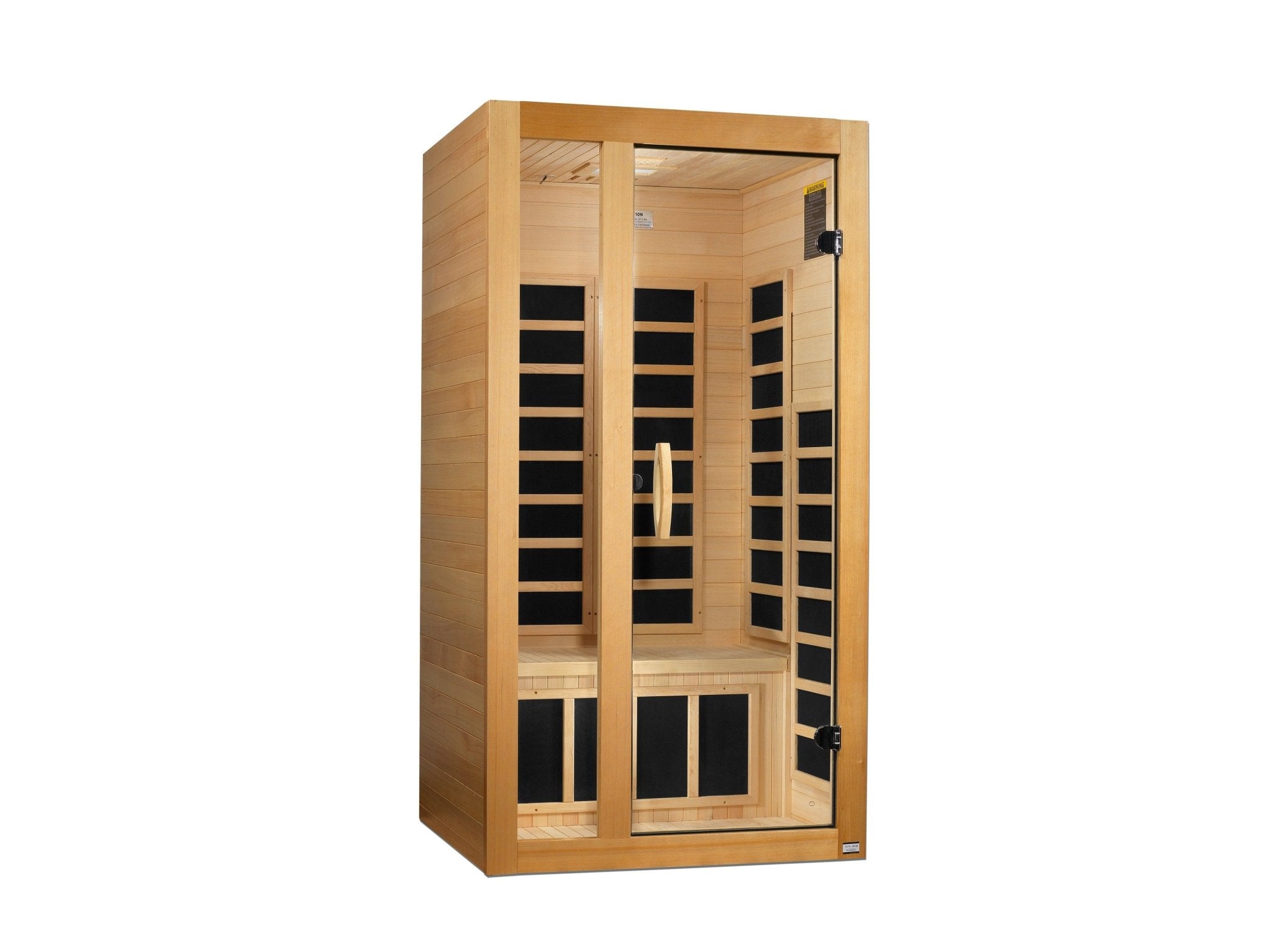
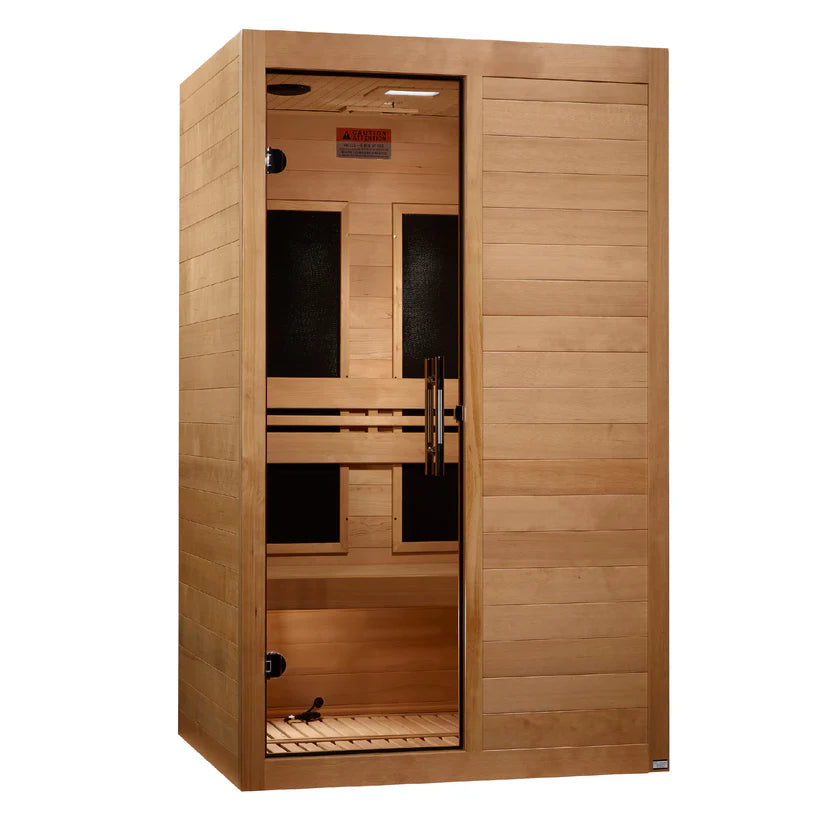
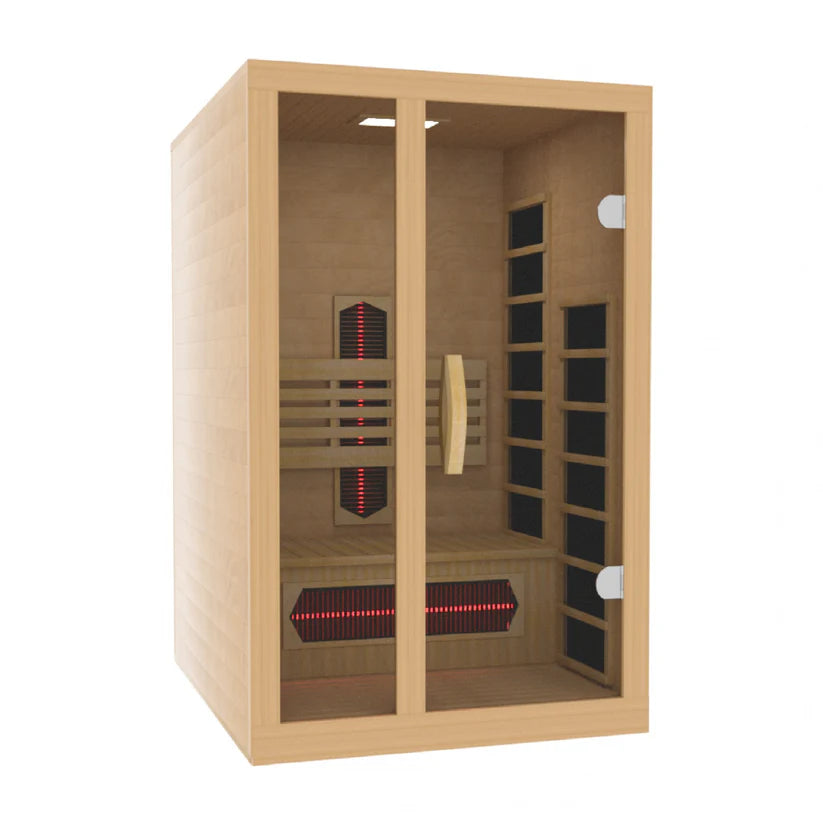
Infrared sauna: Uses infrared heaters to directly warm the body at lower air temperatures (typically 40–60 °C) than traditional saunas. Classified as passive heating and included in recent meta-analyses showing blood pressure and arterial stiffness improvements (PMC Systematic Review, 2025).
Sauna frequency benchmarks: Finnish cohort studies categorize use as 1, 2–3, or 4–7 sessions per week, with higher frequencies associated with progressively lower cardiovascular and all-cause mortality over 26-year follow-up (Laukkanen et al., 2018; Kunutsor et al., 2018).
Absolute contraindications: Conditions where sauna use is strongly discouraged include unstable angina pectoris, recent myocardial infarction (<6 weeks), severe aortic stenosis, and decompensated heart failure (ThermotherapyNow, 2021; PubMed Review, 2001).
What the Evidence Says About Sauna and Health
Cardiovascular Mortality and Longevity
Claim: Frequent sauna bathing is associated with lower cardiovascular and all-cause mortality.
What research shows: A prospective Finnish cohort of 1,688 adults (median age 63, 51.6% women) tracked sauna habits and survival over 15 years. After adjusting for age, sex, body mass index, smoking, diabetes, and other risk factors, participants using saunas 4–7 times per week had substantially lower cardiovascular death rates compared to once-weekly users. The associations held for both men and women and remained significant when restricted to those free of cardiovascular disease at baseline (Laukkanen et al., 2018).
A separate 26-year follow-up of 2,315 middle-aged men found that combining high cardiorespiratory fitness with frequent sauna use (≥4 sessions/week) produced greater reductions in cardiovascular and all-cause mortality than either factor alone. The multivariable-adjusted hazard ratio for cardiovascular death in the high-fitness, high-sauna group was approximately 0.51 compared to low-fitness, low-sauna individuals, suggesting additive or synergistic protective effects (Kunutsor et al., 2018).
Evidence strength: Strong (observational)—large cohorts, long follow-up, consistent dose-response patterns, and adjustment for major confounders.
Caveats: Observational design cannot prove causality. Finnish participants used traditional dry saunas at high heat; results may not directly translate to Korean jjimjilbangs, infrared cabins, or US populations with different health profiles and sauna practices. Unmeasured lifestyle factors (diet quality, social support, stress management) may partially explain associations.
Blood Pressure and Arterial Stiffness
Claim: Passive heating through sauna lowers blood pressure and improves vascular function.
What research shows: A 2025 systematic review and meta-analysis of randomized controlled trials examined passive heating interventions (sauna, hot water immersion, infrared exposure) on cardiometabolic outcomes. Trials using temperatures above ~43 °C for ≥6 weeks showed statistically significant reductions in systolic and diastolic blood pressure and carotid-femoral pulse wave velocity (a marker of arterial stiffness). Effect sizes were modest but clinically relevant in populations with obesity or elevated cardiovascular risk (PMC Systematic Review, 2025).
An ongoing NIH-funded trial is testing far-infrared sauna bathing (30 sessions over 10 weeks) in adults with obesity, measuring changes in blood pressure, arterial stiffness, fasting glucose, and insulin sensitivity (ClinicalTrials.gov, NCT07158047, 2025).
Evidence strength: Moderate (RCT meta-analysis)—controlled trials with physiological endpoints, but most are small, short-term, and use surrogate markers rather than clinical events.
Caveats: Studies vary in sauna type, temperature, session duration, and population. Long-term effects on hard outcomes (stroke, heart attack) are unknown. Blood pressure reductions in trials are generally smaller than those achieved with medication or major lifestyle changes.
Metabolic Health and Insulin Sensitivity
Claim: Regular sauna use improves glucose metabolism and insulin sensitivity.
What research shows: The 2025 meta-analysis found that passive heating interventions ≥6 weeks led to improvements in fasting glucose and insulin levels in some trials, though effects were inconsistent across studies. Proposed mechanisms include increased heat shock protein expression, improved endothelial function, and enhanced mitochondrial biogenesis—similar to pathways activated by exercise (PMC Systematic Review, 2025).
Evidence strength: Limited–Moderate (emerging RCT data)—promising signals in small trials, but replication in larger, diverse populations is needed.
Caveats: Metabolic benefits appear modest and may require sustained, frequent sauna use. Sauna does not replace dietary modification or physical activity for diabetes prevention or management.
Safety Profile in Healthy Adults
Claim: Sauna bathing is well tolerated by most healthy people.
What research shows: A comprehensive review of sauna physiology concludes that heat-induced increases in heart rate, cardiac output, and peripheral vasodilation are transient and generally well managed by healthy cardiovascular and thermoregulatory systems. Adverse events are rare when users follow conservative time limits, hydrate adequately, and avoid alcohol (PubMed Review, 2001).
Evidence strength: Strong (narrative review with extensive physiological data)—consistent findings across decades of use in Finland and experimental studies.
Caveats: "Healthy" excludes individuals with significant cardiovascular disease, medication interactions, or heat intolerance. Even healthy users can experience dehydration, orthostatic hypotension, or syncope if sessions are excessively long or followed by abrupt postural changes.
Risks in Cardiovascular Disease
Claim: Sauna is dangerous for anyone with heart disease.
What research shows: Reviews differentiate between stable and unstable cardiac conditions. Patients with stable coronary artery disease or well-controlled heart failure may tolerate sauna under medical guidance, as passive heating can improve endothelial function and reduce afterload. However, unstable angina, recent myocardial infarction, severe aortic stenosis, and decompensated heart failure are listed as absolute contraindications due to risk of arrhythmias, hypotension, and inadequate cardiac output reserve (PubMed Review, 2001; ThermotherapyNow, 2021).
Evidence strength: Moderate (expert consensus and case series)—based on physiological rationale and clinical observations rather than large randomized trials.
Caveats: Risk is highly individual. Patients with cardiovascular disease should obtain explicit medical clearance before sauna use and follow facility safety protocols. Combining sauna with alcohol or extreme heat exposure dramatically increases risk.
Pregnancy Safety
Claim: Pregnant women must avoid all sauna use.
What research shows: A review of available data suggests that moderate sauna use appears safe during uncomplicated pregnancies of healthy women when sessions are brief and temperatures are not extreme. However, data are limited, and theoretical concerns about fetal heat exposure—particularly in the first trimester—prompt conservative recommendations (PubMed Review, 2001).
Evidence strength: Limited–Moderate (small observational data)—no large controlled trials; guidance relies on absence of adverse signals in Finnish populations with endemic sauna use.
Caveats: Women with pregnancy complications, preterm labor risk, or placental issues should avoid sauna. Medical advice is essential. Alternatives like warm (not hot) baths may be safer.
Detoxification and Weight Loss
Claim: Saunas "detox" the body and promote fat loss.
What research shows: Sweating increases water and electrolyte loss, but primary detoxification occurs via hepatic and renal systems. Evidence that sauna meaningfully eliminates environmental toxins or heavy metals through sweat is sparse and methodologically weak. Weight loss during sauna sessions is almost entirely water, regained with rehydration. Long-term fat loss requires sustained caloric deficit and physical activity (PubMed Review, 2001; PMC Systematic Review, 2025).
Evidence strength: Strong (for debunking exaggerated claims)—physiological understanding and lack of high-quality supporting data.
Caveats: Some small studies explore toxin excretion in sweat, but concentrations are orders of magnitude lower than renal clearance. Marketing often conflates temporary fluid shifts with metabolic "detox."
How to Use a Gangnam Sauna Safely and Effectively
Step-by-Step Protocol for First-Time Users
- Shower thoroughly before entering any baths or sauna rooms—this is mandatory etiquette in Korean jjimjilbangs and essential for hygiene (AM Finn, 2024).
- Start in a lower-temperature room (e.g., 60–70 °C jade or salt room) for 5–10 minutes to assess tolerance (PubMed Review, 2001).
- Exit immediately if you feel dizzy, nauseated, short of breath, or experience chest discomfort (ThermotherapyNow, 2021).
- Cool down gradually: Step outside the sauna, sit or lie down for several minutes, and allow heart rate and blood pressure to normalize before standing (PubMed Review, 2001).
- Hydrate: Drink water or electrolyte beverages before, during breaks, and after sessions to offset fluid losses of 0.5–1 kg per session (PubMed Review, 2001).
- Progress slowly: After several visits, increase session duration to 10–20 minutes or try hotter rooms, monitoring for symptoms each time (Laukkanen et al., 2018).
- Repeat cycles: Many Korean spa-goers alternate 2–3 sauna rounds with cool-down periods over 1–3 hours, using lounges and baths between sessions (Tripbytrip, 2025).
Frequency and Duration Benchmarks
- Beginner: 1–2 sessions per week, 5–10 minutes per round, lower-temperature rooms.
- Intermediate: 2–3 sessions per week, 10–15 minutes per round, moderate-temperature rooms.
- Advanced: 3–7 sessions per week, 10–20 minutes per round, higher-temperature rooms, aligned with Finnish cohort high-frequency categories (Kunutsor et al., 2018).
Who Should Avoid or Modify Sauna Use
Absolute contraindications (do not use without explicit medical approval):
- Unstable angina pectoris
- Recent myocardial infarction (<6 weeks post-event)
- Severe aortic stenosis
- Decompensated or symptomatic heart failure
- Acute febrile illness or infection (ThermotherapyNow, 2021; PubMed Review, 2001)
Relative cautions (use only with medical guidance and modifications):
- Cardiac arrhythmias or pacemaker/ICD
- Uncontrolled hypertension (systolic ≥180 mmHg or diastolic ≥110 mmHg)
- Orthostatic hypotension or history of syncope
- Medications affecting blood pressure or heart rate (beta-blockers, nitrates, diuretics)
- Pregnancy (especially first trimester or complicated pregnancies)
- Chronic kidney disease or significant liver disease
- Severe dermatological conditions aggravated by heat (ThermotherapyNow, 2021; PubMed Review, 2001)
Combining Sauna with Exercise
Sauna can be used before or after workouts, but most people prefer post-exercise sessions to aid relaxation. Combining intense exercise with prolonged sauna increases cardiovascular load and dehydration risk—monitor total heat exposure and hydrate aggressively. Finnish data suggest that high fitness and frequent sauna use together confer additive mortality benefits, but sequencing should prioritize safety (Kunutsor et al., 2018).
Common Mistakes to Avoid
- Overstaying in high heat: Sessions >20 minutes at 80–100 °C increase dehydration and orthostatic hypotension risk (PubMed Review, 2001).
- Drinking alcohol before or during sauna: Alcohol impairs thermoregulation and cardiovascular responses, substantially increasing risk of arrhythmias, hypotension, and sudden death (PubMed Review, 2001).
- Skipping pre-bath shower: Violates jjimjilbang etiquette and hygiene standards (AM Finn, 2024).
- Ignoring symptoms: Pushing through dizziness, nausea, or chest pain can lead to fainting or cardiac events—exit and cool down at first warning signs (ThermotherapyNow, 2021).
- Expecting weight loss or detox miracles: Sauna-induced weight changes are water, not fat; hepatorenal systems handle detoxification (PMC Systematic Review, 2025).
Comparisons: Korean Jjimjilbang vs Standard vs Home Infrared Sauna
Table 1: Gangnam / Korean Jjimjilbang vs Standard Gym Dry Sauna
| Factor | Gangnam / Korean Jjimjilbang | Standard Gym Dry Sauna |
|---|---|---|
| Environment | Multi-room complex with baths, themed saunas (jade, salt, charcoal), lounges, food court, sleeping areas | Single small sauna room near locker rooms, limited amenities |
| Social Experience | Strong social/family culture; co-ed lounging in uniforms plus gender-segregated nude baths | Individual, brief post-workout use; minimal socializing |
| Heat Types | Multiple dry and sometimes humid rooms at varied temperatures; thematic materials | Usually one dry sauna at fixed temperature |
| Time On-Site | Often 2–8 hours, sometimes overnight passes | Typically 5–20 minutes as part of gym visit |
| Cost | Day pass $15–40 for 12–24-hour access; value-rich for extended stays | Included in gym membership; marginal cost is zero |
| Target User | Those seeking holistic wellness, cultural immersion, relaxation destination | People wanting quick recovery/relaxation around workouts |
Sources: Tripbytrip, 2025; Gangnam Sauna Atlanta, 2025; AM Finn, 2024.
Table 2: Gangnam / Korean Jjimjilbang vs Home Infrared Sauna
| Factor | Gangnam / Korean Jjimjilbang | Home Infrared Sauna |
|---|---|---|
| Access | Travel to facility; subject to location and operating hours | In-home, on-demand once installed |
| Upfront Cost | None (pay per visit or membership) | $1,500–$8,000+ for unit and installation |
| Operating Cost | $15–40 per visit | Electricity costs ~$1–3 per session |
| Experience | Cultural rituals, social spaces, spa services (scrubs, massage), communal baths | Private, solitary sessions; no baths or extra amenities |
| Evidence Linkage | Closest analog is traditional high-heat sauna data from Finnish cohorts; experiential Korean sources | Included in passive heating RCT meta-analysis for BP and metabolic outcomes |
| Best For | Social, immersive wellness days; cultural interest; variety seekers | High-frequency, convenient passive heating for specific health goals; privacy preference |
Sources: PMC Systematic Review, 2025; Laukkanen et al., 2018; Gangnam Sauna Atlanta, 2025; Salus Saunas, 2025.
Table 3: Beginner vs Advanced Sauna User (Health-Focused Adult)
| Aspect | Beginner User | Advanced/Experienced User |
|---|---|---|
| Session Length | 5–10 minutes per round | 10–20 minutes per round if well tolerated |
| Frequency | 1–2 sessions per week initially | 3–7 sessions per week (aligned with high-benefit Finnish cohort categories) |
| Heat Level | Lower-temperature rooms (60–70 °C) | Higher temperatures (80–100 °C) and varied room types |
| Goals | Adaptation, stress relief, learning body signals | Cardiovascular conditioning, metabolic optimization, structured recovery |
| Monitoring | Extra focus on hydration, postural changes, symptom recognition | May track HR, BP, HRV, sleep quality, soreness scores |
Sources: PubMed Review, 2001; Kunutsor et al., 2018; PMC Systematic Review, 2025.
Real-World Constraints and Numbers That Matter
Mortality and Cardiovascular Outcomes (Finnish Cohorts)
- 520 cardiovascular deaths and 1,124 all-cause deaths over median 26-year follow-up in joint CRF–sauna study (n=2,315 men) (Kunutsor et al., 2018).
- Multivariable-adjusted hazard ratio for cardiovascular mortality: Approximately 0.51 for high fitness + high sauna frequency (≥4/week) vs low fitness + low sauna (<2/week) (Kunutsor et al., 2018).
- Mixed-sex cohort (n=1,688, median age 63, 51.6% women): Higher sauna frequency and longer session duration associated with lower CVD mortality in both sexes over 15-year follow-up (Laukkanen et al., 2018).
Passive Heating Trial Parameters
- Systematic review (2025) analyzed RCTs stratified by temperature (≤42.8 °C vs >42.8 °C) and duration (<6 weeks vs ≥6 weeks).
- Interventions ≥6 weeks and >42.8 °C showed statistically significant reductions in systolic and diastolic blood pressure and carotid-femoral pulse wave velocity (PMC Systematic Review, 2025).
- Ongoing NIH trial (NCT07158047): 30 far-infrared sauna sessions over 10 weeks in adults with obesity, measuring BP, arterial stiffness, glucose, and insulin (ClinicalTrials.gov, 2025).
Korean Jjimjilbang Pricing and Access
- Day pass: Typically $15–40 for 12–24-hour access at US Gangnam-style facilities (Gangnam Sauna Atlanta, 2025).
- Extended stays: Many jjimjilbangs allow overnight sleeping in communal rest areas, reducing cost per hour compared to hotels or day spas (Tripbytrip, 2025).
- Spa services: Body scrubs (seshin) $40–80; massage $60–120; costs vary by location and service package (Salus Saunas, 2025).
Home Infrared Sauna Economics
- Purchase price: $1,500 (basic one-person cabin) to $8,000+ (luxury multi-person unit) (market data).
- Installation: Minimal if plug-in; may require dedicated electrical circuit.
- Operating cost: ~$0.30–$1.00 per hour (electricity), assuming 1.5–2.0 kW power draw at average US rates.
- Break-even: For users at $30/visit to a jjimjilbang 2×/week, payback period is approximately 12–18 months on a $3,000 unit.
Typical Session Fluid Losses
- 0.5–1.0 kg body weight loss per 20-minute session at 80–90 °C, primarily from sweating (PubMed Review, 2001).
- Electrolyte losses: Sodium, potassium, and chloride in sweat; replenish with water and electrolyte beverages, especially during multi-round visits.
Myths and Misconceptions
Myth 1: Saunas "melt fat" and are a primary weight-loss tool
Reality: Weight lost in sauna is almost entirely water, regained within hours of rehydration. Fat loss requires sustained caloric deficit through diet and exercise. Passive heating may modestly increase energy expenditure, but data on long-term fat loss are lacking (PMC Systematic Review, 2025; PubMed Review, 2001).
Why it persists: Visible rapid weight changes on the scale and heavy sweating are easily misinterpreted as fat "burning" in fitness culture.
Myth 2: Sauna detoxes the body more effectively than liver and kidneys
Reality: Sweat contains water, electrolytes, and trace amounts of other substances, but hepatic and renal systems handle the vast majority of metabolic waste and environmental toxin clearance. Evidence that sauna meaningfully removes heavy metals or persistent organic pollutants is limited and inconclusive (PubMed Review, 2001; PMC Systematic Review, 2025).
Why it persists: "Detox" is powerful marketing language and aligns with intuitive beliefs about "sweating out impurities."
Myth 3: Saunas are dangerous for anyone with heart disease
Reality: People with stable coronary artery disease or well-controlled heart failure can often use saunas safely under medical supervision. However, unstable angina, recent myocardial infarction, severe aortic stenosis, and decompensated heart failure are absolute contraindications (ThermotherapyNow, 2021; PubMed Review, 2001).
Why it persists: Generalized caution about heat and cardiovascular strain often translates into blanket avoidance advice without nuance.
Myth 4: More heat and longer sessions are always better
Reality: Excessive duration (>20 minutes) and extreme temperatures increase risks of dehydration, orthostatic hypotension, and syncope. Most research protocols use moderate sessions of 5–20 minutes with cooling breaks (Laukkanen et al., 2018; PubMed Review, 2001).
Why it persists: "No pain, no gain" mentality and competitive attitudes among some sauna enthusiasts.
Myth 5: All saunas are the same, so Finnish data apply perfectly to Korean jjimjilbangs
Reality: Finnish-style dry saunas (80–100 °C, low humidity), Korean jjimjilbangs (multiple rooms with varied heat and humidity), and infrared saunas (lower air temperature, direct body heating) differ in thermal profiles and usage patterns. Extrapolations require caution; Korean-specific outcome data are limited (Tripbytrip, 2025; AM Finn, 2024).
Why it persists: Media often generalize "sauna benefits" without specifying sauna type or cultural context.
Myth 6: Infrared saunas are "fake" and have no evidence
Reality: Infrared saunas are included in randomized trials of passive heating and show promising effects on blood pressure and arterial stiffness. Head-to-head comparisons with traditional saunas are sparse, but infrared is a legitimate modality under active investigation (PMC Systematic Review, 2025).
Why it persists: Skepticism toward newer technologies and mixed marketing claims blur the line between evidence-based benefits and hype.
Myth 7: Pregnant women must never enter a sauna
Reality: A review suggests that moderate sauna use appears safe during uncomplicated pregnancies when sessions are brief and not excessively hot. However, data are limited, and women with complications should avoid sauna and consult clinicians (PubMed Review, 2001).
Why it persists: Legitimate concerns about fetal heat exposure, especially in the first trimester, often translate into absolute prohibitions.
Myth 8: Sauna can replace exercise for heart health
Reality: Sauna may complement exercise and confer additional cardiovascular benefits, but cardiorespiratory fitness remains a major independent predictor of survival. Combining high fitness with frequent sauna use provides the greatest mortality reductions (Kunutsor et al., 2018).
Why it persists: Desire for passive shortcuts to exercise-like benefits.
Myth 9: If you feel lightheaded, push through to "adapt"
Reality: Dizziness, nausea, or chest pain are warning signs of heat intolerance or cardiovascular strain. Safe guidance is to exit immediately, cool down, and hydrate. Ignoring symptoms increases risk of fainting and injury (ThermotherapyNow, 2021; PubMed Review, 2001).
Why it persists: Misinterpretation of discomfort as "productive stress" and peer pressure in group sauna settings.
Myth 10: Korean jjimjilbangs are just hot rooms—the rest is unnecessary fluff
Reality: Jjimjilbang culture integrates multiple heat rooms, baths, rest, food, and socializing, which can enhance psychological relaxation, adherence, and overall wellness experience beyond isolated heat exposure (Salus Saunas, 2025; Tripbytrip, 2025).
Why it persists: Limited exposure to Korean wellness culture and narrow focus on purely physiological heat stress.
Myth 11: You need to drink detox teas or take supplements during sauna to "enhance cleansing"
Reality: No evidence supports that supplements or special beverages enhance sauna "detox." Plain water or electrolyte drinks suffice for hydration (PubMed Review, 2001).
Why it persists: Commercial products exploit detox myths for profit.
Myth 12: Sauna use before bed will disrupt sleep
Reality: Many users report improved sleep quality after evening sauna sessions, possibly due to stress reduction and post-heat cooling facilitating sleep onset. Individual responses vary (observational reports; no large RCTs).
Why it persists: Concerns that elevated heart rate and body temperature interfere with sleep, though cooling phase may counteract this.

Experience Layer: Tracking Your Own Response
Safe Personal Test Plan
Objective: Assess individual tolerance and response to Gangnam-style sauna over 4–8 weeks.
Protocol:
- Baseline measurements (Week 0): Record resting heart rate, blood pressure (home monitor), body weight, subjective stress (1–10 scale), and sleep quality (1–10 scale).
- Sauna exposure (Weeks 1–8): Visit a Korean jjimjilbang 2–3 times per week. Start with 5–10 minutes per round in moderate-temperature rooms (60–70 °C); progress to 10–15 minutes in hotter rooms as tolerated. Complete 2–3 sauna rounds per visit with 5–10-minute cooling breaks.
- Post-session measurements: Record body weight immediately after final sauna round (to quantify fluid loss) and resting heart rate + blood pressure 30 minutes post-cool-down.
- Weekly tracking: Log subjective stress, sleep quality, muscle soreness (if exercising), and any adverse symptoms (dizziness, headache, palpitations).
- End measurements (Week 8): Repeat baseline assessments and compare trends.
Safety notes:
- Stop immediately if you experience chest pain, severe dizziness, or shortness of breath.
- Consult a physician before starting if you have cardiovascular disease, uncontrolled hypertension, or take medications affecting blood pressure or heart rate.
- Hydrate with at least 16–24 oz water per visit; weigh before and after to ensure fluid losses are replaced.
What You Might Notice (Non-Guaranteed)
Cardiovascular: Some users report lower resting heart rate and blood pressure after 4–8 weeks of regular sauna use, consistent with passive heating trial data (PMC Systematic Review, 2025). Effects are modest and vary by baseline health status.
Stress and mood: Many jjimjilbang visitors describe enhanced relaxation and improved mood, attributed to heat exposure, social atmosphere, and extended downtime (Salus Saunas, 2025; Tripbytrip, 2025). Subjective and difficult to separate from placebo or cultural factors.
Sleep quality: Anecdotal reports suggest evening sauna sessions may improve sleep onset and depth, possibly via stress reduction and post-heat cooling phase (no large controlled trials).
Muscle soreness: Some exercisers note reduced delayed-onset muscle soreness (DOMS
) after post-workout sauna use, though mechanisms are unclear and data are limited (observational).
Fluid dynamics: Expect 0.5–1.0 kg weight loss per session from sweating, fully reversible with rehydration. No fat loss unless combined with caloric restriction (PubMed Review, 2001).
Skin: Korean spa culture emphasizes improved skin texture from heat and exfoliation (seshin scrubs), but clinical dermatology data are sparse (AM Finn, 2024).
Tracking Template
| Date | Pre-Sauna HR (bpm) | Pre-Sauna BP (mmHg) | Session Duration (min) | Room Temp (°C) | Post-Sauna Weight Loss (kg) | Post-Sauna HR (bpm) | Post-Sauna BP (mmHg) | Stress (1–10) | Sleep Quality (1–10) | Notes/Symptoms |
|---|---|---|---|---|---|---|---|---|---|---|
Instructions:
- Measure HR and BP at rest (sitting, after 5 minutes) before entering sauna.
- Record total time in sauna rooms (sum of all rounds).
- Estimate average room temperature or note specific rooms used.
- Weigh immediately post-session (light clothing, dry); subtract from pre-session weight.
- Measure HR and BP 30 minutes after exiting and cooling down.
- Rate stress and sleep quality on 1–10 scales (1=worst, 10=best).
- Note any dizziness, headache, palpitations, or other symptoms.
FAQ
1. What is a Gangnam sauna?
A Gangnam sauna is a modern Korean-style jjimjilbang inspired by Seoul's Gangnam district, offering multiple themed sauna rooms (jade, salt, charcoal), baths, and relaxation spaces, sometimes replicated in US cities like Atlanta.
- Combines gender-segregated nude bathing areas with co-ed dry sauna lounges where uniforms are worn.
- Provides extended access (12–24 hours) for multi-round sessions, socializing, and rest.
- Features cultural amenities like food courts and sleeping rooms.
- Differs from standard gym saunas by emphasizing holistic wellness and family/social experience.
Sources: Tripbytrip, 2025; Gangnam Sauna Atlanta, 2025; AM Finn, 2024.
2. How is a Korean jjimjilbang different from a regular sauna?
A Korean jjimjilbang is a comprehensive bathhouse complex with multiple saunas, baths, lounges, and services, while a regular sauna is typically a single hot room.
- Jjimjilbangs integrate bathing, heat therapy, and socializing into a multi-hour or overnight destination.
- Western saunas are often brief post-workout add-ons at gyms with minimal extra amenities.
- Korean spas emphasize cultural rituals like body scrubs (seshin) and communal dining.
- Extended stay options encourage relaxation and stress relief beyond isolated heat exposure.
Sources: Salus Saunas, 2025; AM Finn, 2024.
3. Can using a Gangnam-style sauna improve heart health?
Observational studies link frequent sauna use with lower cardiovascular mortality, and randomized trials show improvements in blood pressure and arterial stiffness, but causality is not definitively proven.
- Finnish cohorts associate 4–7 weekly sauna sessions with substantially reduced CVD death risk over 15–26 years (Laukkanen et al., 2018; Kunutsor et al., 2018).
- Passive heating RCTs demonstrate modest BP reductions and vascular improvements in adults with obesity or elevated cardiovascular risk (PMC Systematic Review, 2025).
- Effects may vary by sauna type, frequency, and individual health status.
- Sauna should complement—not replace—exercise, diet, and medical treatment for cardiovascular health.
Sources: Laukkanen et al., 2018; Kunutsor et al., 2018; PMC Systematic Review, 2025.
4. How often should I use a sauna for potential health benefits?
Cohort data link benefits with several sessions per week, but beginners may start with 1–2 sessions weekly and increase as tolerated with medical guidance.
- Finnish studies categorize sauna frequency as 1, 2–3, or 4–7 sessions per week, with higher frequencies showing greater mortality reductions (Laukkanen et al., 2018).
- Passive heating trials typically use 2–7 sessions per week over 4–12 weeks to assess cardiometabolic outcomes (PMC Systematic Review, 2025).
- Individual tolerance depends on baseline health, heat sensitivity, and medication use.
- Medical clearance is essential for people with cardiovascular disease or other contraindications.
Sources: Laukkanen et al., 2018; PMC Systematic Review, 2025.
5. How long should a beginner stay in a Gangnam sauna room?
A conservative starting point is 5–10 minutes per session for beginners, with rest and hydration between rounds.
- Many Finnish studies use 5–20-minute sessions at 70–100 °C (PubMed Review, 2001; Laukkanen et al., 2018).
- Exit immediately if you feel dizzy, nauseated, short of breath, or unwell (ThermotherapyNow, 2021).
- Gradually increase duration to 10–20 minutes over several visits as experience grows.
- Multiple short rounds with cooling breaks are safer than one prolonged session.
Sources: PubMed Review, 2001; ThermotherapyNow, 2021.
6. Is a Gangnam sauna safe if you have high blood pressure?
Sauna can be safe for some people with controlled hypertension, but those with uncontrolled blood pressure or other heart conditions should follow medical advice and heed contraindications.
- Uncontrolled hypertension (systolic ≥180 mmHg or diastolic ≥110 mmHg) requires medical clearance before sauna use (ThermotherapyNow, 2021).
- Heat can temporarily lower blood pressure and increase orthostatic hypotension risk (PubMed Review, 2001).
- Medications like beta-blockers, nitrates, and diuretics may amplify heat-related blood pressure changes (ThermotherapyNow, 2021).
- People with stable, controlled hypertension often tolerate sauna when hydrated and monitored.
Sources: ThermotherapyNow, 2021; PubMed Review, 2001.
7. Can sauna bathing help you live longer?
Long-term Finnish studies associate frequent sauna use with lower all-cause and cardiovascular mortality, but observational design cannot prove sauna alone causes longer life.
- Frequent sauna bathing (4–7 sessions/week) linked to substantially reduced mortality over 26 years compared to once-weekly use (Kunutsor et al., 2018).
- Associations persist after adjusting for age, smoking, BMI, diabetes, and other major risk factors (Laukkanen et al., 2018).
- People who use saunas frequently may also have other healthy lifestyle habits (exercise, diet, social connection).
- More diverse populations and randomized trials on hard outcomes (clinical events) are needed.
Sources: Kunutsor et al., 2018; Laukkanen et al., 2018.
8. Do Korean saunas really detox your body?
Sauna increases sweating and fluid loss, but the liver and kidneys handle the vast majority of detoxification, and strong evidence for major toxin removal via sweat is limited.
- Sweat contains water, electrolytes (sodium, potassium, chloride), and trace amounts of urea and lactate (PubMed Review, 2001).
- Environmental toxin and heavy metal clearance through sweat is orders of magnitude lower than renal excretion (PubMed Review, 2001).
- Marketing often overstates "detox" benefits beyond physiological evidence.
- Hydration, healthy diet, and organ function remain central to metabolic waste clearance.
Sources: PubMed Review, 2001; PMC Systematic Review, 2025.
9. Is sauna use safe during pregnancy?
A review suggests sauna use appears safe during uncomplicated pregnancies when used sensibly, but data are limited and pregnant women should discuss with their clinician.
- Reasonable, brief sauna sessions in healthy pregnancies have not shown adverse outcomes in Finnish observational data (PubMed Review, 2001).
- Extreme overheating and prolonged exposure are discouraged, especially in the first trimester.
- Women with pregnancy complications (preterm labor risk, placental issues) should avoid sauna.
- Medical advice is essential; alternatives like warm (not hot) baths may be safer.
Sources: PubMed Review, 2001.
10. What are the main risks of a Gangnam sauna?
Primary risks include dehydration, overheating, orthostatic hypotension, and—in susceptible individuals—cardiovascular strain.
- Excessive session duration (>20 minutes at high heat) increases dehydration and fainting risk (PubMed Review, 2001).
- Combining sauna with alcohol substantially raises risk of arrhythmias, hypotension, and sudden death (PubMed Review, 2001).
- Certain heart conditions (unstable angina, recent MI, severe aortic stenosis) are absolute contraindications (ThermotherapyNow, 2021).
- Listening to symptoms (dizziness, nausea, chest pain) and limiting session length reduces risk.
Sources: PubMed Review, 2001; ThermotherapyNow, 2021.
11. Can a Gangnam sauna help with weight loss?
Saunas cause temporary water loss, not sustained fat loss; they are not a stand-alone weight-loss tool.
- Body weight drops 0.5–1.0 kg per session from sweating, but rebounds with rehydration (PubMed Review, 2001).
- Passive heating may modestly increase energy expenditure, but clinical weight-loss data are lacking (PMC Systematic Review, 2025).
- Sustained fat loss requires caloric deficit through diet and exercise.
- Sauna can be part of a broader wellness routine but should not be relied upon for weight management.
Sources: PubMed Review, 2001; PMC Systematic Review, 2025.
12. Are infrared saunas as effective as traditional Korean saunas?
Infrared saunas appear to share some cardiometabolic benefits as part of passive heating, but direct comparisons with traditional high-heat saunas are limited.
- Infrared saunas are included in passive heating RCTs showing blood pressure and arterial stiffness improvements (PMC Systematic Review, 2025).
- Infrared operates at lower air temperatures (40–60 °C) but achieves similar core body heating.
- Long-term mortality data come from traditional Finnish-style saunas, not infrared cabins.
- Head-to-head trials and outcome studies are still emerging.
Sources: PMC Systematic Review, 2025; Laukkanen et al., 2018.
13. What amenities does Gangnam Sauna in Atlanta offer?
Gangnam Sauna in Atlanta offers multiple heated rooms with materials like jade and salt, plus baths and relaxation spaces typical of Korean jjimjilbangs.
- Multiple dry sauna rooms at varied temperatures (Gangnam Sauna Atlanta, 2025).
- Gender-segregated bathing areas with hot and cold pools.
- Co-ed lounge areas where patrons wear facility-provided uniforms.
- Spa services may include body scrubs (seshin) and massage (check facility website for current offerings).
Sources: Gangnam Sauna Atlanta, 2025; Tripbytrip, 2025.
14. What is the etiquette in a Korean Gangnam sauna?
Etiquette includes showering thoroughly before baths, using provided uniforms in co-ed areas, and following posted rules on nudity and behavior.
- Shower with soap before entering pools or saunas—mandatory for hygiene (AM Finn, 2024).
- Gender-segregated baths require full nudity; co-ed lounges require facility uniforms (Tripbytrip, 2025).
- Quiet, respectful behavior in rest areas; minimal phone use.
- Outside food often restricted; use on-site food courts.
Sources: AM Finn, 2024; Tripbytrip, 2025.
15. Should you use the sauna before or after a workout?
Research does not dictate a single best order, but many people use sauna post-workout for relaxation; combining both increases cardiovascular load and dehydration risk.
- Sauna raises heart rate by 30–50% similar to moderate exercise (PubMed Review, 2001).
- Post-exercise sauna enhances overall heat exposure but requires aggressive hydration.
- People with cardiovascular disease should consult clinicians on sequencing and total heat load.
- Listen to your body and adjust based on tolerance and goals.
Sources: PubMed Review, 2001; Kunutsor et al., 2018.
16. Can people with heart failure use a Korean-style sauna?
Some guidelines list decompensated or ischemic heart failure as contraindications, while stable heart failure requires careful individualized assessment.
- Heat-induced vasodilation can lower blood pressure and worsen symptoms in unstable patients (ThermotherapyNow, 2021).
- Stable, compensated heart failure may tolerate sauna under close medical supervision.
- Specialized "waon therapy" (infrared heat at ~60 °C) has been studied in heart failure, but differs from unsupervised spa use.
- Always obtain explicit medical clearance before sauna use if you have heart failure.
Sources: ThermotherapyNow, 2021; PubMed Review, 2001.
17. How hot are Korean jjimjilbang sauna rooms?
Jjimjilbang dry sauna rooms vary by theme, but many operate in ranges similar to traditional saunas (often 70–100 °C), while some rooms are milder.
- Traditional Finnish-style saunas typically run 80–100 °C (PubMed Review, 2001).
- Korean spa rooms with materials like jade, salt, or charcoal may be 60–80 °C for comfort and longer stays (Tripbytrip, 2025).
- Lower-temperature rooms (50–60 °C) allow extended relaxation without excessive heat stress.
- Exact temperatures vary by facility and room type; ask staff if uncertain.
Sources: PubMed Review, 2001; Tripbytrip, 2025; AM Finn, 2024.
18. Are Korean jjimjilbangs hygienic?
Reputable jjimjilbangs enforce pre-bath showering and maintain cleaning routines, but users should judge each facility's cleanliness and follow posted hygiene rules.
- Mandatory showering before baths reduces contamination of shared pools (AM Finn, 2024).
- Wearing facility uniforms in co-ed dry rooms minimizes direct skin contact with benches.
- Choose well-reviewed facilities with visible cleaning protocols.
- Personal responsibility (showering, avoiding sauna when ill) also protects community health.
Sources: AM Finn, 2024; Tripbytrip, 2025.
19. Can sauna use help muscle recovery after exercise?
Passive heating may aid perceived recovery and blood flow, but high-quality data on actual performance outcomes are limited.
- Some RCTs track vascular and metabolic markers relevant to recovery (PMC Systematic Review, 2025).
- Heat may reduce muscle stiffness and enhance subjective recovery in some users (observational reports).
- Cooling, hydration, and nutrition remain critical after combined exercise and sauna.
- More research is needed on sauna's impact on delayed-onset muscle soreness (DOMS) and training adaptations.
Sources: PMC Systematic Review, 2025; PubMed Review, 2001.
20. Is a Gangnam sauna worth it for a health-conscious professional?
For many adults, a Gangnam-style sauna offers a structured way to combine passive heat exposure with relaxation and social time, aligning with observational and early interventional evidence on sauna's health benefits.
- Provides access to multiple heat rooms, baths, and recovery spaces in one visit (Tripbytrip, 2025).
- Encourages longer, more mindful downtime than quick gym sauna visits (Salus Saunas, 2025).
- Health benefits appear complementary to—not substitutes for—exercise, diet, and medical care (Kunutsor et al., 2018).
- Individual value depends on location, budget, enjoyment of cultural spa experiences, and health goals.
Sources: Gangnam Sauna Atlanta, 2025; Tripbytrip, 2025; Kunutsor et al., 2018.
21. How much does a visit to a Korean Gangnam-style sauna cost in the US?
Day passes typically range from $15–$40 for 12–24-hour access, with additional fees for spa services.
- Entry grants access to all sauna rooms, baths, and lounges (Gangnam Sauna Atlanta, 2025).
- Body scrubs (seshin): ~$40–$80; massage: ~$60–$120; costs vary by location and service package (Salus Saunas, 2025).
- Extended stays (multi-hour or overnight) provide greater value per hour than short visits.
- Compare to gym sauna (usually included in membership) or home infrared sauna (high upfront cost, low per-use cost).
Sources: Gangnam Sauna Atlanta, 2025; Salus Saunas, 2025.
22. What temperature are Gangnam or Korean jjimjilbang saunas typically kept at?
Temperatures vary by room, but many dry saunas operate in the 70–100 °C range, while some themed rooms are milder (50–70 °C).
- Traditional high-heat rooms: 80–100 °C (similar to Finnish saunas).
- Jade, salt, charcoal rooms: Often 60–80 °C for comfort and extended stays (Tripbytrip, 2025).
- Lower-temp "warm" rooms: 50–60 °C for gentle passive heating.
- Ask facility staff for specific room temperatures if you have heat sensitivity or medical concerns.
Sources: PubMed Review, 2001; Tripbytrip, 2025.
23. What should you do before and after visiting a Gangnam sauna?
Before: Hydrate, avoid alcohol, shower thoroughly, and ensure you have no acute infections or uncontrolled medical conditions. After: Rehydrate, cool down gradually, and monitor for delayed symptoms like dizziness.
- Pre-sauna hydration: Drink 16–24 oz water (PubMed Review, 2001).
- Pre-bath shower: Mandatory in Korean spas for hygiene (AM Finn, 2024).
- Post-sauna cooling: Sit or lie down for 5–10 minutes before standing to prevent orthostatic hypotension (PubMed Review, 2001).
- Post-sauna hydration: Replace fluid losses (0.5–1.0 kg body weight) with water or electrolyte beverages (PubMed Review, 2001).
- Avoid driving or operating machinery if you feel lightheaded or fatigued.
Sources: PubMed Review, 2001; AM Finn, 2024.
24. How clean are Korean jjimjilbangs?
Cleanliness varies by facility; reputable jjimjilbangs enforce hygiene protocols, but users should assess each location and follow posted rules.
- Mandatory pre-bath showering reduces pool contamination (AM Finn, 2024).
- Regular cleaning schedules for sauna rooms, baths, and rest areas.
- Choose well-reviewed facilities with visible maintenance and sanitation practices.
- Personal responsibility (showering, not using sauna when ill) protects community health.
Sources: AM Finn, 2024; Tripbytrip, 2025.
25. Can sauna use reduce stress?
Many users report enhanced relaxation and stress relief from sauna sessions, attributed to heat exposure, extended downtime, and—in jjimjilbangs—social atmosphere.
- Subjective stress reduction is widely reported in Korean spa culture (Salus Saunas, 2025; Tripbytrip, 2025).
- Passive heating may modulate cortisol and endorphin pathways, though mechanisms are not fully understood.
- Difficult to separate physiological effects from cultural, social, and placebo factors.
- More controlled research on stress biomarkers (cortisol, HRV) is needed.
Sources: Salus Saunas, 2025; Tripbytrip, 2025.
Sources
-
Laukkanen T, Kunutsor SK, et al. "Sauna bathing is associated with reduced cardiovascular mortality and improves risk prediction in men and women: a prospective cohort study." BMC Medicine, 2018. https://pmc.ncbi.nlm.nih.gov/articles/PMC6262976/
-
Kunutsor SK, Laukkanen T, et al. "Joint associations of sauna bathing and cardiorespiratory fitness on cardiovascular and all-cause mortality risk: a long-term prospective cohort study." Annals of Medicine, 2018-02-16. https://www.tandfonline.com/doi/full/10.1080/07853890.2017.1387927
-
PubMed Review. "Benefits and risks of sauna bathing." 2001. https://pubmed.ncbi.nlm.nih.gov/11165553/
-
PMC Systematic Review. "Passive heating, such as hot water bathing and sauna: systematic review and meta-analysis of randomized controlled trials." 2025-08-16. https://pmc.ncbi.nlm.nih.gov/articles/PMC12490526/
-
ThermotherapyNow. "Contraindications to Sauna | Health Professionals." 2021-03-01. https://thermotherapynow.org/wp/contraindications-to-sauna/
-
ClinicalTrials.gov. "Repeated Far Infrared Sauna Bathing in Adults With Obesity" (NCT07158047). 2025-08-26. https://clinicaltrials.gov/study/NCT07158047
-
Gangnam Sauna Atlanta. "Wellbeing life – Gangnam Sauna: Atlanta GA." 2025. https://gangnamsauna.com/wellbinglife.html
-
Tripbytrip.org. "Spa 5 aka Lotte Boseuk Sauna Jjimjilbang in Gangnam." 2025-11-24. https://tripbytrip.org/2025/11/25/seoul-spa-5-aka-lotte-boseuk-sauna-jjimjilbang-in-gangnam/
-
Salus Saunas. "How Saunas Are Celebrated in Korean Jjimjilbang Culture." 2025-06-22. https://www.salussaunas.com/blogs/blog/how-saunas-are-celebrated-in-korean-jjimjilbang-culture
-
AM Finn. "What Is Sauna in Korea? Unveiling Korean Spa Culture!" 2024-05-02. https://am-finn.com/2024/05/03/what-is-sauna-in-korea-unveiling-korean-spa-culture/
What We Still Don't Know
Despite growing evidence linking sauna use to cardiovascular and metabolic benefits, several critical questions remain unanswered:
Population diversity: Nearly all long-term mortality data come from middle-aged and older Finnish adults using traditional dry saunas. Whether Korean-style jjimjilbangs, infrared saunas, or US populations with different genetics and lifestyle patterns confer similar benefits is unknown. Large-scale cohort studies in diverse US populations are needed.
Mechanisms of benefit: While passive heating clearly induces cardiovascular and thermoregulatory responses, the precise biological pathways linking sauna frequency to reduced mortality—heat shock proteins, improved endothelial function, reduced inflammation, or other factors—remain incompletely understood. More mechanistic RCTs are required.
Optimal dose-response: Finnish studies show dose-response relationships between frequency/duration and outcomes, but the "ideal" sauna protocol for specific goals (blood pressure reduction, metabolic health, longevity) is not definitively established. Trials comparing different protocols head-to-head are lacking.
Infrared vs traditional sauna: Infrared devices are included in passive heating RCTs and show promising cardiometabolic effects, but direct comparisons with traditional high-heat saunas on long-term outcomes (mortality, clinical events) do not exist.
Korean jjimjilbang-specific data: Cultural and experiential sources describe Korean spa benefits, but peer-reviewed outcome studies specifically examining jjimjilbang use (with multiple heat rooms, extended stays, social factors) are absent. It's unclear whether jjimjilbang culture confers advantages beyond isolated heat exposure.
Safety in specific subgroups: While contraindication lists exist, quantitative risk data for sauna use in people with controlled heart failure, arrhythmias, or on specific medications (beta-blockers, nitrates) are limited. Individualized risk stratification tools are needed.
Pregnancy safety: Current guidance is based on limited observational data and absence of adverse signals in Finnish populations. Controlled studies on sauna safety across pregnancy trimesters, at various temperatures, and in women with complications are ethically challenging but would refine recommendations.
Detoxification claims: Mechanistic studies exploring toxin excretion in sweat are sparse and methodologically weak. Comprehensive pharmacokinetic studies of environmental toxins, heavy metals, and metabolites during sauna use would clarify whether "detox" claims have merit beyond hepatorenal clearance.
Long-term adherence and behavior change: Whether sauna use leads to sustained health behavior improvements (increased exercise, better diet, stress management) or is simply a marker of health-conscious individuals is unclear. Longitudinal behavioral studies are needed.
These gaps highlight the need for well-designed RCTs, diverse cohorts, and mechanistic research to refine sauna recommendations and maximize health benefits for all populations.
View More Articles
Homedics SaunaZen vs Golden Designs Forssa vs Heavenly Heat: Which Home Sauna Is Right for You
HUUM Sauna Heater Review: The Definitive Guide to Models, Performance, and Reliability
Related Posts

Are Infrared Saunas Safe? A Science-Based Guide to Benefits, Risks & Smart Use

The 8 Best 2 Person Saunas of 2026: A Buyer's Guide to Size, Type, and Cost

The Truth About Costco Saunas: Are They Worth the Price and Hassle?

Arcadia Barrel Sauna: The Complete Buyer's Guide & Assembly Blueprint

Low EMF vs Near-Zero EMF Infrared Saunas: What Actually Matters Before You Buy

Chromotherapy vs No Chromotherapy: Who Benefits From It (Practically)? The Buyer's Decision Guide

The Science of Heat: How Saunas Improve Circulation and Cardiovascular Health
