





Homedics SaunaZen vs Golden Designs Forssa vs Heavenly Heat: Which Home Sauna Is Right for You
Homedics SaunaZen is a $200-280 fabric tent steam sauna that plugs into any standard outlet—perfect for renters and budget buyers who want quick, humid heat without installation complexity. Heat tops out around 135°F with 100% humidity.
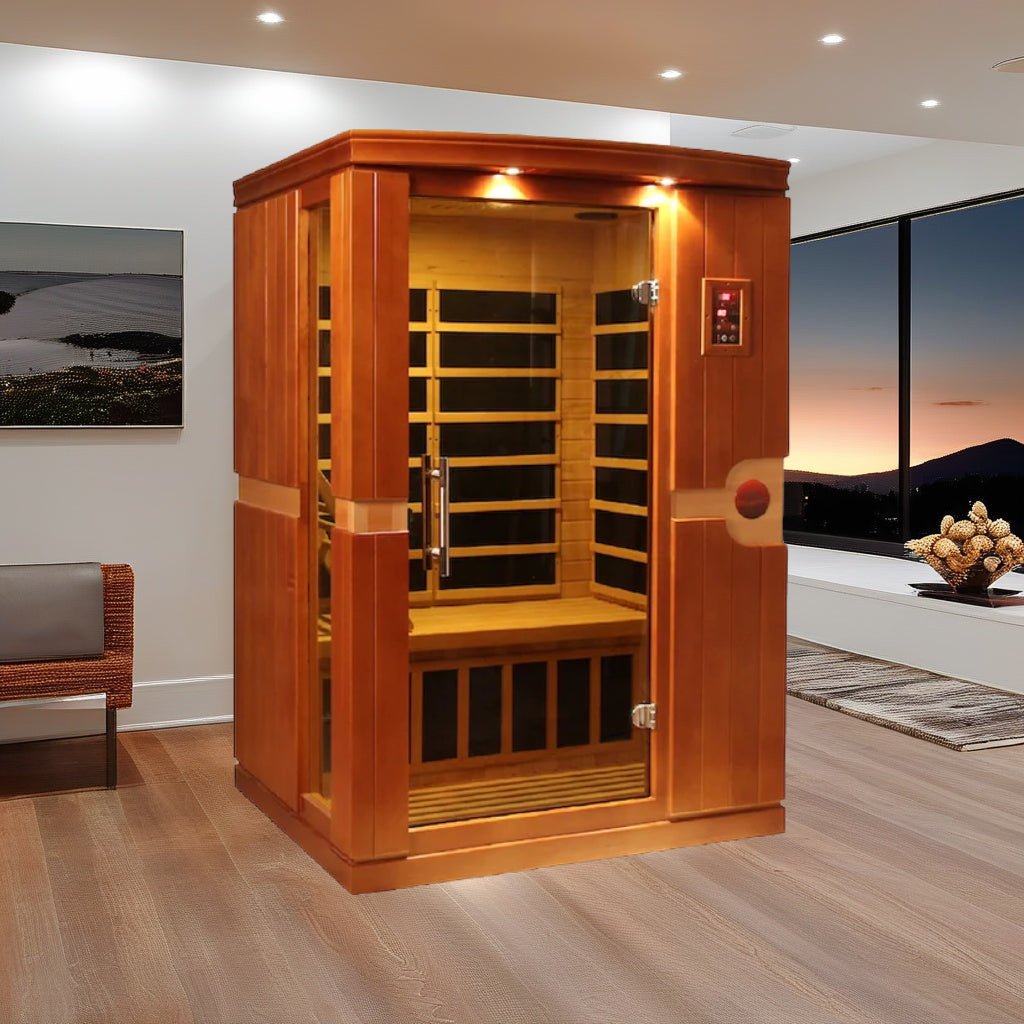
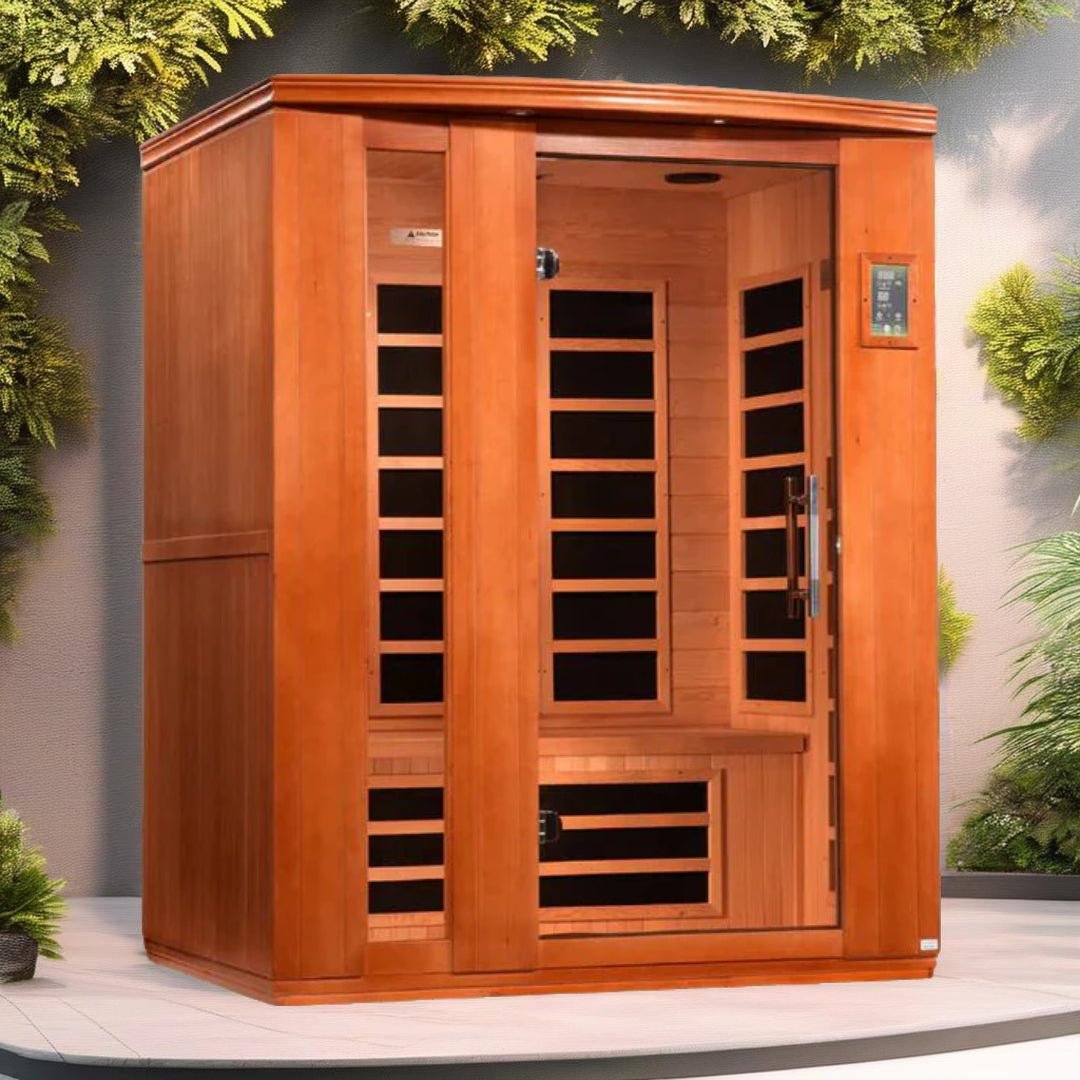
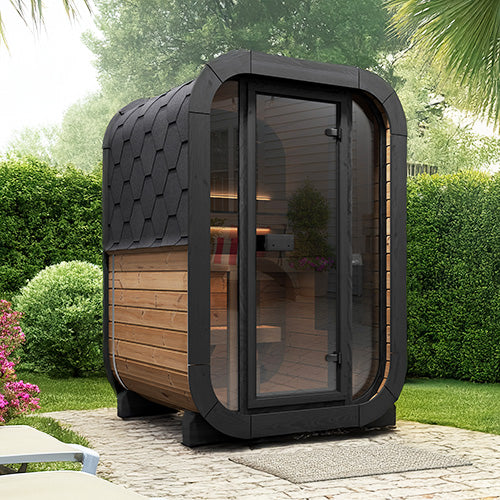
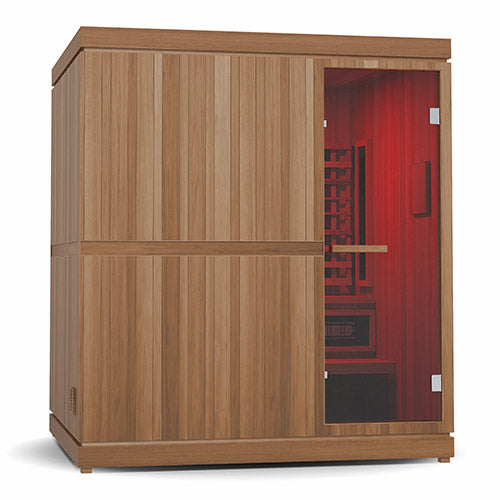
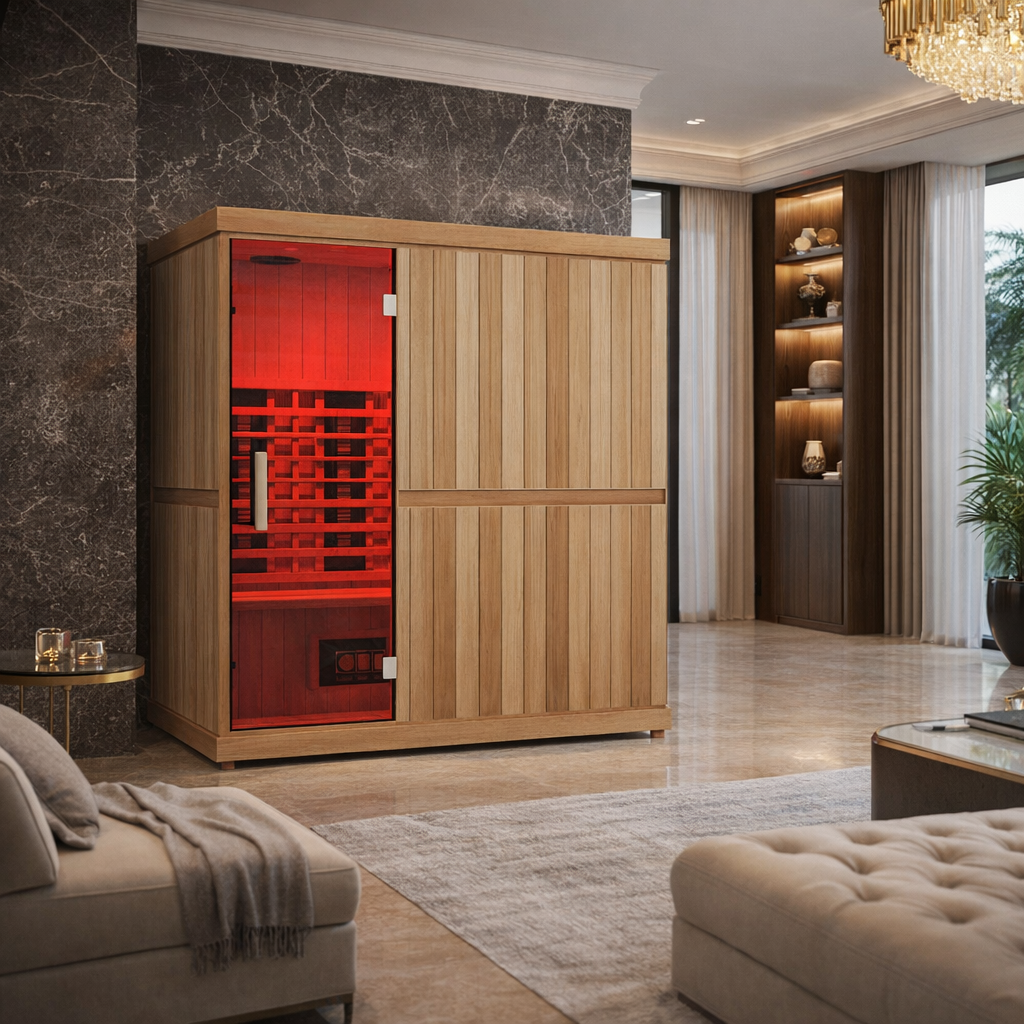
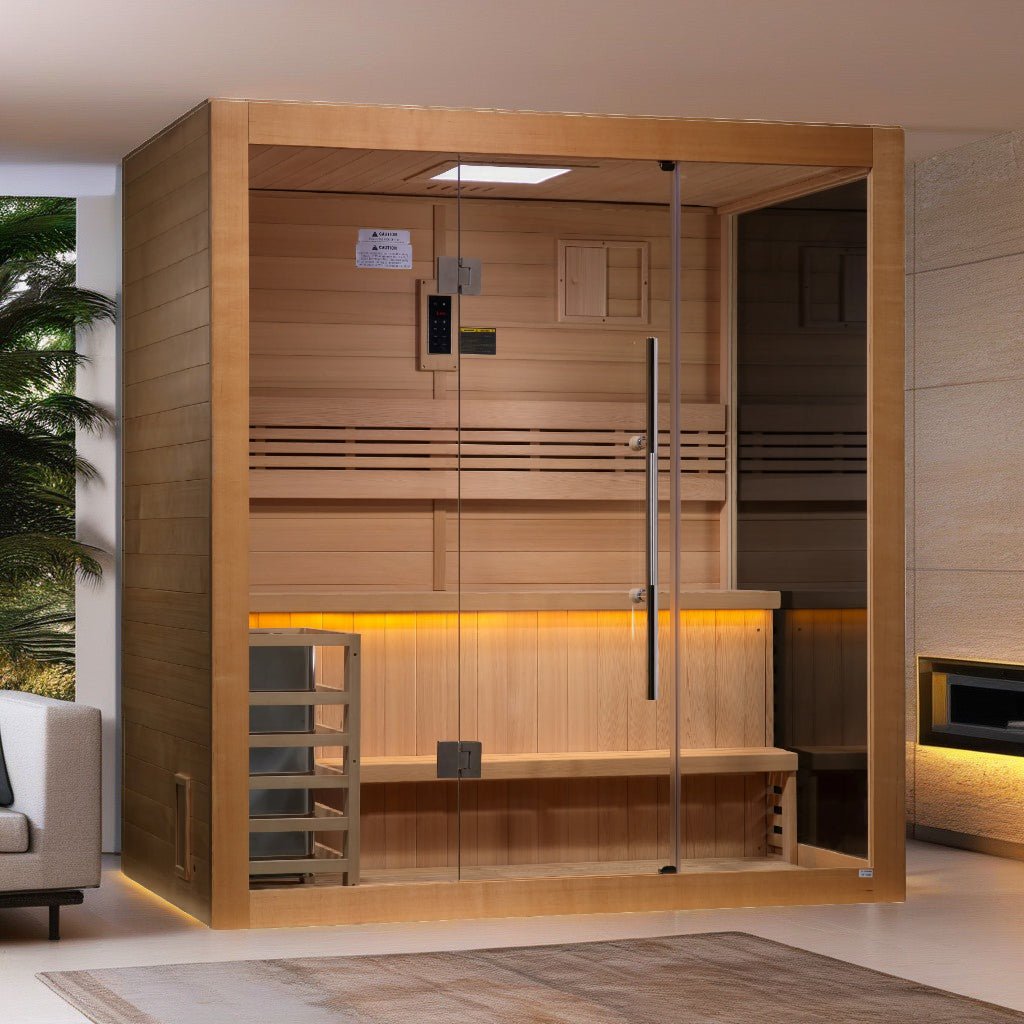
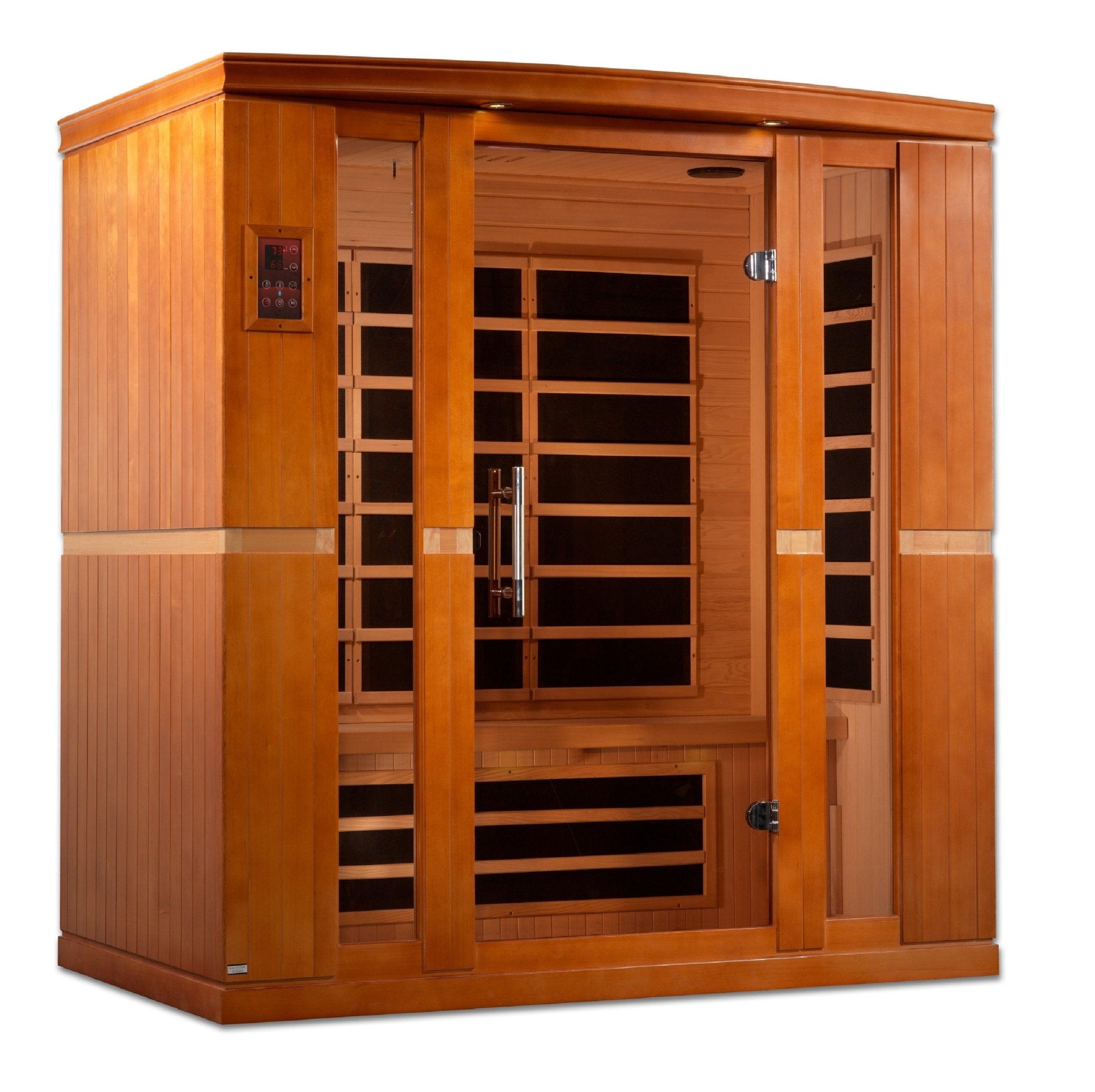
Golden Designs Forssa is a $3,000-5,000 traditional 3-4 person cedar cabin with a rock heater producing authentic dry heat (170-190°F) plus optional steam. Requires 240V dedicated circuit and electrician. Glass-heavy design raises questions about heat retention among sauna enthusiasts.
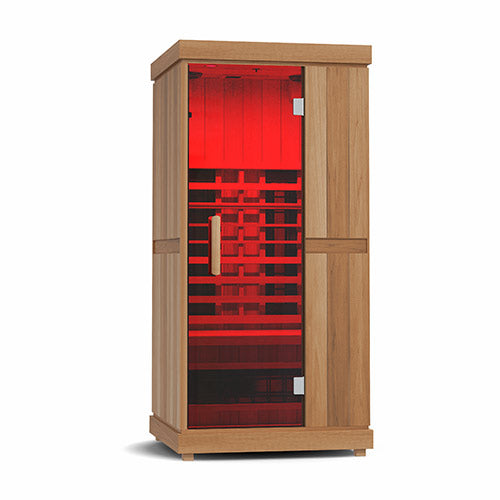
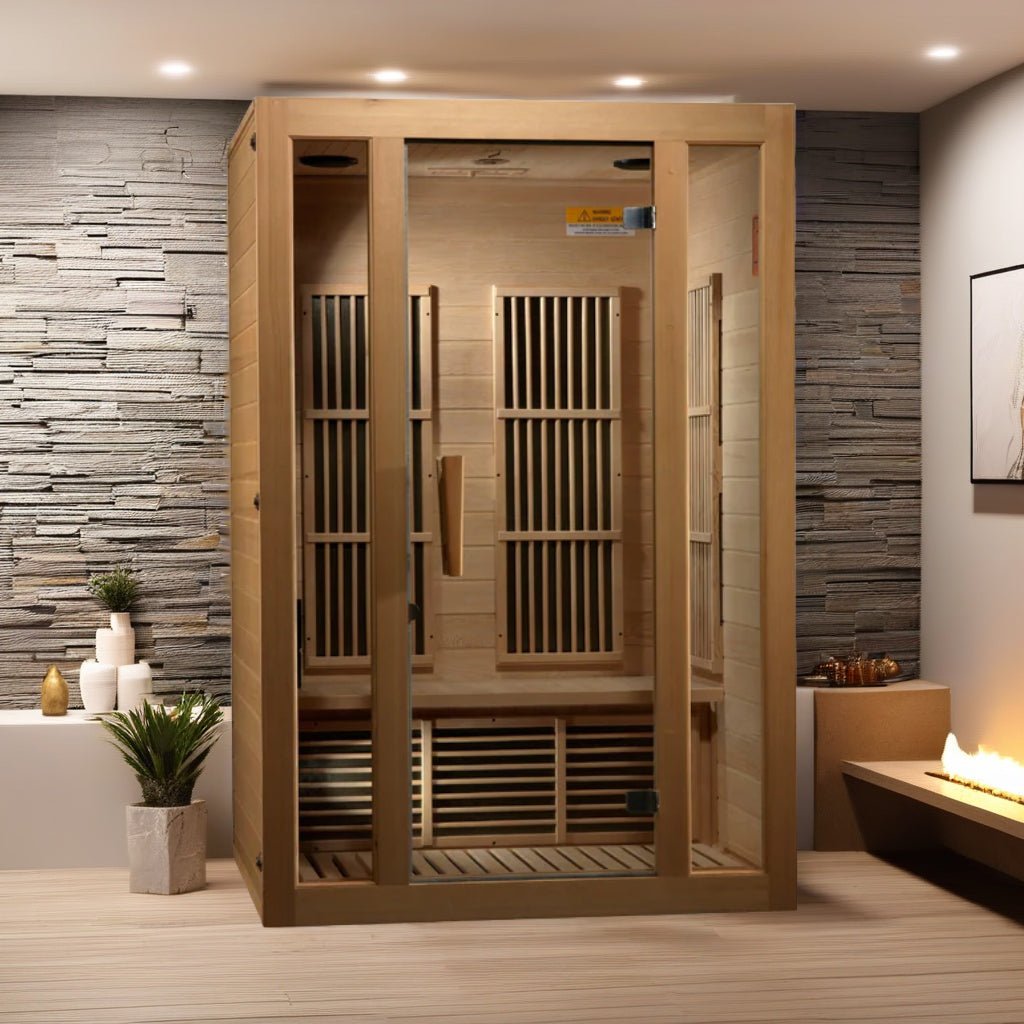
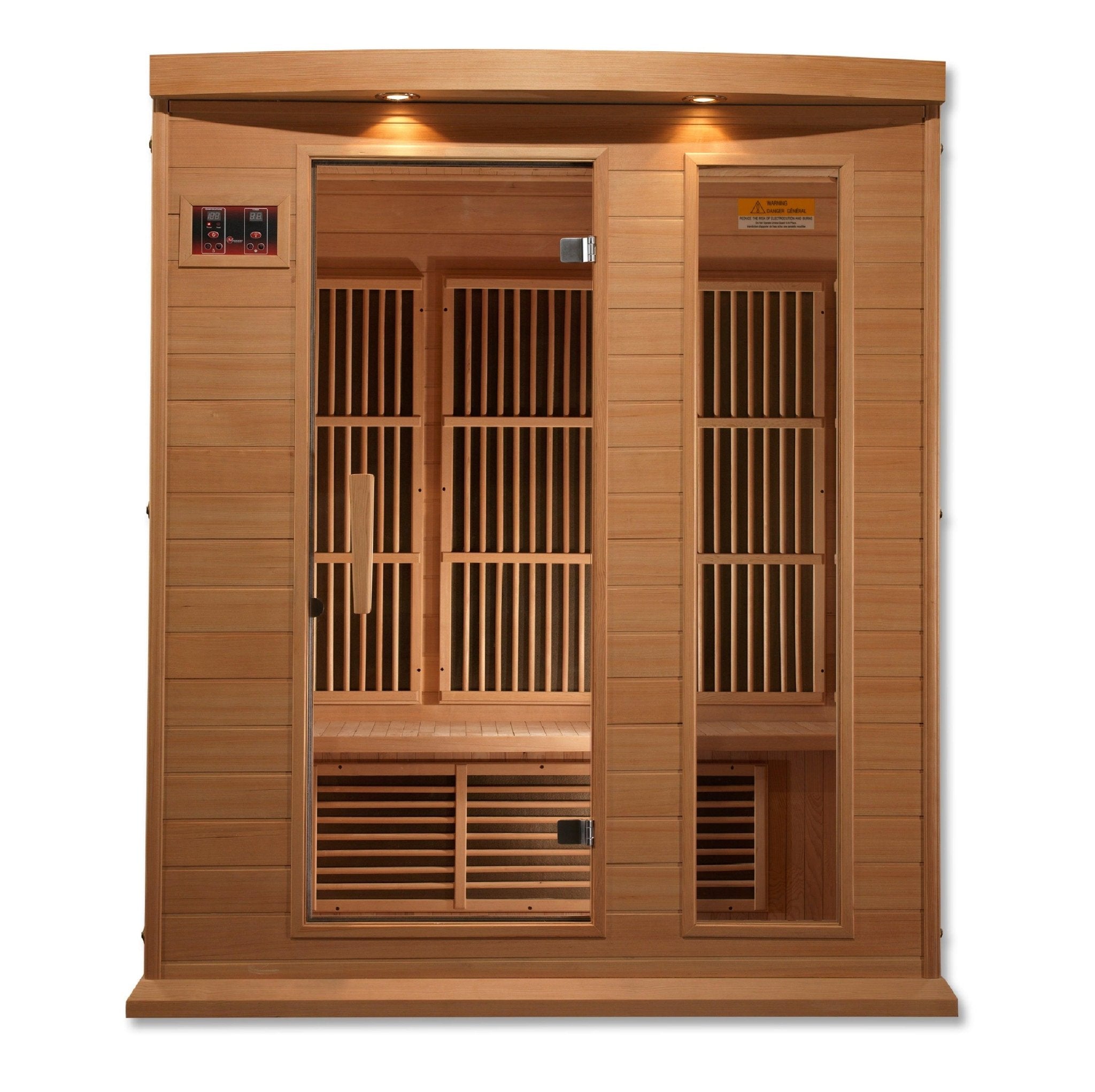
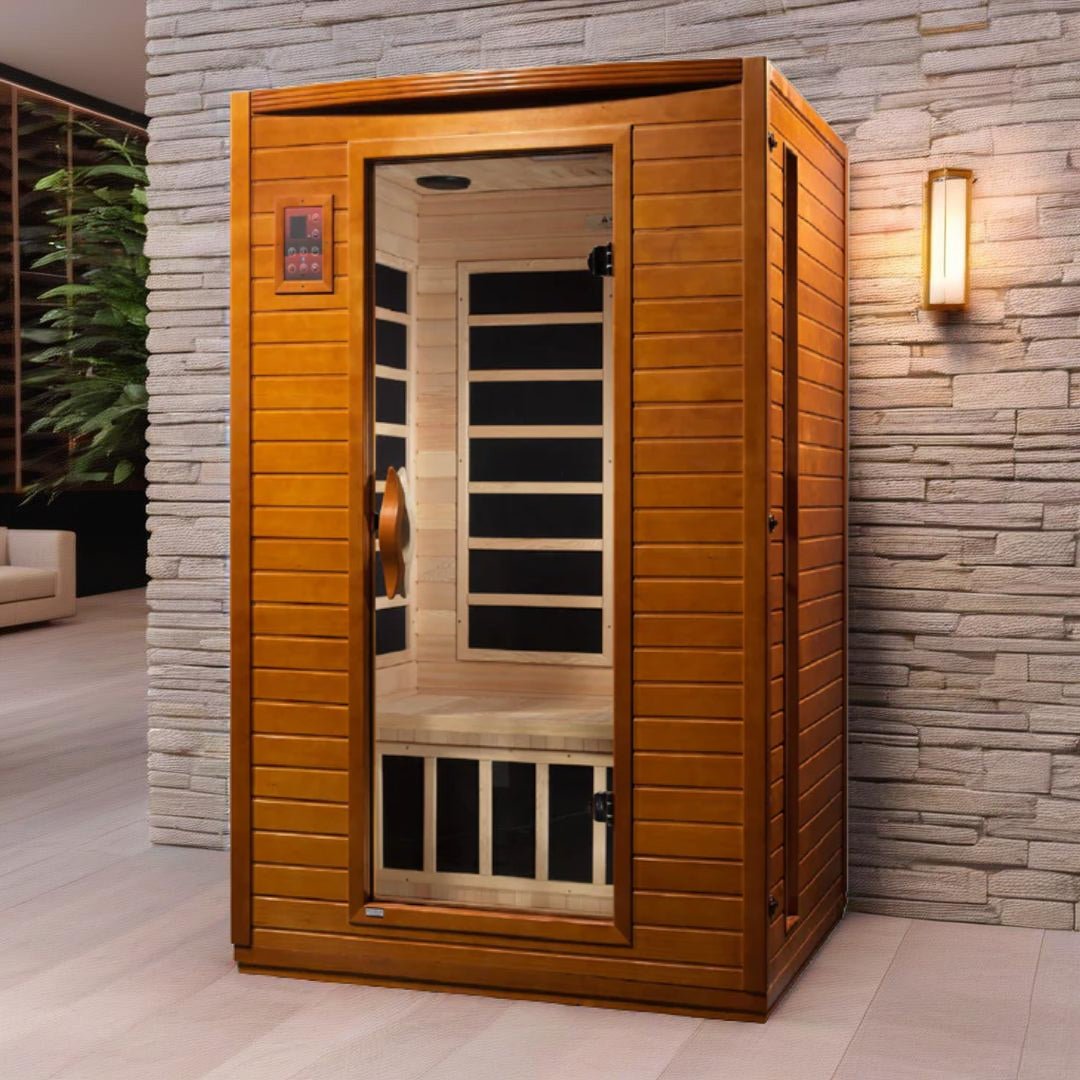
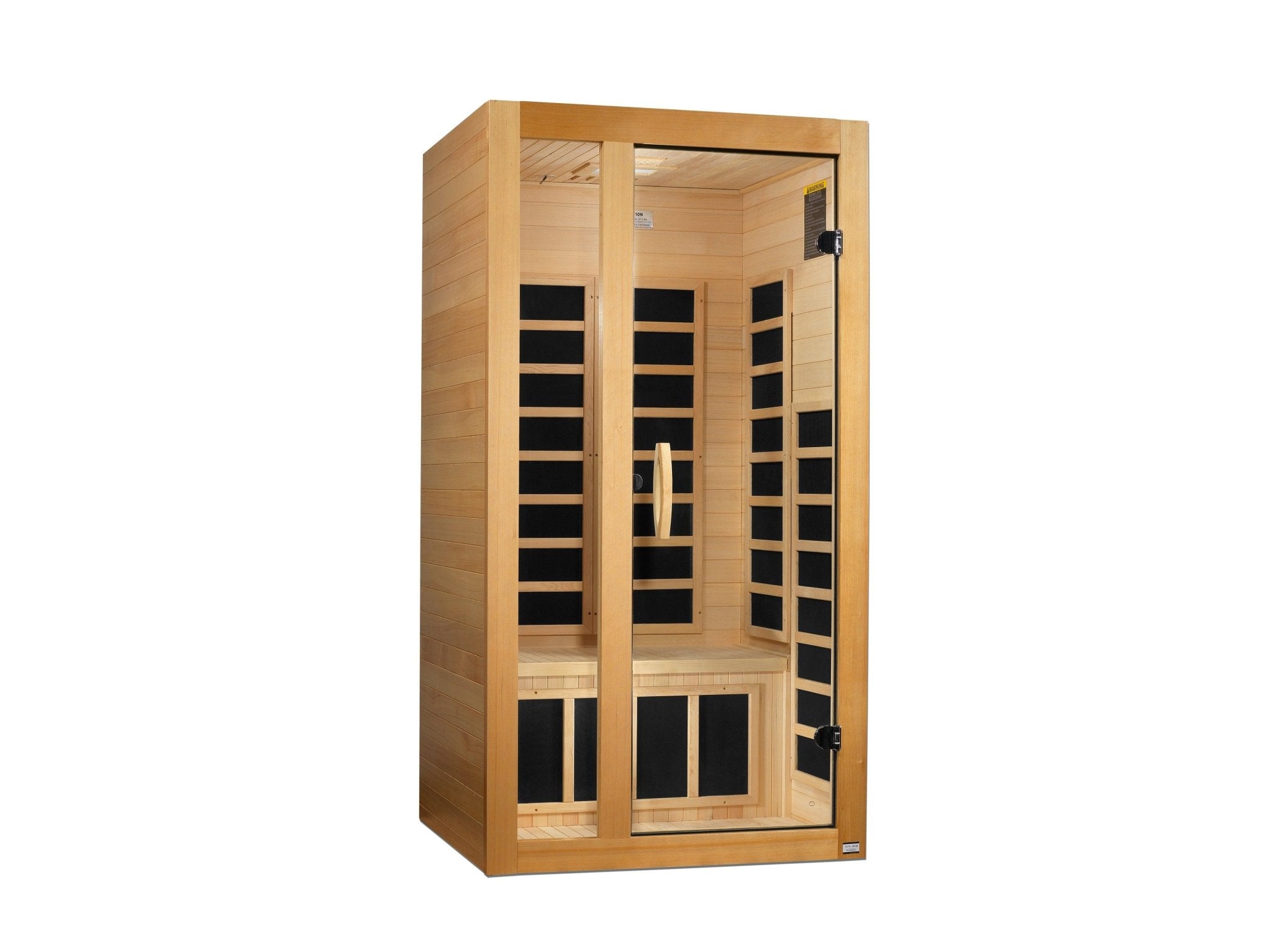
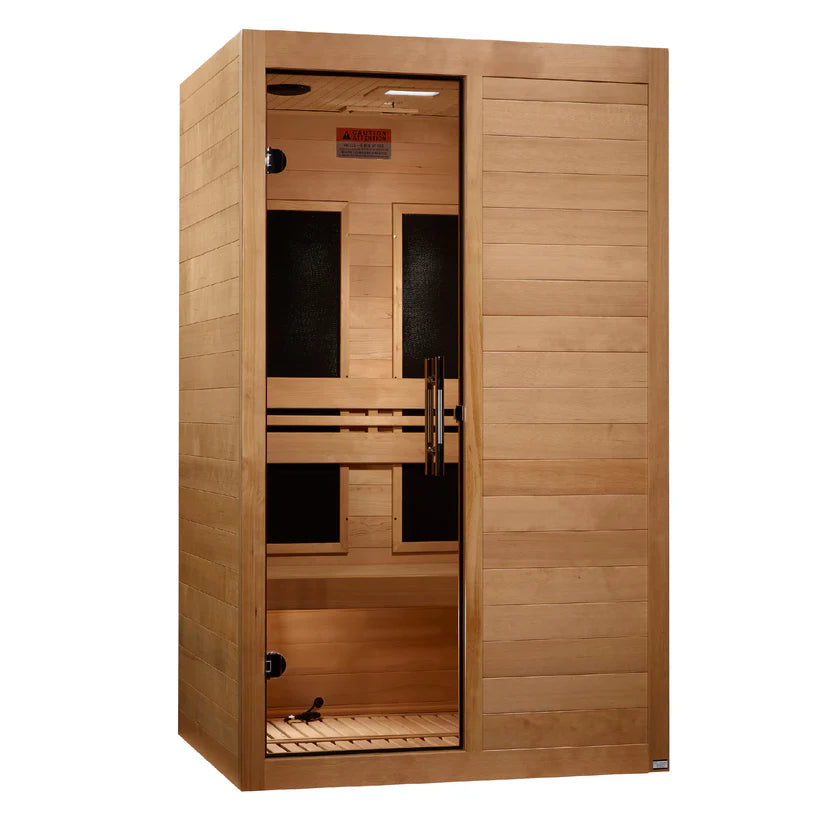
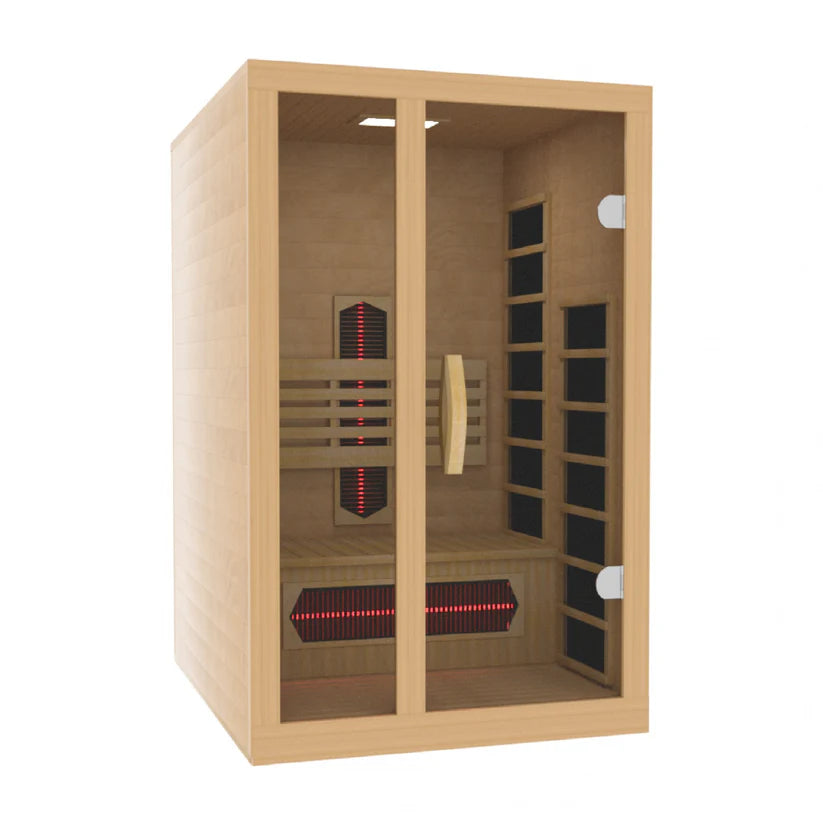
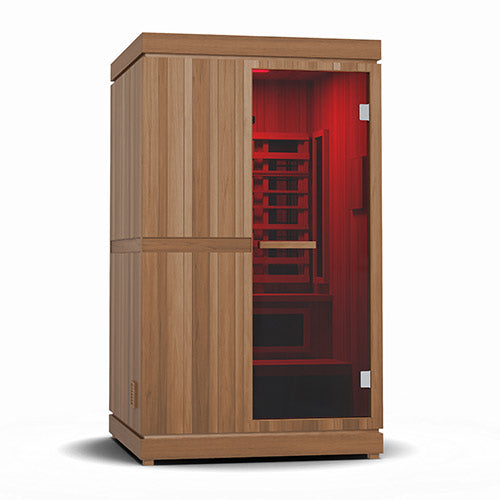
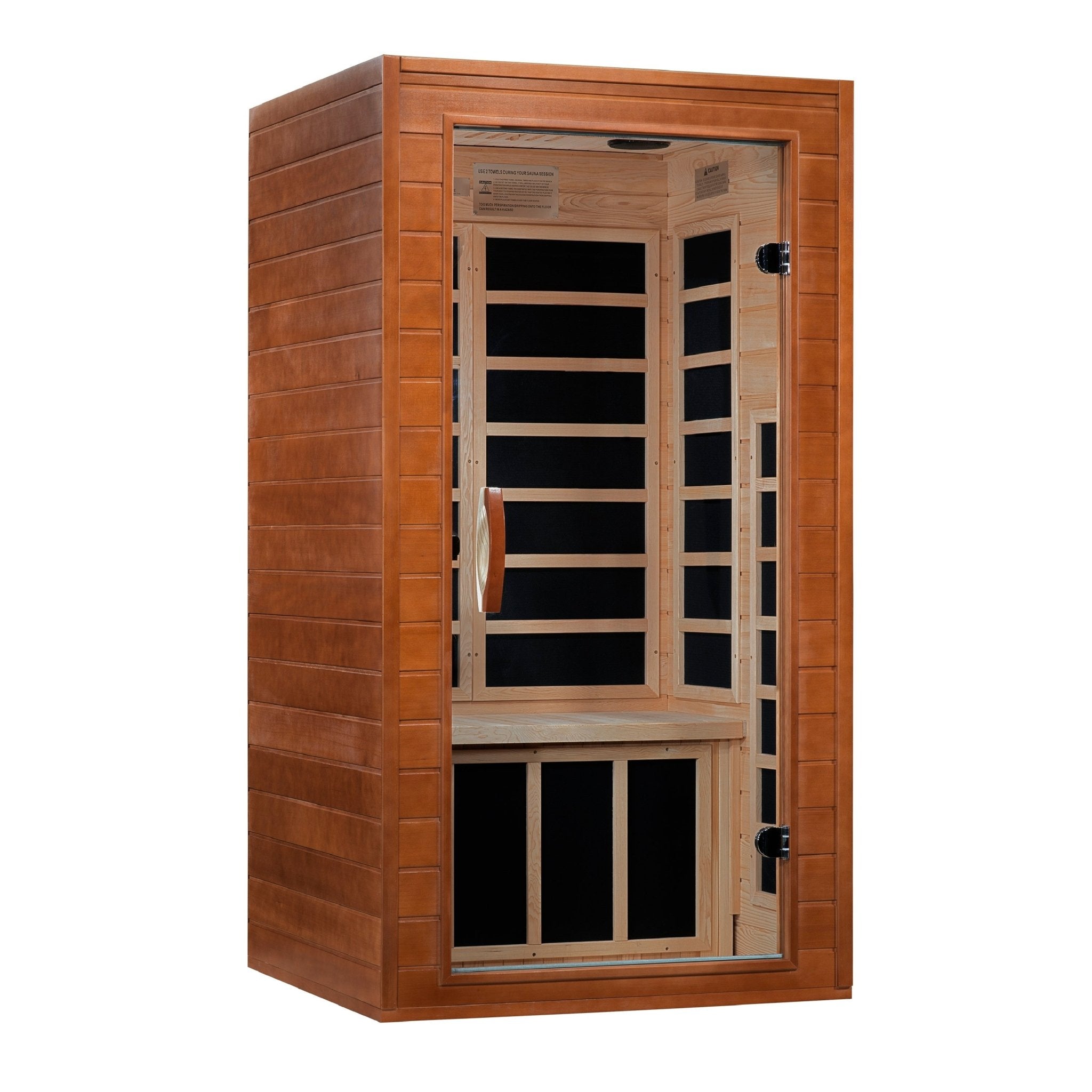
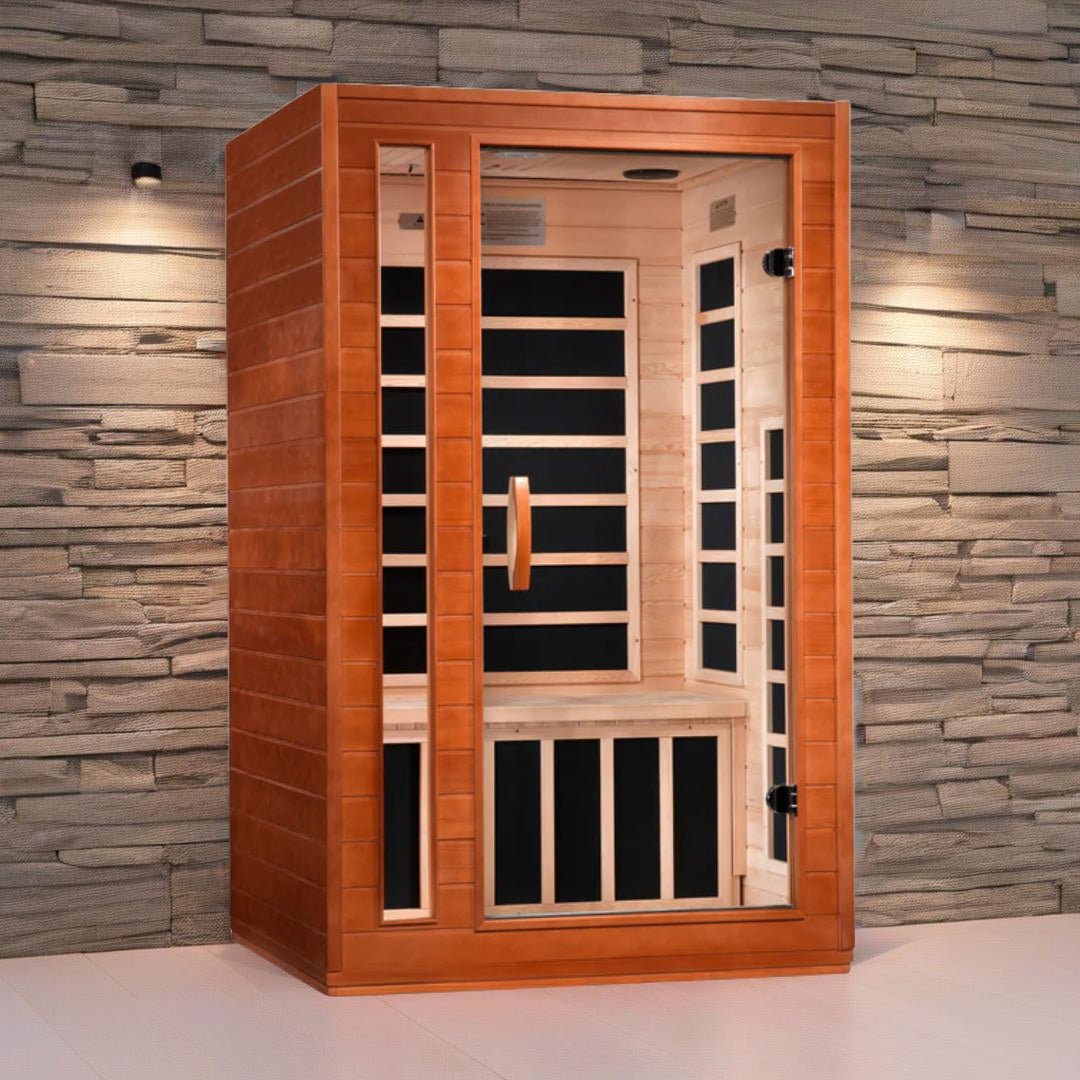
Heavenly Heat offers premium infrared saunas starting around $5,000, emphasizing low-VOC hemlock construction, ultra-low EMF design, and third-party testing. Smaller models plug into 120V; outdoor combo units need 240V. Real-world heat-up takes 25-30 minutes to reach 165°F.
Bottom line: Homedics wins on portability and price. Forssa delivers traditional high-heat group sessions with cedar aesthetics. Heavenly Heat targets health-conscious buyers prioritizing material safety and infrared therapy.
Quick Recommendation Matrix
Choose Homedics SaunaZen if:
- Budget is under $300
- You're renting or can't modify electrical systems
- You want portable, storable steam sessions
- Solo use is your primary need
Choose Golden Designs Forssa if:
- You want authentic traditional sauna experience
- You're heating for 2-4 people regularly
- You own your home and can install 240V circuit
- Cedar aesthetics and high dry heat matter most
Choose Heavenly Heat if:
- Chemical sensitivity or low-VOC materials are priorities
- You prefer infrared radiant heat over steam
- You want third-party tested low-EMF design
- Budget allows for premium construction ($5,000+)
At-a-Glance Specs Table
| Feature | Homedics SaunaZen | Golden Designs Forssa | Heavenly Heat (2-Person Infrared) |
|---|---|---|---|
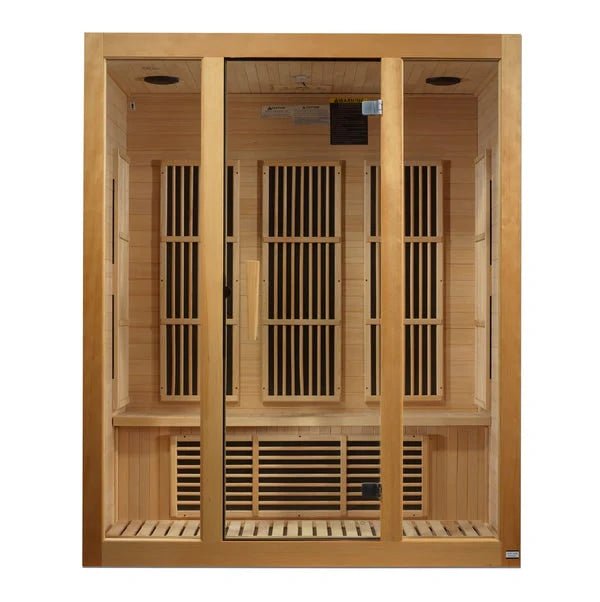
| Type | Portable steam tent | Traditional rock heater cabin | Infrared panel cabin |
| Capacity | 1 person | 3-4 persons | 1-2 persons (model dependent) |
| Max Temperature | ~135°F | 170-190°F | Up to 185°F |
| Humidity | 100% (steam) | Low (dry heat) + optional löyly | Low (dry infrared) |
| Electrical | 120V standard outlet | 240V dedicated circuit (30A typical) | 120V plug-in (small models) / 240V (large/outdoor) |
| Installation | Plug and play (<5 min) | Panel assembly + electrician | Panel assembly; electrician if 240V |
| Construction | Fabric tent, plastic steamer | Canadian cedar/hemlock wood, glass front | Canadian hemlock, no glue/plywood |
| Heat-Up Time | ~10-15 minutes to steam | Varies (not documented) | 25-30 minutes to 165°F (tested) |
| Portability | Folds flat, ~17 lbs | Permanent installation | Semi-permanent; bulky |
| Approximate Price (2026) | $200-280 | $3,000-5,000 | $5,000+ |
| Warranty | Standard consumer (verify at purchase) | Varies by dealer | Varies by model |
| Best For | Renters, budget, casual steam | Traditional sauna purists, families | Health-focused, infrared therapy |
What Matters Most When Choosing
Heat type fundamentally changes the experience. Steam saunas produce humid heat that feels intense even at lower temperatures. Traditional saunas deliver high dry heat with optional bursts of humidity (löyly) when water hits hot rocks. Infrared saunas use radiant panels to warm your body directly rather than heating the air to extreme temperatures.
Electrical requirements dictate project feasibility. A 120V plug-in unit works anywhere. A 240V hardwired installation requires an electrician, permits in many jurisdictions, and potentially a panel upgrade if your home's electrical service is maxed out.
Installation complexity affects total cost and timeline. Pop-up tents take minutes. Prefab cabins require panel assembly and electrical hookup. Budget $500-1,500 for electrician work on 240V circuits depending on distance from your panel and local labor rates.
Material safety matters for long-term exposure. Cheaper saunas may use plywood, adhesives, and stains that off-gas volatile organic compounds (VOCs). Premium models like Heavenly Heat emphasize solid wood construction with mechanical fasteners and third-party VOC testing.
Capacity determines usability. Solo users can thrive in compact units. Families and couples wanting shared sessions need 3-4 person capacity, which drives up size, cost, and electrical demands.
Head-to-Head Comparisons
1) Heat Performance
Homedics SaunaZen produces steam heat reaching approximately 135°F with 100% humidity. One Reddit owner measured 102°F and 98% humidity during a 20-minute medium setting session, reporting visible hair curl from moisture and strong perceived warmth. The steam feels intense due to humidity even though air temperature is lower than traditional or infrared units. Business Insider testers noted that using hot tap water in the reservoir significantly reduces time to full steam production.
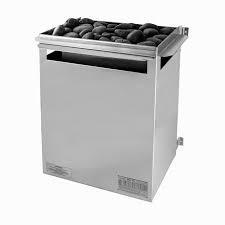
Golden Designs Forssa uses a traditional electric rock heater generating dry heat in the 170-190°F range—typical for home traditional saunas. Users can ladle water onto hot rocks to create bursts of steam (löyly). However, sauna enthusiasts on Reddit criticized Forssa's extensive single-pane glass walls, arguing that glass conducts heat away faster than insulated wood and compromises heat retention. One commenter described the design as resembling "a hot phone booth" and recommended avoiding large window areas for optimal traditional sauna performance.
Heavenly Heat infrared models reach up to 185°F but feel different from air-heated saunas because infrared panels warm your body directly. Garage Gym Reviews testers measured 25-30 minutes to reach 165°F—longer than the manufacturer's claimed 10-15 minutes—but found heat consistent and strong once at temperature. A Certified Saunas YouTube reviewer reported sweating heavily and described performance as "working really really well, much better than other carbon models."
Verdict: Forssa delivers the highest air temperatures and most authentic traditional experience. Heavenly Heat provides sustained radiant warmth preferred by infrared therapy users. Homedics offers humid heat that feels intense despite lower temperatures but won't match the dry heat output of the cabin units.
2) Comfort & Capacity Reality
Homedics SaunaZen accommodates one seated person, typically up to 5'10"-6' tall depending on setup. Users sit on a separate stool or chair inside the tent. The experience is inherently intimate and solo. Business Insider's reviewer noted the need to position carefully to avoid the floor steam nozzle, which can scorch skin if contacted directly.
Golden Designs Forssa claims 3-4 person capacity but Reddit critics questioned bench height and layout. Traditional Finnish sauna design emphasizes high benches for hotter air near the ceiling; Forssa's benches may sit lower than ideal. The cedar interior provides authentic aromatics and aesthetics. Multiple users can spread across benches, though actual comfort for four adults depends on body size and heat tolerance.
Heavenly Heat's 2-person infrared model tested by Garage Gym Reviews has benches measuring approximately 41 inches long—described as "snug" for two adults but functional. The hemlock construction avoids cedar's potential for resin weeping. InfraredSaunaExpert praised the "ergonomic benches, ample space, and thoughtful layout" in their review, though this varied by specific model configuration.
Verdict: Homedics is strictly solo. Forssa genuinely fits multiple people but design compromises may reduce comfort. Heavenly Heat's 2-person models feel intimate; larger models scale up capacity appropriately.
3) Electrical & Installation
Homedics SaunaZen plugs into any standard 120V household outlet. The steam generator draws approximately 8-9 amps based on 1000W specifications—well within typical 15-amp circuit capacity. No electrician needed. No permits required. No dedicated circuit necessary. Setup involves unfolding the tent, filling the water reservoir, connecting the hose, and plugging in. Business Insider confirmed assembly takes "less than two minutes."
Golden Designs Forssa requires a 240V dedicated circuit, typically 30 amps, for the rock heater. This means hiring a licensed electrician to run new wiring from your breaker panel to the sauna location and installing a dedicated GFCI-protected breaker. Heavenly Heat's own electrical guidance (while brand-specific, reflecting industry standards) notes that traditional heaters in the 6-8 kW range need 240V, 30-50 amp circuits. Expect electrician costs of $500-1,500+ depending on run distance and local rates. Permits may be required by local code.
Heavenly Heat small indoor infrared models run on 110-120V with 15-20 amp requirements, allowing plug-and-play installation. Larger models and outdoor combo units with traditional heaters require 220-240V with 30-60 amp dedicated circuits. An Instagram post from a new Heavenly Heat outdoor combo owner confirmed needing an electrician for 240V hookup. Reddit discussions emphasize that high-power heaters on 110V are impractical due to wire sizing and current limitations; 220-240V is the sensible approach for serious heaters.
Verdict: Homedics wins on installation simplicity. Heavenly Heat's plug-in models match that ease; their 240V models align with Forssa's complexity. Forssa requires the most upfront electrical investment for traditional heater power.
4) Build Quality & Materials
Homedics SaunaZen uses synthetic tent fabric and a plastic steam generator housing. Some users on Costco's site reported an initial plastic or chemical smell that diminishes after several uses. The lightweight construction (approximately 17 lbs) enables portability but raises durability questions compared to solid wood cabins. However, the simplicity means fewer components to fail, and Costco's liberal return policy mitigates risk.
Golden Designs Forssa features Canadian red cedar interior and hemlock exterior wood with large tempered glass panels. The 360 Fitness Superstore description emphasizes "premium finish and design" suitable for home or light commercial use. However, Reddit sauna enthusiasts questioned wall thickness, insulation quality, and the structural integrity of glass-heavy designs. One commenter noted concerns about "single-ply glass" walls compromising heat retention and traditional löyly quality.
Heavenly Heat prioritizes material safety: solid Canadian hemlock with no plywood, no glues, and no stains. Garage Gym Reviews confirmed "walls, heaters, and components are fastened with heavy-duty nails or screws, not glued together, to reduce volatile organic compounds." The brand provides third-party VOC testing results and emphasizes ultra-low EMF design with Faraday shielding in heater panels. An AR15.com forum user reported owning a 2-seat Heavenly Heat since 2002, describing it as "well made" and confirming long-term durability.
Verdict: Heavenly Heat leads in material safety and documented low-VOC/low-EMF construction. Forssa offers attractive wood aesthetics but with design trade-offs. Homedics is functional fabric built for portability, not longevity.
5) Features That Actually Matter
Homedics SaunaZen provides adjustable steam levels (typically low/medium/high) and an automatic timer with auto-shutoff. No built-in lighting, audio, or chromotherapy. The focus is pure steam function. One YouTube reviewer showed a 15-minute session on level 2 with visible steam buildup and automatic shutoff at timer end.
Golden Designs Forssa typically includes interior lighting, and some dealer listings mention chromotherapy (color therapy lights), FM/Bluetooth audio, and accent backlighting per USA Sports Outlet descriptions. The traditional heater allows authentic löyly via water ladle. Glass front provides visibility but reduces heat retention as noted earlier.
Heavenly Heat models feature electronic control panels for precise temperature and timer settings. Garage Gym Reviews noted chromotherapy lighting in the tested unit. InfraredSaunaExpert mentioned "precise temperature control systems, allowing users to adjust the heat to their preference easily." Some models include full-spectrum lighting and sound systems. The focus is on creating a controlled, health-optimized environment.
Verdict: Forssa and Heavenly Heat offer modern amenities; Homedics is utilitarian. If chromotherapy, audio, and precise control matter, avoid the portable tent.
6) Reliability, Warranty, and Support Patterns
Homedics SaunaZen owners report occasional steamer failures, units not reaching temperature, or shutting off prematurely—often traced to low water levels, kinked hoses, or loose connections per the manual. Some Costco buyers mentioned receiving non-functional units but easily returned them under Costco's policy. Business Insider warned against adding essential oils directly to the tank to prevent corrosion. Overall reliability appears acceptable for the price point, with strong retailer support mitigating risk.
Golden Designs Forssa has limited independent long-term reliability data. Broader Golden Designs discussions show mixed customer service experiences, with some buyers receiving replacement panels for shipping damage and others noting slow responses. Forssa-specific failure patterns are not well-documented in accessible sources. Warranty terms vary by dealer and were not detailed in the research files.
Heavenly Heat benefits from the long-term ownership report: an AR15.com user stated, "We have a 2-seat Heavenly Heat sauna... paid about $3,000 for it in 2002. It's well made and was easy to put together." Garage Gym Reviews gave construction a 4/5 rating. The brand positions itself as serving chemically sensitive customers, suggesting attentive support, though independent response time data is limited. The heat-up time discrepancy (claimed 10-15 min vs. tested 25-30 min) is the main performance complaint documented.
Verdict: Heavenly Heat has the strongest long-term durability signal. Homedics has acceptable reliability with excellent retail return support. Forssa's support record is uncertain.
7) Shipping & Assembly Reality
Homedics SaunaZen ships in a relatively small box. Reddit and YouTube users report minimal setup: pop open the tent frame, connect the external steamer via hose, fill with water, and plug in. One reviewer stated setup takes "very easy quick setup" with only a minor washer issue. Shipping damage reports are rare given the lightweight, low-value nature of the product.
Golden Designs Forssa ships as multiple heavy panels requiring 2-3 people for assembly. Typical prefab sauna assembly involves tongue-and-groove panels, roof sections, and glass installation. Electrician work follows cabin assembly. The large glass panels increase shipping damage risk if mishandled, though no strong pattern emerged in accessible reviews. Reddit buyers focused more on ceiling height constraints than assembly difficulty.
Heavenly Heat ships as panelized kits. The AR15.com owner from 2002 reported it "was easy to put together," and Garage Gym Reviews noted straightforward panel assembly with mechanical fasteners. For outdoor combo units requiring 240V, electrician scheduling adds project timeline. No consistent shipping damage complaints appeared in independent reviews.
Verdict: Homedics is fastest to operational. Heavenly Heat and Forssa both require panel assembly; budget a weekend and helper(s).
8) Operating Cost
Homedics SaunaZen uses approximately 1000W (1 kWh per hour of operation). Assuming $0.15/kWh average US residential electricity rate and 30-minute sessions four times weekly:
- Weekly: 2 hours × 1 kWh × $0.15 = $0.30
- Monthly: ~$1.20
- Annual: ~$14.40
Water consumption is minimal—approximately one reservoir fill per session (exact capacity varies by model).
Golden Designs Forssa with a typical 6-8 kW heater running at 7 kW for a 1-hour session including heat-up:
- Per session: 7 kWh × $0.15 = $1.05
- Weekly (4 sessions): ~$4.20
- Monthly: ~$16.80
- Annual: ~$201.60
Actual costs vary based on heat-up time, session length, insulation quality, and whether you preheat before each use.
Heavenly Heat infrared models vary by size, but a typical 2-person unit with ~1800-2000W consumption running for 1 hour (including 30-minute heat-up):
- Per session: 2 kWh × $0.15 = $0.30
- Weekly (4 sessions): ~$1.20
- Monthly: ~$4.80
- Annual: ~$57.60
Infrared saunas typically cost less to operate than traditional heaters because they heat the body directly rather than maintaining very high air temperatures.
Note: These are estimates based on assumed electricity rates ($0.15/kWh) and usage frequency (4× weekly). Your actual costs depend on local rates, session duration, and heat-up efficiency.
Verdict: Homedics has the lowest operating cost. Heavenly Heat infrared is moderate. Forssa's traditional heater costs most to run due to high wattage and maintaining extreme air temperatures.
Pros & Cons
Homedics SaunaZen Portable Steam Sauna
Pros:
- Extremely affordable ($200-280)
- Zero installation complexity; plug into any standard outlet
- Folds flat for storage in closets or under beds
- Quick setup (under 5 minutes)
- Effective humid heat and sweating reported by users
- Excellent for renters and apartment dwellers
- Low operating cost (~$14/year with regular use)
Cons:
- Lower maximum temperature (~135°F) than cabin saunas
- Solo use only
- Burn risk at floor steam nozzle requires careful positioning
- Fabric construction less durable than wood cabins
- Occasional steamer reliability issues reported
- No built-in lighting, audio, or premium features
- Initial plastic odor noted by some users
Golden Designs Forssa Traditional Sauna
Pros:
- Authentic traditional sauna experience with rock heater
- High dry heat (170-190°F) plus optional löyly steam
- Genuine 3-4 person capacity for family/group sessions
- Canadian cedar interior provides classic aromatics
- Modern glass-front aesthetic
- Typically includes lighting and audio features
Cons:
- Expensive ($3,000-5,000 range)
- Requires 240V dedicated circuit and electrician ($500-1,500+)
- Extensive glass reduces heat retention per sauna enthusiasts
- Bench height and insulation questioned by purists
- Limited independent long-term reliability data
- Permanent installation; not suitable for renters
- Higher operating costs (~$200/year) due to high-wattage heater
Heavenly Heat Infrared Sauna
Pros:
- Premium low-VOC hemlock construction with no glues/plywood
- Ultra-low EMF design with third-party testing
- Small models plug into standard 120V outlets
- Documented long-term durability (2002 owner still satisfied)
- Consistent radiant heat up to 185°F
- Moderate operating costs (~$58/year for 2-person unit)
- Precise electronic temperature controls
- Suitable for chemically sensitive users
Cons:
- Expensive ($5,000+ for most models)
- Real-world heat-up time (25-30 min) longer than claimed (10-15 min)
- Infrared experience feels different from traditional steam/dry heat
- Smaller 2-person models have snug bench space (41")
- Outdoor combo models require 240V and electrician
- Semi-permanent installation; bulky to relocate
- Premium pricing may exceed budget for basic sauna needs
Best For Scenarios
Budget-conscious first-time sauna buyers: Homedics SaunaZen provides an affordable entry point to understand whether regular sauna use fits your lifestyle without major investment. At $200-280, you can experiment with steam sessions before committing thousands to permanent installations.
Renters and apartment dwellers: Homedics is the only truly portable option that requires zero landlord approval, no electrical modifications, and can move with you. The foldable design stores easily in small spaces.
Traditional sauna enthusiasts wanting group capacity: Golden Designs Forssa delivers authentic high-heat traditional experience with rock-generated löyly for multiple users. Best for homeowners with dedicated sauna spaces and willingness to invest in 240V electrical infrastructure.
Health-focused buyers with chemical sensitivities: Heavenly Heat's emphasis on low-VOC materials, third-party testing, and ultra-low EMF design specifically targets users concerned about long-term exposure to off-gassing adhesives and electromagnetic fields.
Infrared therapy advocates: Heavenly Heat provides radiant heat preferred by users seeking infrared's specific benefits rather than extreme air temperatures. The plug-and-play 120V models offer infrared convenience without electrical complexity.
Families prioritizing shared wellness rituals: Forssa's 3-4 person capacity and traditional design support family or couple sessions. Heavenly Heat's larger models also work, though capacity is typically lower than Forssa for equivalent footprint.
Users wanting minimal ongoing costs: Homedics ($14/year) and Heavenly Heat infrared ($58/year) have significantly lower operating costs than Forssa's traditional heater ($200/year) due to lower wattage requirements.
Final Verdict
These three saunas occupy completely different market segments and solve distinct problems.
Homedics SaunaZen is not a compromise—it's a different product category. For under $300, you get genuine steam heat and a sweat-inducing experience suitable for recovery, relaxation, and testing whether sauna use becomes a habit. The portability and zero-installation requirement make it ideal for temporary housing situations or users uncertain about long-term commitment. It won't match the intensity or social experience of cabin saunas, but it succeeds at its intended purpose: accessible, affordable steam sessions.
Golden Designs Forssa targets traditional sauna purists wanting authentic high-heat dry sauna with löyly capability for multiple users. The cedar interior and rock heater deliver genuine traditional character. However, the glass-heavy design raises legitimate concerns about heat efficiency, and the 240V electrical requirement adds significant project complexity and cost. Buyers should carefully evaluate whether Forssa's aesthetic appeal justifies potential performance compromises compared to better-insulated traditional designs with less glass exposure.
Heavenly Heat commands premium pricing but delivers on its core promises: low-VOC construction, ultra-low EMF design, and solid build quality documented by long-term owners. The infrared experience differs fundamentally from steam or traditional dry heat—some users strongly prefer radiant warmth, while traditionalists may find it lacks intensity. Real-world heat-up times exceed marketing claims, but performance at temperature satisfies testers. This is the choice for health-conscious buyers willing to invest in material safety and infrared-specific benefits.
If you can only afford $200-300: Buy the Homedics. It works, it's portable, and it gets you into regular sauna use.
If you want traditional sauna for a family and own your home: Consider Forssa but also research competitor traditional saunas with better insulation and less glass. Get quotes from multiple electricians.
If material safety and infrared therapy are priorities: Heavenly Heat justifies its price through third-party testing, quality construction, and documented durability.
If you're uncertain: Start with Homedics to test whether you'll actually use a sauna regularly. If steam sessions become habit, upgrade to a cabin unit knowing your preferences.
FAQ
Q: Can I add essential oils to the Homedics steam generator? A: Business Insider's review specifically warns against adding oils directly to the water tank to prevent corrosion and damage. Check your specific model's manual for aromatherapy options; some units may have external diffuser capabilities.
Q: How long does the Homedics steamer run before needing a refill? A: Users report approximately one hour of steam per tank fill, though this varies by heat setting and tank capacity.
Q: Does Golden Designs Forssa require outdoor venting? A: Indoor traditional saunas typically do not require exterior venting like outdoor wood-fired saunas, but adequate room ventilation and moisture management are important. Consult local building codes and the manufacturer's installation guide.
Q: What's the difference between Heavenly Heat's infrared and combo models? A: Infrared models use only far-infrared heating panels. Combo models include both infrared panels and a traditional heater with rocks, allowing users to choose dry infrared heat or traditional wet löyly sessions. Combo units typically require 240V power.
Q: Can I install any of these in a finished basement? A: Homedics works anywhere with standard outlets. Forssa and Heavenly Heat require adequate ceiling height (check specs), proper electrical capacity, and consideration for moisture management. Basements often need GFCI protection and may require permits for 240V circuits.
Q: How do EMF levels compare between these saunas? A: Heavenly Heat specifically designs for ultra-low EMF with third-party testing showing 0-3 V/m even with all heaters on. Homedics and Forssa do not emphasize EMF shielding in marketing materials. EMF-sensitive users should verify measurements independently.
Q: What's the realistic lifespan of each option? A: Homedics fabric and steamer components likely have 2-5 year lifespans with regular use. Forssa's wood cabin should last decades with proper care; heater elements may need replacement after 10-15 years. Heavenly Heat's 2002 owner report suggests 20+ year potential with solid construction.
Q: Do any of these qualify for HSA/FSA reimbursement? A: Saunas purchased for specific medical conditions with a letter of medical necessity may qualify for HSA/FSA reimbursement. Consult your plan administrator and tax professional. This is not tax or medical advice.
Sources & Methodology
This comparison synthesizes manufacturer specifications, independent hands-on reviews, forum discussions, and documented ownership patterns from 2025-2026 sources.
Primary independent reviews:
- Business Insider hands-on testing of Homedics SaunaZen portable steam sauna
- Garage Gym Reviews professional evaluation of Heavenly Heat 2-person infrared sauna
- InfraredSaunaExpert analysis of Heavenly Heat quality and safety features
- Certified Saunas YouTube review of Heavenly Heat performance
Ownership pattern sources:
- Reddit r/Costco discussions of Homedics user experiences and troubleshooting
- Reddit r/Sauna enthusiast critiques of Golden Designs Forssa design
- AR15.com forum long-term ownership report (Heavenly Heat since 2002)
- Manufacturer product pages with verified purchase reviews
Technical and installation guidance:
- Homedics and competing portable steam sauna manuals for specifications
- Heavenly Heat blog articles on electrical requirements and installation complexity
- Reddit r/Sauna technical discussions of voltage, amperage, and wiring requirements
- Dealer specifications from 360 Fitness Superstore, Competitors Outlet, Walmart, and specialty retailers
Manufacturer claims verification: Independent testing contradicted some marketing claims (Heavenly Heat heat-up time: claimed 10-15 min vs. measured 25-30 min to 165°F). Where conflicts existed, independently verified data took precedence over marketing materials.
What we couldn't verify: Precise UL/ETL certification numbers for all products, exact warranty terms across all dealers, and detailed long-term failure rates for Golden Designs Forssa specifically. Buyers should inspect product labels and dealer documentation before purchase.
Geographic focus: All electrical specifications, pricing, and installation guidance reflect US residential standards (120V/240V, NEMA outlets, NEC code considerations). International buyers should verify local voltage and regulatory requirements.
How Often Should You Use a Sauna? A Science-Based Frequency Guide
Gangnam Sauna: Evidence-Based Guide to Korean Jjimjilbang Health Benefits
Related Posts

Are Infrared Saunas Safe? A Science-Based Guide to Benefits, Risks & Smart Use

The 8 Best 2 Person Saunas of 2026: A Buyer's Guide to Size, Type, and Cost

The Truth About Costco Saunas: Are They Worth the Price and Hassle?

Arcadia Barrel Sauna: The Complete Buyer's Guide & Assembly Blueprint

Low EMF vs Near-Zero EMF Infrared Saunas: What Actually Matters Before You Buy

Chromotherapy vs No Chromotherapy: Who Benefits From It (Practically)? The Buyer's Decision Guide

The Science of Heat: How Saunas Improve Circulation and Cardiovascular Health
