


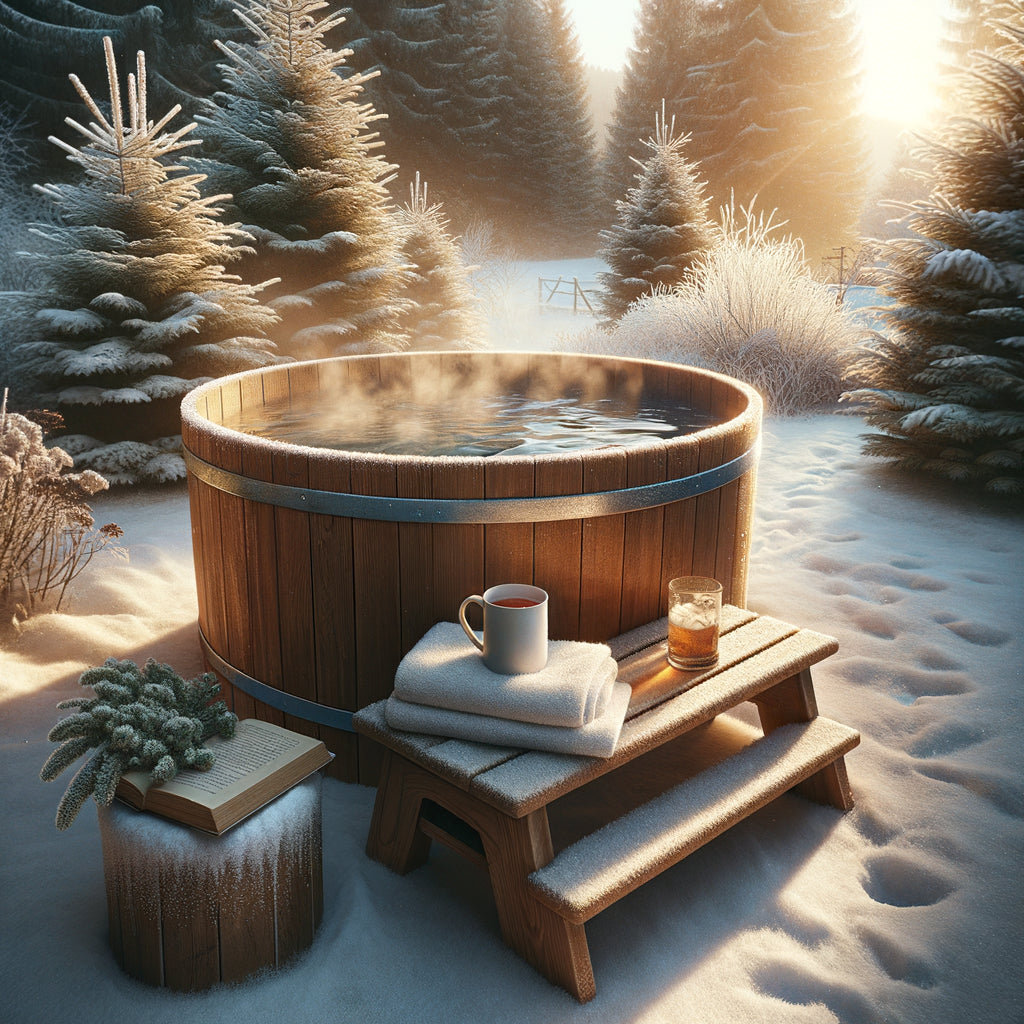
DIY Cold Plunge Setup: Create Your Own Refreshing Retreat
In recent years, the practice of cold plunging has gained significant traction, lauded for its myriad health benefits ranging from improved circulation to enhanced mood. With the rise of wellness culture, many are seeking ways to integrate such practices into their daily routines. If you’ve ever considered crafting your own cold plunge setup at home, you're in the right place. This guide will walk you through the essential steps to create a cold plunge oasis that not only fits your budget but also caters to your lifestyle.
What Is a Cold Plunge and Why Should You Try It?
A cold plunge typically involves immersing the body in cold water, typically between 50°F to 59°F (10°C to 15°C), for a short duration. The practice has historical roots in various cultures, from ancient Roman baths to modern-day Scandinavian traditions. The potential benefits are numerous:
- Enhanced Recovery: Athletes often use cold plunges to reduce muscle soreness and speed up recovery after intense workouts.
- Improved Circulation: Cold water immersion can stimulate blood flow, promoting better circulation and cardiovascular health.
- Increased Mood and Energy: Exposure to cold has been shown to release endorphins, leading to an improved mood and increased energy levels.
- Boosted Immune System: Regular cold exposure may enhance the immune response, making the body more resilient against illness.
What Do You Need for a DIY Cold Plunge Setup?
Creating a cold plunge at home can be as simple or as elaborate as you desire. Here’s a breakdown of the necessary components:
1. Container Options
Choosing the right container is crucial. Here are a few options:
- Stock Tank: A galvanized stock tank is a popular choice due to its durability and ample size. Sizes can range from 100 to 300 gallons, with prices typically between $200 and $600.
- Bathtub: An old bathtub can serve as a great cold plunge. If you have a spare tub, you can easily modify it for this purpose.
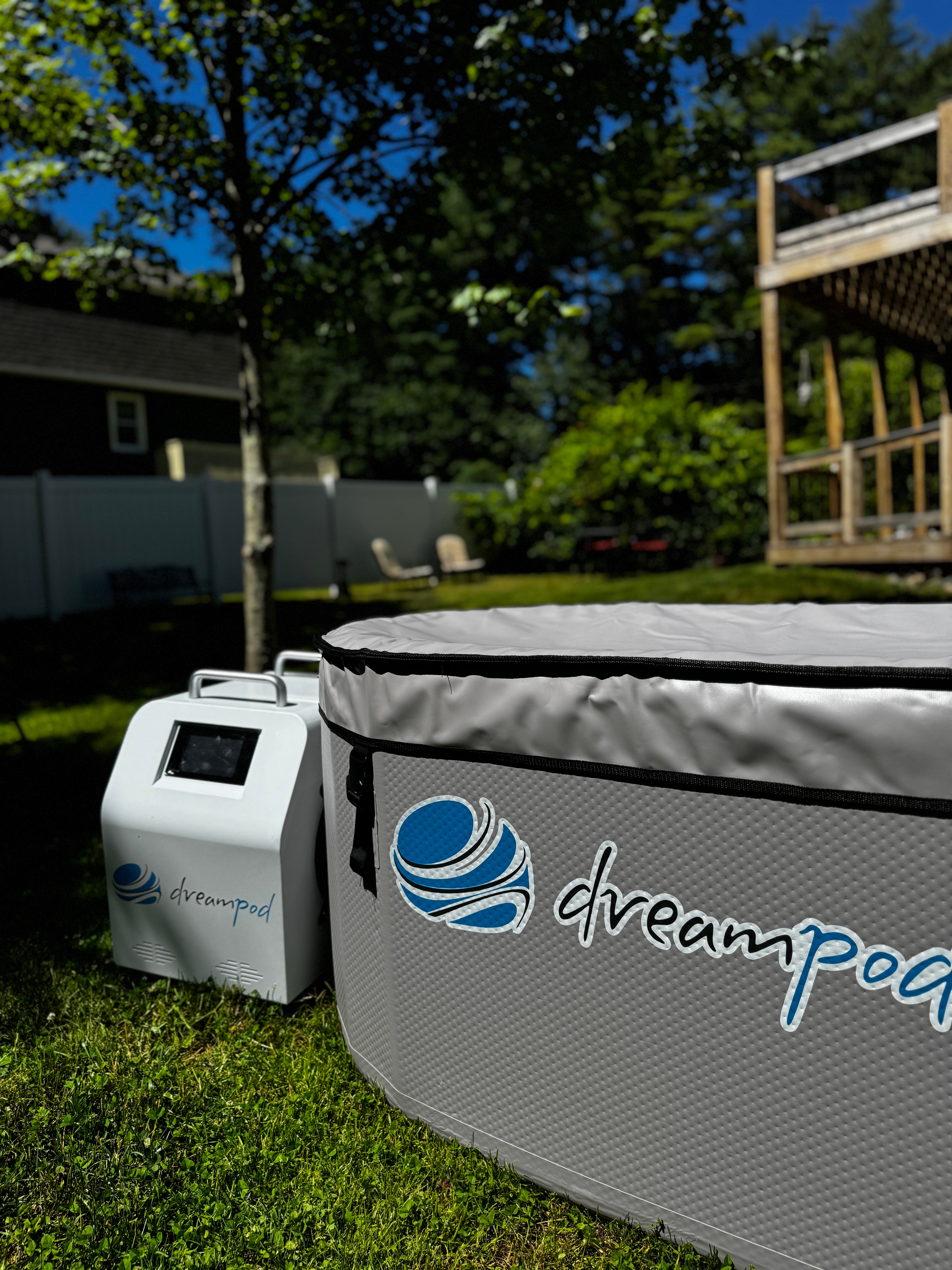
- Inflatable Pool: For a more temporary solution, an inflatable pool can be a cost-effective and versatile option.
2. Cooling System
If you want to maintain a consistent cold temperature, consider investing in a cooling system. Here are some options:
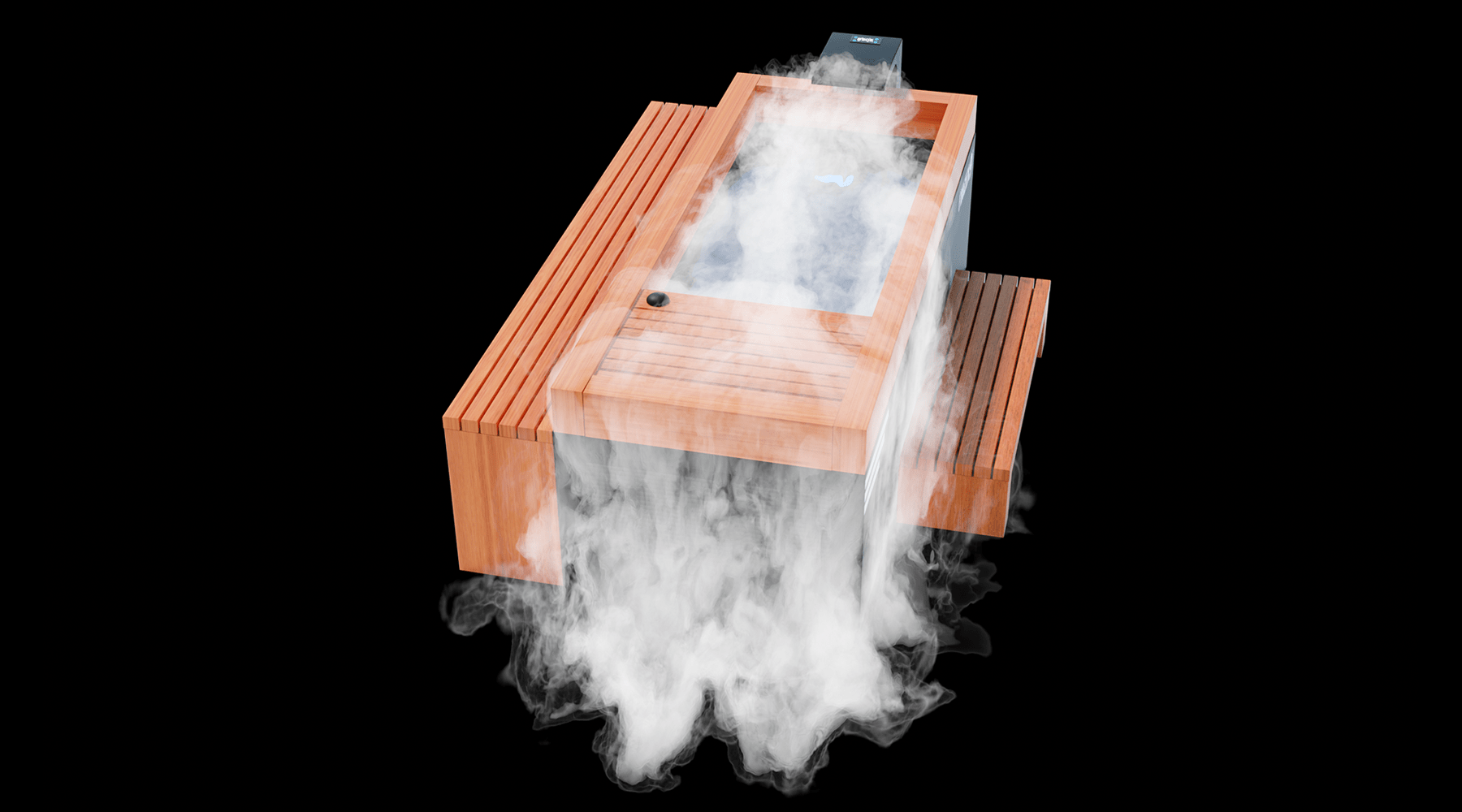
- Chiller Unit: This device can be connected to your chosen water container, continuously cooling the water to your desired temperature.
- Ice Packs or Ice Bags: For a more budget-friendly approach, you can fill your plunge with ice or use ice packs to cool the water periodically.
3. Filtration and Maintenance
To keep your cold plunge clean and safe for regular use, consider adding a filtration system. A simple pool filter can help maintain water quality. Additionally, regular maintenance is essential, including:
- Checking and changing the water every few days.
- Cleansing the container with appropriate cleaning solutions.
- Monitoring temperature and pH levels.
How to Set Up Your Cold Plunge
The setup process can be straightforward. Follow these steps to create your cold plunge:
- Select a Location: Choose a space that is accessible and has adequate drainage. Outdoor setups are popular, but indoor installations can also work if you have the right conditions.
- Prepare the Container: If using a stock tank or bathtub, ensure it is clean and free from any debris.
- Install the Cooling System: Connect your chiller or prepare your ice supply. If you’re using a chiller, follow the manufacturer's instructions for installation.
- Add Water: Fill your container with water and adjust the temperature using your cooling method.
- Test the Setup: Before diving in, test the water temperature and ensure everything is functioning correctly.
How to Use Your Cold Plunge Effectively?
To maximize the benefits of your cold plunge, consider the following tips:
- Timing: Aim for 3-5 minutes in the cold plunge, especially if you are a beginner. Gradually increase the duration as your body adapts.
- Hydration: Ensure you are well-hydrated before and after your plunge to support your body’s recovery processes.
- Breathing Techniques: Use controlled breathing to manage the initial shock of the cold water and enhance your experience.
What Are the Safety Considerations?
While cold plunging offers numerous benefits, it's important to approach it safely:
- Consult Your Doctor: If you have underlying health conditions, particularly cardiovascular issues, consult with a healthcare professional before starting cold therapy.
- Listen to Your Body: If you experience extreme discomfort, dizziness, or numbness, exit the water immediately.
- Start Gradually: If you're new to cold exposure, begin with shorter durations and gradually increase as you become accustomed.
Mid-Article Call to Action
Ready to take the plunge? Explore our cold plunge collection for high-quality containers and cooling systems to enhance your DIY setup. Your wellness journey awaits!
FAQs
1. How often should I use a cold plunge?
For most individuals, 2-3 times a week is sufficient to reap the benefits without overdoing it. Adjust based on your comfort and recovery needs.
2. Can I use a cold plunge if I’m pregnant?
It’s best to consult your healthcare provider before using a cold plunge during pregnancy, as temperature regulation can be critical at this stage.
3. What temperature should my cold plunge be?
A temperature range of 50°F to 59°F (10°C to 15°C) is recommended for optimal benefits.
4. Can I do a cold plunge in winter?
Absolutely! Cold plunges can be particularly invigorating in winter. Just ensure you're cautious about ice formation and safety.
5. What are the signs of hypothermia?
Signs include shivering, confusion, drowsiness, and a slow heart rate. If you notice these symptoms, exit the plunge immediately and seek warmth.
6. Is cold plunging suitable for everyone?
While many can benefit, those with certain medical conditions or sensitivities should consult a healthcare provider before trying cold plunges.
7. Can I combine cold plunging with other therapies?
Yes! Cold plunging can be an excellent complement to practices like sauna use or massage therapy for enhanced recovery and relaxation.
By setting up your own cold plunge at home, you can enjoy the refreshing and revitalizing experience whenever you need it. Dive into a new wellness routine and discover the benefits that come with cold therapy!
For more insights into wellness products that can enhance your home experience, check out our sauna collection or explore our massage chairs for ultimate relaxation.
View More ArticlesDon't Buy the Dynamic Sauna Barcelona Without Reading This
Transform Your Life: 30-Day No-Alcohol Challenge Insights
Related Posts

Dynamic Santiago 2-Person Ultra Low EMF Sauna Review (Standard vs Elite): Is It Worth It?

Red Light Therapy for Collagen: The Science-Backed Guide to Firmer Skin

Steam Shower vs. Compact Sauna: Which is Practical for My Small Bathroom?

6 Simple Ways to Turbocharge Any Sauna Session (Without Staying Longer)

I Have Low Ceilings; What Sauna Styles and Heights Will Fit?

Sauna for Blood Pressure and Heart Health: The Complete Guide to Benefits, Safety, and Protocols

Low EMF vs Standard Infrared: What Actually Changes? The Buyer's Guide and Decision Framework
