





























Transform Your Life: 30-Day No-Alcohol Challenge Insights
The decision to embark on a 30-day no-alcohol challenge can be a transformative step towards improved health and well-being. Whether you're seeking to clear your mind, enhance your physical health, or simply explore the effects of sobriety, this challenge offers a unique opportunity to examine the multifaceted impacts of alcohol cessation. Let's delve into what happens to your body and mind when you take a month-long break from alcohol and what you can expect on this journey.
What Immediate Changes Occur in Your Body?
As soon as you stop drinking alcohol, your body begins to undergo several immediate changes. Within hours of your last drink, your body starts to recover from the effects of alcohol. Here are some of the immediate benefits that may manifest:
- Improved Hydration: Alcohol is a diuretic, leading to dehydration. Quitting alcohol allows your body to rehydrate, improving your skin's appearance and overall vitality.
- Better Sleep Quality: Alcohol disrupts sleep patterns. After a few days without it, you may notice improved sleep quality, leading to enhanced energy levels during the day.
- Enhanced Mood: Alcohol can affect your mood and exacerbate anxiety and depression. Many participants in no-alcohol challenges report increased feelings of happiness and emotional stability.
How Does Your Mental Clarity Change?
One of the most significant benefits reported by individuals who complete a 30-day no-alcohol challenge is enhanced mental clarity. Here’s how your cognitive functions improve:
- Increased Focus: With the absence of alcohol, many people experience improved concentration and productivity. Tasks that once felt daunting may become easier to tackle.
- Better Memory: Alcohol consumption is associated with memory lapses. Participants often report sharper recall and improved short-term memory after just a few days without alcohol.
- Reduction in Anxiety: Alcohol can increase feelings of anxiety over time. A month without it can lead to a more balanced emotional state.
What Physical Changes Can You Expect?
Beyond mental clarity, a 30-day no-alcohol challenge can lead to significant physical changes, many of which may surprise you:
- Weight Loss: Alcohol is calorie-dense, and cutting it out can lead to weight loss. Many participants report shedding pounds, particularly if they replace alcoholic beverages with healthier options.
- Improved Digestion: Alcohol can irritate your digestive system. Many individuals notice less bloating and discomfort, alongside improved overall digestive health.
- Better Skin: Alcohol dehydrates and can exacerbate skin conditions. After a month, you may observe a clearer complexion and healthier skin texture.
What Are the Long-Term Benefits of Going Alcohol-Free?
While the immediate benefits are compelling, the long-term effects of alcohol cessation can be even more profound:
- Lower Risk of Chronic Diseases: Regular alcohol consumption is linked to various chronic conditions, including liver disease and certain cancers. Abstaining reduces these risks significantly.
- Enhanced Emotional Well-being: Many people find that their relationships improve as they become more emotionally available without alcohol, fostering deeper connections.
- Financial Savings: Cutting alcohol from your budget can lead to significant savings, which can be redirected towards healthier pursuits or experiences.
How Can You Successfully Complete a 30-Day No-Alcohol Challenge?
Embarking on this challenge requires not only motivation but also actionable strategies to ensure your success:
- Set Clear Goals: Define what you hope to achieve by going alcohol-free. Whether it's physical health, mental clarity, or emotional stability, having specific goals can help keep you focused.
- Find Support: Engage friends or family in your challenge, or consider joining a community or online support group to share experiences and tips.
- Explore Alternatives: Discover non-alcoholic beverages that you enjoy. From mocktails to herbal teas, having enjoyable alternatives can make the transition smoother.
- Track Your Progress: Maintain a journal to log daily experiences, feelings, and physical changes. This reflection can help reinforce your commitment.
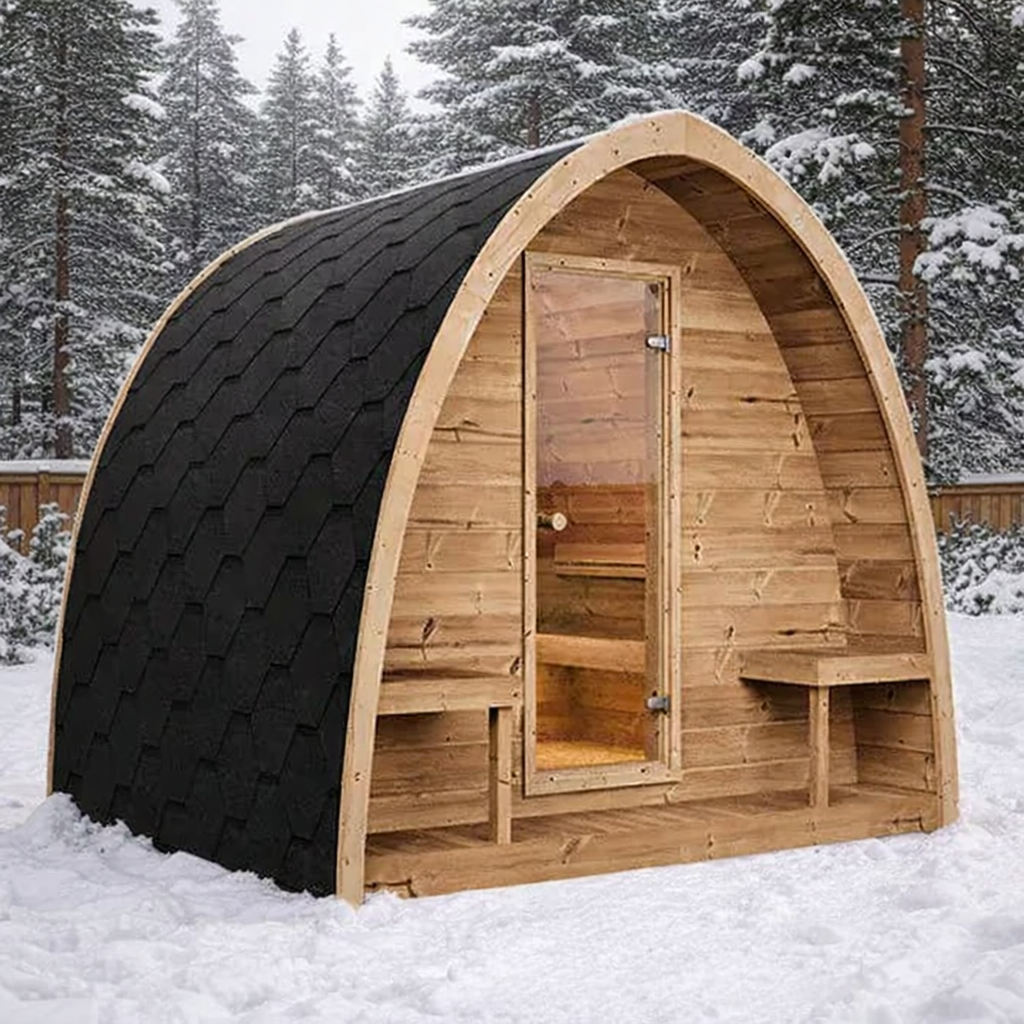
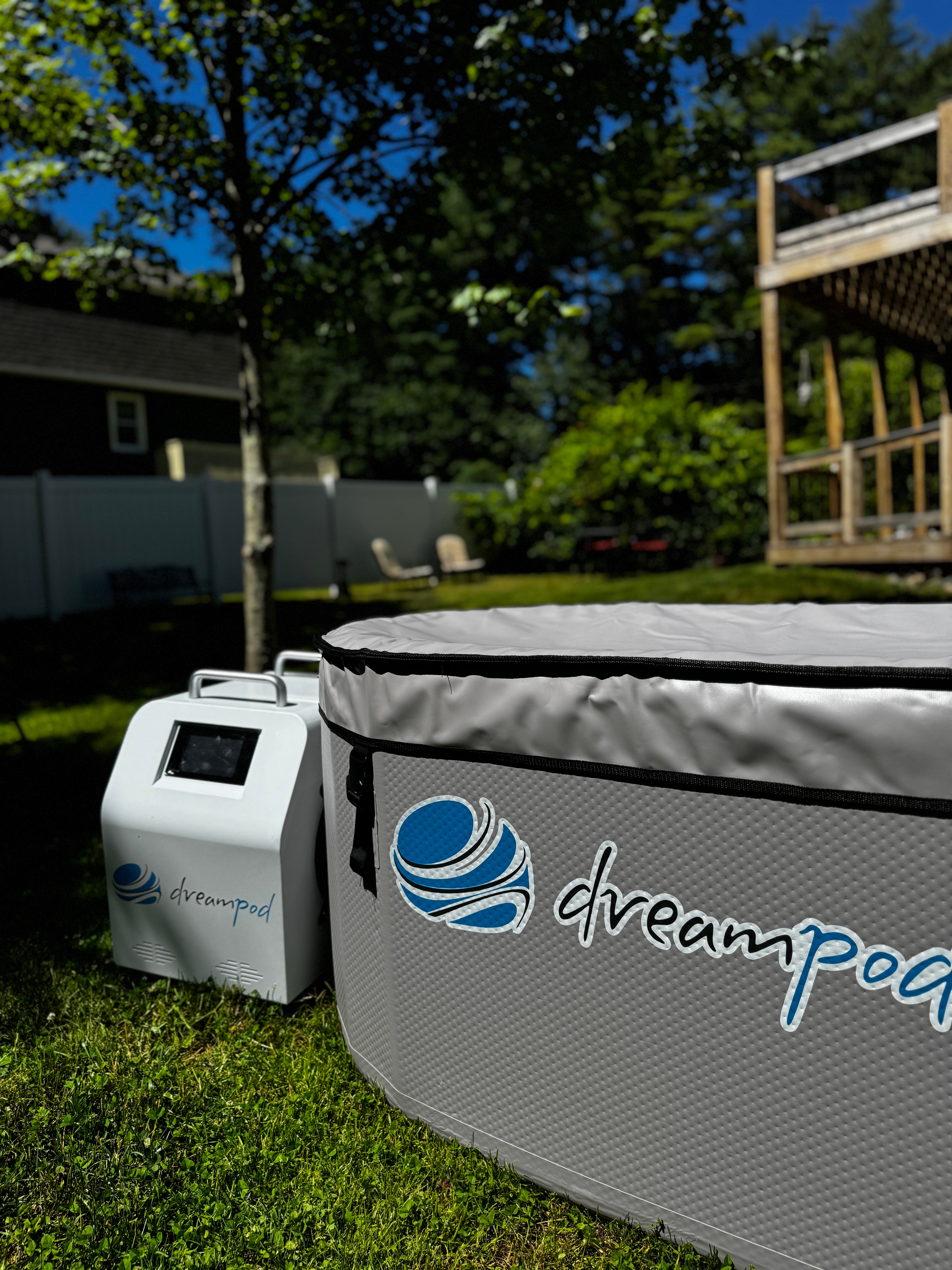
If you're ready to take on this challenge, consider complementing your journey with wellness activities. For instance, explore options like sauna sessions or cold plunges to enhance your detox experience.
FAQs
1. What should I expect in the first week of the challenge?
In the first week, you may experience withdrawal symptoms like cravings, but many find improvements in sleep and mood shortly after.
2. Can I still socialize while not drinking?
Absolutely! Many find alternative social settings or activities that don’t revolve around alcohol, like game nights or outdoor adventures.
3. What are the common challenges faced during this challenge?
Common challenges include cravings, social pressures, and habits associated with drinking, but having a solid plan can help mitigate these.
4. Will I experience weight loss?
Many participants report weight loss, especially if they replace alcohol with healthier dietary choices.
5. How do I deal with cravings?
Identifying triggers and finding alternative activities can help manage cravings effectively.
6. Is it okay to take a break from alcohol temporarily?
Yes! A temporary break can provide insight into your relationship with alcohol and its effects on your life.
7. How can I maintain these benefits after the challenge?
Consider adopting a low-alcohol lifestyle or incorporating more sober days into your week to sustain the benefits gained.
Embarking on a 30-day no-alcohol challenge can be a life-altering experience that opens the door to improved health, greater clarity, and a renewed sense of self. If you're ready to start, take the plunge today and enjoy the myriad of benefits that come with sobriety!
Author Bio: A wellness advocate and health writer, [Your Name] specializes in exploring the intersection of lifestyle choices and health outcomes. With a passion for helping others lead healthier lives, [he/she/they] provides actionable insights backed by research.
View More ArticlesDIY Cold Plunge Setup: Create Your Own Refreshing Retreat
Maxxus Saunas: The Best Infrared Saunas
Related Posts

Are Infrared Saunas Safe? A Science-Based Guide to Benefits, Risks & Smart Use

The 8 Best 2 Person Saunas of 2026: A Buyer's Guide to Size, Type, and Cost

The Truth About Costco Saunas: Are They Worth the Price and Hassle?

Arcadia Barrel Sauna: The Complete Buyer's Guide & Assembly Blueprint

Low EMF vs Near-Zero EMF Infrared Saunas: What Actually Matters Before You Buy

Chromotherapy vs No Chromotherapy: Who Benefits From It (Practically)? The Buyer's Decision Guide

The Science of Heat: How Saunas Improve Circulation and Cardiovascular Health
