







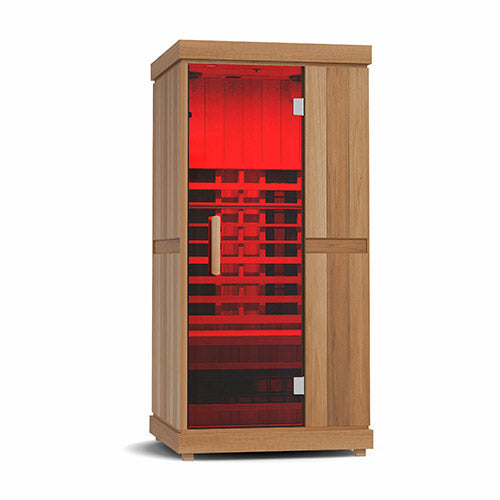

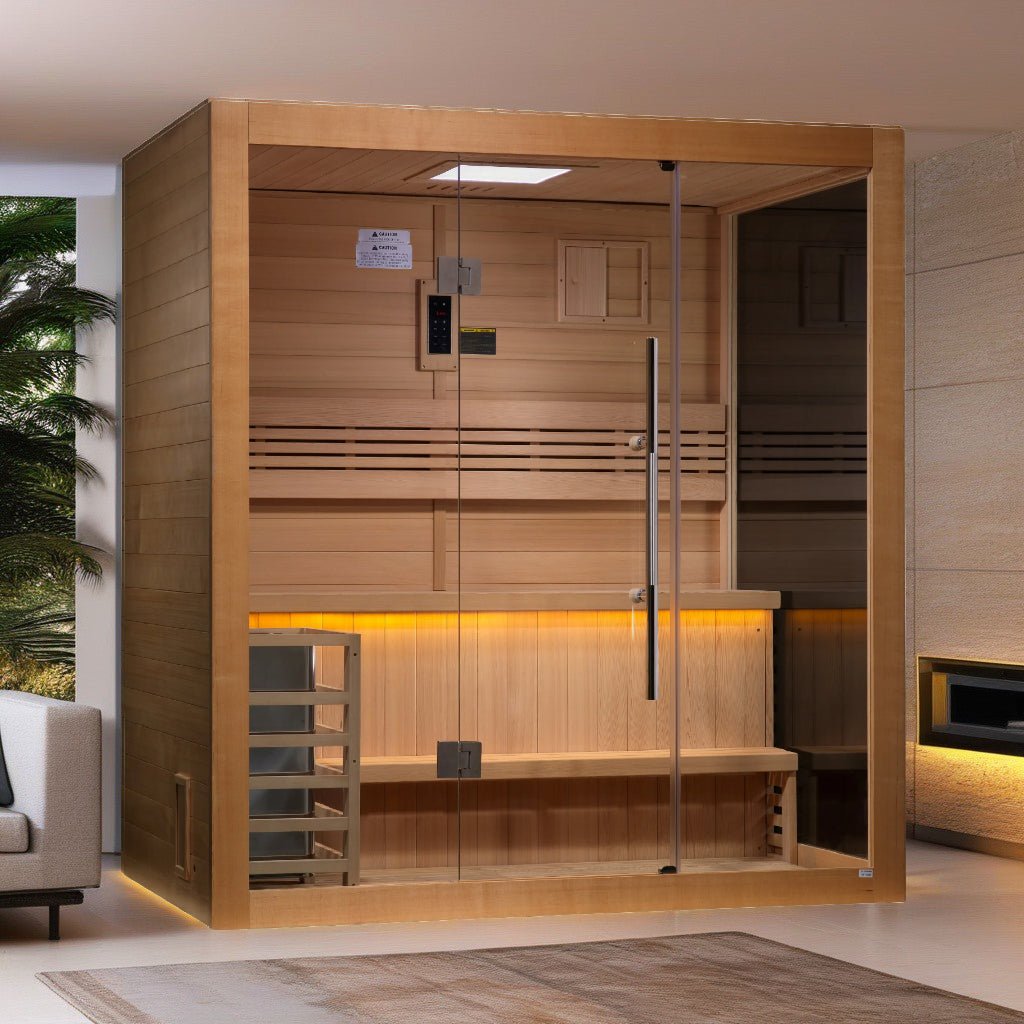
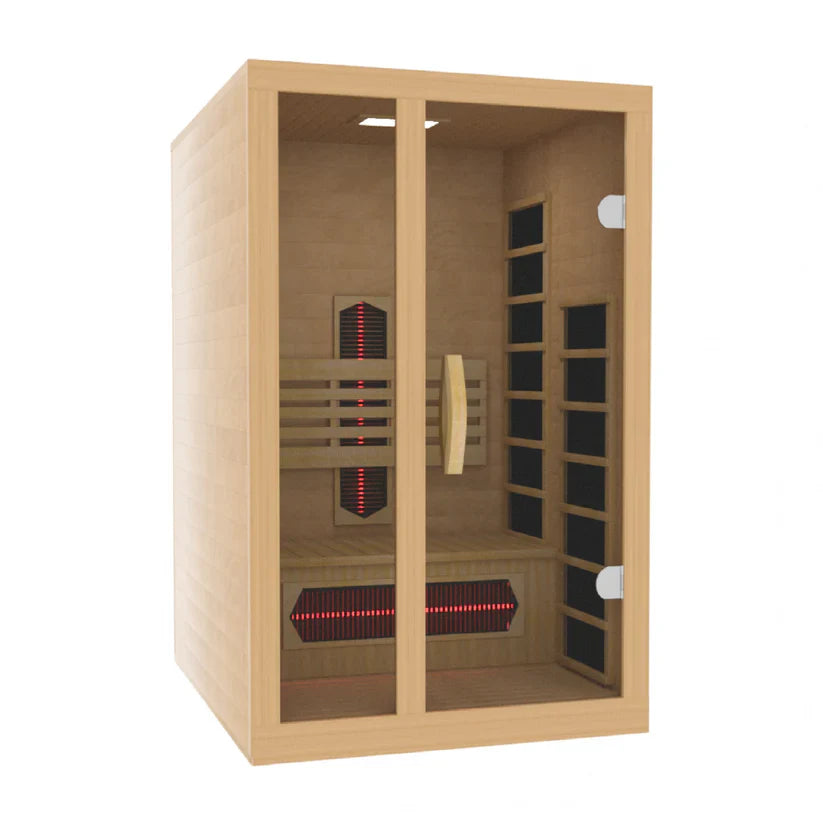
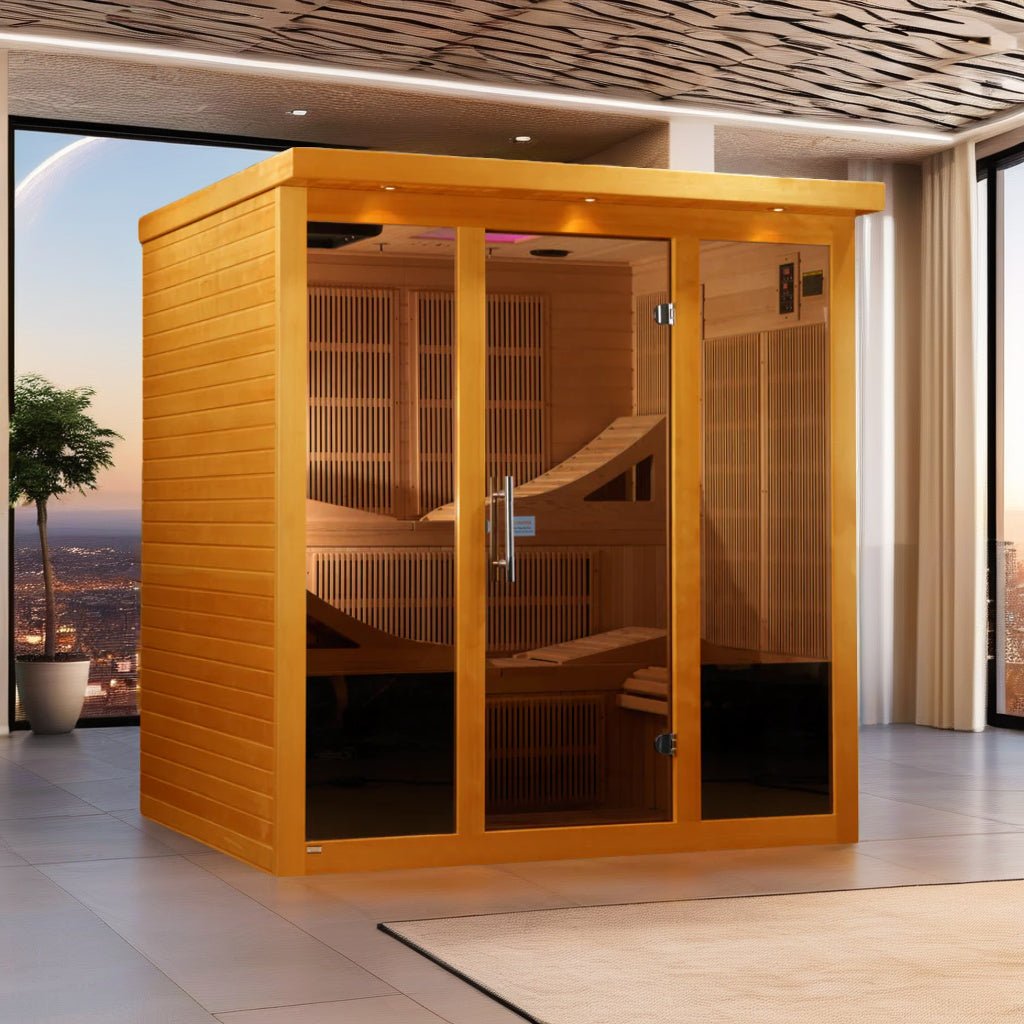





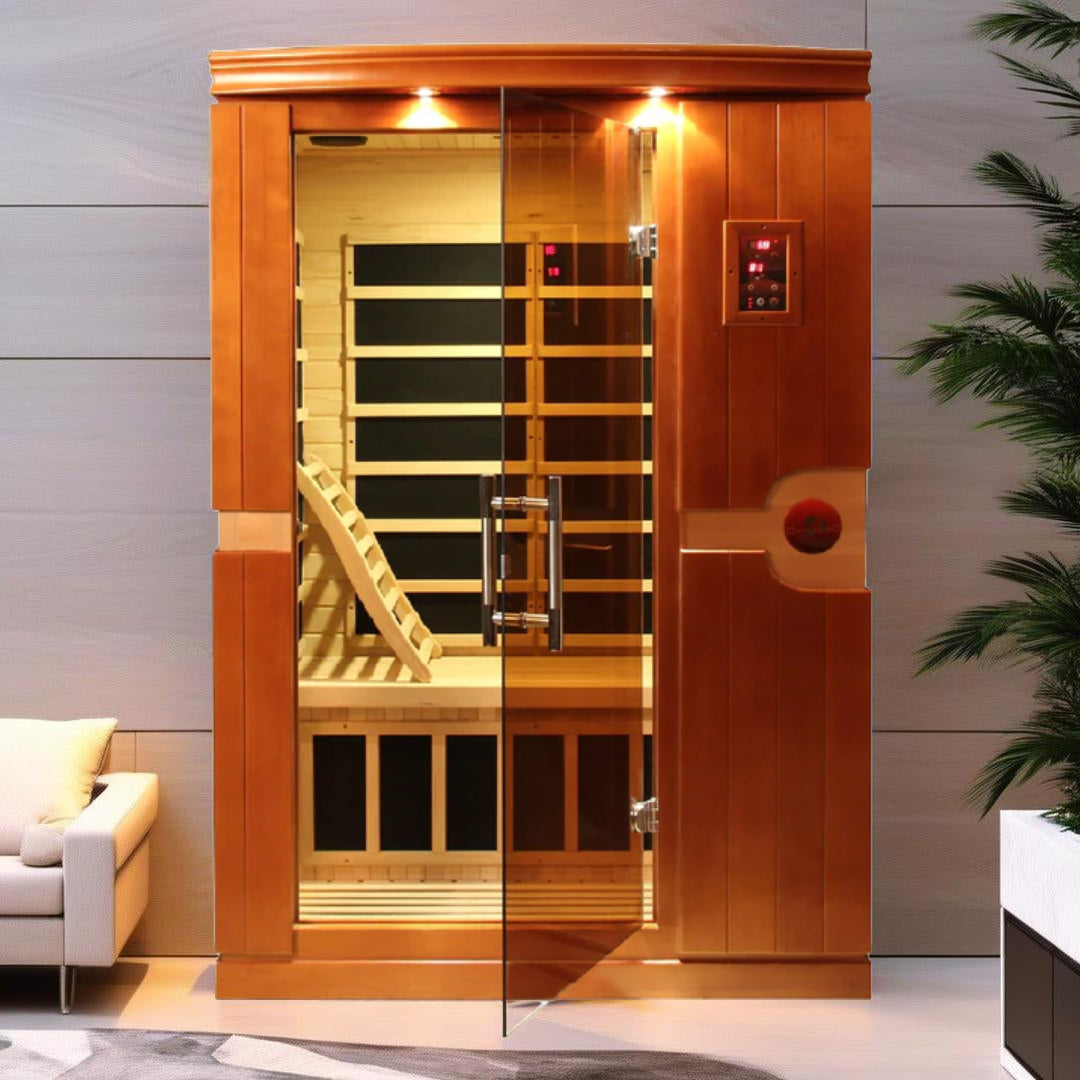

The Complete Home Dry Sauna Guide: Benefits, Installation & Best Models
A traditional sauna heats the air to 160–200°F with a stove and rocks. An infrared sauna heats you directly at 110–150°F, so the room stays cooler and most people sit in one for longer. That is the whole difference, and it decides three things before it decides anything about how it feels: the electrical circuit, the install, and what you can fit.
The short version. Traditional needs a dedicated 220–240V circuit and an electrician. Most infrared cabins plug into a standard 110–120V outlet. If your electrical situation rules out 240V, the comparison is already over — and if it does not, the choice comes down to whether you want the higher heat and the steam bursts, or the longer, gentler session. The full comparison is below, with the costs and the ventilation each one needs.
Key takeaways:
-
Finnish cohort data link 4–7 weekly sauna sessions with lower cardiovascular mortality, though this is observational and primarily studied in Finnish men (JAMA Intern Med, 2015)
-
Traditional saunas require 220–240V dedicated circuits; many infrared models plug into standard 110–120V outlets
-
Indoor installations demand vapor barriers and ventilation to prevent mold; outdoor units need weatherproof construction
-
People with unstable angina, recent heart attack, severe aortic stenosis, or pregnancy should avoid saunas or consult a physician first
-
Expect 30–45 minute warm-up for traditional units, 10–20 minutes for infrared, plus ongoing electricity costs tied to heater power and usage frequency
Table of Contents
-
What a Home Dry Sauna Actually Means
-
Why People Add Saunas: The Cardiovascular and Wellness Evidence
-
Infrared vs Traditional Sauna: Which Heat Type Fits Your Life
-
The Hidden Costs Beyond the Sticker Price
-
Electrical and Ventilation: What Installers Wish You Knew
-
Indoor vs. Outdoor: Placement Pros, Cons, and Moisture Reality
-
Maintenance Habits That Prevent Mold and Extend Lifespan
-
Myths and Misconceptions
-
Real-World Constraints and Numbers That Matter
-
Decision Tables: Traditional vs. Infrared, Indoor vs. Outdoor, Beginner vs. Advanced
-
Experience Layer: Safe Testing and Tracking
-
Frequently Asked Questions
-
Sources
-
What We Still Don't Know
What a Home Dry Sauna Actually Means
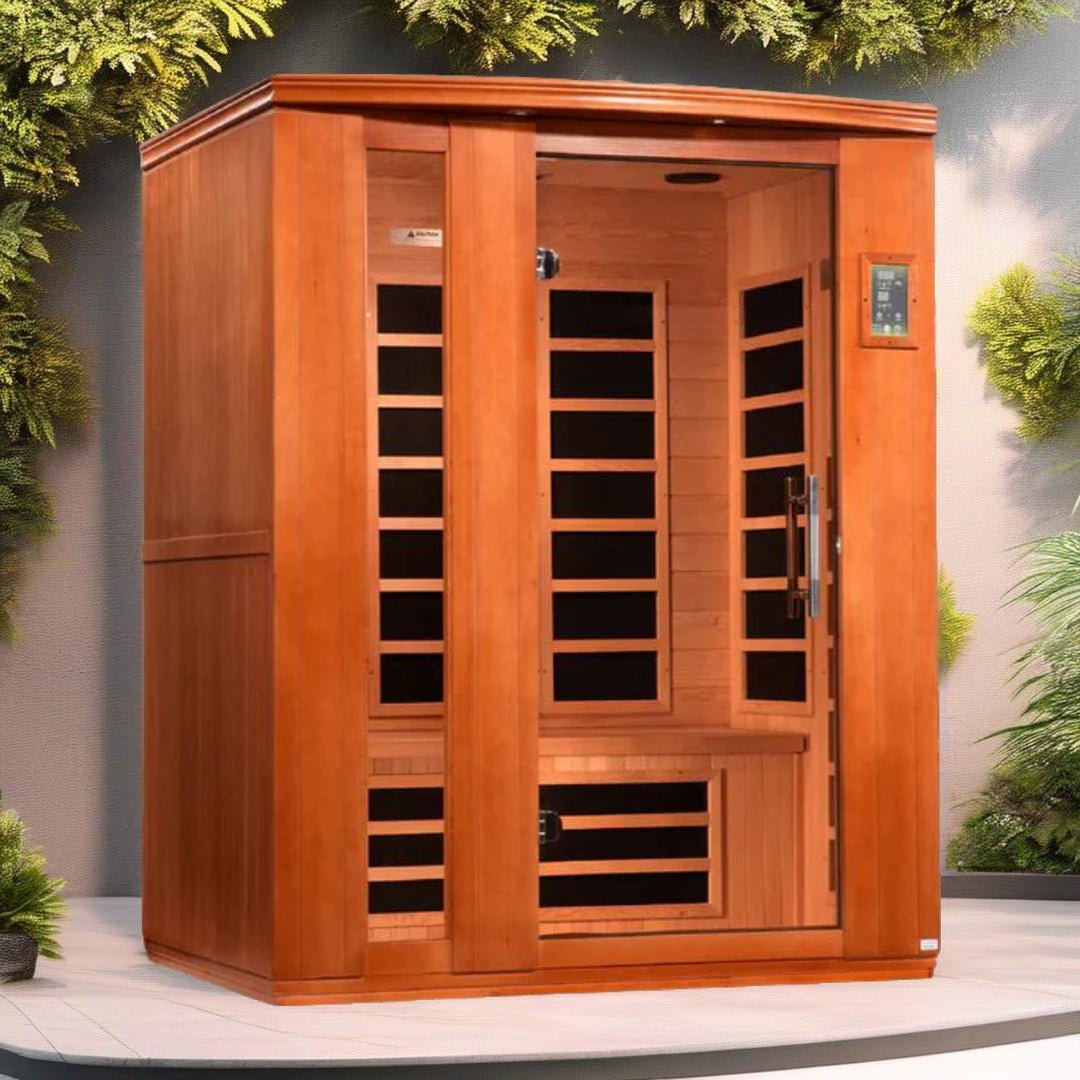
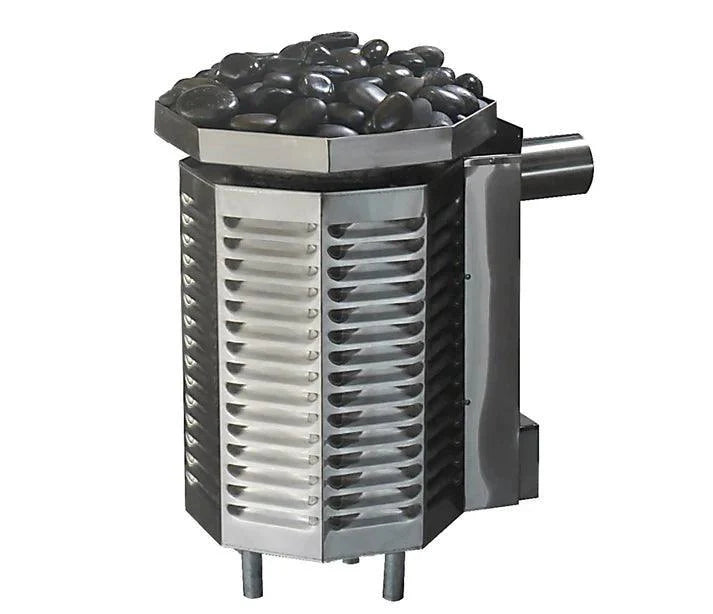
A dry sauna (also called a traditional Finnish sauna) is an enclosed room heated by an electric or wood-burning stove to temperatures around 160–200°F (70–93°C). Despite the name, "dry" refers to the low ambient humidity compared to steam rooms—not zero moisture. Users often splash small amounts of water on heated stones to create brief bursts of steam, but the environment remains far less humid than a Turkish bath (PubMed, 2001).
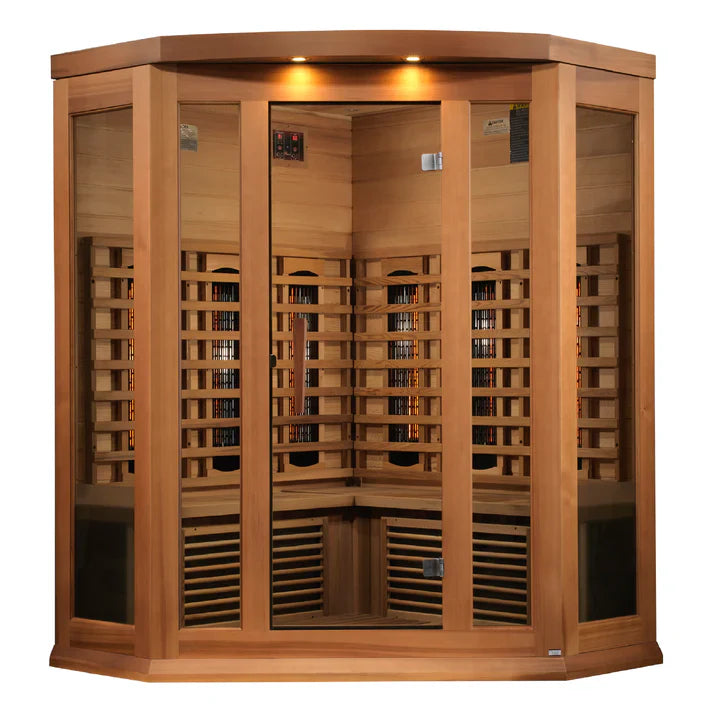
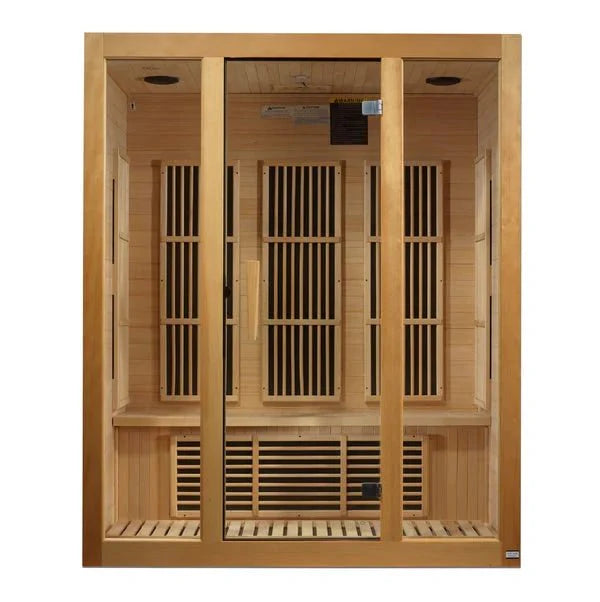
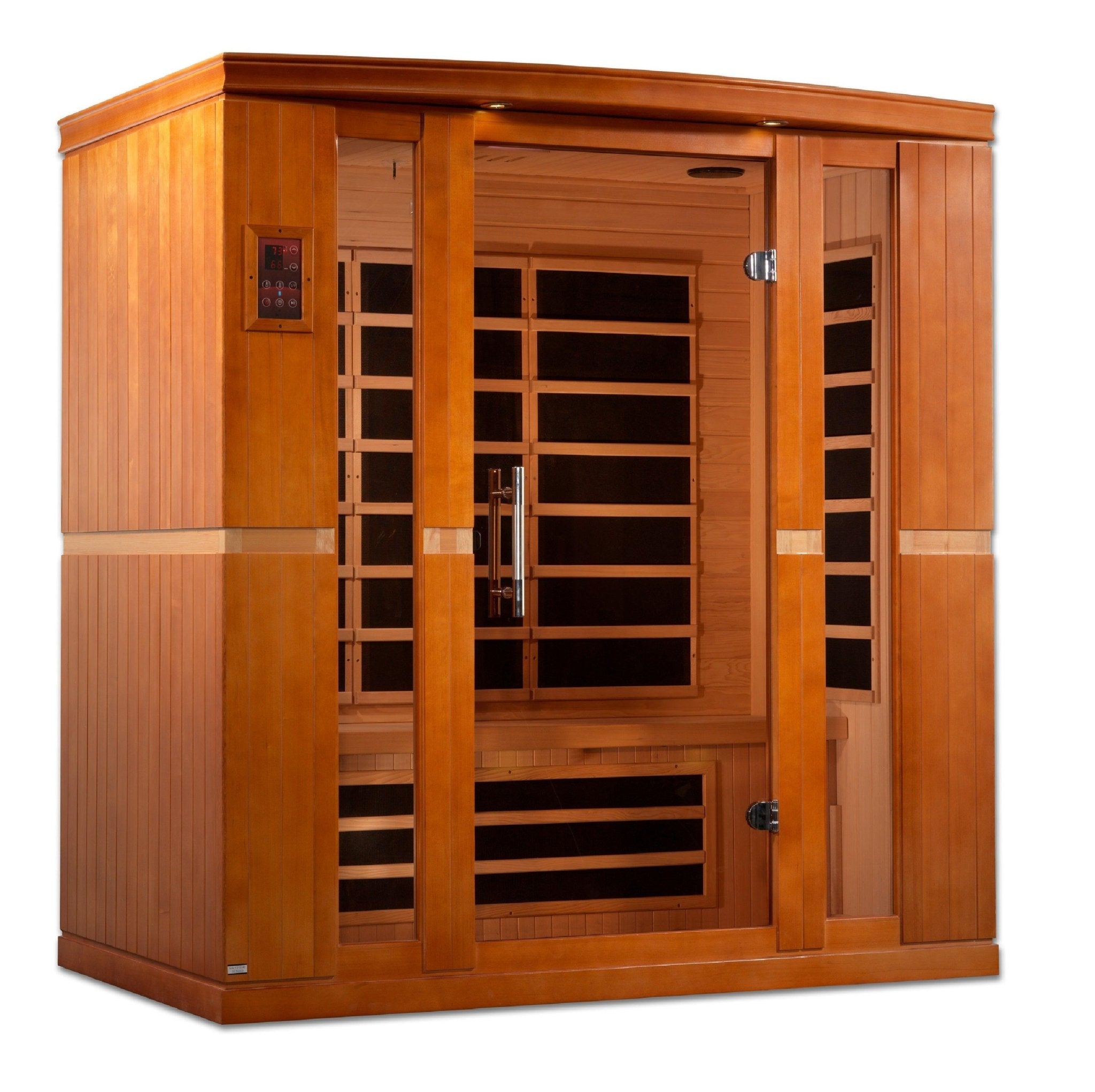
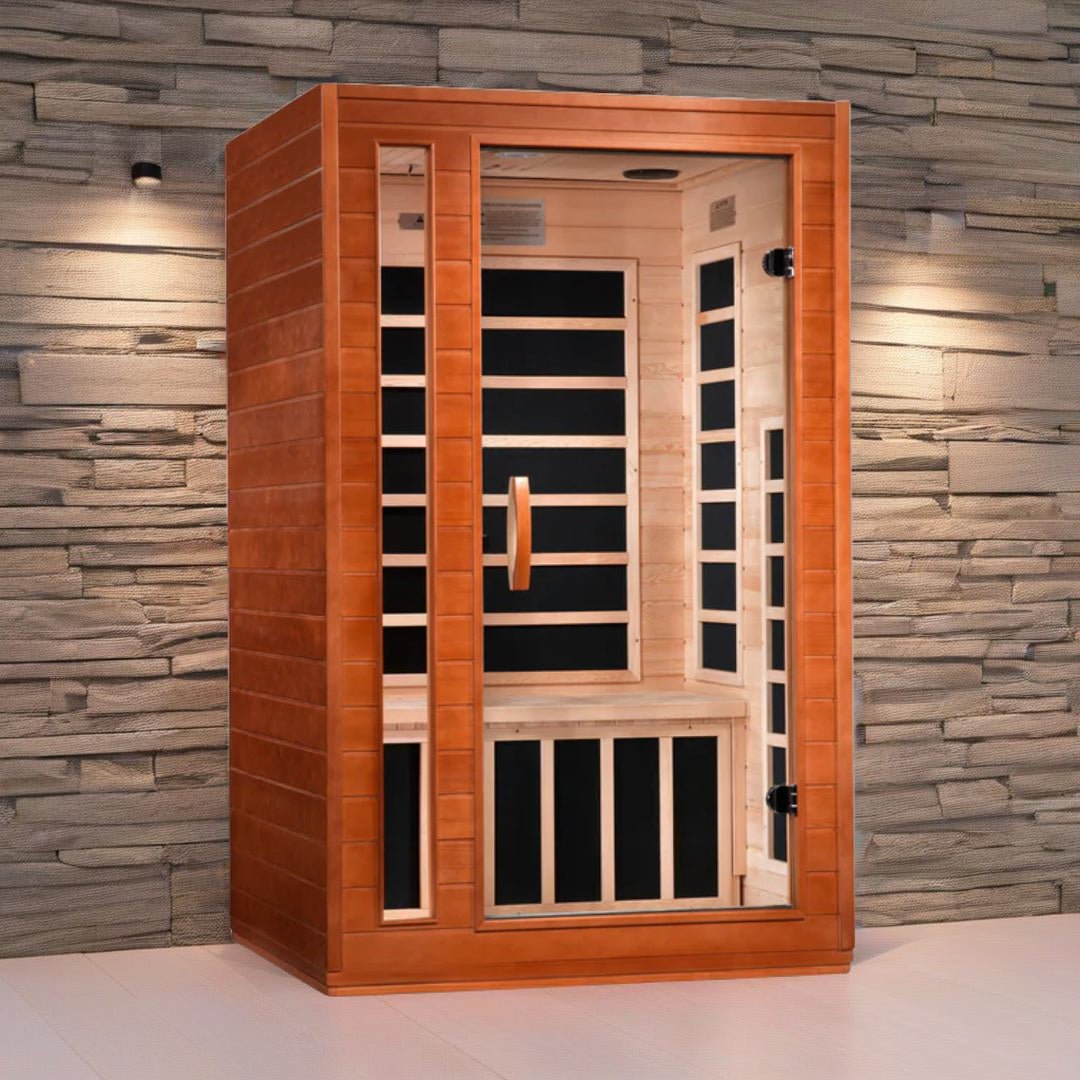
Infrared saunas use a different mechanism: infrared emitters radiate heat that the body absorbs directly, allowing therapeutic warmth at lower air temperatures, typically 110–150°F (43–65°C). The air feels less intense, which many users tolerate for longer sessions (Medical News Today, 2023; Denver Sports Recovery, 2020).
Both types are marketed as "home saunas," but they differ significantly in installation complexity, electrical demands, and the strength of long-term health evidence. Traditional Finnish saunas dominate the cardiovascular research literature, while infrared models offer plug-and-play convenience for smaller spaces.
Key temperature and duration ranges:
-
Traditional: 160–200°F, sessions of 5–20 minutes for healthy adults
-
Infrared: 110–150°F, sessions of 15–30 minutes (up to ~45 for experienced users)
-
Both require hydration before and after use, and users should exit immediately if dizzy or uncomfortable
The term "sauna bathing" describes the practice of repeated short exposures, often done in cycles with rest and cooling phases, several times per week. Finnish tradition includes 4–7 weekly sessions, a frequency studied in the largest long-term health cohorts (JAMA Intern Med, 2015).
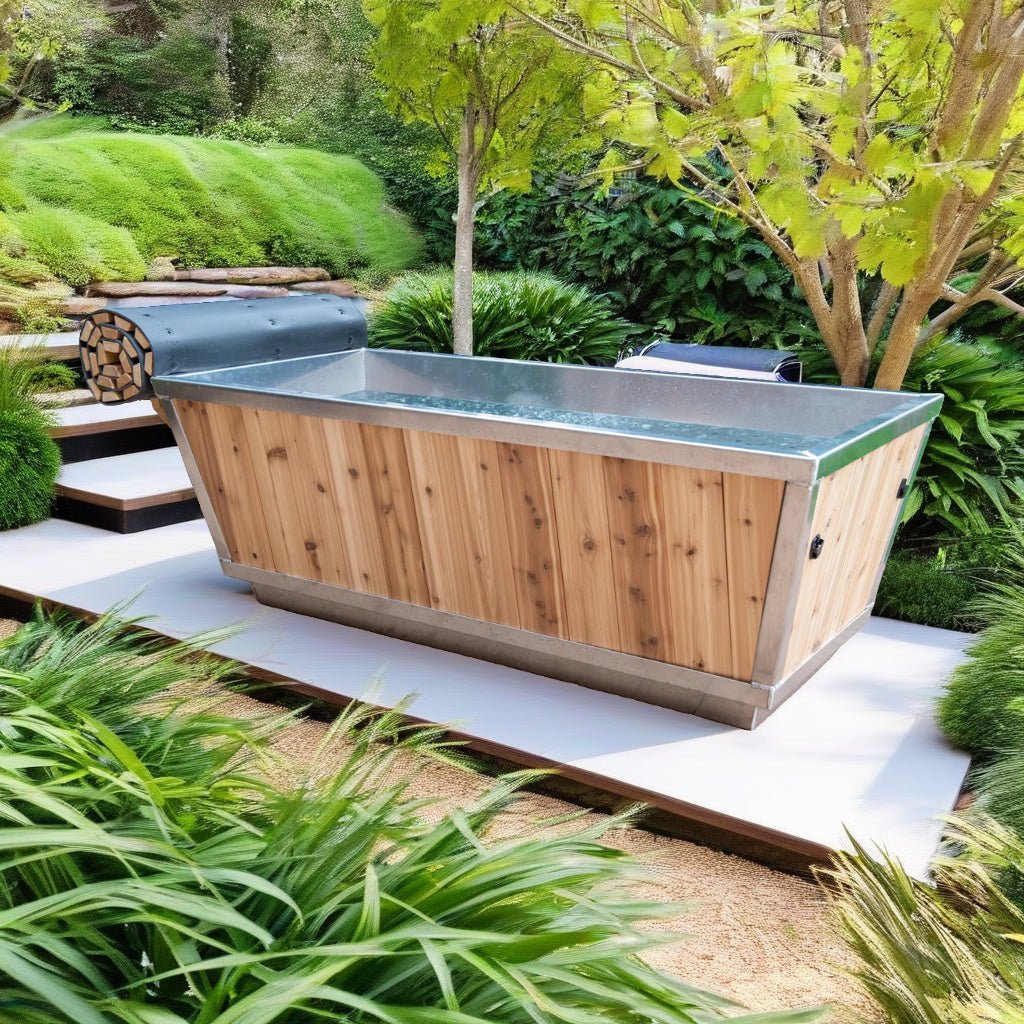
If you're exploring how saunas fit into a broader recovery routine, you might also be interested in understanding cold plunge benefits and protocols.
Why People Add Saunas: The Cardiovascular and Wellness Evidence
The strongest observational data come from a Finnish prospective cohort of 2,315 middle-aged men followed for a median of 20.7 years. Researchers found that men who used traditional saunas 4–7 times per week had 52% lower risk of sudden cardiac death and 40% lower all-cause mortality compared with once-per-week users, after adjusting for cardiovascular risk factors (JAMA Intern Med, 2015; PubMed, 2015).
What this means in practice:
Frequent sauna bathing is associated with better long-term cardiovascular outcomes, but this is an observational correlation, not proof that saunas cause longer life. The study population was mostly Finnish men using traditional saunas, so generalizability to other demographics and sauna types remains uncertain.
Evidence strength: Strong for association; Limited for causality.
Vascular and Metabolic Improvements
Short-term clinical trials show that regular sauna use can improve blood vessel function (flow-mediated dilation), lower blood pressure, and modestly improve some cardiometabolic markers in adults with cardiovascular risk factors (PMC, 2021). An 8-week Finnish sauna program in patients with coronary artery disease improved vascular health markers, though the sample size was modest (PubMed, 2023).
Sauna exposure acts as a form of passive heat therapy—your heart rate increases and blood vessels dilate similarly to moderate aerobic exercise, without the physical exertion. This hormetic stress may train the cardiovascular system over time (PMC, 2021).
Evidence strength: Moderate. Small trials and short durations limit conclusions.
Stress, Mood, and Recovery
Many users report feeling more relaxed and sleeping better after sauna sessions. Some studies link sauna use with reduced perceived stress and improved mood, though mechanisms are still being explored (PMC, 2021; Medical News Today, 2023). Sports medicine clinics use saunas for muscle relaxation and perceived soreness reduction, but this evidence base is smaller and more anecdotal (Denver Sports Recovery, 2020).
Evidence strength: Limited to Moderate. Physiologic plausibility is high, but controlled trials are sparse.
Caveats
-
Most cardiovascular data come from Finnish traditional saunas; infrared sauna evidence is growing but smaller
-
Benefits are not a substitute for exercise, medication, or guideline-directed therapy
-
People with specific cardiac conditions, pregnancy, or acute illness should avoid saunas or use them only under medical supervision (see FAQ section for details)
Bottom line: Regular sauna use may support cardiovascular and mental health in healthy adults, but it's an adjunct to—not a replacement for—established wellness practices.

Infrared vs Traditional Sauna: Which Heat Type Fits Your Life
Choosing between traditional and infrared saunas is less about "better" and more about matching heat delivery, installation complexity, and evidence base to your situation.
Heat Mechanism and Feel
Traditional (Finnish) saunas heat the air to 160–200°F using electric or wood-burning heaters topped with stones. The high ambient temperature creates intense convective heat. You can splash water on the stones to briefly increase humidity and perceived heat (PubMed, 2001; Denver Sports Recovery, 2020).
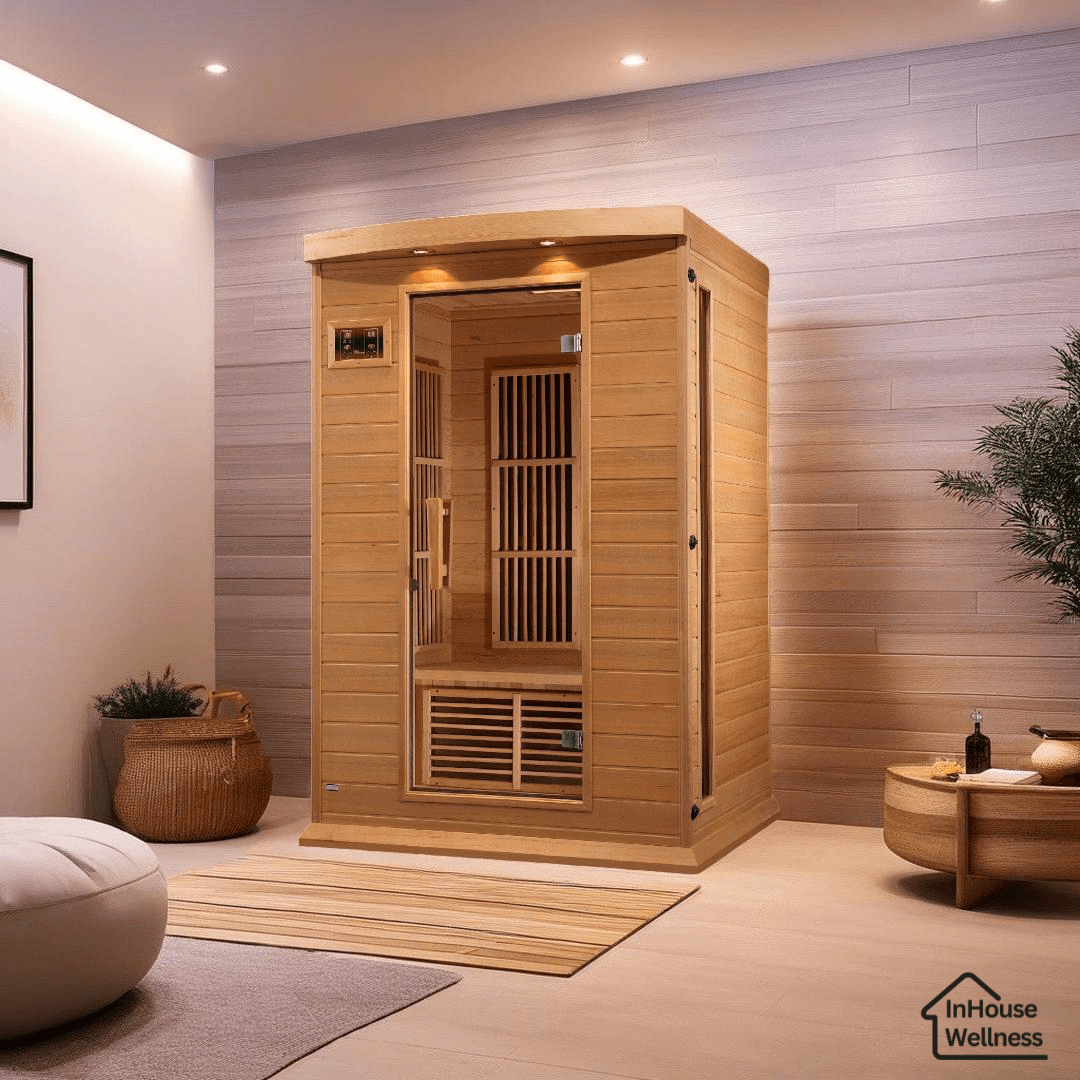
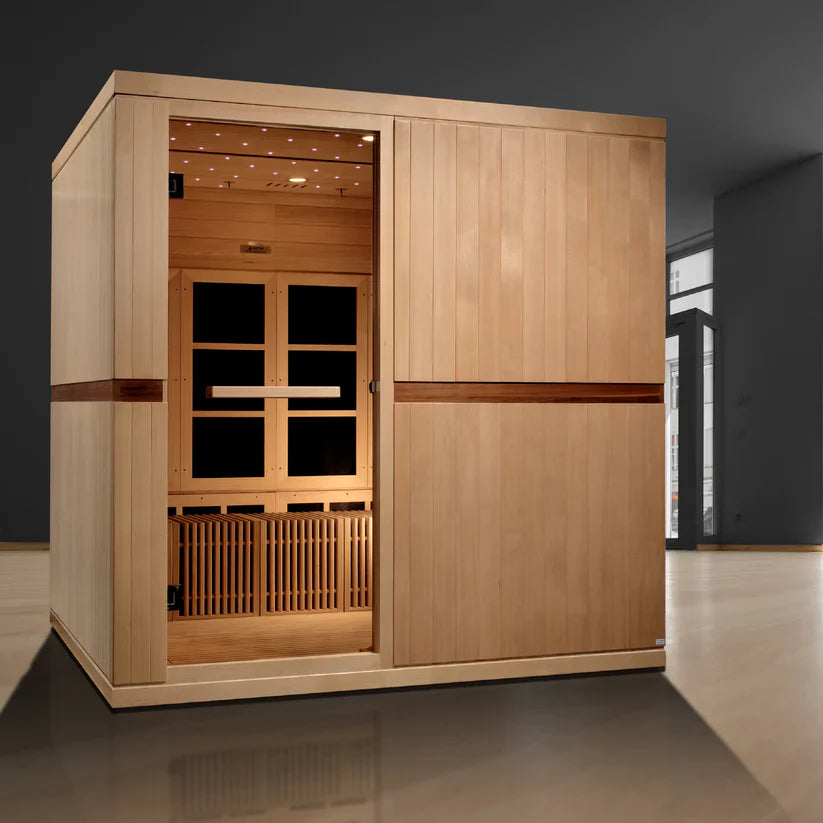
Infrared saunas use carbon fiber or ceramic heaters to emit infrared radiation that penetrates skin and warms the body directly. Air temperature stays lower (110–150°F), which many users find more comfortable for longer sessions (Medical News Today, 2023; PMC, 2021).
Cardiovascular Responses
Both types elevate heart rate and promote vasodilation. Traditional saunas at higher temperatures can mimic moderate exercise responses more closely, while infrared may produce somewhat different hemodynamic patterns. Head-to-head comparative data are still limited (PMC, 2021; PubMed, 2001).
Installation and Electrical Demands
Traditional: Most electric models require a 220–240V dedicated circuit with 30–60A breakers. Wood-burning stoves need chimney venting and fire safety compliance. Installation is more complex and often requires an electrician and building permits (Finnish Sauna Builders, 2025; Sauna Supply Co, 2024).
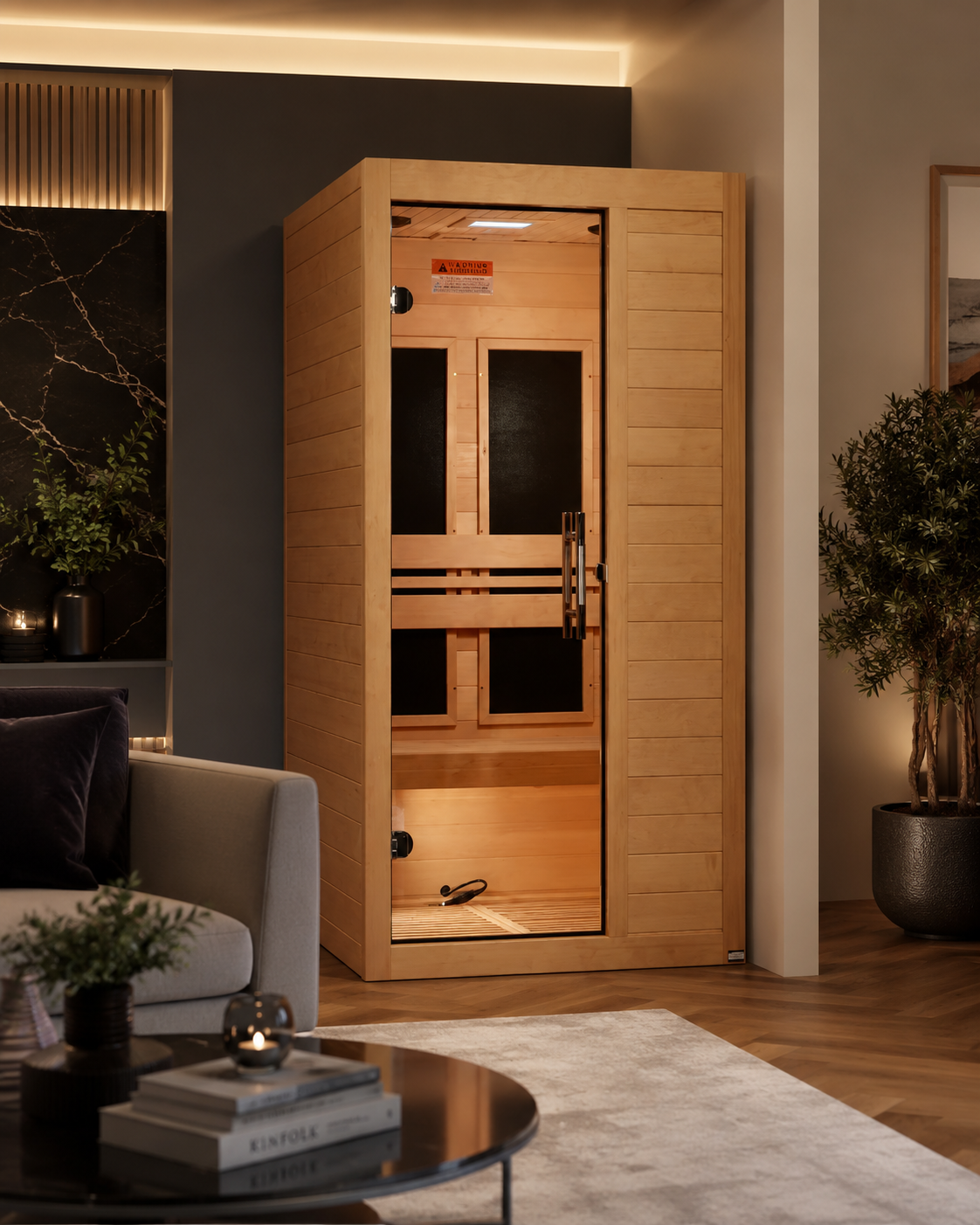
Infrared: Many 1–2 person cabins run on standard 110–120V / 15–20A outlets, making them easier to place in apartments or spare rooms. Larger infrared units may still need 240V (Topture, 2024; Finnish Sauna Builders, 2025).
Evidence Base
The Finnish mortality cohort and most cardiovascular trials studied traditional saunas at ~174°F for ~20 minutes. Infrared saunas are considered a form of passive heat therapy and share plausible mechanisms, but long-term outcome data are thinner (JAMA Intern Med, 2015; PMC, 2021).
EMF Concerns
Infrared saunas generate low-frequency electromagnetic fields from heaters and controls. Measurements from reputable brands show EMF levels far below international safety guidelines (ICNIRP, IEEE)—typically around 1% of thresholds and comparable to or lower than household appliances (Found Space, 2024). "Low-EMF" marketing is common but well-designed units generally meet safety standards without special engineering.
Evidence strength: Moderate. Current consensus suggests typical sauna EMF exposures are unlikely to cause harm.
Which to Choose
-
Choose traditional if: You want the heat experience studied in long-term research, don't mind electrical complexity, and can manage higher temperatures.
-
Choose infrared if: You prefer lower ambient heat, need plug-and-play convenience, or have limited electrical infrastructure.
Both can deliver relaxation and potential cardiovascular benefits. The "right" choice depends on your comfort, budget, and home setup.
The Hidden Costs Beyond the Sticker Price
Home sauna ownership extends well beyond the purchase price. Here's what most buyers underestimate.
Electrical Work
Traditional saunas: Almost all electric heaters require a 220–240V dedicated circuit. If your panel doesn't have spare capacity, you'll need a panel upgrade—often several hundred to over a thousand dollars depending on your region and current service size. Even with capacity, running a new 240V line with appropriate breaker (30–60A) and wire gauge (typically 6 AWG or 8 AWG) requires a licensed electrician (Finnish Sauna Builders, 2025; Haven of Heat, 2025).
Infrared saunas: Small units on 110–120V circuits avoid this, but larger models still need 240V. Always match heater nameplate data to breaker and wire size to meet National Electrical Code (NEC) requirements (Sauna Supply Co, 2024; Topture, 2024).
Permit and inspection fees vary by jurisdiction but can add another $100–$500.
Ongoing Electricity Costs
A 6 kW traditional heater running at 240V draws about 25A. If you use it for one hour per session, four times per week, that's roughly 24 kWh per week. At $0.15/kWh, that's $3.60/week or ~$187/year. At $0.30/kWh (higher-cost regions), it doubles to ~$374/year (Finnish Sauna Builders, 2025; Sauna Supply Co, 2024).
Infrared units use less power but still add to your bill. A 1.5 kW infrared cabin used three times per week for 30 minutes each adds about 2.25 kWh/week, or ~$18–$35/year depending on rates.
Bottom line: Frequent use (4–7x/week) noticeably impacts your utility bill, especially with traditional heaters.
Ventilation and Moisture Control
Indoor saunas generate substantial humidity from sweat and water use. Without proper vapor barriers and ventilation, you risk mold and structural damage to adjacent rooms (Epic Hot Tubs, 2025; Howard Environmental, 2025; Reddit r/Sauna, 2024).
Vapor barrier materials (6-mil polyethylene, foil-backed insulation): $50–$200 depending on sauna size.
Exhaust fan or ducting: $100–$500 for materials; more if you hire HVAC help.
Mold remediation if things go wrong: $1,000–$10,000+ depending on severity (Howard Environmental, 2025).
Site Preparation
Outdoor saunas: Concrete pad or deck reinforcement, weatherproof wiring conduit, and sometimes trenching for electrical service. Budget $500–$2,000 for site prep (Epic Hot Tubs, 2025).
Indoor saunas: Non-carpet, water-resistant flooring under and around the unit. Carpet outside sauna doors repeatedly gets damp and can harbor mold (Reddit r/Sauna, 2025).
Maintenance Supplies
-
Wood treatment products (high-heat safe): $20–$50/year
-
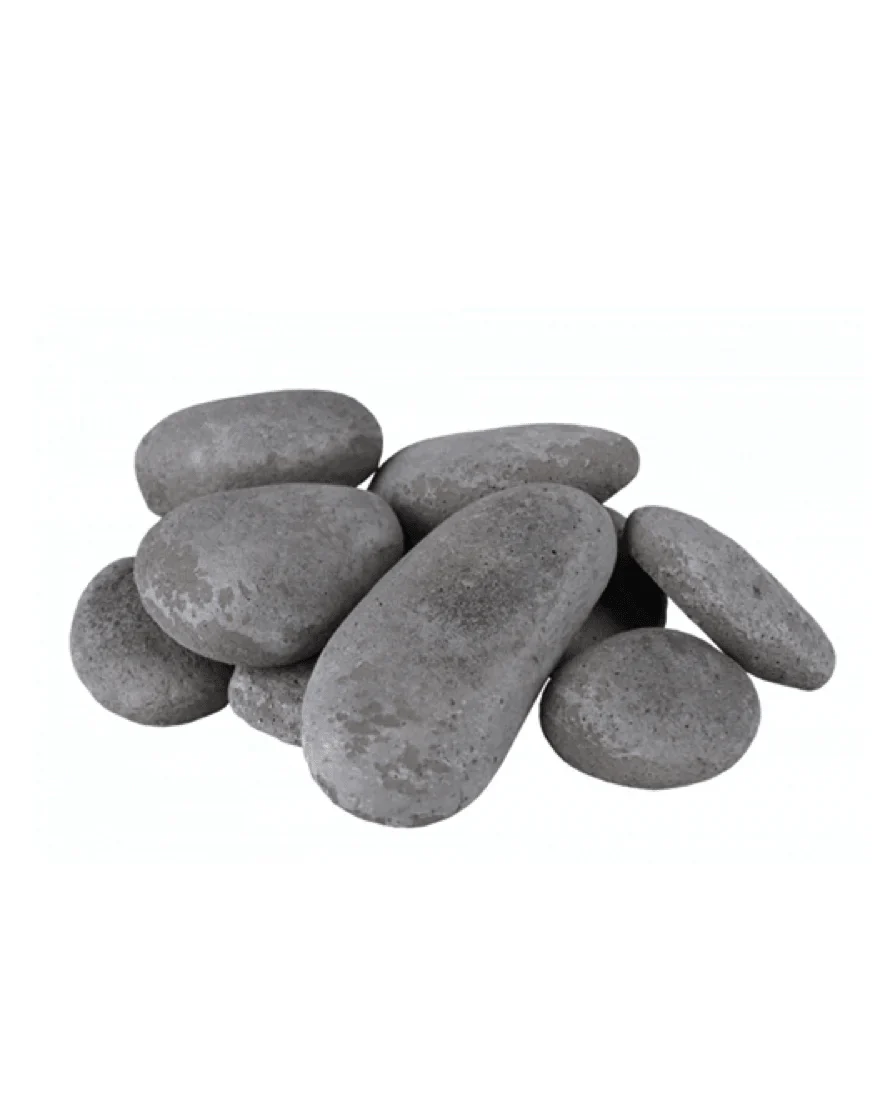
Replacement heater stones: $30–$100 every few years
-
Cleaning tools and non-toxic cleaners: $20–$50/year
-
Optional: hygrometer, EMF meter, smart plug energy monitor
Total hidden costs (first year, traditional electric sauna):
Electrical work ($500–$2,000) + vapor barrier/ventilation materials ($150–$700) + site prep ($200–$500) + electricity ($150–$400) + supplies ($70–$200) = $1,070–$3,800 beyond the sauna itself.
Plan conservatively and get multiple electrician quotes before committing.
Electrical and Ventilation: What Installers Wish You Knew
Electrical and moisture management are where most DIY sauna projects fail or create safety hazards. Here's what you need to get right.
Voltage and Amperage Basics
Traditional electric heaters:
Most require 220–240V and 30–60A dedicated circuits. Heater nameplates specify exact requirements—never guess. A 6 kW heater at 240V typically draws about 25A; a 9 kW heater draws closer to 40A (Finnish Sauna Builders, 2025; Sauna Supply Co, 2024).
Infrared heaters:
Small 1–2 person cabins often use 110–120V / 15–20A and plug into standard outlets. Larger infrared units (3+ person) may require 240V (Topture, 2024).
Dedicated Circuits and Disconnects
Electric sauna heaters must be on their own dedicated circuit with a double-pole breaker sized to match the heater. Many jurisdictions also require an accessible disconnect switch within sight of the sauna (Finnish Sauna Builders, 2025; Haven of Heat, 2025).
Code Compliance
All installations must comply with the National Electrical Code (NEC) and local amendments enforced by your authority having jurisdiction (AHJ). Some states and municipalities have specific sauna or high-heat appliance requirements. Always:
-
Hire a licensed electrician familiar with local code
-
Obtain permits before starting work
-
Schedule inspections as required
Do not attempt electrical work yourself unless you are a licensed professional. Improper wiring creates fire and shock hazards (Haven of Heat, 2025; Sauna Supply Co, 2024).
Ventilation Layout
Best practice for sauna ventilation:
-
Intake vent: Low on the wall near or below the heater, allows fresh air to enter
-
Exhaust vent: High on the opposite wall, pulls moist air out and creates cross-flow over bathers (Epic Hot Tubs, 2025; Howard Environmental, 2025)
This layout brings oxygen to the heater, keeps air moving across users, and helps evacuate humidity. Passive vents work for many saunas, but exhaust fans improve moisture control, especially in poorly ventilated basements or garages.
Vapor Barriers
For indoor builds, install a continuous 6-mil polyethylene vapor barrier on the warm side of wall and ceiling insulation. Seal all seams with vapor barrier tape and carefully seal around penetrations (lights, vents, wiring). Gaps allow moist air to condense inside walls, leading to mold and rot (Epic Hot Tubs, 2025; Howard Environmental, 2025; Reddit r/Sauna, 2024).
Foil-backed insulation can serve dual duty as vapor retarder and radiant barrier if properly installed.
Post-Use Moisture Management
After each session:
-
Leave the door open for 30–60 minutes to let humidity dissipate
-
Run ventilation fans if installed
-
Remove damp towels and mats immediately—don't leave them inside to trap moisture
-
Wipe benches and walls if you splashed significant water (Howard Environmental, 2025)
Consistent drying habits are the cheapest and most effective mold prevention.
Real-World Failure Modes
Reddit threads and installer case studies report:
-
Visible mold and suspected hidden damage in saunas without vapor barriers (Reddit r/Sauna, 2024)
-
Persistent damp carpet outside sauna doors, leading to mildew (Reddit r/Sauna, 2025)
-
Panel overload and tripped breakers when undersized circuits were used (Topture, 2024)
These problems are avoidable with proper planning and compliance.
Indoor vs. Outdoor: Placement Pros, Cons, and Moisture Reality
Location choice affects installation complexity, moisture risk, and long-term satisfaction.
Indoor Installation
Pros:
-
Year-round use regardless of weather
-
Convenience—no walk through cold or rain
-
Can integrate with existing HVAC and electrical
Cons:
-
Higher moisture risk to surrounding structure if vapor barriers or ventilation fail
-
Requires careful placement on non-carpet, water-resistant flooring
-
May need dehumidification in basements or poorly ventilated spaces
-
Potential impact on adjacent rooms if humidity isn't controlled (Howard Environmental, 2025; Epic Hot Tubs, 2025)
Best indoor locations:
-
Basements: Concrete floors and exterior walls for venting, but watch for existing humidity issues
-
Garages: Unconditioned space reduces humidity impact on living areas; concrete floors handle moisture well, though ambient temperature affects warm-up time
-
Spare bathrooms: Existing plumbing and ventilation infrastructure, but space is often tight
Flooring: Tile, sealed concrete, or luxury vinyl plank. Avoid carpet under or immediately outside the sauna—it repeatedly gets damp from sweat and splash water (Reddit r/Sauna, 2025; Howard Environmental, 2025).
Outdoor Installation
Pros:
-
Minimal moisture risk to main house structure
-
Easier ventilation—open door to outdoor air
-
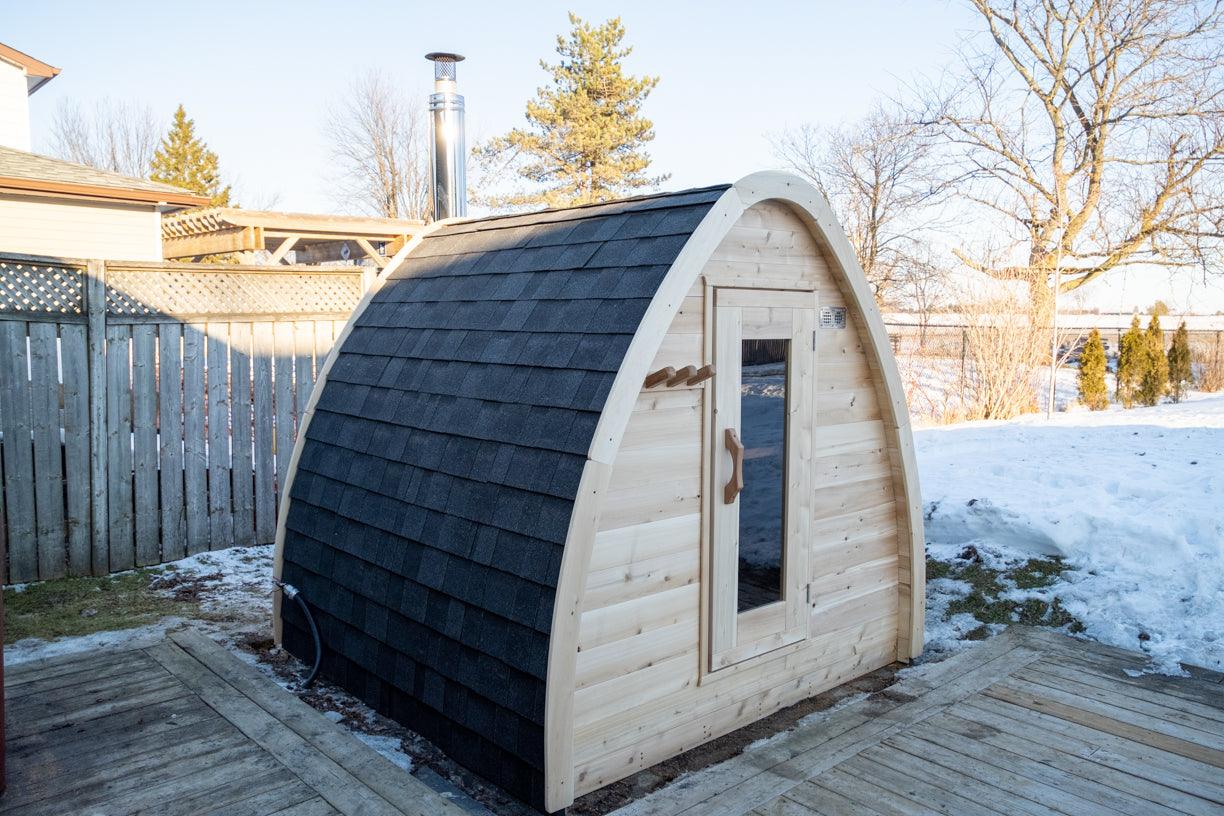
Can be a backyard focal point (barrel saunas, cabin-style)
Cons:
-
Exposure to weather requires weatherproof construction (proper roofing, exterior finish, insulation)
-
Need for weatherproof electrical service and sometimes trenching for wiring
-
Cold/wet walks to and from sauna reduce convenience
-
Site prep: level concrete pad or deck reinforcement, drainage planning (Epic Hot Tubs, 2025; Sauna Supply Co, 2024)
Outdoor-specific considerations:
-
Western red cedar or Nordic spruce exteriors hold up better than hemlock in weather
-
Roof overhangs protect doors and windows from direct rain
-
Electrical conduit must be rated for outdoor use; some jurisdictions require underground wiring
Moisture Reality Check
Indoor saunas must be treated like other high-humidity rooms (e.g., natatoriums, pool enclosures). Building science guidance for natatoriums recommends maintaining indoor relative humidity below 50–60% to prevent structural damage. Saunas generate similar or higher temporary humidity loads (Howard Environmental, 2025).
If you skip vapor barriers, rely on poor ventilation, or keep doors closed after use, moisture will condense in walls and ceilings. Over months or years, this causes:
-
Visible mold on drywall or wood
-
Musty odors
-
Structural rot in framing (especially in cold climates where condensation is severe)
-
Expensive remediation (Reddit r/Sauna, 2024; Epic Hot Tubs, 2025)
Outdoor saunas reduce this risk but still need vapor barriers and venting to protect the sauna interior itself.
Maintenance Habits That Prevent Mold and Extend Lifespan
Proper maintenance is simple but non-negotiable.
After Every Session (5 minutes)
-
Open the sauna door for 30–60 minutes to allow air circulation
-
Turn on exhaust fans if installed
-
Remove damp towels, floor mats, and any wet items—don't leave them inside
-
Wipe down benches with a clean towel if you used water or sweated heavily (Howard Environmental, 2025; Epic Hot Tubs, 2025)
These habits cost nothing and prevent 90% of mold problems.
Weekly to Monthly
-
Vacuum or sweep debris and dust from floors and benches
-
Lightly wash benches and floors with mild, non-toxic cleaner compatible with sauna wood (avoid harsh chemicals that off-gas at high heat)
-
Inspect walls and ceilings for any signs of mold, mildew, or moisture damage
-
Check door seals and weatherstripping (outdoor saunas)
Periodic Maintenance (Every 6–12 Months)
-
Replace heater stones as manufacturer recommends (they crack and lose heat retention over time)
-
Inspect electrical components: controls, thermostats, wiring connections (hire an electrician if unsure)
-
Treat exterior wood (outdoor saunas) with high-heat-safe wood preservative or sealant
-
Check and reseal vapor barrier around any new penetrations (lights, vents added after initial install) (Epic Hot Tubs, 2025; Howard Environmental, 2025)
Safety Checks
-
Confirm temperature sensors and controls function accurately
-
Verify clearances around heater per manufacturer guidance (typically 6–12 inches from walls)
-
Ensure no exposed live electrical parts (loose connections, damaged wiring)
-
Test GFCI or disconnect switches if installed
Long-Term Wood Care
Cedar and hemlock darken naturally over time. This is cosmetic, not structural. If you prefer lighter wood:
-
Light sanding every few years restores original color
-
Avoid stains or finishes inside the hot room—they release fumes at high heat
-
Exterior wood (outdoor saunas) may benefit from penetrating oil or sealant rated for high-UV exposure
Bottom line: Daily drying habits and periodic inspections prevent expensive repairs and keep your sauna safe and pleasant.
Myths and Misconceptions
Myth 1: "Sauna use is proven to dramatically extend lifespan for everyone."
Correction: Observational Finnish data show associations between frequent sauna use and lower mortality, but they do not prove saunas cause longer life. The study population was mainly Finnish men using traditional saunas, limiting generalizability (JAMA Intern Med, 2015; PubMed, 2015; PMC, 2021).
Why it persists: Media headlines oversimplify cohort results into causal claims.
Myth 2: "Dry saunas are completely risk-free for all healthy people."
Correction: Saunas are generally safe for healthy adults but can still cause dehydration, dizziness, or heat illness. Certain cardiovascular conditions are clear contraindications (PubMed, 2001; Medical News Today, 2023).
Why it persists: Wellness marketing often downplays risks.
Myth 3: "You need a drain to install any home dry sauna."
Correction: Dry saunas usually don't require a floor drain. Ventilation, vapor barriers, and drying habits are far more critical for preventing moisture problems (Epic Hot Tubs, 2025; Howard Environmental, 2025).
Why it persists: People conflate saunas with steam rooms or showers.
Myth 4: "Infrared saunas are dangerous because of high EMF exposure."
Correction: Modern infrared saunas from reputable brands typically emit EMF levels far below international safety limits and often comparable to or lower than household appliances (Found Space, 2024).
Why it persists: General EMF anxiety and marketing of "low-EMF" features.
Myth 5: "Any spare room can host a sauna without special prep."
Correction: Indoor saunas need proper electrical service, vapor barriers, ventilation, and water-resistant flooring. Otherwise, mold and structural damage can occur (Finnish Sauna Builders, 2025; Reddit r/Sauna, 2024; Epic Hot Tubs, 2025; Howard Environmental, 2025).
Why it persists: Underestimation of moisture and electrical demands.
Myth 6: "Saunas alone will 'detox' the body from heavy metals and chemicals."
Correction: Sweating does excrete some substances, but major detoxification is handled by liver and kidneys. Evidence that sauna sweating meaningfully removes environmental toxins in healthy people is limited (PMC, 2021; Medical News Today, 2023).
Why it persists: Detox narratives are popular in alternative health marketing.
Myth 7: "If you can exercise, you can use a sauna with no extra risk."
Correction: Sauna heat stress affects circulation differently than exercise. Specific cardiac conditions (e.g., severe aortic stenosis) make sauna use unsafe even if light activity is tolerated (PubMed, 2001; PMC, 2021).
Why it persists: People equate "cardio workout" and "sweating" as equivalent stresses.
Myth 8: "Dry heat means no mold risk around saunas."
Correction: Saunas generate substantial humidity from sweat and water use. Poor ventilation and lack of vapor barriers can lead to serious mold problems in adjacent structures (Reddit r/Sauna, 2024; Epic Hot Tubs, 2025; Howard Environmental, 2025).
Why it persists: Misinterpretation of the term "dry" sauna.
Myth 9: "Home saunas run on standard outlets in all cases."
Correction: While many small infrared saunas plug into 110–120V circuits, most traditional electric heaters require a 220–240V dedicated circuit and substantial amperage (Haven of Heat, 2025; Sauna Supply Co, 2024; Topture, 2024; Finnish Sauna Builders, 2025).
Why it persists: Marketing of plug-and-play infrared units and lack of awareness of traditional heater requirements.
Myth 10: "More time in the sauna is always better."
Correction: Longer sessions may be associated with greater benefits in some studies, but staying too long increases risk of dehydration, heat illness, and cardiovascular stress, especially in unconditioned users (JAMA Intern Med, 2015; Medical News Today, 2023; PubMed, 2001).
Why it persists: "More is better" mindset and social media challenges.
Real-World Constraints and Numbers That Matter
Time Investments
-
Warm-up: Traditional saunas typically take 30–45 minutes to reach operating temperature; infrared saunas heat up in 10–20 minutes (Topture, 2024; Finnish Sauna Builders, 2025; Denver Sports Recovery, 2020)
-
Session: 5–20 minutes for traditional, 15–30 minutes for infrared (up to ~45 for experienced users) (Denver Sports Recovery, 2020; Medical News Today, 2023)
-
Cooldown: 5–15 minutes post-session before showering or returning to normal activity
-
Drying: Leave door open 30–60 minutes after use (Howard Environmental, 2025)
Total time commitment per use: 50–90 minutes from turning on the heater to closing the door after drying.
Physical Footprint
-
1-person: ~3' × 4' interior (tight)
-
2-person: ~4' × 6' interior (comfortable for couples)
-
4-person: ~6' × 8' interior (family or social use)
-
Ceiling height: Minimum 6.5'–7' recommended; lower ceilings trap less heat but feel cramped
Add 6–12 inches clearance around heaters and doors for safety and airflow.
Weight and Structural Load
A 2-person prefab sauna weighs 300–600 lbs empty. A 4-person unit can exceed 1,000 lbs. Second-story installations may require floor reinforcement or engineer approval.
Cost Ranges (2026, US)
-
Budget infrared cabin (1–2 person): $1,000–$2,500
-
Mid-range traditional electric (2–3 person): $3,500–$7,000
-
Premium traditional (4+ person, cedar, custom): $8,000–$20,000+
-
Outdoor barrel or cabin sauna: $4,000–$15,000 depending on size and finish
-
Wood-burning stove: $500–$2,000 for heater; additional chimney and installation costs
Installation costs:
-
Electrician: $500–$2,000+ for 240V circuit and panel work
-
Site prep (outdoor): $500–$2,000 for pad and drainage
-
Vapor barrier and ventilation materials (indoor): $150–$700
Operating costs (annual):
-
Traditional 6 kW heater, 4x/week, 1 hour sessions: $150–$400 depending on kWh rates
-
Infrared 1.5 kW, 3x/week, 30-minute sessions: $18–$35 annually
Health Data Anchors
-
Finnish cohort: 2,315 men, median 20.7-year follow-up
-
Sudden cardiac death risk reduction: 52% lower in 4–7x/week users vs 1x/week
-
All-cause mortality risk reduction: 40% lower in 4–7x/week users (JAMA Intern Med, 2015; PubMed, 2015)
-
Session parameters in research: ~174°F for ~20 minutes per session (JAMA Intern Med, 2015)
-
Vascular improvement timeline: 8 weeks of regular Finnish sauna use showed measurable FMD improvement in CAD patients (PubMed, 2023)
Electrical Spec Ranges
|
Sauna Type |
Voltage |
Amperage |
Typical Breaker |
Wire Gauge |
|
Small infrared (1–2 person) |
110–120V |
15–20A |
15–20A |
14–12 AWG |
|
Large infrared (3+ person) |
220–240V |
20–30A |
20–30A |
10–8 AWG |
|
Traditional electric (small) |
220–240V |
30–40A |
30–40A |
10–8 AWG |
|
Traditional electric (large) |
220–240V |
40–60A |
40–60A |
8–6 AWG |
Always confirm with heater nameplate and local code (Finnish Sauna Builders, 2025; Sauna Supply Co, 2024; Haven of Heat, 2025).
Decision Tables: Traditional vs. Infrared, Indoor vs. Outdoor, Beginner vs. Advanced
Table 2: Indoor vs. Outdoor Home Sauna Installation
|
Aspect |
Indoor Sauna |
Outdoor Sauna |
|
Moisture risk to home |
Higher; requires vapor barriers, venting, and careful moisture control to prevent mold and rot (Howard Environmental, 2025; Epic Hot Tubs, 2025; Reddit r/Sauna, 2024) |
Lower impact on main structure, though moisture management still needed in the unit itself (Epic Hot Tubs, 2025; Sauna Supply Co, 2024) |
|
Convenience |
Very convenient access, year-round comfort (Howard Environmental, 2025) |
Requires going outside; weather exposure may affect comfort and frequency of use |
|
Ventilation |
Must plan intake/exhaust and air changes to keep RH below ~60% (Howard Environmental, 2025; Epic Hot Tubs, 2025) |
Easier to vent outdoors; less concern about indoor humidity load (Epic Hot Tubs, 2025; Sauna Supply Co, 2024) |
|
Flooring |
Should be on non-carpet, water-resistant surface; carpet outside door prone to dampness (Epic Hot Tubs, 2025; Howard Environmental, 2025; Reddit r/Sauna, 2025) |
Typically built on concrete pad or deck designed for load and drainage (Epic Hot Tubs, 2025; Sauna Supply Co, 2024) |
|
Construction demands |
Integration with existing walls/ceilings; vapor barrier continuity is critical (Epic Hot Tubs, 2025; Reddit r/Sauna, 2024) |
Requires weatherproof shell, roof, and sometimes snow/wind load considerations |
Table 3: Beginner vs. Advanced Home Sauna User Practices
|
Aspect |
Beginner User |
Advanced/Experienced User |
|
Session length |
Start with 5–10 minutes at moderate temperature (Denver Sports Recovery, 2020; Medical News Today, 2023) |
May tolerate 15–20 minutes in traditional or up to ~30–45 minutes in infrared (Denver Sports Recovery, 2020) |
|
Frequency |
1–2 times per week initially (PubMed, 2001; Medical News Today, 2023) |
3–7 times per week in some Finnish-style routines (JAMA Intern Med, 2015; Sauna Supply Co, 2025; PMC, 2021) |
|
Temperature |
Lower end of recommended ranges (e.g., 150–170°F traditional; ~110–120°F infrared) |
Higher within safe ranges (e.g., ~174°F Finnish standard; warmer infrared settings) (Denver Sports Recovery, 2020; JAMA Intern Med, 2015) |
|
Safety habits |
Short sessions, hydrate before and after, avoid alcohol; exit immediately if dizzy (PubMed, 2001; Medical News Today, 2023) |
Similar habits but may experiment with contrast (cold showers, plunges) under guidance (PMC, 2021; Medical News Today, 2023) |
|
Monitoring |
Pay close attention to how you feel; consider time limits |
Some advanced users track heart rate and perceived exertion as part of routine (PMC, 2021) |
Experience Layer: Safe Testing and Tracking
Rather than fabricating anecdotal claims, here's how you can safely test and document your own sauna experience.
Safe Mini-Experiments
-
Compare frequency patterns: Try 2–3 short sessions (10–15 minutes) one week versus fewer, longer sessions (20 minutes) the next week at the same temperature. Track perceived sleep quality and muscle soreness.
-
Test different ventilation routines: After sessions, leave the door open for 30 minutes one week and 60 minutes another week. Monitor room humidity with a hygrometer and check for any condensation on nearby walls.
-
Measure electrical use: If using an infrared unit, connect it to a smart plug with energy monitoring. Compare warm-up time and kWh consumption across different temperature settings.
What to Document
-
Before/after installation photos: Capture your chosen space (garage corner, basement nook, backyard pad) to show transformation
-
Behind-the-scenes logistics: Vapor barrier installation, vent placement, electrical panel work (without exposing personal information)
-
Moisture management details: Flooring type, door threshold setup, how you dry towels and mats
Metrics Worth Tracking
|
Date |
Sauna Type |
Temp (°F) |
Duration (min) |
Pre HR |
Post HR |
Perceived Heat (1–10) |
Soreness Next AM (1–10) |
Sleep Quality (1–5) |
Notes |
|
Trad/IR |
Additional tracking:
-
Pre/post-session room humidity (%)
-
Visible condensation (Y/N, location)
-
Subjective stress level before and after
-
Any dizziness, discomfort, or unusual sensations
This log helps you optimize temperature, duration, and frequency while catching moisture problems early.
Frequently Asked Questions
1. Is a dry sauna at home safe for healthy adults?
For most healthy adults, home dry sauna use is safe when sessions are moderate in duration and users stay well hydrated (Medical News Today, 2023; PubMed, 2001).
-
Limit traditional sessions to about 5–20 minutes at recommended temperatures (Denver Sports Recovery, 2020; PubMed, 2001)
-
Avoid using the sauna if you feel unwell, overheated, or dizzy (PubMed, 2001; Medical News Today, 2023)
-
Drink water before and after sessions to replace sweat losses (Medical News Today, 2023; PubMed, 2001)
-
People with heart disease, pregnancy, or chronic conditions should talk to a doctor first (PMC, 2021; PubMed, 2001; Medical News Today, 2023)
2. How often can I use a home dry sauna?
Many healthy people can use a sauna several times per week, and Finnish data link 4–7 weekly sessions with health benefits, but frequency should match comfort and medical status (Sauna Supply Co, 2025; JAMA Intern Med, 2015; PMC, 2021; PubMed, 2001).
-
A Finnish cohort using sauna 4–7 times weekly had lower cardiovascular and all-cause mortality (Sauna Supply Co, 2025; JAMA Intern Med, 2015)
-
Start with 1–2 sessions per week and increase gradually if tolerated (PubMed, 2001; Medical News Today, 2023)
-
Keep individual sessions moderate in duration and temperature (Denver Sports Recovery, 2020; PubMed, 2001)
-
Consult a clinician if you have cardiovascular disease or other health issues (PMC, 2021; PubMed, 2001)
3. What temperature should a home dry sauna be?
Traditional home saunas typically operate between 160–200°F, while infrared models often run at 110–150°F (Denver Sports Recovery, 2020; Medical News Today, 2023; PubMed, 2001).
-
Beginners may prefer the lower end of these ranges (Denver Sports Recovery, 2020; PubMed, 2001)
-
Higher temperatures generally require shorter session times (PubMed, 2001; Denver Sports Recovery, 2020)
-
Infrared saunas feel comfortable at lower air temps due to radiant heat (PMC, 2021; Medical News Today, 2023; Denver Sports Recovery, 2020)
-
Always follow the manufacturer's recommended operating range (Topture, 2024; Finnish Sauna Builders, 2025)
4. How long does it take a home sauna to heat up?
Traditional home saunas often take 30–45 minutes to reach full temperature, while many infrared saunas warm up in about 10–20 minutes (Topture, 2024; Finnish Sauna Builders, 2025; Denver Sports Recovery, 2020).
-
Heat-up time depends on heater power, room size, and insulation (Topture, 2024; Finnish Sauna Builders, 2025)
-
Pre-heating slightly longer can help stabilize temperature before entering (Denver Sports Recovery, 2020)
-
Cooler ambient spaces like garages may extend warm-up times (Epic Hot Tubs, 2025)
5. Do I need a 220–240V line for a home dry sauna?
Most traditional electric home saunas require a 220–240V dedicated circuit, but many small infrared models run on standard 110–120V outlets (Haven of Heat, 2025; Sauna Supply Co, 2024; Finnish Sauna Builders, 2025; Topture, 2024).
-
Traditional heaters typically need 30–60A breakers (Sauna Supply Co, 2024; Haven of Heat, 2025; Finnish Sauna Builders, 2025)
-
Infrared 1–2 person cabins often use 15–20A at 110–120V (Finnish Sauna Builders, 2025; Topture, 2024)
-
Always match heater nameplate data to breaker and wire size (Haven of Heat, 2025; Sauna Supply Co, 2024; Finnish Sauna Builders, 2025)
-
A licensed electrician and local code compliance are essential (Haven of Heat, 2025; Finnish Sauna Builders, 2025)
6. Can I put a dry sauna in my basement or garage?
Basements and garages can be good locations for home saunas if you address flooring, ventilation, moisture control, and electrical access (Sauna Supply Co, 2024; Howard Environmental, 2025; Epic Hot Tubs, 2025).
-
Use non-carpet, water-resistant flooring under and around the sauna (Reddit r/Sauna, 2025; Howard Environmental, 2025; Epic Hot Tubs, 2025)
-
Provide intake and exhaust vents and allow post-session drying (Howard Environmental, 2025; Epic Hot Tubs, 2025)
-
Ensure a vapor barrier and proper insulation in indoor wall assemblies (Reddit r/Sauna, 2024; Epic Hot Tubs, 2025)
-
Confirm electrical panel capacity and code compliance (Sauna Supply Co, 2024; Haven of Heat, 2025; Finnish Sauna Builders, 2025)
7. Will a home dry sauna cause mold in my house?
A properly installed and ventilated sauna should not cause mold, but poor moisture control around an indoor sauna can lead to mold and structural damage (Reddit r/Sauna, 2024; Epic Hot Tubs, 2025; Howard Environmental, 2025).
-
Install a continuous vapor barrier and seal penetrations (Reddit r/Sauna, 2024; Epic Hot Tubs, 2025)
-
Use intake and exhaust vents and leave the door open for 30–60 minutes after use (Epic Hot Tubs, 2025; Howard Environmental, 2025)
-
Avoid carpet at the doorway and dry towels and mats promptly (Reddit r/Sauna, 2025; Howard Environmental, 2025)
-
Monitor nearby walls and ceilings periodically for signs of moisture (Reddit r/Sauna, 2024; Howard Environmental, 2025)
8. Is a dry sauna better than an infrared sauna?
Both traditional dry and infrared saunas can offer relaxation and potential cardiovascular benefits, but traditional saunas have the strongest long-term evidence base while infrared models may be easier to install and more comfortable at lower temperatures (JAMA Intern Med, 2015; Medical News Today, 2023; PMC, 2021; Denver Sports Recovery, 2020).
-
Traditional saunas run hotter and rely on heated air and stones (PubMed, 2001; Denver Sports Recovery, 2020)
-
Infrared saunas use radiant heat at lower air temps (PMC, 2021; Denver Sports Recovery, 2020)
-
Most mortality and cardiovascular data come from Finnish traditional saunas (PubMed, 2015; JAMA Intern Med, 2015; PMC, 2021)
-
Infrared units more often use standard outlets, reducing installation complexity (Sauna Supply Co, 2024; Topture, 2024; Finnish Sauna Builders, 2025)
9. Do home saunas use a lot of electricity?
Traditional electric heaters can draw 30–60A at 220–240V and meaningfully increase your power use, while small infrared saunas use less power but still add to your bill depending on frequency and duration (Haven of Heat, 2025; Topture, 2024; Finnish Sauna Builders, 2025; Sauna Supply Co, 2024).
-
Heater kW rating, session length, and weekly frequency determine usage (Topture, 2024; Finnish Sauna Builders, 2025)
-
Frequent 4–7x/week use will have a larger impact than occasional sessions (Sauna Supply Co, 2025; JAMA Intern Med, 2015)
-
Local kWh rates vary widely, so total monthly cost depends on your utility
-
A dedicated circuit and correct breaker sizing are usually required (Haven of Heat, 2025; Finnish Sauna Builders, 2025)
10. Do I need a drain for a home dry sauna?
Most home dry saunas do not require a drain, but having one can make cleaning easier, especially if you splash water or combine the sauna with a shower area (Howard Environmental, 2025; Epic Hot Tubs, 2025).
-
The primary concern is managing humidity and drying surfaces (Epic Hot Tubs, 2025; Howard Environmental, 2025)
-
Proper vapor barriers and ventilation prevent moisture getting into walls (Reddit r/Sauna, 2024; Epic Hot Tubs, 2025)
-
Non-porous flooring makes cleanup easier even without a drain (Howard Environmental, 2025; Epic Hot Tubs, 2025)
11. Can I use a sauna if I have heart disease?
Some people with stable coronary heart disease can use saunas safely under medical supervision, but those with unstable angina, recent heart attack, or severe aortic stenosis should avoid them (PubMed, 2023; PMC, 2021; PubMed, 2001).
-
A clinical review finds sauna bathing generally safe in stable CHD (PubMed, 2001)
-
An 8-week Finnish sauna program improved vascular markers in CAD patients (PubMed, 2023)
-
Specific conditions like severe aortic stenosis are contraindications (PubMed, 2001)
-
Always seek cardiologist guidance before starting sauna use (PMC, 2021; PubMed, 2001)
12. Is it safe to use a sauna while pregnant?
Most guidance advises pregnant women to avoid saunas or only use them under explicit medical advice due to concerns about maternal hyperthermia and fetal development (Medical News Today, 2023; PMC, 2021).
-
Heat exposure in pregnancy has been linked to certain birth defects in experimental and observational data (PMC, 2021)
-
Some observational studies show negligible risk, but caution is standard (PMC, 2021)
-
Obstetric providers can give individualized recommendations (Medical News Today, 2023)
13. At what age can kids use a home sauna?
Some sources suggest children over about 6 years old may use saunas with shorter, cooler sessions and close adult supervision (Medical News Today, 2023; PubMed, 2001).
-
Children are more sensitive to heat and dehydration (Medical News Today, 2023; PubMed, 2001)
-
Time limits (e.g., under 15 minutes) and lower temperatures are advised (Medical News Today, 2023)
-
Never leave children alone in a sauna (Medical News Today, 2023)
14. Do infrared saunas have harmful EMF levels?
Modern infrared saunas from reputable brands generally produce EMF levels well below international safety thresholds, and current evidence suggests typical exposures are unlikely to cause harm (Found Space, 2024).
-
EMF primarily comes from 60Hz AC power in heaters and controls (Found Space, 2024)
-
Testing authorities recommend keeping ELF/EMF under set limits that most units meet (Found Space, 2024)
-
Some saunas are specifically engineered as "low-EMF" and publish measurements (Found Space, 2024)
15. How do I prevent mold around my home sauna?
To prevent mold, combine a proper vapor barrier and ventilation with consistent post-use drying habits (Reddit r/Sauna, 2024; Epic Hot Tubs, 2025; Howard Environmental, 2025).
-
Install intake near the heater and exhaust high on the opposite wall (Epic Hot Tubs, 2025; Howard Environmental, 2025)
-
Leave the door open 30–60 minutes after use and run fans as needed (Howard Environmental, 2025)
-
Remove and dry towels and mats immediately (Howard Environmental, 2025)
-
Monitor for any signs of moisture or mold in adjacent walls and ceilings (Reddit r/Sauna, 2024)
16. Can I install a sauna myself?
Electrical work for home saunas must be performed by licensed electricians to meet code and ensure safety; structural assembly can often be DIY if you follow manufacturer instructions carefully (Finnish Sauna Builders, 2025; Haven of Heat, 2025; Epic Hot Tubs, 2025).
-
Never attempt 240V electrical work without proper licensing (Haven of Heat, 2025)
-
Vapor barrier and ventilation installation require attention to detail but are within many DIYers' skills (Epic Hot Tubs, 2025)
-
Obtain necessary permits and schedule inspections (Haven of Heat, 2025; Finnish Sauna Builders, 2025)
17. How much does it cost to run a home sauna monthly?
Monthly costs depend on heater power, session frequency, duration, and local electricity rates (Finnish Sauna Builders, 2025; Topture, 2024).
-
A 6 kW traditional heater used 4x/week for 1 hour costs roughly $15–$31/month at $0.15–$0.30/kWh (Finnish Sauna Builders, 2025)
-
A 1.5 kW infrared unit used 3x/week for 30 minutes costs about $1.50–$3/month (calculation based on power specs)
-
Higher frequency (daily use) or longer sessions increase costs proportionally
18. What's the best wood for a home sauna?
Western red cedar, hemlock, and Nordic spruce are the most common sauna woods, each with different characteristics (Epic Hot Tubs, 2025; Finnish Sauna Builders, 2025).
-
Cedar: Naturally aromatic, insect-resistant, good for outdoor applications
-
Hemlock: Lighter color, less aromatic, softer feel, popular for indoor saunas
-
Nordic spruce: Traditional Finnish choice, durable, minimal resin at sauna temps
-
All perform well when properly finished and maintained (Epic Hot Tubs, 2025)
19. Can I use essential oils in my home sauna?
Some sauna users add essential oils to water splashed on stones in traditional saunas, but oils can damage heater elements, void warranties, and create respiratory irritation for some people (Denver Sports Recovery, 2020).
-
If using oils, dilute heavily and never apply directly to heaters
-
Check manufacturer guidance—many explicitly prohibit oils
-
Infrared saunas should not use oils due to potential damage to heating elements
20. Do I need a GFCI breaker for a sauna?
GFCI requirements for saunas vary by jurisdiction and whether the sauna is in a wet location (Haven of Heat, 2025; Finnish Sauna Builders, 2025).
-
Many codes do not require GFCI for dedicated sauna circuits in dry locations
-
Outdoor saunas or those in combined shower spaces may require GFCI
-
Always confirm with local electrical code and a licensed electrician (Haven of Heat, 2025)
21. Can I lose weight using a sauna?
Saunas cause temporary water weight loss through sweating, but this is not fat loss and weight returns with rehydration (Medical News Today, 2023).
-
Any "weight loss" is fluid loss that must be replaced for health
-
Sauna use is not a weight loss tool and should not substitute for diet and exercise
-
Dehydration can be dangerous; always rehydrate after sessions (Medical News Today, 2023; PubMed, 2001)
22. How long do home saunas last?
Well-maintained home saunas can last 15–30+ years, with electric heaters typically needing replacement or refurbishment after 10–20 years (Epic Hot Tubs, 2025; Howard Environmental, 2025).
-
Wood quality and moisture control are the primary longevity factors
-
Outdoor saunas face more weather stress and may need refinishing every 3–5 years
-
Indoor saunas with good ventilation and vapor barriers last longer (Howard Environmental, 2025; Epic Hot Tubs, 2025)
23. Should I shower before or after using a sauna?
Best practice is to shower before to remove lotions, oils, and surface dirt, and shower after to rinse off sweat (Denver Sports Recovery, 2020; Howard Environmental, 2025).
-
Pre-sauna showering keeps benches cleaner
-
Post-sauna showering removes sweat salts that can irritate skin
-
Allow 5–10 minutes for body temperature to normalize before cold showers
24. Can I use a sauna with high blood pressure?
People with well-controlled hypertension can often use saunas safely, but those with uncontrolled high blood pressure should consult a physician first (PMC, 2021; PubMed, 2001).
-
Sauna bathing can lower blood pressure in some people (PMC, 2021)
-
Uncontrolled hypertension may react unpredictably to heat stress (PubMed, 2001)
-
Never combine sauna use with blood pressure medications without medical clearance (Medical News Today, 2023)
25. What should I wear in a home sauna?
Most people use saunas nude or in a towel; synthetic fabrics can be uncomfortable at high heat (Denver Sports Recovery, 2020).
-
Cotton or linen towels are traditional and comfortable
-
Avoid synthetic workout gear that traps heat and may melt or off-gas
-
Sit on a towel to absorb sweat and protect wood benches (Howard Environmental, 2025)
Infrared vs traditional sauna: what is the actual difference?
A traditional sauna heats the air with a stove and rocks, to 160–200°F. An infrared sauna heats you directly with emitters, at 110–150°F, so the air stays cooler. Everything else — session length, install, how it feels — follows from that one difference.
Is infrared better than traditional?
Neither is better; they suit different constraints. Most infrared cabins plug into a standard 110–120V outlet, which is why they fit ordinary rooms without an electrician. Traditional rooms need a dedicated 220–240V circuit and usually a ventilation plan. If your panel and your budget can take 240V, the question becomes whether you want high heat with steam bursts or a longer session at a lower temperature.
Infrared sauna vs dry sauna — are those the same comparison?
Yes. "Dry sauna" is how most people say "traditional sauna": an enclosed room heated by a stove, with low humidity compared with a steam room. So infrared sauna vs dry sauna is the same question as infrared vs traditional sauna, asked in different words.
Infrared sauna vs regular sauna — which heats faster?
Infrared reaches its operating temperature faster because it has less air to heat and a lower target. A traditional room takes longer to preheat, and the preheat is often longer than the session itself, which matters for running cost as well as for patience.
Traditional sauna vs infrared sauna: which costs more to run?
Traditional, because a stove draws more kilowatts than an infrared emitter array. On our own figures a 2.1 kW infrared cabin costs roughly $45 a year at the US average electricity rate for three 45-minute sessions a week, against roughly $172 for an 8 kW traditional room. Both are smaller than most people expect, and both are dwarfed by the installation. The true total cost of a home sauna sets out the whole calculation.
Difference between infrared and traditional sauna for EMF?
EMF is an infrared question rather than a traditional one, because the emitters sit close to the body. Manufacturers publish mG figures inconsistently and at different measuring distances, so a number without a distance is not comparable to another number without one. Our low EMF saunas collection states what each tier means in mG.
Sources
- Full research document
-
JAMA Intern Med 2015 – "Association Between Sauna Bathing and Fatal Cardiovascular and All-Cause Mortality Events" – Laukkanen et al. – Study – March 31, 2015 – https://jamanetwork.com/journals/jamainternalmedicine/fullarticle/2130724
-
PubMed 2015 – "Association between sauna bathing and fatal cardiovascular and all-cause mortality events" – Laukkanen et al. – Study abstract – April 5, 2015 – https://pubmed.ncbi.nlm.nih.gov/25705824/
-
PMC 2021 – "The Cardiometabolic Health Benefits of Sauna Exposure in Individuals with High Cardiometabolic Risk" – Murray et al. – Review – January 26, 2021 – https://pmc.ncbi.nlm.nih.gov/articles/PMC7908414/
-
PubMed 2023 – "Finnish sauna bathing and vascular health of adults with coronary artery disease" – Study – September 30, 2023 – https://pubmed.ncbi.nlm.nih.gov/37650138/
-
PubMed 2001 – "Benefits and risks of sauna bathing" – Clinical review – January 31, 2001 – https://pubmed.ncbi.nlm.nih.gov/11165553/
-
Denver Sports Recovery – "Sauna Time Recommendations" – Recovery guidance – December 31, 2020 – https://www.denversportsrecovery.com/blog/sauna-time-reccomendations
-
Medical News Today – "Sauna: Health benefits, risks, and precautions" – Health summary – June 26, 2023 – https://www.medicalnewstoday.com/articles/313109
-
Topture – "Sauna Electrical Requirements: Everything You Need to Know" – Installer guide – February 14, 2024 – https://topture.com/blogs/home-saunas/sauna-electrical-requirements-everything-you-need-to-know
-
Finnish Sauna Builders – "Sauna essential requirements and safety guidelines" – Installer guide – July 2, 2025 – https://finnishsaunabuilders.com/blogs/the-science-of-sauna/sauna-essential-requirements-and-safety-guidelines
-
Sauna Supply Co – "Wiring a Sauna | Power Supply Required for Saunas" – Installer guide – April 3, 2024 – https://saunasupplyco.com/sauna-electrical-requirements-whats-required/
-
Haven of Heat – "Sauna Electrical Code by State: NEC Basics, Local AHJ Rules" – Technical guide – December 17, 2025 – https://havenofheat.com/blogs/sauna-heater-guides/sauna-electrical-code-by-state-nec-basics-local-ahj-rules-and-what-homeowners-must-know
-
Epic Hot Tubs – "Home Sauna Installation: 7 Mistakes to Avoid Pre-Install" – Installer guide – September 7, 2025 – https://epichottubs.com/blog/home-sauna-installation/
-
Howard Environmental – "Indoor Pool Mold Control and Sauna Mold Control" – Environmental contractor guide – September 14, 2025 – https://www.howardenvironmental.com/indoor-pool-mold-control-and-sauna-mold-control/
-
Found Space – "Safe Waves: Unveiling the Truth About EMF Levels in Infrared Saunas" – Technical blog – August 5, 2024 – https://foundspace.com.au/found-space-living/emf-elf-infrared-sauna-guide/
-
Sauna Supply Co – "Dr. Jari Laukkanen Finnish Traditional Sauna Study Explained" – Study summary – September 9, 2025 – https://saunasupplyco.com/dr-jari-laukkanen-finnish-traditional-sauna-study-explained/
-
Reddit r/Sauna – "Assembly help for sauna" – User discussion – August 17, 2024 – https://www.reddit.com/r/Sauna/comments/1eunqja/assembly_help_for_sauna/
-
Reddit r/Sauna – "DIY Sauna builders: what was the most difficult part of the build?" – User discussion – January 17, 2024 – https://www.reddit.com/r/Sauna/comments/199dmqu/diy_sauna_builders_what_was_the_most_difficult/
-
Reddit r/Sauna – "This sub was very negative about my ideas to upgrade the sauna…" – User discussion on moisture issues – June 12, 2025 – https://www.reddit.com/r/Sauna/comments/1l9lof3/this_sub_was_very_negative_about_my_ideas_to/
-
Reddit r/Sauna – "New house. Finnish sauna. No ventilation. Guessing this is all mold…" – User discussion on moisture damage – November 13, 2024 – https://www.reddit.com/r/Sauna/comments/1gq5bje/new_house_finnish_sauna_no_ventilation_guessing/
What We Still Don't Know
Despite growing research, several evidence gaps remain:
Comparative effectiveness: Head-to-head trials comparing traditional versus infrared saunas for specific health outcomes are rare. Most conclusions about infrared benefits extrapolate from traditional sauna data and physiologic plausibility (PMC, 2021).
Optimal frequency and duration: The Finnish mortality data show dose-response relationships for frequency and duration, but whether these patterns hold for other populations, sauna types, or combined with other heat/cold exposures remains uncertain (JAMA Intern Med, 2015; PMC, 2021).
Mechanisms: While cardiovascular and metabolic improvements are documented, the precise cellular and systemic mechanisms—roles of heat shock proteins, autonomic nervous system changes, endothelial function pathways—are still being mapped (PMC, 2021).
Long-term safety in special populations: Data on sauna use in pregnancy, pediatrics, elderly with frailty, and people with specific chronic diseases remain limited. Most guidance is precautionary rather than evidence-based (Medical News Today, 2023; PubMed, 2001).
Generalizability: Nearly all long-term outcome data come from Finnish men using traditional saunas. Whether similar benefits occur in women, diverse ethnic groups, and with infrared or other sauna types is unknown (JAMA Intern Med, 2015; PubMed, 2015).
Real-world adherence: Clinical trials are often small and short-term. How well people maintain sauna routines at home over years, and whether benefits persist with sporadic use, is unclear.
These gaps don't negate current evidence but underscore that sauna research is still evolving. Larger, longer, more diverse trials would strengthen recommendations.