











Circadian Rhythm Optimization for Energy
The circadian rhythm is an internal clock that regulates various biological processes in our bodies, including sleep-wake cycles, hormone release, and metabolism. When optimized, it can significantly enhance energy levels, improve mood, and promote overall health. In this article, we will explore the science behind circadian rhythms and provide practical tips for optimizing yours to boost your energy.
Understanding Circadian Rhythms
Circadian rhythms are roughly 24-hour cycles that are influenced by external cues such as light and temperature. They play a crucial role in determining sleep patterns, feeding behaviors, hormone production, and other bodily functions. The primary regulator of circadian rhythms is the suprachiasmatic nucleus (SCN), a group of neurons in the brain that responds to light signals.
The Importance of Circadian Alignment
When our daily routines align with our natural circadian rhythms, we experience better sleep, increased energy, and improved cognitive function. Disruptions to this natural rhythm, such as irregular sleep patterns or excessive exposure to blue light from screens, can lead to fatigue, mood disturbances, and a host of health issues.
Signs Your Circadian Rhythm Needs Optimization
- Difficulty falling asleep or staying asleep
- Persistent fatigue during the day
- Difficulty concentrating or remembering things
- Frequent mood swings
- Increased cravings for sugar and caffeine
Strategies for Circadian Rhythm Optimization
1. Establish a Consistent Sleep Schedule
Go to bed and wake up at the same time every day, even on weekends. This helps to reinforce your body’s natural sleep-wake cycle.
2. Limit Exposure to Light at Night
Reduce exposure to artificial light in the evening, especially blue light from screens. Consider using blue light filters or glasses that block blue light.
3. Maximize Natural Light During the Day
Spend time outdoors in natural light during the day to help regulate your circadian rhythm. Aim for at least 30 minutes of sunlight exposure in the morning.
4. Create a Sleep-Conducive Environment
Ensure your bedroom is dark, quiet, and cool. Consider blackout curtains or a white noise machine to create an optimal sleeping environment.
5. Incorporate Regular Physical Activity
Engaging in regular exercise can help regulate your sleep patterns and improve energy levels. Aim for at least 30 minutes of moderate exercise most days of the week.
6. Mind Your Diet
Eating a balanced diet rich in whole foods can support your energy levels. Avoid heavy meals and caffeine close to bedtime, as they can disrupt sleep.
7. Explore Relaxation Techniques
Practicing relaxation techniques such as meditation or deep breathing can help reduce stress and improve sleep quality. Consider using a floatation therapy tank for a deeply relaxing experience.
8. Utilize Wellness Tools
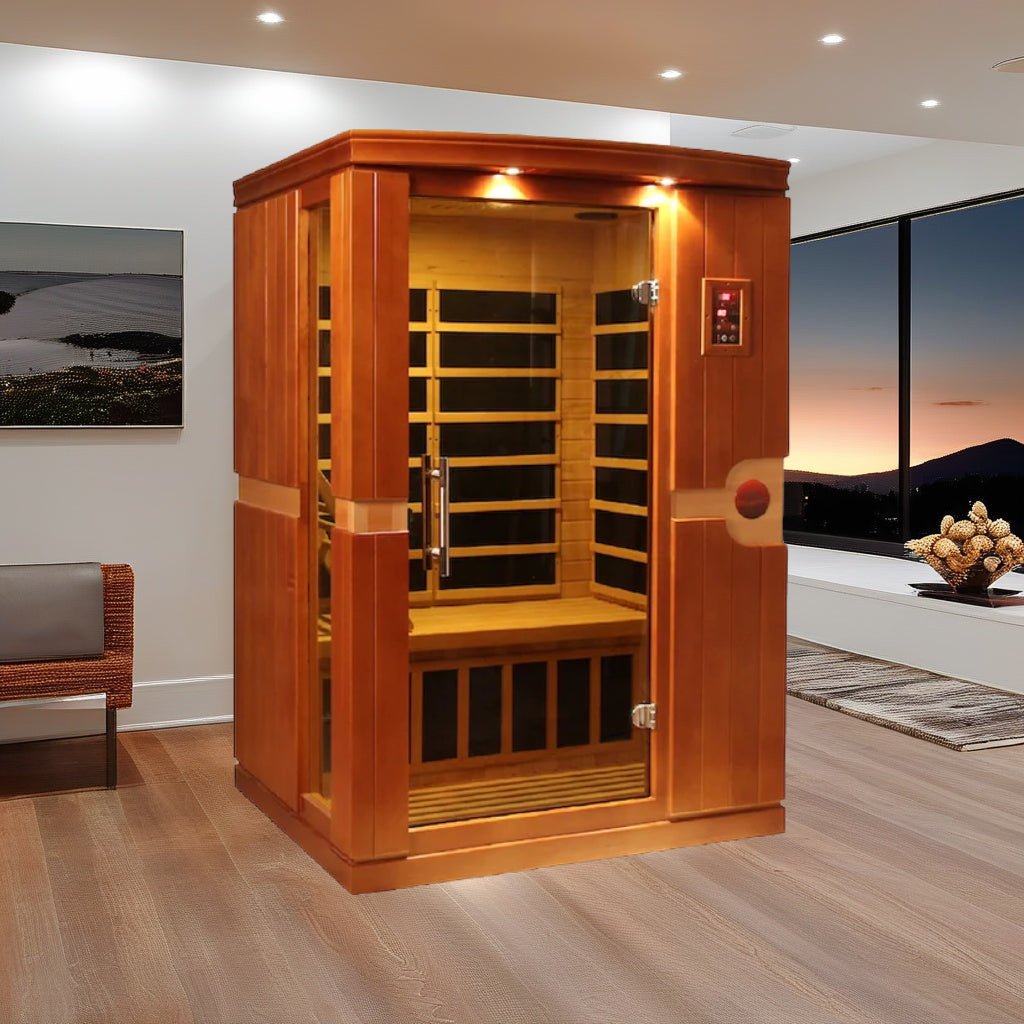
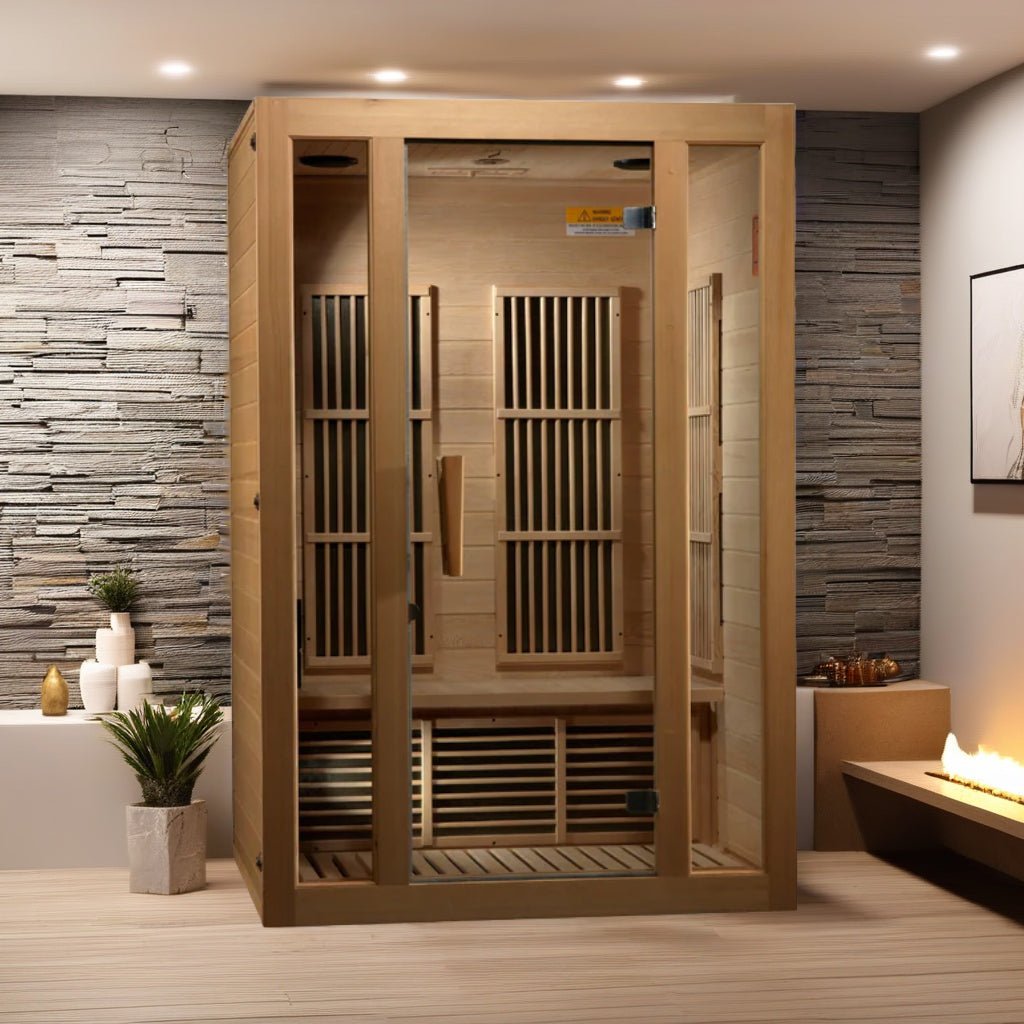
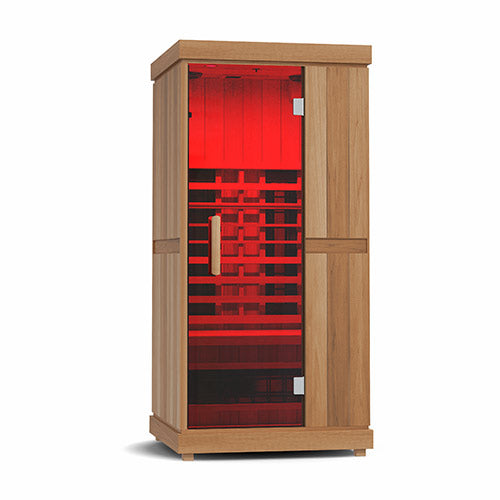
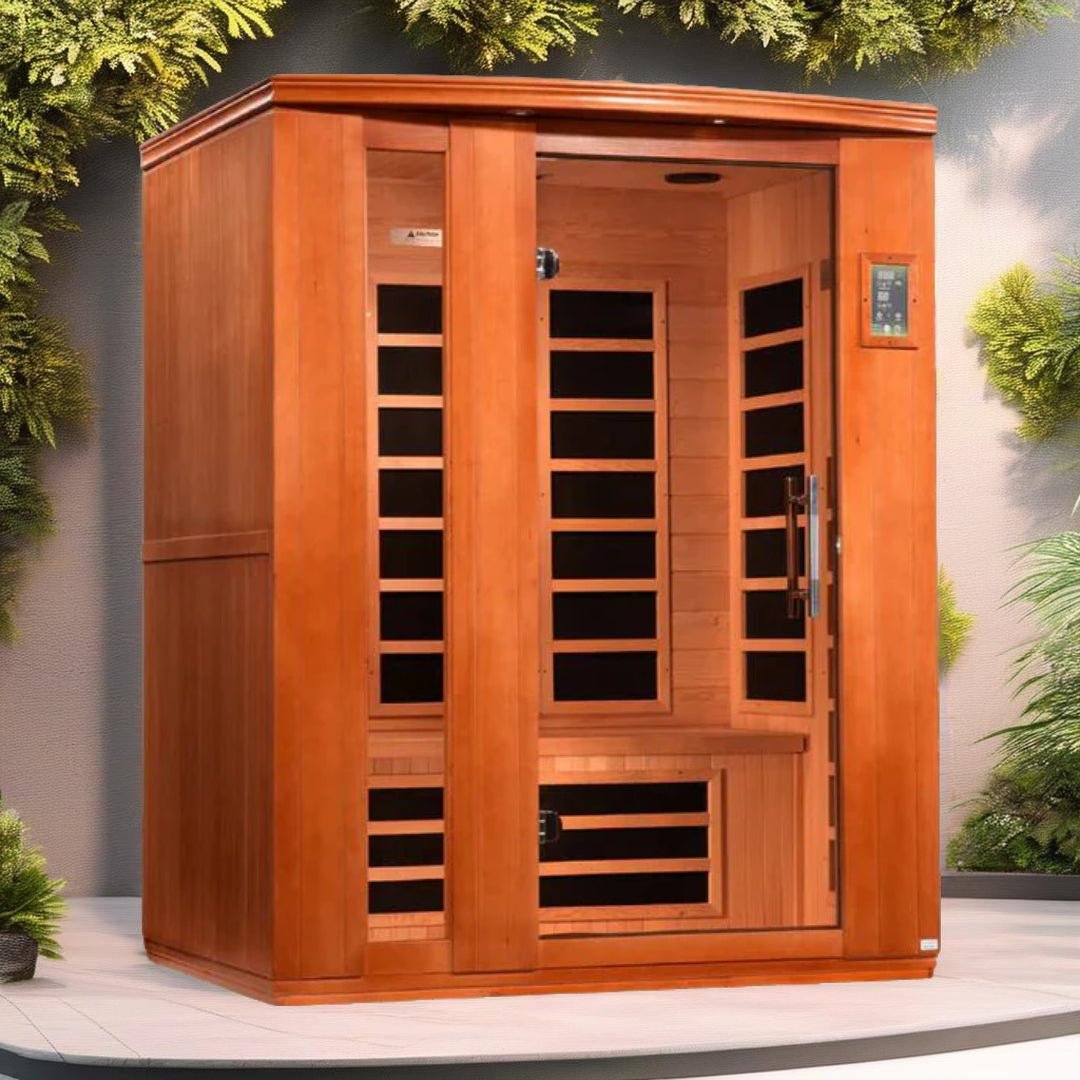
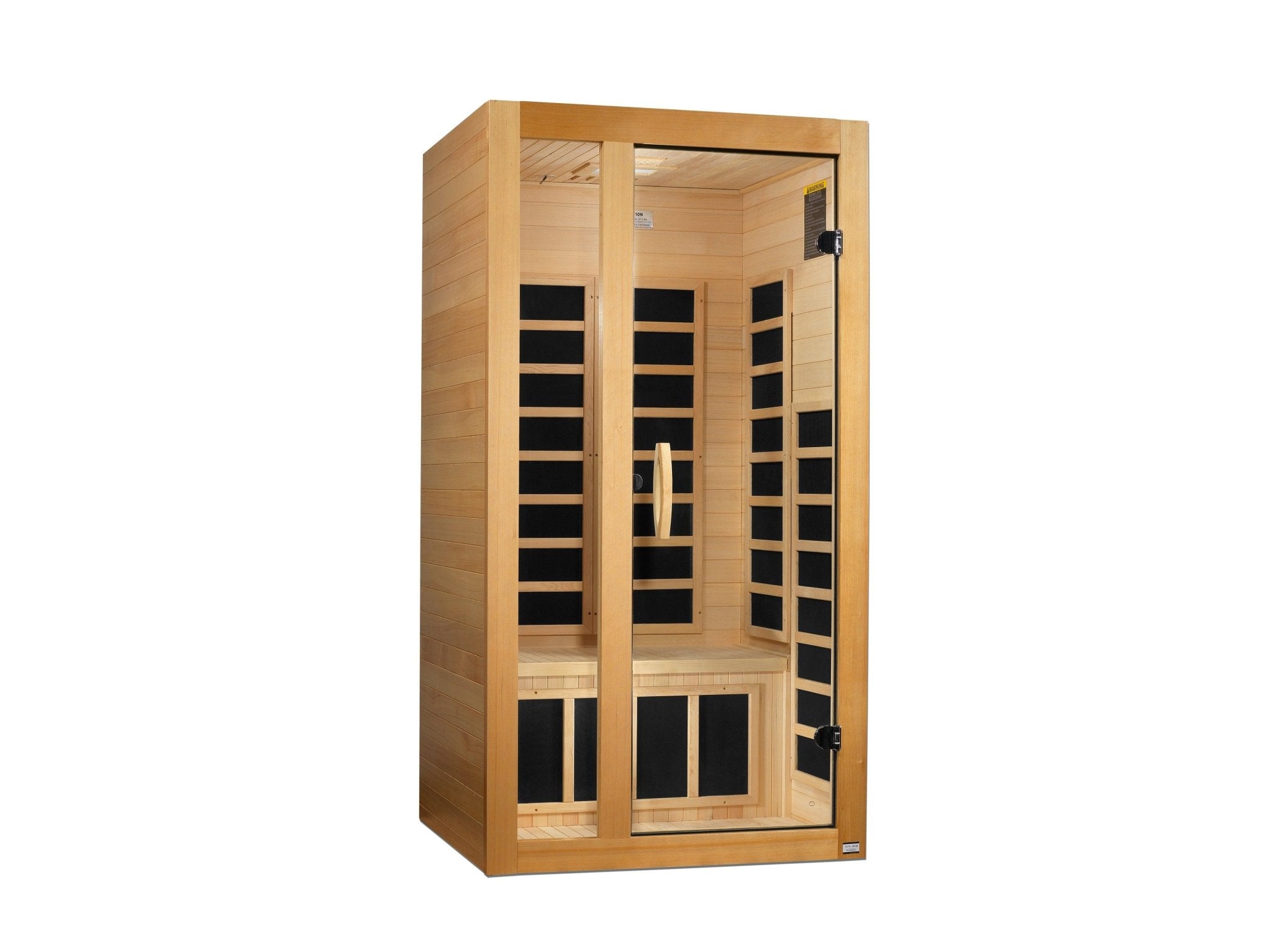
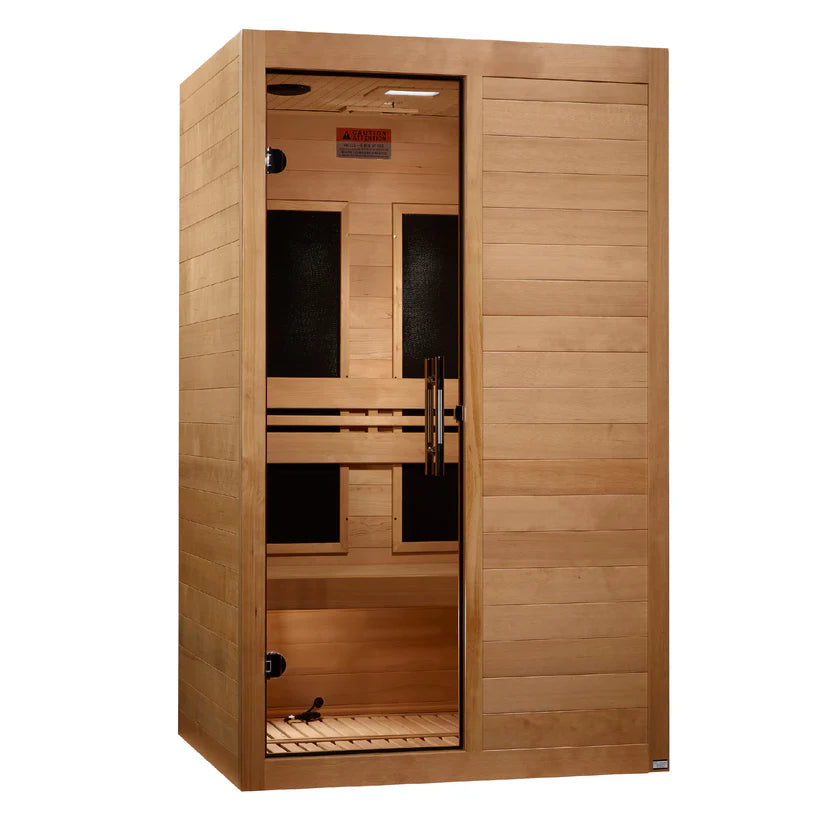
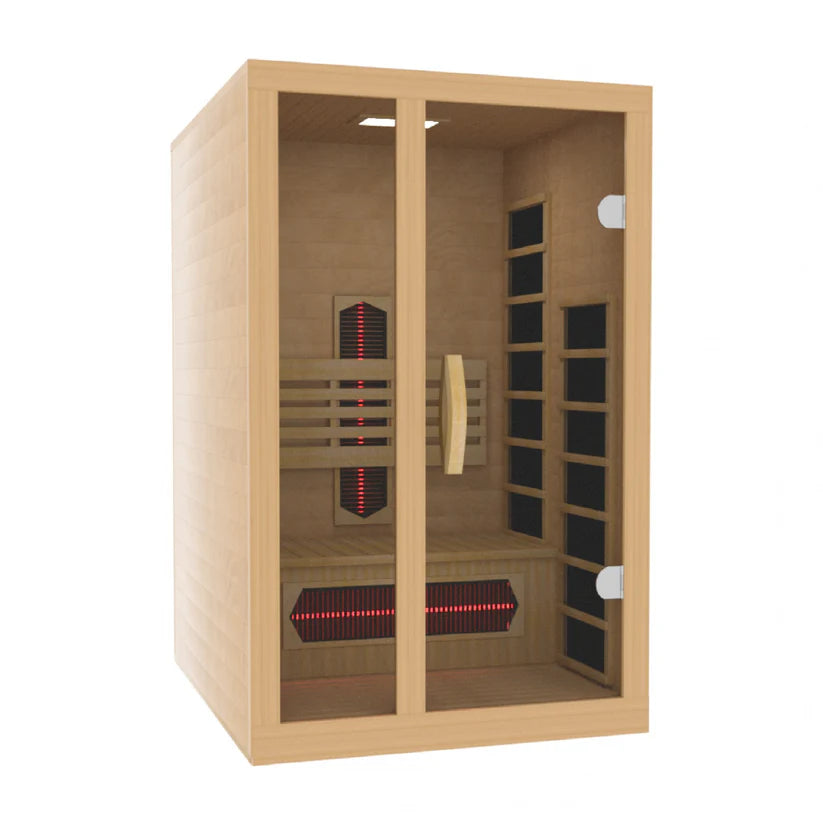
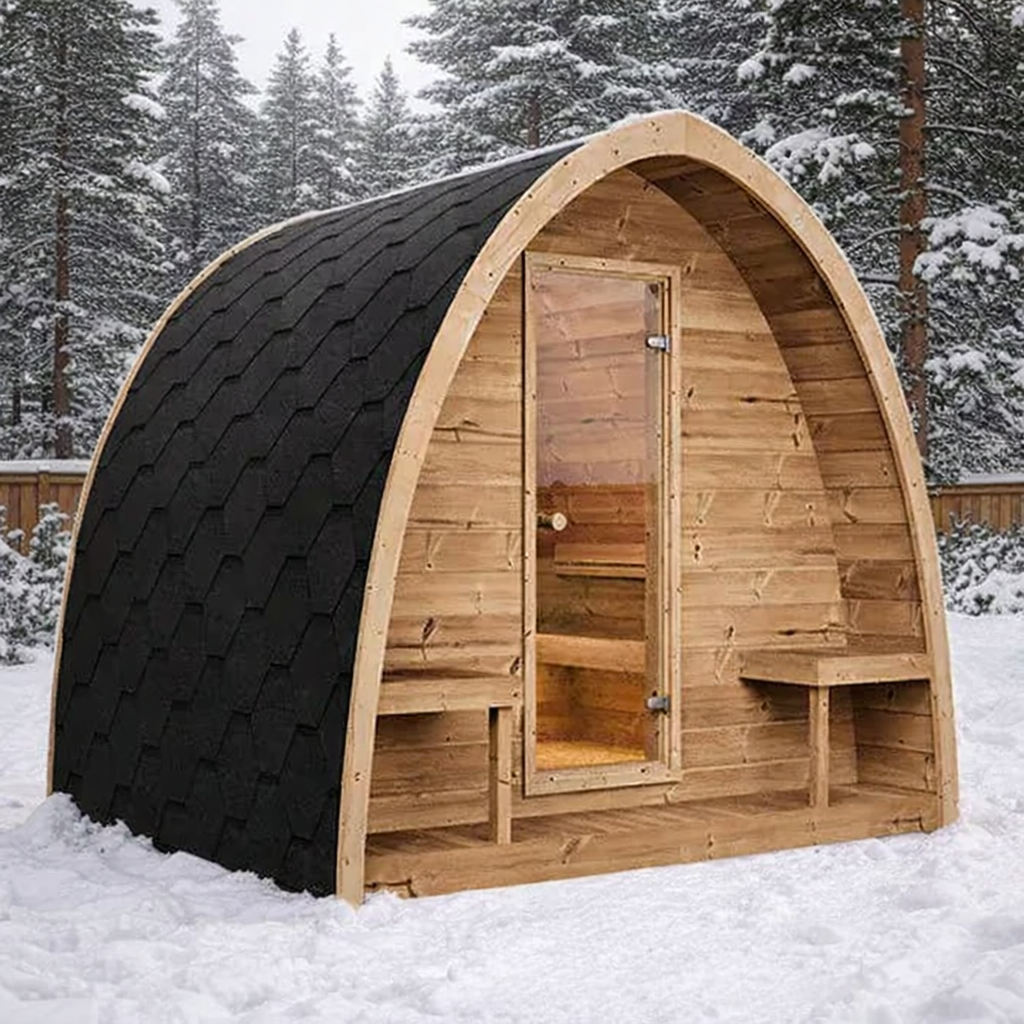
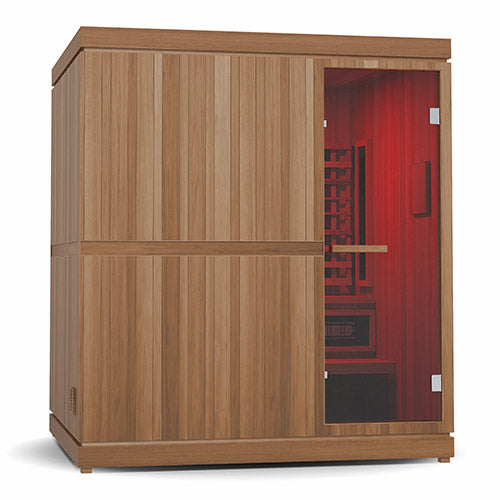
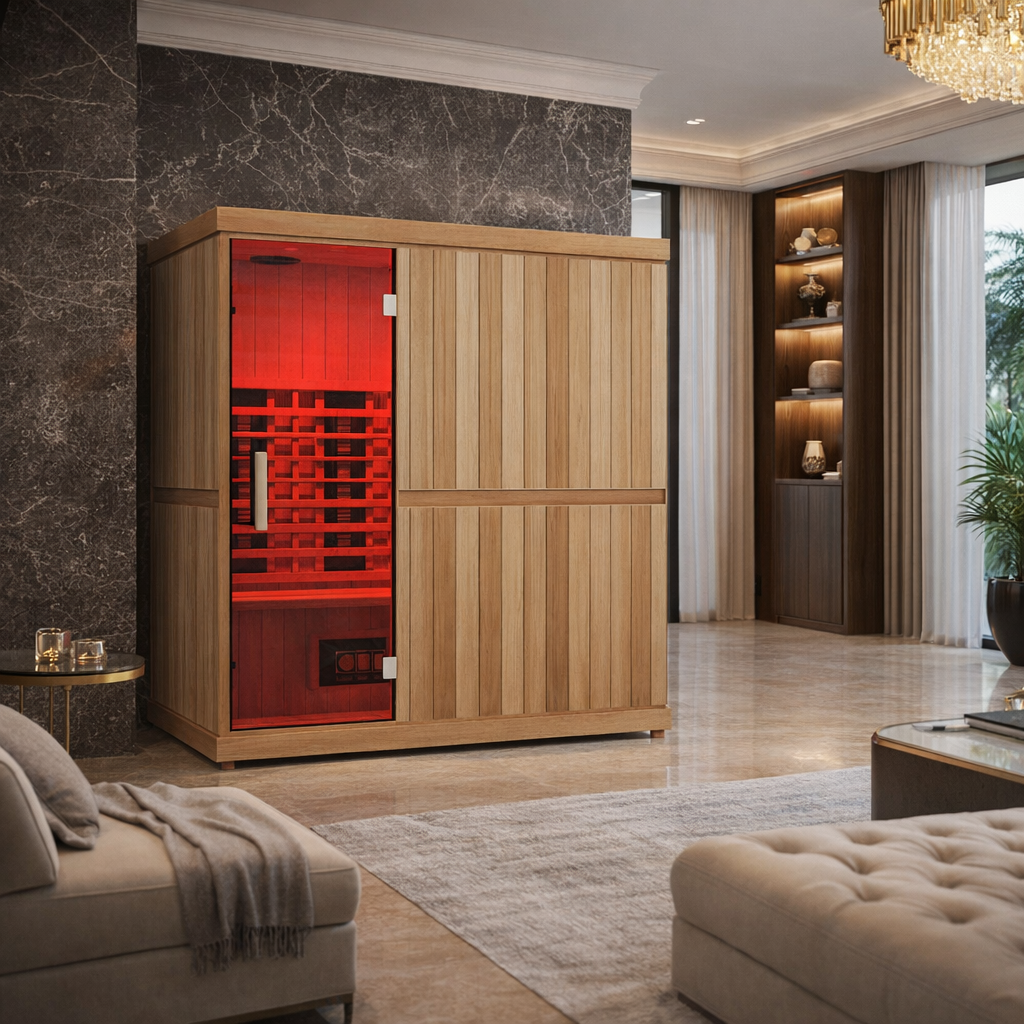
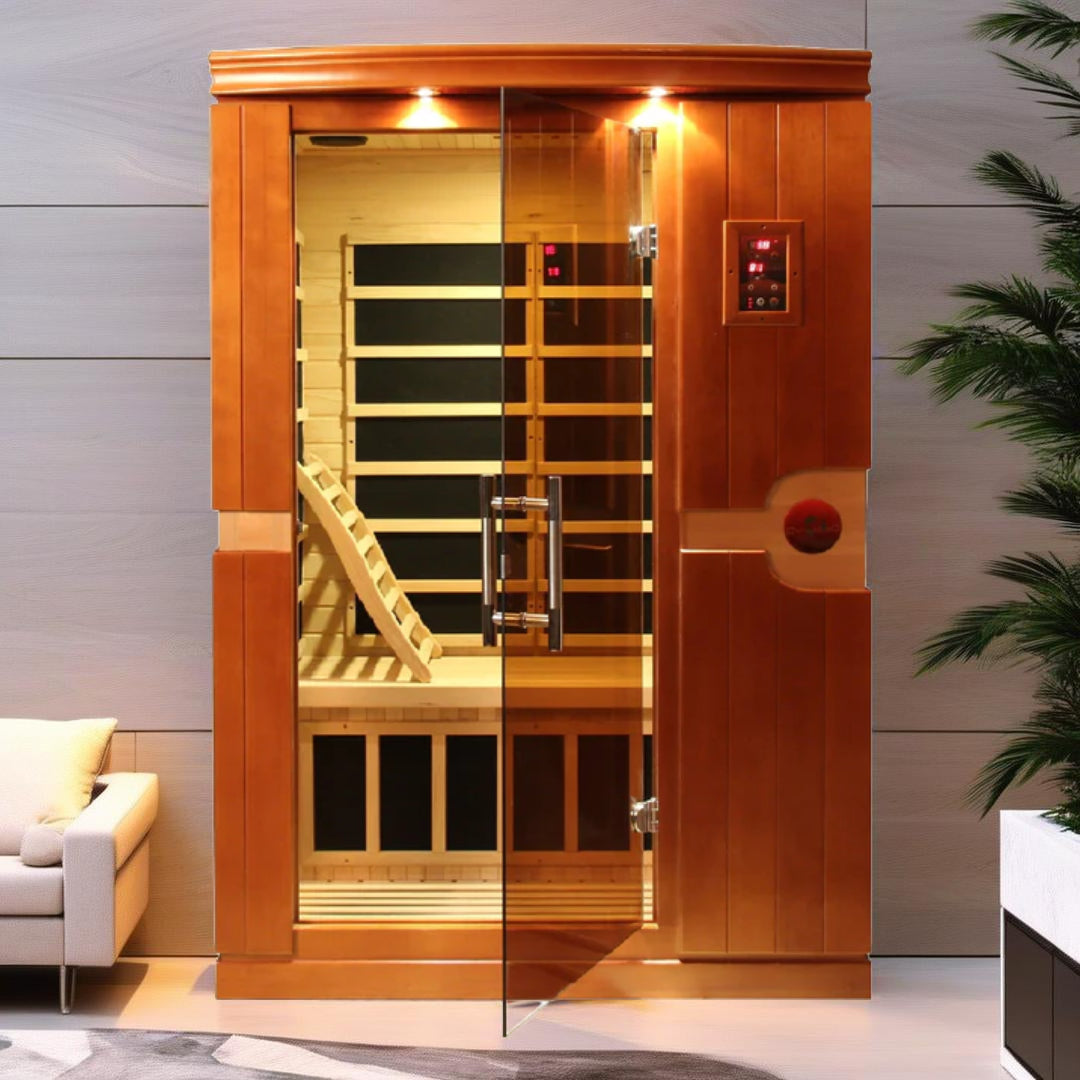
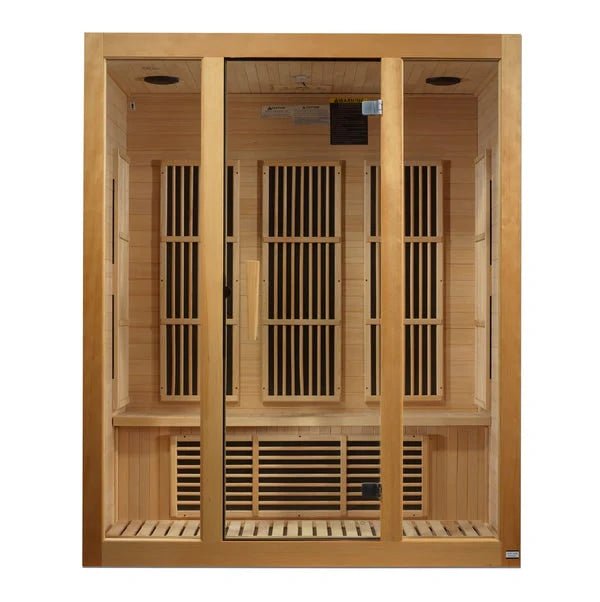
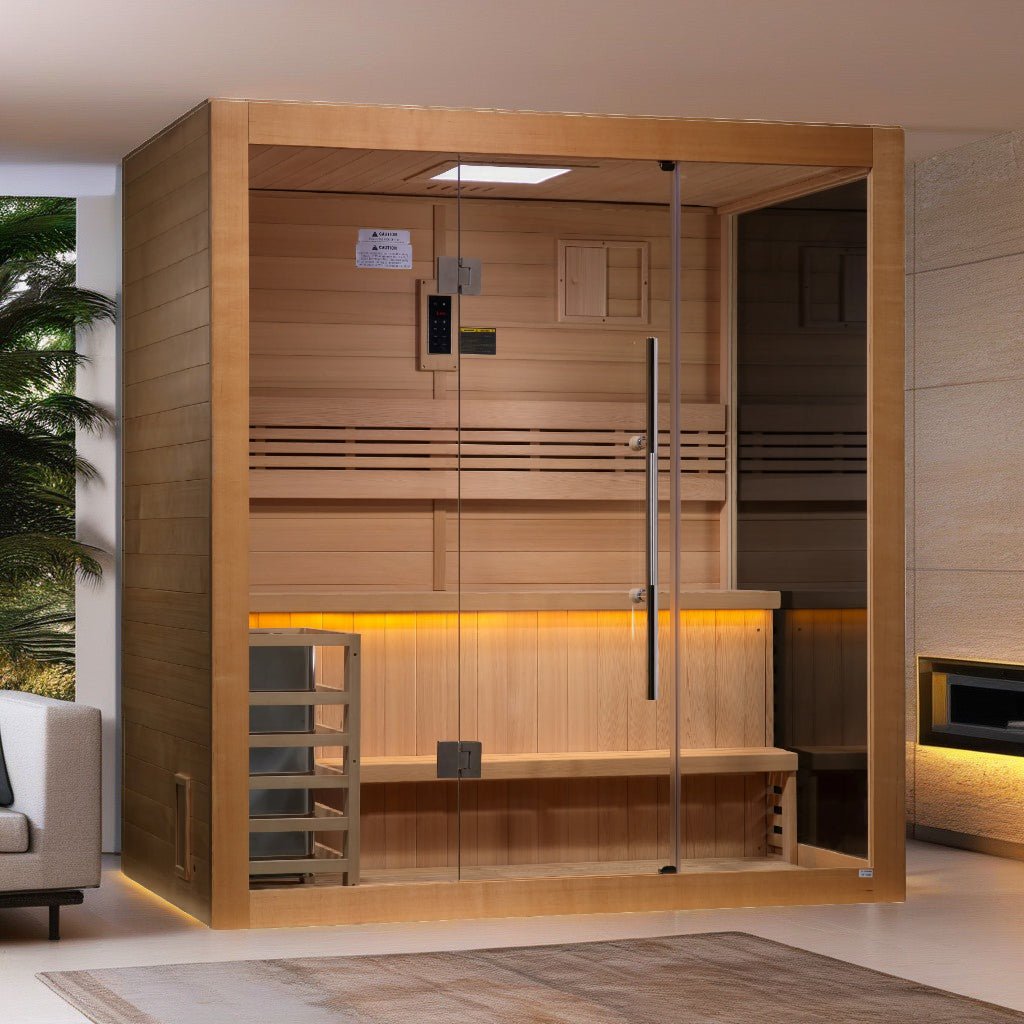
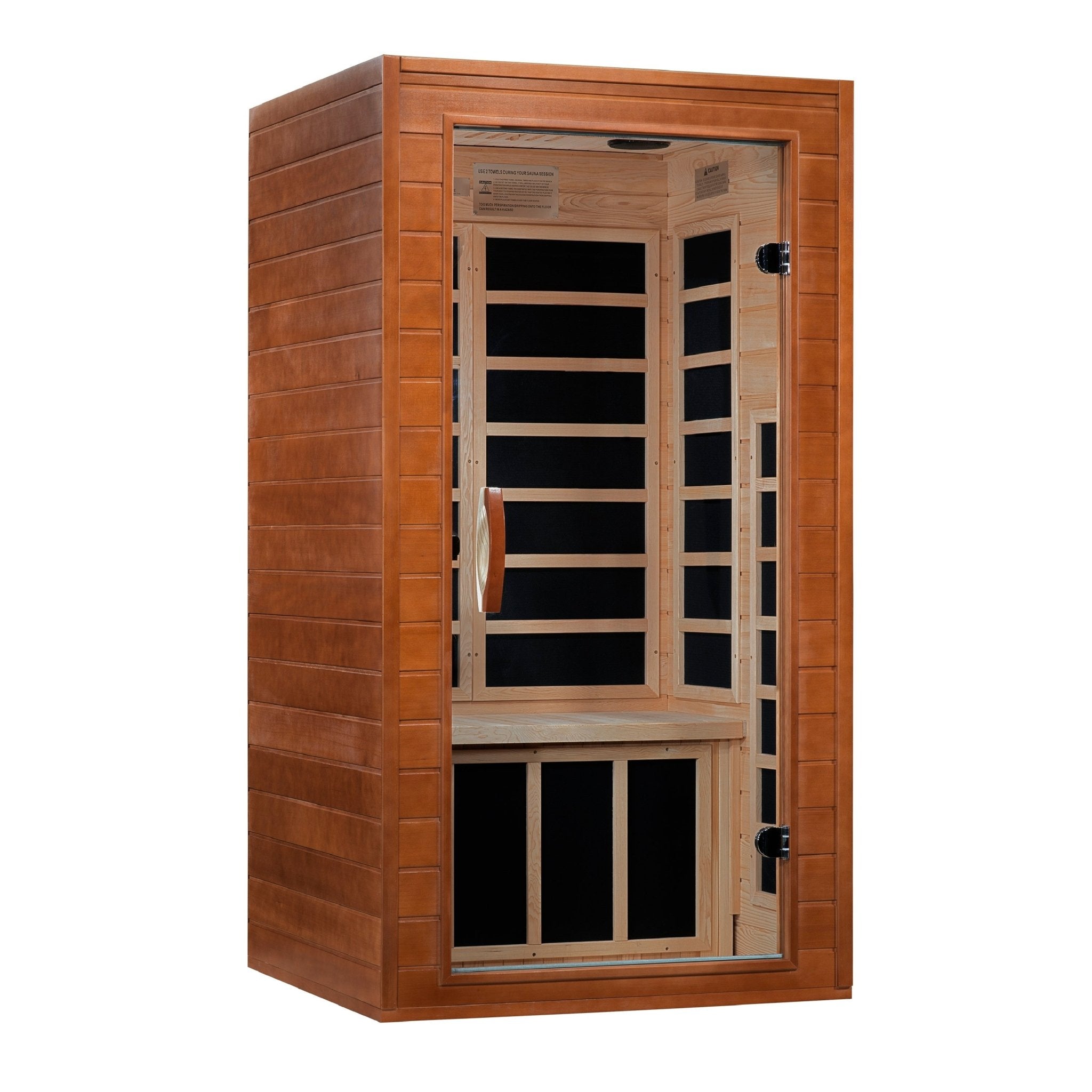
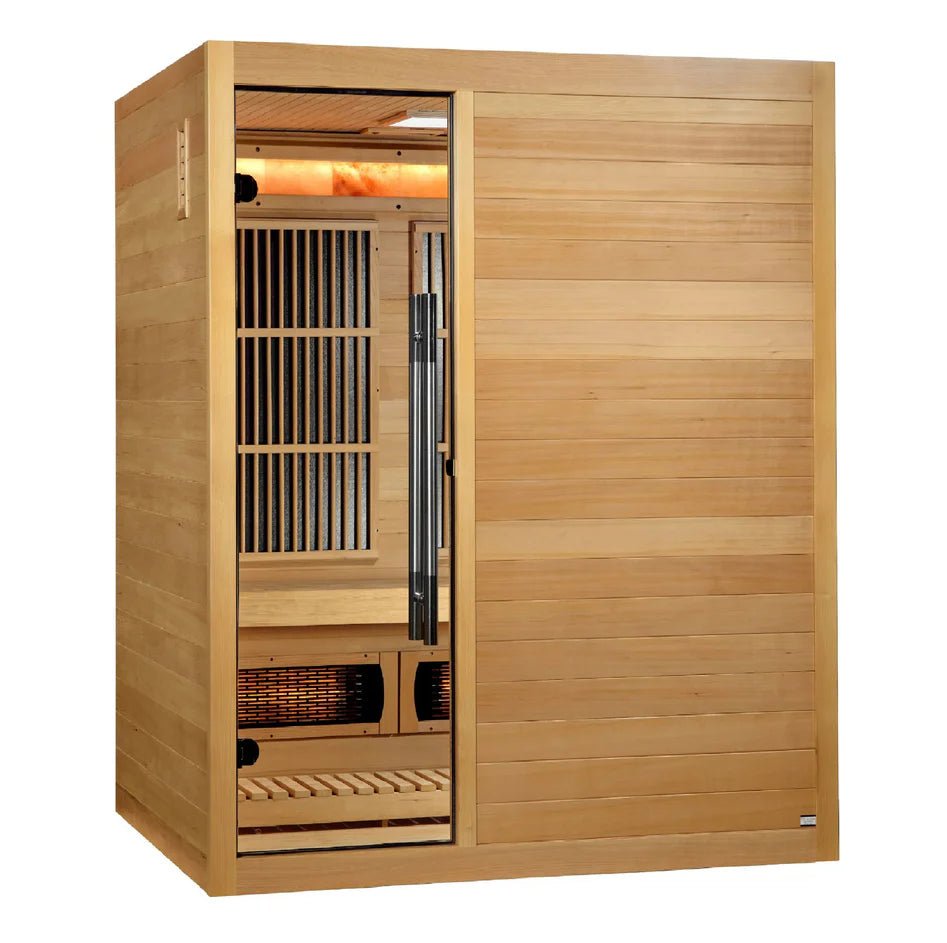
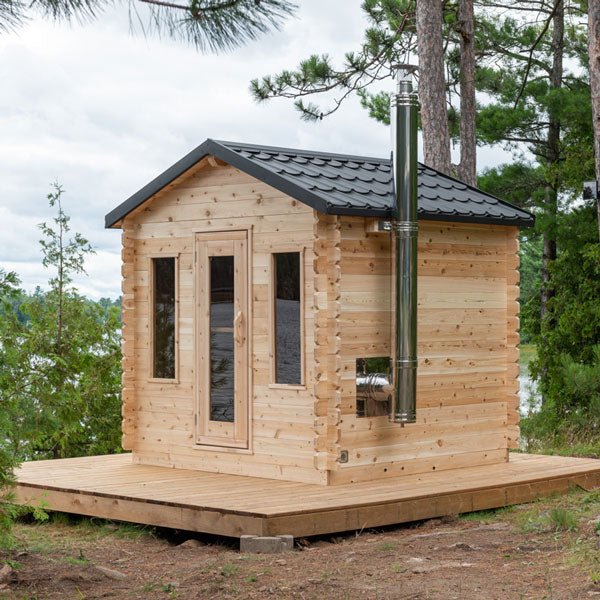
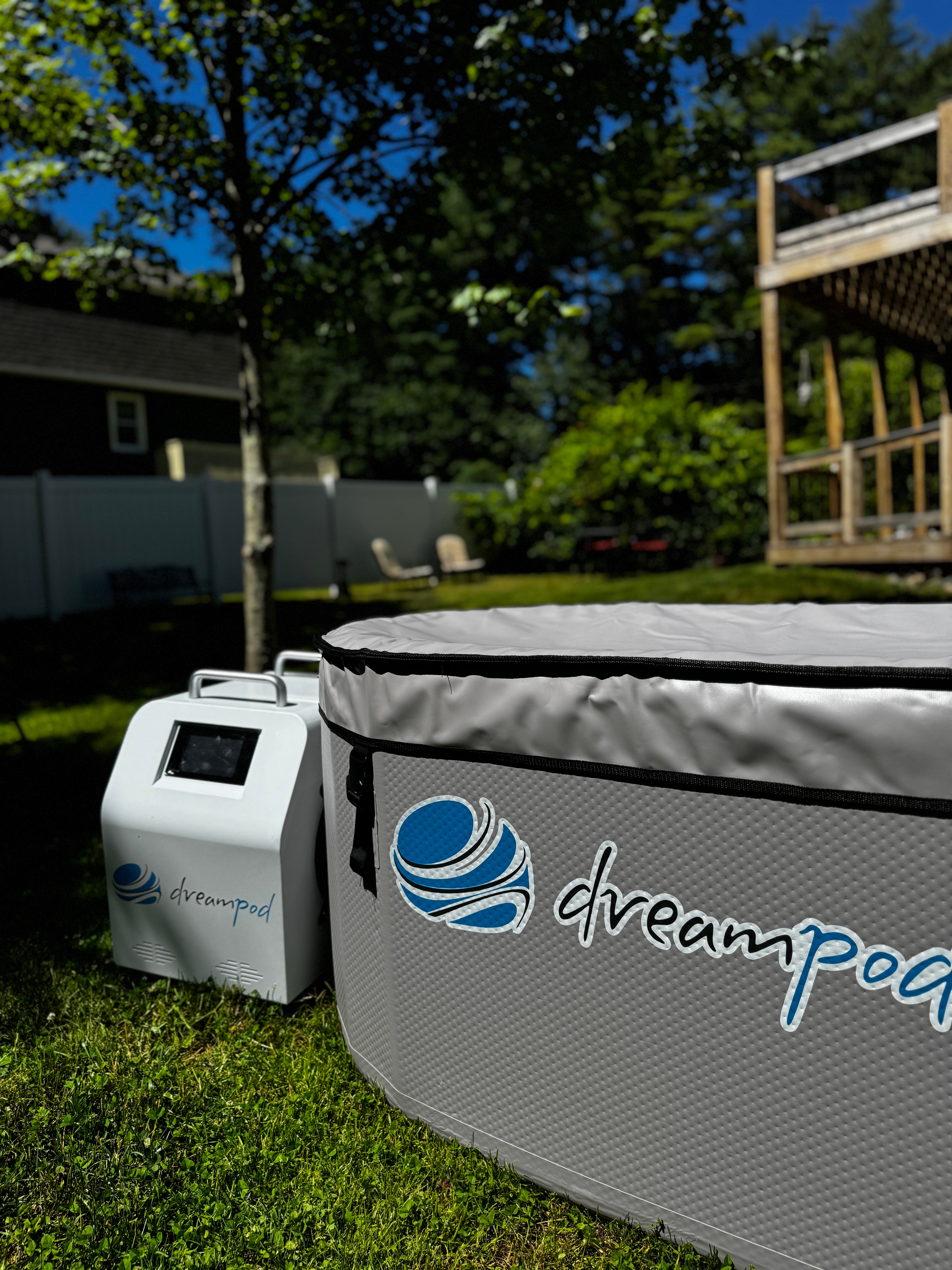
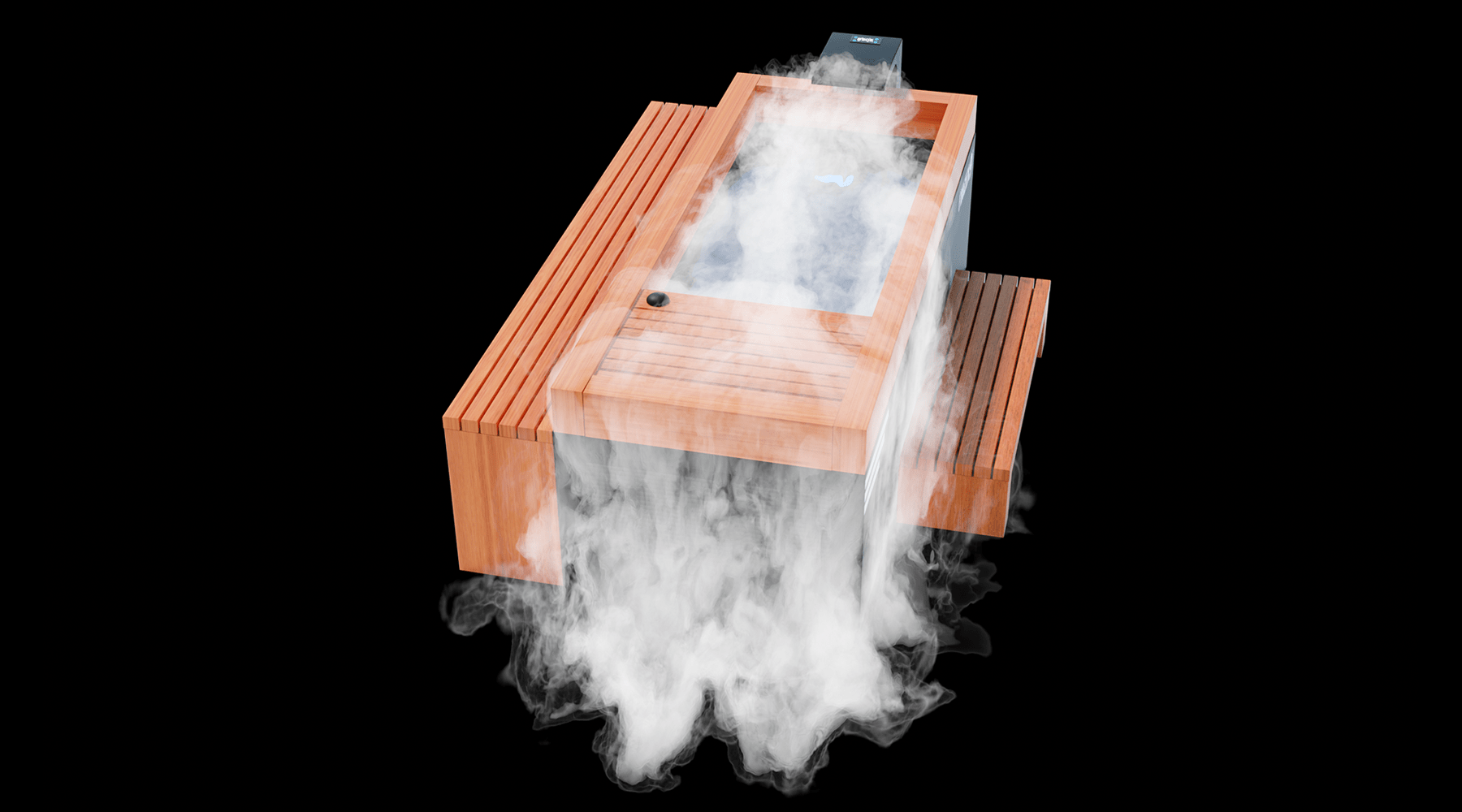
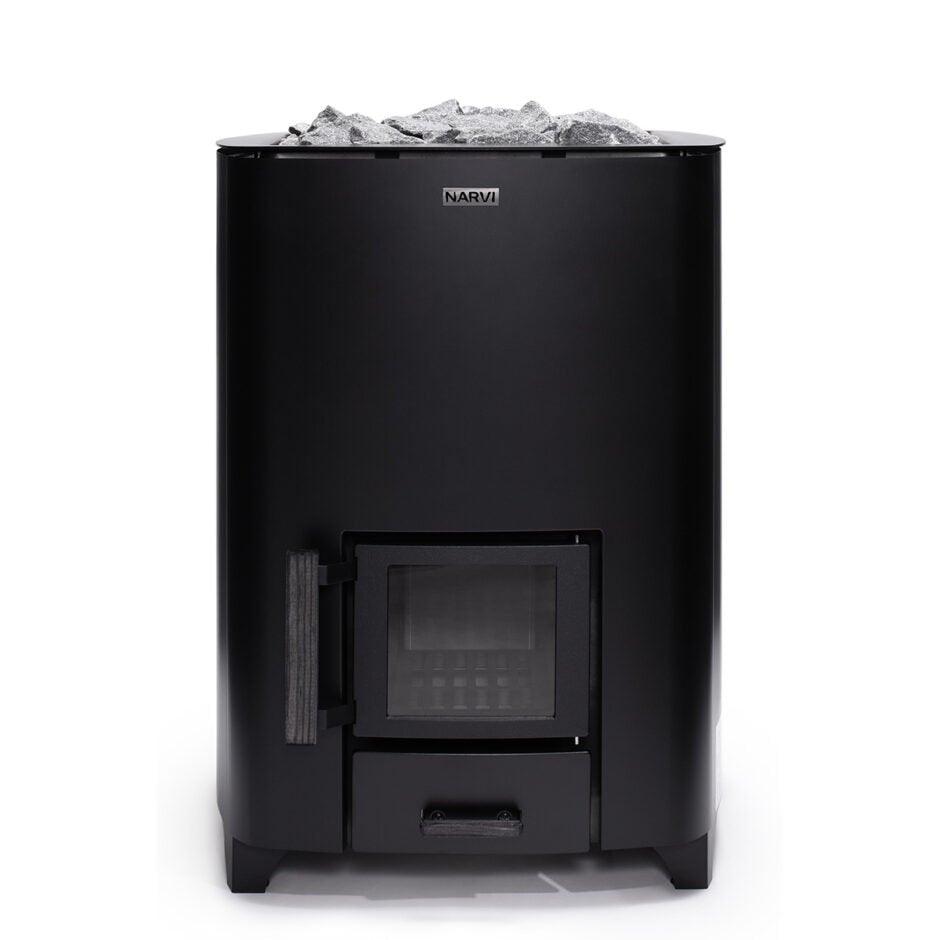
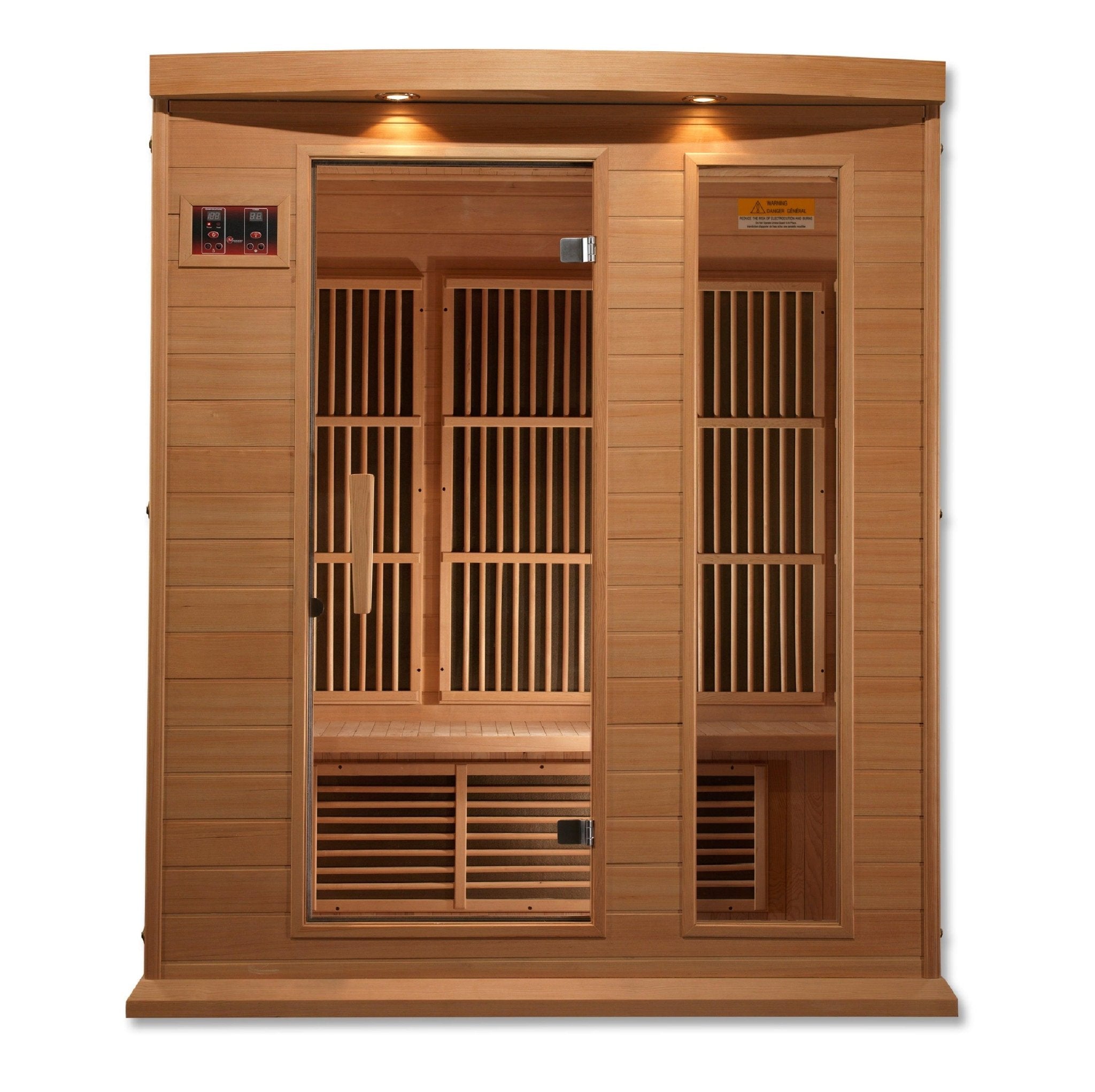
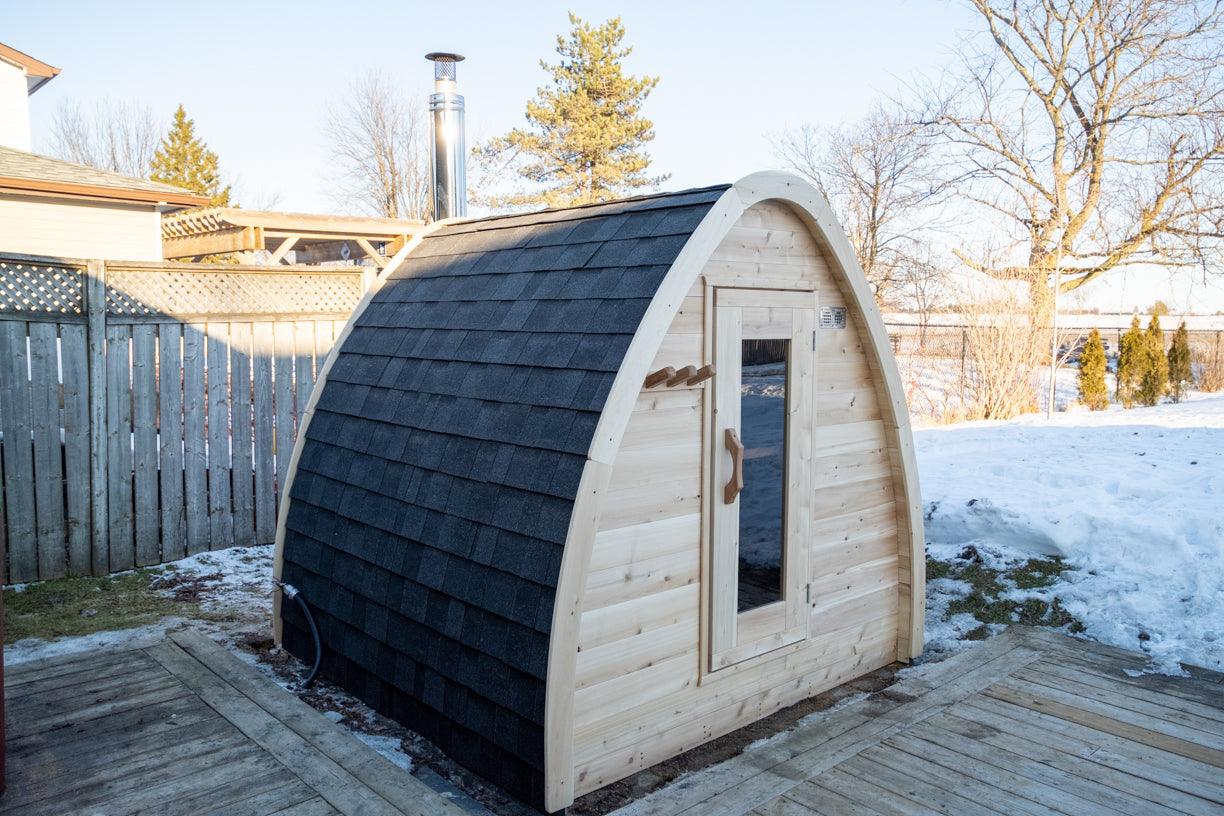
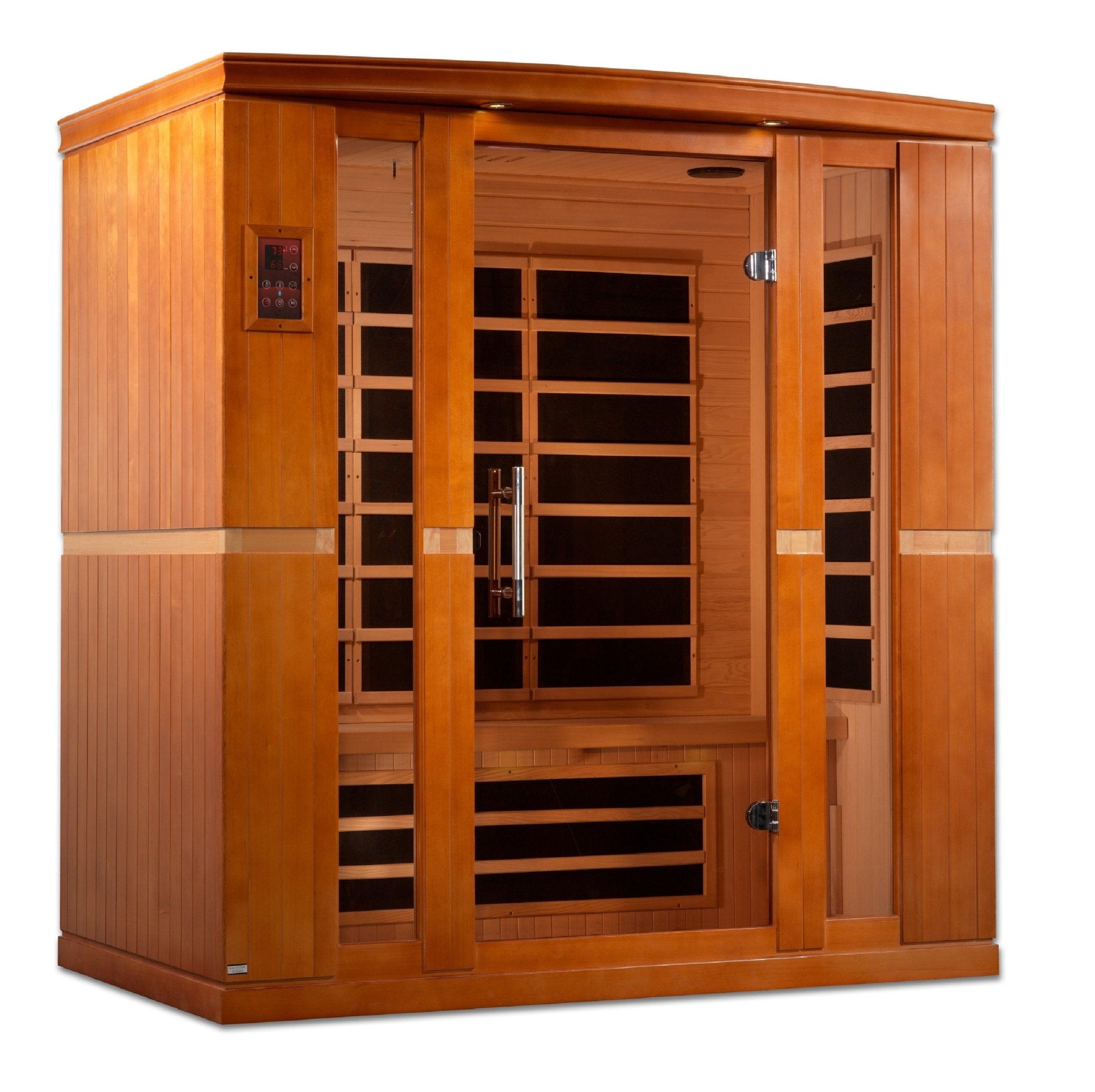
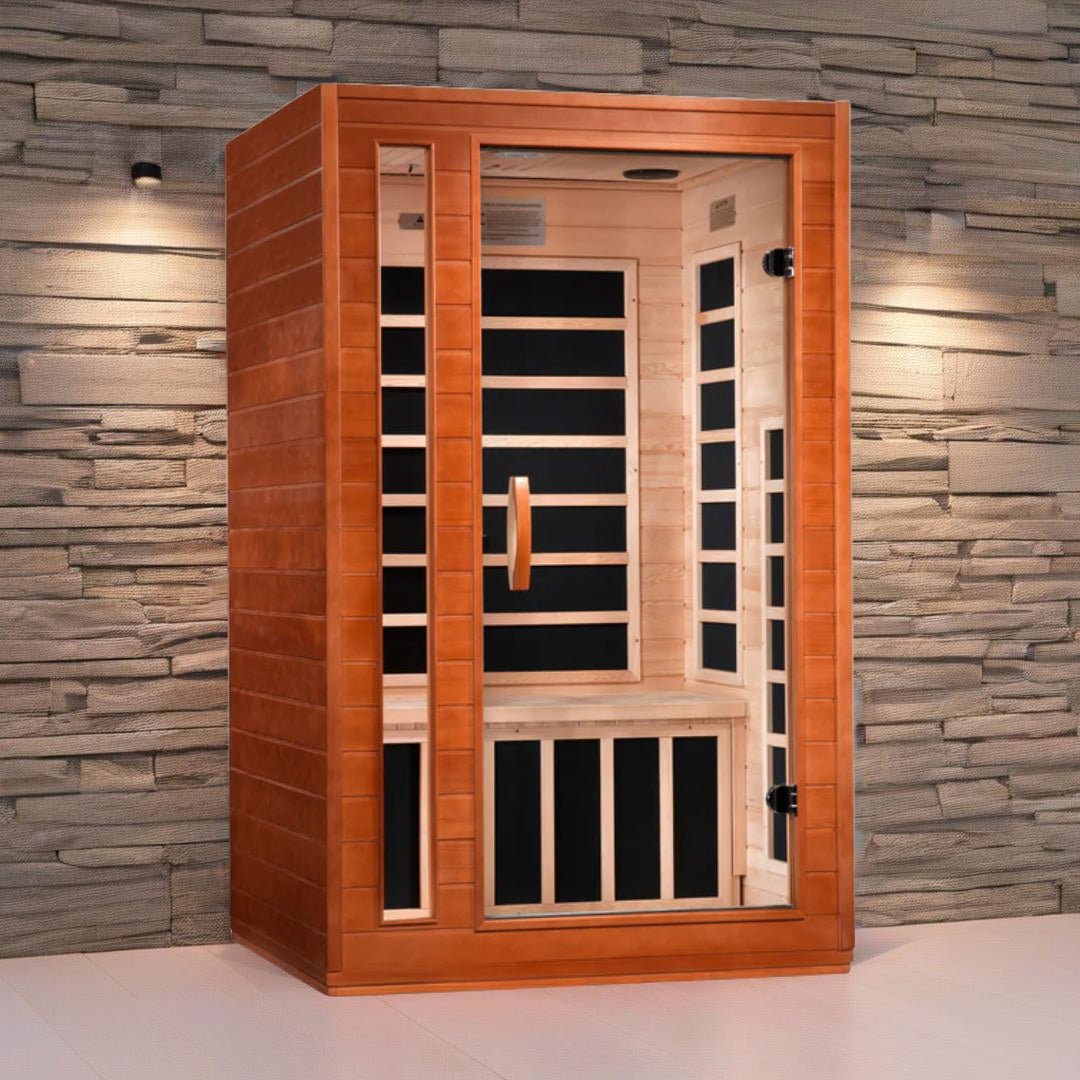
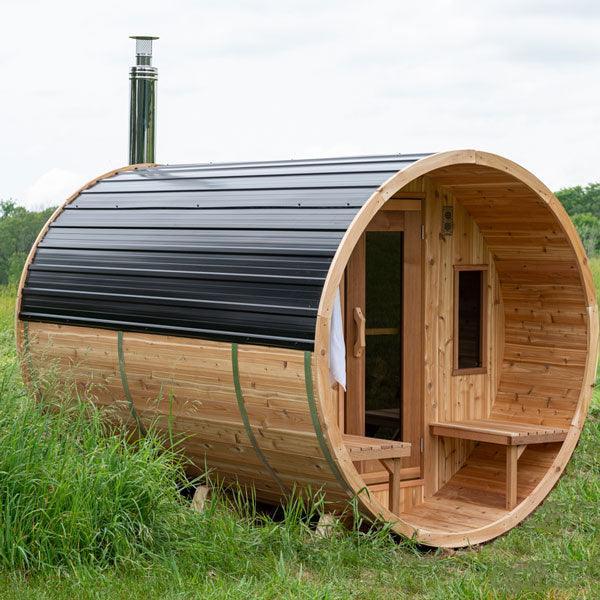
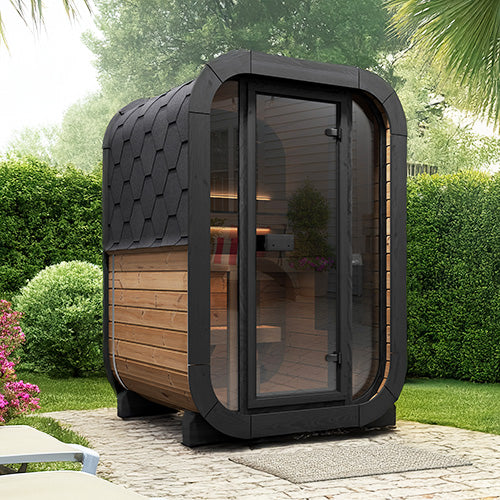
Consider incorporating wellness tools such as saunas, cold plunges, or massage chairs into your routine. These can help relieve stress, improve circulation, and promote relaxation, ultimately supporting circadian rhythm optimization. Check out our sauna collection for more details.
The Role of Technology in Circadian Rhythm Optimization
Technology can both positively and negatively impact our circadian rhythms. While devices like sleep trackers can provide insights into your sleep patterns, it’s essential to use them wisely. Avoid using screens at least an hour before bed to minimize disruptions to melatonin production, which is crucial for sleep.
Research and Studies
Numerous studies have shown that circadian rhythm disruption can lead to various health issues, including obesity, diabetes, and even cardiovascular diseases. Research published in the Journal of Clinical Sleep Medicine highlights the importance of maintaining a consistent sleep schedule for better health outcomes.
Conclusion
Optimizing your circadian rhythm is a powerful way to enhance your energy levels and overall wellbeing. By implementing the strategies outlined in this article, you can align your daily habits with your body's natural rhythms, leading to improved sleep, increased productivity, and a healthier lifestyle. Remember, it's all about consistency and making small, sustainable changes that fit into your routine.
For more wellness products that can enhance your lifestyle, explore our collection of cold plunge options and massage chairs that can help in your journey towards circadian rhythm optimization.
View More ArticlesDiscover the Benefits of Dopamine Detox
Debunking Blue Light Blocking Myths: Facts You Should Know
Related Posts

Nurecover Tropic Home Sauna Review: Is This Portable Steam Sauna Right for You?

Dynamic Santiago 2-Person Ultra Low EMF Sauna Review (Standard vs Elite): Is It Worth It?

Red Light Therapy for Collagen: The Science-Backed Guide to Firmer Skin

Steam Shower vs. Compact Sauna: Which is Practical for My Small Bathroom?

6 Simple Ways to Turbocharge Any Sauna Session (Without Staying Longer)

I Have Low Ceilings; What Sauna Styles and Heights Will Fit?

Sauna for Blood Pressure and Heart Health: The Complete Guide to Benefits, Safety, and Protocols
