










What Are the Benefits of a Cold Plunge? A Science-Backed Guide
The main benefits of a cold plunge are short-term muscle recovery, reduced post-exercise soreness, and a temporary boost in alertness and mood. The strongest evidence centers on athletic recovery. Claims about weight loss, long-term immunity, and treating anxiety or depression should be approached with considerably more skepticism.
TL;DR:
-
Best-supported use: Reducing delayed onset muscle soreness (DOMS) after exercise (Strong evidence)
-
Plausible but limited: Temporary mood lift and alertness via norepinephrine and dopamine changes
-
Temperature range: Typically 10–15°C / 50–59°F; beginners start at the warmer end
-
Duration: 30–60 seconds for beginners; up to 1–5 minutes as tolerance builds
-
Key safety note: Cold shock can cause gasping, rapid breathing, and cardiovascular strain—never plunge alone
-
Who should pause: Anyone with cardiovascular disease, uncontrolled hypertension, pregnancy, or chronic illness should get medical clearance first
Table of Contents
-
What Is a Cold Plunge?
-
The Science Behind Cold Plunge Benefits
-
Key Physical Benefits of Cold Water Immersion
-
Mental and Emotional Advantages of Cold Plunging
-
Is Cold Plunging Right for You? A Decision Framework
-
How to Safely Start Your Cold Plunge Journey
-
Cold Plunge vs. Cold Shower vs. Cryotherapy
-
Debunking Cold Plunge Myths: Fact vs. Fiction
-
Potential Risks and Who Should Avoid Cold Plunges
-
Integrating Cold Plunging Into Your Wellness Routine
-
Experience Layer: Tracking Your Results
-
FAQ
-
Sources
-
What We Still Don't Know
What Is a Cold Plunge?
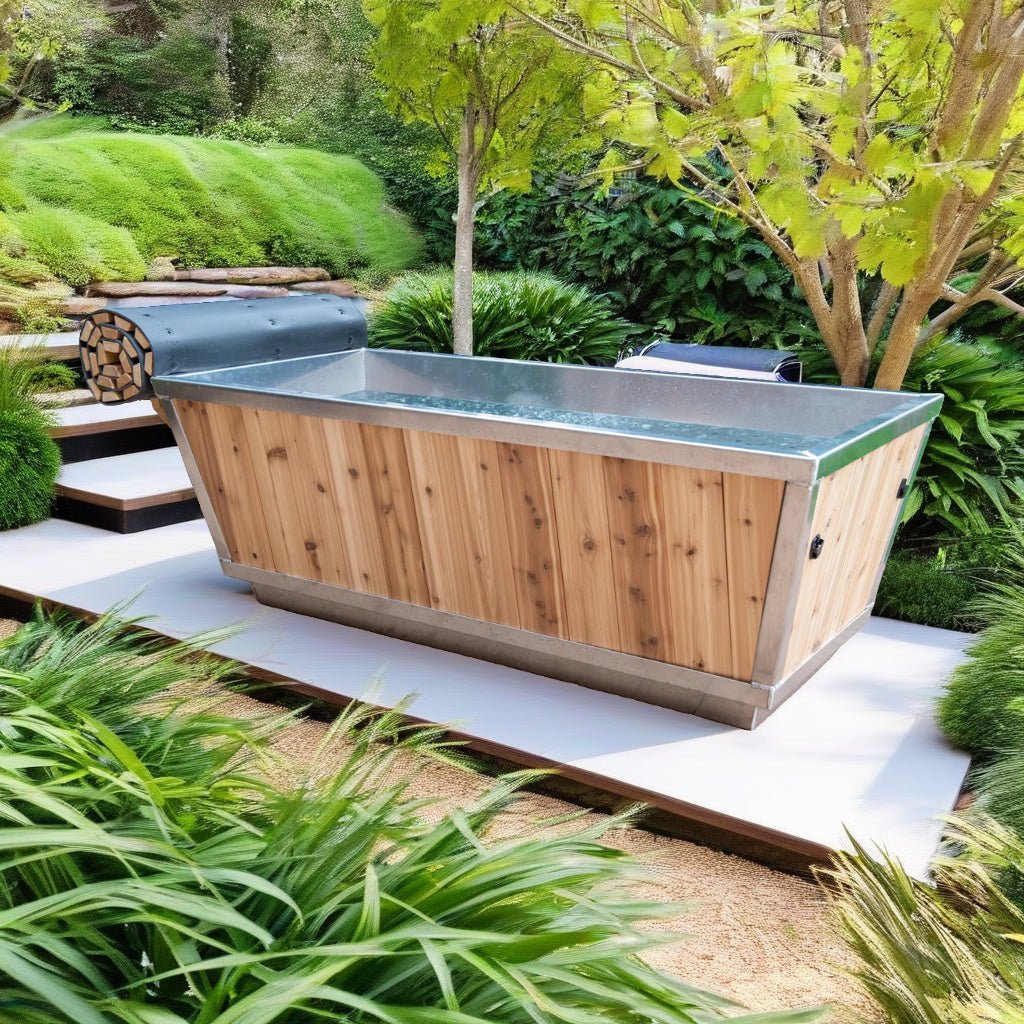
A cold plunge—also called cold water immersion (CWI)—involves submerging the body in water typically at or below 15°C / 59°F, most commonly in the 10–15°C / 50–59°F range (Bleakley et al., 2014). It may take the form of an ice bath, a dedicated cold plunge tub, a cold pool, or natural open water.
Key terms:
-
Cold water immersion (CWI): Therapeutic or recovery-focused submersion in cold water, typically below 15°C
-
Cold shock response: The body's immediate involuntary reaction upon sudden cold exposure—gasping reflex, rapid breathing, elevated heart rate, and blood pressure changes (CDC)
-
Vasoconstriction: Narrowing of blood vessels in response to cold, which reduces blood flow to the skin and extremities (StatPearls, 2023)
-
Brown adipose tissue (BAT): A metabolically active fat that generates heat in response to cold exposure (Nature, 2021)
Cold plunging is not the same as cryotherapy. Cryotherapy uses cold air—often below −100°C—for very brief exposure (a few minutes at most) in a specialized chamber. The mechanisms and evidence bases differ, and they shouldn't be treated as equivalent.
For a deeper look at home setup options, see our overview of cold plunge benefits for home wellness.
The Science Behind Cold Plunge Benefits
Understanding why cold exposure does anything requires separating what happens in the first few minutes from what may happen with consistent use over time.
Acute vs. Long-Term Effects
Acutely—within the first minutes—the body responds predictably:
-
The cold shock response triggers gasping and rapid breathing
-
The sympathetic nervous system activates, raising heart rate and blood pressure
-
Blood vessels constrict to protect core temperature
-
Norepinephrine levels can increase by as much as 200–300% (Shevchuk, 2008)
-
A brief surge in alertness, often described as feeling "switched on," typically follows
Long-term effects are less established. Regular cold exposure may support adaptation to stress and improve cold tolerance, but the evidence for sustained systemic benefits—beyond recovery—remains limited and context-dependent (Harvard Health, 2024).
Why Temperature and Time Matter
Cold exposure is a physiological stressor. Like exercise, the dose determines whether it's useful or risky.
-
10–15°C is the typical range cited in sports medicine research (Bleakley et al., 2014)
-
30–60 seconds is a reasonable starting point for most beginners
-
1–5 minutes is the common range in research protocols (Cleveland Clinic)
-
Colder and longer is not automatically better—prolonged exposure raises hypothermia risk, and the gasp reflex is most dangerous in the first 60 seconds (CDC)
Key Physical Benefits of Cold Water Immersion
Muscle Recovery and Soreness
This is where the evidence is strongest. Multiple meta-analyses show that cold water immersion can meaningfully reduce delayed onset muscle soreness (DOMS) compared to passive recovery following exercise (Bleakley et al., 2014; PubMed 31158200).
One 2019 meta-analysis found roughly a 10–15% reduction in soreness scores following cold immersion in athletes (PubMed 31158200). This is particularly relevant for endurance athletes, team sport players, and anyone training with high volume.
Evidence strength: Strong (for short-term recovery and soreness reduction)
Caveats:
-
Benefits appear primarily short-term
-
Most research focuses on athletes; evidence in general populations is thinner
-
Cold plunging is a recovery aid, not a performance enhancer on its own
Inflammation, Pain, and Circulation
Cold causes vasoconstriction—blood vessels narrow, which may reduce swelling and provide temporary localized pain relief (StatPearls, 2023). When you rewarm, vasodilation follows, which may support circulation.
Evidence strength: Mixed
While the mechanism is well understood, the clinical significance of inflammation reduction for non-athletes is less clear (Bleakley et al., 2014; PubMed 31788898). Avoid framing cold plunging as an anti-inflammatory treatment in the medical sense.
Metabolism and Weight Management
Cold activates brown adipose tissue, which generates heat through thermogenesis—a real physiological response (Nature, 2021). However, this should not be confused with meaningful fat loss in daily life. Claims that cold plunging significantly burns fat or accelerates weight loss are not well supported by clinical evidence (PubMed 31788898).
Evidence strength: Limited
Brown fat activation is a real mechanism. Its practical contribution to body composition changes in humans—outside of very controlled research settings—is likely modest at best.
Mental and Emotional Advantages of Cold Plunging
Mood, Alertness, and Focus
Many regular cold plungers describe a mood lift that can last hours. The physiological basis is plausible: the acute norepinephrine and dopamine release following cold exposure (Shevchuk, 2008) activates pathways associated with alertness, motivation, and positive affect.
Small studies suggest cold showers may temporarily reduce feelings of depression in some individuals (PubMed 10751106), and the catecholamine response is well-documented.
Evidence strength: Limited to Moderate
The mechanism is credible, but the evidence for consistent, clinically meaningful mood improvement is limited. Cold plunging is not a substitute for treatment of depression, anxiety, or other mental health conditions (Harvard Health, 2024).
Stress Resilience
Cold plunging may function as a controlled, low-risk stressor—activating the body's stress response in a setting where you're in full control of the exit. This concept (sometimes called hormesis) suggests that deliberate, moderate stress exposure may build physiological and psychological resilience over time.
Evidence strength: Limited
The hormesis concept has support in the literature, but direct human evidence for long-term stress resilience from cold plunging specifically is still thin (PMC5025014).
Is Cold Plunging Right for You? A Decision Framework
Cold plunging is not appropriate for everyone. Work through these five checkpoints before starting.
|
Step |
Question |
If YES |
If NO |
|
1. Health screen |
Do you have cardiovascular disease, uncontrolled hypertension, pregnancy, chronic illness, or take medications affecting heart rate or blood pressure? |
Get medical clearance first |
Proceed to Step 2 |
|
2. Goal check |
Is your primary goal muscle recovery or post-workout alertness? |
Reasonable use case |
Consider whether the benefit matches your goal |
|
3. Goal check (weight/immunity) |
Is your primary goal fat loss or immunity? |
Cold plunging is not the right tool |
Proceed |
|
4. Risk tolerance |
Are you comfortable with a brief gasp response and the discipline to exit safely? |
You can start gradually |
Consider cold showers first |
|
5. Environment |
Can you ensure you won't be alone when you plunge? |
Proceed with protocol below |
Wait until supervised |
Bottom line: Cold plunging is best suited for healthy adults pursuing recovery, a structured wellness habit, or controlled alertness. It is not a general health intervention for everyone.
How to Safely Start Your Cold Plunge Journey
Beginner Protocol
Step 1. Fill your tub or plunge vessel to a temperature in the 10–15°C / 50–59°F range. Beginners may prefer starting at the warmer end, around 13–15°C (Cleveland Clinic).
Step 2. Enter slowly and deliberately—don't jump in. Control your entry to reduce the severity of the cold shock response.
Step 3. Breathe. The gasp reflex will activate. Slow, nasal breathing helps calm the sympathetic response within the first 30–60 seconds.
Step 4. Start with 30–60 seconds. Build toward 1–5 minutes over days or weeks as your tolerance improves.
Step 5. Exit before you feel numb, confused, or start shivering uncontrollably. After exiting, rewarm gradually—avoid immediately jumping into a very hot shower, as rapid rewarming can cause dizziness.
Step 6. Hydrate. Log your session.
What Not to Do
-
Don't plunge alone. The gasp reflex and cold shock carry a real drowning risk, especially for first-timers (CDC, AHA)
-
Don't chase extreme cold. Below 10°C offers no additional proven benefit and sharply increases risk
-
Don't use cold plunging to replace medical care, sleep, or training recovery basics
-
Don't ignore warning signs: Exit immediately for chest pain, confusion, dizziness, or uncontrolled shivering
If you're evaluating gear or setups, our beginner's guide to cold plunge tubs covers what to look for before you invest.
Cold Plunge vs. Cold Shower vs. Cryotherapy
|
Method |
Best for |
Evidence strength |
Risk level |
Beginner-friendly? |
Key caveat |
|
Cold shower |
Habit-building, mild alertness, low barrier |
Limited |
Low–Moderate |
High |
Less recovery evidence than full immersion |
|
Cold plunge / ice bath |
Muscle soreness, recovery after training |
Strong for DOMS |
Moderate–High |
Moderate |
Cold shock risk; never alone |
|
Cryotherapy |
Convenience, brief exposure |
Limited comparative evidence |
Moderate |
Moderate |
Different modality—evidence is not interchangeable with CWI |
|
Sauna + cold plunge (contrast) |
Recovery ritual, circulation, relaxation |
Mixed/Emerging |
Moderate |
Moderate |
Requires safety guardrails for both heat and cold exposure |
For a detailed head-to-head, see cold showers vs ice baths for recovery.
Debunking Cold Plunge Myths: Fact vs. Fiction
1. "Cold plunges melt fat fast." Reality: Cold can activate brown fat thermogenesis, but this does not translate to meaningful body composition changes in practice (PubMed 31788898). This myth persists because the brown fat mechanism sounds compelling and has been oversimplified by wellness media.
2. "Cold plunges significantly boost your immune system." Reality: Evidence here is inconsistent. Some small studies show changes in immune markers; others don't. "Boosts immunity" as a headline claim is not supported (PMC4594298; PubMed 31788898). The myth thrives on anecdote and marketing.
3. "Longer exposure means more benefit." Reality: Beyond 5 minutes, risk of hypothermia increases without added recovery benefit. Most research protocols stay under 5 minutes (Cleveland Clinic; CDC). Macho competition culture drives this misconception.
4. "Cold plunges are safe for everyone." Reality: People with cardiovascular disease, hypertension, pregnancy, or those on relevant medications face real risks from the cold shock response (AHA; CDC). This myth persists because healthy enthusiasts dominate the online conversation.
5. "Daily cold plunging is required to see benefits." Reality: No evidence supports daily plunging as necessary or optimal. Most protocols in research use 2–4 sessions per week (PubMed reviews). The influencer-driven "streaks" culture promotes this unnecessarily.
6. "Cold plunges treat depression and anxiety." Reality: The mood effect is plausible mechanistically, and a few small studies suggest temporary improvement in mood (PubMed 10751106). However, cold plunging is not a clinical treatment for depression, anxiety, or any mental health condition (Harvard Health, 2024).
7. "Cold plunges always reduce inflammation." Reality: The evidence for inflammation reduction is mixed and context-dependent (Bleakley et al., 2014; PubMed 31788898). Vasoconstriction may reduce localized swelling acutely, but this shouldn't be generalized to systemic inflammation management.
8. "Cold plunging always improves sleep." Reality: Individual variability is high, and the evidence is mixed (Harvard Health, 2024). Some people find cold exposure activating rather than calming, particularly if done close to bedtime.
9. "The colder, the better." Reality: Standard evidence is based on 10–15°C. Going well below that raises risk without demonstrated additional benefit. Extreme cold is a marketing narrative, not a research-backed principle.
10. "Cold plunging is equivalent to cryotherapy." Reality: These are distinct modalities with different mechanisms, exposure characteristics, and evidence bases (StatPearls, 2023). Evidence from one does not automatically apply to the other.
11. "Cold plunges prevent illness." Reality: Weak and inconsistent evidence, largely anecdotal (NIH hormesis literature; PMC4594298). The idea conflates the acute stress response with durable immune enhancement—a significant overreach.
12. "Cold plunges can replace a workout." Reality: Firmly false. Cold plunging is a recovery and wellness tool, not a substitute for exercise, nutrition, or sleep (Mayo Clinic).
Potential Risks and Who Should Avoid Cold Plunges
Cold shock response is the primary acute risk. Upon sudden immersion in cold water, the body reflexively gasps and hyperventilates. This can lead to water inhalation, panic, arrhythmia, or loss of consciousness—the documented mechanism behind cold water drowning deaths (AHA; CDC). The risk is highest in the first 60 seconds.
Hypothermia becomes a risk with prolonged exposure. Warning signs include uncontrolled shivering, confusion, slurred speech, and extreme fatigue (CDC).
Cardiovascular strain is significant. Cold exposure causes an immediate spike in heart rate and blood pressure. For individuals with cardiovascular disease, this can trigger arrhythmias or worse (AHA; PubMed 26456770).
Stop immediately if you experience:
-
Chest pain or pressure
-
Dizziness or confusion
-
Numbness or loss of coordination
-
Uncontrolled shivering that doesn't resolve
Who should consult a clinician before cold plunging:
-
Anyone with cardiovascular disease or a history of cardiac events
-
Those with uncontrolled hypertension
-
Pregnant individuals
-
Older adults (65+)
-
Anyone with Raynaud's disease, peripheral vascular disease, or cold urticaria
-
People on medications affecting heart rate or blood pressure
-
Those with any chronic illness or recent surgery
Integrating Cold Plunging Into Your Wellness Routine
The Cold Plunge Integration Spectrum
Beginner: Start with cool-to-cold showers. Build comfort with the cold shock response before committing to full immersion.
Recovery-focused: Use cold plunges primarily after endurance or high-volume training sessions—not necessarily after every strength session. Research suggests cold immersion after strength training may blunt hypertrophy signaling in some contexts (PubMed 26174323; PubMed 31788898). If building muscle is your primary goal, consider limiting post-strength cold immersion or spacing it further from your sessions.
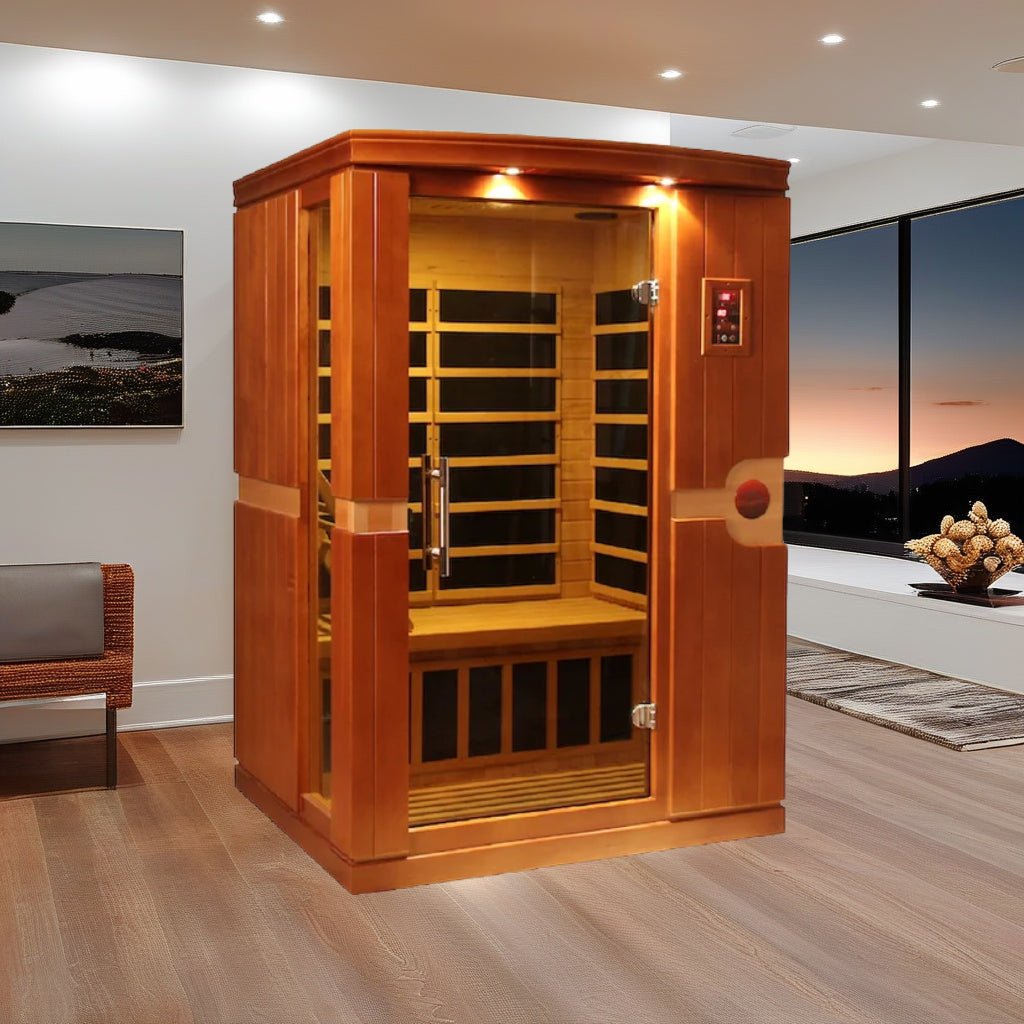
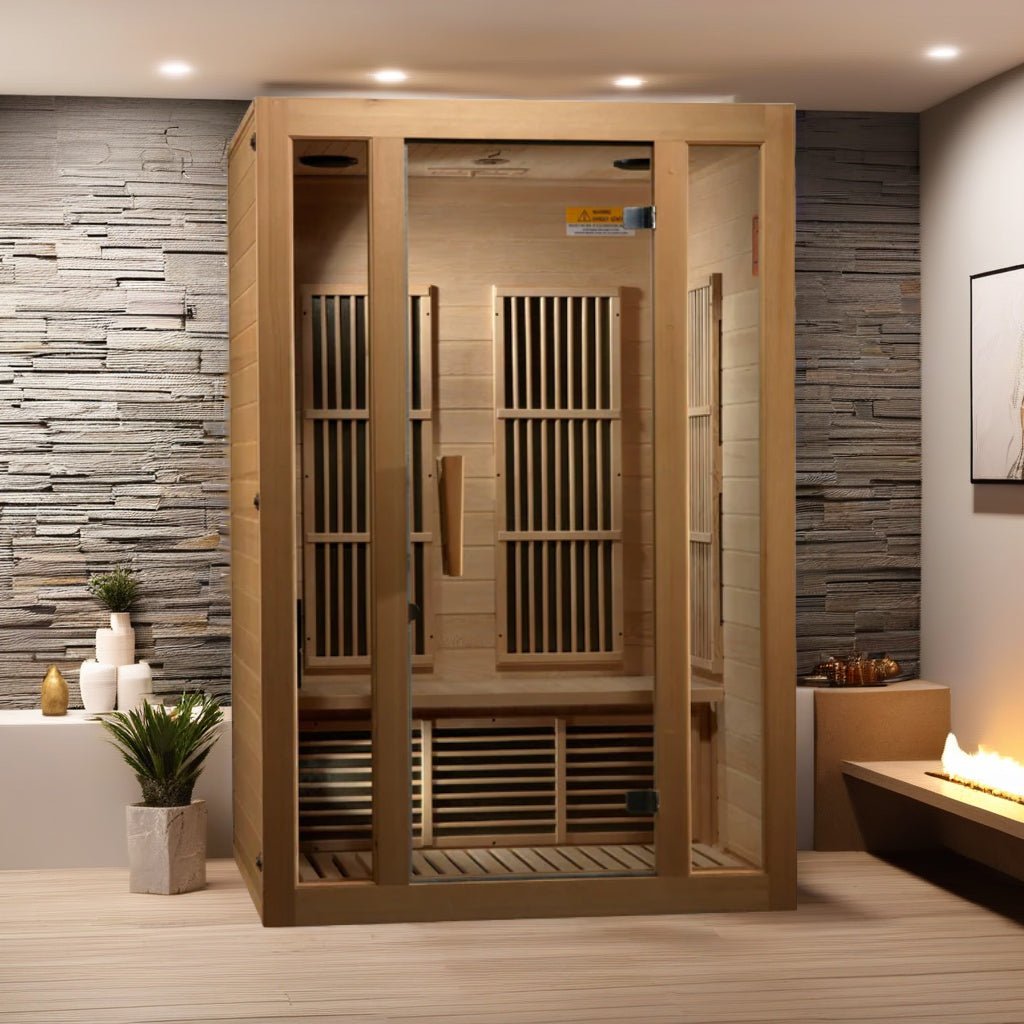
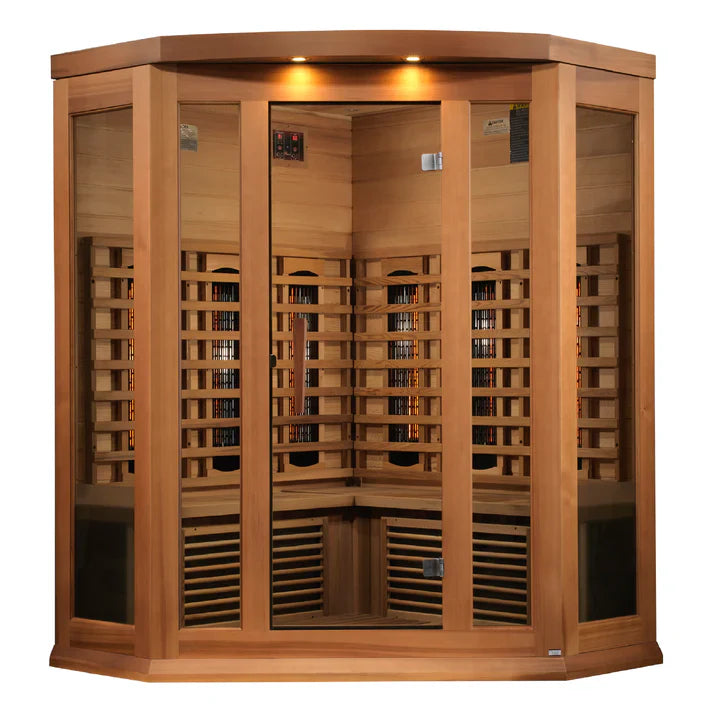
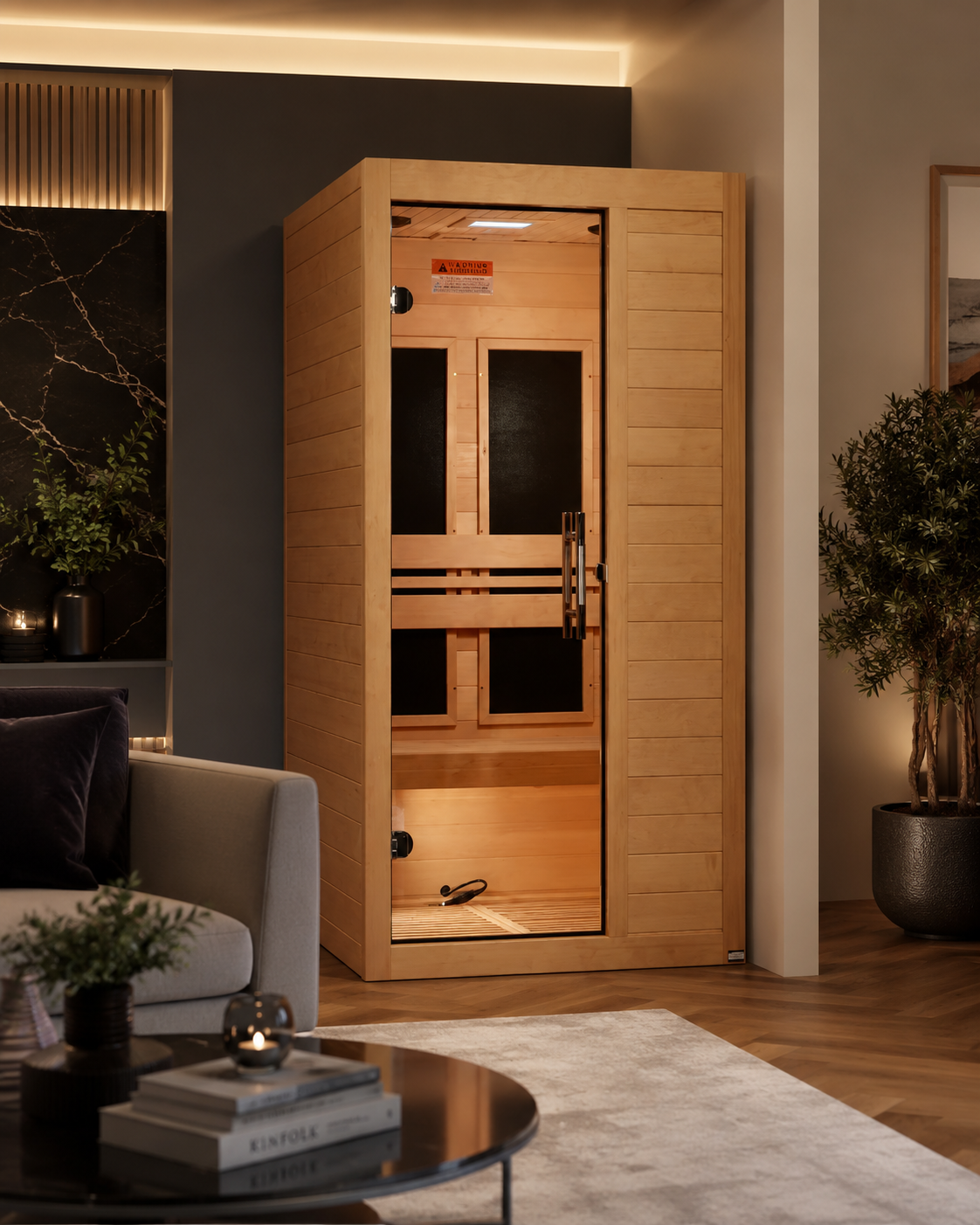
Advanced / contrast therapy: Pairing cold plunges with sauna sessions (contrast therapy) is common among serious wellness practitioners. Alternating heat and cold exposure may support circulation and recovery, though the evidence base is still emerging. See our deep dive on benefits of alternating sauna and cold plunge.
Frequency: Most research protocols use 2–4 sessions per week. Starting with 2 sessions gives your body time to adapt without overloading the recovery system.
Timing matters:
-
After endurance training: well-supported for recovery
-
After strength training: use caution if muscle growth is a priority
-
Before bed: may be activating for some—assess your individual response
-
Morning: commonly reported to support alertness and set a focused tone for the day
Experience Layer: Tracking Your Results
A Safe Personal Test Plan
Week 1: Cold shower finish (30–60 seconds) after your normal shower. Note mood and energy levels.
Week 2–3: If comfortable, move to a tub or cold plunge vessel at 13–15°C for 60 seconds. Bring a timer and a spotter.
Week 4+: Extend duration in 30-second increments if well-tolerated. Begin logging recovery quality following exercise sessions.
What You Might Notice (non-guaranteed)
-
A sharp breath and racing heart during the first 20–30 seconds—then a gradual sense of control as breathing steadies
-
Heightened alertness in the hour following a plunge
-
Reduced next-day soreness after moderate-to-high intensity workouts
-
Variability—some sessions feel energizing; others simply feel cold
Session Tracking Template
|
Date |
Water Temp (°C) |
Duration (min) |
Mood Before (1–10) |
Mood After (1–10) |
Recovery Score |
Notes |
Track for at least 4 weeks before drawing conclusions. Individual variability is real—some people respond well; others find cold immersion unpleasant without meaningful benefit.
FAQ
1. Is cold plunging actually good for you?
Cold plunging can be beneficial—primarily for muscle recovery and short-term alertness—but it is not universally beneficial or necessary for good health.
-
Strong evidence for reducing post-exercise soreness (Bleakley et al., 2014)
-
Plausible but limited evidence for mood and stress resilience
-
Real safety risks exist, especially for cardiovascular conditions
-
Not required for general health or fitness
-
Individual response varies significantly
Sources: Mayo Clinic, Bleakley et al. (2014), Harvard Health (2024)
2. What does a 3-minute ice bath do?
A 3-minute cold water immersion triggers the cold shock response, raises norepinephrine levels, causes vasoconstriction, and begins the recovery response linked to reduced muscle soreness.
-
The gasp reflex typically stabilizes within the first 60–90 seconds
-
Norepinephrine may increase by 200–300% acutely (Shevchuk, 2008)
-
Soreness-reducing effects are most measurable over the following 24–48 hours
-
Three minutes is within the commonly studied range (Cleveland Clinic)
-
Colder water is not required to see these effects
Sources: Shevchuk (2008), Cleveland Clinic
3. How often should you cold plunge?
Most research uses 2–4 sessions per week; daily plunging is not evidence-based as a requirement.
-
2–4x/week is the most common protocol in controlled studies (PubMed reviews)
-
More is not necessarily better—overdoing it may impair recovery rather than support it
-
Strength athletes should be especially thoughtful about frequency relative to training goals (PubMed 26174323)
-
Start with 2 sessions/week and assess response over 4 weeks
-
Rest days between sessions help the body adapt
Sources: PubMed 31788898, PubMed 26174323
4. What is the 1-10-1 rule in cold water?
The 1-10-1 rule is a cold water survival guideline: you have approximately 1 minute to control your breathing after immersion, 10 minutes of useful movement before cold incapacitation, and 1 hour before hypothermia becomes life-threatening.
-
It is primarily a survival education tool, not a cold plunge protocol
-
The first minute (cold shock/gasp reflex) is the highest-risk phase
-
Knowing this rule helps explain why controlled breathing matters so much on entry
-
It reinforces the "never plunge alone" guidance
-
Source: Open water safety and outdoor swimming organizations (Outdoor Swimming Society)
5. What is the ideal temperature for a cold plunge?
The commonly cited range in sports medicine research is 10–15°C / 50–59°F (Bleakley et al., 2014).
-
Beginners may prefer starting at 13–15°C before working toward 10–12°C
-
Below 10°C raises risk without demonstrated additional benefit
-
Water temperature and air temperature create different physiological responses—water is more thermally conductive
-
Many home plunge setups target 10–13°C as a practical target
-
There is no single "optimal" temperature for all goals and individuals
Sources: Bleakley et al. (2014), Cleveland Clinic
6. How long should you stay in a cold plunge?
Most guidelines suggest 1–5 minutes for experienced users; beginners should start at 30–60 seconds.
-
The cold shock response peaks in the first 60 seconds
-
Working up gradually reduces both discomfort and risk
-
Exceeding 5 minutes does not provide proportionally more benefit and may increase hypothermia risk
-
Use a timer—time distorts in cold water
-
Exit before numb extremities, confusion, or uncontrolled shivering
Sources: Cleveland Clinic, CDC
7. What are the risks of cold plunging?
The main risks are the cold shock response, cardiovascular strain, and hypothermia.
-
Cold shock causes gasping, hyperventilation, and a spike in heart rate and blood pressure (AHA)
-
Cardiovascular strain is significant—arrhythmia risk is real for those with underlying conditions
-
Drowning risk is highest in the first 60 seconds due to the gasp reflex (CDC)
-
Hypothermia can develop with prolonged exposure, especially below 10°C
-
Peripheral numbness and impaired judgment are early warning signs to heed
Sources: CDC, AHA, PubMed 26456770
8. Who should not do cold plunges?
People with cardiovascular disease, uncontrolled hypertension, Raynaud's disease, cold urticaria, pregnancy, or those on heart/blood pressure medications should consult a clinician before attempting cold plunging.
-
Cardiac patients face the highest risk from the cold shock response (AHA)
-
Older adults should be especially cautious and may benefit from medical clearance
-
Those with peripheral vascular conditions face tissue injury risk
-
People recovering from surgery or acute illness should wait
-
When in doubt, start with a cold shower and assess your individual tolerance
Sources: AHA, CDC
9. How do you start cold plunging as a beginner?
Start gradually—cool showers first, then short cold immersions, always with someone present.
-
Begin with 30-second cool shower finishes
-
Move to cold water at 13–15°C before targeting the 10–12°C range
-
Use controlled, slow nasal breathing on entry
-
Keep first sessions under 60 seconds
-
Never do it alone until you have established experience
Sources: Cleveland Clinic, CDC
10. Does cold plunging help with anxiety or depression?
Possibly for temporary mood support, but cold plunging is not a clinical treatment for anxiety or depression.
-
A small study found cold showers may reduce self-reported depressive symptoms in some individuals (PubMed 10751106)
-
The norepinephrine/dopamine response plausibly explains a mood lift
-
Evidence is limited—small sample sizes, short durations, and no clinical trial rigor
-
Cold plunging should complement, not replace, evidence-based mental health care
-
If you're managing a mental health condition, discuss with your clinician first
Sources: PubMed 10751106, Harvard Health (2024)
11. Does cold plunging help with weight loss?
Not meaningfully as a standalone tool. Brown fat activation is real, but the calorie-burning effect is modest in practice.
-
Cold exposure activates brown adipose tissue and thermogenesis (Nature, 2021)
-
The caloric contribution of brown fat activation is small in real-world conditions
-
No clinical evidence supports cold plunging as an effective weight loss method (PubMed 31788898)
-
Fat loss requires sustained caloric deficit—cold plunging does not substitute for this
-
Claims to the contrary are largely marketing-driven
Sources: Nature (2021), PubMed 31788898
12. Can cold plunging boost your immune system?
Evidence is inconsistent and should not be taken as confirmation that cold plunging meaningfully protects you from illness.
-
Some studies show changes in immune cell counts or markers following cold exposure
-
Results are inconsistent across studies (PMC4594298)
-
No clinical evidence supports "prevents illness" claims
-
The immune system is complex—acute marker changes don't translate directly to functional immunity
-
Don't rely on cold plunging as a primary immune strategy
Sources: PMC4594298, PubMed 31788898
13. Is it better to cold plunge before or after a workout?
After, for most goals—and specifically after endurance or high-volume training, not necessarily after strength training.
-
Cold immersion post-exercise is the basis for most recovery research (Bleakley et al., 2014)
-
Cold plunging immediately after strength training may blunt hypertrophy signaling (PubMed 26174323)
-
For endurance athletes or high-volume training blocks, post-workout cold immersion is well-supported
-
Pre-workout cold exposure may reduce muscle activation—less commonly studied
-
Separate cold plunging from strength sessions by a few hours if muscle growth is a priority
Sources: Bleakley et al. (2014), PubMed 26174323
14. What are the benefits of cold showers vs. cold plunges?
Cold showers are more accessible and beginner-friendly; cold plunges provide stronger full-body exposure with more recovery evidence.
-
Cold showers carry a lower risk profile—easier to exit, no submersion risk
-
Cold plunges create full-body immersion, which triggers a stronger physiological response
-
DOMS reduction evidence is primarily based on full immersion, not showers (Bleakley et al., 2014)
-
For building a habit, cold showers are a practical entry point
-
For serious recovery support, cold plunges offer the stronger evidence base
Sources: Bleakley et al. (2014), Cleveland Clinic
15. How does cold plunging affect hormones?
Cold exposure acutely increases norepinephrine, may temporarily affect cortisol, and activates dopamine pathways.
-
Norepinephrine can increase by 200–300% during immersion (Shevchuk, 2008)
-
Dopamine pathways are activated, contributing to post-plunge mood effects
-
Cortisol response is part of the stress reaction but is acute and self-limiting
-
These hormonal changes are short-lived—not a sustained hormonal therapy
-
Research on long-term hormonal effects with regular cold plunging is limited
Sources: Shevchuk (2008), Harvard Health (2024)
16. Can cold plunging improve sleep?
Evidence is mixed, and individual response varies considerably.
-
Some users report improved sleep quality; others find evening cold exposure activating
-
No strong clinical evidence for universal sleep improvement (Harvard Health, 2024)
-
Timing may matter—morning plunges may have different effects than pre-sleep sessions
-
The alertness response (norepinephrine) could be counterproductive close to bedtime for some
-
Track your own sleep data over several weeks to assess your individual pattern
Sources: Harvard Health (2024)
17. What temperature is too cold for a cold plunge?
Below 10°C / 50°F carries heightened risk with no demonstrated additional benefit in most contexts.
-
Most research and clinical guidance uses 10–15°C
-
Temperatures below 10°C increase cold shock severity and hypothermia risk
-
Extremely cold water (below 5–7°C) is primarily associated with open-water swimming and cold shock emergencies, not wellness protocols
-
"Icier is better" is a macho culture narrative, not evidence-based guidance
-
Stick to 10–15°C for wellness and recovery applications
Sources: Bleakley et al. (2014), CDC
18. How long does it take to see results from cold plunging?
For muscle soreness reduction, effects are measurable within 24–48 hours of a session. For mood and alertness, effects are typically immediate and temporary.
-
DOMS reduction: noticeable after individual sessions when compared to passive recovery
-
Mood/alertness: usually felt within minutes of exiting a plunge
-
Cold tolerance: builds gradually over 2–4 weeks of consistent sessions
-
Habit and routine benefits: most users report feeling more consistent within a month
-
Avoid expecting transformation—cold plunging is a tool, not a program
Sources: Bleakley et al. (2014), Cleveland Clinic
19. What should you do after a cold plunge?
Rewarm gradually, hydrate, and allow the body to thermoregulate naturally.
-
Move gently after exiting—light walking or toweling off helps initiate rewarming
-
Avoid jumping directly into a very hot shower; sudden rewarming can cause dizziness
-
Dress in warm layers; allow your core temperature to recover naturally
-
Hydrate—cold exposure can suppress the sensation of thirst
-
Log how you feel; tracking data over time helps assess your individual response
Sources: Cleveland Clinic, CDC
20. Is cold plunging safe for older adults?
Older adults can potentially benefit, but face greater cardiovascular and thermoregulatory risks and should proceed cautiously with medical input.
-
Blood pressure and heart rate responses to cold shock may be more pronounced with age
-
Thermoregulatory efficiency decreases with age, increasing hypothermia risk
-
Cardiovascular screening before starting is especially important
-
Starting with cool showers and building tolerance gradually is a safer approach
-
Any symptoms of chest pain, dizziness, or confusion warrant immediate exit and medical attention
Sources: AHA, CDC
21. Does cold plunging help with inflammation after injury?
It may reduce localized swelling acutely, but evidence for systemic inflammation management is mixed.
-
Vasoconstriction following cold immersion can reduce swelling around an injury (StatPearls, 2023)
-
This is the basis for the classic "ice" approach to acute injury management
-
Evidence for broad anti-inflammatory effects is inconsistent (Bleakley et al., 2014)
-
Cold is generally appropriate for acute (fresh) injuries; less so for chronic inflammation
-
Consult a clinician before using cold immersion as part of injury rehabilitation
Sources: StatPearls (2023), Bleakley et al. (2014)
22. What is contrast therapy, and how does it relate to cold plunging?
Contrast therapy alternates hot and cold exposure—typically sauna and cold plunge—and is used for recovery and circulation support.
-
Alternating between heat (sauna) and cold (plunge) may enhance vasodilation/vasoconstriction cycling
-
Some evidence supports contrast therapy for recovery, but research is still emerging
-
It is popular in professional sports environments
-
The combination requires safety guardrails for both heat and cold exposure
-
Not appropriate for individuals with cardiovascular conditions without medical clearance
Sources: Harvard Health (2024)
23. Can you cold plunge every day?
You can, but no evidence suggests daily cold plunging is necessary or that it provides more benefit than 2–4x per week.
-
Most protocols in research use 2–4 sessions weekly (PubMed reviews)
-
Daily cold plunging may not allow adequate recovery between sessions
-
Strength athletes should be particularly cautious about daily post-training cold immersion (PubMed 26174323)
-
If you enjoy the daily habit, consider shorter durations on consecutive days
-
Monitor for signs of overtraining, disrupted sleep, or diminishing returns
Sources: PubMed 31788898, PubMed 26174323
24. Is cold plunging at home safe?
Yes, with proper precautions—including a suitable vessel, a buddy or safety plan, controlled temperature, and knowledge of warning signs.
-
A dedicated plunge tub allows better temperature control than improvised setups
-
Never plunge alone, especially as a beginner
-
Set a timer and have a warm-up plan ready before entering
-
Keep your phone or emergency contact accessible
-
Starting with cold showers builds tolerance before committing to a full home setup
Sources: CDC, Cleveland Clinic
25. What's the difference between a cold plunge and an ice bath?
Functionally, they are the same concept—full-body cold water immersion. "Ice bath" typically implies improvised setups with ice added to water; "cold plunge" increasingly refers to purpose-built tubs with temperature control.
-
Both involve immersion in water at or below ~15°C
-
Dedicated cold plunge tubs offer more consistent temperature control and are easier to maintain
-
Ice baths can reach lower temperatures more quickly but are harder to regulate
-
The physiological response is the same at equivalent temperatures
-
Purpose-built plunge tubs are more practical for regular, long-term use
Sources: Bleakley et al. (2014), Cleveland Clinic
Sources
-
Bleakley, C.M. et al. (2014). Cold water immersion and recovery from strenuous exercise: A meta-analysis. PubMed ID: 24682402. https://pubmed.ncbi.nlm.nih.gov/24682402/
-
2019 Cold Water Immersion Meta-Analysis. PubMed ID: 31158200. https://pubmed.ncbi.nlm.nih.gov/31158200/
-
Shevchuk, N.A. (2008). Adapted cold shower as a potential treatment for depression. PubMed ID: 17993252. https://pubmed.ncbi.nlm.nih.gov/17993252/
-
Cold shower mood study. PubMed ID: 10751106. https://pubmed.ncbi.nlm.nih.gov/10751106/
-
PubMed ID: 26174323 (Cold water immersion and muscle hypertrophy). https://pubmed.ncbi.nlm.nih.gov/26174323/
-
PubMed ID: 31788898 (Cold exposure review). https://pubmed.ncbi.nlm.nih.gov/31788898/
-
PubMed ID: 26456770 (Cardiovascular effects of cold exposure). https://pubmed.ncbi.nlm.nih.gov/26456770/
-
PMC4594298 (Immune effects of cold exposure). https://www.ncbi.nlm.nih.gov/pmc/articles/PMC4594298/
-
PMC5025014 (Autonomic nervous system and cold). https://www.ncbi.nlm.nih.gov/pmc/articles/PMC5025014/
-
Nature (2021). Cold exposure and brown adipose tissue study. https://www.nature.com/articles/s41598-021-87741-0
-
Harvard Health (2024). Cold water therapy: What does the evidence say? https://www.health.harvard.edu/blog/cold-water-therapy-202401223012
-
Mayo Clinic. Is an ice bath good for you? https://www.mayoclinic.org/healthy-lifestyle/fitness/expert-answers/ice-bath/faq-20057983
-
Cleveland Clinic. Ice bath benefits and risks. https://my.clevelandclinic.org/health/treatments/ice-bath
-
StatPearls (2023). Cold exposure physiology. https://www.ncbi.nlm.nih.gov/books/NBK537098/
-
CDC. Cold stress and cold water safety. https://www.cdc.gov/disasters/winter/staysafe/cold.html
-
American Heart Association. Cold water shock can be dangerous. https://www.heart.org/en/news/2022/01/25/cold-water-shock-can-be-dangerous
-
Outdoor Swimming Society. Cold water shock. https://www.outdoorswimmingsociety.com/cold-water-shock/
What We Still Don't Know
The cold plunge conversation is moving fast—but science is still catching up. Several important questions remain unresolved.
1. Optimal dosing protocol. No consensus exists on the ideal temperature, duration, frequency, or timing combination for specific goals. Most research uses different protocols, making direct comparison difficult.
2. Long-term effects with regular use. Most studies measure acute or short-term responses. What consistent cold immersion does to cardiovascular health, hormonal systems, or immune function over months and years is not well established.
3. Individual variability. Age, sex, body composition, fitness level, heat acclimatization, and underlying conditions all affect response. Evidence rarely accounts for this complexity. A protocol that works well for an elite endurance athlete may not translate to a sedentary adult.
4. Hypertrophy interference. Whether, and to what degree, post-strength-training cold immersion blunts muscle growth remains debated. The research suggests caution, but precise timing, frequency, and temperature thresholds for this effect are unclear (PubMed 26174323; PubMed 31788898).
5. Mental health applications. The mood and stress-resilience mechanisms are plausible, but rigorous clinical trials in mental health populations are largely absent. Whether cold plunging offers clinically meaningful benefit for anxiety, depression, or PTSD is genuinely unknown.
6. Comparative effectiveness. Head-to-head trials comparing cold plunging to other recovery modalities (compression, sleep, nutrition, active recovery) are limited. We don't know where it ranks in a well-designed recovery toolkit.
Tab 2
Where to go next
View More ArticlesCold Plunge Buyers Checklist: Compare Chillers, Filtration, Temperature & Setup
The Ultimate Guide to Hot Tub Cold Plunge Combos: Benefits, Buying, and Best Practices
Related Posts

The Complete Guide to Cold Plunge Temperature: Benefits, Safety, and Optimal Ranges

Dreampod Ice Bath Flex Review: The Ultimate Portable Cold Plunge?

How to Choose a Cold Plunge Tub: The Complete Buyer's Guide

Cold Plunge Before or After Workout? The Ultimate Guide to Timing for Optimal Results

Polar Monkeys Cold Plunge Review: Is It Worth the Hype? (Reviewed & Compared)

The Best Outdoor Cold Plunge Tubs for Your Backyard Oasis

The Best Inflatable Cold Plunge Tubs: A 2026 Buying & Comparison Guide
