






The Ultimate Guide to Hot Tub Cold Plunge Combos: Benefits, Buying, and Best Practices
Quick Answer
A hot tub cold plunge combo is a dual-temperature wellness setup designed for contrast therapy: alternating between heated water (~100–104°F) and cold immersion (~37–55°F). Used consistently and maintained correctly, it may support short-term muscle soreness recovery and relaxation.
Before you buy, one thing matters above everything else: if you want to move from hot to cold in the same session, you need either two separate units or a single unit that holds temperature at a preset point — because a single tub that switches between hot and cold extremes takes approximately 24 hours to complete that transition. That's not a flaw; it's physics. The best setup for you depends entirely on how you plan to use it.
TL;DR
- Hot zones typically run 100–104°F; cold plunge zones typically run 37–55°F (Cleveland Clinic; CDC)
- Contrast therapy has moderate evidence for reducing delayed onset muscle soreness (DOMS) vs. passive recovery (Higgins et al., 2014; Cochrane Review)
- A single-tub setup can cover both hot and cold use — but not in the same session; plan your mode 24 hours in advance
- Each zone or mode needs proper sanitation — warm water especially carries Legionella risk if poorly maintained (CDC)
- Many systems require 240V or dedicated 110V electrical service and GFCI-protected installation
- Upfront costs range broadly: $5,000–$20,000+ depending on system, materials, and installation
- People with cardiovascular disease, hypertension, arrhythmia risk, or pregnancy should consult a clinician before use (Mayo Clinic)
Table of Contents
- What is a Hot Tub Cold Plunge Combo?
- The Science Behind Contrast Therapy
- Key Benefits of Dual-Zone Immersion
- The Real Decision: One Tub or Two?
- Our Recommended Setup: The Dreampod Mineral Soaker
- Choosing Your Setup: What to Look For
- Installation & Space Planning
- The Dual-Zone Maintenance Blueprint
- Mastering Your Session: Contrast Therapy Protocols
- Cost of Ownership: Beyond the Purchase Price
- Myths and Misconceptions
- Experience Layer: Test Plan & Tracking Template
- FAQs
- Sources
- What We Still Don't Know
<a name="definition"></a>
What is a Hot Tub Cold Plunge Combo?
Bottom line: It's a wellness setup — single unit or paired — that lets you use both heated soaking and cold immersion as part of a contrast therapy routine.
A hot tub cold plunge combo pairs two temperature environments:
- A hot soak, typically at 100–104°F, for muscle relaxation, warmth, and buoyancy
- A cold plunge, typically at 37–55°F, for vasoconstriction, nervous system activation, and cold exposure
These can take three forms in a home setting:
- A single-tub unit that can be set to either hot or cold — used for one mode at a time, switched between sessions (not within a session)
- Two separate units positioned together — each dedicated to its temperature, allowing same-session switching
- A paired ecosystem — one brand's hot soak unit alongside a dedicated cold plunge from the same product line
Key definitions:
| Term | Definition |
|---|---|
| Contrast therapy | Alternating hot and cold water immersion to stimulate circulation and support recovery (Cochrane Review) |
| Vasodilation | Widening of blood vessels driven by heat, temporarily increasing blood flow (Cleveland Clinic) |
| Vasoconstriction | Narrowing of blood vessels in response to cold exposure (Mayo Clinic) |
| Hydrotherapy | Therapeutic use of water for pain relief and treatment (Cleveland Clinic) |
| DOMS | Delayed onset muscle soreness occurring 24–72 hours after exercise (NIH) |
| GFCI | Ground fault circuit interrupter — a required safety protection for all hot tub/spa electrical installations |
| Chiller | A refrigeration system that maintains cold plunge water at target temperatures without ice |
<a name="science"></a>
The Science Behind Contrast Therapy: Hot & Cold Explained
Bottom line: Heat and cold trigger well-understood vascular responses. The recovery benefit of alternating them is plausible and moderately supported — but mechanisms are partly theoretical, and protocol standards vary.
For a deeper look at how alternating heat and cold affects the body, see our guide to the benefits of alternating heat and cold therapy.
What Heat Does
Warm water immersion causes vasodilation — blood vessels widen, circulation increases temporarily, and muscles relax (Cleveland Clinic). This is why soaking in warm water feels relieving: heat reduces physical tension and promotes parasympathetic tone. This is a temporary effect, not a claim about long-term cardiovascular improvement.
What Cold Does
Cold water triggers vasoconstriction — blood vessels narrow and the sympathetic nervous system activates (Mayo Clinic). This produces a measurable increase in norepinephrine and the heightened alertness many users describe as energizing. However, sudden cold immersion also increases cardiovascular strain — relevant for anyone with underlying heart or blood pressure concerns.
Cold exposure has been studied for potential mood effects, including possible links to neurotransmitter changes, but should not be positioned as treatment for depression, anxiety, or any mental health condition (Stanford cold exposure study, 2022).
Why Alternating May Help Recovery
The back-and-forth of vasodilation and vasoconstriction is thought to act like a pumping mechanism — improving local circulation and clearing metabolic byproducts after exertion. Moderate evidence from systematic reviews supports contrast water therapy for reducing DOMS compared to passive recovery, particularly in athletic contexts (Higgins et al., 2014; Cochrane Review). Effects are strongest on perceived soreness, not guaranteed performance enhancement, and study sizes are often small.
<a name="benefits"></a>
Key Benefits of Dual-Zone Immersion
Bottom line: The most defensible benefit is short-term muscle soreness support. Relaxation and mood effects are plausible but less consistent across individuals.
Muscle Recovery and Soreness
Contrast water therapy has moderate evidence for reducing DOMS compared to passive recovery (Higgins et al., 2014; Cochrane Review). The benefit is most relevant for active adults, athletes, and people who train regularly. The clearest effect is on perceived soreness, not permanent structural muscle repair.
Evidence strength: Moderate. Small study sizes and protocol variability limit generalizability.
Temporary Relaxation and Pain Relief
Warm water hydrotherapy is widely recognized for supporting temporary comfort and relaxation (Cleveland Clinic; NIH). Valuable for everyday physical tension, but should not be framed as treatment for chronic pain conditions.
Evidence strength: Moderate for relaxation; Limited for chronic pain management.
Mood, Stress, and Sleep
Some users report stress reduction, improved mood, and better sleep after regular contrast therapy use. Cold exposure may influence arousal and perceived well-being via sympathetic activation and neurotransmitter shifts (Stanford, 2022). Warm-water soaking before bed may support sleep onset for some users, but these effects are not guaranteed.
Evidence strength: Limited to Moderate. Observed and plausible, not clinically established for most users.
<a name="one-or-two"></a>
The Real Decision: One Tub or Two?
Bottom line: This is the question most buyers don't ask until after purchase — and it determines which setup is actually right for you.
The appeal of a "combo" setup is obvious: one unit, less footprint, simpler installation. But the phrase "hot tub cold plunge combo" covers very different products, and buyers need to understand what they're actually getting.
The Single-Tub Reality
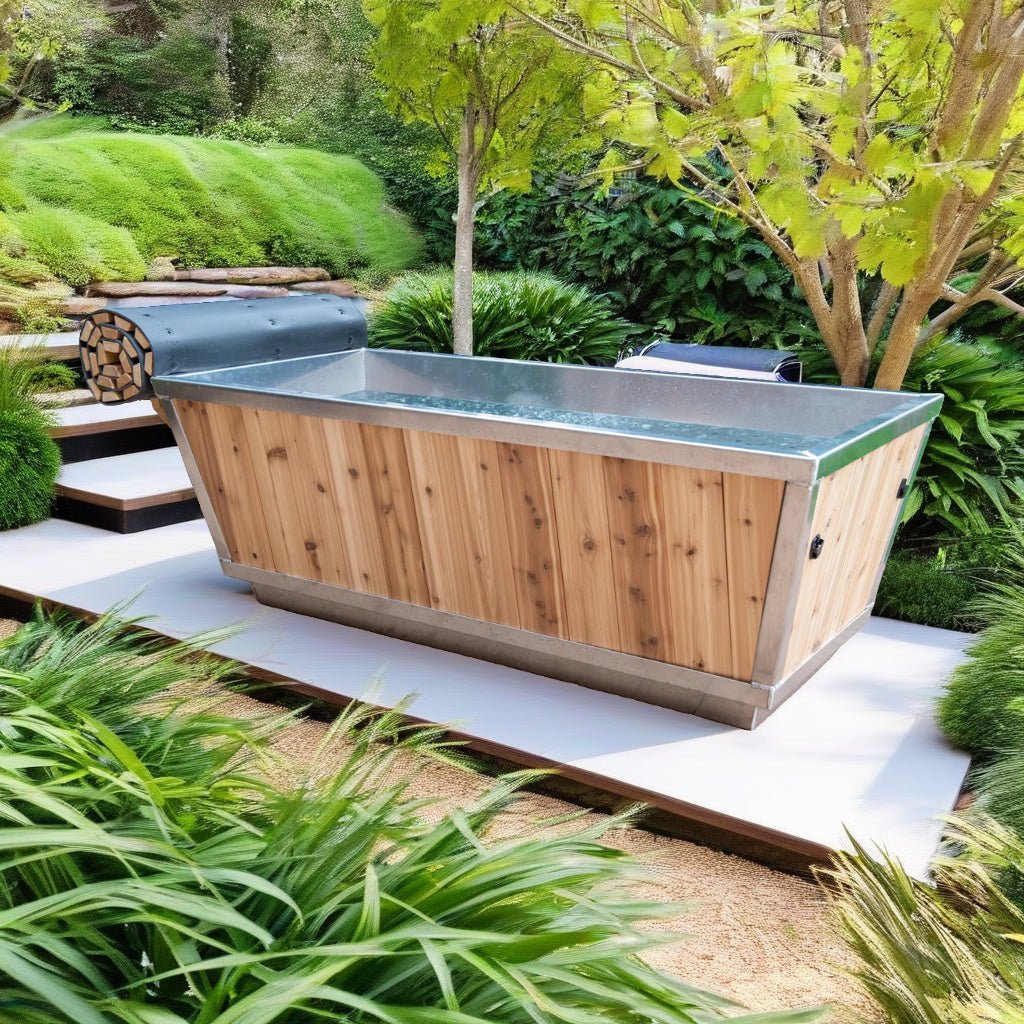
A high-quality single tub with a wide temperature range — like the Dreampod Mineral Soaker — can operate anywhere from 37°F to 104°F. That covers the full spectrum of contrast therapy. What it cannot do is switch between those extremes within the same session. Moving a large body of water from 103°F to 40°F, or the reverse, takes roughly 24 hours under realistic conditions. This is not a product defect — it's a fundamental property of thermal mass.
What this means in practice:
- You can use the same unit as a hot mineral soak on Tuesday and a cold plunge on Thursday
- You cannot complete a hot soak, then step into cold water, then return to hot — all within one session
- Advance scheduling becomes part of your routine — decide what mode you need the night before
For many buyers, this is a completely reasonable trade. They're not doing rapid hot-cold-hot cycling in a single session; they're rotating between modes across different days. One well-built unit, half the footprint, half the installation complexity.
When You Need Two Units
If your primary goal is same-session contrast cycling — 3 minutes hot, 1 minute cold, repeat — you need two dedicated units. A recovery-focused athlete who wants to step out of the hot soak and immediately into cold water, then back again, cannot achieve that with a single unit regardless of brand or price.
The most space-efficient path in that case is to pair the Dreampod Mineral Soaker with a dedicated cold plunge — Dreampod specifically positions their Ice Bath product as the natural companion to the Mineral Soaker for exactly this purpose.
Decision Framework
| Your Use Pattern | Best Setup |
|---|---|
| Alternating between hot days and cold days | Single unit (Dreampod Mineral Soaker) |
| Same-session hot → cold → hot cycling | Two units |
| Space-limited, weekend wellness user | Single unit with advance planning |
| Post-workout daily protocol, same session | Two units |
| Primarily hot mineral soaking with occasional cold | Single unit |
| Primarily cold plunging with occasional hot soak | Single unit |
<a name="dreampod"></a>
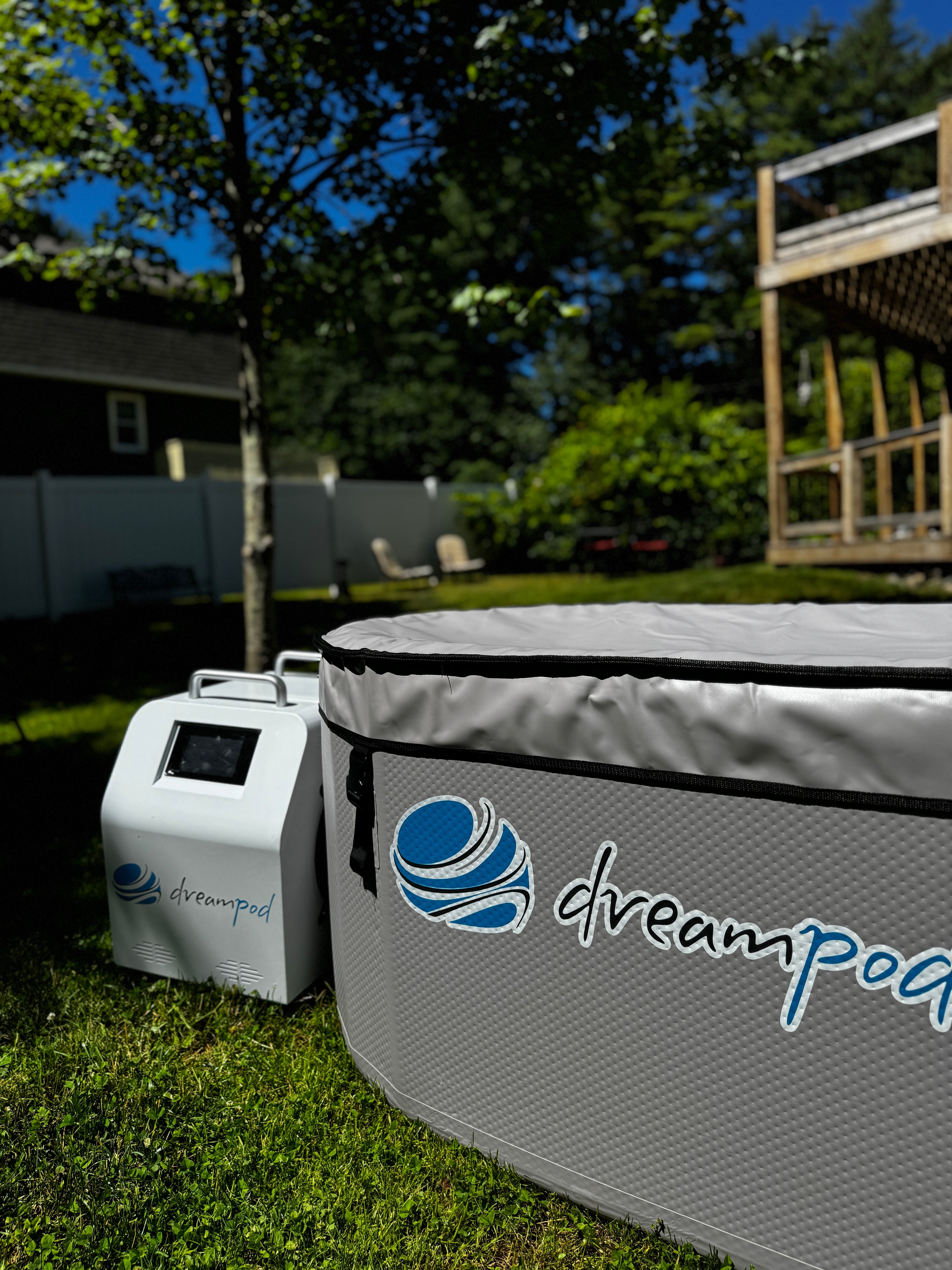
Our Recommended Setup: The Dreampod Mineral Soaker
Bottom line: For buyers who want premium single-unit flexibility, exceptional build quality, and mineral-enriched hot soaking — without dedicating space to two separate units — the Dreampod Mineral Soaker is our top recommendation.
Here's what sets it apart:
Full-spectrum temperature range. The Mineral Soaker operates from 37°F to 104°F — covering the complete contrast therapy range in one unit. The double-hull GPR base with foam insulation holds its set temperature precisely, making it effective whether you're in hot mineral soak mode or cold plunge mode.
Mineral enrichment. Unlike a standard hot tub, this unit is designed for Epsom salt and therapeutic mineral use. Warm sessions deliver magnesium absorption alongside heat — a meaningful recovery upgrade over plain water immersion. Himalayan, Celtic gray, and Hawaiian Alaea salts are all compatible.
Automated maintenance. The auto mode maintains temperature and handles filtration and H₂O₂ chemical dosing with minimal manual intervention. The UV light hygiene system and 10-micron filter bag keep water clean between uses. For a home setup used multiple times per week, this matters.
Premium build quality. Fiberglass exterior, polished interior coating, LED multi-color lighting, gas-spring door, and passive air circulation. Built for durability and designed to look intentional in a wellness space.
No complex plumbing required. Installation is simpler than most traditional hot tub setups — no dedicated plumbing lines needed, just power and a drainage plan.
The honest caveat you need to know. If your goal is same-session contrast cycling, you need to plan accordingly. Set the Mineral Soaker to your desired temperature the night before your session. If it's a hot day, it's ready at 103°F. If it's a cold day, it's ready at 45°F. For true rapid-switch contrast protocols, pair it with a dedicated cold plunge unit alongside it — two units, but the Mineral Soaker handles all your hot-side needs at an exceptionally high level.
<a name="buying"></a>
Choosing Your Setup: What to Look For
Bottom line: Performance depends on temperature range and stability, insulation, filtration, and build quality — not aesthetics alone.
Temperature Range and Stability
Whether you're buying a single unit or pairing two, verify:
- What is the minimum cold temperature achievable in your climate?
- How long does the unit take to reach a set temperature from the opposite extreme?
- Does the unit maintain its set point reliably over hours and days?
The Dreampod Mineral Soaker holds temperature well due to its foam-insulated double-hull construction — a meaningful advantage in both hot and cold modes, and one reason it's viable as a full-range single unit.
Insulation, Covers, and Energy Efficiency
Insulation type is the single biggest driver of monthly energy costs. Full-foam or double-hull construction keeps both hot and cold temperatures stable far longer than single-wall designs. A quality cover prevents heat and cold loss between sessions and is often the easiest lever for reducing running costs.
Filtration and Sanitation
Sanitation is a health requirement, not a feature. Look for systems with UV sanitation, automatic chemical dosing, and fine filtration. The Dreampod Mineral Soaker includes all three. Neither UV nor automated dosing eliminates the need for water testing — they reduce the manual load but require periodic verification. See the maintenance section for full detail.
Build Quality and Materials
For a high-ticket home wellness investment, evaluate:
- Shell material — fiberglass offers durability and ease of cleaning
- Cover quality — a well-insulated cover is essential for energy efficiency
- Drainage plan — the Dreampod uses a submersible pump approach; plan for a nearby drain
- Warranty — confirm coverage terms before purchasing
<a name="installation"></a>
Installation & Space Planning Considerations
Bottom line: Installation deserves as much planning as the product itself. Electrical, structural, and drainage requirements are real and non-negotiable.
Electrical Requirements
The Dreampod Mineral Soaker requires a single-phase dedicated waterproof circuit with GFCI protection (CPSC; NEC/NFPA). Newer models operate on 110V; older models on 220V/60Hz, 15 amps — confirm voltage for your specific unit before purchase. GFCI protection is a code requirement for any spa or immersion unit. Hire a licensed electrician; do not self-install. If adding a dedicated cold plunge unit alongside, plan for a second dedicated circuit.
Structural Support and Water Weight
Water weighs approximately 8.34 lb per gallon (engineering standard). A large soaking unit can carry well over 2,000 lb of water before adding the tub weight and occupants. Decks, patios, and indoor floors require professional load assessment before installation.
Drainage
The Dreampod Mineral Soaker does not have a built-in drainage outlet. Water changes require a submersible pump drained through a hose into a floor drain or nearby shower drain. This is an important site consideration — plan your installation location with drainage access in mind before finalizing placement.
Indoor vs. Outdoor Placement
| Factor | Outdoor | Indoor |
|---|---|---|
| Common challenges | Weather exposure, freeze risk in cold climates | Humidity, ventilation, drainage, floor load |
| Noise | Less disruptive to living spaces | Pump noise confined to space — verify dB ratings |
| Planning required | Weatherproofing, drainage, cover | HVAC review, drain line, structural assessment |
| Best for | Most residential installs | Dedicated wellness rooms with proper preparation |
For outdoor installation in cold climates, confirm freeze protection ratings or plan for seasonal draining and storage.
<a name="maintenance"></a>
The Dual-Zone Maintenance Blueprint
Bottom line: Even a single-unit setup needs chemistry attention in both temperature modes. Automated systems reduce the burden — they don't eliminate it.
Why Temperature Mode Affects Sanitation
Warm water creates meaningfully higher microbial risk. Legionella — the bacteria behind Legionnaires' disease — thrives in warm water systems that are poorly sanitized (CDC). When your Mineral Soaker is in hot mode, this is the primary sanitation concern. Cold water slows bacterial growth but does not eliminate it — sanitation protocols still apply in cold mode (WHO recreational water guidelines).
The Dreampod's Automated Advantage
The Mineral Soaker's auto mode is a genuine maintenance simplifier: it maintains temperature, runs filtration automatically, and doses H₂O₂ without manual intervention between uses. This is a meaningful upgrade over traditional hot tub chemistry management. However, the system still requires periodic water testing and scheduled maintenance — automation reduces effort, not responsibility.
Chemistry Basics to Track
- Sanitizer levels (H₂O₂ per manufacturer guidance)
- pH (typically 7.2–7.8 for effective sanitization)
- Water clarity and odor — visual and sensory checks before each session
- Filter condition — inspect and clean the 10-micron filter bag per manufacturer schedule
- UV bulb condition — replace per manufacturer interval
Maintenance Cadence Checklist
Before each use
- Check water clarity (should be clear)
- Note any unusual odor
- Confirm temperature is at target
Weekly
- Test sanitizer levels and pH
- Inspect filter bag
- Wipe down surfaces and door seals
Monthly / Seasonal
- Inspect and clean cover
- Drain and refresh water per manufacturer schedule
- Check UV bulb and replace as directed
- Inspect door mechanism and seals
After heavy use or temperature mode change
- Re-test chemistry and adjust
- Check for cloudiness or foam
Always follow the manufacturer's water care manual for your specific unit.
<a name="protocols"></a>
Mastering Your Session: Contrast Therapy Protocols
Bottom line: There is no universal protocol. These starting points reflect common study ratios and practical guidance — not clinical prescriptions. Adjust based on how your body responds.
For context on building a complete contrast routine, see how others approach a sauna, cold plunge, and hot tub routine.
Protocol Planning for Single-Unit Users
If you're using the Dreampod Mineral Soaker as your only unit, plan temperature mode the day before:
- Hot session: Set to ~100–104°F the previous evening
- Cold session: Set to ~45–55°F (beginners) or ~37–45°F (experienced) the previous evening
- Full transition takes approximately 24 hours under typical conditions
This is a different rhythm than same-session cycling — but it works well for people who alternate modes by day. Many users find this the most sustainable long-term approach.
Same-Session Contrast Protocol (Two-Unit Setup)
For buyers who have paired the Mineral Soaker with a dedicated cold plunge:
- Hot soak: 3–4 minutes at ~100–103°F
- Cold plunge: 1 minute at target cold temperature
- Repeat 3–5 cycles
- End cold for recovery-focused sessions; end hot for relaxation
Research-informed ratios suggest 3:1 to 4:1 hot-to-cold timing (Cochrane Review; sports medicine reviews). These are practical starting points, not universal rules.
Beginner Protocol (Either Setup)
- Begin in warm water: 3–5 minutes at comfortable temperature
- Cold entry: 30–60 seconds to start
- Return to warm: 2–3 minutes
- Repeat 1–2 cycles total
Stop immediately if you experience dizziness, chest discomfort, numbness, or shortness of breath.
Relaxation-Focused Protocol
- Extended warm soak: 10–15 minutes at moderate temperature (avoid prolonged high heat)
- Brief cold: 1–2 minutes as a reset
- Return to warm: 5 minutes
- End warm — more appropriate for pre-sleep use than ending cold
Avoid use after alcohol, dehydration, or intense physical exertion.
Who Should Consult a Clinician First
The following groups should consult a physician before use (Mayo Clinic; CDC):
- People with cardiovascular disease, arrhythmia risk, or uncontrolled hypertension
- Pregnant individuals
- People with chronic conditions or active infections
- Anyone on medications affecting heart rate, blood pressure, or temperature regulation
Exit immediately and seek medical attention for chest pain, shortness of breath, or loss of sensation.
<a name="cost"></a>
Cost of Ownership: Beyond the Purchase Price
Bottom line: The purchase price is only the beginning. Energy, maintenance, installation, and accessories add meaningfully to the total.
Upfront Cost
Entry-level setups may start around $5,000, with premium single-unit systems and two-unit pairings with professional installation reaching $20,000 or more (industry estimates). Key cost drivers:
- Shell material and construction quality
- Chiller/heater capacity
- Insulation quality (directly affects monthly energy costs)
- Installation complexity: electrical, drainage, structural prep
The Dreampod Mineral Soaker's automated systems and no-plumbing installation help reduce overall setup complexity compared to traditional hot tub installs.
Monthly Energy Costs
Monthly energy costs are estimated broadly at $30–$150+, depending on:
- Climate and ambient temperature
- Insulation quality and cover use
- How often you switch temperature modes (each mode transition costs energy)
- Local electricity rates
The double-hull foam-insulated construction of the Dreampod Mineral Soaker is an advantage here — better insulation means less energy spent maintaining set temperatures.
Ongoing Maintenance
Annual costs include H₂O₂ and pH chemicals, filter replacements, UV bulb replacement per manufacturer schedule, and periodic professional service. These are ongoing, not one-time, and should be budgeted from day one. The Mineral Soaker's automated dosing reduces the frequency of manual chemical addition but does not eliminate consumable costs.
<a name="myths"></a>
Myths and Misconceptions
1. "A single tub can switch between hot and cold in minutes." Large water volumes take approximately 24 hours to move between hot and cold extremes. This is physics, not a product limitation. Plan your mode in advance or invest in two separate units for same-session switching.
2. "Contrast therapy detoxes your body." No scientific mechanism supports the idea that hot/cold immersion removes toxins — the liver and kidneys handle that (NIH). This claim persists because wellness marketing conflates circulation stimulation with "cleansing."
3. "Colder is always better." Extreme cold increases cardiovascular strain without proportional added benefit (CDC). Effective cold temperatures fall within 37–55°F for most protocols. Start at the warmer end if new to cold immersion.
4. "You need to do it every day for results." Studies showing DOMS benefit use sessions ranging from occasional to several times per week — daily use is not a requirement (Cochrane Review). Moderate, consistent frequency outperforms sporadic intense use.
5. "It significantly boosts the immune system." Evidence for meaningful immune enhancement from contrast therapy is limited and largely observational (NIH). Commonly overstated in wellness marketing.
6. "It cures anxiety, depression, or chronic pain." Contrast therapy is a wellness and recovery tool — not a medical treatment. Mood and stress effects are plausible and reported; they do not constitute treatment for mental health conditions (Stanford, 2022; Mayo Clinic).
7. "Automated dosing makes water testing unnecessary." Automated systems supplement but do not replace periodic testing. UV treats water flowing through the system — not water at rest (CDC; WHO). Test chemistry weekly regardless of automation.
8. "A single combo unit is clinically superior to two separate units." No clinical evidence establishes that any one setup produces better health outcomes. The difference between single-unit and two-unit approaches is logistical and practical, not physiological.
9. "It's safe for everyone." Contrast therapy is contraindicated for certain cardiovascular, hypertension, pregnancy, and medication-related conditions (Mayo Clinic). This oversimplification persists because marketing tends to omit contraindications.
10. "You only need to change the water occasionally." Hot-mode water requires consistent sanitation and periodic full water changes — chemistry degrades and microbial risk accumulates (CDC). Even with automated systems, scheduled water changes are necessary.
11. "Higher price always means better results." Price reflects build quality, materials, and features — not therapeutic outcomes. A well-maintained mid-tier setup used consistently can outperform a neglected premium system.
12. "You'll feel results immediately." Perceived soreness reduction occurs within the DOMS window: 24–72 hours post-session (NIH). Immediate sensations — warmth, alertness, relaxation — are real. Meaningful long-term outcomes require weeks of regular use.
<a name="experience"></a>
Experience Layer: Test Plan and Tracking Template
A structured self-test helps you find what works for your body — without relying on anecdotal claims.
Safe Test Plan
Week 1–2: Hot Mode Baseline
- Use the Mineral Soaker in hot mode for 3–5 sessions
- Note perceived relaxation, soreness after workouts, and sleep quality
- No cold exposure yet — establish your warm baseline
Week 3–4: Introduce Cold Mode
- Schedule a cold session: set the tub temperature the evening before
- Start with 2–3 minutes of cold immersion
- Track how you feel during and 24 hours after
Week 5–6: Alternate-Day Contrast Rhythm
- Alternate: hot session day, then cold session day (set temp the night before each)
- Two-unit users: begin same-session cycling with 2 cycles, building to 4–5
What You Might Notice (Non-Guaranteed)
Individual responses vary considerably. Some users report:
- A brief shock response entering cold water, followed by calmer breathing within 30–60 seconds
- Reduced leg soreness 24 hours after post-workout sessions
- Feeling more alert and focused for 1–2 hours after cold immersion
- Easier sleep onset after warm-ending sessions
- Improved mood for several hours following a contrast session
Tracking Template
| Date | Mode (Hot/Cold) | Temp (°F) | Duration (min) | Soreness Before (1–10) | Soreness 24hr After (1–10) | Energy (1–10) | Sleep Quality (1–10) | Notes |
|---|---|---|---|---|---|---|---|---|
Track for 4–6 weeks to notice meaningful patterns. A wearable that captures sleep quality and resting heart rate adds useful objective data.
<a name="faq"></a>
FAQs About Hot Tub Cold Plunge Combos
1. What is the ideal temperature for a hot tub cold plunge combo?
The hot zone typically operates at 100–104°F; cold at 37–55°F (CDC; Cleveland Clinic).
- Temperatures above 104°F increase overheating and cardiovascular risk
- Colder than 37°F is generally unnecessary and increases cold shock risk
- Beginners should start at the warmer end of the cold range (~50–55°F)
- Temperature stability is as important as the target number
2. Can one tub really do both hot and cold?
Yes — the Dreampod Mineral Soaker covers 37°F to 104°F in a single unit. The critical caveat: transitioning between those extremes takes approximately 24 hours.
- Works well for people alternating between hot days and cold days
- Does not support same-session hot-cold cycling
- For same-session contrast therapy, pair with a dedicated cold plunge unit
- Plan your temperature mode the evening before your session
3. Is it better to start hot or cold in contrast therapy?
Most protocols begin with heat, though no single sequence is universally established (Cochrane Review).
- Starting hot warms muscles and eases the transition to cold
- Ending cold is commonly used for recovery; ending hot for relaxation
- Beginners are generally advised to start hot and add cold gradually
4. How long should I stay in each zone?
Common study-referenced ratios use 3–4 minutes hot followed by 1 minute cold (Cochrane Review; sports medicine reviews).
- Beginners may start with 30–60 seconds of cold
- Repeat 2–5 cycles per session
- Always exit if you feel dizzy, nauseous, or experience chest discomfort
5. How often should I do contrast therapy?
Studies show benefit from multiple sessions per week without requiring daily use (Cochrane Review).
- 2–4 sessions per week is a reasonable starting range for most healthy adults
- Single-unit users: plan temperature mode changes 24 hours ahead to maintain cadence
- Consistency over time matters more than daily intensity
6. Are hot tub cold plunge setups safe?
For most healthy adults, yes — with proper installation, maintenance, and gradual exposure (Mayo Clinic; CPSC).
- Electrical safety (GFCI, dedicated circuit) is non-negotiable
- Water sanitation must be maintained to prevent infection risk
- Sudden cold can spike heart rate and blood pressure — relevant for at-risk groups
- Certain health conditions require physician clearance
7. Who should consult a clinician before use?
People with the following should consult a physician first (Mayo Clinic):
- Cardiovascular disease or history of heart attack
- Arrhythmia or pacemaker
- Uncontrolled hypertension
- Pregnancy
- Chronic conditions or active infections
- Medications affecting heart rate, blood pressure, or temperature regulation
- Recent surgery or wounds that should not be submerged
8. What electrical setup does the Dreampod Mineral Soaker require?
Newer models operate on 110V; older models on 220V/60Hz, 15 amps — confirm voltage for your specific unit.
- Requires a single-phase dedicated waterproof circuit with GFCI protection
- The outlet should be on its own individual breaker
- Hire a licensed electrician — do not self-install
- Adding a second cold plunge unit requires a separate dedicated circuit
9. Can you install a Dreampod Mineral Soaker indoors?
Yes, with proper planning.
- No complex plumbing required — but drainage planning is essential (submersible pump to floor drain or shower drain)
- Humidity management matters — ventilation or dehumidification is needed in enclosed spaces
- Structural load review is required given water weight
- Confirm noise levels before placing adjacent to sleeping areas
10. How does the Dreampod Mineral Soaker's auto mode work?
Auto mode maintains temperature, runs filtration, and doses H₂O₂ automatically.
- Keeps water at your preset temperature without manual adjustment
- Automatic chemical dosing keeps water clean between sessions
- UV sanitation runs continuously through the circulation system
- Periodic water testing and filter inspection are still required
- Full water changes are needed on manufacturer-recommended schedule
11. What is contrast therapy and does it work?
Contrast therapy is alternating hot and cold water immersion, used to stimulate circulation and support recovery.
- Moderate evidence supports reduced DOMS versus passive recovery (Higgins et al., 2014; Cochrane Review)
- Mechanisms are partly theoretical
- Effects on mood, sleep, and inflammation are plausible but less consistently supported
- It is a recovery and wellness tool, not a medical treatment
12. How do I maintain water quality?
Test water regularly, maintain sanitizer levels, and change water per manufacturer schedule.
- Hot mode carries higher microbial risk — monitor closely (CDC)
- Cold mode slows but does not prevent bacterial growth (WHO)
- UV and automated dosing supplement but do not replace manual testing
- Follow manufacturer guidance for H₂O₂ levels and water change frequency
13. Does the Dreampod Mineral Soaker require plumbing?
No dedicated plumbing connections are required.
- The system is self-contained for operation
- Water changes use a submersible pump drained via hose to a floor drain or shower
- A nearby drain is essential for practical long-term use
- Plan installation location with drainage access as a primary criterion
14. Can I use a contrast therapy setup if I have high blood pressure?
Consult a physician before use (Mayo Clinic).
- Sudden cold immersion can temporarily spike blood pressure and heart rate
- Hot water at high temperatures also places cardiovascular stress
- If cleared by a clinician, start at moderate temperatures and shorter durations
- Never use contrast therapy as a treatment for hypertension
15. How do I decide between a single-unit setup and two units?
Start with how you actually intend to use contrast therapy day-to-day.
- Same-session hot-cold cycling → two units
- Alternating hot days and cold days → single unit (Dreampod Mineral Soaker)
- Space-limited or budget-conscious → single unit with advance mode planning
- Want mineral-enriched hot soaking as a primary feature → Dreampod Mineral Soaker is the right anchor unit regardless
16. What sanitation system does the Dreampod Mineral Soaker use?
UV light sanitation combined with automatic H₂O₂ dosing and a 10-micron filter bag.
- UV treats water flowing through the circulation system
- H₂O₂ provides residual sanitation within the tub
- Automatic dosing handles chemical addition without manual intervention
- Periodic testing and scheduled water changes remain required
17. How often should I do contrast therapy?
Research does not establish a universal ideal frequency; most studies use 2–4 sessions per week (Cochrane Review).
- Consistency matters more than daily intensity
- Single-unit users: factor in 24-hour mode-change lead time when scheduling
18. Does a cold plunge need to reach extreme temperatures to work?
Mild discomfort is expected; extreme pain or numbness is not necessary or beneficial.
- The 37–55°F range covers most therapeutic protocols (Cleveland Clinic)
- Colder temperatures increase physiological stress without proportional benefit
- Beginners should start around 50–55°F and adjust based on response
19. Can contrast therapy improve sleep?
Warm water immersion before sleep may support sleep onset for some users.
- Soaking 1–2 hours before bed may help sleep onset
- End sessions with warm, not cold, for pre-sleep use — cold may be activating
- Track your own response; individual results vary considerably
20. What is DOMS and how does contrast therapy affect it?
DOMS is muscle soreness appearing 24–72 hours after intense or unfamiliar exercise (NIH).
- Contrast water therapy has moderate evidence for reducing perceived DOMS versus passive rest (Higgins et al., 2014; Cochrane Review)
- Effects are most relevant for regular exercisers
- The physiological mechanism is not fully established — circulatory pump effect is the leading hypothesis
<a name="sources"></a>
Sources
- Higgins, T.R. et al. (2014). "Comparison of Whirlpool and Cold-Water Immersion/Contrast Therapy in Managing DOMS." Journal of Strength and Conditioning Research. https://pubmed.ncbi.nlm.nih.gov/24668369/
- Wilcock, I.M. et al. (2006). "Hydrotherapy: Can It Prevent Delayed Onset Muscle Soreness?" European Journal of Sport Science. https://pubmed.ncbi.nlm.nih.gov/16603874/
- Cochrane Library. Contrast Water Therapy Systematic Reviews. https://www.cochranelibrary.com/
- Cleveland Clinic. "Hydrotherapy: What Is It and Does It Work?" https://health.clevelandclinic.org/hydrotherapy/
- Mayo Clinic. Cold Exposure and Cardiovascular Effects. https://www.mayoclinic.org/
- CDC. Legionella and Hot Tub Safety. https://www.cdc.gov/legionella/
- WHO. Guidelines for Safe Recreational Water Environments. https://www.who.int/
- Stanford Medicine. Cold Exposure and Depression Study (2022). https://med.stanford.edu/news/all-news/2022/01/cold-exposure-depression.html
- NIH / National Library of Medicine. Hydrotherapy Effects. https://www.ncbi.nlm.nih.gov/pmc/articles/PMC4049052/
- CPSC. Hot Tub Safety. https://www.cpsc.gov/
- NFPA / NEC Electrical Code. https://www.nfpa.org/
- U.S. Department of Energy. Pool and Spa Energy Efficiency. https://www.energy.gov/
- Consumer Reports. Spa Buying Guidance. https://www.consumerreports.org/
<a name="gaps"></a>
What We Still Don't Know
Protocol standardization is unresolved. No universally agreed ratio of hot-to-cold timing, number of cycles, or session frequency has emerged from research. Most cited protocols are adaptations of studies with small participant pools and inconsistent methodology (Cochrane Review).
Long-term outcomes are understudied. Most research focuses on acute post-exercise recovery. Longitudinal data on chronic pain relief, long-term cardiovascular effects, or cumulative mental health benefits from regular contrast therapy is limited.
Single-unit vs. two-unit therapeutic comparison is absent. No published research directly compares recovery outcomes of same-session contrast cycling (two units) versus alternating-day contrast modes (single unit). The physiological mechanisms suggest they may differ, but this has not been studied.
Cold-specific infection risk quantification is limited. Warm-water Legionella risk is well-documented; precise infection rates and pathogen survival data for properly maintained cold water below 55°F remain limited (WHO).
Individual variability is underreported. Most studies focus on athletic adults. Research on benefits for sedentary adults, older adults, and people with chronic conditions is sparse.
View More ArticlesReady to build your home contrast therapy setup? The Dreampod Mineral Soaker is our top recommendation for premium single-unit hot-and-cold wellness — built to hold temperature, automate maintenance, and deliver mineral-enriched soaking at either extreme. Or explore our full range of luxury hot tubs for home wellness to find the right anchor for your space.
What Are the Benefits of a Cold Plunge? A Science-Backed Guide
At Home Cold Plunge: The Ultimate Guide to Setups, Benefits, and DIY Options
Related Posts

The Complete Guide to Cold Plunge Temperature: Benefits, Safety, and Optimal Ranges

Dreampod Ice Bath Flex Review: The Ultimate Portable Cold Plunge?

How to Choose a Cold Plunge Tub: The Complete Buyer's Guide

Cold Plunge Before or After Workout? The Ultimate Guide to Timing for Optimal Results

Polar Monkeys Cold Plunge Review: Is It Worth the Hype? (Reviewed & Compared)

The Best Outdoor Cold Plunge Tubs for Your Backyard Oasis

The Best Inflatable Cold Plunge Tubs: A 2026 Buying & Comparison Guide
