







At Home Cold Plunge: The Ultimate Guide to Setups, Benefits, and DIY Options
An at home cold plunge is any setup—bathtub, stock tank, portable tub, or dedicated chiller system—used for cold water immersion (CWI), typically around 50–59°F (10–15°C). It's best supported by evidence for short-term muscle soreness reduction after exercise, with emerging (but more limited) data on mood and alertness.
TL;DR:
-
Evidence is strongest for athletic recovery and reducing DOMS (delayed onset muscle soreness).
-
Target water temperature: 50–59°F. Colder is not automatically better.
-
Beginners: start with 30–60 seconds; work toward 2–5 minutes.
-
Recommended frequency: 2–4 sessions per week is typical in research protocols.
-
Avoid if you have cardiovascular disease, uncontrolled hypertension, arrhythmias, or are pregnant—consult a clinician first.
-
Setup type matters less clinically than temperature, exposure, and consistency.
Table of Contents
-
What Is an At Home Cold Plunge?
-
The Science-Backed Benefits of Cold Water Immersion
-
Understanding Your Options: Setup Types
-
DIY Cold Plunge: Building Your Own Ice Bath
-
Choosing the Best At Home Cold Plunge for Your Needs
-
Top At Home Cold Plunge Tubs and Systems
-
Safety First: Guidelines and Precautions
-
Maintaining Your At Home Cold Plunge
-
Integrating Cold Plunging into Your Routine
-
Myths and Misconceptions
-
Experience Layer: Testing It Yourself
-
Frequently Asked Questions
-
Sources
-
What We Still Don't Know
What Is an At Home Cold Plunge?
Cold water immersion (CWI) is the practice of submerging the body in cold water, typically at or below 15°C / 59°F, for recovery or wellness purposes (Bleakley et al., 2012; Hohenauer et al., 2015). At home, that can mean a standard bathtub loaded with ice, a stock tank in the backyard, a portable inflatable tub, or a premium system with a built-in chiller and filtration.
The concept isn't new—sports medicine has used post-exercise cold immersion for decades (Cleveland Clinic, 2023). What has changed is availability: dedicated at-home systems now bring consistent temperature control and sanitation to the consumer market.
This guide covers every setup option, what the evidence actually says, what it costs to run one long-term, and how to stay safe doing it.
Key terms:
|
Term |
Definition |
|
Cold water immersion (CWI) |
Submerging the body in cold water, typically ≤15°C / 59°F, for recovery or wellness purposes (Bleakley et al., 2012) |
|
Cold shock response |
Rapid increase in breathing rate, heart rate, and blood pressure upon sudden cold exposure (CDC) |
|
DOMS |
Delayed onset muscle soreness occurring 24–72 hours post-exercise |
|
Vasoconstriction |
Narrowing of blood vessels in response to cold (Harvard Health, 2023) |
|
Biofilm |
Microbial communities that can grow on surfaces in stagnant water |
|
Thermogenesis |
Heat production, sometimes involving brown fat, triggered by cold exposure (NIH) |
The Science-Backed Benefits of Cold Water Immersion
Cold plunging is backed by real research—but the depth of evidence varies considerably by claim. Here's what the data actually supports.
Recovery and Soreness
This is where the evidence is strongest. Meta-analyses show cold water immersion can meaningfully reduce DOMS compared to passive recovery (Bleakley et al., 2012; Leeder et al., 2012). The effect appears most relevant for athletes or anyone doing repeated bouts of intense exercise.
What it means in practice: a plunge after a hard training session may leave muscles feeling less sore in the 24–72 hours that follow. This is short-term recovery support, not a performance multiplier or a substitute for proper training structure.
Evidence strength: Strong (for athletic recovery and DOMS reduction)
Mood, Alertness, and Mental Resilience
Cold exposure may affect norepinephrine and dopamine pathways, which are associated with mood and alertness (Shevchuk, 2008). The physiological response is real and measurable.
That said, the studies supporting mood benefits tend to be small, often mechanistic, and not yet sufficient to make therapeutic claims. "May support mood and alertness" is a fair characterization. "Treats anxiety or depression" is not—and should not be repeated as a fact.
Evidence strength: Moderate/Limited — plausible mechanism, limited clinical evidence
Metabolism, Brown Fat, and Immunity
These are the claims that dominate wellness content and frequently overstate the research. Brown fat activation and thermogenesis in response to cold are real phenomena, but their real-world impact on weight or metabolism in typical short-duration plunges is modest and not well-established for home users (2022 review). Immunity claims are similarly mixed.
For the audience this guide is written for—health-conscious adults who read broadly—the honest framing is: promising, not proven.
Evidence strength: Limited/Mixed
For a deeper look at what the research supports, see our overview of cold plunge benefits for home wellness.
Understanding Your Options: Types of At Home Cold Plunge Setups
The core principle: clinically, setup type matters less than hitting the right temperature and maintaining consistent, safe exposure (Harvard Health, 2023; Hohenauer et al., 2015). What differs between options is cost, convenience, maintenance, and how likely you are to actually use it.
Bathtub + Ice
The lowest barrier to entry. Fill your tub, add ice bags, check temperature with a thermometer, get in. It's accessible and requires no special equipment.
The drawbacks: temperature is inconsistent, ice adds up in cost and effort quickly, and the logistics get old fast. Best for testing whether cold plunging is something you'll actually stick with before investing further.
Stock Tank or Barrel Setup
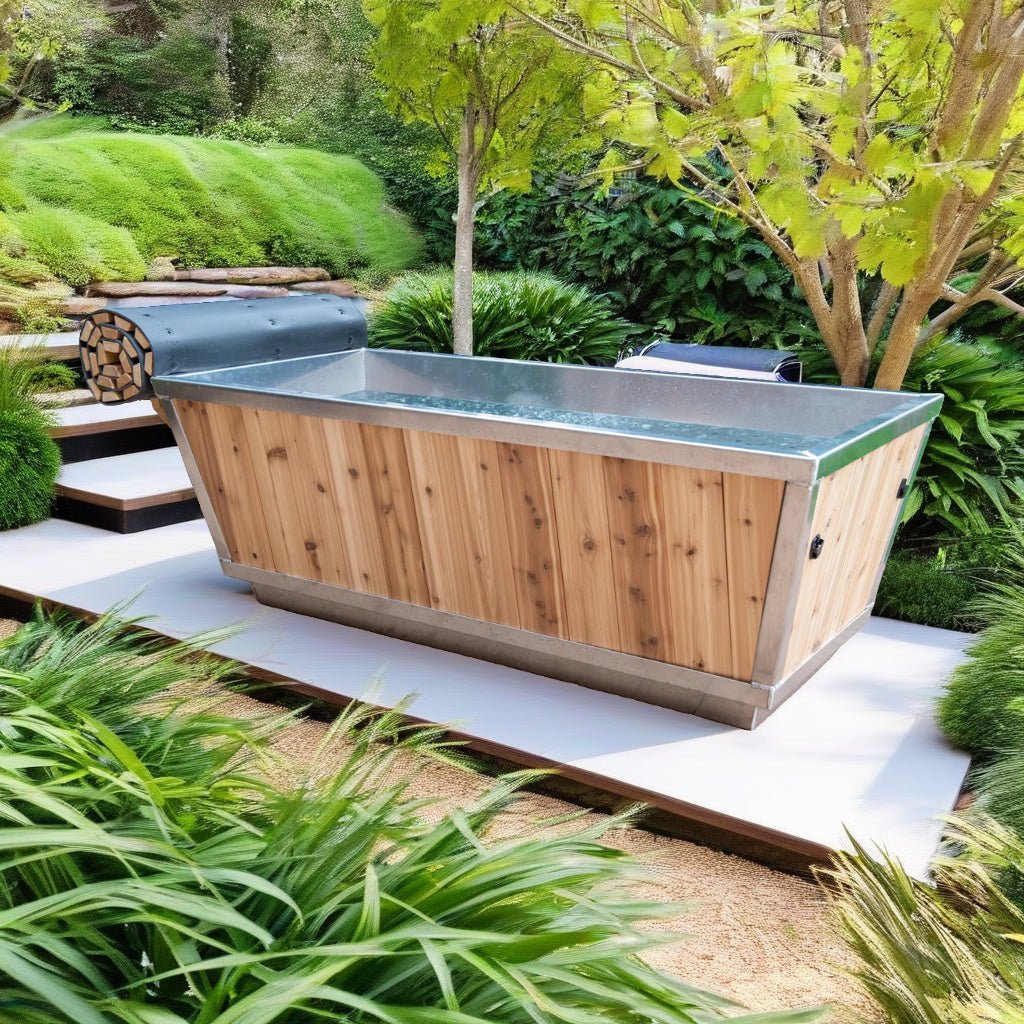
A galvanized or polyethylene stock tank (typically 100–300 gallons) makes a durable, weather-resistant outdoor option. It has a "real" plunge feel, works well with ice or a basic chiller attachment, and holds up to outdoor use better than most alternatives.
Requires a thermometer, a cover, and a sanitation plan. Better suited for committed DIYers who have the outdoor space and tolerance for manual maintenance.
Portable Inflatable Cold Plunge
Packable, lighter, and less expensive than hard-shell options. Good for renters, travelers, or anyone who needs flexible storage. The trade-off: less insulation means less temperature stability, particularly in warm climates. Performance varies significantly by model.
Dedicated Cold Plunge with Chiller and Filtration
The premium tier. These systems integrate temperature control, filtration, and often UV or ozone sanitation into a purpose-built unit. Higher upfront cost is offset by much lower maintenance friction and more precise, consistent temperature.
For anyone planning to plunge 3–4 times a week long-term, the "buy once" logic often applies. Research on habit formation suggests that reducing setup friction significantly improves adherence (behavioral adherence literature, PubMed, 2018). This is the setup category where consistency becomes easiest to maintain.
DIY Cold Plunge: Building Your Own Ice Bath at Home
A thoughtful DIY setup can deliver the same physiological result as a premium system—provided temperature and sanitation are managed correctly.
Core Components
-
Container: bathtub, stock tank, barrel, or chest freezer (advanced)
-
Thermometer: non-negotiable; temperature is the variable that matters
-
Water source + ice or chiller
-
Optional: pump, mechanical filter, ozone or UV sanitation unit, insulated cover
The target is a stable water temperature in the 50–59°F range. More ice does not mean better outcomes—colder than necessary adds risk without added benefit.
For a full walkthrough of equipment and setup steps, see our DIY cold plunge setup guide.
DIY Filtration and Sanitation
Standing water that isn't filtered, sanitized, or regularly changed can harbor bacteria—including Pseudomonas and other opportunistic pathogens (CDC recreational water safety; WHO recreational water guidelines; NSF sanitation standards). This is not a minor concern.
The three main sanitation methods:
-
Chlorine: familiar, effective, requires regular testing and dosing
-
Ozone: chemical-free oxidation; typically requires an ozone generator
-
UV: effective against most pathogens when water passes through the unit; does not affect chemistry
None of these is universally "best"—the right choice depends on your system, volume, and budget. Follow manufacturer instructions for whatever sanitation approach you choose.
Chest Freezer Conversions: Proceed with Caution
Converting a chest freezer into a cold plunge is popular in DIY communities and can achieve precise temperature control at a moderate cost. It is also the highest-risk DIY option.
Chest freezer conversions require a temperature controller to prevent the water from freezing. The electrical modifications involved—particularly anything involving submersible components or GFCI protection near water—carry real safety risk and should be reviewed by a licensed electrician before use (CPSC electrical safety guidelines).
This guide does not provide step-by-step electrical modification instructions. If you pursue a chest freezer build, do so with appropriate professional support.
Choosing the Best At Home Cold Plunge for Your Needs
Decision framework: which setup fits you?
-
Testing the habit? → Bathtub + ice. Lowest commitment, easiest exit.
-
Want durable outdoor DIY? → Stock tank or barrel with thermometer, cover, and sanitation plan.
-
Need storage flexibility (renter, traveler)? → Portable inflatable cold plunge.
-
Plunging 2–4x/week and want low friction? → Dedicated chiller system.
-
Hot climate or precise temperature control needed? → Prioritize chiller capacity, insulation, and filtration specs.
-
Hate maintenance? → Prioritize integrated filtration, easy drainage, cover, and manufacturer-supported sanitation.
Total Cost of Ownership
Upfront price is only one part of the calculation. Here's what ongoing costs actually look like:
|
Setup Type |
Upfront Cost |
Est. Monthly Cost |
Temperature Control |
Maintenance Burden |
|
Bathtub + ice |
Low |
Variable (ice); est. $0–$50 |
Poor to moderate |
Low cleanup; high setup effort |
|
Stock tank / barrel |
Low–mid |
Ice or chiller dependent |
Moderate |
Moderate |
|
Portable inflatable tub |
Low–mid |
Ice or chiller dependent |
Moderate |
Moderate |
|
Chiller system |
High |
~$10–$30/month (electricity) + filters |
Strong |
Lower daily friction |
|
Chest freezer conversion |
Mid |
~$10–$30/month (electricity) |
Strong if controlled |
High safety burden |
Cost estimates based on EIA average electricity rates and typical ice pricing; actual costs vary by climate, usage frequency, local utility rates, and setup.
Climate Considerations
Hot climates like the American South or Southwest present a real challenge: the warmer the ambient temperature, the more cooling power (or ice) required to hit and hold 50–59°F. In Texas summers, for example, an uninsulated outdoor stock tank may lose temperature quickly and require significantly more ice than the same setup would in a cooler climate.
If you live in a warm region and plan to use a chiller, prioritize units with higher BTU capacity and good insulation ratings. Outdoor placement in direct sun compounds the problem.
In colder climates, the concern flips: outdoor setups may need freeze protection in winter.
For a deeper dive into chiller specs and what to look for, see our cold plunge chiller guide.
Top At Home Cold Plunge Tubs and Systems
What to Compare Before Buying
When evaluating any cold plunge system, these are the specs and features that matter most:
-
Cooling capacity (BTUs, target temperature floor)
-
Filtration type (mechanical filter only vs. UV/ozone included)
-
Volume (gallons; affects how much chiller power you need)
-
Insulation (affects temperature stability and electricity cost)
-
Footprint (indoor/outdoor compatibility, drain access)
-
Warranty and service (especially important for chiller components)
-
Cleaning workflow (how easy is it to drain, clean, and refill?)
No peer-reviewed studies directly compare commercial cold plunge products. Product comparisons are based on published specifications, manufacturer documentation, and user data—not clinical performance claims.
Premium Hard-Shell Options
The Dundalk LeisureCraft cold plunge is a solid entry in the premium hard-shell category, built for durability and outdoor use with quality construction materials and a clean aesthetic.
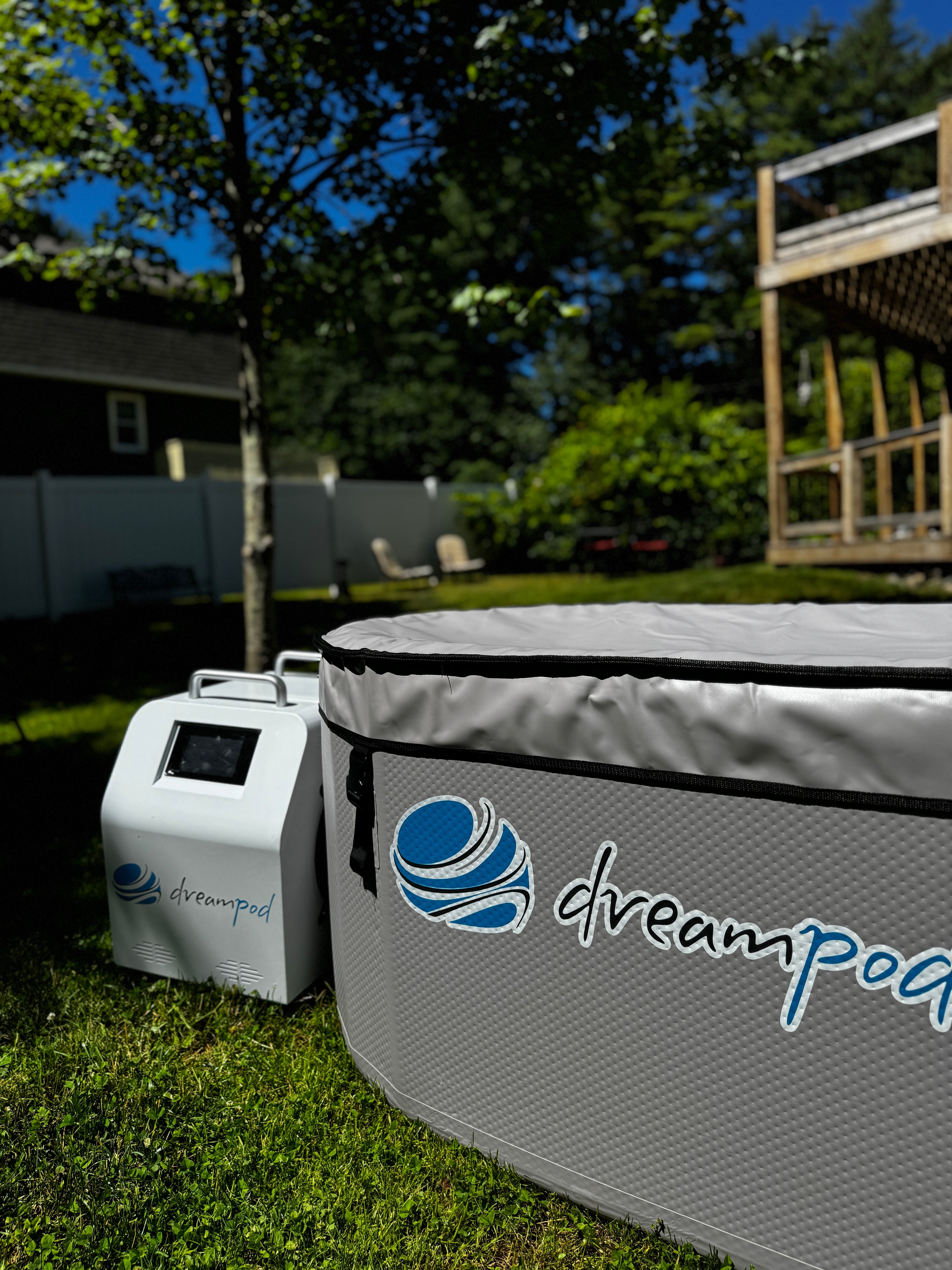
For those who want chiller integration built in, the ice bath with chiller from Dreampod combines temperature control with a thoughtful ergonomic design—a strong option for frequent use where consistent temperature matters most.
Browsing the Full Range
Product specs change regularly. To compare current models, pricing, and availability across portable, hard-shell, and chiller-integrated options, browse the full shop cold plunge tubs for home collection.
Safety First: Essential Cold Plunge Guidelines and Precautions
Safety is the non-negotiable part of this guide. Cold water immersion carries real physiological risk that wellness content often underplays.
Temperature, Time, and Frequency
|
Variable |
Evidence-Based Range |
Notes |
|
Water temperature |
50–59°F (10–15°C) |
Standard range used in research protocols (Bleakley et al., 2012) |
|
Beginner duration |
30–60 seconds |
Build gradually; do not start at 5 minutes |
|
Common exposure |
2–5 minutes |
Most study protocols fall in this range |
|
Frequency |
2–4 sessions/week |
Not every day; recovery matters |
Longer is not automatically better. The physiological response plateaus, and staying in beyond comfort increases hypothermia risk without additional benefit.
Who Should Avoid Cold Plunging or Consult a Clinician First
-
Cardiovascular disease (any form)
-
Uncontrolled hypertension
-
Arrhythmias (any history of irregular heart rhythm)
-
Pregnancy
-
Diabetes or peripheral neuropathy (impaired ability to sense temperature)
-
History of fainting, chest pain, or sensitivity to cold
Cold water triggers a cold shock response: a rapid spike in heart rate and blood pressure, along with involuntary hyperventilation (CDC; British Heart Foundation). In healthy adults, this response is manageable. In people with underlying cardiovascular conditions, it can be dangerous.
Do not cold plunge alone, especially as a beginner.
Stop Immediately If You Experience
-
Dizziness or confusion
-
Numbness beyond normal cold discomfort
-
Chest pain or tightness
-
Difficulty breathing or shortness of breath
-
Loss of coordination or muscle control
These are signs to exit the water immediately and, if symptoms persist, seek medical attention.
Maintaining Your At Home Cold Plunge: Water Quality and Longevity
Poor water quality is the most commonly overlooked risk in DIY setups. Standing water that isn't managed correctly can develop biofilm and harbor harmful bacteria within days.
Sanitation Methods
Chlorine: Most accessible, familiar from pool maintenance. Effective against most pathogens; requires regular pH testing and dosing to avoid under- or over-treatment.
Ozone: An ozone generator produces O₃ gas that oxidizes contaminants without leaving chemical residue in the water. Reduces reliance on chemicals; requires proper equipment and setup.
UV filtration: Water passes through a UV chamber that kills or neutralizes most pathogens. No effect on chemistry, no residue. Works best as part of a broader filtration system.
None of these is universally best. Follow manufacturer guidance for your specific system, and consult NSF-certified product documentation or WHO recreational water guidelines for sanitation thresholds.
Maintenance Checklist
|
Task |
Frequency |
|
Check and record water temperature |
Every session |
|
Test water chemistry (if chlorinated) |
2–3x per week |
|
Run filtration pump |
Per manufacturer schedule |
|
Inspect for visible contamination or odor |
Weekly |
|
Drain, clean, and refill |
Every 1–4 weeks (varies by sanitation method) |
|
Clean filter cartridge or UV unit |
Per manufacturer schedule |
|
Inspect cover and seals |
Monthly |
Biofilm typically develops on surfaces that are damp, warm, and undisturbed. Good circulation, consistent sanitation, and regular draining keep it in check (CDC water safety; WHO).
Integrating Cold Plunging into Your Daily Routine
Post-exercise timing has the most research support. Cold water immersion after training is where the DOMS-reduction evidence is strongest (Bleakley et al., 2012; Leeder et al., 2012). If recovery is your primary goal, this is the logical placement.
One important caveat on timing: if you're focused on building muscle through resistance training, some evidence suggests that cold water immersion shortly after hypertrophy-focused lifting may blunt adaptation in some populations (Roberts et al., 2015). This finding isn't universal across all studies, but it's worth knowing if strength gain is your primary training goal. Save the plunge for rest days or after cardio/conditioning work, and consult a coach or sports medicine clinician if you're unsure.
Morning plunges are popular and many users report feeling more alert and energized afterward—but this timing is less well-studied and the benefits are more anecdotal than research-confirmed.
Simple Tracking Template
|
Date |
Temp (°F) |
Duration (min) |
Time of day |
Soreness 1–10 (before) |
Soreness 1–10 (after 24h) |
Mood 1–10 |
Notes |
Tracking for 2–4 weeks gives you personalized data that no general guide can replicate. Pay attention to what actually changes for your body—not what should happen according to theory.
Myths and Misconceptions
1. "Colder is always better." Temperature below 50°F increases risk—cold shock, hypothermia, numbness—without evidence of proportionally greater benefit. The research range of 50–59°F exists for good reason (CDC; Bleakley et al., 2012). This myth persists because extreme-culture content rewards theatrical suffering.
2. "You need to do it every day." Research protocols most commonly use 2–4 sessions per week. Daily use isn't well-supported and may provide no additional benefit over a proper frequency (PubMed, Leeder et al., 2012). Habit culture confuses "more" with "better."
3. "Cold plunging strongly boosts immunity." Immune effects have been studied, but evidence is mixed and not strong enough to support a clear claim (2022 review; NIH). Wellness marketing overstates this consistently.
4. "It's safe for everyone." Cold shock can be life-threatening in people with cardiovascular conditions. This is not a trivial caveat (CDC; British Heart Foundation). The "everyone can do it" framing comes from influencer content that doesn't account for medical history.
5. "Longer exposure means more benefit." Benefits from cold immersion appear to plateau after a few minutes. Extended exposure increases hypothermia risk without adding measurable recovery gains. The "tough it out" mentality misunderstands the physiology.
6. "DIY setups are risk-free." Chest freezer conversions involve electrical modifications near water. Improperly maintained water can harbor pathogens. Both are real risks that DIY content on YouTube frequently glosses over (CDC; CPSC).
7. "Cold plunging burns significant fat." Brown fat activation from cold exposure is real but modest in effect during typical short-duration plunges. Real-world fat loss impact is minimal and not a primary evidence-based use case. This claim persists via biohacking culture.
8. "It replaces other recovery methods." Cold water immersion is a complementary tool, not a replacement for sleep, nutrition, active recovery, or physical therapy. No clinical evidence supports substituting it for established recovery fundamentals.
9. "You need to warm up before you plunge." There is no physiological requirement to warm up before cold immersion in the same way you would before exercise. Enter gradually if you're a beginner to manage the cold shock response.
10. "Only athletes benefit." Recovery is the strongest use case, but mood and alertness effects—while modest and not fully established—are not limited to athletes. The "athletes only" framing is a product of where most early research was conducted.
11. "Ice baths and cold plunges are the same thing." They're nearly identical in mechanism. The practical distinction is equipment: an ice bath typically uses a bathtub or container temporarily filled with ice water; a "cold plunge" more often refers to a dedicated vessel—sometimes with a chiller that maintains temperature without ice. The physiological target is the same.
12. "More expensive means better results." A $50 stock tank at the right temperature delivers the same core physiological stimulus as a $5,000 chiller system. The premium price buys consistency, convenience, and sanitation infrastructure—not a biologically superior response.
Experience Layer: Testing It Yourself
No general guide can predict exactly how your body will respond. The most useful data comes from your own tracked experience over several weeks.
A Safe Author Test Plan
Week 1–2 (orientation):
-
Bathtub or entry-level setup; target 55–59°F
-
Start at 30–45 seconds per session
-
Plunge 2x per week, post-exercise
-
Note cold shock response, breathing pattern, how you feel 30 minutes after
Week 3–4 (progression):
-
Extend to 2–3 minutes if comfortable
-
Add a third session/week
-
Begin tracking soreness before/after plunge days
-
Note any sleep quality or mood differences
Week 5+ (consistency test):
-
Hold at a comfortable duration and frequency
-
Evaluate: is this something you're likely to continue? If yes, consider upgrading the setup to reduce friction.
What You Might Notice (Non-Guaranteed)
After a session, many users report: a rapid return of warmth within 10–20 minutes, reduced perception of soreness the following day (vs. non-plunge days), and a short window of heightened alertness or calm following the plunge. These are commonly described experiences, not clinical guarantees.
The cold shock response in your first sessions—accelerated breathing, urge to exit—is normal. Controlled breathing during the first 30–60 seconds is what experienced practitioners consistently recommend.
Personal Tracking Template
|
Date |
Temp (°F) |
Duration (min) |
Time of day |
HR before (bpm) |
HR after (bpm) |
Soreness 1–10 |
Mood 1–10 |
Sleep quality 1–10 |
Run this for 3–4 weeks. The pattern in your own data will tell you more than any general article can.
Frequently Asked Questions
1. What temperature should an at-home cold plunge be?
Most research protocols use 50–59°F (10–15°C) (Bleakley et al., 2012). This range is cold enough to trigger a physiological response and supported by the bulk of available evidence.
-
Below 50°F increases risk without demonstrated added benefit
-
Individual tolerance varies; beginners should aim for the higher end of the range
-
Use a thermometer—don't estimate by feel
-
Colder is not better
2. How long should you stay in a cold plunge?
2–5 minutes is the common exposure range in research studies. Beginners should start with 30–60 seconds and progress gradually.
-
Benefits appear to plateau after a few minutes
-
Extended sessions increase hypothermia risk
-
Exit if you feel numbness, dizziness, or chest discomfort at any point
-
Individual comfort and cold tolerance should guide progression
3. Is cold plunging safe?
For healthy adults, it's generally safe when done correctly. For people with cardiovascular disease, arrhythmias, uncontrolled hypertension, pregnancy, diabetes, or neuropathy, it is not appropriate without clinician clearance (CDC; British Heart Foundation).
-
Cold shock can spike heart rate and blood pressure rapidly
-
Never plunge alone, especially as a beginner
-
Exit immediately for dizziness, chest pain, shortness of breath, or confusion
-
The "safe for everyone" framing in wellness content is not accurate
4. Do you need a chiller?
No—but a chiller meaningfully improves convenience and consistency. Ice works well short-term; a chiller is a better long-term solution if you plunge frequently.
-
Ice costs can accumulate: estimated $0–$50/month depending on climate and use frequency
-
Chiller electricity runs approximately $10–$30/month at average US rates (EIA)
-
Chillers maintain precise temperature without setup effort each session
-
For 2–4 sessions/week over months, the math often favors a chiller
5. Can cold plunging help with anxiety?
Possibly, but the evidence is limited. Cold exposure can affect norepinephrine and other neurotransmitter pathways associated with mood (Shevchuk, 2008).
-
Small and mechanistic studies, not large clinical trials
-
Not sufficient to claim it "treats" anxiety or any mental health condition
-
Many users report feeling calmer or more grounded after a session (anecdotal)
-
Do not replace clinician-guided mental health care with cold plunging
6. How often should you cold plunge at home?
2–4 sessions per week is the most common protocol in research (Leeder et al., 2012; Bleakley et al., 2012). Daily use is not well-supported and may offer no additional benefit.
-
Recovery between sessions matters
-
If you're doing resistance training, timing plunges away from hypertrophy sessions may preserve training adaptation (Roberts et al., 2015)
-
Consistency over weeks matters more than frequency in any single week
-
Start at 2x/week and adjust based on your recovery and response
7. How do you keep cold plunge water clean?
Regular sanitation is essential. Standing water can harbor bacteria, including Pseudomonas, within days of inactivity (CDC; WHO).
-
Options: chlorine (requires regular pH testing), ozone (chemical-free oxidation), UV filtration
-
Follow manufacturer sanitation protocols for your system
-
Inspect and drain at regular intervals (typically every 1–4 weeks depending on method)
-
Use a cover when not in use to reduce contamination and temperature drift
-
Never use a cold plunge with visually cloudy or odorous water
8. What is the difference between an ice bath and a cold plunge?
Mechanically, very little. Both involve cold water immersion in the 50–59°F range for similar durations.
-
"Ice bath" usually refers to a temporary setup using a bathtub or container filled with cold water and ice
-
"Cold plunge" more commonly refers to a purpose-built vessel—often with a chiller that maintains temperature without ongoing ice addition
-
The physiological stimulus and evidence base are the same
-
The practical difference is convenience, consistency, and cost of ongoing use
9. Can cold plunging blunt muscle growth?
Some evidence suggests it may in certain circumstances. Roberts et al. (2015) found that cold water immersion after resistance training reduced strength and muscle gains in some participants compared to active recovery.
-
Not a consistent finding across all studies
-
Most relevant if hypertrophy is your primary training goal
-
Consider timing plunges on rest days or after cardio sessions rather than immediately after lifting
-
Evidence is moderate; consult a sports medicine professional if this is a concern
10. Can I build a cold plunge cheaply at home?
Yes, with the right expectations. A stock tank or bathtub setup can be done for a few hundred dollars or less in materials.
-
Core components: container, thermometer, ice or chiller
-
Ongoing ice cost is the main variable expense for non-chiller setups
-
Add a pump, filter, and sanitation system if you plan to reuse the water
-
Chest freezer conversions are affordable but carry real electrical safety risk
-
Budget DIY is viable; skip safety and sanitation steps at your own risk
11. How do I maintain the temperature of my cold plunge without a chiller?
Ice is the primary method. Insulation helps significantly.
-
Add ice before your session, not after you've already entered
-
An insulated cover reduces ambient heat transfer substantially
-
In hot climates (like Texas summers), you may need significantly more ice per session
-
Pre-chill the water overnight in cooler seasons
-
A chiller eliminates this effort entirely if you plunge regularly
12. What are the real risks of cold plunging at home?
The main documented risks: cold shock, hypothermia, infection from improperly maintained water, and electrical risk in DIY setups.
-
Cold shock: involuntary hyperventilation and cardiovascular stress in the first 30–60 seconds (CDC)
-
Hypothermia: unlikely at 50–59°F in 2–5 minute sessions but possible if you're compromised or stay much longer
-
Microbial infection: real risk in unsanitized standing water
-
Electrical hazard: specific to chest freezer conversions and improper DIY modifications
-
Solo plunging when incapacitated: always have someone nearby, especially as a beginner
13. What is the minimum cold plunge temperature?
Research protocols rarely go below 50°F. Temperatures below 50°F increase risk—particularly cold shock severity and hypothermia potential—without clear evidence of better outcomes.
-
Most clinical studies use 50–59°F
-
"Colder is better" is a wellness myth not supported by evidence
-
Below 50°F is not recommended for home use without specific clinical context
14. Should I cold plunge in the morning or after exercise?
Post-exercise timing has the most research support for soreness reduction. Morning plunging is popular but more anecdotal in its claimed benefits.
-
For recovery: plunge within 30–60 minutes post-exercise
-
For hypertrophy goals: consider avoiding immediately after resistance training (Roberts et al., 2015)
-
For alertness: morning works for many users but is not well-studied
-
Test both and track your own response
15. How do I start cold plunging safely as a beginner?
Start gradually, never alone, and at the higher end of the temperature range.
-
Target 55–59°F for your first sessions
-
Stay for 30–45 seconds, then exit
-
Control your breathing—inhale and exhale slowly during the cold shock phase
-
Warm up naturally (movement, not a hot shower immediately after)
-
Clear any cardiovascular, pregnancy, or neuropathy concerns with a clinician first
-
Progress duration slowly over 2–4 weeks
16. Is cold plunging worth it for non-athletes?
Possibly, depending on your goals. Recovery benefits are most clearly demonstrated in athletic contexts (Bleakley et al., 2012; Leeder et al., 2012). Mood and alertness effects are more general but less robustly established.
-
Non-athletes can benefit from mood, alertness, and mental resilience effects—with appropriate expectations
-
The "only for athletes" framing is largely a product of where research has been conducted
-
If recovery from physical activity is relevant to your life (whether or not you're a competitive athlete), the use case applies
-
Set realistic expectations; it is a wellness tool, not a treatment
17. What should I wear in a cold plunge?
Light athletic wear or swimwear. More important: don't wear anything that restricts movement or would be difficult to remove quickly.
-
Avoid heavy cotton fabrics that retain water weight
-
Light synthetic shorts or a swimsuit are standard
-
Bare skin increases the surface area of cold exposure and may intensify the response
-
Have warm, dry clothes ready to put on immediately after
18. Can cold plunging improve sleep?
There is limited direct evidence. Cold exposure affects the autonomic nervous system and some users report better sleep on plunge days—but this isn't well-studied as a primary outcome.
-
No strong clinical evidence for sleep improvement specifically from cold plunging
-
General body temperature regulation and the post-plunge warmup period may contribute to relaxation
-
Track your own sleep quality alongside plunge days for personal data
-
Do not use it as a substitute for established sleep hygiene practices
19. How long does it take to see results from cold plunging?
For soreness reduction, many users report noticing differences within the first 1–2 sessions post-exercise. Consistent patterns typically emerge over 2–4 weeks of regular use.
-
Soreness effects are acute (24–72 hours post-exercise)
-
Mood or alertness effects, if experienced, are often noticed within sessions
-
Habit adaptation (getting less stressed by the cold) typically takes 2–4 weeks
-
No long-term outcomes (weight loss, immunity, metabolic change) have established timelines for home users
20. What is the best portable cold plunge?
There is no single "best" portable option—it depends on your budget, space, and how often you'll use it.
-
Key specs to compare: volume, insulation quality, drain valve, weight, chiller compatibility
-
Portables generally sacrifice insulation and temperature stability for convenience
-
In warm climates, pairing a portable tub with a chiller unit is more practical than relying solely on ice
-
Browse current models in the full shop cold plunge tubs for home collection for current specs and pricing
Sources
-
Bleakley, C.M. et al. (2012). Cold-water immersion and recovery from strenuous exercise: a meta-analysis. British Journal of Sports Medicine. https://pubmed.ncbi.nlm.nih.gov/24343330/
-
Hohenauer, E. et al. (2015). The Effect of Post-Exercise Cryotherapy on Recovery Characteristics. PLOS ONE. https://www.ncbi.nlm.nih.gov/pmc/articles/PMC5025014/
-
Leeder, J. et al. (2012). Cold water immersion and recovery from strenuous exercise: a meta-analysis. British Journal of Sports Medicine. https://pubmed.ncbi.nlm.nih.gov/27328812/
-
Roberts, L.A. et al. (2015). Post-exercise cold water immersion attenuates acute anabolic signalling. Journal of Physiology. https://pubmed.ncbi.nlm.nih.gov/26174323/
-
Shevchuk, N.A. (2008). Adapted cold shower as a potential treatment for depression. Medical Hypotheses. https://pubmed.ncbi.nlm.nih.gov/17993252/
-
PubMed Review (2022). Review on cold water immersion and physiological effects. https://www.ncbi.nlm.nih.gov/pmc/articles/PMC9518606/
-
Behavioral adherence research (2018). https://pubmed.ncbi.nlm.nih.gov/29925565/
-
Cleveland Clinic (2023). Ice Bath Benefits. https://health.clevelandclinic.org/ice-bath-benefits
-
Harvard Health Publishing (2023). Cold Water Therapy. https://www.health.harvard.edu/exercise-and-fitness/cold-water-therapy
-
Centers for Disease Control and Prevention (CDC). Cold Water Safety. https://www.cdc.gov/disasters/coldwater
-
CDC. Healthy Water / Recreational Water Safety. https://www.cdc.gov/healthywater/swimming
-
British Heart Foundation. Cold Water Swimming and Heart Health. https://www.bhf.org.uk/informationsupport/heart-matters-magazine/activity/cold-water-swimming
-
U.S. Energy Information Administration (EIA). Residential electricity rates. https://www.eia.gov
-
NSF International. Water sanitation standards. https://www.nsf.org
-
World Health Organization (WHO). Recreational Water Guidelines.
What We Still Don't Know
The cold plunge space is moving faster than the research. Several important questions remain genuinely open:
Optimal protocol for non-athletes. Most robust research focuses on athletic populations doing structured training. Whether the same protocols produce the same benefits for sedentary or lightly active adults is less established.
Long-term effects of regular cold immersion. The body of research covers short study windows. What happens to the cardiovascular system, immune markers, or metabolic function with years of regular cold plunging in healthy adults is not well-characterized.
Mood and anxiety as a clinical target. The mechanistic case is plausible (norepinephrine response, Shevchuk 2008), but controlled clinical trials specifically designed to test cold immersion for mood disorders are limited. This remains promising, not proven.
Optimal timing relative to training. The hypertrophy caveat (Roberts et al., 2015) is real but inconsistent across studies. The precise conditions under which cold plunging blunts muscle adaptation—versus when it's neutral or helpful—is still being worked out.
Head-to-head sanitation method comparisons for home use. While CDC, WHO, and NSF standards establish thresholds, direct comparisons of chlorine vs. ozone vs. UV for the specific conditions of a home cold plunge (small volume, infrequent use, inconsistent turnover) are limited.
Climate-specific guidance. How setup type, chiller sizing, and maintenance schedules should be adjusted for hot climates like the American South and Southwest is not yet well-studied in published literature. Current guidance is based on thermodynamic principles and common sense, not direct research.
Tab 2
View More ArticlesThe Ultimate Guide to Hot Tub Cold Plunge Combos: Benefits, Buying, and Best Practices
The Cold Plunge Brand We Don't Recommend — And Why
Related Posts

The Complete Guide to Cold Plunge Temperature: Benefits, Safety, and Optimal Ranges

Dreampod Ice Bath Flex Review: The Ultimate Portable Cold Plunge?

How to Choose a Cold Plunge Tub: The Complete Buyer's Guide

Cold Plunge Before or After Workout? The Ultimate Guide to Timing for Optimal Results

Polar Monkeys Cold Plunge Review: Is It Worth the Hype? (Reviewed & Compared)

The Best Outdoor Cold Plunge Tubs for Your Backyard Oasis

The Best Inflatable Cold Plunge Tubs: A 2026 Buying & Comparison Guide
