









LifeTrend Cold Plunge Review: Is the Solitude Worth It?
About $2,999 at Costco, down from $3,999 — one of the more affordable ways to get an integrated hot/cold plunge, and the low upfront price comes with questions we'd want answered before buying. Warranty coverage, long-term serviceability, parts availability, placement restrictions, and product track record all matter more on a mechanical, refrigerated appliance than the sticker price suggests. Here's what Costco's listing confirms, what owners and reviewers are actually saying, and what we'd own instead for a permanent recovery setup.
Our LifeTrend Solitude Verdict
About $2,999 at Costco, down from $3,999. Good value — but not our first choice for a long-term recovery setup.
What we like
- 37°F–104°F hot/cold operation
- 120V plug-and-play design
- Commercial-grade filtration + built-in ozonator
- HeatArmor cover and step included
- Costco's convenient purchase/return channel
What gives us pause
- Costco lists it outdoor use only
- Warranty not shown on Costco's product page
- One vessel = no simultaneous hot/cold contrast
- One-person capacity
- Limited long-term reliability & service history
Our recommendation: If price is the overriding factor, the LifeTrend deserves a look. If you're investing in a permanent home recovery setup, compare it against a better-supported specialty plunge before buying.
Compare our cold plunge collection — dedicated, better-supported systems built for years of ownership.
Costco currently confirms the important basics: the Solitude (Model SCS-SLTD01) converts from a 37°F cold plunge to a 104°F hot soak, measures 33×77×30 inches, holds 96 gallons, weighs 287 lb dry, runs on 120V, uses a high-quality acrylic shell, and is specifically listed for outdoor use only. See Costco's current LifeTrend Solitude listing.
30-Second Verdict: Who Should (and Shouldn't) Buy the LifeTrend

The LifeTrend makes a real case on price and convenience: an integrated hot/cold vessel, ordinary 120V power, filtration and an ozonator, all through a retailer with an easy return policy. Those are genuine advantages, and we're not going to pretend otherwise.
The case against it isn't the price—it's everything price doesn't reveal. Costco lists it outdoor-only. It seats one. The warranty isn't spelled out where you buy it. And a single vessel can't give you the fast hot-cold-hot-cold contrast many buyers actually want. On a refrigerated appliance you'll own for years, those factors decide whether you're happy in year three, not the checkout total.
LifeTrend Solitude Specs & Ratings
Pulled directly from Costco's current listing rather than left for you to hunt down:
| Specification | LifeTrend Solitude |
|---|---|
| Temperature range | 37°F–104°F (cold plunge to hot soak) |
| Dimensions (W×D×H) | 33" × 77" × 30" |
| Water capacity | 96 gallons |
| Dry weight | 287 lb |
| Electrical | 120V (Plug N Play) |
| Seating capacity | 1 person |
| Shell | High-quality acrylic |
| Filtration | Commercial-grade pressurized filtration |
| Sanitation | Built-in ozonator |
| Cover / step | HeatArmor cover + easy-access step included |
| Controls | Full-color touchscreen display |
| Extras | Underwater lighting; antifreeze function |
| Placement | Outdoor use only (per Costco) |
| Model / item | SCS-SLTD01 / Costco Item 1899064 |

Last verified August 2026 from Costco's current LifeTrend Solitude listing. Price and availability change—confirm on the live page before purchase.
- Price: ~$2,999 at Costco (seen down from ~$3,999; verify current)
- Temperature: 37°F–104°F
- Capacity: 1 person / 96 gallons
- Power: 120V plug-and-play
- Placement: Outdoor only (per Costco)
- Best feature: Integrated heating + cooling in one vessel
- Biggest drawback: One vessel can't provide immediate hot/cold contrast
- Best for: Value-focused buyers who prioritize Costco convenience
InHouse Wellness editorial ratings (our opinion as a specialty dealer, not objective lab measurements)
- Value 9/10
- Features 8/10
- Construction 7/10
- Warranty transparency 5/10
- Serviceability 6/10
- Contrast therapy 5/10
Overall: 7.2 / 10
What We Like About It
Credit where it's due—these are the reasons the Solitude sells:
- Integrated hot and cold in one appliance. No ice bags, no separate portable chiller.
- Genuinely useful range. 37°F on the cold end and 104°F on the hot end covers most home use cases.
- 120V plug-and-play. No 240V wiring project just to get started (though a dedicated circuit is still smart—see below).
- Filtration + ozonator + cover included. The maintenance hardware you'd otherwise piece together is built in.
- Costco's channel. An easy return window lowers the risk of a large purchase that doesn't work out.
If those five points line up perfectly with your situation—and outdoor, single-user placement is fine—the LifeTrend is a defensible buy. For most buyers investing in a permanent setup, though, the next section is where the decision actually gets made.
7 Things We'd Consider Before Buying

1. Costco lists it for outdoor use only
Costco's specification is explicit: outdoor use only. (Confusingly, some third-party resellers describe the same tub as indoor/outdoor—another reason to confirm the rating in writing.) If you're building an indoor wellness room, this can rule the Solitude out before any other factor.
2. The warranty isn't transparent at the point of sale
Costco doesn't state the warranty duration on the product page; it instructs shoppers to contact Costco for manufacturer warranty information. For equipment containing a refrigeration system, heater, pump, controls and filtration, we'd prefer to see the full coverage clearly spelled out before purchasing.
3. There isn't much long-term ownership history
There aren't years of independent testing or a deep pool of multi-year owner reviews yet (more on that below). That's not an accusation—it's simply less certainty than you get with a long-established specialty brand.
4. "Hot + cold" sounds better than it necessarily is
One vessel that swings from 37°F to 104°F is not the same as a hot tub beside a cold plunge. You can't go cold → hot → cold without waiting for the same body of water to change temperature. If contrast therapy is your goal, this is a real limitation. (More in the Hot/Cold Catch section.)
5. Serviceability matters more than most buyers realize
Compressors, pumps, filtration, sensors and controls eventually need service. Before you buy any chiller-based unit, establish the answers: Who diagnoses a problem? Who stocks the part? Can a technician work on it locally, or does the whole unit ship back? Who pays freight? What happens after the warranty ends?
6. One-person capacity
Costco lists it as a one-person unit. If you want to plunge with a partner, or you're comparing against larger multi-person tubs, that's a meaningful difference.
7. Costco lowers transaction risk—not product risk
Costco's return policy reduces the risk of buying the wrong product. It doesn't tell you whether the LifeTrend will be the better product to own five years from now. Channel trust is a safety net for the purchase, not evidence about the appliance.
See the cold plunges we'd recommend instead — chosen for construction, serviceability and support.
The Hot/Cold Catch: Is It Really Contrast Therapy?

The single-vessel design is the LifeTrend's most misunderstood feature. A true contrast-therapy routine alternates hot and cold repeatedly—and that only works when you have two bodies of water held at two temperatures at once.
With one vessel, your sequence looks like this:
Cold → (wait for the water to heat) → Hot
With a dedicated two-vessel setup—or a purpose-built hot/cold system—it looks like this:
Cold ⇆ Hot, instantly, as many rounds as you like
If you mainly want cold immersion, or an occasional warm soak, the single vessel is fine. If rapid contrast is the point, the LifeTrend's headline feature won't deliver it the way the name implies.
Warranty, Service & Long-Term Ownership
A cold plunge is a small refrigeration appliance. Over years of use, the parts that fail are predictable—compressor, pump, controls, sensors, filtration—so the question isn't if it needs service, but how painless service will be.

Before buying the LifeTrend (or any unit), we'd want clear answers to:
- Warranty terms in writing. Full duration and coverage for the chiller, heater, pump, controls and shell—confirmed before purchase, since Costco's page points you to "contact us" for details.
- Parts availability. Are replacement parts stocked, and for how long?
- Service model. Local technician, mail-in, or full-unit return? Who pays freight on a 287-lb appliance?
- Manufacturer identity. The Solitude manual lists Supply Chain Sources LLC as the trademark holder; confirm who actually builds it and look for UL/ETL certification.
None of these are dealbreakers on their own. Together, they're the difference between a plunge that's a joy for a decade and one that becomes a headache the first time something breaks.
What Owners & Reviewers Are Actually Saying
We looked for real-world feedback before forming our view. Here's the honest state of the online record as of writing:
- Price has moved. The Solitude has appeared at Costco around $2,999 (down from roughly $3,999), and at times shows as unavailable to order—so confirm the live price and stock before planning a purchase.
- Independent reviews are thin. Costco's listing shows no member reviews, and deal-forum posts for the Solitude have drawn hundreds of views but essentially no owner discussion. That isn't a red flag by itself; it just means there isn't yet a deep pool of multi-year owner feedback to lean on.
- Video coverage is first-look, not long-term. The walkthroughs online are largely feature overviews rather than reliability testing over months of daily use.
- The noise number everyone repeats is a single anecdote. A widely cited "~63 dB" chiller reading traces back to one unverified forum report about a similar unit—not a measured Solitude spec. Treat it as a reason to measure at your own placement, not a fact.
- An indoor/outdoor discrepancy worth resolving. Costco's official listing says outdoor use only, yet some third-party resellers market the same tub as indoor/outdoor. Before buying for an indoor room, confirm the manufacturer's actual placement rating in writing.
Bottom line: the specs are verifiable; the long-term ownership picture is not yet. For a permanent setup, that gap is exactly where established specialty brands—with published warranties, known construction, and a real service path—pull ahead.
What We Could—and Couldn't—Verify
Verified from Costco's listing
- Temperature range (37°F–104°F)
- Dimensions, 96-gal capacity, 287-lb dry weight
- 120V power, acrylic shell, 1-person seating
- Filtration, ozonator, touchscreen, underwater lighting
- HeatArmor cover + step included
- Outdoor-only designation
- Costco shipping/return channel
We could not independently verify
- Long-term reliability
- Actual noise level in real use
- Real-world electricity consumption
- Heat/cool transition time
- Replacement-part availability
- Average repair turnaround
- Multi-year owner satisfaction
That uncertainty isn't unique to LifeTrend—but it's exactly the information a permanent-setup buyer should weigh most heavily, and it's where established specialty brands have the clearest edge.

LifeTrend vs. Better Cold Plunges
Here's how the Solitude stacks up against two systems we'd actually recommend for a long-term setup—one dedicated hot/cold, one aesthetic outdoor build. Alternative specs are verified from our current product pages:
| Feature | LifeTrend Solitude | Dynamic Cold Therapy Premier | Dundalk Polar |
|---|---|---|---|
| Best for | Budget all-in-one hot/cold | Premium hot/cold w/ WiFi | Sauna-side outdoor build |
| Hot + cold | Yes (single vessel) | Yes (dedicated cold + heat system) | Cold plunge (chiller optional) |
| Temperature | 37°F–104°F | Heats & chills (WiFi-controlled) | Chiller-dependent |
| Capacity | 96 gal / 1 person | 0.8–1.0 HP system (pairs with tub) | 190 gal / up to 4 people |
| Placement | Outdoor only | Indoor or outdoor | Outdoor |
| Construction | Acrylic shell | Acrylic tub + chiller/heater unit | Eastern White Cedar + 304 stainless/HDPE |
| Warranty | Verify before purchase | Manufacturer warranty | 5-year residential (parts) |
| Price | ~$2,999 at Costco (verify) | System from ~$3,499 | From $3,315 |
| Our take | Value pick | Premium hot/cold pick | Outdoor pick |
LifeTrend's specs come from Costco's current listing; the Dynamic Cold Therapy cold & heat systems and the Dundalk Polar cedar cold plunge details come straight from our product pages, so you always see accurate, up-to-date numbers.
What We'd Buy Instead
Rather than one long list, here are three clear picks by buyer type:
Best for premium hot + cold: Dynamic Cold Therapy Premier
A dedicated cold-and-heat system with WiFi control (0.8 HP and 1.0 HP options), built to do both jobs properly rather than asking one tub to compromise. Buy this if you want true hot/cold performance and app control. Compare Dynamic Cold Therapy hot/cold systems.
Best aesthetic outdoor plunge: Dundalk LeisureCraft Polar
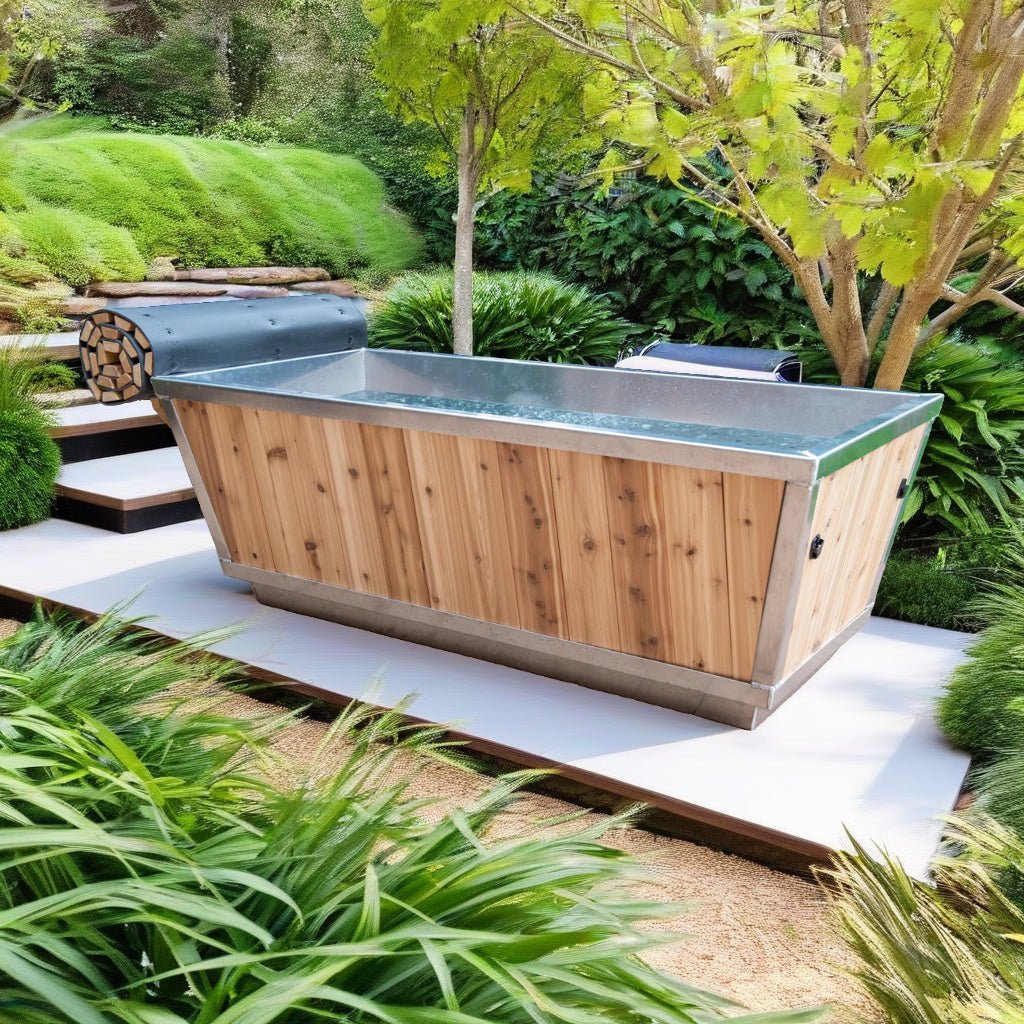
An entirely different proposition: handcrafted Canadian Eastern White Cedar, a 304 stainless-steel or HDPE insulated liner, ~190-gallon (up to 4-person) capacity, a 5-year residential warranty, and an optional chiller. From $3,315. Buy this if your plunge will sit beside a sauna or in a designed outdoor wellness space. See the Dundalk Polar cedar cold plunge.
Best luxury / permanent option: Icetubs or Medical Frozen
For buyers where reliability, construction and long-term ownership matter more than lowest upfront price. Buy this if you're building a setup to keep. Browse our Icetubs luxury cold plunges or the wider premium cold plunge collection.
Interested in the Hot-Soak Side?
If part of what draws you to the LifeTrend is the hot soak—not just cold recovery—there's a better approach than asking one appliance to do both jobs adequately: pair a purpose-built cold plunge with a dedicated therapeutic soaking system.
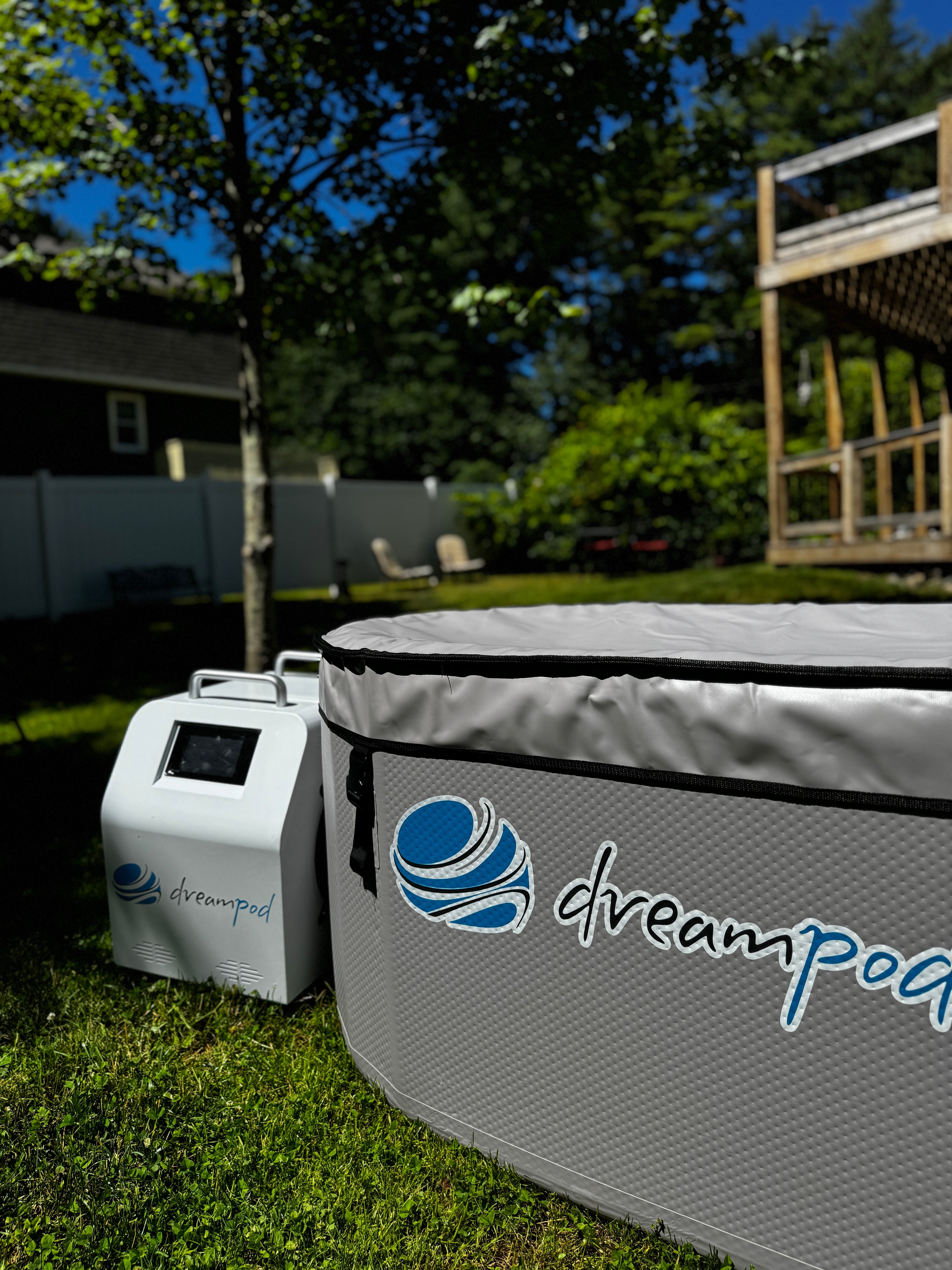
The DreamPod Mineral Soaker hot mineral therapy tub is designed specifically for warm, mineral-rich soaking. Run alongside a dedicated cold plunge, you get a true two-station hot-and-cold setup—each vessel doing what it's actually built for, held at its own temperature, ready whenever you are.
That combination costs more than a single Costco unit, but it delivers the real contrast experience the all-in-one can't—and each component is built and supported for its specific purpose.
Who Should Buy LifeTrend—and Who Shouldn't
Buy the LifeTrend if…
- ✅ Lowest upfront price is the priority
- ✅ You specifically want one hot/cold vessel
- ✅ Outdoor placement works for you
- ✅ Costco's return convenience matters greatly
- ✅ You're comfortable with a shorter track record
Look elsewhere if…
- ❌ You're building a permanent premium wellness room
- ❌ You want immediate hot/cold contrast
- ❌ You need indoor placement
- ❌ Long-term serviceability is a top priority
- ❌ You want an established specialty brand and support
See our recommended cold plunge setup.
Cold-Plunge Safety & Benefits
Whatever plunge you choose, the science and safety basics are the same—and worth keeping realistic.
What the evidence supports: Cold-water immersion can modestly reduce delayed-onset muscle soreness versus passive recovery, with the strongest results around 11–15°C (52–59°F) for roughly 11–15 minutes. Broader claims about sleep, mood, and immunity are promising but mixed and still evolving. If muscle growth is your goal, note that cold immersion immediately after resistance training may slightly blunt hypertrophy—delay it a few hours or use it after cardio instead.
Safety guardrails: Beginners should start at 50–59°F for 1–2 minutes and not go below 40°F, keeping sessions under five minutes. Get out immediately with chest pain, dizziness, numbness, or uncontrolled breathing, and don't plunge alone while you're still new to it. Cold water triggers a rapid "cold shock" rise in heart rate and blood pressure that can strain the cardiovascular system even in healthy people.
For the full breakdown of benefits, protocols and options, browse our cold plunge guides.
Sensitive-topic note: the above is general education, not medical advice. Cold-water immersion carries real cardiovascular risk for some people—if you have any health condition, talk to a qualified clinician before starting.
Frequently Asked Questions
Is the LifeTrend a good cold plunge?
It's a reasonable value if lowest upfront price and Costco's return convenience are your top priorities—it's a genuine integrated hot/cold unit with filtration and an ozonator. It's harder to recommend for long-term ownership: the warranty isn't shown at the point of sale, Costco lists it outdoor-only, it seats one, and independent reliability history is limited. For a permanent setup, compare our dedicated cold plunges first.
How cold does the LifeTrend get?
Costco's listing states it reaches 37°F on the cold end and 104°F on the hot end. Beginners should start warmer—around 50–59°F for 1–2 minutes—and not go below 40°F.
Does the LifeTrend heat water?
Yes—it's a single vessel that heats the same water up to 104°F or cools it to 37°F. Because it's one vessel, it can't hold hot and cold simultaneously, so it can't deliver immediate back-and-forth contrast without waiting for the water to change temperature.
Can the LifeTrend be used indoors?
Costco's official listing specifies outdoor use only. Some third-party resellers market the same tub as indoor/outdoor, so if indoor placement matters, confirm the manufacturer's actual rating in writing before buying.
What is the LifeTrend warranty?
Costco's page doesn't display the manufacturer warranty duration; it directs you to contact Costco for details. On a unit with a refrigeration system, heater, pump, controls and filtration, we'd want that coverage in writing before buying.
Is the LifeTrend worth the money?
If price is the overriding factor, it can be. The stronger consideration is what price doesn't reveal—outdoor-only placement per Costco, one-person capacity, an undisclosed warranty at checkout, limited service visibility, and no simultaneous contrast. For a long-term investment, a better-supported purpose-built system often wins.
LifeTrend vs. The Plunge—which is better?
LifeTrend's edge is value and Costco's channel; The Plunge's edge is a longer review trail and direct brand support. Neither delivers health benefits beyond what cold-immersion research supports for any plunge. If you're deciding between them, it's worth also comparing dedicated specialty systems before committing.
What are the best LifeTrend alternatives?
For premium hot/cold, a dedicated Dynamic Cold Therapy system. For an aesthetic outdoor build, the cedar Dundalk LeisureCraft Polar. For long-term reliability, a luxury Icetubs or Medical Frozen unit.
Where is the LifeTrend manufactured?
The maker isn't clearly disclosed on Costco's listing (the Solitude manual references Supply Chain Sources LLC as the trademark holder), and white-label speculation online is not confirmed fact. If this matters to you, check the manual for the manufacturer name, look for UL/ETL certification, and confirm who processes warranty claims and stocks parts.
Does the LifeTrend require a dedicated circuit?
It's 120V plug-and-play, but that refers to voltage, not planning. Many chiller-based units recommend a dedicated circuit to avoid tripping a shared breaker at compressor startup. Confirm the amperage from the current manual and have an electrician check your outlet before delivery.
How long does the LifeTrend take to go from cold to hot?
LifeTrend and Costco don't publish a verified transition time, and we haven't bench-tested it, so we won't quote a number we can't stand behind. Because it's a single vessel, going from a 37°F plunge to a 104°F soak means reheating the same water—which can take hours depending on ambient temperature and cover use. If you want fast switching, a two-vessel setup is the better fit.
How noisy is the LifeTrend Solitude?
Costco doesn't publish a decibel figure, and we haven't measured one. A widely repeated ~63 dB reading traces back to a single anecdotal forum report about a similar chiller—not a verified Solitude spec. Chiller noise comes mainly from the compressor and fan and depends heavily on placement, so measure at your intended location if quiet matters.
How much electricity does the LifeTrend use?
No verified monthly consumption data is published for the Solitude, so we won't estimate a bill we can't confirm. To ballpark it, multiply the unit's wattage by daily runtime hours and your local kWh rate, or use a smart-plug meter. Consumption swings widely with ambient temperature, cover discipline, and usage.
Will tall users fit in the LifeTrend Solitude?
It's a one-person tub with a 77" × 33" × 30" footprint. That works for most adults, but interior submersion depth is smaller than the outside dimensions. Taller users (about 6'2"+) should confirm the interior length and depth against the current listing or manual before buying.
LifeTrend Solitude vs. Alta: what's the difference?
Both are single-vessel acrylic hot/cold tubs. The Solitude (SCS-SLTD01) heats to 104°F and Costco lists it outdoor-only. The Alta (SCS-ALTA01) uses a Balboa chiller, heats to about 102°F, and is commonly marketed for indoor or outdoor use. There's also a cheaper inflatable LifeTrend Classic that only chills (about 37–77°F). Confirm the exact model and current specs before buying.
Can the LifeTrend stay outside during winter?
It has an antifreeze function and Costco lists it for outdoor use, but that isn't the same as confirmed cold-weather operation. Before leaving it out through a hard freeze, verify the manufacturer's minimum ambient operating temperature and freeze-protection requirements in the manual—these are unit-specific and affect performance and longevity.
Sources
- Costco — LifeTrend Solitude integrated cold plunge and hot soak tub listing (specs verified Aug 2026)
- LifeTrend Solitude user manual and safety guide
- LifeTrend Alta (SCS-ALTA01) specifications reference
- Cleveland Clinic — what to know about cold plunges and ice baths
- PubMed — water temperature, immersion time and muscle soreness meta-analysis (2016)
- PMC — cold-water immersion and resistance-training hypertrophy meta-analysis (2024)
- Mayo Clinic Press — the science behind ice baths for recovery (2024)
- WebMD — cold plunge benefits and risks (2024)
- NOAA / National Weather Service — cold water hazards and safety
Specifications reflect Costco's listing and our product pages as of August 2026 and may change; verify current details on the live pages before purchasing. Ratings are InHouse Wellness editorial opinion, not objective measurements. This article is general educational content, not medical advice.
How Long Should You Cold Plunge? The Science-Backed Master Protocol
The Best Inflatable Cold Plunge Tubs: A 2026 Buying & Comparison Guide
Related Posts

The Complete Guide to Cold Plunge Temperature: Benefits, Safety, and Optimal Ranges

Dreampod Ice Bath Flex Review: The Ultimate Portable Cold Plunge?

How to Choose a Cold Plunge Tub: The Complete Buyer's Guide

Cold Plunge Before or After Workout? The Ultimate Guide to Timing for Optimal Results

Polar Monkeys Cold Plunge Review: Is It Worth the Hype? (Reviewed & Compared)

The Best Outdoor Cold Plunge Tubs for Your Backyard Oasis
