









The Complete Guide to Cold Plunge Temperature: Benefits, Safety, and Optimal Ranges
For most healthy adults, the most defensible cold plunge temperature is 50°F to 59°F (10–15°C)—cold enough to produce a real physiological response, warm enough to stay reasonably safe. If you're new to it, start nearer 55–60°F (13–15.5°C) and keep the first sessions short (Riverside Healthcare, 2024). Just as important: colder is not automatically better, and temperature always works alongside duration and your personal health picture.
TL;DR
-
The general sweet spot: 50–59°F (10–15°C) is the most commonly studied range for post-exercise recovery (Frontiers in Physiology, 2023).
-
Start warm: Beginners do well at 55–60°F for roughly 30 seconds to a few minutes, building up gradually (Riverside Healthcare, 2024).
-
Colder isn't better: Dropping below ~39°F (4°C) sharply raises cold-shock and hypothermia risk without clear evidence of proportional benefit (National Geographic, 2026).
-
Time matters as much as temperature: The two work together, and longer sessions are not automatically more effective (Science for Sport).
-
Safety first: The cold-shock response peaks in the first minute. Anyone with heart conditions, uncontrolled blood pressure, or a pregnancy should speak with a clinician before starting (American Heart Association, 2022).
Table of Contents
-
What "Cold Plunge Temperature" Actually Means
-
Understanding Optimal Cold Plunge Temperatures
-
The Science Behind Cold Plunge Temperature and Your Body
-
Tailoring Your Cold Plunge: Duration and Frequency
-
When to Plunge: Timing Your Cold Exposure
-
Cold Plunge Safety: Essential Tips and Precautions
-
Debunking Cold Plunge Temperature Myths
-
Choosing Your Cold Plunge Setup
-
Enhancing Your Practice: Complementary Therapies
-
Your First Four Weeks: A Simple Test Plan
-
The Bottom Line
-
Frequently Asked Questions
-
What We Still Don't Know
-
Sources
What "Cold Plunge Temperature" Actually Means
In plain terms, cold plunge temperature is the measured water temperature you use during intentional cold-water immersion—but it's most useful when you think of it as one part of a larger "dose."
A few definitions worth anchoring before we go deeper:
-
Cold plunge (cold water immersion, or CWI): Deliberately immersing the body in cold water, usually 50–59°F (10–15°C), for recovery, mood, or general wellness (Riverside Healthcare, 2024).
-
Cold-water immersion dose: The combined effect of temperature, time in the water, how much of your body is covered, how acclimatized you are, and how often you go. Temperature alone doesn't tell the whole story.
-
Cold-shock response: The immediate reaction to sudden cold immersion—an involuntary gasp, faster breathing, a spike in heart rate and blood pressure—strongest in the first 10 seconds to one minute (Royal Life Saving Australia).
Keep that "dose" idea in mind. Two people at the same temperature can have very different experiences depending on time, depth, and conditioning.
Understanding Optimal Cold Plunge Temperatures
The short answer: 50–59°F (10–15°C) is a sensible general range for most people, and beginners should start at the warmer end. There is no single "perfect" number that suits every person or goal.
What the research shows: Systematic reviews of post-exercise recovery converge on roughly 10–15°C (50–59°F) as the range most often used and studied (Frontiers in Physiology, 2023). Widely referenced clinical guidance suggests about 50–59°F for beginners and cooler water for experienced users (Riverside Healthcare, 2024). Interestingly, some updated reviews suggest exact temperature may matter less than total exposure time within these common ranges (Science for Sport).
Evidence strength: Strong for the studied recovery range; Moderate for calling any single number "optimal."
Caveats: Individual variability is significant. Body composition, acclimatization, and your specific goal all shift what feels—and works—best.
Beginner, intermediate, and experienced bands
A practical way to think about progression:
-
Beginner: 55–60°F (13–15.5°C), roughly 30 seconds to 2–3 minutes.
-
Intermediate: 45–55°F (7–13°C), roughly 2–5 minutes.
-
Experienced: 37–50°F (3–10°C), often 1–3 minutes, with the coldest end reserved for short exposures.
Treat these as reference points, not medical prescriptions (Riverside Healthcare, 2024). A good rule: don't lower the temperature until your breathing stays calm and controlled at your current setting.
|
User or goal |
Starting temperature |
Initial duration |
Progression priority |
Main caution |
|
First-time user |
55–60°F |
30–60 seconds |
Add time slowly |
Cold shock and panic |
|
General wellness |
50–59°F |
Brief, tolerable |
Consistency |
No universal protocol |
|
Endurance recovery |
50–59°F |
Per recovery need |
Match time to temp |
Recovery ≠ adaptation |
|
Strength / hypertrophy |
No fixed target |
Avoid routine immediate use |
Separate from lifting |
May blunt gains |
|
Experienced user |
Gradually below 50°F |
Shorter as it gets colder |
Lower temp cautiously |
Colder isn't proven better |
Why colder is not automatically better
More discomfort does not prove more benefit. Lower temperatures intensify cardiovascular and respiratory stress and can shorten the amount of time you can safely stay in, without clearly improving the outcome you're after (National Geographic, 2026). Chasing the coldest possible water is one of the most common—and least productive—mistakes in this practice.
The Science Behind Cold Plunge Temperature and Your Body
Cold water sets off a predictable chain of responses—some protective, some risky—and understanding them helps you plunge more intelligently.
The immediate cold-shock response
The first minute is the one that matters most for safety. Sudden immersion below about 59°F (15°C) can trigger an involuntary gasp, rapid breathing, and a fast rise in heart rate and blood pressure—reported spikes on the order of 30–50 mmHg and 60+ bpm (Royal Life Saving Australia). This reflex can cause trouble even for confident swimmers, which is why you enter slowly and never rush.
Evidence strength: Strong.
Vasoconstriction, rewarming, and soreness
Cold narrows the blood vessels near your skin and muscles, which is part of why immersion can reduce perceived post-exercise soreness (Frontiers in Physiology, 2023). One important nuance: less soreness is not the same as faster tissue healing, and for some inflammatory markers, active recovery performs about as well as cold immersion (PMC, 2016).
Evidence strength: Strong for reduced perceived soreness; Mixed for broader recovery claims.
Dopamine and norepinephrine: what the famous numbers really mean
You've probably seen the eye-catching figures—dopamine up 250%, norepinephrine up 530%. Those come from a specific laboratory study using prolonged, head-out immersion at about 14°C (57°F) (Srámek et al., 2000). The protocol lasted far longer than a typical two-minute plunge, so those exact percentages should not be applied to a short home session. Cold exposure can raise these catecholamines and may support mood and alertness, but the precise magnitude in a brief plunge isn't established.
Evidence strength: Strong for the original study; Limited for transferring the numbers to short plunges.
Brown fat and thermoregulation
Cold exposure can activate brown adipose tissue (brown fat), which burns calories to generate heat through non-shivering thermogenesis. A 2022 meta-analysis confirmed this activation, generally at mild, sustained exposures around 16–19°C (61–66°F) (Frontiers in Physiology, 2022). But most of that evidence involves prolonged mild cold rather than brief plunges, and it does not establish meaningful standalone weight loss.
Evidence strength: Moderate for activation; Limited for any weight-loss implication.
If you want the fuller picture of what cold exposure does and doesn't deliver, this overview of evidence-based cold plunge benefits puts temperature in context alongside the other variables.
Tailoring Your Cold Plunge: Duration and Frequency
Temperature and time are a package deal—never set one without considering the other.
Temperature and duration work together
As a general principle, colder water calls for shorter exposure. A longer session is not automatically more effective. A 2023 meta-analysis drawing on a large body of studies supports roughly 11–15°C for around 11–15 minutes for post-exercise fatigue recovery, while newer reviews suggest under 10 minutes may be equally useful and that beyond about 16 minutes offers no added benefit (Frontiers in Physiology, 2023; Science for Sport).
Evidence strength: Strong for the interaction; Moderate for any single "best" duration.
A conservative beginner progression
-
Begin near 55–60°F.
-
Start with about 30–60 seconds.
-
Increase time before lowering temperature.
-
Change only one variable at a time.
-
Stop if you can't control your breathing or symptoms feel concerning.
If you're setting up your first routine, this cold plunge tub guide for beginners walks through planning your setup and early sessions without racing toward extremes.
Evidence strength: Moderate (practical framework, not a validated medical protocol).
Frequency should follow recovery and tolerance
Three to five sessions per week is a common wellness recommendation—but it's a convention, not a proven requirement. Daily use is acceptable for some experienced users, yet more exposure can add risk without improving results (Science for Sport). Let recovery and how you feel guide frequency.
Evidence strength: Moderate.
The strength-training adaptation warning
This is the most important nuance many guides skip. Routine cold-water immersion immediately after resistance training may reduce muscle hypertrophy and strength gains. A 2024 systematic review with meta-analysis found a meaningful negative effect on strength adaptation and a smaller negative effect on muscle growth (onlinelibrary.wiley.com, 2024). Endurance adaptations don't appear to be affected the same way.
Practical takeaway: if building strength or size is your priority, don't make cold immersion your default right after lifting. Separating the plunge from the session—later in the day or on a rest day—may reduce interference, though the precise ideal delay isn't firmly established (PMC).
Evidence strength: Strong for possible interference; Moderate for any exact "wait X hours" rule.
When to Plunge: Timing Your Cold Exposure
The best time to plunge depends on your goal—and the evidence here is softer than for recovery or safety.
-
Morning: Many people find cold exposure energizing on waking. Treat it as a subjective boost rather than a guaranteed cortisol or productivity intervention, and don't plunge first thing if you feel dizzy or faint without food, hydration, and supervision considerations.
-
Post-exercise: Endurance athletes and those chasing short-term soreness relief may use immersion soon after training. Strength-focused users should not make immediate post-lifting immersion routine (Frontiers in Physiology, 2023; onlinelibrary.wiley.com, 2024).
-
Evening: Some find evening cold exposure calming once the initial stimulation passes. Avoid claiming it reliably improves sleep, and skip it too close to bedtime if it leaves you wired.
Evidence strength: Moderate for post-exercise timing by goal; Limited for circadian and sleep claims.
Cold Plunge Safety: Essential Tips and Precautions
Cold water is a genuine physiological stressor. A few simple rules keep it a benefit rather than a hazard.
Who should speak with a clinician first
Get medical clearance before plunging if you have any of the following:
-
Cardiovascular disease or a heart rhythm disorder
-
Uncontrolled high blood pressure
-
Pregnancy
-
Diabetes with reduced sensation
-
Peripheral neuropathy or peripheral artery disease
-
Raynaud's phenomenon
-
Cold urticaria (a cold allergy)
-
A history of fainting
-
Any medication affecting blood pressure or heart rate
Cold acutely raises cardiovascular strain, which can be dangerous with underlying conditions (American Heart Association, 2022; PMC, 2018). This is general guidance, not a substitute for your own clinician's judgment.
Evidence strength: Strong for the need for caution.
Safe entry, supervision, and breathing
-
Never jump into very cold water—enter gradually.
-
Keep your head and face out, especially at first.
-
Never plunge alone when you're new to the practice.
-
Set an exit plan before you get in.
-
Use slow, controlled breathing.
-
Do not hyperventilate or hold your breath underwater (Royal Life Saving Australia).
Stop signs—get out immediately
-
Chest pain or severe shortness of breath
-
Confusion or loss of coordination
-
Blue or gray lips
-
Persistent numbness
-
Dizziness or faintness
-
Uncontrollable shivering
Severe or persistent symptoms warrant medical attention.
Rewarming afterward
Dry off and rewarm gradually with warm clothing in a safe indoor space. Avoid extreme, rapid rewarming after significant cold stress, which can stress the heart, and don't drive or do intense exercise while still dizzy or uncoordinated (American Heart Association, 2022).
Evidence strength: Strong across this section.
Debunking Cold Plunge Temperature Myths
Cold immersion attracts more hype than almost any wellness trend. Here's what the evidence actually supports.
-
Myth: Colder is always better. Reality: Commonly studied recovery protocols don't require near-freezing water; risk climbs as exposure gets more extreme (National Geographic, 2026).
-
Myth: Longer sessions always help more. Reality: Beyond roughly 16 minutes there's no added recovery benefit, and under 10 minutes may be plenty (Science for Sport).
-
Myth: Cold plunges melt meaningful body fat. Reality: Cold can activate thermogenesis, but the effect is far too small to be a standalone weight-loss strategy (National Geographic, 2026).
-
Myth: Cold is always good after exercise. Reality: It may ease short-term soreness but can conflict with strength and hypertrophy goals when used immediately and repeatedly after lifting (onlinelibrary.wiley.com, 2024).
-
Myth: Every plunge delivers the same hormone surge. Reality: The famous dopamine and norepinephrine percentages came from one prolonged laboratory protocol and shouldn't be applied to every session (Srámek et al., 2000).
-
Myth: Cold immersion beats all other recovery methods. Reality: For some inflammatory markers, active recovery performs comparably (PMC, 2016).
-
Myth: You need to feel numb for it to "work." Reality: Numbness is a warning sign, not a goal—persistent numbness is a reason to get out.
-
Myth: Experienced plungers can safely go near-freezing. Reality: Experience doesn't remove cold-shock or hypothermia risk; colder still means shorter, more cautious exposure (Royal Life Saving Australia).
-
Myth: More ice always means the right temperature. Reality: Ice quantity is a poor proxy—water temperature changes with ambient conditions and your own body heat (St. David's).
-
Myth: Cold plunging "detoxes" the body. Reality: There's no evidence cold immersion detoxifies you; the real, supportable benefits are around perceived recovery and mood.
Evidence strength: Strong for the risk-based corrections; Moderate for exact efficacy thresholds.
Choosing Your Cold Plunge Setup
If you plan to plunge regularly, temperature consistency becomes the deciding factor—and that's largely an equipment question.
Chiller-controlled plunge vs. ice bath
|
Feature |
Chiller-controlled plunge |
Ice bath |
|
Temperature range |
~37–59°F, set digitally |
~33–50°F, variable |
|
Consistency |
Holds target temperature |
Warms as ice melts |
|
Effort |
Set and go |
Recurring ice, more prep |
|
Best for |
Frequent, repeatable protocols |
Occasional use, lower entry cost |
Chillers regulate temperature automatically, which matters when you want to repeat the same protocol session after session. Ice baths can work well for occasional use but drift warmer as the ice melts, especially in a warm room (inputs summarized from equipment comparisons in the research dossier). For the mechanics of how this works, see how a cold plunge chiller maintains water temperature.
Evidence strength: Strong for consistency differences; Limited for claims of superior health outcomes from one setup over another.
Real-world constraints and the numbers that matter
The measurable ranges to plan around:
-
Target temperature: 50–59°F for general use; warmer to start.
-
Session length: seconds to a few minutes early on; up to ~10–15 minutes for recovery at the milder end.
-
Frequency: commonly 3–5x/week, adjusted to recovery.
-
Progression window: think in weeks, not days—breathing control comes first, colder water later.
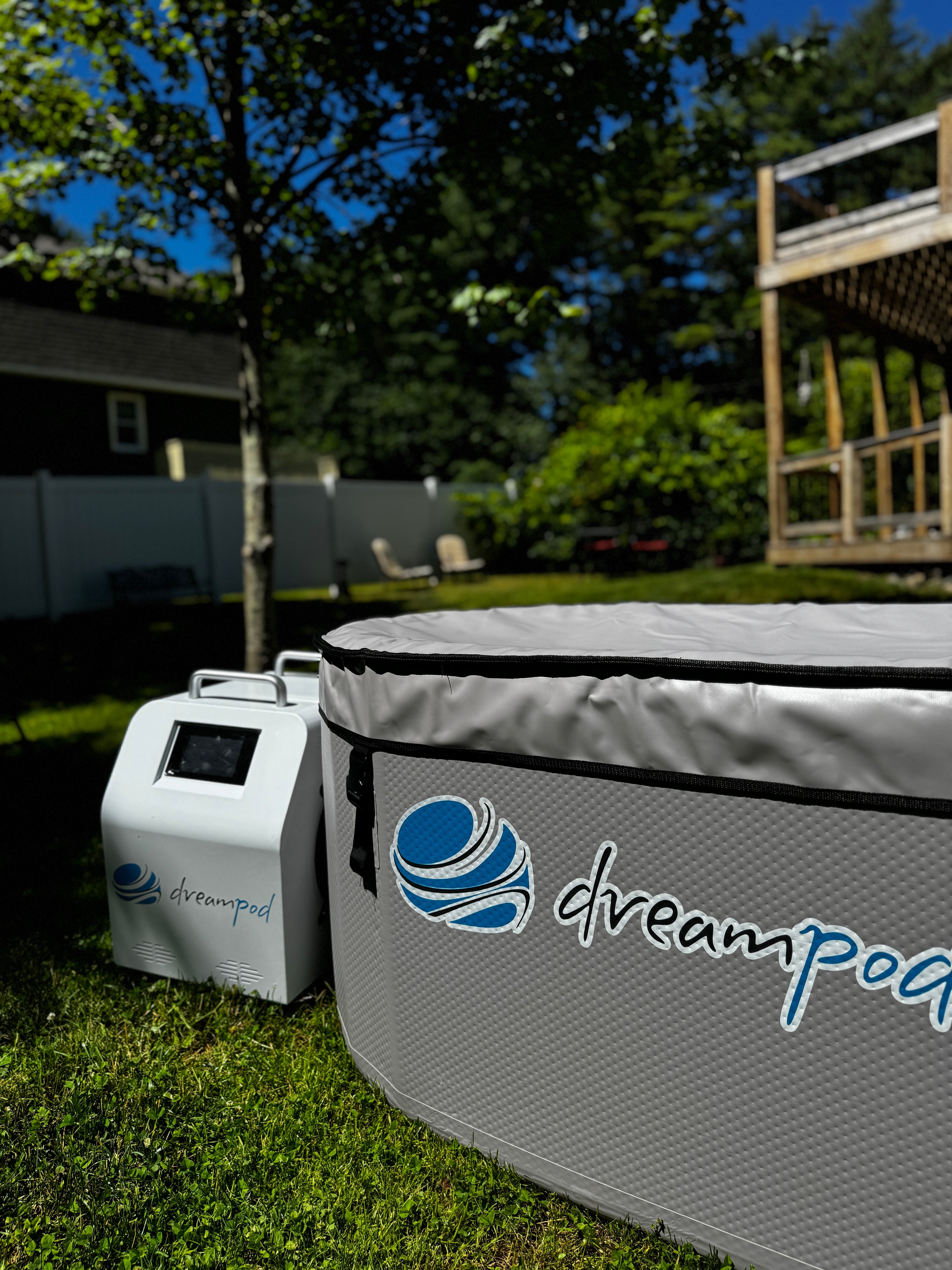
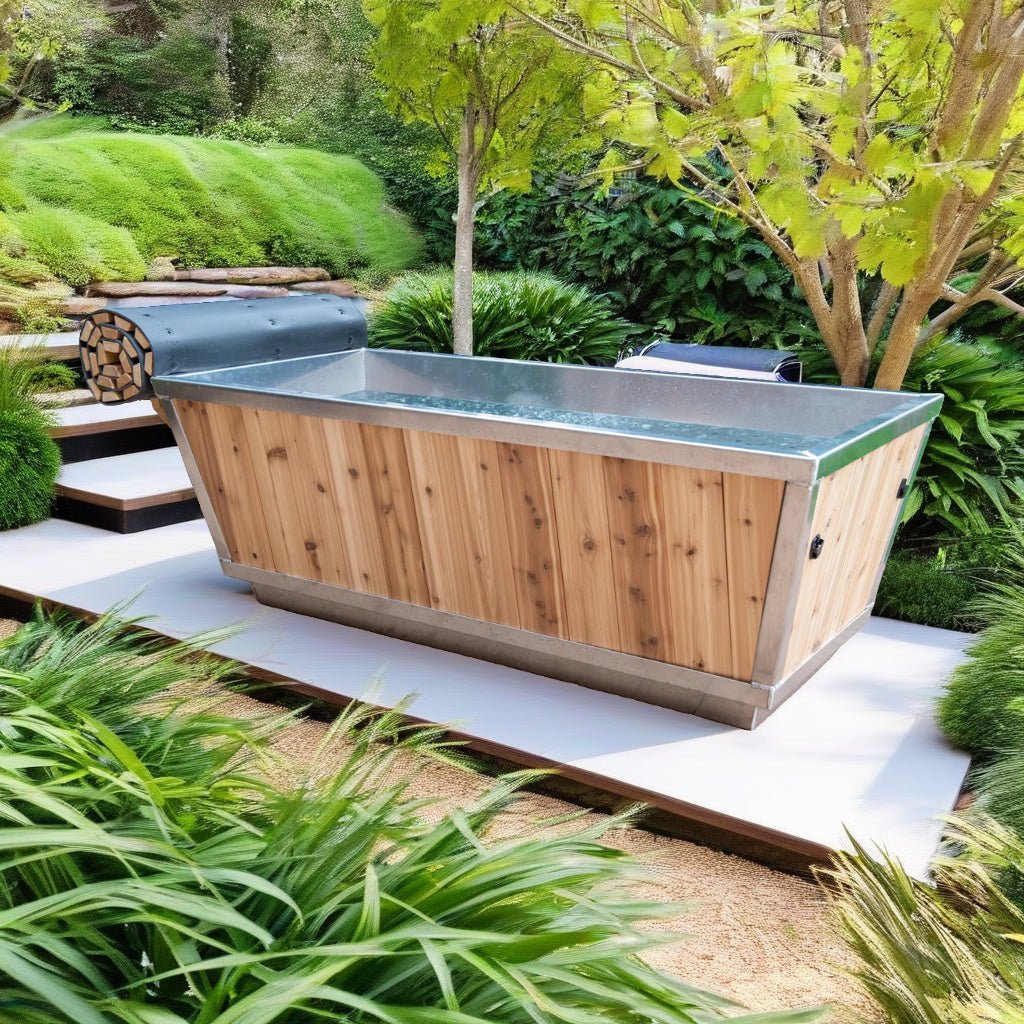
Costs and footprint vary widely by system, so verify any product's specifications directly before buying. If you want a temperature-controlled system built for repeatable routines, the Dynamic Cold Therapy Plunge and the Dreampod Ice Bath Flex with chiller are worth comparing against your space and target temperature.
Why a thermometer matters
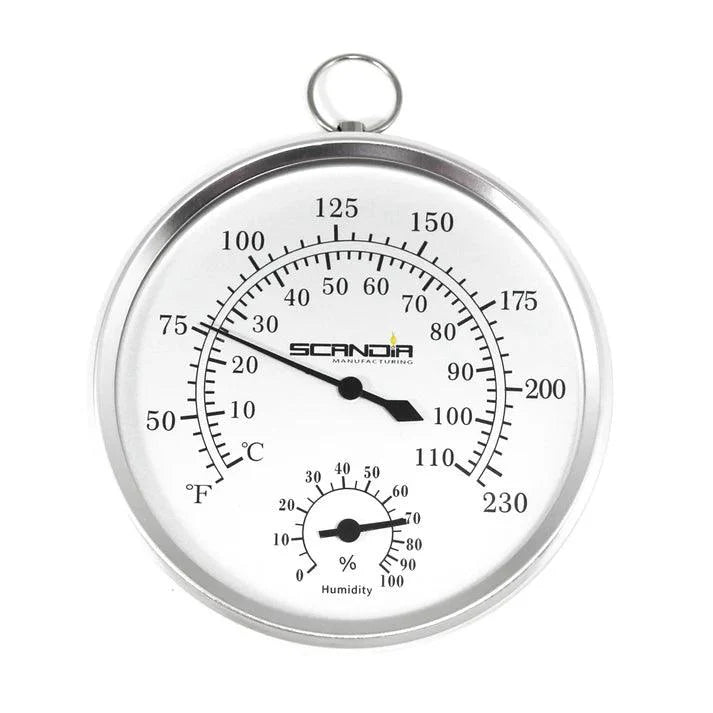
Don't estimate temperature by feel or by how much ice you added. Ambient temperature and your own body heat shift the reading during use, so a reliable thermometer is essential for safe, repeatable progression (St. David's).
Evidence strength: Strong.
Enhancing Your Practice: Complementary Therapies
Heat, breathwork, and contrast routines can complement cold immersion—but there's no single "correct" protocol for everyone.
-
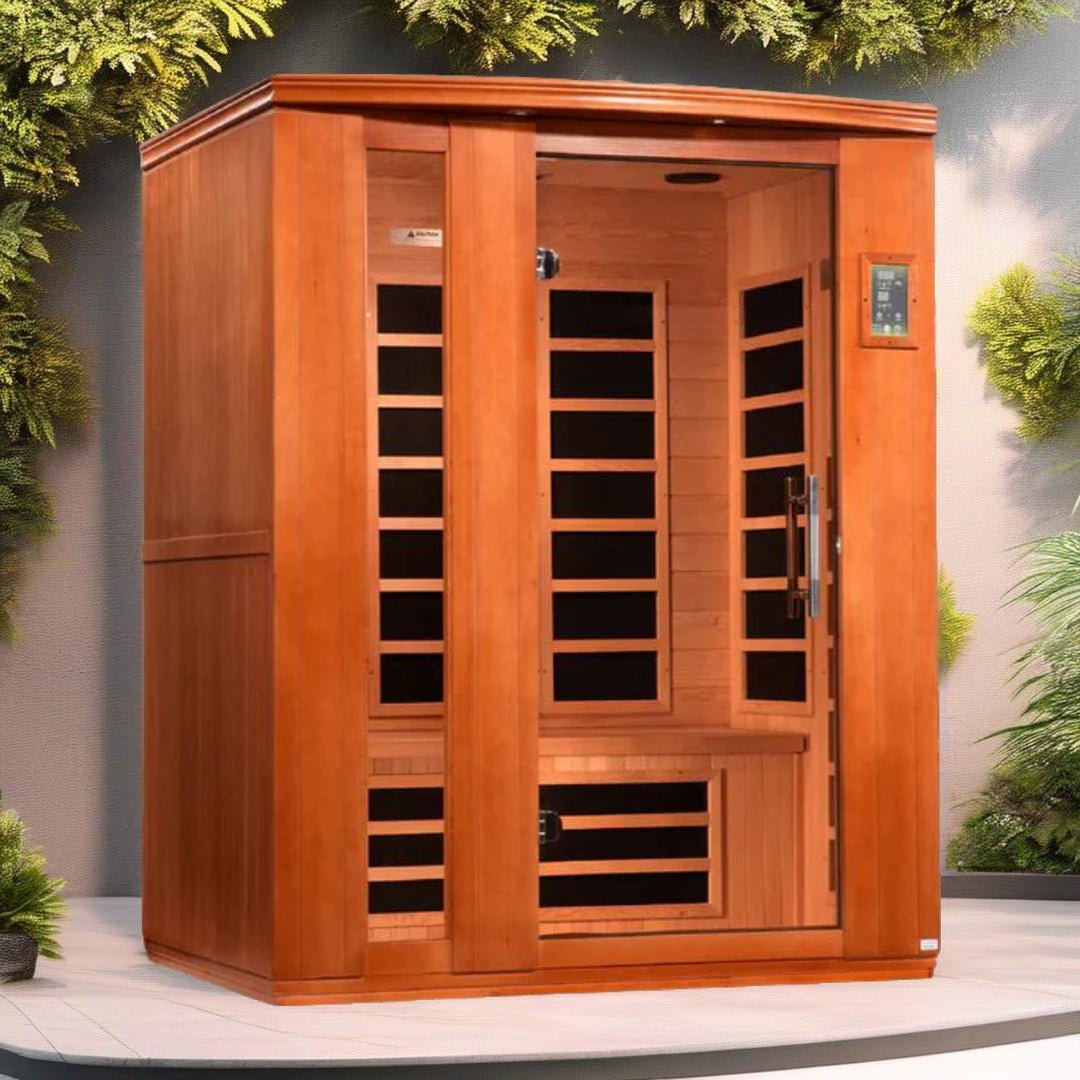
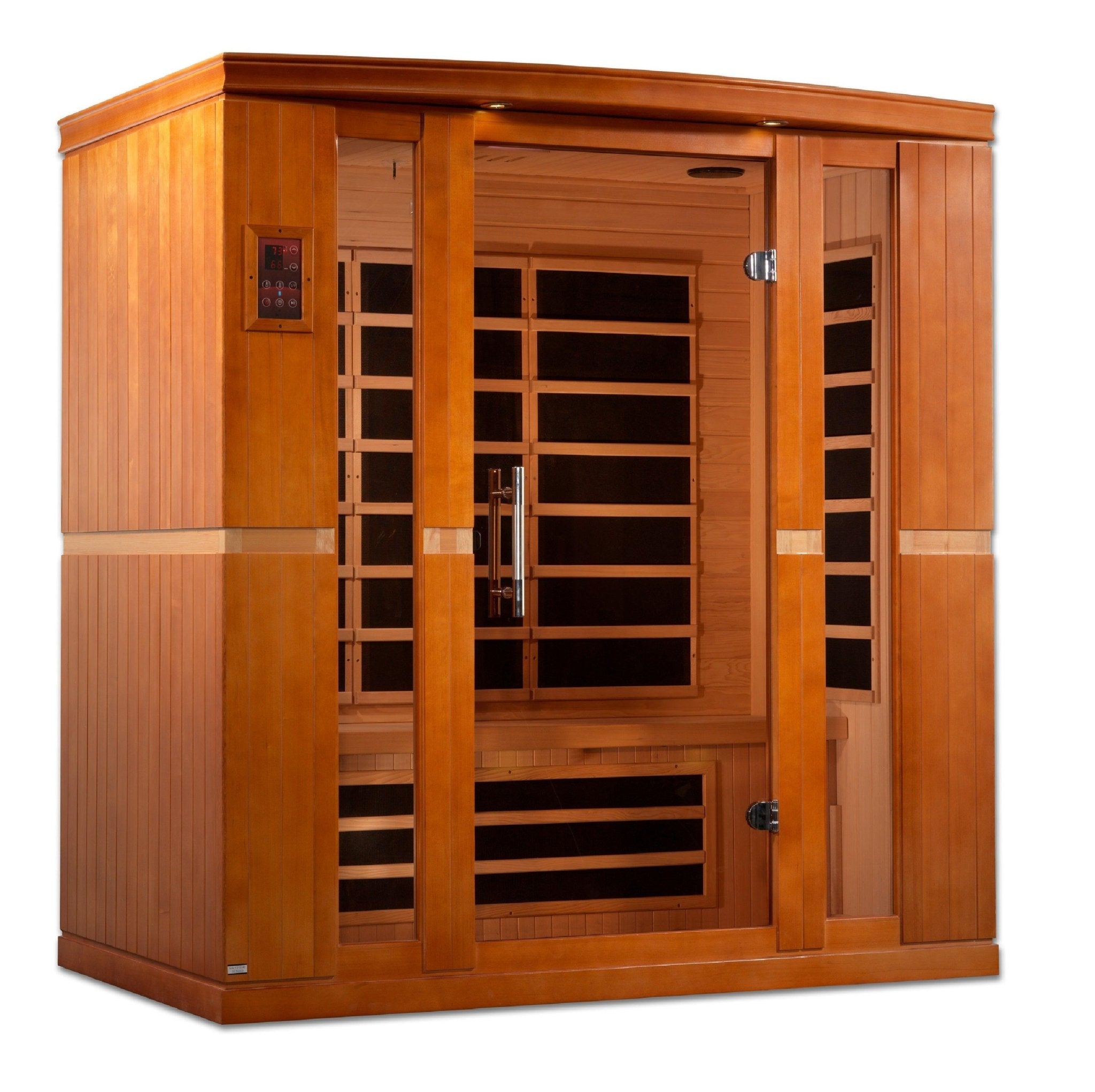
Sauna and cold-plunge sequencing: Pairing heat with cold is popular, but no single sequence is clinically established for all goals. Don't turn both exposures into an endurance contest, and remember that cardiovascular and blood-pressure cautions apply to both. A practical sauna and cold plunge routine is a good starting point before you build multiple exposures into one session.
-
Contrast therapy: Alternating warm (up to ~95–113°F, short bouts) and cold (50–59°F, brief) may help perceived soreness and circulation, though combined protocols are less standardized (St. David's).
-
Breathwork: Use slow, controlled breathing to steady your entry. Never perform hyperventilation drills or breath-holds in or near the water—breathing should calm you, not extend an unsafe session (Royal Life Saving Australia).
Evidence strength: Moderate for contrast/sauna pairing; Strong for the breathwork safety rule.
Your First Four Weeks: A Simple Test Plan
If you'd like a structured way to try cold immersion, here's a conservative four-week plan you can adapt. This is a general educational framework, not individualized advice—clear any risk factors with a clinician first.
The plan (hold temperature steady, build time first):
-
Week 1: 58–60°F, 30–60 seconds, 2–3 sessions. Focus entirely on calm breathing on entry.
-
Week 2: Same temperature, extend to 1–2 minutes as breathing stays controlled.
-
Week 3: If comfortable, drop to 54–56°F, back off to ~60–90 seconds, then rebuild.
-
Week 4: Settle into a sustainable range—many land around 50–55°F for 2–4 minutes.
What you might notice (not guaranteed): easier first-minute breathing, a post-plunge alertness lift, and less next-day soreness on training days. Responses vary widely, so treat these as possibilities rather than promises.
A simple tracking template:
|
Date |
Water temp |
Time in |
First-minute breathing (1–5) |
How I felt after |
Notes |
Log every session. The pattern in your own numbers is more useful than any generic protocol.
The Bottom Line
For most healthy adults, 50–59°F (10–15°C) is the practical target, beginners should start warmer and shorter, and colder is not automatically better. Pair every temperature choice with sensible duration and honest attention to your health picture. When you're ready to build a consistent routine, you can shop temperature-controlled cold plunges and compare systems by footprint, cooling method, and installation needs.
Frequently Asked Questions
What temperature should a cold plunge be? For most people, 50–59°F (10–15°C) is the general range, with beginners starting warmer near 55–60°F.
-
50–59°F is the most commonly studied recovery range (Frontiers in Physiology, 2023)
-
Beginners: 55–60°F for short sessions (Riverside Healthcare, 2024)
-
No single number is "optimal" for everyone
How cold should a beginner's plunge be? Around 55–60°F (13–15.5°C) is a sensible, conservative starting range.
-
Keep early sessions to 30 seconds–3 minutes
-
Build time before lowering temperature
-
This is general guidance, not a medical protocol (Riverside Healthcare, 2024)
How long should you stay in a cold plunge? It depends on temperature, experience, and goal—there's no universal maximum.
-
Recovery protocols often use ~11–15 minutes at the milder end (Frontiers in Physiology, 2023)
-
Under 10 minutes may be equally effective (Science for Sport)
-
Beyond ~16 minutes offers no added benefit
Is 60°F cold enough? Yes—especially for a beginner. You don't need near-freezing water to get a response.
-
The cold-shock and vasoconstriction responses occur well above freezing
-
60°F is a safe, common starting point
-
Colder isn't required for benefit (National Geographic, 2026)
Is colder than 40°F better? Not clearly. Below ~39°F, stress and risk rise without proven extra benefit.
-
Reserve very cold water for short exposures and experienced users
-
Not recommended for general wellness (National Geographic, 2026)
-
Cold-shock and hypothermia risk increase (Royal Life Saving Australia)
How often should you cold plunge? Commonly 3–5 times per week, but no evidence-based universal frequency exists.
-
Daily use is acceptable for some experienced users
-
More exposure can add risk without better results
-
Let recovery and tolerance guide you (Science for Sport)
Should you cold plunge after lifting weights? Not routinely right afterward if strength or muscle growth is your goal.
-
Immediate post-lifting immersion may blunt hypertrophy and strength gains (onlinelibrary.wiley.com, 2024)
-
Consider a later session or a rest day
-
Endurance adaptations appear less affected
Can cold plunges help with weight loss? Not meaningfully on their own.
-
Brown-fat activation burns some calories but the effect is small (Frontiers in Physiology, 2022)
-
It's not a standalone weight-loss strategy (National Geographic, 2026)
-
Diet and exercise remain primary
What's the difference between an ice bath and a cold plunge? The main practical difference is temperature control and consistency.
-
Chiller-equipped plunges hold a set temperature
-
Ice baths drift warmer as ice melts (St. David's)
-
Physiologically they're similar cold-immersion exposures
Who should avoid cold plunging? Anyone with significant cardiovascular, vascular, or cold-sensitivity conditions should consult a clinician first.
-
Uncontrolled hypertension, heart disease, arrhythmias (American Heart Association, 2022)
-
Pregnancy, diabetes with neuropathy, Raynaud's, cold urticaria
-
History of fainting or relevant medications
What is the best time of day to cold plunge? It depends on your goal, and the timing evidence is softer than the recovery evidence.
-
Morning for a subjective energy lift
-
Post-exercise for soreness relief (with the strength caveat)
-
Evening only if it doesn't leave you wired near bedtime
Does cold plunge temperature affect dopamine? Cold exposure can raise dopamine and norepinephrine, but the famous percentages are overstated for short plunges.
-
The 250%/530% figures came from prolonged lab immersion (Srámek et al., 2000)
-
Don't apply those exact numbers to a two-minute session
-
Mood and alertness effects are plausible but individual
What temperature activates brown fat? Activation is generally reported around mild, sustained exposures near 16–19°C (61–66°F).
-
Confirmed in a 2022 meta-analysis (Frontiers in Physiology, 2022)
-
Most evidence uses prolonged mild cold, not brief plunges
-
Not proof of meaningful weight loss
How do I keep my cold plunge water at a consistent temperature? A chiller and a thermometer are the two keys.
-
Chillers hold a set temperature automatically
-
Ice warms quickly, especially in warm rooms
-
Always verify with a thermometer, not by feel (St. David's)
Do I need a chiller, or is ice enough? Ice works for occasional use; a chiller is better for frequent, repeatable routines.
-
Chillers give consistent, digital control
-
Ice is lower-cost but variable
-
Consistency matters if you're tracking progress
What are the signs I should get out immediately? Chest pain, severe breathlessness, confusion, blue lips, or loss of coordination.
-
Persistent numbness or dizziness are also stop signs
-
Uncontrollable shivering means end the session
-
Seek medical care for severe or lasting symptoms
Can I cold plunge every day? Some experienced users do, but it isn't required for benefits.
-
Daily use should follow good recovery and tolerance
-
More isn't automatically better
-
Watch for accumulating fatigue or poor sleep
How cold is too cold? Below about 39°F (4°C) is expert territory and only for short exposures.
-
Risk rises faster than any added benefit (National Geographic, 2026)
-
Water pulls heat ~25x faster than air, so hypothermia risk climbs (American Heart Association, 2022)
-
Never chase the coldest possible water as a goal
What temperature is used in recovery studies? Most converge on roughly 11–15°C (about 52–59°F).
-
This range appears across large meta-analyses (Frontiers in Physiology, 2023)
-
Duration within this range may matter as much as exact temperature (Science for Sport)
-
It's a research reference, not a personal mandate
What We Still Don't Know
Cold immersion is genuinely useful, but several questions remain open:
-
The "best" temperature and duration: Reviews suggest duration may matter as much as small temperature differences, and no true gold standard exists (Science for Sport).
-
The exact strength-training tradeoff: We know immediate post-lifting immersion can interfere with adaptation, but the ideal delay to avoid it isn't firmly established (onlinelibrary.wiley.com, 2024).
-
Mood and hormonal effects in real-world sessions: The dramatic catecholamine numbers come from long lab protocols, not short plunges (Srámek et al., 2000).
-
Timing and sleep: Morning-versus-evening effects vary by individual and are less well established than recovery and safety findings.
-
Combined sauna-and-cold protocols: Popular, but under-studied as standardized sequences.
Where the evidence is thin, the sensible move is to stay conservative: start warmer, keep sessions short, and let your own tracked results guide you.
Sources
-
Frontiers in Physiology (2023). Meta-analysis of cold-water immersion and fatigue recovery. https://www.frontiersin.org/journals/physiology/articles/10.3389/fphys.2023.1006512/full
-
Wiley, European Journal of Sport Science (2024). Systematic review and meta-analysis on post-resistance-training cold-water immersion. https://onlinelibrary.wiley.com/doi/10.1002/ejsc.12074
-
PMC (2016). Cold-water immersion compared with active recovery. https://pmc.ncbi.nlm.nih.gov/articles/PMC5285720/
-
PMC. Review on cold-water immersion and exercise adaptation. https://pmc.ncbi.nlm.nih.gov/articles/PMC11235606/
-
PubMed: Srámek et al. (2000). Human physiological responses to immersion at different water temperatures. https://pubmed.ncbi.nlm.nih.gov/10751106/
-
Frontiers in Physiology (2022). Meta-analysis on cold exposure and brown adipose tissue activation. https://www.frontiersin.org/journals/physiology/articles/10.3389/fphys.2022.917084/full
-
PLOS One (2025). Systematic review of cold-water immersion health and wellbeing outcomes. https://journals.plos.org/plosone/article?id=10.1371/journal.pone.0317615
-
Royal Life Saving Australia. Risks of cold water. https://www.royallifesaving.com.au/stay-safe-active/risk-factors/risks-of-cold-water
-
American Heart Association (2022). Cold-water plunge risks. https://www.heart.org/en/news/2022/12/09/youre-not-a-polar-bear-the-plunge-into-cold-water-comes-with-risks
-
PMC (2018). Cardiovascular responses to cold exposure. https://pmc.ncbi.nlm.nih.gov/articles/PMC6204981/
-
Riverside Healthcare (2024). Benefits and risks of cold-water plunging. https://www.riversidehealthcare.org/blog/benefits-and-risks-cold-water-plunging
-
Science for Sport. Cold-water immersion evidence summary. https://www.scienceforsport.com/cold-water-immersion/
-
National Geographic (2026). Cold plunge claims and the scientific evidence. https://www.nationalgeographic.com/health/article/cold-plunge-claims-scientific-evidence
-
St. David's HealthCare. Cold plunge benefits and how to do it safely. https://www.stdavids.com/healthy-living/blog/cold-plunge-benefits-and-how-to-do-it-safely
Related Posts

Dreampod Ice Bath Flex Review: The Ultimate Portable Cold Plunge?

How to Choose a Cold Plunge Tub: The Complete Buyer's Guide

Cold Plunge Before or After Workout? The Ultimate Guide to Timing for Optimal Results

Polar Monkeys Cold Plunge Review: Is It Worth the Hype? (Reviewed & Compared)

The Best Outdoor Cold Plunge Tubs for Your Backyard Oasis

The Best Inflatable Cold Plunge Tubs: A 2026 Buying & Comparison Guide
