









Cold Plunge Buyers Checklist: Compare Chillers, Filtration, Temperature & Setup
A cold plunge purchase is really a system purchase. The chiller, pump, filtration, sanitation method, temperature controls, electrical requirements, drainage, and placement all work together—buying around any single spec misses the full picture.
TL;DR:
-
A practical cold plunge temperature range for most buyers is roughly 39°F–55°F; beginners often start on the warmer end (Polar Monkeys, 2025)
-
Verify actual water temperature with a separate thermometer—device displays can vary by as much as ±5°F (Plunge Safety Guide)
-
Ozone and UV both support sanitation but neither replaces regular maintenance or balanced water chemistry
-
Indoor installs require a realistic drainage plan, humidity management, and GFCI-protected circuit before delivery
-
Outdoor systems in cold climates need winterization planning if ambient temps stay below 32°F for 12+ hours (Plunge Setup Guide)
-
Anyone with heart disease, high blood pressure, diabetes, poor circulation, peripheral neuropathy, venous stasis, or cold agglutinin disease should consult a clinician before using a cold plunge (Cleveland Clinic, 2024)
-
Stagnant water is not sanitary—circulation, filtration, and regular maintenance are non-negotiable (Plunge Setup Guide)
Table of Contents
-
The 2-Minute "Use Case" Audit: Who Are You Plunging For?
-
Chiller Type & Power: HP vs. BTU
-
Filtration & Sanitation: Keeping Water Crystal Clear
-
Temperature Range & Control: From "Beginner" to "Hardcore"
-
Indoor vs. Outdoor Logistics: Weight, Noise, and Weather
-
Tub Materials: Inflatable, Acrylic, Stainless, or Cedar?
-
Electrical & Safety: GFCI, Amperage, and "The Plug"
-
The True Cost of Ownership (TCO): Beyond the Sticker Price
-
Maintenance Checklist: Daily, Weekly, and Monthly Tasks
-
The "Final Verdict" Decision Matrix: Which Setup Wins?
-
Myths and Misconceptions
-
Experience Layer: What to Track Before You Commit
-
FAQ
-
Sources
-
What We Still Don't Know
1. The 2-Minute "Use Case" Audit: Who Are You Plunging For?
Start here. Use case drives every spec decision that follows.
Before comparing horsepower or filtration labels, narrow down who is actually using this system, how often, and what "success" looks like for you.
Beginner Wellness User vs. Athlete vs. Commercial Buyer
A beginner wellness user benefits most from moderate temperatures, simple controls, easy-to-access filters, and a low-maintenance sanitation setup. Pushing toward extreme cold before tolerance is built is neither safer nor more effective—Mayo Clinic Health System notes that beginners commonly start with just 30 seconds to 1 minute and build gradually toward 5–10 minutes over time (Mayo Clinic Health System, 2024).
An athlete or frequent user typically needs stronger chiller stability, faster water temperature recovery after use, more robust filtration to handle higher body-contact load, and durable construction rated for daily or near-daily sessions.
A commercial or multi-user setting is a different product category entirely. Duty cycle, sanitation intensity, serviceability, and filtration capacity all scale up when multiple people are using the same water daily. Don't evaluate a commercial-duty system against a once-a-week home plunge.
Not sure whether your space better suits a compact plunge, a full chiller setup, or an outdoor-ready system? Review cold plunge benefits and buying considerations before comparing models.
Medical-Risk Screening Before Buying
Cold immersion creates real physiological stress—and that stress matters more for some people than others.
The American Heart Association cautions that sudden entry into cold water can trigger a rapid increase in breathing rate, heart rate, and blood pressure (AHA, 2022). Cleveland Clinic specifically lists heart disease, high blood pressure, diabetes, poor circulation, peripheral neuropathy, venous stasis, and cold agglutinin disease as conditions that warrant a conversation with a clinician before cold plunging (Cleveland Clinic, 2024).
This isn't boilerplate. It belongs at the top of any purchase decision.
2. Chiller Type & Power: HP vs. BTU (The Heart of the System)
The right chiller is the one that holds your target temperature in your specific environment—not the one with the most extreme advertised spec.
Why Horsepower Alone Is Not Enough
Comparing chillers by horsepower or BTU without accounting for tub volume, insulation quality, ambient heat load, pump flow rate, and target temperature leads to expensive mismatches. A unit rated well on paper can struggle to hold 39°F in a sun-exposed garage in July (Polar Monkeys, 2025).
Authoritative installation guidance consistently frames filtration and cooling as a system: the filter, pump, and sanitation method work together, and chiller performance should be evaluated in that context (Polar Monkeys, 2025; Hydro Systems, 2025). For a deeper technical walkthrough, see how a cold plunge chiller works.
Cooling Speed vs. Temperature Stability
Cooling speed is how quickly water drops from ambient to your target setpoint. Temperature stability is whether the unit maintains that setpoint through ambient heat, repeated use, and varying water turnover.
Buyers in warm climates, garages exposed to afternoon heat, or high-use settings should prioritize stability over advertised lowest temperature. If the chiller can hit 34°F but struggles to hold 45°F during a warm afternoon, the spec sheet is misleading.
Pump Flow and Water Turnover
Adequate circulation supports even water temperature across the tub and keeps filtration working as designed. Look for clear pump compatibility specs alongside compressor ratings. A chiller without adequate flow specs is an incomplete system description (Polar Monkeys, 2025).
Buyer checklist for this section:
-
Chiller rated for my tub's gallon volume
-
Performance tested against local ambient temperature range, not just a climate-controlled lab
-
Pump flow rate and water turnover documented
-
Noise rating available (especially critical for indoor and apartment installs)
3. Filtration & Sanitation: Keeping Water Crystal Clear
Filtration and sanitation are not the same thing—and neither one replaces the other.
Mechanical Filtration: Micron Rating and Cartridge Access
The filter physically removes debris and particulates from the water. Sanitation methods—ozone, UV, chemicals—work at the microbial level. Both are required in a functioning system.
When evaluating filtration, check the micron rating (lower = finer filtration), cartridge type, how accessible the cartridge is for replacement, and where replacements are sourced. An effective filter that requires a specialty part on a 6-week back-order is a maintenance liability (Polar Monkeys, 2025).
Ozone vs. UV vs. Chemicals
No single sanitation label makes a cold plunge "maintenance-free." Here's a practical comparison:
|
Sanitation Method |
How It Works |
Practical Tradeoff |
Key Caveat |
|
Ozone |
Generates ozone gas to oxidize contaminants |
Reduces chemical reliance; useful as primary sanitation support |
Effectiveness depends on balanced pH and water chemistry (Hydro Systems, 2025) |
|
UV-C |
Ultraviolet light disrupts microbial DNA |
Effective at inactivating microorganisms at point of treatment |
Typically one component in a broader system; doesn't provide residual protection (FDA De Novo, 2023) |
|
Chemicals |
Bromine, hydrogen peroxide, or other approved sanitizers |
Provides residual protection and balances water |
Requires regular testing and adjustment; not "set it and forget it" |
Manufacturer guidance from Hydro Systems recommends 2–5 minutes of ozone pump runtime and notes that balanced water chemistry is a prerequisite for ozone effectiveness (Hydro Systems, 2025). The EPA has recognized ozone and UV as disinfection methods in water treatment contexts, but neither was designed as a substitute for proper system maintenance (EPA, 1999).
Water Testing and Sanitation Schedule
Buyers should plan for recurring water chemistry checks—pH, alkalinity, and sanitizer levels—regardless of which sanitation method the system uses. If water chemistry drifts out of range, sanitation performance drifts with it.
Plunge's setup documentation explicitly warns that stagnant water is not sanitary, and that neglecting sanitation may require a full deep clean to restore safe conditions (Plunge Setup Guide, 2024).
4. Temperature Range & Control: From "Beginner" to "Hardcore"
Colder is not automatically better. The right temperature is the one you can sustain safely.
Practical Temperature Ranges
Most consumer and wellness-focused cold plunge systems are designed around a working range of roughly 39°F to 55°F (Polar Monkeys, 2025). Mayo Clinic Health System describes cold plunge water as 50°F or colder, with beginners typically starting short and building toward longer sessions over time (Mayo Clinic Health System, 2024).
|
User Type |
Typical Starting Range |
Session Length |
Notes |
|
Beginner |
~55°F (warmer end) |
30 sec – 1 min |
Build tolerance gradually; stop if distressed |
|
Intermediate |
~45°F–55°F |
2–5 min |
Track comfort and response over time |
|
Experienced |
~39°F–45°F |
5–10 min |
Individual response still varies; colder ≠ better |
|
Medical-risk user |
Only with clinician clearance |
Conservative or avoid |
Cold shock risk makes this non-negotiable (Cleveland Clinic, 2024) |
Temperature Accuracy and Thermometer Checks
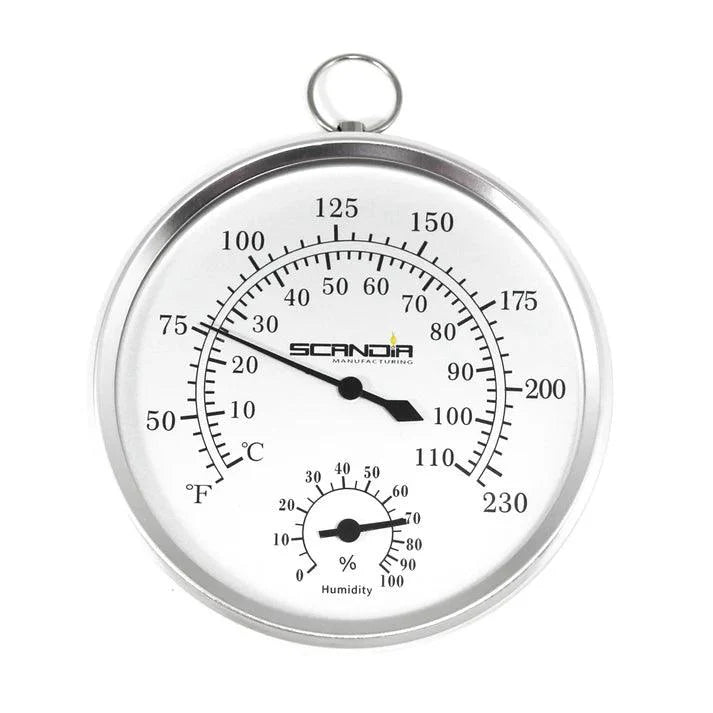
Do not assume the digital display is exact. Plunge's safety documentation notes that their own device tolerance can vary by as much as ±2°C / 5°F (Plunge Safety Precautions). That's a meaningful variance if you're targeting a specific beginner-safe range. Invest in an independent thermometer and verify the actual water temperature before and during sessions.
Session Duration Belongs in the Buying Conversation
The equipment you buy should match the sessions you'll actually and safely complete. Beginners using a system capable of 34°F water at 1-minute exposures need a different chiller spec than a competitive athlete doing 10-minute sessions five days a week. Spec to your realistic use case, not your aspirational ceiling.
5. Indoor vs. Outdoor Logistics: Weight, Noise, and Weather
Placement is often the deciding variable—and it should be decided before purchase, not after delivery.
The Space-to-Spec Matrix
|
Location |
Key Buyer Checks |
Critical Constraints |
|
Apartment / balcony |
Filled weight vs. floor load rating; drainage path; neighbor noise; weather exposure; building rules |
Floor load is first—water weighs ~8.3 lbs/gallon; a 100-gallon system exceeds 800 lbs filled |
|
Garage / basement |
GFCI circuit access; ambient heat load; drainage; condensation on floors; ventilation |
Garages in hot climates significantly increase chiller workload |
|
Master bath / dedicated room |
Floor protection from leaks; humidity and ventilation planning; hose routing distance |
Moisture management often overlooked until condensation appears on walls |
|
Patio / backyard |
Sun exposure (accelerates UV wear on materials); weather protection; freeze risk; winterization access |
Direct sun can add significant ambient heat load for the chiller |
Drainage Planning Before Delivery
This is the most commonly overlooked indoor logistics issue. A cold plunge holding 80–150 gallons of water cannot be casually drained into a sink. Before buying, confirm your drainage plan: distance from drain, hose routing path, whether a submersible pump is needed, and how often you'll need to do a full drain (Plunge Setup Guide, 2024).
A floor drain is helpful but not always required. What is required is a concrete plan.
Condensation, Humidity, and Ventilation
Cold water in an enclosed space creates condensation. In garages, basements, and indoor rooms without adequate airflow, this can create floor moisture, wall dampness, and air quality issues over time. Plan for floor mats, ventilation, and a basic moisture management strategy—especially in humid climates.
Winterization and Freezing Conditions
Outdoor plunge buyers in cold climates should treat winterization as a non-negotiable spec. Plunge's setup guide advises that if ambient temperatures are expected to stay below 32°F for 12 hours, the system should be drained and winterized to prevent sanitation issues and equipment damage (Plunge Setup Guide, 2024).
Mayo Clinic also notes that outdoor plunging in freezing conditions adds risks of frostbite and hypothermia, and recommends keeping towels and warm clothing nearby (Mayo Clinic Health System, 2024).
Noise Checks for Indoor and Apartment Settings
Chiller compressors are not silent. Ask for decibel ratings, but also plan to evaluate real-world noise: standing beside the unit, six feet away, and from an adjacent room. If the unit will be near shared walls, bedrooms, or a neighbor's balcony, noise tolerance should rank ahead of aesthetics in your buying decision.
6. Tub Materials: Inflatable, Acrylic, Stainless, or Cedar?
Material choice is a system decision, not just an aesthetics decision.
|
Material |
Best For |
Practical Tradeoffs |
Maintenance Notes |
|
Inflatable / drop-stitch |
Portable use; trial setups; tight spaces |
Lower upfront cost; flexible placement |
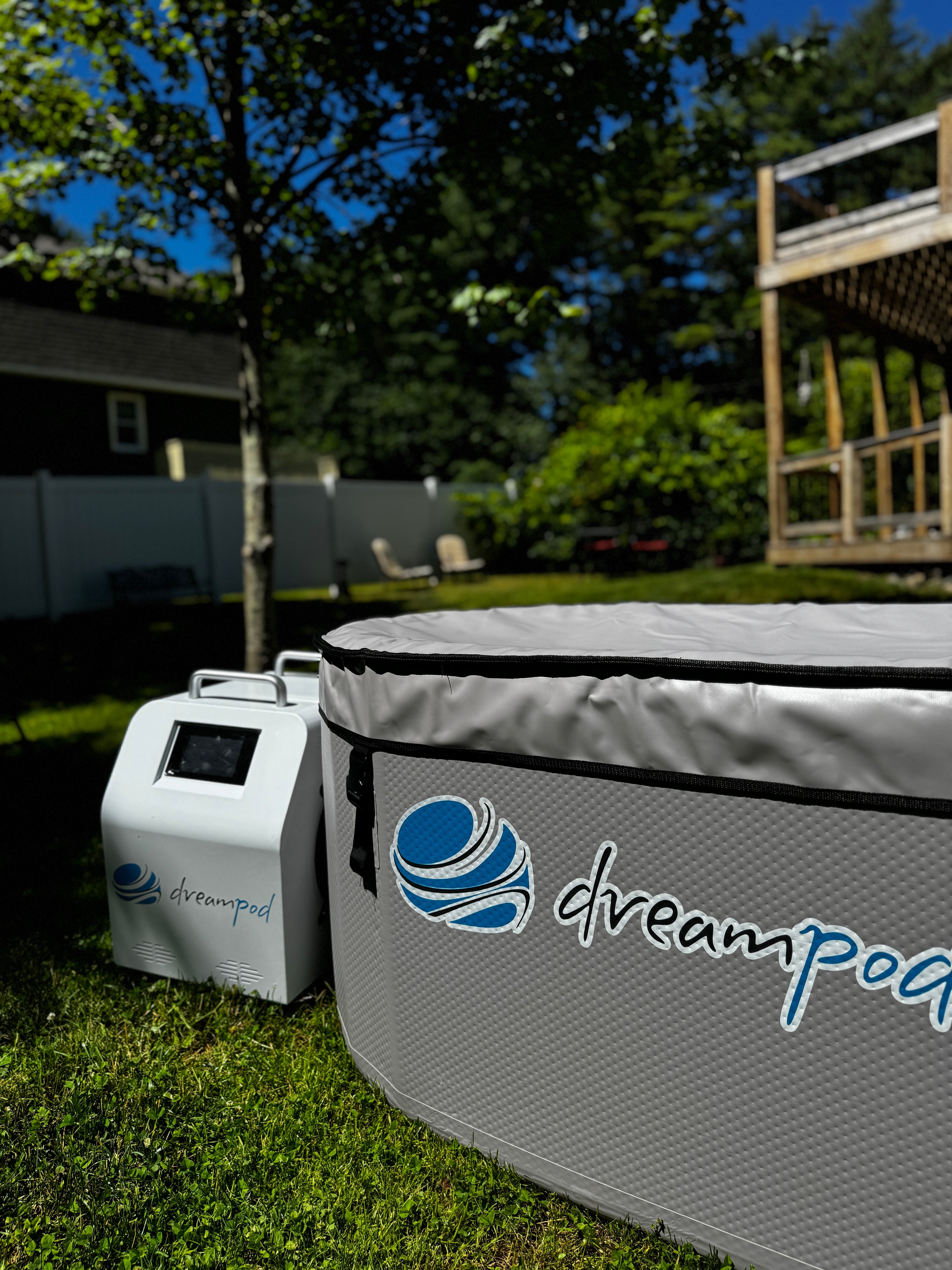
Less rigid; may offer less insulation; aesthetics differ from hard shell |
|
Acrylic / hard shell |
Permanent indoor/outdoor installations |
Durable structure; integrates well with chiller/filter systems |
Heavier; harder to move; premium finish options available |
|
Stainless steel |
Durability-focused buyers; commercial-adjacent use |
High durability; hygienic surface |
Can show condensation easily; premium price point |
|
Cedar |
Outdoor spa aesthetic; wellness room design |
Aesthetic appeal; natural material |
Requires more wood-specific care; may need sealing or maintenance over time |
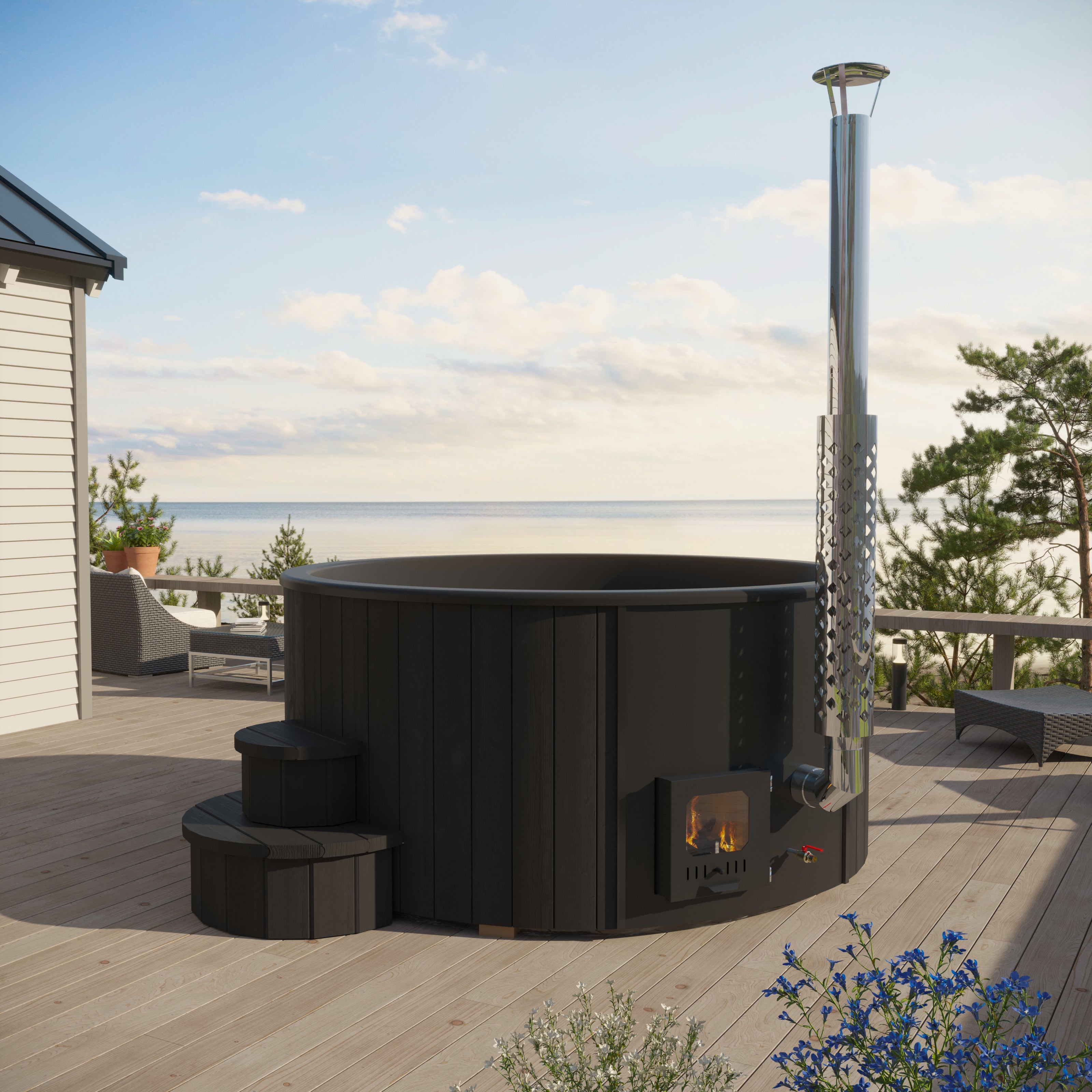
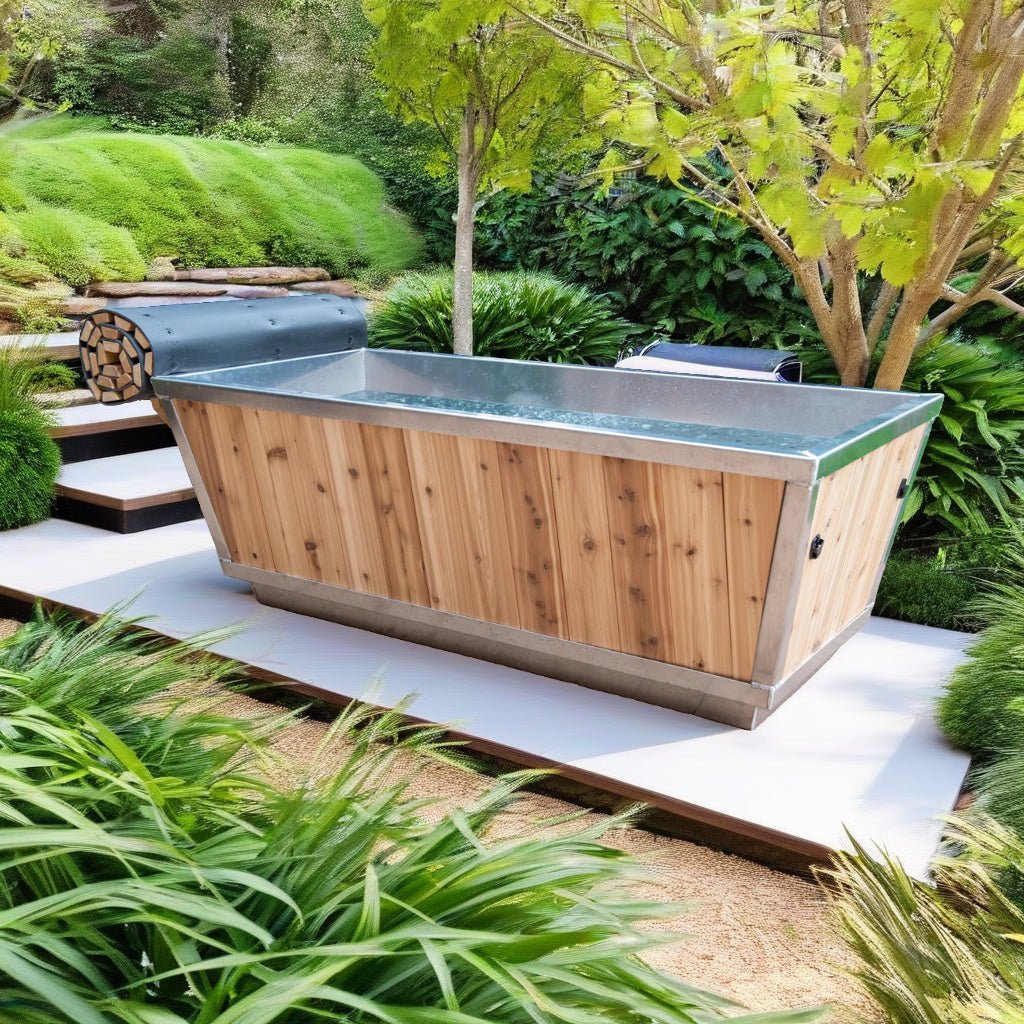
Material selection should flow from location, duty cycle, and maintenance tolerance—not from what looks best in a product photo. A portable inflatable setup in an apartment is a different purchase than a cedar tub on a backyard deck paired with a full chiller system. For an example of a premium wood-aesthetic option, compare the Dundalk LeisureCraft cold plunge against acrylic hard-shell alternatives before deciding (Polar Monkeys, 2025; Hydro Systems, 2025).
7. Electrical & Safety: GFCI, Amperage, and "The Plug"
Verify all electrical requirements before the tub arrives. Not after.
Confirm Circuit Requirements Before Purchase
Cold plunge chillers have specific electrical needs. Before ordering, check:
-
Outlet type: 120V vs. 240V (varies by chiller size and manufacturer)
-
Amperage: Whether a 15A or 20A dedicated circuit is required
-
GFCI protection: Required for any water-adjacent electrical equipment; verify the circuit provides it or that it's built into the unit
-
Extension cord restrictions: Most manufacturers prohibit extension cords for safety and warranty reasons
-
Installation clearance: Chillers need adequate airflow around the unit; check minimum clearance specs
When in doubt, consult a licensed electrician before installation. Water and electricity demand that level of caution.
Cold Shock and User Safety
The primary immediate safety risk of cold water immersion is cold shock: the rapid, involuntary increase in breathing rate, heart rate, and blood pressure that occurs when the body enters cold water suddenly (AHA, 2022).
Cold shock can feel abrupt and intense even for healthy users. For people with cardiovascular risk factors—heart disease, hypertension, arrhythmia—the response is amplified and potentially dangerous. The AHA also notes that involuntary gasping from cold shock increases drowning risk if the head or face is submerged (AHA, 2022).
Cleveland Clinic advises that cold plunging should not be used as a substitute for medical care, and that anyone with the conditions listed earlier should seek individual clinician guidance before starting (Cleveland Clinic, 2024).
8. The True Cost of Ownership (TCO): Beyond the Sticker Price
A $3,000 tub with a $1,200/year operating cost is a different budget commitment than it first appears.
What Belongs in TCO
Don't evaluate price in isolation. A complete TCO picture includes:
-
Electricity: Chiller wattage × daily runtime × local utility rate = ongoing cost; duty cycle increases in hotter environments
-
Filtration cartridges: Replacement frequency and cost; hard-to-source replacements are a hidden liability
-
Sanitation supplies: Test strips, chemicals or ozone/UV consumables, pH balancers
-
Drainage tools: Submersible pump, hose, floor protection materials if draining indoors
-
Winterization supplies: Antifreeze-safe procedures, pipe insulation, storage covers
-
Maintenance visits or service calls: Especially relevant for complex integrated systems
-
Accessories: Thermometer, cover, steps, cleaning brushes
How to Calculate Your Own Operating Estimate
Rather than use a number that may not reflect your situation, use the formula:
Chiller wattage ÷ 1,000 × hours running per day × cost per kWh = estimated daily electricity cost
Duty cycle—how much of the time the compressor is actually running—varies based on ambient temperature, insulation quality, how often you use the plunge, and your target temperature. A system working hard to hold 39°F in an 85°F garage runs a much higher duty cycle than one holding 50°F in a climate-controlled basement.
Buyer guides and manufacturer documentation confirm that chiller systems require ongoing operational costs for circulation, filtration, and sanitation—sticker price alone underrepresents the real financial commitment (Polar Monkeys, 2025). If you're weighing a DIY build against a premium integrated system, review DIY cold plunge setup considerations for a realistic comparison.
9. Maintenance Checklist: Daily, Weekly, and Monthly Tasks
The maintenance burden should match your lifestyle before you buy, not after.
Each-Use / Daily Checks
-
Water clarity: visually confirm no cloudiness, debris, or discoloration
-
Odor check: any unusual smell may signal sanitation imbalance
-
Verify water temperature with independent thermometer if precision matters
-
Check for error codes, leaks, or unusual chiller sounds
-
Do not use if water appears stagnant or neglected (Plunge Setup Guide, 2024)
Weekly Checks
-
Inspect filter condition; clean or replace per manufacturer schedule
-
Test water chemistry: pH, alkalinity, and sanitizer levels
-
Adjust chemistry as needed per manufacturer guidance
-
Check chiller airflow clearance and condenser fins for dust or blockage
-
Inspect hoses, seals, and connections for moisture or wear
-
Confirm ozone system runtime if applicable (2–5 minutes per cycle recommended; Hydro Systems, 2025)
-
Log water clarity and maintenance actions
Monthly / Seasonal Checks
-
Deep clean per manufacturer instructions
-
Replace filters on schedule; do not defer
-
Confirm winterization plan is ready before first freeze warning (Plunge Setup Guide, 2024)
-
Inspect electrical connections, GFCI function, and drainage path
-
Review chiller performance against seasonal ambient temperature changes; adjust expectations or schedule if ambient conditions have shifted significantly
10. The "Final Verdict" Decision Matrix: Which Setup Wins?
The right system is the one that fits your space, safety profile, maintenance tolerance, and budget—not the one with the most extreme spec sheet.
|
Buyer Type |
Best Tub Type |
Chiller Priority |
Sanitation Priority |
Location Fit |
Red Flags to Avoid |
|
Beginner wellness user |
Hard shell or entry-level inflatable |
Stable moderate temps; ease of use |
Simple integrated system |
Indoor climate-controlled space |
Buying for extreme cold you won't safely sustain |
|
Athlete / frequent user |
Durable hard shell; acrylic or stainless |
Strong stability; fast recovery |
Robust filtration + proven sanitation method |
Garage or dedicated wellness room |
Under-sizing the chiller for your climate |
|
Apartment / space-constrained |
Compact hard shell or portable |
Noise rated; adequate for compact volume |
Easy-access filter; manageable water care |
Indoor with drainage plan confirmed |
No drainage plan before delivery |
|
Outdoor cold-climate buyer |
Weather-resistant hard shell or cedar |
Freeze-rated; reliable hold in cold ambient |
Standard sanitation + winterization plan |
Covered outdoor area with drain access |
No winterization plan in place |
|
Premium / integrated system buyer |
Full hard-shell system with matching chiller |
Highest stability; fastest recovery |
Full ozone/UV + filtration package |
Dedicated wellness room or covered outdoor space |
Buying on spec sheet alone without confirming placement fit |
Before finalizing any purchase, confirm:
-
Drainage plan exists and is workable
-
Electrical circuit meets requirements (GFCI, amperage, no extension cords)
-
Medical risk screening completed if applicable
-
Seasonal climate accounted for (ambient heat or freeze risk)
-
Maintenance schedule is realistic given your lifestyle
Explore our curated collection and shop cold plunge tubs and systems built for premium home wellness.
11. Myths and Misconceptions
Myth 1: Colder water is always better. The practical range for most buyers is 39°F–55°F, and beginners typically start warmer and shorter. Pushing to extreme cold before building tolerance doesn't accelerate benefits—it increases risk (Polar Monkeys, 2025). The "colder is harder is better" message is a fitness marketing narrative, not clinical guidance.
Myth 2: Ozone makes water maintenance-free. Ozone is a sanitation support, not an off switch for maintenance. Its effectiveness depends on balanced water chemistry including pH and alkalinity. Neglect those, and the ozone is working in a compromised environment (Hydro Systems, 2025). Regular testing still applies.
Myth 3: UV or ozone replaces filtration. Physical filtration and pump circulation remove debris that sanitation methods cannot address. All three components—filter, pump, and sanitation—work as a system (FDA De Novo, 2023; Polar Monkeys, 2025). Buying a system advertised on one component alone misses the other two.
Myth 4: Healthy people don't need to worry about cold plunge safety. Even healthy people can experience cold shock—the involuntary gasping, heart rate increase, and blood pressure spike that occurs on sudden cold immersion. This response is real and can be intense regardless of fitness level (AHA, 2022). Wellness marketing tends to minimize or omit this risk.
Myth 5: If the display says 39°F, the water is 39°F. Device temperature displays can be off by several degrees. At least one manufacturer's documentation explicitly warns of a ±5°F tolerance variance (Plunge Safety Precautions). Verify with a reliable independent thermometer, especially when starting out.
Myth 6: Indoor installs are simpler than outdoor ones. Indoor setups often create more unexpected friction: drainage path, humidity and condensation management, ventilation, electrical access, and noise in shared spaces. "Putting it inside" does not simplify the logistics checklist (Plunge Setup Guide, 2024).
Myth 7: Outdoor cold plunges are just like hot tubs—but colder. Cold systems require different sanitation strategies, freeze protection, and winterization planning that hot tub owners rarely encounter. Freezing ambient temperatures can damage equipment and create sanitation problems if the system isn't properly winterized (Mayo Clinic Health System, 2024).
Myth 8: Longer sessions always mean better results. Mayo Clinic Health System notes that beginners often start with 30 seconds to 1 minute, and that prolonged cold exposure raises risk of hypothermia (Mayo Clinic Health System, 2024). Evidence for benefits doesn't support maximizing duration; individual tolerance guides session length.
Myth 9: Cold plunging is a medical treatment. Cleveland Clinic states directly that cold plunging should not replace medical care (Cleveland Clinic, 2024). Recovery support may be one outcome for some users, but a cold plunge is a wellness appliance—not a clinical intervention.
Myth 10: The cheapest tub is the best value. Sticker price is easy to compare; TCO requires more work. Factoring in electricity, filters, sanitation supplies, drainage tools, and potential service calls can significantly shift the cost picture over 12–24 months (Plunge Setup Guide, 2024). The "cheapest" unit may carry the highest lifetime cost.
Myth 11: Horsepower tells you everything about a chiller. HP is one spec among several. Tub volume, insulation, ambient temperature, pump flow rate, and duty cycle determine whether that HP actually keeps water cold in your specific environment (Polar Monkeys, 2025; Hydro Systems, 2025).
Myth 12: You can skip electrical planning if the unit just plugs in. Even 120V "plug-in" chillers may require dedicated 20A circuits, GFCI protection, and specific outlet types. Running a chiller on a shared household circuit or via extension cord is both a safety and warranty issue (Plunge Setup Guide, 2024).
12. Experience Layer: What to Track Before You Commit
No published protocol exists for "auditioning" a cold plunge before purchase, but a structured personal assessment before delivery can prevent expensive mismatches.
Safe Pre-Purchase Assessment Plan
Space audit:
-
Photograph the intended installation location: floor to ceiling height, wall clearance, drain location, and outlet position
-
Measure door clearance for delivery of a fully assembled or large-box unit
-
Identify the nearest GFCI outlet and circuit breaker; confirm amperage
-
Trace the drainage path: where will 80–150 gallons go, and how will you move it?
Noise tolerance test:
-
Visit a local showroom, gym, or a friend's setup if possible
-
Note chiller noise level standing beside the unit, 6 feet away, and from an adjacent room
-
Factor in nighttime use and shared walls
Ambient temperature documentation:
-
Record summer and winter high/low temperatures in the planned installation location for at least one week
-
Hot garages and freezing patios both require chiller adjustments that affect buying decisions
Weekly Tracking Template (First Month After Install)
|
Date |
Ambient Temp |
Water Temp (Display) |
Water Temp (Thermometer) |
Session Duration |
Noise (1–10) |
Water Clarity (1–10) |
Filter Condition |
Maintenance Done |
Notes |
Tracking this data for the first 4–6 weeks will reveal whether the chiller is holding temperature in your actual environment, whether water chemistry is staying stable, and whether the maintenance burden fits your routine.
13. FAQ
What temperature should a cold plunge be? A practical buyer range is roughly 39°F–55°F, with beginners usually starting on the warmer end (Polar Monkeys, 2025).
-
Lower temperatures feel more intense; build tolerance gradually
-
Verify actual water temp with a thermometer, not just the display (Plunge Safety Precautions)
-
50°F or colder is the Mayo Clinic's threshold for cold plunge territory (Mayo Clinic Health System, 2024)
-
The "best" range depends on individual tolerance and use case
How cold is too cold for beginners? Many beginner guides suggest starting around 50°F–59°F and building gradually (Mayo Clinic Health System, 2024).
-
Start with short exposures: 30 seconds to 1 minute
-
Avoid forcing lower temperatures before tolerance develops
-
Watch for excessive shivering, numbness, or distress—stop if any occur
-
Anyone with medical risk factors should get clinician clearance first (Cleveland Clinic, 2024)
Do cold plunges have health risks? Yes. Cold water immersion can trigger cold shock: faster breathing, elevated heart rate, and increased blood pressure (AHA, 2022).
-
Risk is higher for people with cardiovascular conditions
-
Hypothermia is possible with excessive exposure duration
-
Outdoor plunges in freezing temperatures add frostbite risk (Mayo Clinic Health System, 2024)
-
Involuntary gasping from cold shock can raise drowning risk if the head is submerged (AHA, 2022)
Who should avoid cold plunges or consult a clinician first? People with heart disease, high blood pressure, diabetes, poor circulation, peripheral neuropathy, venous stasis, or cold agglutinin disease should speak with a doctor before using a cold plunge (Cleveland Clinic, 2024).
-
These conditions can amplify the cold shock response
-
Not every case is an absolute contraindication, but caution and individual screening are warranted
-
Clinician review allows for personalized risk assessment
-
Cold plunging should not substitute for medical treatment (Cleveland Clinic, 2024)
Is ozone better than UV for cold plunges? Neither is universally superior; they serve different sanitation roles and work best as part of a full system (FDA De Novo, 2023).
-
Ozone effectiveness depends on balanced water chemistry (Hydro Systems, 2025)
-
UV disrupts microorganisms at point of treatment but provides no residual protection
-
Filtration and pump circulation still matter alongside either method (Polar Monkeys, 2025)
-
System design and maintenance matter more than any single sanitation label
Do I need a floor drain for an indoor cold plunge? Not always, but you need a concrete drainage plan before purchase (Plunge Setup Guide, 2024).
-
80–150 gallons cannot be casually disposed of
-
Plan hose routing, distance, and whether a submersible pump is needed
-
Indoor moisture from drainage and condensation should be factored in
-
A floor drain simplifies things considerably if one is accessible
Can I put a cold plunge on an apartment balcony? Sometimes, but floor load, drainage, noise, weather exposure, and building rules must all be verified first (Plunge Setup Guide, 2024).
-
A filled 100-gallon system exceeds 800 lbs; check balcony weight ratings
-
Water disposal is a significant logistical issue in apartment settings
-
Chiller noise may affect neighbors
-
Freeze protection or winterization may be needed depending on climate
How often do cold plunge filters need attention? Plan for regular maintenance; expect weekly checks and scheduled replacements depending on system and use frequency (Polar Monkeys, 2025).
-
Dirty or degraded filters reduce both water quality and sanitation performance
-
Stagnant water is not sanitary regardless of filtration type (Plunge Setup Guide, 2024)
-
Follow manufacturer schedules; don't defer filter maintenance
-
Higher use frequency accelerates filter load
How long should a cold plunge session last? Mayo Clinic Health System notes beginners often start with 30 seconds to 1 minute and regular users may work toward 5–10 minutes over time (Mayo Clinic Health System, 2024).
-
Build gradually; individual tolerance varies
-
Stop if anything feels wrong—numbness, dizziness, or significant distress
-
Longer is not automatically better; evidence doesn't support maximizing duration
-
Duration targets should be individualized, not copied from social media
Is cold plunging good for recovery? It may support recovery for some users, but the evidence is mixed and benefits are not universal (PMC/NIH, 2023).
-
Some studies report short-term mood and perceived recovery benefits
-
Research populations are often small, and many studies are short-term
-
Outcomes vary across individuals and recovery contexts
-
Cold plunging should not substitute for evidence-based medical care (Cleveland Clinic, 2024)
What is the cold shock response? It is the rapid, involuntary breathing increase, heart-rate spike, and blood-pressure rise that occurs when the body enters cold water suddenly (AHA, 2022).
-
It is a real physiological reaction, not a perception issue
-
It can feel intense and disorienting even in experienced users
-
It is the primary immediate safety concern with cold plunge use
-
It is most dangerous for users with cardiovascular risk factors (AHA, 2022)
Do I need to verify temperature with a separate thermometer? Yes—manufacturer documentation explicitly recommends it because device displays can vary meaningfully (Plunge Safety Precautions).
-
At least one system's documentation notes ±5°F tolerance variance
-
Digital display readings may not reflect actual water temperature
-
Independent verification is especially important for beginners targeting specific ranges
-
An accurate thermometer is an inexpensive and important accessory
What should I compare beyond price? Chiller capacity relative to your environment, filtration method and access, temperature control accuracy, drainage plan, noise, electrical requirements, winterization need, and 2-year TCO (Polar Monkeys, 2025).
-
Price alone omits operating cost
-
Placement constraints often determine the purchase more than specs do
-
Maintenance burden should fit your realistic schedule
-
Climate significantly changes which specs matter most
Are outdoor cold plunges riskier than indoor ones? Outdoor installs add freeze risk, weather exposure, winterization logistics, and frostbite considerations; indoor installs add drainage, humidity, and electrical complexity (Mayo Clinic Health System, 2024; Plunge Setup Guide, 2024).
-
Neither option is inherently simpler across all criteria
-
The right choice depends on your specific location, climate, and home setup
-
Both require planning before delivery, not after
-
Safety risks are different in each setting, not absent from either
What makes a cold plunge "buyer-ready"? A buyer-ready system matches your use case, holds the target temperature in your climate, sanitizes water reliably, fits your space with a workable drainage and electrical plan, and has a maintenance schedule you'll actually follow (Polar Monkeys, 2025).
-
Don't buy without a drainage plan confirmed
-
Don't skip temperature verification—your display may not be exact (Plunge Safety Precautions)
-
Don't skip electrical planning, even for plug-in units
-
Match the system to your environment, not to the most extreme spec available
What's the difference between chiller horsepower and BTU? Both measure cooling capacity. HP describes the mechanical power of the compressor; BTU (British Thermal Unit) describes the rate of heat removal per hour. In practice, buyers should evaluate both alongside tub volume, ambient heat load, and insulation—no single number predicts real-world performance (Polar Monkeys, 2025).
-
Larger tubs, hotter environments, and lower target temperatures require more capacity
-
Ask for both figures and compare against your specific conditions
-
Well-documented systems provide flow rate and circulation specs alongside cooling ratings
-
A system rated for your conditions outperforms a higher-spec unit rated for ideal lab conditions
Can I use an extension cord with my cold plunge chiller? Most manufacturers prohibit it. Chiller compressors draw significant amperage, and extension cords can cause voltage drop, overheating, or fire risk—and typically void the warranty (Plunge Setup Guide, 2024).
-
Plan for a dedicated outlet at the installation location before delivery
-
If your space lacks the right outlet, have a licensed electrician evaluate before purchase
-
GFCI protection at the outlet is required regardless of whether an extension cord is used
-
Confirm these requirements with the specific manufacturer before finalizing your setup
14. Sources
-
[Study] Health effects of voluntary exposure to cold water. NIH/PMC. Published 2022-09-21. https://pmc.ncbi.nlm.nih.gov/articles/PMC9518606/
-
[Study] Cardiovascular and mood responses to an acute bout of cold water immersion. PMC. Published 2023-10-13. https://pmc.ncbi.nlm.nih.gov/articles/PMC10842018/
-
[Study] The untapped potential of cold water therapy as part of a lifestyle medicine approach. PMC. Published 2024-07-29. https://pmc.ncbi.nlm.nih.gov/articles/PMC11872954/
-
[Study] Both hot- and thermoneutral-water immersion reduce 24-h blood pressure. PMC. Published 2025-02-26. https://pmc.ncbi.nlm.nih.gov/articles/PMC12051523/
-
[Agency] Cleveland Clinic: The Benefits and Dangers of Cold Plunges. Published 2024-12-23. https://health.clevelandclinic.org/what-to-know-about-cold-plunges
-
[Agency] Mayo Clinic Health System: Cold-water plunging health benefits. Published 2024-01-29. https://www.mayoclinichealthsystem.org/hometown-health/speaking-of-health/cold-plunge-after-workouts
-
[Agency] American Heart Association: Cold water risks article. Published 2022-12-08. https://www.heart.org/en/news/2022/12/09/youre-not-a-polar-bear-the-plunge-into-cold-water-comes-with-risks
-
[Manual] Plunge Evolve Standard Chiller setup guide. Current help article. https://help.plunge.com/hc/en-us/articles/28954130539156-Manual-and-Setup-Guide-for-the-Plunge-Evolve-Standard-Chiller
-
[Manual] Plunge safety precautions for Freeze to Death Cold Plunge. Current help article. https://help.plunge.com/hc/en-us/articles/30086462143124-Safety-Precautions-for-Freeze-to-Death-Cold-Plunge
-
[Manual] Hydro Systems Cold Plunge installation instructions. 2025 PDF. https://hydrosystem.com/wp-content/uploads/2025/05/HS-Cold-Plunge-Install-Guide-May-2025-.pdf
-
[Buyer Guide] Polar Monkeys: The Complete Guide to Cold Plunge Machines & Chillers. Published 2025-01-12. https://polarmonkeys.com/pages/the-complete-guide-to-cold-plunge-machines-chillers
-
[Agency] EPA: Ozone and UV disinfection for small water systems. Published 1999-12-31. https://nepis.epa.gov/Exe/ZyPURL.cgi?Dockey=9100SRZC.TXT
-
[Agency] FDA De Novo summary: UV chamber disinfection device. https://www.accessdata.fda.gov/cdrh_docs/reviews/DEN100013.pdf
15. What We Still Don't Know
Evidence gaps buyers should be aware of:
Chiller performance benchmarks are mostly absent from independent research. Horsepower, BTU ratings, and "holds X°F in Y ambient temperature" claims come primarily from manufacturers and buyer guides, not independent testing. Real-world performance data across climate conditions and tub sizes remains largely self-reported.
Noise levels for cold plunge chillers lack standardized comparison data. No independent benchmark database rates chillers by decibels in standardized conditions. Buyers currently rely on manufacturer claims and anecdotal reviews, which vary in methodology.
Long-term water quality outcomes for ozone vs. UV vs. chemical sanitation in home plunge settings are not rigorously studied. EPA and FDA sources address these methods in municipal and medical device contexts, not residential cold plunge configurations. The practical comparison between methods in a home setting is currently informed primarily by manufacturer guidance, not controlled research.
Total cost of ownership data is not independently verified. Electricity consumption, filter replacement intervals, and maintenance costs vary considerably by system, climate, usage frequency, and local utility rates. Published TCO estimates should be treated as directional rather than predictive.
Benefit claims for cold plunging remain mixed in the research literature. Multiple peer-reviewed reviews (PMC, 2022; PMC, 2023; PMC, 2024) note that studies on cold water immersion for recovery, mood, and inflammation are generally small, short-term, and heterogeneous. Outcome variability between individuals is significant. Claims of guaranteed health benefits are not supported by the current evidence base.
Tab 2
View More ArticlesThe Science-Backed Guide to Cold Plunge Benefits for Brown Fat Activation
What Are the Benefits of a Cold Plunge? A Science-Backed Guide
Related Posts

The Complete Guide to Cold Plunge Temperature: Benefits, Safety, and Optimal Ranges

Dreampod Ice Bath Flex Review: The Ultimate Portable Cold Plunge?

How to Choose a Cold Plunge Tub: The Complete Buyer's Guide

Cold Plunge Before or After Workout? The Ultimate Guide to Timing for Optimal Results

Polar Monkeys Cold Plunge Review: Is It Worth the Hype? (Reviewed & Compared)

The Best Outdoor Cold Plunge Tubs for Your Backyard Oasis

The Best Inflatable Cold Plunge Tubs: A 2026 Buying & Comparison Guide
