






Timing Heat vs. Cold: The Practical Map for Mechanical, Metabolic, and Central Fatigue
If your workout caused mechanical damage (heavy eccentrics, impact, swelling), cold can reduce pain and help short-term function; if it was mostly metabolic stress (high-volume "burn"), heat and light movement often fit better—especially when muscle growth is the goal; for central fatigue, prioritize sleep and load management and use heat or cold mainly for comfort.
Key Takeaways:
-
Cold water immersion improves power and soreness recovery within 24 hours after high-intensity or eccentric exercise, but regular use immediately after resistance training can blunt strength and muscle growth over time.
-
Hot packs are among the most effective thermal modalities for DOMS pain relief within 48 hours, and heat supports blood flow and comfort without interfering with adaptation.
-
Central fatigue stems from CNS factors and requires systemic recovery (sleep, nutrition, load management); thermal tools offer minimal direct benefit for neural recovery.
-
Timing matters: the "when" of heat vs. cold depends on your dominant fatigue type, time until your next key session, and whether your goal is immediate performance or long-term adaptation.
-
Safety first: people with cardiovascular disease, Raynaud's, or neuropathy should avoid extreme cold or heat without medical clearance (Cleveland Clinic, 2025; AHA, 2022).
Table of Contents
-
The Core Problem: Why Generic Ice vs. Heat Advice Fails Athletes
-
Phase 1: Understanding the Three Types of Exercise Fatigue
-
Mechanical Fatigue: The Damage and Inflammation Response
-
Metabolic Fatigue: The Stress and Byproduct Accumulation
-
Central Fatigue: The Neural Drive and CNS Overload
-
Peripheral vs Central Fatigue (Quick Explainer)
-
The Practical Map: Matching Thermal Modality to Fatigue Type
-
Cold Therapy (Cryotherapy): Mechanisms and the Case for Mechanical Recovery
-
Local vs Whole-Body Cooling
-
Practical Dosing Guardrails
-
Heat Therapy (Thermotherapy): Mechanisms and the Case for Metabolic Clearance
-
Passive Heat vs Exercise-Induced Heat
-
The Timing Trap: When Cold Blunts Adaptations
-
Strength vs Endurance Goals
-
Beyond the Binary: The Role of Contrast Therapy and Active Recovery
-
Placebo and Perception
-
The Athlete's Decision Tree: A Quick-Reference Guide
-
Real-World Constraints and Numbers That Matter
-
Myths and Misconceptions
-
Experience Layer: Testing Your Own Recovery
-
FAQ
-
Sources
-
What We Still Don't Know
What Timing Heat vs. Cold by Fatigue Type Means
Timing heat vs. cold by fatigue type is an evidence-based approach to choosing thermal recovery tools—ice, cold water immersion, hot packs, sauna—based on the physiological origin of your post-exercise fatigue rather than generic "acute vs. chronic" rules.
The three fatigue types are:
Mechanical fatigue (also called exercise-induced muscle damage) arises from high mechanical tension, especially eccentric contractions, causing micro-tears, inflammation, and delayed onset muscle soreness (DOMS) that typically peaks 24–72 hours after unaccustomed or eccentric exercise (Nature, 2024; PMC8769283, 2022).
Metabolic fatigue results from accumulation of metabolic byproducts (lactate, hydrogen ions, inorganic phosphate) and energy depletion during high-volume or high-intensity work, producing burning sensations and reduced force output without necessarily extensive structural damage (PMC8769283, 2022).
Central fatigue is a progressive failure to voluntarily activate muscles due to changes in the central nervous system, including reduced motor cortex drive and inhibitory feedback from group III/IV muscle afferents (PMC12096901, 2024).

Important ranges and thresholds:
-
Cold application duration: 10–20 minutes per session for local ice (Cleveland Clinic, 2025; Physiopedia, 2024)
-
Cold water immersion protocol: typically 10–15 minutes at 10–15°C post-exercise (PMC4594298, 2015)
-
DOMS peak window: 24–72 hours after eccentric or unaccustomed exercise (Nature, 2024)
-
Hot pack effective window: within 48 hours for DOMS pain relief (PMC8862647, 2022)
-
Sauna protocol: approximately 30 minutes post-exercise at 80–90°C when studied for endurance adaptations (ScienceDirect, 2007)
What the Evidence Says
The Core Problem: Why Generic Ice vs. Heat Advice Fails Athletes
The popular rule "ice for acute injuries, heat for chronic pain" is oversimplified and doesn't distinguish between mechanical damage, metabolic fatigue, and central fatigue (Cleveland Clinic, 2025; ProFusion Rehab, 2024).
Many guides recommend timing-based rules—cold immediately after exercise, heat before—without reference to training goals like hypertrophy versus next-day performance or the tradeoff between short-term relief and long-term adaptation (ProFusion Rehab, 2024). Cold can reduce soreness and restore power acutely but may blunt long-term strength and hypertrophy gains after resistance training when used regularly (PMC9213381, 2022; PMC4594298, 2015). Heat can improve blood flow and comfort but may worsen acute swelling if misapplied to newly injured tissue (Cleveland Clinic, 2025).
Athletes often mix modalities ad hoc—ice, sauna, contrast therapy—without understanding when they help, are neutral, or potentially counterproductive.
Evidence strength: Strong. Cleveland Clinic and physical therapy guides frame ice vs. heat around acute vs. chronic pain, not fatigue type or training adaptation. Meta-analyses and trials show cold water immersion improves short-term power and soreness but systematic reviews find it can attenuate strength gains when used regularly post-resistance training (PMC4594298, 2015; PMC9213381, 2022). Studies indicate cold can suppress inflammation and may delay muscle regeneration, which helps pain but not always adaptation (West Chester University, 2021).
Caveats: This guidance is symptom-oriented and not tailored to training adaptations; some advice is expert consensus rather than RCT-based.
Phase 1: Understanding the Three Types of Exercise Fatigue
Different exercise modes drive different fatigue profiles: eccentric heavy strength work drives more mechanical damage; long high-volume or metabolically taxing sessions drive metabolic and central fatigue (Nature, 2024; PMC8769283, 2022).
Recent reviews define exercise-induced central fatigue as "progressive failure to voluntarily activate the muscle," emphasizing that group III/IV afferent feedback from muscles can inhibit motor cortex output when fatigue is high (PMC12096901, 2024). A resistance exercise review distinguishes mechanical tension from metabolic work and discusses how eccentric contractions produce higher force and lower metabolic cost (PMC8769283, 2022).
Evidence strength: Strong for definitions and mechanisms. DOMS and muscle damage literature shows eccentric loading causes muscle soreness and changes in pain thresholds (Nature, 2024). Reviews note central fatigue is more evident in moderate/light intensity resistance and endurance work, though there is interplay with peripheral fatigue (PMC12096901, 2024).
Mechanical Fatigue: The Damage and Inflammation Response
Mechanical fatigue is driven by high mechanical tension, especially eccentric contractions, causing micro-tears, Z-line streaming, and local inflammatory responses (West Chester University, 2021). It manifests as DOMS, reduced strength, and localized tenderness peaking 24–72 hours after unaccustomed or eccentric exercise (PMC9213381, 2022).
Inflammation and edema contribute to pain and impaired function but are also part of the adaptive repair process (West Chester University, 2021). Local cold (ice, cold water immersion) reduces tissue temperature, nerve conduction velocity, and blood flow, which can decrease pain and swelling and restore short-term function (Physiopedia, 2024).
Excessive or chronic cold may suppress inflammatory markers and delay muscle regeneration after injury (West Chester University, 2021).
Evidence strength: Strong. Resistance exercise reviews show eccentric work produces high forces and is associated with greater muscle damage and hypertrophy potential (PMC8769283, 2022). DOMS research shows different protocols produce similar reductions in pressure pain thresholds, reflecting muscle damage (Nature, 2024). Cryotherapy reviews note cold suppresses inflammatory markers and may delay myofiber regeneration (West Chester University, 2021). Cold water immersion systematic reviews show improved power and soreness after high-intensity and eccentric sessions at 24 hours (PMC9213381, 2022).
Metabolic Fatigue: The Stress and Byproduct Accumulation
Metabolic fatigue results from accumulation of metabolites (lactate, hydrogen ions, inorganic phosphate) and global stress signaling during high-rep, high-volume work (PMC8769283, 2022). It's associated with "burning" sensations, systemic tiredness, and reliance on glycolytic pathways—less localized structural damage than heavy eccentric work.
Heat and increased blood flow can facilitate metabolite clearance and support recovery. A meta-analysis suggests hot packs can be effective for DOMS pain relief within 48 hours (PMC8862647, 2022). Cold may acutely reduce discomfort but can blunt anabolic signaling (mTOR activation, satellite cell activity) when applied immediately and repeatedly after hypertrophy-oriented sessions (PubMed, 2023).
Evidence strength: Strong for mechanisms; moderate to strong for heat/DOMS pain relief. Resistance exercise reviews link mechanical work to metabolically induced stress; high work volume increases metabolic fatigue (PMC8769283, 2022). DOMS meta-analysis found hot packs most consistently effective for pain relief within 48 hours (PMC8862647, 2022). Thermotherapy studies show sustained local heat increased limb blood flow and reduced endothelin-1 in peripheral artery disease patients (PMC5008667, 2016). Cold water immersion/hypertrophy studies show attenuated muscle mass and strength gains over 12 weeks and reduced acute anabolic signaling (PMC4594298, 2015).
Central Fatigue: The Neural Drive and CNS Overload
Central fatigue is a decline in the CNS's ability to drive muscle, characterized by reduced voluntary activation and changes in cortical and spinal excitability (PMC12096901, 2024). It involves neurotransmitter shifts and inhibitory feedback from group III/IV muscle afferents that limit motor cortex output when peripheral fatigue accumulates.
Thermal interventions have more indirect effects on central fatigue: cooling can affect brain and head temperature; heat exposure like sauna may influence cardiovascular and perceptual load (ScienceDirect, 2007). Head cooling in heat decreases tympanic/brain temperature but does not consistently improve cognitive performance over control conditions (PMC7919360, 2021).
Central fatigue management may rely more on sleep, nutrition, training load, and psychological recovery than on local heat or ice (PMC12096901, 2024).
Evidence strength: Strong for definitions and mechanisms. A review defines central fatigue as progressive failure to voluntarily activate muscle and details evidence from interpolated twitch techniques (PMC12096901, 2024). The review emphasizes central fatigue is prominent in prolonged moderate/light intensity exercise; interplay with peripheral fatigue is bi-directional. Head cooling trials during exercise in heat showed cooling reduced head temperature by about 2°C but did not robustly improve cognitive performance versus no-cooling control (PMC7919360, 2021). Sauna studies show repeated post-exercise sauna improved endurance performance by approximately 2%, likely via increased plasma volume, suggesting systemic rather than specifically CNS effects (ScienceDirect, 2007).
Peripheral vs Central Fatigue (Quick Explainer)
Peripheral fatigue mechanisms (mechanical and metabolic) interact with central fatigue; afferent feedback from muscles can inhibit motor cortex output when fatigue is high (PMC12096901, 2024). Peripheral fatigue originates in the muscles and neuromuscular junction, often due to mechanical damage or metabolic stress, whereas central fatigue arises from limitations in the brain and spinal cord's ability to drive muscle activation (PMC8769283, 2022).
The Practical Map: Matching Thermal Modality to Fatigue Type
This framework integrates training phase: off-season/adaptation versus in-season/competition when rapid turnaround may justify more cold use (PMC4594298, 2015).
Mechanical-dominant fatigue (heavy eccentrics, impact sports, acute joint sprains): prioritize cold early for pain and swelling, especially when short-term function is needed, then consider heat or active recovery later in the recovery course (Physiopedia, 2024; Cleveland Clinic, 2025).
Metabolic-dominant fatigue (high-rep hypertrophy, intervals, circuits): use heat and active recovery for blood flow and comfort if hypertrophy is a goal; reserve cold for competition phases where rapid performance recovery outweighs adaptation concerns (PubMed, 2023; PMC8862647, 2022).
Central fatigue (long competitions, "wired but tired"): emphasize sleep, nutrition, psychological decompression, and active low-intensity movement; thermal modalities may be adjunctive for comfort but are not primary CNS recovery tools (ScienceDirect, 2007; PMC12096901, 2024).
Evidence strength: Strong. Clinical guidance recommends ice for acute injury and inflammation, with strict timing and duration limitations (10–20 minutes, especially relevant in first 24–48 hours), and heat for stiffness and chronic pain (Cleveland Clinic, 2025). Meta-analysis shows hot packs were most effective among evaluated thermal modalities for DOMS pain within 48 hours (PMC8862647, 2022). Cold water immersion systematic review shows improved power and soreness post-high-intensity exercise at 24 hours; strongest benefits after eccentric and high-intensity work when recovery time is short (PMC9213381, 2022). Cold water immersion hypertrophy studies show regular post-resistance cold reduces long-term muscle mass and strength gains (PubMed, 2023; PMC4594298, 2015). Central fatigue reviews and head-cooling trials emphasize limited direct benefit of localized thermal interventions on CNS recovery beyond comfort (PMC7919360, 2021).
Table: Heat vs. Cold by Fatigue Type, Goal, and Timing
|
Context / Goal |
Mechanical-dominant (damage, DOMS) |
Metabolic-dominant (volume, "burn") |
Central-dominant (CNS fatigue) |
|
Primary helpful modality |
Local cold early for pain/swelling; optional heat later for stiffness |
Heat/thermotherapy and active recovery for comfort and blood flow; avoid routine immediate CWI if hypertrophy is priority |
Systemic recovery (sleep, nutrition, load management); heat/sauna optional for relaxation; limited direct benefit from local ice/heat |
|
When to consider cold |
First 24–48 hours after acute joint/muscle injury or heavy eccentric damage when function is impaired |
In-season or tournament settings to restore power and reduce soreness when next session is soon |
Brief cooling in heat to improve comfort; limited evidence for direct CNS recovery |
|
When to consider heat |
After acute phase to reduce stiffness and improve comfort; chronic tendinopathies or joint stiffness |
After high-volume sessions to relieve soreness and support circulation (e.g., hot packs, sauna) |
Mild heat (e.g., sauna) for relaxation and possible cardiovascular benefits if medically cleared |
|
Adaptation impact |
Occasional cold unlikely to harm; chronic post-lifting CWI may impair hypertrophy |
Repeated immediate post-session CWI can blunt strength gains and anabolic signaling |
Thermal modalities have minimal documented effect on long-term CNS adaptations; training load is more critical |
|
Key risks |
Frostbite, delayed regeneration if overused, issues in neuropathy or vascular disease |
Worsening acute swelling if applied too early; overheating in susceptible individuals |
Heat/cold stress in those with cardiovascular conditions; overreliance on passive methods instead of load management |
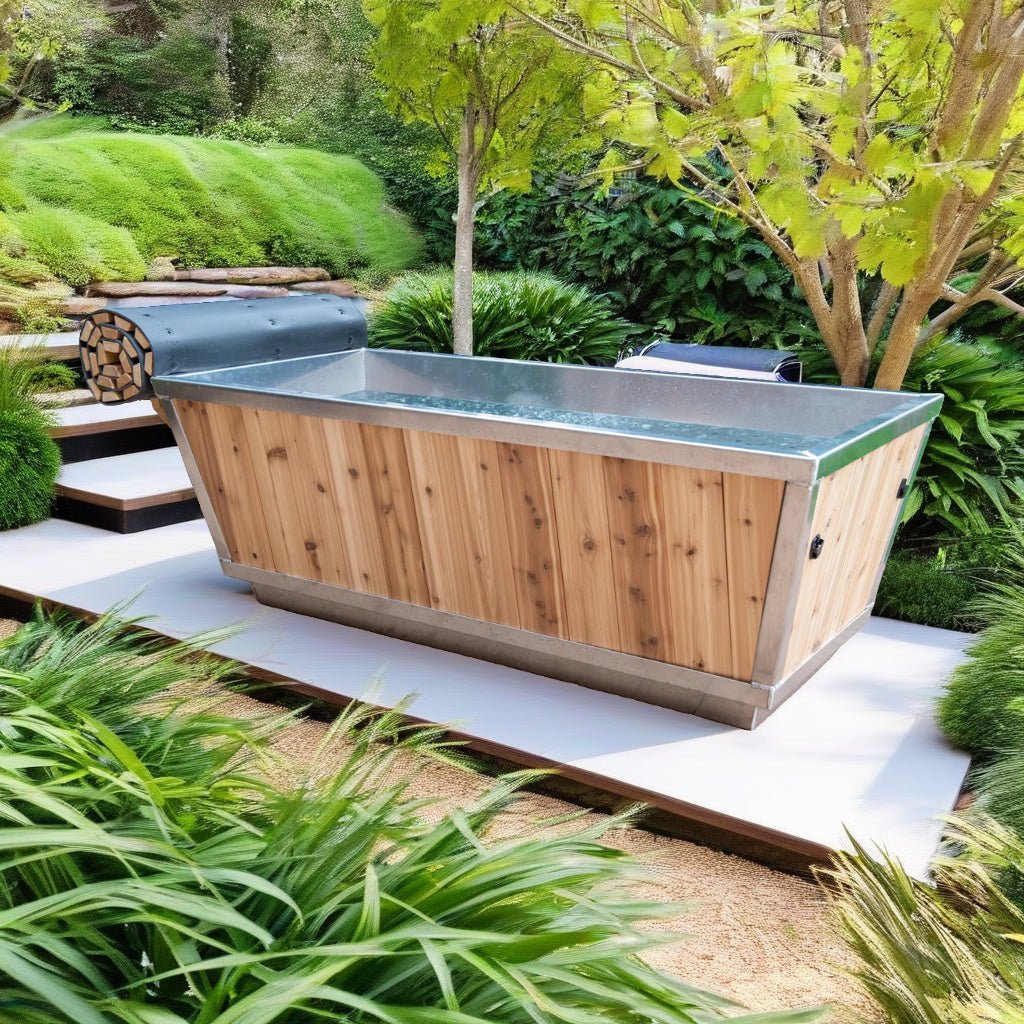
If you're looking for equipment to execute this map at home, browse our shop cold plunge options for home recovery built for consistent temperatures and repeatable protocols.
Cold Therapy (Cryotherapy): Mechanisms and the Case for Mechanical Recovery
Mechanisms: vasoconstriction, reduced blood flow, decreased local metabolism, lower nerve conduction velocity, and analgesia (PMC10473832, 2023). Cold is best indicated for acute injuries and mechanical damage where reducing pain, swelling, and secondary tissue damage is the priority (ProFusion Rehab, 2024; Cleveland Clinic, 2025).
Cold water immersion improves short-term muscular power and soreness after high-intensity and eccentric exercise (PMC9213381, 2022). That result is from the exercise trials reviewed; we have not read the underlying studies and are not going to characterise their populations. Whole-body or repeated cold can suppress inflammation and may delay muscle regeneration or blunt hypertrophy signaling when used chronically post-resistance exercise (PubMed, 2023; West Chester University, 2021).
Risks: cold urticaria, Raynaud's, neuropathy, cardiovascular risk (particularly in cold plunges), and potential adverse effects in people with circulatory problems (AHA, 2022; Cleveland Clinic, 2025).
Evidence strength: Strong. Cleveland Clinic and physical therapy sources highlight 10–15 (max 20) minutes per icing session, warn against use in people with neuropathy or Raynaud's, and recommend barrier layers between ice and skin (Cleveland Clinic, 2025; Physiopedia, 2024). Systematic review shows cold water immersion is effective for restoring power and reducing creatine kinase and soreness after high-intensity exercise within 24 hours; shorter durations at lower temperatures may be more effective (PMC9213381, 2022). A Journal of Physiology trial found 12 weeks of strength training with post-exercise cold water immersion attenuated muscle mass and strength gains versus active recovery and reduced activation of mTOR pathway and satellite cells (PMC4594298, 2015). Meta-analysis shows cold water immersion after resistance exercise attenuates strength gains in males (PubMed, 2023). Muscle injury cryotherapy review notes cold decreases inflammation but may delay myofiber regeneration (West Chester University, 2021).
Local vs Whole-Body Cooling
Local ice packs affect targeted tissue, while cold water immersion or whole-body cryotherapy have broader systemic effects—and different risk profiles. Cold water immersion involves immersing part or all of the body in cold water (typically 10–15°C for approximately 10–15 minutes) after exercise to aid short-term recovery (PMC4594298, 2015). Whole-body cryotherapy added to high-intensity training did not improve peak power or VO2peak adaptations versus training alone (Nature, 2019).
Evidence strength: Strong for local and CWI mechanisms and outcomes; limited to moderate for whole-body cryotherapy generalization (Nature, 2019).
For more on choosing the right cold exposure method, see our guide to cold showers vs ice baths for recovery.
Practical Dosing Guardrails
Cleveland Clinic suggests 10–15 minutes per icing bout, not exceeding 20 minutes (Cleveland Clinic, 2025). Physiopedia notes common recommendations of 10–20 minutes, or 30–45 minutes within the first two hours, depending on protocol (Physiopedia, 2024). Always use a barrier like a towel and avoid icing areas with impaired sensation (Physiopedia, 2024).
People with peripheral neuropathy or Raynaud's phenomenon should avoid or limit cold application to affected areas due to impaired sensation and risk of tissue damage (Cleveland Clinic, 2025). Individuals with cardiovascular disease should be cautious with cold-water immersion or extreme cold exposure and generally avoid unsupervised plunges, as cold shock can stress the heart (AHA, 2022).
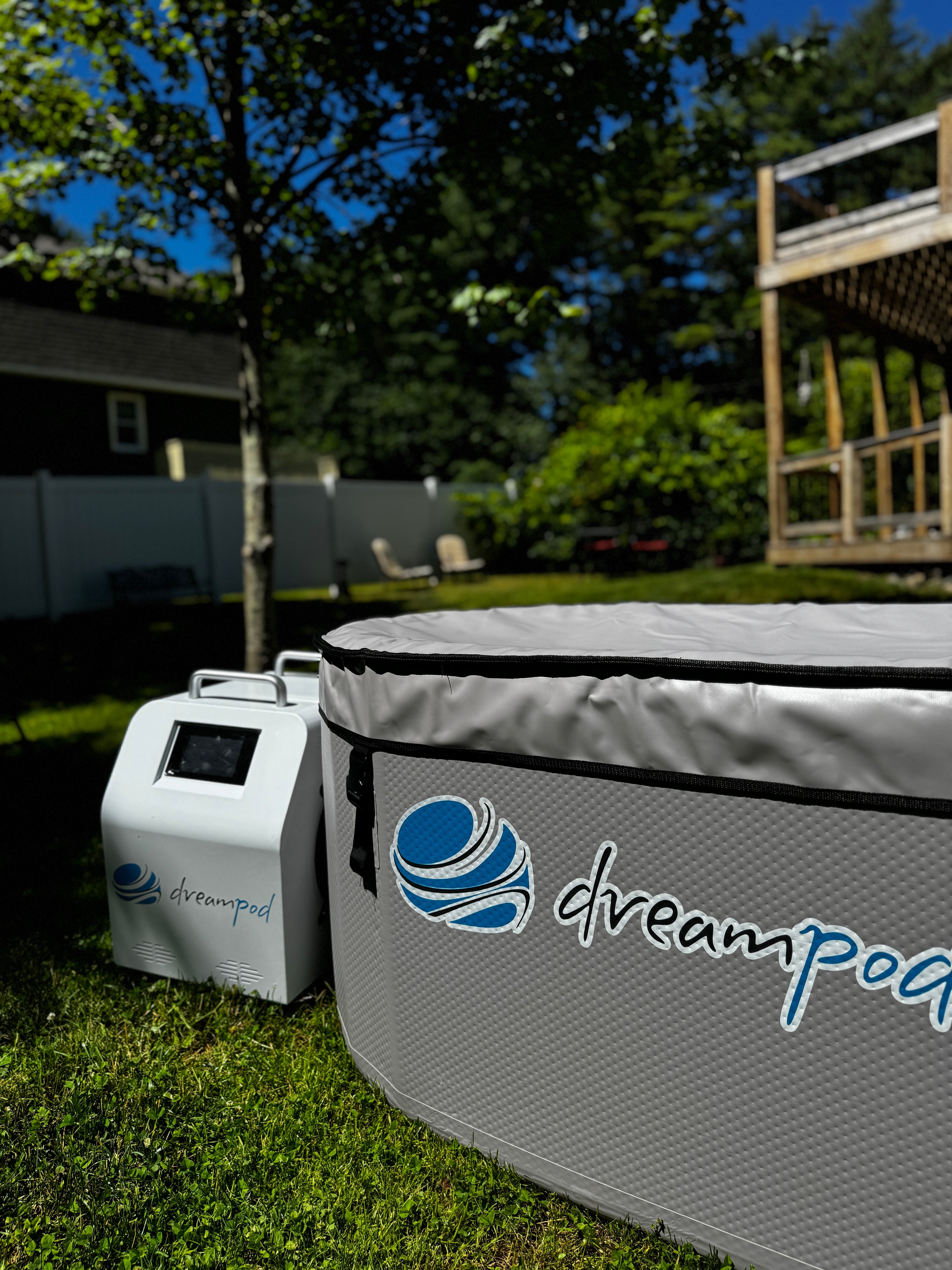
If your decision is "selective cold," consistency matters. A cold plunge with chiller for controlled CWI dosing makes it easier to keep sessions short, safe, and repeatable.
Heat Therapy (Thermotherapy): Mechanisms and the Case for Metabolic Clearance
Mechanisms: vasodilation, increased blood flow, increased tissue temperature, elevated pain threshold, and relaxation of muscles (YouTube, 2026). Heat is effective for chronic pain, stiffness, and DOMS relief; a meta-analysis shows hot packs outperform several modalities for DOMS pain within 48 hours (PMC8862647, 2022).
Local thermotherapy improves limb blood flow and reduces vasoconstrictor endothelin-1, supporting vascular function (PMC5008667, 2016). Sauna after exercise can increase plasma volume and improve endurance performance (approximately 2% improvement in sub-elite runners after 3 weeks) (ScienceDirect, 2007).
Heat is not recommended over acutely inflamed injuries as it can increase swelling (Cleveland Clinic, 2025).
Evidence strength: Strong to moderate. DOMS meta-analysis found hot packs performed best for pain relief among 9 cold/heat modalities and passive recovery; most comparisons focused on outcomes within 48 hours (PMC8862647, 2022). Thermotherapy trial showed 90 minutes of lower-limb heat increased popliteal artery blood flow approximately twofold by 80 minutes and reduced circulating endothelin-1 in peripheral artery disease patients (PMC5008667, 2016). Post-exercise sauna study found 30-minute sessions after training, 12 sessions over 3 weeks, improved time to exhaustion in runners and increased plasma volume; small sample but effect size notable (ScienceDirect, 2007). Cleveland Clinic arthritis advice recommends heat for stiffness, cold for acute pain/inflammation, and cautions that heat over active inflammation can worsen swelling (Cleveland Clinic, 2025).
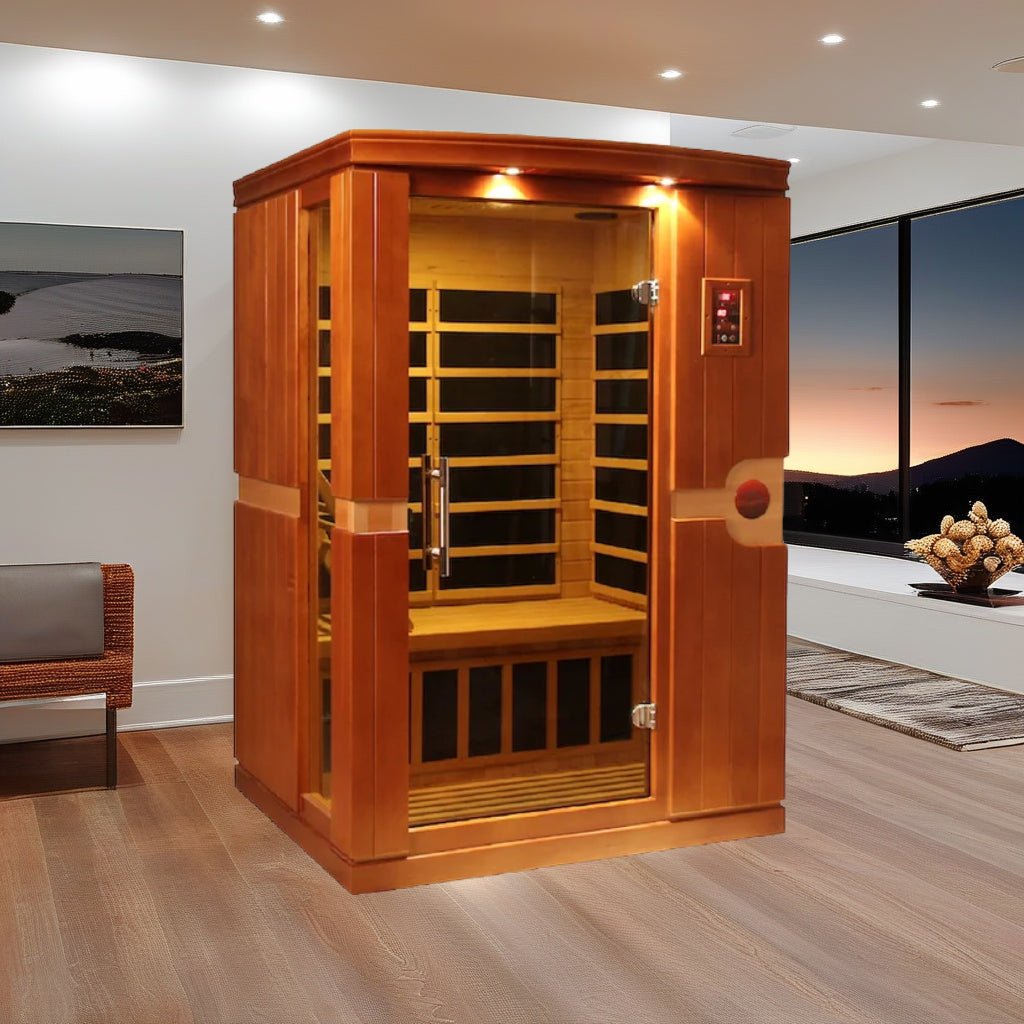
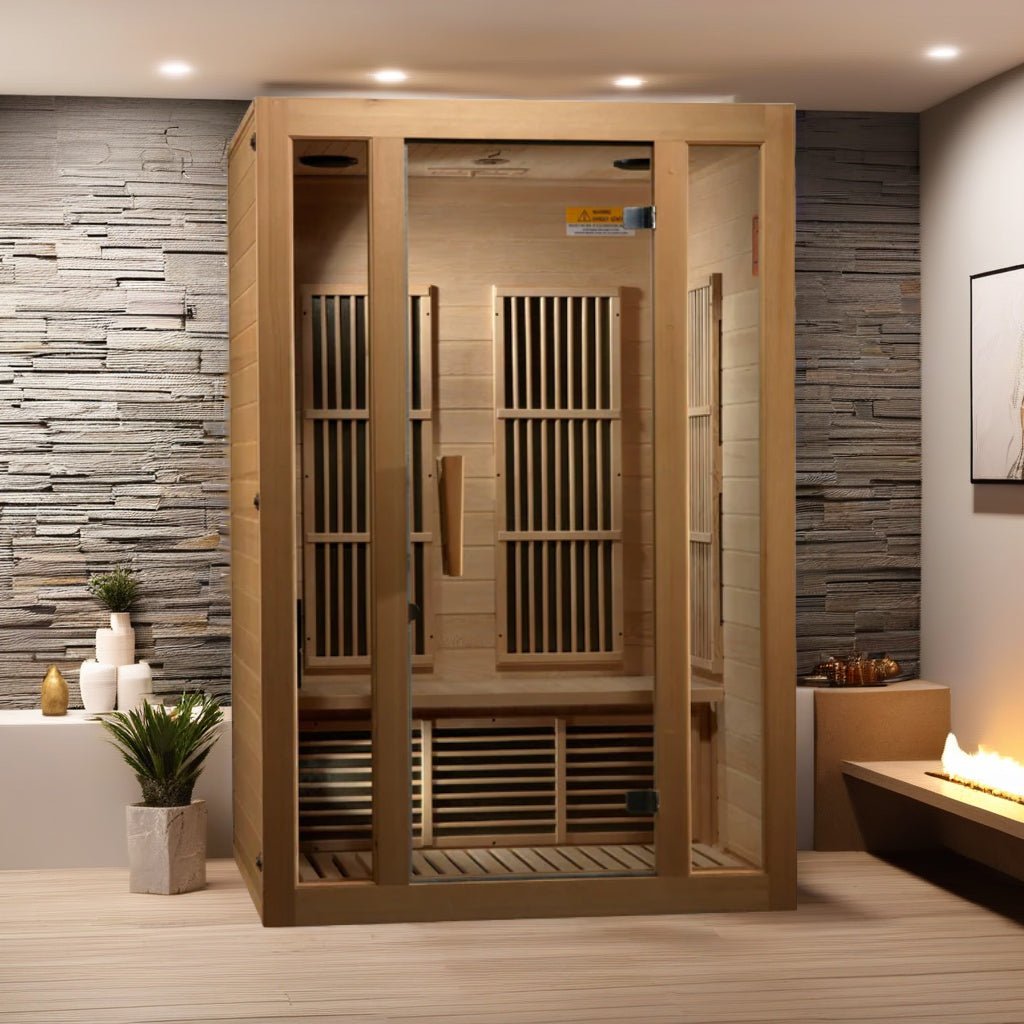
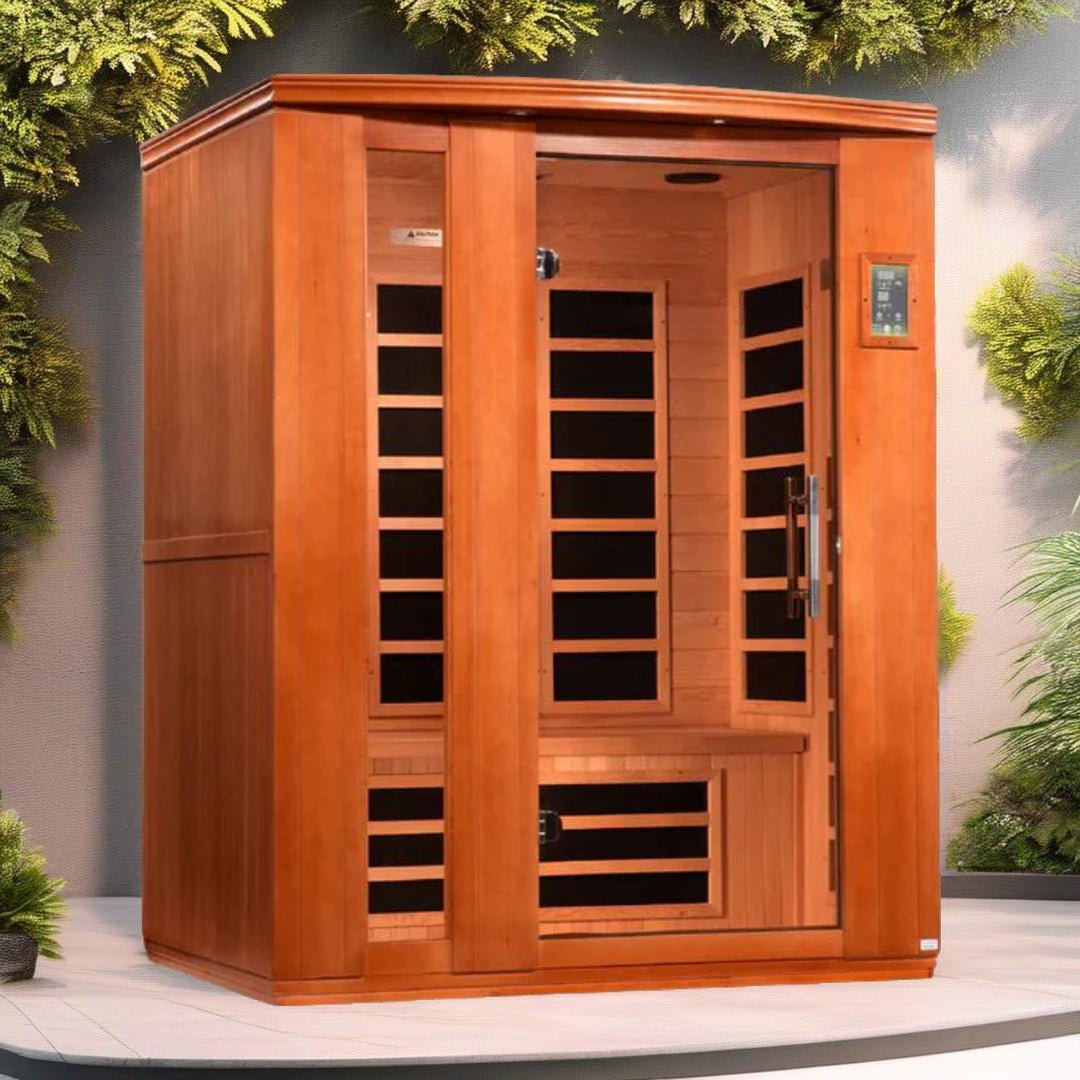
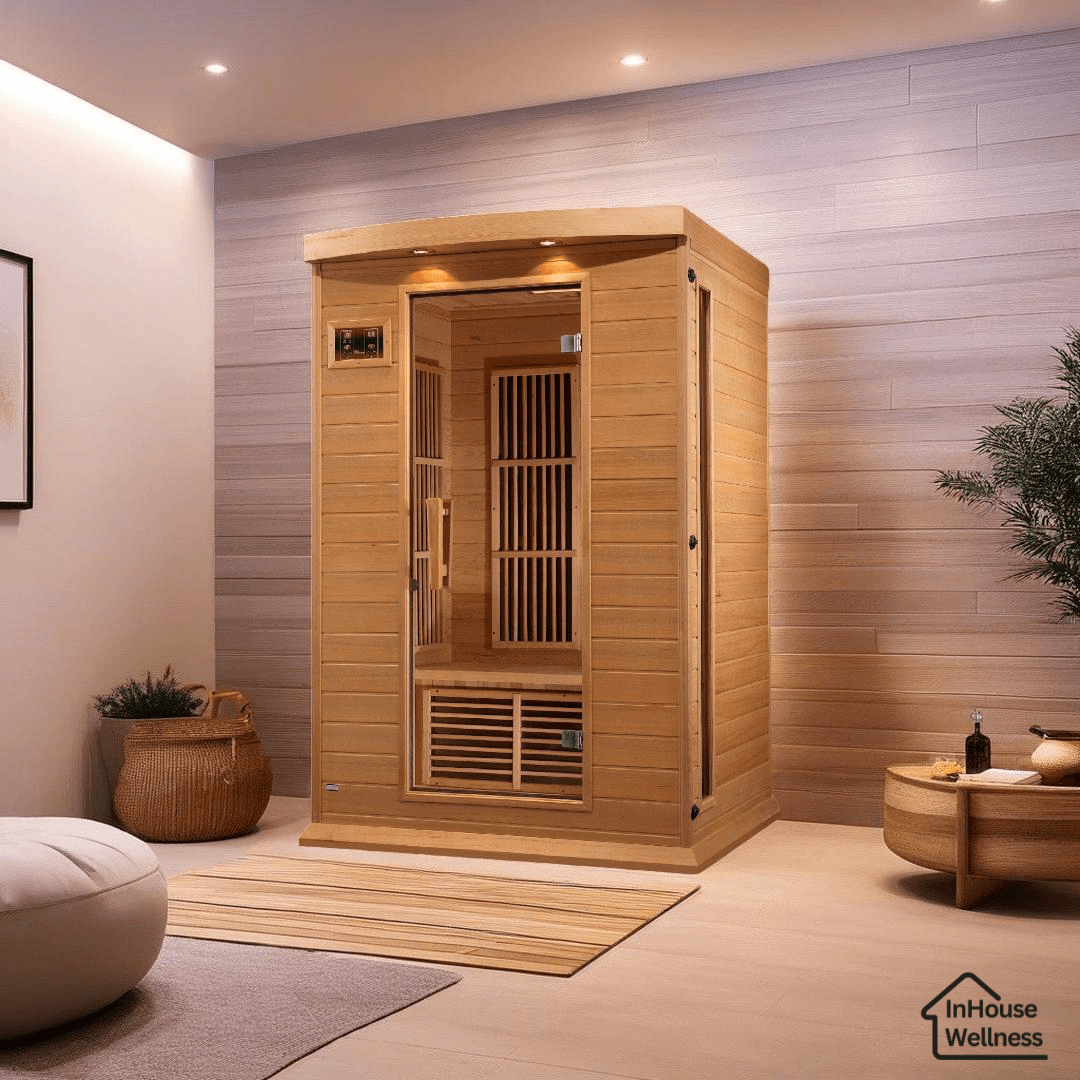
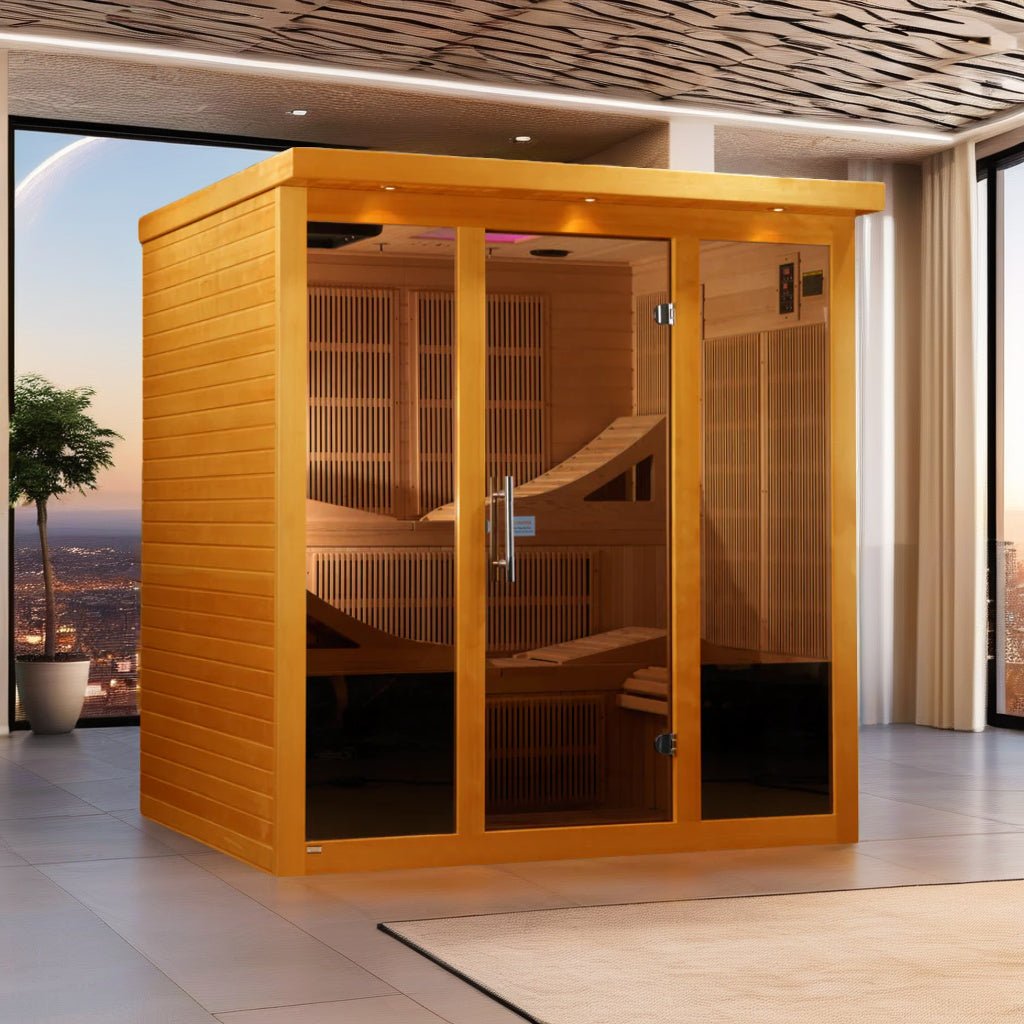
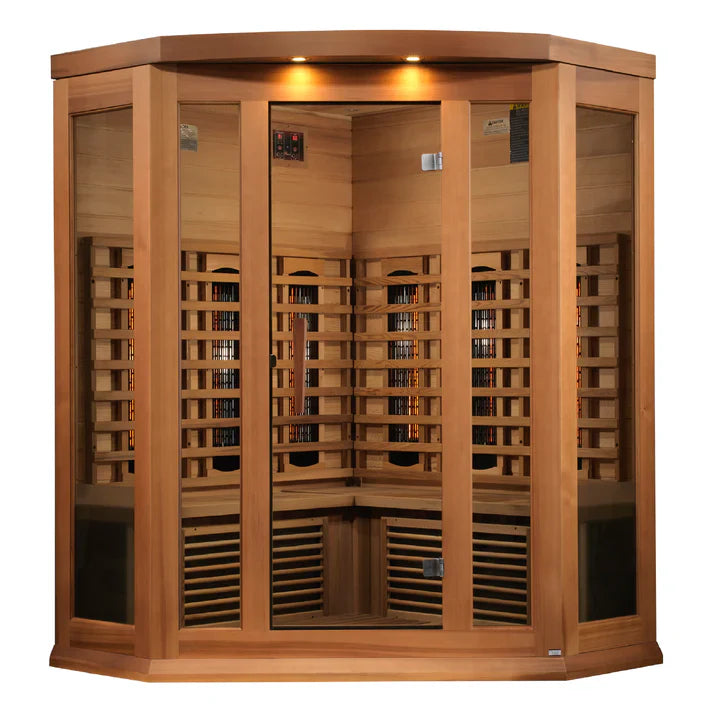
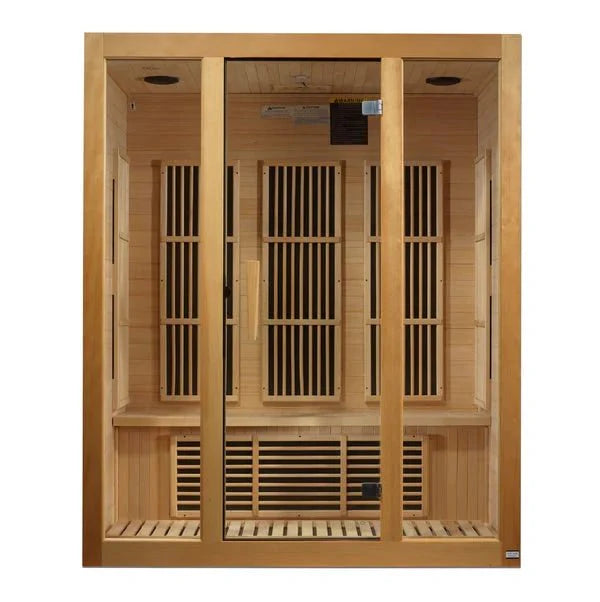
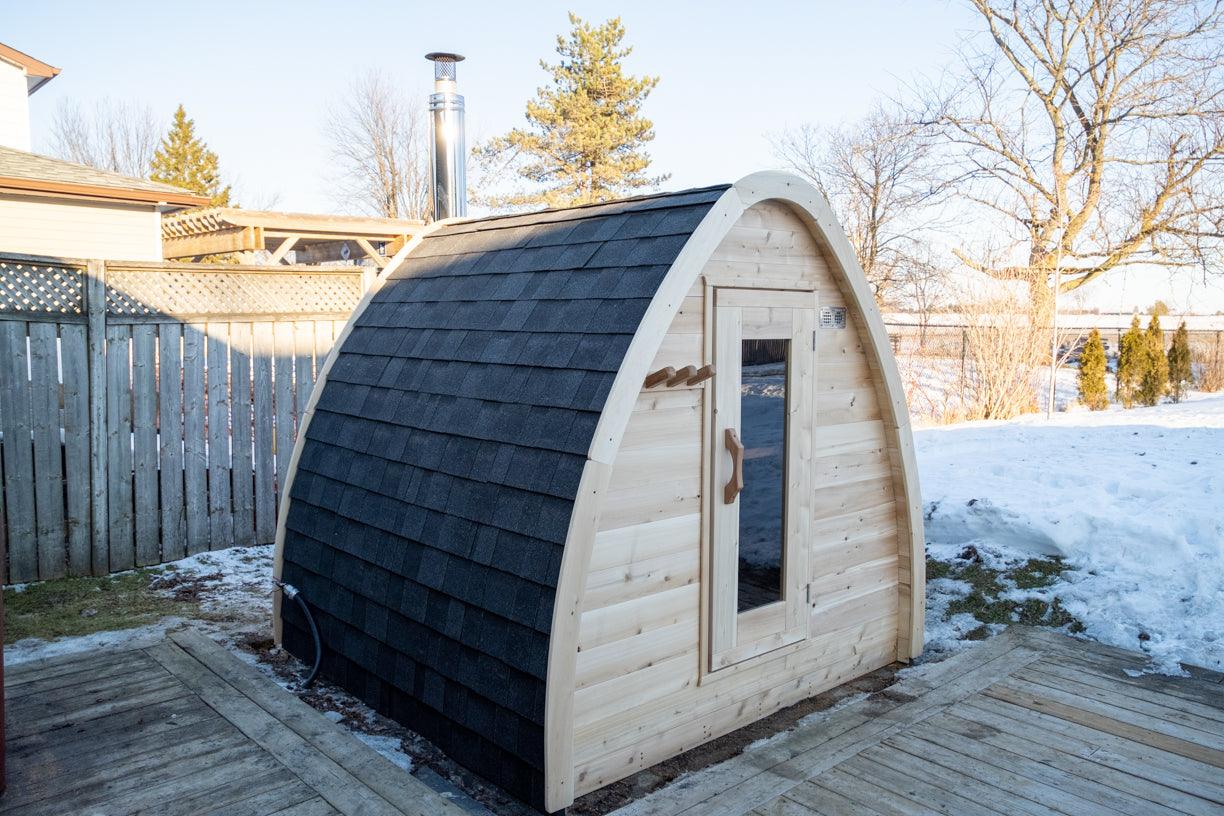
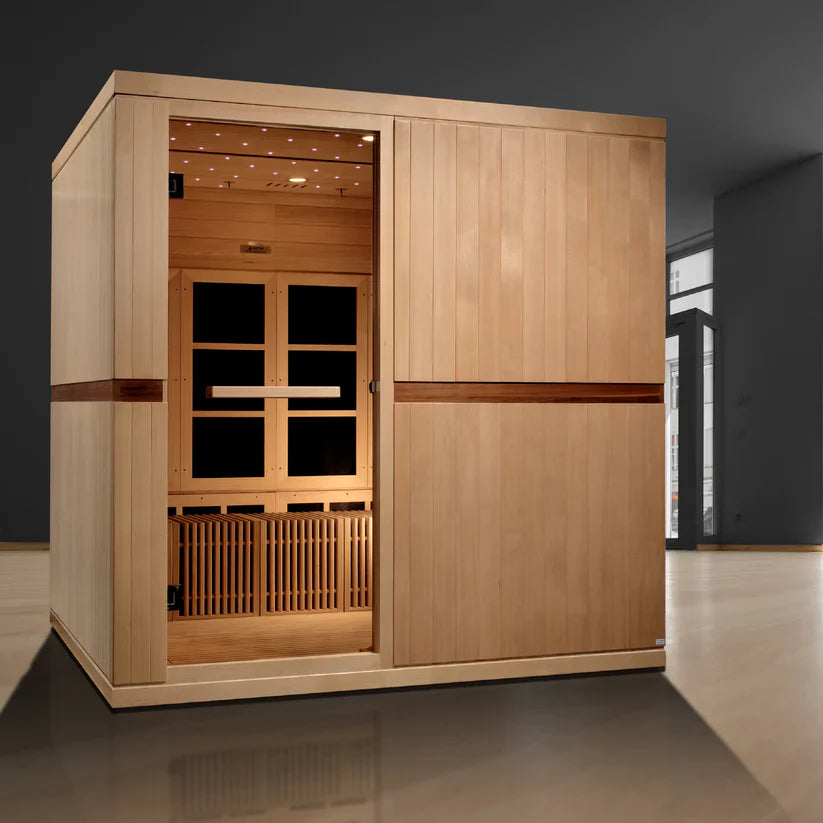
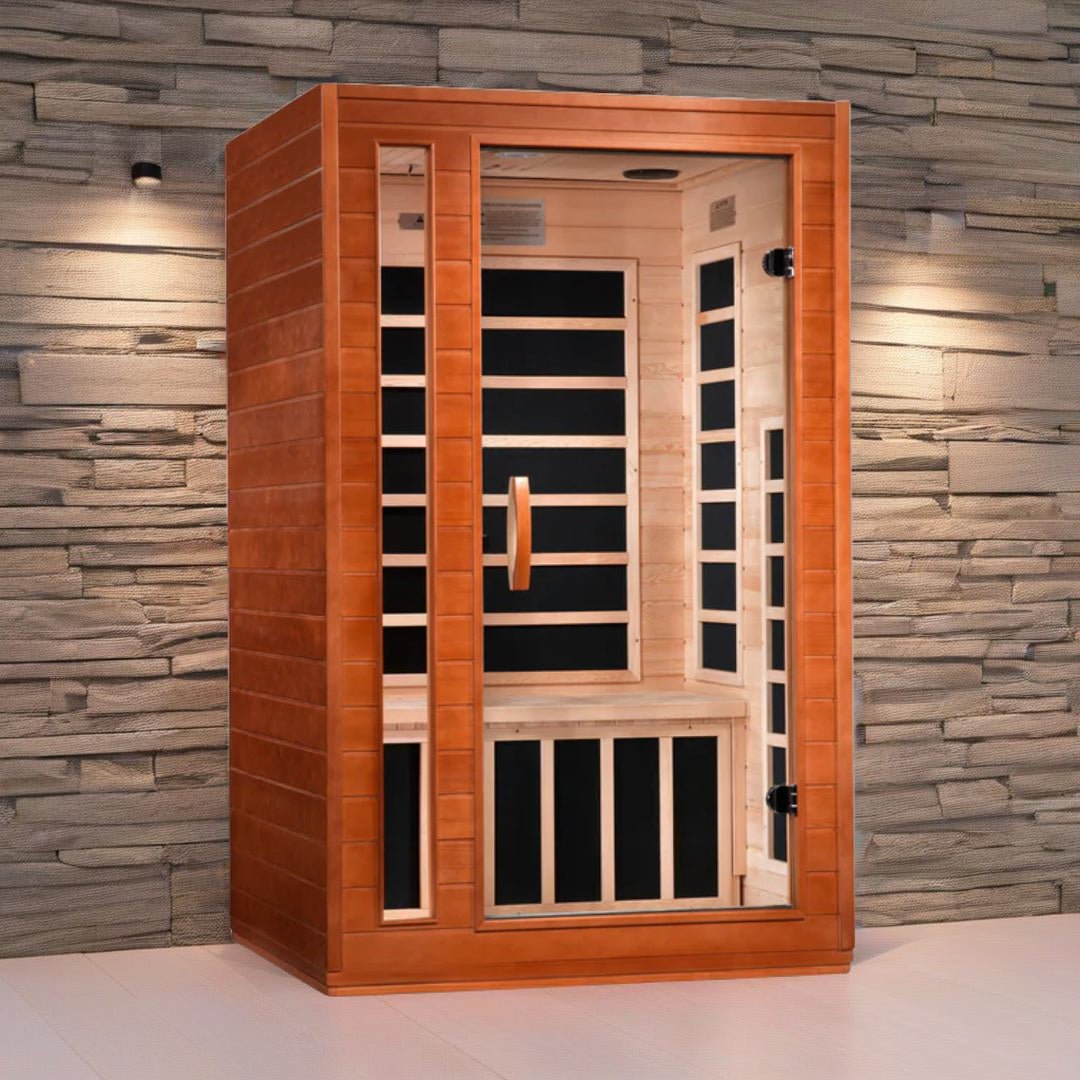
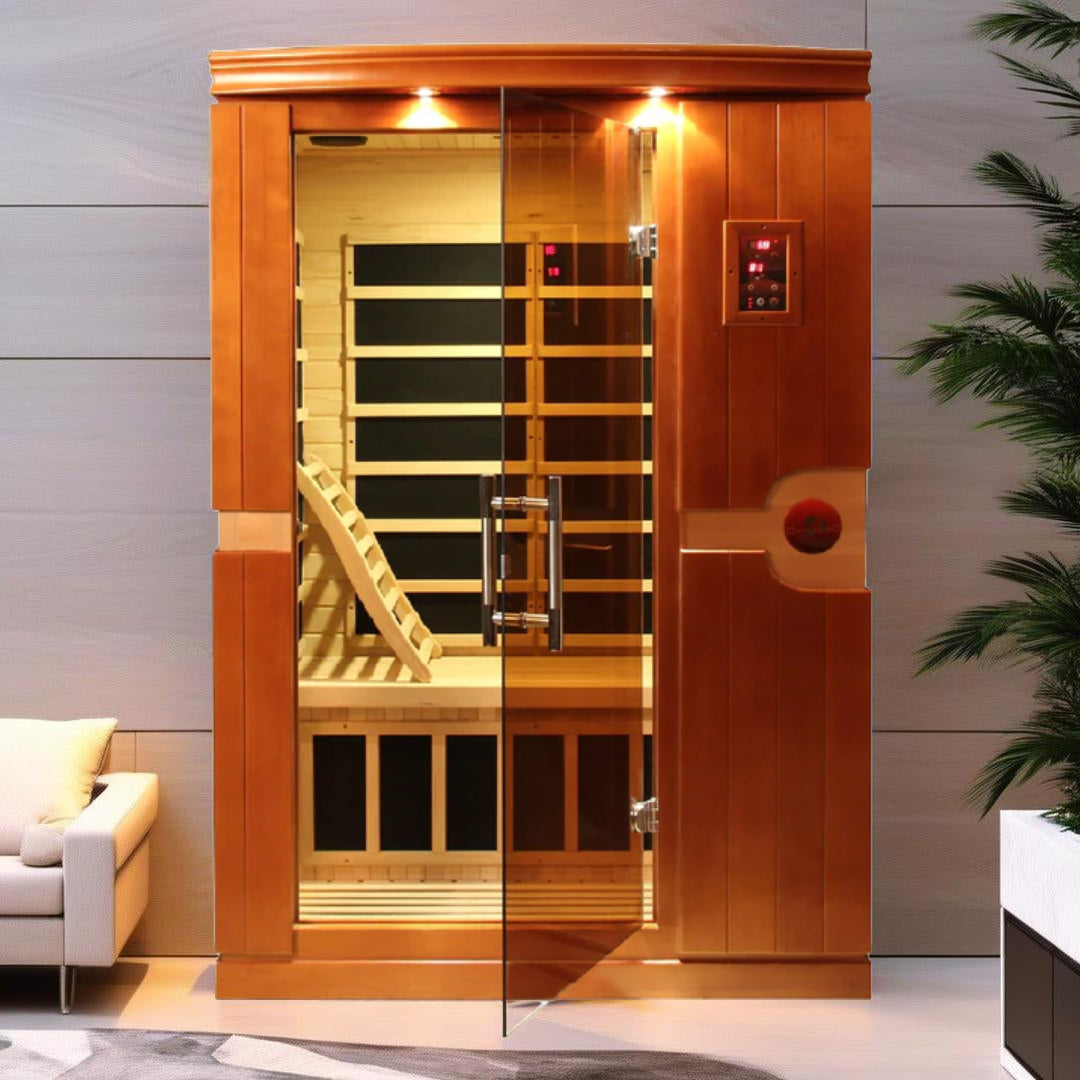
If you're integrating sauna into your recovery routine, consider a 2-person sauna for post-training heat sessions that fits comfortably in your home setup.
Passive Heat vs Exercise-Induced Heat
Passive heat (sauna, hot packs) increases tissue temperature and blood flow without additional metabolic demand, while easy active recovery combines light movement with endogenous heat production. Both support circulation, but active recovery has the added benefit of promoting lactate clearance through muscle contraction.
Cold water immersion reviews note active recovery often matches or exceeds passive and some passive modalities for lactate clearance and perceived recovery, and avoids possible blunting of adaptations (PMC9213381, 2022). DOMS heat evidence shows benefits for comfort and pain (PMC8862647, 2022).
Evidence strength: Moderate. Active recovery specifics vary by protocol; conservative interpretation recommended.
The Timing Trap: When Cold Blunts Adaptations (The Hypertrophy Question)
Regular use of cold (especially cold water immersion) immediately after resistance training can blunt hypertrophy and strength gains by attenuating anabolic signaling and satellite cell activity (PubMed, 2023; PMC4594298, 2015). Cold reduces inflammatory responses that are part of the adaptive process for muscle growth and remodeling (West Chester University, 2021).
Evidence suggests cold applied within hours after resistance sessions is most problematic for hypertrophy; occasional or delayed use might carry less risk but is less studied (PMC4594298, 2015). For endurance adaptations, whole-body cryotherapy did not significantly augment aerobic training responses (Nature, 2019).
Athletes may still use post-exercise cold strategically during in-season or tournament periods when rapid recovery outweighs maximal hypertrophy goals.
Evidence strength: Strong. A 12-week resistance training trial with regular post-exercise cold water immersion (10 minutes at 10°C) showed smaller gains in muscle mass and strength and blunted mTOR pathway activation versus active recovery (PMC4594298, 2015). Meta-analysis (2023) found cold water immersion attenuated muscular strength gains in males when used after resistance sessions (PubMed, 2023). Cryotherapy review notes cold suppresses inflammatory markers and may delay myofiber regeneration after muscle injury (West Chester University, 2021). Whole-body cryotherapy trial found adding WBC to high-intensity training did not improve peak power or VO2peak adaptations versus training alone (Nature, 2019). Systematic review notes cold water immersion beneficial for short-term recovery but does not show clear long-term performance benefits when used chronically (PMC9213381, 2022).
Strength vs Endurance Goals
For hypertrophy/strength blocks: avoid routine immediate post-lift cold water immersion; use heat, active recovery, and adequate nutrition/sleep (PMC4594298, 2015; PubMed, 2023). If in competition phase with tight turnaround, cold can be used selectively (PMC9213381, 2022).
For endurance adaptations: whole-body cryotherapy shows no clear added benefit to aerobic training adaptations (Nature, 2019). Post-exercise sauna may support endurance via plasma volume expansion, but evidence is limited (ScienceDirect, 2007). Cold water immersion helps short-term recovery but long-term endurance gains mostly depend on training load and progression (PMC9213381, 2022).
Evidence strength: Strong for hypertrophy blunting with cold water immersion; moderate to limited for endurance (sauna benefits caveated; whole-body cryotherapy shows null effects).
Beyond the Binary: The Role of Contrast Therapy and Active Recovery
Contrast water therapy alternates hot and cold to potentially leverage vasodilation/vasoconstriction cycles, influencing blood flow and perceptions of recovery (PMC11571465, 2024). A trial in trained runners found 6 minutes of contrast (1 minute hot 38°C, 1 minute cold 15°C) improved subsequent 3000-meter performance 2 hours later versus control, whereas longer durations did not show additional benefit (PubMed, 2012).
Recent trials on contrast heat-cold pressure therapy showed improvements in muscle tone, stiffness, and perfusion metrics, though data are early and populations limited (PMC11571465, 2024). Systematic reviews of cold water immersion suggest dose-response patterns where shorter, colder immersions may be most effective; similar nuance likely applies to contrast protocols (PubMed, 2012).
Active recovery (light movement) often matches or exceeds passive and some passive modalities for lactate clearance and perceived recovery and avoids possible blunting of adaptations (PMC9213381, 2022).
For more on how to integrate these approaches, check out our guide on contrast therapy benefits and how to do it safely and the ultimate sauna + cold plunge recovery routine for athletes.
Evidence strength: Limited to moderate. Running study shows contrast water therapy for 6 minutes improved acute performance; no clear dose-response for longer durations (PubMed, 2012). CHCP study (2024) reported beneficial changes in muscle tone and perfusion; more high-quality replication needed (PMC11571465, 2024). Cold water immersion meta-analysis identified that shorter durations and lower temperatures could be more effective for endurance performance and CK reduction, relevant for designing contrast protocols (PMC9213381, 2022). Resistance and cold water immersion evidence suggests active recovery is safer for hypertrophy; contrast may be more relevant when acute performance and perceptual recovery are priorities (PMC4594298, 2015).
Placebo and Perception
Expectations can significantly shape pain relief and recovery perceptions. A soccer study showed cold water immersion reduced DOMS and that part of its effect was linked to placebo responses (PMC9988943, 2023). Perception can improve even when objective recovery markers don't change much (PMC9213381, 2022).
This doesn't invalidate the approach—if you feel better and perform better, that matters—but it's worth acknowledging that "feeling recovered" and "being physiologically recovered" aren't always identical.
Evidence strength: Moderate. Limited studies but effect is documented.
The Athlete's Decision Tree: A Quick-Reference Guide
Step 0 — Safety Gate:
If you have cardiovascular disease/risk, Raynaud's, neuropathy, impaired sensation, or are unsure, avoid extreme cold/heat and consult a clinician (AHA, 2022; Cleveland Clinic, 2025).
Step 1 — Identify the Dominant Fatigue Signal:
-
Mechanical-dominant: localized tenderness, "beat up," swelling/impact, heavy eccentrics → go to Step 2A
-
Metabolic-dominant: burning/pump, high-volume fatigue, less localized tenderness → go to Step 2B
-
Central-dominant: global exhaustion, low drive, sleep disruption/irritability → go to Step 2C (PMC12096901, 2024)
Step 2A (Mechanical):
-
Need performance <24 hours? → Cold (targeted or CWI) + conservative dosing (PMC9213381, 2022)
-
No urgent performance? → Cold optional, prioritize sleep/food + light movement; consider heat later for stiffness (Cleveland Clinic, 2025)
Step 2B (Metabolic):
-
Goal = hypertrophy/strength block → Avoid routine immediate CWI; use heat/active recovery (PMC4594298, 2015; PubMed, 2023; PMC8862647, 2022)
-
Goal = tournament/rapid turnaround → cold can be used selectively for short-term recovery (PMC9213381, 2022)
Step 2C (Central):
-
Prioritize sleep, load reduction, nutrition, decompression; heat/cold optional for comfort (PMC12096901, 2024).
Safety checks: cardiovascular disease, neuropathy, Raynaud's, or pregnancy → avoid unsupervised extreme cold or heat and consult a clinician (Cleveland Clinic, 2025; AHA, 2022).
How to Do It Safely and Effectively
Cold therapy protocols:
-
Local ice: 10–20 minutes per bout with a barrier (towel or cloth) between ice and skin; can repeat several times daily in first 48 hours (Cleveland Clinic, 2025; Physiopedia, 2024).
-
Cold water immersion: 10–15 minutes at 10–15°C immediately or within hours post-exercise for short-term recovery; avoid routine use immediately after resistance sessions when hypertrophy is the goal (PMC4594298, 2015; PMC9213381, 2022).
-
Who should avoid: people with cardiovascular disease, Raynaud's phenomenon, peripheral neuropathy, or impaired circulation without medical clearance (AHA, 2022; Cleveland Clinic, 2025).
Heat therapy protocols:
-
Hot packs: 15–20 minutes for DOMS or stiffness relief, especially effective within 48 hours of onset (PMC8862647, 2022).
-
Sauna: approximately 30 minutes post-exercise at 80–90°C; can be repeated several times per week if tolerated and medically appropriate (ScienceDirect, 2007).
-
Who should avoid: people with unstable cardiovascular disease, severe low blood pressure, or arrhythmias; those taking medications affecting heat tolerance; avoid heat over acutely inflamed or newly injured tissue (Cleveland Clinic, 2025).
Contrast therapy protocols:
-
6 minutes total: alternating 1 minute hot (38°C), 1 minute cold (15°C), repeated 3 times, can improve acute performance 2 hours later in trained runners (PubMed, 2012).
-
Requires safe temperature control and is more complex to apply at home.
Mistakes to avoid:
-
Don't apply heat to acutely swollen or freshly injured tissue—it can worsen swelling (Cleveland Clinic, 2025).
-
Don't use routine immediate post-lift cold water immersion as your default in hypertrophy/strength blocks (PMC4594298, 2015; PubMed, 2023).
-
Don't chase longer/colder exposures without evidence-based limits—frostbite and adaptation risks increase (Physiopedia, 2024; PMC9213381, 2022).
-
Don't expect heat/cold to fix CNS fatigue by itself—prioritize sleep, load management, and nutrition (PMC12096901, 2024).
-
Don't skip the safety gate—cardiovascular screening matters for extreme cold or heat (AHA, 2022).
Who should consult a clinician:
Anyone with cardiovascular disease, peripheral vascular disease, diabetes, neuropathy, Raynaud's, history of arrhythmias, or uncertain health status should seek medical advice before using extreme cold immersion or prolonged heat exposure (AHA, 2022; Cleveland Clinic, 2025).
Comparisons and Decision Tables
Table: At-Home vs Clinic-Level Modalities
|
Modality |
Setting |
Typical Dose |
Main Benefits |
Key Risks / Limits |
|
Ice pack |
Home |
10–20 min per bout, several times/day in first 48 h |
Simple, reduces local pain and swelling in acute injury/DOMS |
Skin damage if too long/direct; caution in neuropathy/Raynaud's |
|
Cold water immersion |
Home/clinic |
~10–15 min at ~10–15°C post-exercise |
Improves short-term power and soreness after high-intensity/eccentric work |
Blunts hypertrophy with chronic use; cardiovascular stress in vulnerable individuals |
|
Hot pack |
Home/clinic |
15–20 min for DOMS/chronic pain |
Effective DOMS pain relief within 48 h; improves comfort |
Avoid over acute inflammation; burn risk if too hot |
|
Sauna |
Gym/clinic |
~30 min post-exercise, several times/week |
May improve endurance via plasma volume expansion; relaxation |
Heat stress, hypotension, cardiac strain in susceptible people |
|
Contrast water therapy |
Clinic/some home |
6–18 min alternating 1 min hot (38°C)/1 min cold (15°C) |
May improve same-day running performance and perceived recovery |
Limited evidence; complex to apply at home; temp extremes risky for some |
Real-World Constraints and Numbers That Matter
Costs:
-
Home ice packs: $10–30 for reusable gel packs
-
Cold plunge tubs: $3,000–8,000+ for high-quality options with chillers
-
Home sauna units: $1,500–5,000+ depending on size and type (infrared vs traditional)
-
Hot/cold contrast setup: can be DIY (bathtub + ice) or require dedicated equipment
Timelines:
-
Acute injury pain relief: cold effects within minutes; peak benefit in first 24–48 hours (Cleveland Clinic, 2025)
-
DOMS pain relief with heat: most effective within 48 hours (PMC8862647, 2022)
-
Short-term recovery from cold water immersion: measurable power/soreness improvement at 24 hours (PMC9213381, 2022)
-
Long-term adaptation blunting from cold water immersion: evident over 12+ weeks of regular post-session use (PMC4594298, 2015)
-
Endurance benefits from sauna: approximately 3 weeks of post-training sessions (ScienceDirect, 2007)
Setup constraints:
-
Cold water immersion requires water source, drainage, and temperature control (chiller unit or ice)
-
Saunas need dedicated space, electrical setup, and ventilation
-
Contrast therapy needs access to two temperature-controlled water sources or baths
Measurable ranges:
-
Cold water immersion temperature: 10–15°C (50–59°F)
-
Cold water immersion duration: 10–15 minutes
-
Local ice duration: 10–20 minutes per session
-
Hot pack temperature: warm to touch but not burning (approximately 40–45°C / 104–113°F)
-
Sauna temperature: 80–90°C (176–194°F)
-
Sauna duration: 20–30 minutes
-
Contrast protocol: 1 minute hot / 1 minute cold, repeated 3–6 times
Myths and Misconceptions
-
Myth: Ice is always best after any workout. Correction: Ice is most useful for acute injuries or heavy mechanical damage; routine post-lifting cold water immersion can blunt strength and hypertrophy gains. Why it persists: Simple rules are easier to remember than nuanced adaptation tradeoffs. Citation: Cleveland Clinic, 2025
-
Myth: Heat should be used immediately on sprains or freshly swollen joints. Correction: Heat over acutely inflamed tissue can increase swelling; cold is preferred in early injury stages. Why it persists: People associate warmth with comfort and "looseness." Citation: YouTube (Harvard-linked), 2026
-
Myth: Cold water immersion boosts muscle growth. Correction: Repeated post-exercise cold water immersion actually reduced muscle mass and strength gains in resistance-training studies. Why it persists: Marketing and anecdotal reports focus on feeling better, not on long-term adaptations. Citation: PubMed, 2023
-
Myth: DOMS means you should always use ice. Correction: For DOMS pain within 48 hours, hot packs can be more effective than several other cold and heat modalities. Why it persists: DOMS is conflated with acute injury and swelling. Citation: PMC8862647, 2022
-
Myth: More cold and longer sessions are always better. Correction: Guidelines recommend limited cryotherapy durations, and some evidence suggests shorter, colder bouts can be more effective than longer ones. Why it persists: "More is better" bias and lack of awareness of frostbite and adaptation risks. Citation: Physiopedia, 2024
-
Myth: Thermal therapies can fully fix central fatigue. Correction: Central fatigue is a CNS phenomenon; sleep, nutrition, and load management are primary, with thermal methods providing mainly comfort. Why it persists: It is easier to use a passive tool than change training or lifestyle. Citation: PMC7919360, 2021
-
Myth: If cold reduces inflammation, it must always speed healing. Correction: Cryotherapy can suppress inflammation but may delay myofiber regeneration after muscle injury. Why it persists: Inflammation is seen as purely harmful rather than part of adaptation. Citation: West Chester University, 2021
-
Myth: Saunas are universally safe and purely beneficial post-exercise. Correction: Saunas can improve endurance performance in healthy runners but may pose risks for people with heart disease, low blood pressure, or arrhythmias. Why it persists: Wellness culture often underplays cardiovascular screening. Citation: Spa Manzanita, 2024
-
Myth: Pain relief from cold proves physiological superiority for recovery. Correction: Placebo and expectation significantly contribute to perceived DOMS reduction with cold water immersion in some trials. Why it persists: Subjective feelings are persuasive, and placebo effects are rarely acknowledged. Citation: PMC9988943, 2023
-
Myth: Local heat or cold will dramatically change CNS performance. Correction: Head cooling reduces head temperature but did not significantly improve cognitive performance versus control in a heat-exercise study. Why it persists: Intuitive belief that cooling the head directly sharpens the brain. Citation: PMC7919360, 2021
-
Myth: You can't combine ice and heat in the same recovery session. Correction: Contrast water therapy protocols deliberately alternate cold and heat and can improve acute recovery in specific contexts. Why it persists: Oversimplified "pick one or the other" messaging. Citation: PubMed, 2012
-
Myth: If it feels good, it's helping your adaptation. Correction: Perceived recovery and physiological adaptation are not always aligned; cold water immersion can feel great but blunt long-term hypertrophy. Why it persists: Subjective experience is more immediate and compelling than long-term data. Citation: PMC4594298, 2015
Experience Layer: Testing Your Own Recovery
Safe Author Test Plans:
-
Mechanical fatigue experiment: After two similar heavy eccentric sessions (e.g., Nordic curls, eccentric leg press), use cold water immersion after one session and only light walking after the other. Track DOMS ratings (0–10 scale) at 24, 48, and 72 hours, and performance in the next similar session (loads lifted, reps achieved).
-
Metabolic fatigue experiment: After two comparable high-rep hypertrophy sessions, apply a hot pack for 15–20 minutes after one and skip thermal interventions after the other. Rate soreness and "pump" sensation at 24 and 48 hours.
-
Sauna endurance trial: If medically appropriate, add 30-minute sauna sessions after runs for 3 weeks. Compare a standardized time-to-exhaustion test or 5K time before and after the protocol.
-
Contrast shower trial: After interval training sessions, alternate 1 minute warm, 1 minute cool water for 6 minutes total. Compare perceived recovery and performance in the next session versus an active-walking-only recovery day.
What You Might Notice (Non-Guaranteed):
-
Cold may reduce immediate soreness and improve next-day "readiness" feeling after eccentric work.
-
Heat may provide more comfort and "looseness" after high-volume sessions.
-
If you use cold routinely post-lifting in a hypertrophy block, you might notice smaller strength/size gains over weeks compared to active recovery.
-
Contrast or sauna protocols may improve your subjective sense of recovery without dramatic changes in performance markers.
Tracking Template:
|
Date |
Session Type (mechanical / metabolic / central) |
Recovery Method (none / ice / CWI / hot pack / sauna / contrast / active only) |
Dose (temp estimate, duration, timing) |
DOMS 24h (0–10) |
DOMS 48h (0–10) |
DOMS 72h (0–10) |
Next Session Performance (load, reps, pace) |
Sleep Quality (1–5) |
Mood/Energy (1–5) |
Notes |
FAQ
1. When should I use cold vs. heat after a workout?
Use cold for acute injuries or heavy mechanical damage, and heat for stiffness and DOMS—especially when you want comfort without blunting long-term adaptations.
-
Cold is preferred in the first 24–48 hours after sprains, strains, or major swelling (Cleveland Clinic, 2025).
-
Heat works better for chronic pain and stiffness and for DOMS pain relief within 48 hours (Cleveland Clinic, 2025; PMC8862647, 2022).
-
Routine post-lifting cold water immersion can reduce strength and muscle gains over time (PubMed, 2023; PMC4594298, 2015).
-
For central fatigue or general tiredness, prioritize sleep and load management over thermal modalities (PMC12096901, 2024).
2. Is cold water immersion bad for muscle growth?
Regularly dunking in cold water right after lifting can blunt muscle growth and strength gains in the long run.
-
A 12-week trial found smaller hypertrophy and strength gains in the group using post-exercise cold water immersion versus active recovery (PMC4594298, 2015).
-
Meta-analysis shows attenuated strength gains when cold water immersion follows resistance sessions in males (PubMed, 2023).
-
Cold reduces inflammation and anabolic signaling important for hypertrophy (West Chester University, 2021).
3. Does cold water immersion help me recover faster for my next session?
Yes, cold water immersion can improve short-term power and soreness, especially after high-intensity or eccentric workouts.
-
Systematic review of 52 studies found better muscular power and lower creatine kinase and soreness 24 hours after cold water immersion versus passive recovery (PMC9213381, 2022).
-
Effects are most evident after eccentric or high-intensity work (PMC9213381, 2022).
-
Benefits are modest and need to be weighed against possible long-term adaptation trade-offs in lifters (PubMed, 2023; PMC4594298, 2015).
4. Is heat or cold better for DOMS?
For DOMS pain within 48 hours, hot packs may be more effective than many other modalities, though both heat and cold can help.
-
Meta-analysis found hot packs provided more effective and stable DOMS pain relief than several other cold and heat treatments (PMC8862647, 2022).
-
Cold can still reduce soreness and improve perceived recovery (PMC9213381, 2022).
-
Neither completely removes DOMS or replaces appropriate training progression.
5. How long should I ice an injury?
Most clinical guidance recommends icing for about 10–20 minutes at a time, with breaks between sessions.
-
Cleveland Clinic suggests 10–15 minutes per icing bout, not exceeding 20 minutes (Cleveland Clinic, 2025).
-
Physiopedia notes common recommendations of 10–20 minutes, or 30–45 minutes within the first two hours, depending on protocol (Physiopedia, 2024).
-
Always use a barrier (like a towel) and avoid icing areas with impaired sensation (Physiopedia, 2024).
6. Can I use heat immediately after I sprain an ankle or strain a muscle?
No, avoid heat right after acute injuries because it can worsen swelling.
-
Clinical sources warn heat on acute injuries and inflammation can increase blood flow and swelling (YouTube, 2026).
-
Cold is preferred early for pain and swelling control (ProFusion Rehab, 2024).
7. Does using a sauna after workouts improve performance?
For endurance athletes, repeated post-exercise sauna sessions can modestly improve performance by expanding plasma volume.
-
A 3-week study of sub-elite runners found approximately 2% improvement in time to exhaustion after 12 post-exercise sauna sessions (ScienceDirect, 2007).
-
Sauna use increased plasma volume, which likely contributed to the performance benefit (ScienceDirect, 2007).
-
People with cardiovascular issues should seek medical advice before sauna use (Spa Manzanita, 2024).
8. Is central fatigue something I can fix with ice baths or heating pads?
Not directly—central fatigue mainly depends on CNS factors like sleep, load, and psychological stress rather than local temperature.
-
Central fatigue is defined as reduced voluntary activation due to CNS changes and muscle afferent feedback (PMC12096901, 2024).
-
Head cooling reduces head temperature but did not significantly improve cognitive performance in a heat-exercise trial (PMC7919360, 2021).
-
Passive thermal therapies may help you relax but are not primary treatments for central fatigue.
9. Are ice baths safe for people with heart problems?
Ice baths can be risky for people with heart disease and should only be considered with medical supervision.
-
American Heart Association notes sudden cold immersion can stress the heart and experts caution against it in people with a cardiac history (AHA, 2022).
-
Cold exposure can provoke blood pressure and rhythm changes (AHA, 2022).
10. Can using ice slow down healing of muscle injuries?
Ice can reduce pain and inflammation but may also delay aspects of muscle regeneration if overused.
-
Review found cryotherapy suppressed inflammatory markers and in some studies delayed myofiber regeneration after injury (West Chester University, 2021).
-
In resistance training contexts, repeated cold water immersion blunted hypertrophy-related signaling (PMC4594298, 2015).
11. What is the best recovery for a heavy eccentric lifting day?
If there's significant mechanical damage and soreness, short bouts of cold early plus later heat or active recovery can balance comfort and adaptation.
-
Eccentric work produces high mechanical tension and more damage (PMC8769283, 2022).
-
Cold water immersion improves power and soreness after eccentric exercise but can blunt long-term hypertrophy if used chronically (PMC4594298, 2015; PMC9213381, 2022).
-
Hot packs help DOMS pain; active recovery supports blood flow without adaptation trade-offs (PMC8862647, 2022).
12. When should I try contrast water therapy instead of just ice or heat?
Consider contrast when you need same-day performance restoration after intense running or similar efforts and have access to safe temperature control.
-
In trained runners, 6 minutes of contrast (1 minute 38°C, 1 minute 15°C, repeated) improved 3000-meter performance 2 hours later versus rest (PubMed, 2012).
-
Contrast therapies have also shown changes in muscle tone and perfusion in recent trials (PMC11571465, 2024).
-
Evidence is still limited and protocols vary.
13. Does cold help or hurt endurance adaptations?
Chronic whole-body cryotherapy does not seem to enhance aerobic training adaptations, though cold water immersion can help short-term recovery.
-
A study adding whole-body cryotherapy to high-intensity training found no extra gains in VO2peak or peak power versus training alone (Nature, 2019).
-
Cold water immersion improves power and soreness at 24 hours but long-term endurance gains mostly depend on training load and progression (PMC9213381, 2022).
14. Is it okay to use heat for arthritis but cold for flares?
Yes, many people find heat better for stiffness and cold better for flare-type pain and swelling.
-
Cleveland Clinic notes heat soothes stiff joints, while cold reduces pain, and alternating can help (Cleveland Clinic, 2025).
-
Heat over active inflammation can worsen swelling, so cold is preferred in those moments (Cleveland Clinic, 2025).
15. How do I know if my fatigue is mechanical, metabolic, or central?
Mechanical fatigue feels localized and tender, metabolic fatigue feels like burning and pump, and central fatigue feels like global exhaustion and low drive.
-
Eccentric heavy work tends to produce localized DOMS and structural damage (Nature, 2024).
-
High-volume work produces metabolic stress and diffuse soreness (PMC8769283, 2022).
-
Central fatigue involves reduced voluntary activation, often after prolonged sessions, with global tiredness and mood changes (PMC12096901, 2024).
16. Can I combine ice and heat in the same recovery session?
Yes, but sequence and timing should match your goals and injury status.
-
Some clinical guidance supports alternating cold and heat for certain injuries after the acute phase (RapidAid, 2025).
-
Contrast water therapy protocols use deliberate alternation to influence recovery (PubMed, 2012).
-
Avoid heat in the first 24–48 hours of an acute injury (YouTube, 2026).
17. Does the placebo effect matter in how cold or heat feels?
Yes, expectations can significantly shape pain relief and recovery perceptions.
-
A soccer study showed cold water immersion reduced DOMS and that part of its effect was linked to placebo responses (PMC9988943, 2023).
-
Perception can improve even when objective recovery markers don't change much (PMC9213381, 2022).
18. Is local ice on a muscle the same as whole-body cryotherapy for recovery?
No, local and whole-body cooling affect different tissues and can have different adaptation and safety profiles.
-
Whole-body cryotherapy added to high-intensity training did not enhance aerobic adaptations (Nature, 2019).
-
Local and segmental cold water immersion or ice packs can change local inflammation and soreness and affect hypertrophy when used post-lifting (PMC4594298, 2015).
19. Are there people who should avoid both extreme heat and cold?
Yes, people with heart disease, severe blood pressure problems, or impaired sensation should be cautious with either.
-
American Heart Association and clinical sources caution cold plunges for cardiac patients (AHA, 2022).
-
Saunas and high heat can stress the cardiovascular system and may be unsuitable for some heart conditions (Spa Manzanita, 2024).
-
Neuropathy and Raynaud's increase risk with cold; heat can burn insensate skin (Cleveland Clinic, 2025).
20. Does using heat or cold affect my nervous system fatigue?
Thermal modalities do little to directly restore CNS function, though they can affect comfort and relaxation.
-
Central fatigue depends on CNS drive and afferent feedback; heat/ice mostly act peripherally (PMC12096901, 2024).
-
Head cooling reduces head temperature but did not significantly improve cognition versus control in one study (PMC7919360, 2021).
21. Should I ice before or after workouts?
Ice is typically applied after workouts for acute recovery or before exercise only if managing a specific injury (with medical guidance).
-
Cold reduces tissue temperature and nerve conduction, which can decrease pain and improve function after mechanical damage (Physiopedia, 2024).
-
Using cold before exercise is less common and not supported for general performance enhancement.
22. Can I use heat before a workout to warm up?
Light heat application before exercise can increase tissue temperature and may improve comfort and range of motion, but it's not a substitute for active warm-up.
-
Heat increases tissue temperature and blood flow (YouTube, 2026).
-
Active warm-up (dynamic movement) is more effective for performance preparation than passive heat alone.
23. How often can I use cold water immersion safely?
For short-term recovery goals, cold water immersion can be used after high-intensity sessions as needed (every 1–3 days), but avoid using it immediately after every resistance session during hypertrophy blocks.
-
Systematic review shows benefits for short-term recovery (PMC9213381, 2022).
-
Chronic use (multiple times per week for weeks) after resistance training can blunt adaptations (PMC4594298, 2015; PubMed, 2023).
24. What's the difference between a cold shower and an ice bath?
Cold showers provide less intense and less controlled cold exposure than ice baths (cold water immersion).
-
Ice baths typically reach 10–15°C and immerse larger body areas, providing more potent vasoconstriction and recovery effects (PMC4594298, 2015).
-
Cold showers are more accessible but less studied for recovery outcomes; effects are likely milder.
25. Can I use both sauna and cold plunge in the same session?
Yes, many athletes use sauna followed by cold plunge (or vice versa) as a form of contrast therapy.
-
This approach alternates vasodilation and vasoconstriction, potentially influencing recovery and perception (PMC11571465, 2024).
-
Start with shorter exposures (e.g., 10–15 minutes sauna, 3–5 minutes cold) and build tolerance gradually.
-
Ensure cardiovascular clearance if you have any heart or blood pressure concerns (AHA, 2022).
Sources
-
See all of our research done for this article in our research dossier.
-
American Heart Association. "You're not a polar bear: The plunge into cold water comes with risks." 2022. https://www.heart.org/en/news/2022/12/09/youre-not-a-polar-bear-the-plunge-into-cold-water-comes-with-risks
-
Cleveland Clinic. "Ice vs. Heat: What Is Best for Your Pain?" 2025. https://health.clevelandclinic.org/should-you-use-ice-or-heat-for-pain-infographic
-
Cleveland Clinic. "Ice or Heat: What's Better for Arthritis Pain?" 2024. https://health.clevelandclinic.org/heat-or-ice-for-arthritis
-
YouTube (Harvard-linked). "Heat or Ice? Here's What Harvard Says Works." 2026. https://www.youtube.com/watch?v=yCwTibumkFw
-
Physiopedia. "Cryotherapy." 2024. https://www.physio-pedia.com/Cryotherapy
-
ProFusion Rehab. "Heat or Cold for Pain Relief: A Physiotherapist's Guide." 2024. https://profusionrehab.com/heat-or-cold-for-pain-relief-a-physiotherapists-guide/
-
RapidAid. "Rapid Aid Debunks Top 10 Hot and Cold Therapy Myths." 2025. https://rapidaid.com/rapid-aid-debunks-top-10-hot-and-cold-therapy-myths/
-
Spa Manzanita. "Infrared Sauna Contraindications." 2024. https://www.spamanzanita.com/infrared-sauna-contraindications/
-
PMC12096901. "Exercise-Induced Central Fatigue: Biomarkers and Non-Medicinal Interventions." 2024. https://pmc.ncbi.nlm.nih.gov/articles/PMC12096901/
-
PMC8769283. "May the Force and Mass Be With You—Evidence-Based Resistance Exercise." 2022. https://pmc.ncbi.nlm.nih.gov/articles/PMC8769283/
-
Nature (2024). "DOMS and Skin Temperature After Different Intensities." https://www.nature.com/articles/s41598-024-79785-2
-
West Chester University. "Cryotherapy, Inflammation, and Myofiber Regeneration Review." 2021. https://digitalcommons.wcupa.edu/spomed_stuwork/3/
-
PMC9213381. "Systematic Review: Impact of Cold-Water Immersion Compared with Passive Recovery." 2022. https://pmc.ncbi.nlm.nih.gov/articles/PMC9213381/
-
PMC4594298. "Post-exercise cold water immersion attenuates acute anabolic signaling and long-term adaptations." Journal of Physiology, 2015. https://pmc.ncbi.nlm.nih.gov/articles/PMC4594298/
-
PubMed 35068365. "Effects of post-exercise CWI on resistance training adaptations." Meta-analysis, 2023. https://pubmed.ncbi.nlm.nih.gov/35068365/
-
PMC8862647. "Effect of cold and heat therapies on pain relief in DOMS." Meta-analysis, 2022. https://pmc.ncbi.nlm.nih.gov/articles/PMC8862647/
-
PMC5008667. "Thermotherapy blood flow/endothelin study in PAD." 2016. https://pmc.ncbi.nlm.nih.gov/articles/PMC5008667/
-
ScienceDirect. "Post-exercise sauna and endurance performance." 2007. https://www.sciencedirect.com/science/article/abs/pii/S1440244006001393
-
PMC7919360. "Head cooling during exercise in heat and cognitive performance." 2021. https://pmc.ncbi.nlm.nih.gov/articles/PMC7919360/
-
Nature (2019). "Whole-body cryotherapy and high-intensity training adaptations." https://www.nature.com/articles/s41598-019-48518-1
-
PubMed 22173197. "Contrast water therapy running trial." 2012. https://pubmed.ncbi.nlm.nih.gov/22173197/
-
PMC11571465. "Effects of Contrast Heat Cold Pressure Therapy on Muscle Recovery." 2024. https://pmc.ncbi.nlm.nih.gov/articles/PMC11571465/
-
PMC9988943. "CWI placebo/DOMS soccer study." 2023. https://pmc.ncbi.nlm.nih.gov/articles/PMC9988943/
-
PMC10473832. "Cryotherapy for paclitaxel-induced neuropathy review." 2023. https://pmc.ncbi.nlm.nih.gov/articles/PMC10473832/
What We Still Don't Know
Despite strong evidence for some applications, significant gaps remain:
Optimal timing windows for "safer" cold use: Most studies examine immediate post-exercise cold water immersion. Whether delaying cold by 3–6 hours, or using it only 1–2 times per week, would preserve hypertrophy adaptations while still aiding acute recovery is unclear (PMC4594298, 2015; PubMed, 2023).
Individual response variability: Why some athletes experience large benefits from cold water immersion while others see minimal effects—and whether genetics, training status, or protocol nuances drive this—is not well understood (PMC9213381, 2022).
Contrast therapy dose-response: The 6-minute protocol improved running performance in one trial, but whether longer, shorter, or different temperature combinations work better (or worse) for other sports and populations is unknown (PubMed, 2012).
Central fatigue and thermal interventions: Head cooling and sauna have been tested for peripheral or cardiovascular benefits, but their direct effects on CNS recovery markers (motor cortex excitability, voluntary activation) are poorly characterized (PMC7919360, 2021; PMC12096901, 2024).
Long-term effects of habitual sauna use on muscle adaptations: While sauna improved endurance performance in one small trial, we don't know if chronic sauna use after resistance training affects hypertrophy, and if so, in what direction (ScienceDirect, 2007).
Sex differences in thermal recovery: Most cold water immersion and hypertrophy studies focus on males. Whether females experience similar adaptation blunting, and whether menstrual cycle phase modulates thermal recovery responses, remains understudied (PubMed, 2023; PMC4594298, 2015).
Placebo magnitude and practical relevance: Placebo effects are documented but not well quantified across different populations and contexts. Whether "feeling better" translates to meaningful performance or health outcomes over time is an open question (PMC9988943, 2023).
View More ArticlesThe Complete Guide to Functional Health Coaching: What It Is, What They Do, and How to Find the Right One
The Science of Temperature Therapy Routines: A Comprehensive Guide to Heat, Cold, and Contrast Protocols
Related Posts

Biohacking Tools for Inflammation Reduction: What Actually Works

Insurance, Permits, and Code Questions Around Residential Thermal Rooms: A Plain-English Overview

Renovation Sequencing for Wellness Installations: When to Plan Thermal Spaces in a Whole-Home Remodel

From N-of-1 to Protocol: How to Translate Recovery Research Into Periodized, Testable Personal Routines

The Ultimate Airbnb Wellness Amenity Guide: Saunas, Hot Tubs & Cold Plunges

Sauna vs. Cold Plunge vs. Red Light Therapy: A Decision Guide

Float Therapy vs. Cryotherapy: Key Differences Explained
