













Harnessing the Power of Contrast Therapy: Benefits and Insights
Contrast therapy, a method that alternates between hot and cold treatments, has gained traction in wellness circles for its multifaceted health benefits. Athletes and wellness enthusiasts alike are increasingly turning to this technique, not just for muscle recovery, but also for enhanced circulation and overall wellbeing. But what exactly are the benefits of contrast therapy, and how can you incorporate it into your own health regime? In this article, we will explore the science behind contrast therapy, its benefits, and practical applications.
What Is Contrast Therapy?
Contrast therapy involves alternating between hot and cold treatments, typically through methods such as hot baths, cold showers, or ice packs. The primary idea is that by exposing the body to varying temperatures, you stimulate blood flow and encourage lymphatic drainage, which can aid in recovery and healing.
How Does Contrast Therapy Work?
At the physiological level, contrast therapy works by inducing vasodilation and vasoconstriction. When exposed to heat, blood vessels expand, allowing for increased circulation. Conversely, exposure to cold causes blood vessels to constrict, which can reduce swelling and inflammation. This cyclical process helps to flush toxins from the body while delivering essential nutrients needed for recovery.
What Are the Key Benefits of Contrast Therapy?
1. Improved Circulation
One of the most significant benefits of contrast therapy is enhanced circulation. A study published in the *Journal of Athletic Training* found that regular use of contrast baths improved blood flow and reduced muscle soreness in athletes. Better circulation promotes quicker recovery and ensures that essential nutrients reach damaged tissues.
2. Reduced Muscle Soreness
Evidence indicates that contrast therapy can effectively reduce delayed onset muscle soreness (DOMS). A systematic review in the *International Journal of Sports Medicine* highlighted its efficacy in post-exercise recovery, making it a valuable tool for athletes looking to maintain peak performance.
3. Enhanced Recovery After Exercise
For those engaged in intense training, contrast therapy can facilitate a swifter recovery process. The alternating temperature exposure stimulates the body's natural recovery mechanisms, helping to alleviate fatigue and soreness. Incorporating this method after workouts can result in improved performance and reduced injury risk.
4. Improved Lymphatic Drainage
Contrast therapy may also aid in lymphatic drainage, which is crucial for detoxification. By promoting the flow of lymphatic fluid, it helps remove waste products and reduces swelling. This is particularly beneficial for those recovering from injuries or surgeries.
5. Pain Relief and Muscle Relaxation
Utilizing heat can help relax tight muscles, while cold treatments can numb pain. This combination can be highly effective for managing chronic pain conditions, such as arthritis or fibromyalgia. A study in *Pain Medicine* demonstrated that patients using contrast therapy reported lower pain levels compared to those who did not.
How Can You Incorporate Contrast Therapy Into Your Routine?
Integrating contrast therapy into your routine can be straightforward. Here are some actionable steps:
- Begin with a warm bath or shower: Spend 3-5 minutes in warm water to relax your muscles.
- Switch to cold: Immediately follow with cold exposure for 1-2 minutes. This can be a cold shower, ice pack, or cold plunge.
- Alternate: Repeat the cycle of hot and cold treatment for 3-5 rounds, ending with cold exposure.
- Frequency: Aim for 2-3 sessions per week, adjusting based on your comfort and needs.
Are There Any Risks or Considerations?
While contrast therapy can be beneficial for many, there are some risks to consider. Individuals with certain medical conditions, such as cardiovascular issues or diabetes, should consult a healthcare professional before starting any new therapy. Additionally, those who experience extreme discomfort should discontinue use immediately.
Where Can You Access Contrast Therapy?
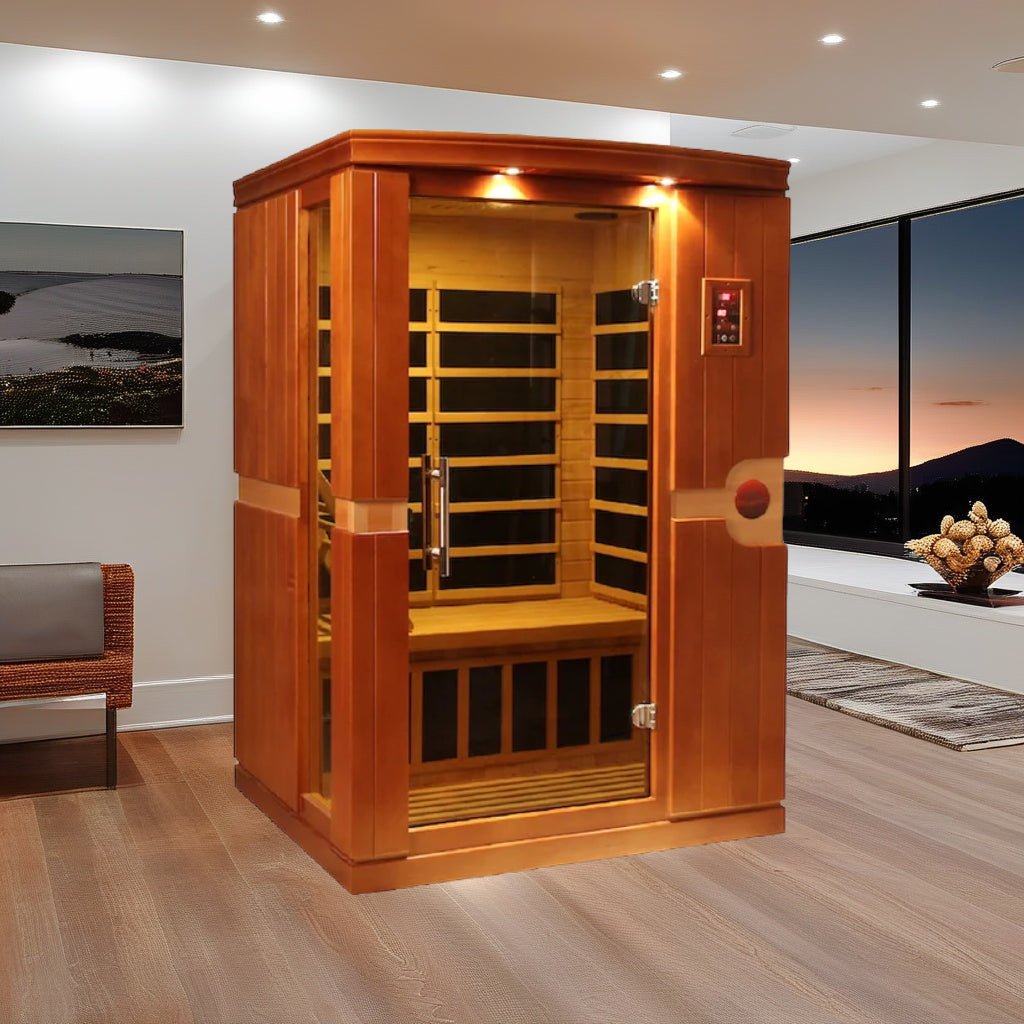
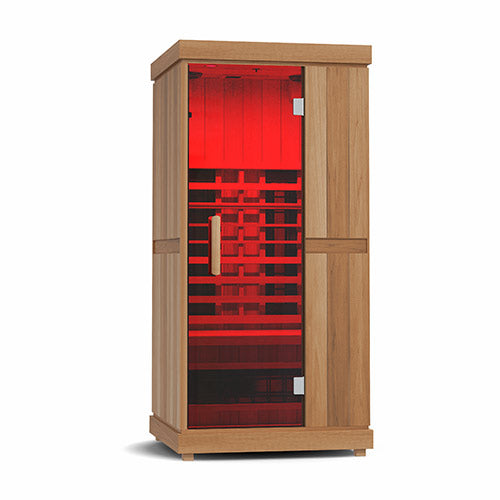
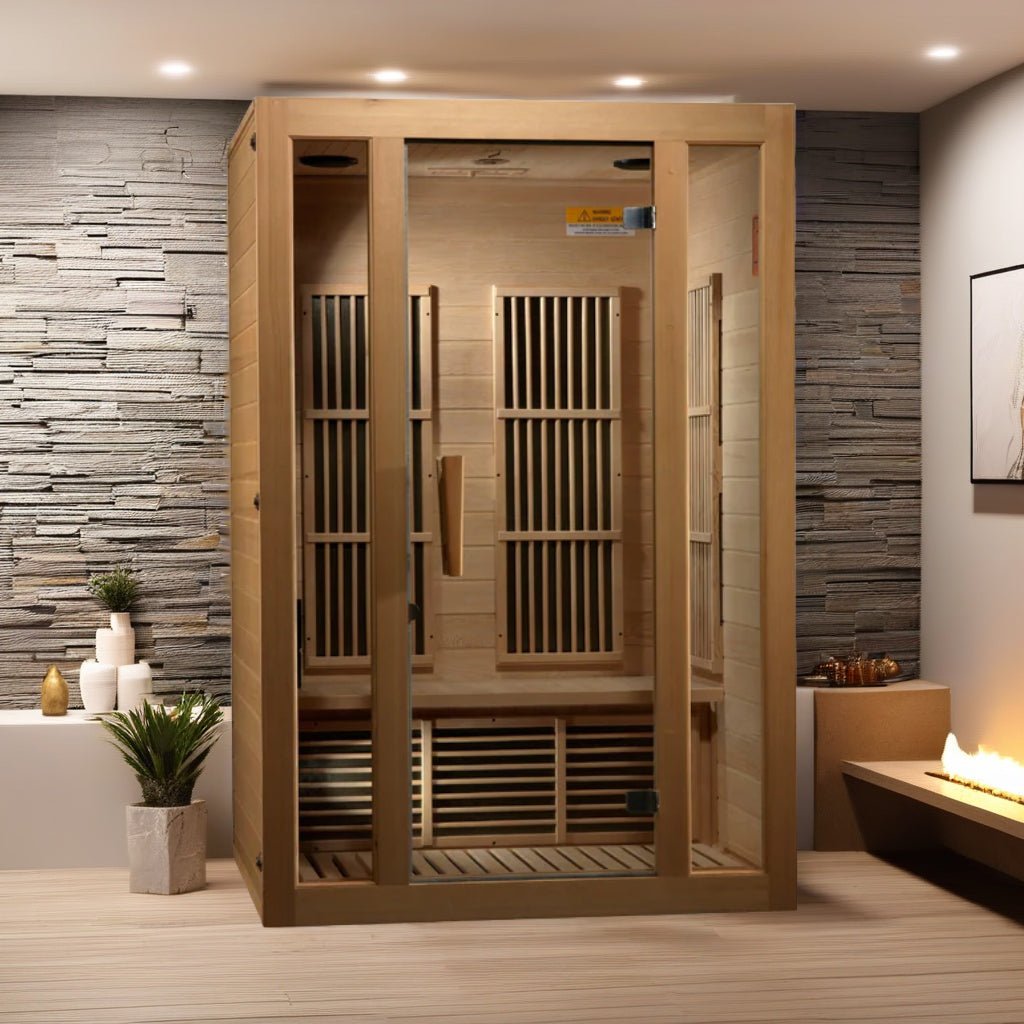
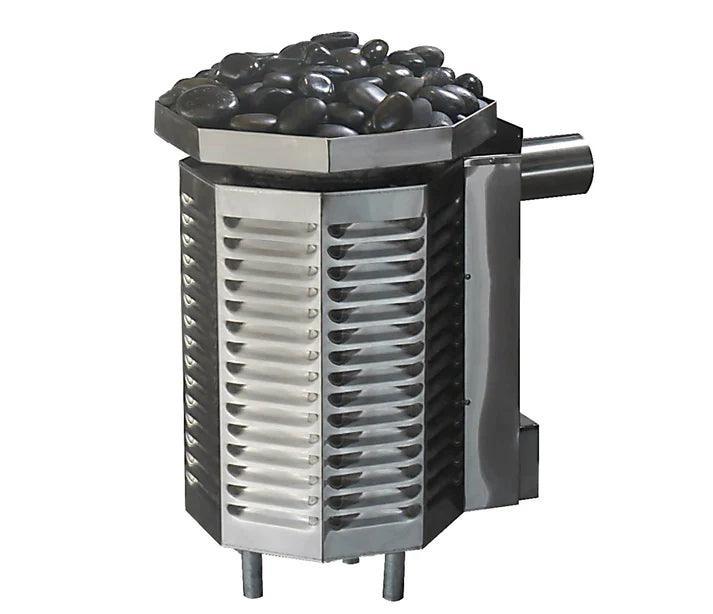
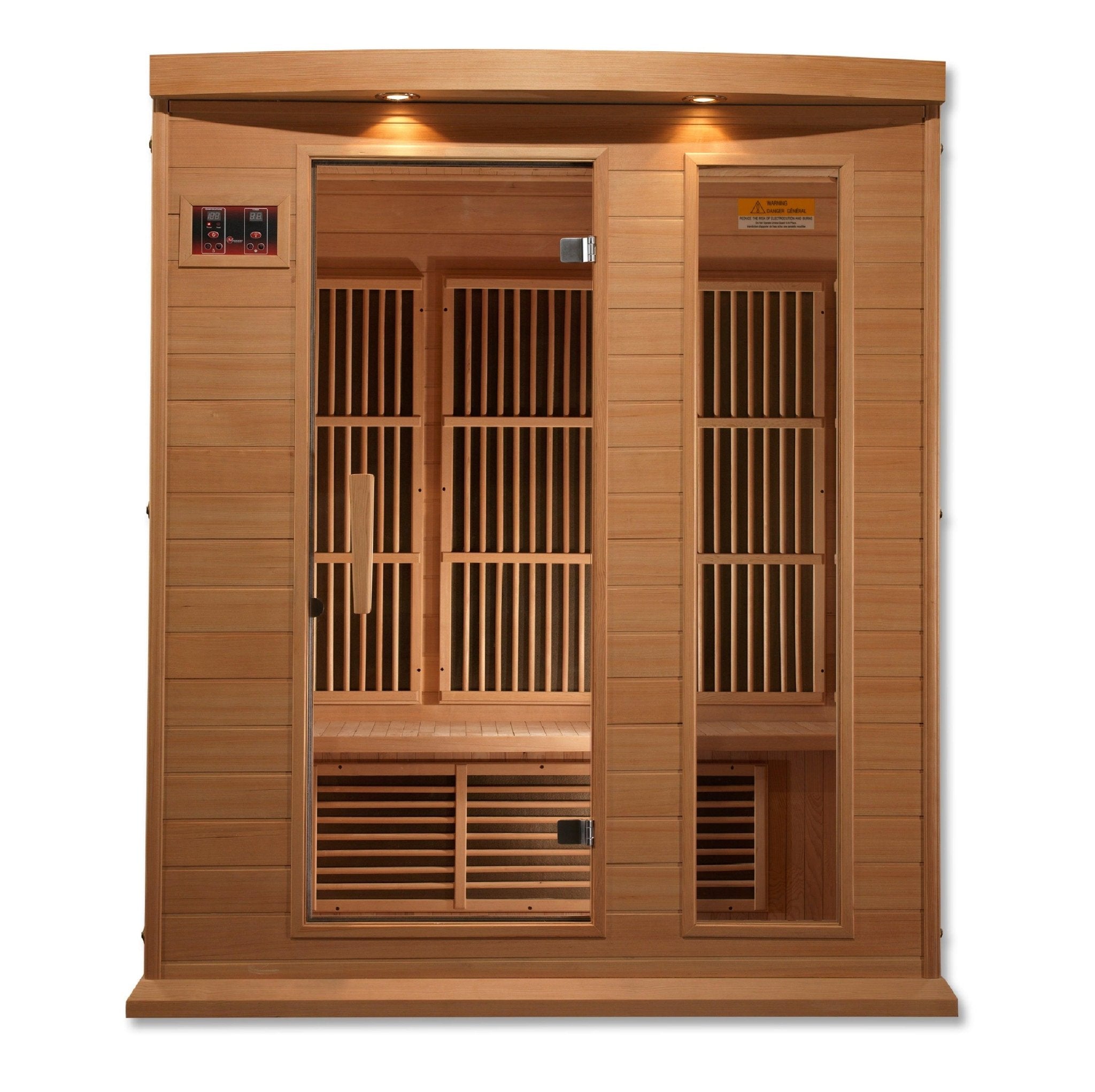
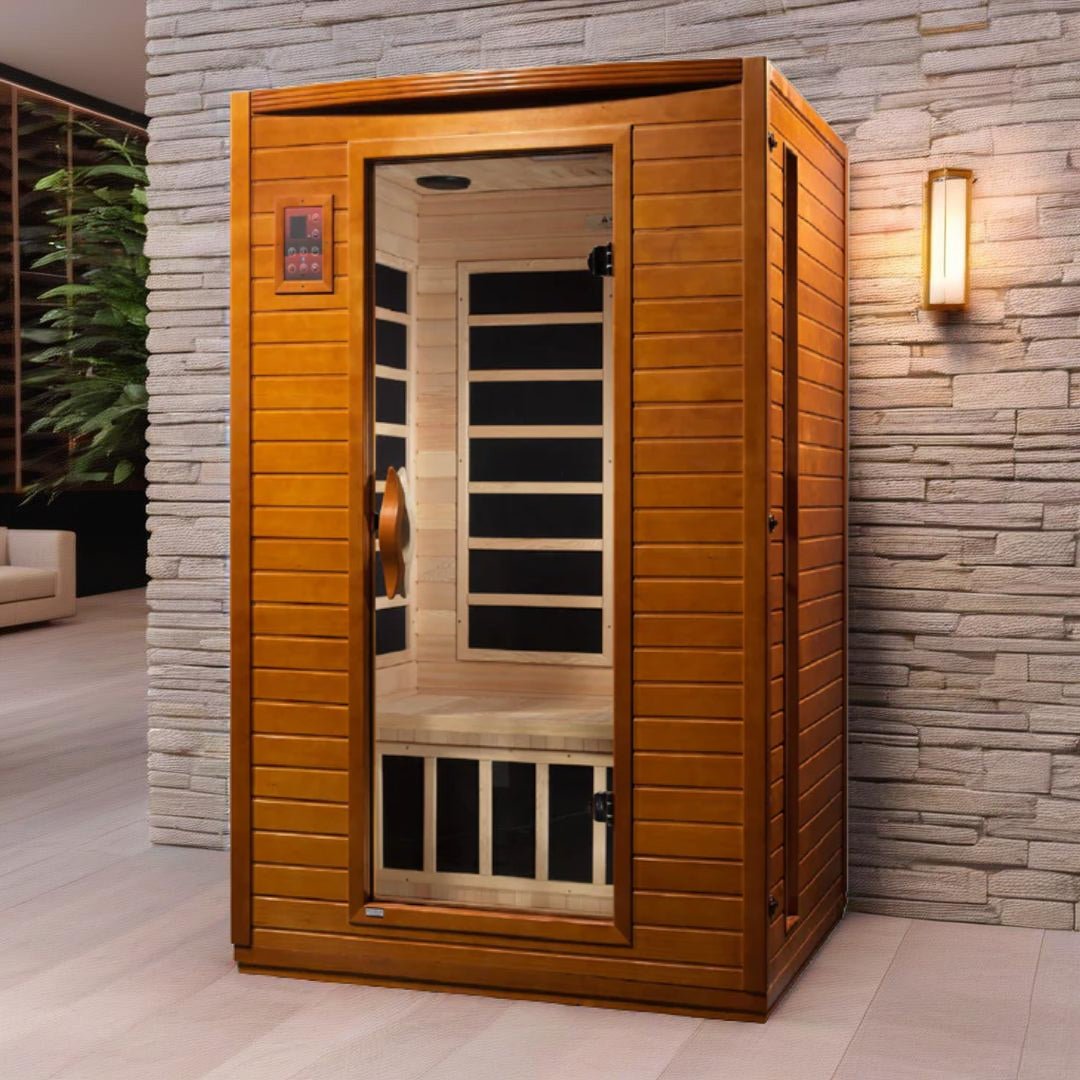
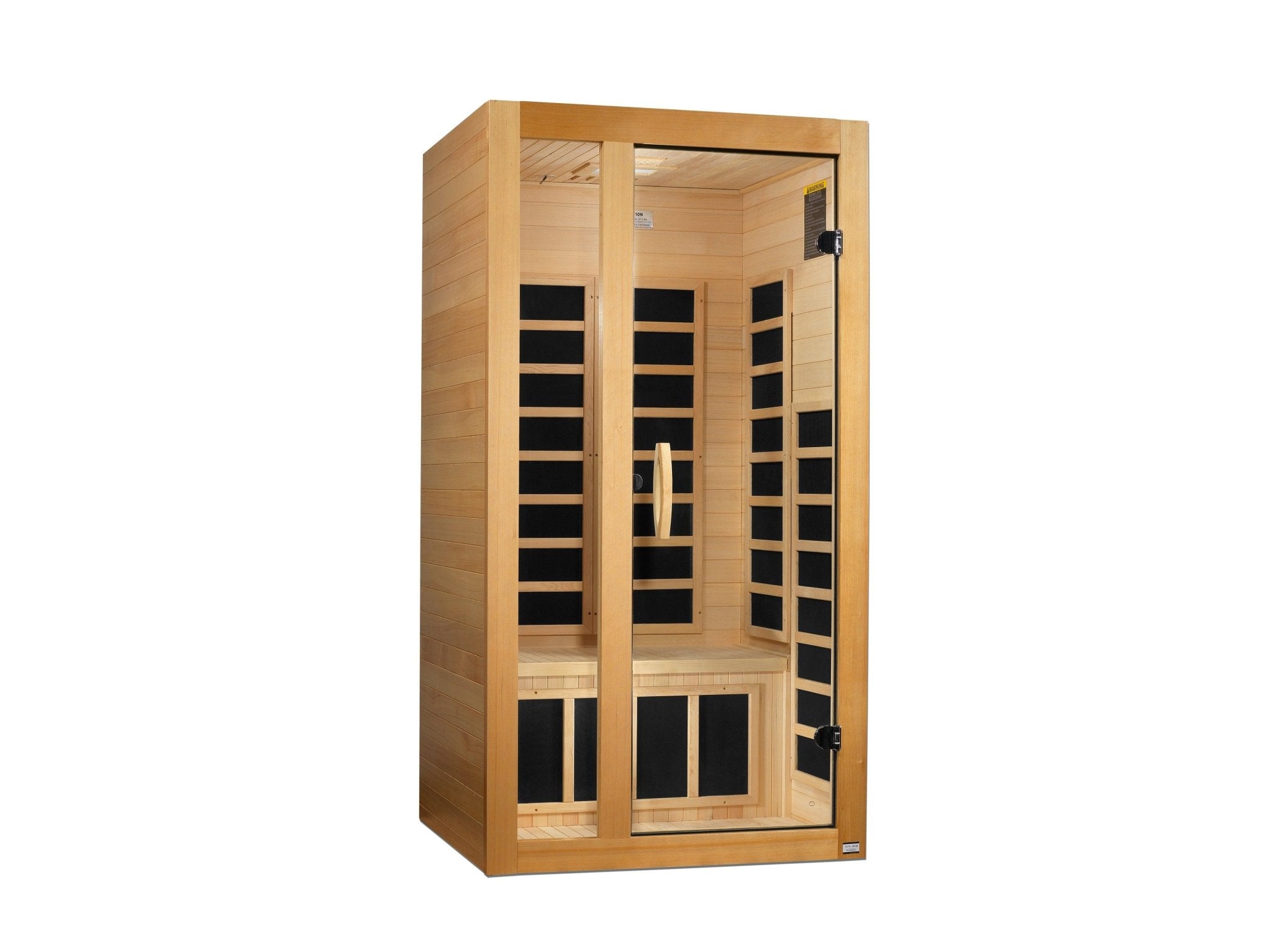
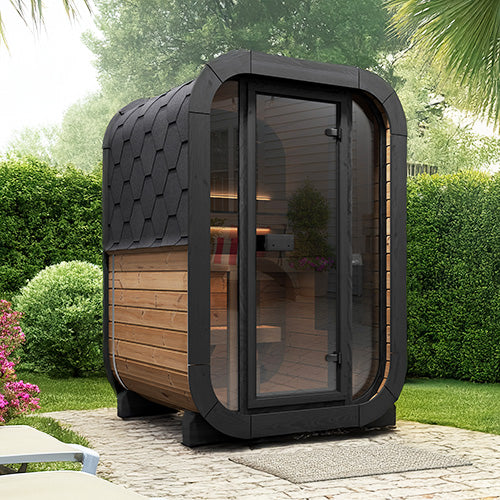
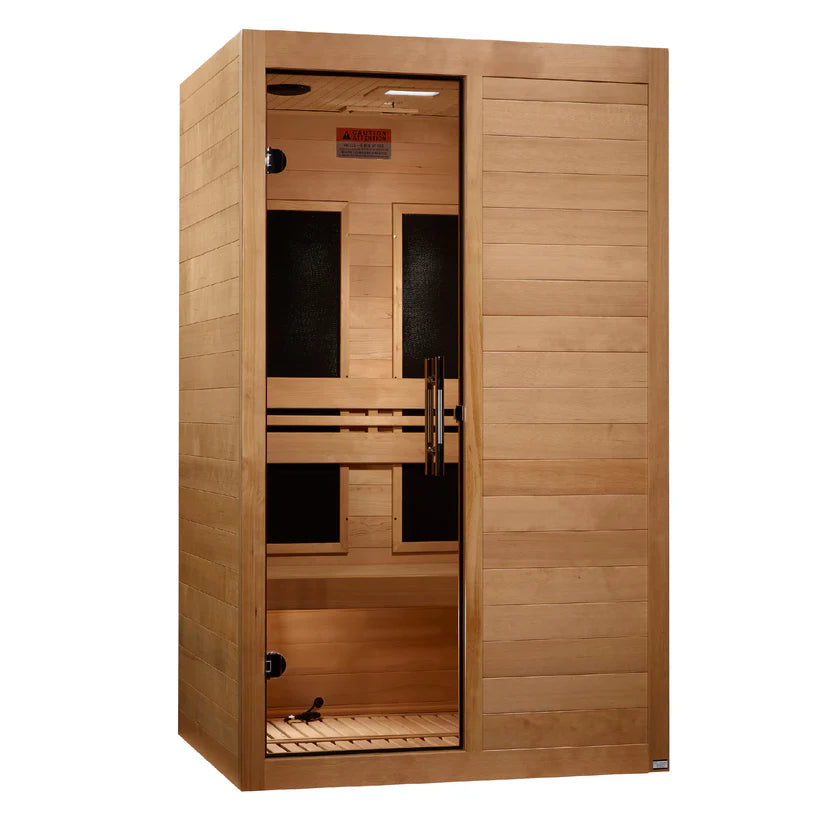
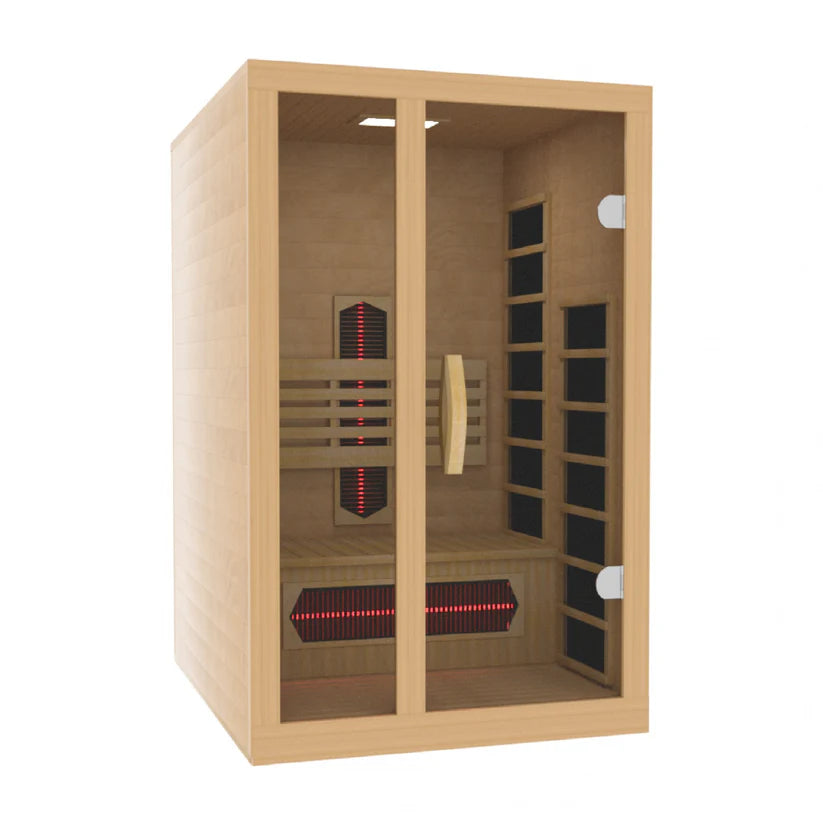
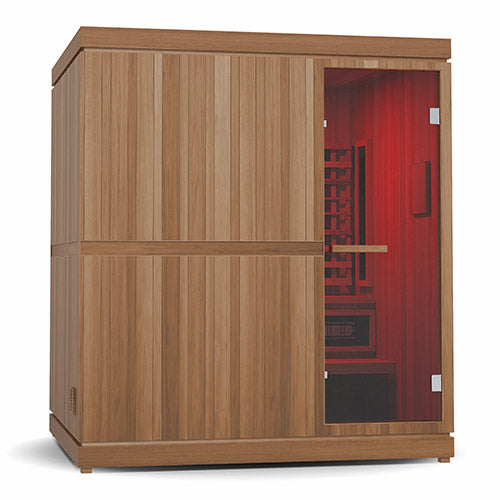
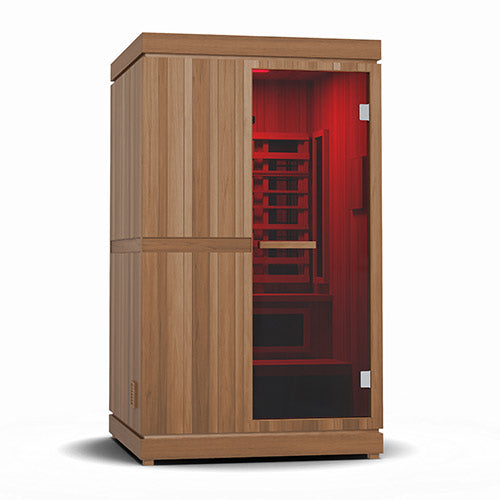
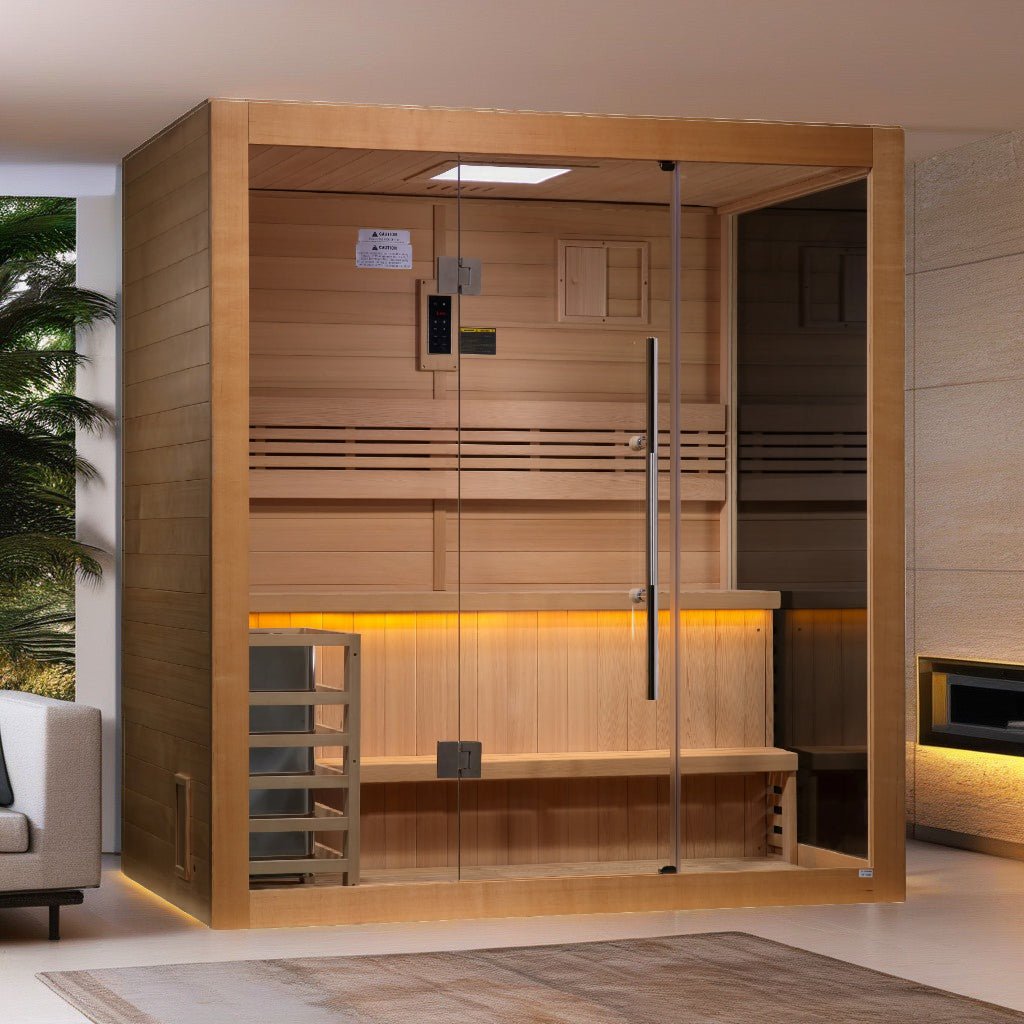
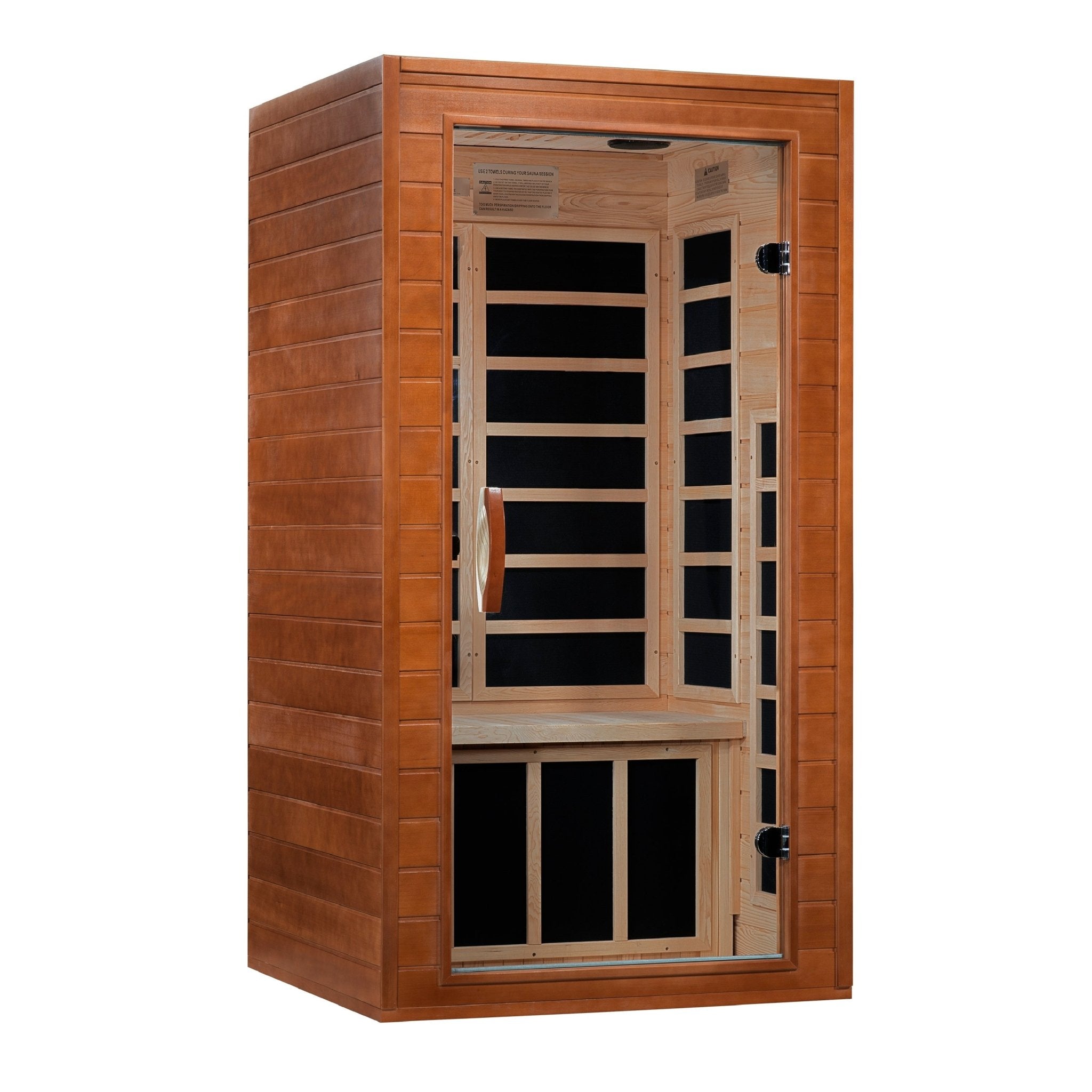
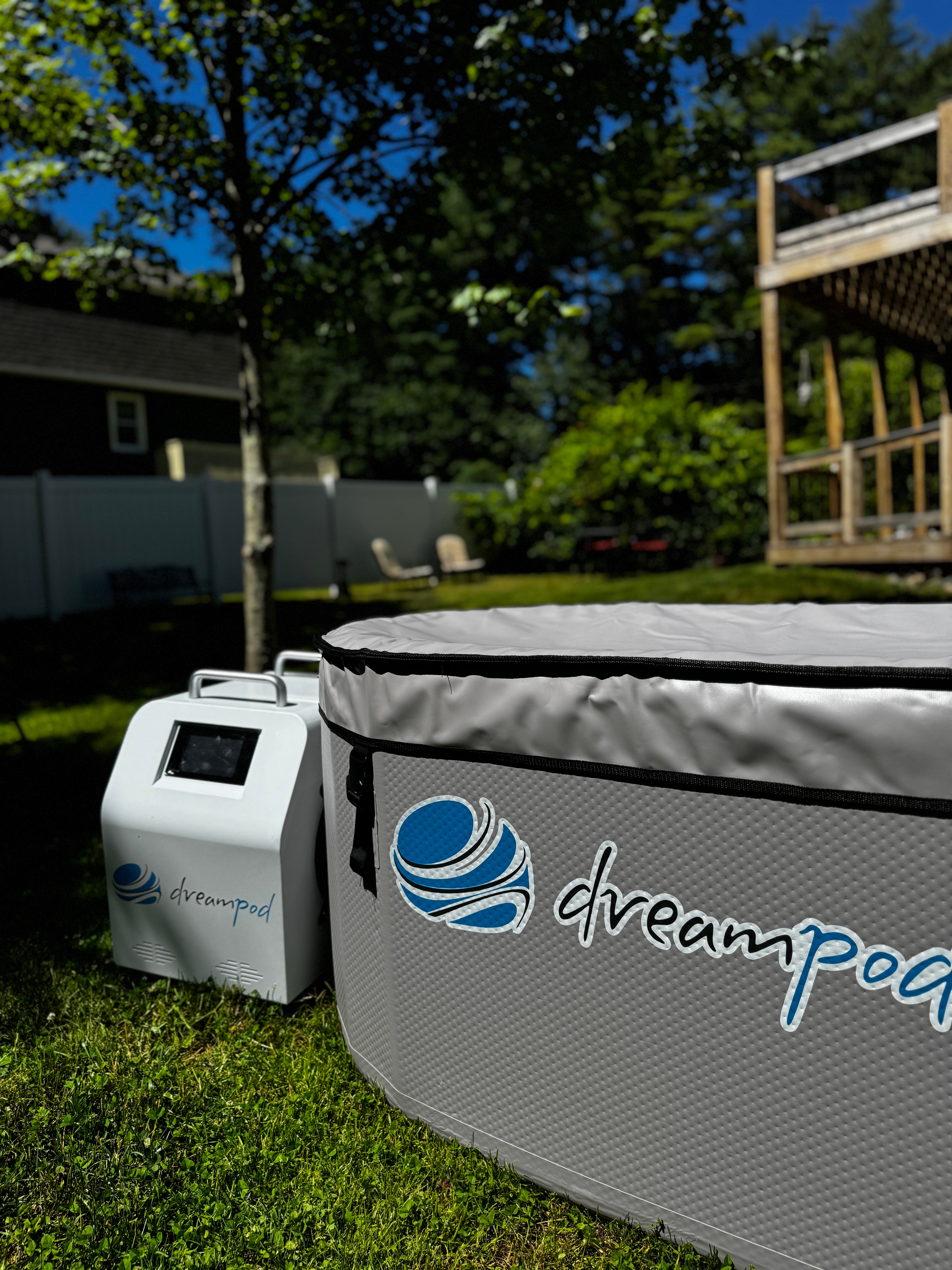
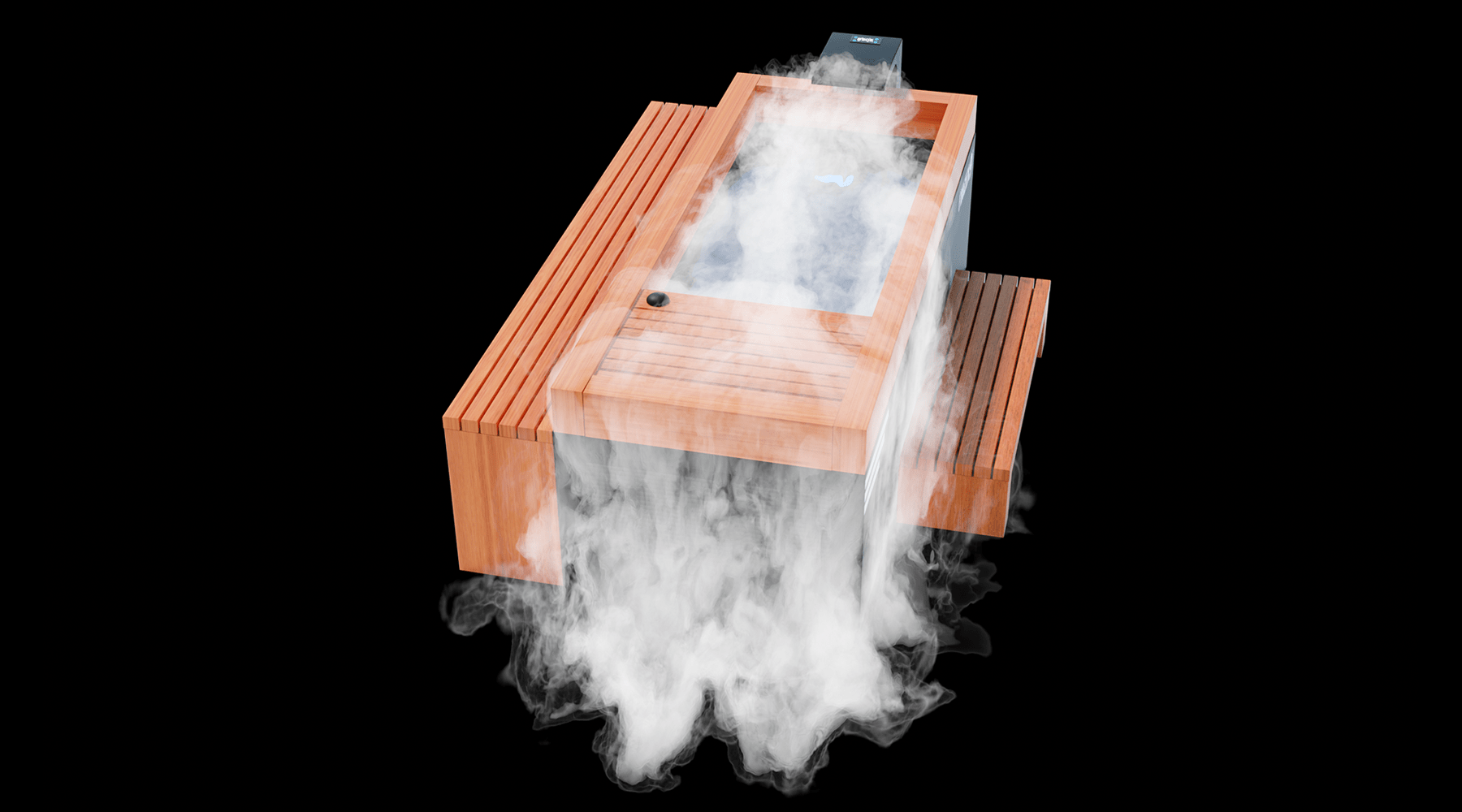
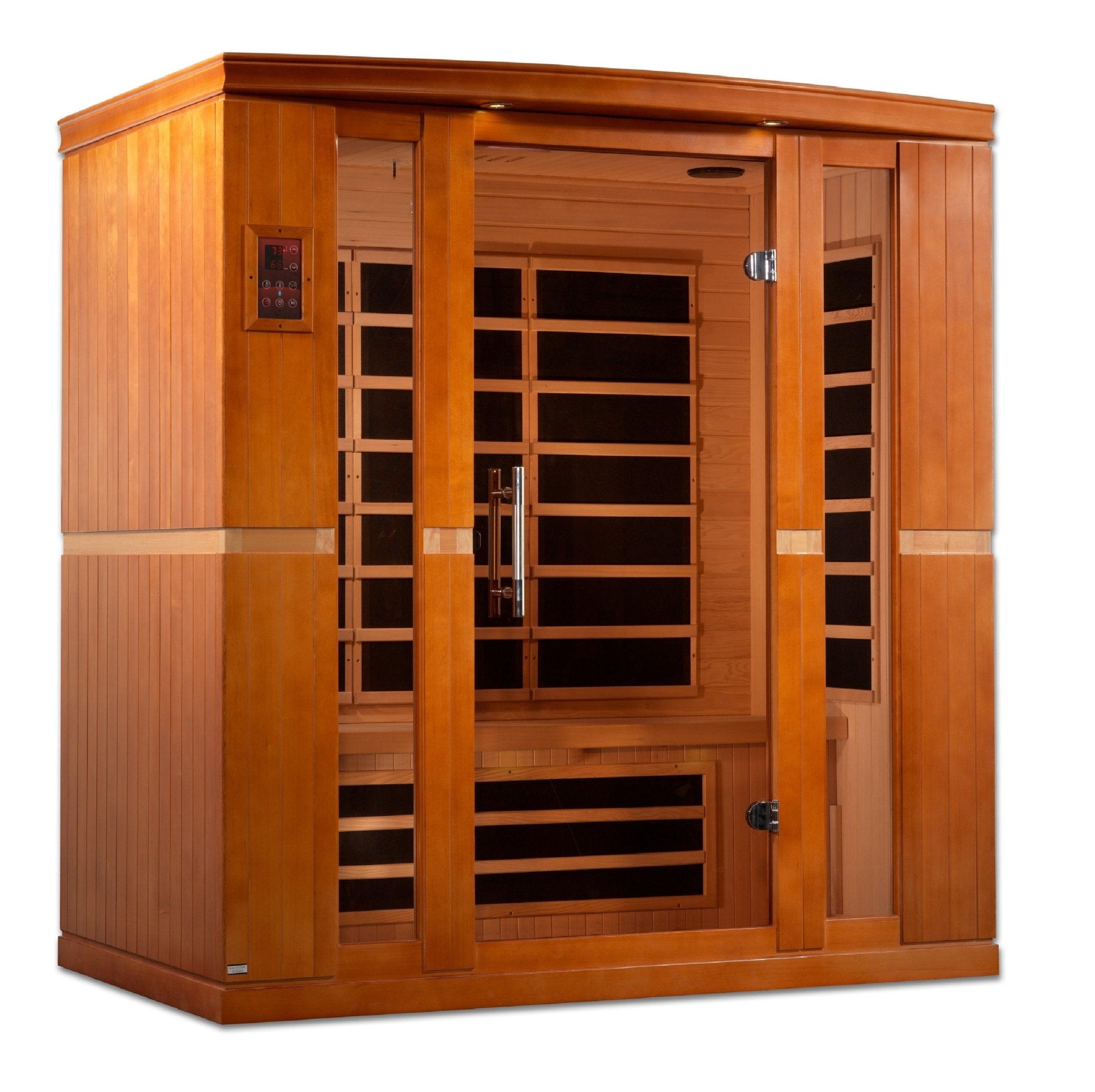
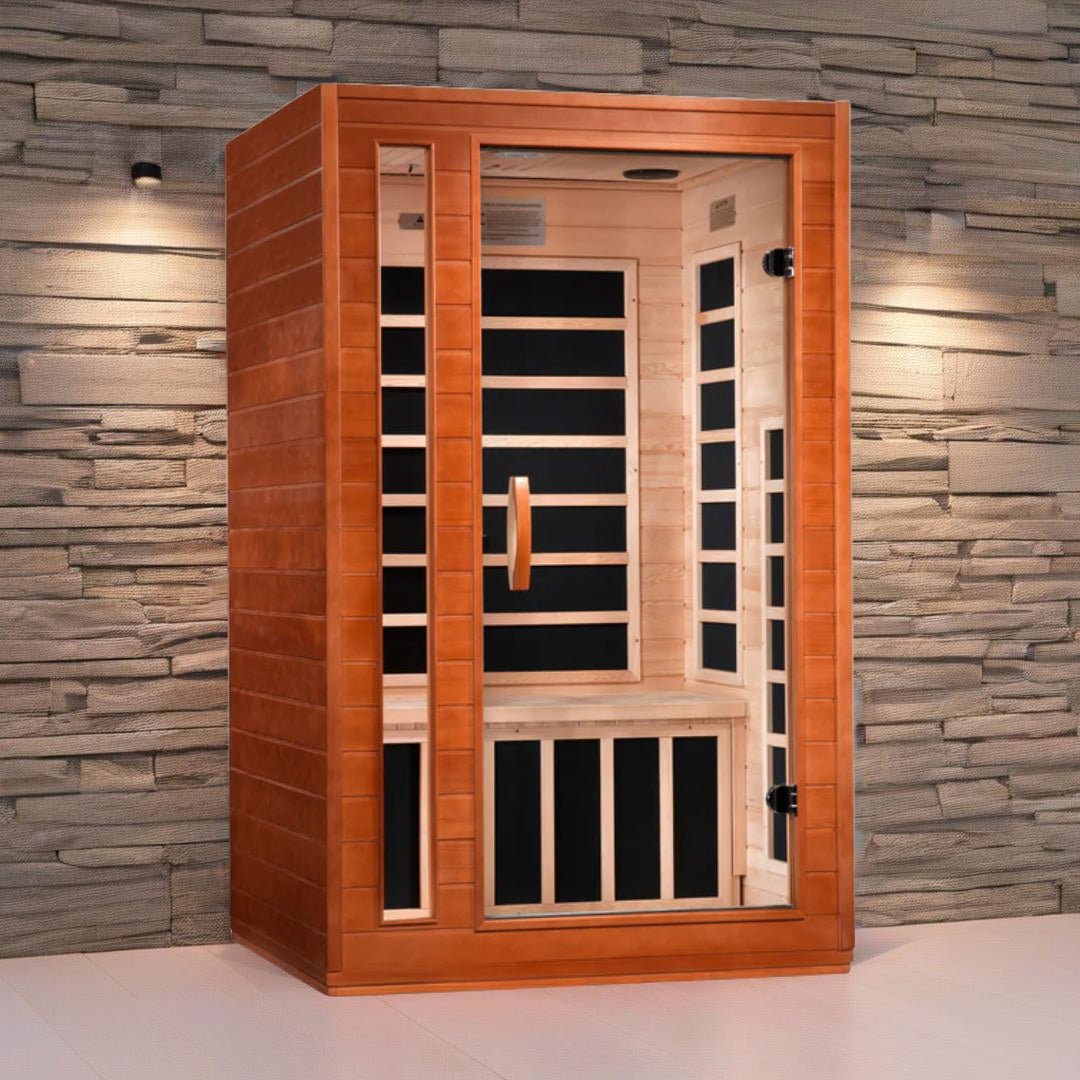
Contrast therapy can be done at home or accessed through wellness centers. Many facilities offer specialized treatments, such as contrast baths or cold plunge pools. For those looking to invest in personal wellness equipment, consider exploring products that facilitate this therapy, such as sauna systems or cold plunge tubs. You can find various options at InHouse Wellness for saunas and cold plunge tubs.
FAQs
1. How long should I do contrast therapy?
A typical session lasts about 20-30 minutes, alternating between hot and cold for 3-5 rounds.
2. Can I use contrast therapy every day?
Yes, for most individuals, contrast therapy can be safely performed several times a week. However, listen to your body and adjust frequency as needed.
3. What conditions can benefit from contrast therapy?
Conditions such as muscle soreness, chronic pain, and inflammation can benefit from contrast therapy, but always consult with a healthcare provider for tailored advice.
4. Can I do contrast therapy at home?
Absolutely! You can easily set up a hot bath and cold shower at home or use ice packs for cold treatment.
5. Is contrast therapy safe for everyone?
While generally safe, individuals with certain medical conditions should consult a healthcare professional before starting contrast therapy.
6. How does contrast therapy differ from cryotherapy?
Contrast therapy alternates between hot and cold, while cryotherapy focuses solely on cold treatment to reduce inflammation and pain.
7. What are some signs that contrast therapy is working?
Signs include reduced muscle soreness, improved flexibility, and a general sense of relaxation and well-being.
Incorporating contrast therapy into your wellness regimen can yield significant benefits, from improved circulation to enhanced recovery. Whether you are an athlete or simply looking to manage stress and pain, this method can be a valuable addition to your health toolkit. Explore options for contrast therapy today and feel the transformative effects on your body and mind!
For more holistic wellness solutions, check out massage chairs and floatation therapy tanks.
Author Bio: A wellness enthusiast and researcher, I specialize in holistic health practices. Through evidence-based insights, I aim to empower individuals to take charge of their health and well-being.
View More ArticlesTransform Your Mind: How 8 Weeks of Meditation Reshapes Your Brain
Natural Remedies for Sunday Scaries: A Holistic Approach
Related Posts

Are Infrared Saunas Safe? A Science-Based Guide to Benefits, Risks & Smart Use

The 8 Best 2 Person Saunas of 2026: A Buyer's Guide to Size, Type, and Cost

The Truth About Costco Saunas: Are They Worth the Price and Hassle?

Arcadia Barrel Sauna: The Complete Buyer's Guide & Assembly Blueprint

Low EMF vs Near-Zero EMF Infrared Saunas: What Actually Matters Before You Buy

Chromotherapy vs No Chromotherapy: Who Benefits From It (Practically)? The Buyer's Decision Guide

The Science of Heat: How Saunas Improve Circulation and Cardiovascular Health
