








The Ultimate Airbnb Wellness Amenity Guide: Saunas, Hot Tubs & Cold Plunges
The short version: Adding a sauna, hot tub, cold plunge, or massage chair to your Airbnb can help differentiate your listing, support higher nightly rates, and attract wellness-oriented guests—but results depend on your market, climate, operating costs, and how well you maintain and market the amenity.
TL;DR
-
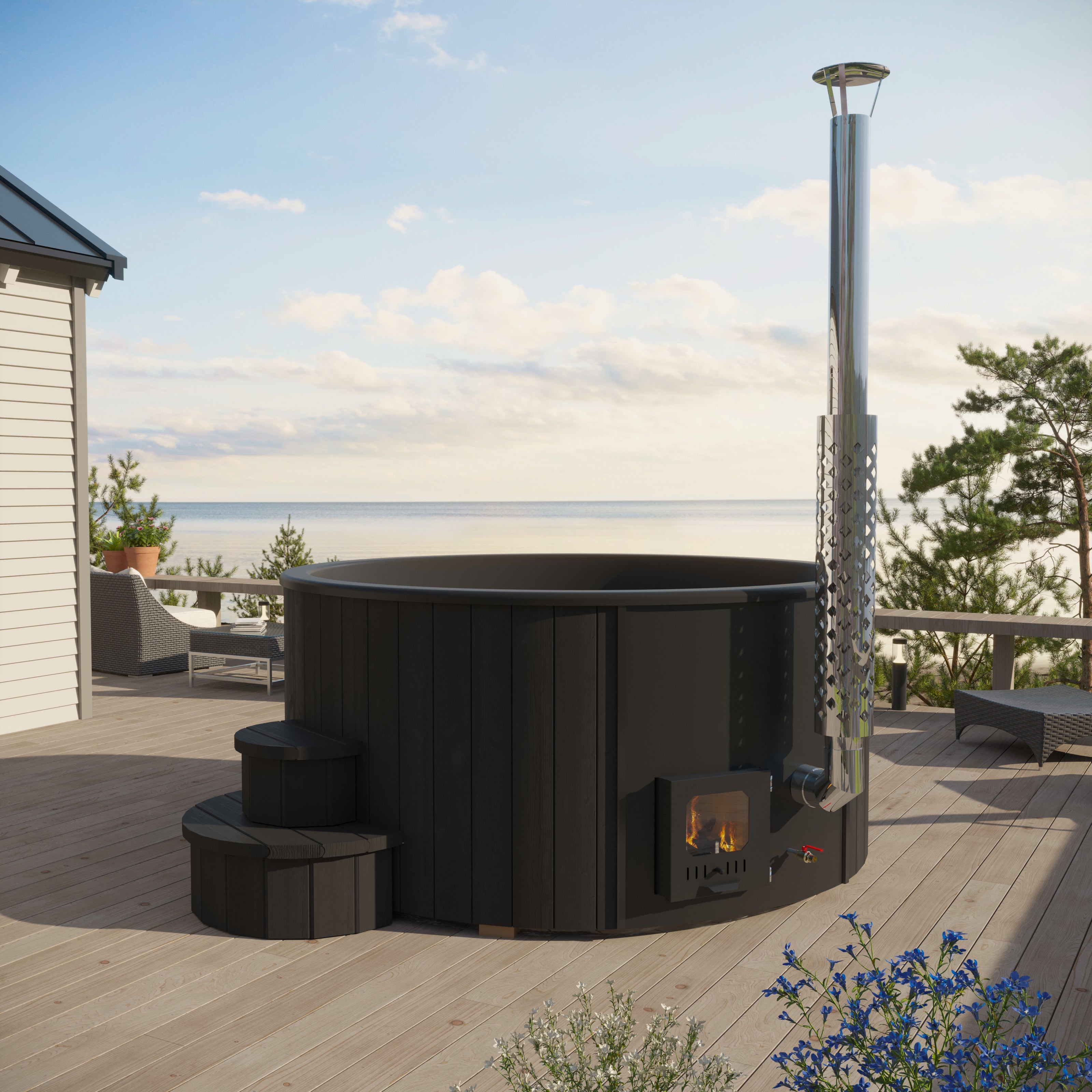
Hot tubs carry the strongest guest demand signal but require strict sanitation and ongoing maintenance to operate safely. The CDC recommends chlorine levels of 3–10 ppm in residential hot tubs (CDC, 2024).
-
Saunas—traditional, barrel, or infrared—signal luxury and pair naturally with cabin, mountain, and retreat-style properties. A large Finnish cohort study found sauna use was associated with lower cardiovascular mortality, though the research is observational, not prescriptive (JAMA Internal Medicine, 2015).
-
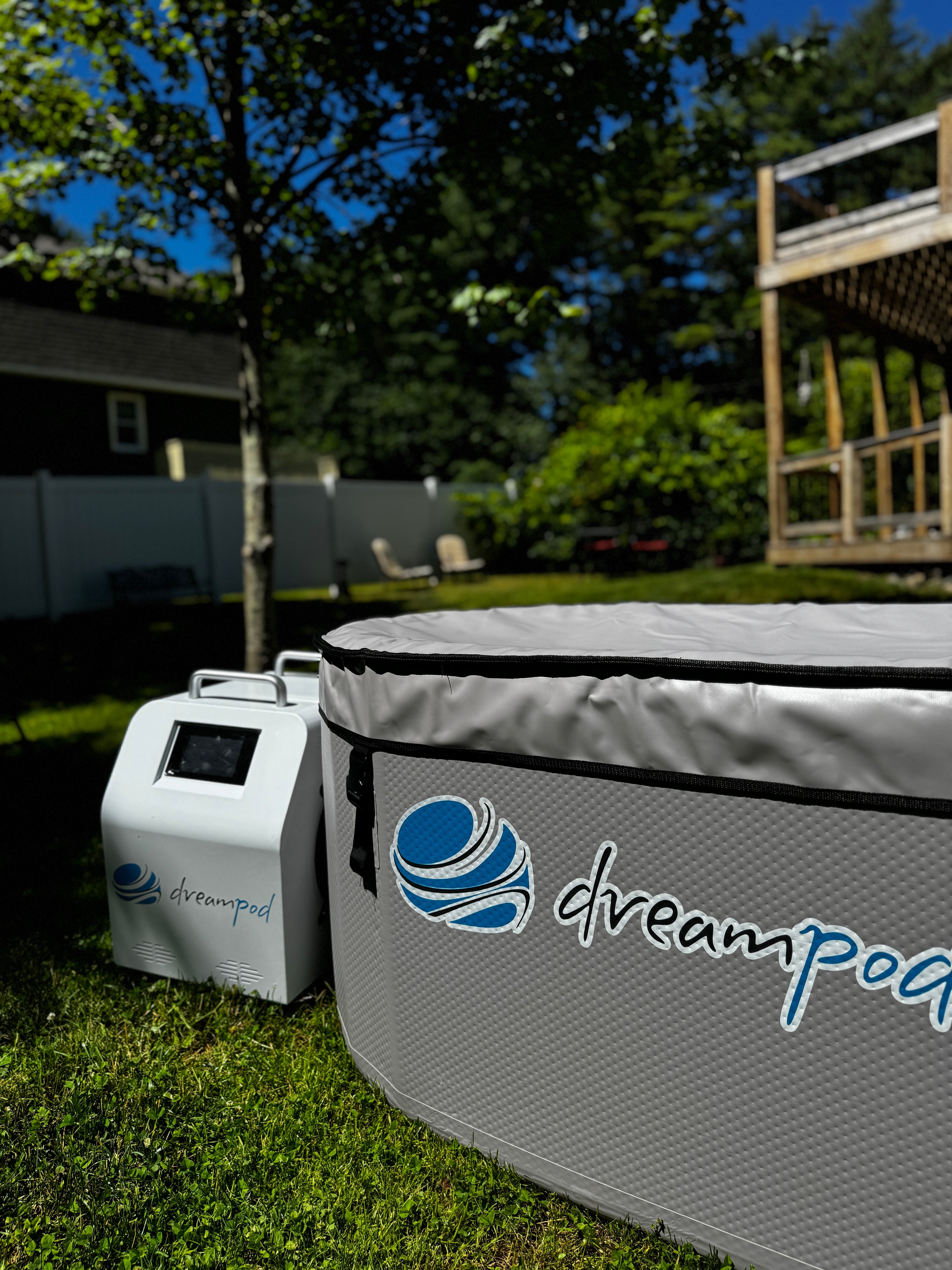
Cold plunges are trending in wellness and biohacking circles and work especially well when paired with a sauna. Short-term recovery benefits are moderate; long-term health claims are not well-established (PubMed, 2019).
-
Massage chairs offer a low-renovation wellness upgrade with minimal maintenance, appealing to luxury and older-guest demographics.
-
ROI is not guaranteed. Calculate total install cost, utilities, chemicals, cleaning labor, and insurance before projecting a payback period.
-
Every high-heat or water amenity requires written guest rules, insurer disclosure, and documented sanitation logs. Children should never use these amenities unsupervised, and alcohol use significantly increases injury risk.
Table of Contents
-
Why Wellness Amenities Are the Key to Higher Airbnb Revenue
-
Hot Tubs: The Proven Booking Driver
-
Saunas: Elevating the Luxury Guest Experience
-
Cold Plunges: The Trending Amenity for Health-Conscious Travelers
-
Massage Chairs: High-Impact Wellness Without the Renovation
-
Calculating Your ROI: Costs vs. Projected Revenue
-
Essential Maintenance and Cleaning Protocols
-
Navigating Insurance, Liability, and Guest Rules
-
How to Market Your New Wellness Amenities
-
Myths and Misconceptions
-
Experience Layer: Tracking Your Amenity Investment
-
Frequently Asked Questions
-
Sources
-
What We Still Don't Know
Why Wellness Amenities Are the Key to Higher Airbnb Revenue
Bottom line: Travelers are increasingly choosing accommodations that support rest, recovery, and personal health—not just a roof over their heads. In a crowded short-term rental market, a well-positioned wellness amenity can shift your listing from "nice stay" to "the one with the sauna."
The wellness travel signal hosts should not ignore
Global wellness tourism reached $651 billion in 2022 and has been on a consistent upward trajectory (Global Wellness Institute, 2023). While that number reflects the full industry—spas, wellness resorts, fitness travel—the underlying trend matters for STR hosts: guests are allocating more money and intention to stays that make them feel restored.
That demand shows up in how people search for Airbnbs. Keywords like "hot tub," "sauna," "cold plunge," and "spa" are active filters for health-conscious travelers. If your listing doesn't include these amenities, it may not surface in searches by guests already willing to pay for them.
If you're thinking about building a more complete wellness setup, our guide to how to build a home wellness spa walks through the components and decisions involved.
Why amenities affect perceived value
Wellness amenities don't just create health experiences—they drive listing photography, guest decision-making, and perceived price justification. Industry analyses from AirDNA suggest listings with hot tubs tend to outperform comparable listings on ADR (average daily rate) and occupancy in relevant markets, though results vary significantly by location, competition, and seasonality (AirDNA, 2022).
Airbnb's own research on amenity preferences shows that high-demand features influence booking decisions across guest demographics—especially for groups and longer stays (Airbnb, 2023).
The key caveat: wellness amenities support differentiation, not guaranteed revenue. A hot tub in a market with no comparable demand, or in a property that can't photograph it attractively, may not pay off on its own.

Hot Tubs: The Proven Booking Driver
Bottom line: Hot tubs are one of the highest-demand wellness amenities in the STR market. They photograph well, appeal across demographics, and can support higher nightly rates—but they also require real operational discipline around sanitation, safety, and guest rules.
Why hot tubs photograph and sell well
A private hot tub activates one of the strongest visual cues in short-term rental marketing: relaxation in your own space. Whether it's a cedar deck overlooking mountains, a tucked-in corner with string lights, or a backyard escape at a desert retreat, hot tubs anchor the "private retreat" story that luxury travelers pay to access.
That visual quality translates into listing performance. Couples, groups, remote workers, and anniversary travelers consistently rank hot tub availability as a top filter. The perceived value is high relative to the guest experience cost—they're not paying for a gym or a view; they're paying for an effortless evening ritual.
Hydrotherapy—the therapeutic use of warm water—may support relaxation and offer temporary relief from muscular tension (PubMed, hydrotherapy study). Don't market it as treatment, but do market it as an experience.
Hot tub sanitation rules hosts need to understand
The CDC is direct on this point: poorly maintained hot tubs can spread serious infections. Documented outbreaks of Legionella (which causes Legionnaires' disease) and Pseudomonas (which causes hot tub folliculitis) are linked to improper disinfectant levels and infrequent testing (CDC, 2018; CDC Healthy Water, 2024).
Required maintenance parameters:
-
Chlorine: 3–10 ppm (CDC recommended range for residential hot tubs)
-
pH: Typically 7.2–7.8 (verify with manufacturer and local guidance)
-
Test and document water quality between every guest stay
-
Drain, clean, and refill per manufacturer schedule (often every 3–4 months, or more frequently with high occupancy)
-
Keep a maintenance log—it matters for insurance claims and guest trust
When a hot tub may not be worth it
Not every property is a strong hot tub candidate. Consider skipping or delaying if:
-
Your market has low demand for outdoor relaxation amenities
-
The property lacks outdoor privacy or safe load-bearing surface area
-
Utility costs (electric or gas) significantly erode margins
-
HOA rules, permitting, fencing requirements, or local regulations make installation complicated
-
Your current turnover team cannot support regular water testing
Saunas: Elevating the Luxury Guest Experience
Bottom line: Saunas are one of the clearest signals of premium positioning in STR listings. They carry strong evidence for relaxation and cardiovascular associations when used regularly, and they appeal to guests who are willing to pay for a retreat-quality experience.
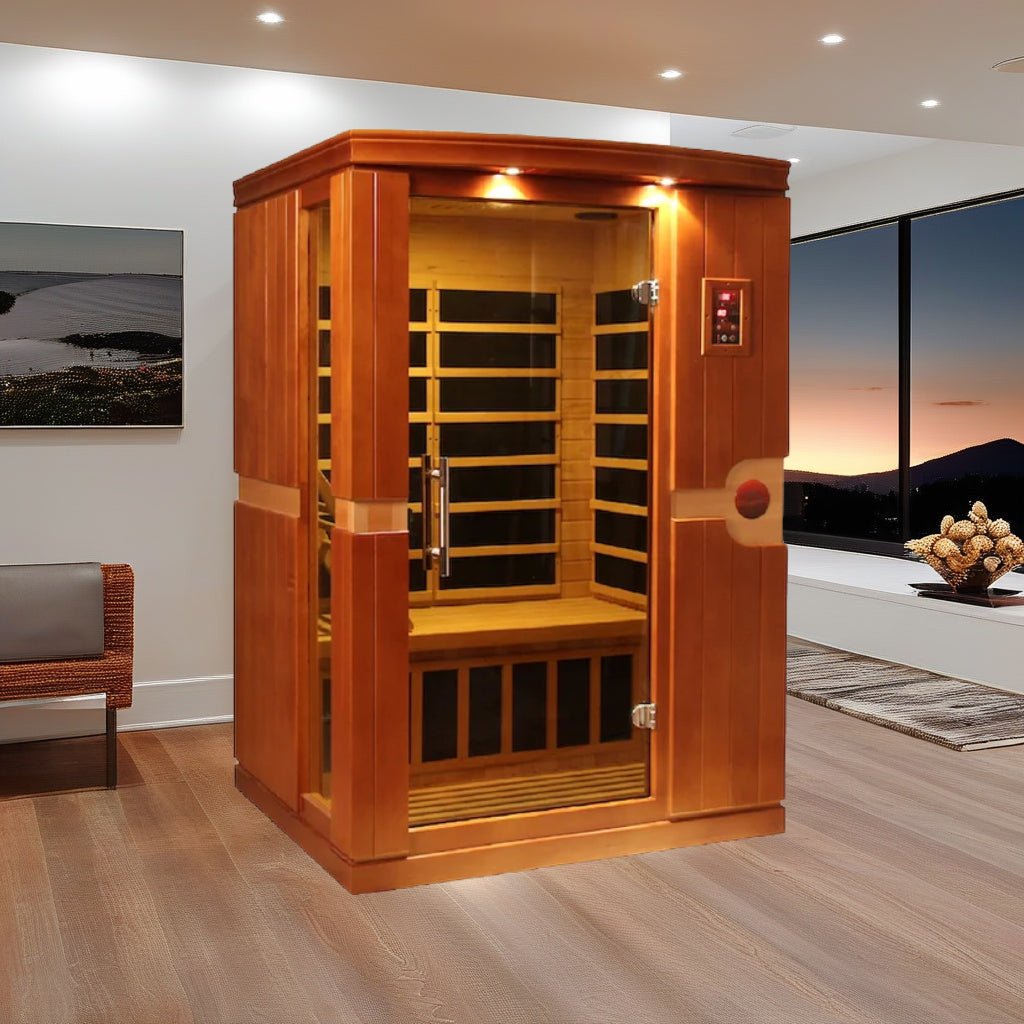
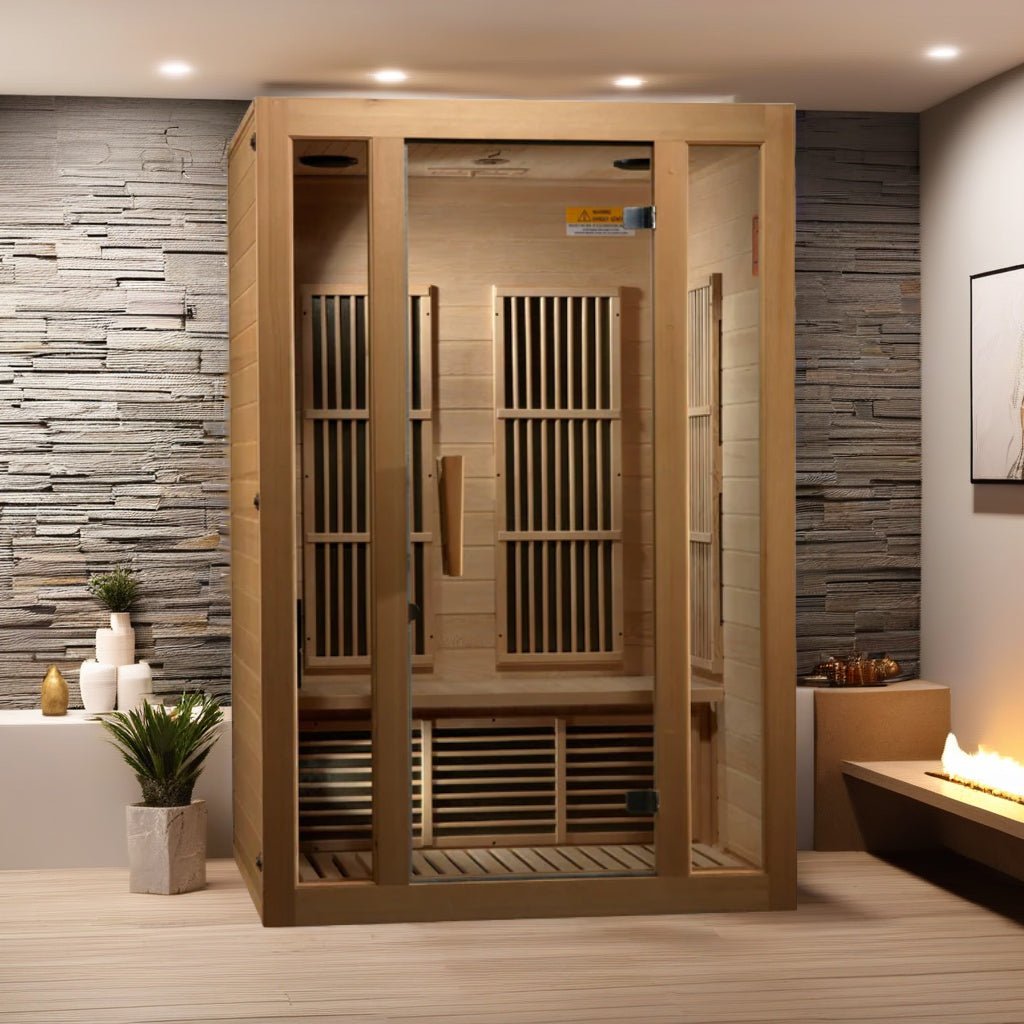
Traditional vs. infrared sauna for Airbnb hosts
The two most common residential sauna types each have distinct advantages for rental properties:
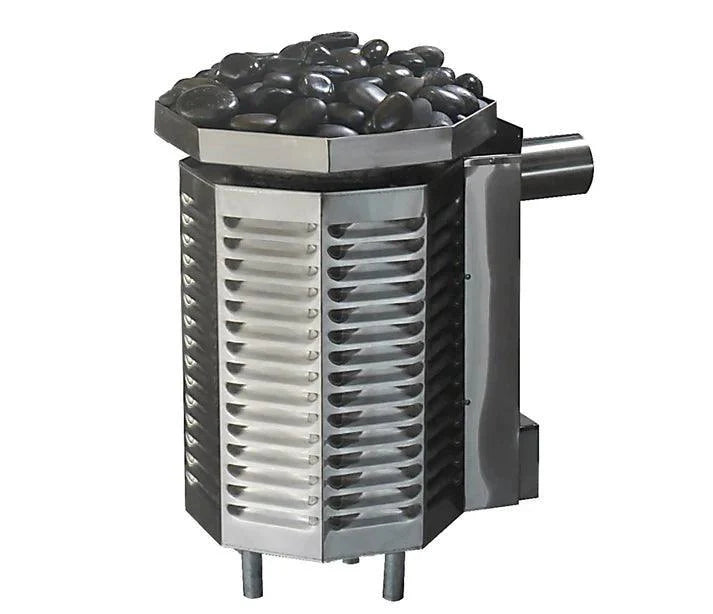
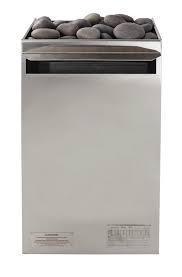
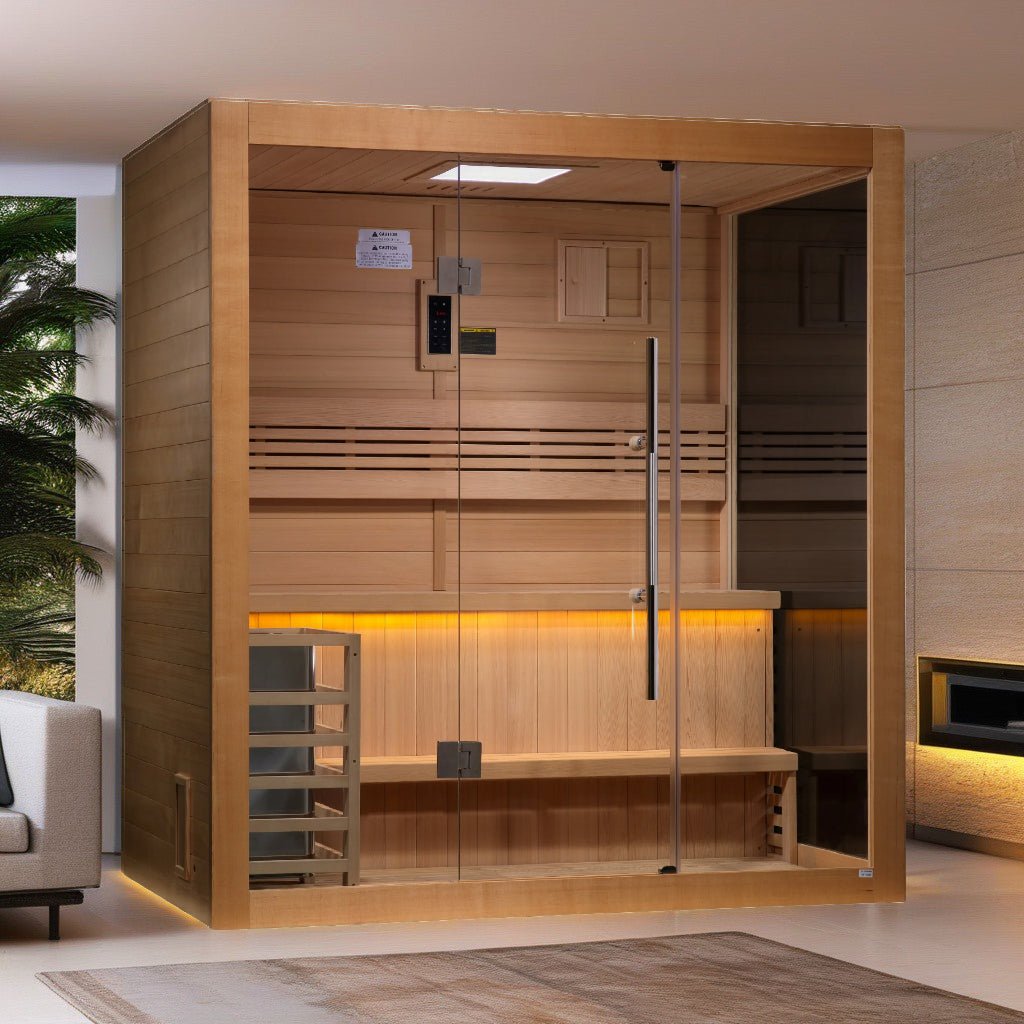
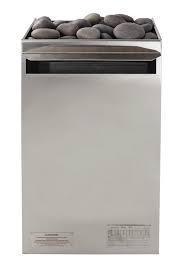
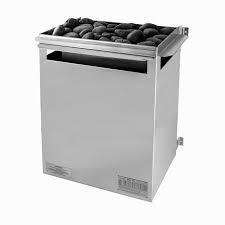
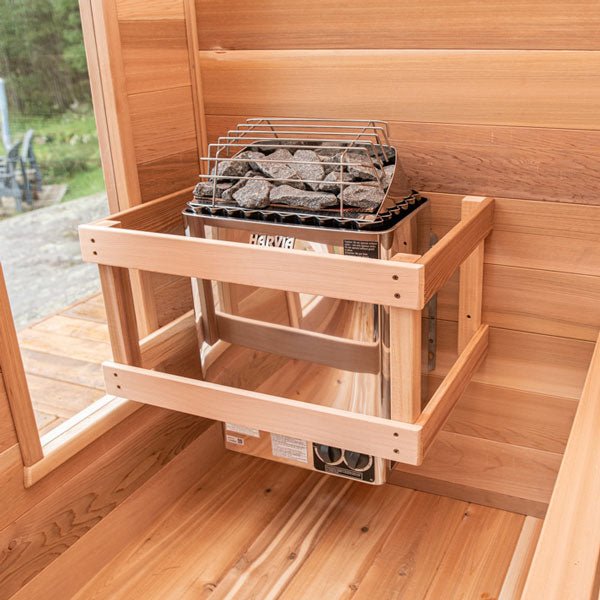
Traditional (Finnish-style) saunas operate at higher temperatures—typically 70–100°C—and use dry heat with optional steam from water poured over heated rocks. The research base for traditional saunas is more established: a cohort study of more than 2,300 Finnish men followed over 20 years found that frequent sauna use was associated with significantly lower cardiovascular mortality (JAMA Internal Medicine, 2015). This is observational, not causal, and applies to long-term regular users—not guests on a weekend stay—but the association reflects the cultural and physiological seriousness behind traditional sauna bathing.
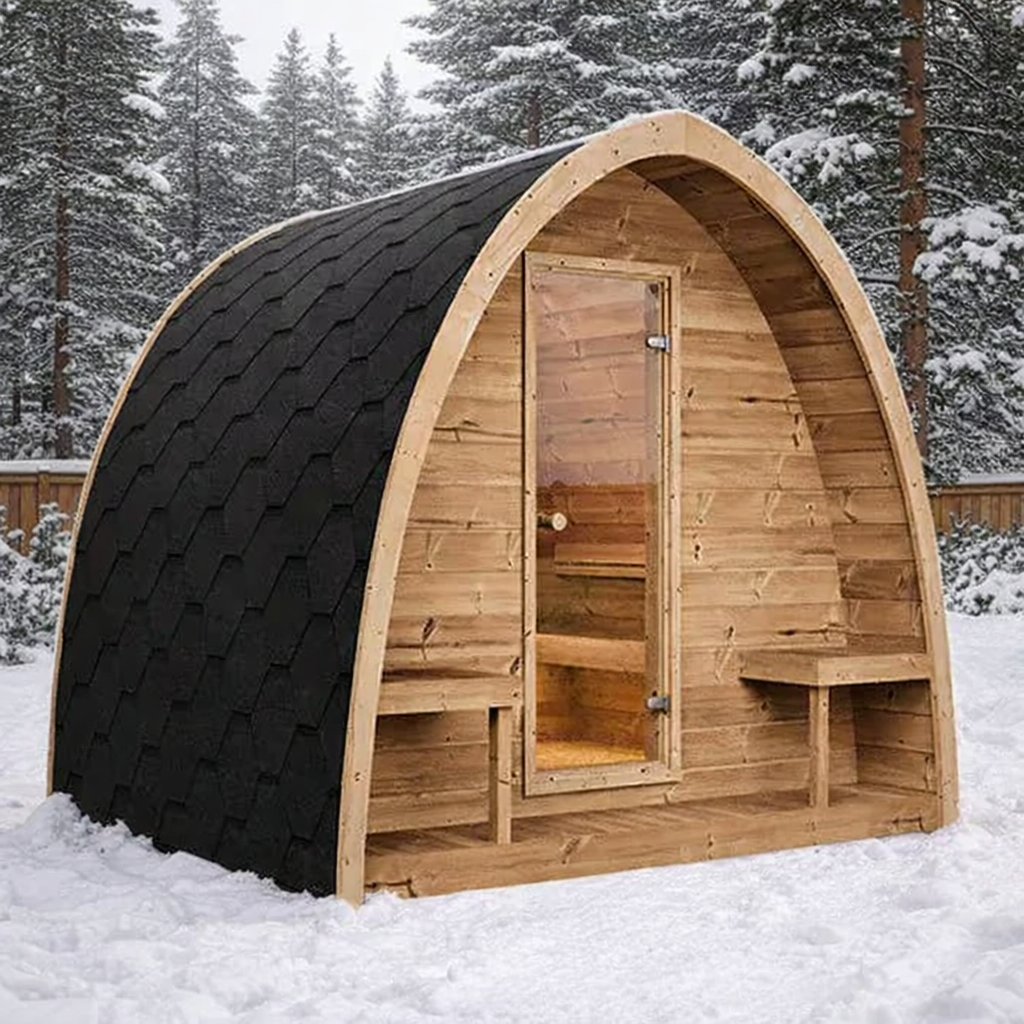
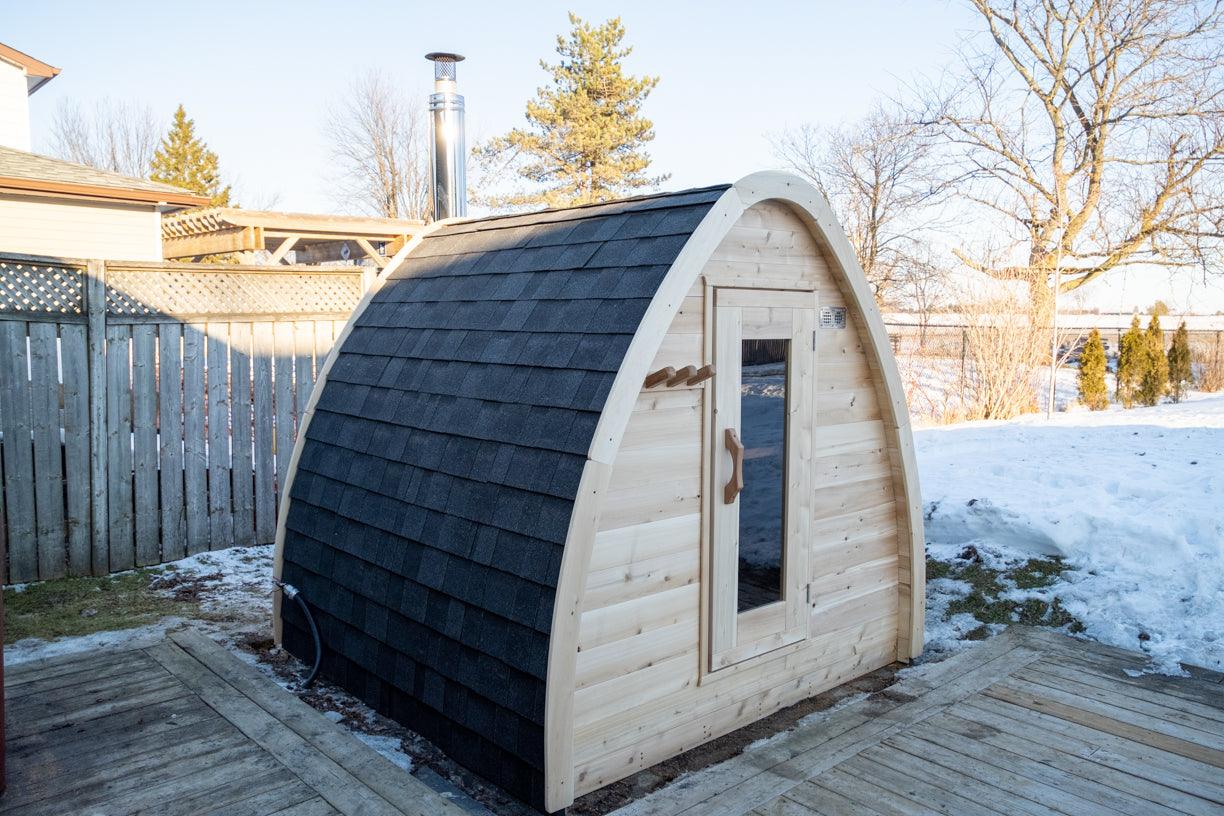
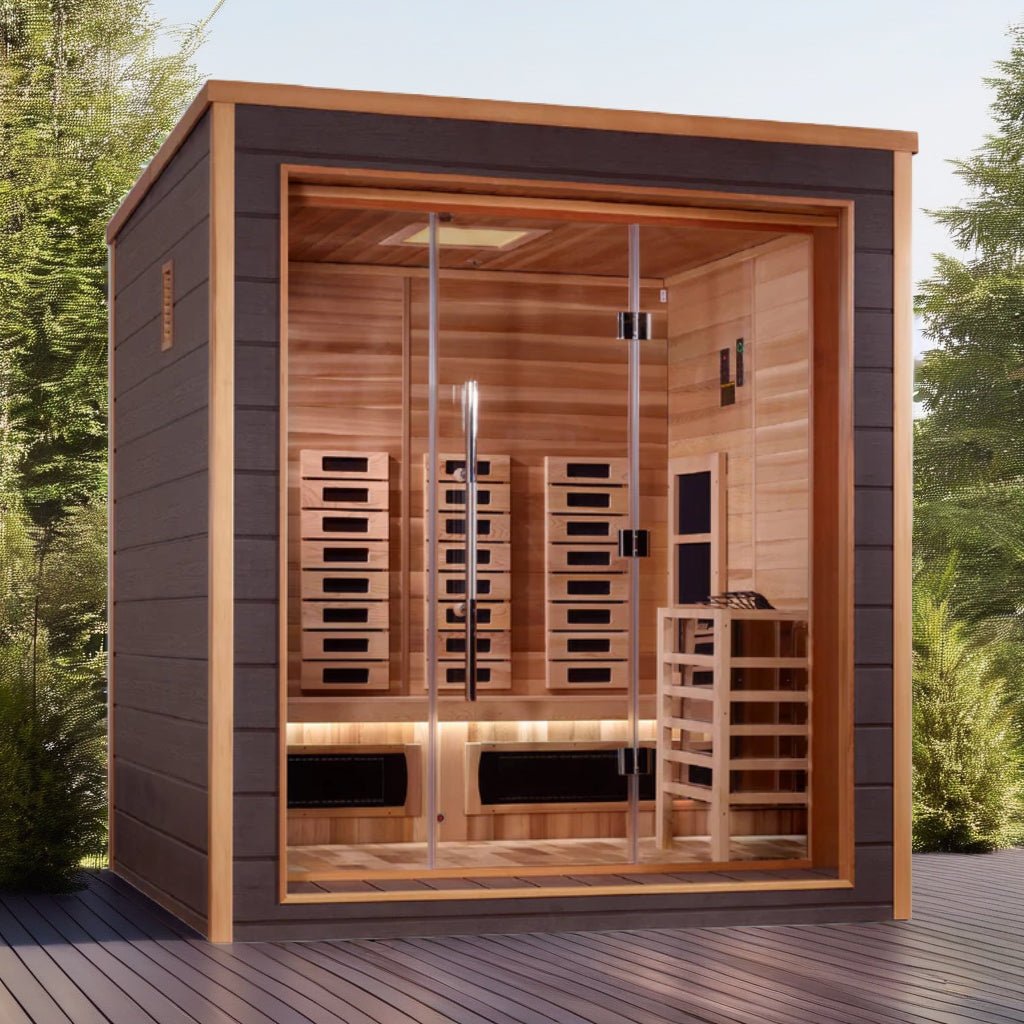
For cabin, mountain, and outdoor-retreat properties, traditional and barrel saunas create a strong visual and experiential anchor. The Leisurecraft Tranquility Barrel Sauna is a well-regarded option for outdoor installations.
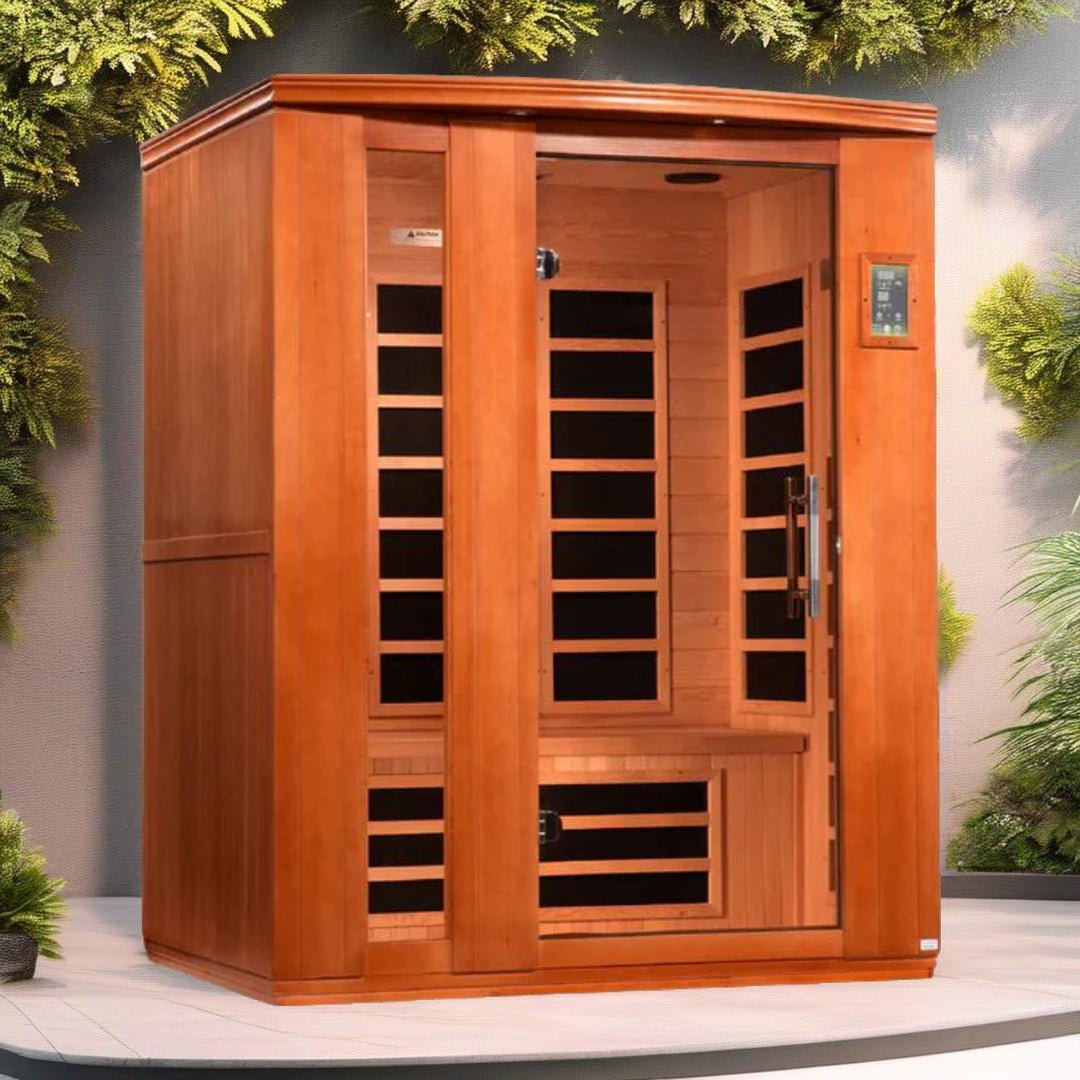
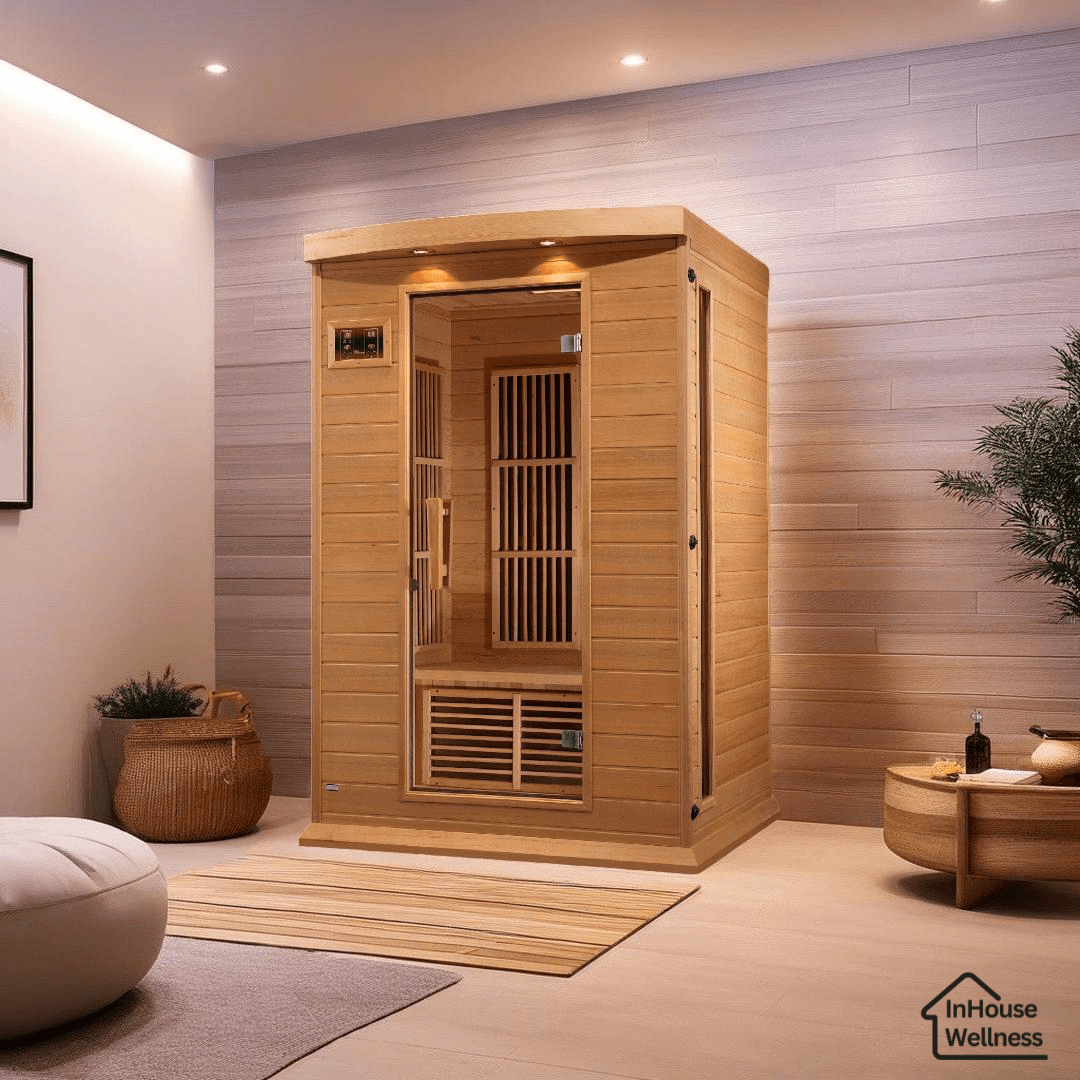
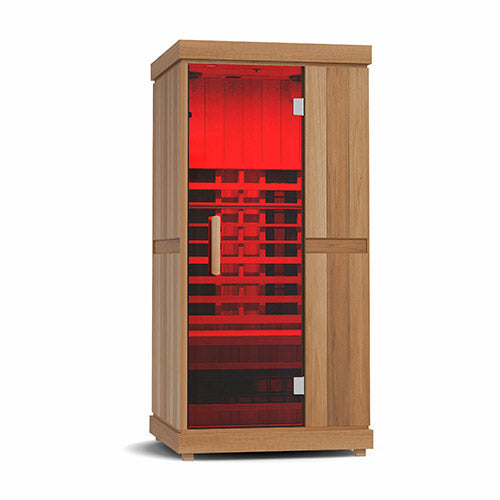
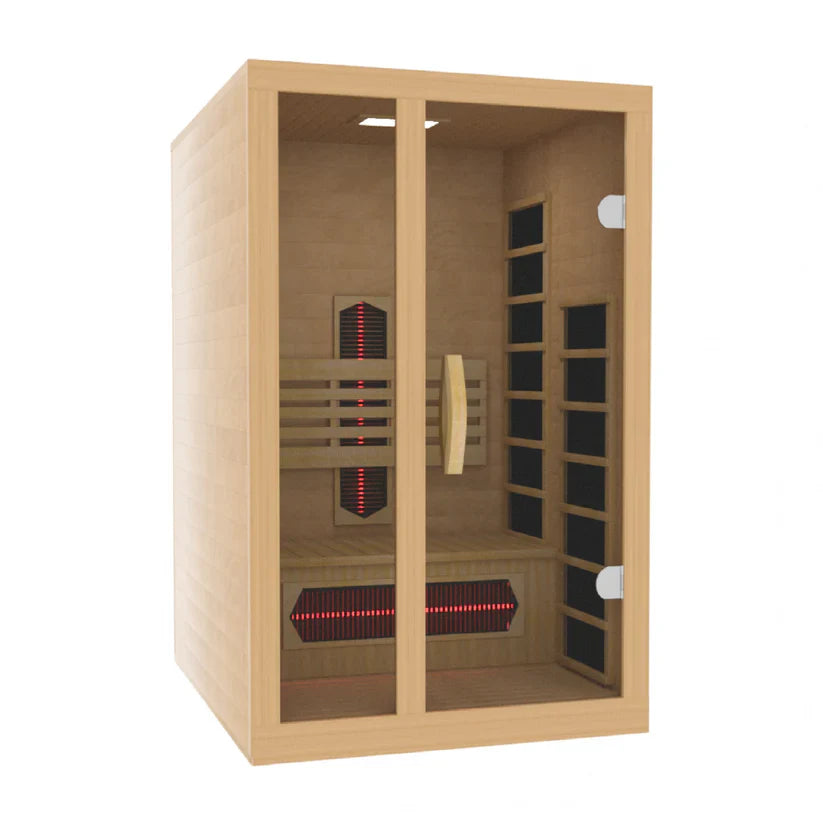
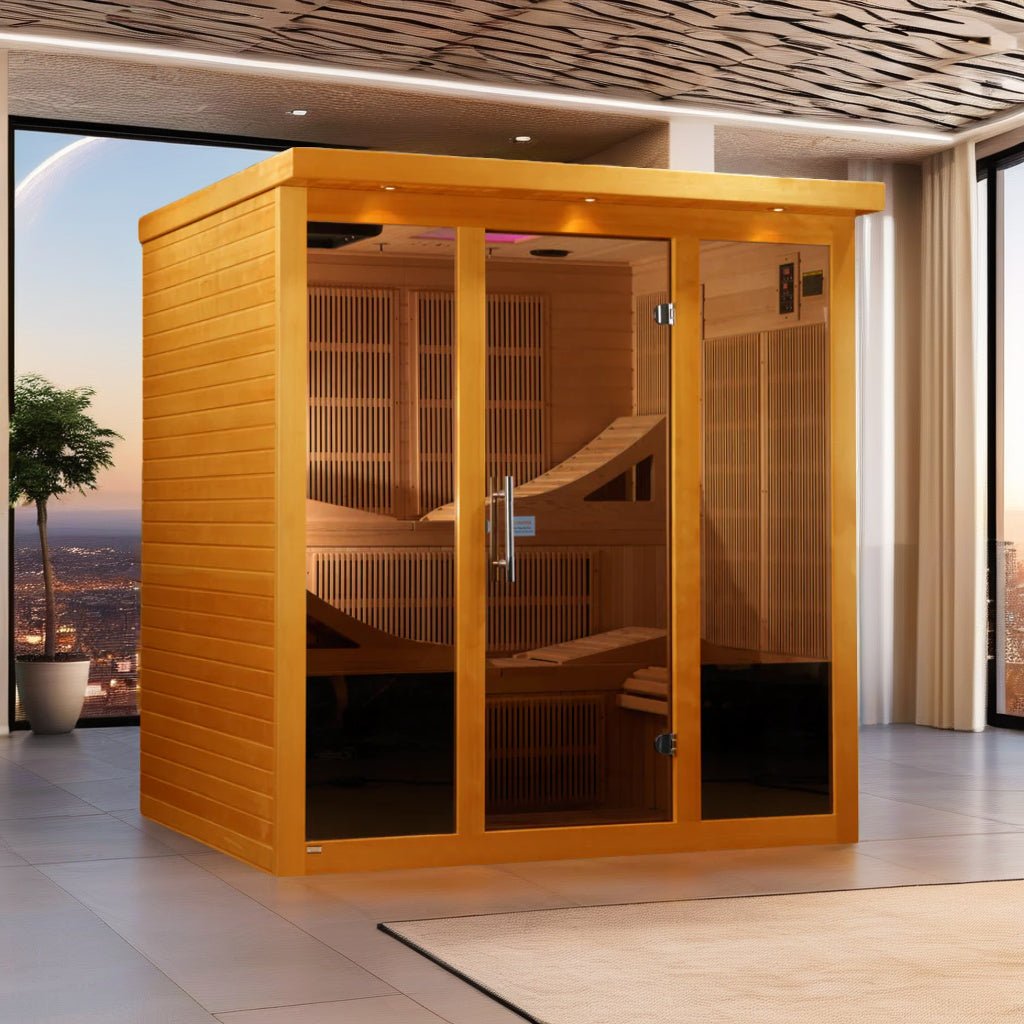
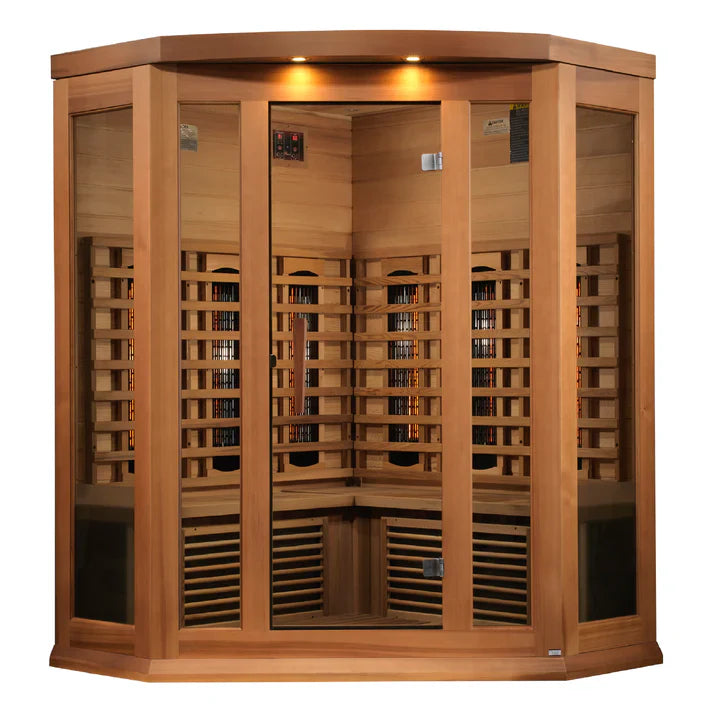
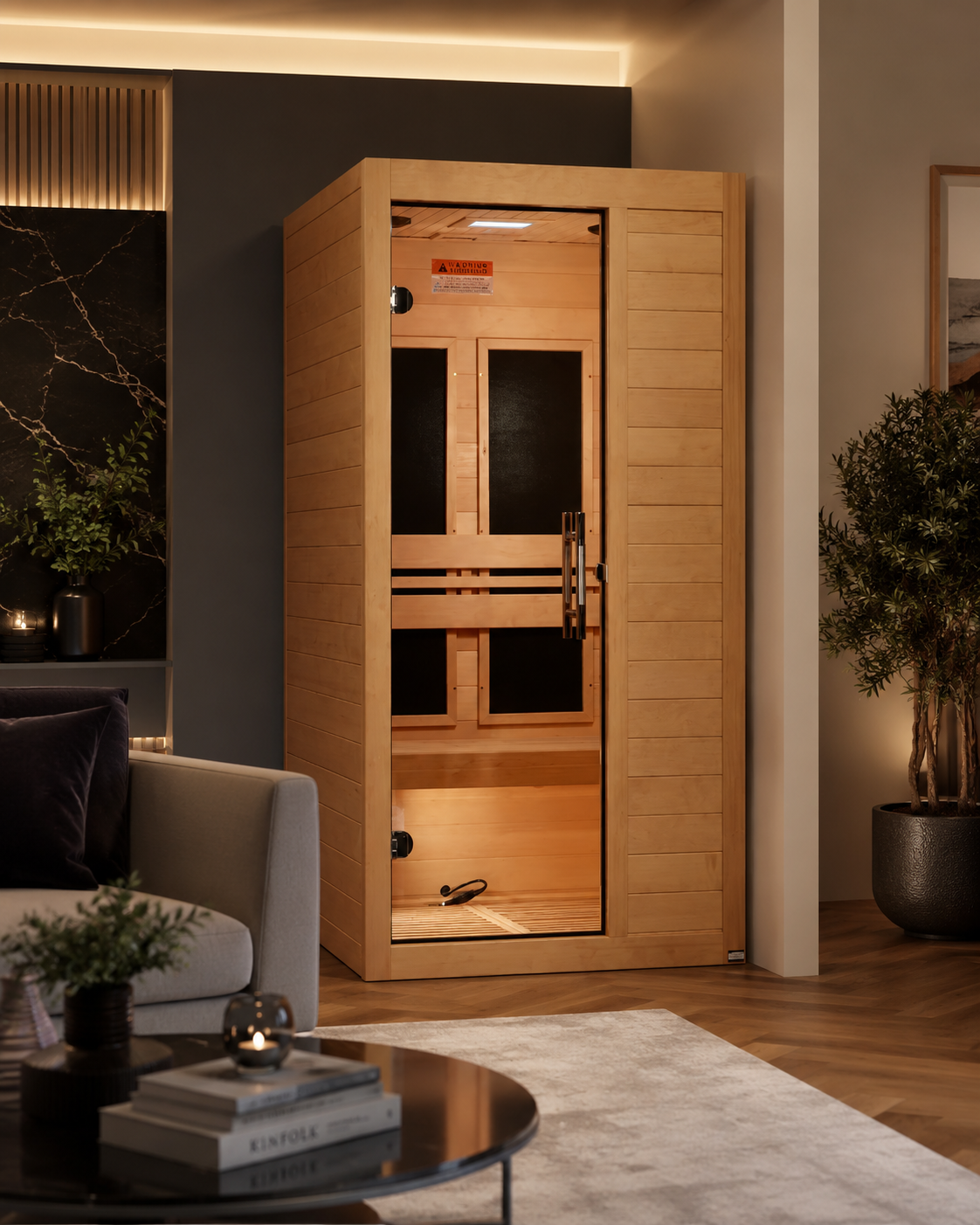
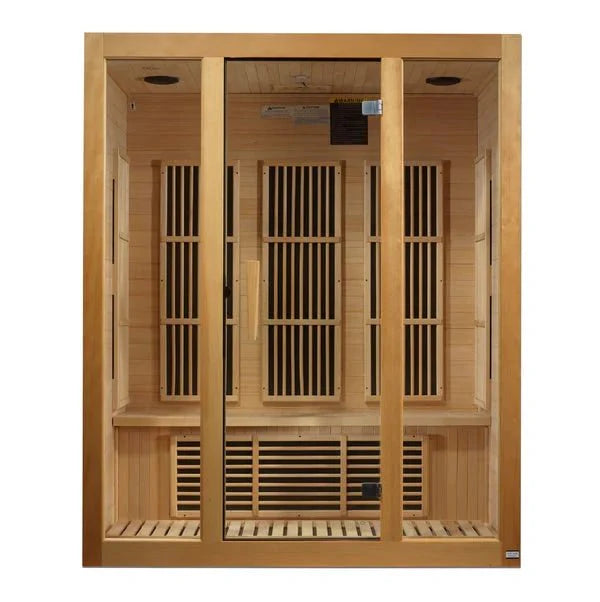
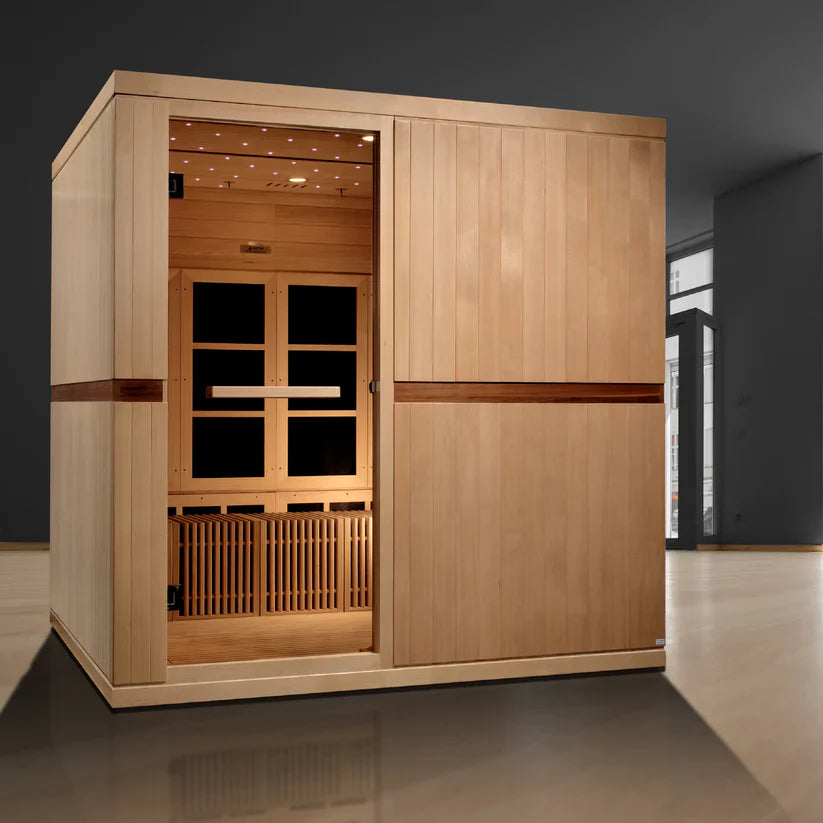
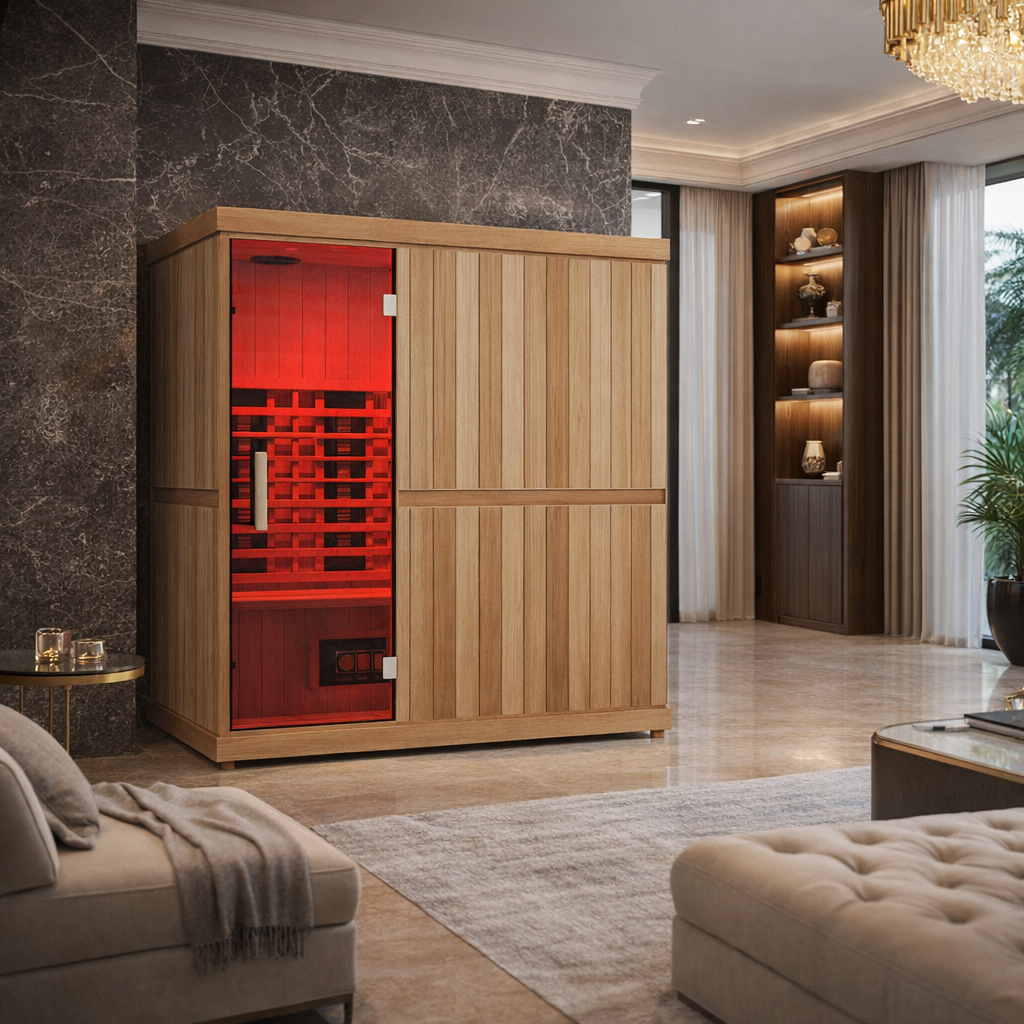
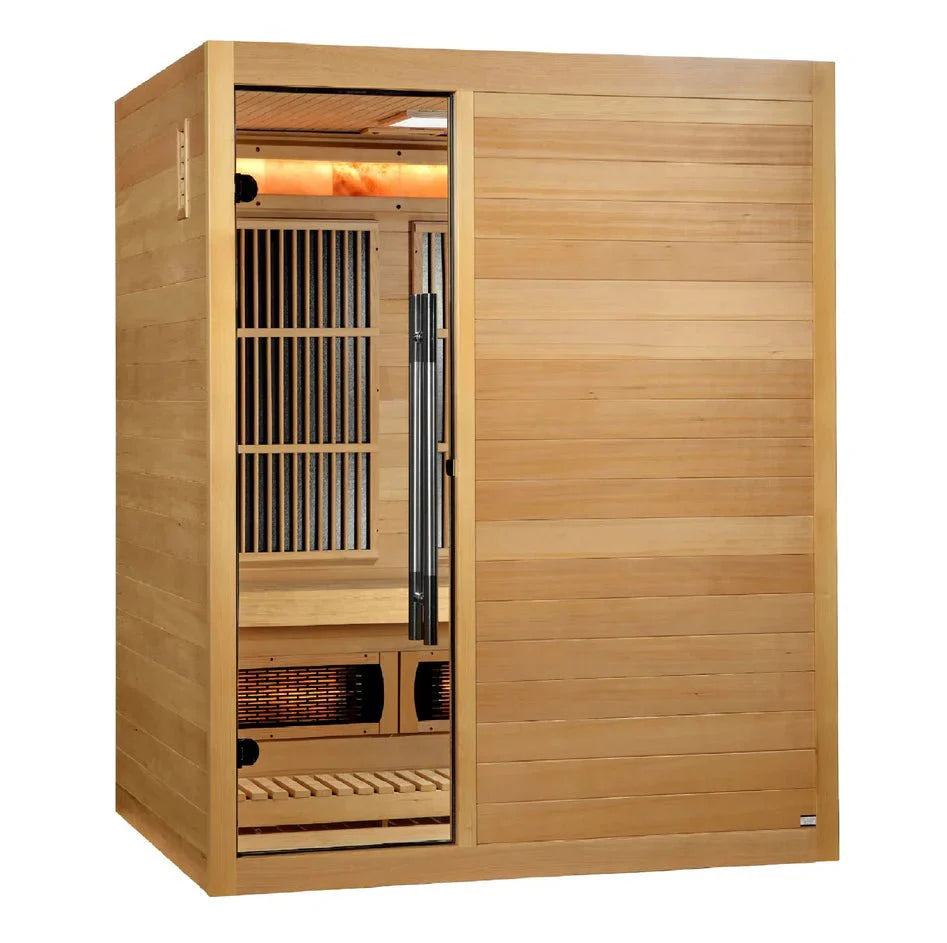
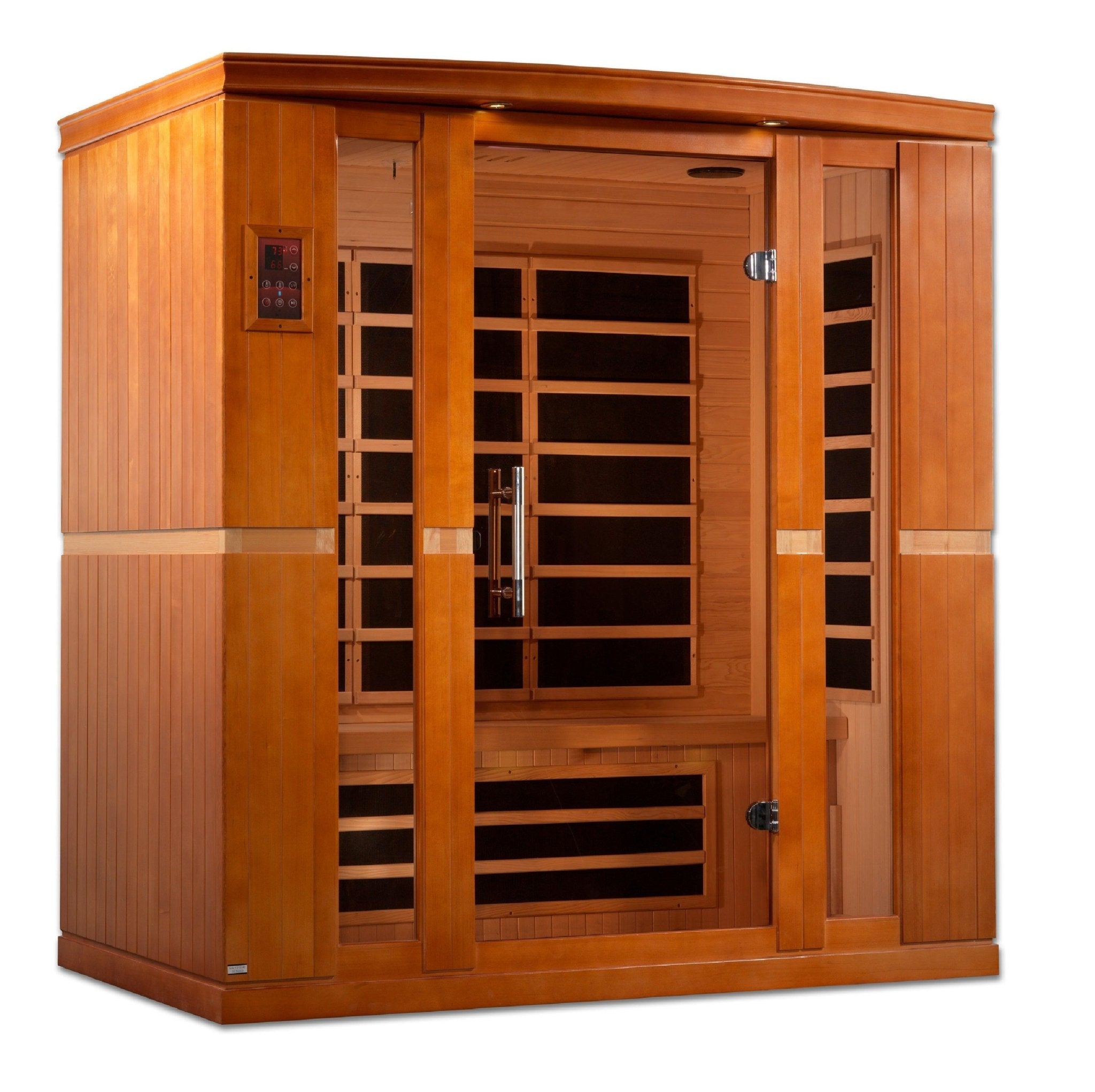
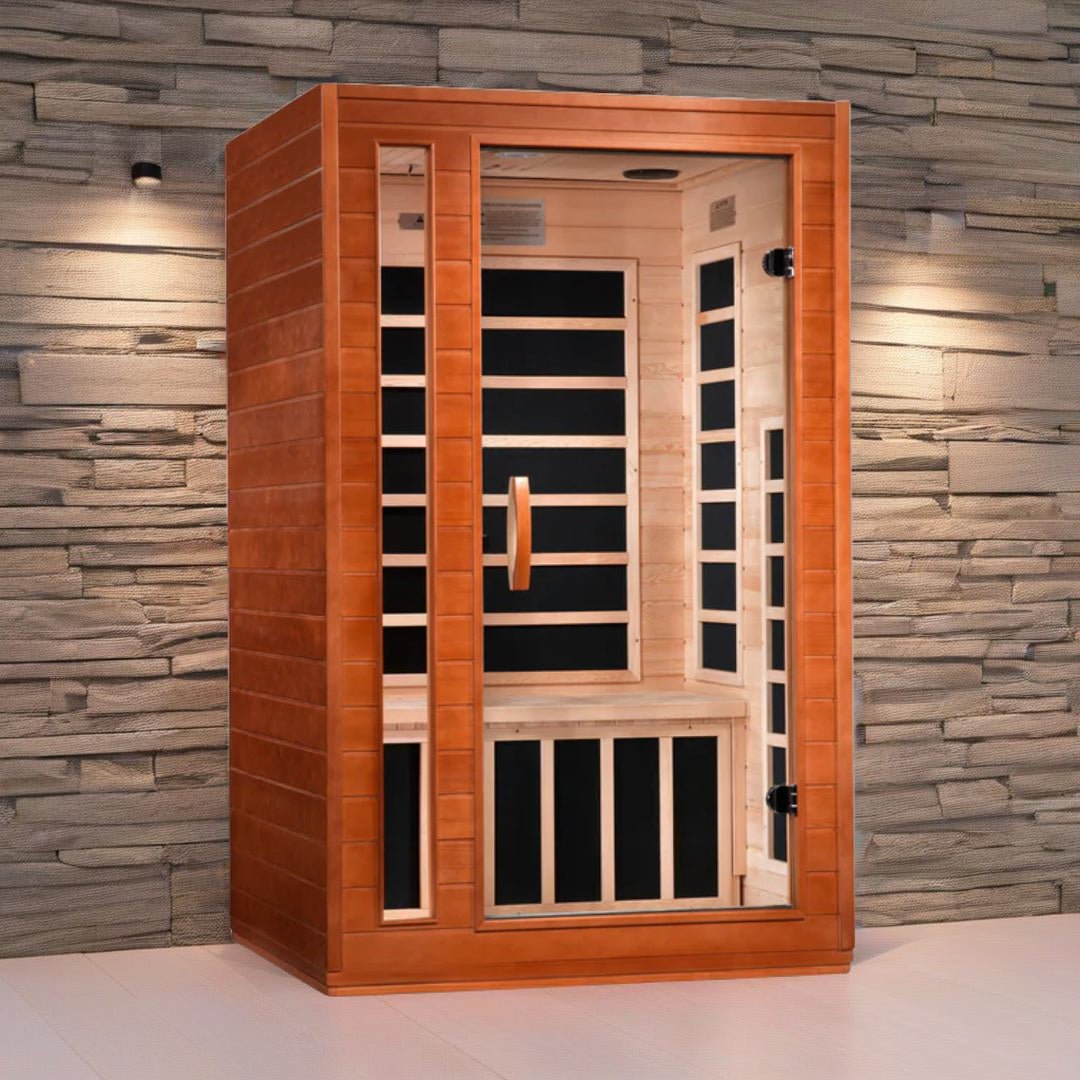
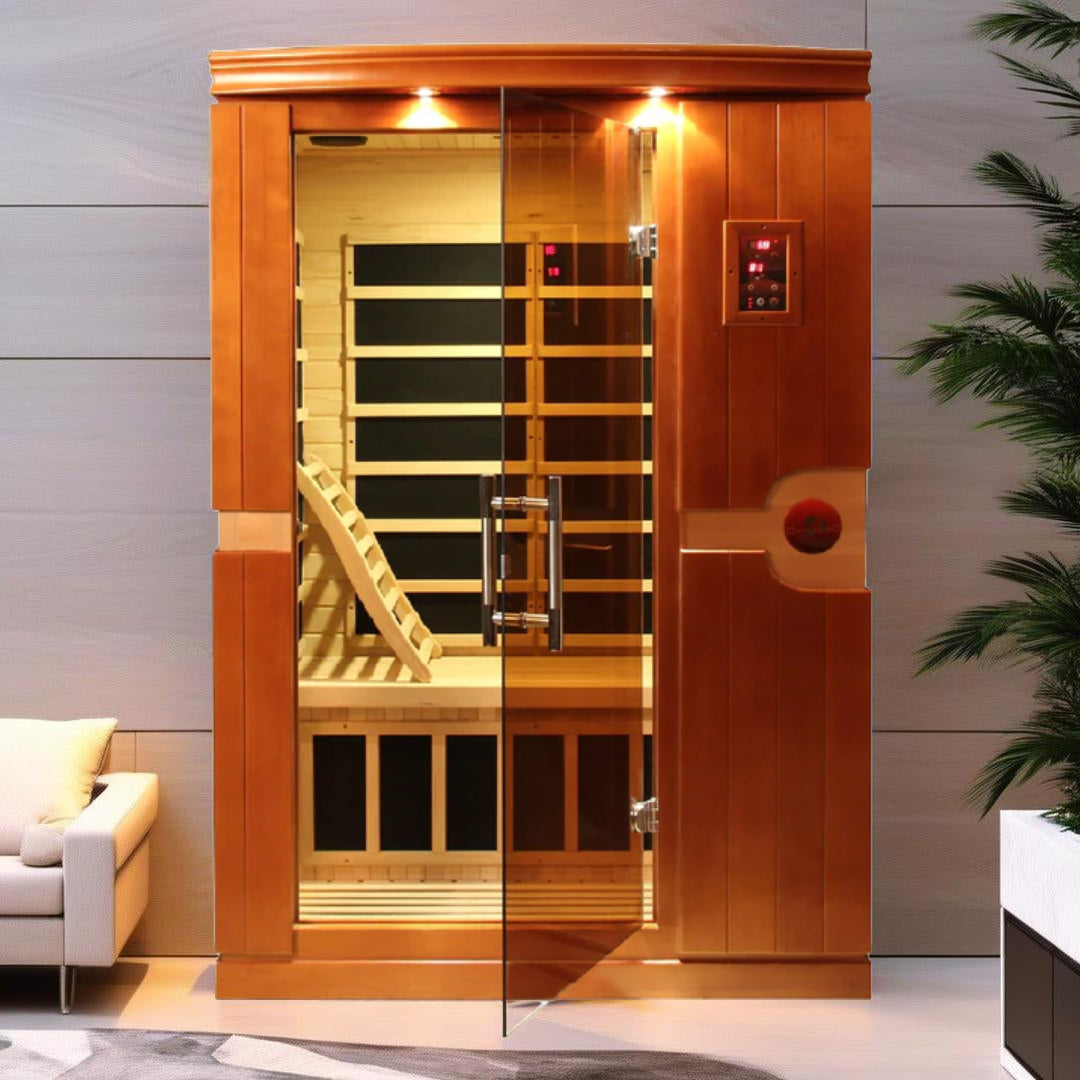
Infrared saunas operate at lower temperatures—typically 45–65°C—using infrared panels to warm the body directly rather than heating the surrounding air. They're often easier to install indoors, require less structural modification, and may feel more approachable to heat-sensitive guests. However, the long-term evidence base for infrared is less mature than for traditional saunas (Mayo Clinic, 2023).
For a direct comparison of how each type serves different recovery goals, see our deep dive on sauna vs. hot tub for stress relief.
Best-fit sauna types by property
|
Property type |
Recommended sauna |
|
Mountain cabin / backyard retreat |
Barrel or outdoor traditional |
|
Luxury condo or urban rental |
Compact infrared, indoor |
|
Wellness or athletic retreat |
Traditional + cold plunge pairing |
|
Budget-constrained or small space |
Portable infrared pod or cabin |
Sauna safety rules to include in your guest guide
Saunas carry real risks for vulnerable guests. Mayo Clinic guidance on sauna use includes cautions around (Mayo Clinic, 2023):
-
Dehydration and hypotension (low blood pressure after exiting)
-
Cardiovascular instability—guests with heart conditions should consult a clinician before use
-
Pregnancy—pregnant guests should avoid sauna use
-
Alcohol use—significantly increases risk of dizziness, overheating, and falls
-
Session limits—generally 10–20 minutes per session; extended sessions increase risk
Post this information visibly inside the sauna space, in your digital guidebook, and in your listing house rules.
Cold Plunges: The Trending Amenity for Health-Conscious Travelers
Bottom line: Cold plunges have become a high-visibility wellness amenity that appeals to athletes, biohackers, and recovery-focused travelers. Evidence supports short-term muscle recovery benefits, but broader long-term health claims are not well-established. Safety rules are non-negotiable.
Who is most likely to value a cold plunge?
The guests most likely to seek out and pay a premium for cold plunge access include:
-
Athletes and active travelers who use cold water immersion for muscle recovery
-
Biohacking and longevity enthusiasts familiar with contrast therapy protocols
-
Wellness retreat guests who view the sauna-plunge circuit as a ritual experience
-
Remote work and creative-retreat guests who value structured recovery in their daily routine
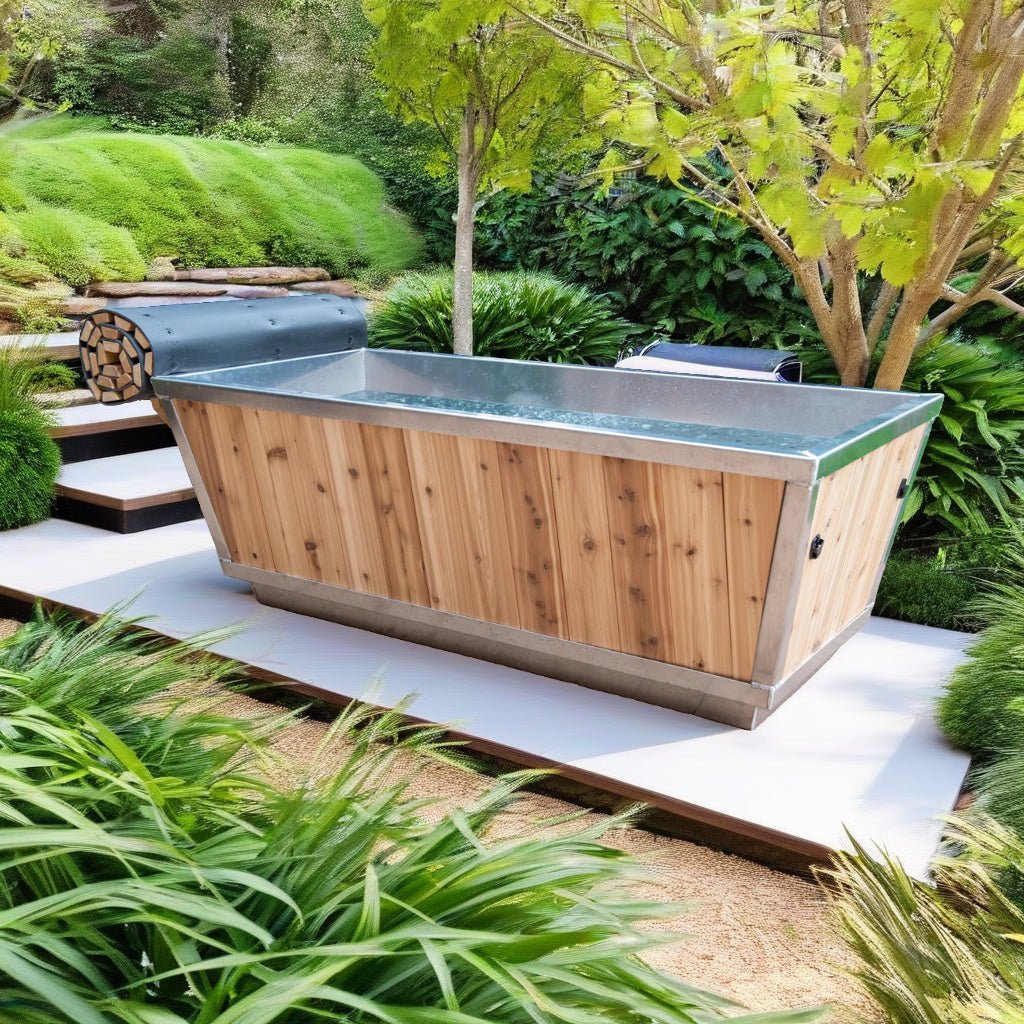
The Dundalk LeisureCraft Cold Plunge is a purpose-built option for outdoor residential installations.
The evidence: what it says and doesn't say
A 2019 review of cold water immersion research found moderate evidence that cold immersion can reduce delayed-onset muscle soreness (DOMS) in the short term (PubMed, 2019). Typical immersion temperatures used in studies range from 10–15°C. Long-term systemic health benefits—immune enhancement, fat loss, mood improvement—are frequently claimed in wellness culture but are not supported by strong evidence at this time.
The risks are real: cold shock, cardiac arrhythmias, and hypothermia are documented physiological responses to sudden cold immersion, particularly in older adults, those with cardiovascular conditions, and those who stay in too long (CDC hypothermia guidance; cold exposure physiology review).
Pairing cold plunge with sauna
The sauna-cold plunge circuit is increasingly what guests mean when they look for a "wellness retreat." Alternating heat and cold exposure may enhance circulation and subjective recovery experience—a protocol sometimes called contrast therapy in sports medicine literature.
Frame this for guests as an experience and ritual, not a clinical protocol. For a detailed look at the science and practice, see our guide on sauna and cold plunge benefits.
Cold plunge rules for guests
Post these clearly near the plunge and in your guidebook:
-
No unsupervised children—ever
-
No alcohol before or during use
-
Maximum 5–10 minutes for first-time users; exit immediately if dizzy, numb, or short of breath
-
Avoid with heart conditions, high blood pressure, or pregnancy unless cleared by a clinician
-
Do not use alone if you are new to cold immersion
-
Keep the cover secured when not in use
Massage Chairs: High-Impact Wellness Without the Renovation
Bottom line: A quality massage chair is the lowest-complexity wellness upgrade available to STR hosts. No plumbing, no electrical buildout, no water care, no sanitation protocols. It won't anchor a wellness retreat the way a sauna or hot tub does, but it adds perceived luxury, comfort, and differentiation—especially in indoor spaces.
Where a massage chair makes the most sense
-
Master suite or recovery corner in a luxury rental
-
Post-activity lounge in a ski cabin, surf house, or hiking retreat
-
Theater room or reading nook in an urban or resort property
-
Properties with older guests or multi-generational bookings
Research supports modest short-term benefits from massage therapy—including temporary reductions in perceived pain and anxiety (NIH NCCIH, 2023; massage therapy meta-analysis, PubMed 2019). A massage chair approximates some of these benefits, but should be marketed as a comfort and relaxation feature, not a medical device or clinical treatment.
Browse luxury massage chairs designed for home and hospitality use.
What not to promise
Don't describe your massage chair as treating chronic pain, anxiety disorders, or any medical condition. Keep listing copy experiential: "unwind after a long day," "built-in recovery for sore muscles," or "spa-level relaxation without leaving the property" are all reasonable framings.
Calculating Your ROI: Costs vs. Projected Revenue
Bottom line: The financial case for a wellness amenity depends on your specific market, guest profile, property size, and operational capacity. Use a structured framework rather than assuming premium features equal premium returns.
Simple Airbnb wellness amenity ROI formula
Estimated monthly revenue lift – monthly operating cost = monthly net gain
Initial investment ÷ monthly net gain = estimated payback period (months)
This is a floor-level calculation. Run it conservatively—assume the lower end of revenue lift and the higher end of operating costs.
Cost categories by amenity
|
Cost category |
Hot tub |
Sauna |
Cold plunge |
Massage chair |
|
Purchase + install |
$5,000–$15,000+ |
$3,000–$12,000+ |
$2,000–$8,000+ |
$1,500–$6,000 |
|
Monthly utilities |
Moderate–High |
Low–Moderate |
Low |
Minimal |
|
Chemicals / water treatment |
Ongoing |
N/A or minimal |
Ongoing |
N/A |
|
Professional service visits |
Quarterly+ |
Annually |
Quarterly+ |
Rarely |
|
Cleaning labor per turn |
30–60 min |
15–30 min |
20–40 min |
5–10 min |
|
Insurance premium change |
Likely increase |
Possible increase |
Possible increase |
Minimal |
Hot tub installation typically ranges from $5,000–$15,000 depending on model, site preparation, electrical work, and delivery (HomeAdvisor, 2024). Ongoing electrical costs vary by climate and usage; consult the US DOE's guidance on pool and spa heater efficiency for energy cost modeling (US DOE Energy Saver).
Cost categories hosts often forget
Beyond the sticker price, factor in:
-
Electrical panel upgrades or dedicated circuit installation
-
Concrete pad, deck reinforcement, or structural support
-
Water delivery or fill costs
-
Replacement filters, covers, and parts
-
Downtime between repairs (lost revenue)
-
Guest damage deposits and claim processing
-
Staff training for maintenance procedures
How to track ROI after installation
Keep a simple monthly log:
|
Month |
ADR |
Occupancy % |
Utility cost |
Maintenance hrs |
Guest amenity mentions |
Issues/complaints |
|
Pre-install baseline |
— |
— |
— |
— |
— |
— |
|
Month 1 post-install |
||||||
|
Month 3 |
||||||
|
Month 6 |
Track guest reviews for amenity-specific language. An increase in phrases like "loved the sauna" or "perfect hot tub setup" is a qualitative signal worth noting alongside the numbers.
Essential Maintenance and Cleaning Protocols
Bottom line: Water and heat amenities require documented, consistent maintenance routines—not occasional cleaning. Inadequate sanitation is a genuine public health risk and a liability exposure.
The CDC Model Aquatic Health Code (MAHC) establishes standards for public aquatic facilities, and while residential hot tubs don't fall under commercial codes, the underlying chemistry and pathogen-control principles apply (CDC MAHC, 2023).
Between-guest wellness amenity checklist
Hot tub and cold plunge:
-
Test and record water chemistry (pH, chlorine/disinfectant levels)
-
Add chemicals as needed; allow time before guest use
-
Clean filters
-
Wipe down surfaces, jets, handrails, and steps
-
Inspect cover for damage; clean and treat
-
Check temperature settings and controls
-
Confirm safety signage is in place and legible
-
Log completion with date, cleaner name, and readings
Sauna:
-
Sweep or wipe down benches and walls
-
Clean rocks (if traditional)
-
Check heating elements and thermostat
-
Inspect for moisture damage or ventilation issues
-
Ensure guest rules are posted visibly
-
Log completion
Massage chair:
-
Wipe down with appropriate cleaner
-
Check controls and remote
-
Inspect for wear, loose parts, or charging issues
What to document
Maintain a physical or digital log for each amenity:
-
Date and time of service
-
Technician or cleaner name
-
Water chemistry readings (where applicable)
-
Temperature at time of check
-
Any repairs, part replacements, or unusual observations
-
Guest-reported issues and resolution
-
Photo records for insurance or dispute purposes
Proper documentation protects you in guest disputes, insurance claims, and any regulatory inspections.
Navigating Insurance, Liability, and Guest Rules
Bottom line: Adding a water, heat, or cold amenity increases your property's risk profile. Before installing, talk to your insurer, understand your local rules, and build guest safety into your listing—not as an afterthought.
What to ask your insurer before adding a wellness amenity
Contact your STR insurance provider and confirm:
-
Does my current policy cover hot tubs, saunas, or cold plunges?
-
Are there any amenity-specific exclusions or conditions?
-
Are safety enclosures, covers, locks, fencing, or posted signage required to maintain coverage?
-
Will premiums increase, and by how much?
-
Are commercial guests (Airbnb renters) covered under the same terms as residential guests?
The Insurance Information Institute notes that water features and recreational equipment typically affect homeowners' insurance terms; STR-specific policies may have different treatment (Insurance Information Institute). Requirements vary significantly—always get confirmation in writing.
Guest rules every wellness listing should include
Post these in your listing, your digital guidebook, and on-site signage near the amenity:
Universal rules:
-
No unsupervised children under 18 around water or heat amenities
-
No alcohol immediately before or during use
-
Exit immediately if you feel dizzy, faint, overheated, short of breath, or numb
-
Follow all posted time limits (typically 10–20 min for saunas, 5–10 min for cold plunges)
-
Shower before entering hot tubs
-
Keep covers, doors, or lids secured when amenity is not in use
Additional health cautions:
-
Pregnant guests: avoid hot tubs and saunas
-
Guests with heart conditions, high blood pressure, or circulatory disorders: consult a clinician before use
-
Guests on certain medications: check with a clinician; some drugs interact with heat or cold exposure
Local rules and permitting
Requirements vary by city, county, state, and HOA. Some jurisdictions require permits for hot tub installation, specific fencing around water features, drainage approvals, or noise-compliance certifications for mechanical equipment. Check local requirements and HOA rules before purchasing. This guide does not constitute legal advice.
How to Market Your New Wellness Amenities
Bottom line: A wellness amenity only earns its ROI if guests find it, understand it, and choose your listing because of it. Listing copy and photography need to do the translation work.
Listing title and description examples
Titles that convert:
-
"Mountain Cabin with Private Sauna + Cold Plunge"
-
"Luxury Retreat with Outdoor Hot Tub Under the Stars"
-
"Urban Getaway with Infrared Sauna and Massage Chair"
-
"Wellness Cabin: Sauna, Cold Plunge & Recovery Deck"
Description framing: Be specific and experiential. "Unwind in the private cedar barrel sauna after a day on the slopes" outperforms "amenities include sauna." Describe the setting, the experience, and who it's designed for. Avoid vague health claims or superlatives.
Photo shot list for wellness amenities
Every amenity deserves its own hero image and at least one contextual shot:
-
Wide angle: Full amenity in setting—landscape, deck, interior room
-
Environmental detail: Towels rolled, candles or lanterns, wood textures, foliage
-
Night or mood shot: String lights, steam, ambient lighting
-
Controls or interior: Sauna rocks, hot tub jets, cold plunge temperature dial
-
Safety signage visible in at least one shot—signals responsibility to guests
-
Privacy screening or fencing: Reassures guests they won't be observed
-
Seasonal use: Snow around the barrel sauna, summer evening hot tub scene
Airbnb's platform prioritizes listings with strong, descriptive photography (Airbnb hosting resources). Amenity photos in high-quality settings directly support click-through and booking conversion.
Positioning language that works
Use experiential, non-medical language:
✅ "Recover. Recharge. Reset." ✅ "A private wellness circuit, steps from your bedroom." ✅ "Warm up in the sauna, cool down in the plunge." ✅ "Built for guests who take their downtime seriously."
Avoid: "Detox," "cure," "heal," "clinically proven," or any language that implies medical treatment.
Myths and Misconceptions
1. "Hot tubs are low-maintenance." Hot tubs require regular water chemistry testing, chemical treatment, filter cleaning, and scheduled professional service. Improper maintenance creates real infection risk (CDC, 2024). This myth persists because it's repeated in marketing materials.
2. "Cold plunges have proven long-term health benefits." Evidence for short-term recovery is moderate; long-term systemic benefits (immune boost, fat loss, longevity) are not well-established in clinical research (PubMed, 2019). The claim persists due to influencer culture and biohacking communities.
3. "Saunas are safe for everyone." They're not. Guests with cardiovascular instability, pregnancy, or certain medications should avoid sauna use or consult a clinician first (Mayo Clinic, 2023).
4. "More amenities always mean higher ROI." ROI depends on market demand, amenity fit, operating cost, climate, and marketing execution. A poorly managed hot tub can generate negative reviews that cost more than the revenue it generated (AirDNA data logic).
5. "Infrared saunas are the same as traditional saunas." They operate at lower temperatures and use a different mechanism. The wellness research base—particularly the cardiovascular association literature—was built primarily on traditional Finnish-style saunas (JAMA Internal Medicine, 2015).
6. "Guests will read the rules." They often won't. Rules in a PDF guidebook are inadequate. Physical signage at the amenity is essential for safety and liability.
7. "A cold plunge is just a big bucket of cold water." Purpose-built cold plunges maintain precise temperatures, have filtration, and require water care like a hot tub. Improvised setups (ice-filled tubs, stock tanks) create both sanitation and safety risks if not properly managed.
8. "Adding a wellness amenity instantly justifies a rate increase." Market timing, listing optimization, photo quality, and seasonal demand all mediate revenue lift. Pricing should be tested incrementally, not raised automatically post-install.
9. "Massage chairs don't need maintenance." They need regular cleaning between guests, mechanical inspection, and eventual professional servicing—especially commercial-use models under heavy turnover.
10. "Hot tub folliculitis is rare and minor." CDC outbreak data documents recurring cases of Pseudomonas folliculitis at residential and commercial hot tubs. It's preventable with proper disinfection but not trivial (CDC MMWR, 2018).
11. "Sauna benefits transfer immediately to guests." The research association is built on long-term, frequent sauna use. A guest using a sauna twice during a three-night stay will likely feel relaxed—but the cardiovascular association data doesn't apply to occasional use.
12. "Any outdoor hot tub is a selling point." A hot tub that's cloudy, poorly lit, fenced-in next to an HVAC unit, or photographed in shadow will not convert. Presentation matters as much as the amenity itself.
Experience Layer: Tracking Your Amenity Investment
Rather than relying on anecdotes or vendor promises, hosts who install wellness amenities should treat the first 6–12 months as a structured observation period.
Author test plan (safe, practical, no guarantees)
Before installation:
-
Pull 90-day ADR and occupancy baseline from your hosting dashboard
-
Note your average guest review score and any existing amenity-related mentions
-
Log current monthly utility costs
After installation:
-
Run the amenity through a full test cycle as a guest would—check temperature, cleanliness, control function, signage visibility, and cover security
-
Identify any friction points in the setup or guest instructions
-
Document the first guest cohort's reviews for amenity language
What you might notice (non-guaranteed)
-
Guests may mention the amenity by name in reviews, which increases keyword visibility on your listing
-
Booking inquiry language may shift toward "retreat," "wellness," or "relaxation" framing
-
Utility bills will increase; the magnitude depends on climate, usage rate, and equipment efficiency
-
Cleaning time per turn will increase; plan and staff for it
Tracking template
|
Month |
ADR ($) |
Occupancy (%) |
Utility cost ($) |
Maintenance time (hrs) |
Guest amenity mentions |
Issues/complaints |
Notes |
|
Baseline (pre-install) |
|||||||
|
Month 1 |
|||||||
|
Month 3 |
|||||||
|
Month 6 |
|||||||
|
Month 12 |
Review this data quarterly. If ADR and occupancy haven't meaningfully shifted by month 6 and operating costs are high, revisit whether the amenity is positioned and marketed correctly before making additional investments.
Frequently Asked Questions About Airbnb Wellness Amenities
Do hot tubs increase Airbnb revenue?
They can, particularly in markets where guests actively filter for hot tubs—ski towns, mountain retreats, coastal cabins, and romantic-getaway destinations. Industry analyses suggest listings with hot tubs may outperform comparable listings on ADR and occupancy in amenity-driven markets (AirDNA, 2022). However, revenue lift is not guaranteed and varies by market saturation, season, operating cost, and how the amenity is marketed.
-
In high-demand markets (ski, mountain, lake), the lift can be meaningful
-
In saturated urban markets, a hot tub alone may not differentiate
-
Operating costs can erode gross revenue gains if not managed
-
Photo quality and listing copy amplify or limit the amenity's impact
Are saunas safe for Airbnb guests?
Generally safe for healthy adults when used correctly, but several guest groups require caution (Mayo Clinic, 2023):
-
Guests with heart conditions or cardiovascular instability should consult a clinician before use
-
Pregnant guests should avoid saunas
-
Alcohol use before or during sauna significantly increases risk
-
Dehydration and hypotension are common risks for first-time or infrequent users
-
Session time should be limited; 10–20 minutes is a common guideline
Post safety rules visibly, and reiterate them in your digital guidebook.
Are infrared saunas better than traditional saunas for Airbnb rentals?
Neither is universally better—they suit different properties and guest profiles (Mayo Clinic, 2023; JAMA Internal Medicine, 2015):
-
Infrared saunas are often easier for indoor installation and operate at lower temperatures
-
Traditional and barrel saunas create a stronger visual experience for outdoor and cabin properties
-
The strongest long-term health association evidence applies to traditional Finnish-style saunas, not infrared
-
For retreat-forward or outdoor-focused listings, traditional or barrel saunas tend to generate stronger visual marketing assets
How do I maintain a cold plunge between guests?
Follow manufacturer instructions as your primary guide. General best practices:
-
Test and document water chemistry before each guest arrival
-
Clean and inspect filtration systems regularly
-
Monitor and log temperature
-
Wipe down interior surfaces
-
Follow a scheduled drain and refill cycle (frequency varies by use level)
-
Keep a maintenance log for records
Avoid sharing unsourced chemical specifications; rely on your manufacturer's guidelines and local water quality standards.
What are the insurance requirements for an Airbnb with a hot tub?
Requirements vary by insurer and jurisdiction. Before adding a hot tub, contact your STR insurance provider and confirm (Insurance Information Institute):
-
Whether hot tubs are covered or excluded under your current policy
-
Whether safety equipment (fencing, locking covers, signage) is required as a coverage condition
-
Whether your premium will change
-
Whether commercial rental guests are covered the same as residential guests
Get all confirmations in writing. Some STR-specific policies have explicit exclusions for water features; others cover them with conditions.
Is a massage chair a good investment for a short-term rental?
It can be a practical, low-barrier wellness upgrade—particularly for luxury properties, older-guest demographics, and urban rentals without outdoor space. The advantages:
-
No plumbing, structural work, or water treatment
-
Low maintenance burden
-
Adds perceived luxury to photos and listing copy
-
Appeals to recovery-focused or older guests
The limitation: STR-specific ROI data for massage chairs is limited. It works best as a supporting amenity—enhancing an overall wellness feel—rather than as a primary booking driver (NIH NCCIH, 2023).
How do I write guest rules for a sauna?
Keep rules short, specific, and posted visibly inside the sauna. Effective rules typically include (Mayo Clinic, 2023):
-
Time limit per session (10–20 minutes is common)
-
No alcohol before or during use
-
Hydrate before and after
-
Exit if dizzy, nauseous, overheated, or short of breath
-
Pregnant guests and those with heart conditions should not use the sauna
-
No unsupervised children
-
Shower before entering
Mirror these rules in your listing house rules and digital guidebook.
What is the best wellness amenity for cold climates?
Hot tubs and outdoor saunas tend to have strong appeal in cold climates, particularly at ski, mountain, and northern cabin properties. The contrast between outdoor cold air and hot water or sauna heat is itself part of the experience.
-
Barrel saunas photograph exceptionally well in snow
-
Hot tubs in cold climates have strong year-round demand if properly insulated and maintained
-
Cold plunges in cold climates require careful freeze-prevention protocols
-
Energy costs for heating water features increase in cold climates; factor this into ROI calculations
Can wellness amenities hurt my Airbnb rating if not maintained properly?
Yes—and significantly. A poorly maintained hot tub, a cloudy cold plunge, or a sauna with a broken heater can generate specific, prominent negative reviews. Guest complaints about water quality, cleanliness, or safety are among the most damaging review types because they are specific, verifiable, and signal risk to future guests (AirDNA; Airbnb review dynamics).
A wellness amenity that isn't maintained consistently is worse than no amenity at all.
Do I need a permit to install a hot tub?
Permit requirements vary by city, county, and state. Many jurisdictions require:
-
Electrical permits for dedicated circuits
-
Building permits for structural deck modifications
-
Fencing or safety enclosure requirements for water features with children-access risk
-
HOA approval if applicable
Check with your local building department and HOA before purchasing. This guide does not constitute legal advice.
What temperature should a cold plunge be set to?
Research on cold water immersion typically uses temperatures of 10–15°C (approximately 50–59°F) for short durations (PubMed, 2019). Most purpose-built residential cold plunges allow temperature adjustment in this range. Never set a cold plunge colder than the manufacturer's recommended minimum, and always include duration guidance in your guest rules.
How do I highlight wellness amenities in my Airbnb listing title?
Lead with the most visually distinct or guest-searched amenity. Use specific, descriptive language:
-
"Private Sauna" outperforms "Wellness Space"
-
"Outdoor Hot Tub" outperforms "Spa Features"
-
"Sauna + Cold Plunge" communicates a circuit, which is a trending concept
Include the amenity in the listing title when allowed by platform character limits—it appears in search results and can drive filter-match visibility.
How often should a hot tub be professionally serviced?
At minimum, most manufacturers recommend a professional inspection and service visit every 3–6 months. High-occupancy STR properties may warrant more frequent service. Professional service typically includes:
-
Deep cleaning of jets and internal plumbing
-
Filter inspection and replacement
-
Equipment and heater inspection
-
Water quality consultation
Log every service visit with date, technician, and work performed.
Can guests use hot tubs during pregnancy?
No. Hot tub use during pregnancy is contraindicated due to risk of overheating, which has been associated with potential harm to fetal development (Mayo Clinic). Your house rules and guest-facing safety signage should clearly state that pregnant guests should not use the hot tub or sauna.
What are the best outdoor wellness amenities for a cabin listing?
A barrel or traditional sauna paired with an outdoor hot tub or cold plunge creates the strongest visual and experiential anchor for cabin listings. Separately, each is a premium amenity; together, they position the listing as a private wellness destination.
For outdoor sauna options suited to cabin and mountain properties, explore our outdoor saunas for wellness rentals collection.
Does a cold plunge add more booking value than a hot tub?
In most markets, no—hot tubs have broader demographic appeal and stronger existing search demand. Cold plunges are a trend-forward amenity with a narrower but highly engaged audience. They add the most value:
-
When paired with a sauna as a circuit experience
-
In markets with active, recovery-oriented, or wellness-travel guest demographics
-
For listings positioning as biohacking retreats or athletic recovery properties
As a standalone amenity, a cold plunge is unlikely to match the booking impact of a hot tub in most US markets at this time.
Sources
-
Global Wellness Institute. "Statistics and Facts." globalwellnessinstitute.org/press-room/statistics-and-facts/. 2023.
-
AirDNA. "Airbnb Amenities That Increase Revenue." airdna.co/blog. 2022.
-
Airbnb. "Top Amenities Guests Want." airbnb.com/resources/hosting-homes. 2023.
-
CDC Healthy Water. "Hot Tubs, Spas, and Jacuzzis." cdc.gov/healthywater/swimming/residential/hot-tubs.html. 2024.
-
CDC MMWR. "Outbreaks Associated with Treated Recreational Water — United States, 2000–2014." mm6719a3, 2018.
-
Laukkanen JA, et al. "Association Between Sauna Bathing and Fatal Cardiovascular and All-Cause Mortality Events." JAMA Internal Medicine. 2015.
-
Mayo Clinic. "Sauna Health Benefits: Are Saunas Healthy or Harmful?" mayoclinic.org/healthy-lifestyle/consumer-health/in-depth/sauna/art-20045817. 2023.
-
National Center for Complementary and Integrative Health (NIH NCCIH). "Massage Therapy: What You Need to Know." nccih.nih.gov/health/massage-therapy-what-you-need-to-know. 2023.
-
PubMed. Cold water immersion meta-analysis (PMID 31788866). 2019.
-
PubMed. Massage therapy meta-analysis (PMID 30961331). 2019.
-
CDC. "Hypothermia." cdc.gov/disasters/winter/staysafe/hypothermia.html.
-
CDC Model Aquatic Health Code. cdc.gov/mahc/index.html. 2023.
-
Insurance Information Institute. "Homeowners and Renters Insurance." iii.org/article/homeowners-and-renters-insurance.
-
HomeAdvisor. "How Much Does It Cost to Install a Hot Tub?" homeadvisor.com/cost/outdoor-living/install-a-hot-tub/. 2024.
-
US Department of Energy. "Swimming Pool Heaters." energy.gov/energysaver/swimming-pool-heaters.
What We Still Don't Know
STR-specific amenity ROI data is limited. Most revenue claims are based on industry-level analyses or anecdotal host reports, not controlled studies. There is no peer-reviewed research comparing Airbnb occupancy or ADR before and after specific wellness amenity installations across a representative sample. ROI estimates should be treated as models, not predictions.
Infrared sauna evidence lags traditional sauna research. The strongest wellness associations in the sauna literature are based on traditional Finnish-style sauna bathing. Infrared saunas may produce different physiological responses at lower temperatures, but long-term evidence is not available at the same scale.
Cold plunge long-term benefits remain uncertain. Short-term recovery data is reasonable, but the claims made in wellness culture around immune function, longevity, and metabolic improvement are ahead of the evidence. This gap is likely to close as research catches up to the trend.
Local permitting and insurance standards vary widely. There is no uniform national standard for STR hot tub installation, fencing, insurance disclosure, or water treatment documentation. Regulatory requirements can change, and this guide cannot substitute for current, jurisdiction-specific guidance.
Guest compliance with safety rules is unquantified. No published research tracks how consistently STR guests follow posted sauna, hot tub, or cold plunge rules, or how non-compliance relates to injury rates. Hosts should not assume signage alone is sufficient risk mitigation.
Tab 2
View More ArticlesSauna vs. Cold Plunge vs. Red Light Therapy: A Decision Guide
From N-of-1 to Protocol: How to Translate Recovery Research Into Periodized, Testable Personal Routines
Related Posts

Biohacking Tools for Inflammation Reduction: What Actually Works

Insurance, Permits, and Code Questions Around Residential Thermal Rooms: A Plain-English Overview

Renovation Sequencing for Wellness Installations: When to Plan Thermal Spaces in a Whole-Home Remodel

From N-of-1 to Protocol: How to Translate Recovery Research Into Periodized, Testable Personal Routines

Sauna vs. Cold Plunge vs. Red Light Therapy: A Decision Guide

Float Therapy vs. Cryotherapy: Key Differences Explained
