
































Sauna vs Hot Tub for Stress Relief
Sauna vs Hot Tub for Stress Relief
In today’s fast-paced world, stress relief is more crucial than ever. Among the various methods available, saunas and hot tubs are two popular options. Both provide unique benefits that can contribute to relaxation and overall well-being. But which is better for stress relief? This comprehensive guide will help you understand the differences and benefits of each, allowing you to make an informed decision.
The Science of Stress Relief
Stress can have a profound impact on both mental and physical health. When the body is under stress, it releases hormones such as cortisol, which can lead to various health issues over time. Engaging in activities that promote relaxation, such as using a sauna or hot tub, can help reduce these stress levels significantly.
Benefits of Using a Sauna
Saunas have been used for centuries as a method of relaxation and detoxification. Here are some of the key benefits:
- Detoxification: Sweating in a sauna helps expel toxins from the body, promoting a sense of cleanliness and well-being.
- Improved Circulation: The heat from the sauna dilates blood vessels, improving circulation and reducing muscle tension.
- Enhanced Mental Clarity: The quiet, warm environment of a sauna can help clear the mind and promote relaxation.
- Social Interaction: Saunas can also be social spaces, allowing for conversations and connections that contribute to emotional well-being.
Benefits of Using a Hot Tub
Hot tubs offer a different set of advantages that can also aid in stress relief:
- Hydrotherapy: The buoyancy of water reduces stress on joints and muscles, providing a soothing experience that can alleviate physical tension.
- Temperature Regulation: Warm water helps to relax muscles and ease pain, making it beneficial for those with chronic pain conditions.
- Massage Features: Many hot tubs come with jets that provide massage-like effects, targeting specific areas of the body for stress relief.
- Family and Friends: Hot tubs are often more social environments, perfect for gathering with family and friends, which can boost mood and reduce feelings of isolation.
Comparing the Two
When deciding between a sauna and a hot tub for stress relief, consider the following factors:
Heat and Humidity
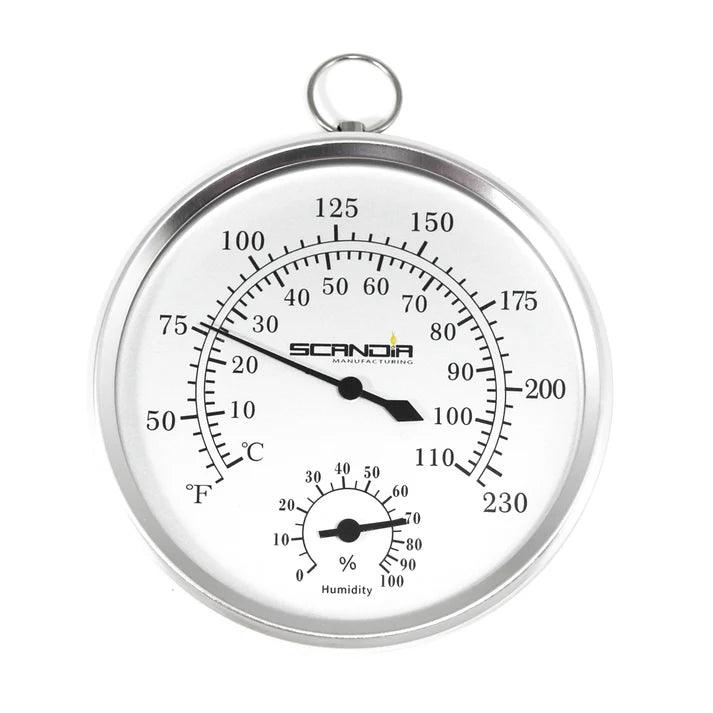
Saunas typically offer dry heat, while hot tubs provide a wet heat environment. If you prefer a dry atmosphere, a sauna may be the better choice. Conversely, if you enjoy being submerged in water, a hot tub is likely more appealing.
Duration of Use
Saunas are usually used for shorter periods, around 15-20 minutes, while hot tubs can be enjoyed for longer sessions, often up to an hour or more. Your available time may influence your choice.
Health Conditions
Individuals with specific health conditions should consider consulting a healthcare professional when choosing between a sauna and a hot tub. For example, those with cardiovascular issues may benefit more from the controlled heat of a sauna, whereas individuals with joint pain may find relief in the buoyancy of a hot tub.
Combining Both for Optimal Relaxation
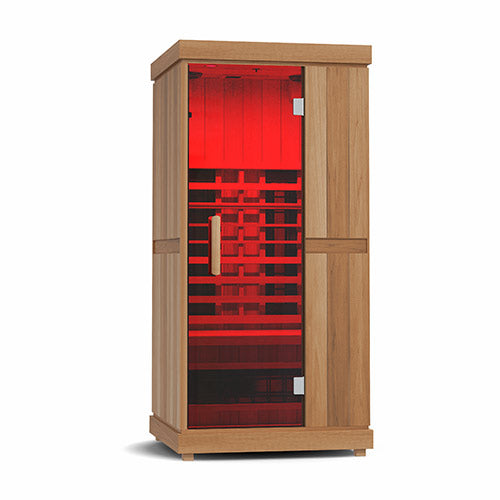
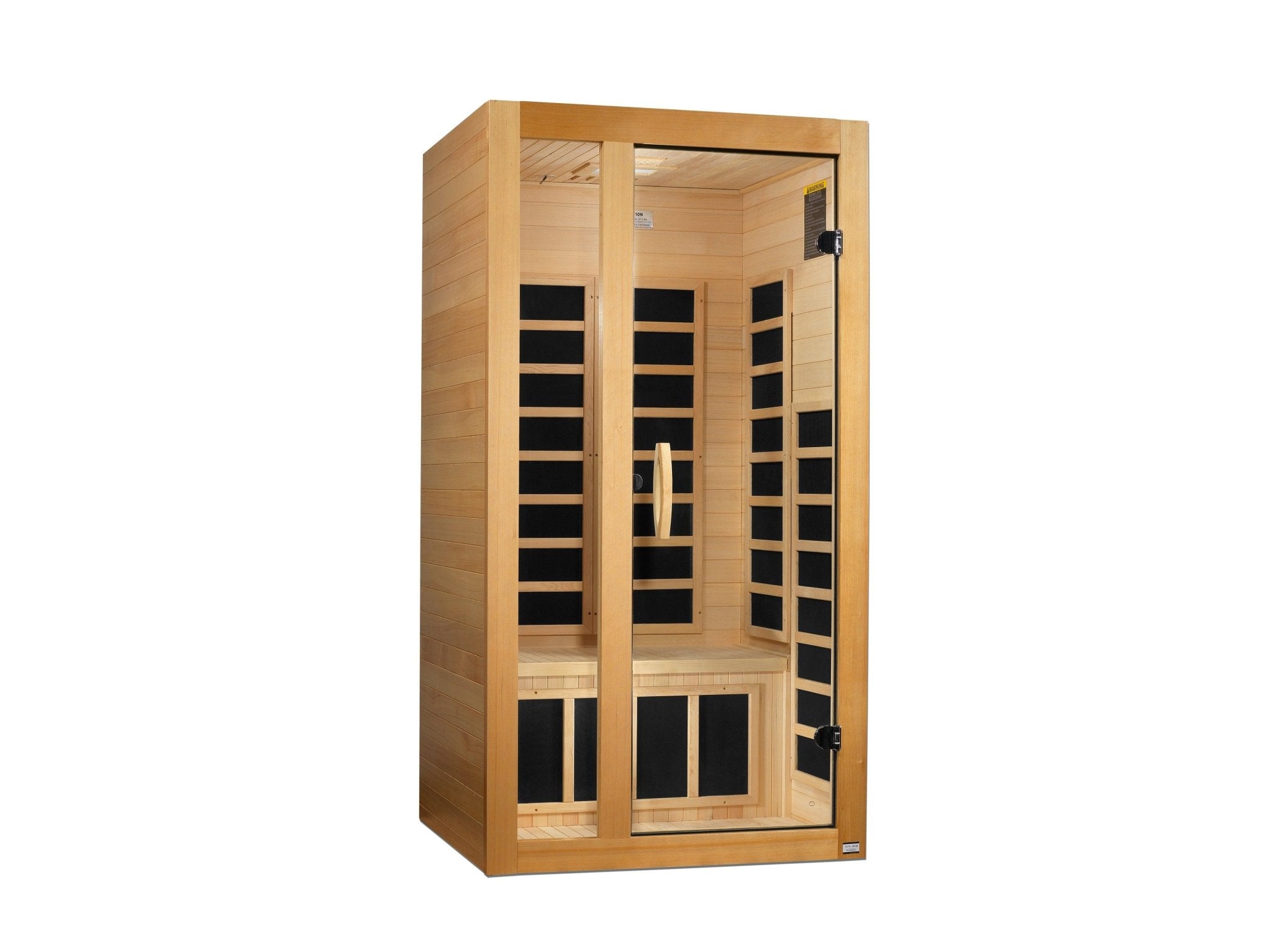
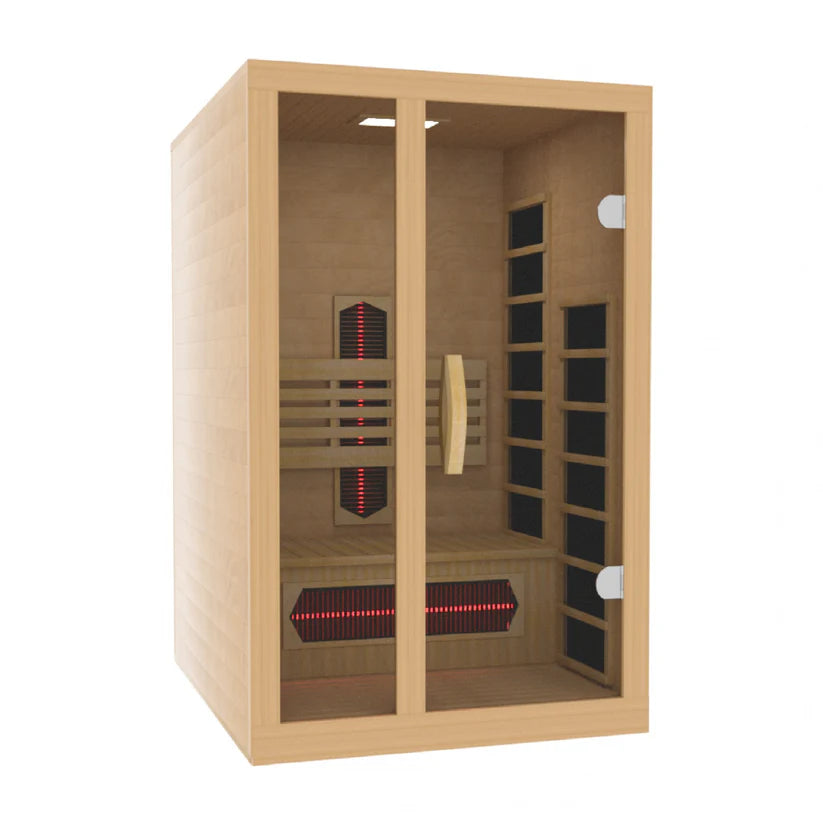
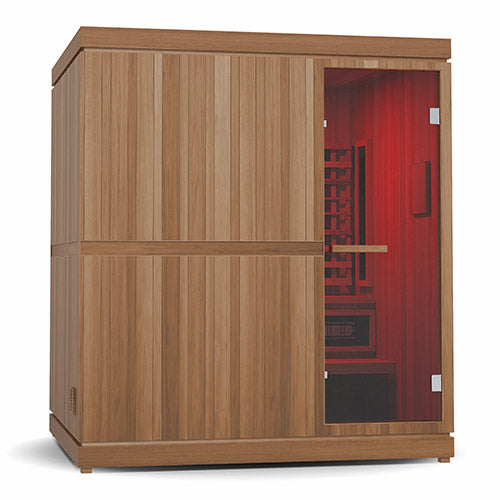
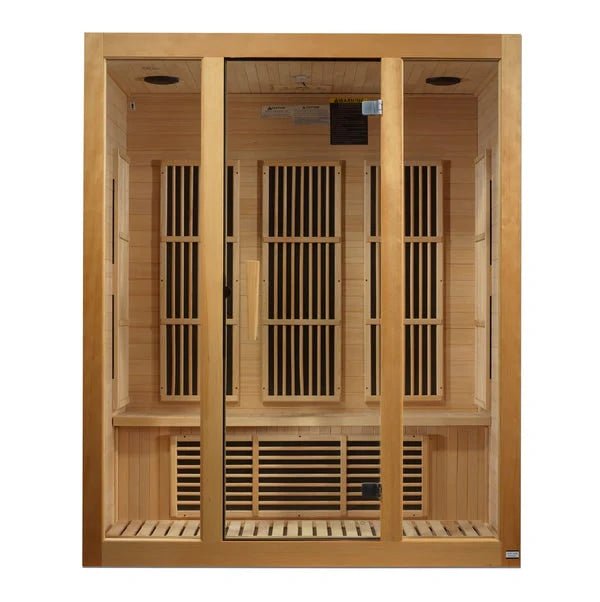
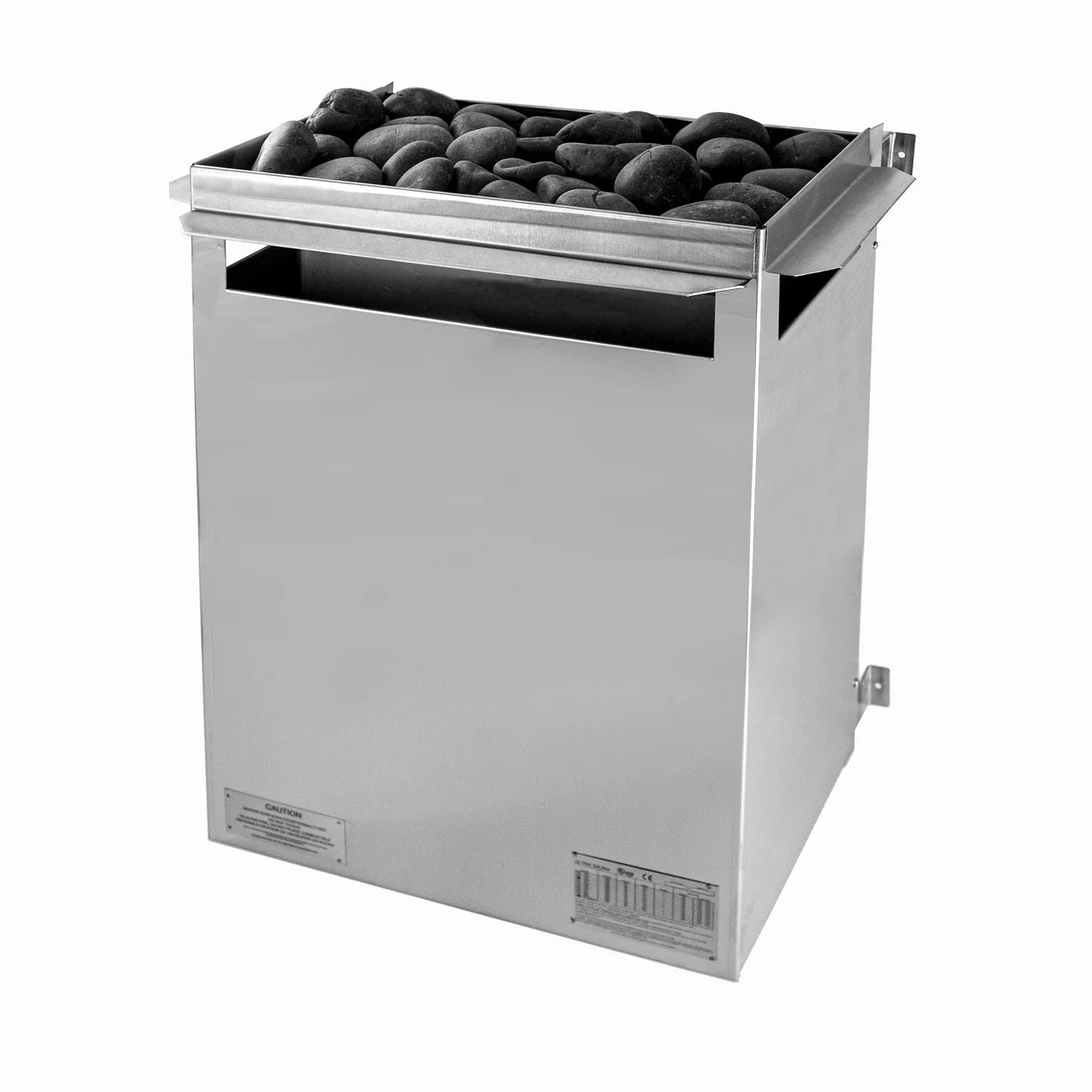
For those looking to maximize their stress relief routine, combining both a sauna and a hot tub can be incredibly beneficial. Alternating between the two can enhance circulation, promote detoxification, and provide a comprehensive relaxation experience. If you’re interested in exploring sauna options, check out our sauna collection.
Conclusion
Both saunas and hot tubs offer unique benefits for stress relief. The best choice ultimately depends on your personal preferences, health considerations, and lifestyle. By understanding the differences and advantages of each, you can create a tailored relaxation experience that suits your needs. Whether you choose the dry heat of a sauna or the soothing waters of a hot tub, you are taking a positive step toward managing stress and improving your overall well-being.
Further Readings
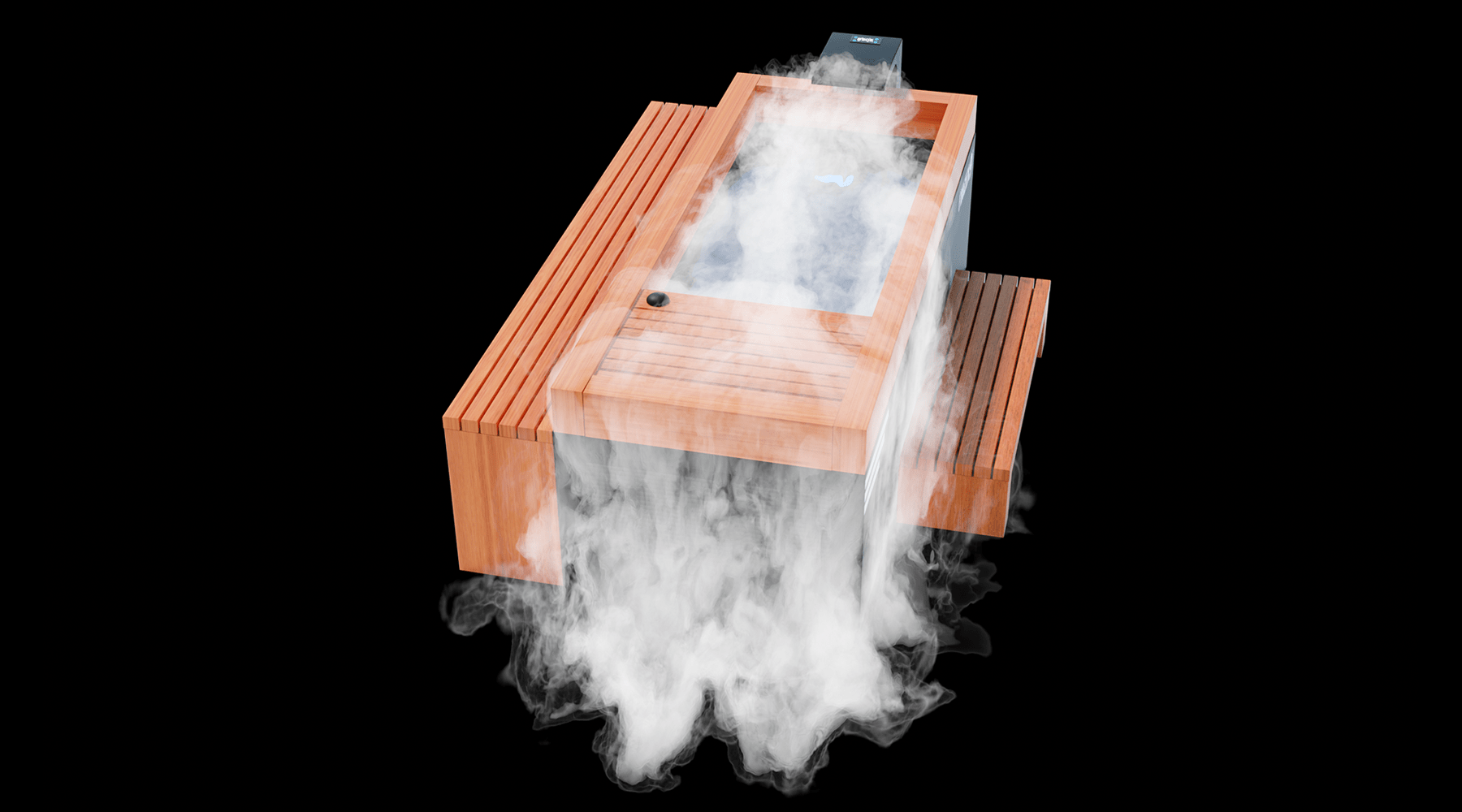
For additional wellness options, consider exploring cold plunge therapy, which can complement your sauna or hot tub experience, or check out massage chairs for at-home relaxation.
Additionally, floatation therapy tanks can provide an immersive experience for relaxation and stress relief; learn more about them here.
Sauna vs Hot Tub: Which is Better for Stress Relief?
Sauna vs Hot Tub: Which is Better for Stress Relief?
Related Posts

Are Infrared Saunas Safe? A Science-Based Guide to Benefits, Risks & Smart Use

The 8 Best 2 Person Saunas of 2026: A Buyer's Guide to Size, Type, and Cost

The Truth About Costco Saunas: Are They Worth the Price and Hassle?

Arcadia Barrel Sauna: The Complete Buyer's Guide & Assembly Blueprint

Low EMF vs Near-Zero EMF Infrared Saunas: What Actually Matters Before You Buy

Chromotherapy vs No Chromotherapy: Who Benefits From It (Practically)? The Buyer's Decision Guide

The Science of Heat: How Saunas Improve Circulation and Cardiovascular Health
