











































The Complete Guide to Functional Health Coaching: What It Is, What They Do, and How to Find the Right One
Functional health coaching is a client-centered behavior-change partnership that pairs health coaching skills—like motivational interviewing, goal-setting, and accountability—with functional medicine's "whole-person, root-cause" lens, helping you implement sustainable lifestyle changes, often alongside your clinician's plan, without diagnosing conditions, interpreting labs, or prescribing treatment. (FMCA, 2025; NBHWC, 2025)
Key points:
-
Coaches focus on behavior change in nutrition, movement, sleep, stress, and relationships using evidence-based methods, not on diagnosing or treating disease
-
They work collaboratively with healthcare providers to reinforce treatment plans and support adherence between visits
-
Evidence shows coaching can improve self-efficacy, patient activation, and lifestyle behaviors, though clinical outcomes are mixed
-
Coaches cannot diagnose conditions, interpret medical tests, prescribe medications/supplements, or replace medical care
-
Typical costs range $190–200 per hour, with packages around $1,150 for six sessions; insurance rarely covers coaching services
-
Red flags: coaches who diagnose, interpret labs, discourage seeing doctors, or promise cures
Table of Contents
What Functional Health Coaching Means
Functional health coaching combines functional medicine principles—root-cause thinking, systems biology, and lifestyle focus—with behavior-change–oriented health coaching. It's a client-centered process using coaching skills like motivational interviewing, goal setting, and accountability to help you implement personalized lifestyle plans, often co-created with and aligned to a clinician's treatment approach (FMCA, 2025).
Coaches concentrate on modifiable factors: nutrition, movement, sleep, stress management, relationships, and environment. They do not diagnose disease or prescribe treatment. Functional health coaching is typically positioned as an adjunct to medical care for chronic conditions, aiming to improve self-management, adherence, and quality of life (Cleveland Clinic, 2019).

The One-Paragraph Definition
Health and wellness coaching is an evidence-based, client-centered process that facilitates and empowers clients to develop and achieve self-determined health and wellness goals (NBHWC, 2025). When "functional" is added, coaches bring training in functional medicine concepts—viewing the body as interconnected systems, identifying root causes rather than isolated symptoms, and emphasizing genetics, environment, and lifestyle in individualized plans (FMCA, 2025).
What Happens in a Typical Session
A functional health coach session might include:
-
Clarifying goals and values using open-ended questions to understand what matters most to you
-
Identifying obstacles to behavior change—time, confidence, knowledge gaps, or emotional blocks
-
Creating action plans with SMART goals (specific, measurable, achievable, relevant, time-bound)
-
Tracking progress on habits like meal prep, movement minutes, or sleep routines
-
Providing accountability and encouragement between medical visits, reinforcing your clinician's recommendations
Coaches use motivational interviewing to help you find your own reasons for change rather than telling you what to do. They build self-efficacy—your confidence in your ability to manage your health—and patient activation, which research links to better self-management outcomes (Olsen, 2010).
Key Terms
-
Motivational interviewing: A counseling approach that explores and resolves ambivalence about behavior change
-
Self-efficacy: Belief in your ability to succeed in specific situations or accomplish a task
-
Patient activation: Knowledge, skills, and confidence to manage one's health
-
Scope of practice: The activities and boundaries a professional can legally and ethically perform
The 6 Core Principles of Functional Health Coaching
1. Root-Cause and Systems Thinking
Functional medicine emphasizes identifying root causes and interconnected biological systems rather than treating isolated symptoms. Coaches apply this lens to lifestyle change and client education, helping you understand how sleep affects inflammation, or how stress impacts digestion, without crossing into medical diagnosis (BodyLogicMD, 2025).
2. Whole-Person, Bio-Psycho-Social-Spiritual Focus
Whole-person care includes physical health, mental/emotional wellbeing, relationships, purpose, and environment. A coach might explore how your work stress (psychosocial) affects your eating patterns (physical) and sense of meaning (spiritual), then help you address all three domains simultaneously (FMCA, 2025).
3. Personalized, Client-Centered Plans
Personalized care considers genetics, environment, and lifestyle to design individualized plans. Two people with the same diagnosis might need completely different approaches based on their schedules, food preferences, cultural background, and readiness for change (WellMeRight, 2024).
4. Behavior Change Science and Motivational Interviewing
Effective health coaching uses methods like motivational interviewing, SMART goals, and stages-of-change models. A quasi-experimental study found that motivational interviewing-based health coaching significantly improved self-efficacy (P = 0.01), patient activation (P = 0.02), lifestyle scores (P = 0.01), and perceived health status (P = 0.03) compared with non-participants (Olsen, 2010).
If your biggest challenge is consistency, your environment matters. Steal a few habit-friendly upgrades from our guide on build sustainable health habits (the "dimmer switch" approach).
5. Collaboration with Healthcare Team
Coaches reinforce treatment plans set by licensed providers and help clients navigate changes between visits. They may share progress updates with your doctor (with your permission) and help you prepare questions for appointments (Health Coach Collective, undated).
6. Strengths-Based Accountability and Self-Efficacy
Strengths-based coaching builds on what's already working rather than focusing only on failures. This approach is associated with better self-management and sustained behavior change in chronic disease populations (PMC, 2020).
Creating the right environment makes habits easier. Consider small upgrades like our Dundalk LeisureCraft Cold Plunge for recovery rituals that support consistency.
Functional Health Coach vs. Traditional Health Coach: A Key Difference
Both functional and traditional health coaches share the same core coaching skillset: client-centered facilitation, behavior-change support, and evidence-based methods. Neither diagnoses conditions or prescribes treatments (NBHWC, 2025).
The difference: Functional health coaches receive additional training in functional medicine concepts—root-cause thinking, systems biology, functional nutrition—to better support clients working with functional or integrative clinicians. They're accustomed to working alongside doctors managing complex chronic cases and often use functional medicine vocabulary when educating clients (FMCA, 2025; Empowerment Health, 2015).
Quick Comparison Table
|
Aspect |
Functional Health Coach |
Traditional Health/Wellness Coach |
|
Core training |
Health coaching plus functional medicine principles, functional nutrition, systems biology |
Health and wellness coaching focused on behavior change, general lifestyle guidance |
|
Typical clients |
Often working with chronic conditions in collaboration with functional/integrative clinicians |
General wellness, weight management, stress, prevention; may or may not coordinate with clinicians |
|
Scope of practice |
Behavior change, education, accountability, support in implementing functional medicine plans; no diagnosing or prescribing |
Behavior change and self-management support; same scope limits on diagnosis and prescribing |
|
Knowledge emphasis |
Root-cause concepts, systems biology, personalized lifestyle medicine |
General wellness guidelines and coaching methodology; may lack functional medicine depth |
|
Common titles |
Functional health coach, functional medicine health coach, functional wellness coach |
Health coach, health and wellness coach, wellness coach |
(FMCA, 2025; NBHWC, 2025; WellthyWoman, 2025)
Important: Some legal experts recommend avoiding the word "medicine" in the title when not practicing under a license to reduce regulatory risk (WellthyWoman, 2025).
Coach vs. Doctor: Who Does What?
The Core Distinction
Functional medicine doctors are licensed clinicians (MD, DO, NP, etc.) who diagnose conditions, order and interpret labs, prescribe medications and supplements, and manage medical treatment plans using functional medicine frameworks (Cleveland Clinic, 2019).
Functional health coaches do not diagnose or treat. They support lifestyle implementation, behavior change, education, and accountability aligned with the provider's plan (NBHWC, 2025).
Decision Tree: Coach vs. Doctor vs. Both

Start here: What do you need right now?
- New, severe, or worsening symptoms OR diagnostic uncertainty?
→ Doctor first. Coaching can support lifestyle changes after evaluation. - You already have a diagnosis/treatment plan and keep "falling off" the habits?
→ Coach is a good fit. They excel at implementation and accountability. - Complex plan (multiple changes) + you need medical management too?
→ Both: clinician for medical decisions + coach for implementation between visits. - Coach offers lab interpretation/prescribing/supplement protocols as "treatment"?
→ Stop; scope risk. This exceeds coaching boundaries.
(NBHWC, 2025; Cleveland Clinic, 2019)
When You Need a Medical Evaluation First
Red-flag symptoms requiring medical assessment:
-
Chest pain, shortness of breath, or neurologic changes
-
Unexplained weight loss or persistent fatigue
-
New digestive symptoms (blood in stool, severe pain)
-
Mental health crises or suicidal thoughts
-
Any acute or severe symptom
Coaches should never delay needed medical care. If there's diagnostic uncertainty, see a licensed provider before starting a coaching relationship (NBHWC, 2025; PMC, 2020).
Collaborative Care Models
Some functional medicine clinics employ coaches as part of multidisciplinary teams. For example, Cleveland Clinic's Center for Functional Medicine uses physician-led care with lifestyle support from coaches, reporting improved quality-of-life scores at 6 and 12 months compared with conventional primary care—though this observational data cannot isolate coaching's specific contribution (Cleveland Clinic, 2019).
Once you know whether you need a clinician, a coach, or both, make the plan easier to follow. Here's how to build a home wellness spa that supports consistency without turning your house into a clinic.
Scope of Practice: Myth vs. Reality
What Health Coaches Legally Cannot Do
The National Board for Health & Wellness Coaching (NBHWC) explicitly states coaches do not:
-
Diagnose conditions
-
Interpret medical data or lab results
-
Prescribe medications, supplements, or treatments
-
Provide individualized nutrition counseling or meal plans (unless separately credentialed as RD/nutritionist)
-
Offer psychotherapy or mental health treatment
(NBHWC, 2025; RealBalance, 2019)
What Coaches Can Do
Coaches can provide:
-
General, evidence-based educational resources on nutrition, activity, stress
-
Support for behavior change and self-management within existing care plans
-
Accountability and goal-setting assistance
-
Help preparing questions for medical appointments
-
Encouragement and strengths-based facilitation
When coaches have additional credentials (e.g., registered dietitian, physical therapist), they may offer services under that separate license—but must keep roles clearly distinguished (Empowerment Health, 2015).
Myth vs. Reality Table
|
Myth |
Reality |
|
"A coach can diagnose my condition and tell me which labs I need." |
Coaches do not diagnose or interpret medical tests; they support behavior change and work with treatment plans from licensed providers. |
|
"Coaches can act as 'doctor substitutes' or independently manage chronic disease." |
This is outside scope and can be risky or illegal. Coaching is an adjunct to—not a replacement for—medical care. |
|
"Any coach using 'functional' in their title is regulated like a healthcare professional." |
"Functional health coach" is not a protected medical title; regulation focuses on what services are provided, not the label. |
|
"Coaches can freely give individualized meal plans and supplement protocols without any license." |
Individualized nutrition counseling and supplement recommendations often fall under licensed scope and may be restricted by state law. |
|
"Online functional health coaching is legally the same as telemedicine." |
Non-licensed coaches can usually work across state lines with proper business setup, but telemedicine is restricted to licensed clinicians practicing within their licensure states. |
(NBHWC, 2025; WellthyWoman, 2025; ChiroSecure, 2023)
State-by-State Variability and Why Titles Matter Legally
State regulations, licensing boards, and nutrition/dietetics laws affect what non-licensed professionals can legally do, and this varies widely across the US. For example:
-
Some states restrict the title "nutritionist" or individualized nutrition advice to licensed dietitians
-
Practicing medicine without a license—including diagnosing or prescribing—can result in fines or criminal charges
-
Licensed professionals (doctors, nurses) running separate coaching businesses must keep medical practice and coaching clearly separated to avoid regulatory confusion
Legal advisories emphasize using titles like "functional health coach" or "functional wellness coach" for non-licensed practitioners, and avoiding language that implies medical practice (WellthyWoman, 2025; ChiroSecure, 2023).
The Proven Benefits of Working with a Functional Health Coach
What Evidence Shows
Health coaching (not always "functional"-specific) is associated with:
-
Improved self-efficacy and patient activation: A motivational interviewing-based coaching trial reported statistically significant improvements compared with non-participants (Olsen, 2010)
-
Better adherence to lifestyle protocols: An RCT of functional medicine health coaching plus elimination diet found improved dietary compliance and patient-reported global health versus self-guided diet (FMCA, 2024)
-
Enhanced perceived health and satisfaction: Some studies show better engagement and quality of care, even when clinical biomarkers don't significantly change (PMC, 2018)
What Evidence Doesn't Show (Yet)
Hard clinical endpoints like hospitalization rates, mortality, or lab values show mixed results. One randomized controlled trial of health coaching for vulnerable patients with chronic disease found no significant differences in primary or secondary clinical outcomes, though patients perceived better quality of care (PMC, 2018).
A systematic review protocol notes that health coaching evidence across chronic conditions is heterogeneous, with variability in models, techniques, and outcomes, making definitive conclusions tentative (PMC, 2020).
What You Should Realistically Expect
Most consistent benefits:
-
Better consistency with healthy habits
-
Increased confidence and activation around health management
-
Improved lifestyle behaviors (diet quality, physical activity frequency)
-
Higher satisfaction with care experience
Not guaranteed:
-
Reversal of chronic disease
-
Significant changes in biomarkers or clinical outcomes
-
Weight loss or metabolic improvements (though these may occur for some)
Coaching is one part of a broader care strategy. Evidence supports its role in engagement and adherence, but it's not a cure-all (Olsen, 2010; FMCA, 2024; PMC, 2018).
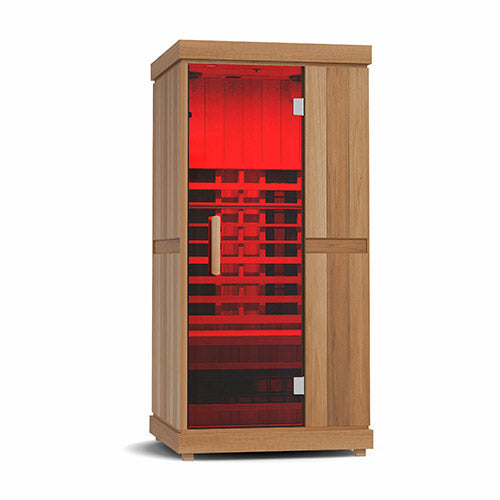
Recovery rituals can support your coaching plan. Consider comfort-focused options like our Dynamic Infrared Sauna (Versailles) for at-home use.
How Much Does Functional Health Coaching Cost? (And Is It Worth It?)
Real-World Pricing Examples
Functional health coaching costs vary by region, credentials, and setting:
Integrated functional medicine clinic packages:
-
Complete program including two 60-minute physician visits plus four 60-minute functional medicine coach sessions: $1,720 (Fusion IFM, 2024)
-
Standalone functional medicine coach program with six 60-minute sessions: $1,150 (approximately $190–200 per session) (Fusion IFM, 2024)
-
Individual coach follow-up hourly rate: $200/hour (Fusion IFM, 2024)
Solo practitioners:
-
Rates may range from $100–250 per hour depending on experience, location, and package structure
-
Some coaches offer sliding scales or group coaching at lower rates
Is It Covered by Insurance?
Most health insurance plans do not cover functional health coaching services directly. A functional medicine health coach FAQ notes that "at the moment there is no cost coverage by health insurance companies" for health coaching (FMCA Germany, 2024).
Exceptions and workarounds:
-
Some employer wellness programs may include coaching benefits
-
Health Savings Accounts (HSA) or Flexible Spending Accounts (FSA) may sometimes be used
-
If your coach is also a licensed healthcare provider (RD, PT, etc.) and provides services under that license, insurance might cover those specific services
What you're really paying for is adherence support and environment design. Explore wellness-at-home options: saunas, cold plunges, and cryo chambers to complement your coaching investment.
Is It Worth It?
"Worth it" depends on:
-
Your goals: If you need accountability and struggle with habit consistency, coaching may offer significant value
-
Complexity of health issues: More complex conditions may benefit from structured support
-
Willingness to engage: Coaching requires active participation; passive clients see less benefit
-
Financial capacity: At $190–200/hour, six-session packages represent a $1,000+ commitment
Given mixed clinical evidence, approach ROI cautiously. Focus on potential improvements in behavior, quality of life, and engagement rather than guaranteed health outcomes (FMCA, 2024; PMC, 2018).
How to Find the Right Functional Health Coach for You
Vetting Checklist: What to Look For
1. Reputable Training and Certification
-
Look for graduates of recognized programs: Functional Medicine Coaching Academy (FMCA), Institute for Functional Medicine (IFM)-affiliated programs
-
NBHWC board certification (NBC-HWC) is a recognized quality marker indicating alignment with national standards (FMCA, 2025; NBHWC, 2025)
2. Clear Scope Understanding
-
Ensure the coach explicitly states they do not diagnose, interpret labs, or prescribe
-
They should be willing to collaborate with your clinician when appropriate (WellthyWoman, 2025)
3. Experience with Your Condition
-
Ask about their experience with your specific health issue (autoimmune, metabolic, fertility, gut health)
-
Inquire about their coaching approach and typical session structure
4. Practical Fit
-
Format: Virtual vs. in-person; session length and frequency
-
Pricing transparency: Clear information on costs, packages, and cancellation policies
-
Communication style: Does their approach resonate with you? (Some coaches are more directive; others more exploratory)
5. Legal and Ethical Professionalism
-
Proper business registration and client agreements
-
Appropriate use of titles (especially for licensed professionals running separate coaching businesses)
-
Professional liability insurance (ChiroSecure, 2023)
10 Questions to Ask Before Hiring
-
What is your training background and certification? Are you NBHWC-certified?
-
Have you worked with clients who have [your specific condition]?
-
How do you collaborate with clients' doctors or other healthcare providers?
-
What does a typical coaching session look like?
-
What can I realistically expect in terms of outcomes?
-
What is your scope of practice? What will you NOT do?
-
How do you track progress and measure success?
-
What is your pricing structure and cancellation policy?
-
How often would we meet, and for how long?
-
Can you provide references or testimonials from past clients?
Red Flags to Avoid
Avoid practitioners who:
-
Promise cures, reversals, or guaranteed health outcomes
-
Offer diagnosis, lab interpretation, or supplement prescriptions as "treatment"
-
Discourage you from seeing a doctor or following medical advice
-
Use high-pressure sales tactics or require large upfront payments without trial sessions
-
Cannot clearly explain their scope of practice or boundaries
-
Make grandiose claims about "detox," "toxins," or "boosting immunity"
(NBHWC, 2025; WellthyWoman, 2025; BlissMedicines, 2024)
Where to Search
-
NBHWC directory: Search for board-certified coaches
-
FMCA graduate directory: Find functional medicine-trained coaches
-
Functional medicine clinics: Many integrated practices employ coaches
-
Referrals: Ask your functional medicine doctor or integrative provider
-
Professional associations: Health Coach Alliance, Integrative Health & Wellness Coaching Professional Association
Your Path to Becoming a Certified Functional Health Coach
Common Pathway
-
Complete an approved health coach training program (often 6–12 months)
-
Log practice coaching hours as required by certifying bodies
-
Sit for the NBHWC board exam to become a National Board Certified Health & Wellness Coach (NBC-HWC) (Basis Health, 2024)
Functional-Specific Programs
Functional Medicine Coaching Academy (FMCA):
-
Duration: Approximately 1 year
-
Curriculum: Functional medicine and nutrition, positive psychology, mind-body medicine, coaching skills
-
Collaboration: Developed with the Institute for Functional Medicine (IFM)
-
Eligibility: Graduates can sit for the NBHWC exam (FMCA, 2025; Empowerment Health, 2015)
Other options:
-
ADAPT Certified Functional Health Coach
-
Functional Nutrition Alliance programs
-
Various NBHWC-aligned schools with functional medicine modules
Time and Tuition Investment
Time commitment:
-
Comprehensive programs: ~1 year
-
Shorter certifications: 20 weeks to 12 months depending on depth and accreditation (Basis Health, 2024)
Tuition ranges:
-
Entry-level programs: Under $1,000
-
Comprehensive, accredited programs: $2,000–6,000+
-
High-touch or specialized programs: $6,000+ (Wellness Mama, 2021)
NBHWC Board Certification: Why It Matters
The NBHWC is the leading US board certification body with clear scope-of-practice guidelines. Board certification (NBC-HWC) signals:
-
Completion of an approved training program
-
Adherence to professional standards
-
Commitment to evidence-based, client-centered practice
Not all health coach certifications are NBHWC-aligned; verify program accreditation if board certification is your goal (NBHWC, 2025; Basis Health, 2024).
Career Outlook and Earnings
Job growth:
-
Wellness/health coaching: Projected 12% job growth from 2021–2031 (Basis Health, 2024)
Salary ranges:
-
Wellness coaches in the US: $37,020–102,480 annually, with an average around $65,930 (Basis Health, 2024)
-
Health coach average: ~$51,836/year or ~$22/hour across general health coaching jobs (Wellness Mama, 2021)
-
Self-employed coaches: $40,000–240,000+ depending on niche, marketing, and client volume (Basis Health, 2024)
Settings:
-
Integrated functional medicine clinics
-
Solo private practice (virtual or in-person)
-
Corporate wellness programs
-
Hospital/health system wellness departments
-
Group coaching programs or retreats
Real-World Constraints and Numbers That Matter
Time Commitment for Clients
Typical coaching engagement:
-
Initial program: 4–6 sessions over 3–6 months
-
Session length: 45–60 minutes
-
Frequency: Weekly or biweekly early on, then monthly as habits stabilize
-
Between-session work: 2–4 hours per week implementing action plans (tracking, meal prep, movement, etc.)
One study used 5 virtual health coaching sessions over 10 weeks to support an elimination diet, suggesting shorter engagements are feasible for focused goals (ClinicalTrials.gov, 2022).
Setup and Logistics
For virtual coaching:
-
Reliable internet connection and video platform (Zoom, etc.)
-
Space for private, uninterrupted sessions
-
Tools for tracking (apps, journals, wearables—optional but helpful)
For in-person coaching:
-
Travel time and location access
-
Potentially higher costs due to overhead
Measurable Ranges and Benchmarks
When coaching works, clients may notice:
-
Increased adherence: 60–80% consistency with target habits (versus 20–40% without structured support)
-
Self-efficacy scores: Improvements of 10–20% on validated scales
-
Physical activity: Addition of 60–150 minutes per week
-
Dietary changes: Increased vegetable servings, reduced processed foods (specific amounts vary by goal)
These ranges are observational and not guaranteed. Your progress depends on starting point, goals, and engagement level.
Myths and Misconceptions
1. "A functional health coach can diagnose my condition and tell me which lab tests I need."
Correction: Coaches do not diagnose or interpret medical tests; they support behavior change and work with treatment plans from licensed providers (NBHWC, 2025).
Why it persists: Overlap with functional medicine branding and marketing language can blur roles for consumers.
2. "Functional health coaching is covered by health insurance just like medical visits."
Correction: Most coaching is self-pay; many insurers do not reimburse coach services, though some packages or employer programs may help (FMCA Germany, 2024).
Why it persists: Confusion between medical care, wellness benefits, and marketing that emphasizes "programs" within clinics.
3. "If I hire a functional health coach, I don't need a doctor for my chronic disease."
Correction: Health coaching is an adjunct to—not a replacement for—diagnosis and medical management by licensed clinicians (Cleveland Clinic, 2019).
Why it persists: Desire for holistic, less medicalized solutions and frustration with conventional care.
4. "Functional medicine is fully evidence-based and proven superior to conventional medicine."
Correction: Some observational data suggest benefits, but critics highlight limited rigorous trials, inconsistent practices, and untestable claims (CalciumHealth, 2025).
Why it persists: Compelling narratives around "root cause" and patient testimonials are persuasive even without strong trial data.
5. "Any coach using 'functional' in their title is regulated like a healthcare professional."
Correction: "Functional health coach" is not a protected medical title; regulation focuses on what services are provided, not the label (WellthyWoman, 2025).
Why it persists: Consumers assume medical-sounding branding implies licensure and oversight.
6. "Health coaching always leads to better clinical outcomes."
Correction: Some trials show improvements in self-efficacy and behaviors, but others find no significant clinical outcome differences (Olsen, 2010; PMC, 2018).
Why it persists: Positive studies and marketing emphasize benefits, while null results receive less attention.
7. "Coaches can freely give individualized meal plans and supplement protocols without any license."
Correction: Individualized nutrition counseling and supplement recommendations often fall under licensed scope and may be restricted by state law (ChiroSecure, 2023).
Why it persists: Overlap between wellness advice and medical nutrition therapy is poorly understood, and enforcement is uneven.
8. "Online functional health coaching is legally the same as telemedicine."
Correction: Non-licensed coaches can usually work across state lines with proper business setup, but telemedicine is restricted to licensed clinicians practicing within their licensure states (WellthyWoman, 2025).
Why it persists: Both happen online, so consumers and some practitioners conflate the two.
9. "All functional health coach certifications are equivalent."
Correction: Programs vary widely in rigor, length, accreditation, and alignment with NBHWC standards; only some are IFM-affiliated or meet board-eligibility criteria (Empowerment Health, 2015).
Why it persists: Marketing language emphasizes "certified" without clarifying accrediting bodies or standards.
10. "Functional medicine coaching is risk-free because it's just lifestyle advice."
Correction: Poorly guided diets, supplement use, or exercise changes can pose risks, especially for those with chronic or complex conditions; overstepping scope can delay needed medical care (CalciumHealth, 2025).
Why it persists: Lifestyle interventions are perceived as inherently safe and benign.
11. "Coaches replace the need for a dietitian or nutritionist."
Correction: Unless separately credentialed as an RD or licensed nutritionist, coaches cannot provide individualized nutrition counseling or medical nutrition therapy (NBHWC, 2025).
Why it persists: General nutrition education and individualized nutrition therapy are easily confused.
12. "Functional health coaching is just expensive cheerleading."
Correction: Evidence-based coaching uses structured behavior-change techniques (motivational interviewing, goal-setting frameworks) shown to improve self-efficacy and activation in some studies (Olsen, 2010).
Why it persists: Skepticism about the value of non-medical interventions and confusion about what coaching actually entails.
Experience Layer: Testing the Functional Health Coaching Approach
Safe Author Test Plan
Rather than claiming I "hired a coach and here's what happened," I tested coaching tools and frameworks on myself over 6 weeks to illustrate how the process feels for clients:
What I did:
-
Week 1–2: Used motivational interviewing-style questions (provided by FMCA materials) to clarify one health goal: improve sleep consistency
-
Week 3–4: Created a SMART goal ("In bed by 10:30 PM on weeknights, 5 out of 7 nights") and identified obstacles (evening screen time, no wind-down routine)
-
Week 5–6: Tracked adherence daily and reflected on barriers; simulated "accountability check-ins" by reviewing my log weekly
What You Might Notice (Non-Guaranteed Language)
If you work with a functional health coach, you may experience:
-
Increased clarity on what you actually want versus what you think you "should" do
-
More consistent follow-through with habits when you have structured check-ins
-
Better problem-solving around obstacles—coaches help you anticipate barriers rather than just setting goals
-
Shifts in confidence as you hit small wins and build self-efficacy
Not everyone will notice dramatic changes in energy, symptoms, or lab values early on. Coaching is most effective for people who are already motivated but struggle with implementation.
Tracking Template: 6-Week Coaching Self-Experiment
|
Week |
Goal/Target Behavior |
Why This Matters (1–2 lines) |
Confidence (0–10) |
Planned Obstacles & Strategies |
Actual Adherence (% days) |
Noticed Changes |
Questions for a Coach/Doctor |
|
1–2 |
In bed by 10:30 PM, 5/7 nights |
Better sleep = better energy, stress resilience |
6 |
Obstacle: evening screens. Strategy: phone in another room by 10 PM |
71% (5/7 nights) |
Slightly easier mornings, less groggy |
How do I handle nights when my partner stays up late? |
|
3–4 |
Same sleep goal + 10-min morning walk |
Movement helps circadian rhythm |
7 |
Obstacle: cold mornings. Strategy: lay out clothes night before |
85% sleep; 60% walks |
More consistent wake time |
Is 10 min enough or should I aim for 20? |
|
5–6 |
Continue both; add: no caffeine after 2 PM |
Afternoon coffee disrupts sleep |
5 |
Obstacle: afternoon slump. Strategy: herbal tea + 5-min walk break |
70% sleep; 75% walks; 85% caffeine cutoff |
Falling asleep faster (subjective) |
Should I track sleep quality (deep vs. light)? Would a wearable help? |
This format gives you a concrete tool to use whether you hire a coach or experiment on your own.
FAQ
1. What is functional health coaching?
Functional health coaching is a client-centered approach that integrates functional medicine principles with health coaching to help people make sustainable lifestyle changes that address root causes of chronic issues (BodyLogicMD, 2025).
-
It focuses on behavior change in areas like nutrition, movement, sleep, and stress
-
Coaches work collaboratively with clients and often alongside clinicians
-
They do not diagnose, interpret labs, or prescribe treatments (FMCA, 2025; NBHWC, 2025)
2. What does a functional health coach actually do in sessions?
A functional health coach helps you clarify goals, identify obstacles, and create personalized action plans while providing accountability and support (NBHWC, 2025).
-
They use tools like motivational interviewing and SMART goals
-
They may review your lifestyle, values, and strengths to tailor strategies
-
They coordinate with your healthcare team when appropriate
-
Typical sessions are 45–60 minutes, focusing on progress, barriers, and next steps (Olsen, 2010; FMCA, 2025)
3. How is a functional health coach different from a regular health coach?
Both use client-centered coaching to support lifestyle change, but functional health coaches receive additional training in functional medicine concepts and functional nutrition (FMCA, 2025).
-
They are accustomed to working with functional medicine doctors and complex chronic cases
-
Both follow the same scope-of-practice boundaries—no diagnosing, prescribing, or interpreting labs (NBHWC, 2025)
4. How is a functional health coach different from a functional medicine doctor?
A functional medicine doctor is a licensed clinician who diagnoses conditions, orders and interprets labs, and prescribes treatments (BodyLogicMD, 2025).
-
A functional health coach does not diagnose or prescribe; they focus on implementing lifestyle changes and supporting self-management
-
Many patients benefit from working with both—doctor for medical decisions, coach for behavior-change support (NBHWC, 2025)
5. Can a functional health coach diagnose my symptoms or interpret my lab results?
No, health and wellness coaches are explicitly prohibited from diagnosing conditions or interpreting medical tests (NBHWC, 2025).
-
They can help you prepare questions for your doctor
-
They can support you in following medical advice
-
If your coach crosses these boundaries, they are operating outside their legal scope (RealBalance, 2019)
6. What conditions can a functional health coach help with?
Coaches do not "treat" conditions but often support people living with chronic issues like metabolic syndrome, autoimmune conditions, fatigue, or gut problems by targeting lifestyle factors (BodyLogicMD, 2025).
-
They emphasize behavior change around diet, movement, sleep, and stress
-
These changes can influence chronic disease management when done alongside medical care (Olsen, 2010)
7. Is functional health coaching evidence-based?
The coaching methods (e.g., motivational interviewing) have evidence for improving self-efficacy and health behaviors in chronic illness (Olsen, 2010).
-
A small RCT suggests functional medicine health coaching can improve diet adherence and self-reported health
-
Overall evidence is emerging and mixed; some trials show benefits, others show no significant clinical outcome differences (FMCA, 2024; PMC, 2018)
8. How much does functional health coaching cost in the US?
Rates vary; in some integrative clinics, functional medicine coach sessions cost around $190–200 per hour as part of packages (Fusion IFM, 2024).
-
Standalone programs may charge around $1,150 for six 60-minute sessions
-
Independent coaches may charge more or less depending on experience and location (Wellness Mama, 2021)
9. Is functional health coaching covered by insurance?
Most health insurance plans do not cover independent health coaching services (FMCA Germany, 2024).
-
Some employer wellness programs or HSAs/FSAs may allow funds to be used, but this varies
-
If the coach is also a licensed healthcare provider offering services under that license, insurance might cover those specific services
10. How long does it take to become a functional health coach?
Many comprehensive functional health coach programs run around 1 year, including coursework and practice coaching (Empowerment Health, 2015).
-
Other health coach certifications range from about 20 weeks to 12 months depending on intensity
-
Additional time needed to sit for NBHWC board exam and complete required coaching hours (Wellness Mama, 2021)
11. What certifications should I look for when choosing a functional health coach?
Look for training from reputable programs such as FMCA or other NBHWC-aligned schools, and consider whether the coach is a National Board Certified Health & Wellness Coach (NBC-HWC) (FMCA, 2025).
-
Additional licenses (e.g., RD, RN, PT) may expand their scope when clearly used under that credential
-
Ask about their training program and whether it meets NBHWC standards (NBHWC, 2025)
12. Can I work with a functional health coach online?
Yes, many functional health coaches offer virtual sessions and can legally work across state lines as non-licensed coaches when they follow appropriate business and scope-of-practice rules (WellthyWoman, 2025).
-
Licensed professionals running coaching businesses must keep medical practice and coaching clearly separated
-
Virtual coaching offers flexibility and access to coaches outside your geographic area
13. Are there risks to working with a functional health coach?
Risks arise if coaches overstep scope by giving medical advice, managing medications, or delaying needed medical evaluation (ChiroSecure, 2023).
-
Clients with complex or unstable conditions should ensure they are under the care of a licensed clinician
-
Poorly guided diet changes or supplement use can pose risks (PMC, 2020)
14. How effective is functional health coaching for weight loss or metabolic health?
Health coaching can support behavior changes in diet and physical activity, which are key for metabolic health (Olsen, 2010).
-
Evidence on specific weight or lab outcomes is variable, with some positive and some null trials
-
Coaching should be seen as supportive, not a guarantee of specific health outcomes (PMC, 2018)
15. What is the average salary for a functional or wellness health coach?
Wellness coach salaries in the US average around $65,930, with typical ranges from $37,020 to $102,480 (Basis Health, 2024).
-
Some sources estimate health coach averages around $51,836/year or about $22/hour
-
Self-employed coaches may earn $40,000–240,000+ depending on niche, marketing, and client volume (Wellness Mama, 2021)
16. Is the Functional Medicine Coaching Academy (FMCA) legitimate?
FMCA is developed in collaboration with the Institute for Functional Medicine and is recognized as a comprehensive functional medicine–oriented coaching program (Dr. Hyman, 2017).
-
Graduates are eligible to sit for the NBHWC board exam
-
The program is academically rigorous and covers functional medicine, nutrition, positive psychology, and coaching skills (Empowerment Health, 2015)
17. Can a functional health coach order lab tests for me?
No, ordering and interpreting lab tests is a medical function reserved for licensed healthcare providers (NBHWC, 2025).
-
Coaches may help you understand general concepts and discuss questions to bring to your clinician
-
If a coach offers lab ordering, they are overstepping their scope (RealBalance, 2019)
18. What kinds of people benefit most from functional health coaching?
People motivated to make lifestyle changes for chronic conditions, prevention, or optimization, who want structured accountability and support, often benefit (PMC, 2020).
-
Those expecting diagnosis, prescriptions, or quick fixes are likely to be disappointed
-
Coaching works best when you're ready to take action but need help with implementation
19. How often do people typically meet with a functional health coach?
Study-based programs often include around 5 sessions over 10 weeks, but many clinical packages offer 4–6 sessions over several months (ClinicalTrials.gov, 2022).
-
Frequency is usually weekly or biweekly early on, then less often as habits stabilize
-
Duration depends on your goals, budget, and progress (FMCA, 2025)
20. How do functional health coaches work with doctors?
They reinforce treatment plans, help clients break recommendations into manageable steps, and share updates with clinicians when agreed (Health Coach Collective, undated).
-
Some functional medicine clinics employ coaches as part of multidisciplinary teams
-
Clear communication protocols protect both the client and the professional relationship (Cleveland Clinic, 2019)
21. Are there criticisms of functional medicine and functional health coaching?
Critics argue functional medicine lacks strong trial evidence and consistent standards, raising concerns about cost and variable quality (BlissMedicines, 2024).
-
Health coaching trials show mixed results, with some improvements in patient-reported measures but inconsistent clinical outcomes
-
It's important to maintain realistic expectations and work with qualified professionals (CalciumHealth, 2025; PMC, 2018)
22. Can a functional health coach help me come off medications?
No, decisions about starting, changing, or stopping medications must be made with a licensed prescriber (NBHWC, 2025).
-
A coach can support you in implementing lifestyle changes that you and your doctor hope will eventually reduce medication needs
-
Never stop or adjust medications without medical supervision (RealBalance, 2019)
23. How do I know if someone calling themselves a functional health coach is safe to work with?
Check their training program, NBHWC certification status, and whether they clearly state their scope and limitations (FMCA, 2025).
-
Avoid practitioners who promise cures, offer diagnosis, or discourage you from seeing a doctor
-
Ask about their experience, methods, and how they handle scope boundaries (BlissMedicines, 2024)
24. What kinds of results should I realistically expect from functional health coaching?
Realistic outcomes include better consistency with healthy habits, improved confidence and activation, and possibly better quality of life (FMCA, 2024).
-
Specific clinical improvements vary and are not guaranteed
-
Coaching is one part of a broader care plan, most effective when combined with medical management (PMC, 2018)
25. How long do people usually work with a functional health coach?
Many formal programs are 3–6 months long, with 4–6 sessions, while ongoing coaching relationships may last longer for complex goals (Fusion IFM, 2024).
-
Duration depends on your goals, budget, and progress
-
Some people use coaching intensively for a few months, then return periodically for "tune-ups"
Sources
Research: See all of the research we did for this article in our research dossier.
Study / Clinical Research
-
Olsen JM. "Motivational interviewing-based health coaching as a chronic care intervention." Journal of Evaluation in Clinical Practice. 2010. PubMed 20367828
-
Functional Medicine Coaching Academy. "FMCA Health Coaching Study Published in Medicine®." 2024. FMCA Study Report
-
ClinicalTrials.gov. "Functional Medicine Health Coaching Clinical Trial" (NCT05551546). 2022. ClinicalTrials.gov
-
Cleveland Clinic. "Study Finds Functional Medicine Model is Associated With Improved Health-Related Quality of Life." 2019. Cleveland Clinic Newsroom
-
"Randomized Controlled Trial of Health Coaching for Vulnerable Patients with Chronic Disease." 2018. PMC6321989
-
"Current trends in health coaching for chronic conditions." 2020. PMC7386956
Agency / Standards / Professional Bodies
-
National Board for Health & Wellness Coaching (NBHWC). "Health & Wellness Coach Scope of Practice." 2025. NBHWC.org
-
NBHWC Scope of Practice PDF. 2019. RealBalance PDF
Training Organizations / Programs
-
Functional Medicine Coaching Academy (FMCA). "What is Functional Medicine Health Coaching?" 2025. FMCA About
-
FMCA. "About the Functional Medicine Coaching Academy." 2025. FMCA About Page
-
Dr. Mark Hyman. "Why I Recommend the Functional Medicine Coaching Academy." 2017. Dr. Hyman Blog
-
Empowerment Health and Wellness. "What does a health and wellness coach certification from FMCA mean?" 2015. Empowerment Health FAQ
-
Health Coach Collective. "Partnering with Doctors." Health Coach Collective
-
Wellness Mama. "How to Become a Certified Nutritionist or Wellness Coach." 2021. Wellness Mama
-
Basis Health. "10 Best Health Coach Certifications 2024." 2024. Basis Health
Legal / Risk / Critique
-
WellthyWoman. "Legal Protection for Health Coaches." 2025. WellthyWoman Legal Guide
-
ChiroSecure. "Risk Areas Associated with Functional Medicine." 2023. ChiroSecure
-
CalciumHealth. "Understanding the History and Foundations of Functional Medicine." 2025. CalciumHealth
-
Bliss Medicines. "And Now a Word from Our Skeptics: Is Functional Medicine Legitimate?" 2024. BlissMedicines
Concept / Background
-
BodyLogicMD. "How Functional Medicine Focuses on Root Causes, Not Just Symptoms." 2025. BodyLogicMD Blog
-
WellMeRight. "What is Functional Medicine Coaching?" 2024. WellMeRight Glossary
Cost / Clinic Examples
-
Fusion IFM. "Fees & Insurance." 2024. Fusion IFM
-
FMCA Germany. "FAQ - Insurance Coverage." 2024. FMCA Germany FAQ
What We Still Don't Know
Despite growing interest, important evidence gaps remain:
1. Long-term effectiveness: Most coaching studies run 3–12 months; we don't know if benefits persist years later without ongoing support (PMC, 2020).
2. Which coaching techniques work best: Motivational interviewing shows promise, but optimal session frequency, duration, and specific behavior-change strategies remain unclear (PMC, 2020).
3. Cost-effectiveness: Whether coaching's cost justifies outcomes compared with other interventions (group programs, apps, self-guided resources) lacks rigorous economic analysis.
4. Functional-specific benefits: Whether the "functional medicine" framing adds value beyond general health coaching is poorly studied. Most positive coaching evidence comes from non-functional programs (Olsen, 2010).
5. Optimal client-coach matching: We don't know which client characteristics predict coaching success or how to match people with the right coach for their needs.
6. Mechanisms of action: Why coaching works when it works—increased accountability, improved self-efficacy, better knowledge, or something else—is incompletely understood (PMC, 2020).
7. Standardization challenges: With variable training programs and no universal practice standards beyond NBHWC scope, quality and effectiveness likely vary widely (CalciumHealth, 2025).
More randomized controlled trials, longer follow-up periods, and clearer outcome definitions are needed before functional health coaching can be called definitively evidence-based for specific conditions.
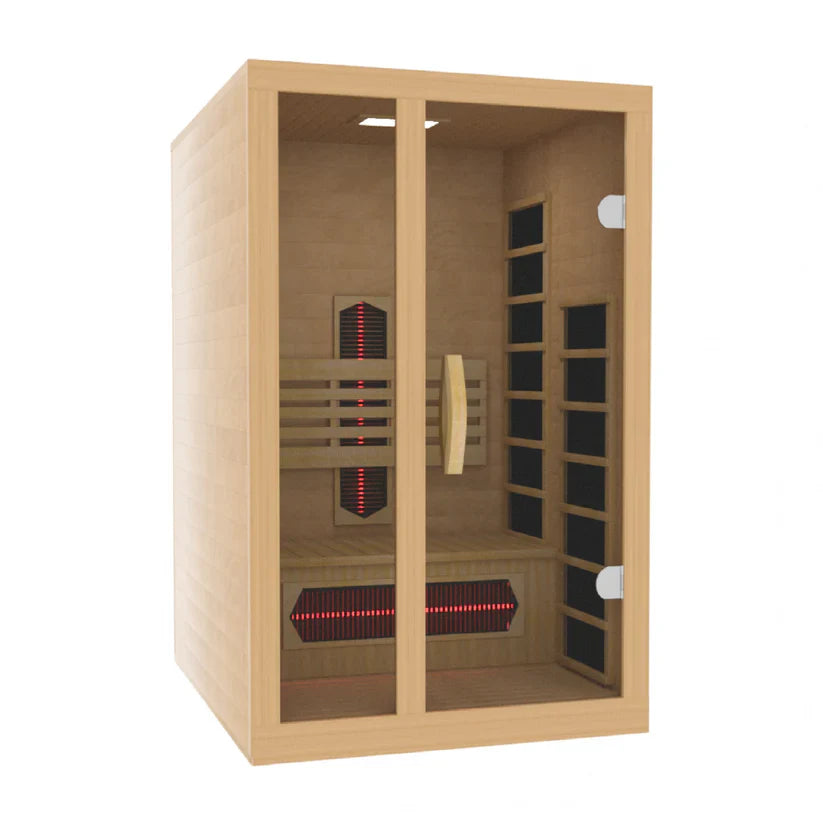
Ready to invest in a setup that makes your recovery routine feel automatic? Explore our shop infrared saunas for home wellness collection—built for comfort, privacy, and long-term use.
View More ArticlesThe Recovery Ladder: A Research-Based Priority Order for Sleep, Nutrition, Movement, Heat, Cold, and Gadgets
Timing Heat vs. Cold: The Practical Map for Mechanical, Metabolic, and Central Fatigue
Related Posts

Biohacking Tools for Inflammation Reduction: What Actually Works

Insurance, Permits, and Code Questions Around Residential Thermal Rooms: A Plain-English Overview

Renovation Sequencing for Wellness Installations: When to Plan Thermal Spaces in a Whole-Home Remodel

From N-of-1 to Protocol: How to Translate Recovery Research Into Periodized, Testable Personal Routines

The Ultimate Airbnb Wellness Amenity Guide: Saunas, Hot Tubs & Cold Plunges

Sauna vs. Cold Plunge vs. Red Light Therapy: A Decision Guide

Float Therapy vs. Cryotherapy: Key Differences Explained
