







When Thermal Modalities Interfere With Training Adaptation: A Practitioner's Guide for Rehab and Strength Staff
Regular immediate cold-water immersion after resistance training can modestly attenuate hypertrophy and strength gains even if it helps short-term soreness, while heat shows clearer benefit in immobilization/atrophy-risk rehab and may support endurance adaptations in select contexts—so staff should periodize heat/cold by goal, phase, and risk profile (Roberts et al., J Physiol 2015; Fyfe et al., Eur J Sport Sci 2024; Heat therapy trial, PubMed 2024; Thorpe, Front Sports Act Living 2021).
Key takeaways:
-
Chronic immediate post-RT CWI (typically 10–15°C for 10–15 minutes) can reduce muscle mass gains by roughly 50–65% compared to training without CWI, though gains still occur
-
The attenuation appears linked to suppressed anabolic signaling (mTOR pathway, satellite cells) and reduced muscle blood flow (~60% decrease)
-
Heat therapy during immobilization preserves muscle cross-sectional area and strength better than sham treatment
-
For hypertrophy blocks: avoid routine immediate post-lift CWI; for in-season performance: strategic CWI acceptable with trade-off awareness
-
Screen for cardiovascular disease, uncontrolled hypertension, peripheral vascular issues before using intense thermal exposures
-
Evidence quality is fair to poor in many studies; effect sizes have wide uncertainty but directional trends are consistent
Table of Contents
-
What Thermal Modality Interference Means
-
The Core Conflict: Why Cold and Heat Aren't Neutral
-
Cold Water Immersion: The Molecular Cost of Acute Recovery
-
Heat Therapy: A Tool for Adaptation and Atrophy Mitigation
-
The Epigenetic Angle: How Thermal Stress Leaves a Long-Term Mark
-
The Thermal Modality Decision Tree: Matching Intervention to Goal
-
Evidence-Based Protocols: Temperature, Duration, and Timing
-
Beyond the Muscle: Thermal Modalities for Tendon and Connective Tissue
-
Safety and Contraindications: What Staff Must Know
-
Myths and Misconceptions
-
Experience Layer: Testing Protocols in Your Program
-
FAQ
-
Sources
-
What We Still Don't Know
What Thermal Modality Interference Means
Thermal modality interference occurs when post-exercise heat or cold changes the normal signaling that drives long-term training adaptations, creating a trade-off between feeling better now and adapting more later (Roberts et al., 2015; Thorpe, 2021).
Training adaptation is the long-term structural and functional change in muscle and other systems resulting from repeated training—including hypertrophy, strength, and endurance improvements. These adaptations depend on controlled stress-recovery cycles where inflammation and metabolic stress serve as signaling events, not just "damage" to erase (Roberts et al., 2015).
Key terms and thresholds:
Cold water immersion (CWI): A recovery technique where part or all of the body is submerged in cold water, typically 10–15°C for 10–15 minutes, often applied immediately after exercise (Fyfe et al., 2024).
Heat therapy (thermotherapy): The use of external heat sources such as hot packs, warm water, or saunas to raise tissue temperature for therapeutic purposes, including pain relief and mitigation of muscle atrophy. Protocols in immobilization studies use local heating at ~40–43°C for 20–40 minutes per session (Heat therapy trial, 2024).
Hypertrophy: An increase in muscle fiber size and overall muscle mass, usually resulting from progressive resistance training and sufficient recovery (Fyfe et al., 2024).
mTOR pathway: A central intracellular signaling pathway regulating muscle protein synthesis and growth, activated by resistance exercise and nutrients, attenuated by CWI in some studies (Roberts et al., 2015).
Important ranges: The "hypertrophy-costly" CWI protocols in research used 10–15°C water for 10–15 minutes immediately after resistance training sessions, applied 2–3 times per week for 8–12 weeks. Heat therapy protocols showing atrophy protection used moderate local heating (40–43°C) for 20–40 minutes, several times per week.
The Core Conflict: Why Cold and Heat Aren't Neutral
The fundamental problem: the same recovery tool can help or harm depending on your current training goal. Cold water immersion might reduce next-day soreness but simultaneously blunt the long-term muscle growth you're trying to build. Heat might feel relaxing but actually serves as a powerful anti-atrophy tool when used strategically.
"Recovery" vs "Adaptation" — What Staff Should Measure
Recovery markers and adaptation outcomes are not interchangeable. A 12-week resistance training study showed CWI reduced perceived soreness and creatine kinase (CK) levels—traditional "recovery" markers—while simultaneously producing 309 ± 73 g of quadriceps mass gain in the active recovery group versus only 103 ± 71 g in the CWI group, a difference of roughly 206 g or about 65% less muscle growth (Roberts et al., 2015).
This illustrates the core conflict: feeling recovered ≠ adapting optimally. Staff measuring only soreness or CK may conclude CWI "works" while missing the bigger picture that chronic use attenuates the very adaptations their athletes are training to achieve.
The Two Goals Thermal Modalities Serve
Thermal modalities serve fundamentally different purposes:
Acute symptom management: Reducing pain, soreness, swelling, and perceived fatigue in the 24–72 hours after training. This prioritizes feeling better and performing sooner.
Long-term adaptation support: Shaping the molecular signaling environment to maximize structural changes like muscle hypertrophy, strength, or metabolic adaptations over weeks to months.
These goals often conflict. The anti-inflammatory and vasoconstricting effects of cold that reduce acute soreness are the same mechanisms that can suppress protein synthesis signaling and satellite cell activity needed for hypertrophy (Roberts et al., 2015; Frontiers Physiology, 2020).
Training adaptations rely on stress → signaling → remodeling cycles. Inflammation, heat shock proteins, and metabolic disturbance are signaling events, not purely negative "damage" to eliminate immediately (Thorpe, 2021). When staff apply thermal modalities without understanding this trade-off, they risk prioritizing comfort over adaptation.
The periodization imperative: Just as you wouldn't train the same way year-round, thermal modalities must be periodized. The same CWI protocol that's defensible during a tournament week becomes counterproductive during an off-season hypertrophy block. The same neutral recovery that works for strength phases may miss an opportunity to use heat therapy to protect muscle during injury rehab (Thorpe, 2021).
Cold Water Immersion: The Molecular Cost of Acute Recovery
If maximizing hypertrophy and strength is your priority, regular immediate post-resistance-training CWI is not your friend—even though it might make athletes feel better the next day.
What the Long-Term Training Studies Actually Show
The clearest evidence comes from a landmark 12-week study where trained men performed lower-body resistance training twice weekly. Half used 10 minutes of 10°C cold-water immersion immediately after each session; the other half did 10 minutes of active recovery (stationary cycling). Both groups gained muscle and strength, but the CWI group gained significantly less:
-
Quadriceps muscle mass gain: 309 ± 73 g (active recovery) vs 103 ± 71 g (CWI)
-
Leg press strength gain: larger in active recovery group
-
Effect size: d ≈ −4.1 for the difference in muscle mass gain (Roberts et al., 2015)
This wasn't a fluke. A 2024 systematic review and meta-analysis of eight studies found that resistance training with CWI produced a standardized mean difference for hypertrophy of approximately −0.22 compared to resistance training alone, with the probability of a negative effect being high despite wide credible intervals reflecting study quality limitations (Fyfe et al., 2024).
Critical context: The attenuation is modest in absolute terms and doesn't abolish gains—athletes still got stronger and bigger, just less so. Study quality was generally fair to poor, so exact effect magnitude remains uncertain. But the directional trend is consistent: chronic immediate post-RT CWI likely costs you some hypertrophy.
Timing Matters: Immediate vs Delayed
The "blunting" evidence is strongest when CWI is applied immediately after resistance training (within 0–30 minutes). The Roberts trial and most included studies in the meta-analysis used this immediate timing (Roberts et al., 2015; Fyfe et al., 2024).
What about delayed timing? Applying cold several hours later or on non-training days is plausible as a workaround, but this strategy lacks direct validation in long-term hypertrophy trials. The periodization framework suggests delayed cold might avoid peak anabolic signaling windows, but we don't have RCT-level confirmation that it fully preserves adaptation (Thorpe, 2021; Fyfe et al., 2024 limitations).
Until better data emerge, the conservative recommendation for hypertrophy phases is: minimize CWI frequency regardless of timing, especially immediately post-session.
The Molecular Mechanisms Beneath the Numbers
Why does immediate post-RT CWI attenuate gains? Multiple converging mechanisms:
Reduced muscle blood flow: Cold immersion acutely reduces blood flow to cooled muscle by approximately 60% compared to warm water, limiting delivery of amino acids and oxygen necessary for protein synthesis (Maastricht-style work summarized in The Conversation, 2025; Frontiers Physiology, 2020).
Suppressed anabolic signaling: Muscle biopsies after resistance training show CWI attenuates phosphorylation of mTOR pathway kinases, reduces satellite cell proliferation and activation, and suppresses markers of ribosomal biogenesis and amino acid transporter gene expression (Roberts et al., 2015; Frontiers Physiology, 2020).
Reduced protein building block use: In one controlled trial, the cooled leg showed approximately 30% lower utilization of amino acid building blocks for muscle growth compared to the warm-water control leg (The Conversation, 2025).
These aren't just biochemistry curiosities—they translate into the 50–65% smaller gains seen in the 12-week trial. The acute signaling suppression appears to compound over repeated exposures.
Endurance vs Strength Contexts: Don't Overgeneralize
The hypertrophy attenuation evidence is strongest in resistance training contexts. Effects on endurance training outcomes are less clear and may differ. Some studies suggest CWI has minimal impact on endurance performance adaptations, though the data are more heterogeneous (Thorpe, 2021; general review framing).
Key point: Don't automatically assume RT hypertrophy findings generalize to all endurance contexts. Keep claims narrow and context-specific. If your athletes are primarily endurance-focused, the cost-benefit calculation may shift, though caution is still warranted.
Whole-Body Cryotherapy vs Traditional CWI
Whole-body cryotherapy (brief exposure to extremely cold air, typically −110°C to −140°C for 2–4 minutes) and traditional water immersion are not interchangeable. The evidence base for whole-body cryotherapy is weaker and more heterogeneous, with fewer high-quality long-term training studies (Fyfe et al., 2024 framing). Don't assume findings from CWI trials automatically apply to cryotherapy chambers.
Temperature Zones for Protocol Translation + Safety
Not all "cold" is equal. A practical framework for staff:
Mild cold (15–20°C): May provide comfort without extreme vasoconstriction; least studied for either recovery or interference effects.
Moderate cold (10–15°C): The range used in most hypertrophy-blunting trials;balances enough cold stress to see effects without extreme safety risk in supervised settings.
Severe cold (<10°C or whole-body cryotherapy): Increases cardiovascular stress and hypothermia risk; used in some recovery protocols but no clear evidence of superior adaptation outcomes to justify added risk.
For hypertrophy-focused blocks, avoid all ranges immediately post-session. For in-season strategic use, moderate cold (10–15°C) aligns with studied protocols. Severe cold is rarely justified outside specialized performance contexts with medical oversight.
Cold showers vs ice baths for recovery: what's best?
For staff and athletes exploring practical cold exposure options, understanding the differences between cold showers and full immersion can help match the intervention to the goal and compliance level.
Heat Therapy: A Tool for Adaptation and Atrophy Mitigation
While cold's strongest evidence is as a potential problem for hypertrophy, heat's clearest evidence is as a solution for a different challenge: preserving muscle during immobilization and injury.
Heat During Immobilization/Rehab — What Improves (and What Doesn't)
A 2024 controlled trial examined healthy adults undergoing experimental ankle immobilization for two weeks followed by rehabilitation. Half received structured heat therapy (local heating to raise intramuscular temperature), while the control group received sham treatment. Results:
Muscle cross-sectional area: Heat therapy limited decreases in plantarflexor cross-sectional area compared to significant CSA loss across all plantarflexors in the sham group.
Strength preservation: The heat group maintained better plantarflexor strength compared to larger declines in the sham group.
Molecular markers: Heat therapy increased phosphorylation (inactivation) of FOXO transcription factors, showed trends toward reduced NFκB phosphorylation, and prevented the marked increases in caspase-3 expression seen with sham immobilization—all consistent with reduced proteolytic (muscle breakdown) signaling (Heat therapy trial, PubMed 2024; Orthop J Sports Med 2024).
Clinical takeaway: In immobilization, limb disuse, or high atrophy-risk rehab contexts where resistance training isn't possible, structured heat therapy is a defensible, evidence-based intervention to attenuate muscle loss.
What this doesn't mean: Don't extrapolate to "sauna after every workout guarantees bigger gains." The immobilization context is specific—muscle preservation when training is impossible. Using heat as an add-on to normal resistance training to boost hypertrophy beyond training alone lacks the same level of RCT support (Normand-Gravier et al., 2024 narrative review).
Heat as Endurance/Heat-Acclimation Support
Repeated heat exposure—through sauna, passive heating, or training in hot environments—can induce cardiovascular and thermoregulatory adaptations including increased plasma volume and improved thermal tolerance. These changes may enhance endurance performance in some contexts, particularly when heat stress is a limiting factor (Thorpe, 2021; Normand-Gravier et al., 2024).
Evidence strength: moderate and context-dependent. Heat acclimation protocols are well-documented for improving tolerance to hot environments and may support endurance conditioning, but the direct performance outcome data are fewer and protocols more heterogeneous than the immobilization/atrophy work.
Practical position for staff: Heat can be a useful conditioning adjunct for endurance athletes or those competing in hot climates, but avoid claiming guaranteed performance gains. Focus on heat adaptation and tolerance benefits.
Heat Too Close to Hard Sessions: Thermal Strain Risk
Adding significant heat stress immediately before or after intense training sessions—especially in already hot environments—can exacerbate cardiovascular strain, increase core temperature to potentially unsafe levels, and impair performance. Careful periodization of heat exposure is needed just as with cold (Thorpe, 2021).
Guideline: Separate aggressive heat exposure from maximal-intensity training days when possible, or use heat strategically during lower-intensity or recovery-focused periods.
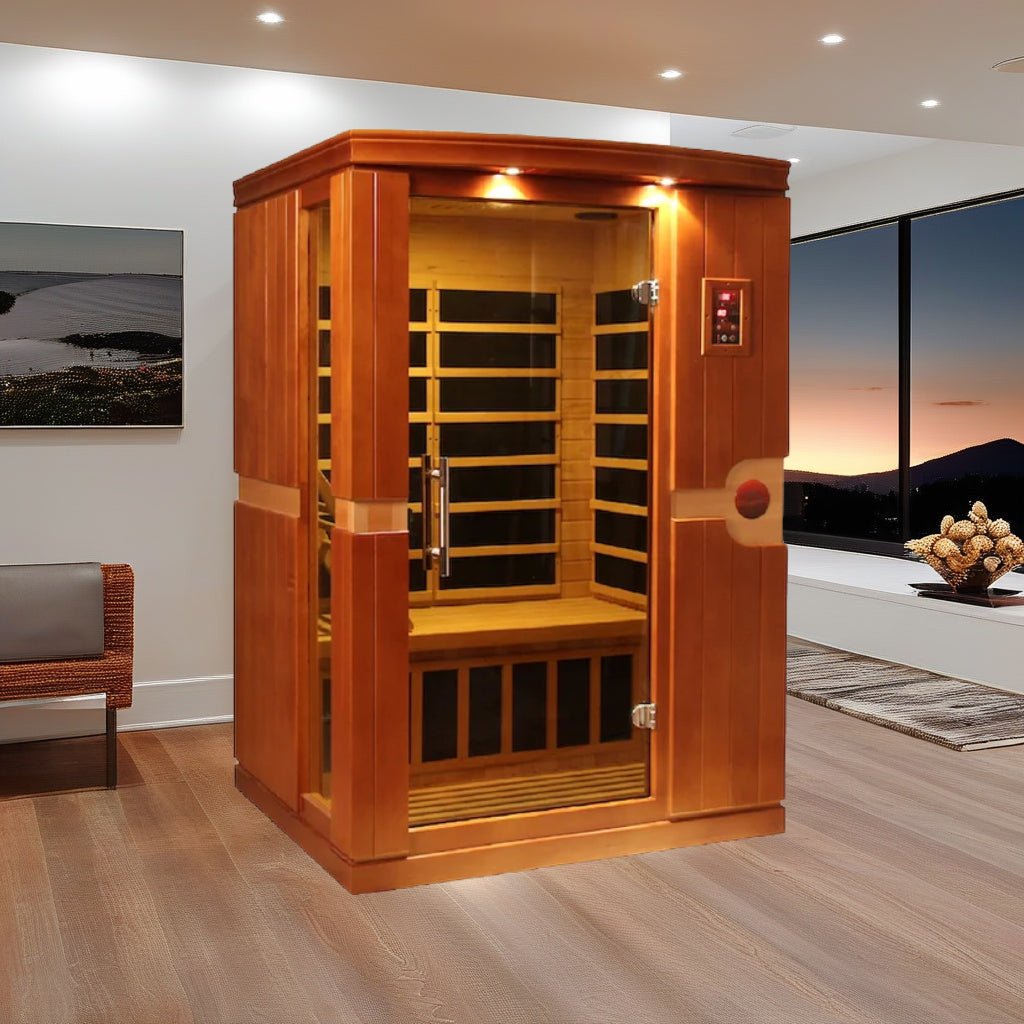
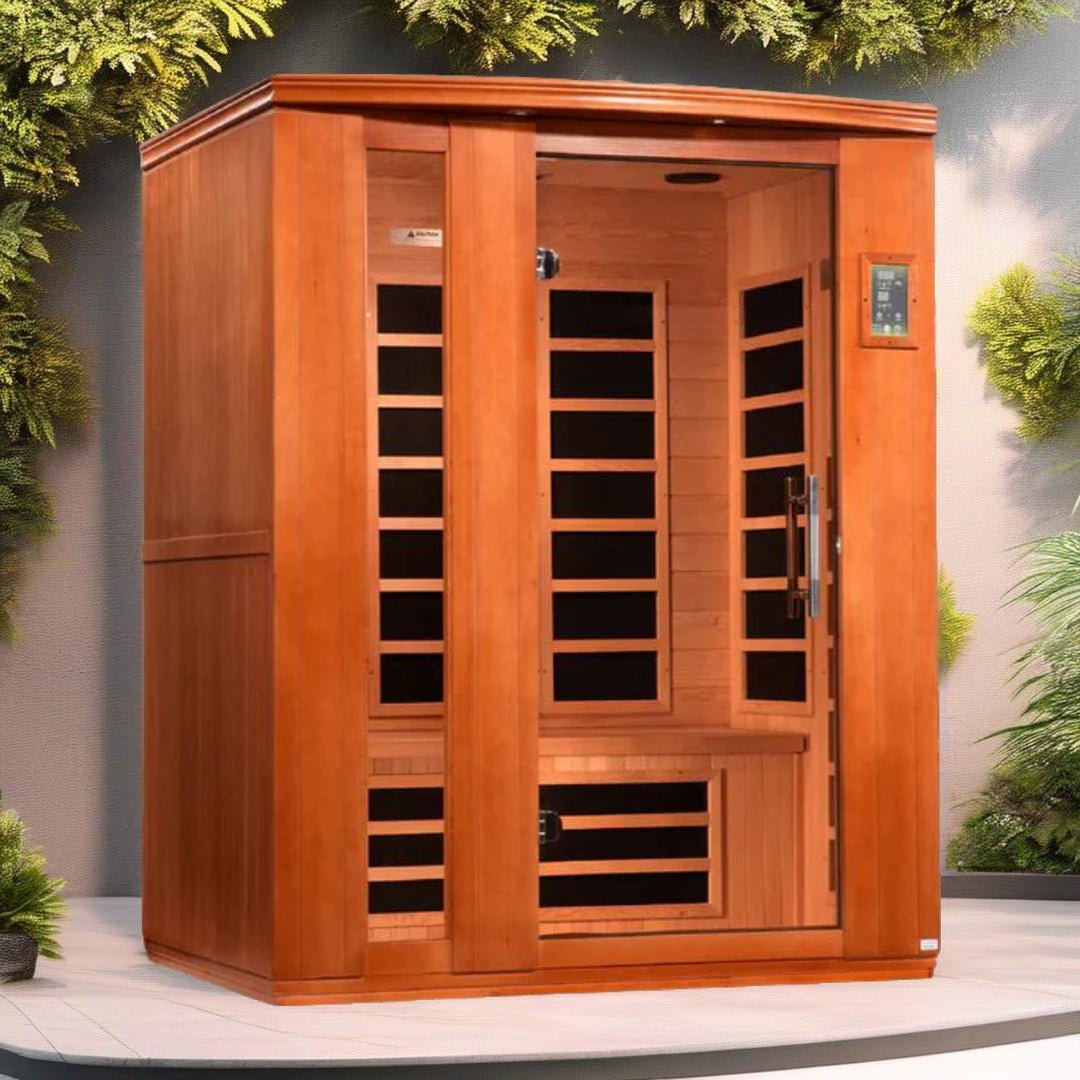
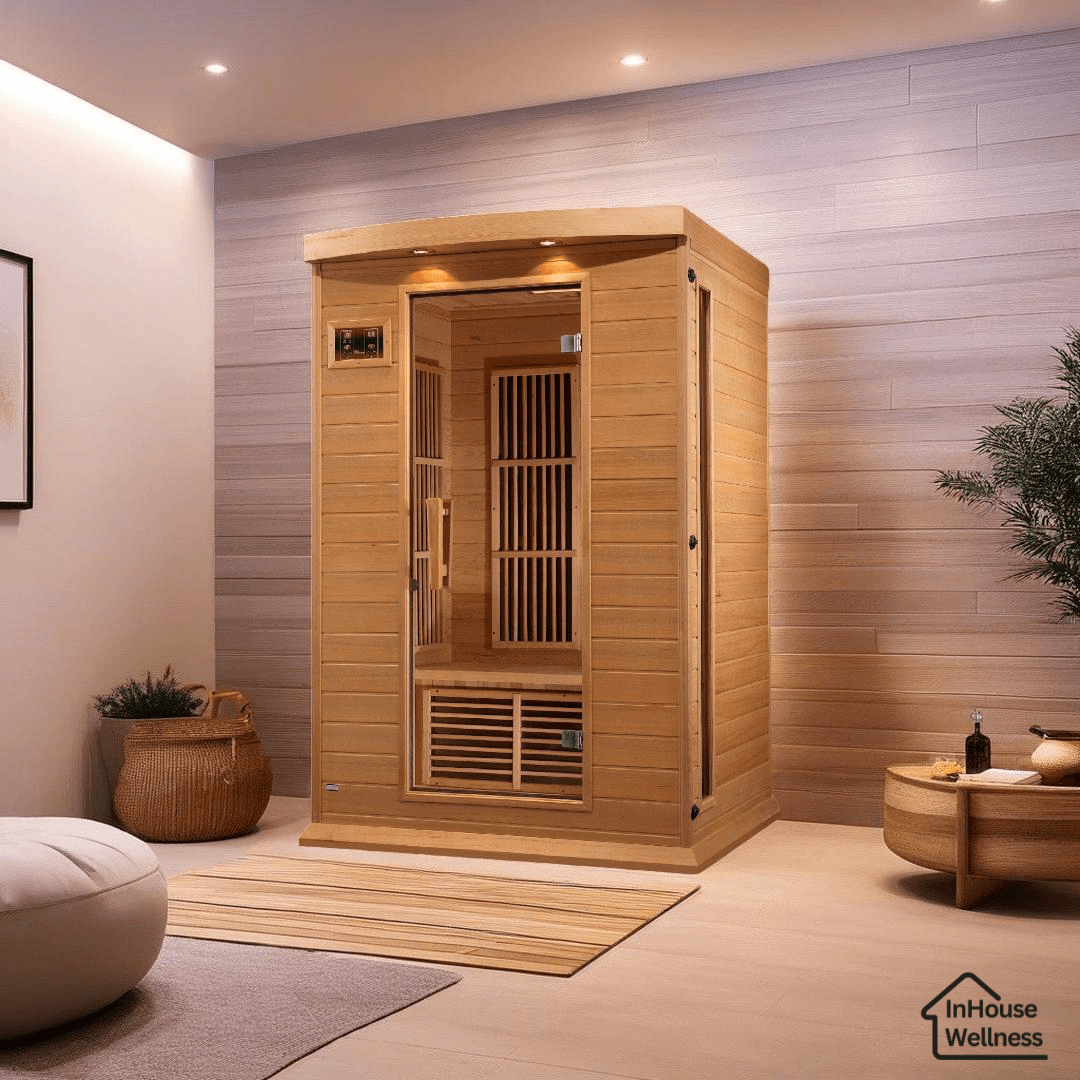
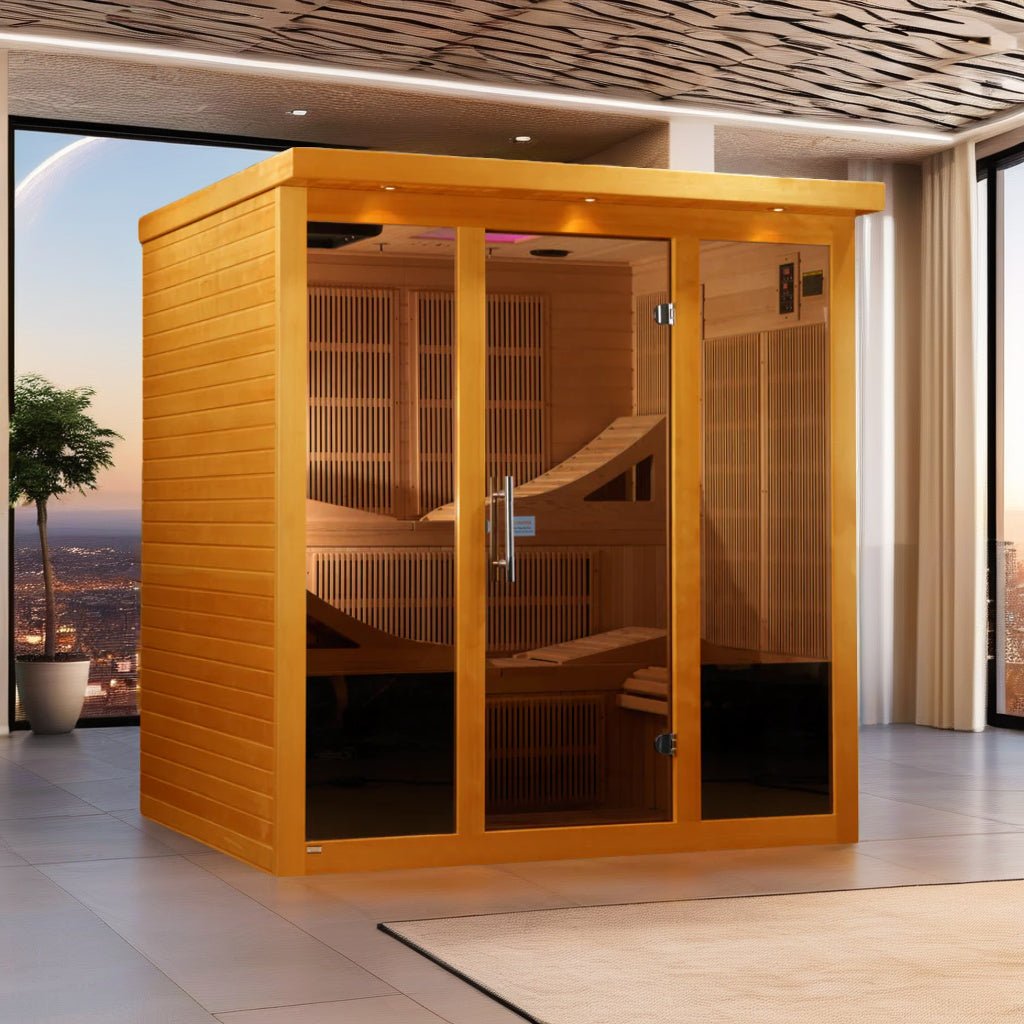
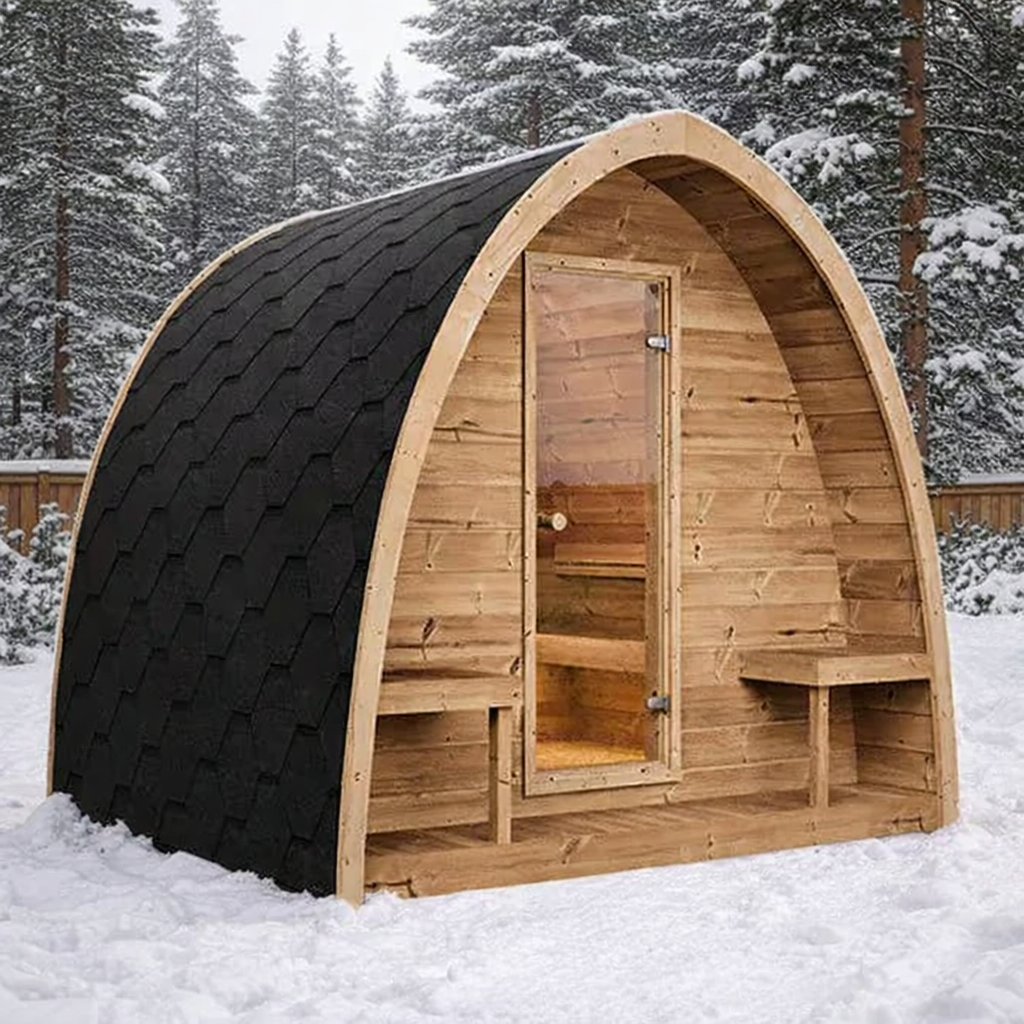
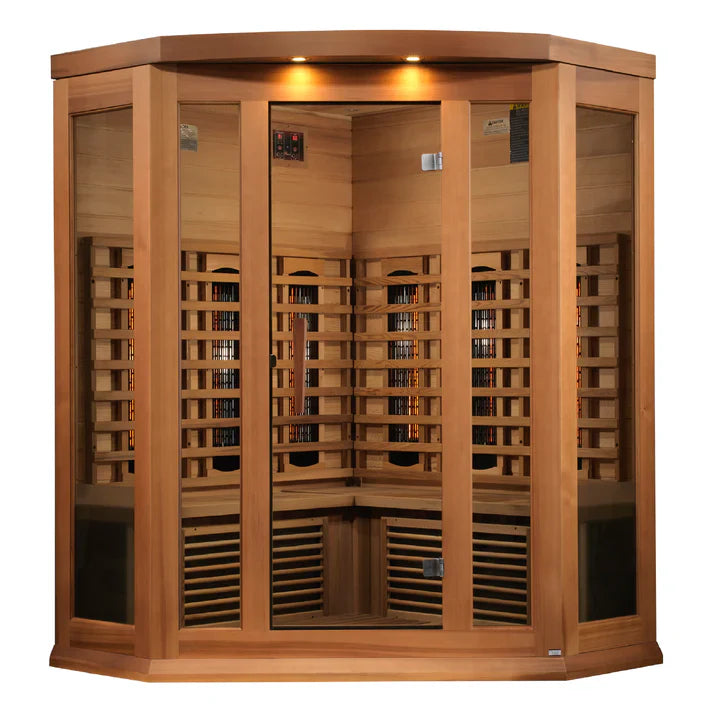
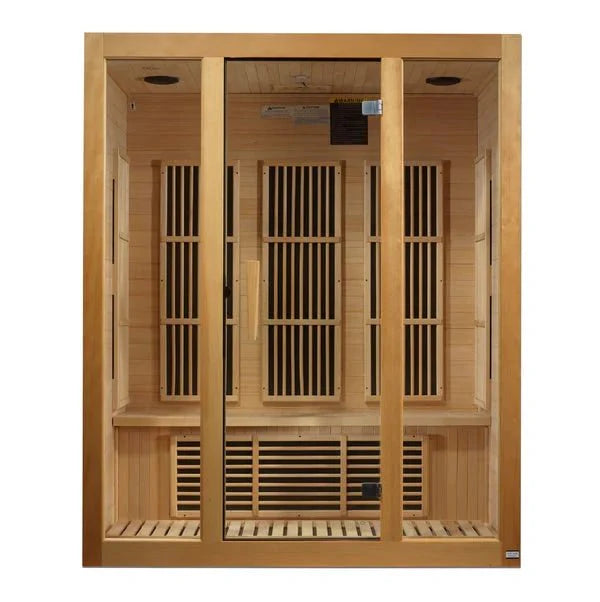
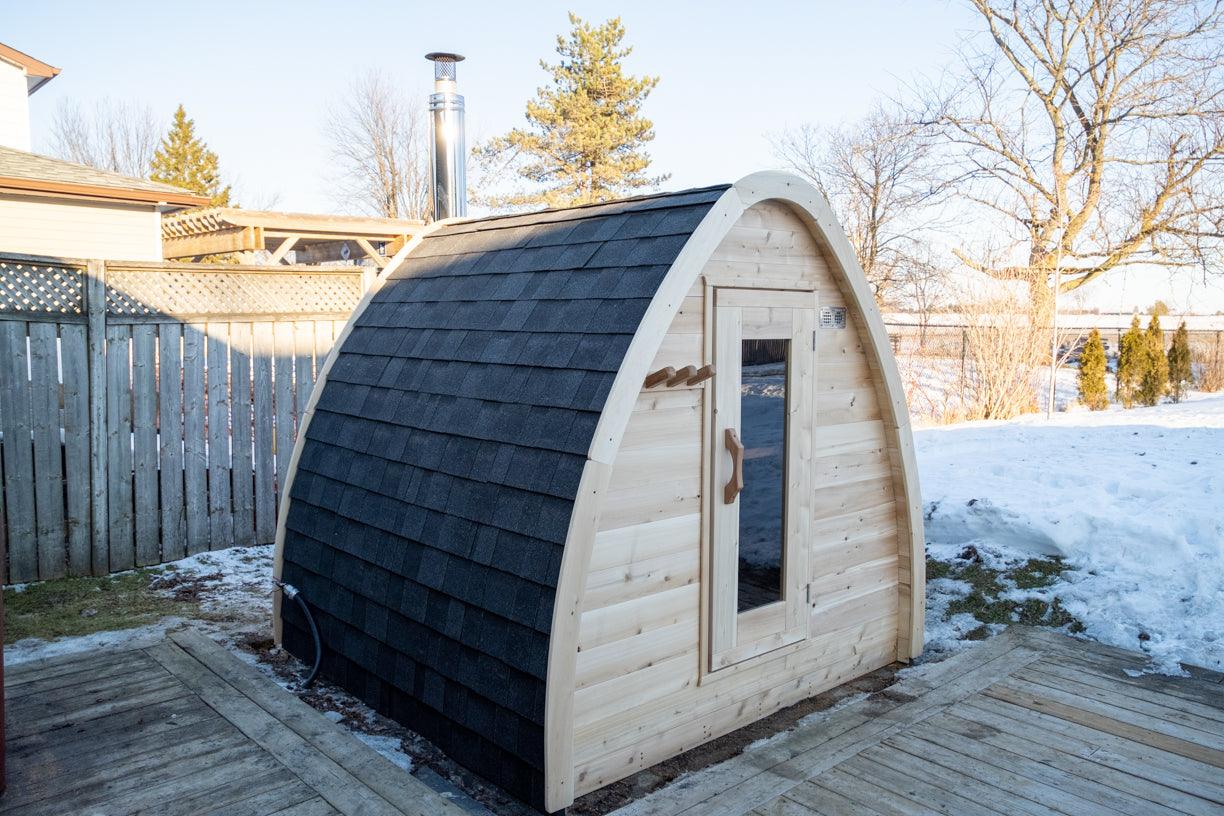
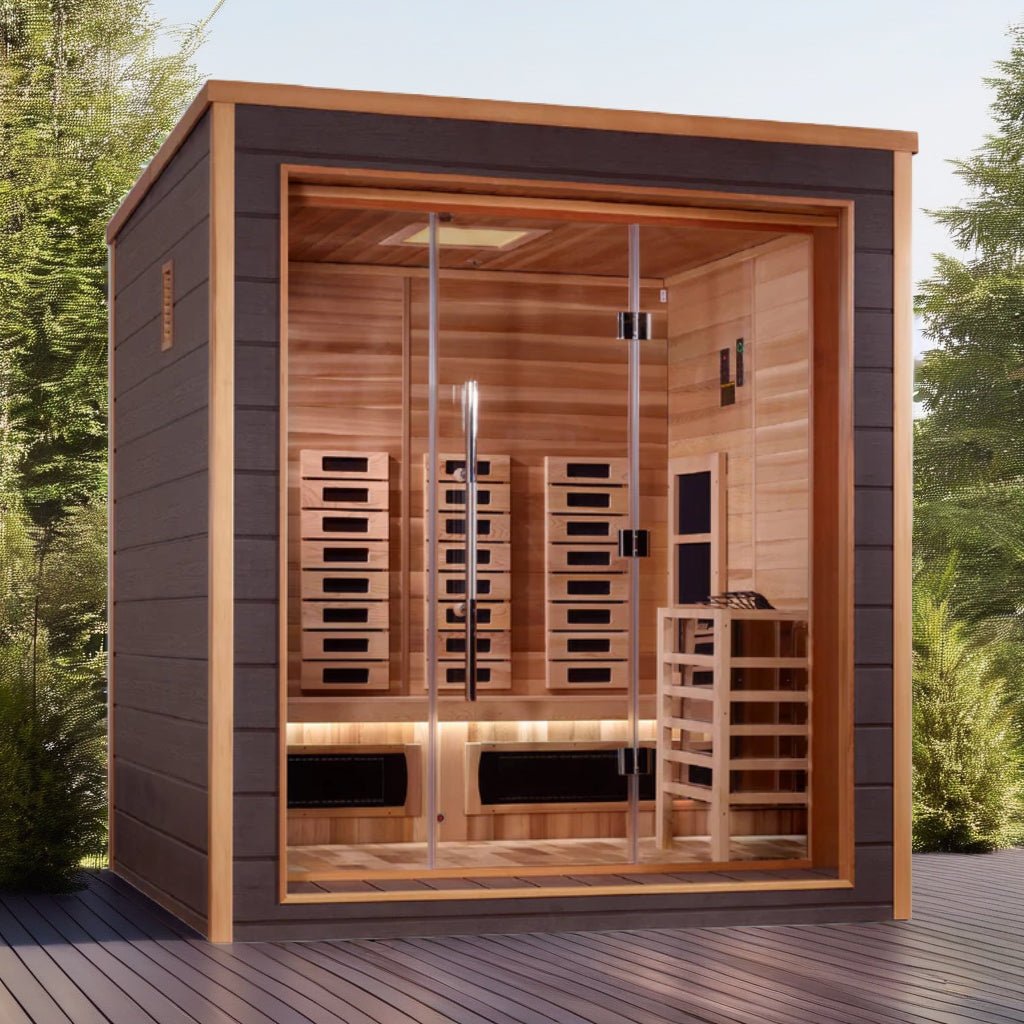
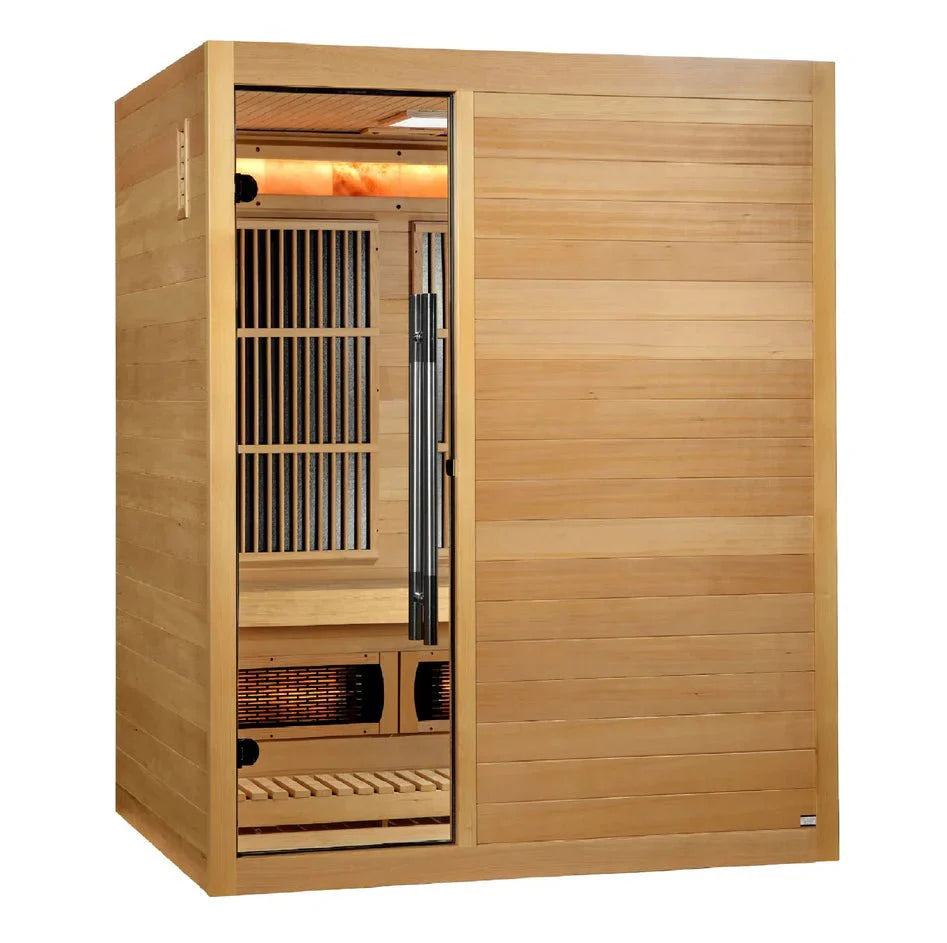
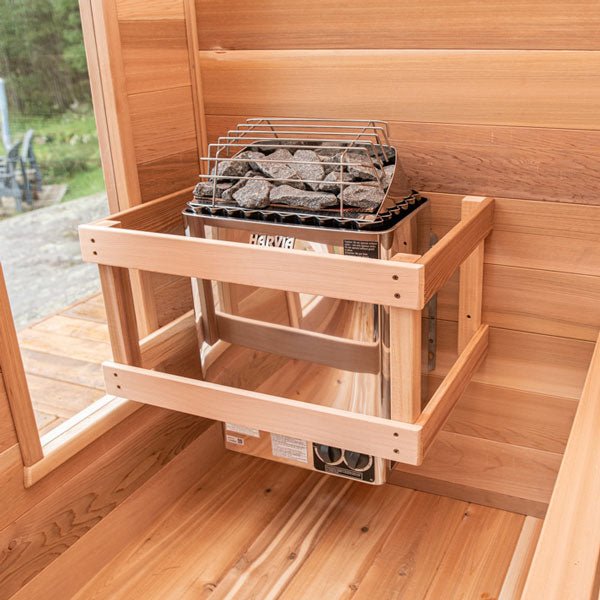
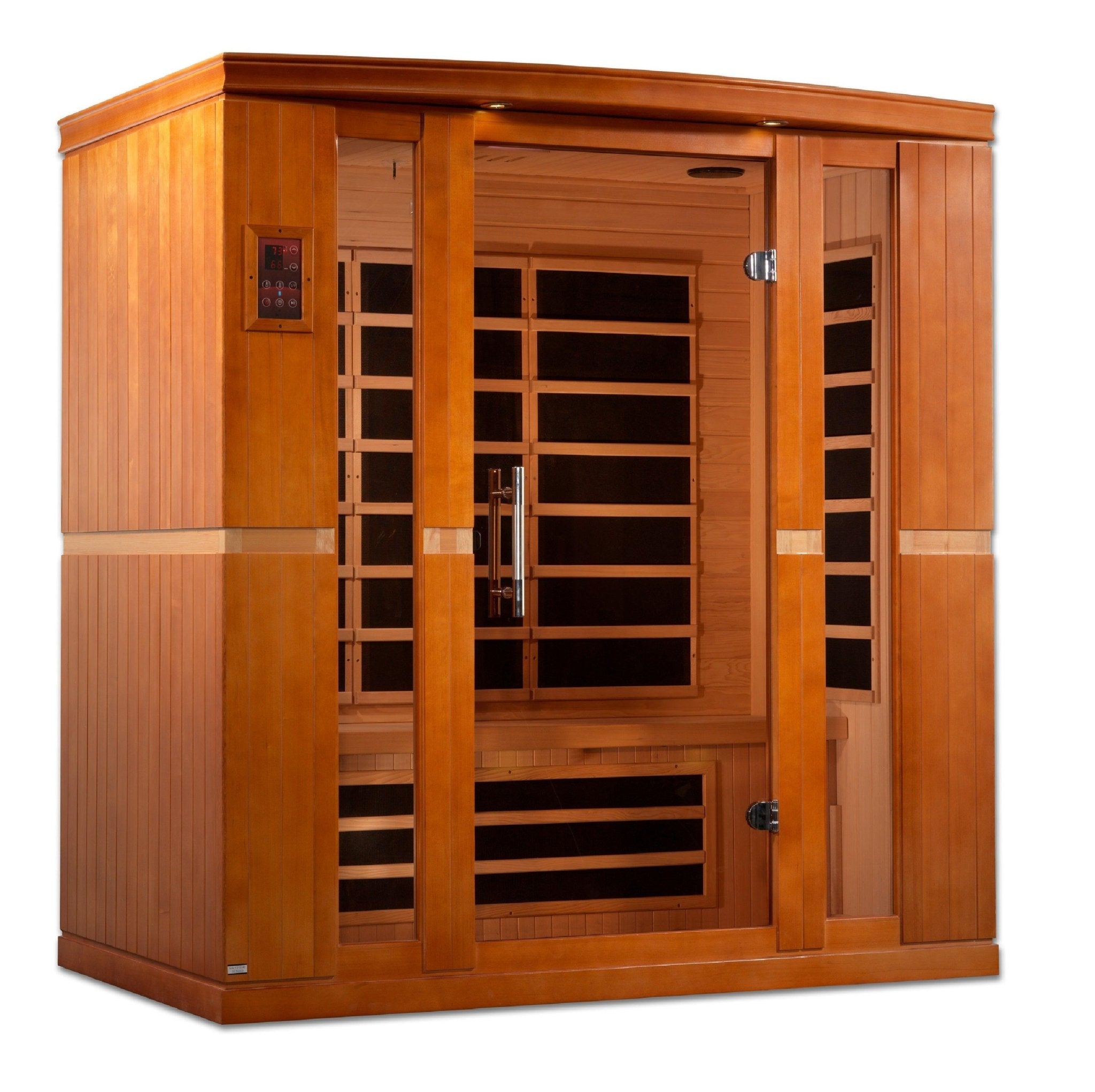
LeisureCraft Granby 2–3 person cabin sauna
For programs implementing heat therapy protocols, having reliable equipment that can deliver consistent moderate heat is essential. Clinic-grade sauna options support standardized temperature and duration control.
The Epigenetic Angle: How Thermal Stress Leaves a Long-Term Mark
A 2024 narrative review introduced an emerging framework: thermal interventions may induce epigenetic changes—such as DNA methylation and histone modifications—that alter gene expression in genes related to protein synthesis, mitochondrial function, stress responses, and muscle regeneration, potentially creating a "molecular memory" that shapes future adaptations (Normand-Gravier et al., 2024).
Epigenetics in One Minute
Epigenetics refers to heritable changes in gene activity that don't alter DNA sequence itself. Think of it as "settings memory" for cells—environmental stimuli like heat or cold can flip molecular switches (methylation, chromatin remodeling) that make certain genes easier or harder to turn on later.
The thermal stress hypothesis: Repeated cold or heat exposures don't just cause immediate signaling changes; they may leave lasting marks on how muscle cells respond to future stimuli. Heat exposure might favor marks that support muscle maintenance and oxidative capacity, while cold might induce distinct patterns (Normand-Gravier et al., 2024).
What This Does Not Mean for Day-to-Day Protocols
Critical limitation: Epigenetic evidence in this context is early, largely mechanistic, and mostly from animal models or correlative human data. Current epigenetic findings are insufficient to derive prescription-level protocols for staff (Normand-Gravier et al., 2024).
How to use epigenetics information:
-
As context and rationale for why periodization might matter long-term beyond acute signaling
-
Not as a basis for specific temperature, timing, or frequency recommendations
-
Not as marketing language ("our protocol unlocks your epigenetic potential")
The mechanistic plausibility is high, but the translation to clinical practice is premature. Treat epigenetics as an interesting "why this might matter" rather than a "therefore do this" claim.
The Thermal Modality Decision Tree: Matching Intervention to Goal
This section provides the operational framework: staff choose the modality based on goal, training phase, athlete constraints, and risk profile.
Off-Season Hypertrophy/Strength Default
Primary goal: Maximize muscle mass and strength gains.
Default recommendation: Avoid routine immediate post-session CWI. Reserve cold exposure for acute injury management, exceptional pain, or situations where the short-term symptom relief is medically necessary—but minimize frequency and don't make it standard practice after key hypertrophy sessions (Roberts et al., 2015; Fyfe et al., 2024).
Alternative recovery strategies: Active recovery (light cycling, walking), stretching, massage, or neutral-temperature contrast (alternating warm/cool but not extreme cold immediately post-lift). If athletes insist on cold, delay it several hours after lifting, though this isn't validated as fully preserving adaptation.
Heat option: Consider moderate sauna or heat exposure on non-training days or after lower-intensity sessions, focusing on relaxation and general wellness rather than claiming hypertrophy enhancement.
In-Season / Congested Schedule Default
Primary goal: Sustain performance readiness through dense match/competition schedules; hypertrophy is a secondary priority.
Default recommendation: Strategic CWI after highest-load matches or training sessions, not automatically after every lift. Communicate the trade-off explicitly: "This helps you recover faster for the next game, but we're accepting a small potential cost to muscle building—that's okay right now because readiness is the priority" (Thorpe, 2021; CWI recovery meta-analysis, Frontiers 2026).
Frequency guidance: Limit to 1–2 times per week after the most demanding sessions rather than blanket use. Use the moderate cold range (10–15°C, 10–15 min) aligned with recovery protocols.
Monitoring: Track soreness, fatigue, and next-day performance markers. If CWI isn't clearly improving readiness in your specific context, reduce or eliminate it even in-season.
Immobilization / Atrophy-Risk Default
Primary goal: Minimize muscle atrophy and preserve strength when normal resistance training isn't possible (post-surgery, limb immobilization, extended bed rest).
Default recommendation: Prioritize heat therapy protocol when medically safe and cleared. Use moderate local heating (~40–43°C) for 20–40 minutes per session, several times per week, targeting the at-risk muscle groups (Heat therapy trial, 2024).
Medical clearance required: Ensure no contraindications (open wounds, impaired sensation, cardiovascular instability). This is a clinical intervention, not casual wellness.
Why heat, not cold? Cold provides no clear muscle-preservation benefit in immobilization contexts, while heat shows direct evidence of attenuating atrophy and strength loss through reduced catabolic signaling.
Endurance / Heat Acclimation Emphasis
Primary goal: Support endurance adaptations or prepare for competition in hot environments.
Default recommendation: Heat exposure (sauna, passive heating) may be used as a conditioning adjunct, but avoid hard claims about guaranteed performance enhancement. Use heat strategically away from maximal heat-stress training days to avoid compounding thermal strain (Thorpe, 2021; Normand-Gravier et al., 2024).
Protocol examples: 2–4 sauna sessions per week (80–100°C dry heat, 10–20 minutes per bout) for heat acclimation; or passive heating protocols post-training to support cardiovascular adaptations.
Screening: Who Should Not Do Extremes
Mandatory screening before aggressive thermal protocols:
-
Cardiovascular disease (unstable coronary disease, serious arrhythmias, severe aortic stenosis): avoid or use extreme caution with intense heat/cold; medical clearance required
-
Uncontrolled hypertension: caution with both severe heat and cold due to blood pressure fluctuations
-
Peripheral vascular disease, Raynaud's phenomenon: avoid aggressive cold exposure to prevent ischemia
-
Neuropathy or impaired sensation: risk of burns (heat) or tissue damage (cold) without adequate warning pain
-
Pregnancy: consult clinician before intense saunas or ice baths
-
Medications affecting thermoregulation: review with prescribing physician
When in doubt, conservative approach: use moderate ranges, supervise closely, and obtain medical clearance for high-risk athletes.
Ultimate athlete recovery routine: sauna and cold plunge essentials
Once you've determined the appropriate thermal modality for each training phase, implementing a consistent routine helps athletes and staff standardize protocols. This guide covers practical setup considerations.
Evidence-Based Protocols: Temperature, Duration, and Timing
This section translates research into staff-operational numbers. The following table matches protocols to goals based on actual study parameters.
Protocol Table: CWI / Heat / Contrast by Goal
|
Goal/Phase |
Modality |
Temperature |
Duration |
Timing |
Frequency |
Evidence Source |
|
Hypertrophy block |
Avoid routine CWI |
N/A |
N/A |
Avoid immediate post-lift |
Reserve for injury only |
Roberts 2015; Fyfe 2024 |
|
In-season readiness |
Strategic CWI |
10–15°C |
10–15 min |
After matches/high-load sessions |
1–2×/week max |
Thorpe 2021; Frontiers 2026 meta |
|
Immobilization/atrophy-risk |
Heat therapy |
~40–43°C local |
20–40 min |
Throughout immobilization/rehab |
Several ×/week |
Heat therapy trial 2024 |
|
Endurance/heat acclimation |
Sauna/passive heat |
80–100°C dry (sauna) |
10–20 min/bout, 2–4 bouts |
Away from maximal sessions |
2–4×/week |
Thorpe 2021; general protocols |
|
Soreness management (cautious) |
CWI |
10–15°C |
10–15 min |
Within 0–30 min post-exercise |
Variable, limit chronic use |
CWI recovery meta 2026 |
Key protocol notes:
The hypertrophy-blunting CWI trials used 10°C for 10 minutes immediately post-RT, repeated 2–3 times per week for 12 weeks (Roberts et al., 2015). The meta-analysis included protocols spanning 10–15°C, 10–15 minutes, with interventions lasting <8 weeks to ≥8 weeks (Fyfe et al., 2024).
Heat therapy in immobilization used local heating sufficient to raise intramuscular temperature moderately (~40–43°C), applied for ~20–40 minutes per session multiple times per week throughout the immobilization period (Heat therapy trial, 2024).
Recovery-oriented CWI protocols in the soreness/CK literature vary widely but often center on 10–15°C for 10–15 minutes within 0–30 minutes post-exercise. Small reductions in CK (effect size g = −0.24) and soreness were observed, but these are short-term recovery markers, not long-term adaptation outcomes (Frontiers 2026 meta-analysis).
Sauna protocols in health and heat acclimation work often use 80–100°C dry sauna for 10–20 minutes per bout, 2–4 bouts per week. Direct RT-specific hypertrophy data are limited; use primarily for conditioning and wellness (Thorpe, 2021; Normand-Gravier et al., 2024).
Minimum Effective Dose vs "Harder Is Better"
Evidence-based ranges are moderate. The Roberts trial showing hypertrophy attenuation used 10°C, not ice slurry at 0°C. The heat therapy trial used moderate local heating, not extreme hyperthermia. There's no robust evidence that more extreme temperatures produce better adaptation outcomes—they mainly increase safety risk (Roberts et al., 2015; Heat therapy trial, 2024; Fyfe et al., 2024).
Staff guidance: Stay within the studied ranges (10–15°C for cold, 40–43°C local for heat, 80–100°C for dry sauna). If an athlete or coach insists on more extreme exposures, require medical clearance and closely monitor for adverse effects. "Harder is better" is a bias, not a principle.
Contrast therapy benefits and how to use it
Alternating hot and cold exposure (contrast therapy) is another thermal modality option. Understanding its evidence base and practical application can help staff decide when and how to integrate it.
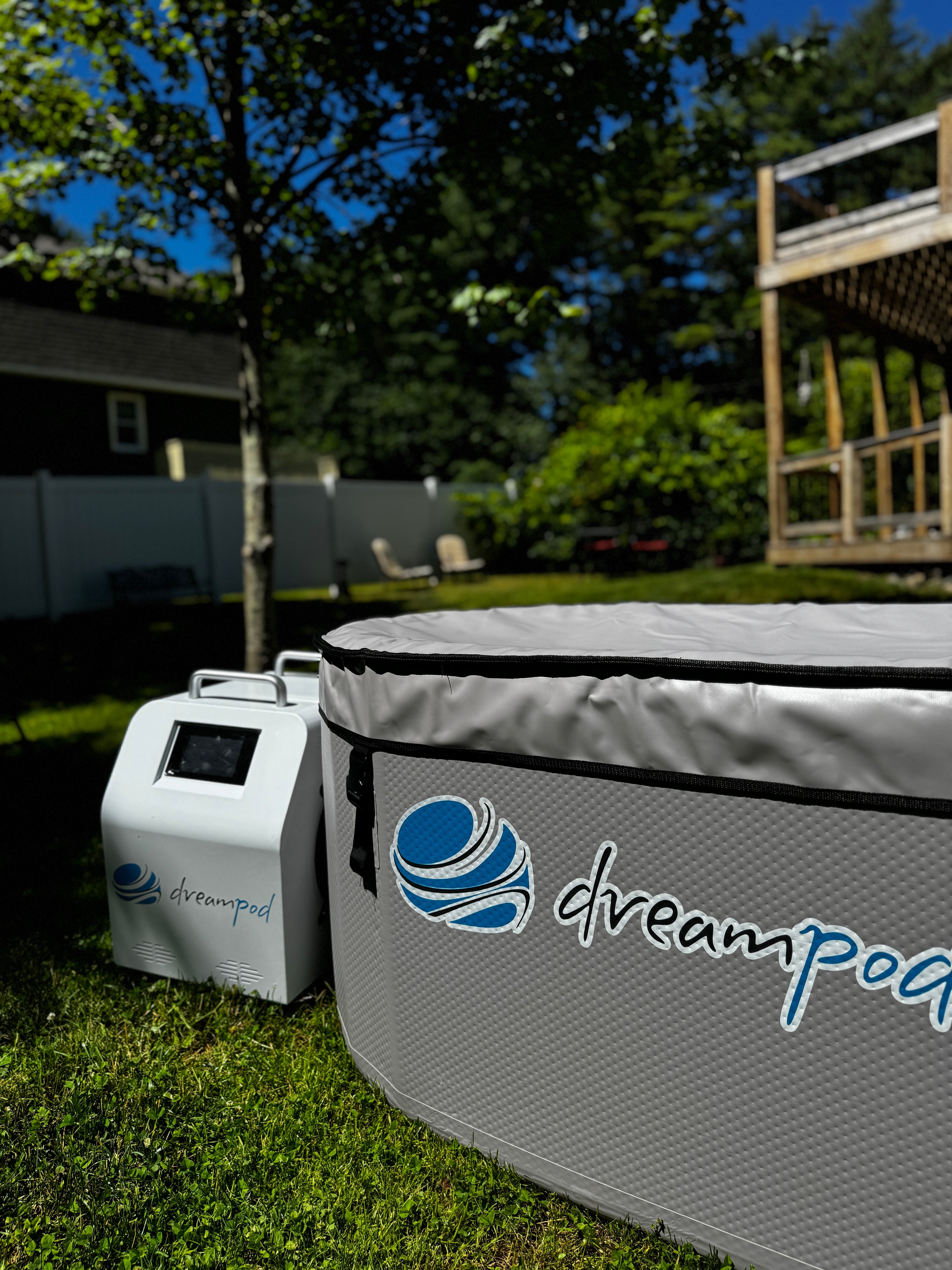
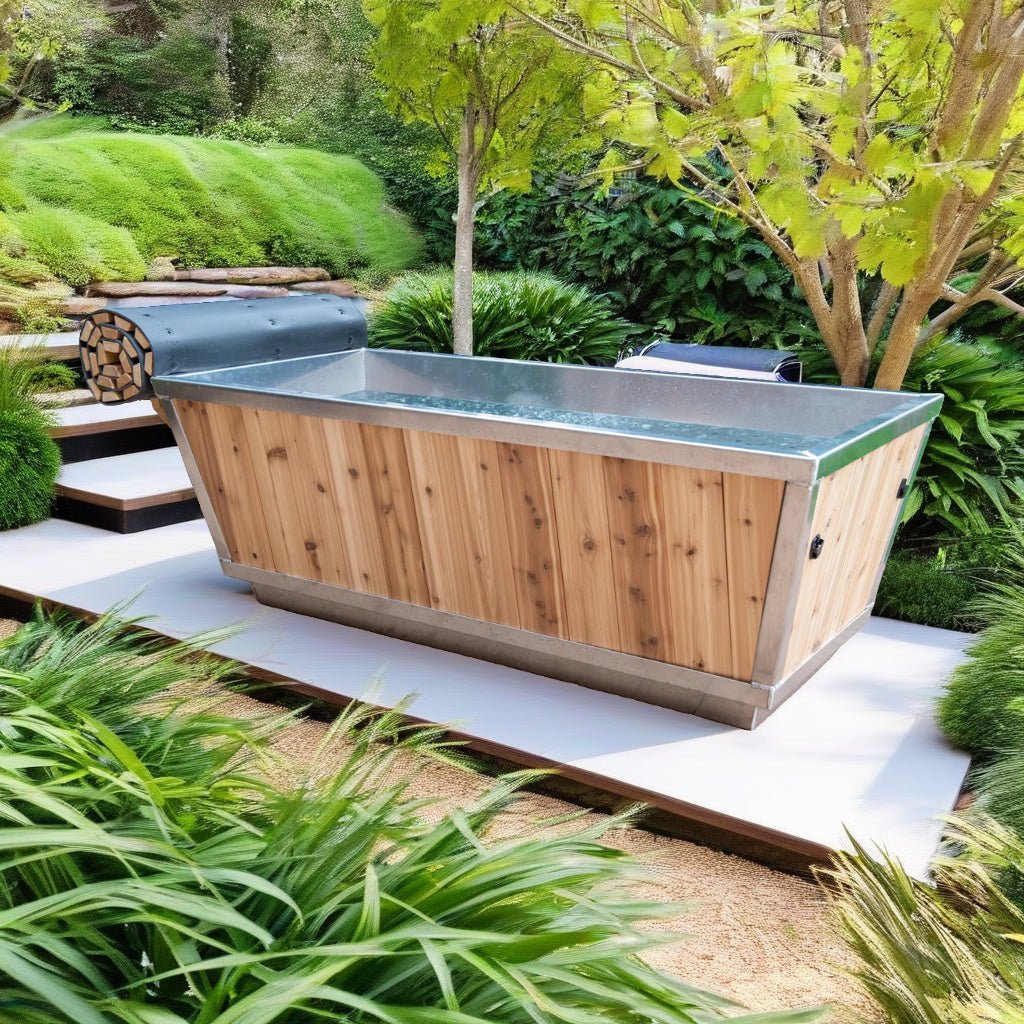
Medical Frozen Plunge cold therapy tub
For programs implementing CWI protocols, having equipment that maintains consistent temperature and allows precise timing is essential. Clinic-grade cold plunge tubs support standardized application aligned with evidence-based protocols.
Beyond the Muscle: Thermal Modalities for Tendon and Connective Tissue
Muscle isn't the only tissue staff work with. What about tendons, ligaments, and connective tissue?
What We Can Say Confidently
Acute pain and swelling management: Cold can acutely reduce pain and swelling in tendon/ligament injuries through vasoconstriction and nerve conduction slowing. This is standard acute care (Thorpe, 2021 safety section).
Range-of-motion facilitation: Heat increases tissue extensibility and may facilitate stretching and manual therapy for chronic tendon issues. Often used before ROM work in clinical settings (general PT practice; Thorpe, 2021).
Caution on blood flow: Repeated icing may transiently reduce tendon blood flow, which could theoretically slow healing, though this is more theoretical concern than proven harm in short-term use (Thorpe, 2021).
What We Can't: Long-Term Tendon Remodeling Claims
Evidence specific to long-term tendon adaptation—collagen synthesis rates, tendon stiffness changes, structural remodeling in response to repeated CWI or heat—is limited. Most thermal modality research focuses on muscle or acute symptom management, not chronic tendon adaptation (Normand-Gravier et al., 2024; Thorpe, 2021).
Critical point for staff: Tendons have slower metabolism, different vascularization, and distinct mechanotransduction compared to muscle. Don't assume muscle data generalize directly to tendon. The current evidence isn't strong enough to recommend specific thermal protocols for improving tendon structural adaptation beyond basic pain/ROM management.
Conservative approach: Use cold for acute tendon pain/swelling as needed; use heat to facilitate stretching and ROM; but don't claim thermal modalities will "speed tendon healing" or "build stronger tendons" without acknowledging the evidence gap.
Safety and Contraindications: What Staff Must Know
Thermal modalities aren't risk-free. Staff must screen athletes and know when to avoid or modify protocols.
Cold Risks and Red Flags
Hypothermia: Extended cold exposure, especially full-body immersion in very cold water, can lead to dangerous core temperature drops. Supervise, limit duration, monitor for shivering, confusion, or loss of coordination.
Cardiovascular stress: Cold immersion can trigger hypertensive responses (blood pressure spikes) and arrhythmias, particularly in those with underlying cardiac disease. Athletes with heart conditions require medical clearance (Thorpe, 2021 safety section; general clinical guidance).
Cold urticaria: Some individuals develop hives or allergic-type reactions to cold exposure. Screen for history of cold sensitivity.
Peripheral vascular disease and Raynaud's: Aggressive cold exposure can cause severe vasoconstriction leading to ischemia, pain, or tissue damage in individuals with compromised circulation or Raynaud's phenomenon (Thorpe, 2021 safety section).
Heat Risks and Red Flags
Dehydration and electrolyte imbalance: Sauna and hot environments cause significant fluid loss through sweating. Athletes must hydrate before, during (if applicable), and after heat exposure.
Hypotension and syncope: Heat causes vasodilation and can lead to low blood pressure and fainting, especially when standing up quickly after sauna. Supervise and instruct athletes to sit or lie down if feeling lightheaded.
Cardiovascular events: Intense heat stress can trigger arrhythmias or cardiac events in high-risk individuals. Avoid intense sauna in patients with unstable coronary disease, severe aortic stenosis, or recent cardiac events per major hospital guidelines (Thorpe, 2021; general clinical guidance).
Burns with impaired sensation: Heat should be used cautiously or avoided over areas with neuropathy or reduced sensation due to risk of burns without adequate warning pain.
Operational Safety: Supervision, Hydration, Stop Rules
Supervision requirements: Don't allow athletes to use extreme thermal modalities alone, especially initially. Have staff present to monitor for adverse reactions.
Hydration protocols: Weigh athletes before and after heat exposure; aim to replace fluid losses. Provide access to water and electrolyte drinks.
Stop rules: Establish clear criteria for stopping a session: excessive discomfort, dizziness, nausea, chest pain, extreme shivering (cold), confusion, or any concerning symptoms. When in doubt, end the session and assess.
Documentation: Record temperature, duration, athlete response, and any adverse symptoms for each session. This creates accountability and helps identify patterns.
Medical clearance requirement: For athletes with cardiovascular disease, uncontrolled hypertension, significant vascular problems, pregnancy, or other major comorbidities, require written medical clearance before implementing aggressive thermal protocols.
Myths and Misconceptions
Athletes and even some staff hold outdated or exaggerated beliefs about thermal modalities. Here are evidence-based corrections.
Myth: "Ice baths always boost recovery and gains"
Correction: Chronic immediate post-RT CWI can attenuate hypertrophy and strength gains compared to training without CWI, despite reducing soreness. Feeling less sore ≠ adapting more. In the 12-week Roberts trial, the CWI group gained roughly 65% less muscle mass than the active recovery group (Roberts et al., 2015; Fyfe et al., 2024; Frontiers 2026 recovery meta).
Why it persists: Recovery is equated with comfort, and social media emphasizes "feeling better" rather than long-term adaptation. Athletes see pro athletes using ice baths and assume it's universally beneficial.
Myth: "Cold exposure is harmless because it's just water"
Correction: CWI substantially reduces muscle blood flow (up to 60% decrease), suppresses anabolic signaling, and carries cardiovascular and hypothermia risks in vulnerable individuals. Cold isn't neutral—it's a physiological intervention with trade-offs (The Conversation, 2025; Roberts et al., 2015; Thorpe, 2021).
Why it persists: DIY popularity and influencer marketing underplay physiological mechanisms and safety considerations. "It's natural" doesn't mean "it's harmless."
Myth: "Heat is only for relaxation, not performance"
Correction: Repeated heat therapy can attenuate muscle atrophy during immobilization, preserve strength, and potentially support endurance/heat acclimation adaptations. Heat is a tool, not just a spa luxury (Heat therapy trial, 2024; Thorpe, 2021; Normand-Gravier et al., 2024).
Why it persists: Saunas are marketed mainly as wellness/relaxation rather than structured training interventions.
Myth: "More extreme temperatures mean better results"
Correction: Evidence-based protocols use moderate ranges (10–15°C cold, 40–43°C local heat, 80–100°C dry sauna). Extremes mainly raise risk without proven greater adaptation benefit. The Roberts trial showing hypertrophy blunting used 10°C, not ice slurry (Roberts et al., 2015; Heat therapy trial, 2024; Fyfe et al., 2024).
Why it persists: "Harder is better" mentality and viral extreme-challenge content.
Myth: "You should ice after every hard lift session"
Correction: For hypertrophy/strength goals, routine immediate post-RT CWI is not recommended due to attenuation of muscle gains. Reserve cold for in-season performance priority or acute injury management (Roberts et al., 2015; Fyfe et al., 2024; Frontiers Physiology, 2020).
Why it persists: Legacy RICE (Rest, Ice, Compression, Elevation) protocols from acute injury care were generalized to all post-training recovery without considering adaptation trade-offs.
Myth: "If CWI blunts hypertrophy, it must be bad for all athletes"
Correction: In-season or tournament contexts may justify small hypertrophy trade-offs for reduced soreness and faster perceived readiness. The cost-benefit calculation changes based on phase and goals (Thorpe, 2021; Frontiers 2026 recovery meta).
Why it persists: Overgeneralization of physique-oriented messaging to all sports contexts.
Myth: "Heat and cold are neutral add-ons that can't hurt adaptation"
Correction: Both modalities materially influence signaling pathways (mTOR, FOXO, heat shock proteins, inflammation), so timing and frequency affect adaptation trajectory. They're not passive comfort tools—they're training variables (Roberts et al., 2015; Heat therapy trial, 2024; Thorpe, 2021).
Why it persists: Recovery modalities seen as peripheral "extras" rather than variables that interact with training stimulus.
Myth: "There's strong human evidence that epigenetics fully explains thermal benefits"
Correction: Epigenetic evidence is early, largely mechanistic, and insufficient for prescription-level protocols. Don't sell protocols based on "unlocking your epigenetic potential" (Normand-Gravier et al., 2024).
Why it persists: "Epigenetics" is a buzzword used to market protocols that go beyond current data.
Myth: "Thermal modalities for tendon behave just like for muscle"
Correction: Tendon/connective tissue long-term adaptation responses to thermal stress are under-studied. Most evidence relates to acute pain/ROM, not structural remodeling. Don't extrapolate muscle data directly to tendon (Normand-Gravier et al., 2024; Thorpe, 2021).
Why it persists: Convenience of assuming all musculoskeletal tissues respond identically.
Myth: "If a little heat helps atrophy, constant very hot exposure must be better"
Correction: The atrophy-protection data come from controlled, moderate heat protocols (40–43°C). Excessive heat increases cardiovascular strain and dehydration risk without proven extra muscle benefit (Heat therapy trial, 2024; Orthop J Sports Med, 2024).
Why it persists: Dose-response bias (assuming linear benefits).
Myth: "Ice baths kill gains"
Correction: Gains are attenuated, not abolished. The Roberts trial CWI group still gained muscle and strength—just significantly less than the control group. Hypertrophy isn't "killed," it's compromised by roughly 50–65% in that study context (Roberts et al., 2015; Fyfe et al., 2024).
Why it persists: Attention-grabbing headlines and simplified social media messaging.
Myth: "CWI has no benefits, so never use it"
Correction: CWI provides small but significant reductions in soreness and CK in recovery contexts. The issue is chronic use immediately post-RT during hypertrophy phases specifically. Strategic use for in-season readiness is reasonable with awareness of trade-offs (Frontiers 2026 recovery meta; Thorpe, 2021).
Why it persists: Backlash to overhyped ice bath culture leads to opposite extreme of dismissing any utility.
Experience Layer: Testing Protocols in Your Program
How can staff and athletes test thermal modalities systematically rather than just following trends? Here are practical, non-medical experiments.
Safe Mini-Experiments
Hypertrophy block comparison: Run a 6–8 week mesocycle of identical resistance training without CWI, tracking strength (estimated 1RM), girth measurements (limb circumference), and subjective soreness ratings. Then run a second identical mesocycle with immediate CWI after every session, using the same metrics. Compare outcomes (Roberts et al., 2015 design adapted).
Heat vs neutral recovery during deload: During a low-intensity training week, compare sessions followed by 20 minutes of moderate sauna versus sessions without sauna. Track perceived fatigue, heart rate recovery, and next-day wellness scores. This tests whether heat feels beneficial in a lower-stress context without interfering with adaptation (Thorpe, 2021 framing).
In-season CWI microcycle: For team sport athletes, apply CWI only after the densest microcycle week (e.g., after three matches in seven days) and track next-day performance metrics (sprint time, jump height, session RPE). Compare to a similar week without CWI. This tests whether CWI meaningfully improves readiness in your specific context (Frontiers 2026 recovery meta principles).
What to Document
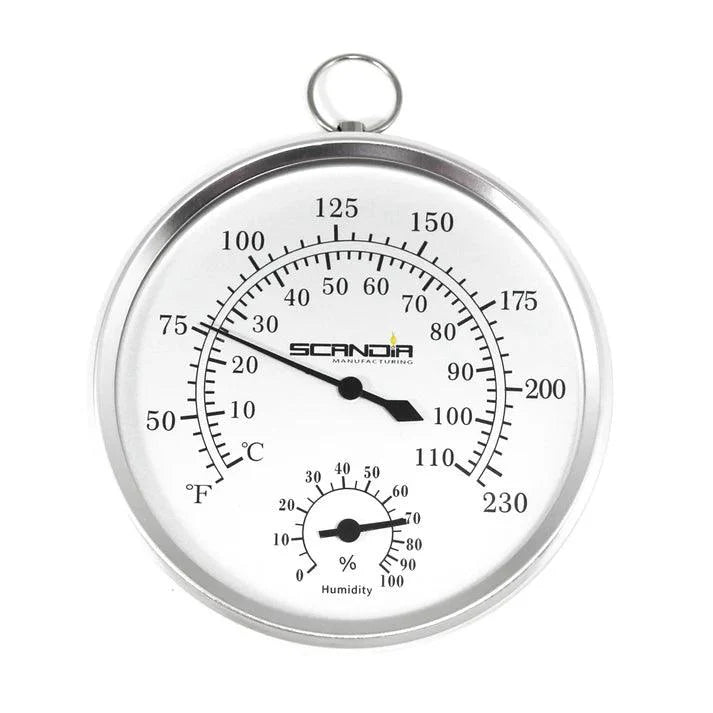
Practical setup: Photograph your CWI setup (tub, thermometer showing actual water temperature, timer), sauna environment, and any monitoring tools (heart rate monitor, blood pressure cuff if used).
Heat delivery method: Document your specific heat application (sauna type, local hot pack setup, duration settings) so protocols can be replicated.
Metrics to Track
Session data: Date, training phase (hypertrophy, strength, in-season, rehab), exercise type, sets/reps, RPE (rate of perceived exertion 1–10).
Thermal modality data: Type (none, CWI, heat, contrast), temperature (measured, not assumed), duration (timed), timing relative to training (immediate post-session, delayed X hours, next morning).
Immediate response: Perceived recovery (1–10 scale), comfort level, any adverse effects (dizziness, excessive shivering, nausea).
Next-day metrics: Soreness rating (0–10 scale per muscle group), key performance measure (bar speed, vertical jump, sprint time), simple wellness score (sleep quality 1–10, energy 1–10, mood 1–10).
Monthly tracking: For hypertrophy focus, track girth measurements (thigh, arm circumference) and strength markers (1RM estimates or total volume lifted). For in-season, track competition performance and injury/illness days.
Simple Logging Template
Create a spreadsheet with these columns:
|
Date |
Phase |
Training |
Thermal (Y/N) |
Type |
Temp |
Duration |
Timing |
Soreness (0-10) |
Wellness (1-10) |
Performance Note |
|
1/15 |
Hypertrophy |
Squat 5x5 |
N |
— |
— |
— |
— |
6 |
7 |
Good depth |
|
1/17 |
Hypertrophy |
Squat 5x5 |
Y |
CWI |
12°C |
15 min |
Immediate post |
4 |
7 |
Same as 1/15 |
|
1/19 |
Hypertrophy |
Squat 5x5 |
N |
— |
— |
— |
— |
5 |
7 |
+5 lb load |
After 6–8 weeks, compare blocks with and without thermal modalities using the tracked metrics. This creates individualized data rather than relying solely on population studies.
FAQ
1. Does cold water immersion after lifting reduce muscle growth?
Answer: Yes, when used immediately after resistance training over many weeks, CWI can modestly reduce muscle hypertrophy compared with training without CWI.
-
The 12-week Roberts trial showed significantly smaller quadriceps mass gains with post-session CWI (103 ± 71 g) versus active recovery (309 ± 73 g)—approximately 65% less growth (Roberts et al., 2015).
-
A 2024 meta-analysis of eight studies found a small but likely negative effect of CWI on hypertrophy (comparative standardized mean difference ≈ −0.22) (Fyfe et al., 2024).
-
Gains are attenuated, not completely blocked—athletes still get bigger and stronger, just less so than without CWI.
-
Study quality was generally fair to poor, so exact effect magnitude remains uncertain, but directional trend is consistent.
Citations: Roberts et al., J Physiol 2015; Fyfe et al., Eur J Sport Sci 2024.
2. How cold and how long are ice baths in studies that blunt gains?
Answer: Most hypertrophy-focused trials used approximately 10–15°C water for 10–15 minutes immediately after lifting sessions.
-
Roberts et al. used 10°C for 10 minutes post-RT, applied 2–3 times per week for 12 weeks (Roberts et al., 2015).
-
The 2024 meta-analysis noted similar temperature and duration ranges across included CWI protocols (Fyfe et al., 2024).
-
These are moderate cold exposures, not extreme ice slurry—yet still sufficient to show attenuation effects.
Citations: Roberts et al., 2015; Fyfe et al., 2024.
3. Can I still use ice baths if my main goal is in-season performance, not size?
Answer: Yes, strategic CWI can be reasonable in-season to manage soreness and fatigue, accepting a possible small trade-off in muscle growth.
-
CWI yields small but significant reductions in perceived soreness and CK after exercise, which may support readiness (Frontiers 2026 meta-analysis).
-
Periodized recovery frameworks recommend using CWI more in performance-focused phases than in hypertrophy blocks (Thorpe, 2021).
-
Communicate the trade-off to athletes: "We're prioritizing feeling ready for the next match over maximal muscle building right now—that's okay during competition season."
Citations: Frontiers 2026 recovery meta-analysis; Thorpe, 2021.
4. Does cold water immersion completely stop muscle gains?
Answer: No, resistance training with CWI still increases muscle mass and strength, just to a lesser degree than training without CWI.
-
In the 12-week trial, both groups gained muscle—the CWI group simply gained less (Roberts et al., 2015).
-
Meta-analysis shows positive hypertrophy effect sizes even with CWI, but smaller than RT alone (Fyfe et al., 2024).
-
The effect is attenuation (reduction in gains), not abolition (zero gains).
Citations: Roberts et al., 2015; Fyfe et al., 2024.
5. How does cold water immersion interfere with muscle growth at the molecular level?
Answer: CWI can reduce muscle blood flow and suppress key anabolic signals like mTOR activation and satellite cell activity in the hours after lifting.
-
CWI reduced blood flow to cooled muscle by approximately 60% compared with warm water, limiting amino acid and oxygen delivery (Maastricht work summarized in The Conversation, 2025).
-
Studies show attenuated phosphorylation of mTOR pathway kinases, reduced satellite cell responses, and suppressed markers of protein synthesis after CWI (Roberts et al., 2015; Frontiers Physiology, 2020).
-
Cooled muscle showed approximately 30% lower utilization of amino acid building blocks for growth (The Conversation, 2025).
Citations: Roberts et al., 2015; Frontiers Physiology, 2020; The Conversation, 2025.
6. Does heat therapy help prevent muscle loss during immobilization?
Answer: Yes, repeated heat exposures during immobilization can reduce muscle atrophy and help preserve strength in experimental human models.
-
Heat therapy limited decreases in plantarflexor cross-sectional area compared with significant CSA loss in the sham group during ankle immobilization (Heat therapy trial, 2024).
-
Strength losses were smaller in the heat group (Orthop J Sports Med, 2024).
-
Mechanisms appear related to reduced catabolic signaling (FOXO inactivation, reduced caspase-3 expression) (Heat therapy trial, 2024).
Citations: Heat therapy trial, PubMed 2024; Orthop J Sports Med, 2024.
7. Is using a sauna after a workout good for muscle growth?
Answer: Sauna may support recovery, cardiovascular adaptations, and general wellness, but direct evidence that it adds hypertrophy beyond training itself is limited.
-
Reviews highlight heat's role in heat shock protein induction and potential endurance/thermoregulatory benefits (Normand-Gravier et al., 2024; Thorpe, 2021).
-
Strong human RCTs specifically showing sauna after RT boosts hypertrophy beyond training alone are sparse.
-
Use sauna for conditioning, heat acclimation, and wellness—not as a guaranteed muscle-building booster.
Citations: Normand-Gravier et al., 2024; Thorpe, 2021.
8. What is the best timing for ice baths if I want muscle growth and recovery?
Answer: Current evidence suggests avoiding immediate post-RT CWI when hypertrophy is the priority; delayed or non-training-day cold exposure has not been well studied for hypertrophy outcomes.
-
Trials that found blunted hypertrophy used CWI immediately post-session (within 0–30 minutes) (Roberts et al., 2015; Fyfe et al., 2024).
-
Reviews recommend reserving CWI for performance phases until more data on delayed timing exist (Thorpe, 2021).
-
If athletes insist on cold, delaying several hours is theoretically less likely to interfere with peak anabolic signaling, but this lacks direct RCT validation.
Citations: Roberts et al., 2015; Fyfe et al., 2024; Thorpe, 2021.
9. Are thermal modalities safe for everyone?
Answer: No, people with cardiovascular disease, uncontrolled hypertension, vascular problems, or impaired sensation need medical clearance before using intense heat or cold.
-
Heat and cold stress the cardiovascular system and alter blood pressure (Thorpe, 2021).
-
Clinical guidance recommends caution or avoidance of saunas and intense CWI in high-risk cardiac patients, those with unstable coronary disease, or severe aortic stenosis (general hospital guidance; Thorpe, 2021).
-
Peripheral vascular disease, Raynaud's, neuropathy, and pregnancy also require careful assessment.
Citations: Thorpe, 2021; general clinical safety guidelines.
10. Do heat and cold therapies affect tendons the same way as muscle?
Answer: Not necessarily; most evidence focuses on muscle, and data on long-term tendon structural adaptation to thermal modalities are limited.
-
Reviews emphasize that tendon/connective tissue responses are under-researched compared with muscle (Normand-Gravier et al., 2024; Thorpe, 2021).
-
Current use is mainly for acute pain management and facilitating range of motion, not proven tendon remodeling.
-
Tendons have different metabolism, vascularization, and mechanotransduction—don't assume muscle findings automatically generalize.
Citations: Normand-Gravier et al., 2024; Thorpe, 2021.
11. What is meant by "periodizing" recovery modalities?
Answer: Periodizing recovery means aligning when and how you use heat and cold with different training phases and goals, instead of using them the same way all year.
-
Thorpe (2021) describes a periodized approach where CWI is emphasized in-season and minimized during hypertrophy blocks.
-
Heat is highlighted for atrophy-risk phases like immobilization (Heat therapy trial, 2024).
-
Just as training load, volume, and intensity change across phases, so should recovery modality selection.
Citations: Thorpe, 2021; Heat therapy trial, 2024.
12. How strong is the evidence that epigenetics mediates thermal training effects?
Answer: The evidence is intriguing but still early; most epigenetic data are mechanistic and not yet translated into specific protocols for athletes.
-
2024 narrative review summarizes epigenetic effects of thermal interventions on muscle adaptation, including DNA methylation and chromatin changes in genes related to protein synthesis and mitochondrial function (Normand-Gravier et al., 2024).
-
Authors note the need for more human longitudinal data before deriving clinical recommendations.
-
Use epigenetics as context for "why periodization might matter long-term," not as a basis for specific protocols.
Citations: Normand-Gravier et al., 2024.
13. Does using cold water immersion affect endurance training the same way as strength training?
Answer: Evidence of hypertrophy attenuation is clearest in resistance training; effects on endurance adaptations are less well defined and may be smaller.
-
CWI-hypertrophy literature is RT-focused (Fyfe et al., 2024).
-
Reviews suggest endurance and heat acclimation adaptations may be less sensitive to post-exercise cold, though data are more mixed (Thorpe, 2021).
-
Don't overgeneralize RT hypertrophy findings to all endurance contexts—keep claims narrow and context-specific.
Citations: Fyfe et al., 2024; Thorpe, 2021.
14. How often did studies apply CWI to see an effect on muscle growth?
Answer: Typically 2–3 times per week, immediately after resistance training, for at least 6–12 weeks.
-
Roberts trial: 12 weeks, post-session CWI after each RT session (Roberts et al., 2015).
-
Meta-analysis included interventions from <8 weeks to ≥8 weeks, with 2–3 sessions per week being common (Fyfe et al., 2024).
-
The chronic, repeated exposure is key—single or infrequent CWI sessions are less likely to show long-term attenuation effects.
Citations: Roberts et al., 2015; Fyfe et al., 2024.
15. When should an athlete talk to a doctor before using saunas or ice baths?
Answer: Anyone with heart disease, uncontrolled blood pressure, serious vascular problems, pregnancy, or other significant medical conditions should consult a clinician first.
-
Heat and cold can trigger cardiovascular events in vulnerable individuals (Thorpe, 2021).
-
Clinical and hospital guidelines flag cardiovascular disease, unstable coronary disease, severe aortic stenosis, uncontrolled hypertension, peripheral vascular disease, and pregnancy as requiring medical clearance for intense thermal exposure.
-
When in doubt, err on the side of caution and require written clearance.
Citations: Thorpe, 2021; general hospital/agency safety guidance.
16. Can I use cold water immersion on non-training days instead?
Answer: Theoretically this might avoid interfering with immediate post-session anabolic signaling, but there are no long-term hypertrophy trials validating this approach.
-
The blunting evidence comes from immediate post-RT cold exposure (Roberts et al., 2015; Fyfe et al., 2024).
-
Delaying cold to non-training days or several hours later is a plausible workaround but lacks RCT-level confirmation.
-
Until better data emerge, the conservative approach for hypertrophy phases is to minimize CWI frequency regardless of timing.
Citations: Roberts et al., 2015; Fyfe et al., 2024 limitations.
17. What temperature should heat therapy be for atrophy prevention?
Answer: The immobilization trial used moderate local heating to raise intramuscular temperature, typically around 40–43°C, applied for 20–40 minutes per session.
-
This is moderate heat, not extreme hyperthermia (Heat therapy trial, 2024).
-
Sessions were repeated several times per week throughout immobilization and rehabilitation.
-
Higher temperatures increase burn risk and cardiovascular strain without proven additional muscle preservation benefit.
Citations: Heat therapy trial, 2024.
18. Does contrast therapy (alternating hot and cold) preserve muscle gains better than CWI alone?
Answer: Contrast therapy evidence for long-term hypertrophy outcomes is limited; most data focus on acute recovery markers.
-
The Roberts trial and Fyfe meta-analysis focus on cold-only protocols, not contrast (Roberts et al., 2015; Fyfe et al., 2024).
-
Contrast therapy may offer a middle-ground approach, but without specific hypertrophy RCTs, we can't definitively say it avoids the attenuation seen with cold alone.
-
If using contrast, keep cold exposures moderate and monitor response.
Citations: Roberts et al., 2015; Fyfe et al., 2024 (by inference—contrast not directly studied in these).
19. How long does the suppression of anabolic signaling last after CWI?
Answer: The Roberts trial measured acute signaling responses at 2 and 48 hours post-exercise, showing suppressed satellite cell and mTOR pathway activity in the CWI group.
-
The duration of signaling suppression likely extends through the early recovery window (first 24–48 hours), which is critical for initiating adaptation (Roberts et al., 2015; Frontiers Physiology, 2020).
-
Chronic repeated exposure compounds these effects into measurably smaller hypertrophy over 8–12 weeks.
Citations: Roberts et al., 2015; Frontiers Physiology, 2020.
20. Can younger athletes tolerate cold better than older athletes?
Answer: Younger individuals may have more robust thermoregulatory responses, but age alone doesn't eliminate risk—cardiovascular health and medical history are more important screening factors.
-
Older adults often have higher prevalence of cardiovascular disease, which is the main contraindication for aggressive thermal stress (Thorpe, 2021; general safety guidance).
-
Screen all ages for medical conditions before implementing intense protocols; don't assume youth = invulnerability.
Citations: Thorpe, 2021; general clinical safety principles.
21. Should powerlifters and bodybuilders avoid ice baths completely?
Answer: During dedicated hypertrophy and strength blocks, yes—avoid routine immediate post-session CWI to maximize adaptation.
-
Reserve cold for acute injury management, exceptional pain, or off-season/deload periods when hypertrophy isn't the primary focus (Roberts et al., 2015; Fyfe et al., 2024).
-
If athletes insist on cold for perceived mental/wellness benefits, delay it several hours after lifting or use it very infrequently.
Citations: Roberts et al., 2015; Fyfe et al., 2024.
22. Does CWI reduce strength gains as much as it reduces hypertrophy?
Answer: The Roberts trial showed larger strength gains in the active recovery group compared to CWI, though the strength effect wasn't as dramatically different as the hypertrophy effect.
-
Strength can be influenced by neural adaptations (which may be less affected by CWI) as well as hypertrophy (which is affected) (Roberts et al., 2015).
-
The meta-analysis focused primarily on hypertrophy outcomes; strength data are less systematically analyzed (Fyfe et al., 2024).
-
Assume strength can also be compromised with chronic CWI, though possibly to a lesser absolute degree.
Citations: Roberts et al., 2015; Fyfe et al., 2024.
23. Is whole-body cryotherapy the same as cold water immersion?
Answer: No, whole-body cryotherapy (brief exposure to extremely cold air, typically −110°C to −140°C for 2–4 minutes) and traditional water immersion are not interchangeable.
-
The evidence base for whole-body cryotherapy is weaker and more heterogeneous, with fewer high-quality long-term training studies (Fyfe et al., 2024 framing).
-
Different physiological responses occur with air vs water cooling (thermal conductivity, depth of tissue cooling).
-
Don't assume CWI findings automatically apply to cryotherapy chambers.
Citations: Fyfe et al., 2024 (by framing); general understanding of modality differences.
24. Can heat therapy be used during active training, or only during immobilization?
Answer: The strongest evidence for heat is in immobilization/atrophy-risk contexts, but heat can also be used during active training for conditioning, heat acclimation, and wellness—just don't claim it guarantees added hypertrophy.
-
Heat therapy during immobilization directly preserves muscle (Heat therapy trial, 2024).
-
Heat exposure during training may support endurance/thermoregulatory adaptations and provide general wellness benefits, but RCT-level evidence of added hypertrophy is lacking (Normand-Gravier et al., 2024; Thorpe, 2021).
-
Use heat strategically, avoiding excessive thermal strain immediately before/after maximal sessions.
Citations: Heat therapy trial, 2024; Thorpe, 2021; Normand-Gravier et al., 2024.
25. What should I do if an athlete insists on using ice baths despite the evidence?
Answer: Educate on the trade-offs, offer alternatives, and if they still insist, minimize frequency and document the decision.
-
Explain: "Regular ice baths immediately after lifting can reduce your muscle gains by roughly 50–65% based on research, even though you'll feel less sore. If hypertrophy is your goal, that's a problem."
-
Offer alternatives: active recovery, stretching, massage, delayed cold (though not validated).
-
If they insist: use sparingly (e.g., 1× per week max, not after key sessions), document the conversation and decision, and track outcomes to assess individual response.
-
Respect autonomy while ensuring informed consent.
Citations: Roberts et al., 2015; Fyfe et al., 2024; professional practice standards.
Sources
Primary research studies:
-
See all of our research done to create this article in our research dossier.
-
Roberts LA, et al. "Post-exercise cold water immersion attenuates acute anabolic signaling and long-term adaptations in human skeletal muscle." Journal of Physiology. 2015. Available: https://pubmed.ncbi.nlm.nih.gov/26174323/
-
Fyfe JJ, et al. "Throwing cold water on muscle growth: A systematic review with meta-analysis of cold water immersion and resistance training-induced hypertrophy." European Journal of Sport Science. 2024. Available: https://pmc.ncbi.nlm.nih.gov/articles/PMC11235606/
-
Heat therapy during immobilization and rehabilitation. PubMed. 2024. Available: https://pubmed.ncbi.nlm.nih.gov/39444938/
-
Heat therapy trial. Orthopaedic Journal of Sports Medicine. 2024. Available: https://journals.sagepub.com/doi/abs/10.1177/23259671241281727
-
Effects of cold-water immersion at different body regions on post-exercise recovery: Meta-analysis. Frontiers in Sports and Active Living. 2026. Available: https://www.frontiersin.org/journals/sports-and-active-living/articles/10.3389/fspor.2026.1738075/full
Narrative reviews and frameworks:
-
Thorpe RT. "Post-exercise Recovery: Cooling and Heating, a Periodized Approach." Frontiers in Sports and Active Living. 2021. Available: https://www.frontiersin.org/journals/sports-and-active-living/articles/10.3389/fspor.2021.707503/full
-
Normand-Gravier T, et al. "Effects of thermal interventions on skeletal muscle adaptations and regeneration: perspectives on epigenetics: a narrative review." European Journal of Applied Physiology. 2024. Available: https://pubmed.ncbi.nlm.nih.gov/39607529/
-
"The Effects of Cold Water Immersion and Active Recovery on Post-exercise Muscle Adaptation." Frontiers in Physiology. 2020. Available: https://www.frontiersin.org/journals/physiology/articles/10.3389/fphys.2020.00737/full
Interpretive summaries (used for framing only, not primary claims):
-
"Skip the ice bath if you want bigger muscles." The Conversation. 2025. Available: https://theconversation.com/skip-the-ice-bath-if-you-want-bigger-muscles-258407
-
"The Negative Effects of Cold Plunges for Building Muscle." NutritionFacts.org. 2025. Available: https://nutritionfacts.org/video/the-negative-effects-of-cold-plunges-for-building-muscle/
What We Still Don't Know
Despite substantial progress, several evidence gaps remain:
Optimal delayed timing protocols: If CWI is delayed 4–6 hours after resistance training, does it fully preserve adaptation compared to immediate application? No long-term hypertrophy RCTs have directly tested this.
Individual variability in response: Do some athletes show minimal hypertrophy attenuation with CWI while others show large effects? Current studies report group averages; individual response heterogeneity is understudied.
Contrast therapy long-term effects: Does alternating hot and cold (contrast therapy) avoid the hypertrophy blunting seen with cold alone? Limited data exist comparing contrast to CWI or RT alone over 8+ weeks.
Heat as a hypertrophy booster during active training: Can structured sauna or heat exposure add hypertrophy beyond resistance training alone (not just preserve muscle during immobilization)? Current RCT evidence is sparse.
Tendon and connective tissue responses: How do repeated thermal exposures affect long-term tendon structure, collagen synthesis rates, and stiffness? Most data are muscle-focused or limited to acute outcomes.
Epigenetic translation: While thermal stress induces epigenetic changes in animal models and some human correlational data, we lack interventional trials showing that manipulating these marks through specific heat/cold protocols produces measurable performance or adaptation benefits.
Dose-response curves: What are the minimum and maximum effective temperatures and durations for each goal? Most studies use narrow protocol ranges; broader dose-response mapping is needed.
Sex differences: Most hypertrophy trials include predominantly male participants. Do female athletes show similar CWI-induced attenuation or different responses due to hormonal or thermoregulatory differences?
Long-term safety: What are the cumulative effects of years of repeated intense thermal exposures on cardiovascular health, joint integrity, and other systems? Most trials are weeks to months; long-term cohort data are limited.
These gaps don't invalidate current guidance—they highlight where future research should focus and where staff should exercise appropriate caution and individualization.
Next Steps for Staff and Program Directors
If your program is ready to implement evidence-based thermal recovery protocols, having consistent, reliable equipment makes standardization easier. Browse our cold plunge tubs and recovery setups to choose clinic-grade options that support precise temperature control and documented protocols aligned with the research presented in this guide.
View More ArticlesThe Science of Temperature Therapy Routines: A Comprehensive Guide to Heat, Cold, and Contrast Protocols
Explaining Sensory Modulation & Pain Elimination: How Heat and Cold Influence Pain Signaling
Related Posts

Biohacking Tools for Inflammation Reduction: What Actually Works

Insurance, Permits, and Code Questions Around Residential Thermal Rooms: A Plain-English Overview

Renovation Sequencing for Wellness Installations: When to Plan Thermal Spaces in a Whole-Home Remodel

From N-of-1 to Protocol: How to Translate Recovery Research Into Periodized, Testable Personal Routines

The Ultimate Airbnb Wellness Amenity Guide: Saunas, Hot Tubs & Cold Plunges

Sauna vs. Cold Plunge vs. Red Light Therapy: A Decision Guide

Float Therapy vs. Cryotherapy: Key Differences Explained
