
















Explaining Sensory Modulation & Pain Elimination: How Heat and Cold Influence Pain Signaling
Heat and cold don't "erase" pain—they modulate it by changing how sensory nerves fire and how the spinal cord and brain prioritize signals. Cooling can slow nerve conduction and raise pain thresholds, while heat alters blood flow and activates heat-sensitive receptors. Both can "close the gate" on pain transmission temporarily when used safely and strategically.
Key takeaways:
-
Cold slows nerve conduction velocity by ~33% and can nearly double pain thresholds when tissue temperature drops to around 10°C (Cleveland Clinic, 2007).
-
Heat increases skin blood flow by 4.5–7.0 liters per minute above resting levels during passive warming, supporting muscle relaxation and comfort (PMC, 2021).
-
Both modalities work through "sensory competition"—thermal signals compete with pain signals in spinal circuits, temporarily dampening the perception of discomfort.
-
Effects are time-limited: Relief is strongest during and shortly after application; pain perception often returns as tissues return to normal temperature.
-
Safety is critical: Use time limits (10–20 minutes), protective barriers, and avoid use in people with impaired sensation, circulation issues, or certain medical conditions without clinician guidance.
-
Not a cure: Thermal therapies provide temporary symptom modulation, not structural healing or permanent pain elimination.
Table of Contents
-
What Sensory Modulation Means
-
What the Evidence Says
-
Beyond the "Cure": Understanding Pain as a Signal
-
The Sensory Highway: How Your Nervous System Prioritizes Inputs
-
The Gate Control Theory: Why Thermal Signals "Close the Door" on Pain
-
Cold Therapy: Shifting the Frequency of Nerve Conduction
-
Heat Therapy: Calming the Heat-Sensitive Receptors
-
The Role of the Dorsal Horn: Where Modulation Becomes Reality
-
Descending Inhibition: How the Brain Joins the Modulation Effort
-
Why "Numbing" Isn't "Eliminating": Managing Expectations for Recovery
-
How to Do It Safely + Effectively
-
Comparisons + Decision Tables
-
Real-World Constraints + Numbers That Matter
-
Myths and Misconceptions
-
Experience Layer
-
FAQ
-
Sources
-
What We Still Don't Know
What Sensory Modulation Means
Sensory modulation is a shift in how strongly the nervous system transmits and interprets pain signals—often by changing thresholds and introducing competing inputs—rather than removing the source of tissue injury or nociception (PMC, 2000). When you apply heat or cold to a painful area, you're not "fixing" damaged tissue. You're changing the electrical and chemical activity in sensory nerves and spinal circuits so that pain signals are less likely to dominate your conscious awareness.
Gate control theory explains that spinal dorsal horn circuits can dampen pain transmission when large-fiber sensory input (like touch, pressure, or temperature) and descending signals from the brain recruit inhibitory pathways (CarePlans, 2024). Think of it as a competition for your nervous system's attention: when thermal signals are loud enough, they can "crowd out" pain signals at key relay points in the spinal cord.
Key terms:
-
Nerve conduction velocity (NCV): The speed at which electrical impulses travel along a nerve. Cooling peripheral nerves can significantly slow NCV, which raises pain thresholds (Frontiers in Cellular Neuroscience, 2023).
-
Cryotherapy (cold therapy): The therapeutic application of cold to tissues to reduce pain, inflammation, and swelling, partly by causing vasoconstriction and slowing nerve conduction (Physiopedia, 2023).
-
Thermotherapy (heat therapy): The therapeutic use of heat to relieve pain and stiffness by increasing local blood flow, relaxing muscles, and influencing thermosensitive ion channels (Cleveland Clinic, 2024).
-
TRPV1 receptor: A heat-activated ion channel on sensory neurons that responds to temperatures above about 43°C, low pH, and certain lipids, contributing to thermal pain and hypersensitivity (ScienceDirect, 2008).
-
TRPM8 receptor: A cold-sensitive ion channel activated by cool temperatures and compounds like menthol, playing a key role in cool sensations and cold-induced analgesia (Frontiers, 2023).
Important ranges and thresholds:
-
Typical cold application: 10–20 minutes per session with a protective barrier; skin temperature often drops to 10–15°C for measurable effects (Cleveland Clinic, 2025).
-
Typical heat application: 15–20 minutes per session at comfortable warmth (not painful); suggested shower temperature 92–100°F (33–38°C) (Cleveland Clinic, 2024).
-
Pain threshold increase with cold: Can increase by 70–90% at cooled sites when skin temperature reaches ~10°C (PubMed, 2007).
-
Skin blood flow increase with heat: Up to 4.5–7.0 L/min above resting values during passive heat stress (PMC, 2021).
What the Evidence Says
Beyond the "Cure": Understanding Pain as a Signal, Not a Damage Report

Pain is an output of the nervous system that reflects perceived threat, not a direct "damage meter" (Oxford University Press, 2002). Peripheral nociceptors—specifically A-delta fibers (thinly myelinated, fast, sharp pain) and C fibers (unmyelinated, slow, dull or burning pain)—transduce noxious thermal, mechanical, and chemical stimuli into electrical signals. However, these signals can be modulated at multiple levels: at the site of injury, in the spinal cord, and in the brain.
Modulation does not equal elimination. Interventions like heat and cold typically change thresholds, firing rates, and central interpretation. They often raise the pain threshold rather than removing nociceptive input entirely (PMC, 2000). This is especially important in chronic pain, where pain can persist even after tissue healing because of central sensitization—altered processing in spinal and brain circuits that amplifies pain signaling (OUP, 2002).
Many clinical guidelines describe heat and cold as adjunctive, symptomatic relief, not curative treatments for underlying disease (PMC, 2021). For example, osteoarthritis guidelines only conditionally recommend thermal interventions, underscoring limited evidence for disease-modifying effects (CreakyJoints, 2023). The goal is to understand that thermal therapies shift how your nervous system interprets signals, giving you a window of reduced discomfort that you can use for movement, rehabilitation, and recovery.
Evidence strength: Strong
Key citations: Gate control testing in humans (PMC, 2000); Pain as modulated output (OUP, 2002); Heat therapy review (PMC, 2021); ACR osteoarthritis guidance (CreakyJoints, 2023)
The Sensory Highway: How Your Nervous System Prioritizes Inputs
Imagine your spinal cord as a busy highway where different types of sensory information compete for "lanes" to reach your brain. Primary afferents—A-delta fibers (fast pain), C fibers (slow pain), and A-beta mechanoreceptors (touch and pressure)—all converge in the dorsal horn of the spinal cord (PubMed, 1995). Different afferent types synapse on projection neurons and inhibitory interneurons that decide which signals ascend to the brain.
"Sensory competition" occurs when non-noxious input like touch, temperature, or vibration recruits large fibers and inhibitory interneurons that suppress nociceptive transmission (PMC, 2000). Nerve conduction velocity and firing frequency are temperature-dependent, altering the relative "loudness" of pain versus other sensory inputs (PMC, 2007). When you cool a peripheral nerve, you slow its conduction speed, which can shift the balance in favor of other, faster signals or simply raise the threshold for pain signals to break through.
Human experiments show that activating large fibers with electrical stimulation can block C-fiber–mediated pain, supporting the concept of prioritization and gating (PMC, 2000). Interestingly, heat painful enough to activate nociceptors can also suppress tactile perception—a "touch gate" that suggests bidirectional competition among sensory modalities (PubMed, 1995). Cooling peripheral nerves slows conduction and increases pain threshold and tolerance across sites served by the cooled nerve, demonstrating a clear neurophysiological basis for thermal modulation (PubMed, 2007).
Evidence strength: Strong
Key citations: Gate control mechanisms (PMC, 2000); Touch gate experiment (PubMed, 1995); Cryotherapy and NCV (PubMed, 2007); Nursing education on sensory input (CarePlans, 2024)
The Gate Control Theory: Why Thermal Signals "Close the Door" on Pain
The gate control theory, proposed by Ronald Melzack and Patrick Wall in 1965, revolutionized how we understand pain. It proposes a spinal "gate" in the dorsal horn where large-diameter afferents (A-beta fibers) can inhibit transmission from small-diameter nociceptors (A-delta and C fibers) (CarePlans, 2024). Thermal stimuli—both heat and cold—activate specific thermoreceptors and, at higher intensities, nociceptors, feeding into the same gating circuitry (PMC, 2021).
Applying non-noxious thermal or tactile input can "close the gate," reducing the perception of ongoing pain, even if the nociceptive input persists (Cleveland Clinic, 2025). This is why rubbing a sore spot often provides immediate (if temporary) relief: you're recruiting mechanoreceptors that activate inhibitory circuits in the spinal cord.
The gate is dynamic and graded, not an on-off switch. It's influenced by psychological factors like attention and expectation, as well as descending pathways from the brain (OUP, 2002). This means responses to heat or cold can vary significantly among individuals and even within the same person at different times. Clinical and experimental work shows that stimulating large fibers reduces pain induced by C-fiber activation, consistent with gate control principles (PMC, 2000).
Touch gate interaction: Research shows that painful or near-painful heat can diminish tactile sensitivity by more than half at multiple frequencies, demonstrating that nociceptive thermal input can also dominate the gate and suppress other sensations (PubMed, 1995). This bidirectional competition underscores that "closing the gate" isn't just about blocking pain—it's about which signals win the competition for your brain's attention.
Evidence strength: Strong
Key citations: Testing gate-control theory in humans (PMC, 2000); Heat-induced touch gate (PubMed, 1995); Sensory determinants of thermal pain (OUP, 2002); Nursing education (CarePlans, 2024)
Cold Therapy (Cryotherapy): Shifting the Frequency of Nerve Conduction
Local cooling reduces tissue temperature, leading to vasoconstriction, decreased metabolism, and slowed nerve conduction velocity (NCV) in sensory nerves (Physiopedia, 2023). One well-designed randomized controlled trial found that ankle cryotherapy reduced tibial nerve NCV by approximately 32.8% and nearly doubled pain threshold as skin temperature fell to 10°C (PubMed, 2007). Pain tolerance increased by 76% at the same temperature, supporting a mechanism via slowed conduction.
Cold-sensitive TRP channels, particularly TRPM8, respond to cooling and contribute to cold-induced analgesia and sensations of cold, numbness, or—in some cases—paradoxical heat (bioRxiv, 2023). Cold can preferentially affect myelinated fibers, and the altered balance between myelinated and unmyelinated inputs may contribute to analgesia and, in rare cases, paradoxical burning sensations (PMC, 2023).
Clinical recommendations typically suggest short applications (about 10–20 minutes) with a barrier to prevent skin damage and frostbite, particularly in acute injuries (Cleveland Clinic, 2025). Studies on axonal excitability show that tissue cooling increases pain threshold and changes excitability parameters, reinforcing the neurophysiologic basis (Frontiers, 2023).
Why cold can feel burning: Paradoxical heat sensation
Some people experience paradoxical heat sensation (PHS)—the perception of warmth or heat during skin cooling. This phenomenon is associated with thermosensory small fiber dysfunction and "disinhibition" in thermal pathways (PMC, 2023). Research on 208 healthy individuals suggests PHS occurs when cooling unmasks altered interactions between warm and cold pathways, often linked to small-fiber neuropathy (bioRxiv, 2023). If cold feels intensely uncomfortable or burning rather than numbing, this may indicate an atypical response that warrants caution or clinician input.
Looking for cold showers vs ice baths for recovery options? Understanding the mechanisms can help you choose the right intensity and duration for your needs.
Evidence strength: Strong
Key citations: Cryotherapy RCT (PubMed, 2007); Axonal excitability changes (Frontiers, 2023); Physiopedia summary (Physiopedia, 2023); Paradoxical heat sensation research (PMC, 2023; bioRxiv, 2023); Cleveland Clinic guidance (Cleveland Clinic, 2025)
Heat Therapy (Thermotherapy): Calming the Heat-Sensitive Receptors
Heat increases local blood flow via vasodilation, mediated partly by nitric oxide and thermoregulatory mechanisms, and can relax muscles and increase tissue extensibility (Cleveland Clinic, 2024). Passive heat stress can raise skin blood flow by 4.5–7.0 liters per minute above resting values and induce sweat rates around 1.3 L per hour in acclimated individuals (PMC, 2021). This increased circulation brings oxygen and nutrients to tissues and can help reduce stiffness.
Heat-sensitive TRP channels, particularly TRPV1, are activated at temperatures above approximately 43°C and are involved in thermal pain and inflammatory hypersensitivity (ScienceDirect, 2008). Repeated or controlled activation of TRPV1—such as through heat or capsaicin—can desensitize nociceptors and reduce pain signaling over time (PMC, 2012). However, it's important to note that TRPV1 antagonists reduce thermal hypersensitivity but do not address underlying pathology—they change perception, not tissue structure (PMC, 2012).
Heat can also modulate descending pain pathways, including circuits in the periaqueductal gray (PAG), where TRPV1 activation influences endogenous analgesia (PubMed, 2008). Clinical guidance emphasizes using "comfortable" heat—not burning temperatures—typically for 15–20 minutes, especially for chronic stiffness and muscular pain rather than acute inflammation (PMC, 2021).
Comfortable heat vs noxious heat
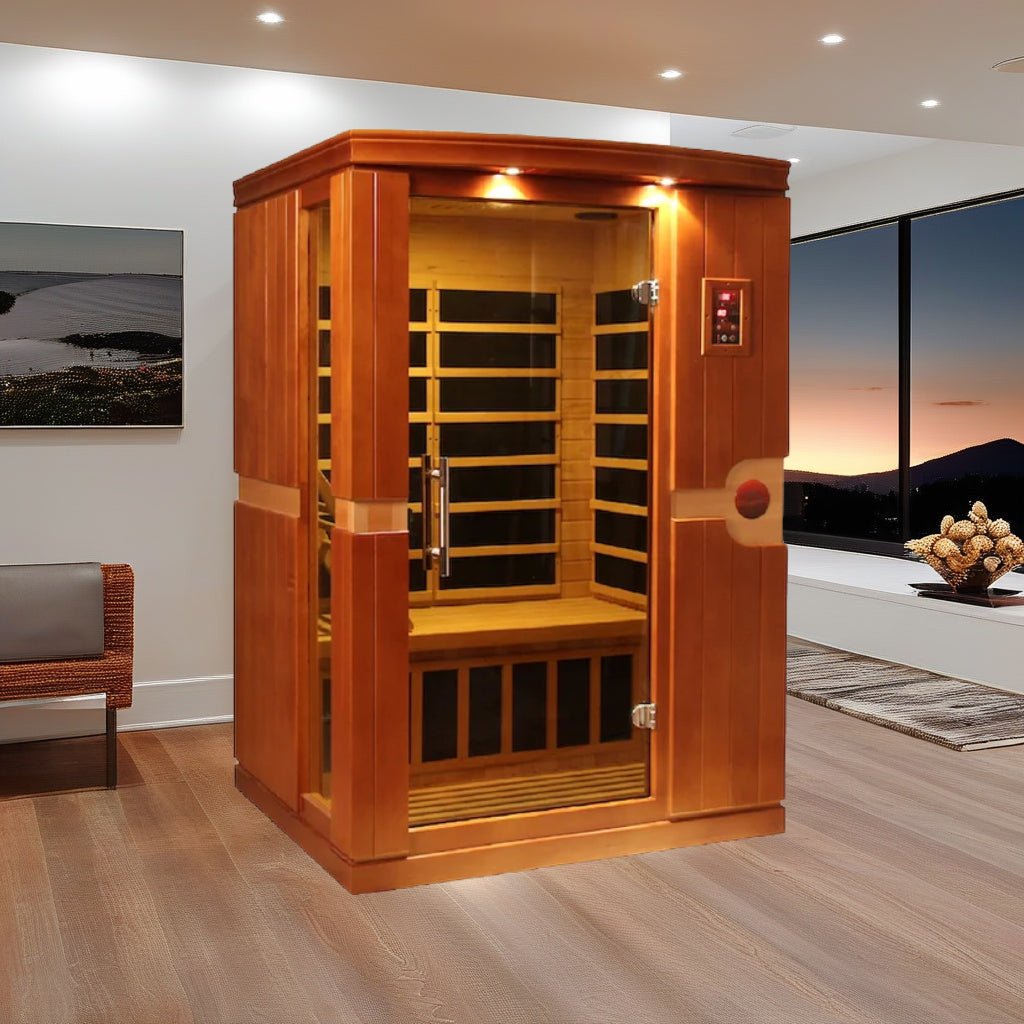
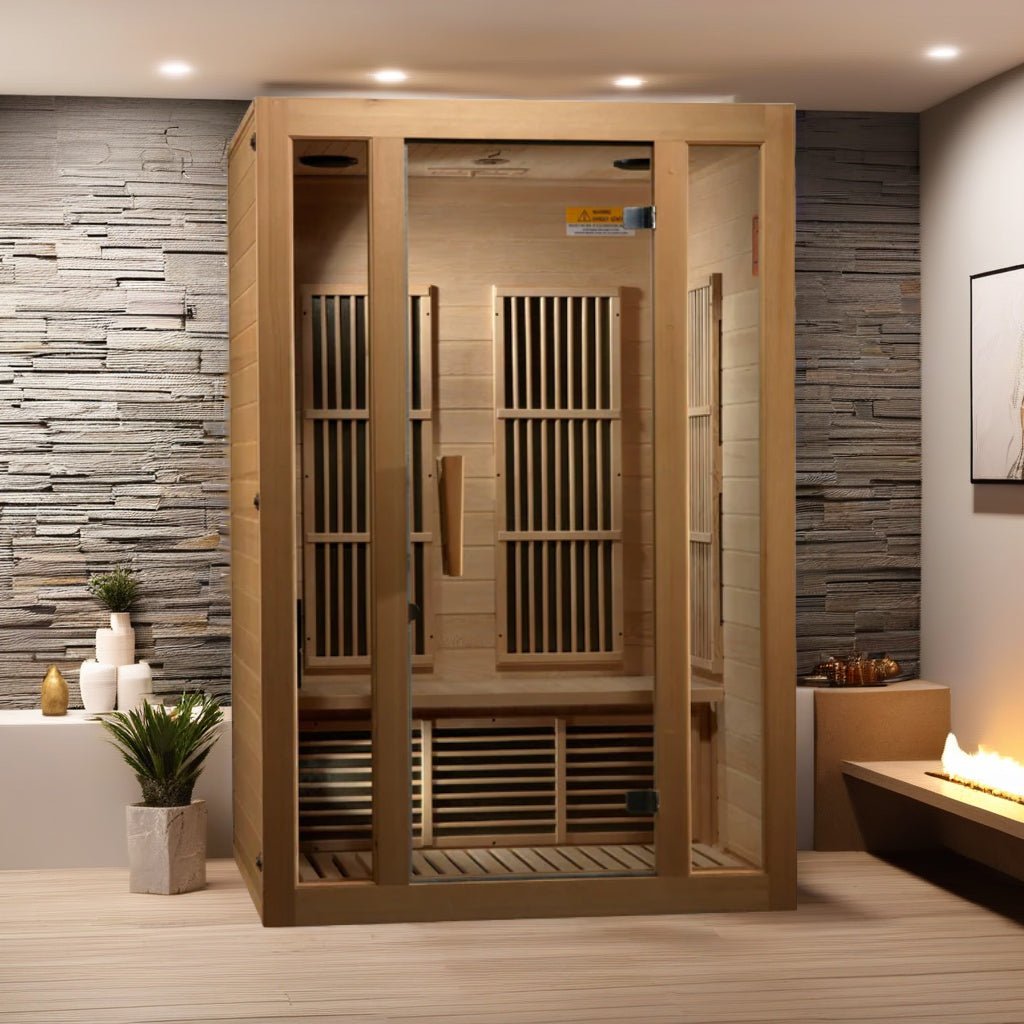
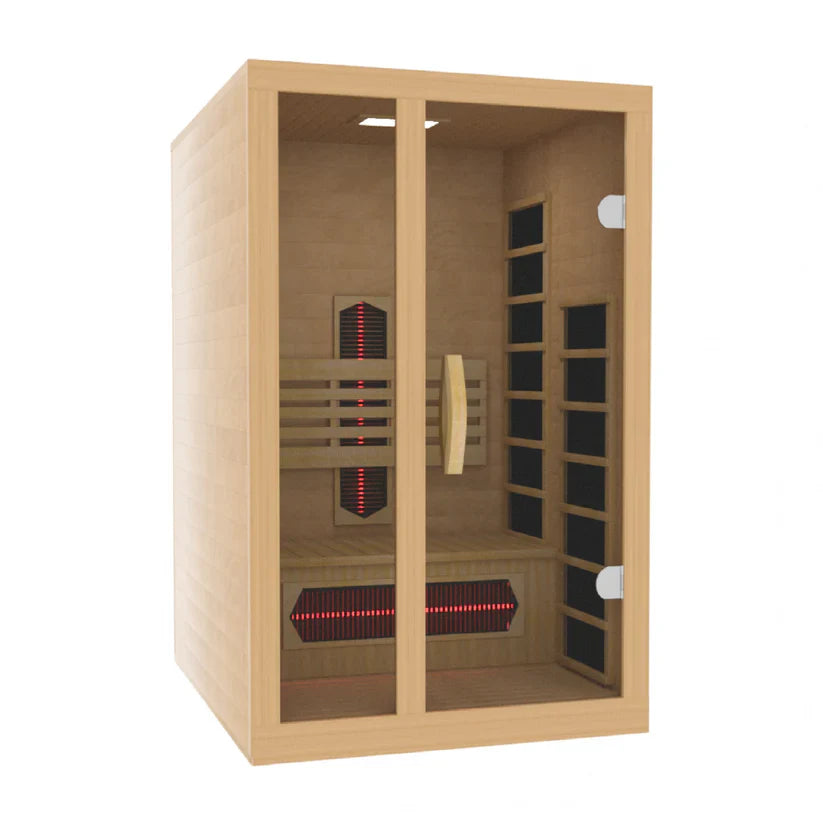
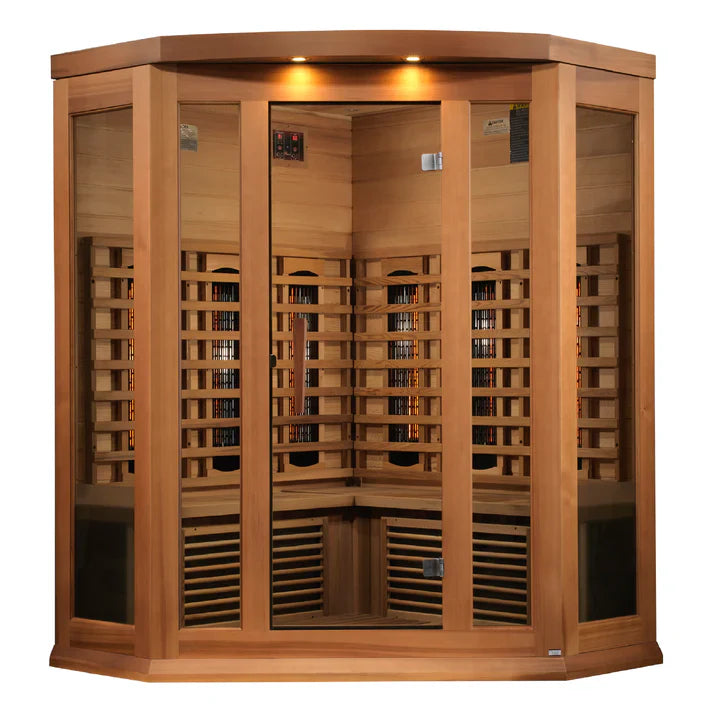
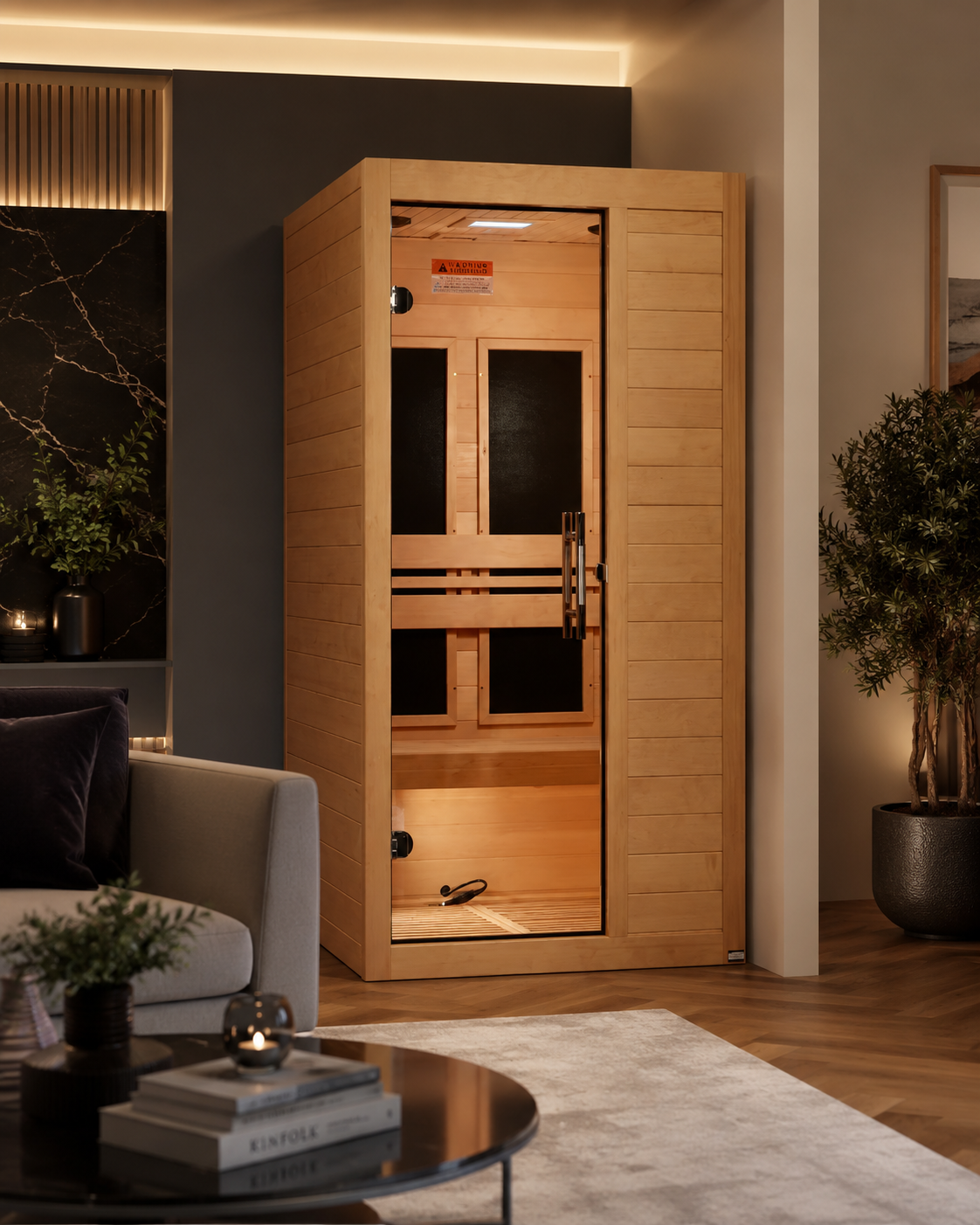
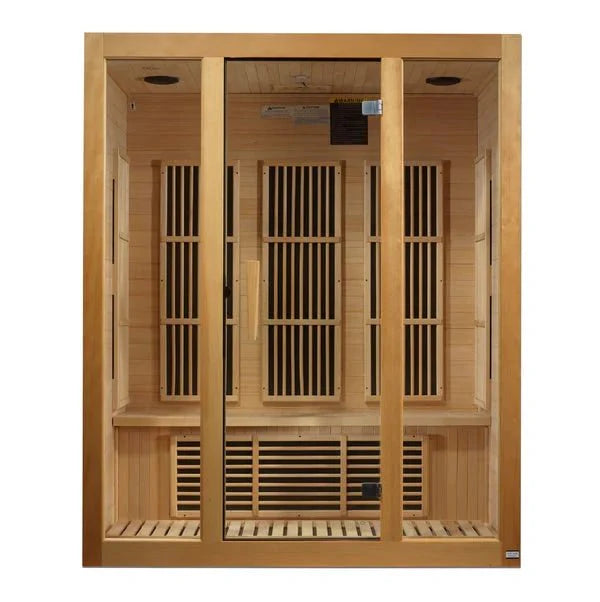
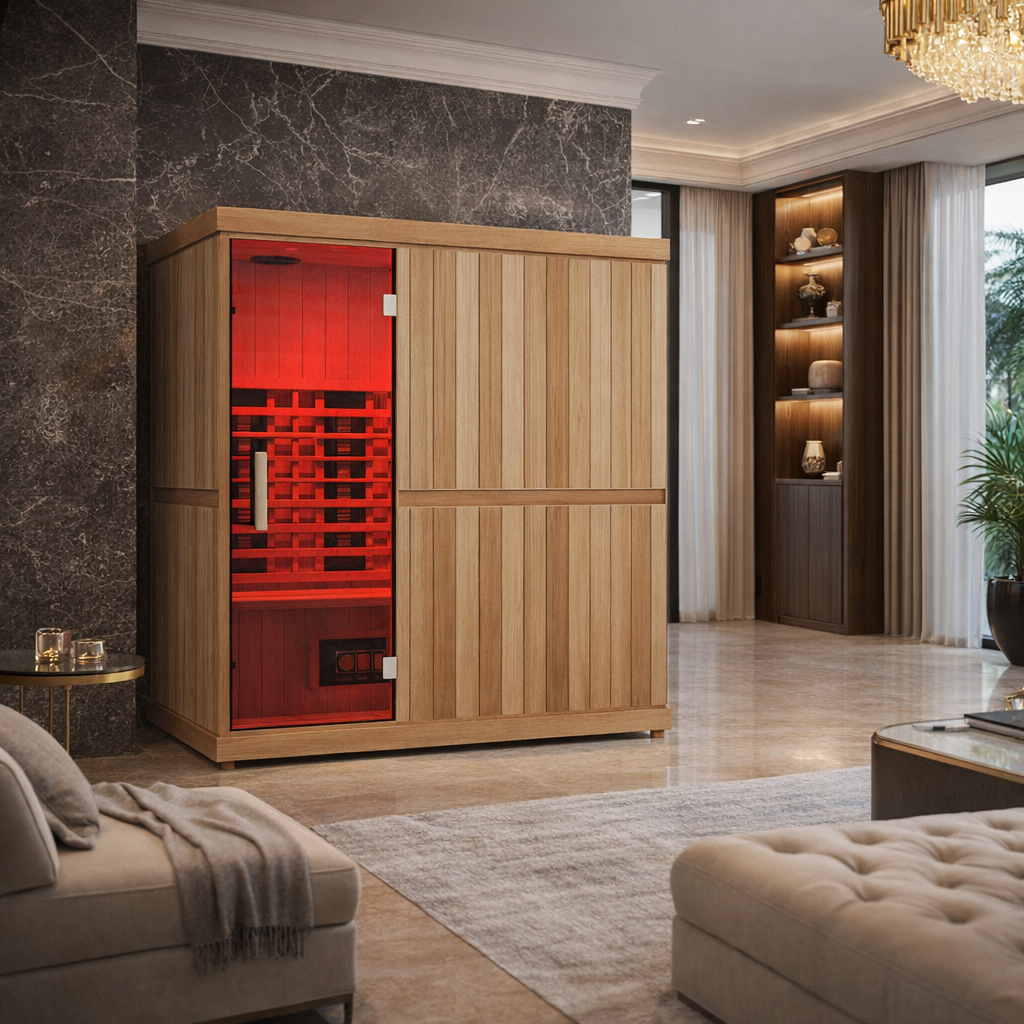
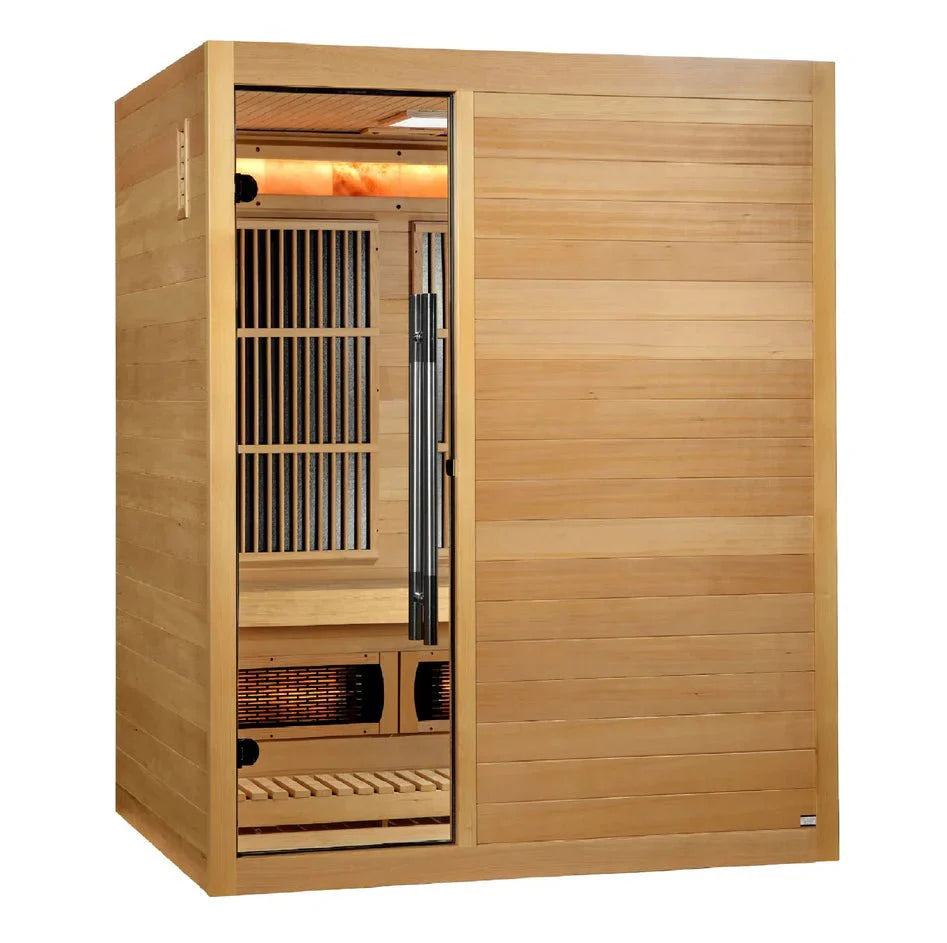
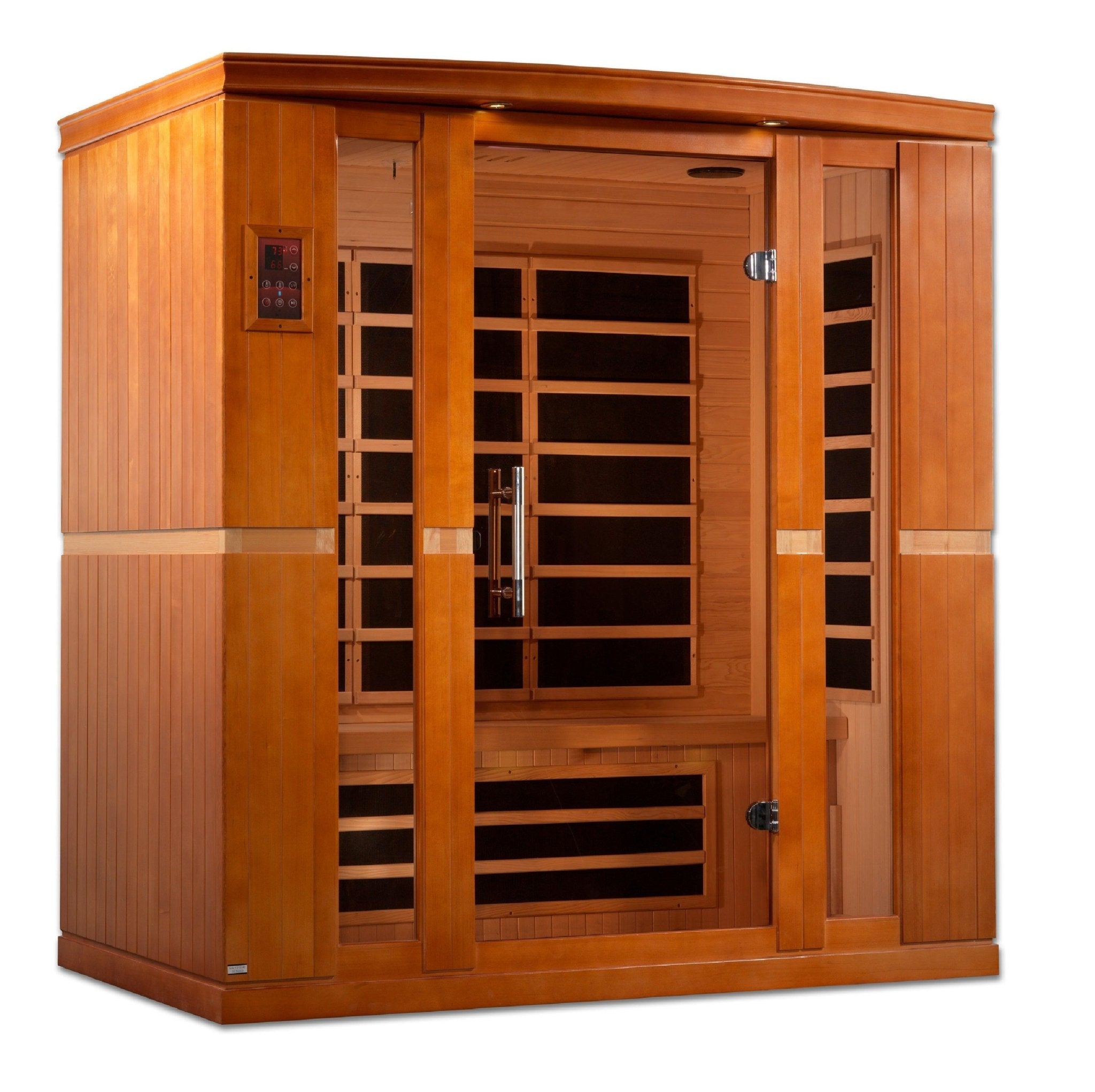
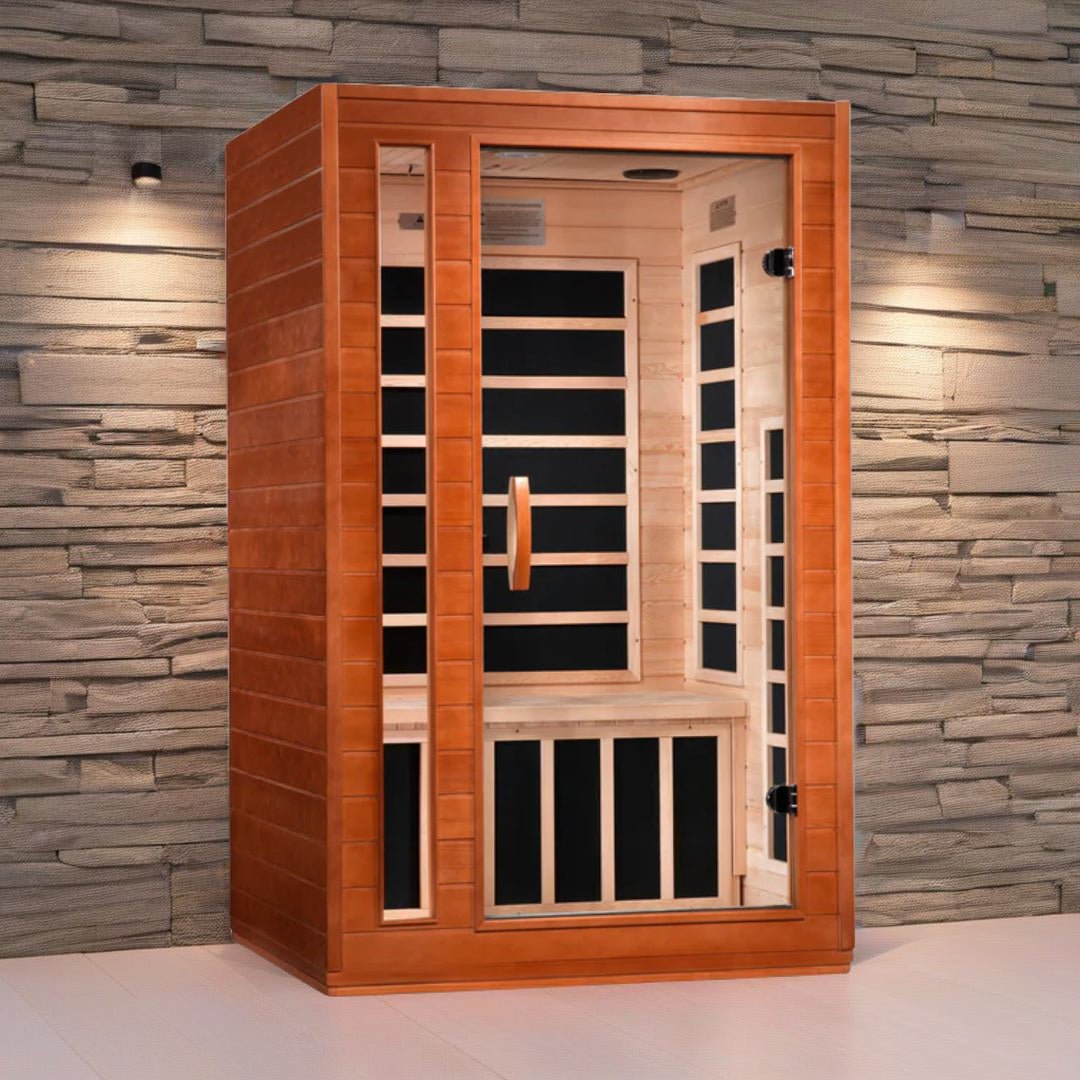
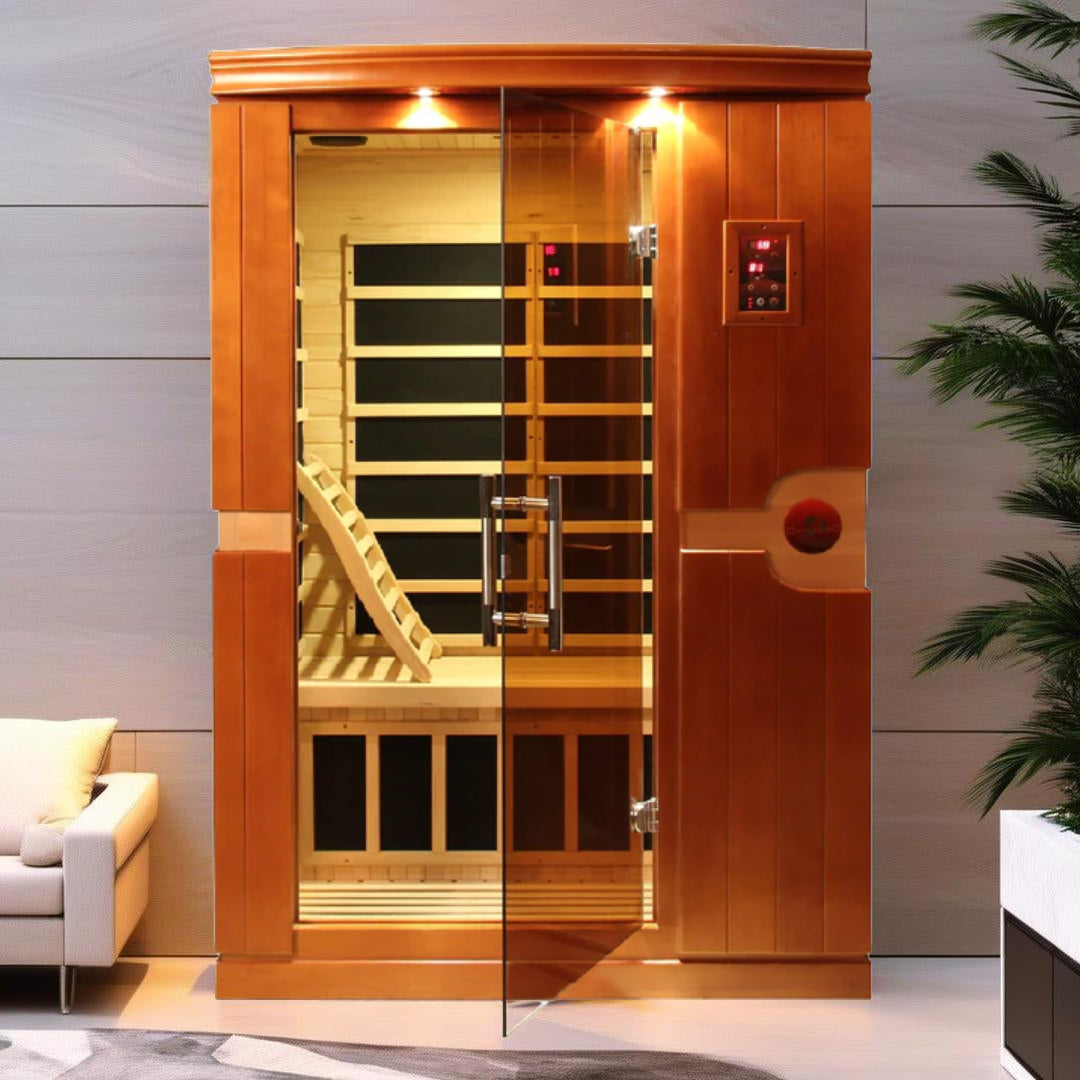
The goal of therapeutic heat is to activate thermoreceptors and vasodilation without crossing into noxious territory. Heat that feels painful is activating nociceptors, which can worsen discomfort rather than relieve it. Stick to warmth that feels soothing and relaxing. If you're considering controlled heat exposure, the Maxxus Seattle 2-person infrared sauna offers precise temperature control for safe, repeatable sessions.
Evidence strength: Strong
Key citations: Heat therapy mechanisms (PMC, 2021); TRPV1 channels and chronic pain (PMC, 2012); TRPV1 in descending modulation (PubMed, 2008); Cleveland Clinic guidance (Cleveland Clinic, 2024, 2025)
The Role of the Dorsal Horn: Where Modulation Becomes Reality
The dorsal horn of the spinal cord is the integration center where primary afferents synapse on projection neurons and inhibitory/excitatory interneurons (OUP, 2002). Gate control theory places the "gate" precisely in this region, where large fiber input can inhibit nociceptive transmission (CarePlans, 2024).
TRP-expressing primary afferents release neurotransmitters and neuropeptides like CGRP (calcitonin gene-related peptide) and substance P that can sensitize dorsal horn neurons, while inhibitory interneurons release GABA and glycine to dampen transmission (PMC, 2012). Chronic pain states often involve central sensitization, with increased dorsal horn excitability and altered thresholds that change responses to heat and cold (PMC, 2012).
Studies show that TRPV1 upregulation in dorsal horn and spinal cord slices correlates with increased CGRP release and spinal sensitization in neuropathic models (PMC, 2012). Paradoxical thermal sensations and altered thresholds are linked to small-fiber dysfunction and "disinhibition" in thermosensory circuits, consistent with dorsal horn and central pathway involvement (PMC, 2023).
Why the same temperature feels different on different days
Your pain response to heat or cold isn't just about the temperature itself—it's about the state of your nervous system. When you're stressed, fatigued, or dealing with a flare-up of chronic pain, central sensitization can make your dorsal horn circuits more excitable. The same warm pack that felt soothing yesterday might feel less effective today, not because the temperature changed, but because your nervous system's "volume knob" is turned up.
Evidence strength: Moderate to Strong
Key citations: Gate-control and spinal location (PMC, 2000); Sensory determinants of thermal pain (OUP, 2002); TRPV1-related spinal sensitization (PMC, 2012); PHS and small fiber dysfunction (PMC, 2023)
Descending Inhibition: How the Brain Joins the Modulation Effort
Pain modulation isn't just a local or spinal phenomenon—your brain plays an active role. Descending pain modulatory pathways from brainstem regions like the periaqueductal gray (PAG) and rostral ventromedial medulla project to the dorsal horn and can inhibit or facilitate nociceptive transmission (PubMed, 2008).
TRPV1 receptors are present in the PAG and other supraspinal sites, where activation by endocannabinoids or capsaicin can produce analgesia through descending inhibition (ScienceDirect, 2008). Endogenous opioids and related neuromodulators play key roles in descending control, and heat and other stimuli can trigger their release (PubMed, 2008).
Psychological factors—attention, mood, expectation—influence descending control, contributing to variability in heat/cold analgesic responses and possible placebo components (CreakyJoints, 2023). This doesn't mean the effect is "all in your head." Rather, it means that your brain's interpretation of thermal input and its decision to send inhibitory signals downward are shaped by multiple factors, including your beliefs and emotional state.
Is this placebo?
While expectation can influence pain, physiological studies show measurable changes in nerve conduction, thresholds, and blood flow with thermal therapies, indicating genuine sensory modulation (PubMed, 2007; PMC, 2021). The question isn't "Is it real or placebo?"—it's that both physiological mechanisms and psychological factors contribute to the overall experience. Understanding this can help you use thermal modalities more effectively rather than dismissing them or expecting miracles.
Evidence strength: Moderate (human outcome specificity limited; mechanistic data strong)
Key citations: TRPV1 in descending modulation (PubMed, 2008); TRPV1 antagonists and chronic pain (PMC, 2012); Gate control explanation (CarePlans, 2024); Patient-facing guidance (CreakyJoints, 2023)
Why "Numbing" Isn't "Eliminating": Managing Expectations for Recovery
Cryotherapy and thermotherapy typically raise pain thresholds and reduce perceived intensity temporarily—they do not remove underlying structural pathology (PubMed, 2007). Clinical guidelines describe heat and cold as adjunctive, low-risk interventions with modest effects; they are not curative treatments for chronic conditions (Cleveland Clinic, 2024).
The analgesic window can be short-lived, with thresholds returning toward baseline after skin temperature normalizes (Frontiers, 2023). In the cryotherapy RCT mentioned earlier, NCV and pain thresholds changed in tandem with skin temperature; effects diminished as temperature normalized (PubMed, 2007). Reviews of heat therapy show benefits for symptoms and vascular parameters but not definitive disease modification in many chronic conditions (PMC, 2021).
Arthritis and rheumatology guidance labels thermal modalities as "conditionally recommended," highlighting their limited and variable benefit (CreakyJoints, 2023). Understanding modulation can prevent over-reliance on passive modalities and encourage active rehabilitation approaches (Cleveland Clinic, 2024).
The most effective use of thermal therapy is as a tool to create a window of reduced discomfort during which you can move, exercise, and engage in active rehabilitation. Think of it as turning down the "volume" on pain signals just enough to allow you to do the things that actually promote healing—like gentle movement, stretching, and strengthening.
Evidence strength: Strong
Key citations: Cryotherapy RCT showing reversible changes (PubMed, 2007); Heat therapy mechanistic review (PMC, 2021); Arthritis guidance on conditional recommendations (CreakyJoints, 2023); Cleveland Clinic arthritis article (Cleveland Clinic, 2024)
How to Do It Safely + Effectively
Typical Cryotherapy Recommendations
-
Time-limited sessions: Use cold for 10–20 minutes at a time with a protective barrier (towel, thin cloth); avoid prolonged exposure (Cleveland Clinic, 2025).
-
When to use: Early in acute injuries to reduce inflammation and numb pain; for acute nerve irritation or swollen, hot areas (Mount Nittany Health, 2025).
-
Avoid: Prolonged exposure can cause frostbite and skin damage. If you're looking for a more controlled setup, explore cold plunge tubs for home recovery with built-in temperature monitoring.
Typical Heat Recommendations
-
Time-limited sessions: Use warm (not hot) packs or baths for 15–20 minutes per session (Mount Nittany Health, 2025).
-
Temperature guidance: Warm showers around 92–100°F (33–38°C) are suggested for therapeutic warmth (Cleveland Clinic, 2024).
-
When to use: For chronic stiffness or muscle spasm; generally better for chronic conditions without acute swelling (Mount Nittany Health, 2025).
-
Avoid: Do not apply heat directly on acutely inflamed, swollen areas, as increased blood flow can worsen edema. Never sleep on heating pads (Mount Nittany Health, 2025).
Alternating Heat and Cold
Some guidance suggests alternating heat and cold for certain conditions once acute inflammation subsides, tailoring to patient response (Mount Nittany Health, 2025). For instance, you might use cold first to reduce swelling, then transition to heat after 48–72 hours for stiffness. If you're interested in more structured thermal cycling, learn about how to think about thermal cycling (sauna + cold plunge).
Evidence for specific alternating sequences is limited and mostly consensus-based (Mount Nittany Health, 2025). The key is to listen to your body: if a modality makes symptoms worse, stop and try the alternative or consult a clinician.
Who Should Not Use Heat/Cold Without Medical Guidance
Critical safety exclusions:
-
Impaired sensation or circulation: Neuropathy reduces ability to sense harmful temperatures; avoid intense cold or heat (CreakyJoints, 2023).
-
Raynaud's phenomenon: Cold can trigger vasospasm and worsen symptoms (Cleveland Clinic, 2024).
-
Peripheral vascular disease: Both extreme heat and cold can be risky; consult a clinician (PMC, 2021).
-
Cardiovascular disease or uncontrolled hypertension: Whole-body or intense heat therapies should be cleared by a healthcare professional (Cleveland Clinic, 2024).
-
Open wounds or active infection: Avoid applying heat or cold over compromised skin unless directed by a healthcare professional (CreakyJoints, 2023).
-
Severe, persistent, or worsening pain: Seek medical attention if joint or back pain is associated with systemic symptoms (fever, unexplained weight loss) or rapidly worsening despite appropriate thermal therapy (Harvard Health, 2025).
Stop and seek medical advice if:
-
Pain worsens with thermal therapy
-
New numbness or color changes appear
-
Skin shows signs of burn or frostbite
-
Symptoms persist or worsen despite consistent, appropriate use
For at-home protocols, consider controlled equipment like the Medical Frozen Plunge for controlled cold exposure to minimize risk while maximizing consistency.
Evidence strength: Strong for safety/time limits; Moderate for alternating protocols
Key citations: Mount Nittany Health guidance (Mount Nittany Health, 2025); Cleveland Clinic heat/ice guidance (Cleveland Clinic, 2024, 2025); Patient-oriented joint pain article (CreakyJoints, 2023); Harvard Health (Harvard Health, 2025)
Comparisons + Decision Tables
Table 1: Mechanistic Comparison—Cold vs Heat for Pain Modulation
|
Feature |
Cold Therapy (Cryotherapy) |
Heat Therapy (Thermotherapy) |
|
Primary TRP channels |
TRPM8 and other cold-sensitive channels activated by cooling (OUP, 2002) |
TRPV1 and related heat-sensitive channels activated by noxious heat and protons (PMC, 2012) |
|
Vascular effect |
Vasoconstriction reduces blood flow and may limit edema (PMC, 2007) |
Vasodilation increases blood flow, bringing oxygen/nutrients and relaxing tissues (PMC, 2021) |
|
Nerve conduction |
Slows NCV by ~33%; increases pain threshold ~89% and tolerance ~76% at 10°C skin temp (PubMed, 2007) |
May modestly increase NCV via warming; primary effect is on muscle tone and circulation (PMC, 2021) |
|
Typical clinical use |
Acute injuries, inflamed or swollen areas, acute nerve irritation (Mount Nittany Health, 2025) |
Chronic stiffness, muscle spasm, degenerative joint pain without acute swelling (Mount Nittany Health, 2025) |
|
Application duration |
~10–15 minutes (≤20 minutes) per session with barrier (Cleveland Clinic, 2025) |
~15–20 minutes per session with barrier (Mount Nittany Health, 2025) |
|
Key risks |
Frostbite, skin damage, worsened vasospasm in susceptible individuals (Cleveland Clinic, 2025) |
Burns, hypotension or cardiovascular stress with whole-body heat (Mount Nittany Health, 2025) |
Table 2: At-Home vs Clinical/Professional Thermal Modulation
|
Aspect |
At-Home Packs/Showers |
Clinical/Controlled Modalities |
|
Temperature control |
Variable; user-regulated, often unmeasured (Cleveland Clinic, 2025) |
Monitored and standardized (e.g., controlled cryotherapy, water baths, saunas) (PMC, 2021) |
|
Targeting |
General area coverage, limited depth (Cleveland Clinic, 2025) |
Can target specific regions and deeper tissues (e.g., contrast baths, supervised modalities) (Physiopedia, 2023) |
|
Mechanism focus |
Symptom modulation (comfort, short-term threshold changes) (PMC, 2007) |
Symptom modulation plus systemic cardiovascular and autonomic effects (PMC, 2021) |
|
Safety oversight |
Self-monitored; higher risk of overuse or misapplication (Cleveland Clinic, 2025) |
Professional monitoring of skin checks, duration, and contraindications (Physiopedia, 2023) |
|
Integration with rehab |
Often used alone as "quick relief" (CreakyJoints, 2023) |
Typically integrated with exercise, manual therapy, and broader plans (Physiopedia, 2023) |
For a deeper dive into combining modalities, see our guide on contrast therapy basics and best practices.
Real-World Constraints + Numbers That Matter
Nerve conduction and pain thresholds:
-
32.8% reduction in NCV: Tibial nerve conduction velocity at the ankle decreased by 32.8% as skin temperature was lowered to 10°C during cryotherapy (PMC, 2007).
-
89% increase in pain threshold: Pain threshold at the iced ankle increased by 89% from baseline when skin temperature reached 10°C (PubMed, 2007).
-
76% increase in pain tolerance: Pain tolerance increased by 76% at the iced site under the same cooling conditions (PMC, 2007).
Blood flow and thermoregulation:
-
Up to 4.5–7.0 L/min increase in skin blood flow: Passive heat stress can raise skin blood flow by 4.5–7.0 liters above resting values in supine posture (PMC, 2021).
-
Sweat rates up to 1.3 L/h: Passive heat can elicit sweat rates around 1.3 L per hour in acclimated individuals (PMC, 2021).
Application timing:
-
Typical cold application time: 10–15 minutes; not exceeding about 20 minutes (Cleveland Clinic, 2025).
-
Typical heat application time: ≤20 minutes per session (Mount Nittany Health, 2025).
-
Shower temperature range: 92–100°F (33.3–37.7°C) for therapeutic warm showers (Cleveland Clinic, 2024).
Research context:
-
Paradoxical heat study: Examined 208 healthy individuals to model the prevalence and mechanisms of paradoxical heat sensation (bioRxiv, 2023).
-
TRPV1 knockout in animal models: Mice lacking TRPV1 showed roughly 40–50% fewer spontaneous pain behaviors in bone cancer models (PMC, 2012).
-
TRPV1 antagonist effects: In neuropathic models, a TRPV1 antagonist reversed tactile hypersensitivity by about 36% (PMC, 2012).
Costs and accessibility:
-
At-home ice packs and heating pads: $10–50
-
Controlled cold plunge systems: $3,000–10,000+
-
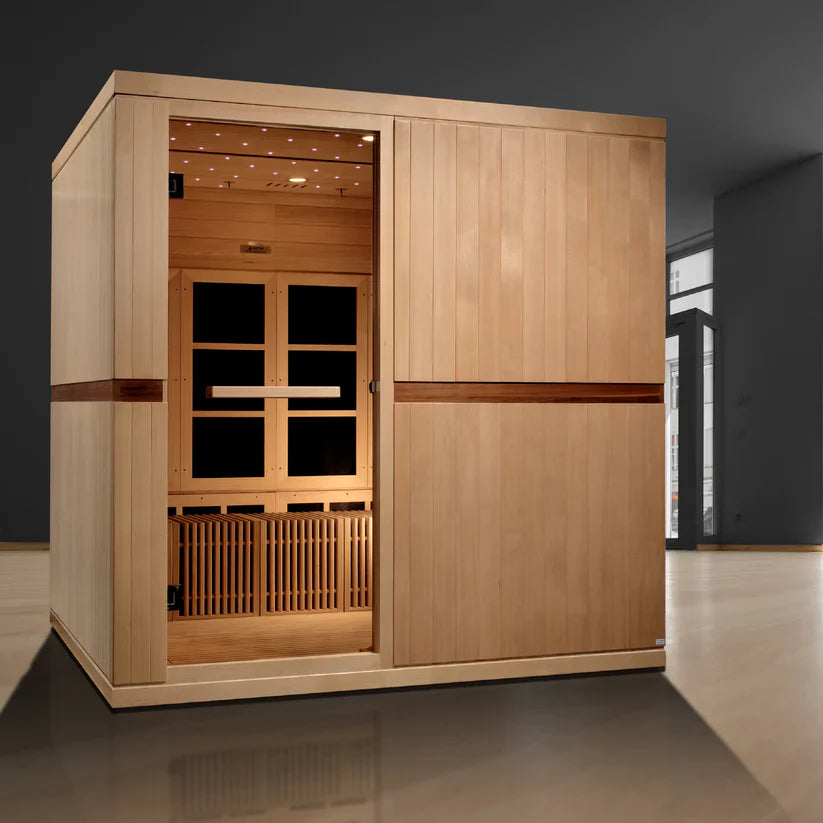
Infrared sauna units: $1,500–8,000+
-
Clinical cryotherapy sessions: $30–100 per session
-
Physical therapy with integrated thermal modalities: Often covered by insurance with copay
Myths and Misconceptions
Myth 1: Ice or heat can "cure" musculoskeletal pain
Correction: Thermal therapies primarily modulate symptom perception and thresholds; they do not correct structural pathology or fully resolve chronic pain disorders (PMC, 2007).
Why it persists: Short-term relief feels like a fix, and marketing often over-promises outcomes.
Myth 2: More time with ice or heat is always better
Correction: Most guidance limits applications to about 10–20 minutes to avoid frostbite or burns and diminishing returns (Mount Nittany Health, 2025).
Why it persists: Users equate intensity and duration with effectiveness.
Myth 3: Heat should always be used for any back pain
Correction: For acute back injuries with active inflammation, cold is often recommended early, with heat introduced later for stiffness (Mount Nittany Health, 2025).
Why it persists: People associate warmth with comfort and overlook inflammation dynamics.
Myth 4: Cold always reduces pain and is safe for everyone
Correction: Some people experience increased pain or paradoxical burning with cold due to small fiber dysfunction or conditions like Raynaud's, and they require caution (bioRxiv, 2023).
Why it persists: Standard advice rarely addresses atypical responses and neuropathies.
Myth 5: Heat directly "heals" joints in osteoarthritis
Correction: Guidelines classify thermal interventions as conditionally recommended for symptom relief, with limited evidence for structural joint improvement (Cleveland Clinic, 2024).
Why it persists: Symptomatic comfort is conflated with disease modification.
Myth 6: Gate control means pain signals are simply turned off
Correction: Gate control involves graded modulation influenced by multiple inputs and descending factors, not an on-off switch (CarePlans, 2024).
Why it persists: Simplified analogies in patient education get interpreted too literally.
Myth 7: TRPV1 antagonists prove heat receptors are the root cause of chronic pain
Correction: These drugs modulate thermal pain perception and hypersensitivity but do not address underlying inflammatory or degenerative processes (PMC, 2012).
Why it persists: Mechanistic findings are overextended in media and marketing narratives.
Myth 8: If heat or cold stop working, the condition must be "too severe" for conservative care
Correction: Diminished response can indicate central sensitization or that additional treatments are needed, not automatically a failure of all conservative options (OUP, 2002).
Why it persists: People expect linear responses and may delay consulting clinicians.
Myth 9: Alternating hot and cold always speeds healing
Correction: Alternation may help symptoms for some conditions but evidence is limited, and timing must respect phases of inflammation and individual tolerance (Mount Nittany Health, 2025).
Why it persists: Sports and rehab lore is widely repeated despite limited formal trials.
Myth 10: If cold or heat feel uncomfortable, patients should push through
Correction: Guidance emphasizes stopping if discomfort, burning, numbness, or skin changes occur since these can signal impending tissue damage (Cleveland Clinic, 2025).
Why it persists: "No pain, no gain" mentality spills into pain-modulation tools.
Myth 11: Thermal therapy is just a placebo
Correction: While expectation influences outcomes, measurable physiological changes in nerve conduction, blood flow, and pain thresholds confirm genuine sensory modulation (PubMed, 2007; PMC, 2021).
Why it persists: Skepticism about simple interventions and conflation of psychological factors with "not real."
Myth 12: You should use the hottest or coldest temperature you can tolerate
Correction: Therapeutic range is moderate—extreme temperatures increase injury risk without proportional benefit (Cleveland Clinic, 2025).
Why it persists: Misunderstanding that "more is better" applies to thermal intensity.
Experience Layer
Safe Test Ideas (Non-Medical, Low Risk)
For healthy adults without contraindications, consider these simple self-experiments to understand how your body responds to thermal modulation:
-
Compare cold vs warm for the same mild ache: Apply a 10-minute cold pack to one sore muscle group and a 15-minute warm pack to another similar area (e.g., post-exercise soreness). Log pain scores (0–10 scale) before, immediately after, and 30 minutes later.
-
Track sensation recovery time: Apply a cool pack with a barrier over your forearm and note the time to onset of numbness or discomfort, then time to full sensation recovery after removal. This helps you understand your personal threshold and recovery pattern.
-
Test alternating protocols: After the acute phase of a mild strain, try 10 minutes of heat followed by 5 minutes of cold, repeated once. Note sensations of "numb vs loose" and duration of relief.
-
Warm shower mobility check: Use a warm shower within the recommended temperature range (92–100°F) and assess perceived stiffness and comfort before versus after. Track whether warmth makes movement feel easier.
What to Document
-
Setup photos: Close-up of safe setup with towel barrier between skin and ice/heat pack, timer visible.
-
Temperature readings: Use an infrared thermometer or inexpensive skin thermometer to record temperature before and immediately after application.
-
Sensory sketches: Simple diagram showing cold/heat application site, peripheral nerve, spinal cord segment, and brain—helps visualize the "sensory highway" concept.
Metrics to Track
|
Metric |
Before |
Immediately After |
30 Min After |
2 Hours After |
|
Pain intensity (0–10) |
||||
|
Stiffness (0–10) |
||||
|
Sensation descriptors |
Sharp/Dull/Burning/Numb/Throbbing |
|||
|
Range of motion comfort |
How far can you bend/rotate without discomfort? |
|||
|
Skin temperature (°C/°F) |
Sample Logging Template
-
Date/Time:
-
Body area:
-
Modality: (cold pack / warm pack / alternating)
-
Duration & temperature (if known):
-
Pain score (0–10): before / immediately after / 30 min after / 2 h after
-
Sensation description before vs after: (e.g., burning → numb, stiff → loose)
-
Any adverse sensations: (excessive burning, numbness, color changes)
-
Overall impression: (helpful / neutral / worse)
This tracking helps you understand your individual response patterns and identify which modality works best for different types of discomfort.
FAQ
1. How do heat and cold actually change pain signals instead of curing pain?
Heat and cold change how nerves fire and how the spinal cord and brain process pain signals, raising thresholds and competing with pain inputs rather than fixing underlying tissue problems (PMC, 2007).
-
Cold slows nerve conduction and increases pain thresholds (PubMed, 2007).
-
Heat increases blood flow and influences heat-sensitive TRP channels (PMC, 2021).
-
Both feed into spinal "gates" that can dampen pain transmission (PMC, 2000).
-
Symptoms usually improve temporarily and then partially return as tissues rewarm (PMC, 2007).
2. Why does ice make an area feel numb but not completely pain-free?
Ice slows nerve conduction and raises pain thresholds, which blunts sensation and can feel numb, but residual nociceptive input and central processing often keep some pain perception (Frontiers, 2023).
-
Cooling reduced tibial NCV by about one-third in an RCT (PubMed, 2007).
-
Pain threshold and tolerance nearly doubled at cooled skin (PMC, 2007).
-
Central sensitization or ongoing tissue injury can maintain some pain (OUP, 2002).
-
Sensation returns as tissue temperature normalizes (Frontiers, 2023).
3. How does heat "distract" the brain from chronic pain?
Warmth activates heat-sensitive receptors and touch pathways that compete with existing pain signals in the spinal cord and engage descending inhibitory circuits, reducing the salience of chronic pain (CarePlans, 2024).
-
TRPV1 and other receptors respond to heat (PMC, 2012).
-
Large-fiber input can "close the gate" on pain (PMC, 2000).
-
Heat increases blood flow and muscle relaxation, reducing mechanical contributors to pain (PMC, 2021).
-
Brainstem pathways (e.g., PAG) can be activated and send inhibitory signals downward (ScienceDirect, 2008).
4. What is the "gate" in the gate control theory of pain?
The "gate" refers to neural circuits in the spinal dorsal horn where sensory inputs and descending signals can inhibit or amplify pain messages before they reach the brain (CarePlans, 2024).
-
Large fibers (touch, pressure) activate inhibitory interneurons (PMC, 2000).
-
Small nociceptive fibers activate projection neurons more directly (PMC, 2000).
-
Descending signals can open or close the gate further (CarePlans, 2024).
-
Heat and cold influence which fibers are active at a given time (OUP, 2002).
5. Does heat speed up nerve signals and make pain worse?
Mild therapeutic heat mainly increases blood flow and relaxes tissues, while its direct effects on nerve conduction are less clear, and clinical evidence suggests it tends to reduce pain rather than worsen it when used appropriately (CreakyJoints, 2023).
-
Passive heating is associated with large increases in skin blood flow (PMC, 2021).
-
Chronic joint pain often improves subjectively with heat (Cleveland Clinic, 2024).
-
Overly hot stimuli that activate nociceptors can be painful and should be avoided (PMC, 2012).
-
Recommended practice is comfortable, not scalding, temperatures (Cleveland Clinic, 2024).
6. Why do some people find cold more painful than heat?
In some individuals, cooling can strongly activate cold and nociceptive fibers or unmask paradoxical heat sensations, especially when small fibers are dysfunctional, making cold feel burning or intensely uncomfortable (PMC, 2023).
-
PHS research links paradoxical heat to thermosensory small-fiber dysfunction (bioRxiv, 2023).
-
Cold can provoke vasospasm and pain in conditions like Raynaud's (Cleveland Clinic, 2025).
-
Neuropathy reduces feedback about safe temperature exposure (CreakyJoints, 2023).
-
Personal experience should guide modality choice within safety boundaries (CreakyJoints, 2023).
7. Can you use heat and cold at the same time for pain relief?
Alternating heat and cold is sometimes used after the acute inflammatory phase, but it should be done cautiously with attention to comfort and standard time limits for each modality (Mount Nittany Health, 2025).
-
Some clinicians suggest starting with cold for acute swelling, then adding heat later (Mount Nittany Health, 2025).
-
Arthritis resources describe alternation as a symptom strategy (CreakyJoints, 2023).
-
Each application is usually limited to around 10–20 minutes (Mount Nittany Health, 2025).
-
Evidence for specific sequences is limited and mostly consensus-based (Mount Nittany Health, 2025).
8. How long do the pain-modulating effects of cold last after you remove the ice?
Pain thresholds are highest while tissues are cooled and gradually return toward baseline as they rewarm, so relief tends to be strongest immediately after and declines over time (Frontiers, 2023).
-
NCV and thresholds changed in tandem with skin temperature in RCTs (PubMed, 2007).
-
Axonal excitability data show cooling-related changes are temperature-dependent (Frontiers, 2023).
-
Duration varies with depth of cooling and local blood flow (Frontiers, 2023).
-
Patients often reapply cold intermittently for recurrent relief (Cleveland Clinic, 2025).
9. Is using heat and cold just a placebo effect?
While expectation can influence pain, physiological studies show measurable changes in nerve conduction, thresholds, and blood flow with thermal therapies, indicating genuine sensory modulation (PMC, 2007).
-
Cryotherapy RCT documented objective NCV and threshold changes (PubMed, 2007).
-
Heat therapy research reports quantifiable vascular adaptations (PMC, 2021).
-
TRP channel studies link temperature to specific ion channel activity (Frontiers, 2023).
-
Cognitive factors still modulate overall perception of benefit (CarePlans, 2024).
10. When should I use ice instead of heat for pain?
Ice is usually preferred in the first 24–72 hours after an acute injury or when there is visible swelling, while heat is often better for chronic stiffness and muscle tightness once acute inflammation has subsided (Cleveland Clinic, 2024).
-
Cold reduces swelling and numbs acute pain (Cleveland Clinic, 2025).
-
Heat loosens tight muscles and joints in chronic conditions (Cleveland Clinic, 2024).
-
Both require time limits and protective barriers (Mount Nittany Health, 2025).
-
Persistent or severe pain warrants clinician input (Harvard Health, 2025).
11. Can heat or cold make my condition worse?
Yes, if misused; excessive heat can worsen acute inflammation or cause burns, and excessive cold can damage skin or exacerbate vascular problems, especially in people with certain medical conditions (Cleveland Clinic, 2025).
-
Avoid heat on freshly inflamed or swollen areas (CreakyJoints, 2023).
-
Avoid prolonged ice in neuropathy or Raynaud's (Cleveland Clinic, 2025).
-
Watch for color changes, numbness, or blisters as warning signs (CreakyJoints, 2023).
-
Consult a clinician if unsure about safety in your condition (Harvard Health, 2025).
12. What are TRPV1 and TRPM8, and why do they matter for heat and cold pain?
TRPV1 and TRPM8 are temperature-sensitive ion channels on sensory neurons that detect noxious heat and cool temperatures, respectively, and help determine how painful thermal stimuli feel (ScienceDirect, 2008).
-
TRPV1 activates above ~43°C and in inflammation (PubMed, 2008).
-
TRPM8 responds to cooling and menthol (Frontiers, 2023).
-
Both channels modulate firing of nociceptive pathways (Frontiers, 2023).
-
Drugs targeting these channels alter thermal pain perception (PMC, 2012).
13. How does my brain influence whether heat or cold helps my pain?
Brainstem and higher centers send descending signals that can amplify or dampen spinal pain transmission, and these pathways are shaped by emotion, attention, and prior experiences with heat or cold (ScienceDirect, 2008).
-
PAG and related regions mediate descending inhibition (PubMed, 2008).
-
TRPV1 in the PAG interacts with endocannabinoids (ScienceDirect, 2008).
-
Gate control includes cognitive–emotional influences (CarePlans, 2024).
-
Understanding modulation may improve adherence and realistic expectations (CreakyJoints, 2023).
14. Are there people who should avoid using heat or cold at home?
Yes, individuals with impaired sensation, poor circulation, certain cardiovascular diseases, or conditions like Raynaud's should be cautious and talk with a clinician before using strong thermal therapies (PMC, 2021).
-
Neuropathy reduces ability to sense harmful temperatures (CreakyJoints, 2023).
-
Vascular diseases increase risk from vasodilation or vasoconstriction (PMC, 2021).
-
Raynaud's can be worsened by cold (Cleveland Clinic, 2024).
-
Professional guidance can tailor safe use.
15. How does understanding modulation vs elimination help with chronic pain?
Recognizing that heat and cold modulate pain rather than remove it can help set realistic expectations, reduce frustration, and encourage integrating these tools with active rehabilitation and medical care (PMC, 2007).
-
Thermal modalities provide temporary threshold shifts (PMC, 2007).
-
Guidelines frame them as adjunctive, not curative (CreakyJoints, 2023).
-
Combining them with exercise and other therapies improves outcomes (Cleveland Clinic, 2024).
-
Mindset shifts can reduce overuse and disappointment.
16. What temperature should I use for heat therapy?
Comfortable warmth that feels soothing without being painful—typically around 92–100°F (33–38°C) for showers or baths (Cleveland Clinic, 2024).
-
Heat should never feel scalding or painful.
-
If you can't comfortably keep skin in contact for the full duration, it's too hot.
-
Start conservative and adjust based on comfort.
-
Monitor skin for redness or signs of irritation.
17. How quickly does cold therapy work?
Analgesic effects typically begin within minutes as tissue temperature drops, with peak effects occurring when skin temperature reaches around 10–15°C (PubMed, 2007).
-
Numbness sensation often appears within 5–10 minutes.
-
Maximum threshold changes occur after about 15–20 minutes of cooling.
-
Effects begin to reverse as tissue rewarms.
-
Individual response varies based on tissue depth and blood flow.
18. Can I use thermal therapy before exercise?
Heat can be helpful before activity to increase tissue extensibility and reduce stiffness, while cold is generally better after exercise to reduce inflammation (Mount Nittany Health, 2025).
-
Pre-exercise heat may improve flexibility and comfort.
-
Avoid numbing an area with cold before activity (reduces protective feedback).
-
Post-exercise cold can reduce inflammatory response.
-
Listen to your body and adjust based on how you feel.
19. How many times per day can I safely use heat or cold?
Most guidance suggests spacing applications at least 1–2 hours apart, with 3–4 applications per day being a reasonable maximum for most people (Cleveland Clinic, 2025).
-
Allow skin to return to normal temperature between applications.
-
More frequent use increases risk without proportional benefit.
-
Monitor skin condition throughout the day.
-
Reduce frequency if irritation develops.
20. Does thermal therapy work better for certain types of pain?
Yes—cold tends to work better for sharp, acute, inflammatory pain, while heat often provides more relief for dull, achy, chronic muscle or joint pain (Mount Nittany Health, 2025).
-
Acute injuries: cold
-
Chronic stiffness: heat
-
Nerve pain: individual variation; trial both cautiously
-
Mixed presentations: may benefit from alternating approaches
21. What should I do if thermal therapy stops working?
This may indicate central sensitization, changing pain patterns, or need for additional interventions—consult a healthcare provider (OUP, 2002).
-
Don't simply increase intensity or duration.
-
Consider whether other factors have changed (stress, sleep, activity level).
-
Explore complementary approaches (gentle movement, breathing exercises).
-
Professional evaluation can identify underlying changes.
22. Can I use thermal therapy with other pain treatments?
Yes, thermal modalities can be safely combined with most other treatments, but inform your healthcare provider about all approaches you're using (Cleveland Clinic, 2024).
-
Compatible with most medications.
-
Can enhance effectiveness of physical therapy.
-
May allow reduced medication dosing in some cases (discuss with provider).
-
Avoid heat over topical analgesics that increase skin sensitivity.
23. How do I know if I'm using the right temperature?
The right temperature feels soothing and comfortable—you should be able to maintain contact for the recommended duration without discomfort (Cleveland Clinic, 2025).
-
Cold: cool to numb, not painful or burning.
-
Heat: warm to comfortably hot, not scalding.
-
You should not have to "tough it out."
-
Adjust immediately if sensation becomes unpleasant.
24. Is there a best time of day to use thermal therapy?
Timing can be optimized based on your pain patterns—use heat before activities that typically cause stiffness, cold after activities that tend to cause inflammation (Mount Nittany Health, 2025).
-
Morning stiffness: heat before rising or showering.
-
Post-activity inflammation: cold within 1–2 hours.
-
Evening muscle tension: heat before bed (but never sleep on heating pad).
-
Chronic pain flares: address as needed throughout day.
25. Should I see improvement immediately?
You should notice some change in sensation during or immediately after application, but full therapeutic benefit may develop over several consistent sessions (CreakyJoints, 2023).
-
Immediate: temperature sensation, possible numbness or relaxation.
-
Within 30 minutes: peak threshold changes.
-
Over days to weeks: may see cumulative benefit when combined with active rehab.
-
Lack of any response warrants reassessment of approach.
Sources
-
See all of our research for this article in our research dossier.
-
The effect of cryotherapy on nerve conduction velocity, pain threshold and pain tolerance. Study; randomized controlled trial; 2007. PubMed 17224445
-
Acute Pain Management: Cryotherapy. Professional/education site (Physiopedia); 2023. Physio-pedia
-
Temperature increase significantly enhances nociceptive responses. Study on axonal excitability with cooling; 2023. Frontiers in Cellular Neuroscience
-
Heat therapy: mechanistic underpinnings and applications to cardiovascular and metabolic health. Study/review; 2021. PMC 8285605
-
TRPV1 Antagonists and Chronic Pain: Beyond Thermal Perception. Study/review; 2012. PMC 3763634
-
Role of TRPV1 receptors in descending modulation of pain. Study/review; 2008. PubMed 18325659
-
Sensory determinants of thermal pain. Study; 2002 (foundational). Oxford University Press
-
Paradoxical heat sensation as a manifestation of thermal hypesthesia. Study; 2023. PMC 10723641
-
A Framework for Understanding Paradoxical Heat Sensation. Preprint (bioRxiv); 2023. bioRxiv
-
Heat-induced pain diminishes vibrotactile perception: a touch gate. Study; 1995 (foundational). PubMed 7887057
-
Testing the gate-control theory of pain in man. Study; 2000 (foundational). PMC 1083654
-
The Role of Gate Control Theory in Pain Management for Nurses. Professional article; 2024. CarePlans
-
Back pain: Heat or ice? Hospital article (Mount Nittany Health); 2025. Mount Nittany Health
-
Ice vs. Heat: What Is Best for Your Pain? Hospital article (Cleveland Clinic); 2025. Cleveland Clinic
-
Ice or Heat: What's Better for Soothing Arthritis Pain? Hospital article (Cleveland Clinic); 2024. Cleveland Clinic
-
Should You Use Ice or Heat to Treat Joint Pain and Swelling? Patient advocacy (CreakyJoints, summarizing ACR guidance); 2023. CreakyJoints
-
Harvard Health social media guidance on when to see a doctor for pain. Agency/hospital; 2025. Harvard Health
What We Still Don't Know
While the science of thermal modulation is well-established at the mechanistic level, several areas remain uncertain or understudied:
Individual response variability: Why some people experience robust analgesia from cold while others find it painful or ineffective remains incompletely understood. Small fiber dysfunction and genetic variations in TRP channel expression likely play roles, but predictive testing isn't yet available (PMC, 2023).
Optimal dosing for chronic conditions: Most timing recommendations (10–20 minutes) are based on safety thresholds and historical practice rather than rigorous dose-response trials. The ideal frequency, duration, and temperature for specific chronic pain conditions hasn't been systematically established (Mount Nittany Health, 2025).
Long-term efficacy: While acute effects on thresholds and conduction are well-documented, whether regular thermal therapy use over months or years provides sustained benefit or leads to adaptation/tolerance is unclear. Most studies examine immediate or short-term outcomes (PMC, 2021).
Mechanisms of alternating protocols: The theoretical rationale for contrast therapy (alternating heat and cold) is plausible, but controlled trials comparing alternation to single-modality use are limited. We don't know definitively which sequences or ratios work best for which conditions (Mount Nittany Health, 2025).
Integration with other modalities: How thermal therapy interacts with manual therapy, exercise, or pharmacological treatments hasn't been comprehensively studied. Optimal combination strategies remain largely empirical (CreakyJoints, 2023).
Predictive biomarkers: No validated biomarkers exist to predict who will respond best to heat versus cold. Clinical decision-making relies on trial-and-error and general guidelines rather than personalized prediction (Cleveland Clinic, 2024).
Ready to build a premium recovery routine that respects the science and your nervous system? Pair controlled cold exposure with comfortable heat—then choose equipment that makes safe repetition effortless. Whether you explore cold plunge tubs for home recovery or infrared sauna options, remember that these tools work best when integrated with active rehabilitation, realistic expectations, and attention to your body's individual responses.
View More ArticlesWhen Thermal Modalities Interfere With Training Adaptation: A Practitioner's Guide for Rehab and Strength Staff
Evidence-Informed Templates for Home Thermal Instructions After PT Sessions
Related Posts

Biohacking Tools for Inflammation Reduction: What Actually Works

Insurance, Permits, and Code Questions Around Residential Thermal Rooms: A Plain-English Overview

Renovation Sequencing for Wellness Installations: When to Plan Thermal Spaces in a Whole-Home Remodel

From N-of-1 to Protocol: How to Translate Recovery Research Into Periodized, Testable Personal Routines

The Ultimate Airbnb Wellness Amenity Guide: Saunas, Hot Tubs & Cold Plunges

Sauna vs. Cold Plunge vs. Red Light Therapy: A Decision Guide

Float Therapy vs. Cryotherapy: Key Differences Explained
