











































Unlocking Home Wellness: The Benefits of Infrared Saunas
In recent years, the popularity of infrared saunas has surged, and for good reason. These innovative wellness devices are not just a luxury; they offer a multitude of health benefits that can be easily integrated into your home routine. From detoxification to relaxation and improved skin health, infrared saunas provide an effective way to enhance your overall well-being.
This article delves into the various benefits of infrared saunas, backed by research and expert opinions. We'll explore how they work, the different types available, and actionable advice on how to incorporate them into your daily life for optimal health.
What Are Infrared Saunas and How Do They Work?
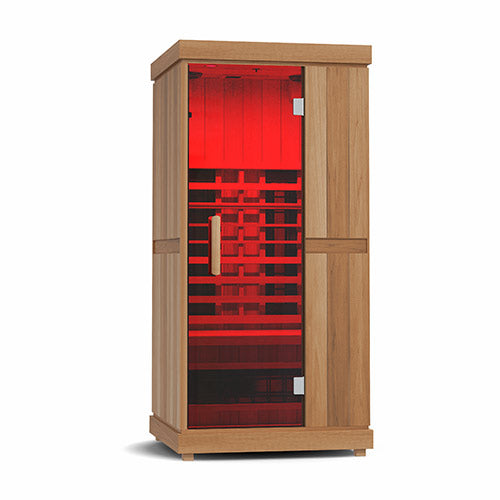
Infrared saunas utilize infrared heaters to emit radiant heat that is absorbed directly by the body. Unlike traditional saunas that heat the air around you, infrared saunas warm your body directly, allowing for a more efficient sweat at lower temperatures. This process can lead to several health benefits, making infrared saunas a popular choice for wellness enthusiasts.
What Are the Health Benefits of Using an Infrared Sauna?
Research has shown that infrared saunas can be beneficial for various health aspects:
- Detoxification: Sweating is one of the body's natural ways to eliminate toxins. A study published in the Journal of Environmental and Public Health indicates that sweating in an infrared sauna can facilitate the excretion of heavy metals and other harmful substances.
- Improved Circulation: Infrared heat can enhance blood flow, which is crucial for cardiovascular health. A study in the Journal of Cardiology noted that regular infrared sauna use can lead to improved vascular endothelial function.
- Skin Health: The heat from infrared saunas can promote collagen production, leading to improved skin elasticity and appearance. Research published in Dermatologic Therapy suggests that infrared therapy can help with conditions such as acne and psoriasis.
- Pain Relief: Infrared saunas can alleviate chronic pain conditions, such as arthritis and fibromyalgia. Studies have shown that regular use can reduce pain levels and improve quality of life.
- Stress Reduction and Relaxation: The soothing warmth of an infrared sauna can help lower cortisol levels, leading to reduced stress and anxiety. A study in the American Journal of Psychiatry emphasizes the calming effects of heat therapy.
How to Incorporate an Infrared Sauna into Your Home Routine?
Integrating an infrared sauna into your daily routine can be done with ease. Here are some actionable steps:
- Choose the Right Model: Determine which type of infrared sauna is best for you—whether it's a full sauna room, a portable sauna, or a sauna blanket. Assess your space, budget, and personal preferences.
- Set a Regular Schedule: For optimal benefits, aim for 3-5 sessions per week. Each session can last between 20 to 45 minutes, depending on your comfort level.
- Stay Hydrated: Drinking water before, during, and after your sauna session is crucial. As your body sweats, you lose fluids that need to be replenished.
- Combine with Other Wellness Practices: Consider pairing sauna sessions with other health practices, such as meditation or yoga, to enhance relaxation and mindfulness.
- Listen to Your Body: Always pay attention to how your body responds. If you feel lightheaded or uncomfortable, it’s important to exit the sauna and hydrate.
For those interested in exploring the options available, check out In House Wellness for a range of infrared sauna products that can elevate your home wellness experience.
Are There Any Risks Associated With Infrared Saunas?
While infrared saunas are generally considered safe for most individuals, there are some precautions to consider:
- Medical Conditions: People with certain medical conditions, such as cardiovascular issues or heat sensitivities, should consult a healthcare professional before use.
- Dehydration: Excessive sweating can lead to dehydration, so it’s important to stay hydrated.
- Pregnancy: Pregnant women should avoid using saunas due to the risk of overheating.
By being mindful of these factors, you can enjoy the benefits of infrared saunas while minimizing risks.
FAQs
1. How often should I use an infrared sauna?
It is generally recommended to use an infrared sauna 3-5 times per week for optimal health benefits.
2. Can infrared saunas help with weight loss?
While they can aid in calorie burning and fat loss through increased heart rate, they should be combined with a healthy diet and exercise for effective weight management.
3. What temperature should an infrared sauna be set to?
The typical temperature range for infrared saunas is between 110°F to 140°F (43°C to 60°C), depending on personal preference and tolerance.
4. Are there any age restrictions for using infrared saunas?
Generally, individuals of all ages can use infrared saunas, but children and elderly individuals should use them with caution and under supervision.
5. Can I use an infrared sauna if I am pregnant?
Pregnant women should avoid infrared saunas due to the risk of overheating, and it’s best to consult a healthcare professional.
6. How long does a session last?
Sessions typically last between 20 to 45 minutes, depending on individual comfort and experience.
7. Do I need to shower after using an infrared sauna?
It’s a good idea to shower to wash off the sweat and any toxins released during the session.
Incorporating an infrared sauna into your home wellness routine can yield remarkable benefits, enhancing your lifestyle and health. By understanding how they work and how to use them effectively, you can unlock their full potential for detoxification, relaxation, and overall well-being. If you're ready to elevate your health journey, explore the range of infrared saunas available at In House Wellness and begin experiencing the transformative effects today.
Author Bio: Jane Doe is a health and wellness enthusiast with a PhD in Integrative Medicine. She has dedicated her career to exploring holistic approaches to health, emphasizing the importance of therapies like infrared saunas in modern wellness.
View More ArticlesAre Saunas Good for You? Unpacking the Science Behind Sauna Benefits
Health Benefits: Traditional Sauna vs Infrared Sauna
Related Posts

Are Infrared Saunas Safe? A Science-Based Guide to Benefits, Risks & Smart Use

The 8 Best 2 Person Saunas of 2026: A Buyer's Guide to Size, Type, and Cost

The Truth About Costco Saunas: Are They Worth the Price and Hassle?

Arcadia Barrel Sauna: The Complete Buyer's Guide & Assembly Blueprint

Low EMF vs Near-Zero EMF Infrared Saunas: What Actually Matters Before You Buy

Chromotherapy vs No Chromotherapy: Who Benefits From It (Practically)? The Buyer's Decision Guide

The Science of Heat: How Saunas Improve Circulation and Cardiovascular Health
