











Alternating Sauna and Cold Plunge: Unleashing Health Benefits
Have you ever wondered why the ancient traditions of sauna use and cold plunging have persisted through the ages? These practices are not merely relics of the past; they are scientifically supported methods of enhancing health and wellness. Engaging in a routine that alternates between a sauna and a cold plunge can yield profound benefits, from boosting circulation to enhancing mental clarity. In this article, we delve into the various advantages of this invigorating practice, supported by research and practical advice.
What Are the Health Benefits of Sauna Use?
Sauna bathing has been linked to numerous health advantages, many of which are backed by scientific research. Here are some of the primary benefits:
- Improved Cardiovascular Health: Regular sauna use can enhance cardiovascular function, as evidenced by a study published in the Journal of the American College of Cardiology, which found that frequent sauna bathing is associated with a reduced risk of heart disease.
- Detoxification: Sweating in a sauna helps eliminate toxins from the body. A study in the Journal of Environmental and Public Health highlights how sweating can rid the body of heavy metals and other harmful substances.
- Stress Relief: The heat of a sauna promotes relaxation, decreasing levels of cortisol—the stress hormone. A study published in Psychosomatic Medicine confirms that regular sauna use can significantly reduce stress.
- Enhanced Muscle Recovery: Heat exposure aids muscle relaxation and increases blood flow, which can expedite recovery post-exercise, as supported by research in the Journal of Strength and Conditioning Research.
What Are the Benefits of Cold Plunges?
Cold plunges, or ice baths, offer their own set of health benefits that complement sauna use. Here are some key advantages:
- Reduced Inflammation: Cold exposure can help reduce inflammation and muscle soreness post-exercise, as highlighted in the Journal of Sports Sciences. This is particularly beneficial for athletes looking to enhance recovery.
- Boosted Immune Function: Studies suggest that regular cold exposure can stimulate the immune system, increasing the production of white blood cells, as noted in the International Journal of Circumpolar Health.
- Enhanced Mood and Mental Clarity: Cold water immersion can increase dopamine levels, leading to improved mood and mental clarity, according to findings in Medical Hypotheses.
- Improved Circulation: Alternating between hot and cold can enhance blood flow and circulation, which supports overall cardiovascular health.
How Does Alternating Sauna and Cold Plunge Work?
The practice of alternating between sauna and cold plunge is rooted in the concept of contrasting temperature therapy. This method involves exposing the body to extreme heat followed by cold, which leads to a variety of physiological responses. Here’s how it works:
- Vasodilation and Vasoconstriction: In the sauna, heat causes blood vessels to dilate, increasing blood flow and delivering oxygen and nutrients to muscles. The sudden cold plunge then causes vasoconstriction, reducing blood flow and flushing out metabolic waste.
- Hormonal Responses: The heat from the sauna stimulates the release of endorphins, which can enhance mood and promote feelings of well-being. In contrast, cold exposure can trigger adrenaline release, providing an invigorating effect.
- Enhanced Recovery: The combination of heat and cold promotes muscle relaxation and recovery. A study in the Sports Medicine journal indicates that alternating heat and cold can significantly reduce muscle soreness post-exercise.
How to Safely Implement an Alternating Routine
Incorporating sauna and cold plunge sessions into your wellness routine can be a powerful way to boost health, but safety should always come first. Here are some guidelines to follow:
- Start Slowly: If you are new to either practice, begin with shorter sessions (5-10 minutes) and gradually increase duration as your body adapts.
- Stay Hydrated: Both sauna and cold plunge can lead to dehydration. Ensure you drink plenty of water before, during, and after your sessions.
- Listen to Your Body: Pay attention to how you feel. If you experience dizziness, nausea, or any discomfort, exit the sauna or cold plunge immediately.
- Consult a Healthcare Professional: If you have pre-existing health conditions, particularly cardiovascular issues, consult your doctor before starting this routine.
By alternating between sauna and cold plunge, you can harness the combined benefits for a holistic wellness experience. This practice not only promotes physical health but also contributes to better mental clarity and emotional well-being.
What Tools Can Enhance Your Experience?
To optimize your sauna and cold plunge sessions, consider investing in quality equipment and tools. Here are some recommended products:
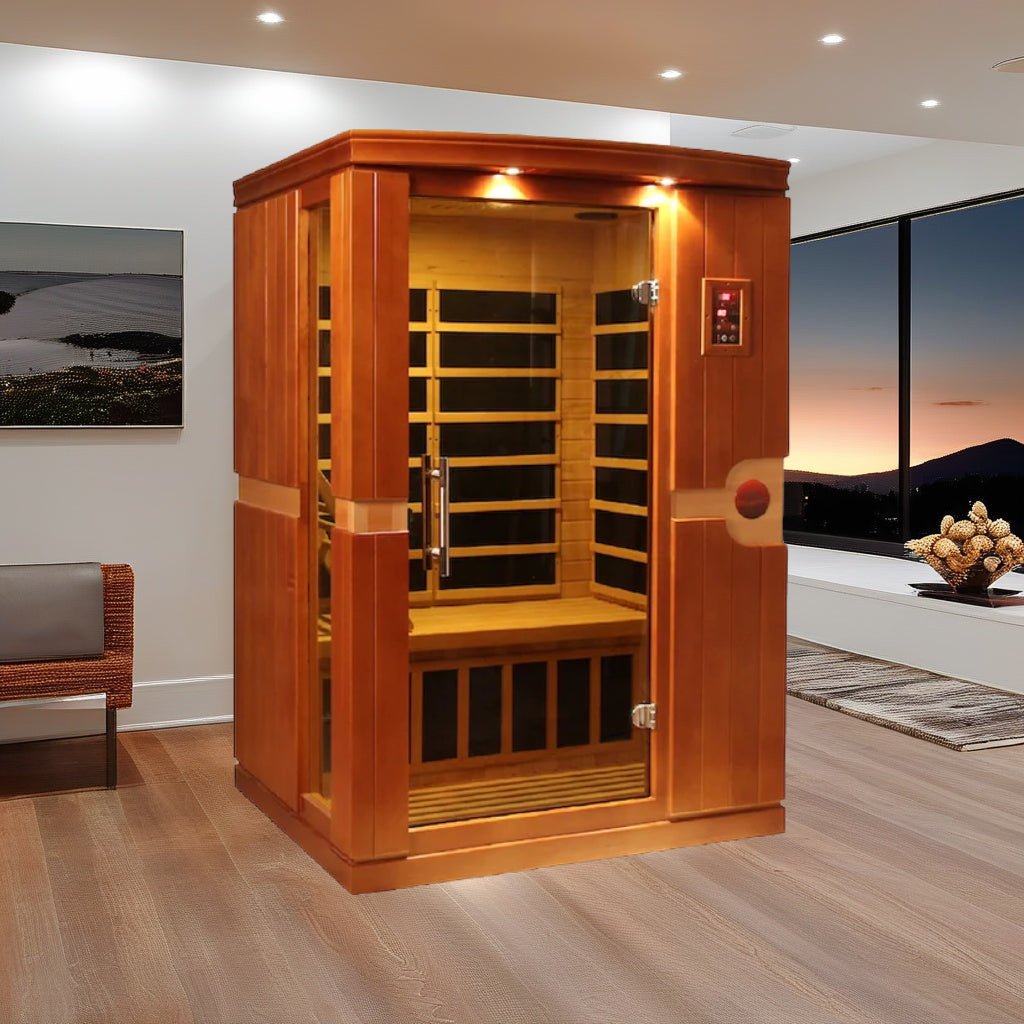
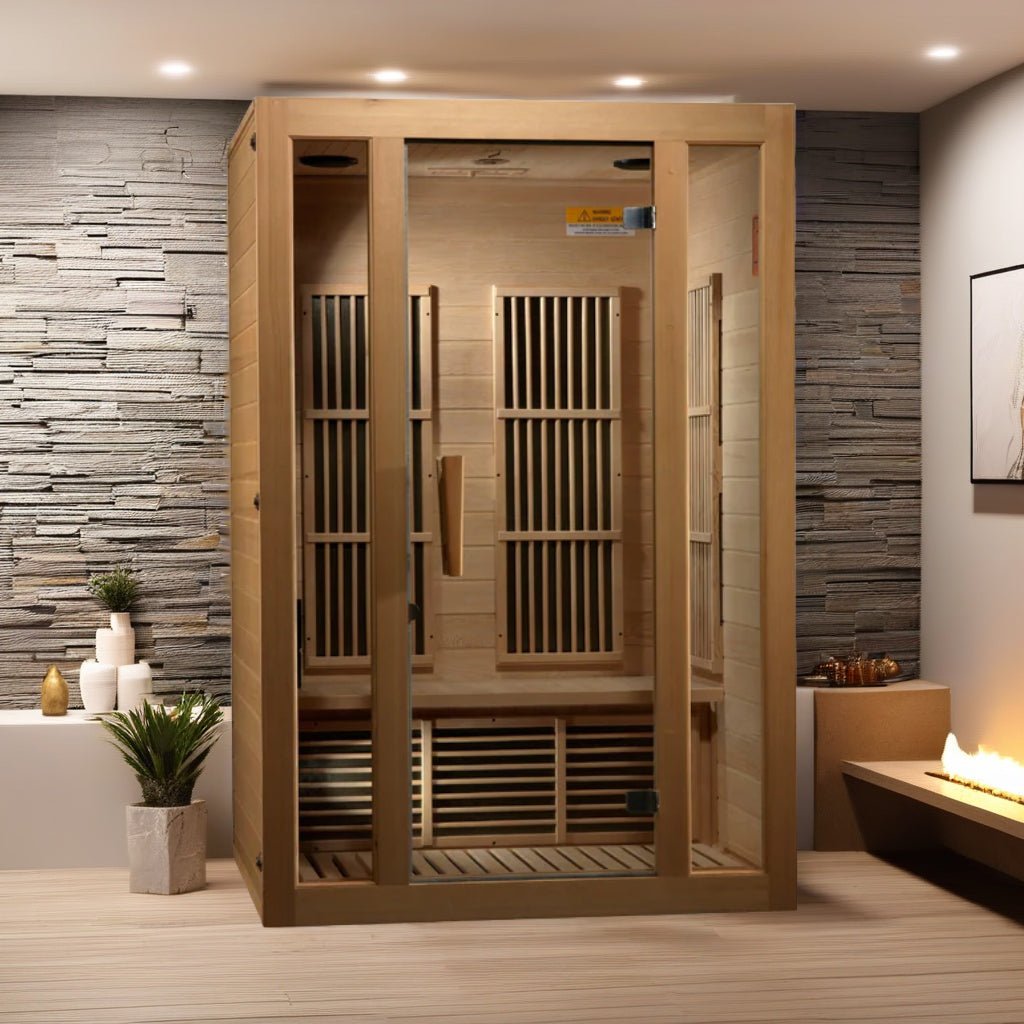
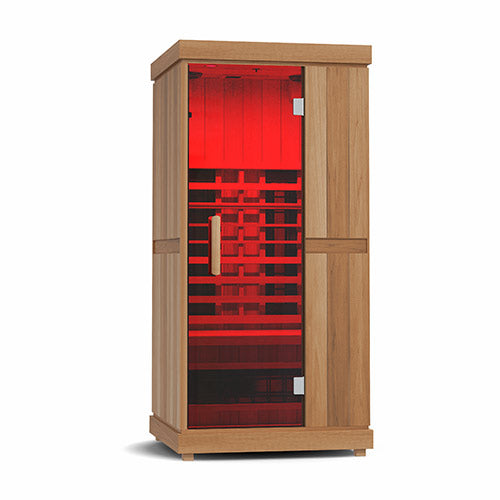
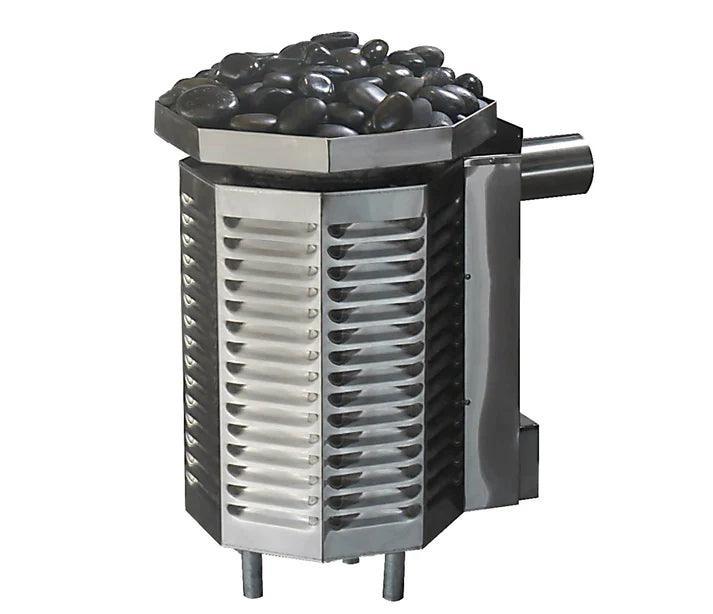
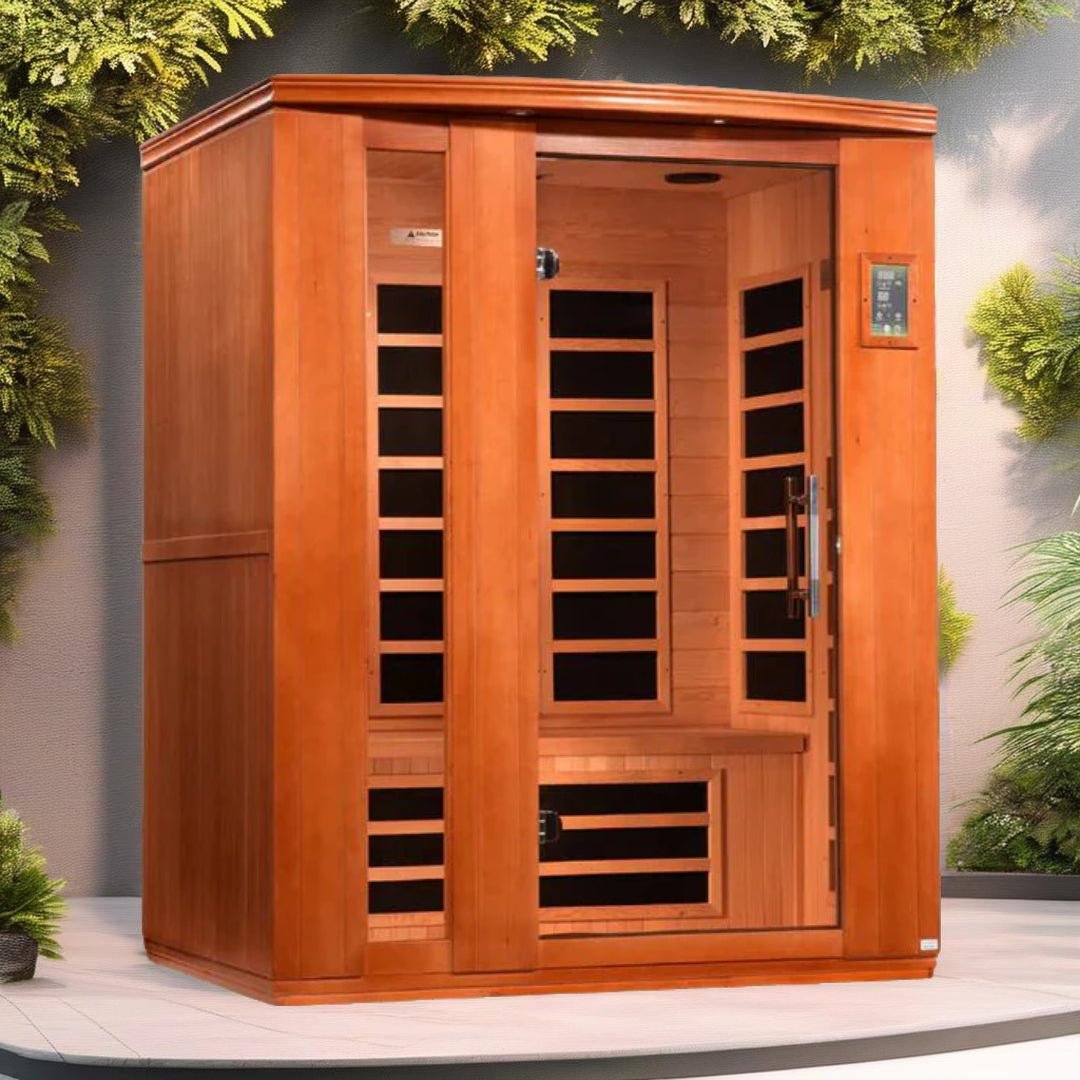
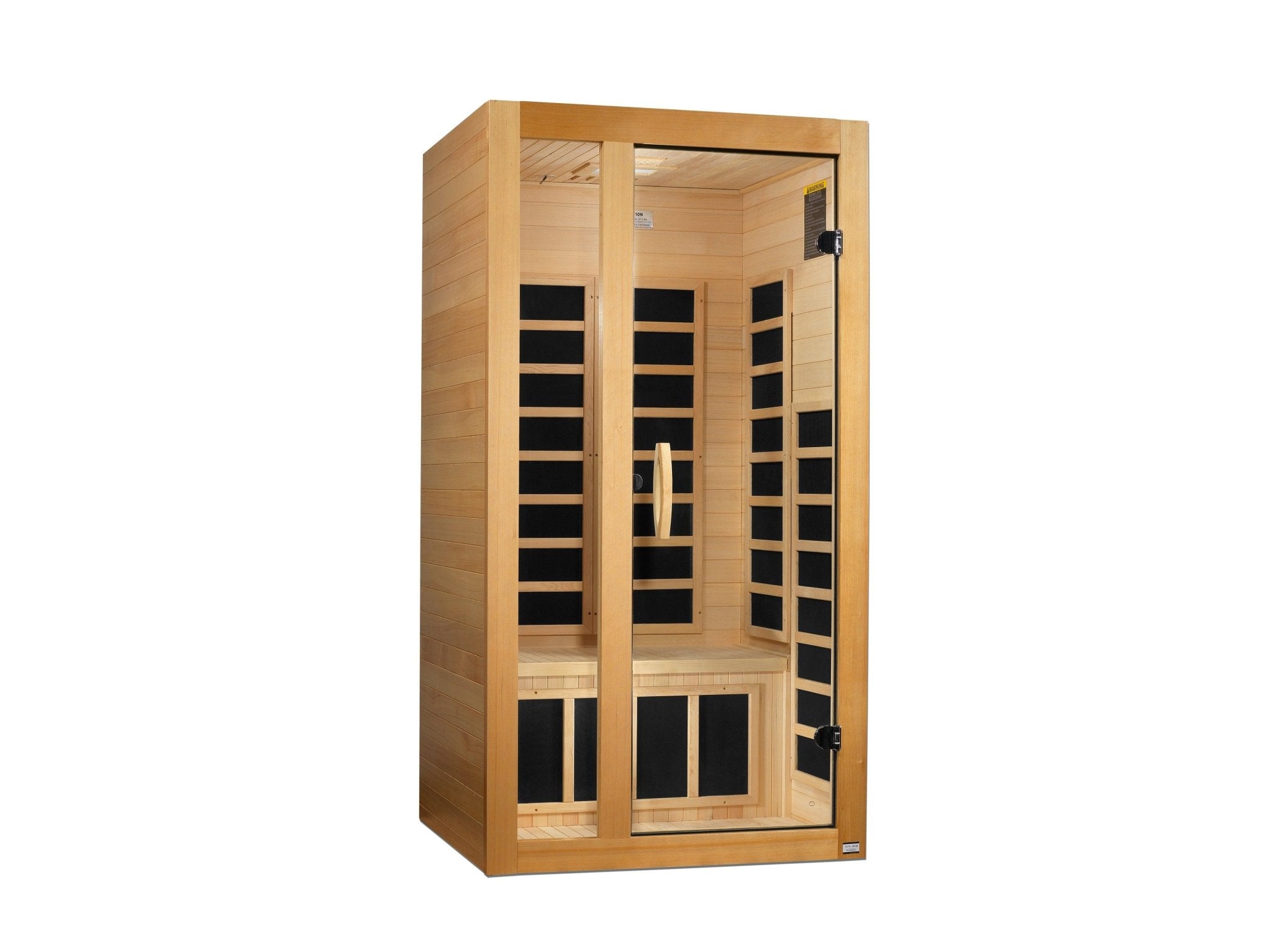
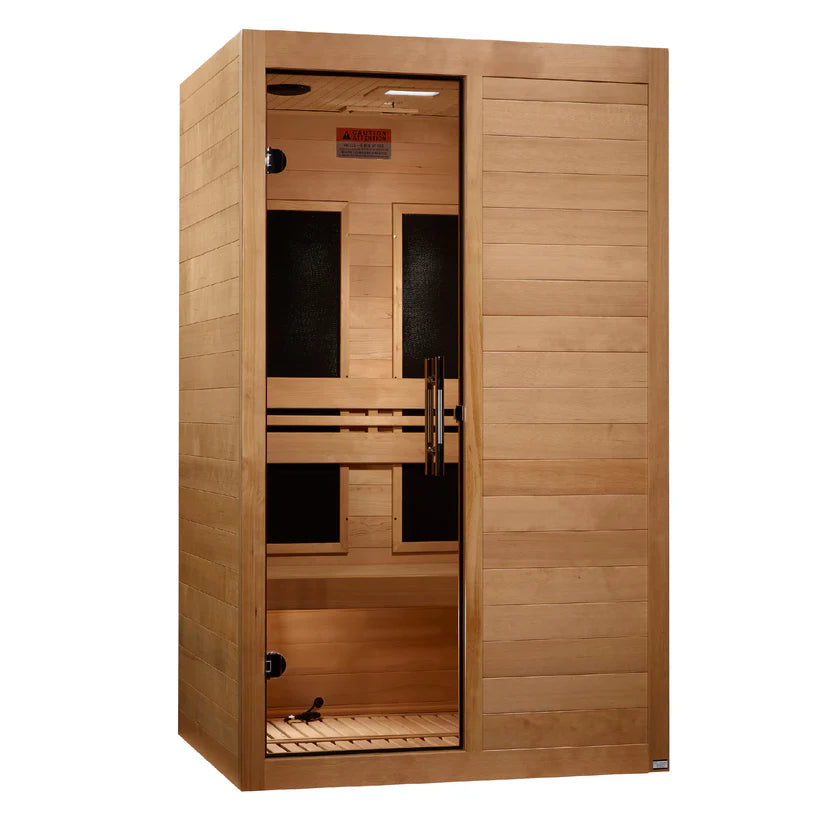
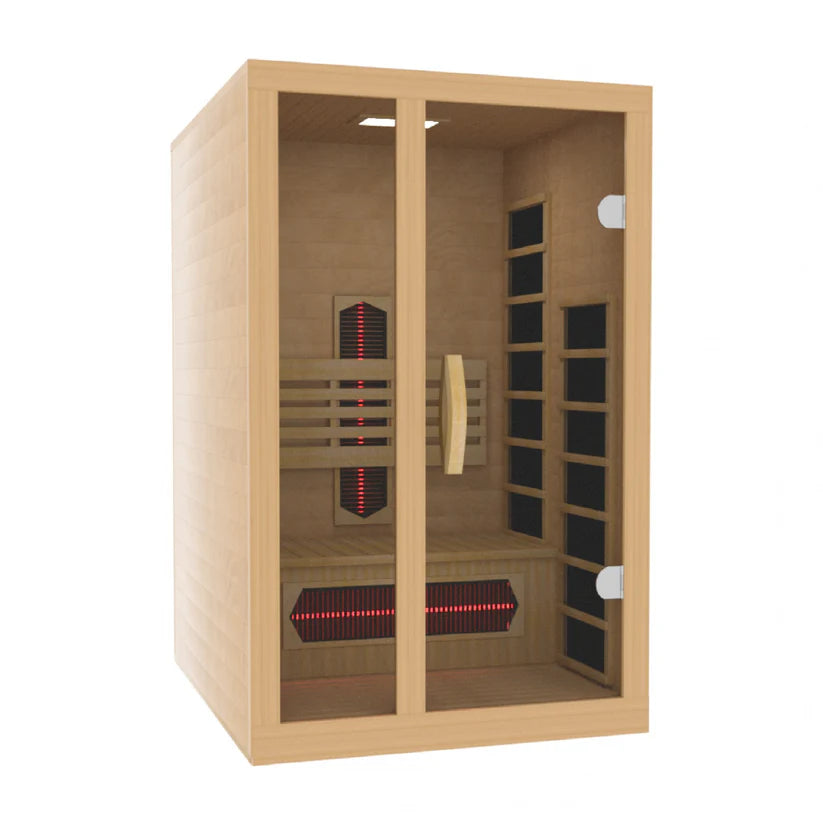
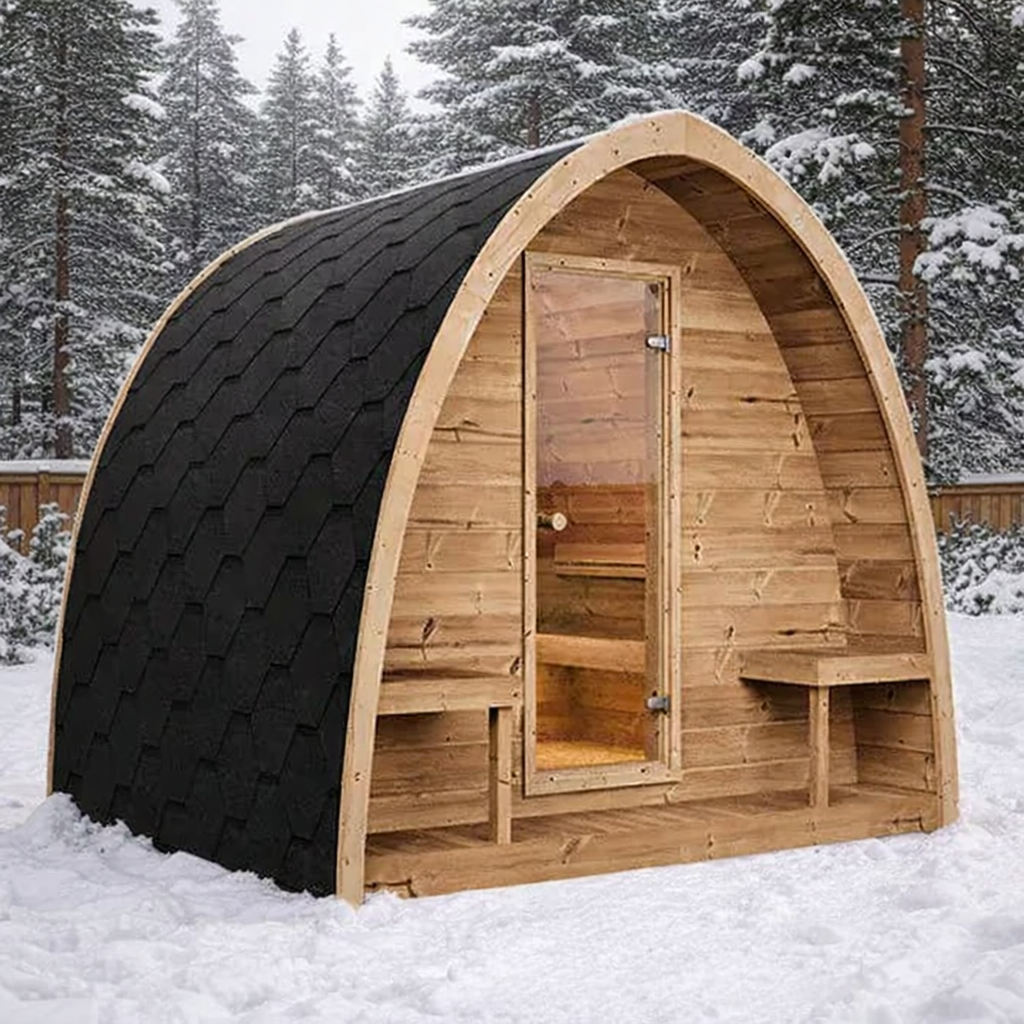
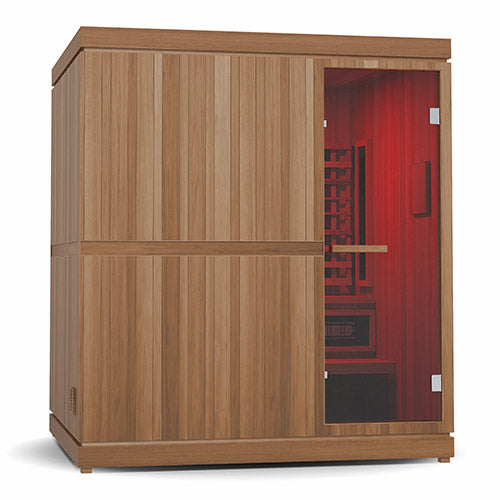
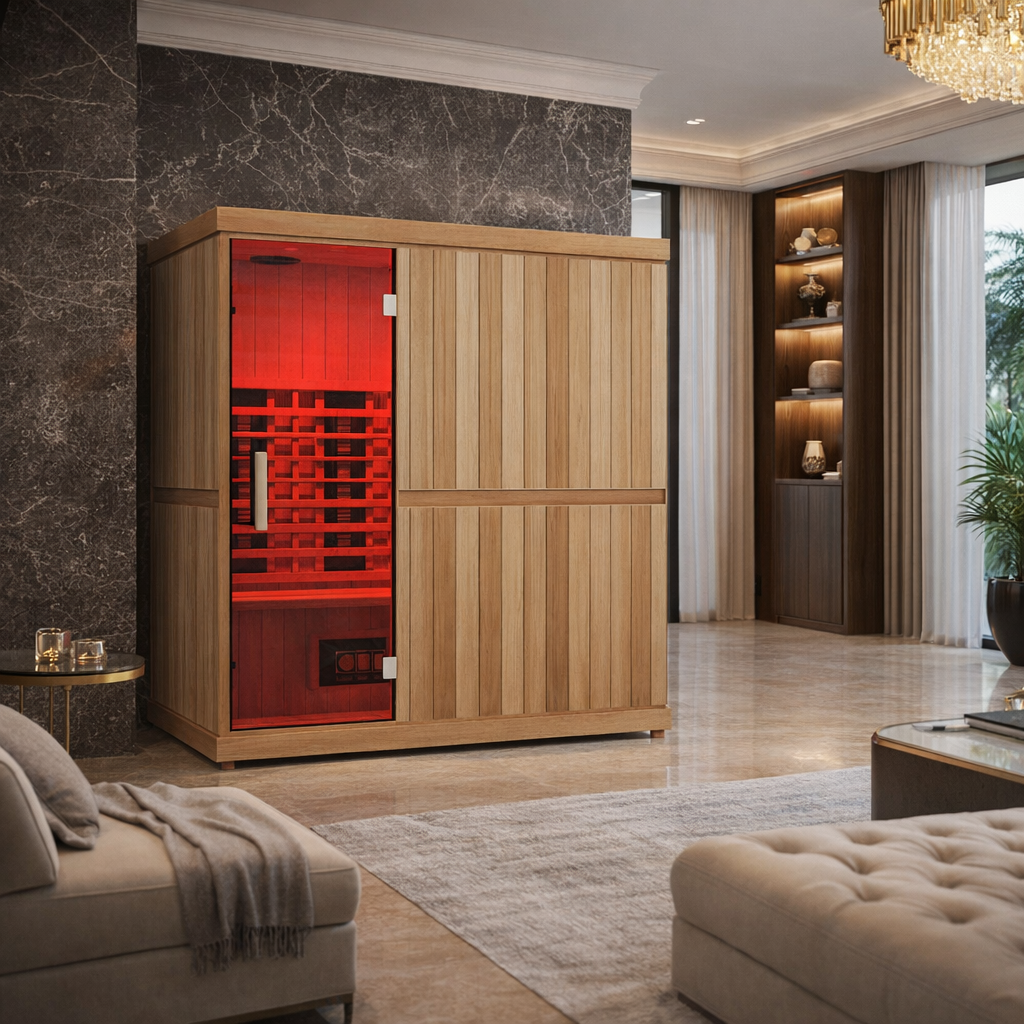
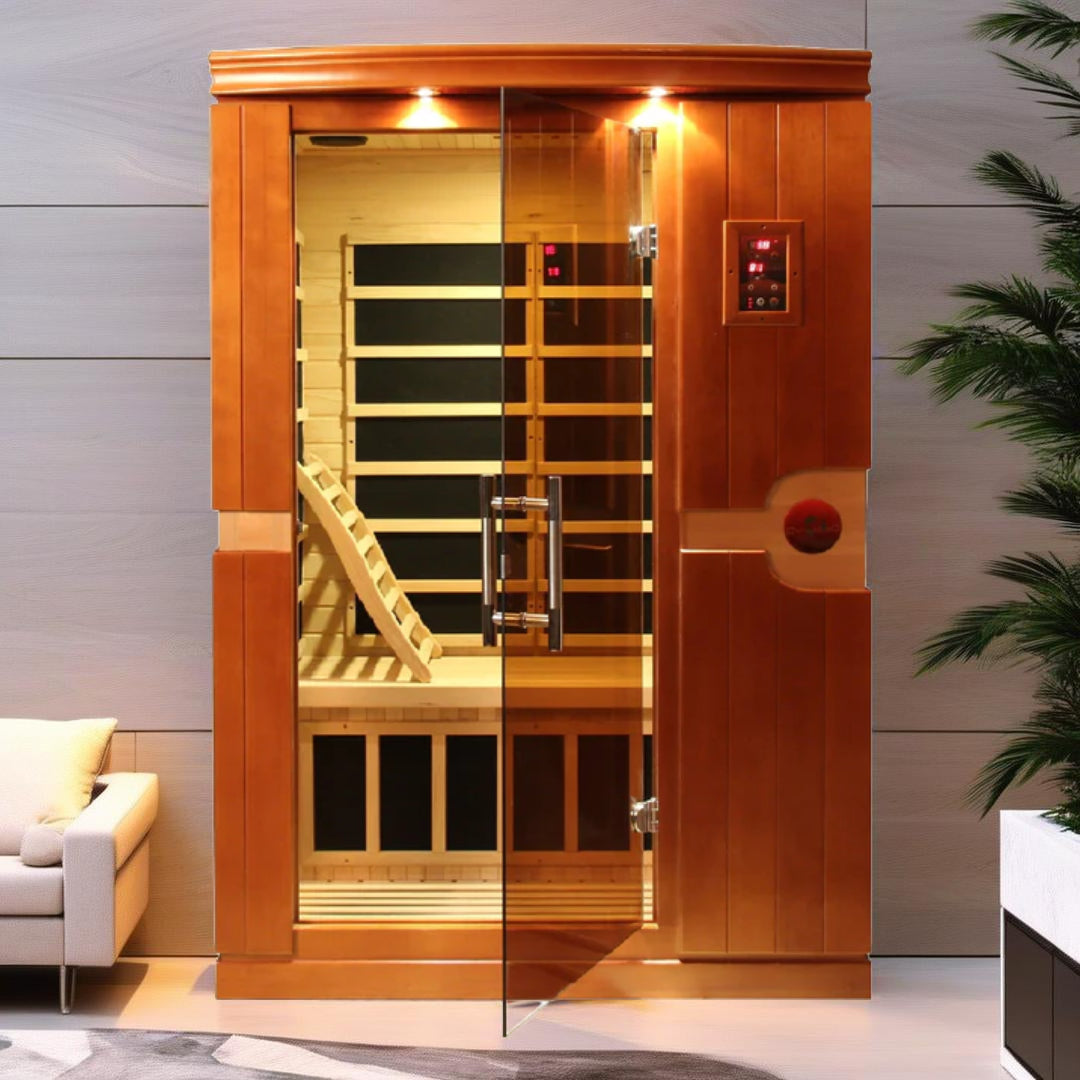
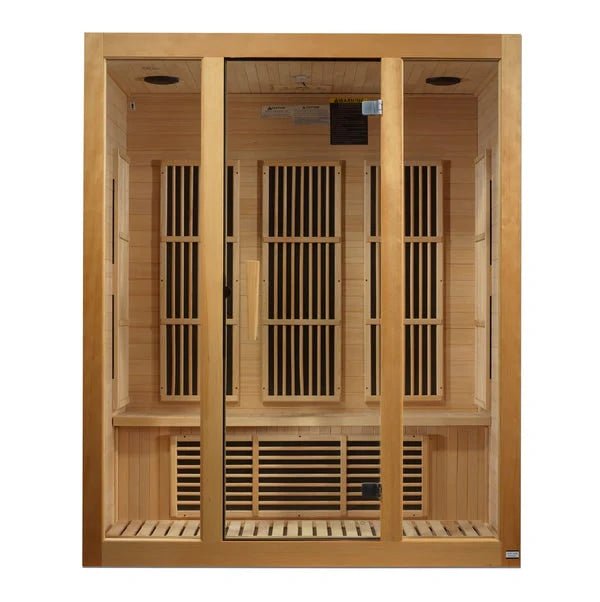
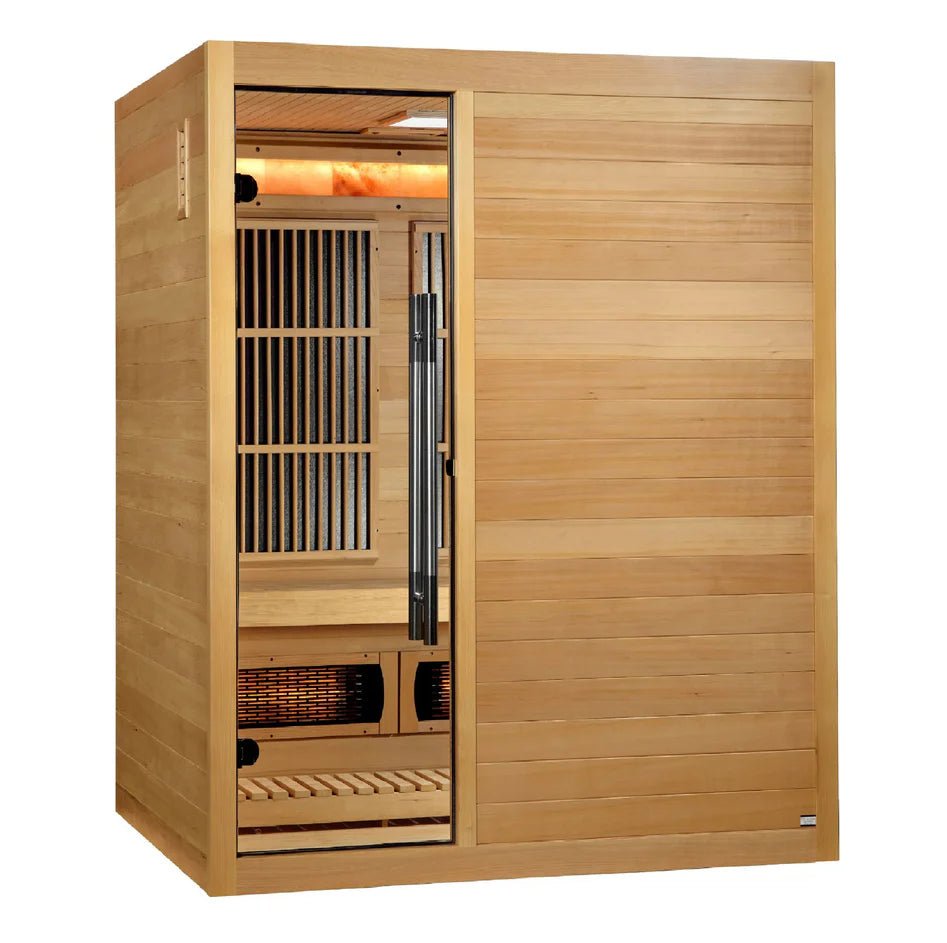
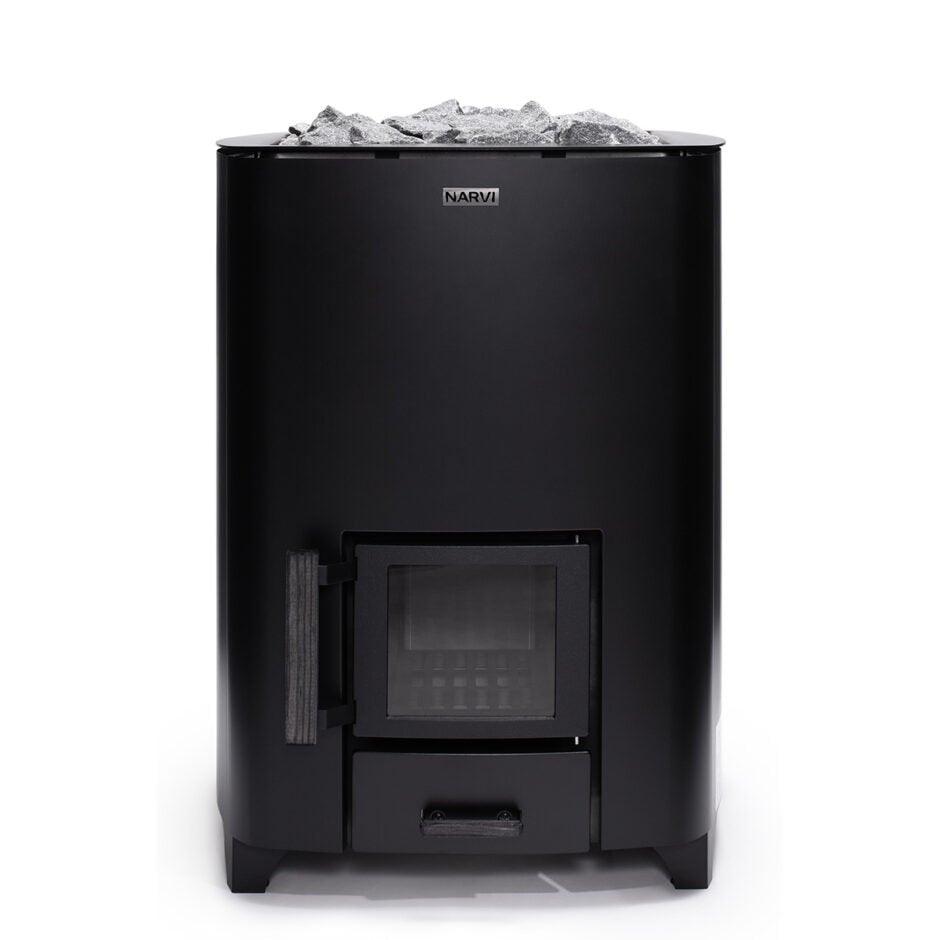
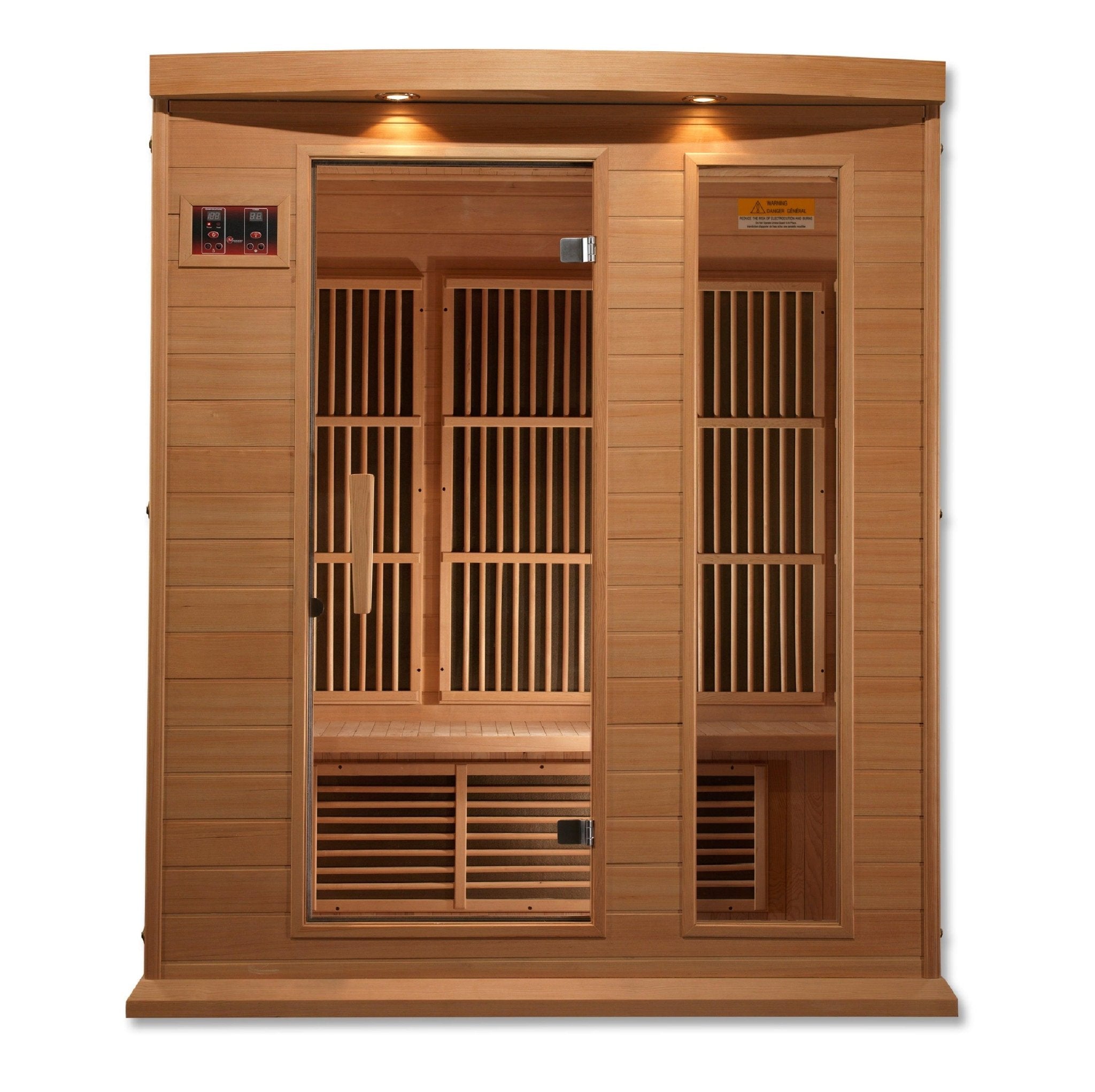
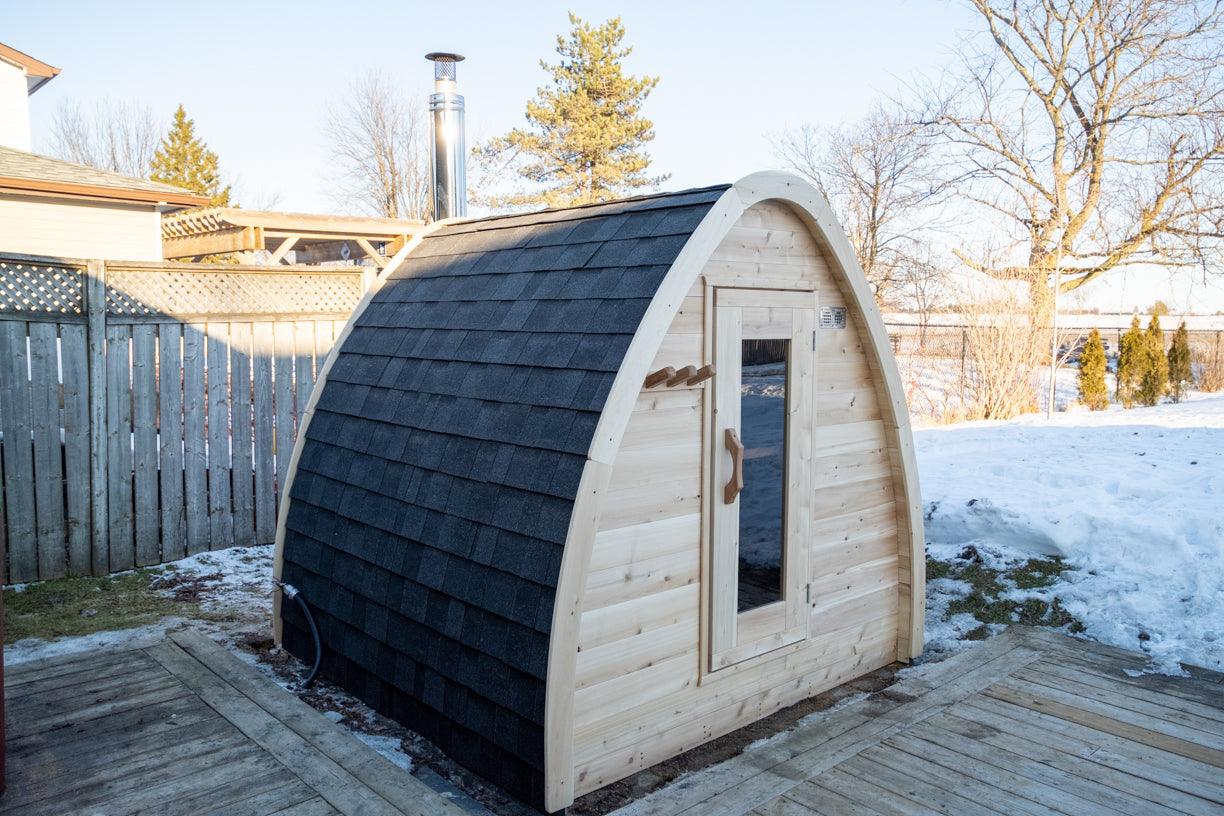
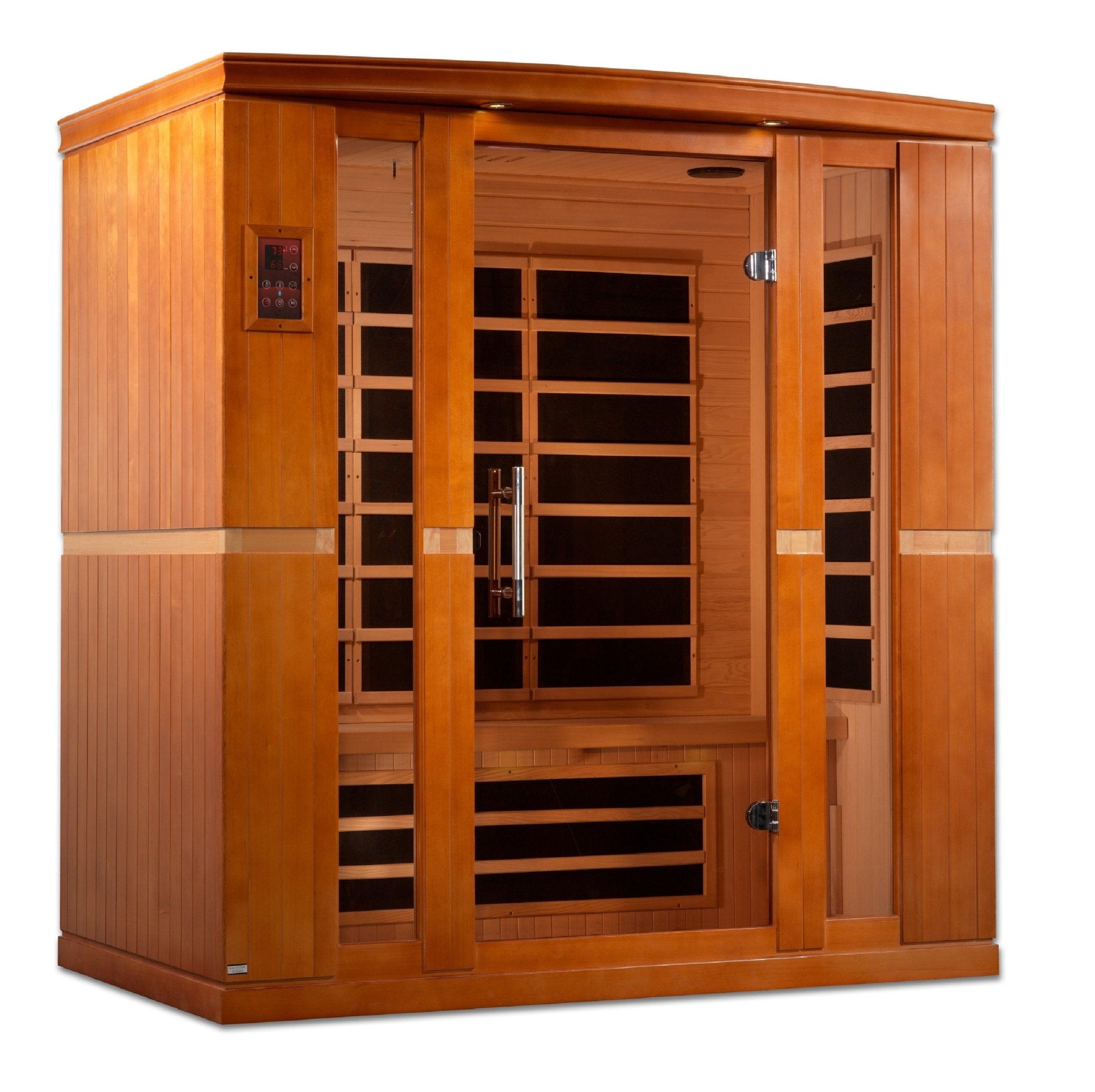
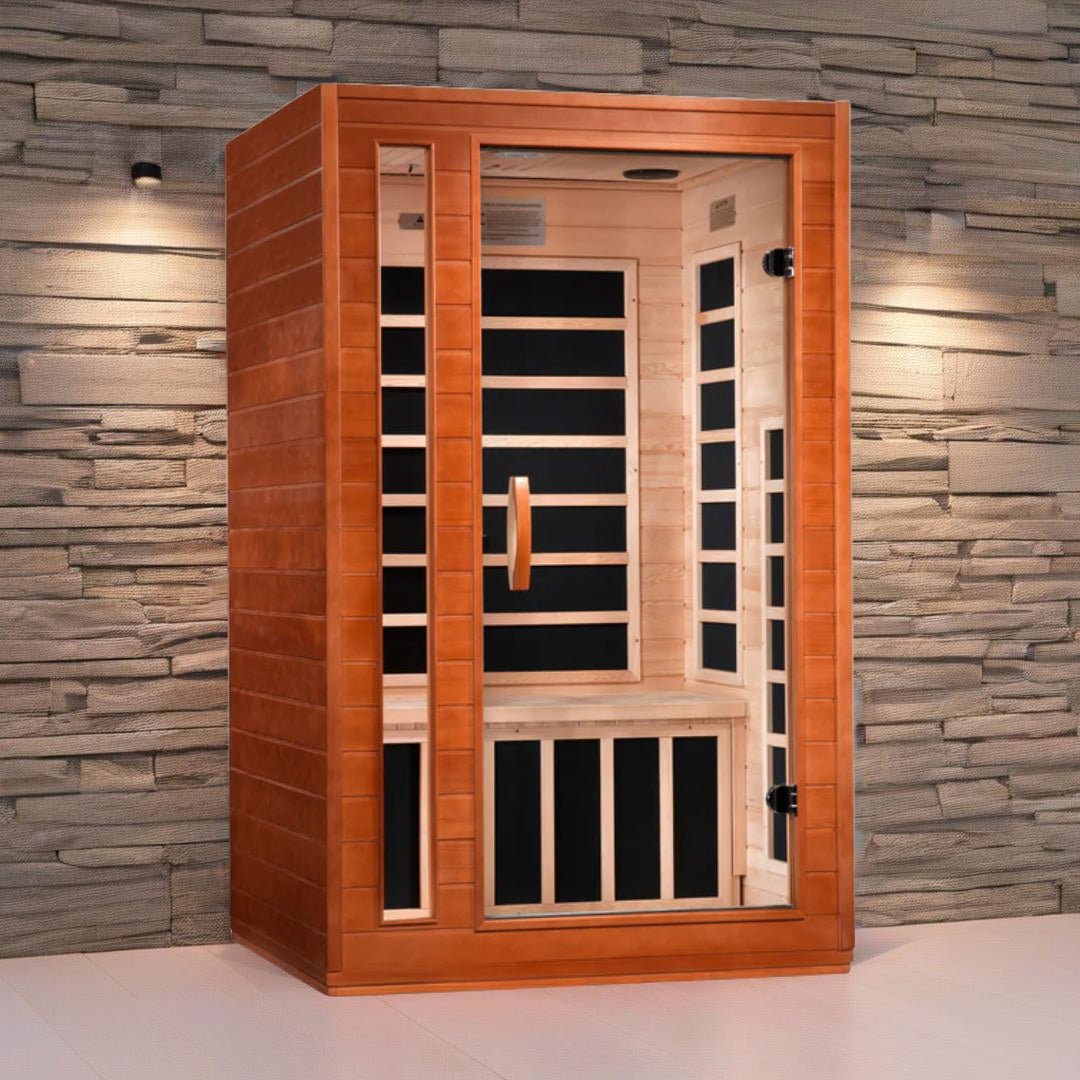
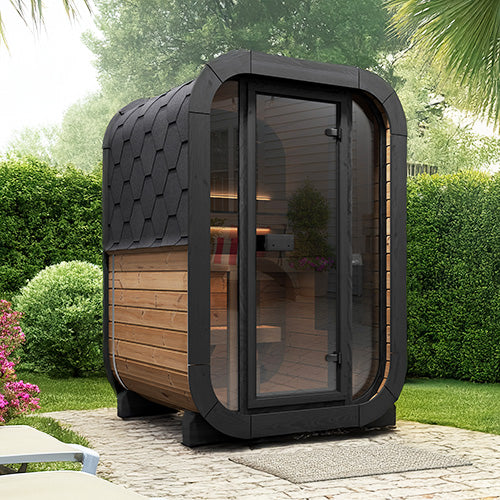
- Saunas: Whether you prefer traditional or infrared, having a personal sauna can make regular use more convenient.
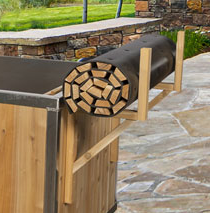
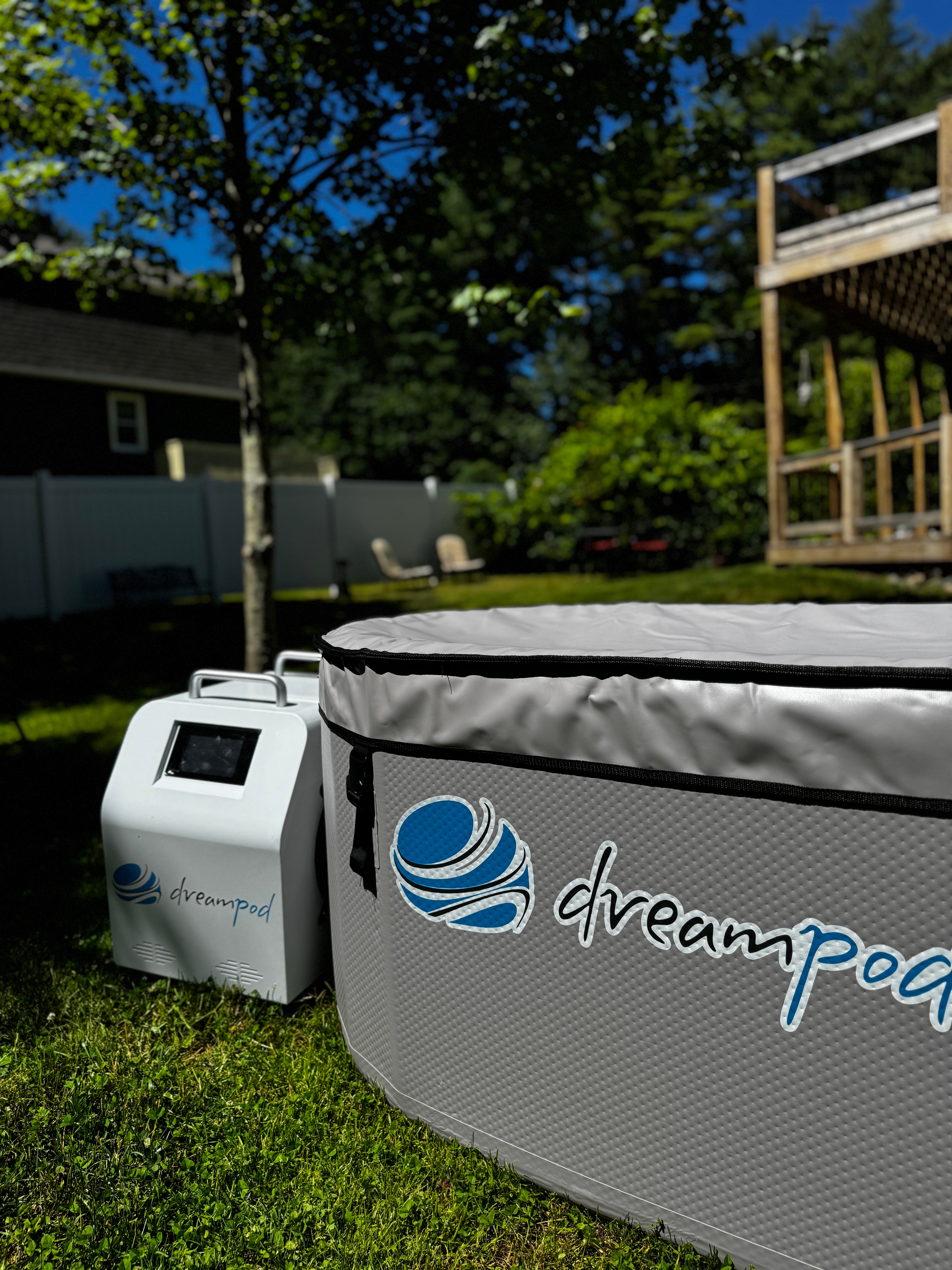
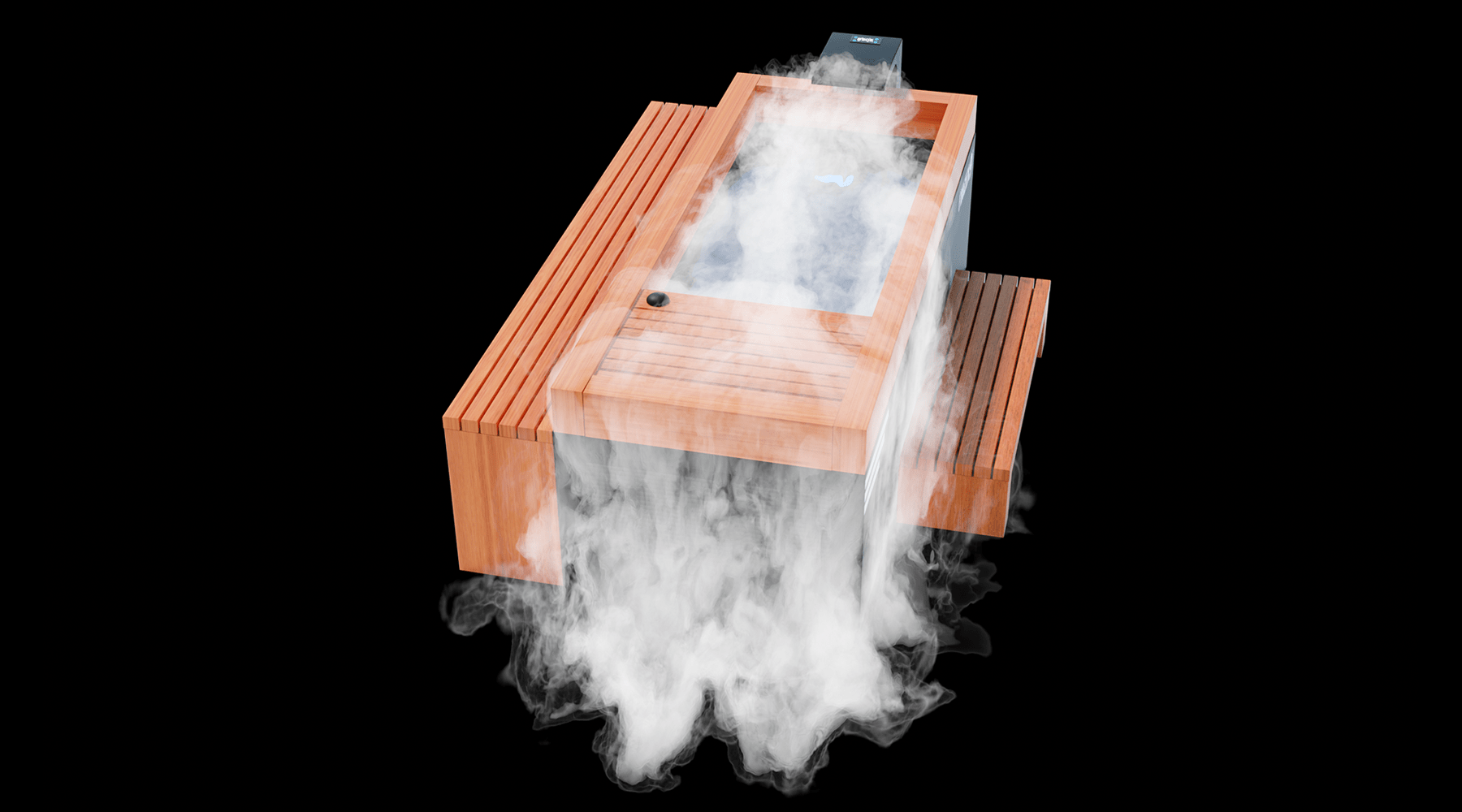
- Cold Plunge Tubs: Look for durable, insulated options that maintain cold temperatures effectively.
- Hydration Gear: Keep a water bottle handy to ensure you stay hydrated throughout your sessions.
- Wellness Accessories: Consider adding aromatherapy or calming music to enhance relaxation.
FAQs
1. How long should I stay in a sauna?
It is generally recommended to stay in a sauna for 15 to 20 minutes at a time, but beginners should start with shorter durations and gradually increase.
2. How cold should a cold plunge be?
A cold plunge should typically be between 50°F to 59°F (10°C to 15°C) to be effective. Adjust based on personal comfort levels.
3. Can I alternate between sauna and cold plunge multiple times?
Yes, many people benefit from multiple cycles of sauna and cold plunge. Aim for 2-3 cycles for optimal benefits.
4. Is it safe for everyone?
While most people can safely enjoy this practice, those with cardiovascular issues or other health concerns should consult a doctor beforehand.
5. What should I do after my sessions?
After completing your sauna and cold plunge routine, hydrate, and consider taking some time to rest and allow your body to return to normal temperature.
6. How often should I do this routine?
Many find benefits from doing this routine 1-3 times per week, but individual frequency can vary based on personal goals and health.
7. Can this help with weight loss?
While alternating sauna and cold plunge can enhance metabolism and promote calorie burning, it should be combined with a healthy diet and exercise for effective weight loss.
Embrace the powerful health benefits of alternating sauna and cold plunge sessions. By incorporating this practice into your wellness routine, you'll not only enhance your physical health but also improve your mental clarity and emotional resilience. Ready to get started? Explore our top-rated saunas and cold plunge tubs to elevate your wellness journey!
View More ArticlesThe Sauna Revolution You Can't Afford to Miss
Optimize Your Wellness: Sauna, Cold Plunge, Hot Tub Circuit
Related Posts

Nurecover Tropic Home Sauna Review: Is This Portable Steam Sauna Right for You?

Dynamic Santiago 2-Person Ultra Low EMF Sauna Review (Standard vs Elite): Is It Worth It?

Red Light Therapy for Collagen: The Science-Backed Guide to Firmer Skin

Steam Shower vs. Compact Sauna: Which is Practical for My Small Bathroom?

6 Simple Ways to Turbocharge Any Sauna Session (Without Staying Longer)

I Have Low Ceilings; What Sauna Styles and Heights Will Fit?

Sauna for Blood Pressure and Heart Health: The Complete Guide to Benefits, Safety, and Protocols
