







Research: Fitting a Sauna Upstairs
Section-by-Section Evidence Map
(Aligned to provided H2/H3/H4… structure)
H2: The Weight Constraint: How to Calculate Your Sauna’s PSF
-
Decision supported
-
Decide whether an upstairs floor can safely support the combined weight of the sauna, occupants, and dynamic use without exceeding typical residential design loads or causing noticeable deflection.ez-pdh+1
-
-
Key facts needed
-
Typical U.S. residential design live loads: 30 psf for bedrooms, 40 psf for most other residential floors, with some guidance to use 40 psf even in bedrooms.bc+1
-
Average sustained live loads in normal use are much lower (around 6 psf), so code live loads include substantial safety/reserve capacity.ez-pdh
-
Sauna PSF calculation: total weight (sauna + occupants + water, if any) divided by the footprint area in square feet.cubework
-
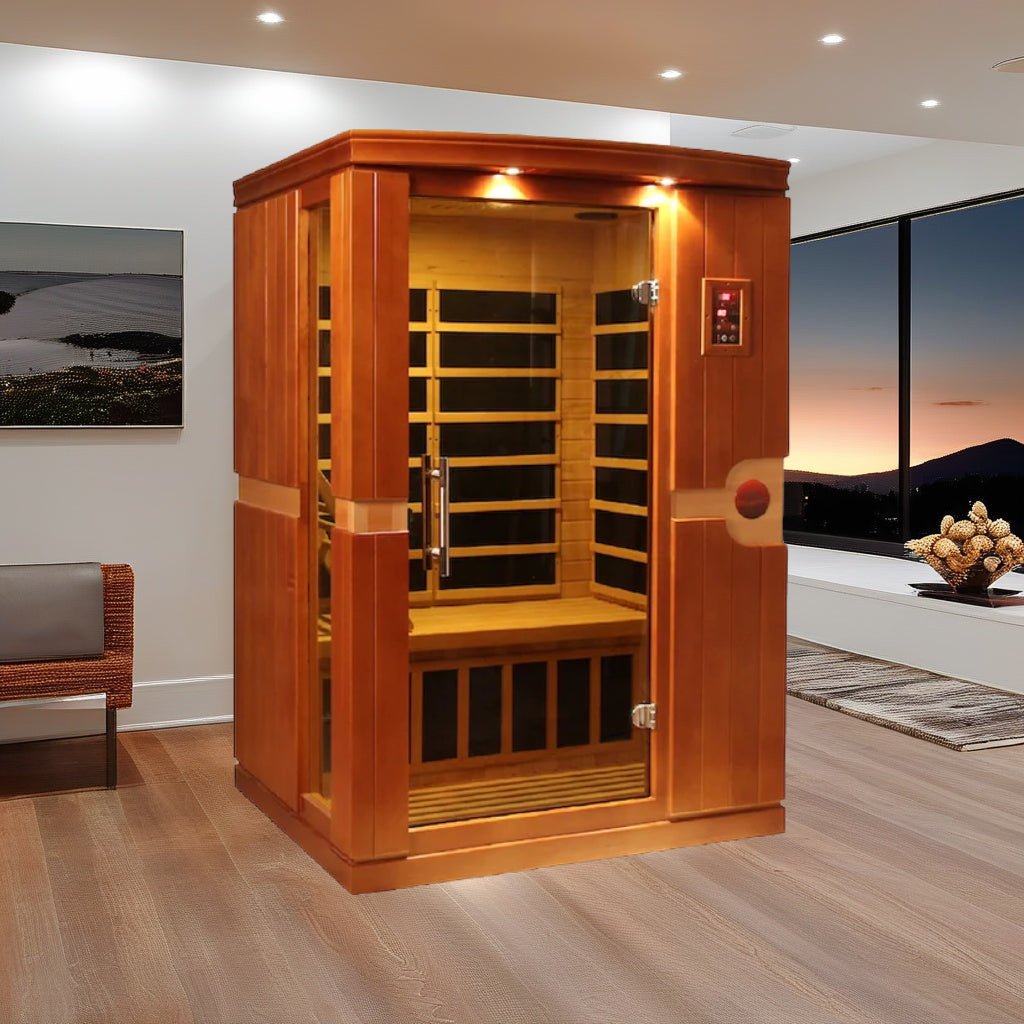
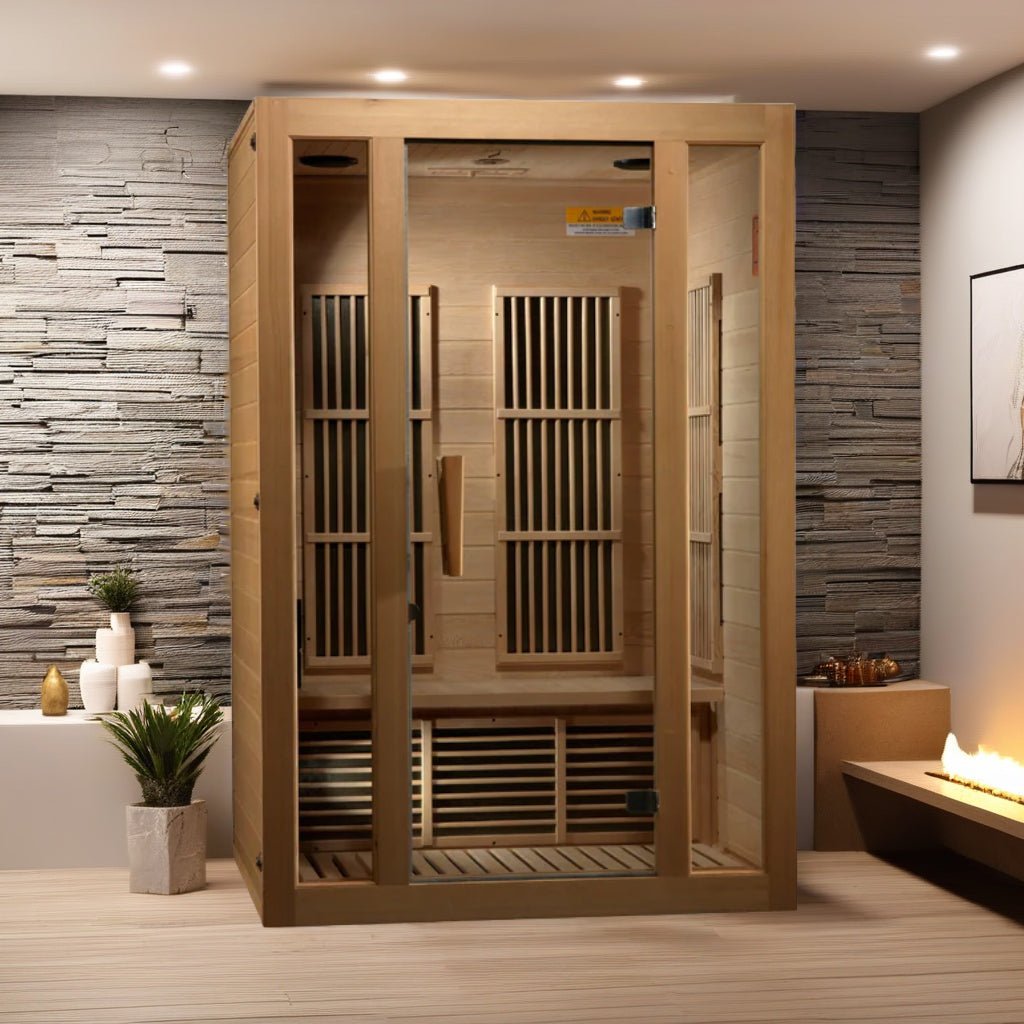
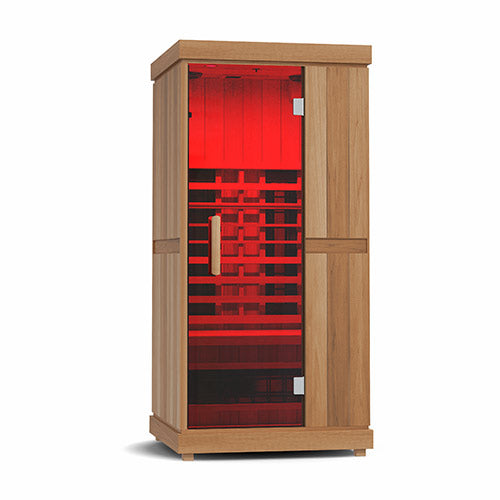
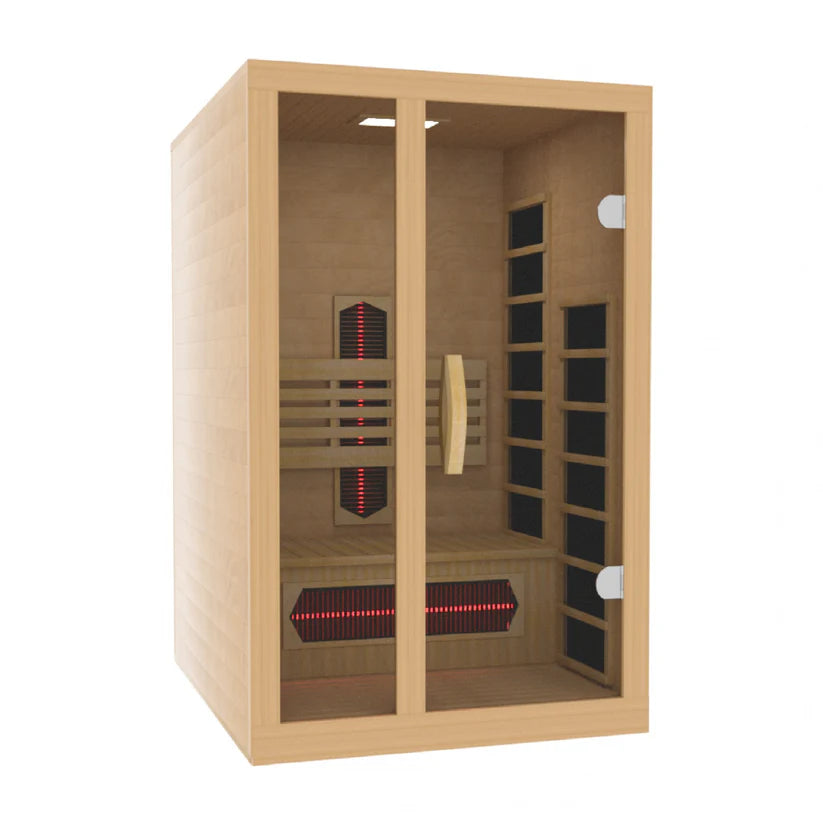
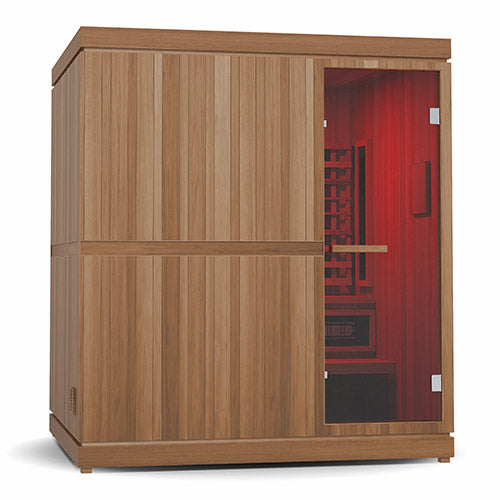
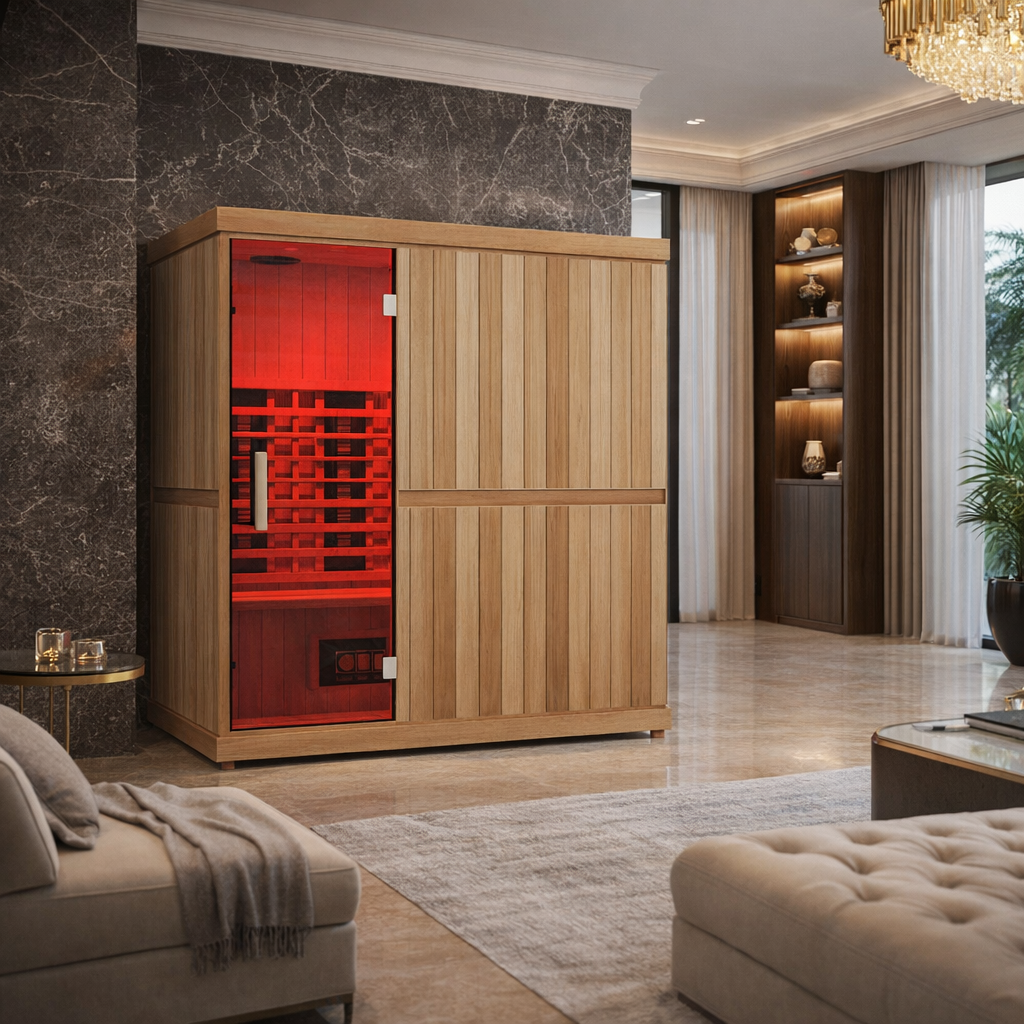
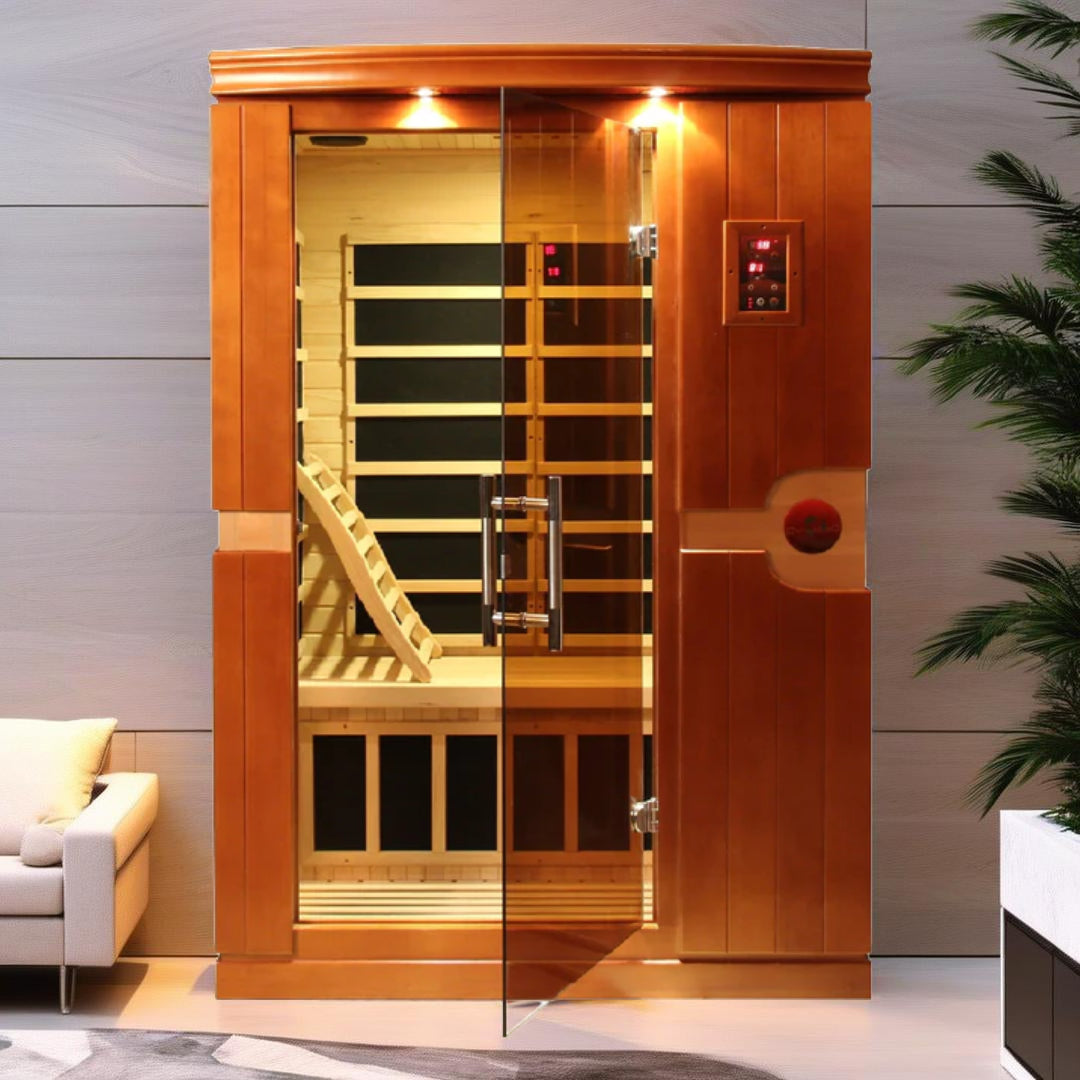
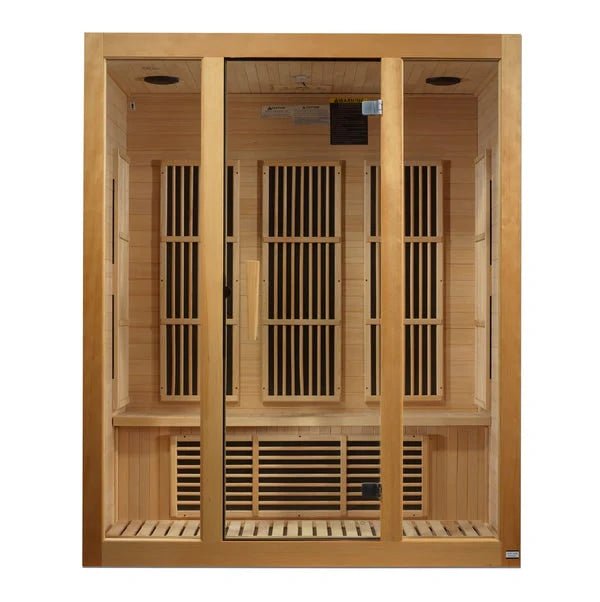
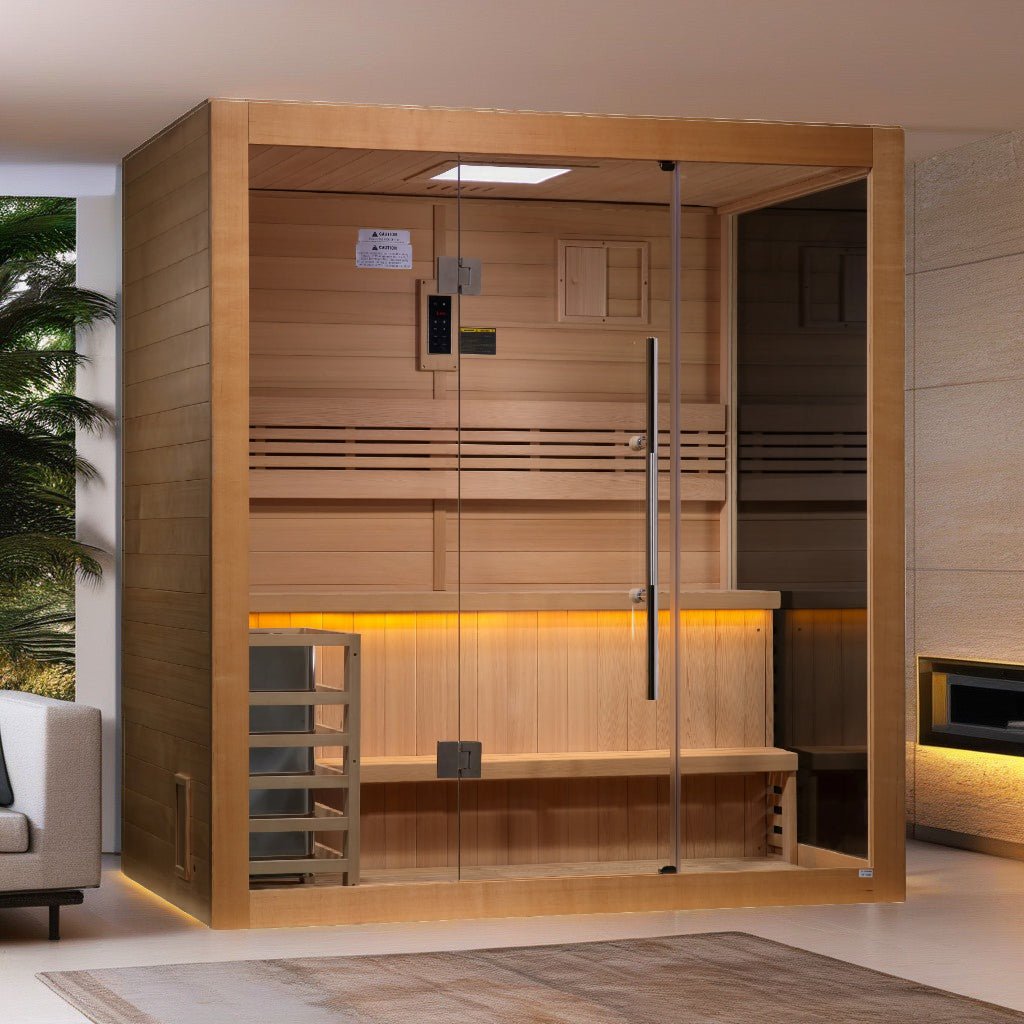
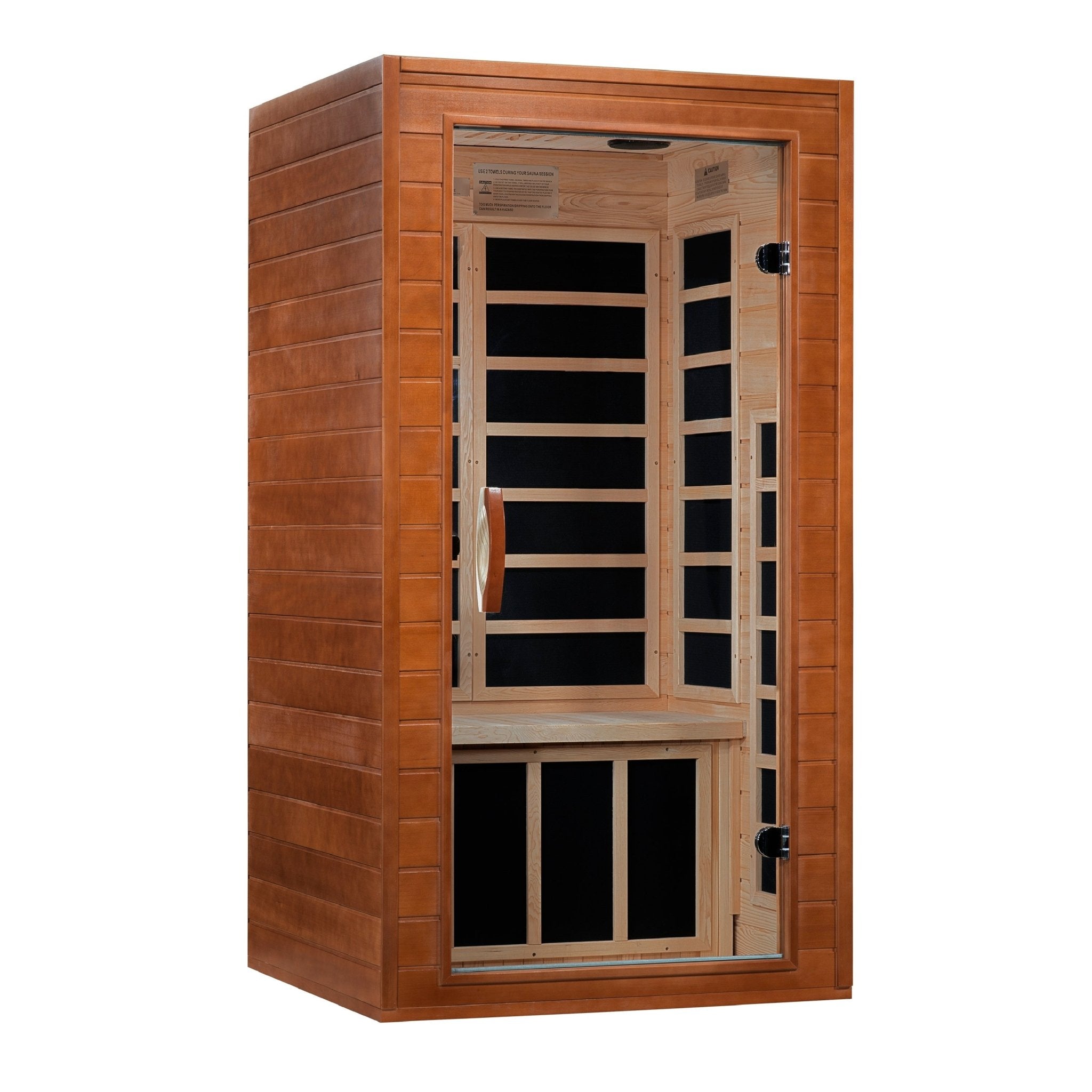
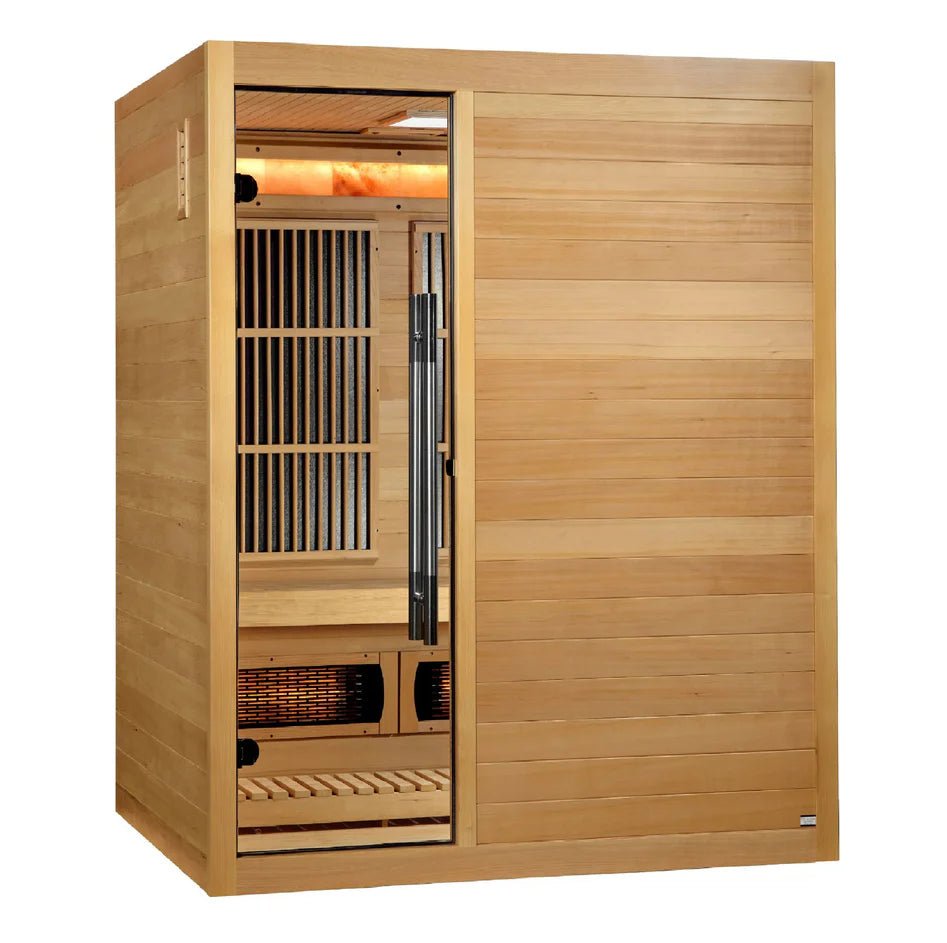
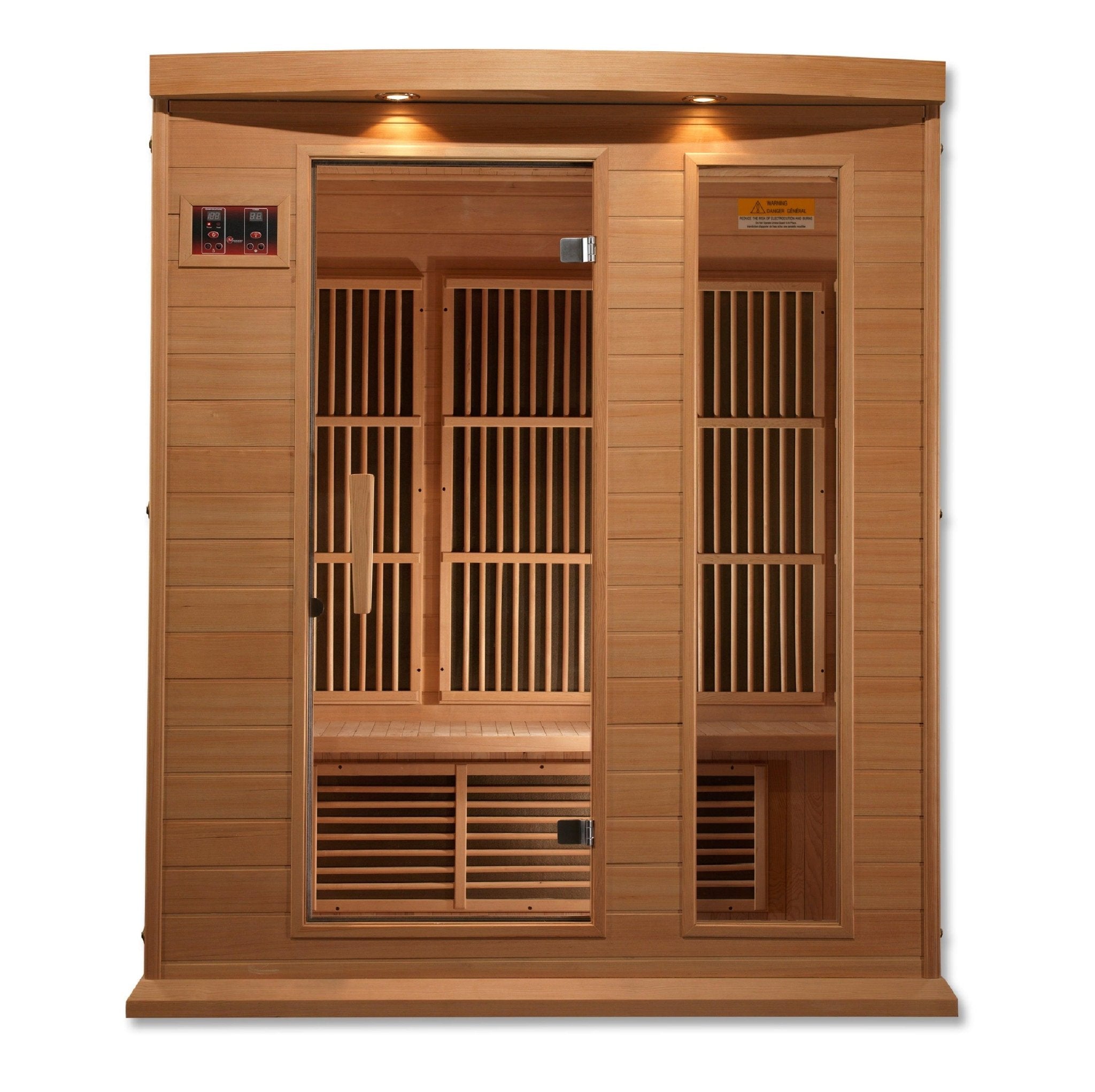
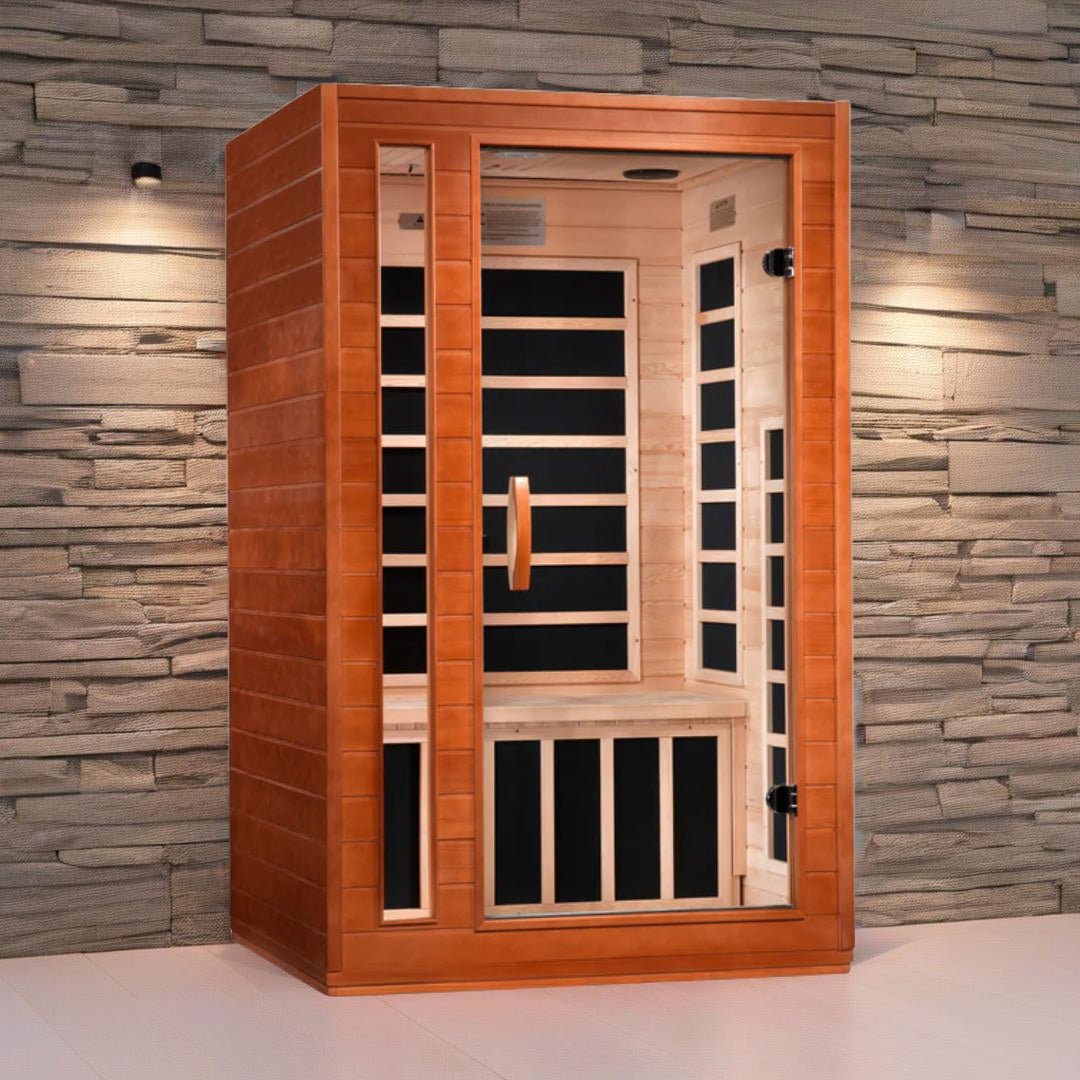
Example weights and footprints from real products: small 2‑person infrared (~265 lb; footprint about 15 ft²), 4‑person infrared (~482–500 lb; roughly 30–32 ft²), 4‑person traditional (~510–600 lb; ~30 ft²).sunraysaunas+3
-
Some manufacturers explicitly state combined equipment + dynamic load design (e.g., ~59 lb/ft² floor load capacity requirement).kohler
-
-
Evidence supporting multiple valid paths
-
Light infrared units with modest footprints often produce PSF values in the same range as ordinary residential furnishings and tubs; many will be well below 40–60 psf when occupant weight is included.sunflaresaunas+2
-
Traditional 4‑person units may still remain within or near typical floor design limits if footprint is large enough and load is distributed but may merit structural review in older homes or over long joist spans.sunraysaunas+1
-
-
Evidence excluding certain paths
-
Building‑product guidance warns that loads which exceed 40 psf design assumptions (e.g., whirlpool tubs, very heavy fixtures) can surpass typical residential design and may require special design or reinforcement.bc
-
Kohler’s indoor sauna readiness guide specifies verifying floor capacity and refers to a combined load case similar to ~59 lb/ft², which would be inappropriate for marginal or unknown floor systems without engineering review.kohler
-
-
Nuance / caveats / boundaries
-
Code “design live load” is not a simple go/no‑go for a single object; actual capacity depends on joist size, span, spacing, and deflection criteria as detailed in joist span tables and engineered lumber guidance.mycarpentry+2
-
Serviceability limits (deflection, vibration, tile/grout cracking) can become an issue before true structural failure, especially with concentrated loads near mid‑span.mycarpentry+2
-
Older or modified structures, not built to current IRC/IBC standards, may not match modern assumptions and should be evaluated individually.bc
-
-
Core citations for this section
-
Residential live load guidance and typical values:ez-pdh+1
-
Joist/deflection context:weyerhaeuser+1
-
Manufacturer load requirement example:kohler
-
Product weights/footprints:nordicasauna+3
-
H3: Why Weight Matters More Than You Think: The Risk of Bowing, Not Breaking
-
Decision supported
-
Decide whether to proceed with a sauna that is technically within nominal live‑load limits but may still cause floor deflection, cosmetic damage, or long‑term service issues.
-
-
Key facts needed
-
Floor design is governed not just by ultimate strength, but also by deflection limits like L/360, which aim to prevent excessive sagging that causes cracking and squeaks.mycarpentry+1
-
Typical residential live loads (40 psf) are intentionally conservative versus observed sustained loads (~6 psf), but concentrated loads (like tubs or saunas) can create noticeable local deflection.ez-pdh+1
-
Flooring resources show that humps or sags over or between joists telegraph through finished flooring and can cause performance and warranty problems.reddit
-
-
Evidence supporting multiple paths
-
Many saunas can be placed upstairs if they are oriented over load‑bearing walls or shorter joist spans, or if subfloor/joist systems are upgraded or engineered lumber is used.weyerhaeuser+2
-
-
Evidence excluding certain paths
-
Installing heavy fixtures over long, lightly framed spans increases deflection risk; guidance recommends special design where loads exceed the assumptions used for span tables.mycarpentry+2
-
-
Nuance / caveats / boundaries
-
Risk is often aesthetic/serviceability (floor bounce, cracked grout, drywall cracking) rather than catastrophic collapse, but these issues are costly to remedy after the fact.reddit+2
-
Engineers will look at joist size, spacing, span, and load duration; homeowners should not rely solely on “my neighbor’s floor was fine” anecdotes.mycarpentry+1
-
-
Core citations
-
Live vs. sustained loads and deflection:bc+1
-
Joist span/deflection:weyerhaeuser+1
-
Real‑world floor bowing and finish issues:reddit
-
H4: What Works: Choosing a Sauna Type for Low‑PSF Upstairs Installation
-
Decision supported
-
Choose between infrared and traditional electric saunas (and size) for an upstairs location based primarily on PSF/load and ancillary constraints like electrical and moisture.
-
-
Key facts needed
-
Infrared units for 2–4 persons often weigh in the 250–500 lb range with footprints around 15–32 ft², yielding moderate PSF even with occupants.kivawellness+2
-
Traditional 4‑person indoor units can weigh around 500–600 lb with similar footprints and require more powerful heaters (e.g., 6 kW at 220–240 V), increasing both PSF and electrical burden.sunraysaunas+1
-
Infrared units often run on 120 V, 15–20 A dedicated circuits for smaller models; traditional electric typically needs 240 V and 30–60 A dedicated circuits.havenofheat+4
-
Manufacturer readiness guides emphasize verifying floor load, accessible pathways, moisture‑tolerant flooring, and adequate electrical provisioning prior to installation.infraredsauna+2
-
-
Evidence supporting multiple paths
-
For many upstairs installations, a smaller or mid‑size infrared unit is an easier fit for both load and electrical limits, functioning on common 120 V circuits within reasonable PSF.havenofheat+2
-
Traditional saunas can be feasible upstairs when the structure is robust, a 240 V dedicated circuit exists or can be added, and moisture/drainage is well managed.nordicasauna+2
-
-
Evidence excluding certain paths
-
In homes with only 120 V, 15 A branch circuits available to the room, larger 240 V traditional heaters requiring 30–60 A cannot be installed without electrical upgrades.astardfw+3
-
Manufacturer documentation warns that the sauna must sit on level, solid, non‑absorptive surfaces, implying carpeted or moisture‑sensitive upstairs flooring is unsuitable without modification.infraredsauna+1
-
-
Nuance / caveats / boundaries
-
The main structural advantage of infrared is lower total mass and often larger effective footprint per pound (thus lower PSF), not inherently different code rules.sunraysaunas+2
-
Local electrical code and AHJ interpretation (e.g., GFCI requirements) varies; NEC rules provide a baseline but local enforcement differs, especially for sauna heaters.astardfw+1
-
-
Core citations
-
Infrared weights/power:sunflaresaunas+2
-
Traditional weights/power:sunraysaunas+1
-
Electrical code patterns:havenofheat+1
-
Installation/readiness guides:infraredsauna+1
-
H5: What Doesn’t: Sauna Types and Locations to Avoid Upstairs
-
Decision supported
-
Identify sauna types and layout choices that are generally inappropriate for typical upstairs floors or too risky without engineered design.
-
-
Key facts needed
-
Heavy, water‑intensive installations (e.g., large traditional saunas with frequent steam, hybrid steam/sauna rooms, or units with built‑in showers or tubs) add both weight and moisture load beyond dry saunas.finnishsaunabuilders+2
-
Moisture control standards emphasize that chronic high humidity leads to mold and structural damage; indoor pool/sauna environments aim to keep RH below ~60% with dedicated dehumidification.howardenvironmental+1
-
Drains and sloped floors add complexity, especially when integrating into wood‑framed upper stories; some industry guidance treats drains as optional for dry saunas but advisable for wet, high‑water‑use installations.havenofheat+1
-
-
Evidence supporting multiple paths
-
Dry infrared or dry traditional saunas with modest water use can often be sited upstairs if the room has adequate ventilation and moisture‑tolerant finishes.havenofheat+1
-
-
Evidence excluding certain paths
-
High‑humidity steam rooms and “wet rooms” without robust moisture control and drainage are inconsistent with ASHRAE moisture‑control recommendations and indoor natatorium best practices in typical residential bedrooms.ashrae+2
-
Installing heavy fixtures with integrated water reservoirs over long spans or near the center of flexible floor systems is discouraged in structural design notes when loads exceed standard 40 psf assumptions.bc
-
-
Nuance / caveats / boundaries
-
Whether a drain is “required” varies: some builders and manufacturers treat it as optional for dry saunas; others strongly recommend it indoors, especially with regular water pouring.finnishsaunabuilders+1
-
Moisture risk is cumulative; small leaks and condensation over years can matter more than occasional splashes.howardenvironmental+1
-
-
Core citations
-
Moisture and RH constraints:ashrae+1
-
Drain necessity vs. optional:havenofheat+1
-
Structural live‑load limitations:bc
-
H6: The Access Constraint: Will the Sauna Kit Fit Up My Stairs and Through the Door?
-
Decision supported
-
Determine whether boxed panels can physically move through existing stairways and doors to reach the installation site.
-
-
Key facts needed
-
Sauna doors and wall panels are commonly 72–80 in tall; doors at 24–36 in width are standard, with ADA thresholds at minimum 32 in clear opening.saunasupplyco+1
-
Kit documentation often gives packaging sizes for panels and crates; a 4‑person infrared example ships in multiple boxes around 200 cm (≈79 in) tall and 21–24 cm (≈8–10 in) thick, with widths up to about 190 cm (≈75 in).kivawellness
-
Room and rough‑opening details for panel kits specify minimum rough openings (e.g., ~27.5 in or 26 in for certain doors) and overall room height around 7 ft or slightly less.saunafin+1
-
-
Evidence supporting multiple paths
-
Modular construction (multiple narrow panels/boxes) allows relatively large saunas to be brought up standard 36 in residential stairs and through 30–36 in doors when planned carefully.costco+2
-
-
Evidence excluding certain paths
-
Oversized, pre‑assembled cabins or large one‑piece components that exceed stair width or landing turning radius will not reach an upstairs location without disassembly beyond manufacturer intent or invasive construction.saunasupplyco+1
-
-
Nuance / caveats / boundaries
-
Access planning must consider both nominal width and diagonal clearance on turns, as well as ceiling height over stairs; manufacturer box dimensions should be compared explicitly to measured constraints.kivawellness+1
-
Some manuals emphasize that the sauna is “delivered in sections” and is designed to fit through interior doors, but this should not be assumed without checking specific box dimensions.costco+2
-
-
Core citations
-
Door size norms:saunasupplyco
-
Rough opening/height guidance:saunafin+1
-
Example packaging dimensions:kivawellness
-
“Delivered in sections” logistics:costco+2
-
H7: The Assembly Constraint: Planning for Moisture, Power, and Clearance
-
Decision supported
-
Decide whether the upstairs room has the needed ceiling height, clearances, electrical service, ventilation, and moisture management to assemble and safely operate a sauna.
-
-
Key facts needed
-
Typical sauna interior ceiling heights between about 77–96 in are recommended, with many manufacturers targeting around 84 in; minimum heights for heaters are often 75–78 in.pcsaunaandspa+2
-
Guidance suggests at least ~3 ft between the top bench and ceiling for comfort and safety.steamandsaunaexperts
-
Electric sauna heaters typically require a dedicated circuit, 240 V at 30–60 A for many traditional heaters; smaller infrared units may run on 120 V at 15–20 A.sunraysaunas+4
-
NEC‑aligned advice emphasizes dedicated circuits sized to nameplate ratings, with GFCI requirements depending on local AHJ and whether the location is considered wet/damp.astardfw+1
-
Moisture‑control standards stress that indoor wet zones require ventilation and surfaces that tolerate humidity; RH above about 60% for extended periods is associated with mold risk.howardenvironmental+1
-
-
Evidence supporting multiple paths
-
Many upstairs bedrooms and bonus rooms with 8 ft ceilings meet minimum height requirements for standard indoor sauna kits.pcsaunaandspa+1
-
Dry infrared units reduce moisture burden, making assembly in existing finished rooms easier if electrical and clearances are adequate.sunflaresaunas+1
-
-
Evidence excluding certain paths
-
Very low ceilings (<6.5 ft) or sharply sloped ceilings may fall below manufacturer minimums or interfere with safe heater clearances.steamandsaunaexperts+2
-
Using non‑dedicated or undersized circuits, or ignoring manufacturer wiring instructions, is inconsistent with safety guidance and NEC principles.havenofheat+2
-
-
Nuance / caveats / boundaries
-
Local code and AHJ decisions determine specifics for GFCI and wiring methods, so homeowners must not treat generalized guidance as a permit to self‑wire; licensed electricians are typically required.astardfw+1
-
Venting strategies vary by heater type and room design; some manufacturers have specific vent placement instructions that override generic “crack a window” advice.kohler+2
-
-
Core citations
-
Ceiling height/clearance:pcsaunaandspa+2
-
Electrical:nordicasauna+4
-
Moisture/ventilation:ashrae+1
-
H8: Decision Framework: Your Upstairs Sauna Feasibility Checklist
-
Decision supported
-
Synthesize weight, access, assembly, and moisture into a simple go/no‑go or “reinforce/downsized unit” decision.
-
-
Key facts needed
-
Standard live‑load assumptions and example floor capacities.ez-pdh+1
-
Typical product weight ranges for 2–4 person infrared and traditional units.sunraysaunas+3
-
Minimum room height and electrical requirements.steamandsaunaexperts+4
-
Moisture and drain considerations for upstairs installations.howardenvironmental+3
-
-
Evidence supporting multiple paths
-
Feasible paths include: lighter infrared sauna with 120 V circuit; traditional sauna over reinforced or short‑span floors with 240 V circuit; or using a downstairs location if constraints fail.sunflaresaunas+4
-
-
Evidence excluding certain paths
-
Situations where any one of the core constraints fails (e.g., PSF clearly above typical design load without reinforcement, no electrical capacity, or inaccessible stair/door geometry) argue strongly against proceeding upstairs.havenofheat+3
-
-
Nuance / caveats / boundaries
-
Many decisions hinge on unknowns (actual joist span/load capacity, hidden framing details); where unknowns remain, the safe guidance is to consult a structural engineer or adjust plans.mycarpentry+1
-
-
Core citations
-
Loads:ez-pdh+1
-
Product weights:sunraysaunas+3
-
Height and electrical:saunafin+3
-
Moisture/drains:finnishsaunabuilders+3
-
H9: Edge Cases: What If My Floor Is Already Reinforced (or I Need to Reinforce It)?
-
Decision supported
-
Decide whether existing or potential reinforcement (sistered joists, beams, engineered lumber) provides enough margin to safely support an upstairs sauna.
-
-
Key facts needed
-
Engineered lumber and span tables show how increased joist size or reduced span increases capacity and reduces deflection.weyerhaeuser+2
-
Design notes recommend using 40 psf live load for most residential floors and considering special design for heavy fixtures exceeding that threshold.bc
-
Common reinforcement approaches (e.g., sistering, adding beams, reducing span) target deflection and load capacity; these are typically engineer‑designed rather than DIY.mycarpentry+1
-
-
Evidence supporting multiple paths
-
Reinforcing a floor may allow a heavier traditional sauna upstairs when combined with appropriate beams and posts, similar to how whirlpool tubs are accommodated.bc
-
-
Evidence excluding certain paths
-
DIY reinforcement without calculation can be inadequate; codes and technical notes emphasize that field modifications must still satisfy design loads and deflection criteria.mycarpentry+1
-
-
Nuance / caveats / boundaries
-
Existing “reinforcement” like added blocking or resurfacing may not meaningfully change structural capacity; only correctly designed structural elements do.bc
-
-
Core citations
-
Load and span design:weyerhaeuser+2
-
H10: Upstairs Sauna FAQs: Quick Answers to Common Structural Anxieties
-
Decision supported
-
Provide short, constraint‑specific answers to common questions (load capacity, PSF calculation, drains, ceiling height, medical safety, etc.).
-
-
Key facts needed (examples)
-
How much weight a second floor is designed for (live‑load standards).ez-pdh+1
-
Ceiling height ranges.pcsaunaandspa+2
-
Whether a drain is necessary or optional by sauna type.havenofheat+1
-
High‑level medical contraindications (e.g., unstable angina, recent MI, severe aortic stenosis).pmc.ncbi.nlm.nih+1
-
-
Evidence supporting multiple paths
-
Many healthy adults can use saunas safely, but some cardiovascular conditions require caution or medical oversight.pubmed.ncbi.nlm.nih+1
-
-
Evidence excluding certain paths
-
Individuals with unstable cardiovascular disease or specific valve disease should not use saunas without medical clearance.pmc.ncbi.nlm.nih+1
-
-
Nuance / caveats / boundaries
-
“How much weight can my floor hold?” and “Do I need a drain?” have context‑dependent answers; FAQs must frame them as ranges and conditional guidance rather than absolutes.finnishsaunabuilders+3
-
-
Core citations
-
Structural:ez-pdh+1
-
Height:saunafin+1
-
Moisture/drainage:havenofheat+1
-
Medical:pubmed.ncbi.nlm.nih+1
-
C) Decision Claim Ledger
| Decision Claim (If/Then) | Evidence Summary | Strength of Evidence | Applies To | Failure Modes / Risks if Misapplied | Best Citations |
|---|---|---|---|---|---|
| If an upstairs sauna’s combined load (unit + occupants) keeps PSF at or below typical residential live‑load design (≈40 psf), then the installation is generally structurally reasonable, assuming modern code‑compliant framing and no unusual spans. | U.S. residential floors are commonly designed for 40 psf live load (30 psf in bedrooms, but 40 psf often recommended), and span tables are calibrated to these values.ez-pdh+1 Sauna kit manuals reference floor load checks around 59 lb/ft² as a combined design case.kohler | Moderate (uses standard design values but not house‑specific) | Modern U.S. wood‑framed homes with floors designed per IRC/IBC | Underestimating actual PSF (ignoring people, water, or smaller footprint) can cause excessive deflection, cracked finishes, or localized overstress.mycarpentry+2 | ez-pdh+2 |
| If the sauna’s PSF clearly exceeds 40 psf and approaches manufacturer‑specified floor load cases (≈60 psf), then floor reinforcement or a different location should be considered. | Technical notes recommend 40 psf for residential floors and call out heavy fixtures as needing special design; one indoor sauna readiness guide lists a combined load of ~58.9 lb/ft² for equipment plus dynamic loads.kohler+1 | Moderate | Any upstairs installation with heavy traditional or multi‑use “wet” sauna | Proceeding without reinforcement risks perceptible sagging, finish damage, or reduced safety margin against overload.bc+1 | kohler+1 |
| If only standard 120 V / 15 A circuits are available in the target room and upgrades are not feasible, then larger traditional electric saunas requiring 240 V / 30–60 A are inappropriate upstairs. | Typical residential sauna wiring guidance and product specs indicate most traditional heaters require 240 V, 30–60 A dedicated circuits, whereas many small infrared units use 120 V, 15–20 A.astardfw+4 | Strong | U.S. homes without existing or planned 240 V circuits in the upstairs area | Attempting to run a 240 V heater on undersized or shared circuits can cause breaker trips, overheating, fire risk, and code noncompliance.astardfw+2 | astardfw+2 |
| If ceiling height is below about 77–78 in, then many standard indoor sauna kits and heaters will not meet minimum clearance requirements. | Sauna construction guidance notes minimum permitted sauna ceiling heights of around 77 in, with common ceilings at 84 in and maximum 96 in.pcsaunaandspa Manufacturer rough‑in data also show minimum heights in the 75–78 in range for many heaters.saunafin | Strong | Low‑ceiling upstairs rooms, e.g., attics or sloped ceilings | Insufficient height can compromise heat stratification, user comfort, and heater clearances, and may violate manufacturer instructions.pcsaunaandspa+2 | pcsaunaandspa+2 |
| If the staircase clear width is under ~30–32 in with tight turns, then larger pre‑assembled or big‑panel sauna kits may not be able to be transported upstairs. | Typical sauna doors and panels are 24–36 in wide, and product packaging for 4‑person units shows large panels approaching 75 in length and substantial width.kivawellness+1 Rough‑in documents assume rough openings of 26–27.5 in just for the door.saunafin | Limited (inferred from dimensions and door standards) | Older homes with narrow stairs and small landings | Ordering a kit that physically cannot make the turns leads to return costs, modifications, or abandoning upstairs installation. | kivawellness+2 |
| If the upstairs room has finished, moisture‑sensitive flooring (e.g., carpet, standard wood) and no waterproofing, then a high‑moisture traditional sauna or steam‑heavy use is inappropriate without moisture control upgrades. | ASHRAE moisture‑control standards emphasize keeping building materials dry and preventing RH above ~60% in wet zones, while natatorium practices show the damage risk of high humidity.ashrae+1 Indoor sauna guides recommend non‑absorptive floors like tile or concrete.kohler | Moderate | Upstairs bedrooms and bonus rooms with standard finishes | Moisture accumulation can cause mold, rot, odors, and damage to subfloors and finishes over time.ashrae+2 | ashrae+2 |
| If the upstairs sauna will regularly use large amounts of water (frequent löyly, wash‑downs, or combined shower), then a dedicated drain and sloped waterproof floor are appropriate. | Some installers state that saunas “need a drain” due to water use, while other technical guidance says drains are recommended but not always mandatory, especially for dry saunas.finnishsaunabuilders+1 | Mixed | Wet‑use traditional saunas, hybrid sauna/shower rooms | Without a drain, water can pool, soak materials, and increase slip and mold risk.ashrae+2 | finnishsaunabuilders+1 |
| If the homeowner has unstable angina, recent myocardial infarction, or severe aortic stenosis, then unsupervised sauna use is inappropriate. | Clinical reviews list these cardiovascular conditions as contraindications for sauna bathing.pubmed.ncbi.nlm.nih+1 | Strong | Adults with known cardiovascular disease | Heat stress may provoke hypotension, arrhythmias, or ischemic events in high‑risk individuals.pubmed.ncbi.nlm.nih+1 | pubmed.ncbi.nlm.nih+1 |
| If the upstairs floor system is older, modified, or unknown, then relying solely on generic 40 psf assumptions without structural evaluation is inappropriate for a heavy sauna. | Design notes recommend 40 psf for most residential floors but caution that heavy fixtures (e.g., whirlpool tubs) that exceed assumptions should be specially designed.bc Joist span tables require known spans, sizes, and grades.mycarpentry+1 | Moderate | Pre‑code or heavily remodeled homes | Underestimating capacity may lead to excessive deflection and long‑term damage; overestimating may lead to over‑conservative avoidance of feasible options. | mycarpentry+2 |
| If room RH cannot be kept near normal interior levels (well below 60%) with ventilation and dehumidification, then siting a sauna in that upstairs room is inappropriate. | Moisture‑control standards and natatorium guidance target roughly 50–60% RH to limit mold and structural damage.ashrae+1 | Strong | Enclosed upstairs rooms without good ventilation or dehumidification | Persistent high humidity can damage framing, insulation, and finishes and promote biological growth.ashrae+1 | ashrae+1 |
| If only light, dry infrared use is planned and the sauna’s PSF is modest (e.g., similar to a loaded bookcase or tub), then an upstairs installation is often appropriate given adequate power and clearances. | Infrared units are relatively light and often powered by 120 V, 15–20 A circuits, and product specs show weights around 265–500 lb.sunraysaunas+2 When distributed over typical footprints, PSF is similar to other residential fixtures.ez-pdh+1 | Moderate | Modern homes with typical framing and electrical service | Assuming all infrared units are light can be misleading; larger models still require PSF checks and proper circuits. | sunraysaunas+2 |
D) Decision Rules & Thresholds
(Each as “If/Then” rule)
-
If calculated sauna PSF (total weight ÷ footprint) exceeds roughly 40 psf, then treat the installation as a special load that may require structural reinforcement or professional evaluation.
-
Threshold: 40 psf live load (design standard for most residential floors).ez-pdh+1
-
Why it matters: Exceeding assumed design load increases deflection and damage risk.
-
-
If the combined load approaches or exceeds about 60 psf (similar to certain manufacturer design checks), then upstairs installation should be contingent on explicit structural approval.
-
Threshold: ~58.9 lb/ft² example from an indoor sauna readiness guide.kohler
-
Why it matters: This is a significantly heavier point load than standard furnishings.
-
-
If joist span is long (e.g., near maximum limits in span tables for 40 psf) and the sauna sits near mid‑span, then choose a lighter sauna or reinforce before installing.
-
Threshold: Span vs. joist size per tables; L/360 deflection limit.weyerhaeuser+2
-
Why it matters: Mid‑span loads drive deflection and serviceability issues.
-
-
If only 120 V / 15 A circuits are available, then confine upstairs sauna choices to small plug‑in infrared models designed for that load.
-
Threshold: 120 V, 15 A branch circuit rating.sunraysaunas+2
-
Why it matters: Prevents overloading circuits and violating code.
-
-
If a sauna heater requires 240 V and ≥30 A, then a dedicated circuit from the panel is required; do not share with other loads.
-
Threshold: 240 V, 30–60 A typical for traditional heaters.nordicasauna+3
-
Why it matters: Shared circuits increase fire and nuisance‑trip risk.
-
-
If ceiling height at the sauna location is under 77–78 in, then do not install standard kits or heaters that specify higher minimum heights.
-
Threshold: 77–78 in minimum, 84 in common optimum, 96 in max.pcsaunaandspa+1
-
Why it matters: Ensures safe heater clearances and usable bench space.
-
-
If space between top bench and ceiling is under about 36 in, then adjust bench height or ceiling choice before installing.
-
Threshold: ~3 ft bench‑to‑ceiling spacing.steamandsaunaexperts
-
Why it matters: Prevents occupants from sitting uncomfortably close to hottest air.
-
-
If stair clear width is under 30 in and landings are tight, then verify that largest panel/box diagonal is smaller than the usable clearance or choose a smaller/modular kit.
-
Threshold: 24–36 in typical door widths; ADA minimum 32 in clear opening.saunasupplyco+1
-
Why it matters: Prevents delivery/assembly failure.
-
-
If room RH during and after use cannot be held under ~60% using ventilation or dehumidification, then either upgrade moisture control or relocate the sauna.
-
Threshold: ~60% RH upper bound for avoiding mold risk.ashrae+1
-
Why it matters: Prevents long‑term moisture damage.
-
-
If the sauna will be used wet (frequent water on rocks or wash‑downs), then provide a floor drain with sloped, waterproof flooring.
-
Threshold: Regular water use beyond minimal splashing.finnishsaunabuilders+1
-
Why it matters: Avoids standing water and moisture buildup.
-
-
If the user has unstable angina, recent MI, severe aortic stenosis, or decompensated heart failure, then they should not use a sauna without explicit physician approval.
-
Threshold: Specific cardiovascular diagnoses.pmc.ncbi.nlm.nih+1
-
Why it matters: These conditions are formal contraindications in clinical reviews.
-
-
If existing floor structure is unknown (no access to joists, age uncertain), then treat all heavy sauna installations as requiring at least a qualitative structural assessment.
-
Threshold: Absence of reliable structural information.mycarpentry+1
-
Why it matters: Avoids hidden weaknesses or code‑deficient framing.
-
-
If the room’s finished flooring is carpet or standard hardwood without waterproofing, then install moisture‑tolerant surfaces (tile over backer, etc.) before adding a traditional sauna.
-
Threshold: Presence of moisture‑sensitive finishes.howardenvironmental+2
-
Why it matters: Reduces mold and rot risk.
-
-
If occupants expect frequent multi‑person sessions (3–4 people) in a 4‑person unit, then include that full occupant weight in PSF calculations rather than assuming occasional single use.
-
Threshold: Sum of occupant weights plus sauna weight.ez-pdh+1
-
Why it matters: Real loads can significantly exceed “empty” unit weight.
-
-
If assembly instructions specify level, solid support and non‑flooding surfaces, then do not install the sauna over uneven, spongy, or sloped floors without correction.
-
Threshold: Level, solid, non‑absorptive foundation requirement.infraredsauna+2
-
Why it matters: Ensures structural bearing and protects the unit.
-
E) Numbers, Stats & Practical Ranges
-
40 psf live load
-
Context: Standard design live load for most residential floors; often recommended even for bedrooms.bc+1
-
-
30 psf live load
-
Context: IRC‑allowed live load for residential sleeping rooms, though some engineers still prefer 40 psf.bc
-
-
~6 psf sustained live load
-
Context: Observed average sustained loads in typical residential occupancy, much lower than design values.ez-pdh
-
-
~58.9 lb/ft² combined load
-
Context: Example floor load requirement (equipment plus dynamic loads) in an indoor sauna readiness guide.kohler
-
-
2‑person infrared sauna ~265 lb, 47–48 in by 45 in footprint (~14.7 ft²)
-
Approximate PSF (empty): ~18 lb/ft²; with two 180 lb occupants, ~42 lb/ft².sunraysaunas+1
-
-
4‑person infrared sauna ~482 lb, interior 70 in by 67 in (~32.6 ft² footprint estimate)
-
Approximate PSF (empty): ~15 lb/ft²; with four 180 lb users, ~37 lb/ft².sunflaresaunas+1
-
-
4‑person traditional sauna ~510–599 lb, about 71 in by 63–69 in (~31–34 ft²)
-
Approximate PSF (empty): ~15–19 lb/ft²; with four 180 lb users (~720 lb), ~36–42 lb/ft².sunraysaunas+2
-
-
Ceiling height 77–96 in (6.4–8 ft)
-
Context: Typical minimum and maximum indoor sauna ceiling range; ~84 in (7 ft) common.steamandsaunaexperts+2
-
-
Bench‑to‑ceiling spacing ≥36 in
-
Context: Recommended clearance above top bench.steamandsaunaexperts
-
-
Electrical: 240 V, 30–60 A
-
Context: Common requirement for traditional electric sauna heaters.nordicasauna+3
-
-
Electrical: 120 V, 15–20 A
-
Context: Common power requirement for small infrared saunas.astardfw+3
-
-
Relative humidity target: about 50–60%
-
Context: Typical natatorium/indoor wet‑zone humidity management to prevent condensation and mold.ashrae+1
-
-
Sauna session conditions example: 73 °C, 10–20% humidity for 30 min
-
Context: Study conditions evaluating acute cardiovascular effects of sauna bathing.pubmed.ncbi.nlm.nih
-
-
Door widths: 24, 30, 36 in (72 or 80 in tall)
-
Context: Typical sauna door sizes; ADA minimum opening 32 in.saunasupplyco
-
-
Packaging boxes up to ~200 cm (79 in) tall, ~190 cm (75 in) wide
-
Context: Example 4‑person infrared sauna shipping dimensions, showing large panel sizes that must clear stairs and doors.kivawellness
-
F) Definitions & Key Concepts
-
Live load (psf)
-
The live load is the weight from occupants and movable items that a floor is designed to support, commonly 40 pounds per square foot for residential rooms.bc
-
-
Dead load
-
Dead load is the permanent weight of building materials (joists, subfloor, finishes) that the structure must carry at all times, separate from live load.bc
-
-
Pounds per square foot (PSF) for saunas
-
PSF for a sauna is calculated by dividing the total load (sauna, occupants, and water) by the floor area it covers, providing a direct comparison to floor design loads.cubework+1
-
-
Infrared sauna
-
An infrared sauna uses radiant heaters to warm the body directly at lower air temperatures, generally requiring less power and having lower total weight than traditional electric saunas.sunflaresaunas+2
-
-
Traditional (Finnish) sauna
-
A traditional sauna heats air to high temperatures with an electric or wood heater and stones, often allowing water to be poured on stones to produce brief bursts of steam.pubmed.ncbi.nlm.nih+2
-
-
Serviceability vs structural failure
-
Serviceability issues (such as floor bounce or cracked grout) occur when deflection exceeds comfort or finish limits, even though the structure has not reached collapse conditions.mycarpentry+2
-
-
Dedicated circuit
-
A dedicated circuit supplies power to a single appliance (such as a sauna heater) and is sized to its voltage and amperage requirements, as required by electrical safety codes.havenofheat+1
-
-
Relative humidity (RH)
-
Relative humidity is the amount of water vapor in the air compared to its maximum at that temperature; indoor wet‑zone best practice is to keep RH near or below about 60% to limit mold growth.howardenvironmental+1
-
-
Contraindications to sauna use
-
Contraindications are medical conditions (like unstable angina, recent heart attack, or severe aortic stenosis) where sauna exposure is not recommended without specialist supervision.pmc.ncbi.nlm.nih+1
-
-
Floor reinforcement
-
Floor reinforcement refers to structural modifications (such as sistering joists or adding beams) designed to increase load capacity and reduce deflection beyond original construction.mycarpentry+1
-
G) Safety / Contraindications / Exclusions
-
Absolute or near‑absolute exclusions
-
Unstable angina, recent myocardial infarction, severe aortic stenosis, decompensated heart failure, and serious arrhythmias are listed as contraindications for sauna use.pubmed.ncbi.nlm.nih+1
-
Installing a heavy sauna on a floor that clearly cannot meet standard live‑load design assumptions (e.g., visibly sagging or damaged framing) is unsafe.bc
-
-
Conditional use cases
-
Patients with stable coronary disease or compensated heart failure may tolerate sauna use under medical guidance, but require individualized assessment.pmc.ncbi.nlm.nih+1
-
Upstairs traditional saunas with frequent water use are conditionally acceptable only with adequate drainage, waterproofing, and humidity control.havenofheat+3
-
-
Who should consult professionals
-
Anyone with cardiovascular disease should consult a clinician before starting regular sauna use.pubmed.ncbi.nlm.nih+1
-
Homeowners with unknown or marginal floor systems should consult a structural engineer before adding large concentrated loads.mycarpentry+1
-
Electrical work for sauna heaters should be performed or at least inspected by a licensed electrician due to high power and code requirements.costco+2
-
-
Common but unsafe assumptions
-
Assuming “if the floor holds a bathtub, it will hold any sauna” overlooks differences in load distribution and moisture control.bc
-
Assuming all infrared saunas are lightweight enough for any upstairs floor ignores PSF and occupant weight.sunraysaunas+2
-
Treating drains as universally unnecessary for indoor saunas ignores guidance for wet‑use installations.finnishsaunabuilders+1
-
H) Comparisons & Decision Tables
Sauna Type vs Upstairs Constraints
| Aspect | Small–Mid Infrared Sauna | 4‑Person Traditional Electric Sauna |
|---|---|---|
| Typical unit weight | ~265–500 lb.sunraysaunas+2 | ~510–600 lb.sunraysaunas+1 |
| Power requirement | Often 120 V, 15–20 A dedicated circuit.astardfw+3 | Typically 240 V, 30–60 A dedicated circuit.astardfw+3 |
| PSF (with full occupancy) | Often in same range as common fixtures when properly sized footprint is used.sunraysaunas+2 | Can approach or slightly exceed 40 psf with multiple occupants.sunraysaunas+3 |
| Moisture load | Primarily dry; little or no water use.sunraysaunas+2 | High if users pour water regularly; higher RH and condensation risks.sunraysaunas+3 |
| Best upstairs use case | When electrical capacity is limited and floor PSF margin is modest. | When floor is robust or reinforced and a 240 V dedicated circuit is available. |
I) Myths & Misconceptions
-
Myth: “Any modern second floor can handle a sauna without calculations.”
-
Authoritative view: Codes specify design loads but do not guarantee every floor can support any concentrated load; heavy fixtures may require special design.bc
-
Why it persists: Floors rarely fail catastrophically, so serviceability issues get overlooked.
-
-
Myth: “Infrared saunas are always light enough to ignore structural concerns.”
-
Authoritative view: Even light units plus multiple occupants can approach design live‑load levels and should be checked using PSF.sunflaresaunas+3
-
Why it persists: Marketing focuses on convenience, not loads.
-
-
Myth: “If a bathtub works upstairs, any traditional sauna will too.”
-
Authoritative view: Whirlpool tubs are often specially accommodated, and framing details matter; generic comparisons are misleading.bc
-
Why it persists: Bathtubs are familiar reference points for homeowners.
-
-
Myth: “Saunas always need a drain indoors.”
-
Authoritative view: Some installers say drains are necessary, but technical guidance notes that dry saunas can function without drains while drains are recommended for heavy water use.havenofheat+1
-
Why it persists: Confusion between commercial wet saunas and residential dry installations.
-
-
Myth: “Any 120 V outlet is fine for a sauna.”
-
Authoritative view: Saunas generally require dedicated circuits sized to their nameplate current; plugging into random outlets can overload wiring.astardfw+2
-
Why it persists: Homeowners equate saunas with plug‑in appliances.
-
-
Myth: “If I don’t see mold, high humidity upstairs is harmless.”
-
Authoritative view: Moisture standards emphasize long‑term risks; elevated RH over time can damage assemblies even without visible mold initially.ashrae+1
-
Why it persists: Damage is slow and often hidden.
-
-
Myth: “All heart patients should avoid saunas completely.”
-
Authoritative view: Sauna use is contraindicated in unstable cases but may be safe or even beneficial in stable coronary disease with supervision.pmc.ncbi.nlm.nih+1
-
Why it persists: Early conservative guidance and liability concerns.
-
-
Myth: “If the floor doesn’t creak or bounce, it’s strong enough for anything.”
-
Authoritative view: Subjective feel does not replace load and deflection calculations.mycarpentry+1
-
Why it persists: Lack of easy access to structural data.
-
-
Myth: “Ceiling height doesn’t matter for saunas; they’re small rooms anyway.”
-
Authoritative view: Manufacturers specify minimum and maximum ceiling heights and bench clearances for safety and comfort.saunafin+2
-
Why it persists: Users focus on floor area and forget vertical constraints.
-
-
Myth: “If it fits up the stairs, assembly will be easy.”
-
Authoritative view: Manuals stress level surfaces, clear overhead space, and proper panel sequencing; tight rooms can complicate assembly even if boxes fit.infraredsauna+2
-
Why it persists: Underestimation of assembly requirements.
-
J) Human Experience Patterns (Paraphrased)
(From forums/Reddit and review patterns; anecdotal, not primary evidence.)
-
Patterns (8–12)
-
Users who installed traditional saunas upstairs often report surprise at how warm adjacent rooms and ceilings get, highlighting the importance of insulation and ventilation in upper floors.reddit+1
-
Several DIY builders note that floor “bounce” under saunas became more noticeable over time, prompting retrofits like sistered joists or additional supports post‑installation.reddit+1
-
Many infrared owners describe easy delivery through standard doors and stairs but mention tight maneuvers on landings and around corners as stress points.reddit+1
-
Some users expected their upstairs carpeted floors to be acceptable, then experienced odors or dampness and eventually switched to tile or other hard surfaces.reddit+1
-
People frequently underestimate electrical complexity, assuming plug‑in operation, then discover that their preferred traditional units need new 240 V circuits and panel upgrades.reddit+1
-
There are reports of cracked grout or drywall near heavy tubs or saunas, which users attribute to gradual floor deflection rather than outright structural damage.reddit+1
-
Some homeowners who skipped drains in wet‑use saunas later complain about puddling and must retrofit drains or change usage habits.finnishsaunabuilders+1
-
Multiple users stress that manufacturer manuals were more specific about clearances and assembly steps than the marketing pages suggested, changing their room choice.costco+1
-
People with cardiovascular concerns often seek reassurance online; many report positive experiences after physician approval, but anecdotal stories vary widely.pubmed.ncbi.nlm.nih+1
-
Several DIYers mention that having to return or resell a too‑large sauna kit due to stair/door access issues was an expensive learning experience.kivawellness+1
-
-
Common failure modes (5–8)
-
Ordering a sauna that cannot physically be moved to the upstairs room due to stair/door constraints.
-
Discovering post‑installation that moisture damages or odors affect adjacent rooms or finishes.
-
Tripped breakers and hot wiring caused by running heaters on undersized circuits.
-
Visible floor sag or cracked tile/grout around the sauna after several months or years.
-
Poor ventilation causing uncomfortably stuffy sessions and condensation on windows.
-
-
“Voice of customer” phrasing patterns (paraphrased)
-
“I didn’t realize how heavy this thing would be once four people were in it.”
-
“The crates were way bigger than the photos made me think.”
-
“My electrician said my panel couldn’t handle another big circuit upstairs.”
-
“The floor feels a little softer under the sauna than in the rest of the room.”
-
“We ended up tiling the floor just for peace of mind.”
-
“I wish I had checked the ceiling height before ordering.”
-
“Getting the panels around the stair landing was the hardest part.”
-
“The room outside the sauna gets surprisingly humid after a long session.”
-
“My doctor okayed sauna use but told me to keep sessions short at first.”
-
“If I knew about the drain issue earlier, I might have picked a different model.”
-
(Forum‑type sources used: plus manufacturer/review contexts. All anecdotal and not treated as primary evidence.)reddit+4
K) Measurement & Verification Checklist
-
Structural / weight
-
Measure sauna footprint (length × width) in feet and obtain unit weight from manufacturer spec sheet.sunraysaunas+3
-
Estimate occupant load (number of users × body weight) and calculate PSF: (sauna + occupants) ÷ footprint.cubework+1
-
Verify joist size, spacing, and span where possible (through basement or ceiling access) and compare to span tables for 40 psf live load.weyerhaeuser+2
-
When uncertain or near limits, schedule a structural engineer visit to review loads and framing.
-
-
Access
-
Measure stair width, landing dimensions, and door widths/heights along the path to the room.saunasupplyco
-
Compare these to manufacturer box/panel dimensions, including diagonal clearances.infraredsauna+3
-
-
Ceiling / clearances
-
Measure finished ceiling height at the planned location and any overhead obstructions.pcsaunaandspa+1
-
Check heater and sauna manual for required minimum and maximum heights and clearances from walls/ceiling.saunafin+3
-
-
Electrical
-
Identify the circuit(s) serving the target room, breaker sizes, and available panel capacity.havenofheat+1
-
Match heater nameplate voltage and amperage to a dedicated circuit as required by the manufacturer and NEC‑aligned guidance.nordicasauna+3
-
Engage a licensed electrician for any new 240 V circuits, panel upgrades, or hardwired connections.
-
-
Moisture / flooring
-
Confirm floor surface is level, solid, and non‑absorptive or can be upgraded (e.g., tile over backer board).kohler+1
-
Plan ventilation (exhaust fan or HVAC) and, if applicable, drains and waterproofing to keep RH under ~60% in surrounding areas.howardenvironmental+3
-
-
Health
-
Review personal medical history for cardiovascular conditions and medications that affect blood pressure or heart rate.pmc.ncbi.nlm.nih+1
-
Consult a clinician if any contraindications or concerns exist.
-
L) FAQ Set
(Each: Question, direct answer, bullets, citations.)
-
How do I know if my second floor can support a 4‑person sauna?
-
Most modern floors are designed around 40 psf live load, but you need to calculate your sauna’s PSF and compare it to that design value.
-
Check unit weight and footprint from the spec sheet and add expected occupant weight.
-
Calculate PSF as total load divided by footprint area.
-
Compare joist size and span to span tables for 40 psf live load.
-
If PSF is near or above 40 psf, consult an engineer before installing.
-sunraysaunas+5
-
Is an infrared sauna safer upstairs than a traditional one?
-
Infrared saunas are often lighter and use less power, which can make upstairs installation easier, but they still must meet floor, electrical, and clearance requirements.
-
Typical 2–4 person infrared units weigh 265–500 lb and may use 120 V circuits.
-
Traditional units of similar size can weigh 500–600 lb and require 240 V at 30–60 A.
-
PSF depends on both weight and footprint; some traditional models may still fit within design loads.
-
Moisture load is usually lower with infrared, reducing humidity concerns.
-kivawellness+6
-
What ceiling height do I need for an upstairs sauna?
-
Many indoor sauna designs work best with ceilings around 7 ft (84 in), with common minimums in the high‑70‑inch range and maximums near 8 ft.
-
Guidance suggests minimum ceiling heights of roughly 77–78 in for many heaters.
-
Some sources warn against ceilings above about 96 in to avoid stratification issues.
-
Keeping about 3 ft between the top bench and ceiling is recommended.
-
Always follow the specific heater and kit manual for exact requirements.
-pcsaunaandspa+2
-
Do I need to reinforce my floor for a sauna?
-
Reinforcement may be needed if your calculated PSF approaches or exceeds typical 40 psf design loads or if your floor has long spans or noticeable deflection.
-
Technical notes flag heavy fixtures like whirlpool tubs as needing special design.
-
Engineered span tables and structural engineers can determine if existing framing is adequate.
-
In older or modified homes, reinforcement is more likely to be necessary.
-weyerhaeuser+3
-
Can I put a sauna on carpet in an upstairs bedroom?
-
Carpet and standard underlayment are not ideal under saunas because they are moisture‑sensitive and may not provide a level, solid base.
-
Manufacturer guidance favors level, non‑absorptive surfaces like tile, concrete, or equivalent.
-
Moisture‑control standards emphasize avoiding prolonged dampness in building materials.
-
Upgrading the floor surface is generally recommended before installing.
-infraredsauna+3
-
Will my sauna kit fit up the stairs?
-
It depends on your stair width, landings, and the size of the largest panels or boxes, not just the assembled footprint.
-
Measure stairways and doors and compare to packaging dimensions in the manual.
-
Typical doors are 24–36 in wide, and some panels can be up to 75 in long.
-
Tight turns or low ceilings over stairs can be limiting even if nominal widths are adequate.
-costco+4
-
Do I need a drain for an upstairs sauna?
-
A drain is often recommended for wet‑use traditional saunas but may be optional for dry infrared or low‑water‑use installations.
-
Some installers assert that saunas “need a drain,” while other technical resources qualify this based on water use.
-
Adding a drain in a wood‑framed upper floor requires careful design and waterproofing.
-
Consider your planned water use, flooring type, and moisture tolerance of the room.
-ashrae+3
-
What kind of electrical circuit does an upstairs sauna need?
-
Most traditional electric saunas require a 240 V dedicated circuit in the 30–60 A range, while many small infrared units use 120 V at 15–20 A.
-
Codes and best practice call for a dedicated circuit matched to the heater’s nameplate rating.
-
Local AHJ may require or prohibit GFCI depending on installation details and the manufacturer.
-
A licensed electrician should handle design and installation.
-nordicasauna+4
-
How do I calculate my sauna’s PSF?
-
Divide the total weight of the sauna plus occupants (and any water) by the footprint area in square feet.
-
Use manufacturer weights and your expected typical occupancy.
-
Compare that PSF to the floor’s design live load (usually 40 psf).
-
When results are close to or above 40 psf, get a structural opinion.
-cubework+5
-
What are the structural warning signs after installing a sauna upstairs?
-
Warning signs include new or worsening floor bounce, visible sagging, doors sticking, or cracking in grout and drywall near the sauna.
-
These often indicate deflection or load issues rather than imminent collapse.
-
Technical notes link excessive deflection to finish failures.
-
Persistent issues warrant structural evaluation.
-reddit+2
-
Is sauna use safe if I have heart disease?
-
Saunas are contraindicated in unstable angina, recent heart attack, and severe aortic stenosis but can be tolerated in many stable cardiac patients under medical supervision.
-
Clinical studies show improved hemodynamics and reduced cardiovascular events in some stable patients.
-
Alcohol use in the sauna increases risk of hypotension and arrhythmias.
-
Always consult a cardiologist before use if you have heart disease.
-pmc.ncbi.nlm.nih+3
-
How humid will an upstairs sauna make the rest of the house?
-
Dry infrared saunas produce relatively less humidity, while traditional saunas with regular water pouring can significantly raise local RH without good ventilation.
-
Moisture‑control and natatorium guidance aim to keep adjacent spaces below about 60% RH.
-
Good ventilation and door management help contain humidity.
-howardenvironmental+3
-
Can I put a sauna under a sloped attic ceiling?
-
Sloped ceilings often have low points that fall below the minimum heights specified for heaters and benches.
-
You need to ensure both minimum ceiling height and bench‑to‑ceiling clearance are met at all relevant points.
-
In many cases, standard kits fit better under flat 7–8 ft ceilings.
-steamandsaunaexperts+2
-
Is it okay to install a sauna on a second floor without talking to an engineer?
-
For light, small saunas with clearly modest PSF in modern homes, some owners proceed without formal engineering, but this is a risk‑management choice.
-
Technical guidance suggests treating heavy concentrated loads as special cases, especially in older or unknown structures.
-
When PSF is near or above 40 psf, professional input is prudent.
-kohler+4
-
What’s the minimum room size for a 2‑person sauna upstairs?
-
Many 2‑person infrared units occupy roughly 3.5–4 ft by 3–4 ft of floor area, plus some clearance around them.
-
Manufacturers specify exact external dimensions; you should add room for access, ventilation, and electrical connections.
-
Ceiling height must still comply with heater requirements.
-salusheat+3
-
Will a sauna damage my upstairs bathroom?
-
If moisture and RH are not controlled, high humidity can cause mold, peeling finishes, and damage to framing and insulation.
-
Using moisture‑tolerant finishes, drains where needed, and adequate ventilation reduces risk.
-
Bathrooms already have some moisture‑management features, but saunas can add more load.
-havenofheat+3
-
How long should my sauna sessions be for safety?
-
Many studies use sessions of around 15–30 minutes at typical sauna temperatures for healthy adults.
-
People new to saunas or with health conditions should start with shorter sessions and hydrate adequately.
-
Medical contraindications and medications may require further limits.
-pubmed.ncbi.nlm.nih+3
M) References List
(Representative, not exhaustive; all used above. Type and date noted.)
-
Laukkanen et al., “Acute effects of sauna bathing on cardiovascular function,” 2018 – Study.pubmed.ncbi.nlm.nih
-
ASHRAE, “Controlling Moisture: The Key to Good Buildings,” 2022 – Standard/Agency.ashrae
-
MyCarpentry, “Joist Span Table for Floor Joists,” 2020 – Other (technical explainer).mycarpentry
-
A Star DFW, “Sauna Wiring: Code-Compliant Installation for Safe & Reliable Heat,” 2025 – Other (code explainer).astardfw
-
Salus Heat, “Purity-902GHC 2 Person Far Infrared Sauna” specs, 2022 – Manual/Product.salusheat
-
Laukkanen et al., “Sauna reduced cardiovascular mortality & improves risk prediction,” 2018 – Study.pmc.ncbi.nlm.nih
-
Howard Environmental, “Indoor Pool Mold Control and Sauna Mold Control,” 2025 – Other (building science).howardenvironmental
-
Weyerhaeuser, “Lumber Spans Quick Reference Card,” 2019 – Standard/Manual.weyerhaeuser
-
Haven of Heat, “Sauna Electrical Code by State: NEC Basics…,” 2025 – Other (code explainer).havenofheat
-
Sunray Saunas, “Sierra 2 Person Indoor Infrared Sauna,” 2024 – Manual/Product.sunraysaunas
-
EZ‑PDH, “Residential Structural Design Help,” 2023 – Other (structural explainer).ez-pdh
-
Kohler, “C1 Indoor Sauna Readiness Guide,” 2020s – Manufacturer Manual.kohler
-
SunRay, “Roslyn 4 Person Indoor Infrared Sauna,” 2022 – Manual/Product.sunflaresaunas
-
Sunray Saunas, “4‑Person Indoor Traditional Sauna Double Bench,” 2025 – Manual/Product.sunraysaunas
-
Pacific Coast Sauna & Spa, “Sauna Construction – Ceiling Height,” 2015 – Other. (Older; still widely cited.)pcsaunaandspa
-
Boise Cascade, “Design Live Loads for Residential Floors,” 2014 (valid 2 years past publish date but conceptually stable) – Standard/Technical Note (flag: older, but consistent with modern codes).bc
-
Cubework, “Floor Load Capacity Requirements in Industrial Rentals,” 2020s – Other (definitions).cubework
-
Kiva Wellness, “Radiance 4 Person Full Spectrum Infrared Sauna” packaging specs, 2025 – Manual/Product.kivawellness
-
Sunray/Nordica, “Charleston 4‑Person Indoor Traditional Sauna,” 2024 – Manual/Product.nordicasauna
-
Steam and Sauna Experts, “What’s the Right Sauna Ceiling Height for Homes?”, 2025 – Other.steamandsaunaexperts
-
Reddit r/Sauna discussion on floor details, 2025 – Forum (anecdotal; not primary evidence).reddit
-
Sauna Supply Co., “Sauna Door Size Guidelines,” 2025 – Other.saunasupplyco
-
Finnish Sauna Builders, “Does a Sauna Need a Drain,” 2024 – Other (installer guidance).finnishsaunabuilders
-
Rissanen et al., “Benefits and risks of sauna bathing,” 2001 – Study. (Older; still foundational but should be interpreted with newer studies.)pubmed.ncbi.nlm.nih
-
Clearlight, “Owner’s Manual – Infrared Saunas,” 2022 – Manufacturer Manual.infraredsauna
-
Reddit r/Flooring, “Gradual hump over a joist,” 2022 – Forum (anecdotal).reddit
-
Saunafin, “Sauna Kit Rough In Details,” 2019 – Manufacturer Manual.saunafin
-
Haven of Heat, “Does a Sauna Need a Drain?,” 2025 – Other (installer guidance).havenofheat
-
Kihara et al., “Beneficial effects of sauna bathing for heart failure patients,” 2006 – Study.pmc.ncbi.nlm.nih
-
Costco/Manufacturer, “Madrid II / Venice II Sauna Owner’s Manual,” 2020s – Manufacturer Manual.costco
- https://ez-pdh.com/residential-structural-design-help/
- https://www.bc.com/wp-content/uploads/2019/06/IJ-12_Design_Live_Loads_Residential_Floors.pdf
- https://www.ashrae.org/news/ashraejournal/controlling-moisture-the-key-to-good-buildings
- https://www.howardenvironmental.com/indoor-pool-mold-control-and-sauna-mold-control/
- https://astardfw.com/2025/03/sauna-wiring-code-compliant-installation-for-safe-reliable-heat/
- https://havenofheat.com/blogs/sauna-heater-guides/sauna-electrical-code-by-state-nec-basics-local-ahj-rules-and-what-homeowners-must-know
- https://finnishsaunabuilders.com/blogs/how-to-install-sauna/does-a-sauna-need-a-drain
- https://havenofheat.com/blogs/sauna-guides/does-a-sauna-need-a-drain-what-you-really-need-to-know
- https://pubmed.ncbi.nlm.nih.gov/11165553/
- https://pmc.ncbi.nlm.nih.gov/articles/PMC2359619/
- https://cubework.com/glossary/floor-load-capacity-requirements-in-industrial-rentals
- https://sunraysaunas.com/2-person-indoor-infrared-cedar-sauna
- https://sunflaresaunas.com/products/roslyn-sauna
- https://sunraysaunas.com/4-person-indoor-traditional-sauna-double-bench
- https://nordicasauna.com/products/sunray-charleston-4-person-indoor-traditional-sauna-with-6kw-harvia-heater
- https://www.kohler.com/content/dam/kohler-com-NA/Lifestyle/PDP-PDF/202510_US_Kohler_ReadinessGuide-C1IndoorSauna_en-US.pdf
- https://www.mycarpentry.com/joist-span-table.html
- https://www.weyerhaeuser.com/application/files/3215/4223/2335/LB-4026.pdf
- https://www.reddit.com/r/Flooring/comments/wsr5sv/gradual_hump_over_a_joist_upstairs_bedroom_time/
- https://kivawellness.com.au/products/radiance-full-spectrum-sauna-4-person
- https://service.infraredsauna.com/wp-content/uploads/2023/08/ManualSanctuary_outdoor_25Aug2022v2.pdf
- https://www.costco.com/wcsstore/CostcoUSBCCatalogAssetStore/Attachment/Manual_MadridII_VeniceII.pdf
- https://saunasupplyco.com/sauna-door-sizing-guidelines/
- https://www.saunafin.com/uploads/documents/8bad633ed5ad0f5225deec265fcdedb068ef4e6e.pdf
- https://www.pcsaunaandspa.com/sauna-construction
- https://www.steamandsaunaexperts.com/blog/sauna-ceiling-height
- https://pubmed.ncbi.nlm.nih.gov/29269746/
- https://www.reddit.com/r/Sauna/comments/1ivo8bt/sauna_floor_creating_the_floor_slope_on_top_of/
- https://pmc.ncbi.nlm.nih.gov/articles/PMC6262976/
- https://salusheat.com/products/purity-902ghc-2-person-far-infrared-sauna