











Sources & Citations: Sauna Detoxification
The Biological Mechanism: How Your Body Actually “Detoxes”
Key points
-
“Detoxification” in physiology = enzymatic biotransformation (primarily in liver) plus renal, biliary, and fecal excretion; sweat is a minor route for most xenobiotics.statics.drvoice+1
-
Liver (phase I/II enzymes such as CYPs, GST) and kidneys (glomerular filtration, tubular secretion) handle the bulk of toxin clearance; skin is supplementary.pmc.ncbi.nlm.nih+1
-
Sweat glands (eccrine > apocrine) excrete primarily water, sodium, chloride, lactate, urea, small amounts of metals and organic compounds.pmc.ncbi.nlm.nih+1
-
Sauna heat triggers thermoregulation: vasodilation, increased cardiac output, activation of sympathetic nervous system, increased sweat rate.statics.drvoice+1
-
Important conceptual distinction: mobilizing stored compounds from tissues vs actually eliminating them from the body.pmc.ncbi.nlm.nih+1
Evidence notes
-
Systematic review of dry sauna bathing highlights that “detoxification” claims are common but rigorous evidence is “scant and incomplete,” especially for general toxin removal.pmc.ncbi.nlm.nih
-
Cardiovascular review notes improvements in endothelial function, BP, and surrogate markers but does not document broad toxin clearance.statics.drvoice
-
Heavy metal sweat study shows metals in sweat but indicates that dynamic exercise produced higher metal concentrations than passive sauna exposure.pmc.ncbi.nlm.nih
Citations
-
Clinical Effects of Regular Dry Sauna Bathing: A Systematic Review, 2018.pmc.ncbi.nlm.nih
-
Cardiovascular and Other Health Benefits of Sauna Bathing, review, 2018.statics.drvoice
-
Excretion of Ni, Pb, Cu, As, and Hg in Sweat Under Two Sweating Conditions, 2022.pmc.ncbi.nlm.nih
H2: Sweat Analysis: What Specific Toxins Are Found in Human Perspiration?
Key points
-
Multiple studies report detectable levels of heavy metals (e.g., arsenic, cadmium, lead, mercury, nickel, copper) in human sweat.sweattent+1
-
BUS/BPA-focused work reports BPA present in sweat of many participants when not detectable in blood, suggesting sweat may reflect total body burden for some compounds.hightechhealth+1
-
Small, often uncontrolled studies suggest some phthalate metabolites and other persistent organic pollutants (POPs) may appear in sweat.miog+1
-
Methodological issues: small sample sizes, varied sweat collection methods, risk of skin/environmental contamination, no consistent dose–response linking sweat concentrations to meaningful body-burden reduction.pmc.ncbi.nlm.nih+1
-
Exercise-induced sweat may excrete higher concentrations of certain metals than sauna-induced sweat, complicating “sauna-specific” detox claims.pmc.ncbi.nlm.nih
Evidence notes
-
2022 heavy metal sweat study: paired comparison of treadmill vs sauna; Ni, Pb, Cu, As significantly higher with dynamic exercise; Hg similar between methods.pmc.ncbi.nlm.nih
-
Summaries of BUS-type data: report heavy metals and BPA seen in sweat and sometimes more concentrated than in blood/urine, but typically in small cohorts (≤ 20–120 people) and without long-term clinical outcome data.hightechhealth+1
-
Infrared/EDC commentary notes 2023 small study where IR sauna increased sweat concentrations of organophosphate and pyrethroid metabolites.miog
-
Systematic review emphasizes that while sweat can carry solutes, existing detoxification literature is limited and heterogeneous.pmc.ncbi.nlm.nih
Citations
-
Excretion of Ni, Pb, Cu, As, and Hg in Sweat Under Two Sweating Conditions, 2022.pmc.ncbi.nlm.nih
-
Clinical Effects of Regular Dry Sauna Bathing: A Systematic Review, 2018.pmc.ncbi.nlm.nih
-
Far Infrared Saunas & Detoxification (BUS/BPA and heavy metal summaries, citing Genuis et al.).sweattent+1
-
Infrared sauna detox commentary with 2023 pesticide metabolite data.miog
H2: Infrared vs. Traditional Saunas: Which Is Better for Toxin Mobilization?
Key points
-
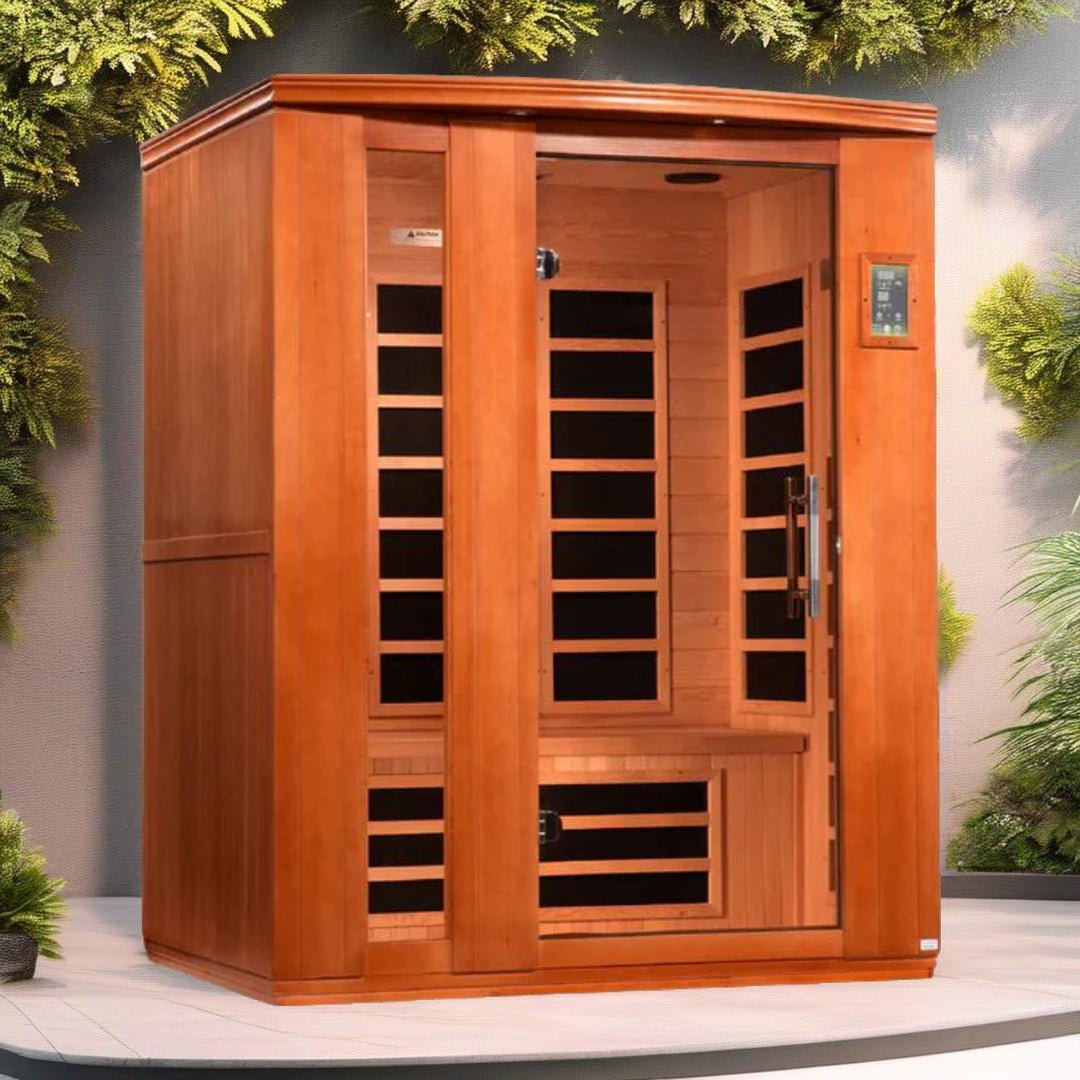
Traditional Finnish saunas: high ambient temp (often 70–100 °C) with dry or steam humidity; infrared (IR) saunas: lower air temp (often 45–65 °C) with radiant heat penetrating more superficially into tissues.hightechhealth+1
-
Some small comparative data (summarized in secondary sources) suggest far-infrared sauna sweat may contain higher concentrations of certain metals vs exercise or steam sauna, but these are not large RCTs.hightechhealth
-
Overall, there is more long-term cardiovascular and mortality data for traditional Finnish sauna than for IR; detox-specific comparative evidence is limited and largely observational or case-series.jamanetwork+1
-
IR may be better tolerated for some individuals due to lower air temperature, potentially relevant for those with heat sensitivity, but safety data are less extensive.pmc.ncbi.nlm.nih
Evidence notes
-
Systematic review primarily covers traditional dry saunas; IR is mentioned but evidence base is much thinner.pmc.ncbi.nlm.nih
-
Cardiovascular cohort (Kuopio, Finland) used traditional saunas, showing dose–response reductions in cardiovascular and all-cause mortality with frequent use, but not measuring toxin excretion.jamanetwork+1
-
Manufacturer/secondary science pages cite an unnamed 2023 study where IR sweat had higher toxic element concentrations than other modalities; important to flag as manufacturer-linked and interpret cautiously.hightechhealth
Citations
-
Clinical Effects of Regular Dry Sauna Bathing: A Systematic Review, 2018.pmc.ncbi.nlm.nih
-
Association Between Sauna Bathing and Fatal Cardiovascular and All-Cause Mortality, 2015.jamanetwork
-
Cardiovascular and Other Health Benefits of Sauna Bathing, 2018.statics.drvoice
-
Far Infrared Saunas & Detoxification summary, 2025.hightechhealth
H2: The Role of Heat Shock Proteins and Circulation in Waste Removal
Key points
-
Sauna-induced heat stress increases heart rate, cardiac output, and skin blood flow, mimicking moderate-intensity exercise.statics.drvoice+1
-
Heat stress upregulates heat shock proteins (HSPs), which help maintain protein integrity, reduce cellular stress, and may support repair processes.statics.drvoice
-
Improved circulation and endothelial function from regular sauna use may indirectly support organ detoxification (liver, kidneys) by enhancing perfusion and possibly reducing oxidative stress, but this is mostly inferred from cardiovascular data.statics.drvoice+1
-
Some studies report reductions in blood pressure, arterial stiffness, and improvements in left ventricular function and exercise tolerance with repeated sauna exposure.statics.drvoice+1
Evidence notes
-
Review notes that hypothesized mechanisms for cardiovascular benefits include improved endothelial function, decreased arterial stiffness, modulation of autonomic function, reduced inflammation, and increased nitric oxide availability.statics.drvoice
-
2-week sauna interventions in small samples show changes in HR, BP, hormones, and lipid profile.pmc.ncbi.nlm.nih
-
HSP involvement is discussed mechanistically in reviews but direct human data linking HSP upregulation from sauna to toxin clearance are lacking; this should be framed as theoretical or indirect.statics.drvoice+1
Citations
-
Cardiovascular and Other Health Benefits of Sauna Bathing, 2018.statics.drvoice
-
Clinical Effects of Regular Dry Sauna Bathing: A Systematic Review, 2018.pmc.ncbi.nlm.nih
H2: Myth vs. Reality: Can You Really “Sweat Out” Alcohol or Heavy Metals?
Key points
-
Alcohol: Metabolized primarily by liver enzymes (ADH, ALDH) into acetaldehyde and acetate; excreted mostly via metabolism and renal/respiratory routes, with sweat accounting for a very small fraction.pmc.ncbi.nlm.nih+1
-
Heavy metals: Sweat can contain measurable metals, but the relative contribution of sweat vs urine/feces to total body metal elimination is not well quantified and likely small for most people.pmc.ncbi.nlm.nih+1
-
Exercise may produce equal or greater heavy metal excretion than passive sauna, undermining claims that sauna is uniquely effective.pmc.ncbi.nlm.nih
-
Marketing claims that you can “sweat out last night’s alcohol” or “sweat out all toxins” are oversimplified; sweat is one minor route among several, and liver/kidneys remain dominant.statics.drvoice+1
Evidence notes
-
Heavy metal sweat study: dynamic exercise sweat showed higher concentrations of Ni, Pb, Cu, As than sauna sweat; Hg unchanged between modalities.pmc.ncbi.nlm.nih
-
Reviews emphasize that detoxification claims are poorly supported and that most documented benefits of sauna are cardiovascular, pain, and quality-of-life related.pmc.ncbi.nlm.nih+1
-
Agency/hospital guidance (e.g., Mayo-style sources in SERP) generally focus on cardiovascular and relaxation benefits, not detox as a primary indication, and note alcohol plus sauna as a safety risk rather than a detox tool.pmc.ncbi.nlm.nih
Citations
-
Excretion of Ni, Pb, Cu, As, and Hg in Sweat Under Two Sweating Conditions, 2022.pmc.ncbi.nlm.nih
-
Clinical Effects of Regular Dry Sauna Bathing: A Systematic Review, 2018.pmc.ncbi.nlm.nih
-
Cardiovascular and Other Health Benefits of Sauna Bathing, 2018.statics.drvoice
H2: The Clinical Evidence: A Review of the BUS and Hubbard Studies
Key points
-
BUS/BPA-type work: small observational datasets suggesting that sweat can contain BPA and other chemicals when blood/urine do not, raising questions about body burden assessment rather than proving clinical benefit.sweattent+1
-
Hubbard detox protocol: multi-component regimen (exercise, high-dose niacin, 2–4.5 hours/day in moderate-temperature sauna, nutritional supplementation) used over ~3–5 weeks to address chemical/drug exposures.pmc.ncbi.nlm.nih+1
-
Large case-series in addiction/mixed chemical exposure settings report high completion rates (~99%) and self-reported improvements in symptoms and functional scores, but lack controls and objective toxin measurements.pmc.ncbi.nlm.nih
-
Environmental/mold-exposed patient case-series show improved symptoms when sauna is part of a multi-step protocol, but interventions are confounded (simultaneous avoidance, immune therapies, nutrients).ndnr+1
-
Overall: evidence is low to moderate quality (case-series, before–after without controls, often associated with proponents of the protocol), and not endorsed as standard detox care by major US agencies.fasenet+2
Evidence notes
-
2018 safety/tolerability study: 100 clients in residential addiction program; 4.5 hours/day sauna with exercise and nutrients; 99% completion; no serious heat-related events; improvements in SF-36, addiction severity metrics.pmc.ncbi.nlm.nih
-
Hubbard program description: daily regimen for ~33 days; increasing niacin doses; treadmill exercise; multi-hour sauna; electrolytes and oils.slideshare+1
-
Large mold-exposed series reports ~85% complete clearance and 14% partial improvement across groups, but interventions include antigen injections plus sauna and other modalities.pubmed.ncbi.nlm.nih
-
Naturopathic mold case report documents symptom worsening with sauna in one patient, underscoring individual variability and potential intolerance.ndnr
Citations
-
Safety and Tolerability of Sauna Detoxification for Protracted Withdrawal, 2018.pmc.ncbi.nlm.nih
-
Scientific Foundation of the Detoxification Method Developed by Hubbard, 2012.fasenet
-
Mycotoxicosis case following acute mold exposure, 2025.ndnr
-
Large case-series of mold-exposed patients using sauna-inclusive regimens, 2018.pubmed.ncbi.nlm.nih
-
BUS/BPA and heavy metal sweat summaries (Genuis work).sweattent+1
H2: The “Sauna Detox Protocol”: Safe Duration, Temperature, and Frequency
Key points
-
Typical Finnish sauna studies: temperatures ~80–100 °C, session durations ~5–20 minutes with cool-down breaks; total weekly use in cardiovascular cohort 1–7 sessions/week.jamanetwork+1
-
Hubbard-style detox protocols: moderate temperatures with extended daily exposure (often 2–4.5 hours/day) plus exercise and supplements; this is far beyond typical recreational or cardiovascular protocols and should be clearly labeled as specialized.slideshare+2
-
For generally healthy adults, many clinical/hospital sources suggest starting with shorter sessions (10–15 minutes), limiting continuous exposure, and listening to symptoms.pmc.ncbi.nlm.nih
-
Clinical guidance emphasizes avoiding sauna when feverish, dehydrated, intoxicated, or after heavy exercise, and prioritizing gradual acclimation.pmc.ncbi.nlm.nih
Evidence notes
-
Kuopio cohort: frequent (4–7×/week) Finnish sauna at 79 °C median, 14 minutes median duration per session, associated with lower cardiovascular and all-cause mortality.jamanetwork
-
Systematic review summarizes that single sessions often 5–20 minutes at 80–100 °C, with various intervention lengths across studies (days to weeks).pmc.ncbi.nlm.nih
-
Hubbard safety study: ~4.5 hours/day moderate temp sauna with breaks, under supervision, appears safe in selected population but not generalizable; not evaluated for long-term toxin levels or mortality.pmc.ncbi.nlm.nih
Citations
-
Association Between Sauna Bathing and Fatal Cardiovascular and All-Cause Mortality, 2015.jamanetwork
-
Clinical Effects of Regular Dry Sauna Bathing: A Systematic Review, 2018.pmc.ncbi.nlm.nih
-
Safety and Tolerability of Sauna Detoxification, 2018.pmc.ncbi.nlm.nih
-
Scientific Foundation of the Hubbard Method, 2012.slideshare+1
H2: Hydration and Electrolytes: Preventing the “Detox Flu”
Key points
-
Sauna causes substantial fluid loss via sweat, which can lead to dehydration, hypotension, dizziness, headaches, and fatigue if fluids/electrolytes are not replaced.reddit+1
-
Clinical reviews highlight typical cardiovascular responses: increased HR, decreased diastolic BP, plasma volume changes; vulnerable individuals may experience syncope.statics.drvoice+1
-
Practical guidance: drink water before and after sauna; avoid alcohol; consider electrolyte replacement for longer or repeated sessions; stop if lightheaded, nauseated, or unwell.middlegeorgiamedicalmassage+1
-
Online patient communities commonly report “detox flu” symptoms (headache, fatigue, malaise) after sauna; some may reflect dehydration/electrolyte imbalance rather than toxin die-off.reddit+1
Evidence notes
-
Systematic review: single and repeated sessions decrease plasma volume and diastolic BP; increase HR and stress hormones.pmc.ncbi.nlm.nih
-
Contraindication guidance for IR saunas warns about dehydration, cardiovascular strain, and recommends hydration and avoidance of alcohol/blood-thinning meds.middlegeorgiamedicalmassage
-
Forum anecdotes describe post-sauna headaches and malaise; useful for qualitative “experience” layer but not evidence of detox efficacy.reddit+1
Citations
-
Clinical Effects of Regular Dry Sauna Bathing: A Systematic Review, 2018.pmc.ncbi.nlm.nih
-
Cardiovascular and Other Health Benefits of Sauna Bathing, 2018.statics.drvoice
-
Infrared Sauna Contraindications (clinic guidance), 2025.middlegeorgiamedicalmassage
-
Reddit/user experiences of post-sauna symptoms, 2024–2025.reddit+1
H2: Conclusion: The Verdict on Sauna Detoxification
Key points
-
For generally healthy adults, regular sauna bathing is associated with cardiovascular and quality-of-life benefits, but broad detox claims are ahead of the evidence.jamanetwork+2
-
Sweat can excrete some metals and chemicals, but the magnitude of effect on body burden and clinical outcomes is unclear; liver and kidneys remain primary detox organs.pmc.ncbi.nlm.nih+1
-
Protocols like Hubbard’s show promising symptom improvements in selected, supervised cohorts but are not yet backed by large controlled trials or major guideline endorsements.fasenet+1
-
“Science explained” stance: sauna can contribute modestly to excretion of certain compounds and support overall health, but should not replace evidence-based treatments or be marketed as a cure-all detox.statics.drvoice+1
Citations
-
Association Between Sauna Bathing and Cardiovascular and All-Cause Mortality, 2015.jamanetwork
-
Clinical Effects of Regular Dry Sauna Bathing, 2018.pmc.ncbi.nlm.nih
-
Cardiovascular and Other Health Benefits of Sauna Bathing, 2018.statics.drvoice
-
Safety and Tolerability of Sauna Detoxification, 2018.pmc.ncbi.nlm.nih
C) Claim Ledger Table
|
Claim |
Evidence summary |
Strength of evidence |
Applies to |
Caveats/limitations + conflict notes |
Best citations |
|
Liver and kidneys perform the majority of detoxification, with sweat playing a minor excretory role for most toxins. |
Reviews describe detoxification as hepatic biotransformation and renal/biliary excretion, noting that “detox” marketing claims for sauna exceed the available data. |
Strong |
General adult population |
Sweat can excrete some metals/chemicals, but contribution to total clearance is not well quantified. |
|
|
Human sweat contains measurable amounts of heavy metals such as Ni, Pb, Cu, As, and Hg. |
Controlled experiment found these metals in sweat under both exercise and sauna conditions. |
Moderate |
Adults in experimental conditions |
Small sample; no long-term outcome data or body-burden measurements. |
|
|
Dynamic exercise may excrete higher concentrations of several heavy metals in sweat than sitting in a sauna. |
Paired comparison showed Ni, Pb, Cu, As concentrations significantly higher after treadmill running than sauna exposure. |
Moderate |
Healthy adults in lab setting |
Only one small study; sweat volume differences and total excretion not fully quantified. |
|
|
BPA can appear in sweat when not detectable in blood, suggesting sweat may better reflect total body burden for some compounds. |
BUS-style work summarized that BPA was found in sweat in most participants despite negative blood tests. |
Limited |
Adults with environmental exposures |
Small cohorts; often industry or advocate-associated; limited peer-reviewed confirmation. |
|
|
Regular Finnish sauna use (4–7×/week) is associated with lower cardiovascular and all-cause mortality. |
Prospective cohort of middle-aged men showed dose–response reductions in sudden cardiac death, CHD, CVD, and all-cause mortality with higher sauna frequency. |
Strong (for association) |
Middle-aged Finnish men |
Observational; residual confounding; traditional sauna only, not IR. |
|
|
Sauna bathing can acutely increase heart rate and lower diastolic blood pressure. |
Interventional studies show HR increases and diastolic BP and plasma volume decrease after sauna sessions. |
Strong |
Adults without severe unstable CVD in trials |
Responses may differ in patients with cardiovascular disease; monitoring recommended. |
|
|
Evidence supporting sauna as a generalized “detox” therapy is scant and incomplete. |
Systematic review explicitly notes that detox claims by facilities are not strongly supported by rigorous trials. |
Strong |
General population |
Some case-series suggest benefits for specific exposures, but overall evidence is low-level. |
|
|
Hubbard-style sauna detox protocols appear generally well tolerated in supervised settings. |
Case-series in addiction treatment population reported 99% completion and no serious heat illness with ~4.5 hours/day sauna plus exercise and supplements. |
Moderate |
Selected residential program clients |
No control group; self-reported outcomes; possible selection and reporting bias; not generalizable. |
|
|
Multi-week Hubbard programs report improvements in self-reported health and function in patients with chemical or drug exposures. |
Case-series and program reports describe symptom reductions and functional improvements after ~33-day regimens. |
Limited–Moderate |
People with chemical/drug exposures in program settings |
Largely from proponents; lack of randomized controls; confounded by multi-component interventions. |
|
|
Sauna use is not universally safe and is contraindicated or requires caution in pregnancy, unstable cardiac disease, and for certain medications. |
Clinical and practice guidance list pregnancy, unstable angina, recent MI, severe HF, anticoagulation, and some cardiovascular meds as contraindications or cautions. |
Strong |
At-risk groups |
Guidance varies; most recommend physician clearance for chronic disease or pregnancy. |
|
|
Dehydration and electrolyte imbalance from sauna can cause dizziness, headache, fatigue, and nausea. |
Clinical reviews and clinic guidelines describe these as common adverse effects if fluids/electrolytes are not replaced; forums report similar experiences. |
Strong (for risk), Moderate (for prevalence) |
Sauna users, especially beginners or prolonged users |
Most data observational; severity varies; serious events uncommon in healthy adults. |
|
|
Sauna can worsen symptoms in some patients with mold-related illness or multiple chemical sensitivity. |
Case report of mold-exposed patient noted worsened symptoms with self-directed sauna therapy, requiring discontinuation. |
Limited |
Highly sensitive, mold-exposed patients |
Single case; other series include sauna as part of successful protocols; high individual variability. |
|
|
Infrared saunas operate at lower ambient temperatures but can still induce profuse sweating and cardiovascular responses. |
Descriptive and clinical sources describe IR saunas at ~45–65 °C causing thermoregulatory responses similar to milder exercise. |
Moderate |
Adults using IR saunas |
Fewer long-term outcome studies vs Finnish sauna. |
|
|
Evidence that IR saunas are superior to traditional saunas for detoxification is limited and largely based on small or manufacturer-associated studies. |
Secondary sources cite small 2023 studies reporting higher toxic element concentrations in IR sweat; these lack large independent replication. |
Limited–Mixed |
Adults using IR or traditional saunas |
Potential conflict of interest and publication bias; no robust head-to-head clinical outcomes. |
|
|
Sauna plus appropriate hydration appears safe for most people with stable cardiovascular disease under medical supervision. |
Cardiology-oriented reviews suggest stable CHD patients can often use sauna, but unstable angina, recent MI, severe HF are contraindications. |
Moderate–Strong |
Patients with stable CVD |
Applies only with medical clearance; based on limited but reassuring data. |
D) Numbers, Stats, and Data Hooks
-
4–7 sauna sessions per week associated with ~40–50% lower risk of cardiovascular and all-cause mortality vs 1 session/week in Finnish men.jamanetwork
-
Median sauna temperature in Kuopio cohort: ~79 °C; median session duration: ~14 minutes.jamanetwork
-
In the heavy metal sweat study, dynamic exercise produced significantly higher Ni, Pb, Cu, As concentrations in sweat than sauna exposure (exact fold-changes by element reported in study tables).pmc.ncbi.nlm.nih
-
Hubbard protocol safety study: N = 109 clients; 99% completion rate; ~4.5 hours/day of moderate-temperature sauna with breaks plus exercise and nutrients; no cases of dehydration or heat illness reported.pmc.ncbi.nlm.nih
-
Mold-exposed case-series: N = 100; approximately 85% “cleared completely,” 14% partial improvement, 1% unchanged across multi-step protocols that included sauna in some groups.pubmed.ncbi.nlm.nih
-
Hubbard regimen typical length: average 33 days of daily sessions combining exercise, niacin, sauna, and supplements.fasenet
-
In some BUS/heavy metal work summarized by secondary sources, sweat concentrations of certain metals were several-fold higher than in blood or urine (e.g., 3.75× for aluminum, 25× for cadmium, 7× for cobalt, 17× for lead in selected analyses).sweattent
-
Sauna sessions in interventional cardiovascular studies often 5–20 minutes at 80–100 °C, with repeated sessions over 2 weeks to months.pmc.ncbi.nlm.nih
E) Definitions + Key Concepts (Snippable)
-
Detoxification (physiologic): The combined processes of biotransformation, primarily in the liver, and excretion via kidneys, bile, feces, lungs, and sweat that remove xenobiotics and metabolic waste from the body.statics.drvoice+1
-
Sauna (Finnish dry sauna): A heated room, typically 70–100 °C with low to moderate humidity, used in short sessions to induce sweating and cardiovascular and thermoregulatory responses.jamanetwork+1
-
Infrared sauna: A sauna that uses infrared heaters to emit radiant heat absorbed by the skin at lower air temperatures (around 45–65 °C) to induce sweating.hightechhealth+1
-
Heat shock proteins (HSPs): A family of stress-response proteins that help stabilize and refold damaged proteins during heat and other stress exposures, supporting cellular resilience.statics.drvoice
-
Persistent organic pollutants (POPs): Long-lived, bioaccumulative chemicals such as certain pesticides and industrial compounds that can accumulate in fatty tissues and are slow to eliminate.miog+1
-
Heavy metals (toxic metals): Elements like lead, mercury, cadmium, arsenic, and nickel that can be harmful at low concentrations and are typically excreted via kidneys and bile, with small amounts in sweat.pmc.ncbi.nlm.nih+1
-
Hubbard sauna detoxification protocol: A multi-component regimen involving daily aerobic exercise, high-dose niacin, several hours of moderate-temperature sauna, and nutritional supplementation over several weeks, aimed at reducing body burdens of certain chemicals and drugs.fasenet+1
-
Thermoregulation: The physiological process by which the body maintains core temperature, involving vasodilation, sweating, and changes in heart rate during heat exposure such as sauna bathing.statics.drvoice+1
-
Eccrine sweat glands: The most numerous sweat glands in human skin, responsible for thermoregulatory sweating, secreting mostly water and electrolytes with small solute amounts.pmc.ncbi.nlm.nih+1
-
Bioaccumulation: The gradual build-up of substances such as heavy metals or POPs in body tissues over time when intake exceeds elimination.miog+1
F) Safety / Contraindications / Risk Language
-
People with unstable angina, recent myocardial infarction (<3 months), severe heart failure, or severe aortic stenosis should avoid sauna use unless specifically cleared by a cardiologist.droracle+1
-
Pregnancy is commonly listed as a contraindication for infrared and high-heat sauna use due to concerns about maternal overheating and fetal risk.4elementswellnesscenter+1
-
Individuals on anticoagulants (e.g., warfarin) or certain cardiovascular medications are advised to avoid or use extra caution with sauna due to bleeding and blood pressure concerns.droracle+1
-
Excessive or prolonged sauna without adequate fluid and electrolyte replacement increases risk of dehydration, symptomatic hypotension, syncope, and heat-related illness.statics.drvoice+1
-
Alcohol use before sauna is discouraged because it impairs thermoregulation, increases risk of hypotension and arrhythmias, and is associated with adverse events.middlegeorgiamedicalmassage+1
-
Children, older adults, and individuals with chronic diseases should use shorter sessions and consult clinicians before regular sauna use.middlegeorgiamedicalmassage+1
-
Patients with mold toxicity or multiple chemical sensitivity may experience symptom flares with sauna and should introduce heat therapy cautiously, if at all, under professional supervision.ndnr+1
G) Comparisons + Decision Criteria (Tables)
Table 1: Infrared vs Traditional Sauna for Detox-Focused Users
|
Aspect |
Infrared sauna |
Traditional (Finnish) sauna |
Notes |
|
Typical air temperature |
~45–65 °C |
~70–100 °C |
IR uses lower ambient temp with radiant heat.pmc.ncbi.nlm.nih+1 |
|
Evidence base (cardiovascular outcomes) |
Limited emerging data |
Stronger observational data for reduced CVD and mortality |
Major cohort data are from Finnish saunas.jamanetwork+2 |
|
Detox-specific evidence |
Small, often manufacturer-linked studies suggest higher toxic element concentrations in sweat |
Some heavy metal and BPA sweat data, mostly not sauna-type specific |
Overall evidence is limited and heterogeneous.hightechhealth+2 |
|
Tolerability |
Often better tolerated by heat-sensitive individuals due to lower air temp |
May feel more intense; shorter sessions common |
Individual preference and health status matter.pmc.ncbi.nlm.nih |
|
Session duration (typical) |
20–45 minutes marketed; clinical data limited |
5–20 minutes in many studies |
Longer exposure increases dehydration risk.pmc.ncbi.nlm.nih+1 |
Table 2: Sweat vs Urine as Excretion Routes (Conceptual “Toxin Excretion Matrix” Hook)
|
Substance category |
Primary excretion route |
Evidence of presence in sweat |
Practical implication |
|
Heavy metals (Ni, Pb, Cu, As, Hg) |
Mainly renal and biliary excretion |
Detected in sweat under both exercise and sauna conditions; higher Ni, Pb, Cu, As with exercise in one study |
Sweat contributes but likely minor compared with urine/feces; exercise may be as effective or more for sweat-based metal excretion.pmc.ncbi.nlm.nih+1 |
|
BPA |
Renal excretion; glucuronidation in liver |
Present in sweat of many participants when not found in blood; small BUS-style datasets |
Sweat may reflect body burden; unclear how much total burden is reduced via sweating.hightechhealth+1 |
|
Phthalate metabolites |
Renal excretion |
Limited data suggesting some metabolites appear in sweat |
Evidence sparse; trace sweat excretion may matter more in high-exposure individuals.miog |
|
Alcohol |
Hepatic metabolism, renal and pulmonary excretion |
Very small fraction in sweat; not a primary route |
Sauna does not meaningfully accelerate alcohol clearance and may be unsafe with intoxication.pmc.ncbi.nlm.nih+1 |
H) Myths & Misconceptions (10)
-
Myth: “You can sweat out most of your toxins in a sauna.”
-
Correction: Sweat does excrete some compounds, but liver and kidneys do most detoxification; evidence for large toxin reductions via sauna is limited.
-
Why it persists: Sweat is visible and associated with feeling “cleansed,” making it an intuitive but oversimplified narrative.
-
Citation:pmc.ncbi.nlm.nih+2
-
Myth: “Sauna is the best way to remove heavy metals from your body.”
-
Correction: Sweat contains metals, but one controlled study found higher heavy metal concentrations in sweat during exercise than during sauna, and overall contribution to body clearance is unclear.
-
Why it persists: Commercial IR sauna marketing and anecdotal reports emphasize heavy metal detox.
-
Citation:sweattent+2
-
Myth: “You can sweat out last night’s alcohol in the sauna.”
-
Correction: Alcohol is mainly metabolized by the liver; only a small fraction is eliminated via sweat and breath, and sauna cannot significantly accelerate sobering.
-
Why it persists: People associate sweating with “working off” alcohol after exercise.
-
Citation:statics.drvoice+1
-
Myth: “Infrared saunas are scientifically proven to detox better than traditional saunas.”
-
Correction: Evidence comparing IR and traditional sauna for detox is limited, small, and often manufacturer-associated; traditional saunas actually have stronger outcome data (cardiovascular, mortality).
-
Why it persists: IR sauna companies highlight favorable small studies in marketing.
-
Citation:hightechhealth+2
-
Myth: “More heat and longer sessions always mean a better detox.”
-
Correction: Excessive heat and prolonged sessions mainly increase dehydration and cardiovascular strain, not necessarily toxin clearance.
-
Why it persists: “More is better” bias and competitive wellness culture.
-
Citation:middlegeorgiamedicalmassage+2
-
Myth: “Saunas are safe for everyone as long as you hydrate.”
-
Correction: People with unstable heart disease, severe aortic stenosis, recent MI, pregnancy, and certain medications may face significant risks even with hydration.
-
Why it persists: Spa marketing often downplays contraindications.
-
Citation:droracle+2
-
Myth: “Feeling terrible after a sauna is proof you’re detoxing deeply.”
-
Correction: Post-sauna headaches, fatigue, and malaise often reflect dehydration, low blood pressure, or overexertion rather than beneficial detox.
-
Why it persists: “Herxheimer” and detox narratives recast adverse reactions as positive.
-
Citation:reddit+2
-
Myth: “Hubbard-style sauna detox protocols are proven and universally accepted medical treatments.”
-
Correction: Hubbard protocols are supported mainly by case-series and program reports; they are not standard of care or widely endorsed by mainstream agencies.
-
Why it persists: Strong promotion by program providers and testimonials.
-
Citation:fasenet+2
-
Myth: “Sauna alone can cure mold toxicity.”
-
Correction: Mold detox protocols emphasize strict avoidance, environmental remediation, and targeted therapies; sauna can help some but worsened symptoms in at least one case report.
-
Why it persists: Desire for a single, controllable intervention and strong anecdotal stories.
-
Citation:austinmdclinic+2
-
Myth: “If your sweat is clear, you’re not detoxing.”
-
Correction: Sweat is mostly water and electrolytes; toxin levels are low and not visible; sweat color is not a reliable detox marker.
-
Why it persists: Visual metaphors (e.g., “dirty” sweat) and social media images.
-
Citation:pmc.ncbi.nlm.nih+1
I) Experience Layer Suggestions
Safe test ideas (for a healthy adult, not pregnant, no major CVD; always with “ask your doctor if you have conditions” caveat)
-
Track how you feel and how your heart rate responds to short sauna sessions (e.g., 10–15 minutes at standard gym sauna temperature) over several weeks. Note energy, sleep, muscle recovery.statics.drvoice+1
-
Compare subjective recovery after a workout alone vs workout plus a brief sauna session, keeping hydration and nutrition similar.pmc.ncbi.nlm.nih
-
Experiment with IR vs traditional sauna (if both available) at comparable subjective intensity and document differences in perceived heat, sweating onset, and post-session fatigue.hightechhealth+1
What to photograph/document
-
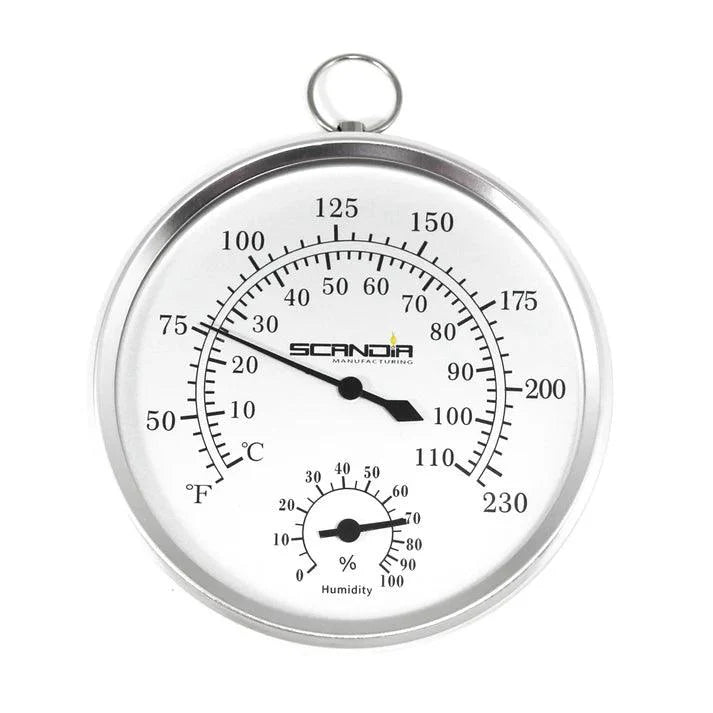
Sauna setup: temperature display, timer, water bottle/electrolyte drink as a visual for safety and hydration.middlegeorgiamedicalmassage+1
-
Simple diagram-style sketches of thermoregulation (sweat glands, circulation) to pair with explanations about liver/kidney vs skin roles.statics.drvoice+1
Metrics to track
-
Resting and post-sauna heart rate.statics.drvoice
-
Session duration, temperature, and number of weekly sessions.jamanetwork+1
-
Subjective measures: rate-of-perceived exertion/heat, sleep quality, muscle soreness, perceived stress.pmc.ncbi.nlm.nih
-
Hydration markers: body weight before/after, urine color (as a crude indicator).middlegeorgiamedicalmassage+1
Simple logging template (for writer to fill later)
-
Date / Time / Sauna type (IR vs traditional)
-
Temperature (°C/°F) / Session length (minutes) / Number of rounds
-
Pre-session: resting HR, how you feel (1–10 energy, 1–10 stress)
-
Post-session (immediately and next morning): HR, energy, mood, sleep quality, any adverse symptoms (dizziness, headache, palpitations)
-
Fluids/electrolytes consumed before and after
J) FAQ Set (15–25)
-
Is sauna actually a detox method or is that a myth?
-
Sauna does promote sweating, and sweat can carry small amounts of metals and chemicals, but most detoxification is still done by the liver and kidneys.pmc.ncbi.nlm.nih+2
-
Facilities often claim broad detox benefits, yet systematic reviews describe the evidence as scant and incomplete.pmc.ncbi.nlm.nih
-
Heavy metals and BPA have been detected in sweat, but the impact on overall body burden remains unclear.sweattent+2
-
What toxins can be found in human sweat during sauna use?
-
Studies have detected heavy metals such as nickel, lead, copper, arsenic, and mercury in sweat, along with trace levels of some organic chemicals.sweattent+1
-
BPA and certain phthalate metabolites have been reported in sweat in small studies, especially in environmentally exposed individuals.miog+1
-
The amounts are generally low, and there is limited evidence that this sweat excretion translates into major health improvements.pmc.ncbi.nlm.nih
-
Is infrared sauna better than traditional sauna for detoxification?
-
Infrared saunas operate at lower air temperatures and can produce intense sweating, but high-quality comparative detox data are limited.hightechhealth+1
-
Some small or manufacturer-linked studies suggest higher toxic element concentrations in IR sweat, yet traditional Finnish saunas have far stronger long-term cardiovascular outcome data.hightechhealth+2
-
Current evidence does not clearly show that IR is superior for clinically meaningful toxin removal.pmc.ncbi.nlm.nih
-
How long should I stay in a sauna if I’m interested in detox benefits?
-
Clinical studies of Finnish sauna often use 5–20 minute sessions at 80–100 °C with breaks, and cardiovascular benefits were seen with average 14-minute sessions.jamanetwork+1
-
Long detox protocols that keep people in saunas for several hours a day exist but are experimental and not routinely recommended for the general public.fasenet+1
-
Starting with shorter sessions and monitoring for dizziness, palpitations, or excessive fatigue is safer.middlegeorgiamedicalmassage+1
-
Does sweating in a sauna remove heavy metals from the body?
-
Heavy metals are detectable in sweat, and one study found significant excretion of nickel, lead, copper, and arsenic under both sauna and exercise conditions.pmc.ncbi.nlm.nih
-
However, dynamic exercise produced higher concentrations of several metals than sauna, indicating that sweating itself, not sauna specifically, drives this effect.pmc.ncbi.nlm.nih
-
There is no robust evidence that sauna alone substantially reduces total heavy metal burden in most people.pmc.ncbi.nlm.nih
-
Can I sweat out alcohol or a hangover in the sauna?
-
Only a small fraction of alcohol is eliminated via sweat; most is metabolized by the liver and excreted through kidneys and lungs.statics.drvoice+1
-
Using sauna while intoxicated increases risks of arrhythmias, low blood pressure, and fainting, and is generally discouraged.middlegeorgiamedicalmassage+1
-
A hangover is better addressed with rest, fluids, and time rather than relying on sauna.pmc.ncbi.nlm.nih
-
What is the Hubbard sauna detox protocol and is it evidence-based?
-
The Hubbard protocol combines daily aerobic exercise, high-dose niacin, several hours of moderate-temperature sauna, and nutritional supplements over about 33 days.fasenet+1
-
Case-series in addiction and environmental exposure settings report high completion rates and self-reported symptom improvements but lack control groups and objective toxin measurements.pubmed.ncbi.nlm.nih+1
-
Major medical agencies have not adopted this as standard detox care, so it should be considered experimental.pmc.ncbi.nlm.nih
-
Are there proven cardiovascular benefits to regular sauna use, separate from detox claims?
-
In a large Finnish cohort, 4–7 sauna sessions per week were associated with markedly lower risks of sudden cardiac death, coronary heart disease, cardiovascular disease, and all-cause mortality.jamanetwork
-
Controlled studies show improved endothelial function, reduced blood pressure, and better exercise tolerance over time.statics.drvoice+1
-
These benefits are observational and mechanistic but much better established than generalized detox effects.statics.drvoice+1
-
Who should avoid sauna detox protocols or use them only with medical supervision?
-
People with unstable heart disease, recent heart attack, severe heart failure, or significant valvular disease should avoid sauna unless specifically cleared by a cardiologist.droracle+1
-
Pregnant individuals, people on anticoagulants or certain cardiovascular medications, and those with uncontrolled hypertension or chronic illnesses need medical guidance.droracle+1
-
People with mold toxicity or multiple chemical sensitivity may experience worsening symptoms and should proceed cautiously.ndnr+1
-
Why do some people feel sick or get headaches after a sauna “detox” session?
-
Common reasons include dehydration, low blood pressure, electrolyte imbalances, and overheating, all of which can cause headache, fatigue, and nausea.middlegeorgiamedicalmassage+1
-
Online communities often interpret these symptoms as “detox” or Herxheimer reactions, but clinically they can indicate overdoing heat exposure.reddit+1
-
Reducing session length, improving hydration, and checking with a clinician can help differentiate benign from concerning reactions.middlegeorgiamedicalmassage+1
-
Does sauna help with mold toxicity or mycotoxin exposure?
-
Some protocols for mold illness include sauna as one component and report symptom improvements, but these often combine many interventions.austinmdclinic+1
-
At least one detailed case report found that sauna worsened symptoms in a mold-exposed patient, necessitating discontinuation.ndnr
-
Evidence is mixed and low quality, so sauna should not be used as a stand-alone mold detox treatment.pubmed.ncbi.nlm.nih+1
-
Is there any scientific basis for sauna improving lymphatic drainage?
-
Sauna increases circulation and may indirectly support fluid movement, but there are few direct human studies measuring lymphatic function during sauna.statics.drvoice+1
-
Lymph flow is primarily driven by muscle activity and pressure changes rather than heat alone, so exercise likely plays a larger role.pmc.ncbi.nlm.nih
-
Marketing claims about dramatic lymph “drainage” from sauna exceed current evidence.pmc.ncbi.nlm.nih
-
How often should a healthy adult use a sauna for general health benefits?
-
In the Finnish cohort, benefits were strongest at 4–7 sessions per week, with sessions around 14 minutes at ~79 °C.jamanetwork
-
Systematic reviews suggest regular but moderate use is safe for healthy individuals when hydration and cooling periods are respected.statics.drvoice+1
-
People new to sauna often start with 1–3 sessions per week and adjust based on tolerance and medical advice.pmc.ncbi.nlm.nih
-
Do saunas help with skin conditions like acne through detox?
-
Sauna may improve circulation and open pores, which some people feel helps their skin, but robust acne-specific trials are lacking.pmc.ncbi.nlm.nih
-
Any benefits likely stem from changes in sebum, circulation, or stress reduction rather than systemic toxin removal.statics.drvoice+1
-
People with active inflammatory or infectious skin conditions should consult a dermatologist before using high heat.pmc.ncbi.nlm.nih
-
How should I hydrate and replenish electrolytes around sauna sessions?
-
Clinical and practice guidance recommend drinking water before and after sauna and avoiding alcohol.middlegeorgiamedicalmassage+1
-
Longer or repeated sessions may warrant electrolyte-containing beverages to replace sodium and other minerals lost in sweat.reddit+1
-
Signs you need more fluids/electrolytes include dark urine, dizziness, rapid heartbeat, and persistent fatigue.pmc.ncbi.nlm.nih
K) References List (Clean + Reusable)
-
Clinical Effects of Regular Dry Sauna Bathing: A Systematic Review. 2018. Study/Review (NIH/PMC).pmc.ncbi.nlm.nih
-
Cardiovascular and Other Health Benefits of Sauna Bathing. 2018. Study/Review.statics.drvoice
-
Association Between Sauna Bathing and Fatal Cardiovascular and All-Cause Mortality. JAMA Internal Medicine, 2015. Study.jamanetwork
-
Excretion of Ni, Pb, Cu, As, and Hg in Sweat Under Two Sweating Conditions. 2022. Study.pmc.ncbi.nlm.nih
-
Safety and Tolerability of Sauna Detoxification for the Protracted Withdrawal Syndrome of Substance Abuse. 2018. Study (Hubbard protocol).pmc.ncbi.nlm.nih
-
Scientific Foundation of the Detoxification Method Developed by Hubbard. 2012. Other/Program white paper.fasenet
-
Hubbard Sauna Detoxification Regimen description (Slideshare). 2015. Other/Manual.slideshare
-
A Large Case-Series of Successful Treatment of Patients Exposed to Mold, 2018. Study/Case-series.pubmed.ncbi.nlm.nih
-
Mycotoxicosis: A Complex Case Following Acute Mold Exposure. 2025. Case report (Naturopathic Doctor News & Review). Other.ndnr
-
Infrared Sauna Contraindications – Middle Georgia Medical Massage. 2025. Clinic guidance.middlegeorgiamedicalmassage
-
What health conditions might prevent someone from using a sauna? 2025. Other/Information (non-agency).visitsauna
-
Is sauna use safe for individuals with heart disease? Dr.Oracle, 2025. Other/Clinical summary.droracle
-
Infrared Saunas: A Modern Solution for Detox and Relaxation, 2024. Other (clinic article summarizing small IR studies).miog
-
Far Infrared Saunas & Detoxification: What Actually Leaves Your Body. HighTechHealth, 2025. Other/Manufacturer-associated science content.hightechhealth
-
Do Saunas Help Detox Your Body? Sweat Tent, 2023. Other/Brand article summarizing Genuis et al. BUS data.sweattent
-
Austin MD Clinic mold detox protocol description, 2025. Clinic article.austinmdclinic
-
Forum posts and Reddit threads about infrared sauna intolerance and mold detox experiences, 2024–2025. Other/User-generated content.reddit+2
(Older foundational sources and non–peer-reviewed brand/clinic content should be treated as hypothesis-generating rather than definitive; most key peer-reviewed sources above are 2015–2018, with specific sweat/metal work updated to 2022.)jamanetwork+3
L) Secondary Keywords + Entity List (Mapped to Outline)
Secondary keyword candidates (15–30)
-
sauna detox science
-
sauna detox research
-
sauna sweat toxins
-
toxins in sweat vs urine
-
heavy metal detox sauna
-
BPA in sweat
-
phthalates sweating
-
infrared sauna detox benefits
-
Finnish sauna health benefits
-
sauna cardiovascular benefits
-
Hubbard sauna protocol
-
sauna detox protocol safety
-
mold detox sauna
-
sauna for chemical exposure
-
heat therapy detoxification
-
sauna dehydration risks
-
sauna and blood pressure
-
sauna after workout detox
-
infrared vs traditional sauna
-
sweat analysis for toxins
-
persistent organic pollutants sauna
-
sauna detox myths
-
clinical sauna studies
-
sauna detox protocol for beginners
-
sauna and glutathione
LSI/semantic terms & entities (30–60)
-
eccrine sweat glands
-
apocrine glands
-
dermis and epidermis
-
hepatocytes
-
nephrons
-
phase I detox enzymes
-
phase II conjugation
-
glutathione-S-transferase (GSTM1)
-
heat shock proteins (HSP70)
-
endothelial function
-
arterial stiffness
-
thermoregulation
-
sympathetic nervous system
-
vasodilation
-
plasma volume
-
dehydration
-
electrolyte imbalance
-
hypotension
-
arrhythmia
-
bioaccumulation
-
persistent organic pollutants (POPs)
-
organophosphate pesticides
-
pyrethroid metabolites
-
bisphenol A (BPA)
-
phthalate metabolites
-
cadmium
-
lead
-
arsenic
-
mercury
-
nickel
-
copper
-
mold mycotoxins
-
multiple chemical sensitivity
-
protracted withdrawal syndrome
-
niacin dosing
-
residential addiction treatment
-
cardiovascular disease (CVD)
-
coronary heart disease (CHD)
-
sudden cardiac death (SCD)
-
sauna bathing frequency
-
infrared wavelength
-
far infrared (FIR)
-
detoxification protocol
-
Herxheimer reaction
-
lymphatic drainage
-
oxidative stress
-
endothelial nitric oxide
-
sauna contraindications
-
blood thinners
-
pregnancy safety
Outline mapping (entities/terms per H2)
-
H2: Biological Mechanism
-
hepatocytes, nephrons, phase I/II detox, glutathione, GSTM1, thermoregulation, vasodilation, sympathetic nervous system, eccrine glands, plasma volume.statics.drvoice+1
-
H2: Sweat Analysis
-
eccrine sweat glands, heavy metals (lead, mercury, cadmium, arsenic, nickel, copper), BPA, phthalates, organophosphate metabolites, pyrethroids, POPs, sweat analysis methodology.miog+2
-
H2: Infrared vs Traditional Saunas
-
far infrared, infrared wavelength, Finnish sauna, sauna temperature, cardiovascular outcomes, bathing frequency, FIR vs dry sauna, tolerability.hightechhealth+2
-
H2: Heat Shock Proteins and Circulation
-
heat shock proteins (HSP70), endothelial function, arterial stiffness, nitric oxide, thermoregulation, oxidative stress, sympathetic activation, heart rate, blood pressure.statics.drvoice+1
-
H2: Myth vs Reality
-
alcohol metabolism, sweat vs urine, Herxheimer reaction, detox myths, marketing claims, heavy metal detox, bioaccumulation, POPs.pmc.ncbi.nlm.nih+2
-
H2: Clinical Evidence (BUS + Hubbard)
-
Hubbard protocol, niacin dosing, protracted withdrawal syndrome, residential addiction treatment, case-series, mold mycotoxins, multiple chemical sensitivity, symptom scores.pubmed.ncbi.nlm.nih+3
-
H2: Sauna Detox Protocol
-
sauna session duration, temperature range, bathing frequency, safe protocol, beginner vs advanced, dehydration risk, heart rate monitoring.jamanetwork+2
-
H2: Hydration and Electrolytes
-
dehydration, electrolyte imbalance, hypotension, syncope, sodium loss, electrolyte drinks, urine color, contraindications.reddit+2
-
H2: Conclusion
-
cardiovascular benefits, detox limitations, observational evidence, randomized trials gap, realistic expectations, safety caveats.pmc.ncbi.nlm.nih+3
-
https://jamanetwork.com/journals/jamainternalmedicine/fullarticle/2130724
-
https://fasenet.org/scientific-foundation-of-the-detoxification-method-developed-by-hubbard/
-
https://middlegeorgiamedicalmassage.com/medical-infrared-sauna/infrared-sauna-contraindications
-
http://statics.drvoice.cn/uploadfile/2018/0805/20180805072316508.pdf
-
https://www.sweattent.com/blogs/guide/do-saunas-help-detox-your-body
-
https://www.hightechhealth.com/how-far-infrared-saunas-detoxification/
-
https://ndnr.com/mycotoxicosis-a-complex-case-following-acute-mold-exposure/
-
https://www.slideshare.net/slideshow/hubbard-sauna-detoxification-regimen/46601298
-
https://www.reddit.com/r/ToxicMoldExposure/comments/1jx7go1/sauna_q/
-
https://www.droracle.ai/articles/340606/is-sauna-use-safe-for-individuals-with-heart-disease
-
https://visitsauna.com/2025/07/04/what-health-conditions-might-prevent-someone-from-using-a-sauna/
-
https://www.reddit.com/r/BecomingTheIceman/comments/1i2knx3/week_long_headache_after_plunging/
Where to go next
View More ArticlesEvidence Library: Cold Plunges & Immune Function (Sources & Citations)
Sources & Citations: Backyard Fire Pit Safety
Related Posts
