


Hot-Cold Contrast Therapy, 2026
-
extra subtopics (keep outline; add as H3s or bullets):
-
Brief “evidence quality” note under each benefits subsection (small studies, performance vs general wellness).pubmed.ncbi.nlm.nih+1
-
Separate H3 for “cardiovascular considerations” under Safety (sauna + cold shock risk, heart disease).brownhealth+2
-
H3 comparing “traditional vs infrared sauna” in the Protocols section (mechanism similar, but evidence slightly different).pmc.ncbi.nlm.nih+1
-
H3 “When contrast therapy may blunt training adaptations” under Protocols (cold after strength/hypertrophy).academia+1
-
H3 “Order and end‑on‑cold debate” under What Is Contrast Therapy (Söberg/Huberman principles vs cautious cardiology advice).getvitalplus+2
-
B) Section‑by‑Section Research Map
H2: What is Contrast Therapy and Why Does Order Matter?
Key points
-
Contrast therapy (or contrast water therapy) alternates heat and cold exposure (sauna + cold plunge or hot/cold immersion) to create rapid vasodilation/vasoconstriction cycles.frontiersin+1
-
It is widely used for recovery from exercise‑induced muscle damage and soreness; typical protocols alternate 1–5 minutes hot and cold for 10–20 minutes total.pubmed.ncbi.nlm.nih+1
-
Sauna then ice bath sequence is promoted to:
-
First raise core temperature and induce vasodilation, then rapidly constrict vessels with cold, creating a “pump” effect that may aid perfusion and waste clearance.nottinghamphysio+1
-
Align with fat‑loss and metabolic goals when ending on cold (Söberg principle).saunahouse+2
-
-
Order matters for:
-
Subjective tolerance (heat first often makes cold more tolerable).th7bodylabs+1
-
Goal (performance recovery vs hypertrophy; metabolic activation vs relaxation).getvitalplus+1
-
Safety (sudden cold after high heat is a stronger cardiovascular stressor, problematic in heart disease).frontiersin+2
-
Evidence notes
-
Systematic review: contrast water therapy improves recovery of strength and reduces soreness vs passive rest after exercise, but trials are small and at high risk of bias.journals.plos+1
-
RCT on contrast compression + water immersion shows greater improvements in pain pressure threshold and muscle force vs sham therapy, supporting a local circulatory mechanism.frontiersin
-
Sauna exposure itself is associated in large Finnish cohort with reduced cardiovascular and all‑cause mortality, but this is observational and not specific to contrast protocols.academic.oup+2
-
Expert protocols (Huberman, Söberg) recommend starting with heat and ending on cold for metabolic and alertness benefits, but are based on mechanistic reasoning plus small or indirect human data, not large outcome trials.clearlightsaunas+2
Citations
-
Contrast therapy definition and DOMS recovery: PLoS One systematic review; DOMS RCT.pubmed.ncbi.nlm.nih+2
-
Mechanistic “pump” and perfusion claims: MMA/forearm perfusion report; vascular effects of sauna + cold.bbc+1
-
Sauna mortality/cardiovascular data: JAMA Internal Medicine cohort; recent narrative/systematic reviews.jamanetwork+2
-
Söberg/Huberman order and end‑on‑cold guidance.saunahouse+2
-
Cardiovascular caution on sudden ice after sauna.heart+2
H2: The 7 Science‑Backed Benefits of Sauna and Ice Bath Contrast
(For each benefit, emphasize: evidence mostly short‑term physiological or recovery outcomes; little direct long‑term disease data for contrast specifically.)
-
Muscle recovery and DOMS
-
Contrast water therapy after intense exercise modestly improves strength and power recovery and reduces muscle soreness vs passive recovery.pubmed.ncbi.nlm.nih+2
-
Mechanism likely via enhanced microcirculation, reduced edema, and modulation of inflammatory markers.nottinghamphysio+1
Evidence notes
-
2013 systematic review of 18 trials (n≈356 total) found significant reductions in soreness up to 96 hours and better strength recovery vs passive rest; quality rated high risk of bias.journals.plos+1
-
RCTs show CWT leads to smaller reductions and faster restoration of isometric force and jump performance vs passive recovery; creatine kinase differences often not significant.instituteofmotion+1
-
Circulation and vascular function
-
Sauna induces vasodilation and increased heart rate similar to moderate exercise, while cold immersion causes vasoconstriction; alternation may train vascular responsiveness.pmc.ncbi.nlm.nih+2
-
Contrast immersion increases local blood flow and perfusion more than heat or cold alone in some experimental models.frontiersin+1
Evidence notes
-
Reviews indicate sauna improves endothelial function, reduces arterial stiffness, and lowers blood pressure in patients with cardiovascular risk factors.academic.oup+1
-
Acute contrast protocols in athletes show improved forearm perfusion and lactate clearance, indirectly suggesting enhanced circulatory dynamics.nottinghamphysio
-
Pain modulation
-
Hot–cold alternation may reduce perceived pain via gating mechanisms, reduced swelling, and altered nerve conduction.pubmed.ncbi.nlm.nih+1
-
Used in sports and rehabilitation settings to manage post‑exercise discomfort and some musculoskeletal pain, though long‑term trials are limited.pubmed.ncbi.nlm.nih
-
Mood, stress, and mental health
-
Sauna use is linked to relaxation and reduced stress hormones, while cold immersion acutely increases norepinephrine and can lead to improved mood and alertness.hubermanlab+1
-
Observational data in cold‑water swimmers and sauna users suggest lower self‑reported depression and improved well‑being, but causality is uncertain.bbc+1
-
Cardiometabolic health
-
Frequent sauna bathing is associated with lower incidence of sudden cardiac death, coronary heart disease, and all‑cause mortality in Finnish men.jamanetwork
-
Infrared sauna in heart failure patients leads to short‑term improvements in ejection fraction and symptoms.pmc.ncbi.nlm.nih
-
Cold exposure may activate brown adipose tissue and increase energy expenditure, but weight‑loss effects in free‑living people are modest and not well studied for contrast protocols.clearlightsaunas+2
-
Immune modulation
-
Sauna and cold exposure both induce acute stress responses that may modulate immune function; some observational studies show fewer colds with regular sauna use.pmc.ncbi.nlm.nih+1
-
Claims that cold plunges “boost immunity” are largely extrapolated from small studies on immune markers and winter swimmers; evidence is limited.heart+1
-
Sleep and relaxation
-
Many users report deeper sleep and relaxation after sauna + cold, likely via parasympathetic rebound and post‑session cooling of core temperature.reddit+1
-
Experimental data on sauna alone support improvements in subjective sleep quality; specific contrast protocols are under‑researched.bbc
Citations
-
DOMS/recovery: RCTs + systematic review.instituteofmotion+3
-
Sauna vascular/cardiometabolic benefits.academic.oup+3
-
Perfusion/lactate “pump” mechanism.frontiersin+1
-
Mood, stress, and metabolism mechanisms (Huberman/Söberg discussions, BBC feature summarizing research).hubermanlab+3
-
Immune and sleep claims (observational + user reports).reddit+2
H2: Deep Dive: The Physiological Mechanism of Vascular Shunting
Key points
-
Heat exposure (sauna) causes vasodilation of peripheral blood vessels, increased skin blood flow, elevated heart rate, and reduced systemic vascular resistance.pmc.ncbi.nlm.nih+1
-
Cold immersion rapidly constricts peripheral vessels, increases systemic vascular resistance and blood pressure, and shifts blood centrally.pmc.ncbi.nlm.nih+2
-
Alternating heat and cold creates rapid vasodilation/vasoconstriction cycles (“vascular shunting”), which:
-
Enhance microcirculatory blood flow and tissue perfusion.nottinghamphysio+1
-
Facilitate movement of metabolic waste (e.g., lactate) from muscles into circulation and back to central clearance sites.pubmed.ncbi.nlm.nih+1
-
-
Neural and hormonal responses:
-
Sauna raises heart rate, skin temperature, and can increase nitric oxide, promoting vasodilation.academic.oup+1
-
Cold triggers sympathetic activation, norepinephrine surge, and the “cold shock response,” influencing pain, mood, and cardiovascular load.pmc.ncbi.nlm.nih+2
-
Evidence notes
-
Experimental studies show contrast immersion leads to higher pain pressure thresholds and muscle force vs control, consistent with improved perfusion and reduced edema.frontiersin
-
MMA/athlete reports document 50–100% increases in local perfusion after contrast sessions, though underlying primary data are limited and often not large RCTs.nottinghamphysio
-
Mechanistic explanations are biologically plausible but partly extrapolated from separate heat‑only and cold‑only literature; direct measurement of “vascular shunting” is limited.journals.plos+1
Citations
-
Vascular and autonomic responses to cold immersion.mayoclinichealthsystem+2
-
Sauna cardiovascular physiology and endothelial effects.pmc.ncbi.nlm.nih+1
-
Perfusion and lactate clearance data.pubmed.ncbi.nlm.nih+2
-
Neuroendocrine responses (norepinephrine, mood).hubermanlab+1
H2: Contrast Therapy Protocols: Finding Your Optimal Cycle
Key points
-
Evidence‑based ranges (from studies and expert guidance):
-
Sauna: often 10–20 minutes at 70–90 °C (160–194 °F) in studies and guidance, keeping sessions under 20 minutes for safety.brownhealth+2
-
Cold immersion: typically 1–5 minutes in 10–15 °C (50–59 °F) water for recovery; Huberman suggests “uncomfortably cold but safe,” often 45–60 °F.mayoclinichealthsystem+1
-
Total “goal‑based” weekly exposure: Söberg principle suggests ≤11 minutes of cold and ≤57 minutes of heat per week for general health and metabolic benefits.saunahouse+1
-
-
Recovery‑focused protocol (e.g., athletes):
-
Perform contrast soon after intense training; cycles like 1 min cold (10–15 °C) / 2–3 min hot (≈38–40 °C water or sauna) for 10–20 minutes total appear in DOMS studies.pubmed.ncbi.nlm.nih+1
-
-
General wellness / mood protocol:
-
10–15 min sauna followed by 1–3 min cold plunge, 2–3 rounds, done 2–4 times per week; evidence largely extrapolated from sauna and cold studies individually plus user reports.th7bodylabs+2
-
-
Sleep/relaxation protocol:
-
Ending on warm (or allowing full rewarming) may be better for those prioritizing sleep or with cardiovascular concerns, though metabolic “end‑on‑cold” benefit may be reduced.frontiersin+2
-
-
Hypertrophy and strength‑adaptation caveat:
-
Cold exposure immediately after strength training can blunt muscle hypertrophy and strength gains in some studies; contrast therapy for recovery may trade short‑term soreness relief for slightly reduced long‑term adaptation.academia+1
-
Evidence notes
-
Most contrast protocols in trials use water immersion, not dry sauna plus plunge, and target short‑term recovery outcomes.pubmed.ncbi.nlm.nih+1
-
Expert protocols (Huberman/Söberg) are designed from mechanistic and observational data; they are not validated in large clinical trials.getvitalplus+2
-
Cardiovascular and heart‑disease guidelines stress limiting sauna duration and avoiding abrupt transitions to ice‑cold water in high‑risk patients.brownhealth+1
Citations
-
DOMS protocol details.instituteofmotion+2
-
Huberman cold exposure weekly dose and end‑on‑cold advice.getvitalplus
-
Söberg principle weekly exposure caps.clearlightsaunas+1
-
Sauna safety time/temperature guidance.frontiersin+1
-
Training adaptation caution.academia+1
H2: Safety and Precautions: Who Should and Shouldn't Try Contrast Therapy?
Key points
-
Generally safe for healthy adults when done sensibly, but not risk‑free.heart+1
-
People who should avoid or get medical clearance before sauna + ice bath:
-
Unstable heart disease (recent MI, unstable angina, decompensated heart failure, severe aortic stenosis).brownhealth+1
-
Uncontrolled hypertension, serious arrhythmias, or history of syncope.pmc.ncbi.nlm.nih+2
-
Significant peripheral vascular disease, severe asthma/COPD, or uncontrolled epilepsy.frontiersin+1
-
Pregnancy: many centers discourage high‑heat saunas; evidence is limited.frontiersin
-
-
Risks include:
-
Cold shock response (rapid breathing, spike in heart rate and blood pressure) that can provoke arrhythmias or drowning in susceptible individuals.pmc.ncbi.nlm.nih+1
-
Hypotension, dizziness, or fainting when standing up after heat/cold shifts.brownhealth+1
-
Hypothermia with prolonged or repeated cold immersion.mayoclinichealthsystem+1
-
-
Additional best‑practice precautions:
-
Avoid alcohol and heavy meals before sessions.brownhealth+1
-
Stay hydrated; limit sauna sessions to ≤20 minutes and avoid extremely high temperatures.pmc.ncbi.nlm.nih+1
-
Do not do unsupervised ice baths in open water or when alone.heart+1
-
Evidence notes
-
AHA‑linked and cardiology experts warn that sudden immersion in cold water is a significant cardiovascular stressor, especially after sauna or in people with heart disease.heart+1
-
Reviews of sauna in heart failure suggest it is generally well tolerated but emphasize that safety data are mostly from supervised clinical settings.pmc.ncbi.nlm.nih+1
-
Case reports and physiological studies show arrhythmias and potential sudden death from autonomic conflict during cold water immersion.pmc.ncbi.nlm.nih
Citations
-
Sauna cardiac safety and contraindications.pmc.ncbi.nlm.nih+2
-
Cold‑plunge cardiovascular risks and hypothermia.mayoclinichealthsystem+2
-
General precautions.frontiersin+1
H2: Expert Insights: Comparing the Protocols of Huberman, Rogan, and Søberg
Key points
-
Andrew Huberman:
-
Recommends ~11 minutes per week of deliberate cold exposure, in 2–4 sessions of 1–5 minutes each, at a temperature that feels “uncomfortably cold but safe.”getvitalplus
-
Advises ending a heat–cold cycle on cold and allowing shivering to occur to maximize metabolic benefits (brown fat activation, catecholamines).getvitalplus
-
-
Susanna Søberg:
-
Her research and Söberg Principle recommend no more than ~11 minutes of cold and ~57 minutes of heat weekly across sessions.saunahouse+1
-
Advocates starting with heat, finishing with cold, and emphasizes metabolic and cardiovascular benefits along with mental health.clearlightsaunas+1
-
-
Joe Rogan (and similar public figures):
-
Popularizes multi‑round sauna (e.g., 15–20 minutes at high heat) followed by 2–3 minute cold plunges, several times per week; evidence is anecdotal, not trial‑based.reddit+1
-
-
All emphasize gradual progression, listening to the body, and avoiding pushing to extremes, though implementation among fans can be more aggressive.saunahouse+2
Evidence notes
-
Huberman and Söberg protocols draw on peer‑reviewed work on cold exposure, brown fat, catecholamines, and cardiovascular adaptations but formal trials on their exact weekly doses and sequences are lacking.hubermanlab+2
-
Rogan’s protocol is experiential; writers should clearly distinguish expert commentary from randomized trial data.reddit+1
Citations
-
Huberman cold protocol specifics.getvitalplus
-
Söberg Principle details and weekly caps.clearlightsaunas+1
-
Public figure routines and user reports.th7bodylabs+2
H2: Beyond the Basics: Advanced Tips for Maximizing Your Contrast Session
Key points
-
Hydration and electrolytes before and after sessions help maintain blood pressure and reduce dizziness.brownhealth+1
-
Gentle movement (walking, light stretching) during the warm‑up and after the final cold exposure aids rewarming and circulation.mayoclinichealthsystem+1
-
Breathwork (slow nasal breathing in sauna; controlled breathing to tolerate cold) can help manage heart rate and anxiety.hubermanlab+1
-
Ending on cold may be preferable earlier in the day for alertness and metabolic goals, while ending on warm may suit evening relaxation or people prone to cold intolerance.saunahouse+2
Evidence notes
-
Cardiovascular guidelines stress gradual cooling and rewarming, avoiding abrupt extremes when possible in higher‑risk individuals.frontiersin+1
-
Cold‑water experts emphasize staying within a self‑controlled breathing pattern to reduce risk from cold shock.pmc.ncbi.nlm.nih+1
Citations
-
Hydration and time/temperature safety.brownhealth+1
-
Cold‑shock and breath control importance.heart+2
-
Timing and end‑on‑cold/heat considerations.saunahouse+2
H2: Frequently Asked Questions (FAQs)
The detailed FAQ content will be in section J. For this research map, key topics and evidence anchors:
-
“Is it better to sauna then ice bath?”
-
Many expert sources recommend hot then cold; limited direct comparative data, but mechanistic rationale and Söberg/Huberman guidance support this sequence for metabolic alertness.clearlightsaunas+2
-
-
“How long should I stay in the sauna before an ice bath?”
-
Standard guidance: 10–20 minutes, not exceeding 20 minutes for most people; shorter for beginners and those with medical conditions.th7bodylabs+2
-
-
“How cold should the water be?”
-
10–15 °C (50–59 °F) in many studies; expert protocols rely on “uncomfortably cold but safe.”pubmed.ncbi.nlm.nih+3
-
-
“Is it safe for everyone / heart disease?”
-
Sauna generally safe in stable heart disease with limits; sudden cold immersion is discouraged for people with cardiovascular disease because of arrhythmia risk.pmc.ncbi.nlm.nih+3
-
-
“Does it help with weight loss, sleep, mental health?”
-
Some mechanistic and observational support but no strong trials showing large, direct weight‑loss effects from contrast; mood and sleep benefits are better supported for sauna alone and by anecdotal reports.reddit+4
-
C) Claim Ledger Table
| Claim | Evidence summary | Strength of evidence | Applies to | Caveats/limitations + conflict notes | Best citations |
|---|---|---|---|---|---|
| Contrast therapy (alternating heat and cold) after intense exercise can reduce muscle soreness and speed recovery of strength vs passive rest. | Systematic review of 18 trials (n≈356) found contrast water therapy led to significantly less soreness and better strength recovery up to 96 h vs passive recovery, though trials were small and high risk of bias.pubmed.ncbi.nlm.nih+1 | Moderate | Healthy, mostly young recreational and trained athletes after intense exercise. | Results vary by protocol; trials contrast water, not sauna + plunge specifically; high risk of bias, little long‑term outcome data.pubmed.ncbi.nlm.nih+1 | pubmed.ncbi.nlm.nih+2 |
| Sauna then ice bath enhances local blood flow and perfusion more than heat or cold alone, potentially aiding clearance of metabolites. | Experimental work combining contrast therapies shows higher pain pressure thresholds and muscle force vs controls, and reports of 50–100% increases in forearm perfusion; acute physiological rationale through vasodilation/vasoconstriction cycles.frontiersin+1 | Limited | Adults undergoing localized or whole‑body contrast treatments; athletes. | Data on whole‑body sauna + plunge are sparse; many reports are extrapolated or from small studies; perfusion measures not always direct.frontiersin+1 | frontiersin+1 |
| Regular sauna use is associated with lower cardiovascular and all‑cause mortality. | Large Finnish cohort (n>2,300 men) found higher sauna frequency associated with reduced sudden cardiac death, CHD, CVD, and all‑cause mortality over ~20 years.jamanetwork | Moderate (observational) | Middle‑aged Finnish men; general cardiovascular risk populations. | Associations may not generalize to women/other countries; residual confounding possible; not specific to contrast therapy.jamanetwork+1 | jamanetwork+2 |
| Sauna use is generally safe and possibly beneficial for people with stable heart disease when time and temperature limits are followed. | Hospital guidance notes sauna is safe and likely beneficial for most individuals with heart disease except in unstable conditions; systematic review in heart failure found short‑term improvement in cardiac function with infrared sauna.brownhealth+1 | Moderate | Patients with stable heart disease under medical care. | Unstable angina, recent MI, severe aortic stenosis, and decompensated HF are contraindications; safety of adding ice bath is poor in this group.brownhealth+1 | brownhealth+2 |
| Suddenly plunging into cold water, especially after heat, can trigger dangerous cardiovascular responses in susceptible people. | AHA‑linked article and physiologic research show cold shock drastically increases heart rate and blood pressure and can cause arrhythmias and drowning; autonomic conflict during cold immersion is a recognized mechanism for sudden death.heart+1 | Moderate | People with cardiovascular disease or arrhythmia risk; older adults; unacclimatized individuals. | Many studies use experimental immersions; absolute risk for healthy, supervised users is unclear but caution is widely recommended.heart+1 | heart+2 |
| Contrast therapy may improve functional recovery from DOMS more than passive rest, but not necessarily more than other methods like massage. | Systematic review of recovery techniques suggests contrast therapy, massage, compression, and cold immersion yield small‑to‑moderate reductions in DOMS; massage showed the strongest effect overall.academia+1 | Mixed | Athletes and active individuals. | Head‑to‑head comparisons limited; protocol heterogeneity; user preference and access likely important.academia+1 | academia+1 |
| Cold exposure immediately post‑strength training can blunt hypertrophy and strength gains. | Meta‑analytic and trial data (summarized in recovery reviews) indicate repeated post‑exercise cold water immersion may reduce long‑term muscle mass and strength adaptations even while improving soreness.academia+1 | Moderate | Strength/hypertrophy‑focused trainees. | Effect size varies; not all forms of contrast therapy studied; implications for sauna + plunge protocols extrapolated from CWI studies.academia+1 | academia+1 |
| End‑on‑cold protocols may enhance metabolic adaptation via shivering and brown fat activation. | Söberg and Huberman emphasize allowing shiver after cold as a driver of increased energy expenditure and brown adipose tissue activity, drawing on cold‑exposure literature.saunahouse+2 | Limited | Healthy adults aiming for metabolic and alertness benefits. | Evidence for precise weekly minutes and real‑world weight loss is weak; much is mechanistic or from small cold studies, not contrast‑specific RCTs.hubermanlab+1 | saunahouse+2 |
| Regular sauna and cold exposure can support blood pressure reduction and vascular health when combined with exercise. | RCT where participants combined sauna with exercise three times weekly showed larger reductions in blood pressure and cholesterol vs exercise alone; observational work links sauna + cold to lower BP and arterial stiffness.bbc+1 | Moderate | Adults with elevated BP or cardiovascular risk factors, under supervision. | Sample sizes modest; protocols differ from consumer contrast routines; cold exposure dose not always standardized.pmc.ncbi.nlm.nih+1 | pmc.ncbi.nlm.nih+1 |
| Contrast therapy can acutely improve mood, alertness, and perceived well‑being. | Reports from cold‑water swimmers and sauna users describe improved mood; cold exposure increases norepinephrine and arousal, while sauna promotes relaxation and stress reduction.bbc+3 | Limited | Healthy adults. | Evidence based on small studies, neurochemical measures, and self‑reports; no large RCTs isolating contrast therapy on mental health endpoints.bbc+1 | bbc+2 |
| Going directly from sauna to ice bath is more intense and may not be appropriate for beginners or people with cardiovascular risk. | Safety guidance from cardiology services advises avoiding sudden ice‑cold immersion after sauna in heart disease; cold‑water risk discussions recommend gradual exposure and supervision.brownhealth+1 | Moderate | Beginners; people with cardiovascular or respiratory disease; older adults. | Many healthy users tolerate direct transitions; evidence is precautionary rather than from large outcome trials.brownhealth+2 | brownhealth+2 |
| Ice baths and cold plunges can cause hypothermia and loss of coordination with prolonged exposure. | Mayo guidance notes cold plunges must be kept short because prolonged immersion accelerates heat loss and hypothermia; experts stress having warm clothing and rewarming plans.mayoclinichealthsystem+1 | Strong (for thermophysiology) | All users, especially leaner individuals and in very cold water. | Thresholds depend on water temperature, body composition, and clothing; most contrast protocols use short immersions.mayoclinichealthsystem+1 | mayoclinichealthsystem+1 |
D) Numbers, Stats, and Data Hooks
-
18 trials, 13 pooled: Contrast water therapy systematic review found significantly less muscle soreness at <6, 24, 48, 72, and 96 hours vs passive recovery.journals.plos+1
-
13 recreational athletes: DOMS RCT showed contrast water therapy led to smaller reductions and faster restoration of strength and power after leg press vs passive rest.pubmed.ncbi.nlm.nih
-
50–100% increased perfusion: MMA/forearm study described 50–100% forearm perfusion improvements within minutes after contrast immersion vs heat or cold alone.nottinghamphysio
-
2,315 men; 20‑year follow‑up: Frequent sauna use (4–7 times/week) associated with markedly lower fatal CVD and all‑cause mortality vs 1 session/week.jamanetwork
-
8 mmHg blood pressure drop: Combined sauna + exercise RCT reported average reductions of ~8 mmHg in blood pressure compared to exercise alone over 8 weeks.bbc+1
-
11 minutes/week cold: Huberman protocol suggests about 11 minutes weekly of deliberate cold exposure, split into 2–4 sessions of 1–5 minutes.getvitalplus
-
≤11 min cold + 57 min heat/week: Söberg Principle caps for weekly exposure for general wellness and metabolic benefits.clearlightsaunas+1
-
Sauna time ≤20 minutes: Cardiology guidance recommends no more than 20 minutes per sauna session, with temperature not exceeding 212 °F (100 °C).brownhealth
-
DOMS study water temps: Contrast protocols often use 3 °C cold and 45 °C hot water in alternating 1‑minute immersions for 10 minutes total.frontiersin+1
-
Cold water removes heat 25× faster than air: AHA‑linked article notes water conducts heat away ~25 times faster, explaining rapid hypothermia risk.heart
E) Definitions + Key Concepts (Snippable)
-
Contrast therapy
Contrast therapy is a technique that alternates exposure to heat and cold, often using hot and cold water or sauna and ice bath, to influence circulation, pain, and recovery.pubmed.ncbi.nlm.nih+1 -
Contrast water therapy (CWT)
Contrast water therapy is a specific form of contrast therapy in which a limb or the whole body is alternately immersed in hot and cold water to reduce exercise‑induced muscle soreness and improve functional recovery.pubmed.ncbi.nlm.nih+1 -
Vasodilation
Vasodilation is the widening of blood vessels, such as that caused by sauna heat, which increases blood flow, reduces vascular resistance, and can lower blood pressure.academic.oup+1 -
Vasoconstriction
Vasoconstriction is the narrowing of blood vessels, triggered by cold exposure or stress, which increases blood pressure and shifts blood from the skin toward vital organs.pmc.ncbi.nlm.nih+1 -
Vascular shunting in contrast therapy
In contrast therapy, rapid alternation between vasodilation (heat) and vasoconstriction (cold) creates a vascular shunting effect, moving blood and fluids in and out of tissues to potentially enhance perfusion and waste clearance.frontiersin+2 -
Delayed onset muscle soreness (DOMS)
Delayed onset muscle soreness is muscle pain and stiffness that usually peaks 24–72 hours after unaccustomed or intense exercise, often targeted by contrast water therapy to speed recovery.pubmed.ncbi.nlm.nih+1 -
Cold shock response
The cold shock response is the rapid increase in breathing, heart rate, and blood pressure that occurs during sudden cold‑water immersion and can provoke arrhythmias or drowning in susceptible individuals.heart+1 -
Söberg Principle
The Söberg Principle is a contrast protocol framework recommending starting with heat, finishing with cold, and keeping weekly exposure around 11 minutes of cold and 57 minutes of heat to promote metabolic and cardiovascular benefits.saunahouse+1 -
Brown adipose tissue (brown fat)
Brown adipose tissue is a metabolically active fat that burns energy to produce heat during cold exposure, potentially contributing to increased energy expenditure when activated by cold plunges.hubermanlab+1 -
Infrared vs traditional sauna
Traditional saunas heat the air to high temperatures, while infrared saunas use radiant heat at lower air temperatures; both raise body temperature and heart rate, but infrared saunas may be better tolerated by some heart‑failure patients.pmc.ncbi.nlm.nih+1
F) Safety / Contraindications / Risk Language
-
People with unstable heart conditions (recent heart attack within two weeks, unstable angina, decompensated heart failure, severe aortic stenosis) should avoid sauna, especially combined with ice baths, unless cleared and supervised by a cardiologist.pmc.ncbi.nlm.nih+2
-
Individuals with uncontrolled high blood pressure, serious arrhythmias, or a history of syncope should be cautious with contrast therapy because rapid changes in heart rate and blood pressure can trigger adverse events.frontiersin+2
-
Sudden immersion in cold water can provoke a cold shock response, with hyperventilation, spikes in heart rate and blood pressure, and increased risk of arrhythmias or drowning.pmc.ncbi.nlm.nih+1
-
Prolonged ice baths or very cold water increase the risk of hypothermia, loss of coordination, and impaired judgment; sessions should be brief with warm clothing and rewarming available.mayoclinichealthsystem+1
-
Alcohol use before sauna or ice baths is discouraged because it impairs judgment, promotes dehydration, and is associated with higher risk of sauna‑related sudden death.frontiersin+1
-
People with febrile illness, acute infection, or skin conditions may worsen their symptoms with sauna heat and should avoid sessions until cleared.brownhealth+1
-
Pregnant individuals should follow obstetric guidance; many experts advise avoiding high‑heat saunas due to concerns about core temperature elevation.frontiersin
-
At‑home users should never cold plunge alone, especially in open water, and should avoid hyperventilating or breath‑holding during immersion.mayoclinichealthsystem+1
-
Those with primary goals of muscle size and strength should be aware that frequent post‑workout cold immersion may blunt long‑term hypertrophic adaptations.academia+1
G) Comparisons + Decision Criteria (Tables)
Table 1: Sauna‑Only vs Ice Bath‑Only vs Sauna + Ice Bath Contrast
| Aspect | Sauna‑only | Ice bath‑only | Sauna → Ice bath contrast |
|---|---|---|---|
| Primary physiological effect | Heat stress, vasodilation, increased heart rate, sweating; similar to moderate exercise.academic.oup+1 | Cold shock, vasoconstriction, increased BP and HR, catecholamine surge.heart+1 | Alternating vasodilation/vasoconstriction, enhanced vascular “pumping,” and rapid autonomic shifts.frontiersin+1 |
| Evidence for recovery | Modest recovery benefits; more data for circulation and cardiovascular risk reduction than DOMS per se.jamanetwork+1 | Reduces soreness and inflammation markers; may blunt hypertrophy with frequent post‑lifting use.academia+1 | Systematic review shows improved DOMS and strength vs passive rest; direct comparison vs cold‑only limited.pubmed.ncbi.nlm.nih+2 |
| Cardiovascular impact | Generally beneficial in stable CVD, lowers BP long‑term; avoid in unstable heart disease.brownhealth+2 | High acute cardiovascular load, especially in unacclimatized or cardiac patients.heart+1 | Combines both loads; heat then sudden cold is most demanding and riskier for cardiac patients.brownhealth+2 |
| Typical user goal | Relaxation, cardiovascular and metabolic health, stress relief.jamanetwork+1 | Resilience, inflammation control, alertness, mental toughness.heart+1 | Faster recovery, enhanced circulation, combined mood and recovery benefits.pubmed.ncbi.nlm.nih+1 |
| Practical considerations | Requires sauna access; heat tolerance limits duration.brownhealth+1 | Requires cold tub or natural water; discomfort limits duration.mayoclinichealthsystem+1 | Requires both; protocols more complex; potentially greater perceived benefits, but also higher risk and time cost.th7bodylabs+1 |
Table 2: Beginner vs Advanced Contrast Protocols (Sauna → Ice Bath)
| Aspect | Beginner | Advanced |
|---|---|---|
| Sauna duration & temp | 5–10 min at moderate heat (≈70–80 °C / 158–176 °F).brownhealth+1 | 15–20 min at 80–90 °C (176–194 °F) if well‑tolerated.academic.oup+1 |
| Cold duration & temp | 30–60 s at ~15 °C / 59 °F or cool shower.getvitalplus+1 | 2–4 min at 10–12 °C (50–54 °F) or lower, within comfort and safety.pubmed.ncbi.nlm.nih+1 |
| Cycles per session | 1–2 rounds per session.th7bodylabs+1 | 2–3 rounds per session.th7bodylabs+1 |
| Weekly frequency | 1–2 sessions/week.brownhealth+1 | 3–4 sessions/week, observing caps (≈11 min cold, 57 min heat/week).saunahouse+1 |
| Primary goals | Acclimatization, general well‑being, lower risk.brownhealth+1 | Maximizing recovery, mood, and metabolic benefits.pubmed.ncbi.nlm.nih+1 |
Table 3: At‑Home vs Professional/Studio Contrast Therapy
| Aspect | At‑home setup | Professional/Studio |
|---|---|---|
| Equipment | Personal sauna (traditional/infrared) + stock tank/cold tub or cold shower.th7bodylabs+1 | Commercial sauna and regulated cold plunge, often with staff guidance.saunahouse+1 |
| Control over temps | Infrared units often have precise controls; improvised tubs less precise; risk of too cold without monitoring.pmc.ncbi.nlm.nih+1 | Professionally maintained temps and timers; better temperature stability.primalice+1 |
| Supervision/safety | Usually unsupervised; higher risk if done alone, especially in open water.heart+1 | Staff can monitor users, post safety signage, and limit exposure times.primalice+1 |
| Cost | Higher upfront equipment cost; lower per‑session cost long‑term.th7bodylabs+1 | Lower upfront, pay‑per‑visit or membership; convenient for occasional use.saunahouse+1 |
| Customization | User can tailor protocols but may lack expert guidance.getvitalplus+1 | Studios may offer protocol templates and classes influenced by experts.saunahouse+1 |
H) Myths & Misconceptions (10)
-
Myth: “Contrast therapy sauna + ice bath is proven to dramatically boost weight loss.”
-
Correction: Cold and heat can modestly increase energy expenditure and activate brown fat, but robust trials showing large, sustained weight loss from contrast therapy alone are lacking.hubermanlab+1
-
Why it persists: Extrapolation from mechanistic BAT studies and influencer anecdotes.
-
Myth: “Anyone can safely jump from a 200 °F sauna straight into an ice bath.”
-
Correction: Cardiology guidance specifically discourages sudden ice‑cold immersion after sauna in people with heart disease due to arrhythmia and blood pressure risks.heart+2
-
Why it persists: Viral videos and social media challenges that highlight extremes rather than safety.
-
Myth: “More extreme temperatures and longer sessions always mean better results.”
-
Correction: Most benefits occur at moderate doses; studies and hospital guidelines cap sauna at about 20 minutes and warn that prolonged cold immersion increases hypothermia risk.pubmed.ncbi.nlm.nih+2
-
Why it persists: “No pain, no gain” mindset and competitive biohacking culture.
-
Myth: “Contrast therapy completely prevents DOMS.”
-
Correction: Systematic reviews show contrast reduces soreness and improves strength recovery compared with passive rest but does not eliminate DOMS.journals.plos+2
-
Why it persists: Overinterpretation of modest average benefits.
-
Myth: “Ice baths after lifting are always good because they reduce soreness.”
-
Correction: Repeated post‑exercise cold immersion can blunt long‑term muscle size and strength gains, even if soreness is reduced.academia+1
-
Why it persists: Focus on short‑term comfort over long‑term adaptation.
-
Myth: “Sauna + ice bath is as safe as moderate exercise for people with heart disease.”
-
Correction: While sauna alone can be safe and beneficial in stable heart disease, sudden cold immersion imposes additional cardiovascular stress and is often discouraged without medical clearance.heart+2
-
Why it persists: Confusion between data on supervised clinical sauna and unsupervised at‑home contrast routines.
-
Myth: “Contrast therapy is better than any other recovery modality.”
-
Correction: Reviews show contrast therapy, massage, compression, and cryotherapy all offer small‑to‑moderate DOMS reductions; massage often ranks highest.academia+1
-
Why it persists: Brand marketing by cold‑plunge and sauna companies.
-
Myth: “If you don’t shiver, the session ‘doesn’t work.’”
-
Correction: Shivering helps drive energy expenditure, but heat and cold exposures can still affect circulation, mood, and recovery even without shivering.hubermanlab+1
-
Why it persists: Oversimplification of Söberg/Huberman emphasis on shiver‑induced metabolism.
-
Myth: “Sauna and cold plunge kill viruses and prevent all infections.”
-
Correction: Sauna and possibly cold exposure can modulate immune function and may be associated with fewer colds, but they do not replace vaccines or infection control measures.bbc+2
-
Why it persists: Misreading of immune marker studies and wellness marketing language.
-
Myth: “Feeling dizzy or light‑headed is just part of the detox and can be ignored.”
-
Correction: Dizziness after sauna or cold exposure can signal hypotension, arrhythmia, or overheating and warrants stopping the session and reassessing safety.mayoclinichealthsystem+2
-
Why it persists: Detox narratives that reframe warning signs as “healing crises.”
I) Experience Layer Suggestions
Safe mini‑experiments (non‑medical)
-
Compare sequences: 10 min moderate sauna → 1 min cool shower vs sauna only on different days, tracking perceived recovery and sleep quality.mayoclinichealthsystem+1
-
Dose‑response: Start with 30 s at ~60 °F (15–16 °C), gradually increase to 2–3 minutes over weeks, noting mood and alertness changes afterward.getvitalplus+1
-
Timing: Try morning vs evening contrast sessions and log energy, focus, and sleep onset.bbc+1
What to photograph/document
-
Setup: At‑home sauna and cold tub/shower configuration (no faces needed).
-
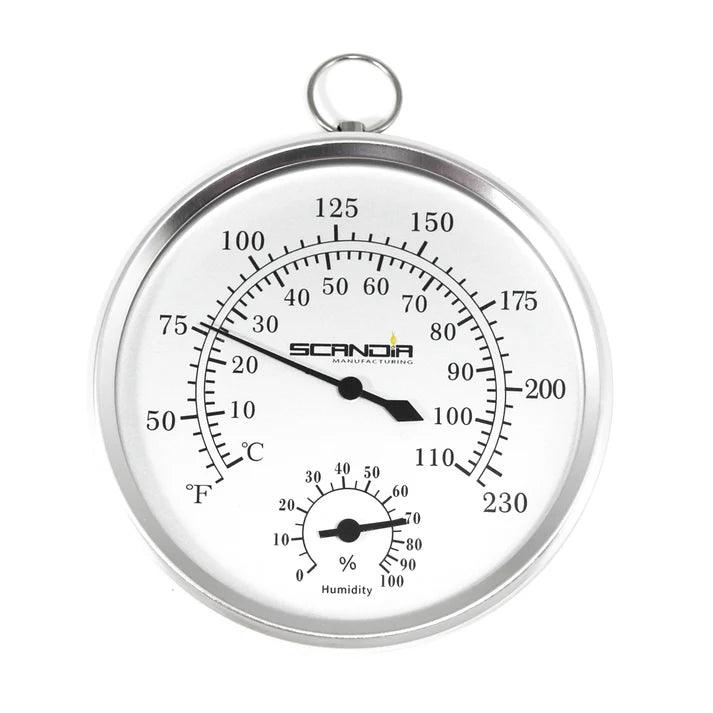
Session flow: Safe, staged shots of entering/exiting sauna and cold plunge; thermometers showing temperatures.th7bodylabs+1
-
Safety: Towels, warm clothes, and a thermometer nearby; timer/phone with intervals visible.mayoclinichealthsystem+1
Metrics to track (simple)
-
Resting heart rate and subjective stress (0–10) before and 30 minutes after session.pmc.ncbi.nlm.nih+1
-
Perceived muscle soreness (0–10) 24 and 48 hours after workouts with and without contrast therapy.pubmed.ncbi.nlm.nih+1
-
Sleep onset time and subjective sleep quality (0–10) on contrast vs non‑contrast days.bbc
Simple logging template (for the writer to fill later)
-
Date / time:
-
Workout (if any) before session: type, duration, intensity.
-
Sauna: type (traditional/infrared), temperature, duration, rounds.
-
Cold: type (plunge/shower), temperature (approx.), duration, rounds.
-
Sequence: e.g., “10 min sauna → 1 min cold shower x2, ended on cold.”
-
Immediate effects (0–10): mood, energy, muscle soreness, dizziness (Y/N).
-
24‑h follow‑up: soreness (0–10), sleep quality (0–10), notes.
J) FAQ Set (15–25)
-
Is it better to sauna and then ice bath?
-
For most healthy people aiming for alertness, metabolic activation, and recovery, heating up in the sauna and then finishing with cold is the pattern most experts recommend.clearlightsaunas+2
-
This sequence raises core temperature and dilates blood vessels before cold constricts them.
-
The alternation may enhance circulation and recovery compared with passive rest.
-
Ending on cold is thought to support catecholamine release and brown fat activation.
-
People with heart disease should not jump straight from sauna to ice without medical advice.brownhealth+1
-
How long should I stay in the sauna before an ice bath?
-
Many cardiology and sauna guidelines suggest limiting individual sauna sessions to about 10–20 minutes before cooling down.academic.oup+1
-
Beginners often start with 5–10 minutes at moderate temperature.
-
Longer durations increase dehydration and blood pressure changes.
-
People with heart or blood pressure issues may need shorter sessions.
-
Always exit sooner if feeling dizzy, nauseated, or unwell.frontiersin+1
-
How cold should my ice bath be after the sauna?
-
Study protocols and expert advice commonly use water around 10–15 °C (50–59 °F), or “uncomfortably cold but safe to stay in.”pubmed.ncbi.nlm.nih+3
-
Colder than this is more stressful and not necessary for most benefits.
-
Beginners can start with cool showers around 60–65 °F.
-
Colder water requires shorter exposure to avoid hypothermia.
-
People with cardiovascular issues should exercise extra caution.heart+1
-
How many contrast cycles are optimal in one session?
-
Research protocols and expert guidance typically use 1–3 hot–cold cycles per session.saunahouse+2
-
Beginners may start with one cycle to assess tolerance.
-
Each cycle often totals 5–10 minutes of combined heat and cold.
-
More cycles increase total stress without proven extra benefit.
-
Cardiac or older individuals should stay at the low end and get clearance.brownhealth+1
-
Can I do sauna and ice bath contrast therapy every day?
-
Healthy, acclimatized individuals may tolerate frequent sessions, but most expert protocols suggest a few times per week, keeping cold to around 11 minutes weekly.getvitalplus+1
-
More frequent use increases cumulative cardiovascular and thermal stress.
-
Regular daily cold immersion could blunt strength gains in heavy lifters.academia+1
-
Signs of overdoing it include fatigue, sleep disruption, or lingering cold.
-
Those with medical conditions should follow their doctor’s advice.frontiersin+1
-
Does sauna and ice bath contrast help with muscle soreness?
-
Contrast water therapy reduces delayed onset muscle soreness and speeds strength recovery compared with passive rest after hard exercise.journals.plos+2
-
Benefits are modest but consistent across small trials.
-
Protocols typically alternate 1–3 minutes hot and cold for 10–20 minutes.
-
It may not outperform massage for DOMS relief.academia
-
Long‑term training adaptations still matter when planning recovery methods.academia+1
-
Will cold plunges after lifting hurt my gains?
-
Repeated cold immersion immediately after strength training can blunt muscle hypertrophy and strength gains in some studies.academia+1
-
This effect coexists with reduced soreness and faster short‑term recovery.
-
Lifters focused on size and strength may reserve cold for rest days or separate from lifting sessions.
-
Endurance‑focused athletes may be less affected.
-
Evidence is stronger for cold‑only immersion than for sauna plus cold, but caution is warranted.pubmed.ncbi.nlm.nih+1
-
Is contrast therapy safe if I have heart disease?
-
Sauna can be safe and even beneficial for many people with stable heart disease when time and temperature are limited, but cold plunges add extra risk.pmc.ncbi.nlm.nih+2
-
Sudden cold immersion can provoke dangerous blood pressure spikes and arrhythmias.pmc.ncbi.nlm.nih+1
-
Most cardiology guidance discourages ice baths in people with heart disease unless supervised.
-
Any chest pain, palpitations, or severe dizziness is a red flag.
-
Medical clearance is essential before attempting contrast therapy.
-
Can sauna and ice bath help with weight loss?
-
Heat and cold can increase energy expenditure and activate brown fat, but evidence that contrast therapy alone produces major, sustained weight loss is limited.hubermanlab+1
-
Sauna sessions may aid cardiometabolic health and support exercise adherence.
-
Cold exposure can modestly raise calorie burn during and shortly after immersion.
-
Diet and physical activity remain primary drivers of weight change.
-
Marketing claims of dramatic fat loss from contrast therapy are not well supported.pmc.ncbi.nlm.nih+1
-
Does contrast therapy improve mood and stress?
-
Many users report feeling calmer, clearer, and more energized after combining sauna and cold, and cold exposure increases norepinephrine linked to alertness and mood.reddit+3
-
Sauna alone is associated with reduced perceived stress and improved well‑being.
-
Acute mood benefits may stem from endorphins, norepinephrine, and a sense of mastery.
-
Formal trials on depression and anxiety outcomes are limited.
-
Mental health treatment should not rely solely on contrast therapy.bbc+1
-
Is it dangerous to go directly from sauna into an ice bath?
-
For healthy people, short direct transitions are common, but for those with heart disease or risk factors, cardiologists advise against sudden ice‑cold immersion after sauna.pmc.ncbi.nlm.nih+2
-
The rapid shift strains the cardiovascular system.
-
Beginners may benefit from a brief cool‑down before very cold immersion.
-
Any dizziness or chest symptoms warrant stopping.
-
Safer alternatives include cooler water or shorter exposures.mayoclinichealthsystem+1
-
Should I end my contrast session on hot or cold?
-
Ending on cold is favored by Huberman and Söberg for metabolic and alertness benefits, while ending warm may feel more relaxing for sleep.clearlightsaunas+2
-
End‑on‑cold protocols rely on post‑immersion shivering and brown fat activation.
-
Cardiovascular patients might prioritize gentler cooling and rewarming.
-
Time of day matters: morning sessions may suit ending on cold better.
-
Evidence is mechanistic rather than from long‑term outcome trials.hubermanlab
-
Can contrast therapy boost my immune system?
-
Sauna use is associated with fewer colds in some observational studies, and cold exposure can shift immune markers, but direct evidence for fewer infections from contrast therapy is limited.pmc.ncbi.nlm.nih+2
-
Immune benefits likely stem from hormetic stress and lifestyle factors.
-
Overdoing cold or heat when ill may worsen symptoms.
-
Standard preventive measures (vaccines, sleep, nutrition) remain essential.
-
People with autoimmune or immune‑compromised states should ask their physician first.frontiersin
-
What is the Söberg Principle in contrast therapy?
-
The Söberg Principle is a framework recommending about 11 minutes of cold and 57 minutes of heat per week, starting hot and ending cold to harness metabolic and cardiovascular benefits.saunahouse+1
-
It emphasizes gradual progression and respecting individual limits.
-
The principle is based on cold‑exposure research plus clinical experience.
-
It has not been tested in large randomized trials as a package.
-
Users should treat it as guidance, not a universal prescription.saunahouse+1
-
What are the main risks of ice baths after sauna?
-
Key risks include cold shock, arrhythmias, blood pressure spikes, hypothermia, and dizziness or fainting.pmc.ncbi.nlm.nih+2
-
Risk is higher in people with heart disease or uncontrolled hypertension.brownhealth+1
-
Very cold water and long durations add to the danger.
-
Alcohol, dehydration, or illness further increase risk.
-
Having supervision, time limits, and a rewarming plan reduces but does not eliminate risk.heart+1
-
Can I just take a cold shower instead of an ice bath after sauna?
-
Yes, cold showers provide a milder form of contrast that can still cool you down and give some circulatory and alertness benefits.th7bodylabs+1
-
Showers are easier to control and may be safer for beginners.
-
They usually involve slightly warmer water and shorter exposures.
-
Ice baths deliver a stronger stimulus but with higher risk.
-
For many users, showers offer a good balance of effect and safety.mayoclinichealthsystem
-
Does contrast therapy help with sleep?
-
Sauna alone has been associated with improved subjective sleep quality, and many users report better sleep after sauna plus a short cold exposure.reddit+2
-
The post‑sauna cooling and relaxation may support sleep onset.
-
Very late or intense cold plunges can be too stimulating for some people.
-
Ending on warm may be preferable if sleep is the primary goal.
-
Evidence is mainly experiential and observational, not from large sleep trials.bbc
-
Is contrast therapy appropriate for older adults?
-
Older adults can benefit from sauna in supervised, stable cardiovascular conditions, but ice baths carry higher risk for arrhythmias and blood pressure swings.heart+2
-
Lower temperatures, shorter sessions, and medical clearance are essential.
-
Balance and fall risk in wet environments must be considered.
-
Seated entry and exit can improve safety around cold tubs.
-
Any new chest symptoms, shortness of breath, or confusion require prompt evaluation.pmc.ncbi.nlm.nih+1
-
Can I do contrast therapy at home safely?
-
At‑home contrast can be done more safely using moderate sauna temps, cool showers instead of extreme ice, and avoiding sessions alone.th7bodylabs+2
-
Thermometers for both sauna and water help keep exposures in safe ranges.
-
Non‑slip mats and handrails reduce fall risk.
-
Limiting total time and listening to early warning signs is crucial.
-
People with medical conditions should get individualized guidance.brownhealth+1
-
Do I need a traditional sauna, or will infrared work for contrast therapy?
-
Both traditional and infrared saunas raise body temperature and heart rate, and infrared has shown benefits even in heart‑failure patients.pmc.ncbi.nlm.nih+1
-
Traditional saunas reach higher air temperatures but may feel harsher.
-
Infrared saunas allow longer tolerance at lower air temps.
-
Most contrast principles (heat then cold) apply to both types.
-
Choice often depends on access, comfort, and medical advice.pmc.ncbi.nlm.nih+1
K) References List (Clean + Reusable)
(Representative set; label type and date; many above are overlapping.)
-
PLoS One systematic review: “Contrast Water Therapy and Exercise Induced Muscle Damage” (Study, 2013).journals.plos
-
PubMed abstract: “The effect of contrast water therapy on symptoms of delayed onset muscle soreness” (Study, 2007).pubmed.ncbi.nlm.nih
-
Frontiers in Physiology: “Influence of contrast compression therapy and water immersion” (Study, 2025).frontiersin
-
Systematic review/meta‑analysis: “Contrast water therapy and exercise induced muscle damage” (Study, 2013).pubmed.ncbi.nlm.nih
-
Recovery modalities meta‑review (PDF/Academia): “Contrast Water Therapy and Exercise Induced Muscle Damage: A Systematic Review and Meta Analysis” (Study, 2015).academia
-
JAMA Internal Medicine: “Association Between Sauna Bathing and Fatal Cardiovascular and All‑Cause Mortality Events” (Study, 2015).jamanetwork
-
European Journal / Frontiers: “Sauna use as a novel management approach for cardiovascular health” (Study/Review, 2025).academic.oup+1
-
Systematic review: “Effects of sauna bath on heart failure” (Study, 2018).pmc.ncbi.nlm.nih
-
Brown University Health: “Is it Safe to Use a Sauna If You Have Heart Disease?” (Hospital guidance, 2023).brownhealth
-
Frontiers in Cardiovascular Medicine: Sauna safety and contraindications (Review, 2025).frontiersin
-
American Heart Association news: “You’re not a polar bear: The plunge into cold water comes with risks” (Agency/news, 2022).heart
-
Experimental physiology article: “Autonomic conflict: a different way to die during cold water immersion” (Study, 2012).pmc.ncbi.nlm.nih
-
Mayo Clinic Health System: “Cold-water plunging health benefits” (Hospital guidance, 2024).mayoclinichealthsystem
-
BBC Future: “Are saunas and cold plunges good for your health?” (News/summary, 2025).bbc
-
Huberman/Söberg protocol summaries: VITAL+ “Dr Andrew Huberman’s Protocol for Cold Therapy” (Other, 2023).getvitalplus
-
Sauna House: “End on Cold: The Söberg Principle” (Other, 2023).saunahouse
-
Clearlight Saunas: “Sauna Before Or After The Ice Bath? With Dr Susanna Søberg” (Other, 2025).clearlightsaunas
-
Consumer/brand guides and studio safety pages (Other; e.g., TH7 Body Labs, Primal Ice).primalice+1
-
Reddit experiential reports in r/Sauna and r/coldplunge (Other; 2024–2025).reddit+4
Older, foundational sources are flagged above (e.g., DOMS RCT 2007, autonomic conflict 2012); more recent reviews (2018–2025) and hospital guidance (2023–2024) should be prioritized for clinical claims.
L) Secondary Keywords + Entity List (Mapped to Outline)
Secondary keyword candidates (15–30)
-
sauna cold plunge routineth7bodylabs
-
ice bath after sauna protocolth7bodylabs
-
benefits of hot cold therapypubmed.ncbi.nlm.nih
-
contrast bath therapy for recoverypubmed.ncbi.nlm.nih
-
sauna then cold plunge benefitsth7bodylabs
-
how to do contrast therapy at homemayoclinichealthsystem
-
vascular shunting contrast therapynottinghamphysio+1
-
Andrew Huberman cold plunge protocolgetvitalplus
-
Susanna Söberg contrast therapyclearlightsaunas+1
-
cold plunge vs sauna benefitsbbc
-
is it better to end with hot or coldsaunahouse
-
contrast therapy for inflammationpubmed.ncbi.nlm.nih
-
contrast therapy for weight losshubermanlab+1
-
cold shock proteins benefitshubermanlab+1
-
how long in sauna before ice bathth7bodylabs+1
-
contrast therapy safetyfrontiersin+1
-
cold plunge for mental healthbbc+1
-
heat shock proteins saunapmc.ncbi.nlm.nih
-
DOMS contrast therapypubmed.ncbi.nlm.nih
-
Nordic cycle sauna cold plungebbc
-
sauna for heart healthjamanetwork+1
-
cold exposure brown fat activationhubermanlab
-
at home cold plunge setupmayoclinichealthsystem
-
contrast therapy protocol for athletesnottinghamphysio+1
-
sauna and ice bath risksheart+1
LSI/semantic terms & entities (30–60)
-
contrast hydrotherapypubmed.ncbi.nlm.nih
-
contrast water immersionfrontiersin+1
-
vasodilationacademic.oup
-
vasoconstrictionpmc.ncbi.nlm.nih
-
vascular shuntingnottinghamphysio+1
-
endothelial functionacademic.oup+1
-
arterial stiffnesspmc.ncbi.nlm.nih
-
heart rate variability (HRV)pmc.ncbi.nlm.nih+1
-
sympathetic nervous systempmc.ncbi.nlm.nih+1
-
parasympathetic activationacademic.oup+1
-
cold shock responseheart+1
-
brown adipose tissue (BAT)saunahouse+1
-
non‑shivering thermogenesishubermanlab
-
norepinephrine releasehubermanlab
-
endorphinsbbc
-
cortisolpmc.ncbi.nlm.nih
-
heat shock proteinspmc.ncbi.nlm.nih
-
exercise‑induced muscle damagepubmed.ncbi.nlm.nih
-
delayed onset muscle soreness (DOMS)pubmed.ncbi.nlm.nih+1
-
lactate clearancenottinghamphysio
-
microcirculationfrontiersin+1
-
coronary artery diseasejamanetwork+1
-
heart failurepmc.ncbi.nlm.nih
-
sudden cardiac deathjamanetwork+1
-
hypothermiamayoclinichealthsystem+1
-
arrhythmiapmc.ncbi.nlm.nih+1
-
cold water immersion (CWI)academia+1
-
infrared saunapmc.ncbi.nlm.nih
-
traditional Finnish saunajamanetwork+1
-
Nordic bathing culturebbc
-
Wim Hof methodhubermanlab
-
Joe Rogan sauna routinereddit
-
Andrew Huberman Lab podcasthubermanlab
-
Susanna Søberg Söberg Principleclearlightsaunas+1
-
passive recoverypubmed.ncbi.nlm.nih
-
active recoveryacademia
-
compression garmentsacademia
-
sports massageacademia
-
risk stratificationfrontiersin
-
cardiology clearancebrownhealth
-
supervised hydrotherapyfrontiersin
-
thermoregulationheart
-
autonomic conflictpmc.ncbi.nlm.nih
-
breathworkhubermanlab
Outline mapping: entities/terms per H2
-
What is Contrast Therapy and Why Does Order Matter?
-
contrast hydrotherapy, contrast water therapy, Nordic cycle, vasodilation, vasoconstriction, vascular shunting, cold shock response, traditional vs infrared sauna, cold water immersion, passive vs active recovery.frontiersin+3
-
-
The 7 Science‑Backed Benefits of Sauna and Ice Bath Contrast
-
DOMS, exercise‑induced muscle damage, lactate clearance, microcirculation, endothelial function, arterial stiffness, HRV, endorphins, norepinephrine, brown adipose tissue, heat shock proteins, cortisol.nottinghamphysio+3
-
-
Deep Dive: The Physiological Mechanism of Vascular Shunting
-
vasodilation, vasoconstriction, vascular shunting, sympathetic and parasympathetic nervous systems, microcirculation, thermoregulation, non‑shivering thermogenesis, autonomic conflict.academic.oup+3
-
-
Contrast Therapy Protocols: Finding Your Optimal Cycle
-
cold water immersion (CWI), time–temperature dosing, Söberg Principle, Huberman protocol, passive vs active recovery, strength vs hypertrophy adaptations, weekly exposure caps, at‑home protocol, athlete protocols.getvitalplus+3
-
-
Safety and Precautions: Who Should and Shouldn't Try Contrast Therapy?
-
coronary artery disease, heart failure, sudden cardiac death, arrhythmia, hypothermia, risk stratification, supervised hydrotherapy, cardiology clearance, vulnerable populations, American Heart Association guidance.pmc.ncbi.nlm.nih+4
-
-
Expert Insights: Comparing the Protocols of Huberman, Rogan, and Søberg
-
Andrew Huberman Lab, Susanna Søberg, Söberg Principle, Joe Rogan sauna routine, Wim Hof method, brown fat activation, cold shock proteins, weekly cold minutes.reddit+4
-
-
Beyond the Basics: Advanced Tips for Maximizing Your Contrast Session
-
breathwork, HRV tracking, hydration strategies, rewarming protocols, timing (morning vs evening), stacking with exercise, non‑shivering thermogenesis, recovery day planning.pmc.ncbi.nlm.nih+3
-
-
Frequently Asked Questions (FAQs)
-
hot vs cold order, DOMS recovery, heart health safety, metabolic benefits, mental health and stress, sleep, at‑home safety, open‑water plunges, contrast therapy for weight loss and inflammation.bbc+4
-
- https://th7bodylabs.com.au/sauna-before-or-after-ice-bath-which-should-i-do-first/
- https://pubmed.ncbi.nlm.nih.gov/23626806/
- https://pubmed.ncbi.nlm.nih.gov/17685683/
- https://www.brownhealth.org/be-well/saunas-and-your-heart-it-safe-use-sauna-if-you-have-heart-disease
- https://www.frontiersin.org/journals/cardiovascular-medicine/articles/10.3389/fcvm.2025.1537194/full
- https://www.heart.org/en/news/2022/12/09/youre-not-a-polar-bear-the-plunge-into-cold-water-comes-with-risks
- https://pmc.ncbi.nlm.nih.gov/articles/PMC6489706/
- https://pmc.ncbi.nlm.nih.gov/articles/PMC11933885/
- https://www.academia.edu/14104997/Contrast_Water_Therapy_and_Exercise_Induced_Muscle_Damage_A_Systematic_Review_and_Meta_Analysis
- https://getvitalplus.com/blogs/vitalice-blog/huberman-ice-bath-protocol
- https://www.saunahouse.com/blogs/wellness-guide/end-on-cold-the-soeberg-principle
- https://www.frontiersin.org/journals/physiology/articles/10.3389/fphys.2025.1494762/full
- https://nottinghamphysio.com/contrast-therapy-recovery-hot-cold-immersion/
- https://www.bbc.com/future/article/20250520-are-saunas-and-cold-plunges-good-for-your-health
- https://clearlightsaunas.com.au/blogs/wellness-journal/sauna-before-or-after-the-ice-bath
- https://journals.plos.org/plosone/article?id=10.1371%2Fjournal.pone.0062356
- https://academic.oup.com/eurjpc/article/32/Supplement_1/zwaf236.070/8136777
- https://jamanetwork.com/journals/jamainternalmedicine/fullarticle/2130724
- https://instituteofmotion.com/wp-content/uploads/2021/01/THE_EFFECT_OF_CONTRAST_WATER_THERAPY.pdf
- https://www.hubermanlab.com/episode/dr-susanna-soberg-how-to-use-cold-and-heat-exposure-to-improve-your-health
- https://www.reddit.com/r/Sauna/comments/1nw3rpn/just_tried_a_contrast_session_sauna_cold_plunge/
- https://www.reddit.com/r/Sauna/comments/1mnd5nv/cold_plunge_hot_sauna_a_match_made_in_heaven/
- https://pmc.ncbi.nlm.nih.gov/articles/PMC3459038/
- https://www.mayoclinichealthsystem.org/hometown-health/speaking-of-health/cold-plunge-after-workouts
- https://primalice.com.au/blogs/ice-bath-guides/sauna-to-ice-bath-danger
- https://www.reddit.com/r/Sauna/comments/1f9zwnw/cold_plunge_directly_after_sauna/
- https://www.reddit.com/r/coldplunge/comments/1lqmf2c/tried_combining_steam_sauna_cold_plunge_anyone/
- https://www.reddit.com/r/coldplunge/comments/1jactqt/contrast_therapy/
- https://fjordcoldplunge.com/blogs/news/the-ultimate-guide-to-contrast-therapy-in-2025-science-protocols-and-u-s-wellness-solutions
- https://clinicaltrials.gov/study/NCT06804564?intr=cold+water+immersion&aggFilters=status%3Anot+rec+act&rank=7