

















Float Tanks for Sale: The Ultimate Guide to Purchasing Your Own Home Float Tank
Why You Need a Float Tank in Your Wellness Routine
Are you searching for ways to enhance your mental and physical well-being? Floatation therapy, or sensory deprivation, has gained significant popularity among wellness enthusiasts. It offers deep relaxation, reduces stress, and promotes healing. In this guide, we will dive into everything you need to know before purchasing a float tank for your home—its benefits, costs, and how to choose the right one.
Benefits of Floatation Therapy: Why Invest in a Float Tank?

Floatation therapy is more than just a trend—it’s a scientifically-backed method for enhancing relaxation and improving mental health. Here are some key benefits:
-
Stress Reduction: The sensation of weightlessness in a float tank helps reduce stress hormones and promotes a relaxed state.
-
Pain Relief: Floatation therapy can help alleviate muscle pain, joint pain, and even chronic conditions like fibromyalgia.
-
Improved Sleep: Studies show that floatation can improve sleep quality by reducing stress and enhancing overall relaxation.
-
Enhanced Creativity & Focus: Many users report feeling mentally sharper and more focused after a session.
Key Considerations When Purchasing a Float Tank
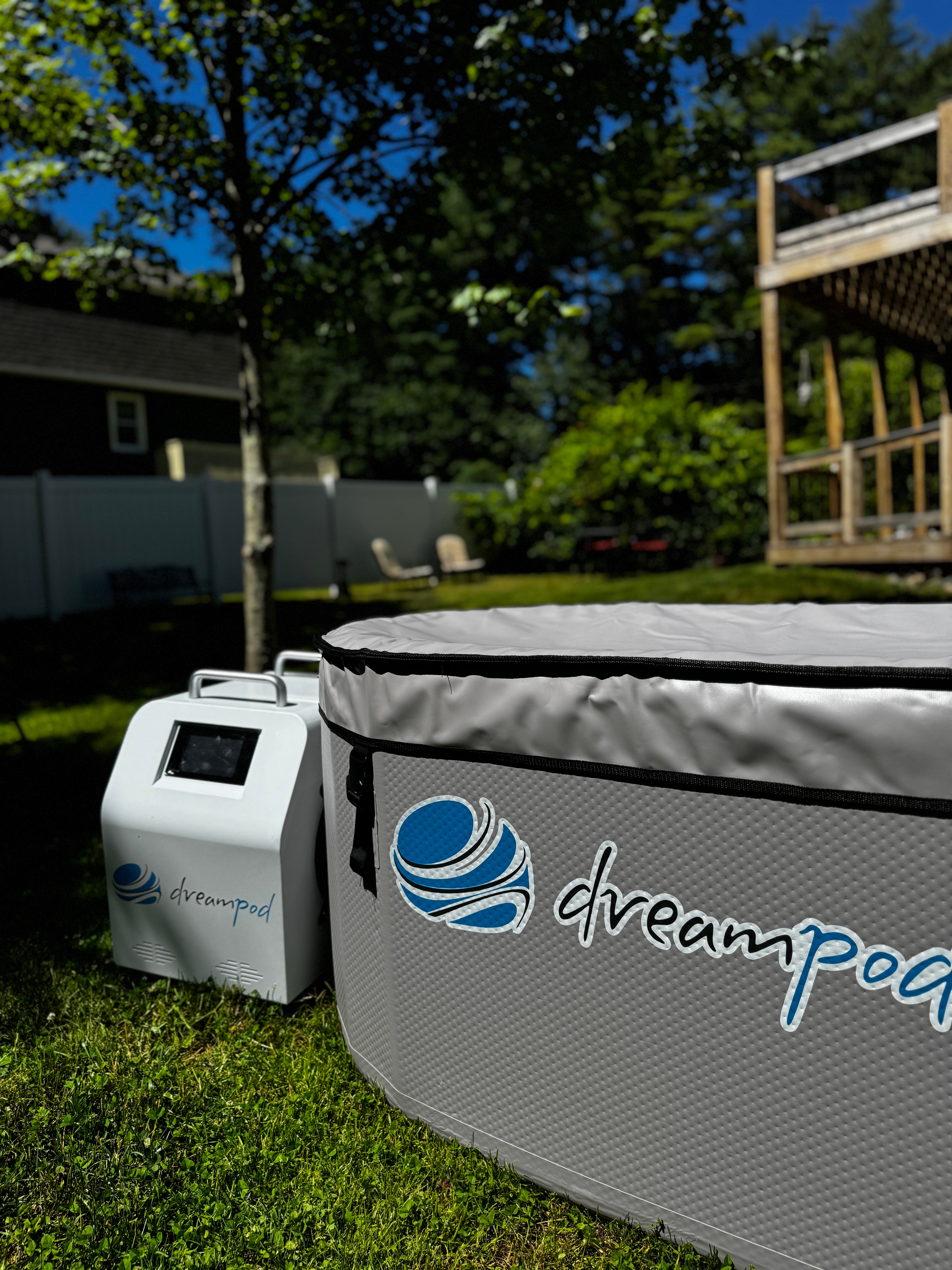
When considering a float tank for sale, it’s important to take into account several factors to ensure you make an informed purchase:
-
Size and Capacity: Float tanks come in various sizes. Be sure to select a tank that fits comfortably in your space and suits your needs.
-
Material and Build Quality: Look for high-quality materials that will last long-term and ensure a safe experience.
-
Temperature Control: A good float tank should allow you to adjust the water temperature to match your comfort level.
-
Maintenance: Regular cleaning and maintaining the water are essential. Choose a tank with an efficient filtration system to reduce the hassle.
How to Choose the Right Float Tank for Your Home
With so many options available, how do you know which float tank is right for you? Here are a few tips:
-
Determine Your Space Requirements: Ensure that your float tank fits in your designated space and doesn’t interfere with daily activities.
-
Consider Your Budget: Float tank prices can vary widely depending on the features and quality. Set a realistic budget.
-
Look for Warranty and Customer Support: Choose a supplier that offers a good warranty and reliable customer support to assist with any issues.
Float Tank Pricing: What to Expect
Float tank cost can range from a few thousand dollars to over $10,000, depending on the model and features. Here are some key factors that influence the price:
-
Size: Larger tanks with more space can cost more.
-
Technology: Advanced features like automated water cleaning systems, built-in speakers, and LED lights can increase the price.
-
Build Quality: Premium materials such as fiberglass or high-quality acrylic will typically raise the price.
Expect to spend between $3,000 and $8,000 for a mid-range model, though high-end models with additional features can go higher.
Where to Buy Float Tanks: Reliable Sellers
When you're ready to buy a float tank, be sure to choose a trusted seller. You want to ensure you’re getting a quality product backed by good customer service. Explore options at InHouse Wellness, where you can browse a range of top-rated float tanks designed for home use.
Take the Next Step Towards Home Wellness
Investing in a float tank for your home is a game-changer for your well-being. With its numerous health benefits and the convenience of private, at-home floatation therapy, you’ll be able to take control of your stress, pain, and sleep. Explore float tanks for sale today and discover the best options to enhance your wellness routine.
View More ArticlesTransform Your Wellness Routine: Expert Tips to Buy Sauna and Boost Your Healthy Lifestyle
Discover the Best Cal Flame Outdoor Kitchen for Your Backyard
Related Posts

Evidence-Informed Templates for Home Thermal Instructions After PT Sessions

Explaining Sensory Modulation & Pain Elimination: How Heat and Cold Influence Pain Signaling

When Thermal Modalities Interfere With Training Adaptation: A Practitioner's Guide for Rehab and Strength Staff

The Science of Temperature Therapy Routines: A Comprehensive Guide to Heat, Cold, and Contrast Protocols

Timing Heat vs. Cold: The Practical Map for Mechanical, Metabolic, and Central Fatigue

The Complete Guide to Functional Health Coaching: What It Is, What They Do, and How to Find the Right One

The Recovery Ladder: A Research-Based Priority Order for Sleep, Nutrition, Movement, Heat, Cold, and Gadgets
