
















Cold Plunge for Mental Clarity: Benefits, Science, and Safe Practice
Cold plunges may support short-term mental clarity by triggering the cold shock response, raising norepinephrine, and producing acute arousal — effects that can make some people feel more alert and focused. Evidence is strongest for these immediate outcomes, not for long-term cognitive enhancement.
TL;DR:
-
Cold-water immersion (CWI) can increase norepinephrine, a neurotransmitter linked to arousal and alertness. (PubMed, 2008)
-
"Mental clarity" in research means perceived alertness, focus, and less mental fog — not a measurable clinical endpoint.
-
Mood effects are possible but mixed; at least one controlled study found no positive affect change under its conditions. (PMC, 2023)
-
Threshold range: Research commonly uses water at or below 15°C / 59°F, often starting at 30 seconds or more. (PMC, 2025)
-
Cold plunges are not proven treatments for anxiety, depression, ADHD, or brain fog — and are not appropriate for everyone without medical guidance.
-
Stop immediately for chest pain, confusion, loss of coordination, severe shivering, or inability to control your breathing.
Table of Contents
-
The Rise of Cold Plunging: More Than Just a Trend
-
Understanding the Science: How Cold Water Boosts Your Brain
-
Key Mental Clarity Benefits of Cold Plunging
-
Cold Plunging and Stress Resilience: The Cold-Adaptation Cycle
-
Beyond Clarity: Additional Mental Health Advantages
-
Is Cold Plunging Right for You? A Decision Tree
-
Safe Practice: Your Essential Cold Plunge Protocol
-
Debunking Myths: What Cold Plunging Is (and Isn't)
-
Integrating Cold Plunging into Your Wellness Routine
-
Experience Layer: A 7-Day Self-Tracking Plan
-
FAQ
-
What We Still Don't Know
-
Sources
The Rise of Cold Plunging: More Than Just a Trend
Cold water immersion has moved well past its athletic recovery roots. Today it sits at the center of a larger conversation about mental performance, stress management, and daily wellness rituals — and for good reason.
People are searching for tools that are cheap, fast, and repeatable. A cold plunge checks all three boxes. But the wellness world has also layered a lot of overclaiming onto a practice that deserves a more honest read.
This guide focuses on what the evidence can and cannot say about cold plunge benefits for mental clarity — and gives you a framework for deciding whether this practice belongs in your routine.
One framing note worth setting early: throughout this article, "mental clarity" means perceived alertness, reduced mental fog, and improved attention. It is not a standardized clinical endpoint in most cold-water research. Keeping that distinction honest changes how confidently you can interpret what you read.
Understanding the Science: How Cold Water Boosts Your Brain
The Cold Shock Response
The first thing cold water does is startle your nervous system. Sudden immersion triggers what researchers call the cold shock response: gasping, hyperventilation, a rapid spike in heart rate, and a sharp rise in blood pressure. (Mayo Clinic Press, 2024; National Weather Service, 2025)
This response is partly why cold plunging can feel mentally activating — the sympathetic nervous system fires hard and fast. But it is also the primary immediate safety risk, especially in open water or for people with cardiovascular sensitivities.
Understanding the cold shock response matters because the "clarity jolt" many people describe is partly a product of this acute stress activation. It is real and measurable. Whether it translates to better cognitive performance is a different, more complicated question.
Norepinephrine, Dopamine, and Alertness
The most consistent neurochemical finding in cold-water research involves norepinephrine, a stress-related neurotransmitter linked to arousal, alertness, and attention. Norepinephrine rises with cold exposure, and this association is well-supported across multiple studies. (PubMed, foundational study)
Dopamine is frequently mentioned in cold-plunge wellness content and some studies do report acute increases in certain conditions. But the evidence here is older, smaller, and often cited indirectly. Avoid reading claims like "dopamine reset" as science — they are not. The correct framing is "cold exposure may affect dopamine acutely in some contexts." (PMC, 2023)
What does this neurochemical activity mean practically? Rising norepinephrine can make you feel more awake, attentive, and focused. That is not the same as proven long-term cognitive enhancement — but it is a plausible mechanism behind the alertness many people report.
Why "Clarity" May Feel Immediate
A 2023 study of 33 healthy adults found increased alertness and attentiveness after head-out cold-water immersion, along with changes in brain connectivity patterns. (PMC, 2023) The sample is small and the findings should not be overstated, but they are consistent with the catecholamine story: cold exposure activates arousal systems, and people can feel that effect quickly.
The honest summary: the jolt is real, but whether it represents durable brain improvement is not yet established.
Key Mental Clarity Benefits of Cold Plunging
Short-Term Alertness and Focus
The most reliably reported outcome is a short-term surge in perceived alertness — the feeling of being sharp, awake, and ready to engage. A 2025 systematic review found randomized-trial evidence across stress, mood, concentration, alertness, and wellbeing outcomes, though the overall evidence base remains limited. (PMC, 2025)
The practical takeaway: cold plunging may support short-term alertness for some people. Say "may" and treat the effect as personal and acute, not guaranteed or permanent.
Mood and Energy Lift
Some people experience better mood or a noticeable energy lift after cold exposure. Reviews and some studies report improved mood or positive affect after cold-water immersion. (PMC, 2025)
However, at least one controlled study found no positive affect change under its specific conditions. (PMC, 2023) Mood effects are real for some people and non-existent for others — protocol, expectation, context, and individual response all appear to matter.
Explore the broader landscape of cold plunge benefits to understand how mental effects fit alongside physical recovery outcomes.
Reduced Mental Fog: What We Can Safely Say
"Brain fog reduction" is the benefit that feels most intuitive after a cold plunge — the mental clutter just seems to clear. This is best understood as a subjective report tied to increased arousal and attentional state, not as a medically validated outcome. (PMC, 2025; PMC, 2023)
Frame it as a possible perceived effect. Do not frame it as treatment for any condition.
Cold Plunging and Stress Resilience: The Cold-Adaptation Cycle
The Framework
One of the more defensible stories cold plunging tells is about stress tolerance practice — not psychiatric treatment, but the repeated, deliberate experience of managing a controlled stressor. Here is how the cycle works:
-
Cold exposure creates a controlled stressor. Your sympathetic nervous system activates.
-
Your body responds. Norepinephrine, heart rate, and blood pressure rise.
-
You practice staying calm. Breathing slowly and choosing not to panic is the mental skill being trained.
-
Repetition may support habituation. Over time, the stress response may become less intense for some people.
-
The practical benefit is a learned capacity for tolerating discomfort — not a guarantee of better mental health.
Think of it like a dimmer switch, not an on/off button. The goal is a controlled stimulus you can practice with, not maximum discomfort for its own sake.
Cortisol and Stress Hormones
A long-term cold exposure study involving 20 female participants over 12 weeks found repeated norepinephrine increases and lower later cortisol and ACTH responses compared to week one — a pattern consistent with habituation. (PubMed, 2008)
This is the most rigorous stress-adaptation finding available. But it involved a specific protocol with healthy adults, and findings are not uniform across studies. Cortisol changes depend heavily on timing, duration, individual acclimation, and protocol. (PubMed, 2021)
Do not claim cold plunging universally lowers cortisol. The accurate framing: repeated exposure may reduce the physiologic stress response over time for some people, under certain conditions.
Beyond Clarity: Additional Mental Health Advantages
Mood, Wellbeing, and Confidence
The 2025 systematic review included mood, wellbeing, concentration, and alertness among its outcomes — a meaningful breadth. (PMC, 2025) The specific advantage many regular practitioners describe is confidence: completing a deliberately uncomfortable practice, consistently, builds a quiet form of self-efficacy.
Keep these claims in wellness language. Cold plunging may support subjective wellbeing for some users. That is different from treating a mental health condition.
Sleep and Recovery
Some studies include sleep quality and quality-of-life outcomes among the effects studied. (PMC, 2025) Whether cold plunging reliably improves sleep is not yet clear — timing likely matters, as some people feel stimulated rather than relaxed if they plunge in the evening.
Sleep hygiene remains foundational. Cold plunging is a possible complement, not a substitute.
Is Cold Plunging Right for You? A Decision Tree
Not everyone should start cold plunging. Here is a straightforward way to assess your situation.
Good Candidates
-
Generally healthy adults who can tolerate brief, controlled cold exposure
-
People seeking a short, deliberate alertness or stress-practice ritual
-
People willing to start conservatively, track their response, and stop if anything feels wrong
If you are in this category and want a practical starting point, the beginner's guide to cold plunge tubs covers setup, equipment, and realistic expectations.
Use Caution or Ask a Clinician First
The following conditions warrant a conversation with your doctor before trying cold plunging: (Riverside Healthcare; Mayo Clinic Health System, 2024)
-
Heart disease or a history of arrhythmia
-
Uncontrolled hypertension
-
Fainting or syncope history
-
Circulation problems or peripheral neuropathy
-
Diabetes
-
Cold-related disorders (Raynaud's, cold urticaria)
-
Pregnancy
Anyone using cold plunges to manage anxiety, depression, panic, ADHD, or other clinical conditions should treat it as a possible wellness complement — not a substitute for care.
Avoid or Stop Immediately
Exit the water immediately and seek help for: (National Weather Service, 2025; Sea Grant, UMN)
-
Chest pain or tightness
-
Confusion or disorientation
-
Fainting or feeling close to it
-
Loss of coordination
-
Severe shivering
-
Shortness of breath or inability to breathe normally
Avoid solo open-water plunges as a beginner. Open water creates cold shock, rescue, visibility, and temperature-control risks that a controlled tub does not. (CDC/NIOSH)
Safe Practice: Your Essential Cold Plunge Protocol
Start in a Controlled Environment
Controlled tubs and cold showers are safer than open water because you can manage temperature, time your exit, and stop if needed. Know where the exit is before you get in. (Mayo Clinic Health System, 2024; CDC/NIOSH)
Temperature and Duration
Research protocols commonly use water at or below 15°C / 59°F, with many studies starting at a minimum of 30 seconds. (PMC, 2025) Practical guidance from wellness sources often suggests starting in the 50–60°F range. (Vital Ice SF, 2026)
Definitions are not standardized — "cold plunge," "ice bath," and "cold-water immersion" are used loosely across sources. What matters more than hitting a specific number is choosing a controlled, repeatable dose you can monitor and adjust.
|
Experience level |
Suggested temp range |
Starting duration |
Key priority |
|
Beginner |
~55–60°F (13–15°C) |
30–60 seconds |
Breathing control and safe exit |
|
Intermediate |
~50–57°F (10–14°C) |
1–3 minutes |
Consistent routine, not intensity |
|
Experienced |
Personal tolerance |
Up to several minutes |
Avoid complacency; watch for overexposure |
More time is not automatically better. Overexposure raises hypothermia and cold-injury risk without clear additional benefit. (National Weather Service, 2025)
For a comparison of methods before committing to a setup, see cold showers vs ice baths.
Breathing, Supervision, and Recovery
-
Breathe slowly and deliberately as soon as you enter. The gasping reflex is strong — working against it calmly is part of the practice.
-
Do not plunge alone if you are a beginner.
-
After exiting, warm up gradually. A warm towel or robe, light movement, and a warm environment are safer than jumping into a hot shower immediately.
-
Hypothermia can develop faster in cold water than cold air; core temperature drops can become meaningful even in moderately cold conditions. (Sea Grant, UMN)
Debunking Myths: What Cold Plunging Is (and Isn't)
Myth 1: Cold plunges "reset" dopamine. Some studies suggest acute dopamine changes, but "reset" is not a scientific term and has not been established as a lasting effect. (PMC, 2023) The experience feels dramatic; people infer a neurochemical shift larger than the evidence supports.
Myth 2: More cold = more mental benefit. Overexposure increases risk — hypothermia, frostbite, cardiovascular strain — without proven proportional gain. Wellness culture rewards intensity, but dose-response caution is more appropriate here. (National Weather Service, 2025; Mayo Clinic Health System, 2024)
Myth 3: Cold plunges cure anxiety. Evidence is too limited to call CWI a treatment for anxiety disorders. (PMC, 2022) Feeling calmer after a plunge is a common report — but that is a subjective response, not a clinical cure.
Myth 4: Cold plunges are safe for everyone if done briefly. Cardiovascular, blood pressure, and cold-sensitivity risks make individual screening important. Short influencer clips routinely omit contraindications. (Riverside Healthcare; Mayo Clinic Health System, 2024)
Myth 5: The post-plunge mental boost proves lasting brain improvement. Acute alertness is not the same as durable cognitive enhancement. The energized feeling fades; whether anything longer-term changes remains unestablished. (PMC, 2023)
Myth 6: Cold showers and cold plunges are the same. Whole-body immersion is typically more physiologically intense than a cold shower. Both involve cold exposure, but the stimulus, cold shock risk, and magnitude of catecholamine response differ. (Vital Ice SF, 2026)
Myth 7: Cold plunging is only useful post-workout. Recovery is one valid use case. The mental-arousal angle — using CWI as a morning focus ritual, for example — is a distinct application. (PMC, 2025)
Myth 8: Shivering means the session is working. Shivering signals meaningful heat stress, not a benefit marker. It can indicate the body is approaching meaningful thermal strain. (CDC/NIOSH)
Myth 9: Cold plunges replace sleep, therapy, or exercise. No good evidence supports this. Cold plunging is a wellness complement, not a shortcut around foundational health habits. (PMC, 2022)
Myth 10: All research agrees cold plunges reduce cortisol. Cortisol findings vary by protocol, duration, timing, and acclimation state. Single-study headlines overgeneralize what is actually a nuanced and context-dependent picture. (PubMed, 2008; PubMed, 2021)
Integrating Cold Plunging into Your Wellness Routine
Pair with Foundational Habits
Cold plunging works best as a layer on top of solid fundamentals — sleep, movement, nutrition, stress management, and clinician-directed care where applicable. It is not a productivity hack or a substitute for those foundations. (PMC, 2022; Mayo Clinic Health System, 2024)
Think of it as a deliberate practice that adds a controlled stressor to your routine — not as a single fix.
Consistency Over Intensity
The habituation research suggests that repeated exposure over time drives adaptation — not extreme sessions. (PubMed, 2008) A sustainable, moderate routine beats a single intense effort you do not repeat.
Whether you are ready to invest in equipment, explore the cold plunge collection to find a controlled, repeatable setup for home use.
Experience Layer: A 7-Day Self-Tracking Plan
Safe Author Test Plan
This is a personal self-tracking experiment — not a medical efficacy test. The goal is honest self-observation.
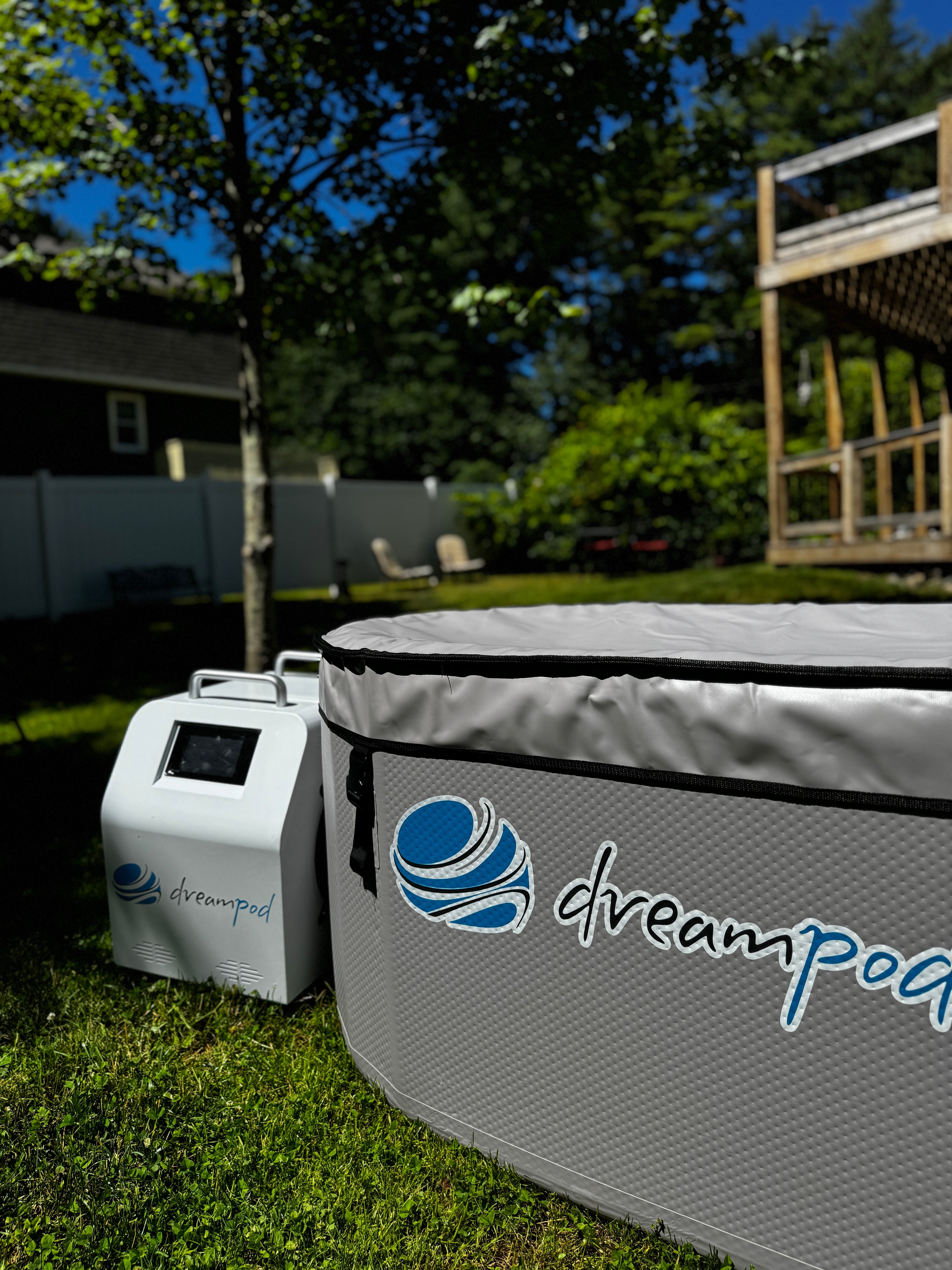
Setup: Choose a controlled method — a cold shower finish or an at-home tub — at a consistent time of day. Start at the warmer end of the cold range (~55–60°F) for 30–60 seconds.
What you might notice (non-guaranteed):
-
A sharp intake of breath and a racing heart when you first enter
-
A controlled sense of alertness within a few minutes of exiting
-
A possible mood lift that may last 30 minutes to a few hours
-
Improved sleep that night — or, for some people, difficulty settling down
Tracking Template:
|
Day |
Method |
Temp (°F) |
Duration |
Pre-alertness (1–10) |
Post-alertness (1–10) |
Mood (1–10) |
Breathing control |
Any adverse effects |
Notes |
|
1 |
|||||||||
|
2 |
|||||||||
|
3 |
|||||||||
|
4 |
|||||||||
|
5 |
|||||||||
|
6 |
|||||||||
|
7 |
Rate alertness and mood before the plunge and 15 minutes after. Note breathing control (easy / manageable / difficult) and any adverse effects honestly. After 7 days, look for patterns — not proof.
FAQ
1. Do cold plunges help with mental clarity? Many people report feeling more alert and focused after cold-water immersion, but evidence is strongest for short-term arousal rather than proven long-term cognitive enhancement. (PMC, 2025)
-
Alertness and attentiveness are the most consistently reported effects.
-
The mechanism likely involves norepinephrine and sympathetic activation.
-
Results vary by person and protocol.
-
Large long-term trials are still lacking.
-
"Mental clarity" as a formal clinical endpoint has not been widely measured.
-
Individual factors including expectation, health status, and water temperature all influence outcomes.
2. How long should a cold plunge be for mental benefits? Research protocols vary; many studies use brief exposures starting at 30 seconds and often under several minutes. Starting conservatively is the most practical guidance. (PMC, 2025; Vital Ice SF, 2026)
-
Begin with the shortest tolerable exposure.
-
Build gradually if you tolerate it well.
-
Stop if breathing becomes uncontrolled.
-
More time is not automatically better.
-
There is no established optimal duration for mental clarity specifically.
3. What temperature is considered a cold plunge? Research commonly uses water at or below 15°C (59°F), but practical definitions vary by source. (PMC, 2025; Vital Ice SF, 2026)
-
Mayo-style guidance may use 50–60°F thresholds.
-
Studies are not fully standardized in their definitions.
-
Colder water increases both risk and discomfort.
-
A controlled, repeatable dose matters more than hitting a specific number.
4. Does cold plunging increase dopamine? Some studies and reviews report acute dopamine increases during cold exposure, but evidence is older, small, and not definitive. (PMC, 2023)
-
Norepinephrine evidence is stronger and more consistent than dopamine evidence.
-
Dopamine is often discussed alongside mood and motivation.
-
Claims should stay context-specific and modest.
-
"Dopamine boost" or "dopamine reset" is an oversimplification.
5. Does cold plunging reduce cortisol? It may under certain repeated-exposure conditions, but cortisol findings are mixed and depend heavily on timing, duration, and acclimation. (PubMed, 2008; PubMed, 2021)
-
Acute sessions can initially raise stress hormones.
-
Repeated exposure may lead to habituation of the stress response over time.
-
Not all studies show the same pattern.
-
Cold plunging is not a validated cortisol therapy.
6. Is cold plunging good for anxiety? It may help some people feel calmer or more resilient, but it is not established as a treatment for anxiety disorders. (PMC, 2022)
-
Some users report a calmer post-session state.
-
Evidence remains preliminary.
-
It should not replace therapy or medication.
-
People with panic sensitivity may find the cold shock response worsening.
7. Can cold plunges improve mood? They can for some people, but the effect is not universal. At least one controlled study found no positive-affect change under its conditions. (PMC, 2023)
-
Mood lift may be short-lived.
-
Individual response varies considerably.
-
Protocol, expectation, and context all influence the experience.
-
Multiple cold sessions may be needed to observe any pattern.
8. What is the cold shock response? It is the body's immediate reaction to sudden cold immersion — gasping, hyperventilation, and spikes in heart rate and blood pressure. (Mayo Clinic Press, 2024)
-
It happens within seconds.
-
It is a major immediate safety concern.
-
Controlled breathing is the key skill for managing it.
-
Open-water plunges make it significantly more dangerous.
9. Who should not do cold plunges? People with unstable heart disease, uncontrolled blood pressure, significant circulation problems, neuropathy, fainting history, or other cold-sensitive conditions should get medical guidance first. (Riverside Healthcare)
-
Individual health history changes risk considerably.
-
Open-water plunges carry additional hazards.
-
Don't plunge alone as a beginner.
-
Stop immediately for chest pain, dizziness, confusion, or loss of coordination.
10. Are cold showers as good as cold plunges? Cold showers offer a gentler entry point, but whole-body immersion is typically a stronger physiological stimulus. (Vital Ice SF, 2026)
-
Showers are easier to control and exit.
-
Plunges can produce a bigger acute arousal response.
-
Showers are often better for beginners building tolerance.
-
Both still require some caution.
11. Can cold plunging help with focus? It may improve subjective focus right after exposure due to increased arousal, but strong evidence for long-term focus improvement is limited. (PMC, 2023)
-
Short-term alertness is the primary signal.
-
Task-performance and cognition studies are limited in size and duration.
-
The effect appears to fade relatively quickly.
-
Lifestyle factors — sleep, nutrition, movement — still have a stronger evidence base for sustained focus.
12. How often should you cold plunge? There is no universally established best frequency. Repeated exposure appears to drive habituation in some studies, but an optimal schedule for mental clarity specifically has not been defined. (PubMed, 2025; Vital Ice SF, 2026)
-
Consistency matters more than extremity.
-
Start infrequently and assess tolerance before increasing.
-
Overdoing it increases risk without proven added mental benefit.
-
Evidence does not define an ideal weekly dose.
13. Does cold plunging help with sleep? Some studies and reviews include sleep quality among their outcomes, but the evidence is not strong enough to call it a reliable sleep treatment. (PMC, 2025)
-
Some people feel more relaxed and sleep better.
-
Others may feel too stimulated if they plunge in the evening.
-
Timing likely matters.
-
Sleep hygiene and consistent sleep schedules remain foundational.
14. What are the biggest safety risks? The main risks are cold shock, hypothermia, frostbite, dizziness, and cardiovascular strain. (Mayo Clinic Press, 2024)
-
Sudden breathing changes are dangerous, especially in open water.
-
Longer exposure raises hypothermia risk.
-
Outdoor cold-water plunges add environmental hazards.
-
Preparation, supervision, and gradual entry all reduce risk.
15. Should you talk to a doctor before trying cold plunging? Yes, if you have heart, blood pressure, circulation, fainting, or cold-sensitive conditions — or if you are simply unsure whether you can safely tolerate immersion. (Riverside Healthcare)
-
Medical history changes risk significantly.
-
Controlled at-home setups are safer than open water for most people.
-
The first session should be conservative and supervised.
-
Stop immediately and seek help if symptoms occur.
16. What does norepinephrine have to do with mental clarity? Norepinephrine is a neurotransmitter and stress hormone linked to arousal, alertness, and attention. Cold exposure is one of the more consistent triggers for acute norepinephrine increases. (PubMed, foundational study)
-
It activates the sympathetic nervous system.
-
Rises in norepinephrine correlate with increased alertness.
-
This does not guarantee improved performance.
-
The rise is acute and not permanent.
17. Is the "cold-adaptation cycle" a proven concept? It is a conceptual framework describing how repeated cold exposure may train the nervous system to handle stress — not a clinical or diagnostic term. (PubMed, 2008)
-
It is based on habituation findings from repeated cold exposure studies.
-
It is useful for framing the practice, not for medical claims.
-
Individual results vary.
-
It reflects plausible physiological adaptation, not guaranteed outcome.
18. Can cold plunging help with ADHD or brain fog? There is no established evidence that cold plunging treats ADHD or brain fog as medical conditions. (PMC, 2025)
-
Acute alertness may make some people feel more focused temporarily.
-
This is not equivalent to treating a clinical condition.
-
Anyone managing ADHD should work with their clinician on evidence-based approaches.
-
Cold plunging may be a complementary wellness practice, not a standalone intervention.
19. What is hypothermia, and how quickly can it happen? Hypothermia is a dangerous drop in core body temperature; cold-water immersion can cause it faster than cold-air exposure because water conducts heat away from the body much more rapidly. (Sea Grant, UMN)
-
Cold-water incapacitation risk can begin within 20–30 minutes for some conditions.
-
Hyperventilation typically peaks in the first 2–3 minutes of cold-shock response.
-
Risk increases with longer exposure, outdoor conditions, smaller body size, and fatigue.
-
Exit the water if you cannot control your shivering or breathing.
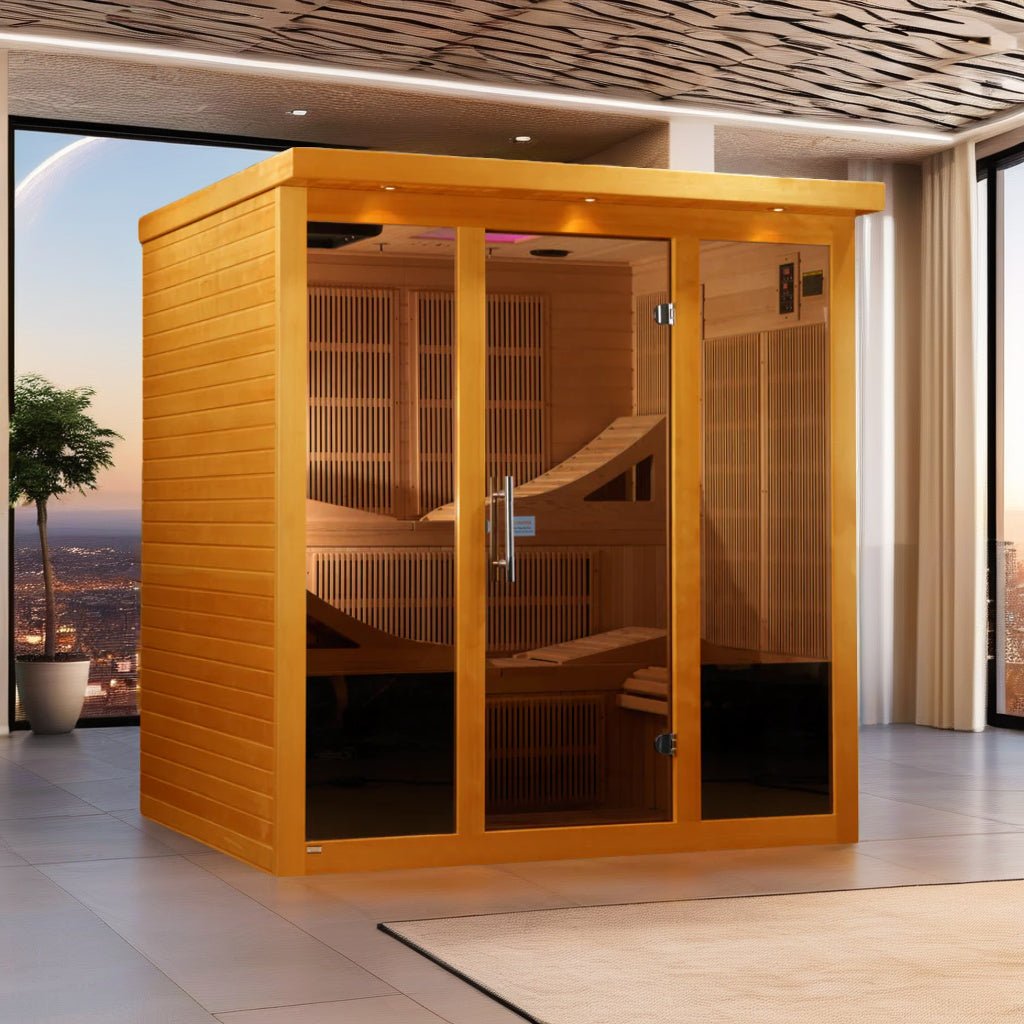
20. How does a sauna and cold plunge combination compare to cold plunging alone? Contrast therapy — alternating heat and cold — is popular and may feel energizing, but direct comparative evidence for mental clarity outcomes is limited.
-
Both heat and cold activate distinct physiological responses.
-
Combining them requires tolerating both stressors safely.
-
Hydration and cardiovascular caution matter more with contrast protocols.
-
Evidence for mental clarity benefits should stay modest.
What We Still Don't Know
The honest limits of the current evidence base matter here.
-
"Mental clarity" lacks standardization. Most research measures alertness, mood, or attentional state as proxy outcomes. A direct, validated measure of mental clarity does not yet exist. (PMC, 2025)
-
Large long-term randomized trials are still missing. The 2025 systematic review found a promising evidence base, but most studies involve small samples, healthy adults, and short timeframes. (PMC, 2025) The 33-person brain connectivity study and 20-person cortisol study are typical in scale.
-
Dose-response remains unresolved. Ideal temperature, session duration, and weekly frequency for mental clarity outcomes have not been established. (Vital Ice SF, 2026)
-
Individual variability is not well studied. How genetics, baseline health, hormonal status, psychological disposition, and prior cold experience affect outcomes is largely unknown.
-
Long-term effects on mood and cognition are unverified. Most compelling findings are acute. Whether regular cold plunging produces durable improvements in mental performance, mood, or stress resilience — beyond the habituation story — remains an open question.
-
Generalizability is limited. Most studies focus on healthy adults. Evidence for clinical populations — people with depression, anxiety disorders, ADHD, or cardiovascular disease — is sparse or absent.
Sources
-
Effects of cold-water immersion on health and wellbeing: a systematic review. PMC/NIH, 2025. https://pmc.ncbi.nlm.nih.gov/articles/PMC11778651/
-
Cardiovascular and mood responses to an acute bout of cold water immersion. PMC, 2023. https://pmc.ncbi.nlm.nih.gov/articles/PMC10842018/
-
Short-term head-out whole-body cold-water immersion facilitates positive mood and changes brain connectivity. PMC, 2023. https://pmc.ncbi.nlm.nih.gov/articles/PMC9953392/
-
Effects of long-term whole-body cold exposures on plasma concentrations of ACTH, cortisol, catecholamines, and cytokines in healthy females. PubMed, 2008. https://pubmed.ncbi.nlm.nih.gov/18382932/
-
Plasma norepinephrine responses of man in cold water. PubMed. https://pubmed.ncbi.nlm.nih.gov/911386/
-
Health effects of voluntary exposure to cold water: a continuing subject of debate. PMC/NIH, 2022. https://pmc.ncbi.nlm.nih.gov/articles/PMC9518606/
-
Residual effects of short-term whole-body cold-water immersion on stress markers. PubMed, 2021. https://pubmed.ncbi.nlm.nih.gov/33910456/
-
National Weather Service. Cold Water Hazards and Safety, 2025. https://www.weather.gov/safety/coldwater
-
CDC/NIOSH. Cold Water Immersion Guidance. https://medbox.iiab.me/modules/en-cdc/www.cdc.gov/niosh/topics/coldstress/coldwaterimmersion.html
-
Mayo Clinic Health System. Cold-water plunging health benefits, 2024. https://www.mayoclinichealthsystem.org/hometown-health/speaking-of-health/cold-plunge-after-workouts
-
Mayo Clinic Press. The Science Behind Ice Baths for Recovery, 2024. https://mcpress.mayoclinic.org/healthy-aging/the-science-behind-ice-baths-for-recovery/
-
Riverside Healthcare. Benefits and Risks of Cold Water Plunging. https://www.riversidehealthcare.org/blog/benefits-and-risks-cold-water-plunging
-
Cleveland Clinic. Health Benefits of Cold Plunges, 2026. https://health.clevelandclinic.org/what-to-know-about-cold-plunges
-
Vital Ice SF. Best Cold Plunge Temperature, 2026. https://www.vitalicesf.com/insights/best-cold-plunge-temperature
-
Sea Grant, University of Minnesota. Hypothermia and Cold Water Immersion. https://seagrant.umn.edu/programs/recreation-and-water-safety-program/hypothermia
7 Cold Plunge Buying Mistakes That Cost People Thousands (And How to Avoid Them)
Is Cold Plunge Good for Women? The Science-Backed Guide to Benefits, Risks, and Protocols
Related Posts

The Complete Guide to Cold Plunge Temperature: Benefits, Safety, and Optimal Ranges

Dreampod Ice Bath Flex Review: The Ultimate Portable Cold Plunge?

How to Choose a Cold Plunge Tub: The Complete Buyer's Guide

Cold Plunge Before or After Workout? The Ultimate Guide to Timing for Optimal Results

Polar Monkeys Cold Plunge Review: Is It Worth the Hype? (Reviewed & Compared)

The Best Outdoor Cold Plunge Tubs for Your Backyard Oasis

The Best Inflatable Cold Plunge Tubs: A 2026 Buying & Comparison Guide
