

























Molecular Targets of Longevity Drugs and Their Overlap With Heat Shock and Cellular Stress Pathways: Intersecting Proteostasis, HSF1, and Popular Discourse
Classic longevity drug targets—mTOR (rapamycin), AMPK (metformin), and sirtuins—intersect with cellular stress biology at multiple nodes, but they don't simply "mimic heat shock" as popular narratives suggest. HSF1 (heat shock factor 1) serves as a proteostasis hub that is modulated by these nutrient-sensing pathways, yet rapamycin can actually suppress inducible HSF1 activation in some systems, and metformin can inactivate HSF1 in tumor contexts. Meanwhile, Nrf2 activators like sulforaphane primarily induce antioxidant enzymes with only partial overlap with heat shock proteins.
TL;DR:
-
HSF1 integrates longevity signals from insulin/IGF-1, mTOR, and AMPK pathways to coordinate cytosolic/nuclear proteostasis (PMC9304931, 2022)
-
Rapamycin can blunt heat shock response in some models by blocking mTORC1-dependent HSF1 activation—not enhance it (Oncotarget, 2014)
-
Metformin may inhibit HSF1 in tumor cells via AMPK-mediated phosphorylation, creating proteotoxic stress rather than boosting protein quality control (PubMed 25425574, 2015)
-
Nrf2 and HSF1 partially overlap but activate distinct stress response programs; sulforaphane is not "heat shock in a pill" (Trends Biochem Sci, 2014)
-
Human longevity evidence remains limited: rapamycin shows improved immune/aging biomarkers; metformin's TAME trial aims to test multi-morbidity delay; neither has proven human lifespan extension (Aging-US 206300, 2025; AFAR TAME)
-
Context matters critically: HSF1 activation supports resilience in normal tissue but can sustain malignant phenotypes in cancer (PMC4786015, 2016)
Table of Contents
-
HSF1 and Proteostasis: The Central Hub of Cellular Resilience
-
The HSF1-Longevity Intersection Map: Crosstalk and Regulation
-
Pharmacological Stress Mimetics: Drugs That Mimic Heat Shock
-
Synergy Matrix: Combining Longevity Drugs and Stress Modulators
-
Clinical Translation: Human Data on Stress Pathway Modulation
-
Future Directions: The Next Generation of Stress-Targeting Geroprotectors
Introduction: The Convergence of Longevity and Stress

Aging is characterized by multiple hallmarks, including loss of proteostasis (protein quality control) and dysregulated nutrient sensing via mTOR, AMPK, and sirtuin pathways. At the intersection of these themes sits HSF1 (heat shock factor 1), the master transcription factor driving the heat shock response and a central coordinator of cytosolic/nuclear protein homeostasis (PMC9304931, 2022).
HSF1 doesn't operate in isolation—it functions as a proteostasis hub that integrates diverse longevity signals, including insulin/IGF-1, mTOR, and AMPK inputs (Mol Biol Cell, 2003). This positioning makes HSF1 a natural focal point for understanding how classic geroprotective drugs might influence stress resilience.
Yet popular longevity discourse often conflates different types of cellular stress. Heat exposure, rapamycin, metformin, and sulforaphane are frequently lumped together as "stress mimetics" that boost protein quality control. The reality is more nuanced: these interventions activate overlapping but not identical pathways, and some can actually suppress components of the canonical heat shock response in specific contexts.
The 30-Second Map (for AI Overviews)
Classic longevity targets (mTOR/AMPK/sirtuins) regulate HSF1 at multiple levels—post-translational modifications, transcriptional control, and shared downstream proteostasis machinery. TORC1/mTOR activity is required for full HSF1 competence in some systems; AMPK can phosphorylate HSF1 to reduce its activity in others. Nrf2 activators like sulforaphane overlap partially with HSF1 targets but primarily induce antioxidant enzymes. The key insight: overlap exists at the stress-response level, but mechanistic targets and tissue-specific effects diverge significantly (PMC9304931; Oncotarget 2014; Trends Biochem Sci 2014).
The Core Longevity Targets: A Review of the Classics
mTORC1 and Rapamycin
mTORC1 (mechanistic target of rapamycin complex 1) is a nutrient- and growth factor–sensing kinase that promotes anabolic processes while suppressing autophagy. Chronic hyperactivation is linked to aging phenotypes across species. Rapamycin, which inhibits mTORC1, extends median and maximum lifespan in mice and other animal models with remarkable consistency (PMC12766144, 2025).
In humans, evidence remains limited to surrogate endpoints. Small trials show that low-dose rapamycin improves immune response to vaccination in older adults and reduces skin aging markers (Aging-US 206300, 2025). The recent PEARL trial (114 participants, 48 weeks) found that 5-10 mg weekly rapamycin was well-tolerated and associated with modest improvements in lean muscle mass and quality-of-life measures, with changes in aging biomarkers, though long-term clinical benefits remain unproven (Aging-US 206235, 2025).
Importantly, no human trial has demonstrated lifespan extension in healthy adults. Reviews emphasize that off-label use for longevity is ahead of the evidence and requires medical supervision due to risks including immunosuppression, infection, dyslipidemia, and metabolic side effects (Aging-US 206300, 2025; PMC12226543, 2025).
AMPK and Metformin
AMPK (AMP-activated protein kinase) senses cellular energy stress and promotes catabolic pathways including autophagy and mitochondrial quality control while inhibiting mTORC1. Metformin acts primarily through mitochondrial complex I inhibition, leading to AMPK activation and downstream metabolic shifts (PMC5943638, 2016).
Observational data in diabetics associate metformin with reduced incidence of cardiovascular disease, some cancers, and mortality compared to other diabetes treatments. However, these associations may reflect confounding rather than direct anti-aging effects. The TAME (Targeting Aging with Metformin) trial is designed to enroll ~3,000 adults aged 65-79 to test whether metformin delays a composite outcome including cardiovascular disease, cancer, dementia, and mortality (AFAR TAME; PMC5943638, 2016).
As of early 2025, TAME remains incompletely funded and has not reported outcomes. A 2025 review highlighted "emerging uncertainty in the anti-aging potential of metformin," noting that most clinical trials in non-diabetic populations have not demonstrated anticipated benefits (ScienceDirect, June 2025). Meanwhile, a 2024 non-human primate study found metformin decelerated aging clocks over ~10 human-equivalent years, renewing interest (Nature 2024).
Common side effects include GI upset, vitamin B12 deficiency with long-term use, and rare lactic acidosis primarily in those with significant renal impairment (PMC5943638, 2016).
Sirtuins and NAD+ Pathways
Sirtuins (e.g., SIRT1) are NAD⁺-dependent deacetylases that regulate stress resistance, mitochondrial biogenesis, and metabolic adaptation. Reviews position SIRT1 within longevity signaling networks that converge on stress effectors including HSF1, though evidence for sirtuin modulators like resveratrol in humans is primarily mechanistic (PMC9304931, 2022).
What These Drugs Do Measure in Humans (vs. What They Don't)
Human trials for rapamycin typically measure immune function (vaccination response, T cell counts), skin aging features (dermal thickness, elasticity), muscle parameters (lean mass, strength), and emerging epigenetic aging clocks. Metformin trials assess disease incidence (diabetes, cardiovascular events, cancer), inflammatory markers, and glycemic control. Sulforaphane trials measure phase II enzyme induction and antioxidant status (glutathione levels).
What they don't measure in humans: lifespan, direct HSF1 activation, or proteostasis capacity outside of research settings. The gulf between mechanistic animal data and human clinical outcomes is substantial (Aging-US 206300, 2025; PMC5943638, 2016).
HSF1 and Proteostasis: The Central Hub of Cellular Resilience
HSF1 as Master Regulator
HSF1 is the master transcription factor of the heat shock response, inducing heat shock proteins (HSPs) such as HSP70 and HSP90, along with co-chaperones that maintain proteome integrity in the cytosol and nucleus (PMC9304931, 2022). Upon stress, HSF1 trimerizes, translocates to the nucleus, and binds heat shock elements to drive expression of its target genes.
In C. elegans, HSF-1 activity is required for lifespan extension in multiple long-lived mutants. Overexpression of HSF-1 suppresses proteotoxicity and extends lifespan, while loss-of-function causes protein aggregation, tissue dysfunction, and shortened lifespan (Mol Biol Cell, 2003). A 2024 study found that HSF-1 promotes longevity through ubiquilin-1, a proteostasis factor linking ubiquitinated proteins to the proteasome; ubql-1 is required for lifespan extension in hsf-1-overexpressing worms (Nature Comms, 2024).
Proteostasis Network in One Diagram (Chaperones → Proteasome/Autophagy → UPR)
The proteostasis network encompasses:
-
Molecular chaperones (HSPs, chaperonins) that assist protein folding and prevent aggregation
-
Ubiquitin–proteasome system that degrades misfolded or damaged proteins
-
Autophagy–lysosome pathway that clears protein aggregates and damaged organelles (mitophagy for mitochondria)
-
Unfolded protein response (UPR) in the endoplasmic reticulum that adjusts folding capacity and translation under ER stress
-
Stress-responsive transcription factors including HSF1 and Nrf2 that coordinate these systems
Age-related decline in proteostasis contributes to neurodegenerative diseases (Alzheimer's, Parkinson's) where protein aggregates accumulate and overwhelm clearance mechanisms (PMC9304931, 2022; Trends Biochem Sci 2014).
For readers interested in complementary stress interventions, exploring the evidence for sauna use can provide practical context for heat-based proteostasis activation.
Context Matters—HSF1 in Normal Tissue vs. Cancer
While HSF1 supports proteostasis and longevity in healthy tissue, chronic HSF1 activation can sustain malignant phenotypes in tumors. Cancer cells often exhibit elevated HSF1 activity to cope with oncogenic stress and proteotoxic burden; suppressing HSF1 via metabolic stressors like metformin impedes tumor growth in some models (PMC4786015, 2016; PubMed 25425574, 2015).
This dual role means that systemic HSF1 activation as a longevity strategy carries theoretical cancer risk and will likely require tissue-specific or temporally controlled modulation. The oncology literature and longevity biology narratives around HSF1 sometimes collide, creating confusion about whether "boosting HSF1" is universally beneficial.
The HSF1-Longevity Intersection Map: Crosstalk and Regulation
mTORC1/TORC1 Can Be Required for Full Inducible HSF1 Activation
Contrary to simplistic "rapamycin mimics heat shock" narratives, mechanistic work shows TORC1 activity is required to render HSF1 competent for stress activation in yeast and human cells. Rapamycin treatment blocks HSF1 induction under heat shock conditions in these systems (Oncotarget, 2014; PMC4339114, 2015).
Specifically, when cells are pre-treated with rapamycin and then exposed to heat, the expected surge in HSP expression is blunted. This finding reveals that mTORC1 inhibition and heat shock response activation are not equivalent—they can, in fact, be antagonistic at the level of inducible HSF1.
The biological logic: TORC1 enables HSF1 competence by supporting the basal chaperone machinery and cellular energetics required for a robust stress response. When TORC1 is inhibited, cells prioritize autophagy and energy conservation over chaperone induction in response to acute proteotoxic stress.
AMPK Can Phosphorylate and Inactivate HSF1
AMPK activation by metabolic stressors such as metformin can phosphorylate HSF1 at Ser121, reducing its transcriptional activity and promoting proteotoxic stress in tumor cells (PubMed 25425574, 2015; PMC4786015, 2016). In melanoma models, metformin-induced AMPK activity led to HSF1 inactivation, increased protein ubiquitination, and apoptosis—a desirable outcome in cancer but potentially problematic if extrapolated to normal aging tissue.
This creates a bidirectional energy-stress node: proteotoxic stress can inhibit AMPK (maintaining energy for chaperone demands), while energy stress via AMPK can suppress HSF1 (conserving resources). Context—tissue type, metabolic state, disease vs. health—determines which direction prevails.
Nrf2–HSF1 Crosstalk: Overlap ≠ Equivalence
Nrf2 (nuclear factor erythroid 2–related factor 2) is a transcription factor that upregulates antioxidant and phase II detoxification enzymes (GSTs, NQO1, HO-1) in response to electrophiles and oxidative stress. A mechanistic review documents overlapping transcriptional targets between Nrf2 and HSF1—including HSP70 and p62—and coordinated regulation of oxidative and proteotoxic stress responses (Trends Biochem Sci, 2014).
However, overlap does not mean equivalence. Nrf2 activators like sulforaphane primarily drive phase II enzyme expression with modest HSP induction, while heat shock robustly activates HSF1/HSP programs with secondary Nrf2 effects. Shared nodes exist (e.g., p62-mediated autophagy substrate recognition), but the primary stress response flavor differs.
"HSF1 Activators vs. Inhibitors" (Why Longevity and Oncology Narratives Collide)
The longevity field emphasizes HSF1 activation for proteostasis support and stress resilience. The oncology field highlights HSF1 as a tumor-supporting factor that can be therapeutically suppressed. Both are correct in their respective contexts (PMC4786015, 2016; PubMed 25425574, 2015).
In normal tissue, HSF1 declines with age and its restoration via genetic overexpression or hormetic stress extends lifespan in worms. In malignant tissue, HSF1 is often constitutively active to buffer oncogenic stress, and its inhibition via AMPK or Hsp90 inhibitors can promote tumor cell death.
Translating this to humans: pharmacologic HSF1 modulation must account for cancer risk, especially in older adults with higher baseline malignancy rates. Tissue-specific delivery or pulsatile activation (as with intermittent heat exposure) may offer safer approaches than chronic systemic HSF1 boosting.
What the Diagram Should Show (Node List + Arrows + Caveat Labels)
An accurate HSF1–longevity intersection map would include:
-
Nodes: HSF1, mTORC1, AMPK, SIRT1, Nrf2, insulin/IGF-1 signaling, HSPs, ubiquilin-1, p62, proteasome, autophagy
-
Arrows (activating): TORC1 → HSF1 competence; HSF1 → HSPs/ubiquilin-1; SIRT1 → HSF1 (via deacetylation in some contexts); Nrf2 ↔ HSF1 (shared targets)
-
Arrows (inhibiting): Rapamycin → TORC1 → reduced inducible HSF1; AMPK → HSF1 Ser121-P → inactivation; proteotoxic stress → AMPK inhibition
-
Caveat labels: "Context-dependent: normal tissue vs. cancer"; "Rapamycin can suppress inducible HSF1"; "AMPK–HSF1 crosstalk varies by tissue/metabolic state"
(PMC9304931, 2022; Oncotarget 2014; Trends Biochem Sci 2014; PubMed 25425574, 2015)
Pharmacological Stress Mimetics: Drugs That Mimic Heat Shock

"Mimic" of What? Heat Shock vs. Energy Stress vs. Electrophile Stress
"Stress mimetic" refers to compounds that induce mild cellular stress to trigger adaptive protective pathways—similar in principle to hormesis from exercise or heat. But not all stress mimetics activate the same programs (PMC6815645, 2019; PMC5943638, 2016).
-
Heat shock activates HSF1/HSP chaperone programs
-
Energy/metabolic stress (metformin, AMPK activators) promotes autophagy, mitochondrial quality control, and can inhibit HSF1 in some systems
-
Electrophile/oxidative stress (sulforaphane) activates Nrf2 and phase II antioxidant enzymes
Conflating these creates confusion about whether sauna, metformin, and sulforaphane are interchangeable interventions.
Metformin: Metabolic Stress; AMPK Activation; HSF1 Suppression in Tumor Models
Metformin induces metabolic stress via mitochondrial complex I inhibition, leading to decreased ATP and AMPK activation. In tumor cells, this metabolic stress leads to AMPK-mediated HSF1 inactivation at Ser121, increased protein ubiquitination, and cell death—not proteostasis enhancement (PubMed 25425574, 2015; PMC4786015, 2016).
Emerging data show metformin can also activate HSF1 in certain contexts via mitochondrial protein homeostasis pathways, highlighting tissue and context variability (FASEB J, emerging data). For normal aging tissue, metformin's net proteostasis effect remains uncertain and likely depends on dose, metabolic state, and tissue type.
Rapamycin: mTORC1 Inhibition → Autophagy; May Blunt Acute Heat-Shock Inducible Response
Rapamycin inhibits mTORC1, indirectly promoting autophagy and stress resistance via downstream effects on translation, lipid metabolism, and mitochondrial function. However, mechanistic studies show rapamycin can blunt inducible HSF1 activation to heat shock in yeast and mammalian cells (Oncotarget, 2014).
This is not to say rapamycin has no beneficial effects on proteostasis—chronic low-dose mTOR inhibition may enhance basal autophagy and protein turnover over time. But it does mean rapamycin ≠ "heat shock in a pill" at the level of acute HSF1/HSP induction.
Sulforaphane: Nrf2 Activation; Human Enzyme Induction + Glutathione Change
Sulforaphane (from broccoli sprouts and other crucifers) activates Nrf2 by modifying cysteine residues on Keap1, releasing Nrf2 to induce antioxidant response element (ARE)-driven genes. Human trials show oral sulforaphane (dose escalation to ~100 µmol/day) induces GSTM1, GSTP1, NQO1, and HO-1 expression in airway epithelial cells (PMC2668525, 2009) and increases blood glutathione ~32% after 7 days in a small pilot (n≈9) (PMC5981770, 2018).
These are biomarker changes, not longevity outcomes. Sulforaphane's Nrf2-driven program overlaps with HSF1 at nodes like p62 but does not equivalently activate HSP chaperones. Reviews describe sulforaphane as a "stress mimetic" within the broader category but clarify it is primarily an Nrf2 activator (PMC6815645, 2019; Trends Biochem Sci 2014).
Myth-Busting: Heat Shock vs. Drug-Induced Stress
Can I Use a Sauna Instead of Metformin or Rapamycin?
No—they are not equivalent interventions. Heat exposure robustly activates HSF1 and induces HSP expression, along with systemic cardiovascular and hemodynamic effects. Rapamycin inhibits mTORC1, promotes autophagy, and can suppress inducible HSF1 in some models. Metformin creates metabolic stress via AMPK and can inactivate HSF1 in tumor contexts.
Mechanistic overlap exists at the stress-response level: all can trigger adaptive pathways. But targets, tissue effects, and clinical endpoints differ. Observational studies link regular sauna use to reduced cardiovascular mortality, but these are not randomized trials, and sauna does not directly modulate mTOR or AMPK signaling (PMC9304931, 2022; Oncotarget 2014; PMC5943638, 2016; Aging-US 206300, 2025).
Individuals with cardiovascular issues, hypotension, or heat intolerance should approach sauna cautiously and with medical guidance. For practical guidance on heat exposure, see our science-backed sauna frequency guide.
Does Rapamycin Increase Heat Shock Proteins in Humans?
No consistent evidence supports this claim. Mechanistic studies show rapamycin can block mTORC1-dependent HSF1 activation and suppress the inducible heat shock response in yeast and human cells (Oncotarget, 2014). Human rapamycin trials focus on immune function, skin aging, and muscle parameters—not HSP expression (Aging-US 206300, 2025; PMC12226543, 2025).
Rapamycin's benefits likely stem from autophagy enhancement, mTORC1 signaling rebalancing, and other downstream effects, not from mimicking heat shock at the HSF1 level.
What Activates HSF1—Supplements or Stress?
Physical stress (heat, exercise, fever-range hyperthermia) is the most robust HSF1 activator in humans. Supplements that claim to "boost HSPs" often conflate Nrf2 activation (sulforaphane, curcumin) or indirect autophagy effects (spermidine, resveratrol) with direct HSF1/HSP induction.
Currently, no supplement has been shown to reliably activate HSF1 in humans to the extent that heat does. Claims should be viewed skeptically unless supported by controlled trials measuring HSP expression or HSF1 activity directly (PMC9304931, 2022; Trends Biochem Sci 2014).
For those interested in both pharmacologic and heat-based approaches, understanding the differences between traditional sauna and infrared options can inform a comprehensive stress-response strategy.
Synergy Matrix: Combining Longevity Drugs and Stress Modulators
Evidence Tiers for Combinations (Mechanistic → Animal → Small Human Biomarkers → Clinical Outcomes)
Combinations of longevity interventions are biologically plausible when they converge on autophagy, proteostasis, or stress resilience. However, human randomized controlled trial (RCT) data for multi-drug "stacks" are essentially absent. Most claims extrapolate from:
-
Mechanistic studies (cell culture, in vitro pathway analysis)
-
Animal models (rapamycin + caloric restriction, metformin + exercise)
-
Small human trials measuring single-agent biomarkers
-
Theoretical synergy based on pathway convergence
A 2025 study in mice found that rapamycin + trametinib (a MAPK inhibitor) extended lifespan 34.9% in females and 27.4% in males, exceeding either drug alone, with reduced inflammation and tumor burden (Nature Aging, 2025). This supports multi-pathway modulation in principle but has not been tested in humans.
Risks of combinations include:
-
Overlapping adverse effects: immunosuppression (rapamycin), GI upset/B12 deficiency (metformin), infection risk (both)
-
Drug–drug interactions: altered metabolism, additive toxicities
-
Lack of safety data: no established dose-response for combinations
-
Older-adult vulnerability: polypharmacy, reduced renal/hepatic clearance
(Aging-US 206300, 2025; PMC5943638, 2016; PMC6815645, 2019)
Clinical Translation: Human Data on Stress Pathway Modulation
Rapamycin/Rapalogs: Small Trials, Surrogate Endpoints
Small human trials show low-dose rapamycin (5-10 mg weekly) improves immune response to vaccination in older adults and reduces skin aging markers (dermal thickness, elasticity) (Aging-US 206300, 2025). The PEARL trial (n=114, 48 weeks) found rapamycin was safe and well-tolerated, with improvements in lean muscle mass, reductions in pain scores, and modest changes in aging biomarkers; compounded rapamycin had lower bioavailability than commercial sirolimus, possibly limiting effects (Aging-US 206235, 2025).
A 2025 review emphasized that broader measures of immunocompetence—T cell repertoire diversity, innate immune activity, real-world infection resistance—remain underexplored, and that vaccination response has limited predictive value for overall immune health (PMC12226543, 2025).
Ongoing trials include studies assessing rapamycin's effects on muscle strength in older adults (NCT05414292), cognitive function in Alzheimer's disease (using brain imaging), and ovarian aging. None yet report lifespan or multi-morbidity outcomes.
Metformin: Diabetics Data + TAME Design; Emphasize Unreported Outcomes
Observational studies in diabetics show metformin associated with reduced cardiovascular events, some cancers, and mortality compared to sulfonylureas and other diabetes medications. A 2025 target trial emulation in the Women's Health Initiative found metformin initiation associated with doubled likelihood of reaching age 90 compared to sulfonylureas in women with diabetes, though observational confounding remains a concern (J Gerontol A, June 2025).
The TAME trial is designed to enroll ~3,000 adults aged 65-79 to test metformin (1,500 mg/day) vs. placebo over ~4-6 years, with a composite outcome including cardiovascular disease, cancer, dementia, and mortality. As of early 2025, TAME remains incompletely funded and has not reported outcomes (AFAR TAME; Fight Aging, May 2024).
A 2025 ScienceDirect review noted "emerging uncertainty in the anti-aging potential of metformin," stating that "metformin has generally not demonstrated its anticipated benefits in most clinical trials in nondiabetic populations" (ScienceDirect, June 2025). This contrasts with a 2024 non-human primate study showing metformin decelerated aging clocks over ~10 human-equivalent years (Nature, Nov 2024).
Safety in older adults: In the Diabetes Prevention Program (DPP), over 18,000 patient-years of metformin use showed no lactic acidosis cases, mild anemia in ~12% vs ~8% placebo, and B12 deficiency in ~7% vs 5% after 13 years. Risk increases with duration and renal impairment but was not age-dependent (PMC5943638, 2016).
Sulforaphane: Human Trials Show Enzyme Induction + GSH Changes; Not Longevity Endpoints
Human trials demonstrate that oral sulforaphane (dose escalation to ~100 µmol/day) induces phase II enzymes (GSTM1, GSTP1, NQO1, HO-1) in airway epithelial cells (PMC2668525, 2009) and increases blood glutathione ~32% after 7 days in a small pilot (PMC5981770, 2018).
A review of sulforaphane clinical trials found promising outcomes in autism, psychosis, oxidative stress markers, but emphasized methodological limitations, variability in formulations and doses, and absence of aging/longevity endpoints (PMC6815645, 2019).
How Trials Read Out 'Stress Pathway Modulation' (Biomarkers Cheat Sheet)
Current clinical trials rarely measure HSF1 activity or HSP expression directly outside of research settings. Instead, they use:
-
Immune endpoints: vaccination antibody response, T cell counts, lymphocyte function
-
Inflammatory markers: CRP, IL-6, TNF-α
-
Metabolic parameters: fasting glucose, insulin sensitivity, lipid panels
-
Aging biomarkers: epigenetic clocks (DNA methylation-based), p16INK4a senescence marker, NAD+ levels
-
Functional outcomes: muscle strength, gait speed, cognitive testing
-
Disease incidence: cardiovascular events, cancer diagnoses, dementia
-
Antioxidant capacity: glutathione, phase II enzyme expression
HSP or HSF1 measurement requires specialized assays (Western blot, qPCR, immunofluorescence) typically reserved for mechanistic substudies. For example, the rapamycin muscle trial (NCT05414292) assesses muscle protein synthesis and senescence markers but not direct HSP induction (ClinicalTrials.gov, 2022; Aging-US 206300, 2025; AFAR TAME; PMC6815645, 2019).
Future Directions: The Next Generation of Stress-Targeting Geroprotectors

Emerging approaches include direct HSF1 modulators, proteostasis-focused small molecules, and agents targeting specific proteostasis nodes such as ubiquilin-1 (required for HSF-1-mediated longevity in worms) or p62 (linking ubiquitinated proteins to autophagy) (Nature Comms, 2024).
Personalized strategies may leverage variability in proteostasis capacity, genetic background (e.g., HSP gene polymorphisms), and comorbidities to tailor stress-pathway interventions. Geroscience is moving toward multi-morbidity endpoints and composite outcomes in trials like TAME rather than single-disease indications (PMC5943638, 2016; PMC9304931, 2022).
Given oncology trade-offs with systemic HSF1 activation, future geroprotectors will likely require tissue-specific targeting (e.g., CNS-selective, muscle-selective) or temporal control (pulsatile activation mimicking intermittent stress exposure rather than chronic systemic boosting). Small-molecule HSF1 activators are in development but face the challenge of balancing proteostasis support in normal tissue with cancer risk (PMC4786015, 2016; PubMed 25425574, 2015).
Comparisons + Decision Tables
Table 1: Physical Heat Stress vs. Pharmacologic Stress Mimetics
|
Dimension |
Sauna/Heat Exposure |
Rapamycin |
Metformin |
Sulforaphane |
|
Primary target/pathway |
Direct heat activation of HSF1 and HSPs; systemic hemodynamic changes |
mTORC1 inhibition; indirect autophagy activation |
Mitochondrial complex I, AMPK activation, metabolic stress |
Nrf2 activation and phase II enzymes |
|
Effect on HSF1 |
Robust, transient activation and HSP induction |
Can suppress inducible HSF1 activation in some models |
In tumor cells, AMPK-dependent HSF1 inactivation |
Partial, indirect via crosstalk; HSP overlap limited |
|
Evidence for longevity |
Observational links to reduced cardiovascular and mortality risk (not mechanistic trials) |
Strong lifespan extension in animals; human surrogate endpoints only |
Observational reduced morbidity/mortality; TAME to test aging endpoints |
Improved antioxidant status; no direct lifespan data |
|
Key risks |
Heat intolerance, cardiovascular events in susceptible individuals |
Immunosuppression, metabolic side effects |
GI upset, B12 deficiency, rare lactic acidosis |
GI discomfort; limited long-term safety data |
|
Human clinical data |
Epidemiologic/observational |
Small trials (n=16–114); biomarkers |
Diabetic cohorts; TAME pending |
Phase II enzyme induction; small pilots |
(PMC9304931, 2022; Oncotarget 2014; Aging-US 206300, 2025; PMC5943638, 2016; PMC6815645, 2019)
Table 2: Rapamycin vs. Metformin as Geroprotective Candidates
|
Dimension |
Rapamycin |
Metformin |
|
Main pathway |
mTORC1 inhibition |
AMPK activation and metabolic stress |
|
Preclinical lifespan data |
Robust lifespan extension in multiple species |
Lifespan extension in some models; less consistent |
|
Human aging data |
Improved immune response, skin aging markers; no lifespan trials |
Epidemiologic evidence for reduced morbidity; TAME aging trial underway |
|
HSF1/proteostasis effects |
Blunts inducible heat shock response in some models |
Inactivates HSF1 in tumor cells; may modulate mitochondrial proteostasis |
|
Safety profile |
Narrower, immunosuppressive; needs monitoring |
Long clinical history in diabetes; low lactic acidosis risk with proper kidney function |
|
Typical dose (off-label longevity) |
5-10 mg weekly |
500-1,500 mg daily |
|
Cost considerations |
~$50-150/month (compounded) |
~$10-40/month (generic) |
(PMC12766144, 2025; Aging-US 206300, 2025; PMC5943638, 2016; Oncotarget 2014; PubMed 25425574, 2015)
Real-World Constraints + Numbers That Matter
Clinical Trial Sample Sizes and Timelines
-
Rapamycin muscle aging study: n=16 healthy men ≥50 years, assessing mTOR inhibition effects on muscle protein synthesis and senescence markers (ClinicalTrials.gov NCT05414292, 2022)
-
PEARL trial: n=114 adults, 48 weeks, 5-10 mg weekly rapamycin vs. placebo; showed safety and modest functional/biomarker improvements (Aging-US 206235, 2025)
-
TAME trial design: ~3,000 adults aged 65-79, ~4-6 years, metformin 1,500 mg/day vs. placebo, composite outcome (CVD/cancer/dementia/mortality) (AFAR TAME; PMC5943638, 2016)
Sulforaphane Dosing and Biomarker Changes
-
Airway enzyme induction: dose escalation to ~100 µmol SFN/day increased GSTM1, GSTP1, NQO1, HO-1 in nasal epithelial cells (PMC2668525, 2009)
-
Glutathione pilot: 100 µmol (~17.3 mg) SFN daily for 7 days → ~32% increase in blood GSH in n≈9 participants (PMC5981770, 2018)
Metformin Safety Numbers
-
DPP long-term follow-up (18,000+ patient-years): 0 lactic acidosis cases; anemia in ~12% vs ~8% placebo; B12 deficiency in ~7% vs 5% after 13 years (PMC5943638, 2016)
-
Common GI side effects: ~30% experience initial nausea/diarrhea; usually resolve with dose titration
Cost Estimates (U.S., 2025)
-
Rapamycin: $50-150/month for compounded 5-10 mg weekly regimens
-
Metformin: $10-40/month for generic 500-1,500 mg daily
-
Sulforaphane supplements: $20-60/month for standardized broccoli sprout extract
-
Sauna equipment: $1,500-5,000+ for home infrared units; gym/spa memberships $50-200/month
For those considering a home setup, exploring infrared sauna options can provide a long-term investment in heat-based stress adaptation.
Myths and Misconceptions
-
Myth: "Rapamycin mimics the benefits of heat shock by activating HSPs."
-
Correction: Rapamycin inhibits mTORC1 and can actually block HSF1 activation and the inducible heat shock response in some models.
-
Why it persists: Conflation of "stress mimetic" with "heat shock mimetic" and oversimplified pathway diagrams.
-
Citation: Oncotarget, 2014
-
Myth: "Metformin always boosts HSPs and proteostasis."
-
Correction: In tumor cells, metformin activates AMPK, which phosphorylates and inactivates HSF1 at Ser121, inducing proteotoxic stress rather than stabilizing proteostasis.
-
Why it persists: Generalization from metabolic benefits to all stress pathways.
-
Citation: PubMed 25425574, 2015; PMC4786015, 2016
-
Myth: "Any HSF1 activation is good for longevity."
-
Correction: HSF1 supports proteostasis and longevity in normal tissues but also sustains malignant phenotypes in cancers, so systemic chronic activation could theoretically promote tumors.
-
Why it persists: Focus on aging benefits without considering oncology literature.
-
Citation: PMC4786015, 2016; PubMed 25425574, 2015
-
Myth: "Nrf2 activators like sulforaphane are equivalent to heat shock."
-
Correction: Sulforaphane mainly activates Nrf2 and phase II enzymes, with only partial overlap in targets with HSF1/HSP pathways.
-
Why it persists: Marketing of "cellular defense" supplements as broad stress-response boosters.
-
Citation: Trends Biochem Sci, 2014; PMC6815645, 2019
-
Myth: "Rapamycin has proven longevity benefits in healthy humans."
-
Correction: Human data show improved immune responses and aging biomarkers but no demonstrated lifespan extension yet.
-
Why it persists: Extrapolation from animal data and enthusiasm in longevity communities.
-
Citation: Aging-US 206300, 2025
-
Myth: "Metformin is risk-free for anti-aging use in anyone."
-
Correction: Metformin carries risks such as GI side effects, B12 deficiency, and rare lactic acidosis, particularly with renal impairment.
-
Why it persists: Long clinical history and over-the-counter perception in some discussions.
-
Citation: PMC5943638, 2016
-
Myth: "HSF1 is only activated by extreme stress like heat shock."
-
Correction: HSF1 is modulated by diverse signals, including nutrient pathways (mTOR), metabolic stress (AMPK), and disease states.
-
Why it persists: Classical heat shock experiments dominate textbooks.
-
Citation: Oncotarget, 2014; PMC9304931, 2022
-
Myth: "All proteostasis-enhancing pathways are interchangeable."
-
Correction: Proteostasis involves distinct systems (chaperones, proteasome, autophagy, UPR) with different regulators and drug sensitivities.
-
Why it persists: Simplified diagrams aggregating these under one "proteostasis" label.
-
Citation: Trends Biochem Sci, 2014
-
Myth: "Sulforaphane has proven anti-aging effects in humans."
-
Correction: Human trials show improved antioxidant defenses and some disease-related outcomes, but no direct demonstration of lifespan or broad aging delay.
-
Why it persists: Extrapolation from mechanistic and animal data.
-
Citation: PMC6815645, 2019
-
Myth: "Stacking multiple longevity drugs is automatically synergistic."
-
Correction: While pathways may converge, human data on multi-drug longevity stacks are lacking, and overlapping toxicities may offset benefits.
-
Why it persists: Extrapolation from preclinical synergy and supplement marketing.
-
Citation: Aging-US 206300, 2025; PMC5943638, 2016
-
Myth: "Sauna can replace prescription longevity drugs like rapamycin or metformin."
-
Correction: Sauna robustly activates HSF1/HSPs but does not directly modulate mTOR or AMPK signaling; observational cardiovascular benefits are not equivalent to pharmacologic pathway targeting.
-
Why it persists: Both classified as "stress interventions"; desire for non-pharmaceutical approaches.
-
Citation: PMC9304931, 2022; Oncotarget 2014
-
Myth: "Higher HSP levels always correlate with better aging outcomes."
-
Correction: While acute HSP induction supports stress resilience, chronic elevation can be a marker of sustained cellular damage or malignancy.
-
Why it persists: Linear thinking about "more chaperones = better proteostasis."
-
Citation: PMC4786015, 2016
Experience Layer (Originality Without Fabrication)
Safe Mini-Experiments (Non-Medical)
For readers interested in exploring heat-based hormesis without pharmaceutical interventions:
-
Track personal responses to sauna sessions (if medically cleared): start with 10-15 minutes at moderate temperature (150-175°F), 2-3x/week, monitoring subjective recovery, sleep quality, and exercise performance
-
Experiment with cruciferous vegetable intake within normal dietary ranges: e.g., 1-2 cups broccoli sprouts or steamed broccoli daily, tracking tolerated amounts and any GI effects
-
Document lifestyle stress integration: combine heat exposure with exercise, adequate protein intake, and sleep hygiene to support endogenous proteostasis
Tracking Template (for Personal Logs)
|
Date |
Intervention |
Duration/Dose |
Pre-Session State (Energy 1-10, Stress 1-10) |
Post-Session State |
Sleep Quality (Hours, 1-10) |
Notes |
|
Sauna 165°F / Broccoli sprouts 1 cup / Exercise 30 min |
What You Might Notice (Non-Guaranteed Language)
-
After consistent sauna use (4-8 weeks, 2-3x/week): some individuals report improved exercise recovery, reduced muscle soreness, subjective stress resilience
-
With cruciferous vegetable intake: potential digestive adjustment period; some notice improved energy or skin clarity (highly variable and not clinically validated)
-
Important: these are observational self-reports, not clinical outcomes. Individual responses vary widely.
Metrics to Track
-
Resting heart rate (trend over weeks)
-
Perceived recovery after exercise (1-10 scale)
-
Sleep duration and quality (hours, subjective rating)
-
Energy levels throughout day (morning, afternoon, evening ratings)
-
Any adverse effects (dizziness, GI upset, rash, unusual fatigue)
When to stop and consult a doctor: persistent dizziness, chest pain, severe headache, unexplained rash, worsening of pre-existing conditions, or any concerning symptoms.
FAQ
1. How does HSF1 promote longevity?
HSF1 promotes longevity by inducing heat shock proteins and other proteostasis factors that reduce protein aggregation and enhance stress resilience, especially in model organisms. In C. elegans, HSF-1 overexpression extends lifespan and protects against proteotoxicity, while loss-of-function shortens lifespan and increases tissue dysfunction. HSF1 integrates signals from insulin/IGF-1, mTOR, and AMPK pathways to coordinate stress responses across tissues. Age-related decline in HSF1 activity contributes to proteostasis failure, protein aggregation, and neurodegeneration. Human causal data are indirect but mechanistic links are strong across species.
Citations: Mol Biol Cell, 2003; PMC9304931, 2022; Nature Comms, 2024
2. What is the relationship between mTOR and the heat shock response?
mTORC1 activity is required for robust HSF1 activation in some systems, and its inhibition by rapamycin can blunt the inducible heat shock response rather than enhance it. Studies in yeast and human cells show TORC1 enables HSF1 competence for stress activation; when rapamycin blocks TORC1, cells exposed to heat show reduced HSP induction compared to untreated controls. This reveals that mTOR inhibition and heat shock activation are not equivalent—they can be antagonistic at the level of acute HSF1 response. Rapamycin's longevity benefits likely stem from other pathways such as autophagy enhancement.
Citations: Oncotarget, 2014; PMC4339114, 2015; PMC12766144, 2025
3. Does rapamycin increase heat shock proteins in humans?
No consistent evidence supports this claim. Mechanistic studies show rapamycin can block mTORC1-dependent HSF1 activation and suppress the inducible heat shock response in cell and animal models. Human rapamycin trials focus on immune function (vaccination response), skin aging markers, and muscle parameters—not direct HSP expression. No published human trial demonstrates that rapamycin clinically increases HSP levels as a primary effect. Rapamycin's benefits in aging appear to work through autophagy, mTORC1 signaling rebalancing, and immune modulation rather than heat shock mimicry.
Citations: Oncotarget, 2014; Aging-US 206300, 2025; Aging-US 206235, 2025
4. How does metformin interact with HSF1 and proteostasis?
Metformin can activate AMPK, which phosphorylates and inactivates HSF1 at Ser121 in tumor cells, leading to decreased HSF1 transcriptional activity, increased protein ubiquitination, and apoptosis in melanoma models. This creates proteotoxic stress that impedes tumor growth—a desirable outcome in cancer but potentially concerning if extrapolated to normal aging tissue. Effects may differ by context: emerging data suggest metformin can activate HSF1 in certain settings via mitochondrial protein homeostasis pathways. The net proteostasis effect in normal tissue likely depends on dose, metabolic state, and tissue type.
Citations: PubMed 25425574, 2015; PMC4786015, 2016; FASEB J (emerging data)
5. Can sauna sessions replace longevity drugs like metformin or rapamycin?
No—they are not equivalent replacements. Sauna robustly activates HSF1 and induces HSP expression, along with systemic cardiovascular and hemodynamic effects, but does not directly inhibit mTOR or activate AMPK in the way rapamycin or metformin do. Observational studies link regular sauna use to reduced cardiovascular mortality, but these are not randomized trials and cannot be directly compared to pharmacologic interventions with different mechanistic targets. Mechanistic overlap exists at the stress-response level, but clinical endpoints, tissue effects, and risk profiles differ substantially. Individuals with cardiovascular issues or heat intolerance should use sauna cautiously with medical guidance.
Citations: PMC9304931, 2022; Oncotarget 2014; PMC5943638, 2016; Aging-US 206300, 2025
6. What are stress mimetic drugs in geroscience?
Stress mimetic drugs induce mild cellular stress to trigger adaptive protective pathways—similar in principle to hormesis from exercise or heat exposure. Examples include metformin (metabolic/energy stress via complex I inhibition), rapamycin (nutrient signaling stress via mTOR inhibition), and Nrf2 activators like sulforaphane (electrophile/oxidative stress). However, different stress mimetics activate distinct programs: metformin primarily affects AMPK and metabolism; rapamycin targets mTORC1 and autophagy; sulforaphane activates Nrf2 and phase II enzymes. They are not interchangeable, and evidence for direct human lifespan extension is still lacking for all of them.
Citations: PMC6815645, 2019; PMC5943638, 2016; Aging-US 206300, 2025
7. How does sulforaphane affect cellular stress pathways?
Sulforaphane mainly activates Nrf2 by modifying cysteine residues on its negative regulator Keap1, releasing Nrf2 to induce antioxidant response element (ARE)-driven genes including phase II detoxification enzymes (GSTs, NQO1, HO-1). Human trials show oral sulforaphane increases expression of these enzymes in airway epithelial cells and raises blood glutathione levels (~32% after 7 days at 100 µmol/day in a small pilot). Sulforaphane may interact with proteostasis via crosstalk with HSF1 and p62-mediated autophagy, but its primary program is Nrf2-driven antioxidant defense, not HSP chaperone induction. Longevity effects in humans have not been directly tested.
Citations: PMC2668525, 2009; PMC5981770, 2018; PMC6815645, 2019; Trends Biochem Sci, 2014
8. What is the proteostatic network, and why does it matter for aging?
The proteostatic network includes molecular chaperones (HSPs), the ubiquitin–proteasome system, autophagy–lysosome pathways, and stress-responsive transcription factors (HSF1, Nrf2) that together maintain protein quality and cellular homeostasis. Its decline with age leads to accumulation of misfolded and aggregated proteins, contributing to neurodegenerative diseases (Alzheimer's, Parkinson's), muscle wasting, and other age-related pathologies. HSF1 and Nrf2 are central regulators that coordinate different arms of the proteostatic network. Targeting proteostasis through pharmacologic or lifestyle interventions is a major focus in geroprotective research.
Citations: PMC9304931, 2022; Trends Biochem Sci, 2014; PubMed 35874276, 2022
9. Is HSF1 activation always beneficial, or can it promote cancer?
HSF1 has context-dependent effects: it supports proteostasis and stress resilience in normal, healthy tissue but can also sustain malignant phenotypes in cancer cells by buffering oncogenic stress and proteotoxic burden. Studies show cancer cells often have elevated HSF1 activity, and suppressing HSF1 via metabolic stressors like metformin or AMPK activation can impede tumor growth in models. This dual role means systemic HSF1 activation as a longevity strategy carries theoretical cancer risk, especially in older adults with higher baseline malignancy rates. Future therapies may need tissue-specific or time-limited HSF1 modulation rather than chronic systemic boosting.
Citations: PMC4786015, 2016; PubMed 25425574, 2015
10. What human evidence exists for rapamycin as a longevity drug?
Human evidence shows low-dose rapamycin (5-10 mg weekly) improves immune function (vaccination antibody response) and skin aging markers (dermal thickness, elasticity) in small trials of older adults. The PEARL trial (n=114, 48 weeks) found rapamycin safe and well-tolerated with modest improvements in lean muscle mass, pain scores, and some aging biomarkers, though compounded formulations had lower bioavailability than commercial sirolimus. However, no human trial has demonstrated lifespan extension or delayed multi-morbidity in healthy adults. Reviews emphasize that larger, well-controlled aging trials are needed and that off-label use remains experimental with risks including immunosuppression and metabolic side effects.
Citations: Aging-US 206300, 2025; Aging-US 206235, 2025; ClinicalTrials.gov NCT05414292, 2022; PMC12766144, 2025
11. What is the TAME trial, and why is it important?
TAME (Targeting Aging with Metformin) is a large trial designed to test whether metformin can delay the onset of multiple age-related diseases using a composite clinical outcome including cardiovascular disease, cancer, dementia, and mortality. It plans to enroll ~3,000 adults aged 65-79 across ~14 U.S. centers over ~4-6 years. TAME aims to demonstrate that aging biology itself is a modifiable therapeutic target, which could reshape regulatory and clinical views on geroprotective interventions. As of early 2025, TAME remains incompletely funded and has not yet reported outcomes, though a 2025 review noted "emerging uncertainty" about metformin's benefits in non-diabetic populations.
Citations: AFAR TAME design; PMC5943638, 2016; J Gerontol A, June 2025; ScienceDirect, June 2025
12. Do longevity drugs cause cellular stress or reduce it?
Many longevity drugs intentionally induce mild cellular stress to trigger adaptive protective responses—a concept known as hormesis. Metformin provokes metabolic stress via complex I inhibition and AMPK activation, which can repress HSF1 in tumor cells and increase proteotoxic stress locally while promoting autophagy systemically. Rapamycin creates nutrient signaling stress by inhibiting mTORC1 and shifting cells toward catabolic programs. The balance between beneficial adaptive stress and harmful overload depends on dose, tissue context, metabolic state, and individual health status. "Stress mimetic" doesn't mean "harmful stress"—it refers to controlled, adaptive stress signaling.
Citations: PMC6815645, 2019; PMC5943638, 2016; PubMed 25425574, 2015
13. How do Sirtuins interact with proteostasis and HSF1?
Sirtuins (e.g., SIRT1) are NAD⁺-dependent deacetylases that influence proteostasis by modulating transcription factors and co-regulators involved in stress responses, autophagy, and mitochondrial function. Reviews position SIRT1 within a longevity signaling network that converges on HSF1 and other stress effectors, potentially via deacetylation of HSF1 or shared downstream targets. However, evidence is largely preclinical; few direct human trials link sirtuin activators (like resveratrol) to proteostasis outcomes or HSP expression. The sirtuin–HSF1 connection remains an area of active mechanistic research with limited clinical translation so far.
Citations: PMC9304931, 2022; PubMed 35874276, 2022
14. Are multi-drug longevity "stacks" evidence-based?
Multi-drug longevity stacks have theoretical appeal based on pathway convergence (e.g., rapamycin + metformin both influence autophagy and metabolism) but currently lack robust human trial evidence for additive or synergistic benefits on aging outcomes. Most data come from separate single-drug studies, animal models, or mechanistic experiments. A 2025 mouse study found rapamycin + trametinib (a MAPK inhibitor) extended lifespan beyond either drug alone, but this has not been tested in humans. Combination regimens risk overlapping side effects (immunosuppression, GI upset, B12 deficiency) and drug–drug interactions, especially in older adults on polypharmacy. Clinicians generally recommend caution and individualized risk–benefit discussions.
Citations: Aging-US 206300, 2025; PMC5943638, 2016; PMC6815645, 2019; Nature Aging, 2025
15. What role does ubiquilin-1 play in HSF1-mediated longevity?
Ubiquilin-1 is a proteostasis factor that links ubiquitinated proteins to degradation pathways, enhancing protein quality control. A 2024 study found that ubql-1 is required for lifespan extension in C. elegans overexpressing HSF-1, identifying it as a key mediator of HSF1's longevity effects beyond classical heat shock proteins. This suggests that targeting downstream proteostasis nodes beyond HSPs (such as ubiquilin-1, p62, or proteasome subunits) might be a viable longevity strategy. Whether this translates to mammals or humans remains to be tested, but it highlights the complexity of the proteostasis network and potential new therapeutic targets.
Citations: Nature Comms, 2024
16. Is it safer to focus on lifestyle rather than drugs to influence stress pathways?
For generally healthy adults, lifestyle interventions such as exercise, heat exposure (sauna), adequate sleep, and dietary strategies (cruciferous vegetables for Nrf2 activation) are better-studied, have broader health benefits, and carry fewer systemic risks than off-label pharmaceutical use. Drugs like rapamycin and metformin have important side-effect profiles (immunosuppression, GI upset, B12 deficiency, metabolic changes) and gaps in longevity evidence in healthy populations. However, lifestyle strategies may also synergize with pharmacologic approaches in future trials. The choice depends on individual health status, risk tolerance, and medical guidance—not an either-or decision for everyone.
Citations: PMC9304931, 2022; Aging-US 206300, 2025; PMC5943638, 2016
17. How do clinical trials measure changes in stress pathways or aging biology?
Trials use endpoints like immune function (T cell counts, vaccination response), inflammatory biomarkers (CRP, IL-6), metabolic parameters (insulin sensitivity, lipid panels), muscle function (strength, protein synthesis), and increasingly, epigenetic aging clocks (DNA methylation-based biological age). Rapamycin studies measure immune responses and skin aging features; metformin's TAME trial uses composite clinical outcomes (CVD/cancer/dementia/mortality). Direct measurement of HSF1 activity or HSP expression is usually limited to research settings and specialized assays (Western blot, qPCR), not routine clinical practice. This creates a gap between mechanistic targets and measurable clinical endpoints.
Citations: Aging-US 206300, 2025; AFAR TAME; PMC6815645, 2019; ClinicalTrials.gov NCT05414292, 2022
18. Can sulforaphane or broccoli sprouts be considered "Nrf2 longevity supplements"?
Sulforaphane reliably activates Nrf2 and induces phase II antioxidant enzymes in humans, with documented increases in glutathione levels and enzyme expression in controlled trials. However, there is no direct evidence yet for lifespan extension or delayed multi-morbidity in humans. Human studies show improved glutathione status and potential benefits in autism, psychosis, and oxidative stress-related conditions, but aging/longevity endpoints have not been tested. Labeling broccoli sprouts as "longevity supplements" overstates current evidence. They can be part of a health-promoting diet with established Nrf2 activation, but claims of life extension are premature.
Citations: PMC2668525, 2009; PMC5981770, 2018; PMC6815645, 2019
19. What is the difference between autophagy and the unfolded protein response (UPR)?
Autophagy is a lysosome-mediated pathway that degrades cytoplasmic components including protein aggregates, damaged organelles (mitophagy for mitochondria), and invading pathogens; it's crucial for cellular recycling and stress adaptation. UPR (unfolded protein response) is an ER-specific response to misfolded proteins that adjusts protein folding capacity, activates ER-resident chaperones, and modulates translation to restore ER homeostasis. Both contribute to proteostasis and can intersect with HSF1 and Nrf2 pathways at various nodes. Longevity drugs often influence autophagy (rapamycin via mTOR inhibition, metformin via AMPK) and may affect UPR signaling indirectly through metabolic and stress pathway crosstalk.
Citations: Trends Biochem Sci, 2014; PMC9304931, 2022; PubMed 35874276, 2022
20. Who should be especially cautious about using rapamycin or metformin for longevity?
People with significant kidney or liver disease, immunocompromised states (HIV, organ transplant beyond their prescribed regimen, autoimmune diseases), complex medication regimens, or history of recurrent infections should be particularly cautious with rapamycin due to immunosuppression risk. Older adults with multiple comorbidities face higher risk of infections and metabolic side effects. For metformin, individuals with renal impairment (eGFR <30 mL/min/1.73m²), severe hepatic disease, conditions predisposing to hypoxia or lactic acidosis, or history of B12 deficiency should avoid or use it cautiously. Medical supervision is essential before off-label geroprotective use; self-prescribing or using research chemicals without physician oversight carries substantial risk.
Citations: Aging-US 206300, 2025; PMC5943638, 2016; PMC12226543, 2025
21. What biomarkers should I track if experimenting with longevity interventions?
For rapamycin: immune function (CBC with differential, lymphocyte counts), lipid panel (cholesterol, triglycerides), fasting glucose, kidney function (creatinine, eGFR), and infection surveillance. For metformin: kidney function (serum creatinine, eGFR), liver function (ALT, AST), vitamin B12 levels (annually with long-term use), HbA1c or fasting glucose. For both: baseline and periodic measurements allow monitoring for adverse effects. Consider adding inflammatory markers (CRP, IL-6) and emerging aging biomarkers (epigenetic clocks) if available through research programs, though these are not yet standard clinical care.
Citations: Aging-US 206300, 2025; PMC5943638, 2016
22. How long would I need to take these interventions to see benefits?
Unknown for human longevity outcomes. Animal studies show lifespan extension with rapamycin started in middle age (equivalent to human 40s-50s) and continued lifelong. Human trials showing immune and skin benefits used rapamycin for 6-24 months. Metformin's epidemiologic associations in diabetics reflect years to decades of use. The TAME trial is designed for ~4-6 years to detect multi-morbidity delay. For biomarker changes (immune response, glutathione, aging clocks), effects may appear within weeks to months, but whether these predict meaningful longevity or healthspan gains remains unproven. Any long-term intervention requires ongoing medical monitoring.
Citations: Aging-US 206300, 2025; Aging-US 206235, 2025; AFAR TAME; PMC5943638, 2016
23. Can I combine sauna use with longevity drugs safely?
Likely yes for most people, with medical clearance. Sauna and rapamycin/metformin target different pathways (heat → HSF1; rapamycin → mTORC1; metformin → AMPK/metabolic stress) with minimal direct pharmacologic interaction. However, sauna can cause dehydration and cardiovascular stress, which may interact with metformin's rare lactic acidosis risk or rapamycin's effects on wound healing and immune function. Individuals on these medications should stay well-hydrated, avoid extreme heat exposure if on immunosuppressants during active infections, and monitor for unusual symptoms. Combining lifestyle (heat, exercise) with pharmacology is biologically plausible but should be discussed with a physician.
Citations: PMC9304931, 2022; Aging-US 206300, 2025; PMC5943638, 2016
24. Are there genetic tests that predict who will respond to these interventions?
Not currently in clinical practice. Genetic variability in CYP3A4/CYP3A5 (metabolizing rapamycin), OCT1/MATE1 (metformin transporters), GSTT1/GSTM1 (sulforaphane metabolism), and HSP gene polymorphisms likely influences individual responses, but predictive algorithms are not validated for longevity use. Pharmacogenomic testing exists for some drug metabolism pathways but is not standard for off-label geroprotective interventions. Future personalized geroprotection may leverage genetic and biomarker data to tailor stress-pathway interventions, but this remains in research stages.
Citations: PMC5943638, 2016; PMC9304931, 2022
25. What should I do if I experience side effects?
Stop the intervention immediately and contact your physician. For rapamycin: watch for signs of infection (fever, persistent cough, unusual fatigue), mouth sores (mucositis), severe metabolic changes, or slow wound healing. For metformin: discontinue if experiencing severe GI symptoms, signs of lactic acidosis (rapid breathing, severe muscle pain, unusual fatigue, abdominal pain), or unusual weakness. For sulforaphane or dietary interventions: stop if severe GI upset, rash, or allergic reactions occur. Never push through concerning symptoms with experimental longevity interventions—safety takes precedence over potential benefits.
Citations: Aging-US 206300, 2025; PMC5943638, 2016
Sources
-
Lazaro-Pena et al., "HSF-1: Guardian of the Proteome Through Integration of Longevity Signaling Pathways," Frontiers in Aging / PubMed (2022). PMC9304931. Mechanistic review of HSF1 and proteostasis.
-
"HSF-1 promotes longevity and influences protein homeostasis through ubiquilin-1," Nature Communications (2024). HSF-1–ubiquilin-1 longevity pathway in C. elegans.
-
Hsu et al., "Suppression of the HSF1-mediated proteotoxic stress response by the metabolic stress sensor AMPK," Cell Reports / PubMed (2015). PubMed 25425574. AMPK–HSF1 crosstalk; metformin as metabolic stressor.
-
Zakharov et al., "Insights from yeast into whether the rapamycin inhibition of heat shock factor 1 can combine beneficially with Hsp90 inhibitor treatment," Oncotarget (2014). Rapamycin–HSF1–TORC1 crosstalk.
-
Tóth et al., "Cellular stress response cross talk maintains protein and energy homeostasis," EMBO Journal (2015). PMC4339114. Crosstalk between HSF1 and metabolic pathways.
-
Morley & Morimoto, "Regulation of Longevity in Caenorhabditis elegans by Heat Shock Factor and Molecular Chaperones," Molecular Biology of the Cell (2003). HSF-1 and lifespan in worms.
-
Raynes et al., "Transcription factors Hsf1 and Nrf2 engage in crosstalk for cytoprotection," Trends in Biochemical Sciences (2014). Overlapping targets and crosstalk.
-
Karunadharma et al., "The Mechanistic Target of Rapamycin (mTOR) Pathway as a Target for Human Aging," Aging and Disease (2025). PMC12766144. Rapamycin, mTOR, and human aging trials.
-
Mannick & Lamming, "What is the clinical evidence to support off-label rapamycin therapy for healthy aging?" Aging-US (2025). 206300. Limited human evidence; safety concerns.
-
Walters et al., "Weekly oral rapamycin in adults (PEARL trial): Safety and tolerability in a 48-week randomized, placebo-controlled trial," Aging-US (2025). 206235. PEARL trial results.
-
Kritchevsky et al., "Effect of Rapamycin on Muscle Protein Synthesis, Immune Function, and Markers of Senescence," ClinicalTrials.gov NCT05414292 (2022). Trial description; rapamycin effects on muscle in older adults.
-
Barzilai et al., "Phase III Trials: TAME," American Geriatrics Society / AFAR (2016). Design of TAME trial.
-
Barzilai et al., "Metformin as a Tool to Target Aging," Cell Metabolism / PMC (2016). PMC5943638. Rationale, epidemiologic data, TAME.
-
"Metformin decelerates aging clocks in male monkeys," Nature (November 2024). Non-human primate aging clock study.
-
Talalay et al., "Oral Sulforaphane Increases Phase II Antioxidant Enzymes in the Human Upper Airway," Clinical Immunology (2009). PMC2668525. Dose-escalation trial.
-
Myzak et al., "Sulforaphane: Its 'Coming of Age' as a Clinically Relevant Nutraceutical in the Prevention and Treatment of Chronic Disease," Nutrients (2019). PMC6815645. SFN human trials and outcomes.
-
Sedlak et al., "Sulforaphane Augments Glutathione and Influences Brain Metabolites in Human Subjects," Molecular Neuropsychiatry (2018). PMC5981770. 7-day SFN glutathione trial.
-
"Emerging uncertainty in the anti-aging potential of metformin," ScienceDirect (June 2025). Review on metformin clinical trial outcomes in non-diabetics.
-
"Metformin associated with increased likelihood of reaching 90 years," The Journals of Gerontology Series A (June 2025). Target trial emulation in Women's Health Initiative.
-
Kaeberlein, "Rapamycin and aging: A 2025 update," PMC (2025). PMC12226543. Review of rapamycin immune effects and broader biomarkers.
-
"Rapamycin plus trametinib extends lifespan in mice," Nature Aging (2025). Combination geroprotector study.
-
"TAME trial funding status," Fight Aging! (May 2024). Update on TAME trial incomplete funding.
What We Still Don't Know
Despite mechanistic insights, significant evidence gaps remain:
HSF1 Modulation in Normal Human Aging
-
How HSF1 activity changes across human lifespan: Most data come from autopsy tissue or disease states, not longitudinal healthy aging cohorts.
-
Tissue-specific HSF1 dynamics: Whether brain, muscle, immune, and metabolic tissues show coordinated or independent HSF1 decline with age.
-
Safe methods to activate HSF1 systemically: Whether intermittent activation (heat, exercise) is superior to pharmacologic approaches; optimal dosing/timing.
Drug Mechanisms in Non-Disease Contexts
-
Net proteostasis effect of metformin in healthy aging tissue: Tumor data show HSF1 suppression; whether this translates to non-malignant tissue is unclear.
-
Rapamycin's long-term impact on inducible stress responses: Whether chronic low-dose mTOR inhibition impairs acute HSF1 activation to real-world stressors (infection, injury).
-
Sulforaphane's proteostasis contribution beyond Nrf2: Extent of HSF1 crosstalk and functional significance in humans.
Clinical Translation Gaps
-
Optimal biomarkers for proteostasis capacity: Current aging clocks and immune markers are indirect; better proteostasis readouts needed.
-
Combination intervention safety and efficacy: Rapamycin + metformin, rapamycin + sulforaphane, or multi-pathway stacks remain mostly untested in humans.
-
Individual variability in response: Genetic, metabolic, and microbiome factors influencing who benefits from which stress-pathway intervention.
Cancer Risk with HSF1 Activation
-
Whether intermittent HSF1 activation (e.g., weekly sauna) carries cancer risk: Chronic elevation is tumor-supporting, but pulsatile activation remains unexplored.
-
Screening protocols for HSF1-targeted interventions: How to monitor for malignancy in individuals using HSF1 activators.
Lifespan vs. Healthspan
-
Whether any intervention extends human lifespan: No completed trial has demonstrated this; TAME and future studies may answer for morbidity delay, but true lifespan extension remains speculative.
(PMC9304931, 2022; Aging-US 206300, 2025; PMC5943638, 2016; PMC6815645, 2019; Nature Comms, 2024)
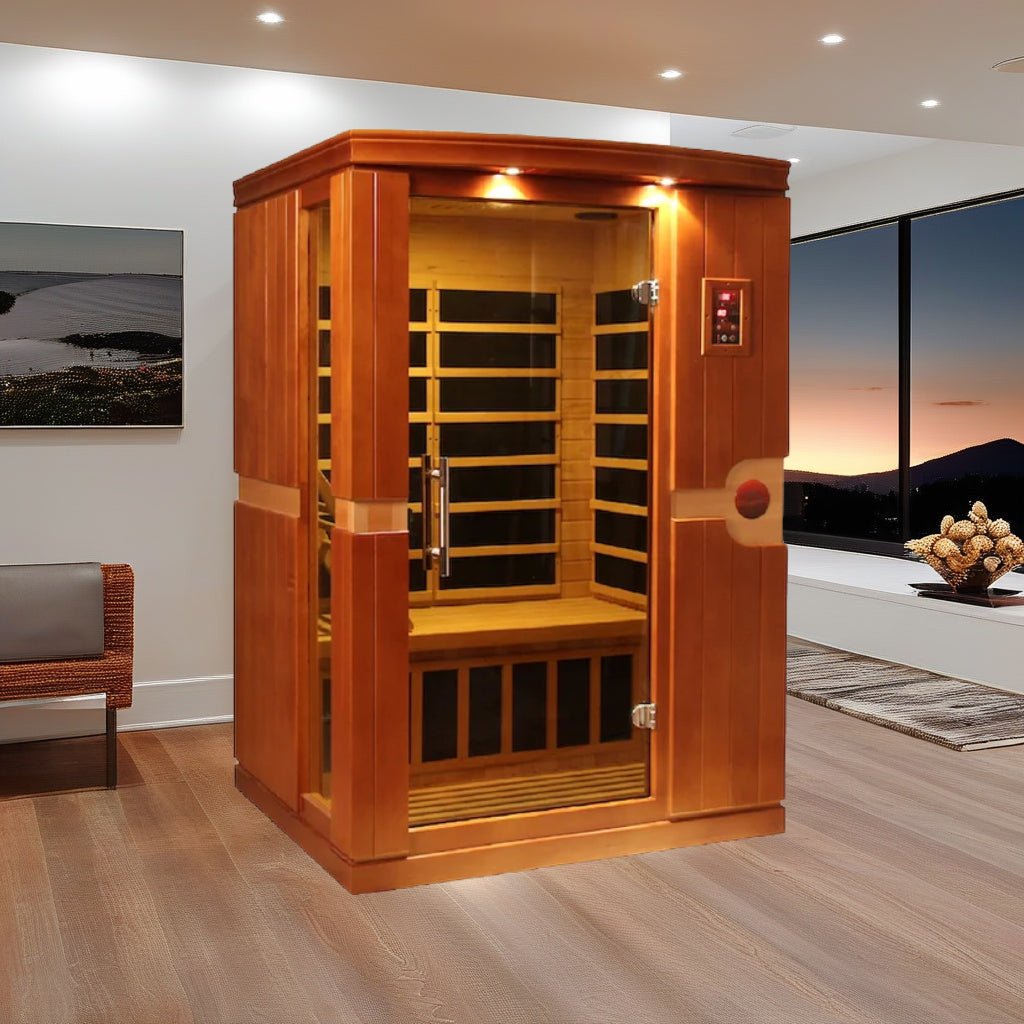
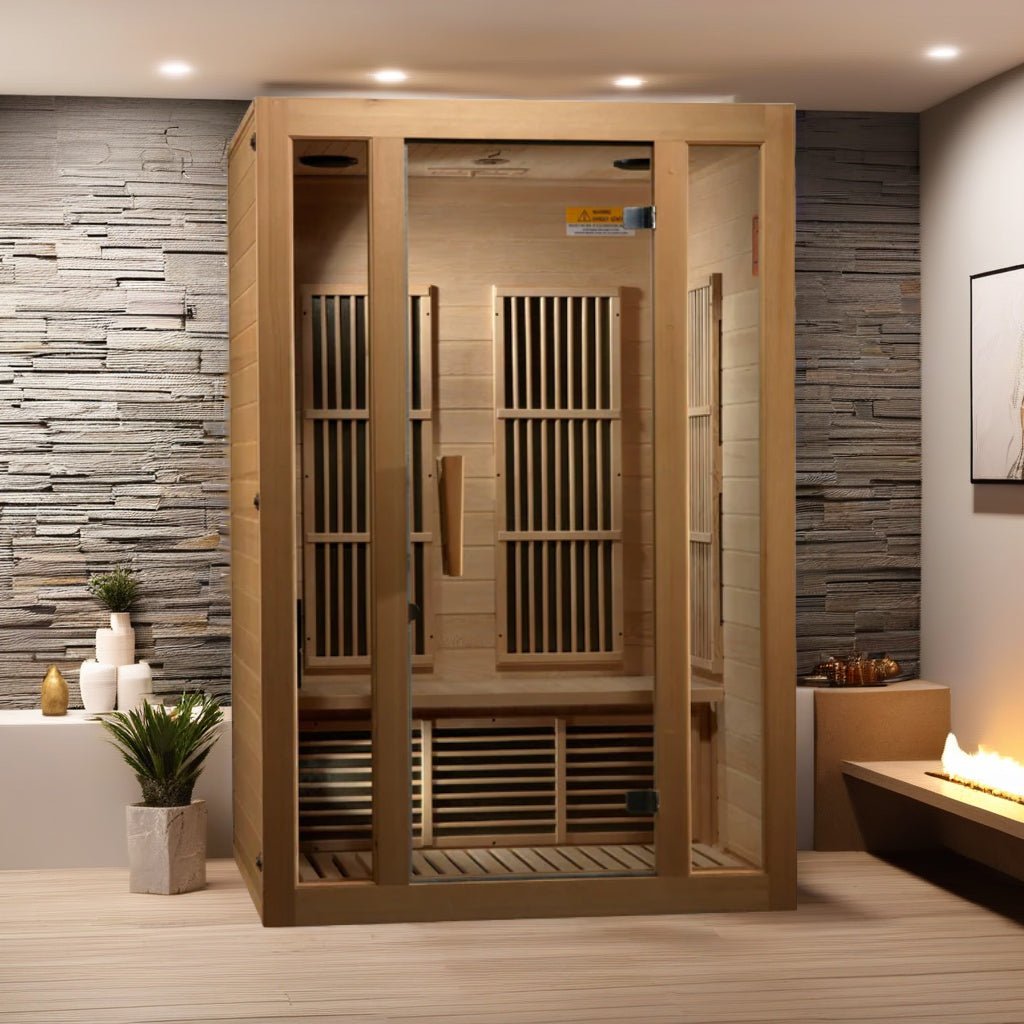
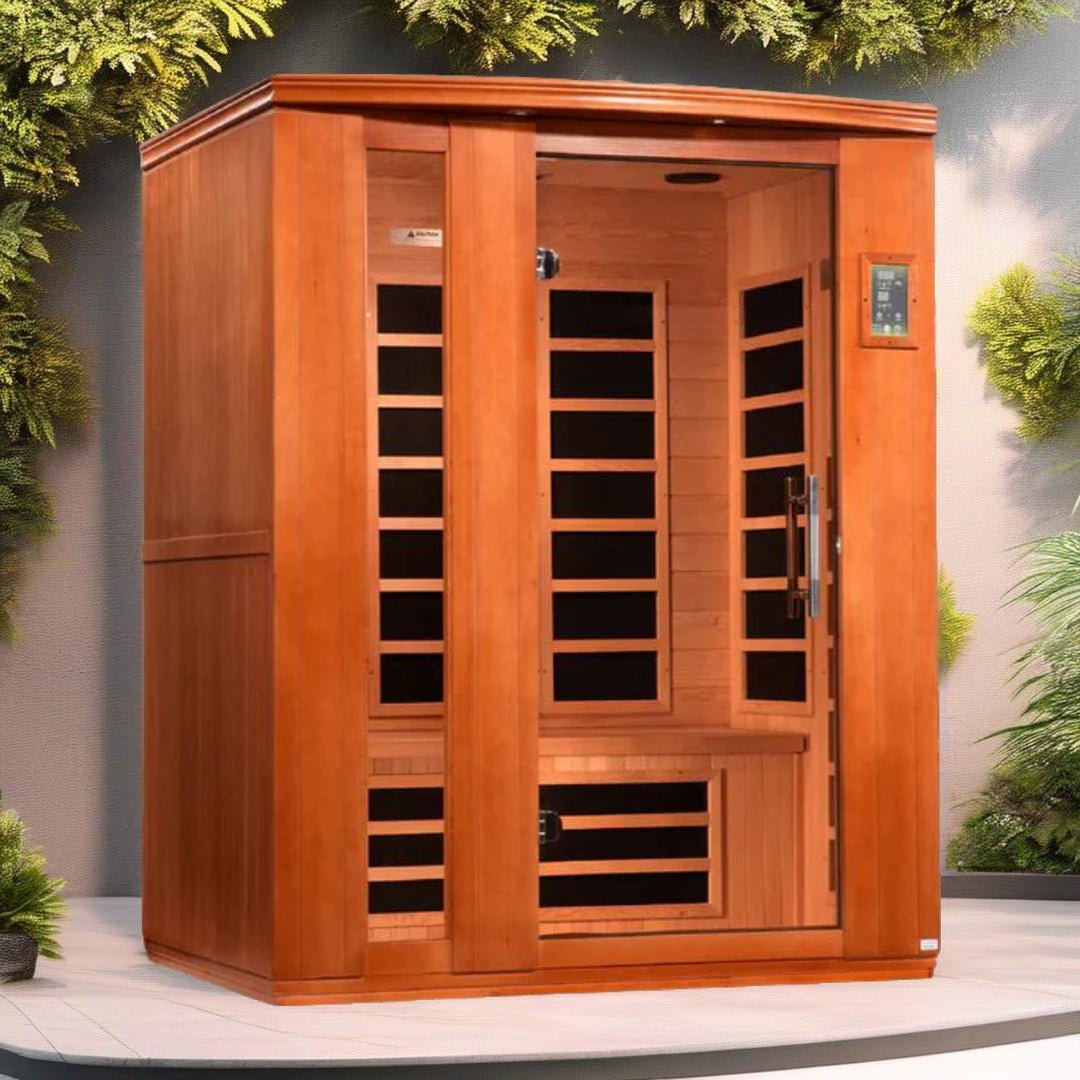
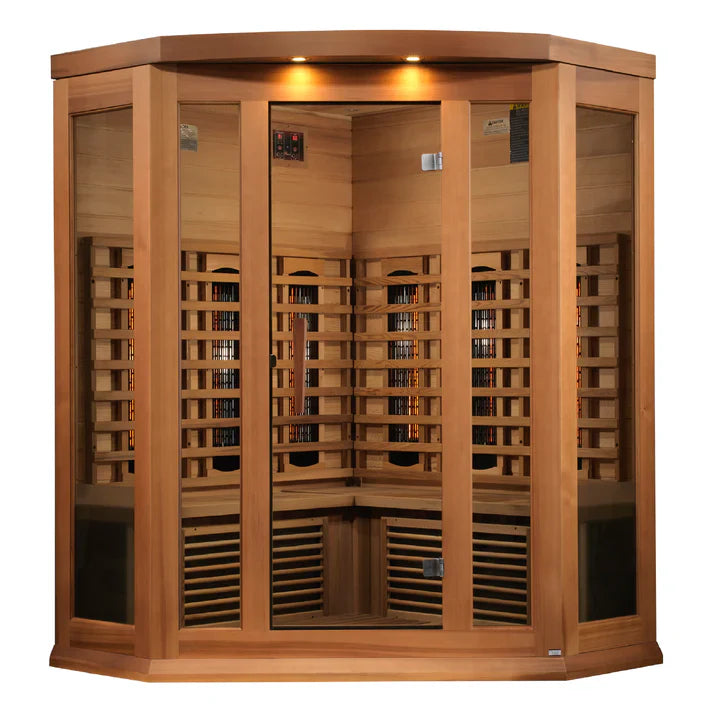
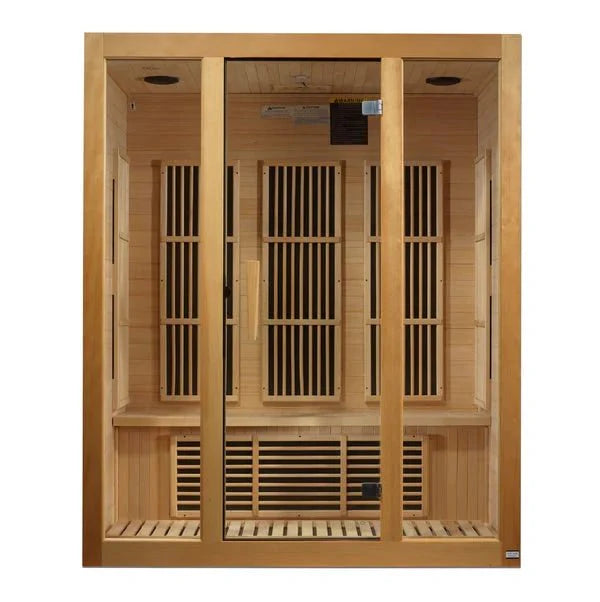
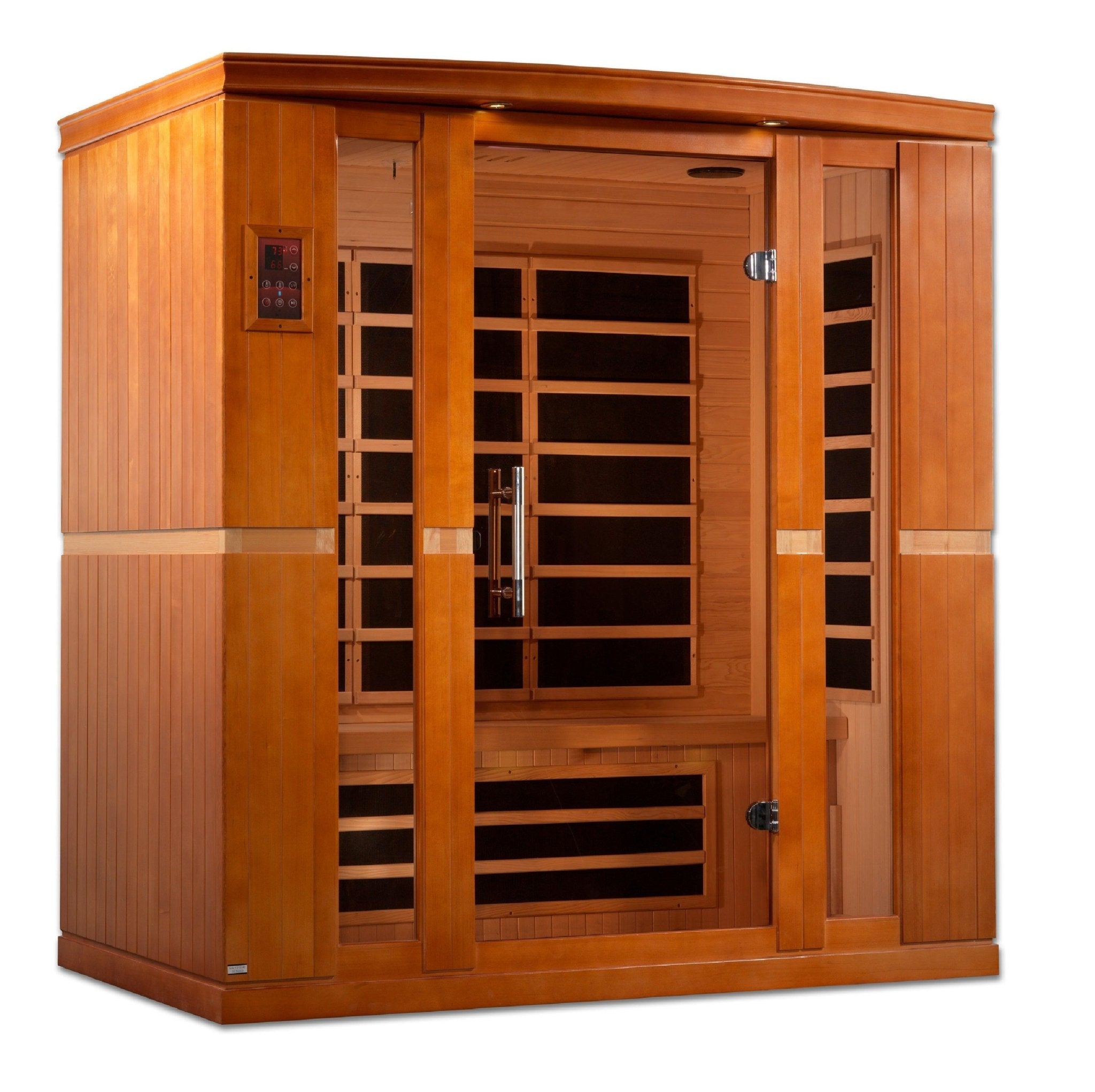
Ready to explore heat-based stress adaptation? If you're interested in a premium, research-informed approach to hormetic heat exposure at home, browse our infrared saunas collection or consider the Maxxus Bellevue 3-person infrared sauna for comfortable, repeatable sessions. For those integrating multiple stress modalities, the Cal Aura red light duotherapy offers complementary light-based interventions—though remember that red light therapy primarily affects mitochondrial function and inflammation, not HSF1/HSP pathways directly.
View More ArticlesBeyond Sauna: Heat & Cold Exposures That Trigger HSPs—Full Map
Heat vs Cold Timeline: When to Use Each for MSK Injuries
Related Posts

Biohacking Tools for Inflammation Reduction: What Actually Works

Insurance, Permits, and Code Questions Around Residential Thermal Rooms: A Plain-English Overview

Renovation Sequencing for Wellness Installations: When to Plan Thermal Spaces in a Whole-Home Remodel

From N-of-1 to Protocol: How to Translate Recovery Research Into Periodized, Testable Personal Routines

The Ultimate Airbnb Wellness Amenity Guide: Saunas, Hot Tubs & Cold Plunges

Sauna vs. Cold Plunge vs. Red Light Therapy: A Decision Guide

Float Therapy vs. Cryotherapy: Key Differences Explained
