







Cold Plunge Therapy for Athletes: The Science, Protocols, and Safety Guide
Cold plunge therapy can reduce muscle soreness and perceived fatigue for athletes when properly dosed—but regular immediate post-lift use can blunt muscle growth, so timing and training goals matter.
Key takeaways:
- Effective protocols use 5–15 °C (41–59 °F) water for 10–15 minutes after intense exercise to reduce delayed onset muscle soreness (Frontiers in Physiology, 2025)
- Best for tournament athletes and endurance training when recovery between sessions is prioritized over long-term adaptation
- Strength athletes should be cautious: immediate post-lift cold plunges can reduce Type II muscle fiber growth by interfering with anabolic signaling, even when strength gains are maintained (Journal of Applied Physiology, 2019)
- Cardiovascular risks exist: cold water causes blood pressure and heart rate spikes; people with heart disease, uncontrolled hypertension, or stroke risk need medical clearance (Cleveland Clinic, 2024)
- Start conservatively: 50–59 °F for 2–5 minutes, building gradually as tolerance develops
- Not a miracle cure: effects are strongest for perceived soreness and readiness; evidence for long-term performance gains and injury prevention remains mixed
Table of Contents
- What Cold Plunge Therapy Means
- The Science of Recovery: How Cold Plunges Affect Muscle and Mind
- Top 5 Physical Benefits of Cold Plunging for Athletes
- Sport-Specific Cold Plunge Protocols
- Timing Is Everything: Maximizing Gains While Minimizing Trade-offs
- Beyond Recovery: The Mental Edge
- Safety First: Temperature, Duration, and Contraindications
- Cold Plunge vs Contrast Therapy
- Equipment Guide: DIY Ice Bath vs Dedicated Tub
- Real-World Constraints and Numbers That Matter
- Myths and Misconceptions
- Experience Layer: Testing Cold Plunge Protocols Safely
- FAQ
- Sources
- What We Still Don't Know
What Cold Plunge Therapy Means
Cold water immersion (CWI) is the practice of immersing part or all of the body in cold water—typically around 5–15 °C (41–59 °F)—for several minutes to aid recovery or provide health benefits (Frontiers in Physiology, 2025). A cold plunge specifically refers to short-duration immersion in cold water, often between 50–59 °F (10–15 °C), used for recovery, mood, and wellness purposes (Cleveland Clinic, 2024).
Athletes use cold plunges primarily to reduce delayed onset muscle soreness (DOMS)—the muscle pain or discomfort that begins 24–48 hours after unfamiliar or strenuous exercise—and to help them feel ready for subsequent training or competition days (Frontiers in Physiology, 2025). Common users include endurance athletes, team sport athletes, and strength athletes across professional and recreational levels.
Cold plunges differ from whole-body cryotherapy (air-based chambers) and local ice packs. While these methods share similar recovery goals, cold water immersion provides a distinct physiological exposure through direct thermal and hydrostatic effects.
Key temperature and duration benchmarks:
- Research protocols typically use 5–15 °C for 10–15 minutes after intense exercise (Frontiers in Physiology, 2025)
- Clinical guidance for beginners suggests 50–59 °F for 2–5 minutes initially (Cleveland Clinic, 2024)
- Advanced athletes may use protocols at the colder end of the range under supervision
Recent network meta-analyses show that properly dosed cold water immersion can significantly reduce DOMS after acute exercise, though protocol details matter considerably and individual responses vary (Frontiers in Physiology, 2025).
The Science of Recovery: How Cold Plunges Affect Muscle and Mind
Peripheral Effects: Vasoconstriction and Circulation
Cold water causes immediate vasoconstriction—the narrowing of blood vessels—which reduces blood flow to the skin and extremities and lowers tissue temperature in the muscles (Renu Therapy, 2025). This reduces metabolic rate in muscle tissue and potentially lowers inflammation markers after exercise.
When the body rewarms after cold exposure, vasodilation occurs: blood vessels widen, increasing circulation and tissue perfusion (Cleveland Clinic, 2024). This cycle of constriction followed by reactive dilation is central to many proposed recovery benefits.
Impact on Muscle Soreness and Fatigue
Cold water immersion can reduce perceived muscle soreness and fatigue after intense exercise, especially with medium-duration immersions at low to moderate temperatures. A 2025 network meta-analysis found that 10–15 minutes at 5–15 °C yielded moderate reductions in DOMS versus passive recovery, with standardized mean differences around −1.1 to −1.4, though heterogeneity across studies was high (Frontiers in Physiology, 2025).
The mechanism likely involves reduced tissue temperature, metabolic rate, and inflammatory signaling during the acute recovery window. However, some controlled trials—particularly in untrained individuals or with very short immersions—found no significant effect on DOMS, highlighting that effects are context-dependent (PMC, 2007).
The Hypertrophy Trade-off: Acute vs Long-Term Adaptation
Here's where timing becomes critical for strength athletes. Repeated post-lift cold water immersion blunts anabolic signaling pathways—specifically mTOR and p70S6K phosphorylation—and reduces satellite cell activity in muscle tissue (PMC, 2015). Over weeks of resistance training, this interference translates to measurably smaller gains in Type II muscle fiber cross-sectional area.
A 7-week resistance training study in 16 young men found that cold water immersion at 10 °C for 15 minutes immediately after each training session reduced Type II fiber hypertrophy compared to active recovery, though strength gains remained similar between groups (Journal of Applied Physiology, 2019). The key insight: you can preserve performance in the short term while compromising long-term muscle growth.
Mechanistic studies support this, showing that post-exercise CWI can suppress ribosome biogenesis and upregulate AMPK—cellular signals that favor energy conservation over muscle protein synthesis—for at least 48 hours after training (Human Kinetics, 2024).
The practical implication: if maximal muscle size is your goal, regular immediate post-lift cold plunges create a recovery-versus-adaptation conflict.
Mental and Neuromodulatory Effects
Cold exposure acutely elevates norepinephrine and can increase alertness and mood, though most data come from cold showers or non-athlete populations rather than controlled trials in competitive athletes (The Barbell, 2024). The sympathetic nervous system activation from cold stress may contribute to reported improvements in focus and psychological resilience, but this should be viewed as an emerging benefit rather than established science.
Thermoregulation and Heat Performance
Body cooling via cold water immersion can improve endurance performance in heat when used as pre-cooling or between repeated efforts. Studies on intermittent sprint performance found that athletes who used 2.5–5 minute cold water immersion between high-intensity sets in hot conditions maintained performance better than those using passive rest, likely due to reduced core temperature (The Barbell, 2024).

Top 5 Physical Benefits of Cold Plunging for Athletes
1. Reduced Delayed Onset Muscle Soreness
Moderate evidence shows that properly dosed CWI reduces DOMS after intense or novel exercise. The 2025 network meta-analysis of cold water immersion protocols found significant positive effects on muscle soreness scores when using medium-duration, low-to-moderate temperature protocols (Frontiers in Physiology, 2025). Effect sizes are meaningful but not miraculous—typically representing a 20–30% reduction in soreness ratings compared to doing nothing.
2. Reduced Perceived Fatigue and Improved Readiness
Athletes consistently report feeling less fatigued and more prepared for subsequent sessions after cold water immersion. A meta-analysis of 99 recovery studies found significant effects on perceived fatigue, though massage performed slightly better and compression garments were comparable (The Barbell, 2024). This subjective improvement in readiness can be valuable during tournament play or congested training schedules.
3. Performance Maintenance Between Repeated Bouts
Short cold water immersion between repeated sprint sets—especially in hot conditions—can help maintain performance better than passive rest. The cooling effect reduces core body temperature, allowing athletes to start the next effort with better thermal reserves (The Barbell, 2024). This benefit is most relevant for team sports with multiple games in short windows or endurance events in heat.
4. Potential Reduction in Inflammation Markers
Some studies report modest reductions in circulating inflammation markers after cold water immersion, though results are inconsistent and effects are often small. The clinical significance of these changes for healthy athletes remains unclear (Human Kinetics, 2024).
5. Possible Sleep Onset Improvement
Evening cold exposure may facilitate sleep onset by lowering core body temperature—a natural trigger for the sleep cycle. While this is physiologically plausible and anecdotally reported, high-quality trials specifically examining sleep after athletic cold plunges are limited (The Barbell, 2024).
Important context: The large meta-analysis cited by The Barbell found that while CWI has meaningful effects on DOMS and perceived recovery, massage therapy showed slightly superior results and compression was similarly effective, suggesting cold plunges are one tool among several viable recovery options (The Barbell, 2024).
Sport-Specific Cold Plunge Protocols
Not all athletes benefit equally from the same cold plunge approach. Training goals, recovery demands, and adaptation priorities should guide protocol selection.
Protocol Comparison Table
| Athlete Type | Primary Goal | When to Use CWI | Typical Protocol | Key Considerations |
|---|---|---|---|---|
| Endurance / Field Athletes | Maintain readiness between sessions | After hard sessions, tournaments, or hot-weather events | 10–15 °C for 10–15 min post-session | Minimal concern for muscle size; can use more freely. Recovery and next-day performance prioritized. (Frontiers in Physiology, 2025) |
| Strength / Power Athletes | Balance recovery with hypertrophy | Sparingly: after competitions, deloads, or when recovery outweighs growth | 10–15 °C for 10–15 min, but avoid immediate post-lift | Routine immediate post-lift CWI blunts muscle growth. Better for non-lifting days or several hours away from resistance sessions. (Journal of Applied Physiology, 2019) |
| Team Sports (Repeated Matches) | Reduce soreness and maintain readiness during congested fixtures | After games during tournament play or congested schedules | 10–15 °C for 10–15 min post-match | CWI prioritized when less than 48 hours between competitions. May skip after training-only days. (The Barbell, 2024) |
| Heat Endurance Events | Pre-cooling and thermal management | Before competition or between efforts in hot conditions | 5–10 min at 10–15 °C for pre-cooling | Short, strategic exposures to lower core temperature before effort. (The Barbell, 2024) |
| Masters Athletes (40+) | Recovery and soreness reduction with safety | After especially taxing sessions or competitions | Start 12–15 °C for 5–8 min; build gradually | Higher cardiovascular risks require more conservative protocols and medical clearance if cardiac history exists. (Cleveland Clinic, 2024) |
Endurance and Tournament Scenarios
For endurance athletes and team-sport players, post-session CWI may be most useful when you must perform again within 24–48 hours. The network meta-analysis data showing DOMS reduction supports use across different athletic disciplines when recovery speed is the priority (Frontiers in Physiology, 2025).
Marathon runners, cyclists, and triathletes often use cold plunges during heavy training blocks or multi-day events. The benefit is strongest when mechanical damage and inflammation are high and there's minimal concern about interfering with hypertrophy adaptations.
Strength and Power Athletes: The Careful Approach
Powerlifters, Olympic weightlifters, and bodybuilders face a different calculation. The longitudinal and mechanistic data strongly suggest that immediate post-lift cold plunges should be avoided if maximal muscle growth is a priority (Journal of Applied Physiology, 2019; Human Kinetics, 2024).
Better applications for strength athletes include:
- After competitions when recovery matters more than adaptation
- During deload weeks when training stress is intentionally reduced
- On conditioning-only days that don't involve heavy resistance work
- Occasionally after particularly brutal sessions where soreness would impair the next planned workout
Masters Athletes and Busy Professionals
Athletes over 40 may benefit from the soreness reduction and perceived recovery advantages of cold plunges, but they also face statistically higher cardiovascular risks. More conservative protocols—warmer starting temperatures, shorter durations, gradual progression—are prudent (Cleveland Clinic, 2024). Medical clearance becomes especially important if hypertension, arrhythmias, or other cardiac conditions are present.
Timing Is Everything: Maximizing Gains While Minimizing Trade-offs
The single most important decision for strength and hypertrophy-focused athletes is when to cold plunge relative to resistance training.
The Immediate Post-Lift Problem
Immediate post-resistance cold water immersion—within roughly 5–10 minutes after finishing a strength session—for 10–20 minutes at around 10 °C, when repeated over weeks, can significantly reduce muscle fiber hypertrophy. In the 12-week strength study, this protocol led to smaller increases in muscle cross-sectional area compared to active recovery, even though strength gains were similar (Journal of Applied Physiology, 2019).
The mechanism involves blunted mTOR signaling and satellite cell activity. Post-exercise, the muscle tissue enters an anabolic window where protein synthesis and cellular repair ramp up. Cold water immersion during this window suppresses these processes for at least 48 hours, potentially compromising long-term muscle growth (PMC, 2015; Human Kinetics, 2024).
The Practical Compromise: Delayed CWI
For athletes focused on hypertrophy, delaying cold water immersion by several hours after resistance training is a practical compromise, though direct trials comparing different timing windows (e.g., 1 hour vs 4 hours vs 6 hours post-lift) are limited. The recommendation to wait 4–6 hours is extrapolated from mechanistic windows of anabolic signaling rather than tested in head-to-head trials (Human Kinetics, 2024).
A reasonable guideline: if muscle growth matters, avoid cold plunges within 4 hours of finishing your resistance session. If you train in the morning, an evening cold plunge is likely safer for hypertrophy. If you train in the evening, the next morning may work.
When Immediate CWI Makes Sense
For endurance athletes or during tournament scenarios where the priority is quick recovery and performance in the next bout—not long-term muscle growth—immediate post-session CWI may be preferable. Network meta-analyses support this use when recovery speed outweighs adaptation concerns (Frontiers in Physiology, 2025; The Barbell, 2024).
Two-a-Day Training Protocols
Athletes training twice daily face a unique challenge. If the first session is conditioning or sport-specific work and the second is strength, using cold water immersion between sessions may help maintain readiness without interfering with hypertrophy, since the CWI follows the non-hypertrophy session.
Conversely, if strength training comes first, skipping CWI until several hours after the second session preserves the anabolic environment around both workouts.
Alternative Strategy: Use CWI Selectively
Rather than making cold plunges a daily post-lift habit, strength athletes can use them selectively:
- After lower-body conditioning that doesn't target hypertrophy
- During recovery weeks when adaptation is intentionally paused
- After competitions or max-effort testing days
- When exceptional soreness would genuinely impair the next planned session
This selective approach balances the recovery benefits of cold water immersion with the need to preserve muscle growth over a training cycle.
Beyond Recovery: The Mental Edge of Cold Plunge Therapy
Acute Mood and Alertness Benefits
Cold exposure can increase sympathetic nervous system activity and release of norepinephrine, which may enhance alertness and mood immediately after sessions. Reviews on cold exposure note these acute neuromodulatory effects, though high-quality randomized controlled trials specifically in athletes are limited (The Barbell, 2024).
The mood improvement many athletes report after cold plunges may be partly physiological (neurotransmitter changes), partly psychological (accomplishment, ritual), and partly expectancy-based. All three can have value, but the science for guaranteed mental benefits remains less robust than for physical soreness reduction.
Perceived Resilience and Stress Tolerance
Many athletes describe cold plunges as building psychological toughness—the ability to remain calm under discomfort and adapt to stressful stimuli. Anecdotal reports from endurance and mixed-sport athletes on forums describe improved focus, reduced pre-race anxiety, and a sense of mental clarity after regular cold exposure (Reddit, 2024).
While these subjective experiences are meaningful to individuals, they should be framed as potential benefits rather than guaranteed outcomes. The placebo and ritual elements of a cold plunge practice may contribute as much as the cold stimulus itself.
Pre-Competition Mental Preparation
Some athletes use brief cold exposure before competition in heat to improve thermal comfort and feel more "awake" and focused. The acute norepinephrine boost and sympathetic activation could theoretically aid concentration, though direct evidence in pre-competition protocols is sparse (The Barbell, 2024).
If mental benefits are your primary goal, cold plunges should be viewed as a complementary practice—not a replacement for established mental skills training, sleep optimization, or stress management techniques.
Safety First: Temperature, Duration, and Contraindications
Recommended Starting Ranges
Major hospital guidance suggests that beginners and those new to cold water immersion stay around 50–59 °F (10–15 °C) and limit early sessions to just a few minutes. This allows gradual acclimatization and reduces the risk of adverse reactions (Cleveland Clinic, 2024).
Typical "effective" protocols in research—10–15 minutes at 5–15 °C—are more intense than what most recreational users should start with. Build tolerance progressively over weeks rather than jumping directly into the coldest, longest exposures cited in studies (Frontiers in Physiology, 2025).
Cardiovascular Risks
Cold water causes blood vessels to constrict, raising blood pressure and heart rate. This acute cardiovascular stress can be dangerous for people with heart disease, uncontrolled hypertension, or elevated stroke risk. The American Heart Association cautions that cold plunges can cause sudden spikes in heart rate and blood pressure, particularly risky for individuals with pre-existing cardiac conditions (Cleveland Clinic, 2024).
Blood pressure elevation occurs within seconds of cold water immersion and can persist for several minutes. For healthy individuals, this is generally well-tolerated. For those with cardiovascular disease, it may trigger arrhythmias or ischemic events (Renu Therapy, 2025).
Cold Shock Response
The cold shock response—gasping, hyperventilation, and rapid increases in breathing and heart rate—occurs immediately upon entering cold water. This autonomic reaction can cause panic, loss of breath control, and in open water, drowning risk (Cleveland Clinic, 2024; Impact Physical Therapy, 2025).
Controlled entry, breathing practice, and never plunging alone are critical safety measures.
Other Serious Risks
Hypothermia occurs when core body temperature drops too low, leading to confusion, loss of coordination, and potentially life-threatening complications. Prolonged exposure or near-freezing water dramatically increases this risk (Cleveland Clinic, 2024).
Frostbite can occur in extremities—fingers, toes, ears—especially in near-freezing water or with extended exposure.
Arrhythmias and other cardiac events have been reported in cold water immersion, particularly in individuals with underlying heart conditions (Renu Therapy, 2025).
Drowning is a serious risk if loss of consciousness occurs due to cold shock, arrhythmia, or hypothermia, especially in unsupervised or open-water settings (The Barbell, 2024).
Who Should Not Cold Plunge (or Needs Medical Clearance)
- Cardiovascular disease, arrhythmias, or heart failure: Cold exposure significantly stresses the cardiovascular system (Cleveland Clinic, 2024; Impact Physical Therapy, 2025)
- Uncontrolled hypertension or history of stroke: Blood pressure spikes can be dangerous (Renu Therapy, 2025)
- Raynaud's phenomenon or peripheral vascular disease: Vasoconstriction in extremities can cause painful or dangerous ischemia (Cleveland Clinic, 2024)
- Peripheral neuropathy or reduced sensation: May not feel excessive cold or tissue damage, increasing frostbite risk (Cleveland Clinic, 2024)
- Pregnancy: Limited safety data and potential cardiovascular stress warrant caution and provider clearance (Cleveland Clinic, 2024)
- Respiratory conditions (severe asthma, COPD): Cold shock can trigger breathing difficulties (Impact Physical Therapy, 2025)
Safe Entry and Rewarming
Always enter cold water slowly, controlling your breathing to reduce cold shock. Start with feet and legs before full immersion. Never jump or dive into very cold water.
After exiting, rewarm gradually with dry clothing and mild movement. Avoid very hot showers immediately after, as this can cause sudden cardiovascular shifts. Shivering is normal and part of the rewarming process, but uncontrollable shivering, confusion, or numbness warrant immediate attention (Impact Physical Therapy, 2025).
Whenever possible, have a partner present or use supervised settings, especially if you have any health risks.
Cold Plunge vs Contrast Therapy: Which Is Best for Your Training?
What Is Contrast Therapy?
Contrast therapy involves alternating hot and cold exposures—such as a hot tub or sauna session followed by a cold plunge, repeated for several cycles. The goal is to enhance circulation through alternating vasoconstriction and vasodilation, potentially improving recovery and reducing soreness (The Barbell, 2024).
Evidence Comparison: CWI Alone vs Contrast
Cold water immersion alone has a stronger and more standardized evidence base for DOMS and fatigue reduction. Network meta-analyses provide clear effect sizes and dose-response guidance for temperature, duration, and timing (Frontiers in Physiology, 2025).
Contrast therapy has some supportive studies suggesting benefits for soreness and subjective recovery, but protocols vary widely—different temperatures, durations, and cycles—and the evidence is less systematically reviewed than for CWI alone (The Barbell, 2024). Some analyses place cold and contrast in similar tiers for DOMS reduction, but massage and compression often rank slightly higher or comparable.
Practical Decision Criteria
| Factor | Cold Plunge (CWI Alone) | Contrast Therapy |
|---|---|---|
| Main benefit | Reduce DOMS and perceived fatigue; pre-cooling for heat performance (Frontiers in Physiology, 2025) | Enhance circulation and soreness relief via alternating vascular responses (The Barbell, 2024) |
| Evidence strength | Strong for DOMS; moderate for performance (Frontiers in Physiology, 2025) | Promising but less standardized; fewer high-quality trials (The Barbell, 2024) |
| Equipment needs | Only cold tub or ice bath required | Requires both heat source (sauna, hot tub) and cold plunge |
| Cardiovascular load | Cold shock and BP spike from cold exposure (Cleveland Clinic, 2024) | Added load from heat plus cold; more caution for cardiac conditions (Cleveland Clinic, 2024) |
| Best for | Athletes prioritizing rapid DOMS reduction, tournament settings, heat performance | Athletes with access to both modalities seeking enhanced circulation and recovery experiences |
Performance in Heat
Both cold water immersion and pre-cooling via cold water can improve endurance performance in hot conditions. An analysis of 13 pre-cooling studies found cold water immersion to be one of the most effective methods, while contrast therapy per se is less well-studied for this purpose (The Barbell, 2024).
Safety Considerations for Contrast Therapy
Contrast therapy poses additional cardiovascular load because the body must manage rapid shifts from heat-induced vasodilation to cold-induced vasoconstriction. Individuals with heart disease should exercise extra caution or avoid contrast protocols, as the combined stress may exceed safe limits (Cleveland Clinic, 2024).
If you have access to both modalities and no cardiovascular contraindications, contrast therapy may provide a subjectively more pleasant recovery experience. If evidence-based DOMS reduction is the priority and equipment is limited, cold water immersion alone is well-supported.
Equipment Guide: DIY Ice Bath vs Dedicated Cold Plunge Tub
DIY Ice Bath: Low Cost, High Effort
Setup: Use a bathtub, large stock tank, or chest freezer conversion. Fill with cold water and add bags of ice to reach target temperature.
Pros:
- Very low upfront cost: A stock tank costs $50–200; ice bags vary but are inexpensive per session.
- No installation required: Can use existing bathtub or set up a tank in a garage or yard.
- Good for testing: Lets you experiment with cold plunges before committing to expensive equipment.
Cons:
- Time-consuming: Buying, transporting, and adding ice; filling and draining after each use (The Barbell, 2024).
- Difficult temperature control: Ice-to-water ratios vary; precise protocols (e.g., exactly 10 °C) are hard to achieve consistently.
- Hygiene challenges: Requires manual cleaning and frequent water changes; no built-in filtration (Renu Therapy, 2025).
- Ongoing ice costs: If using multiple times per week, ice expenses add up.
Best for: Occasional users, budget-conscious athletes, or those testing whether cold plunges fit their routine before investing in dedicated equipment (The Barbell, 2024).
Dedicated Cold Plunge Tub: High Cost, High Convenience
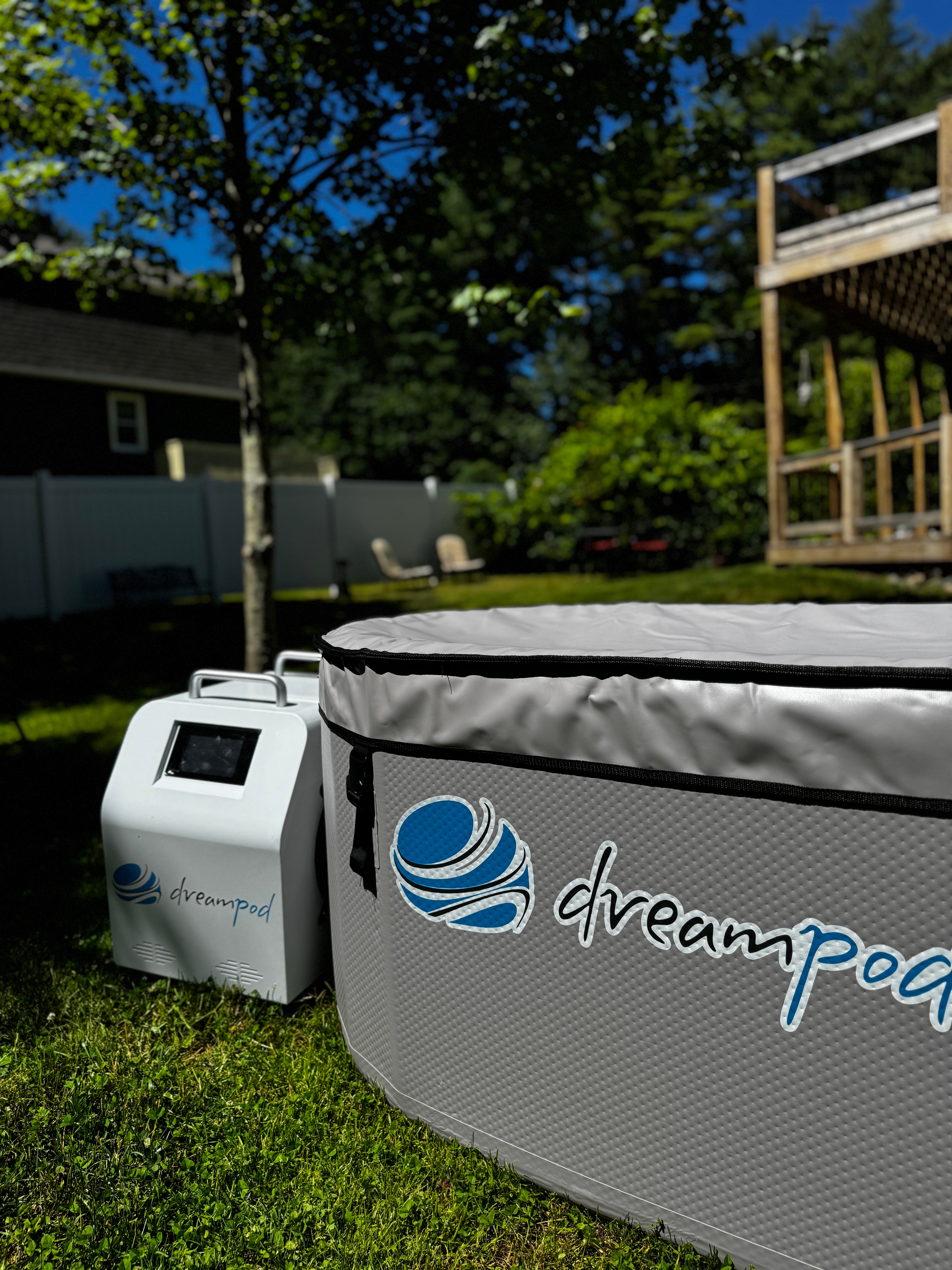
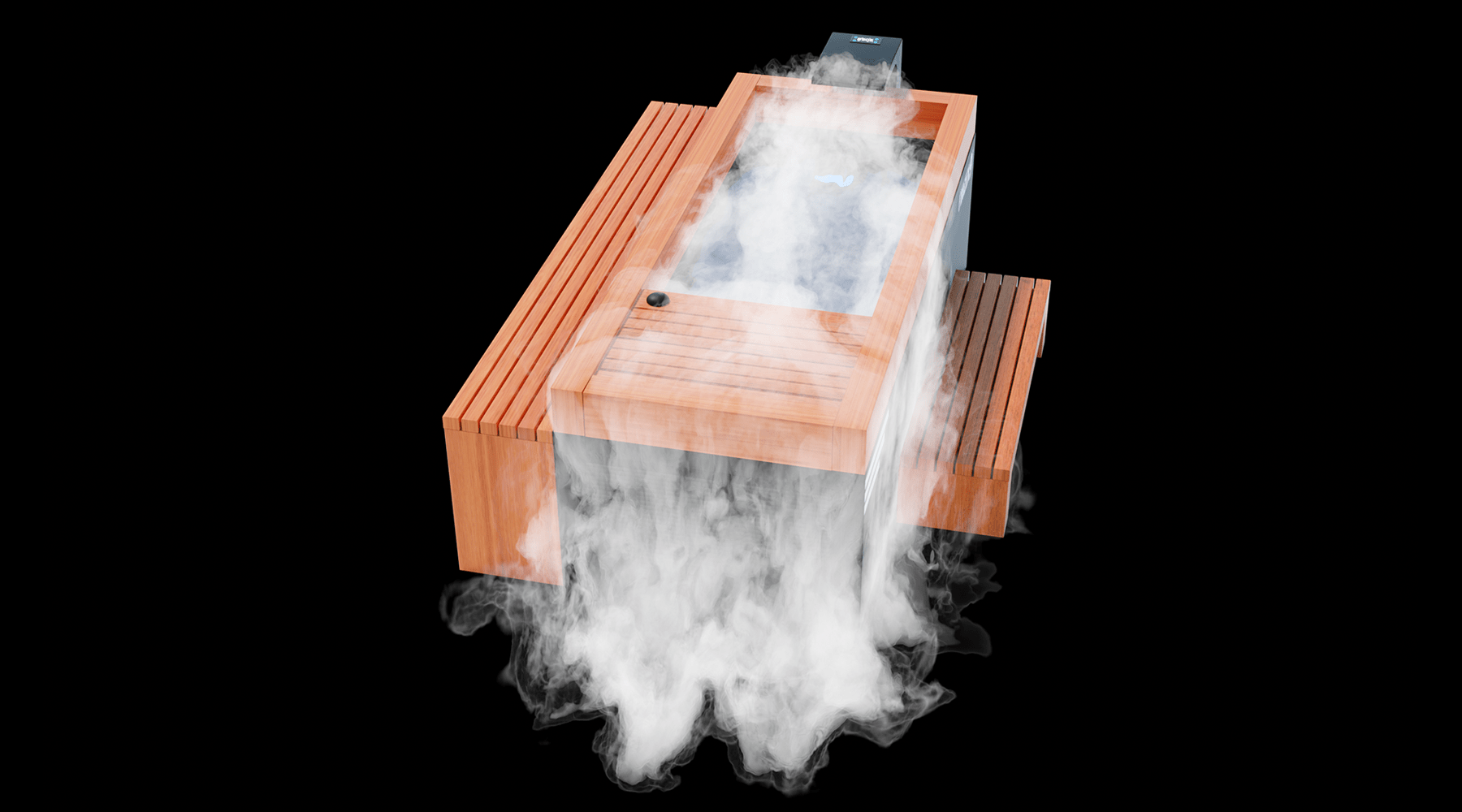
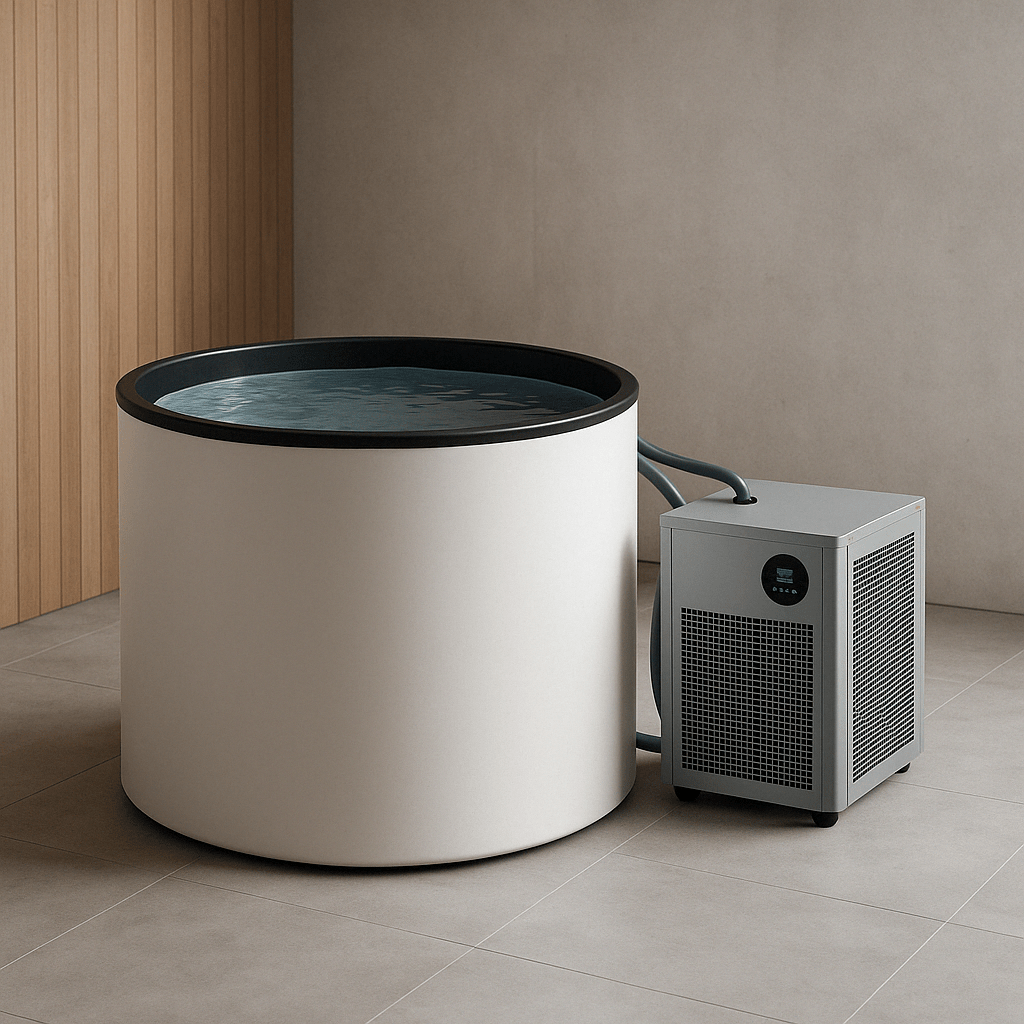
Setup: Purpose-built tub with integrated chiller, digital temperature control, filtration, and often ozone or UV sanitation.
Pros:
- Precise temperature control: Set exact target temperature (e.g., 50 °F) and maintain it automatically (The Barbell, 2024).
- Always ready: No ice needed; plunge whenever you want without setup time.
- Built-in filtration and sanitation: Easier to maintain water quality over weeks (Renu Therapy, 2025).
- Ideal for daily or multi-user use: Home gyms, families, or teams benefit from consistent availability.
Cons:
- High upfront cost: Many models range from $3,000 to $10,000+ depending on size and features (The Barbell, 2024).
- Ongoing electricity costs: Chillers run continuously or periodically to maintain temperature; can add $50–150/month depending on efficiency and ambient conditions.
- Requires space and installation: Need appropriate floor space, access to power, and sometimes professional setup.
- Maintenance requirements: Filters need cleaning/replacement; sanitation chemicals or systems need monitoring (Renu Therapy, 2025).
Best for: High-frequency users, athletes serious about long-term cold plunge practice, home gyms, or those valuing convenience and precision over cost (The Barbell, 2024).
Outcome Considerations
There is little formal research comparing physiological outcomes from DIY versus commercial tubs. The key difference is practical consistency—dedicated systems make it easier to deliver the exact protocols used in research, which may improve adherence and confidence in dosing.
For serious athletes following structured recovery protocols, the precision and convenience of a dedicated tub may justify the cost. For recreational users experimenting with cold exposure, a DIY setup provides a low-risk entry point.
Real-World Constraints and Numbers That Matter
Temperature Ranges in Practice
- Beginner-friendly range: 50–59 °F (10–15 °C) for 2–5 minutes (Cleveland Clinic, 2024)
- Research-supported "effective" range: 41–59 °F (5–15 °C) for 10–15 minutes (Frontiers in Physiology, 2025)
- Advanced protocols under supervision: As low as 37–41 °F (3–5 °C) for short exposures, though hypothermia risk increases sharply
Most home users and athletes should stay in the 45–55 °F range with 5–15 minute exposures. Going colder or longer does not necessarily improve outcomes and significantly increases risk.
Timeline for Adaptation
- Week 1–2: Focus on acclimatization; short exposures (2–5 min), warmer temperatures (50–59 °F)
- Week 3–4: Gradually increase duration (5–10 min) or decrease temperature slightly (45–50 °F)
- Week 5+: Settle into a consistent protocol aligned with training goals (10–15 min at 45–50 °F if tolerated)
Rushing this progression increases the likelihood of adverse reactions and dropout.
Cost Breakdown
DIY ice bath:
- Stock tank: $50–200 (one-time)
- Ice bags: $3–7 per session × frequency = $20–100/month for frequent use
- Water/drainage: minimal
Dedicated cold plunge tub:
- Upfront: $3,000–$10,000+ depending on model and features
- Electricity: $50–150/month (varies by chiller efficiency, ambient temperature, usage)
- Filtration/sanitation supplies: $20–50/month
- Maintenance/repairs: variable
For an athlete using cold plunges 4–5 times per week, a dedicated tub may "pay back" in convenience and consistency within 1–2 years, though the upfront barrier is substantial.
Measurable Recovery Indicators
Track these metrics to evaluate whether cold plunges benefit your recovery:
- DOMS ratings (0–10 scale) on mornings after hard sessions, with and without CWI
- Perceived recovery scores (0–10) before the next training session
- Sleep onset time and total sleep duration (from wearables or logs)
- Training performance metrics (weights lifted, run paces, power output) to ensure recovery practices align with progress rather than interfering with adaptation
If soreness improves but strength stalls, especially for resistance athletes, the timing or frequency of cold plunges may need adjustment.
Myths and Misconceptions
1. Myth: Cold plunges always speed up muscle growth
Reality: Regular post-lift CWI can actually blunt muscle fiber hypertrophy, even if strength improves (PMC, 2015; Journal of Applied Physiology, 2019).
Why it persists: Athletes associate feeling "recovered" with better gains, and elite athlete endorsements reinforce this.
2. Myth: If some cold is good, freezing water as long as possible is better
Reality: Effective protocols use 5–15 °C for 10–15 minutes; very cold or prolonged exposure increases hypothermia and cardiovascular risk without proven extra benefit (Frontiers in Physiology, 2025; Cleveland Clinic, 2024).
Why it persists: Hardcore culture and social media challenges glorify extremes.
3. Myth: Cold plunges are safe for everyone
Reality: People with heart disease, uncontrolled hypertension, or stroke risk face increased danger from sudden HR/BP spikes and should get medical clearance (Cleveland Clinic, 2024; Renu Therapy, 2025).
Why it persists: Wellness marketing often downplays medical risks.
4. Myth: Ice baths always dramatically improve performance
Reality: Evidence for long-term performance gains is mixed; benefits are clearer for soreness and perceived fatigue than objective performance metrics (PMC, 2007; Frontiers in Physiology, 2025).
Why it persists: Athletes focus on subjective feelings, and placebo-enhanced perceptions are strong.
5. Myth: Cold plunges flush out lactic acid
Reality: Lactate is cleared relatively quickly on its own; CWI's main effects are on soreness, perception, and thermoregulation, not lactate clearance (Frontiers in Physiology, 2025; Human Kinetics, 2024
Cold Plunge Weight Loss Benefits: What the Science Actually Shows
Best Cold Plunge Tubs Under $2000
Related Posts

The Science-Backed Guide to Cold Plunge Benefits for Brown Fat Activation

Cold Plunge Maintenance Tips: Keep Your Water Crystal Clear & Safe

Cold Plunge Immune System Boost: The Science-Backed Guide to Cold Water Immersion

Best Cold Plunge Tubs Under $2000

Cold Plunge Weight Loss Benefits: What the Science Actually Shows
How a Cold Plunge Chiller Can Revolutionize Your Recovery and Wellness Routine